2027 Most Affordable Online Bachelor's in Healthcare Degree Programs Ranking in Kansas

Co-Founder and Chief Data Scientist
Choosing the right healthcare degree program can feel overwhelming, especially when searching for affordable online options in Kansas. This article introduces the 2027 Most Affordable Online Bachelor's in Healthcare Degree Programs Ranking in Kansas, created by the Research.com team of data scientists. It's designed to help you make an informed decision about which programs truly stand out.
By exploring this ranking, you'll discover affordable, quality programs that fit your goals and budget. Earning a healthcare degree opens doors to meaningful careers that make a difference in people's lives.
Key benefits of getting online healthcare degree in Kansas
- Salary for healthcare degree graduates: Graduates can expect competitive salaries, such as Medical Assistants earning around $43,350 annually and Patient Care Technicians making about $60,790. These figures demonstrate strong earning potential right after completing a healthcare degree.
- Career paths: A healthcare graduate from a Kansas university might pursue roles like Clinical Research Coordinator or Health Information Technician, with opportunities to advance into specialized fields such as Quality Improvement Coordination, which pays over $100,000 annually. This variety offers exciting options for growth and job satisfaction.
- Benefits of an online degree: Earning a healthcare degree online, such as from a recognized Kansas institution, allows flexible scheduling and learning from home, fitting well with busy lifestyles. Online graduates often report feeling confident and well-prepared for the workforce thanks to practical, real-world coursework.
- Key benefits of getting online healthcare degree in Kansas
- What can I expect from online healthcare degree in Kansas?
- Where can I work with online healthcare degree in Kansas?
- How much can I make with online healthcare degree in Kansas?
- 2027 Most Affordable Online Bachelor's in Healthcare Degree Programs Ranking in Kansas
- Key Findings
- How long does it take to complete online healthcare degree in Kansas?
- What's the difference between online and on-campus healthcare degree?
- Tips for Succeeding in an Online Healthcare Program
- What is the average cost of online healthcare degree in Kansas?
- Return on Investment: Balancing Cost and Career Earnings
- What financial aid is available to online healthcare degree students in Kansas?
- Expert Strategies for Success in Online Healthcare Programs
- What are the prerequisites for enrolling in online healthcare degree program in Kansas?
- Tips for Student Success in Online Healthcare Programs
- What courses are typically in online healthcare degree programs in Kansas?
- What types of specializations are available in online healthcare degree programs in Kansas?
- How do you choose the best online healthcare degree in Kansas?
- What career paths are available for online healthcare degree students in Kansas?
- What is the job market for online healthcare degree in Kansas?
- Related Healthcare Rankings for Nearby States
- Top Trending Healthcare Rankings
- See What Experts Have To Say About Studying Healthcare
What can I expect from online healthcare degree in Kansas?
The average cost of an online healthcare degree in Kansas generally falls between $15,000 and $35,000 for a full bachelor's program, depending on the institution and whether it is public or private. Graduates from well-known schools such as Wichita State University or Fort Hays State University often mention feeling that their investment was worthwhile, especially considering the flexibility to balance coursework with part-time work or family responsibilities.
For many students, this cost reflects not only tuition but also the value of comprehensive tech support and access to local clinical placements that make the learning experience tangible. A graduate once described how completing practicums near their hometown allowed hands-on skill-building without uprooting their lives, which made the program feel manageable and rewarding.
With financial aid and scholarships frequently available, particularly focused on healthcare fields, many prospective students find that the net cost becomes even more reasonable. This accessibility combined with the strong job prospects in Kansas healthcare settings reinforces a sense of hope and confidence among online learners.
Where can I work with online healthcare degree in Kansas?
Graduates with an online healthcare degree in Kansas often find themselves welcomed into a diverse array of healthcare settings. Many from universities like the University of Kansas or Wichita State share how they began their careers in bustling hospitals, stepping into roles such as healthcare administrators or clinical support staff, where they could directly impact patient care and streamline operations.
Others find rewarding paths in outpatient centers or physician offices, taking on responsibilities that blend administrative skill with hands-on healthcare knowledge. These roles often bring a sense of accomplishment, as graduates manage daily operations while improving community health services.
Public health agencies, especially those serving rural areas, offer opportunities to graduates eager to promote wellness and disease prevention. Working in these environments brings a unique satisfaction, knowing their efforts tangibly improve lives in underserved communities across Kansas.
For many, long-term care facilities become second homes, where compassionate professionals support Kansas's aging population with both clinical expertise and empathy. Meanwhile, those inclined toward technology thrive in healthcare IT roles, developing skills crucial for advancing telemedicine and electronic health records, reflecting a dynamic and evolving field.
How much can I make with online healthcare degree in Kansas?
Graduates with online healthcare degrees in Kansas often find rewarding salaries reflecting the state's diverse healthcare landscape. For instance, a Medical Assistant with a degree from a well-regarded institution like Wichita State University can expect a mean annual wage around $43,350, which can comfortably support early career living expenses. Similarly, those stepping into roles as Patient Care Technicians often see salaries near $60,790, offering a steady and satisfying income as they gain hands-on experience.
In data-driven healthcare positions, graduates specializing in health information technologies-programs offered at community colleges such as Johnson County Community College-earn an average annual salary of about $43,380. This path suits graduates who appreciate blending healthcare with emerging digital trends.
More experienced professionals aiming higher might pursue roles like Quality Improvement Coordinators, where the mean annual wage reaches approximately $103,150. Alumni from Kansas universities confidently transition into these leadership roles, managing healthcare operations with both skill and empathy. This progression highlights how an online healthcare degree from Kansas institutions can lead to not just a job, but a fulfilling career path with growing financial rewards.
2027 Most Affordable Online Bachelor's in Healthcare Degree Programs Ranking in Kansas
How do we rank schools?
Investing in your education is a significant decision that can shape your future, and the Research.com team fully recognizes the importance of making well-informed choices. To support prospective students in Kansas, we have carefully developed the "2027 Most Affordable Online Bachelor's in Healthcare Degree Programs Ranking in Kansas." Our dedication to quality, credibility, and accuracy guided every step of our research and analysis.
We utilized the following reputable data sources to compile this ranking:
By reviewing this ranking, readers will gain valuable insights into affordable, high-quality online healthcare degree programs in Kansas, empowering them to choose the best educational path. For a detailed explanation of our methodology, please visit our Research.com methodology page.


# 3 position
MidAmerica Nazarene University
Bachelor of Management and Leadership in Healthcare Administration


# 5 position
Southwestern College
Bachelor of Healthcare Administration

Key Findings
- Online healthcare bachelor's degrees in Kansas cost about $7,000 to $12,000 per year at public universities for in-state students, while private schools may charge between $15,000 and $20,000 annually.
- Entry-level salaries for healthcare graduates in Kansas typically range from $50,000 to $60,000 per year, varying by specialization and certification.
- Experienced healthcare professionals, such as nurses and managers, can earn $80,000 or more annually, depending on experience and advanced qualifications.
- Kansas has a fast-growing healthcare job market, with high demand for nurses, medical assistants, and healthcare administrators over the next decade.
- Online healthcare programs often require clinical experience completed locally, helping students prepare for licensure and certification exams.
How long does it take to complete online healthcare degree in Kansas?
Completing an online healthcare degree in Kansas generally takes about four years for full-time students, a timeline familiar to many graduates from Wichita State University and the University of Kansas. These institutions understand the balancing act between education, work, and family, offering flexible, asynchronous courses that help students maintain momentum without sacrificing life's other demands.
For many, especially those with prior experience or an associate degree, accelerated options can shorten the journey to as little as two or three years. Graduates often reflect on how transferring credits and leveraging relevant work helped them move faster through their programs while staying confident and motivated.
It's important to remember that programs like nursing require hands-on clinical hours, which add real-world experience but can extend the timeline slightly. Many appreciate this immersive element, knowing it prepares them thoroughly for future careers in healthcare within the Kansas community.
What's the difference between online and on-campus healthcare degree?
Healthcare students at universities like the University of Kansas often share how on-campus programs create a vibrant learning atmosphere through direct faculty interaction and hands-on labs, making complex skills feel more tangible. They describe the feeling of collaboration in bustling campus settings as motivating and enriching, fostering connections that last beyond graduation.
Conversely, graduates from online programs in Kansas, such as those offered by Fort Hays State University, emphasize the invaluable flexibility that allowed them to balance work and family while pursuing their degrees. For many living in rural areas, online learning removes the barrier of long commutes or relocating, providing access to quality education without uprooting their lives.
Both groups recognize that clinical practicums still require in-person commitments, grounding their studies in real-world experience. While online students may miss face-to-face camaraderie, they appreciate engaging through virtual discussions and digital teamwork. Ultimately, the choice reflects individual needs for flexibility, community, and learning style, all vital when navigating healthcare education in Kansas.
Tips for Succeeding in an Online Healthcare Program
Online healthcare degree programs require self-discipline, effective time management, and proactive engagement to thrive in a digital learning environment. Begin by creating a dedicated, distraction-free study space and set a regular schedule that accommodates both coursework and personal commitments. Actively participate in virtual forums, group chats, and online workshops to build a supportive network with peers and instructors, as consistent feedback is essential for refining your skills. Moreover, ensure that your devices and internet connection meet the technical standards necessary for uninterrupted video lectures and live sessions. Investing in reliable headphones, a quality webcam, and appropriate software can significantly enhance your online learning experience. Research the available student support services, such as tutoring, career advising, and technical assistance, which are crucial for navigating both academic challenges and future career paths. For students seeking programs that balance quality with affordability, several resources detail the cheapest healthcare schools in kansas, making it easier to identify programs that meet both educational and financial criteria. By integrating these strategies-environment setup, time management, active engagement, and thorough research-you can maximize your educational journey and prepare for a successful career in the evolving field of healthcare.
What is the average cost of online healthcare degree in Kansas?
The average cost of an online healthcare degree in Kansas typically centers around a median total of $27,120. Many graduates from well-known institutions like the University of Kansas and Kansas State University recall balancing affordable tuition rates with quality education. Public universities in Kansas often offer the best value, with tuition running approximately $300 to $350 per credit hour for healthcare courses. This affordability makes it possible for students to pursue their dreams without overwhelming financial stress.
Reflecting on the experience of recent graduates, the combination of in-state tuition benefits and manageable fees allows them to focus more on mastering healthcare administration, nursing, or public health rather than worrying about excessive costs. Those who have pursued degrees at private universities note tuition fees can be considerably higher, sometimes exceeding $600 per credit hour, which makes careful budgeting essential.
For students seeking affordable online healthcare bachelor programs Kansas offers opportunities that blend cost-effectiveness with quality instruction. Many find that researching scholarship options and employer tuition reimbursement programs substantially reduces the overall financial burden, enabling them to achieve their goals with greater peace of mind. Comparing programs thoroughly, including additional fees and clinical placement expenses, remains vital for making informed decisions.
To explore options tailored to budget-conscious students, consulting lists of the cheapest healthcare schools in kansas can provide valuable guidance and inspire confidence in the journey ahead.
Return on Investment: Balancing Cost and Career Earnings
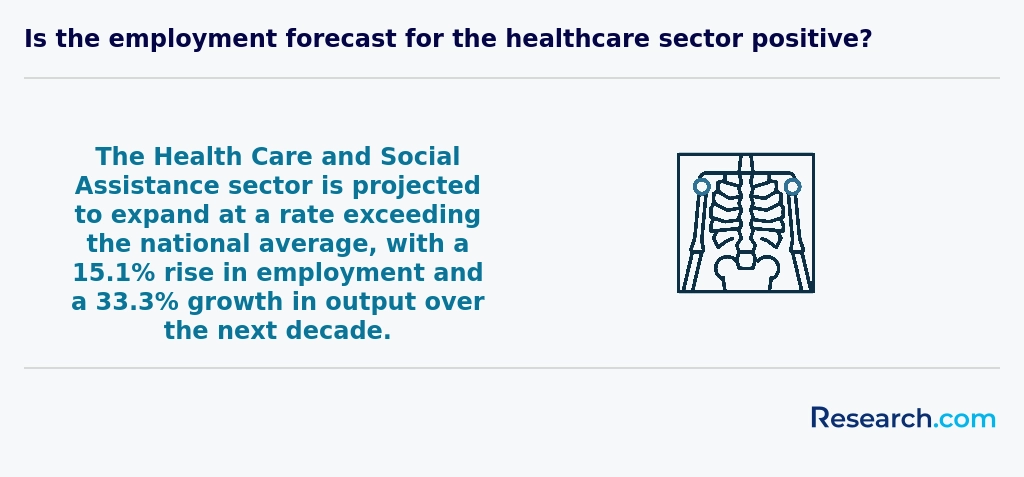
Calculating the true value of an online healthcare bachelor’s degree in Kansas goes beyond sticker price-it requires an analysis of long-term earnings, payback period, and growth potential. On average, Kansas students invest $27,679 in tuition and fees, while entry-level roles like Patient Care Technician start at $55,860 per year. Assuming a 3% annual salary increase, graduates can recoup their education costs in roughly 1.5 to 2 years. Key ROI considerations:
- Payback Period: Divide total program cost by average annual salary. At $27,679 tuition and a $55,860 starting salary, the breakeven point is under two years-one of the shortest among comparable online healthcare programs.
- Salary Growth: With healthcare occupations projected to grow 13% by 2031, graduates may see earnings rise by 5–7% annually, accelerating ROI and lifetime earning potential.
- Opportunity Cost: Online flexibility allows continued employment, reducing lost wages during study. Maintaining a part-time healthcare role can offset 25–50% of tuition costs through employer tuition remission or residency stipends.
- Advanced Credentials: For those seeking higher leadership roles, pursuing a doctorate can boost median salaries beyond $100,000. Explore the Affordable Online Doctorate in Healthcare Degree Programs Ranking in St. Louis, MO to plan your next step. Actionable tips to maximize ROI: 1. Leverage Employer Benefits: Negotiate tuition assistance or flexible scheduling. 2. Target High-Growth Specializations: Health Informatics and Administration roles often command premiums above 10% of baseline wages. 3. Apply for Scholarships Early: Competitive awards like the Future Clinicians Scholarship can cover 25–50% of costs. 4. Optimize Credit Transfers: Prior coursework or certification exams (e.g., CPhT) can reduce your total credit load by up to 30%. By quantifying costs against realistic earnings trajectories and strategically using institutional and employer resources, prospective students can ensure their online healthcare bachelor’s degree delivers both professional fulfillment and financial reward.
What financial aid is available to online healthcare degree students in Kansas?
Students pursuing online healthcare degrees in Kansas find financial aid can ease the stress of rising education costs. Graduates from institutions like the University of Kansas Medical Center often reflect on how access to Pell Grants, offering up to $7,395 without repayment, made their studies more reachable. Many rely on federal student loans that provide low interest rates and manageable repayment plans tailored to their needs.
State programs also bring relief. The Kansas Comprehensive Grant supports those with financial need, while the Kansas Nursing Service Scholarship encourages nursing students to serve in underserved communities-a meaningful way graduates have balanced financial aid with impactful career goals. These opportunities embody Kansas's genuine commitment to cultivating a healthcare workforce dedicated to its rural areas.
Additionally, many Kansas colleges offer scholarships rewarding academic excellence or commitment to specific healthcare fields, which several graduates have found motivating. Employers, especially healthcare providers, likewise support tuition reimbursement, helping working students juggle jobs and studies effectively.
Choosing an online program often means lower tuition, a practical advantage noted by many who balance education with family or work. A proactive conversation with financial aid offices at schools like Wichita State University can illuminate pathways to funding and ease financial worries.
Expert Strategies for Success in Online Healthcare Programs
Embarking on an online healthcare degree journey requires a blend of discipline, resourcefulness, and a proactive mindset. Successful students often create structured schedules, set specific milestones, and actively participate in virtual study groups and webinars. Leveraging digital tools and platforms can greatly enhance comprehension and retention, so consider incorporating note-taking apps, discussion forums, and simulation software into your learning routine. Additionally, seeking timely feedback from instructors and peers is crucial for continuous improvement, enabling you to fine-tune your skills in real time. Before choosing a program, it’s beneficial to explore various affordable options. For instance, reviewing resources like the cheapest healthcare schools in kansas can provide valuable insights into tuition costs, program flexibility, and support services. Combining these practical tips with a commitment to self-improvement not only fosters academic success but also prepares you for the dynamic challenges of the healthcare field.
What are the prerequisites for enrolling in online healthcare degree program in Kansas?
Enrolling in an online healthcare degree program in Kansas typically begins with a solid educational foundation-most often a high school diploma or GED. Graduates from programs at institutions like Kansas State University often recall how having completed science courses such as biology and chemistry helped them confidently manage their coursework. This background isn't just a formality; it prepares you for the demanding subjects ahead and mirrors real-world healthcare complexity.
Test scores like the SAT or ACT may be requested, though many Kansas colleges now allow applicants to apply without them, easing entry barriers. Those pursuing nursing pathways, such as moving from an LPN to an RN online program, emphasize the importance of holding an active license and clinical experience to integrate practical skills with online study effectively.
Personal statements and letters of recommendation provide a chance to express your dedication and motivation-elements that graduates describe as crucial in making their applications stand out. These prerequisites, while challenging, build a foundation of readiness that fosters confidence and genuine enthusiasm for a career in healthcare.

Tips for Student Success in Online Healthcare Programs
Navigating the online learning environment requires proactive strategies and effective time management to stay ahead academically while preparing for the dynamic healthcare industry. Prospective students should establish a structured daily routine, actively participate in virtual discussions, and seek regular feedback from instructors to reinforce their understanding of course material. Utilizing digital tools-like scheduling apps and online study groups-can help create a balanced routine that accommodates work, personal commitments, and studies. Additionally, exploring practical opportunities such as virtual simulations and remote internships can enhance hands-on skills critical for real-world healthcare settings. Building a strong network by engaging with alumni forums and professional groups is equally important; for instance, many successful students have credited their career breakthroughs to connections made through platforms that also feature resources on the best accredited medical billing and coding schools online. By leveraging these strategies, students not only optimize their online education experience but also lay a solid foundation for a rewarding and resilient healthcare career.
What courses are typically in online healthcare degree programs in Kansas?
Online healthcare degree programs in Kansas thoughtfully combine core sciences like biology, anatomy, physiology, and microbiology to build a solid foundation. Graduates from universities such as the University of Kansas share how these subjects brought clarity to understanding the human body, a key step before advancing in their studies.
Courses in healthcare administration, including health policy and ethics, mirror real-life challenges students encounter when managing healthcare facilities or dealing with legal and ethical dilemmas in Kansas' evolving healthcare landscape. One graduate recalls how classes on healthcare law prepared them to confidently navigate complex regulations after graduation.
Since healthcare technology is rapidly growing in Kansas, classes on healthcare informatics and electronic health records (EHR) give students an edge. Many describe feeling empowered by gaining skills that directly apply to telehealth expansions and electronic data management initiatives launched by the Kansas Department of Health and Environment.
Public health studies around epidemiology and community health help students grasp the social factors influencing health statewide. Interactive projects based at local colleges often bring these topics to life, reinforcing a deep connection to regional health issues. Hands-on experiences through capstones or practicums cement readiness to serve Kansas communities with empathy and expertise.
What types of specializations are available in online healthcare degree programs in Kansas?
Online healthcare degree specializations in Kansas reflect the evolving needs of the state's healthcare landscape. Graduates from popular universities often choose Health Information Management, which prepares them to handle electronic health records and regulatory compliance-skills essential as Kansas hospitals expand digital systems. Many also pursue Healthcare Administration, gaining expertise in leadership and operations, vital for managing rural clinics where resources may be limited. Nursing remains a vital focus, especially the RN to BSN pathway, with graduates feeling proud to meet Kansas's steady demand for qualified nurses.
Kansas healthcare bachelor's degree concentration options extend beyond these core areas. Students have shared how Public Health specializations enable them to impact community wellness directly, while others find Healthcare Informatics offers a rewarding blend of IT and patient care improvements. For those drawn to backend roles, programs in Medical Coding and Billing are a practical choice, and you can find best accredited medical billing and coding schools online offering financial aid tailored to learners across Kansas.
How do you choose the best online healthcare degree in Kansas?
Choosing the best online healthcare degree in Kansas means focusing on accreditation and program quality. Graduates from well-known Kansas institutions recall how reassurance came from regional accreditation by the Higher Learning Commission and nursing-specific bodies like CCNE or ACEN. This mattered most when they sought employment or licensure after completing their degrees.
Cost is another top consideration. Many affordable online healthcare degrees Kansas offer flexible tuition plans that helped students balance expenses with work or family life. Some found employer tuition assistance made an immense difference, enabling them to pursue degrees without overwhelming debt.
Flexibility stood out for working professionals, especially those studying at institutions like the University of Kansas or Wichita State University. Part-time options and asynchronous coursework allowed students to learn without sacrificing job hours or personal commitments.
It's also wise to explore specialization options and practicum availability. For example, students interested in a bachelor of science in diagnostic medical sonography in Kansas found programs offering strong clinical placement enhanced their confidence and career readiness.
Lastly, pay attention to graduation rates and job placement data reported by programs. Graduates often share that reliable outcomes and supportive faculty made their online healthcare journey feel worthwhile and connected to real-world success.
What career paths are available for online healthcare degree students in Kansas?
Graduates with an online healthcare degree in Kansas find diverse opportunities that reflect the state's evolving healthcare landscape. Many who studied at institutions like the University of Kansas or Wichita State University have successfully launched careers as registered nurses, a role valued for its hands-on patient care and potential for specialization. These graduates often describe a profound sense of fulfillment working in Kansas hospitals, where their education prepares them for both clinical skills and compassionate communication.
Beyond direct care, healthcare administration offers another rewarding path, especially for those drawn to leadership roles within local clinics or long-term care facilities. Graduates often speak about the satisfaction they gain managing healthcare services, improving patient experiences, and contributing to community well-being. This resonates strongly with healthcare career opportunities Kansas graduates seek after completing their degrees online.
Innovators in health informatics also share stories of how their roles bridge technology and patient care, streamlining data both in urban centers like Overland Park and rural communities. For students eager to explore specialized careers, positions such as medical and health services managers or public health analysts offer meaningful impact. Those interested in advancing clinical work appreciate programs balancing online coursework with practical clinical hours in Kansas healthcare settings.
Students considering options should also review resourceful pathways like the Affordable Online Doctorate in Healthcare Degree Programs Ranking in St. Louis, MO, which can inspire further educational advancement tailored to their career goals.
What is the job market for online healthcare degree in Kansas?
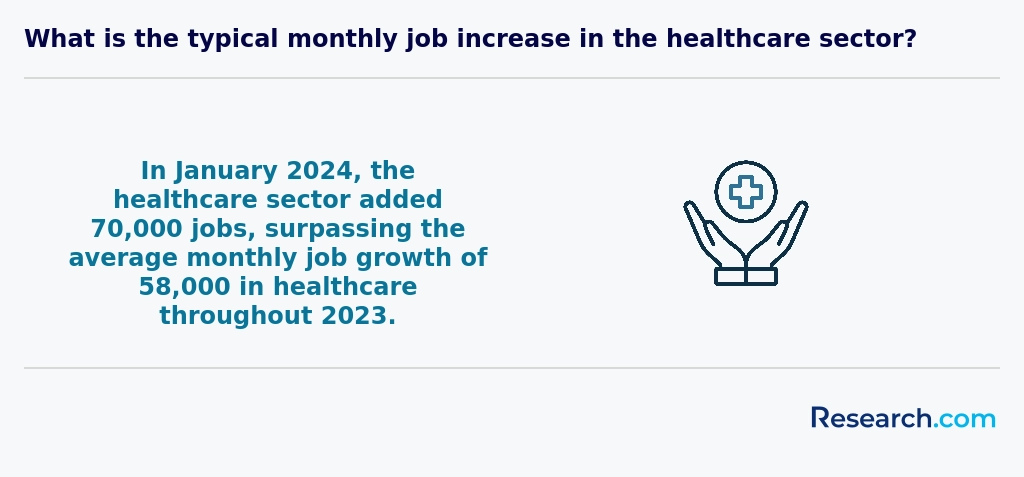
Graduates with online healthcare degrees in Kansas often find themselves entering a robust job market where demand is strong and growing. Many who studied at reputable institutions such as the University of Kansas or Wichita State University share stories of landing roles in healthcare administration or health information management shortly after completing their programs. This is unsurprising given Kansas demand for healthcare degree graduates is fueled by both urban and rural healthcare needs.
Healthcare support occupations are expanding steadily, with positions like medical assistants offering practical entry points. Graduates report feeling encouraged by the increasing telehealth opportunities, which accommodate remote work-a trend accelerated by recent healthcare shifts. Such flexibility aligns well with experiences of working professionals balancing education and careers.
Financially, many find the investment in an online degree reasonable considering the salary prospects, with wages averaging around $69,000 annually for practitioners in the state. Students often weigh these factors carefully, sometimes consulting resources on useful college majors to guide their decisions toward sustainable, fulfilling healthcare careers.
Frequently Asked Questions About healthcare
Online healthcare degree students in Kansas can maximize their learning by engaging fully with their course materials and instructors. Regular participation in virtual discussions helps deepen understanding and builds connections. Utilizing local resources, such as Kansas health departments or hospitals for internships or practicums, enriches practical experience.
Time management is essential, especially balancing study with work or family commitments. Setting a consistent schedule improves retention and progress. Students should also explore scholarship opportunities available in Kansas to ease financial burdens, such as those from the Kansas Board of Regents.
Finally, staying informed about local healthcare trends, like the state's growing demand for nurses-expected to increase by 15% by 2030 according to the Kansas Department of Labor-can guide career decisions and enhance motivation.
The healthcare field is rapidly evolving, with several emerging niches gaining importance, especially in Kansas. One significant growth area is telehealth, which expanded by over 50% nationwide during the COVID-19 pandemic and continues to transform care delivery. Kansas health systems are investing in remote patient monitoring and virtual consultations to reach rural communities.
Another promising niche is healthcare data analytics. Professionals trained in analyzing big data help improve patient outcomes and operational efficiency. According to the Kansas Department of Health, these skills are increasingly in demand locally.
Finally, behavioral health services are expanding due to rising mental health awareness. Online programs often focus on preparing students for roles supporting this growing need. These niches offer strong career potential for students pursuing online healthcare degrees in Kansas.
Preparing for the job market after earning an online healthcare degree in Kansas involves several focused steps. Start by researching local healthcare employers, including hospitals, clinics, and long-term care facilities, which are significant employers in the state. The Kansas Department of Labor reports steady growth in healthcare jobs, especially for roles like registered nurses and healthcare administrators.
Networking is vital: join professional associations such as the Kansas Healthcare Collaborative or state chapters of national groups. Consider obtaining relevant certifications to boost your employability, such as CPR or specialty-specific credentials. Finally, use the online degree's career services to access job listings and interview preparation tailored for Kansas healthcare employers.
Employers in Kansas seeking graduates with online healthcare degrees prioritize strong communication skills. Clear interaction with patients, families, and healthcare teams is essential for effective care delivery. Critical thinking and problem-solving abilities are highly valued as healthcare professionals address complex medical scenarios.
Technical proficiency with electronic health records (EHR) and healthcare technology also ranks highly. According to the Kansas Hospital Association, digital competence improves patient outcomes and workflow efficiency.
Additionally, cultural competency is increasingly important. Kansas's growing diversity requires healthcare workers to understand and respect varied backgrounds. Finally, ethical judgment and teamwork complete the core skills employers expect in healthcare graduates across the state.
Finding internships in Kansas relevant to a healthcare degree involves leveraging both online resources and local healthcare networks. Students should explore partnerships between their online programs and Kansas healthcare facilities, such as hospitals or clinics. The Kansas Department of Labor reports that healthcare support roles are among the fastest-growing occupations in the state, increasing internship opportunities.
Many universities also have dedicated career services that help place students in internships. Additionally, professional organizations like the Kansas Healthcare Collaborative and regional chapters of national groups offer internship listings and networking events that can connect students with potential employers.
Online platforms like Handshake or the Kansas Board of Regents' workforce portal provide updated internship postings statewide. It's important to research and apply early, as these positions can be competitive due to Kansas's expanding healthcare sector.
An online healthcare degree can significantly enhance career mobility and advancement in Kansas. With the healthcare sector in Kansas projected to grow faster than the average for all occupations-by about 12% between 2020 and 2030 according to the Kansas Department of Labor-professionals with formal education are in demand.
Holding a bachelor's degree in healthcare often opens doors to supervisory, administrative, or specialized roles within hospitals, clinics, and long-term care facilities across the state. Online programs provide flexibility for working adults to gain credentials without relocating, which is crucial given Kansas's mix of urban and rural healthcare providers.
Employers in Kansas increasingly prefer candidates with accredited online degrees because they demonstrate commitment and up-to-date knowledge. This educational background often correlates with higher salaries and leadership opportunities. For example, the Kansas Hospital Association highlights that degree attainment remains a key factor in promotions within local healthcare institutions.
Studying for a healthcare degree in Kansas equips students with interdisciplinary skills crucial for modern healthcare settings. Programs emphasize collaboration among various healthcare disciplines, reflecting the integrated nature of patient care. For instance, Kansas institutions often incorporate training in communication, healthcare informatics, and public health, preparing students to work alongside nurses, therapists, and administrators.
Kansas' healthcare sector includes over 300 hospitals and numerous community health centers, necessitating versatile professionals capable of bridging gaps between specialties (Kansas Department of Health and Environment, 2023). Online degrees in the state often provide simulated case studies and team-based projects, fostering real-world problem-solving skills across disciplines.
This approach supports roles in care coordination, health services management, and preventative care, meeting the growing demand for collaborative healthcare workers in Kansas and beyond.
When choosing between a thesis and a non-thesis online healthcare degree program in Kansas, it's important to consider your career goals and learning preferences. Thesis programs emphasize research, requiring students to conduct original studies and write a detailed paper. This option suits those aiming for advanced research roles or graduate education.
Non-thesis programs focus more on practical skills and coursework, often including internships or project-based learning. These may appeal to students targeting direct entry into healthcare professions.
In Kansas, the healthcare sector is growing steadily, with a 5.5% employment increase projected through 2030, according to the Kansas Department of Labor. Selecting a program aligned with local workforce demands is crucial.
Cost and program length may also differ; thesis programs can take longer due to research demands. Lastly, consider your time availability and support systems, especially for an online format.
Students in Kansas interested in pursuing healthcare degrees abroad have limited direct online options due to U.S. accreditation requirements. Most Kansas students seeking international healthcare education typically enroll in exchange or dual-degree programs facilitated by their home institutions rather than fully online foreign degrees.
The Kansas Board of Regents requires healthcare programs to meet specific accreditation standards, often recognized only from U.S.-based or regionally accredited institutions. This limits the availability of purely foreign online healthcare degrees accessible for Kansas students.
However, some students may consider global institutions partnering with U.S. universities offering hybrid programs. For example, universities with Certified Nursing Assistant (CNA) or healthcare management online tracks may provide supplemental international coursework.
According to the Kansas Department of Labor, healthcare employment in the state grew by 22% over the last decade, emphasizing demand for well-qualified professionals. Many pursue local accredited online degrees to meet state licensure requirements conveniently.
Students pursuing online healthcare degrees in Kansas can benefit from part-time jobs that offer relevant experience while supporting their education. Common opportunities include medical assistant roles, pharmacy technician positions, and home health aides. These jobs allow students to apply healthcare concepts practically and develop patient interaction skills. According to the Kansas Department of Labor, healthcare support occupations are projected to grow by 18% from 2020 to 2030, reflecting strong demand.
Many Kansas healthcare settings, such as clinics and senior care facilities, offer flexible hours suited for students. Additionally, jobs in medical billing and coding provide valuable administrative experience and often allow remote work, fitting well with online study schedules.
Online healthcare students in Kansas benefit from multiple networking opportunities despite the remote format. Many universities offer virtual career fairs and online student organizations tailored to healthcare fields. For example, the Kansas Board of Regents encourages institutions to connect students with local healthcare employers digitally.
Regional professional groups, such as the Kansas Healthcare Collaborative, provide webinars and virtual events where students can interact with industry leaders. According to the Kansas Department of Health and Environment, healthcare is a growing sector with over 200,000 jobs statewide, making networking essential for job placement.
Additionally, clinical placements required by most programs facilitate in-person connections with local healthcare providers, which can lead to mentorships and job opportunities after graduation. Overall, Kansas online healthcare students can access a mix of online and in-person networking resources to support their career goals.
Alumni networks play a vital role in supporting online healthcare degree students in Kansas by providing valuable connections and career opportunities. Many Kansas institutions, including Wichita State University and Fort Hays State University, maintain active alumni groups that facilitate mentoring and job referrals.
These networks allow students to connect with professionals already working in Kansas' healthcare industry, which is expected to grow by 13% through 2030, according to the Kansas Department of Labor. Alumni can offer guidance on local licensure, continuing education, and navigating Kansas healthcare employers.
Access to alumni events and online communities also helps students build a professional identity specific to Kansas healthcare markets, fostering long-term career growth and success.
Customizing an online healthcare degree program in Kansas allows you to align your education with specific career goals. Many Kansas institutions offer elective courses or specialization tracks, such as healthcare administration, public health, or health informatics. This flexibility means you can build skills tailored to roles in hospitals, clinics, or healthcare technology companies.
The Kansas Department of Labor projects a 15% growth in healthcare occupations by 2030, highlighting the importance of relevant, targeted training. Online programs often include practical components like virtual simulations or internships, helping you gain real-world experience remotely.
Additionally, you can select programs accredited by recognized bodies like the Commission on Accreditation of Healthcare Management Education (CAHME) to ensure quality education that meets industry standards.
Online healthcare students in Kansas often face challenges related to limited access to local clinical placements. Practical experience is essential in healthcare education, but rural areas in Kansas can have fewer healthcare facilities available for internships, making it harder for students to complete hands-on training.
Additionally, time management is a significant obstacle. Many students balance jobs, family, and studies, which requires strong organizational skills to keep up with demanding coursework and clinical hours.
Technical issues also pose difficulties, especially in rural parts of Kansas where reliable internet connectivity may be inconsistent, impacting participation in live sessions and timely submission of assignments.
According to the Kansas Board of Regents, ensuring state licensure requirements and accreditation standards are met can also be confusing for online students pursuing healthcare degrees from out-of-state institutions.
With an online healthcare degree in Kansas, graduates can pursue various professional certifications to enhance their careers. Common options include Certified Medical Assistant (CMA), Registered Health Information Technician (RHIT), and Certified Professional Coder (CPC). These certifications are widely recognized in the healthcare industry and can increase job opportunities and earning potential.
Additionally, Kansas healthcare employers value certifications like Certified Nursing Assistant (CNA) and Health Insurance Specialist credentials, especially given the state's focus on expanding healthcare access, as noted by the Kansas Department of Health and Environment.
Certification requirements vary, but most require passing a national exam and completing accredited coursework, which many online programs offer.
Writing a winning application for an online healthcare program in Kansas involves clear preparation and understanding of the state's educational standards. Start by carefully reviewing each program's prerequisites and tailor your application to highlight relevant experience in healthcare settings, such as internships or volunteer work, which are highly valued in Kansas. According to the Kansas Board of Regents, strong communication skills and a solid academic record are crucial for admission.
Emphasize your commitment to healthcare by detailing career goals that align with the growing needs reported by the Kansas Department of Health and Environment, such as addressing rural health shortages. Additionally, request letters of recommendation from professionals familiar with your capabilities in healthcare environments.
Lastly, ensure your personal statement is concise and clearly explains why you chose an online degree in Kansas, demonstrating knowledge of the state's healthcare challenges and how your education will help meet them.
The healthcare industry is vital worldwide, with increasing demand for skilled professionals. In the United States, including Kansas, healthcare careers offer stability and strong growth prospects. According to the U.S. Bureau of Labor Statistics, healthcare employment nationwide is projected to grow 13% from 2021 to 2031, much faster than the average for all occupations.
Kansas reflects this trend, with a growing need for nurses, medical technicians, and healthcare administrators. The Kansas Department of Labor notes that healthcare roles are among the top employment sectors in the state, partly due to an aging population requiring more medical care.
Globally, healthcare careers are also expanding, driven by factors like technological advancements and increased access to services. For Kansas students pursuing online healthcare degrees, understanding these global and local dynamics highlights the wide-ranging opportunities their qualifications may open.
Gaining practical experience during an online healthcare degree in Kansas is essential for career readiness. Many programs incorporate clinical hours or internships at local hospitals and clinics, allowing students to apply theory in real-world settings. Kansas has partnerships with healthcare facilities across the state, including the University of Kansas Health System and Via Christi Hospitals. Students can often arrange supervised practicum placements near their residence.
The Kansas Board of Regents reports that accredited online programs must ensure students complete a minimum number of clinical hours, typically 500 to 1,000, depending on the specialty. Virtual simulation technology is also used increasingly to enhance hands-on skills when in-person options are limited.
Furthermore, scholarships and grants may support travel or relocation to fulfill clinical requirements, easing financial burdens. Engaging with local healthcare providers enhances networking opportunities crucial for job placement after graduation.
Choosing the right concentration within an online healthcare degree program in Kansas begins with understanding regional healthcare needs. Kansas faces a growing demand for primary care and nursing professionals, according to the Kansas Department of Health and Environment. Prospective students should consider concentrations like nursing, health administration, or public health that align with these trends.
Next, evaluate your career goals and interests. For example, nursing focuses on patient care, while health administration emphasizes management skills.
Review program accreditation and flexibility, ensuring the concentration fits your learning style and schedule. Research employment rates and salary data in Kansas to make an informed choice.
Related Healthcare Rankings for Nearby States
- 2027 Most Affordable Online Bachelor's in Healthcare Degree Programs Ranking in Oklahoma
- 2027 Most Affordable Online Bachelor's in Healthcare Degree Programs Ranking in Missouri
- 2027 Most Affordable Online Bachelor's in Healthcare Degree Programs Ranking in Colorado
- 2027 Most Affordable Online Bachelor's in Healthcare Degree Programs Ranking in Iowa
- 2027 Most Affordable Online Bachelor's in Healthcare Degree Programs Ranking in Arkansas
- 2027 Most Affordable Online Bachelor's in Healthcare Degree Programs Ranking in Texas
- 2027 Most Affordable Online Bachelor's in Healthcare Degree Programs Ranking in South Dakota
- 2027 Most Affordable Online Bachelor's in Healthcare Degree Programs Ranking in Minnesota
- 2027 Most Affordable Online Bachelor's in Healthcare Degree Programs Ranking in Illinois
- 2027 Most Affordable Online Bachelor's in Healthcare Degree Programs Ranking in New Mexico
Top Trending Healthcare Rankings
See What Experts Have To Say About Studying Healthcare
Read our interview with Healthcare experts

References
- Networking in Medicine: Build Lasting Connections l Windsor https://www.windsor.edu/networking-in-medicine-building-relationships-from-day-one/
- Alumni Reconnect - Poznan University of Medical Sciences https://pums.edu.pl/alumni-friends/alumni-reconnect/
- Niche Market Opportunities Research Among Healthcare Professionals (A Decision Analyst Case History https://www.decisionanalyst.com/casestudies/nichemarketopportunities/
- Online Bachelor's Degree-Completion Program (RHIT-to-RHIA) https://www.kumc.edu/school-of-health-professions/academics/departments/health-information-management/academics/health-information-management/online-bachelors-degree-completion-program-(rhit-to-rhia).html
- How to choose a bachelor's in healthcare administration | edX https://www.edx.org/resources/how-to-choose-a-bachelors-in-healthcare-administration
- Explore Healthcare Admin Degree Concentrations https://www.baypath.edu/news/bay-path-university-blogs/post/explore-healthcare-admin-degree-concentrations/
- Online Healthcare & Medical Certification Training Programs https://medcerts.com/programs/healthcare/
- How to Write Your Cover Letter | NQRTH https://www.nqrth.edu.au/career-planning/how-to-write-your-cover-letter/
- Online Degree vs. Traditional: Choosing the Right Path https://beal.edu/online-degree-vs-traditional/
- Interdisciplinary Education and Practice https://www.aacnnursing.org/news-data/position-statements-white-papers/interdisciplinary-education-and-practice