
2027 Best Online Doctorate in Healthcare Degree Programs Ranking in Kentucky

Co-Founder and Chief Data Scientist
Choosing the right healthcare doctorate program online can feel overwhelming, especially if you're in Kentucky and striving for the best fit. This article presents the 2027 Best Online Doctorate in Healthcare Degree Programs Ranking in Kentucky, carefully crafted by the Research.com team of data scientists to guide your decision with reliable insights.
By exploring this ranking, you'll discover programs that align with your goals and lifestyle, making your journey toward an advanced healthcare degree clear and achievable. Earning a doctorate in healthcare opens doors to meaningful careers that truly make a difference.
Key benefits of getting online healthcare degree in Kentucky
- Healthcare degree graduates in Kentucky can expect strong earnings, with roles such as Program Director earning a mean annual wage of $129,330 and Healthcare Services Researchers typically making around $112,380 per year, reflecting rewarding financial prospects.
- Graduates from universities like the University of Kentucky often pursue diverse career paths, including roles as Chief Development Officers or Principal Scientists, showcasing a wide range of exciting professional opportunities.
- Completing a healthcare degree online, such as through the University of Louisville's program, offers flexible scheduling and allows you to balance work and study effectively, making higher education more accessible and comfortable.
- Key benefits of getting online healthcare degree in Kentucky
- What can I expect from online healthcare degree in Kentucky?
- Where can I work with online healthcare degree in Kentucky?
- How much can I make with online healthcare degree in Kentucky?
- 2027 Best Online Doctorate in Healthcare Degree Programs Ranking in Kentucky
- Key Findings
- How long does it take to complete online healthcare degree in Kentucky?
- Career Paths and Professional Development
- What's the difference between online and on-campus healthcare degree?
- Doctoral Program Structure and Dissertation Requirements
- What is the average cost of online healthcare degree in Kentucky?
- Career Paths and Opportunities in Healthcare
- What financial aid is available to online healthcare degree students in Kentucky?
- Research and Dissertation Support
- What are the prerequisites for enrolling in online healthcare degree program in Kentucky?
- Career Paths and Opportunities
- What courses are typically in online healthcare degree programs in Kentucky?
- What types of specializations are available in online healthcare degree programs in Kentucky?
- How do you choose the best online healthcare degree in Kentucky?
- What career paths are available for online healthcare degree students in Kentucky?
- What is the job market for online healthcare degree in Kentucky?
- Related Healthcare Rankings for Nearby States
- Top Trending Healthcare Rankings
- See What Experts Have To Say About Studying Healthcare
What can I expect from online healthcare degree in Kentucky?
The average cost of an online healthcare degree in Kentucky typically ranges from $20,000 to $40,000, depending on the program length and the institution. Graduates from well-known universities like the University of Kentucky or University of Louisville often reflect on the value of their investment, describing a balance between affordable tuition and high-quality education that prepared them well for the workforce.
Many students find that the flexibility of online programs allows them to work while studying, easing financial pressures and making the cost more manageable over time. For instance, those pursuing nursing degrees often mention how credits from accredited programs paid off when facing licensure exams and securing jobs in local hospitals.
Some programs offer scholarships or financial aid specifically for Kentucky residents, easing costs further. This financial support, combined with the state's focus on healthcare growth, creates a hopeful path for students committed to making a difference in their communities through healthcare careers.
Where can I work with online healthcare degree in Kentucky?
Graduates with an online healthcare degree in Kentucky often find rewarding careers across diverse sectors within the state's growing healthcare landscape. Many have thrived working in prominent hospital systems like University of Kentucky HealthCare and Norton Healthcare, stepping into roles such as nurse leadership or health informatics. These positions frequently draw on skills developed in management-focused online programs.
Others have pursued public health careers with state agencies, applying their knowledge to real-world challenges like community health education and epidemiology. Graduates from institutions like the University of Louisville often share how their studies prepared them to influence public policies and lead health initiatives effectively.
Expanding elder care facilities and outpatient clinics also offer promising paths, especially as Kentucky's aging population grows. Graduates often express fulfillment working in long-term care management, sensing the meaningful impact of their expertise on seniors' lives.
Additionally, some have embraced roles in health insurance and consulting firms, leveraging a deep understanding of healthcare regulations to improve system quality and compliance. Academic and research roles at Kentucky-based centers bring further opportunities, enabling doctorate holders to teach or advance essential healthcare studies.
How much can I make with online healthcare degree in Kentucky?
Graduates from online healthcare degree programs in Kentucky often find themselves stepping into roles with rewarding salaries that reflect their dedication and expertise. For instance, those assuming the position of Program Director in healthcare typically earn a mean annual wage of around $129,330. This figure highlights how advanced leadership roles can significantly elevate earning potential.
Many students from institutions like the University of Kentucky or Bellarmine University who have progressed to positions such as Healthcare Services Researcher or Research Director report mean salaries near $112,380 annually. These roles combine analytical skills with healthcare knowledge, offering both intellectual satisfaction and financial reward.
For those pursuing executive tracks, a Chief Development Officer in the healthcare sector in Kentucky earns approximately $95,600 per year, showing that management expertise is also well compensated locally.
Graduates often share feelings of fulfillment knowing their online education equips them for such impactful and well-paying roles. With Kentucky's competitive healthcare salaries and growing industry demand, moving from coursework to a thriving career is a tangible and exciting prospect for many.
2027 Best Online Doctorate in Healthcare Degree Programs Ranking in Kentucky
How do we rank schools?
Investing in your education is a significant decision that can shape your future, and the Research.com team understands the importance of making informed choices. To assist prospective students in Kentucky, we have meticulously crafted the "2027 Best Online Doctorate in Healthcare Degree Programs Ranking in Kentucky." Our commitment to quality, credibility, and accuracy is reflected in the extensive research and analysis conducted to compile this ranking.
We utilized the following reputable data sources to ensure a comprehensive evaluation of healthcare doctorate programs:
By exploring this ranking, readers will gain valuable insights into the best online doctorate programs in healthcare available in Kentucky, empowering them to make well-informed decisions about their educational paths. For more details on our methodology, please visit our Research.com methodology page.


Key Findings
- Online healthcare degrees in Kentucky are available from associate to doctoral levels in fields like nursing and healthcare administration.
- Tuition ranges from $8,000 to $15,000 per year for undergraduate programs and $10,000 to $25,000 for graduate programs, with doctoral programs often exceeding $30,000 in total.
- Healthcare jobs in Kentucky are expected to grow by about 15% over the next decade, outpacing the state's overall job growth.
- Entry-level healthcare workers typically earn between $45,000 and $55,000 annually, with experienced professionals often making $70,000 or more.
- Many programs include clinical practicums to fulfill licensure requirements, which accept graduates from accredited online programs meeting clinical hour standards.
How long does it take to complete online healthcare degree in Kentucky?
Completing an online healthcare degree in Kentucky typically aligns with national timelines but offers flexibility that many students appreciate. Graduates from well-known institutions like the University of Kentucky or Jefferson Community and Technical College often share how part-time study options allowed them to balance work and family while progressing steadily.
Associate degrees, such as those in Nursing Assistance or Medical Billing, usually take around two years when studied full-time. However, many students find that spreading the coursework over three years fits their busy lives better, especially when juggling employment.
Bachelor's degrees in fields like Nursing (BSN) frequently require about four years, but accelerated programs available at several Kentucky universities have enabled students to finish in as little as 12 to 24 months. This flexibility fuels motivation, especially for working registered nurses seeking advancement without long pauses.
Graduate programs often stretch from two to four years but are designed to accommodate individual pacing. Many students value this adaptability, as it allows them to integrate education with demanding careers, making progress feel achievable rather than overwhelming.
Career Paths and Professional Development
Earning an online healthcare degree in Kentucky unlocks a multitude of career opportunities that extend far beyond traditional roles. Graduates may find themselves well-prepared for positions such as Healthcare Administrators, Clinical Managers, Health Informatics Specialists, or Public Health Analysts. Many careers within the field allow professionals to work in patient care settings, community health organizations, or innovative research environments, each offering unique challenges and rewards. Moreover, as healthcare systems continue to evolve, there is a growing demand for leaders who can bridge clinical expertise with modern technology to maximize operational efficiency and patient outcomes. For example, alumni who have transitioned into management roles often credit their online education with providing the analytical tools and strategic insights necessary to navigate complex healthcare landscapes. In addition to direct career advancement, graduates are encouraged to explore complementary education options and networking opportunities-such as checking out affordable healthcare programs in kentucky-to further enhance their professional development. Ultimately, this tailored approach to career progression not only improves earning potential but also fosters long-term contributions to the improvement of healthcare delivery systems across Kentucky and beyond.
What's the difference between online and on-campus healthcare degree?
Choosing between online and on-campus healthcare degrees in Kentucky often comes down to how you prefer to engage with learning. Graduates from the University of Kentucky recall the energy of classroom discussions and hands-on labs that made concepts come alive, fostering strong peer connections. Conversely, those who studied online through institutions like Eastern Kentucky University highlight the freedom to balance work and family while still completing essential clinical hours at nearby hospitals.
Online programs, while flexible, still emphasize practical experience-you'll find yourself at local healthcare sites gaining skills just as rigorously as on-campus peers. This blend offers reassurance that remote learning doesn't sacrifice quality. For Kentuckians juggling full lives, this flexibility feels empowering rather than limiting.
Financially, attending on-campus might involve commuting and housing costs, but online learners often manage tuition that's nearly equivalent, sometimes with additional tech fees. Emotional rewards come from both paths: the camaraderie of campus life or the independence of self-paced study, each preparing students to thrive in Kentucky's growing healthcare field.
Doctoral Program Structure and Dissertation Requirements
Online doctorate in healthcare programs in Kentucky typically consist of three core phases-advanced coursework, comprehensive examinations, and the dissertation sequence-designed to develop both theoretical expertise and applied research skills. During the first year, students complete foundational courses in healthcare policy analysis, quantitative and qualitative research methods, and leadership theory. In the second year, you’ll delve into specialized seminars, such as healthcare informatics and system performance improvement, while preparing for comprehensive exams that assess readiness for independent research. Coursework is delivered asynchronously, with virtual workshops and cohort-based discussions fostering peer collaboration and critical thinking. Once coursework and comprehensive exams are successfully completed, students transition into the dissertation phase, which usually spans two to three years. Under the guidance of a faculty advisor, doctoral candidates propose a research topic, complete an IRB application, and conduct original investigations-ranging from outcome evaluations to policy impact studies-relevant to Kentucky’s healthcare landscape. Regular dissertation colloquia allow candidates to present progress, receive feedback, and refine their methodology. The final defense involves a public presentation and oral examination by a committee of experts, culminating in a tangible contribution to healthcare scholarship. Financial planning for a multi-year doctoral program can be daunting, so many students compare preparatory degrees and bridge programs to manage costs effectively. For insights on affordable foundational pathways, explore low cost bs in health care administration programs, which can help you build the academic background and reduce overall debt before committing to a doctoral track. This strategic approach ensures you enter your dissertation phase with both the research acumen and financial confidence needed to succeed.
What is the average cost of online healthcare degree in Kentucky?
For many students pursuing an online healthcare degree in Kentucky, understanding the average cost can shape their educational journey. Graduates from major public universities such as the University of Kentucky or Eastern Kentucky University often reflect positively on their experience, highlighting how the tuition-averaging around $20,608-strikes a balance between quality and affordability. This figure represents a median that encapsulates various degree levels and institutions across the state. Kentucky's public schools tend to offer competitive in-state rates, which is a reassuring factor for residents worried about financial strain.
Those exploring affordable online healthcare degree programs Kentucky-wide often find that community colleges provide a budget-friendly starting point, sometimes charging less than $5,000 total for associate degrees. At the same time, students pursuing advanced degrees may encounter higher costs but can usually access scholarships and grants specifically designed for healthcare fields in Kentucky. Graduates from these programs often share their satisfaction not just with quality but with how the investment contributed to long-term career opportunities, reinforcing the value of the cost.
Choosing a program at well-known institutions in Kentucky means also considering additional expenses such as technology fees and course materials, which can add to the overall cost but rarely overshadow tuition. The overall experience frequently leaves students feeling that the tuition investment is worthwhile, especially given the convenience of online education. For those curious about specific financial options and comparisons, exploring affordable healthcare programs in kentucky provides practical insights tailored to the state's options.
Career Paths and Opportunities in Healthcare
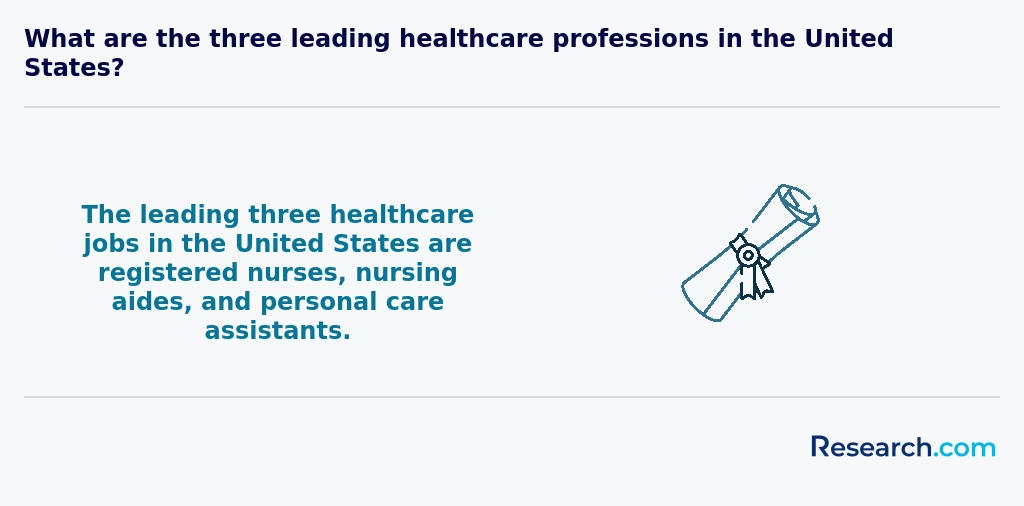
Online healthcare degree programs in Kentucky not only provide academic excellence but also pave the way for a multitude of career trajectories. Graduates can explore dynamic roles that range from clinical leadership and healthcare administration to innovative research positions and public policy development. With a strong foundation in online coursework and hands-on experience, many professionals find themselves well-prepared for roles such as Health Informatics Specialist, Quality Improvement Coordinator, and Telemedicine Director. These programs are designed to equip students with the skills needed in emerging areas like digital health, personalized medicine, and healthcare data analytics, ensuring that graduates remain competitive in an evolving industry. Moreover, pursuing an online healthcare degree in Kentucky opens doors to additional opportunities through scholarships, internships, and partnerships with leading healthcare institutions. This support network helps graduates secure positions that not only offer robust starting salaries but also provide long-term career growth. For those looking to balance quality education with economic considerations, exploring affordable healthcare programs in kentucky can be an invaluable first step toward building a sustainable career in the healthcare sector. Emphasizing practical skill development and innovative thinking, these career paths enable graduates to contribute meaningfully to healthcare delivery systems and community health initiatives, thereby meeting the growing demand for skilled professionals in the industry.
What financial aid is available to online healthcare degree students in Kentucky?
Many students pursuing online healthcare degrees in Kentucky find federal aid indispensable, beginning with the FAFSA. Graduates from institutions like the University of Kentucky often recall how Pell Grants, providing up to $7,395 annually, significantly eased their tuition burdens. This aid feels like a crucial lifeline, especially when balancing study and work.
State-funded help, such as grants from the Kentucky Higher Education Assistance Authority, also plays a key role. For example, those attending Bellarmine University's online nursing programs have benefited from the Kentucky Tuition Grant, which targets residents enrolled at private colleges, lightening financial pressure.
Employer tuition assistance programs are another hopeful avenue. Many healthcare workers share stories of their hospitals or clinics offering partial or full tuition coverage, affirming the value of their professional growth and dedication.
Finally, Kentucky's veterans find tailored support through the GI Bill and the Kentucky National Guard Tuition Award, which many describe as empowering opportunities that honor their service while advancing their healthcare careers.
Research and Dissertation Support
Pursuing an online doctorate in healthcare in Kentucky demands robust research infrastructure and dedicated dissertation guidance to ensure scholarly excellence. From the initial proposal to the final defense, students benefit from tailored mentorship, comprehensive resources, and collaborative networks designed to advance both individual and institutional research goals. Faculty Expertise and Mentorship Experienced faculty with active research portfolios are at the core of dissertation success. Doctoral candidates are paired with mentors whose expertise spans healthcare administration, health informatics, and public health policy. Regular one-on-one consultations, virtual lab meetings, and access to faculty publications enable students to refine research questions, develop rigorous methodologies, and stay abreast of emerging trends in healthcare scholarship. Institutional Resources and Collaborative Networks Kentucky’s leading universities provide robust digital libraries, specialized databases, and intercampus research consortia that foster interdisciplinary collaboration. Online students can access statistical software licenses, data-collection tools, and funding opportunities through virtual research offices. In addition, partnerships with local hospitals and public health departments facilitate fieldwork and data gathering, ensuring dissertations are grounded in real-world healthcare challenges. Structured Dissertation Support To guide each stage of the dissertation journey, programs offer structured workshops on research design, IRB compliance, and academic writing. Peer review groups and writing retreats create accountability and momentum, while dedicated dissertation coordinators track milestones, deadlines, and committee feedback. This layered support system empowers students to navigate complex research processes with confidence. Benchmarking and Affordability When evaluating cost-efficient models without compromising research quality, prospective students can also consult the Affordable Online Healthcare Degree Programs Ranking in New Jersey to benchmark tuition, support services, and resource availability across similar doctoral programs.
What are the prerequisites for enrolling in online healthcare degree program in Kentucky?
Enrolling in an online healthcare degree program in Kentucky involves meeting a few essential prerequisites tailored to prepare you for rigorous academic and professional challenges. Most universities, such as the University of Kentucky or Western Kentucky University, expect applicants to have at least a high school diploma or GED for undergraduate programs. Graduate degrees often require a relevant bachelor's degree, reflecting the importance of building a solid foundation before advancing.
Many students recall the reassurance they felt when meeting GPA requirements-typically around 2.5 to 3.0-knowing it reflected their readiness for success. Letters of recommendation and personal statements also play a crucial role, allowing applicants to share their unique healthcare aspirations and experiences, much like working professionals who strengthened their applications with relevant healthcare jobs.
While standardized tests are less commonly required at higher levels, submitting official transcripts remains a key step. Graduates from Kentucky's online programs often describe how these prerequisites helped them approach their studies with confidence and clarity, making the challenging journey feel achievable and rewarding.

Career Paths and Opportunities
Graduates with an online healthcare degree in Kentucky have a world of opportunities waiting for them. In addition to the traditional roles mentioned earlier, many alumni are carving out niche careers that combine clinical expertise with innovative technology, administrative oversight, and community advocacy. For instance, some professionals are branching into telehealth management, where they leverage digital platforms to deliver patient care effectively, while others are moving into health informatics roles that blend data analysis with patient outcomes. These diverse career paths not only underline the versatility of an online healthcare degree but also align with the emerging trends in the healthcare sector driven by technological advances and evolving patient needs. Moreover, exploring interdisciplinary programs can open up new avenues for growth. Graduates interested in nutrition, for example, might consider supplementing their healthcare expertise with additional certifications. To learn more about this intersection, check out our most popular online nutrition certifications for career enhancement. By understanding the varied career trajectories available-from clinical roles and research to administrative and technological positions-students can better align their academic pursuits with long-term professional goals, ensuring a rewarding and future-proof career in the dynamic healthcare landscape.
What courses are typically in online healthcare degree programs in Kentucky?
Online healthcare degrees in Kentucky usually include a mix of foundational and specialized courses that shape well-rounded professionals. Graduates from well-regarded institutions like the University of Kentucky often reflect on how courses such as Introduction to Healthcare Systems helped them understand local healthcare dynamics, giving them confidence when entering the workforce.
Many students find Medical Terminology to be especially empowering, as it opens doors to clearer communication in both clinical and administrative settings. Health Informatics and Data Management courses offer practical skills that graduates describe as crucial in today's tech-driven healthcare environment, especially in managing patient records and improving service efficiency.
Ethics and Legal Issues in Healthcare are not just theoretical topics but become deeply meaningful when graduates face real-world situations involving patient confidentiality and professional responsibility. Specializations like Public Health and Epidemiology connect learning to Kentucky's community health needs, inspiring students with the idea that their work can truly impact rural areas.
Healthcare Administration courses often ignite a passion for leadership, with many reflecting on how managing budgets and personnel prepared them for real facility challenges. Clinical Practice courses, meanwhile, bring the science of patient care alive, making the degree both practical and profound.
What types of specializations are available in online healthcare degree programs in Kentucky?
Exploring online healthcare degree specializations Kentucky students often encounter reveals a practical variety aligned with regional needs and career goals. Graduates from institutions like the University of Kentucky and the University of Louisville frequently highlight how specializations such as Healthcare Administration prepare them to skillfully manage hospital operations and navigate regulatory demands, which is essential in Kentucky's healthcare landscape.
Other popular concentrations include Nursing Practice, offering advanced clinical leadership skills through doctorate programs, enabling graduates to lead patient care initiatives effectively. Many reflect on how Public Health specialization equips them to address rural health disparities prevalent across the state, making their work deeply impactful.
Health Informatics is another thriving area, helping students harness technology to improve data management and patient record systems-a critical skill as healthcare increasingly integrates digital tools. Additionally, graduates pursuing Occupational and Physical Therapy appreciate the blend of online theory and hands-on clinical experience tailored to Kentucky's rehabilitation services.
For those interested in broader policy aspects, Health Policy and Management specialization nurtures a deep understanding of local healthcare laws and ethics. Students balancing family and work life often find online options flexible yet rigorous, sometimes complementing their studies with most popular online nutrition certifications to broaden their expertise and impact.
How do you choose the best online healthcare degree in Kentucky?
Choosing the best online healthcare degree in Kentucky means focusing on what truly fits your lifestyle and career goals. Graduates from popular universities in the state often point to the importance of program accreditation and flexible schedules. For example, students balancing work and family found asynchronous classes essential, allowing them to study without strict time constraints. Universities like the University of Kentucky and Northern Kentucky University offer programs with both online courses and hands-on clinical components to deepen practical skills.
Cost is another key consideration. Many students appreciate that public institutions in Kentucky maintain more affordable tuition, often below $15,000, which makes pursuing healthcare degrees less of a financial burden. One graduate shared how exploring low cost bs in health care administration programs helped them find a budget-friendly path that did not sacrifice quality.
Finally, aligning the curriculum with your ambitions is vital. Those interested in leadership roles seek programs emphasizing healthcare administration, while others target clinical care degrees like nursing or physical therapy. Kentucky's healthcare sector is growing, so graduates feel encouraged knowing strong local employer connections boost job placement rates, making their investment feel worthwhile.
What career paths are available for online healthcare degree students in Kentucky?
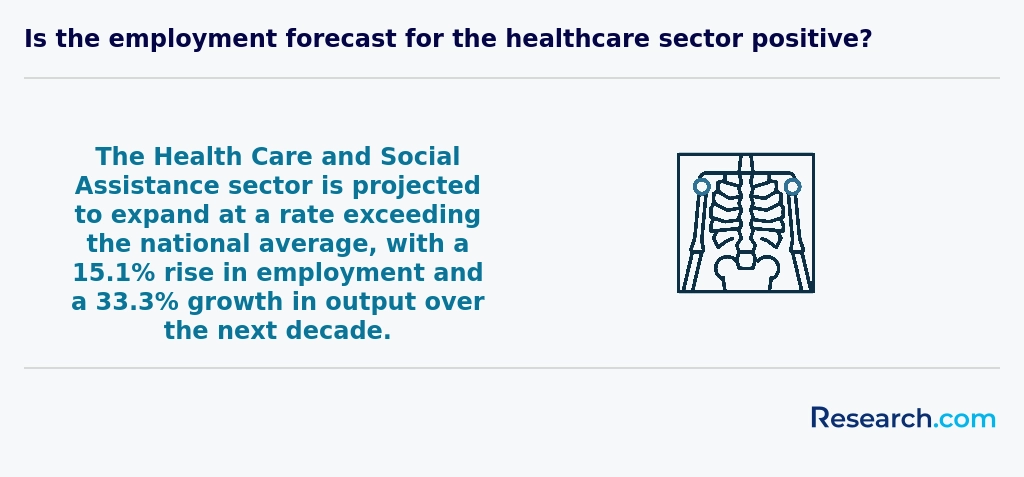
Graduates with an online healthcare degree in Kentucky discover a rich spectrum of career opportunities, often feeling inspired by the meaningful impact they can have. Many find themselves drawn to nursing roles, progressing from bedside care to leadership positions in hospitals or community health organizations. Those attending well-known institutions like the University of Kentucky or Eastern Kentucky University report a rewarding transition into advanced clinical or administrative roles, supported by the state's projected 15% growth in RN jobs through 2030.
Others embrace healthcare administration, where managing the business side of hospitals and clinics offers both challenge and stability. Graduates appreciate the competitive wages and leadership opportunities in Kentucky's healthcare facilities, often reflecting on their online coursework that melded theory with practical applications.
Public health careers also appeal to those passionate about shaping policies or educating communities. Professionals with advanced online degrees contribute to statewide health initiatives, feeling a strong connection to improving public well-being. For those interested in innovation, health informatics is an emerging path where graduates apply their skills to optimize healthcare IT systems.
Exploring healthcare career opportunities in Kentucky often encourages students to consider cost-effective programs. Many turn to local universities that offer competitive tuition for online degrees. For more insights on affordable study options, see the Affordable Online Healthcare Degree Programs Ranking in New Jersey.
What is the job market for online healthcare degree in Kentucky?
The online healthcare job market Kentucky offers is vibrant and full of opportunity, especially for graduates from well-regarded institutions such as the University of Kentucky and Northern Kentucky University. Many alumni share how their online healthcare degree allowed them to balance work and study, enabling a smooth transition into fields like nursing or healthcare administration within bustling areas like Louisville and Lexington. These graduates often highlight the encouragement of finding steady positions shortly after completing their studies.
Healthcare degree employment Kentucky reflects a strong demand, with projections indicating over 25,000 new roles in the coming decade. Graduates have found that sectors including nursing and healthcare management are expanding rapidly. This growth, combined with competitive salaries and a flexible path to qualification, reassures students pursuing online healthcare studies.
Many Kentucky students also explore emerging fields by leveraging accelerated online degrees for working adults, which makes the journey faster and more manageable. This adaptability prepares them well for expanding careers in telemedicine, health informatics, and community health, enhancing their impact in both urban centers and rural communities.
Frequently Asked Questions About healthcare
Online healthcare degree students in Kentucky can enhance their learning by actively engaging with virtual resources and faculty. Utilizing Kentucky's statewide healthcare databases and online libraries broadens access to relevant industry research. Regular participation in discussion boards and virtual study groups promotes collaboration and deeper understanding.
Practical experience remains vital; students should seek internships or clinical rotations within Kentucky health systems, which benefit from state programs addressing rural healthcare shortages, as noted by the Kentucky Cabinet for Health and Family Services. Balancing coursework with hands-on exposure helps solidify theoretical knowledge in real-world settings.
Additionally, time management and setting a consistent study schedule boost retention and skill development.
The healthcare field is evolving rapidly, opening new opportunities for students pursuing online healthcare degrees in Kentucky. Emerging niches include telehealth, which has surged due to the COVID-19 pandemic and continues to grow statewide. Kentucky saw a significant increase in virtual doctor visits, highlighting the demand for professionals skilled in digital patient care.
Another expanding area is healthcare informatics. With Kentucky hospitals increasingly relying on electronic health records, experts who can manage and analyze this data are highly sought after. Additionally, gerontology is gaining attention as Kentucky's population ages; specialized care for older adults is critical.
These niches reflect both national trends and Kentucky's unique healthcare needs, making them promising paths for online degree candidates.
After completing an online healthcare degree in Kentucky, preparing for the job market involves multiple strategic steps. First, graduates should obtain relevant certifications and licenses required for their healthcare specialty. Kentucky's Board of Licensure for various healthcare roles provides specific guidelines to ensure compliance.
Networking is crucial; joining professional organizations like the Kentucky Nurses Association or the Kentucky Medical Association can open doors to job opportunities. Additionally, utilizing platforms such as the Kentucky Career Center can help connect with local healthcare employers.
Knowledge of Kentucky's healthcare workforce trends is beneficial. According to the Kentucky Cabinet for Health and Family Services, healthcare jobs are projected to grow by 15% through 2030, particularly in rural areas.
Lastly, gaining hands-on experience through internships or volunteer roles enhances employability and practical skills required by local employers.
Employers in Kentucky's healthcare sector prioritize several key skills when hiring graduates from online healthcare degree programs. Communication is essential, as nearly 60% of healthcare roles involve direct patient interaction, according to the Kentucky Cabinet for Health and Family Services. Critical thinking and problem-solving skills are crucial for adapting to evolving healthcare environments. Additionally, proficiency in health informatics and technology is increasingly demanded, reflecting statewide efforts to enhance digital health records adoption.
Interpersonal skills and cultural competence are valued due to Kentucky's diverse populations. Time management and teamwork capabilities also stand out, aligning with data from the Kentucky Health Careers Pipeline initiative. Overall, these skills help graduates contribute effectively in local hospitals, clinics, and public health organizations.
Finding internships relevant to a healthcare degree in Kentucky involves leveraging multiple local resources. Start by exploring healthcare facilities like the University of Kentucky HealthCare and Appalachian Regional Healthcare, which often offer internships and practicums for students. The Kentucky Cabinet for Health and Family Services also provides programs linking students to clinical opportunities.
Many universities with online healthcare programs have partnerships with Kentucky hospitals and clinics, making it easier to secure internships nearby. Additionally, utilize platforms like Handshake and Kentucky's Workforce Innovation Board for listings tailored to healthcare students.
According to the Kentucky Office of Health Data and Analytics, health services employment grew by 3.5% in 2023, increasing internship opportunities in acute and long-term care settings. Contact your academic advisor early to navigate state-specific requirements and enhance your placement chances.
Obtaining an online healthcare degree in Kentucky significantly enhances career mobility and advancement opportunities. The state's growing healthcare sector, which employs over 300,000 people according to the Kentucky Cabinet for Health and Family Services (2023), demands skilled professionals. An advanced degree, often required for leadership or specialized roles, helps graduates qualify for higher-paying jobs and promotions.
Online programs offer flexibility, enabling working professionals to gain credentials without leaving their jobs. This flexibility is crucial in Kentucky, where rural healthcare access challenges make traditional education less feasible for many.
National surveys show that healthcare workers with doctoral degrees earn up to 30% more than those with bachelor's degrees. Kentucky's healthcare employers value these credentials for roles in administration, research, and education.
Studying for an online healthcare degree in Kentucky equips students with skills vital for interdisciplinary roles, which are increasingly important in modern healthcare. Kentucky's programs emphasize collaboration among nursing, public health, administration, and clinical practice to address complex patient needs efficiently.
Many healthcare degree curricula integrate case studies, team-based projects, and courses on healthcare policy and ethics. This approach reflects Kentucky's diverse healthcare landscape, marked by rural challenges and growing chronic disease rates, such as diabetes and heart conditions-issues reported by the Kentucky Department for Public Health.
Furthermore, accreditation standards require programs to prepare students to communicate effectively across disciplines. This ensures graduates can function well in roles combining clinical expertise, management, and community health initiatives, supporting Kentucky's efforts to improve statewide health outcomes.
Choosing between a thesis and a non-thesis healthcare degree program in Kentucky depends on your career goals and learning preferences. A thesis program requires original research and a written dissertation, ideal for students interested in academic or research roles.
Non-thesis programs focus more on coursework and practical skills, which can appeal to professionals aiming to enhance clinical or administrative expertise without engaging in extensive research.
According to the Kentucky Council on Postsecondary Education, healthcare jobs in the state are projected to grow 14% by 2030, making both paths valuable depending on your intended sector.
Carefully consider if you prefer research challenges or applied practice when deciding your program.
Students in Kentucky seeking to study healthcare abroad have a few options, primarily through online and hybrid programs offered by accredited U.S. universities with international components. Kentucky residents can enroll in online healthcare degrees that include study abroad opportunities, such as clinical placements or research projects in partner countries.
Direct enrollment in foreign universities is less common due to licensing and accreditation differences, but some students choose to complete prerequisite courses online and then travel for specialized training. The Kentucky Board of Medical Licensure and Education provides guidance on recognizing international credentials for healthcare professionals.
According to the Kentucky Cabinet for Health and Family Services, the state has an increasing demand for healthcare workers, which encourages flexible educational paths, including global exposure. Students should verify if international credits meet U.S. professional standards before committing to programs.
Part-time job opportunities in Kentucky that complement healthcare degree education are abundant, offering practical experience alongside studies. Positions such as medical assistants, pharmacy technicians, and patient care aides allow students to apply theoretical knowledge in real-world settings.
Kentucky's healthcare sector employs over 300,000 people, making these roles accessible in hospitals, clinics, and long-term care facilities. According to the Kentucky Cabinet for Health and Family Services, medical assistant roles are projected to grow by 19% through 2030, signaling strong demand.
Additionally, roles like health information technicians help students understand patient data management, a growing field given Kentucky's ongoing digital health initiatives. Working in these positions part-time can strengthen your resume and improve your understanding of healthcare systems.
Online healthcare students in Kentucky benefit from various networking opportunities despite studying remotely. Many universities partner with local healthcare providers and organizations to offer virtual events, workshops, and career fairs, helping students connect with professionals in the state's healthcare sector.
Kentucky has over 100 hospitals and numerous health organizations, which often collaborate with online programs to provide internships and practicum placements, essential for hands-on experience and professional networking. According to the Kentucky Hospital Association, these partnerships strengthen student access to industry contacts.
Additionally, students can join state chapters of national healthcare associations, such as the Kentucky Public Health Association, which offer webinars and regional meetings tailored to healthcare professionals and students.
Online platforms and alumni networks also facilitate connections, mentoring, and job opportunities specific to Kentucky's healthcare landscape.
Alumni networks provide significant advantages to students pursuing online healthcare degrees in Kentucky. These networks connect current students with graduates who have real-world experience in Kentucky's healthcare system, fostering valuable mentorship opportunities. According to the Kentucky Hospital Association, the state faces healthcare workforce shortages, particularly in rural areas, making such connections vital for career placement and local job insights.
Access to alumni can also enhance professional development through workshops, seminars, and exclusive job postings tailored to Kentucky's healthcare environment. Many universities emphasize their alumni networks to support licensure preparation and continuing education, critical in a regulated field like healthcare.
Networking through these groups helps students build enduring relationships that can lead to partnerships, research collaborations, and career growth within the diverse healthcare sectors of Kentucky.
Customizing an online healthcare degree program in Kentucky begins with selecting a specialization that aligns with your career goals. Common specializations include healthcare administration, nursing leadership, and public health. Kentucky has a growing healthcare sector, providing diverse opportunities in hospitals, clinics, and community health organizations, according to the Kentucky Cabinet for Health and Family Services.
Many online programs offer elective courses, allowing students to tailor their curriculum. For example, you might focus on healthcare policy to prepare for roles influencing state healthcare systems or emphasize informatics to work with healthcare technology. Flexible course scheduling and part-time options also help working professionals balance education and employment.
Additionally, some programs provide capstone projects or practicums that can be directed toward areas of specific interest, enhancing practical experience relevant to Kentucky's healthcare challenges. Consulting academic advisors ensures the chosen pathway meets licensure and certification needs in your intended field.
Online healthcare students in Kentucky often face several notable challenges. One major obstacle is gaining required clinical experience, as many programs require in-person practicums, which can be difficult to coordinate across Kentucky's mostly rural areas. According to the Kentucky Department for Public Health, about 40% of the state's population lives in rural locations, making access to suitable healthcare facilities limited for hands-on learning.
Another challenge is balancing coursework with work and family commitments. Many online students are working healthcare professionals, which creates pressure to manage time effectively. Additionally, some students struggle with online learning technology and lack of direct, face-to-face interaction, which can affect engagement and motivation.
Licensing requirements in Kentucky also add complexity, as students must ensure their chosen programs meet state-specific regulations for healthcare professions. This regulatory landscape requires close attention to curriculum and accreditation details.
With an online healthcare degree in Kentucky, you can pursue various professional certifications that enhance your qualifications and career opportunities. Common certifications include Registered Health Information Technician (RHIT) and Certified Professional in Healthcare Quality (CPHQ), which are valued across many healthcare settings.
For those interested in administration, the Certified Medical Manager (CMM) credential is relevant. Nursing graduates can aim for Certified Nurse Manager and Leader (CNML) certification. According to the Kentucky Board of Nursing, certifications improve job prospects and salary potential.
Additionally, certifications in Health Informatics and Public Health, such as the Certified Professional in Healthcare Information and Management Systems (CPHIMS), align well with online degree programs.
Writing a winning application for an online healthcare program in Kentucky requires clear demonstration of your commitment and relevant experience. Start by highlighting any healthcare-related background, whether through work, volunteering, or previous education. Kentucky has a growing healthcare sector, with a 12% projected job growth in healthcare occupations from 2020 to 2030, according to the U.S. Bureau of Labor Statistics, which admissions committees value.
Tailor your personal statement to reflect your career goals and how the program aligns with Kentucky's healthcare needs, such as rural health services or elder care. Include specific examples of your skills and achievements to make your application stand out.
Also, obtain strong letters of recommendation from professionals familiar with your work ethic and potential in healthcare fields. Finally, ensure all transcripts and test scores meet the program's requirements and proofread your application carefully for clarity and professionalism.
The global perspectives on a healthcare career emphasize its critical role in addressing worldwide health challenges. For students in Kentucky pursuing online healthcare degrees, understanding this broader context is valuable. Globally, healthcare professions are in high demand due to aging populations and emerging health threats.
Within the US, the Bureau of Labor Statistics forecasts a 13% growth in healthcare jobs from 2021 to 2031, faster than the average for all occupations. In Kentucky, healthcare is a leading employment sector, with 1 in 6 jobs linked to healthcare services, according to the Kentucky Cabinet for Health and Family Services.
Studying healthcare from an international viewpoint helps students appreciate diverse policies and practices, preparing them for a career that can adapt to global trends and innovations.
Gaining practical experience while studying for an online healthcare degree in Kentucky is essential to build skills and meet licensing requirements. Many programs incorporate clinical placements or internships at local hospitals, clinics, or healthcare facilities across the state.
Students often coordinate with their online program advisors to secure these hands-on opportunities near their residence. Kentucky has a strong network of healthcare providers, including the University of Kentucky Healthcare system, which is a key site for clinical training.
Additionally, state regulations frequently require a minimum number of clinical hours-often ranging from 500 to 1,000-especially for nursing and allied health degrees.
Volunteering and part-time work in relevant settings can also enhance practical learning during studies.
Choosing the right concentration within an online healthcare degree program in Kentucky requires evaluating your career goals and the state's healthcare needs. Kentucky faces significant demands in rural healthcare and chronic disease management, making specialties like public health or healthcare administration particularly relevant. According to the Kentucky Cabinet for Health and Family Services, fields such as nursing education and health informatics are also growing rapidly.
Consider your current experience and interests: clinical practice, management, or policy. Research programs accredited by recognized bodies like CAHME or CCNE for quality assurance. Explore concentrations that align with Kentucky's healthcare workforce trends to enhance employment opportunities upon graduation.
Related Healthcare Rankings for Nearby States
- 2027 Best Online Doctorate in Healthcare Degree Programs Ranking in Indiana
- 2027 Best Online Doctorate in Healthcare Degree Programs Ranking in Ohio
- 2027 Best Online Doctorate in Healthcare Degree Programs Ranking in Tennessee
- 2027 Best Online Doctorate in Healthcare Degree Programs Ranking in Virginia
- 2027 Best Online Doctorate in Healthcare Degree Programs Ranking in Illinois
- 2027 Best Online Doctorate in Healthcare Degree Programs Ranking in Missouri
- 2027 Best Online Doctorate in Healthcare Degree Programs Ranking in Georgia
- 2027 Best Online Doctorate in Healthcare Degree Programs Ranking in South Carolina
- 2027 Best Online Doctorate in Healthcare Degree Programs Ranking in Pennsylvania
- 2027 Best Online Doctorate in Healthcare Degree Programs Ranking in Michigan
Top Trending Healthcare Rankings
See What Experts Have To Say About Studying Healthcare
Read our interview with Healthcare experts

References
- CPE analysis predicts strong 10-year growth in health care ... https://www.kentucky.gov/Pages/Activity-stream.aspx
- Online Bachelor Completion Program in Health Sciences https://medquestcollege.edu/health-sciences.html
- Online Healthcare Degrees https://teach.com/online-ed/healthcare-degrees/
- Online Degrees in Kentucky (KY) https://www.onlinedegrees.com/kentucky/
- Different Careers in the Medical & Healthcare Industry https://www.onlinedegree.com/career/medical-healthcare/
- What is the Salary Level That Corresponds With Each ... https://www.healthcare-management-degree.net/faq/what-is-the-salary-level-that-corresponds-with-each-educational-level-of-healthcare-management/
- Work Ready Kentucky Scholarship https://workreadykentucky.com/
- Hybrid and Online Healthcare Certificates and Degrees https://www.chcp.edu/degrees-certificates/online/
- Discover The Best Online Colleges In Kentucky https://www.accreditedschoolsonline.org/kentucky/
- Highest-Paying Healthcare Degrees Online https://www.edumed.org/articles/highest-paying-healthcare-degrees/


