
2027 Best Online Doctorate in Healthcare Degree Programs Ranking in Florida

Co-Founder and Chief Data Scientist
Choosing the right online doctorate in healthcare program can feel overwhelming, especially with so many options available in Florida. This article presents the 2027 Best Online Doctorate in Healthcare Degree Programs Ranking in Florida, developed by the Research.com team of data scientists to help you make an informed decision.
By exploring this ranking, you'll gain valuable insights into top programs that align with your career goals and lifestyle.
Investing in a healthcare degree opens doors to meaningful work that makes a difference. Let this guide empower your journey toward success.
Key benefits of getting online healthcare degree in Florida
- Healthcare degree graduates in Florida can earn competitive salaries, such as $129,330 annually for Program Directors and $95,600 for Chief Development Officers, offering strong financial rewards for their expertise.
- Graduates from universities like the University of Florida often explore diverse careers including Research Directors, Principal Scientists, and Healthcare Services Researchers, benefiting from flexible and rewarding job opportunities.
- Online healthcare degrees from schools like the University of Central Florida provide convenience and flexibility, allowing students to balance studies with work or family, making education more accessible and motivating.
- 2027 Best Online Doctorate in Healthcare Degree Programs Ranking in Florida
- What can I expect from online healthcare degree in Florida?
- Where can I work with online healthcare degree in Florida?
What can I expect from online healthcare degree in Florida?
Students pursuing an online healthcare degree in Florida typically encounter tuition costs that reflect the balance between quality education and affordability. The average cost varies depending on the degree level and institution but generally remains competitive compared to in-person programs, thanks to lower campus overhead. For example, graduates from well-known universities such as the University of Florida or Florida State University often share how manageable tuition fees combined with scholarship opportunities made their dreams attainable without overwhelming debt.
Many students report feeling empowered to advance their careers while studying flexibly from home, thanks to programs designed with working professionals in mind. One graduate described how affordable tuition allowed her to focus on mastering healthcare administration without financial stress, enhancing her confidence as she stepped into leadership roles.
These programs not only offer cost-effective pathways but also ensure practical, accredited training that prepares students to thrive in Florida's expanding healthcare landscape. Embracing an online degree here means investing in a future full of promise and rewarding impact.
Where can I work with online healthcare degree in Florida?
Graduates with an online healthcare degree in Florida find themselves stepping into vibrant career paths across the state's expanding healthcare landscape. Many begin their journeys in bustling hospitals like those near the University of Florida or Florida International University, where they take on key roles in clinical leadership or healthcare management. These settings offer dynamic environments that fuel professional growth and allow graduates to make real, positive impacts on patient care.
Others thrive in outpatient clinics and medical group practices, especially as telemedicine flourishes across cities such as Miami and Tampa. With skills honed through online programs, graduates confidently lead initiatives in healthcare administration and health informatics, capitalizing on Florida's technological advancements.
Long-term care facilities and assisted living homes offer rewarding opportunities for those passionate about improving quality of life for older adults. Graduates from programs at institutions like Florida State University find purpose in policy planning and quality assurance roles that elevate community health standards.
Additionally, public health departments and nonprofit organizations empower graduates to champion statewide health initiatives and address healthcare equity, creating meaningful change in Florida's diverse communities. These varied paths prove that an online healthcare degree from Florida's top colleges opens doors to fulfilling careers grounded in leadership, innovation, and compassionate care.
Graduates from online healthcare programs in Florida often discover exciting financial opportunities that reflect their hard work and dedication. For instance, those pursuing leadership roles can expect promising salaries, with Program Directors in healthcare earning about $129,330 annually. Positions such as Chief Development Officers offer around $95,600 per year, showcasing the value of advanced skills gained through studies at Florida-based institutions like the University of Central Florida or Florida International University.
Many graduates find fulfilling careers as Healthcare Services Researchers, Research Directors, or Principal Scientists, roles that share a mean wage of approximately $112,380 annually. These figures highlight the rewarding economic potential for students who leverage their education to impact Florida's dynamic healthcare landscape.
Imagine stepping into a role where your expertise directly improves patient care or healthcare administration while earning a competitive salary. Florida's vibrant healthcare sector, paired with growing demand, supports these career paths beautifully-making a healthcare degree earned online from Florida's respected universities not just an education, but a gateway to a prosperous and impactful future.
- Online healthcare degree programs in Florida include associate to doctorate levels in fields like nursing, healthcare administration, public health, and health informatics.
- Bachelor's degree tuition typically ranges from $15,000 to $40,000, with public universities offering lower in-state rates; graduate programs can exceed $60,000.
- Healthcare jobs in Florida are expected to grow by about 14% through 2030, driven mainly by demand in home health care, nursing, and healthcare management.
- Starting salaries for nurses with a bachelor's degree are between $55,000 and $65,000, while experienced professionals and administrators can earn $70,000 to over $100,000 annually.
- Florida's online healthcare degrees meet state licensing and accreditation standards, supporting careers in regulated fields like nursing and health administration.
Completing an online healthcare degree in Florida is an achievable goal that fits various life schedules and ambitions. Graduates from well-known institutions like the University of Central Florida or Florida International University often share that associate degrees take about two years when studying full time, opening doors to rewarding entry-level positions in medical assisting or health IT.
Many students pursuing a bachelor's degree, such as a BSN or healthcare administration, find the typical four-year timeline flexible thanks to part-time or accelerated online options these universities provide. This adaptability allows busy professionals or parents to balance work, family, and education while steadily progressing toward their goals.
For those feeling driven to advance further, master's degrees can be completed in as little as 18 months full time, with part-time paths extending up to three years. Doctoral programs demand more time but offer deep expertise and impactful career opportunities, often taking three to five years or more.
Students appreciate that programs often accept transfer credits and offer innovative formats to help them move quickly. Knowing that these timelines accommodate real life gives many the confidence to start or continue their healthcare education in Florida.
Choosing between online and on-campus healthcare degrees in Florida opens exciting pathways tailored to your lifestyle. Graduates from the University of Florida often recall the energizing in-person labs and hands-on clinicals that built their confidence through direct mentorship and collaboration. This face-to-face environment fosters lasting connections and immersive experiences, essential for many healthcare fields.
On the other hand, online programs at institutions like Florida International University shine in flexibility, empowering students to balance work, family, and study without geographic constraints. Many graduates share how accessing lectures on their own time and arranging local clinical placements near their homes transformed their learning journey into a personalized adventure.
Both paths embrace Florida's vibrant healthcare landscape, growing over 15% and offering numerous opportunities. Whether you thrive in dynamic campus settings or prefer a self-paced digital experience, these options uplift your goals with affordable tuition, diverse resources, and supportive communities ready to help you succeed in healthcare.
Return on investment for an online doctorate in healthcare depends on total program cost, financial aid, time to completion, current salary, and the type of role a graduate enters after finishing the degree. The available ROI example for a 2024 online doctorate in healthcare in Florida uses an average total program cost of $45,184 for in-state students to $69,120 for out-state students and median starting salaries for healthcare doctorate holders ranging from $90,000 to $120,000 annually.
Using those figures, many graduates may recoup their educational investment within 2–3 years, especially if the degree helps them move into leadership, research, executive, or specialized healthcare roles. However, ROI is strongest when students control borrowing, use scholarships or employer benefits, and choose programs aligned with clear career advancement goals.
- Tuition versus salary growth: In-state students investing $45,184 may see a 100% salary increase-from $60,000 pre-degree to $120,000 post-degree-within three years. Out-of-state students investing $69,120 may still break even faster when paired with leadership roles commanding $110,000+ salaries.
- Payback period example: A graduate paying $15,000/year over three years, for a total of $45,000, and earning an extra $30,000/year after graduation achieves full payback in 1.5 years. Accelerated programs and scholarships can shorten this period substantially.
- Long-term earnings potential: Doctorate holders in research or executive healthcare roles can surpass $150,000 annually within five years, increasing lifetime earnings by over $1 million compared to master’s degree holders. Continued professional development through certifications or fellowships may further strengthen income trajectories.
For a useful cost comparison outside Florida, review the Inexpensive Online Healthcare Degree Programs Ranking in Pittsburgh, PA to see how tuition levels and salary potential can affect ROI across markets.
The average cost of an online healthcare degree in Florida offers an inspiring opportunity for many dedicated learners. With a median total cost around $58,821, students investing in their future through popular programs at universities like the University of Florida or Florida State University find their tuition a meaningful step toward impactful careers in healthcare. Many graduates reflect on their journey, feeling empowered by the affordable access to quality education that fits their lives.
For those who qualify as in-state students, the median total cost significantly decreases to about $22,892, making the prospect of earning a healthcare degree even more accessible. This affordability allows students to pursue degrees without overwhelming financial strain, opening doors to various healthcare roles such as nursing, administration, or public health. The balance between quality education and reasonable tuition costs is a driving force behind the increasing number of learners choosing Florida for their online studies.
Graduate pathways, including Florida online doctorate healthcare program tuition fees, may come with higher costs, but they represent an invaluable investment in advanced expertise and leadership positions within the healthcare industry. Many students recall their programs' flexibility and support, which made juggling family, work, and coursework possible, transforming challenges into milestones of achievement.
To explore options tailored to your goals, consider checking the best online healthcare school in Florida and find a program that fits both your ambition and budget, leading you to a fulfilling and bright future in healthcare.

Accreditation and licensing should be checked before applying, not after admission. In healthcare, the wrong accreditation status can affect federal aid eligibility, licensure, certification, employer acceptance, and future academic options.
- Regional Accreditation: Look for institutions accredited by SACSCOC. Regional accreditation supports access to federal aid and may improve credit transferability.
- Programmatic Accreditation: Confirm whether the program has field-specific approval when relevant, such as CAHME for healthcare administration, CEPH for public health, or ACPE for pharmacy.
- State Licensing: If the program is tied to clinical practice, verify that the curriculum aligns with Florida Board of Medicine or Board of Nursing requirements for advanced clinical practice.
- Pharmacy Programs: For pharmacy doctorates, ACPE accreditation is especially important. Students comparing accredited and cost-conscious options can review this pharmacy degree online guide.
Students should also ask admissions advisers whether the program is authorized for online students in their state, whether clinical placements are supported, and whether graduates meet the educational requirements for any intended credential.
Florida students pursuing online healthcare degrees at schools like the University of Florida or Florida State University often find financial aid is within reach, making their dreams attainable. Many graduates share how completing the FAFSA opened doors to Pell Grants averaging $4,486, lightening the tuition load and easing stress.
State aid, such as the Florida Student Assistance Grant, rewards demonstrated need and is vital for those attending public or private institutions across Florida. Imagine balancing studies and work while your tuition is partially covered through these programs, boosting confidence and focus.
Scholarships from Florida's nursing and public health associations inspire many students, offering merit and need-based awards that celebrate dedication and potential. Plus, employer tuition reimbursement plans empower working professionals to advance their careers without financial strain.
Unique programs like the National Health Service Corps Scholarship create pathways that not only fund your education but also build rewarding careers serving underserved communities in Florida-fueling both hope and purpose.
Thriving in an online healthcare program requires a realistic plan for balancing school with work, family, and professional responsibilities. Many students underestimate the time required for graduate writing, research, group projects, and applied healthcare assignments. A structured routine helps reduce last-minute stress and improves the quality of your work.
Build a routine you can sustain
- Set recurring study periods each week and protect them from work or personal interruptions when possible.
- Break large assignments into smaller milestones, such as topic selection, literature review, outline, draft, revision, and final submission.
- Use calendar apps, task planners, and collaborative platforms to track deadlines and group responsibilities.
- Schedule short breaks and regular exercise to avoid burnout during demanding terms.
Stay visible in the online classroom
Online students should not wait until they are struggling to contact faculty. Ask questions early, participate in discussions, attend optional webinars when available, and request feedback on major projects. Active participation can also make it easier to build professional relationships with instructors, classmates, mentors, and alumni.
Evaluate student support before enrolling
When comparing the best online healthcare school in florida, look beyond tuition and course titles. Ask whether the program offers online advising, research help, career services, technical support, mentorship, and networking opportunities for distance learners. These services can make a meaningful difference, especially for students completing a doctorate while working full time.
To enroll in an online healthcare degree in Florida, you'll first need a high school diploma or GED, setting a strong foundation for your journey. Many successful graduates from well-known Florida colleges began with this essential step, embracing courses in human anatomy, biology, chemistry, and communication to build confidence and skills.
For advanced programs, a relevant bachelor's degree in health sciences, nursing, or related fields is usually required. Imagine yourself expanding your expertise just like those who progressed through universities such as the University of Florida or Florida State University, where prerequisite coursework opens doors to rewarding healthcare careers.
Some programs also ask for test scores like the GRE or Nursing Entrance Test, but many Florida institutions have increasingly flexible policies, welcoming motivated learners ready to improve healthcare in their communities.
Hands-on experience in healthcare settings, whether through work or volunteering, often strengthens applications, reflecting the dedication shared by many thriving healthcare students in the state. Your strong technology skills and a reliable home internet setup will keep you connected and engaged every step of the way.
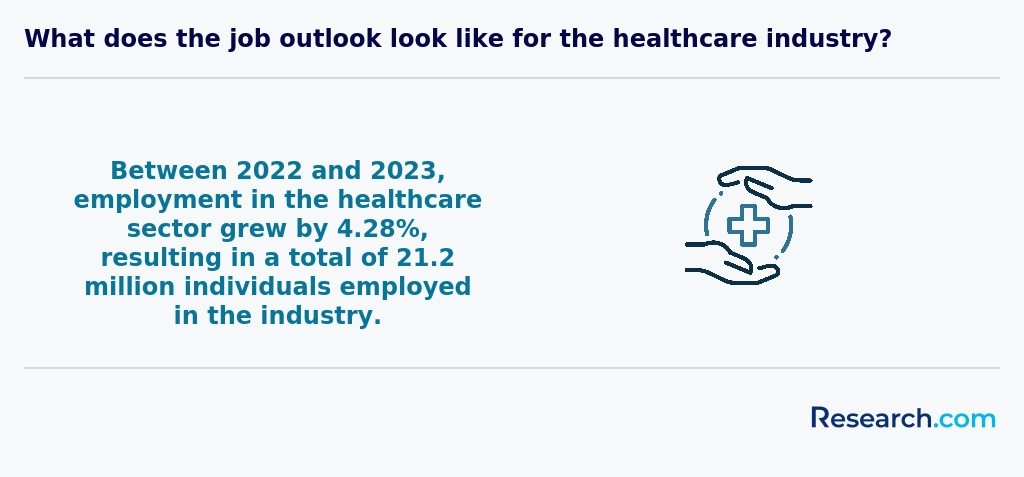
Success in an online healthcare program depends less on being “good at online learning” and more on building systems that make steady progress possible. Doctoral and graduate-level healthcare coursework often includes research, policy analysis, leadership projects, statistics, ethics, and applied assignments tied to real healthcare settings. Students who plan their week, communicate early, and use academic resources tend to manage the workload more effectively.
- Create a fixed weekly study schedule. Block time for reading, writing, discussion posts, research, and project work before the term begins. Treat these blocks like work shifts, not optional study time.
- Clarify expectations early. Online courses can move quickly. Review syllabi, assignment rubrics, technology requirements, clinical or practicum expectations, and faculty communication policies during the first week.
- Use support services before problems escalate. Writing centers, online library databases, tutoring, research consultations, and academic advising can prevent small issues from becoming major delays.
- Build a peer network. Virtual study groups, discussion forums, webinars, and cohort meetings can help students exchange resources, prepare for major projects, and stay accountable.
- Connect coursework to career goals. Choose papers, capstone topics, and applied projects that strengthen your expertise in healthcare administration, public health, nursing leadership, informatics, clinical research, or policy.
Program quality also affects student success. Before enrolling, compare online delivery, faculty access, completion support, and institutional reputation. Reviewing resources such as the best online healthcare school in florida can help you identify programs with stronger academic and career infrastructure for distance learners.
Online healthcare degree programs in Florida are thoughtfully designed to equip students with the essential knowledge and skills needed to thrive in this dynamic field. Courses typically start with human anatomy and physiology, providing a deep understanding of the human body-an exciting foundation for anyone passionate about health. Graduates from popular colleges like the University of Florida often recall how this knowledge transformed their perspective on patient care.
Ethics and medical terminology are integral, helping students navigate the respectful and precise communication vital in Florida's diverse and vibrant communities. Many students express pride in mastering healthcare administration and management, learning to lead with confidence amidst the state's rapidly evolving healthcare system.
Public health and epidemiology courses prepare students to tackle real challenges, such as infectious disease outbreaks in Florida's unique climate, inspiring graduates to create impactful community programs. Advanced subjects including healthcare informatics empower learners to harness technology, driving improvements in patient outcomes efficiently and innovatively.
Students pursuing an online healthcare degree in Florida discover a vibrant array of specializations tailored to their passions and career goals. Graduates from top universities in the state often highlight how Nursing stands out, especially with roles like nurse practitioner and educator, meeting Florida's growing demand for compassionate, skilled care. For those drawn to leadership, Healthcare Administration offers a pathway into managing hospitals and clinics, equipping learners with essential skills to navigate the complex healthcare landscape.
Many find inspiration in Public Health programs that focus on community well-being, vital for Florida's diverse population and unique challenges like tourism-related health. Others are excited by Health Informatics, where technology and healthcare merge to revolutionize patient care. These options empower students to shape their futures brightly, blending flexibility with Florida's healthcare needs.
Additional areas flourishing in Florida include Physical Therapy, Occupational Therapy, Pharmacy Administration, Health Education, and Clinical Research-specializations that graduates from various colleges proudly pursue. Explore the ranking of affordable online doctorate in pharmacy program if you're interested in advancing your expertise through Florida healthcare doctorate program options.
Choosing the best online healthcare degree in Florida begins with finding a program that holds strong accreditation, ensuring your education meets rigorous standards recognized statewide. Graduates from top Florida universities often share how accreditation boosted their confidence during job searches and licensure processes, opening doors to fulfilling careers.
Next, focus on curriculum and specialization options that align with your passion. Whether it's nursing, health administration, or healthcare informatics, institutions in Florida frequently update courses to include exciting fields like telehealth or healthcare policy, helping students stay ahead. Many students value how flexible schedules with asynchronous classes allowed them to balance family or work.
Cost also shapes decisions; many students explore affordable online healthcare degree programs Florida offers, with some discovering in-state tuition benefits even as online learners. For budget-savvy options, be sure to check rankings like the Inexpensive Online Healthcare Degree Programs Ranking in Pittsburgh, PA for ideas beyond Florida.
Finally, consider clinical placements-hands-on experiences critical in Florida's healthcare landscape. Graduates often highlight local partnerships that eased securing practical hours near home, turning learning into rewarding real-world impact.
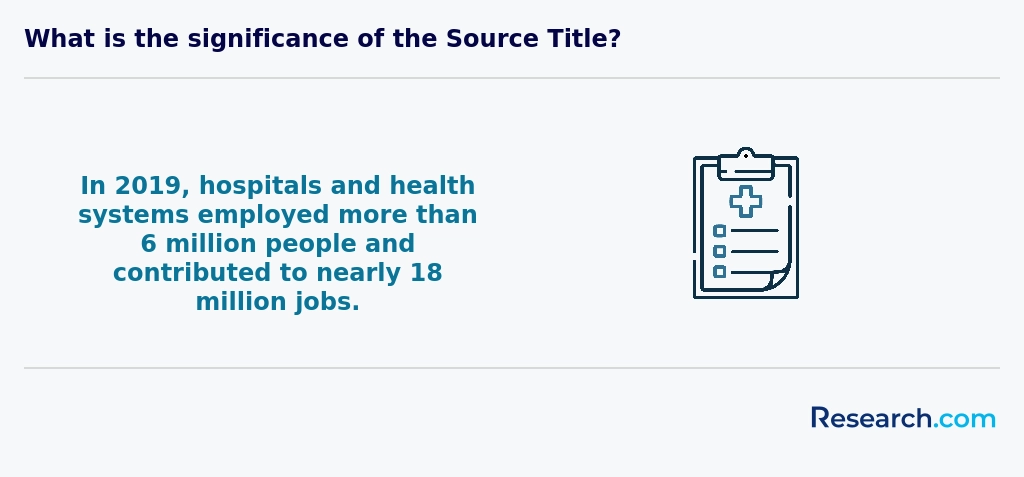
Graduates with an online healthcare degree in Florida find themselves stepping into a landscape brimming with opportunity and meaningful work. Many emerging professionals from well-known Florida institutions have embraced careers in healthcare administration, where they lead teams and manage vital hospital operations. These roles offer the chance to positively impact community health every day while growing professionally in a state experiencing significant demand for healthcare managers.
Nursing remains a powerful pathway, with licensed practical nurses, registered nurses, and nurse practitioners in high demand due to Florida's aging population. Online programs from colleges like the University of Florida or Florida State University help students balance education with life, enabling them to achieve strong clinical roles that transform patient care. Many graduates share how their flexible studies opened doors to roles combining passion with stability.
Specialized fields like healthcare informatics also attract graduates eager to innovate. By managing patient data and health technologies, these professionals improve healthcare outcomes statewide. Those interested in shaping public health policies and education contribute to healthier Florida communities, all while benefiting from the flexibility of online study.
For those ready to accelerate their careers, exploring a degree fast track can be a strategic path forward, unlocking new horizons in healthcare professions.
The online healthcare degree job outlook Florida is exceptionally promising, especially for graduates of renowned institutions like the University of Florida and Florida International University. Many graduates recall the flexibility of their online programs enabling them to balance work and study, while stepping confidently into roles such as registered nurses, physical therapists, and health administrators. This dynamic job market benefits significantly from Florida's large, aging population, which fuels a continuous demand for skilled healthcare workers.
Graduates pursuing healthcare doctorate employment opportunities Florida often transition quickly into leadership positions, finding rewarding careers in healthcare administration or advanced clinical practice. The state's growing telehealth sector adds exciting prospects for those skilled in health informatics and remote patient care. With median wages close to $57,000 and strong growth projections, online degrees empower students not only to advance their professional journey but also to improve community health.
Students exploring affordable pathways might consider certificate programs online that pay well, easing entry into this thriving field through targeted credentials and specialized knowledge.
2027 Best Online Doctorate in Healthcare Degree Programs Ranking in Florida
Investing in your education is a significant decision that can shape your future, and the Research.com team understands the importance of making informed choices. To assist prospective students interested in healthcare doctorates in Florida, we have meticulously crafted the "2027 Best Online Doctorate in Healthcare Degree Programs Ranking in Florida." Our commitment to quality, credibility, and accuracy is reflected in the extensive research and analysis conducted to compile this ranking.
We utilized the following reputable data sources to ensure a comprehensive evaluation of healthcare programs:
By exploring this ranking, readers will gain valuable insights into the top online doctorate options in healthcare available in Florida, empowering them to make well-informed decisions about their educational journeys. For more information about how this ranking was created, please visit our Research.com methodology page.


Frequently Asked Questions About healthcare
Online healthcare degree students in Florida can maximize their learning by actively engaging with their coursework and peers. Utilizing virtual discussions and study groups helps deepen understanding and mimic in-person interactions. Florida's growing healthcare industry, which employs over 1.5 million workers as of 2023 according to the Florida Department of Economic Opportunity, provides ample opportunities for clinical placements and internships.
Students should also take advantage of academic resources like online libraries and tutoring services offered by their institutions. Time management is crucial; setting a consistent study schedule improves retention and balances work-life demands. Finally, staying informed about Florida-specific healthcare policies can enhance practical knowledge and career readiness.
The healthcare field in Florida is expanding rapidly, with several emerging niches gaining prominence. One key area is telehealth, which has grown significantly due to increased access to online care, especially following the COVID-19 pandemic. According to the Florida Department of Health, telehealth usage in the state rose by over 60% between 2019 and 2022.
Another growing niche is geriatric care, driven by Florida's large senior population. Chronic disease management and home health services are in higher demand to support aging residents.
Health informatics also stands out as a critical specialty, integrating data analytics to improve patient outcomes. These niches offer promising career paths for students pursuing online healthcare degrees in Florida.
Preparing for the job market after completing an online healthcare degree in Florida involves several strategic steps. First, graduates should pursue relevant state licensure or certification, as many healthcare roles require compliance with Florida's specific regulations. According to the Florida Department of Health, timely application for licensure improves employment prospects significantly.
Networking plays a key role. Joining professional associations such as the Florida Public Health Association can connect graduates to local employers and industry events. Additionally, gaining practical experience through internships or allied health volunteering enhances real-world skills.
Florida's healthcare sector is projected to grow by 14% through 2030, according to the U.S. Bureau of Labor Statistics, making ongoing education and skills updates essential to stay competitive.
Employers in Florida seek healthcare degree graduates with a combination of technical knowledge and interpersonal skills. Clinical competency remains a top priority, ensuring graduates can effectively apply medical procedures and evidence-based practices. According to the Florida Department of Health, proficiency in electronic health records (EHR) systems is increasingly essential due to the state's adoption of digital healthcare technologies.
Communication skills are equally important, as healthcare professionals must clearly and compassionately interact with diverse patient populations. Critical thinking and problem-solving abilities help graduates adapt to fast-changing environments.
Leadership and teamwork are also highly valued, especially in multidisciplinary Florida healthcare settings, where collaboration improves patient outcomes.
Finding internships in Florida relevant to a healthcare degree requires proactive research and networking. Start by exploring partnerships that online healthcare programs often have with local hospitals, clinics, and health organizations. Many universities in Florida cooperate with the Florida Department of Health to facilitate placements for students. According to the Florida Department of Health, the state employs over 150,000 healthcare professionals, offering diverse opportunities in urban and rural areas. Visiting healthcare job portals like the Florida Center for Nursing or reaching out to hospital human resources departments can also help identify openings. Additionally, joining professional associations such as the Florida Healthcare Association can expand internship prospects.
Obtaining an online healthcare degree in Florida significantly enhances career mobility and advancement opportunities. Florida's healthcare sector is growing rapidly, with the Florida Department of Economic Opportunity projecting a 15% increase in healthcare jobs by 2030. An advanced degree allows professionals to qualify for leadership roles in hospitals, public health organizations, and private practices.
Online programs offer flexibility for working professionals, enabling them to gain specialized skills without interrupting employment. Graduates often see higher earning potential; for example, healthcare managers in Florida earn an average of 18% more with doctoral credentials, according to the U.S. Bureau of Labor Statistics.
Moreover, Florida's diverse healthcare market demands expertise in areas such as healthcare administration, policy, and informatics, fields well-served by online doctorate programs. This trend supports upward career shifts and broader geographic mobility within the state.
Studying for a healthcare degree online in Florida offers strong preparation for interdisciplinary roles by emphasizing collaboration across multiple healthcare fields. Florida's programs integrate coursework in public health, management, and clinical sciences to build broad competency.
Given Florida's diverse population and aging demographics, students learn to address complex healthcare needs, requiring teamwork among nurses, physicians, social workers, and administrators. The Bureau of Labor Statistics projects Florida's healthcare jobs to grow 16% by 2031, enhancing demand for professionals skilled in interdisciplinary communication.
Many Florida institutions incorporate real-world case studies and technology-based simulations, fostering skills essential for integrated care models.
When choosing between a thesis and a non-thesis healthcare degree program in Florida, students should consider their career goals. Thesis programs often suit those seeking research positions or doctoral studies, requiring original research and a formal dissertation. Non-thesis options typically focus on practical skills, favoring professionals aiming for leadership or clinical roles in Florida's growing healthcare sector.
According to the Florida Department of Health, employment in healthcare occupations is projected to grow 15% by 2030, highlighting the demand for skilled practitioners. Thesis programs often demand more time and commitment, while non-thesis paths may allow faster completion.
Additionally, accreditation and faculty expertise in research are critical factors when evaluating programs. Connections with Florida healthcare institutions might also influence the decision.
Students based in Florida who wish to study healthcare abroad have several options through online degree programs offered by U.S.-accredited institutions with international partnerships. These programs often include study-abroad components, internships, or research opportunities in countries with advanced healthcare systems. Florida's universities, such as the University of Florida and Florida State University, maintain global connections that can facilitate healthcare experiences overseas.
The Florida Department of Education notes that about 75% of healthcare jobs in the state require some level of advanced education, increasing the appeal of gaining international experience. Programs accredited by the Commission on Collegiate Nursing Education (CCNE) or the Council on Education for Public Health (CEPH) help ensure quality.
Online healthcare degrees with international options allow Florida students to benefit from diverse cultural perspectives while completing their coursework remotely, making global healthcare education accessible without relocating.
Florida offers several part-time job opportunities that complement online healthcare degree education, providing practical experience while studying. Common roles include medical assistant positions, which help students gain clinical knowledge and patient interaction skills. According to the Florida Department of Economic Opportunity, healthcare support occupations are expected to grow by 15% from 2021 to 2031.
Another option is working as a pharmacy technician, which allows students to understand medication management within healthcare settings. Administrative roles in hospitals or clinics also provide insight into health information management.
These jobs not only support financial needs but enhance resumes for future healthcare careers.
Online healthcare students in Florida benefit from various networking opportunities despite the virtual format. Many universities offer access to statewide healthcare associations like the Florida Public Health Association, which hosts conferences and webinars connecting students with professionals.
Students can also join local chapters of national organizations such as the American Health Information Management Association (AHIMA) or the Florida Nurses Association, expanding their professional contacts.
Additionally, Florida's large healthcare industry, employing over 1.5 million people according to the Florida Department of Economic Opportunity, provides numerous internship and mentorship options facilitated through school partnerships.
Virtual career fairs and alumni networks further enhance accessibility to job leads and collaborative projects.
Alumni networks offer significant advantages to online healthcare degree students in Florida. These networks create valuable connections among graduates who have firsthand experience in Florida's healthcare industry. According to the Florida Department of Health, the state employed over 1.2 million healthcare workers as of 2023, making networking essential for career opportunities.
Students benefit from mentorship programs, job leads, and professional development events facilitated by alumni groups. These connections help graduates navigate Florida's diverse healthcare settings, from urban hospitals to rural clinics.
Moreover, active alumni networks often collaborate with healthcare employers, increasing access to internships and job placements specific to Florida's market.
Customizing an online healthcare degree in Florida begins with selecting a program that offers flexible specializations aligned with your career goals. Many Florida institutions provide tracks in areas such as healthcare administration, informatics, or public health, allowing students to focus their studies accordingly.
Florida's healthcare sector is expected to grow by 23% through 2030, according to the U.S. Bureau of Labor Statistics, making targeted credentials valuable for future job prospects. Students can often choose electives or concentrations that enhance skills relevant to their desired roles, such as leadership or data analysis.
Additionally, some programs offer experiential learning or capstone projects tailored to local healthcare systems. This hands-on approach ensures practical knowledge applicable to Florida's diverse population and healthcare settings.
Online healthcare students in Florida often face several challenges that can affect their academic success. One major issue is limited access to clinical placements within the state, as healthcare programs require hands-on experience, and spots can be highly competitive due to Florida's large and diverse population. According to the Florida Department of Health, growing demand for clinical sites has intensified this bottleneck. Additionally, students frequently report difficulties balancing coursework with work and family responsibilities, especially given Florida's high cost of living in many urban areas.
Technical issues also create barriers; reliable internet access and familiarity with digital learning platforms are not universal. Lastly, students may struggle with feeling isolated, as online programs can limit peer interaction and mentorship opportunities that are critical in healthcare education.
With an online healthcare degree in Florida, graduates can pursue a variety of professional certifications to enhance their careers. Common options include Certified Professional in Healthcare Quality (CPHQ), Registered Health Information Administrator (RHIA), and Certified Medical Manager (CMM). These certifications are recognized nationally and help demonstrate expertise in healthcare administration, quality management, and information management.
Additionally, Florida's large healthcare sector supports certifications like the Certified Coding Specialist (CCS), which is valuable given the state's emphasis on medical billing and coding.
The Florida Department of Health provides resources for licensure and certification requirements, ensuring that professionals meet state-specific standards. According to the Bureau of Labor Statistics, healthcare occupations in Florida continue to grow faster than average, making these credentials increasingly valuable.
Writing a successful application for an online healthcare program in Florida starts with thorough research. Each school may require specific materials such as transcripts, letters of recommendation, and personal statements. Highlight your healthcare experience and dedication to improving health outcomes, as Florida's healthcare sector employs over 1.4 million workers, indicating strong program competitiveness (Florida Department of Health, 2023).
Make your personal statement clear and focused. Explain why you chose an online program and how it fits your career goals. Mention any previous healthcare roles, volunteer work, or certifications to strengthen your profile.
Ensure all documents are error-free and submitted before deadlines. Also, familiarize yourself with Florida Board of Nursing or other relevant licensing requirements if your program leads to certification.
Healthcare careers have a global significance due to increasing demands for skilled professionals in diverse settings. In the United States, including Florida, healthcare jobs are among the fastest-growing fields. According to the U.S. Bureau of Labor Statistics, healthcare occupations are projected to grow 13% from 2021 to 2031, much faster than the average for all jobs.
Florida, with its large and aging population, shows particular demand for healthcare workers. The Florida Department of Economic Opportunity reported a 20% increase in healthcare employment between 2015 and 2022.
Globally, healthcare roles are evolving with technology and changing patient needs, emphasizing the importance of advanced education like online healthcare degrees for flexible career progression.
Gaining practical experience while studying for an online healthcare degree in Florida is essential to develop the skills needed for your career. Many programs require clinical internships or practicums as part of their curriculum, which students can complete at approved healthcare facilities within Florida.
Students can often arrange placements in hospitals, clinics, or long-term care facilities nearby. Florida's large healthcare sector, employing over 1.5 million people according to the Florida Department of Economic Opportunity, offers numerous opportunities.
Additionally, students may participate in virtual simulations, gaining hands-on skills through advanced technology when in-person experience is limited.
Choosing the right concentration within an online healthcare degree program in Florida requires careful consideration of your career goals and the state's growing healthcare needs. Florida's aging population, projected to reach 22% over age 65 by 2030 (Florida Department of Elder Affairs), increases demand for specialties like gerontology and health administration.
Research healthcare employment trends from the Florida Department of Economic Opportunity to identify high-growth areas such as nursing leadership or public health. Also, consider programs offering flexibility and accredited curricula recognized by organizations like the Commission on Accreditation of Healthcare Management Education (CAHME).
Assess the curriculum's relevance to Florida's healthcare policies and whether the program supports licensure or professional certification in your chosen concentration.
- 2027 Best Online Doctorate in Healthcare Degree Programs Ranking in Georgia
- 2027 Best Online Doctorate in Healthcare Degree Programs Ranking in South Carolina
- 2027 Best Online Doctorate in Healthcare Degree Programs Ranking in Tennessee
- 2027 Best Online Doctorate in Healthcare Degree Programs Ranking in Louisiana
- 2027 Best Online Doctorate in Healthcare Degree Programs Ranking in Kentucky
- 2027 Best Online Doctorate in Healthcare Degree Programs Ranking in Virginia
- 2027 Best Online Doctorate in Healthcare Degree Programs Ranking in Missouri
- 2027 Best Online Doctorate in Healthcare Degree Programs Ranking in Indiana
- 2027 Best Online Doctorate in Healthcare Degree Programs Ranking in Ohio
- 2027 Best Online Doctorate in Healthcare Degree Programs Ranking in Illinois
See What Experts Have To Say About Studying Healthcare
Read our interview with Healthcare experts

- Outline Financial AID page https://agmedtech.com/financial-aid-page/
- Careers - Florida Department of Health https://www.floridahealth.gov/about-us/careers/
- Palm Beach State College: Health Sciences Pathway https://www.palmbeachstate.edu/career-pathways/pathway-health/default.aspx
- Educational journey from nursing to medical school https://ojs.southfloridapublishing.com/ojs/index.php/jdev/article/download/5124/3469/12933
- Online BHA Degrees in Florida: Review Top Programs https://www.edumed.org/online-schools/healthcare-administration-degrees/florida-fl/
- Online Healthcare Degree Programs | ABHES Accredited https://www.ultimatemedical.edu/campuses/online/
- Florida Online Medical School | STI Online Healthcare Courses https://www.stinow.com/course/
- Career Pathways | Health First https://www.careers.hf.org/career-pathways
- 2026 Most Affordable Online Healthcare Administration ... https://www.onlineu.com/most-affordable-colleges/healthcare-administration-degrees
- Hybrid and Online Healthcare Certificates and Degrees https://www.chcp.edu/degrees-certificates/online/


