
2027 Most Affordable Healthcare Degree Programs Ranking in Waynesburg

Co-Founder and Chief Data Scientist
Choosing the right healthcare degree program can be overwhelming, especially in Waynesburg. This article introduces the 2027 Most Affordable Healthcare Degree Programs Ranking in Waynesburg, created by the Research.com team of data scientists. It provides clear, data-driven insights to help you make an informed decision about your education.
Getting a healthcare degree opens doors to meaningful and rewarding careers. By exploring this ranking, you'll discover affordable options that fit both your goals and budget, making your journey toward a successful future feel achievable and encouraging.
Key benefits of getting healthcare degree in Waynesburg
- Healthcare degree graduates in Waynesburg can earn competitive salaries, such as Medical Assistants making around $43,350 annually or Quality Improvement Coordinators earning up to $103,150 per year, offering strong financial stability.
- Graduates often explore diverse career paths including roles like Patient Care Technician or Health Information Technician, showing the flexibility and variety available after completing a healthcare degree locally.
- Getting a healthcare degree online from a Waynesburg institution allows for flexible scheduling and quicker entry into the workforce, making it easier for students to balance life while advancing their careers.
- Key benefits of getting healthcare degree in Waynesburg
- What can I expect from healthcare degree in Waynesburg?
- Where can I work with healthcare degree in Waynesburg?
- How much can I make with healthcare degree in Waynesburg?
- 2027 Most Affordable Healthcare Degree Programs Ranking in Waynesburg
- Key Findings
- How long does it take to complete healthcare degree in Waynesburg?
- Return on Investment for Healthcare Degrees in Waynesburg, PA
- What's the difference between online and on-campus healthcare degree?
- Licensure and Certification Outcomes
- What is the average cost of healthcare degree in Waynesburg?
- What financial aid is available to healthcare degree students in Waynesburg?
- Advanced Education and Career Growth Opportunities
- What are the prerequisites for enrolling in healthcare degree program in Waynesburg?
- Campus Life and Student Resources in Waynesburg, PA
- What courses are typically in healthcare degree programs in Waynesburg?
- What types of specializations are available in healthcare degree programs in Waynesburg?
- How do you choose the best healthcare degree in Waynesburg?
- What career paths are available for healthcare degree students in Waynesburg?
- What is the job market for healthcare degree in Waynesburg?
- Top Trending Healthcare Rankings
- See What Experts Have To Say About Studying Healthcare
What can I expect from healthcare degree in Waynesburg?
Imagine stepping onto the campus of Waynesburg University, where healthcare dreams begin without the weight of overwhelming tuition fees. The average cost of pursuing a healthcare degree here hovers around $36,500 per year-accessible enough to let ambition soar without shackling wallets. Graduates often recall balancing this investment with financial aid that smooths the path toward a career in nursing or public health.
One graduate vividly remembers the relief of affordable tuition combined with hands-on clinical experiences offered locally, turning textbook theories into real-world skills. The feeling of walking into a nearby hospital for clinical training, confident that the education cost was justified by invaluable practical exposure, is a shared emotion among many.
In Waynesburg, healthcare studies are not just an expense-they are a gateway to meaningful work in thriving regional hospitals and clinics. This blend of cost-effectiveness and quality education cultivates excitement and readiness to meet the community's health challenges.
Where can I work with healthcare degree in Waynesburg?
Graduates from healthcare programs at Waynesburg University and other local colleges find their futures brightly lit by a spectrum of career paths across the region. Imagine yourself stepping into Greene County Medical Center, a hub alive with nurses, technicians, and administrators-many of whom once sat in the same classrooms you will. These roles are more than jobs; they're vibrant daily missions driven by an aging community's needs and a passion for care.
Others have thrived in outpatient clinics or rehab centers nearby, blending hands-on skills in nursing, physical therapy, or health management with personal stories of healing and hope. It's easy to picture a graduate coordinating public health initiatives, weaving together community programs that improve lives while learning from peers who blend academic knowledge with heartfelt service.
For those fascinated by the technology behind healing, imaging centers offer a gateway to specialized careers in sonography and radiology - realms where science meets human touch. The excitement of commuting to Pittsburgh's larger hospital systems for advanced roles also beckons, transforming your degree into a passport for growth, impact, and fulfillment close to home.
How much can I make with healthcare degree in Waynesburg?
With a healthcare degree earned from popular institutions around Waynesburg, graduates often step into jobs that pay impressively while making a real impact. Imagine starting as a Medical Assistant, pulling in around $43,350 annually-enough to cover living expenses comfortably while gaining hands-on experience. Patient Care Technicians, another common pathway, enjoy a livable wage averaging $60,790, perfect for those who thrive on direct patient interaction and hands-on care.
Health Information Technicians, those who master the art of managing vital health data, earn close to $43,380, blending tech skills with healthcare savvy-a favorite route for many Waynesburg grads passionate about the digital side of medicine. For the more ambitious, roles like Clinical Research Coordinators mirror the Medical Assistant's range but open doors to innovative medical discoveries at $43,350 annually.
Then there are the stars: Quality Improvement Coordinators in Waynesburg climb much higher, earning about $103,150 a year. Graduates stepping into these roles from local colleges often describe a surge of pride, knowing their work drives better patient outcomes and system-wide improvements.
Many report that their degrees, combined with Waynesburg's supportive learning environment, launched them into these rewarding careers with salaries reflecting both their hard work and the region's healthcare demand.
2027 Most Affordable Healthcare Degree Programs Ranking in Waynesburg
How do we rank schools?
Investing in your education is a significant decision that can shape your future, and the Research.com team is fully aware of the importance of making well-informed choices. To support prospective students in Waynesburg, we have carefully developed the "2027 Most Affordable Healthcare Degree Programs Ranking in Waynesburg." Our dedication to quality, credibility, and accuracy is demonstrated through thorough research and rigorous analysis conducted to assemble this ranking.
We utilized the following reputable data sources to ensure a comprehensive evaluation of healthcare degree programs:
By exploring this ranking, readers will gain valuable insights into affordable healthcare education options available in Waynesburg, empowering them to make informed decisions about their educational investments. For more information on how this ranking was created, please visit our Research.com methodology page.

Key Findings
- Healthcare degree tuition in Waynesburg ranges from $15,000 to $25,000 per year at accredited schools.
- Job opportunities for healthcare graduates in Waynesburg are expected to grow by about 12% over the next decade.
- Entry-level healthcare workers can start with an average salary of $45,000 annually, while experienced professionals earn around $70,000 per year.
- Students can pursue associate's, bachelor's, or master's degrees in nursing, medical technology, healthcare administration, and physical therapy.
- Clinical training with local hospitals is commonly available to improve practical skills and job placement.
- Healthcare programs in Waynesburg are accredited, ensuring eligibility for state licensure and certification exams.
How long does it take to complete healthcare degree in Waynesburg?
In Waynesburg, diving into a healthcare degree feels like setting off on a journey with clear checkpoints: certificates and associate degrees often become the swift launch pads, wrapping up in just 1 to 2 years. Graduates from local colleges recall how these programs, like the Associate of Applied Science in Nursing, acted as their fast tracks to hands-on medical roles, energizing their futures with practical skills quickly.
The bachelor's route, championed by institutions such as Waynesburg University, typically spans a sturdy 4 years. Students describe this period as a blend of rigorous learning and meaningful clinical experiences, shaping them with confidence and competence for the licensure exams that await. The rhythm here matches the heartbeat of traditional US undergraduate education, molding a strong foundation in healthcare.
For those chasing advanced practice roles-nurse practitioners or physician assistants-the path extends another 2 to 3 years through master's programs, which often require venturing beyond Waynesburg or navigating online landscapes. Many graduates reflect on balancing these intense years with both excitement and the challenge of clinical rotations that test their resolve.
Part-time schedules, prerequisite hurdles, and the ebb and flow of clinical placements can stretch these timelines unpredictably, making each student's journey uniquely their own, yet all converging toward a shared goal: thriving in a booming healthcare world.
Return on Investment for Healthcare Degrees in Waynesburg, PA
Understanding the return on investment (ROI) of a healthcare degree is essential for students weighing the long-term value of their education against tuition costs and potential debt. By comparing average graduate salaries-such as $55,860 for Patient Care Technicians and $41,260 for Health Information Technicians-with total program expenses, students can estimate how many years it will take to recoup their investment. For instance, a $58,968 annual tuition paired with a $55,860 starting salary suggests a break-even point of approximately two to three years, assuming modest living costs and disciplined loan repayment. When factoring in additional expenses like books, fees, and living costs, it’s helpful to model different repayment scenarios. A standard 10-year federal loan repayment plan can be contrasted with accelerated payment options to visualize interest savings over time. Prospective students should also consider how specialization impacts ROI: a healthcare informatics graduate may command higher entry-level salaries, while those in administrative tracks might face a longer payback period but benefit from stable demand. Exploring related credentials can further enhance ROI analysis. For example, certificate programs in medical billing and coding often require lower upfront costs and shorter completion times. Prospective enrollees curious about this pathway can learn more about affordability and schedule by reviewing resources on how much does a medical coding certificate cost, helping them decide if a certificate, associate, or bachelor’s degree aligns best with their financial goals. Ultimately, maximizing ROI involves selecting accredited programs with strong job placement rates, leveraging financial aid, and pursuing internships that can lead to higher starting salaries. By calculating break-even points and comparing program types, students in Waynesburg, PA can make informed choices that balance educational quality with long-term financial well-being.
What's the difference between online and on-campus healthcare degree?
Imagine juggling a bustling job at a local clinic while streaming lectures from Waynesburg University's online healthcare program-learning on your own clock, in your favorite chair, without a commute. Online degrees here weave flexibility into the fabric of education, perfect for those who thrive blending work and study.
On the flip side, picture walking the halls of a Waynesburg campus where your nursing lab smells faintly of antiseptics, and your classmates exchange tips between hands-on practice sessions. This tactile environment offers immersive experiences, with direct faculty guidance and face-to-face connections fueling confidence in skills crucial for healthcare careers.
Graduates of both paths speak to a shared pride: the cherished clinical placements arranged locally, ensuring real-world impact whether you're clicking through modules or donning scrubs in a bustling hospital wing. Costs may align closely at institutions here, but it's the dance between freedom and fellowship that truly defines the difference.
Licensure and Certification Outcomes
Programs in Waynesburg emphasize preparation for state and national licensure exams, with nursing graduates reporting NCLEX-RN pass rates above 90% on first attempt. Likewise, graduates in health information management achieve RHIT exam success rates of over 85%, reflecting rigorous coursework and dedicated exam prep workshops. Accredited by organizations such as the Commission on Collegiate Nursing Education (CCNE) and the Commission on Accreditation for Health Informatics and Information Management Education (CAHIIM), these programs ensure students meet the standards required for certification. To support certification success, Waynesburg institutions offer structured review courses, virtual simulation labs, and one-on-one mentorship with faculty who hold active licensure themselves. Clinical partners in local hospitals and outpatient clinics provide hands-on experience under licensed preceptors, further reinforcing critical skills and professional ethics. Aspiring professionals can compare these offerings with other affordable online alternatives by visiting our Inexpensive Online Healthcare Degree Programs Ranking in Mississippi. Earning licensure opens doors to advanced roles and higher earning potential-nurse practitioners and health information managers with active credentials often command salaries 10–20% above non-certified peers. Continuous professional development opportunities, such as workshops and specialized certifications in areas like geriatric care or electronic health records, help graduates maintain compliance and stay competitive in evolving healthcare environments.
What is the average cost of healthcare degree in Waynesburg?
When diving into the world of healthcare degrees in Waynesburg, the average cost hovers around a median total of $45,570. This might sound like a hefty sum, but it's important to see it through the eyes of recent graduates who feel the price is an investment blooming into rewarding careers. Local universities offering healthcare programs stand as bridges to meaningful futures, where tuition translates into hands-on clinical experience, skill mastery, and certifications crucial for healthcare roles.
Affordability here is not just a number-it reflects choices between community colleges and four-year universities. Those pursuing an associate degree through a community college often embrace more budget-friendly paths with in-state totals leaning closer to $30,480. These prospective students appreciate the balance of cost and valuable credentials, especially when aiming for fast-track healthcare careers.
Beyond tuition, alumni recall extra costs for lab materials and clinical placements, which though expected, feel manageable when supported by scholarships and aid. Students resonate with how Waynesburg's healthcare programs build confidence and skill in ways that make every dollar count. For those curious about their nursing options specifically, the Accepted nursing schools NY provide insights into comparable programs offering quality and value.
Ultimately, understanding Waynesburg affordable healthcare degree tuition fees means viewing the expenses as stepping stones toward vibrant careers and community impact, making the journey worth every cent.
What financial aid is available to healthcare degree students in Waynesburg?
Imagine starting your healthcare journey at Waynesburg University, where financial aid isn't just a number-it's a lifeline. Many grads fondly recall filling out the FAFSA, unlocking Pell Grants that felt like winning a mini scholarship every year, covering thousands without the weight of repayment. These grants made those daunting $10,000-$25,000 tuition bills suddenly feel conquerable.
State aid cranks the support machine higher. Pennsylvania's PHEAA stepped in for numerous students, offering the Pennsylvania State Grant to those navigating tight budgets, a real anchor for residents eager to thrive locally in healthcare. Graduates often describe this aid as the bridge that transformed dreams into scrubs.
At Waynesburg and nearby colleges, scholarships bloom like opportunities in spring. Whether through academic merit or local healthcare organizations rewarding dedication to the community, students share stories of financial hurdles eased by timely scholarships and tuition reimbursement plans.
When books and bills bubble up, work-study gigs not only pad pockets but weave practical experience into resumes, turning classrooms into clinics. Federal guidelines ensure that these jobs align with healthcare fields, making every dollar earned double as hands-on learning.
Finally, private foundations and HRSA resources spark hope with niche grants and loan repayments designed for future health pros. Many students attest these pockets of aid became unexpected windfalls, lighting their path through the rigor of healthcare education in Waynesburg.
Advanced Education and Career Growth Opportunities
As healthcare professionals look to further advance their careers, pursuing graduate and specialized programs can be a game-changing step toward increased expertise and leadership roles. Building on a strong foundation gained in undergraduate programs, advanced education enables professionals to delve into specialized fields such as healthcare administration, clinical research, or health informatics. These programs often incorporate hands-on experience, mentorship from industry leaders, and real-world case studies, providing students with actionable skills that accelerate career progression. For example, some professionals choose to explore interdisciplinary programs that bridge healthcare with emerging technologies. In fact, if you’re considering further specialization in a related field, you might wonder what are the cheapest online masters degrees in biotechnology for those interested in blending healthcare applications with innovative biotechnology trends. By obtaining a master’s degree or additional certifications, graduates not only enhance their current skills but also position themselves as competitive candidates for high-level roles, ensuring long-term career growth and adaptability in an ever-evolving industry.
What are the prerequisites for enrolling in healthcare degree program in Waynesburg?
To step into a healthcare degree program in Waynesburg, you'll need more than just ambition-you need a sturdy academic foundation. Imagine sitting in a bustling classroom at Waynesburg University, where graduates often reflect on their journey starting with a high school diploma or GED shining brightly on their applications. Their strong performances in biology and chemistry laid the groundwork, making complex concepts click like puzzle pieces.
Standardized test scores like the SAT or ACT aren't just numbers; they're the keys unlocking doors, with many students recalling the relief of sending in scores that matched their hard work. For specialized programs, some had already dipped toes into anatomy or microbiology through prerequisite college courses, easing their transition into intense healthcare studies.
Personal statements and letters of recommendation tell your story beyond grades-graduates recall how heartfelt words conveyed their dedication to healing and service, making admissions committees sit up and take notice.
Background checks and immunization records are not just bureaucratic hoops but shields ensuring safety during clinical experiences in local hospitals and clinics, giving students peace of mind as they learn.

Campus Life and Student Resources in Waynesburg, PA
Beyond the academic aspects and affordable tuition, students should also consider the unique campus environment and available support services offered by healthcare institutions in Waynesburg. A vibrant campus life can significantly enhance the overall educational experience, providing opportunities for personal growth, networking, and stress relief. Many institutions organize community events, mentorship programs, and extracurricular activities that help students build lasting connections, both socially and professionally. For instance, student resource centers often offer career counseling, mental health support, and tutoring services, ensuring that every graduate is well-equipped to succeed. Additionally, prospective students can explore our detailed guide on most affordable healthcare schools in pennsylvania to discover institutions that combine top-notch academics with a supportive campus atmosphere, making Waynesburg an ideal locale for both study and personal development.
What courses are typically in healthcare degree programs in Waynesburg?
Imagine stepping into a Waynesburg classroom where human anatomy and physiology aren't just textbooks but living, breathing explorations of the body's mysteries. Graduates from local institutions often recall moments in clinical practice labs where theory met reality-like learning patient care techniques that transformed nervous hands into confident caregivers.
Microbiology and pharmacology basics become more than rote facts; they're keys unlocking how tiny organisms or medications change lives. Healthcare ethics courses spark meaningful debates about compassion and integrity, shaping students' professional identities.
At Waynesburg colleges, healthcare administration and medical terminology sharpen the practical skills necessary to navigate bustling hospitals and clinics. Many students share how health informatics classes introduced them to cutting-edge technology, making the digital side of healthcare feel accessible and exciting.
These courses combine into a vibrant tapestry of knowledge and hands-on experience, empowering Waynesburg's future healthcare professionals to step confidently into their roles, ready to make a difference.
What types of specializations are available in healthcare degree programs in Waynesburg?
Waynesburg's healthcare degree specializations are a vibrant mosaic crafted to suit every aspiring healer's dream. Imagine yourself mastering the art of nursing, where graduates from top colleges glow with pride as they administer compassionate care, weaving ethics with hands-on skills. Or envision diving into Health Information Management, navigating the labyrinth of medical records like a digital detective, a path chosen by many embracing the future of healthcare technology. For those drawn to the pulse of community wellness, Public Health offers the thrill of designing life-saving strategies while tackling rural health challenges unique to Waynesburg.
Healthcare Administration, another popular track, transforms students into local leaders who balance management savvy with the heartbeat of healthcare laws, preparing them to lead facilities amid real-world complexities. Laboratory Science students become the unseen heroes behind diagnostic breakthroughs, while Radiologic Technology specialists wield imaging magic to reveal what lies beneath the surface. Students seeking swift progress often explore accelerated nurse practitioner programs admissions to leap into rewarding careers faster. These Waynesburg affordable healthcare degree programs create tailored journeys where passion meets purpose.
How do you choose the best healthcare degree in Waynesburg?
Imagine walking the halls of a Waynesburg college where graduates share how their affordable healthcare degree programs in Waynesburg turned dreams into reality. It's not just about picking any healthcare path-it's about immersing yourself in accredited programs that open doors to real careers. Nursing grads often mention how accreditation by ACEN or CCNE made their licensure journey smoother and employers more approachable.
Picture the warm buzz of small classrooms nearby combined with the flexibility of hybrid classes fitting around busy lives. Students talk about the magic of a two-year associate degree propelling them into the workforce quickly or the confidence a bachelor's instills, unlocking higher-level roles with better pay. Around campus, whispers tell of robust pass rates and strong job placement, proving these programs in Waynesburg aren't just affordable but effective.
For anyone aiming higher, exploring options like online nursing degrees new york internships might reveal unexpected routes-and that's the essence of choosing the best healthcare degrees Waynesburg 2027 can offer.

What career paths are available for healthcare degree students in Waynesburg?
Graduates from healthcare programs at Waynesburg's universities often find themselves stepping confidently into bustling hospitals as Registered Nurses, energized by the warmth of immediate patient impact. Others dive into the precise world of allied health, mastering skills as radiologic or respiratory technologists, carving out careers where science meets daily life in Greene County's medical centers. For those drawn to leadership, the path in healthcare administration unfolds-imagine guiding a hospital's heartbeat, balancing care quality with smooth operations based on lessons absorbed in Waynesburg's classrooms.
Some graduates from Waynesburg colleges pursue advanced roles like physical or occupational therapy, painting recovery stories with motion and resilience. Public health also calls to the community-focused, offering careers devoted to wellness initiatives that uplift local neighborhoods. These diverse healthcare careers in Waynesburg echo real student journeys, fueled by passion and purpose.
Many also explore niches integrating broader wellness, such as attending holistic nutrition conferences to expand their knowledge and impact, blending traditional medical training with innovative health perspectives. Such dynamic job options illustrate how a Waynesburg healthcare degree creates ripples across clinical, technical, and administrative realms.
What is the job market for healthcare degree in Waynesburg?
Healthcare graduates in Waynesburg are stepping into a buzzing ecosystem where opportunity blooms alongside dedication. Imagine walking the halls of Waynesburg University, where a graduate recalls landing a role as a registered nurse within months-energized by the community hospital's ongoing need for skilled professionals. This city's healthcare job opportunities in Waynesburg are powered by a dynamic synergy of aging populations demanding compassionate care and advancing medical tech creating new roles daily.
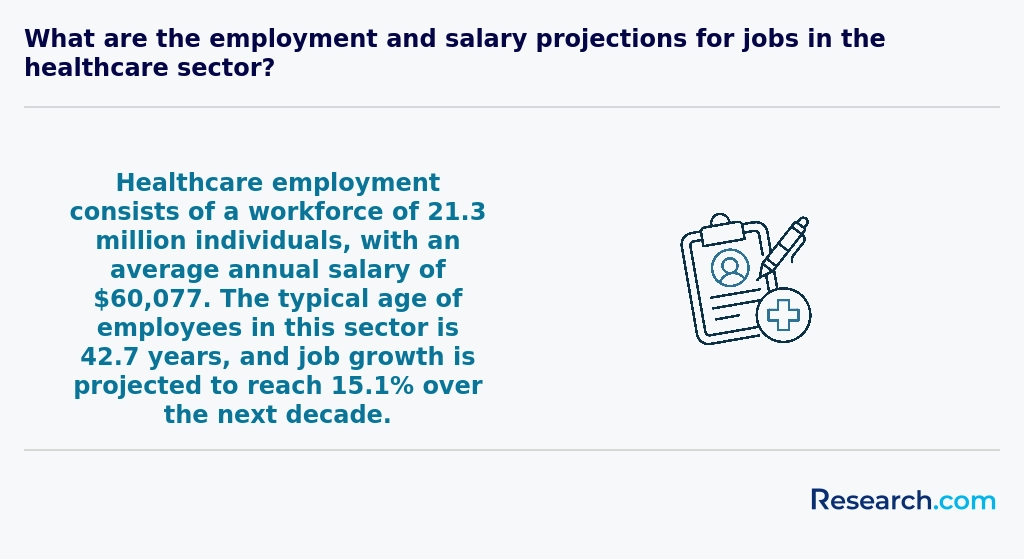
Local colleges craft programs that blend theory with real-world clinics, molding graduates ready for positions like medical technologists and health information technicians. Thanks to moderate tuition costs, students graduate without crushing debt, ready to embrace the $69,000 median annual wage in the Pittsburgh metro area. For those inspired to deepen expertise, exploring advanced nursing degrees can unlock even broader horizons. The Waynesburg healthcare degree employment outlook shines brightly, shaped by regional service growth and a collective drive toward certifications and evolving skills.
Frequently Asked Questions About healthcare
Healthcare degree students in Waynesburg can maximize their learning experience by engaging actively in both classroom and clinical settings. Local healthcare facilities offer valuable internship and practicum opportunities, which complement theoretical knowledge with real-world practice. According to the Pennsylvania Department of Education, programs emphasizing hands-on training see higher graduate employment rates, often exceeding 85% within six months of graduation.
Students should also take advantage of resources like tutoring centers and academic advising available at institutions such as Waynesburg University. Additionally, joining healthcare-related student organizations can enhance networking and professional development. Staying informed on regional healthcare trends through sources like the Greene County Health Department supports a well-rounded education.
The healthcare field is evolving rapidly, with several emerging niches gaining attention among students and professionals in Waynesburg. One key area is telehealth, which has expanded significantly due to technological advancements and increased demand for remote care. According to the Pennsylvania Department of Health, telehealth services in Greene County have risen by over 40% since 2020.
Another growing niche is healthcare data analytics. Professionals trained in this area analyze patient data to improve outcomes and reduce costs. Waynesburg's local hospitals increasingly seek experts capable of navigating electronic health records and data-driven decision making.
Additionally, gerontology is becoming a vital specialty due to an aging population. The U.S. Census Bureau notes that Pennsylvania's senior population is projected to grow by 15% in the next decade, prompting more educational programs focused on elder care.
Finally, healthcare informatics, combining IT and healthcare knowledge, offers new career paths in managing digital health technologies, further expanding opportunities for students in Waynesburg.
Preparing for the job market after earning a healthcare degree in Waynesburg involves several strategic steps. First, gaining practical experience through internships or clinical placements connected to local healthcare facilities can significantly boost employability. In Waynesburg, the presence of Waynesburg University's healthcare programs often provides access to internships with nearby hospitals.
Networking is also crucial. Joining professional organizations, such as the Pennsylvania Nurses Association or local health career groups, helps graduates connect with employers. Additionally, obtaining relevant certifications-like CPR, Basic Life Support, or specialized credentials depending on the healthcare field-increases job prospects.
According to the U.S. Bureau of Labor Statistics, healthcare occupations in Pennsylvania are projected to grow by 15% through 2030, indicating a strong local demand.
Employers in Waynesburg highly value healthcare degree graduates who demonstrate strong clinical skills and patient care abilities. Proficiency in medical terminology, electronic health records (EHR) management, and infection control practices are essential. According to data from the Pennsylvania Department of Labor & Industry, teamwork and communication skills rank among the top attributes sought, reflecting the collaborative nature of healthcare settings.
Critical thinking and adaptability are also important due to the fast-evolving healthcare landscape. Knowledge of state healthcare regulations and ethical standards influences hiring decisions. Additionally, practical experience through internships or clinical rotations significantly improves job prospects in Waynesburg's competitive healthcare market.
Finding internships in Waynesburg relevant to a healthcare degree involves a combination of local research and outreach. Students should start by contacting nearby hospitals and clinics, such as Waynesburg Hospital, which is a key healthcare provider in Greene County. These facilities often offer internships or externships aligned with healthcare studies.
Additionally, partnerships between Waynesburg University and local healthcare organizations can provide structured internship opportunities. Career services at colleges commonly assist students in identifying openings and preparing application materials.
Online platforms like Handshake and healthcare-specific job boards also list internships. According to the U.S. Bureau of Labor Statistics, healthcare internships boost employment chances by up to 20%, making them a vital step for students in the region.
Obtaining a healthcare degree in Waynesburg significantly enhances career mobility and advancement opportunities. The local healthcare sector, which includes hospitals, clinics, and long-term care facilities, is growing steadily, driven by an aging population and increasing demand for medical services. According to the Pennsylvania Department of Labor & Industry, healthcare occupations in Greene County, where Waynesburg is located, are projected to grow 13% from 2020 to 2030, outpacing many other industries.
A degree provides essential qualifications and certifications required for specialized roles like nursing, medical technology, or healthcare administration. It also positions graduates for higher salaries and leadership roles compared to those without formal education. Employers in Waynesburg often prioritize candidates with accredited degrees due to strict state licensing requirements. Continuous education via a healthcare degree can thus unlock both vertical promotions and lateral moves within diverse medical fields.
Studying for a healthcare degree in Waynesburg equips students with skills vital for interdisciplinary roles by emphasizing collaborative learning and practical experience. Programs often integrate courses in nursing, health administration, and social sciences, fostering an understanding of diverse healthcare perspectives. Faculty typically include professionals from various specialties, encouraging teamwork across disciplines.
Waynesburg University's healthcare-related programs highlight communication skills and problem-solving, critical for multidisciplinary environments. According to the Pennsylvania Department of Labor & Industry, healthcare occupations in Greene County, where Waynesburg is located, are projected to grow by 12% through 2030, increasing demand for professionals capable of working collaboratively.
Hands-on clinical training in local hospitals and community health centers further prepares students to navigate complex healthcare systems, enhancing readiness for interdisciplinary roles.
Choosing between a thesis and a non-thesis healthcare degree program in Waynesburg depends largely on your career goals and learning preferences. Thesis programs typically require original research, ideal for students aiming for careers in academia or research-intensive roles.
Non-thesis options, often more coursework-focused, appeal to professionals seeking advanced clinical skills or leadership positions without the demands of research. In Waynesburg, healthcare employers increasingly value practical experience, which non-thesis programs emphasize.
Accreditation and program length should also be considered; thesis tracks may extend study time by several months. Consulting resources like the U.S. Bureau of Labor Statistics and local institutions can provide insight about employment trends and degree value in Waynesburg's healthcare sector.
Students based in Waynesburg interested in studying healthcare abroad have several pathways available within the US higher education system. While Waynesburg University primarily offers healthcare degrees locally, many nearby universities and colleges in Pennsylvania have established study-abroad partnerships focused on healthcare fields.
Options typically include semester-long exchanges or clinical internship programs in countries with advanced healthcare systems, such as the United Kingdom or Australia. These programs provide valuable international exposure and hands-on experience in diverse medical environments. According to the Institute of International Education, about 10% of US healthcare students participate in global study programs annually, highlighting growing interest.
Funding and scholarships for study abroad are sometimes available through university grant programs or federal financial aid, which may apply to healthcare majors. Students should contact their institution's study-abroad office to explore accredited healthcare programs abroad that align with licensing requirements in the US.
Students pursuing healthcare degrees in Waynesburg have several part-time job options that enhance their education. Working as a certified nursing assistant (CNA) or medical assistant within local healthcare facilities like the Waynesburg Hospital provides practical experience. According to the Pennsylvania Department of Labor, CNAs in the Greene County area earn an average hourly wage of $13.50, offering both income and relevant skill development.
Pharmacies and outpatient clinics also often hire part-time workers for roles such as pharmacy technicians or medical receptionists. These positions build patient interaction and administration skills essential for healthcare careers.
Volunteering opportunities with local public health organizations allow students to expand their understanding of community health dynamics, complementing formal studies effectively.
Healthcare students in Waynesburg have access to various networking opportunities crucial for career development. Waynesburg University, a primary institution in the area, hosts events connecting students with local healthcare professionals. These include job fairs, guest lectures, and clinical partnerships with nearby hospitals such as Greene County Medical Center.
Local healthcare organizations often collaborate with academic programs, offering internships and volunteer positions. This real-world experience helps students build professional relationships and develop practical skills.
Additionally, professional associations like the American Nursing Association and student chapters of healthcare organizations provide platforms for networking. These connections can lead to mentorship and job placements within Southwestern Pennsylvania's healthcare sector.
Alumni networks play a significant role for healthcare degree students in Waynesburg by enhancing career opportunities and professional growth. Graduates from local programs often benefit from connections with experienced healthcare professionals who have navigated the regional job market. According to the National Association of Colleges and Employers, 80% of healthcare job placements occur through personal contacts, which highlights the value of strong alumni support.
In Waynesburg, alumni often provide mentorship, internships, and job leads within nearby hospitals and clinics, strengthening students' practical experience. Such networks also facilitate knowledge sharing on emerging healthcare trends and licensing requirements specific to Pennsylvania.
In Waynesburg, students pursuing healthcare degrees can customize their programs by selecting specialized tracks or electives aligned with their career goals. Many institutions offer options such as nursing, health administration, or public health specialties. This flexibility helps students focus on areas with strong local employment opportunities, like the growing demand for registered nurses and health services managers reported by the Pennsylvania Department of Labor.
Additionally, internship and clinical placements within Waynesburg-area hospitals and clinics enable hands-on experience, which can be tailored to specific fields. Online courses and part-time study options also support working professionals aiming to advance their skills while maintaining employment.
Healthcare students in Waynesburg often encounter several common challenges during their studies. One major difficulty is balancing rigorous coursework with clinical training, which requires significant time management skills. According to the National Center for Education Statistics, healthcare programs typically demand 40 to 60 hours weekly, combining lectures, labs, and hands-on experience.
Additionally, students may face limited local clinical placement opportunities due to Waynesburg's smaller healthcare network compared to urban areas. This can make securing diverse practical experiences more competitive. Financial burden is another concern; while Waynesburg offers some affordable programs, out-of-pocket costs for supplies and exams add up.
Finally, adapting to evolving healthcare technologies and protocols remains a constant pressure, underscoring the importance of continuous learning throughout training and beyond.
With a healthcare degree in Waynesburg, graduates can pursue a variety of professional certifications that enhance career opportunities. Common certifications include Certified Nursing Assistant (CNA), Licensed Practical Nurse (LPN), and Registered Nurse (RN), each requiring passing standardized exams after program completion.
For those interested in medical technology, credentials like Certified Medical Assistant (CMA) or Phlebotomy Technician certification are widely recognized. Additionally, certifications in Health Information Management, such as Registered Health Information Technician (RHIT), are useful for administrative roles.
These certifications align with workforce demands in Greene County, where healthcare employment is projected to grow by 10% over the next decade, according to the Bureau of Labor Statistics.
To write a winning application for a healthcare program in Waynesburg, start by carefully researching the specific program requirements provided by local institutions such as Waynesburg University. Healthcare programs often emphasize strong academic records in science and math. Highlight relevant experience, such as volunteering or work in healthcare settings, to show commitment.
Use clear, concise language in your personal statement, focusing on your motivation and understanding of healthcare challenges in the region. The applicant should include any certifications like CPR or CNA if applicable.
Meeting deadlines and submitting all recommended documents, including letters of recommendation, greatly improves your chance of acceptance.
Healthcare careers in the United States, including Waynesburg, are influenced by global trends such as aging populations and technological advances. According to the U.S. Bureau of Labor Statistics, healthcare jobs are projected to grow 16 percent from 2020 to 2030, faster than average for all occupations, reflecting increasing demand worldwide.
In Waynesburg, demand for healthcare professionals mirrors this growth due to a rising local senior population. Global perspectives emphasize cultural competence and adaptability, skills vital in diverse communities. Many U.S. healthcare degree programs now include training aligned with international standards to prepare students for global health challenges.
The World Health Organization highlights the need for healthcare workers who can collaborate across borders, an important consideration for graduates entering the field today.
Gaining practical experience while studying for a healthcare degree in Waynesburg is essential for career readiness. Local institutions often require clinical rotations, internships, or practicum placements as part of their curriculum. These hands-on opportunities allow students to work directly with patients under supervision, applying theoretical knowledge in real settings.
Waynesburg is home to healthcare facilities such as Waynesburg Hospital and nearby clinics, which frequently partner with colleges to host students. According to the Pennsylvania Department of Health, practical experience boosts employment prospects, with over 60% of healthcare employers preferring candidates with clinical experience.
Additionally, students can participate in volunteer programs or part-time jobs within local health organizations to further develop skills and professional networks.
Choosing the right concentration within a healthcare degree program in Waynesburg involves considering your career interests and local healthcare demands. Waynesburg is part of Greene County, which faces a growing need for primary care and nursing professionals, according to the Pennsylvania Department of Health.
Students should assess concentrations such as nursing, public health, or healthcare administration based on job availability in nearby hospitals and clinics. For instance, nursing remains a high-demand field nationally and locally, with the U.S. Bureau of Labor Statistics projecting a 9% growth in registered nurse jobs by 2028.
Research specific programs' curricula and alignment with certifications or licenses prevalent in Pennsylvania. Additionally, internships or clinical placement options in Waynesburg-area healthcare facilities can enhance practical experience and employment prospects.
Related Healthcare Rankings for Nearby Cities
- 2027 Most Affordable Healthcare Degree Programs Ranking in Morgantown
- 2027 Most Affordable Healthcare Degree Programs Ranking in Pittsburgh
- 2027 Most Affordable Healthcare Degree Programs Ranking in Greensburg
- 2027 Most Affordable Healthcare Degree Programs Ranking in Indiana
- 2027 Most Affordable Healthcare Degree Programs Ranking in Canton
- 2027 Most Affordable Healthcare Degree Programs Ranking in Kent
- 2027 Most Affordable Healthcare Degree Programs Ranking in Akron
- 2027 Most Affordable Healthcare Degree Programs Ranking in Athens
- 2027 Most Affordable Healthcare Degree Programs Ranking in Winchester
- 2027 Most Affordable Healthcare Degree Programs Ranking in Harrisonburg
Top Trending Healthcare Rankings
See What Experts Have To Say About Studying Healthcare
Read our interview with Healthcare experts

References
- Career Opportunities in Healthcare Without a Medical Degree https://www.just-medical.ch/en/blog/medical-careers-without-formal-education
- Healthcare Assistant Cover Letter Templates | myPerfectCV https://www.myperfectcv.co.uk/cover-letter/examples/healthcare-assistant-cover-letter
- Online Degree vs. Traditional: Choosing the Right Path https://beal.edu/online-degree-vs-traditional/
- How to choose a bachelor's in healthcare administration | edX https://www.edx.org/resources/how-to-choose-a-bachelors-in-healthcare-administration
- Waynesburg University https://www.collegexpress.com/college/profile/2005501/
- Course Benefits https://www.premedprojects.co.uk/hospital-work-experience-benefits
- The Value of Healthcare Organization Alumni Associations https://consultqd.clevelandclinic.org/the-value-of-healthcare-organization-alumni-associations
- Trends and opportunities in healthcare across emerging markets - Inizio https://inizio.com/insights/trends-and-opportunities-in-healthcare-across-emerging-markets/
- Employability Skills Matrix for the Health Sector https://www.skillsforhealth.org.uk/resources/employability-skills-matrix/
- Niche Markets in Healthcare https://ultrariskadvisors.com/niche-markets-in-healthcare/


