
2027 Most Affordable Healthcare Degree Programs Ranking in Greensburg

Co-Founder and Chief Data Scientist
Choosing the right healthcare degree program in Greensburg can feel overwhelming. To make this easier, the Research.com team of data scientists created the 2027 Most Affordable Healthcare Degree Programs Ranking in Greensburg. This ranking helps you identify quality programs that fit your budget and career goals.
By exploring this article, you'll discover affordable options designed to launch your healthcare career with confidence. Pursuing a healthcare degree opens rewarding opportunities, and this guide supports you in making an informed, meaningful choice for your future.
Key benefits of getting healthcare degree in Greensburg
- Healthcare degree graduates in Greensburg can earn competitive salaries, such as Medical Assistants making around $43,350 annually and Quality Improvement Coordinators earning up to $103,150 per year.
- Graduates from local colleges in Greensburg often pursue diverse roles like Patient Care Technicians or Health Information Technicians, opening doors to rewarding career paths in healthcare.
- Choosing an online healthcare degree offers flexibility and convenience, letting students balance work and study, as experienced by online graduates from popular Greensburg universities.
- Key benefits of getting healthcare degree in Greensburg
- What can I expect from healthcare degree in Greensburg?
- Where can I work with healthcare degree in Greensburg?
- How much can I make with healthcare degree in Greensburg?
- 2027 Most Affordable Healthcare Degree Programs Ranking in Greensburg
- Key Findings
- How long does it take to complete healthcare degree in Greensburg?
- Actionable Next Steps for Prospective Healthcare Students in Greensburg, PA
- What's the difference between online and on-campus healthcare degree?
- Return on Investment and Long-Term Career Benefits
- What is the average cost of healthcare degree in Greensburg?
- Continuing Your Education and Advanced Degree Options
- What financial aid is available to healthcare degree students in Greensburg?
- Certification and Licensure Requirements for Healthcare Graduates in Greensburg, PA
- What are the prerequisites for enrolling in healthcare degree program in Greensburg?
- Licensure and Certification Outcomes for Healthcare Graduates
- What courses are typically in healthcare degree programs in Greensburg?
- What types of specializations are available in healthcare degree programs in Greensburg?
- How do you choose the best healthcare degree in Greensburg?
- What career paths are available for healthcare degree students in Greensburg?
- What is the job market for healthcare degree in Greensburg?
- Top Trending Healthcare Rankings
- See What Experts Have To Say About Studying Healthcare
What can I expect from healthcare degree in Greensburg?
The average cost of a healthcare degree in Greensburg varies depending on the institution and degree level, but many students find it manageable through a combination of tuition, financial aid, and scholarships. At Westmoreland County Community College, for example, an associate degree in nursing can cost around $5,000 per year for in-district students. Graduates from this college often share that the affordable tuition paired with hands-on clinical placements helped them gain confidence without overwhelming debt.
For those pursuing a bachelor's degree at regional campuses of larger Pennsylvania universities, yearly tuition typically ranges from $10,000 to $15,000. Students emphasize that these universities' partnerships with local hospitals like Westmoreland Regional Hospital offer real-world experience that justifies the investment. Many report that financial aid offices worked closely with them to secure healthcare-specific scholarships, making the cost more accessible.
Overall, by actively seeking grants, scholarships, and local clinical training opportunities, Greensburg healthcare students find education costs balanced with practical career preparation and hopeful prospects.
Where can I work with healthcare degree in Greensburg?
Graduates with a healthcare degree from Greensburg's top colleges often find rewarding jobs right after completing their studies. Many begin their careers at Greensburg Regional Hospital, a major local employer offering roles such as nursing, medical technician, and healthcare administration. One graduate shared how their clinical rotations there led directly to a full-time nursing position, highlighting the value of hands-on experience gained locally.
Others pursue opportunities in outpatient clinics and urgent care centers scattered throughout Greensburg. These settings are ideal for those trained in patient care or physical therapy, giving graduates a chance to develop specialized skills in a community-focused environment. Another graduate started working as a medical technologist at a nearby laboratory, appreciating the faster pace and close teamwork involved.
Public health roles with the Westmoreland County Health Department also attract graduates interested in disease prevention and wellness programs. Administration careers flourish here too, with healthcare managers regularly needed in hospitals, nursing homes, and medical offices. Graduates often remark on the steady demand fueled by Pennsylvania's aging population, which ensures long-term job stability in this region.
How much can I make with healthcare degree in Greensburg?
Graduates with healthcare degrees in Greensburg can expect solid earning potential starting with entry-level roles around local hospitals and clinics. For example, medical assistants typically earn about $43,350 annually, a steady income for those just entering the field after finishing programs at well-regarded institutions nearby. Patient care technicians, a popular path among healthcare students, average a higher salary near $60,790 yearly, reflecting the growing demand for hands-on caregivers in Westmoreland County.
Health information technicians also report earnings close to $43,380 per year, a good choice for graduates favoring administrative roles over direct patient care. Those who pursued specific coordination roles in clinical research or quality improvement see more variation: clinical research coordinators earn approximately $43,350 while quality improvement coordinators earn a significant $103,150 annually, underscoring the value of advanced certifications and experience gained through internships or hospital partnerships.
These figures align well with graduates' experiences at local colleges, where hands-on training prepares them for immediate entry into competitive healthcare jobs. Students appreciate the opportunity to boost incomes through certifications and specializations recognized by Greensburg employers.
2027 Most Affordable Healthcare Degree Programs Ranking in Greensburg
How do we rank schools?
Investing in your education is a significant decision that can shape your future, and the Research.com team understands the importance of making informed choices. To assist prospective students, we have meticulously crafted the "2027 Most Affordable Healthcare Degree Programs Ranking in Greensburg." Our commitment to quality, credibility, and accuracy is reflected in the extensive research and analysis conducted to compile this ranking.
We utilized the following reputable data sources to ensure a comprehensive evaluation of healthcare degree programs:
By exploring this ranking, readers will gain valuable insights into the most affordable and high-quality healthcare degree programs in Greensburg, enabling them to make well-informed educational choices. For more details on our methodology, please visit our Research.com methodology page.

Key Findings
- Annual tuition for healthcare degrees in Greensburg ranges from $15,000 to $30,000, excluding living expenses and textbooks.
- Common programs include nursing, health administration, medical laboratory technology, and allied health, with options for associate's and bachelor's degrees.
- Entry-level salaries start around $50,000 per year, increasing to a median of approximately $75,000 with experience.
- The healthcare job market in Greensburg is growing faster than average due to an aging population and expanded services.
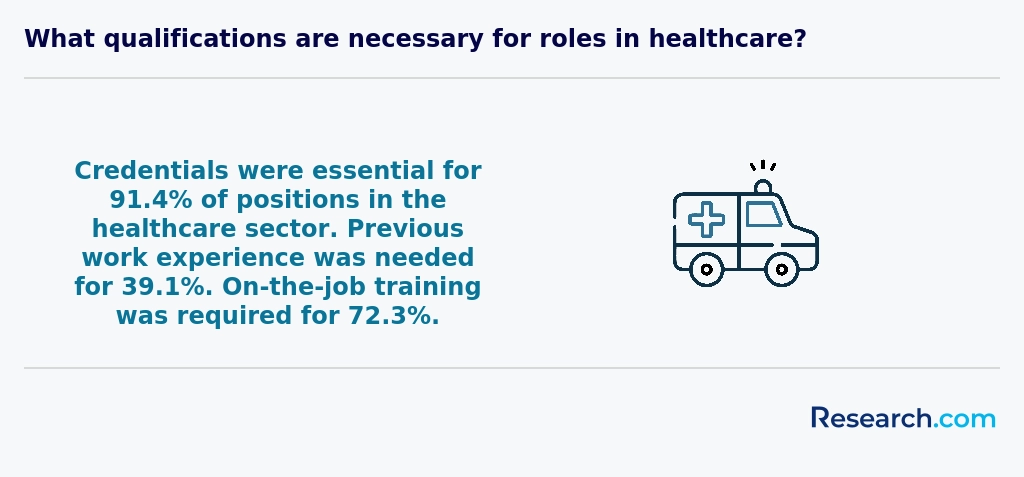
- Graduates typically find jobs within six months, aided by partnerships between schools and local healthcare providers.
- Licensure exams are required in Pennsylvania for certain fields like nursing and physical therapy after degree completion.
How long does it take to complete healthcare degree in Greensburg?
In Greensburg, completing a healthcare degree depends on the type and level of program you choose. Certificate programs, like medical assisting or phlebotomy, take about 6 months to 1 year. Many graduates from community colleges in Greensburg appreciated how quickly these programs got them into entry-level jobs with practical skills they could use immediately.
Associate degrees generally require around 2 years of full-time study at local community colleges. Graduates aiming to become registered nurses found this timeframe manageable while benefiting from strong clinical placements in nearby hospitals.
Bachelor's degrees, such as those offered in nursing or healthcare administration at Greensburg's four-year colleges, usually take about 4 years. Graduates often mention the balance of rigorous coursework and hands-on experience that prepared them well for diverse healthcare careers.
For those pursuing master's or doctoral degrees, expect an additional 2 to 6 years depending on your specialty and study pace. Many value flexible scheduling options at Greensburg institutions that allow part-time or online study, enabling students to work while earning advanced credentials.
Actionable Next Steps for Prospective Healthcare Students in Greensburg, PA
Your journey to a rewarding healthcare career begins with strategic planning and proactive engagement. Start by researching admission deadlines and connecting with current students and faculty to gain real-world insights into the program's culture and expectations. Attend open houses or webinars to experience the campus environment firsthand and ask questions about internships, clinic partnerships, and hands-on learning opportunities. Equally important is a thorough review of financial aid options and budgeting strategies to manage tuition and related expenses effectively. For a comprehensive look at budget-friendly choices, consider exploring our list of cheapest healthcare programs in pennsylvania, which offers detailed comparisons on cost, program flexibility, and career support. By following these actionable steps-diligently preparing your application, tapping into alumni networks, and utilizing all available resources-you can confidently navigate the complex landscape of healthcare education and set the foundation for a successful career.
What's the difference between online and on-campus healthcare degree?
Students at Greensburg's healthcare programs often find that online degrees fit well with busy schedules, especially for those balancing work or family. Imagine attending classes from home, watching video lectures on your own time, and completing digital simulations without a commute. Graduates from popular Greensburg colleges highlight how this flexibility eased their stress and saved money on travel.
On the other hand, on-campus programs at local institutions offer hands-on experiences that many healthcare careers require. For example, nursing students appreciate direct access to campus labs and clinical partnerships with Greensburg hospitals, which build confidence through real patient care. Graduates frequently mention how in-person mentoring and group projects helped them stay motivated and deepen their learning.
Both paths prepare students for certification exams, but deciding between them depends on your lifestyle and learning preferences. If you thrive on community and practical training, on-campus is invaluable. If convenience and time management are your priorities, online could be the smarter route.
Return on Investment and Long-Term Career Benefits
Investing in a healthcare degree in Greensburg, PA, involves evaluating not only the upfront costs but also the long-term career benefits. Prospective students often wonder how their education will pay off over time. A key consideration is the return on investment (ROI), which balances tuition fees and other expenses against competitive salaries, rapid job market entry, and opportunities for career advancement. Data from local institutions and industry projections indicate that healthcare graduates tend to experience steady salary growth, enhanced job security, and opportunities to move into managerial or specialized roles. Many students also emphasize the value of mentorship and alumni networks, which further boost their professional development by providing insights and access to job opportunities. For example, incorporating real-world training experiences through internships and clinical placements not only enriches the learning process but also sets the stage for immediate employment after graduation. Additionally, the evolving healthcare landscape, with technological advancements and increasing demand due to an aging population, further enhances the long-term benefits of obtaining a healthcare degree. Interested applicants can compare program costs, benefits, and career outcomes by checking out detailed rankings. For more insights into how affordability meets quality education, visit cheapest healthcare programs in pennsylvania to review comprehensive data that supports making an informed decision. By carefully assessing both financial and professional prospects, students can confidently choose a program that promises a rewarding career while optimizing their investment in education.
What is the average cost of healthcare degree in Greensburg?
The average cost of a healthcare degree in Greensburg typically falls around $42,944 for in-state students, with the total median expense reaching about $55,148 for out-of-state attendees. Graduates from local institutions often recall budgeting carefully for both tuition and additional fees, given that healthcare programs frequently require extra expenses such as clinical supplies and textbooks. These add approximately 10-15% on top of tuition, making it wise to plan for these costs early.
Students in Greensburg find that public colleges offering healthcare degrees generally charge between $9,000 and $12,000 annually, providing a solid value for quality education. Private universities, on the other hand, ask for closer to $30,000 to $40,000 per year, which some graduates have felt justified given the advanced resources and network opportunities available there. For those seeking affordable alternatives, enrolling at community colleges is a popular strategy. These institutions offer associate degrees and certifications in healthcare for under $8,000 each year, easing the financial burden while still opening doors to rewarding careers.
Many healthcare students in Greensburg successfully manage costs by combining tuition aid with scholarships specifically designed for healthcare fields. Others have taken advantage of employer tuition reimbursement programs after beginning healthcare roles locally. Exploring options like LPN programs in Virginia can also inspire ideas for affordable pathways beyond Greensburg.
Understanding these typical healthcare degree tuition and fees Greensburg details helps prospective students weigh educational quality against cost effectively and confidently plan their healthcare career investment.
Continuing Your Education and Advanced Degree Options
Continuing your education beyond an undergraduate healthcare degree can open up a range of career opportunities-from leadership roles in hospital administration to specialized research positions in emerging clinical fields. Many graduates consider advancing their qualifications with a master’s degree to build on the practical skills acquired during their initial studies. For instance, pursuing an advanced program can equip you with in-demand expertise in niche areas such as bioinformatics, healthcare management, and clinical research. In today’s competitive job market, further specialization often translates into higher earning potential and increased responsibilities in the workplace. Students looking to expand their horizons should also explore programs that offer flexibility and the convenience of online learning. This approach may be particularly beneficial for working professionals or those balancing multiple commitments. For example, if you’re interested in integrating a strong scientific foundation with healthcare leadership, you might consider exploring affordable online masters degrees in biotechnology. Such programs not only reinforce core healthcare concepts but also introduce cutting-edge technological advances and research methods that are transforming the industry. Ultimately, choosing the right advanced degree depends on your professional aspirations, available resources, and long-term career goals. By carefully evaluating your options and considering the future trends in healthcare education, you can make a strategic decision that sets you up for ongoing success and innovation in your field.
What financial aid is available to healthcare degree students in Greensburg?
When pursuing a healthcare degree in Greensburg, tapping into federal aid is a crucial first step. Graduates from local programs often highlight how applying for the FAFSA unlocked valuable Pell Grants, which cover up to $7,395 per year and remove significant financial stress. This grant doesn't require repayment, offering a solid foundation for budgeting tuition costs at places like Westmoreland County Community College.
State-specific aid, such as the Pennsylvania State Grant, also plays a key role. Many students share how this grant helped reduce out-of-pocket expenses by several thousand dollars annually, making education at Greensburg-area institutions more affordable. This support is tailored to residents, ensuring funds align closely with family income and schooling expenses.
Institutional scholarships from colleges popular in Greensburg provide another layer of relief. Recipients often describe the boost they received from merit- or need-based awards that covered partial to full tuition, easing their journey through rigorous healthcare curricula. Asking your campus financial aid office about local scholarships is a practical move.
Additionally, some healthcare employers in Greensburg offer tuition reimbursement or loan repayment for those committing to healthcare roles post-graduation. Graduates working in nursing or allied health appreciate this real-world incentive to manage debt while gaining experience.
Certification and Licensure Requirements for Healthcare Graduates in Greensburg, PA
Navigating state licensure and national certification is a critical step for healthcare graduates in Greensburg, PA, ensuring competence and employability across clinical and administrative roles. Below is an overview of common credentials, exam requirements, and estimated costs: • Registered Nurse (RN) – After earning a bachelor’s or associate degree, candidates must pass the NCLEX-RN exam, administered by the Pennsylvania State Board of Nursing. Application fees total approximately $200, with an additional $200 exam registration fee. • Medical Assistant (CMA/AAMA) – Graduates of accredited programs can sit for the CMA (AAMA) exam. The cost is roughly $125, plus a one-time certification processing fee of $75. Pass rates in local community colleges average 85–90%. • Health Information Technician (RHIT) – To become an RHIT, students must graduate from a CAHIIM-accredited program and pass the AHIMA exam. Total expenses, including application and exam fees, range from $230 to $300. • Professional Medical Coder (CPC) – Coders often pursue the AAPC’s CPC credential. For details on affordable preparation and to compare course fees, see our guide on how much does it cost to get medical coding certification. Exam registration is $399, with optional practice materials ranging from $50–$150. Many Greensburg institutions offer exam-prep workshops, simulation labs, and faculty-led review sessions to boost pass rates. Graduates consistently report that early engagement with certification resources-such as mock exams and study groups-reduces anxiety and accelerates entry into the workforce. By understanding licensure timelines and budgeting for fees in advance, students can transition seamlessly from classroom to career.
What are the prerequisites for enrolling in healthcare degree program in Greensburg?
To enroll in a healthcare degree program in Greensburg, you first need a high school diploma or GED with solid grades in biology, chemistry, and math. Graduates from popular local colleges often share how these courses helped them feel confident tackling demanding health science classes.
Many programs require SAT or ACT scores, but some Greensburg schools are test-optional, a shift that eased stress for several recent enrollees. Still, it's wise to check each institution's current policies early to avoid surprises.
Practical experience matters, too. Volunteering at a nearby clinic or shadowing a healthcare professional gives you real insight-and admissions committees value this firsthand exposure, as many successful applicants have noted.
Expect to submit letters of recommendation and a personal statement expressing your passion for healthcare. Technical prerequisites like immunizations, health screenings, and background checks are mandatory for clinical placements, ensuring both your safety and patients'.
Financially, planning ahead is critical since local private colleges can charge over $20,000 annually. Many students found FAFSA and local scholarships essential for making their healthcare education in Greensburg affordable and rewarding.
Licensure and Certification Outcomes for Healthcare Graduates
Graduates of healthcare programs in Greensburg, PA consistently achieve strong licensure and certification outcomes, underscoring the quality of local curricula and clinical training. For example, nursing graduates from Seton Hill University report first-time NCLEX pass rates exceeding 92%, while medical assistant students at Westmoreland County Community College attain Certified Medical Assistant (CMA) exam pass rates around 88%. These benchmarks demonstrate that affordable tuition need not compromise program rigor or professional readiness. Healthcare administration and health information management graduates also benefit from high Certified Professional in Healthcare Quality (CPHQ) and Registered Health Information Technician (RHIT) certification pass rates, often surpassing national averages of 75%. Such success rates reflect strong partnerships between Greensburg institutions and regional healthcare facilities, providing students with hands-on experience and dedicated exam preparation resources. Prospective students should consider both affordability and credentialing outcomes when choosing a program. For further analysis on how program cost aligns with accreditation and exam performance, explore our Low Cost Online Healthcare Degree Programs Ranking in Maine, which highlights institutions balancing low tuition with exceptional certification results.
What courses are typically in healthcare degree programs in Greensburg?
Healthcare degree programs in Greensburg, such as those at local colleges, typically start with essential science courses like anatomy, physiology, and microbiology. Graduates often recall how these classes built their confidence in understanding the human body, preparing them well for clinical settings.
Students also tackle medical terminology and healthcare ethics early on, which became invaluable in their internships at nearby facilities like Excela Health. These courses sharpen communication skills and professional behavior, key for real-world patient interactions.
Programs then expand to healthcare administration, public health, and health informatics, reflecting the growing role of technology and data management. Graduates appreciate how this coursework helped them navigate complex healthcare systems efficiently.
Hands-on training through clinical rotations or internships is a core part of the experience. Many students value Greensburg's local clinics as practical learning grounds, where theory meets practice and confidence in patient care skills grows.
Specialized courses in pharmacology, nursing basics, medical imaging, and healthcare law round out the curriculum, letting students tailor their paths based on career goals.
What types of specializations are available in healthcare degree programs in Greensburg?
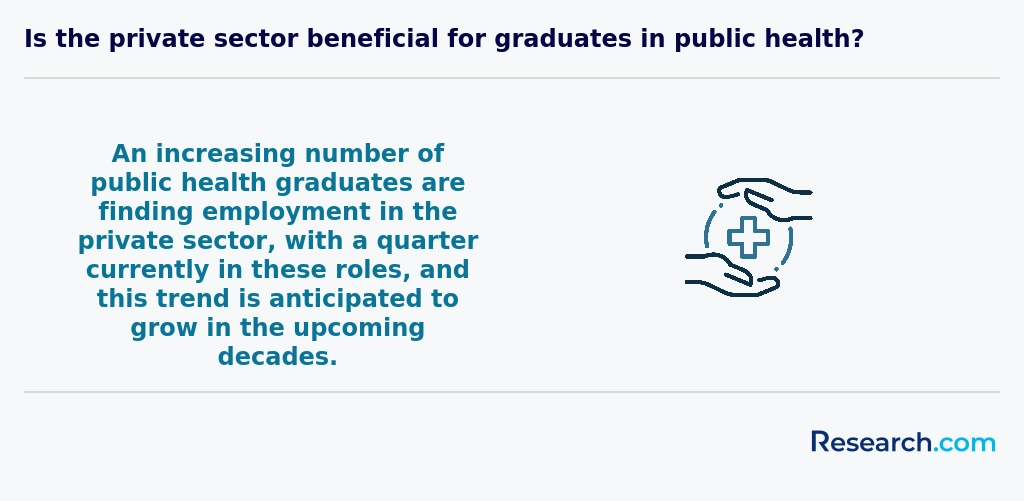
Healthcare degree specializations in Greensburg typically include Nursing, Healthcare Administration, Medical Laboratory Science, Allied Health Professions, and Public Health. Graduates from local colleges often share how Nursing programs, in particular, prepare them for hands-on roles as Registered Nurses or Nurse Practitioners, emphasizing clinical skills vital to real hospital environments like Westmoreland Regional Hospital. Those pursuing Healthcare Administration discover essential management skills, preparing for growing leadership roles in healthcare facilities.
Other students focusing on Medical Laboratory Science benefit from training in biology and technology, empowering them to contribute directly to diagnostics. Allied Health students gain experience in fields such as physical or respiratory therapy, which is rewarding when seeing patient progress firsthand. Public Health graduates feel motivated by engaging in community health programs that prevent illness and improve wellness.
Colleges in Greensburg offer flexible pathways with reasonable tuition, easing concerns about cost. Some graduates suggest exploring options for online nursing degrees colorado job prospects if flexibility is key while pursuing your healthcare program options Greensburg provides.
How do you choose the best healthcare degree in Greensburg?
Start by identifying healthcare programs in Greensburg that fit your career goals and budget. Many graduates from local community colleges share how affordable healthcare degree programs in Greensburg helped them graduate with manageable debt while gaining practical skills. Look closely at program accreditation, such as from CAAHEP or ACEN, because these credentials ensure your degree will be recognized by employers and licensure boards.
Clinical training is another key factor. Successful graduates often cite hands-on experience at nearby hospitals or clinics as the crucial element that prepared them for real-world work. Make sure your program offers sufficient clinical hours for deeper learning and confidence. Tuition fees in Greensburg tend to be notably lower than the US average, making it easier to find high-quality education without overspending.
Additionally, consider the job placement rates of your prospective programs. Graduates from well-connected institutions enjoy strong employment prospects supported by those statistics. For those weighing their options further, exploring online nursing degrees michigan curriculum can provide flexible pathways while maintaining strong academic quality for healthcare fields beyond Greensburg.
Finally, check that your chosen program aligns with the best healthcare degrees with highest earning potential Greensburg offers. Graduates who planned pragmatically found the right balance between cost, accreditation, and practical training to smooth their transition into the workforce confidently.
What career paths are available for healthcare degree students in Greensburg?
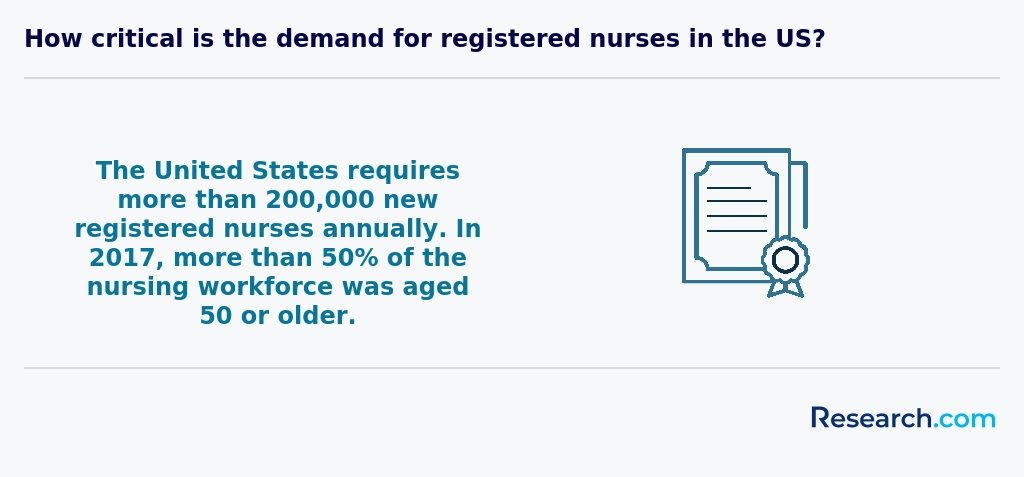
Graduates of healthcare degree programs careers in Greensburg frequently find practical paths leading to stable employment. Many start as registered nurses, a role critical in local hospitals and clinics responding to the community's healthcare needs. These graduates often share how hands-on training at popular Greensburg colleges prepared them to confidently handle real patient care from day one. An associate degree opens doors to positions like medical assistants or radiologic technologists, which provide solid entry points into healthcare and satisfactory salaries.
For those interested in the administrative side, job opportunities with healthcare degree Greensburg graduates include roles such as healthcare managers or medical office administrators. These positions combine healthcare knowledge with business skills, offering diverse career options. Many students find that their programs at Greensburg institutions offer internships that connect theory directly to workplace experience.
Advanced clinical roles like nurse practitioners or physician assistants are accessible by furthering education. Graduates often explore nurse practitioner degrees wisconsin dissertation process to understand career advancement steps, highlighting a practical approach to long-term growth in healthcare.

What is the job market for healthcare degree in Greensburg?
The healthcare job market in Greensburg offers solid opportunities for graduates, supported by the presence of major employers like Excela Health. Students completing healthcare degrees at local institutions often find roles in hospitals, outpatient clinics, and long-term care facilities. Many share positive experiences about securing entry-level positions quickly due to growing demands fueled by an aging population and expanding healthcare services.
Graduates pursuing healthcare degree career opportunities in Greensburg can benefit from affordable education options at community colleges and nearby public universities, which help manage tuition costs effectively. Comparing programs and considering the cheapest healthcare programs in pennsylvania is a practical step that many students take. This approach enhances their financial readiness and confidence when entering the job market.
Typical workplaces include hospitals, clinics, and home healthcare providers, where skilled professionals are increasingly in demand. Those who focus on emerging fields like health informatics also report good prospects. Planning your education and job search around these local trends maximizes your chances for a rewarding career.
Frequently Asked Questions About healthcare
Healthcare degree students in Greensburg can enhance their learning experience through a combination of practical and academic strategies. Many local institutions, such as the University of Pittsburgh-Greensburg, emphasize experiential learning, offering clinical internships that allow students to apply classroom knowledge in real healthcare settings. According to the Pennsylvania Department of Health, hands-on experience is crucial given the state's growing demand for healthcare professionals, with job growth expected to rise by 15% through 2030.
Students should also engage with local healthcare providers and community health programs, which provide valuable networking opportunities and exposure to diverse patient populations. Additionally, utilizing online resources and attending workshops on emerging healthcare technologies can further strengthen skills and keep students competitive in the evolving medical field.
The healthcare industry is rapidly evolving, bringing new opportunities for students pursuing degrees in Greensburg. Emerging niches include telehealth, which grew by 46% nationally during the pandemic and is expanding locally due to rural access needs. Health informatics, combining healthcare and data technology, is another key area, helping providers improve patient care through electronic health records.
Additionally, geriatric care is becoming critical as Greensburg's population ages; the U.S. Census Bureau notes an increase in residents over 65 years old. Behavioral health specialties are also in demand as mental health awareness rises nationwide and locally. These fields offer promising career paths with strong growth projections in the coming decade.
After completing a healthcare degree in Greensburg, preparing for the job market involves several key steps. First, seeking internships or clinical experience during studies is essential, as Greensburg healthcare employers value hands-on skills. The local healthcare sector, including facilities like Excela Health, offers opportunities for real-world practice that can improve employment prospects.
Networking within professional organizations and attending local job fairs can help graduates connect with employers in the region. According to the Bureau of Labor Statistics, healthcare occupations in the Pittsburgh metropolitan area, which includes Greensburg, are projected to grow by over 15% through 2030, indicating a strong job market.
Finally, obtaining necessary certifications and maintaining licensure relevant to one's healthcare field ensures compliance with industry standards and increases hireability.
Employers in Greensburg seeking healthcare degree graduates prioritize a combination of technical and interpersonal skills. Clinical proficiency, including patient care and familiarity with electronic health records (EHR), ranks high due to the region's expanding healthcare services reported by the Pennsylvania Department of Health. Communication skills are critical, as effective collaboration with patients and medical teams leads to better health outcomes.
Problem-solving abilities and adaptability are also valued, especially given innovations in medical technology. According to local employer surveys, roughly 70% of healthcare facilities in Greensburg emphasize teamwork and cultural competence to serve a diverse community effectively.
Time management and ethical decision-making complete the core skill set that enhances a graduate's employability in Greensburg's healthcare sector.
Finding internships in Greensburg relevant to a healthcare degree involves leveraging local healthcare providers and educational institutions. Greensburg is home to several hospitals and clinics, such as Excela Health Westmoreland, which often offer internship programs for healthcare students. Networking with faculty advisors at local colleges and universities can connect you to internship opportunities tied to their healthcare programs.
Additionally, registering with the Pennsylvania Department of Labor and Industry's online internship databases may reveal openings near Greensburg. According to recent reports, healthcare-related internships in Westmoreland County have grown by approximately 5% annually, reflecting strong demand in the region (source: Pennsylvania Department of Labor Statistics, 2023).
Volunteering at area hospitals can also be a pathway to securing paid internships, providing practical experience while building professional contacts. Lastly, consider joining local professional associations like the Westmoreland County Medical Society, which may share internship listings specifically for healthcare students.
A healthcare degree in Greensburg can significantly enhance career mobility and advancement due to the region's growing medical sector. According to the U.S. Bureau of Labor Statistics, healthcare occupations in Pennsylvania are projected to grow about 16% through 2030, faster than the national average. This expansion translates to increased job opportunities locally, particularly in hospitals, long-term care facilities, and outpatient services common in Greensburg.
Possessing a healthcare degree often opens doors to leadership roles and specialized positions, enabling graduates to climb professional ladders faster. Advanced certifications combined with local networking can further boost prospects within Greensburg's healthcare community.
Studying for a healthcare degree in Greensburg equips students with skills essential for interdisciplinary roles in medical settings. Local programs emphasize collaborative learning, combining nursing, health administration, and allied health disciplines.
Greensburg's healthcare degrees often include practical training in nearby hospitals and clinics, fostering teamwork with diverse professionals like physicians, therapists, and social workers. According to the Pennsylvania Department of Health, the region's growing demand for integrated care by 2027 highlights the importance of such interdisciplinary preparation.
Curricula typically cover communication, ethics, and leadership frameworks to promote coordinated patient care across specialties, meeting real-world workplace needs.
Choosing between a thesis and a non-thesis healthcare degree program in Greensburg depends on your career goals and learning preferences. A thesis option emphasizes research and is ideal if you plan to pursue a doctoral degree or work in research-focused roles. It typically requires conducting original research and writing a detailed paper.
Non-thesis programs usually focus on practical skills and coursework without extensive research projects. These are suited for students aiming for direct entry into healthcare professions or administrative positions.
According to the National Center for Education Statistics, about 40% of healthcare graduate students nationally opt for thesis tracks, highlighting its role in academic advancement. Local institutions in Greensburg reflect similar trends.
Consider your professional aims, time availability, and funding options when deciding between these paths.
Students based in Greensburg seeking to study healthcare abroad have several pathways to consider. Many U.S. institutions offer exchange programs or partnerships with international universities, allowing students to gain global experience while earning credits transferable to their home degree. According to the Institute of International Education, nearly 15% of healthcare students nationwide participate in such programs.
Popular destinations include countries with strong healthcare systems, such as the United Kingdom, Canada, and Australia. These locations provide exposure to diverse clinical practices and healthcare policies, valuable for future careers.
Greensburg residents can access support through their current schools' study abroad offices, which help with program selection, credit transfer, and financial aid. Additionally, federal financial aid often applies to approved international programs, easing affordability concerns.
Students pursuing healthcare degrees in Greensburg have several part-time job opportunities that can enhance their education. Local healthcare facilities, including Excela Health Westmoreland Hospital, often offer positions such as certified nursing assistant (CNA), medical scribe, or patient care technician. These roles provide valuable hands-on experience with patient interaction and clinical procedures.
Additionally, pharmacies like Rite Aid and CVS employ pharmacy technicians, allowing students to understand medication management and dispensing. According to the Bureau of Labor Statistics, healthcare support jobs in the Westmoreland County area are expected to grow by 12% over the next decade, reflecting expanding opportunities.
Volunteering at local clinics or seniors' centers can also complement formal education by developing communication and organizational skills important in healthcare careers.
Healthcare students in Greensburg have access to several networking opportunities essential for career growth. Local colleges often partner with nearby hospitals and clinics, such as Excela Health, providing students with internships and clinical placements. These connections facilitate introductions to practicing healthcare professionals.
Additionally, Greensburg is part of the broader Pittsburgh healthcare community, where students can attend regional conferences and workshops. Organizations like the Pennsylvania Association of Colleges and Employers (PACE) offer networking events focused on healthcare careers.
Students can also benefit from joining student chapters of national healthcare associations, which host webinars and local meetups. These platforms support building professional contacts early in one's career.
Alumni networks play a crucial role for healthcare degree students in Greensburg by connecting them with experienced professionals and recent graduates. These networks often offer mentoring, career advice, and job referrals, which can improve employment prospects significantly. According to the National Association of Colleges and Employers, over 80% of jobs are filled through networking, underscoring its importance.
In Greensburg, healthcare alumni frequently collaborate with local hospitals and clinics, providing students with valuable internship opportunities. This access helps students gain real-world experience and build professional relationships early in their careers.
Moreover, alumni events and online platforms create a supportive community, enhancing both academic success and career growth.
Customizing a healthcare degree program in Greensburg allows students to align their education with specific career goals. Many institutions offer elective courses and specializations within healthcare fields such as nursing, public health, or health administration. This flexibility helps students gain skills directly relevant to local job markets, which in Greensburg includes growing sectors like elder care and outpatient services, as reported by the Pennsylvania Department of Labor & Industry.
Additionally, students can choose to participate in internships or clinical placements at local healthcare facilities to gain practical experience. Some programs also offer part-time options for working professionals, enabling them to balance education with career demands.
Healthcare students in Greensburg face several common challenges during their studies. One major hurdle is balancing rigorous coursework with clinical training, which demands both academic focus and practical skills. Time management becomes critical as students often juggle part-time jobs or family responsibilities alongside their education.
Financial strain is another significant issue. Although Greensburg offers some affordable options, the average tuition for healthcare programs still ranges between $8,000 and $15,000 per year, excluding costs for books and supplies (National Center for Education Statistics, 2023).
Additionally, access to quality clinical placements in the Greensburg region can be limited due to competition and healthcare facility availability, potentially delaying graduation timelines.
Students also report high stress levels linked to the demanding nature of healthcare education and the pressure to perform well on licensing exams.
With a healthcare degree in Greensburg, you can pursue a variety of professional certifications that enhance your career prospects. Common certifications include Certified Nursing Assistant (CNA), Registered Nurse (RN), and Licensed Practical Nurse (LPN), which are essential in clinical roles.
Other options include Certified Medical Assistant (CMA) and Certified Health Education Specialist (CHES), often pursued by graduates interested in administrative or public health positions. The Greensburg region's healthcare sector grows steadily, supported by local hospitals like Excela Health, which values such certifications.
Many programs prepare students for these credentials by aligning coursework with certification exams, improving job placement rates statewide.
Writing a winning application for a healthcare program in Greensburg starts with clearly demonstrating your commitment to the field. Admissions committees look for candidates who articulate their motivation and understanding of healthcare roles specific to the region.
Include relevant experience such as volunteer work or internships in local hospitals or clinics. The Westmoreland County Health Department reports a growing demand for healthcare professionals, which highlights the importance of practical exposure.
Strong academic performance in science courses is essential. Highlight your GPA, especially in biology, chemistry, and anatomy, since these subjects form the program's foundation.
Finally, tailor your personal statement to address how your goals align with Greensburg's healthcare needs and mention any familiar local healthcare institutions or challenges. This demonstrates your research and genuine interest in contributing locally.
The global demand for healthcare professionals continues to grow, driven by aging populations and advances in medical technology. In the United States, including Greensburg, healthcare careers offer stable employment, with the U.S. Bureau of Labor Statistics projecting a 13% growth in healthcare occupations from 2021 to 2031.
Internationally, healthcare roles vary but share common goals: improving patient outcomes and advancing public health. U.S. degrees, especially from accredited institutions near Greensburg, are well-regarded worldwide. This recognition supports opportunities for professionals seeking to work abroad or collaborate in global health initiatives.
Healthcare education often emphasizes cultural competency, preparing graduates to serve diverse populations both locally and globally. For students in Greensburg, understanding these global perspectives can enhance career flexibility and relevance.
Gaining practical experience while studying for a healthcare degree in Greensburg is essential for building skills and enhancing employability. Many local institutions offer clinical placements as part of their curriculum, allowing students to work directly with patients under supervision. For example, students often secure internships at healthcare providers such as Excela Health, a major regional hospital system in the area.
Additionally, volunteering opportunities at community health centers or nursing homes provide hands-on experience. According to the Pennsylvania Department of Health, these experiences improve clinical competencies and patient communication skills.
Students can also participate in simulation labs on campus, which replicate real-life medical scenarios using advanced technology. Engaging in these experiences early helps prepare for state licensing exams and careers in healthcare professions.
Choosing the right concentration within a healthcare degree program in Greensburg begins with understanding the region's job market. According to the Pennsylvania Department of Labor & Industry, healthcare roles such as nursing, medical assisting, and health information technology are among the fastest-growing occupations locally. Researching these trends helps align your education with in-demand careers.
Next, consider your interests and strengths. Healthcare concentrations range from clinical care to administration and technology. Exploring program curricula at institutions near Greensburg can clarify which courses match your goals.
Finally, review program accreditation and clinical placement opportunities. Accredited programs ensure quality education, while local clinical experience can ease job placement in Greensburg's healthcare facilities.
Related Healthcare Rankings for Nearby Cities
- 2027 Most Affordable Healthcare Degree Programs Ranking in Pittsburgh
- 2027 Most Affordable Healthcare Degree Programs Ranking in Indiana
- 2027 Most Affordable Healthcare Degree Programs Ranking in Waynesburg
- 2027 Most Affordable Healthcare Degree Programs Ranking in Morgantown
- 2027 Most Affordable Healthcare Degree Programs Ranking in Canton
- 2027 Most Affordable Healthcare Degree Programs Ranking in Winchester
- 2027 Most Affordable Healthcare Degree Programs Ranking in Kent
- 2027 Most Affordable Healthcare Degree Programs Ranking in Akron
- 2027 Most Affordable Healthcare Degree Programs Ranking in Erie
- 2027 Most Affordable Healthcare Degree Programs Ranking in Harrisonburg
Top Trending Healthcare Rankings
See What Experts Have To Say About Studying Healthcare
Read our interview with Healthcare experts

References
- Explore Affordable Care Act health insurance plans near Greensburg, Pennsylvania https://www.healthmarkets.com/plans/aca-health/pennsylvania/greensburg
- Alumni Reconnect - Poznan University of Medical Sciences https://pums.edu.pl/alumni-friends/alumni-reconnect/
- The Role of Interdisciplinary Studies in Medical Career Training https://georgia-med.com/the-role-of-interdisciplinary-studies-in-medical-career-training.html
- Career Mobility and the Future of the Nursing Profession in 2025 https://www.thehealthcareexecutive.net/blog/career-mobility-and-the-future-of-the-profession/
- From Simulation to Reality: How Design Impacts Nursing Education and Practice | BHDP https://www.bhdp.com/insights/simulation-reality-how-design-impacts-nursing-education-and-practice
- Health Sciences Study Abroad Programs - Healthcare Abroad https://www.ceastudyabroad.com/academic-discipline/health-sciences
- How to Set and Achieve Career Goals in Health and Social Care | Royal Open College https://royalopencollege.org/blog/health-and-social-care/how-to-set-and-achieve-career-goals/
- HEALTH MANAGEMENT (THESIS / NON-THESIS) - Lisansüstü Eğitim Enstitüsü https://lee.nisantasi.edu.tr/en/health-management-thesis-non-thesis/
- Healthcare Administration Certifications https://www.publichealthdegrees.org/careers/healthcare-administrator/certification/
- Healthcare Careers & Accredited Degree Programs https://www.healthcaredegree.com/


