
2027 Fastest Online Doctorate in Healthcare Degree Programs Ranking in Boston, MA

Co-Founder and Chief Data Scientist
Choosing the right healthcare doctorate program in Boston can feel overwhelming. That's why this article offers the 2027 Fastest Online Doctorate in Healthcare Degree Programs Ranking in Boston, MA, carefully developed by the Research.com team of data scientists. It helps you discover which programs deliver quality and speed, so you can advance your career confidently.
By exploring this ranking, you'll find valuable insights that make your decision easier. Earning a healthcare degree opens doors to meaningful opportunities and personal growth.
Key benefits of getting online healthcare degree in Boston
- Salary for healthcare degree graduates: Graduates in Boston can expect competitive salaries such as $129,330 annually for Program Directors in Healthcare and around $95,600 for Chief Development Officers, offering strong financial rewards for their expertise.
- Career paths: A healthcare graduate from Boston University might explore roles like Healthcare Services Researcher or Research Director, both averaging $112,380 per year, showcasing varied and rewarding career options.
- Benefits of online degrees: Earning a healthcare degree online from institutions like Northeastern University allows flexible schedules and the ability to balance work and study, making it ideal for busy Boston students aiming to advance quickly.
- Key benefits of getting online healthcare degree in Boston
- What can I expect from online healthcare degree in Boston?
- Where can I work with online healthcare degree in Boston?
- How much can I make with online healthcare degree in Boston?
- 2027 Fastest Online Doctorate in Healthcare Degree Programs Ranking in Boston, MA
- Key Findings
- How long does it take to complete online healthcare degree in Boston?
- What's the difference between online and on-campus healthcare degree?
- What is the average cost of online healthcare degree in Boston?
- What financial aid is available to online healthcare degree students in Boston?
- What are the prerequisites for enrolling in online healthcare degree program in Boston?
- What courses are typically in online healthcare degree programs in Boston?
- What types of specializations are available in online healthcare degree programs in Boston?
- How do you choose the best online healthcare degree in Boston?
- What career paths are available for online healthcare degree students in Boston?
- What is the job market for online healthcare degree in Boston?
- Top Trending Healthcare Rankings
- See What Experts Have To Say About Studying Healthcare
What can I expect from online healthcare degree in Boston?
The average cost of an online healthcare degree in Boston typically ranges from $20,000 to $50,000, depending on the institution and program length. Graduates from well-known universities such as Boston University and Northeastern University often share how they viewed this investment as an opportunity to access cutting-edge resources and connect with local healthcare leaders without relocating.
Many students appreciate the flexibility that comes with asynchronous coursework combined with occasional live sessions, allowing them to manage work, family, and study effectively. They often describe their experience balancing paid internships with coursework through partnerships these schools maintain with leading hospitals like Massachusetts General Hospital, which deepens learning without adding extra costs.
Financial aid and employer tuition reimbursement programs play a crucial role, making these degrees more affordable and less daunting. Graduates recall the relief of leveraging scholarships and assistance, which motivated them to pursue advanced roles in healthcare management or research within Boston's thriving healthcare ecosystem.
Where can I work with online healthcare degree in Boston?
Graduates with an online healthcare degree in Boston often find themselves stepping into vital roles at world-renowned hospitals like Massachusetts General or Boston Children's Hospital, where they contribute to cutting-edge patient care and innovative treatment planning. Many alumni from institutions such as Northeastern University and Suffolk University share how their flexible online programs prepared them for fast-paced careers in nursing administration or health informatics within these prestigious settings.
Others pursue careers in community health organizations across Boston, managing outreach programs that improve urban health outcomes. Picture a graduate coordinating health education initiatives at local centers, driven by a passion to serve diverse populations.
Emerging opportunities in healthcare consulting and IT also excite recent graduates, who apply their knowledge developing smart healthcare technologies or advising firms on policy and management strategies. Enabled by strong ties between Boston's academic programs and its healthcare ecosystem, students feel hopeful and empowered about their future careers.
The seamless integration of online learning with Boston's dynamic healthcare market fosters an environment where graduates confidently embrace evolving roles and contribute to meaningful change.
How much can I make with online healthcare degree in Boston?
Graduates from online healthcare programs in Boston often find promising salary prospects reflecting the city's dynamic healthcare ecosystem. For instance, a graduate working as a Program Director in healthcare can anticipate an average annual salary of about $129,330, a compelling figure that reflects leadership responsibilities and complex program management typical in Boston's hospitals and academic medical centers.
Other roles like Healthcare Services Researcher or Research Director share average wages near $112,380, illustrating strong demand for analytical and innovative professionals driving healthcare improvements. Graduates specializing in development or executive functions might start around $95,600 as Chief Development Officers, blending healthcare knowledge with strategic growth in Boston's nonprofit hospitals or healthcare startups.
Many Boston-based online healthcare graduates report excitement at transitioning from learning to impactful careers, valuing local institutions such as Northeastern University or Boston University for their robust online options. These salaries are promising, especially as graduates capitalize on growing healthcare trends and leadership roles, fueling optimism about future earning potential and career growth in Boston's competitive market.
2027 Fastest Online Doctorate in Healthcare Degree Programs Ranking in Boston, MA
How do we rank schools?
Investing in your education is a significant decision that can profoundly impact your career and future. The Research.com team recognizes this responsibility and has dedicated extensive effort to ensure the quality, credibility, and accuracy of the "2027 Fastest Online Doctorate in Healthcare Degree Programs Ranking in Boston, MA." We have carefully analyzed and verified all data to provide prospective students with reliable guidance. To create this ranking, we used the following authoritative data sources:
By consulting this ranking, readers will gain valuable insights into the fastest and most reputable online healthcare doctorate programs in Boston, MA, enabling them to make informed decisions tailored to their educational needs. For more information on how this ranking was formulated, please visit our Research.com methodology page.


# 3 position
MGH Institute of Health Professions
Physical Therapy, Transitional Doctor of Physical Therapy

Key Findings
- The total cost for an online healthcare degree in Boston ranges from $30,000 to $60,000, with public universities generally offering lower tuition.
- Entry-level healthcare jobs in Boston offer average salaries around $60,000, while mid-career professionals can earn over $90,000 annually.
- Healthcare employment in Boston is expected to grow by about 15% over the next ten years, outpacing the national average.
- Many employers in Boston accept online degrees from accredited schools, especially when combined with certifications and experience.
- Fields like healthcare informatics, population health, and healthcare policy are growing areas with new career opportunities in Boston.
How long does it take to complete online healthcare degree in Boston?
Completing an online healthcare degree in Boston typically spans from about one year to six years, depending on the program and pace chosen. Graduates from Northeastern University often share how the flexible part-time options allowed them to balance demanding work schedules with coursework, extending their studies to five or six years without sacrificing quality. Meanwhile, students in accelerated tracks at the University of Massachusetts Boston highlight the intense but rewarding 12 to 18-month programs that fast-tracked their careers.
Many find comfort in the ability to tailor their paths, such as pacing through a Bachelor of Science in Nursing in four years or opting for the Master of Health Administration over two years. Doctorate candidates appreciate the blend of online coursework with clinical research timings, which adjusts based on individual progress, sometimes taking up to six years.
These dynamic timelines resonate with Boston's growing healthcare sector and its demand for professionals ready to adapt quickly without giving up life outside school. The experience of studying online here often brings a sense of achievement alongside real-world applicability, creating graduates confident in their evolving healthcare careers.
What's the difference between online and on-campus healthcare degree?
Graduates from Boston's top healthcare programs often describe their experiences with online versus on-campus degrees as distinctly different yet uniquely rewarding. Online students at universities like Northeastern appreciate the unparalleled flexibility, managing coursework around jobs or family life without the stress of Boston's busy commute. They enjoy 24/7 access to lectures and digital resources, allowing them to study at their own pace in familiar environments.
Meanwhile, those attending on-campus programs at institutions such as Boston University highlight the energizing atmosphere of face-to-face collaboration. Being physically present for hands-on labs and in-person seminars creates a sense of community and immediate support, which many find vital for mastering complex healthcare practices.
Both formats demand clinical hours, but online learners often arrange placements at local Boston hospitals, blending digital and real-world learning. This hybrid approach is growing, promising future programs that leverage technology to enhance practical training while maintaining personal connections, making Boston healthcare education more accessible and dynamic.
What is the average cost of online healthcare degree in Boston?
The average cost of an online healthcare degree in Boston typically centers around $43,200 in total tuition. This figure reflects both in-state and out-of-state median costs, providing a practical benchmark for students exploring affordable healthcare doctorate programs Boston MA. Graduates from renowned institutions such as Boston University and Northeastern University often share experiences of balancing rigorous programs with their personal and professional lives, emphasizing that the investment often leads to rewarding career opportunities in healthcare management or clinical practice.
Many Boston-based students appreciate how the tuition aligns with the quality of education and the innovative online delivery methods these universities adopt. The cost includes not only the tuition per credit hour but usually additional fees for technology and clinical components, essential for hands-on healthcare learning despite the online format.
Financial aid options can be a significant factor in managing expenses. Prospective students should explore federal aid, scholarships, and employer tuition reimbursement plans. Those seeking to reduce their financial burden often look into online colleges with financial aid, which can make these healthcare degrees more accessible even with Boston's premium tuition rates.
What financial aid is available to online healthcare degree students in Boston?
Students pursuing online healthcare degrees in Boston often find a variety of financial aid options that make their goals feel reachable rather than daunting. Graduates from institutions like Northeastern University share how federal aid through FAFSA helped unlock Pell Grants, easing tuition costs without the pressure of repayment. This kind of support creates room for focus and growth in demanding healthcare studies.
State programs such as the Massachusetts State Grant and the John and Abigail Adams Scholarship add layers of relief, especially for residents balancing work and school. At Boston University, students have expressed gratitude for merit-based scholarships and graduate assistantships, which not only reduce expenses but also provide valuable professional experience.
Moreover, working healthcare professionals in Boston benefit from employer-backed tuition reimbursement at major hospitals, transforming career advancement dreams into achievable milestones. Private scholarships like those from the AACN or NHSC also offer pathways for students committed to serving underserved communities, linking financial aid with purpose-driven career choices.
The growing variety of aid opportunities infuses optimism into the experience of pursuing healthcare education online in Boston, turning financial challenges into stepping stones.
What are the prerequisites for enrolling in online healthcare degree program in Boston?
Enrolling in an online healthcare degree in Boston often begins with meeting traditional prerequisites like a high school diploma or GED, paired with a strong GPA-typically around 2.5 to 3.0 for undergraduates. Graduates from local colleges recall how completing prerequisite courses in biology and chemistry provided a solid foundation, making the leap to complex healthcare concepts feel achievable and exciting.
For those pursuing graduate degrees from renowned Boston institutions, the bar rises. An earned bachelor's degree in health sciences or nursing coupled with a GPA of 3.0 or higher is generally expected. Many students share how submitting letters of recommendation and personal statements gave them a chance to express their passion for healthcare, fueling a sense of purpose in this competitive field.
Looking ahead, licensing requirements like an active RN credential may become more integrated into admissions, especially for clinical programs blending online and Boston-based practical rotations. The emphasis on technological readiness also grows, as reliable internet and digital fluency are essential to keep up with virtual labs and interactive simulations.
Graduates often describe the Boston experience as empowering-balancing rigorous online coursework with the city's rich healthcare environment fosters confidence and readiness for future challenges.
What courses are typically in online healthcare degree programs in Boston?
Online healthcare degree programs in Boston commonly include courses that reflect both current demands and future innovations in the healthcare landscape. Graduates from universities like Northeastern and Boston University often highlight core classes such as Healthcare Systems and Policy, which immerses them in real-world challenges faced by Massachusetts General Hospital and other local healthcare giants. This direct connection to Boston's vibrant healthcare ecosystem helps students feel engaged and motivated.
Courses in Health Informatics stand out, preparing students to navigate the growing role of data and technology in patient care-skills that are increasingly sought after in Boston's tech-forward medical centers. Research Methods in Healthcare equips learners with the ability to critically analyze data, often referencing case studies drawn from Boston's diverse public health initiatives.
Ethics, Law, and Leadership courses foster confidence and readiness for complex decision-making, with many students expressing pride in contributing to community health improvements. The distinctly local focus, combined with flexible online access, leaves students inspired and hopeful about making meaningful impacts in Boston's healthcare future.
What types of specializations are available in online healthcare degree programs in Boston?
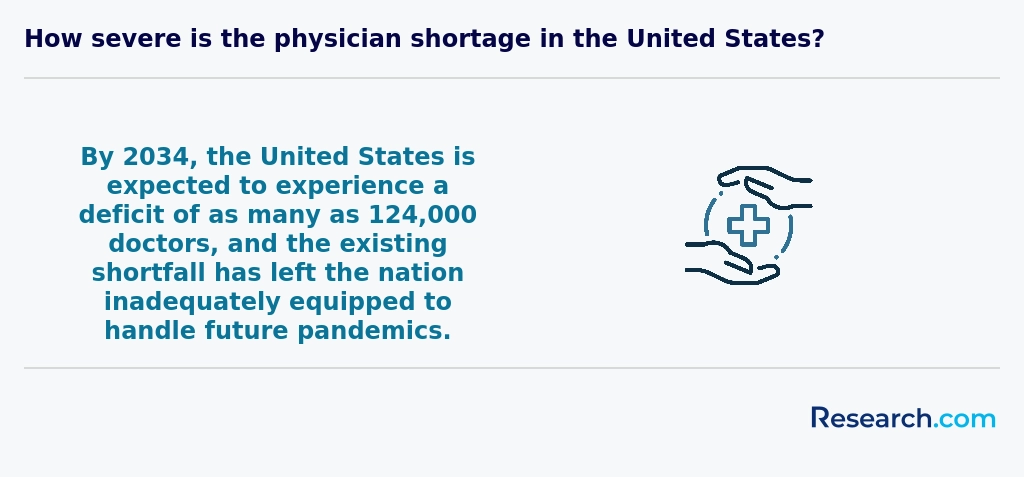
In Boston, online healthcare degree specializations are evolving with the city's dynamic medical landscape. Many graduates from renowned institutions find themselves drawn to Healthcare Administration, where they manage hospital operations amidst Boston's leading health institutions, a role that brings both challenge and fulfillment. Others pursue Nursing tracks, advancing as Nurse Practitioners or Educators, motivated by the urgent local demand fueled by physician shortages.
Students studying Public Health appreciate Boston's rich history in community health promotion and epidemiology, often participating in virtual projects shaped by the Massachusetts Department of Public Health data. Meanwhile, Health Informatics is attracting tech-savvy learners keen on mastering healthcare data systems as the city invests heavily in health technology innovation. Clinical Research, bolstered by Boston's biomedical industry, is a popular choice for those eager to influence groundbreaking trials.
Exploring these paths, many prospective students turn to resources like cheapest online colleges that accept fafsa to find programs that fit their goals and budgets, making the dream of an online healthcare degree in Boston a tangible reality.
How do you choose the best online healthcare degree in Boston?
Choosing the best online healthcare degree in Boston means anticipating future shifts in healthcare delivery and education. Graduates from well-regarded institutions in Boston often highlight the value of programs that combine strong regional accreditation with flexible, asynchronous coursework. These programs, popular among working professionals, mirror the dynamic healthcare market in Boston, where a blend of clinical knowledge and healthcare administration skills is increasingly prized.
Emerging trends suggest that affordable online healthcare doctorate Boston MA options will prioritize hybrid learning models, allowing students to connect virtually while gaining hands-on experience through local internships. Graduates frequently recall how such opportunities at local hospitals enriched their learning and opened doors to rewarding careers. The Boston healthcare field's median salaries encourage students to seek programs aligned with industry needs and robust career support.
Exploring program rankings at best colleges and focusing on curricula tied to Boston's healthcare ecosystem can guide your choice. Thinking ahead, those who choose programs blending adaptability, local connections, and recognized credentials are best positioned for growth in this evolving sector.

What career paths are available for online healthcare degree students in Boston?
Graduates with an online healthcare degree in Boston find themselves stepping into diverse and evolving career paths. Many pursue healthcare administration, managing the complex operations of renowned institutions like Massachusetts General Hospital, where the experience of overseeing real-world compliance challenges energizes them. Others embrace clinical roles-nurses and physician assistants from Boston's well-regarded programs articulate the satisfaction of advancing patient care while balancing work and study. With Boston expanding its healthcare ecosystem, these graduates often remark on the surge of healthcare job opportunities Boston graduates can tap into, especially in leadership.
Emerging trends highlight healthcare informatics as a promising field. Graduates skilled in data management thrive in Boston's tech-driven hospitals, analyzing patient data to improve outcomes. Some share stories of collaborating on cutting-edge research projects tied to local universities, reflecting the city's strengths in biomedical sciences. Those interested in community health find fulfillment in public health initiatives tackling urban disparities. Prospective students can explore pathways through resources like the most affordable online colleges for working adults, helping balance career advancement with education.
What is the job market for online healthcare degree in Boston?
The job market for online healthcare degree graduates in Boston is poised for significant growth, driven by the city's expanding healthcare sector and aging population. Graduates from well-known institutions like Northeastern University and Boston University often find rewarding roles in administration, nursing, and health informatics, reflecting the strong Boston healthcare degree employment outlook. Many describe how the local healthcare ecosystem, including partnerships with top hospitals such as Massachusetts General, creates a dynamic environment for career advancement.
Success stories of online healthcare students highlight the importance of accredited programs and practical skills, which employers value highly. These graduates often secure competitive positions thanks to connections within Boston's extensive healthcare networks. The availability of financial aid and affordable options, such as the cheapest online bachelor's degree programs, further encourages students to pursue education without compromising quality or flexibility.
Looking ahead, the opportunity for online healthcare jobs in Boston will likely continue to expand, rewarding those who blend strong academic credentials with practical experience in the city's vibrant medical community.
Frequently Asked Questions About healthcare
Online healthcare degree students in Boston can enhance their learning by actively engaging with local healthcare networks and professional organizations. Boston hosts numerous hospitals and research institutions, such as Massachusetts General Hospital and Boston Children's Hospital, offering virtual seminars and internships that enrich practical understanding.
Utilizing Boston's extensive public health data allows students to connect theory with real-world challenges. According to the Boston Public Health Commission, leveraging community health reports can deepen insights into urban healthcare issues.
Regular communication with instructors and peers through video conferencing platforms is essential to foster collaboration and build professional relationships.
Finally, balancing coursework with local volunteering opportunities, even in remote formats, provides hands-on experience valuable for career advancement.
Emerging niches within the healthcare field in Boston reflect both national trends and the city's unique healthcare ecosystem. Areas like telehealth have rapidly expanded, accelerated by the COVID-19 pandemic, offering remote patient monitoring and virtual consultations. This growth is supported by Boston's strong tech and research sectors.
Another important niche is healthcare data analytics, driven by the need to improve patient outcomes and reduce costs through better use of big data. Boston's academic institutions contribute significantly to workforce development in this area.
Precision medicine and genomics also present growing opportunities, with Boston being a hub for biomedical research. These specialties focus on personalized treatments based on genetic information.
Lastly, mental health services are increasingly integrated into healthcare systems, responding to the rising demand for accessible and comprehensive care across Massachusetts.
Preparing for the job market after earning an online healthcare degree in Boston requires strategic planning. Graduates should focus on gaining practical experience through internships or clinical placements, which many Massachusetts healthcare employers value. Networking plays a critical role; joining local professional groups such as the Massachusetts Health & Hospital Association can provide useful contacts. Boston's healthcare sector is robust, with over 150,000 healthcare jobs as of 2023, making job prospects promising for qualified candidates (MassHire data).
Developing strong communication and technical skills is essential, especially familiarity with electronic health records widely used in Boston hospitals. Additionally, obtaining relevant certifications like CPR or data management credentials enhances employability. Staying informed about Boston's healthcare trends through resources like the Boston Public Health Commission helps graduates align their job search with market needs.
Employers in Boston seek healthcare degree graduates with strong clinical knowledge and effective communication skills. According to the Massachusetts Department of Public Health, professionals who can collaborate across multidisciplinary teams stand out in a competitive job market. Analytical thinking and problem-solving abilities are also essential, especially as Boston's healthcare facilities increasingly use data-driven decision-making.
Digital literacy, including familiarity with electronic health record (EHR) systems, is another highly valued skill. The city's leading hospitals emphasize adaptability to rapidly evolving technologies. Additionally, cultural competence plays a critical role, reflecting Boston's diverse patient populations as reported by the U.S. Census Bureau.
Employers prefer graduates who demonstrate ethical judgment and leadership potential, preparing them for roles that contribute to improving community health outcomes.
Finding internships in Boston relevant to a healthcare degree involves a combination of research, networking, and utilizing local resources. Boston is home to top hospitals like Massachusetts General and Boston Medical Center, which often offer internship programs for healthcare students. According to the Massachusetts Department of Public Health, healthcare is one of the region's fastest-growing sectors, increasing internship opportunities.
Students should connect with career services at online programs, many of which have partnerships with Boston healthcare facilities. Additionally, professional organizations such as the Massachusetts Public Health Association provide listings of internship openings. Websites like Handshake and Indeed also post healthcare internships specific to Boston.
Volunteering can further enhance chances of securing internships by building local contacts and experience relevant to the healthcare field.
Obtaining an online healthcare degree can significantly enhance career mobility and advancement opportunities in Boston. The city's healthcare sector is one of the largest in the U.S., employing over 360,000 people as of 2023, according to the Massachusetts Executive Office of Labor and Workforce Development. An advanced degree online allows professionals to gain relevant skills while continuing to work, making it easier to pursue promotions or shift into specialized roles.
Employers in Boston often value accredited online degrees that reflect up-to-date knowledge and leadership capabilities. This holds especially true in clinical management, healthcare administration, and policy development.
Flexible schedules and industry-focused curricula help students adapt quickly to changing healthcare demands, facilitating career growth without relocation.
Studying for a healthcare degree in Boston offers strong preparation for interdisciplinary roles due to the city's rich healthcare ecosystem. Boston hosts renowned medical centers like Massachusetts General Hospital and Boston Children's Hospital, fostering collaboration among diverse health professionals. Online programs often incorporate case studies and projects involving multiple healthcare disciplines to develop communication and teamwork skills.
Additionally, Massachusetts' emphasis on integrated healthcare and public health encourages students to engage with topics such as health policy, administration, and clinical practice. According to the Massachusetts Department of Public Health, over 25% of the state's healthcare workforce operates within Boston, emphasizing the need for professionals adept in interdisciplinary settings.
Students benefit from access to research centers affiliated with institutions like Harvard and Boston University, which promote evidence-based, collaborative approaches to healthcare challenges.
Choosing between a thesis and a non-thesis healthcare degree program in Boston often depends on your career goals and time commitment. Thesis programs focus on original research, ideal for those aiming at academic or research careers. Non-thesis options typically emphasize practical skills and may include internships, suited for professionals targeting clinical or administrative roles.
Boston's healthcare sector is expansive, with over 100,000 jobs and top hospitals like Massachusetts General Hospital. According to the Massachusetts Department of Higher Education, online programs here often reflect this diversity in healthcare demands. Thesis tracks usually require more time, averaging 2-3 years, while non-thesis tracks may be completed faster.
Consider your learning style, professional objectives, and preferred workload when deciding between the two paths.
Students in Boston interested in studying healthcare abroad have several online degree options through US-accredited institutions with global partnerships. Many Boston universities offer programs aligned with international standards, allowing credits earned abroad to transfer seamlessly for a healthcare degree.
Programs often include clinical practicums or research projects conducted internationally, providing hands-on experience without relocating. This hybrid approach suits working professionals and graduate students who wish to gain global healthcare perspectives while based in Boston.
Healthcare in Boston is a hub of innovation, supporting roughly 86,000 healthcare jobs, according to the Massachusetts Executive Office of Labor and Workforce Development (2023). This environment promotes quality learning and research, even for those studying remotely with international elements.
Students should verify program accreditation and ensure any foreign components meet US healthcare education standards.
Boston offers several part-time job opportunities that can effectively complement healthcare degree studies, especially for online students. Positions such as medical assistants, patient care technicians, and pharmacy aides provide practical experience while accommodating flexible schedules. These roles often require minimal prior experience, aligning with early coursework in healthcare programs.
Healthcare support roles in Boston's extensive hospital network, including Massachusetts General and Boston Medical Center, provide valuable exposure to clinical settings. According to the Massachusetts Executive Office of Labor and Workforce Development, healthcare employment in Boston is projected to grow 15% through 2028, increasing part-time opportunities.
Furthermore, administrative positions in healthcare organizations can enhance organizational skills, crucial for healthcare management careers. These jobs offer professional networking benefits within Boston's vibrant medical community.
Online healthcare students in Boston benefit from strong networking opportunities despite the remote nature of their studies. Local universities often organize virtual events, webinars, and discussion groups that connect students with healthcare professionals and peers in the city's robust medical community.
Boston's healthcare sector is a national leader, employing over 300,000 workers as of 2023 according to the Massachusetts Executive Office of Labor and Workforce Development. Students can tap into this network through affiliations with major institutions like Massachusetts General Hospital and Boston Children's Hospital.
Additionally, many programs encourage participation in local professional associations such as the Massachusetts Public Health Association, which host both in-person and virtual networking opportunities tailored for online learners.
Alumni networks offer significant benefits to students pursuing online healthcare degrees in Boston. These networks provide access to a wide range of professional connections that can help with job placements, internships, and mentorship opportunities. Boston's healthcare sector is among the largest in the U.S., employing over 300,000 professionals as of recent data from the Massachusetts Health and Hospital Association.
Online students can leverage alumni associations to stay connected with graduates working in top Boston hospitals and research centers. This connection enhances career prospects by opening doors to exclusive events, workshops, and continuing education resources. Alumni support often includes guidance on navigating local licensure and certifications specific to Massachusetts healthcare regulations.
Customizing an online healthcare degree program in Boston allows students to align their education with specific career goals. Many institutions offer flexible curricula with elective courses tailored to areas like healthcare administration, public health, or clinical practice. Students can often choose specialized tracks or certificates that enhance targeted skills.
Boston's healthcare sector is one of the largest in the U.S., with over 200,000 jobs in the field, making local knowledge valuable. Universities frequently collaborate with regional healthcare providers, allowing students to gain practicum experiences suited to Boston's diverse medical environment.
Additionally, some programs offer part-time options and asynchronous classes, enabling working professionals to balance study with employment or family commitments.
Online healthcare students in Boston often face notable challenges that can impact their academic success and career progression. One common difficulty is balancing rigorous coursework with professional and personal responsibilities, especially given Boston's competitive healthcare job market. Research from the Massachusetts Department of Higher Education highlights that many students juggle full-time jobs while enrolled, increasing stress levels.
Another challenge is securing quality clinical placements. Despite Boston's robust healthcare infrastructure, finding relevant local internships or practicum opportunities that align with online program schedules remains difficult. Additionally, some students report limited in-person interaction with faculty and peers, which can affect networking and mentorship.
Finally, technical issues and digital literacy gaps can hinder online learning experiences. Although Boston is highly connected, disparities in access to reliable internet or software tools can pose barriers.
With an online healthcare degree, students in Boston can pursue a variety of professional certifications that enhance their career prospects. Common certifications include Certified Healthcare Administrator (CHA), Certified Medical Manager (CMM), and Registered Health Information Technician (RHIT). Obtaining these credentials often requires passing standardized exams after completing relevant coursework.
Boston's vibrant healthcare industry, hosting over 100 hospitals and medical institutions, offers strong demand for certified professionals, according to the Massachusetts Executive Office of Health and Human Services. Many online programs prepare graduates to meet state licensing requirements and national certification standards recognized across the U.S.
Furthermore, specialized certifications like Certified Professional in Healthcare Quality (CPHQ) or Project Management Professional (PMP) are accessible to those with advanced healthcare degrees, helping professionals stand out. These certifications can significantly increase earning potential and job security in Boston's competitive healthcare market.
Writing a winning application for an online healthcare program in Boston requires clear demonstration of your commitment to the field. Start by highlighting your relevant academic background and professional experience in healthcare, as Boston is home to top hospitals and research centers, such as Massachusetts General Hospital and Boston Children's Hospital.
Emphasize your motivation to advance healthcare practice, referencing local healthcare trends where applicable. For example, Boston's focus on public health challenges and biomedical innovation can be key points. Strong letters of recommendation from healthcare professionals familiar with your work add credibility.
Finally, ensure your personal statement is well-structured, free of errors, and clearly explains why an online format fits your career goals. According to the Boston Public Health Commission, healthcare employment in the region is expected to grow significantly, making a focused application valuable.
The healthcare career field holds significant global importance, influenced by varying needs and advancements worldwide. In the United States, and specifically in Boston, healthcare professionals benefit from cutting-edge research institutions and a diverse patient population. According to the Massachusetts Department of Public Health, Boston is a leading hub with a considerable demand for healthcare workers, especially in specialized areas like public health and healthcare administration.
Globally, the demand for healthcare expertise is rising due to aging populations and increasing chronic illnesses. The U.S. Bureau of Labor Statistics projects a 16% growth in healthcare occupations nationally by 2030. For Boston-based students pursuing online healthcare degrees, this trend reflects promising career prospects both locally and internationally.
Gaining practical experience while studying for an online healthcare degree in Boston is essential for career readiness. Many accredited programs require clinical practicum or internships as part of their curriculum, which students can complete at local Boston hospitals or healthcare facilities. For example, institutions often partner with renowned sites like Massachusetts General Hospital or Boston Medical Center to offer hands-on training.
Students can also seek volunteer opportunities or part-time roles in healthcare settings, which complement online coursework. Boston's healthcare industry employs over 100,000 professionals, providing ample chances to engage in real-world practice. The Massachusetts Department of Higher Education highlights these experiential requirements as key for licensure and certification.
Choosing the right concentration in an online healthcare degree program in Boston begins with understanding your career goals and local industry needs. Boston is a hub for healthcare innovation, hosting leading hospitals and research centers like Massachusetts General Hospital and Boston Children's Hospital, which often influence demand for specialties such as healthcare administration, public health, and clinical informatics.
It is important to review labor market data specific to Massachusetts, where employment in healthcare occupations is projected to grow by 15% from 2020 to 2030, faster than the national average, according to the Massachusetts Executive Office of Labor and Workforce Development.
Additionally, consider programs that offer concentrations aligned with this growth, such as healthcare policy or health data analytics, which are increasingly valuable in Boston's healthcare ecosystem.
Related Healthcare Rankings for Nearby Cities
- 2027 Fastest Online Healthcare Degree Programs Ranking in New York, NY
- 2027 Fastest Online Healthcare Degree Programs Ranking in South Orange, NJ
- 2027 Fastest Online Master's in Healthcare Degree Programs Ranking in Utica, NY
- 2027 Fastest Online Bachelor's in Healthcare Degree Programs Ranking in Philadelphia, PA
- 2027 Fastest Online Healthcare Degree Programs Ranking in Rochester, NY
- 2027 Fastest Online Master's in Healthcare Degree Programs Ranking in Baltimore, MD
- 2027 Fastest Online Healthcare Degree Programs Ranking in Adelphi, MD
- 2027 Fastest Online Healthcare Degree Programs Ranking in Washington, DC
- 2027 Fastest Online Healthcare Degree Programs Ranking in Loretto, PA
- 2027 Fastest Online Healthcare Degree Programs Ranking in Hampton, VA
Top Trending Healthcare Rankings
See What Experts Have To Say About Studying Healthcare
Read our interview with Healthcare experts

References
- How to Succeed in a Difficult Job Market After Graduation https://www.hospitalrecruiting.com/blog/6542/how-to-succeed-in-a-difficult-job-market-after-graduation/
- Highest-Paying Healthcare Degrees Online | EduMed.org https://www.edumed.org/articles/highest-paying-healthcare-degrees/
- 1+ Healthcare Cover Letter Examples (with In-Depth Guidance) https://www.tealhq.com/cover-letter-examples/healthcare
- Top 10 Online Colleges and Degrees in Boston, MA https://www.greatvaluecolleges.net/by-city/online-colleges-boston/
- Advancing Your Career in Healthcare: Tips and Strategies https://www.sunshinecarenetwork.com/blog/advancing-your-career-in-healthcare-tips-and-strategies
- Healthcare Administration Certifications https://www.publichealthdegrees.org/careers/healthcare-administrator/certification/
- 5 Concentrations for a Bachelor’s of Healthcare Administration - Healthcare Administration Degree Programs https://www.healthcare-administration-degree.net/lists/5-concentrations-for-a-bachelors-of-healthcare-administration/
- Alumni | Southern California University of Health Sciences https://www.scuhs.edu/alumni/
- Healthcare Assistant Cover Letter Templates | myPerfectCV https://www.myperfectcv.co.uk/cover-letter/examples/healthcare-assistant-cover-letter
- Challenges for Medical Students - Health Action Research Group https://www.healthactionresearch.org.uk/mental-health/challenges-for-medical-student/


