
2027 Fastest Online Healthcare Degree Programs Ranking in Washington, DC

Co-Founder and Chief Data Scientist
Choosing the right healthcare degree program is an important step toward a rewarding career in Washington, DC. This article introduces the 2027 Fastest Online Healthcare Degree Programs Ranking in Washington, DC, created by the Research.com team of data scientists.
Our goal is to help you make informed decisions by showcasing programs that combine speed, quality, and flexibility. Whether you're starting fresh or advancing your education, understanding your options can boost confidence and success.
Explore opportunities that fit your lifestyle and career goals, and take the first step toward a fulfilling future in healthcare.
Key benefits of getting online healthcare degree in Washington
- Healthcare degree graduates in Washington can earn competitive salaries, such as Medical Assistants with a mean annual wage of $43,350 and Patient Care Technicians earning about $60,790 per year.
- Graduates from universities like the University of Washington often pursue diverse roles including Clinical Research Coordinator or Quality Improvement Coordinator, offering rewarding career paths in healthcare.
- Completing an online healthcare degree offers flexibility and convenience, allowing students to balance work and study effectively while gaining the same valuable skills as traditional programs.
- 2027 Fastest Online Healthcare Degree Programs Ranking in Washington, DC
- What can I expect from online healthcare degree in Washington?
- Where can I work with online healthcare degree in Washington?
What can I expect from online healthcare degree in Washington?
When it comes to the cost of an online healthcare degree in Washington, you're looking at a pretty student-friendly range, especially compared to on-campus options. Many public schools here, like those popular ones in Seattle or Spokane, offer in-state tuition for online learners, which is a huge bonus if you're a Washington resident. Graduates often mention how this makes the whole journey feel less stressful financially, letting them focus more on learning than stressing over bills.
Sure, costs vary depending on the school and the program-certificates or associate degrees will naturally be cheaper than bachelor's or advanced levels. But because online study cuts out commuting, housing, and parking fees, most students find they save a bunch overall. Plus, there's usually financial aid or scholarships specifically for healthcare fields, which many students tap into to ease the load.
One common story among grads is appreciating how flexible programs at Washington's well-known universities let them balance work, family, and study without breaking the bank. It's about getting quality education and real-world skills without sky-high costs weighing you down.
Where can I work with online healthcare degree in Washington?
If you've earned an online healthcare degree in Washington, the job options are pretty exciting and diverse. Many grads find themselves working in big hospitals like the University of Washington Medical Center, where roles in nursing, healthcare administration, or health IT are in high demand. Imagine starting your day coordinating patient care or managing health data for one of the top hospitals in the state-that's a rewarding spot to be.
Others dive into outpatient care centers or clinics, where they might work as medical assistants or registered nurses. It's a fast-paced environment with opportunities to make a real difference in people's everyday health. Some graduates from places like Seattle Central College share how they love the balance of hands-on care and flexibility in these roles.
Long-term care facilities and nursing homes also call for passionate workers, especially as Washington's population ages. Graduates often feel proud knowing their work helps improve quality of life for seniors. Plus, public health roles through the Washington State Department of Health open doors for those who want to impact community wellness on a bigger scale-whether it's creating health programs or educating the public.
Finally, if you're into healthcare management or informatics, there are cool spots in healthcare consulting, insurance, and government programs too, proving healthcare degrees here don't just lead to bedside care but lots of behind-the-scenes roles as well.
If you're eyeing an online healthcare degree in Washington, you're probably wondering how much you can actually make afterward. Well, it depends on the role, but you're looking at some solid numbers. Graduates landing jobs as medical assistants can expect around $43,350 a year-decent for entry-level gigs that don't require a bachelor's. Patient care technicians do even better, pulling in about $60,790 annually, which is a nice bump as you build experience.
Some grads go the more technical route, like health information technicians or clinical research coordinators, both hovering near $43,350 too. If you manage to climb to a higher position, like quality improvement coordinator, you're talking a really impressive average of $103,150 per year. That's the kind of salary that really makes those late-night study sessions at University of Washington or Seattle Pacific University feel worth it.
It's exciting knowing Washington's healthcare field is growing fast, so these numbers might even improve. Plenty of grads from local online programs share how rewarding it feels to earn competitive wages while making a real difference in their communities.
- Online healthcare degrees in Washington typically cost between $10,000 and $20,000 for associate degrees and $20,000 to $50,000 for bachelor's degrees.
- Entry-level healthcare jobs in Washington start at around $50,000 annually, with mid-career salaries ranging from $75,000 to $90,000 or higher.
- The healthcare sector in Washington is expected to grow by over 20% from 2022 to 2032, driven by an aging population and medical technology advances.
- Many online programs in Washington are accredited and meet state licensing requirements, which supports eligibility for federal aid and certification exams.
- Online healthcare degrees usually include clinical practicum experiences that must be completed in person at local healthcare facilities.
If you're thinking about an online healthcare degree in Washington, the time it takes to finish really depends on the program and your pace. For example, many students at schools like the University of Washington or Seattle Central College find associate degrees can be wrapped up in about 1 to 2 years if studied full-time. These programs are perfect if you want to jump into roles like Medical Assisting quickly.
On the other hand, bachelor's degrees-think nursing (BSN) or health administration-usually take around 4 years, but a lot of graduates love how some local universities offer accelerated tracks. They've told me these faster programs, sometimes just 2 to 3 years, helped them balance work and family without feeling overwhelmed.
For those going for master's degrees, like an MSN, schools are pretty flexible with timelines. Some students complete their degrees in 1.5 years while others take up to 3, especially if they're working part-time. Plus, the state's growing demand for healthcare pros means programs stay up-to-date and supportive.
Keep in mind, transfer credits, part-time study, and clinical hours can stretch or shorten your timeline. But many students appreciate that in Washington, online programs ensure clinical experiences happen locally, making the journey feel real and achievable.
When pursuing an online healthcare degree, it’s essential to understand the diverse career paths that await you after graduation. This section explores various professional tracks, from clinical roles and administrative positions to research and public health, highlighting real alumni success stories that illustrate how your degree can open doors in the healthcare industry. Many graduates have transitioned into roles such as healthcare project managers, clinical coordinators, and health informatics specialists, leveraging the skills acquired in their online programs to drive improvements in patient care and organizational efficiency. For those prioritizing rapid career advancement, earning the fastest online healthcare degree in district of columbia can be a significant asset, ensuring you are equipped with the contemporary skills employers demand. Alumni often share that the flexibility of online learning, combined with targeted specializations, has enabled them to take on leadership roles, contribute to policy development, and even innovate new healthcare solutions. Emphasizing networking, mentorship, and continuous professional development is key to success in this dynamic field, and many programs integrate career services to assist students in mapping out and achieving their long-term career goals.
If you're thinking about getting a healthcare degree in Washington, the biggest difference between online and on-campus programs comes down to how you experience learning. Online programs give you the freedom to study when and where it fits your life-perfect if you're juggling work or family. Graduates from online tracks at schools like the University of Washington often mention how this flexibility let them keep their jobs while earning their degree.
On the flip side, on-campus programs-like those at Georgetown University-offer that classic college vibe with face-to-face classes and hands-on labs. Many grads say the in-person clinical sessions helped them build confidence and make real connections with instructors and classmates, which feels like a big boost when you're preparing for a healthcare career.
Cost is another factor-public schools in Washington might charge around $10,000 to $15,000 yearly if you're in-state, while private schools can be pricier. Online options sometimes save you money since there's no commuting or housing fees. Both paths, though, require strong accreditation, so employers know you're ready for the real world.
Delving into the various career paths available after earning an online healthcare degree in Washington, DC can provide prospective students with a clearer vision of their future. Many graduates have successfully transitioned into roles such as healthcare administrators, clinical coordinators, and patient care specialists, while others have further advanced into niche areas like health informatics and public health policy. Alumni often highlight how the practical skills and networking opportunities offered by their programs paved the way for rapid career progression and leadership roles within their organizations. For instance, some professionals attribute their success to having completed the fastest online healthcare degree in district of columbia, which equipped them with both technical expertise and real-world problem-solving abilities. In addition to career outcomes, many alumni actively participate in mentoring and professional development initiatives, contributing to vibrant communities that foster continuous learning and industry innovation. This dedication to excellence not only enhances their personal careers but also sets a strong example for future students considering an online healthcare education in the nation's capital.
If you're thinking about earning an online healthcare degree in Washington, you'll mostly be looking at a median total cost around $43,260. This figure gives a good snapshot of what many students pay from start to finish, though prices can vary depending on the school and program. Graduates from popular schools like the University of Washington often share how the investment feels worthwhile once they're working in rewarding healthcare roles.
For many students, finding the right balance between quality and affordability is key. Community colleges in Washington offer associate degrees in healthcare for roughly $4,000 per year, which can be a budget-friendly way to get started. From there, some students transfer to four-year programs, where in-state tuition at public universities tends to be around $10,000 yearly. This pathway can make managing total tuition and fees for healthcare degrees in Washington DC a lot more affordable and approachable.
Graduate degrees, like master's programs in nursing or healthcare administration, typically come with higher price tags-often between $15,000 and $25,000 annually at schools offering online options. Many students appreciate how financial aid and scholarships help ease these costs, making online study accessible without breaking the bank.
Curious about different options for a solid and fast path to your healthcare career? You might want to check out programs like the fastest online healthcare degree in district of columbia for comparison and inspiration.
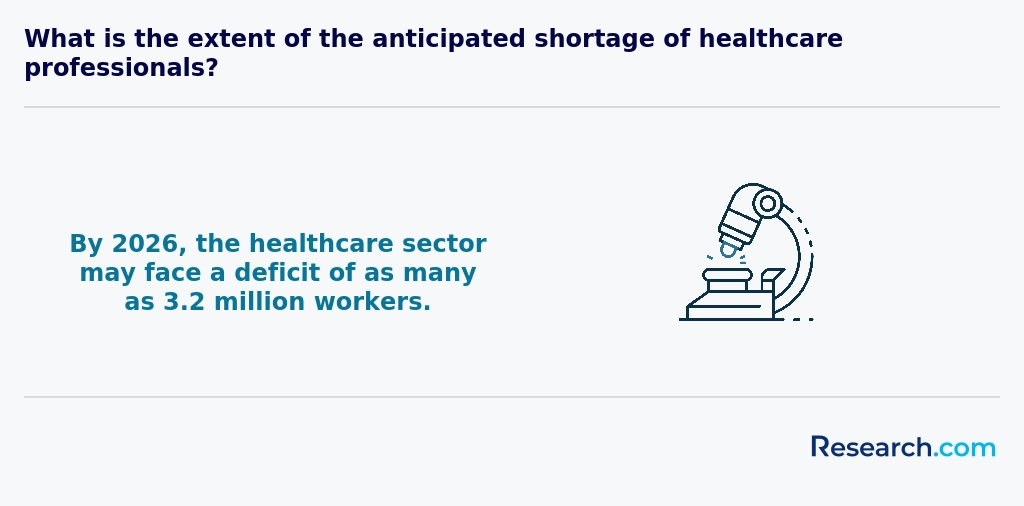
Graduates holding an online healthcare degree in Washington, DC, can embark on diverse career trajectories that span entry-level positions to senior leadership roles. Understanding the potential pathways and required credentials helps you plan for long-term success in this dynamic field. • Entry-Level Roles: – Patient Care Technician or Medical Assistant: Ideal for recent graduates, these positions build clinical skills and patient interaction experience. – Health Information Technician: Focused on electronic health records management, this role sharpens analytical and technical abilities. • Mid-Level Opportunities: – Healthcare Administrator or Clinical Manager: After gaining 3–5 years of experience, professionals can oversee departments, manage budgets, and optimize operational workflows. – Public Health Analyst or Research Coordinator: Graduates with strong data-analysis skills can support policy development and clinical research initiatives. • Advanced and Specialized Careers: – Nurse Practitioner or Physician Assistant: Pursuing an advanced degree and certification unlocks roles with greater autonomy in patient diagnosis and treatment. – Health Informatics Specialist: With expertise in data security and interoperability, specialists drive digital transformation in hospitals and clinics. • Leadership and Executive Paths: – Director of Nursing or Chief Medical Information Officer: These C-suite positions require a master’s degree, strategic vision, and proven leadership. – Policy Advisor or Healthcare Consultant: Professionals with a combination of clinical insight and management experience influence healthcare policy and organizational change. To elevate your career, consider advanced credentials such as certifications in project management (PMP) or specialized master’s programs. For a cost-effective graduate pathway, explore the Cheapest Online Master's in Healthcare Degree Programs Ranking in California, which highlights accredited programs designed for working professionals seeking leadership roles. Continuous professional development-through workshops, conferences, and networking-will position you to adapt and excel in the evolving healthcare landscape.
Getting financial aid for online healthcare degrees in Washington isn't as hard as you might think. Many students attending schools like University of Washington or Pacific Lutheran University tap into federal aid first, starting with FAFSA. It opens doors to Pell Grants, which don't need to be paid back-super helpful when tuition can hit $20,000 or more. One graduate shared how a Pell Grant covered a big chunk of her costs, letting her focus more on classes and less on bills.
Then there are federal student loans with low interest and flexible repayment options, perfect if you need a little extra help. On top of that, the Washington College Grant is a game changer-it's state-funded and supports lots of local students by covering tuition at eligible schools. Many students combine this with federal aid to seriously cut down expenses.
And don't forget scholarships! Some schools offer them based on grades or career goals, and healthcare employers often provide tuition assistance to employees looking to upgrade their skills. Knowing these options can make your dream of a healthcare career in Washington totally doable.
- George Washington University: Bachelor of Science in Health Sciences - as fast as 24 months with transfer credits
- Georgetown University: Accelerated BSN (for non-nurses) - complete in just 12 months
- Marymount University: RN to BSN completion - typically 9 months part-time
- Northern Virginia Community College: AAS in Medical Assisting - 18-month blended format
- Stratford University: AAS in Medical Billing and Coding - finish in 12 months; includes online classes for medical billing and coding with financial aid
If you're thinking about jumping into an online healthcare degree in Washington, the first step is having your high school diploma or GED ready to go. It's the basic ticket in-something every program expects before you dive into the specialized courses. For bachelor's degrees at schools like the University of Washington or Seattle Pacific University, it's common to need official transcripts showing a decent GPA, usually around 2.5 or better. Plus, some programs want you to have taken a bit of science and math beforehand, since those subjects really come in handy later on.
For those going after associate degrees, like in medical assisting or health IT, the prerequisites are a bit lighter but you still need to show you're ready for college-level work. Some programs even have placement tests or want proof you can handle basic computer skills-makes sense since you'll be learning online!
If you're eyeing a master's in nursing or health administration, expect to need an undergrad degree with a solid GPA, around 3.0 or higher. Also, getting your immunizations, background check, and CPR certification squared away is usually a must before you start any hands-on training.

Graduates with an online healthcare degree in Washington, DC, have a variety of dynamic career paths available to them, paving the way for both immediate employment and long-term career growth. Whether you are drawn to direct patient care, administrative leadership, or specialized roles in health informatics, many avenues exist to utilize your skills and passion for healthcare. For example, some graduates find rewarding opportunities as clinical managers or practice administrators, while others leverage their expertise in digital health technologies to support innovative healthcare solutions. Furthermore, several professionals combine their degree credentials with further certifications to enhance competencies in fields such as medical billing and coding cost, positioning themselves for roles that require precision and advanced technical prowess. In addition to these specialized paths, many alumni also explore interdisciplinary positions where both analytical and interpersonal skills are valued, leading to a diverse range of prospects in public health, research, or even entrepreneurial ventures in healthcare startups. Embracing these various career avenues not only broadens your professional network but also contributes to the overall evolution and innovation in the healthcare industry.
If you're diving into an online healthcare degree in Washington, you'll get a solid mix of courses that really prepare you for the real world. Many students from places like the University of Washington or Washington State University talk about how classes like Anatomy and Physiology helped them truly understand the human body, which made clinical work feel a lot less intimidating.
You'll also find courses like Medical Terminology that make talking with doctors and nurses second nature-no more guessing what those complicated words mean. Healthcare Ethics and Law are big too, especially since Washington's healthcare scene is buzzing with tech and policy changes. Graduates often say this gave them confidence dealing with real ethical dilemmas at their jobs.
Health Informatics is a standout in Washington programs because handling patient data and healthcare tech is huge here. Plus, classes like Pharmacology and Public Health Principles keep you well-rounded, grounding what you learn in community health trends around the state.
Many students appreciate hands-on practicum options through local hospitals or clinics, which bridge the gap between online study and real-world experience right here in Washington.
If you're exploring online healthcare degree specializations in Washington, you've got plenty of options to tailor your education to what excites you most. Many students at popular colleges here dive into nursing tracks like RN to BSN or Nurse Practitioner programs, which really fit the local demand-Washington alone has over 120,000 nursing pros working right now. Graduates often share how these programs prepare them for rewarding, hands-on careers.
Others find a great fit in healthcare program concentrations Washington DC online that focus on Health Informatics. This field blends tech with healthcare, helping hospitals improve patient care using smart data, which is booming in the region's tech-savvy healthcare scene.
For those drawn to leadership roles, Healthcare Administration is a solid pick. Graduates from Seattle-area schools often mention how the practical management skills learned gave them confidence to take charge in clinics or hospitals. Public Health is another big area, tackling community well-being across both urban and rural parts of Washington. Plus, some students tackle rehab therapy online, pairing coursework with hands-on practice.
Curious about costs? If you want to balance budget and study, you might check out info on medical billing and coding cost as part of your overall planning.
Picking the best online healthcare degree in Washington means thinking about a few key things. First off, accreditation is a must - graduates from well-known schools in Seattle or Spokane often mention how crucial it was for their jobs and licenses that their degree was fully accredited. This matters a lot here in Washington because licensure boards are pretty strict about that. Many students juggling family and work love programs with flexible, asynchronous classes that fit their busy lives.
Think about which healthcare area excites you most too. Washington's healthcare scene is booming-nursing, public health, health info management-they're all growing fast. A lot of grads at popular colleges say having a degree that matches in-demand jobs helped them land roles quicker. Tuition can be tricky, though; Washington schools tend to be pricier, so looking into financial aid or scholarships, like through the Health Workforce Training Program, pays off. For those hunting affordable options, checking out the Cheapest Online Master's in Healthcare Degree Programs Ranking in California might give extra ideas.
If you want a healthcare degree that really opens doors in Washington, balancing accreditation, job market fit, flexibility, and cost will keep you on track. Students who got that right often say it made the difference between struggling and feeling totally ready for their careers.
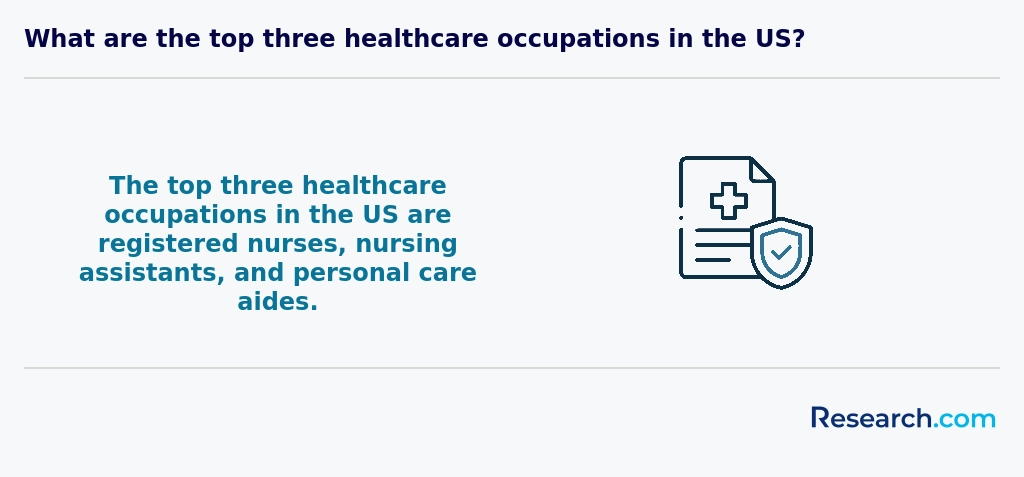
If you're thinking about an online healthcare degree in Washington, you've got some awesome career paths to consider. Graduates from popular schools in the state often land jobs as Registered Nurses (RNs), especially after completing an online BSN. These roles can pay between $60,000 and $95,000, which definitely helps when you think about the costs of living here. Others find their niche in healthcare administration, managing operations in bustling hospitals or clinics around Seattle and Spokane, with median salaries around $90,000.
Some grads go for associate degrees and become medical and health services technicians - think sonographers or radiologic techs - roles that are growing fast thanks to Washington's healthcare boom. Public health careers are another great route, working with organizations like the Washington State Department of Health to keep communities safe and healthy.
Many students share how their online studies at Washington universities prepared them well for these roles, blending theory with real-world examples. If you're curious about your options, it's smart to check out what are the best college majors for the future to see how healthcare stacks up among them.
The job market for online healthcare degree graduates in Washington is looking really bright right now. With a booming healthcare scene fueled by an aging population and lots of tech innovations, there's no shortage of opportunities. Many graduates from popular schools like the University of Washington and Seattle University find themselves landing roles in hospitals, outpatient centers, or even public health organizations pretty quickly. A lot of these employers love that candidates come through online programs because it shows flexibility-something that fits well with today's busy lifestyles.
One graduate shared how earning an online healthcare degree opened doors at Providence Health & Services, where the demand for skilled workers keeps growing. Plus, with the growing acceptance of online credentials, it's easier than ever to find jobs in nursing, health administration, or medical coding.
It's also worth noting that Washington students exploring their options might want to check out the easiest associate's degree programs for a quick and budget-friendly start. The job outlook shows solid growth, making online healthcare degree job market Washington DC and healthcare career growth Washington DC online degrees exciting fields to jump into.
2027 Fastest Online Healthcare Degree Programs Ranking in Washington, DC
Investing in your education is a significant decision that can shape your future, and the Research.com team understands the importance of making informed choices. To assist prospective students interested in healthcare degrees in Washington, DC, we have meticulously crafted the "2027 Fastest Online Healthcare Degree Programs Ranking in Washington, DC." Our commitment to quality, credibility, and accuracy is reflected in the extensive research and analysis conducted to compile this ranking.
We utilized the following reputable data sources to ensure a comprehensive evaluation of healthcare programs:
By exploring this ranking, readers will gain valuable insights into the fastest and most reputable online healthcare degree programs in Washington, DC, enabling them to make well-informed decisions about their educational futures. For further details on how this ranking was created, please visit our Research.com methodology page.


Frequently Asked Questions About healthcare
Online healthcare degree students in Washington can maximize their learning by actively engaging with virtual resources and clinical opportunities. The state offers access to a variety of accredited programs recognized by the Washington Student Achievement Council, ensuring quality education aligned with local healthcare standards. Students should participate in online discussion forums and virtual labs to reinforce their understanding.
Washington's strong healthcare sector, with over 329,000 healthcare jobs as reported by the Washington Employment Security Department in 2023, provides opportunities for internships and practicums. Seeking local partnerships can enhance practical skills.
Utilizing state-based licensing exam prep and networking through Washington's healthcare associations also supports academic and career success.
The healthcare field is rapidly evolving, and several emerging niches offer promising career opportunities for students pursuing online degrees in Washington. One key area is telehealth, which grew by over 60% nationally during the pandemic and continues to expand, making remote patient care a vital skill (American Telemedicine Association, 2023).
Another growing niche is healthcare informatics. Washington state, home to several technology hubs, has increased demand for specialists who manage electronic health records and data security. According to the Bureau of Labor Statistics, healthcare data analysts are projected to grow faster than average through 2030.
Behavioral health counseling and mental health services also have a rising need in Washington, reflecting national trends.
After completing an online healthcare degree in Washington, preparation for the job market involves several key steps. First, graduates should obtain state-specific licensure or certification if required for their profession, as health careers often mandate compliance with Washington State Department of Health regulations. Networking with local healthcare providers and joining professional organizations can provide valuable connections and job leads. Additionally, internships or practicum experiences, even if virtual, enhance practical skills and employability.
Washington's healthcare sector is growing, with a projected 16% job increase for healthcare practitioners from 2020 to 2030 (Bureau of Labor Statistics). Staying updated on job trends using resources like Washington's Employment Security Department can guide targeted job searches.
Continuing education and skills in health informatics or telehealth may also improve competitiveness in Washington's evolving medical job market.
Employers in Washington highly value healthcare graduates with strong clinical skills, critical thinking, and effective communication. According to the Washington State Department of Health, proficiency in patient care and familiarity with electronic health records are essential in today's healthcare environment. Employers also emphasize adaptability, as the healthcare sector in Washington evolves rapidly with new technology and protocols.
Interpersonal skills remain crucial; the ability to work well in teams and provide compassionate care is a common requirement. Additionally, knowledge of state-specific healthcare regulations can give graduates an advantage when applying for positions within Washington's healthcare facilities.
Finding internships in Washington related to healthcare degrees involves several strategic steps. Start by exploring local hospitals, clinics, and public health organizations, as the state has over 100 healthcare facilities offering internship opportunities. The Washington State Department of Health website provides updated listings of healthcare providers and programs eligible for student placements.
Many universities in Washington, including those offering online healthcare degrees, maintain partnerships with local agencies to support internships. Students should also utilize platforms like Handshake or healthcare-specific job boards hosted by professional associations. Networking through LinkedIn and attending virtual career fairs hosted by Washington institutions can increase opportunities.
According to the Washington State Employment Security Department, healthcare internships have seen a 12% annual growth, reflecting the sector's expanding workforce needs.
Obtaining an online healthcare degree in Washington significantly enhances career mobility and advancement opportunities. The state's expanding healthcare sector, which employs over 200,000 workers according to the Washington State Employment Security Department (2023), demands a skilled workforce capable of filling diverse roles.
Online programs provide flexible access to accredited education, allowing professionals to balance work and study. Graduates are often eligible for advanced certifications and leadership roles in hospitals, clinics, and public health organizations statewide.
Research from the Bureau of Labor Statistics notes that healthcare occupations in Washington are projected to grow 15% by 2030, far above the national average. This growth supports career progression for those with recognized online degrees.
Studying for a healthcare degree online in Washington equips students with the skills needed for interdisciplinary roles by combining coursework in nursing, public health, health administration, and social sciences. Washington's universities emphasize collaboration across professions, reflecting the state's growing healthcare sector, which employs over 350,000 workers as of 2023, according to the Washington State Employment Security Department.
The curriculum often includes team-based projects and case studies that mimic real-world healthcare settings where professionals from various disciplines work together to improve patient outcomes. Students learn to communicate effectively with diverse healthcare teams, enhancing coordination and care delivery.
Additionally, many programs integrate Washington State's healthcare policies and digital health initiatives, preparing graduates to navigate regulatory contexts and advanced technologies essential for interdisciplinary collaboration.
Choosing between a thesis and a non-thesis healthcare degree program in Washington depends largely on your career goals and learning preferences. Thesis programs emphasize research, requiring students to conduct original studies and write a formal document. This option suits those aiming for research roles or doctoral studies in healthcare fields.
Non-thesis programs focus more on practical skills and coursework, appealing to students seeking immediate employment in clinical or administrative healthcare positions. According to the Washington State Department of Health, healthcare jobs are expected to grow 16% by 2030, highlighting demand for practice-ready professionals.
Online programs in Washington often offer both choices, but check accreditation and faculty expertise to ensure quality education aligned with your needs.
Students based in Washington seeking to study healthcare abroad have several online options through partnerships between U.S. institutions and international programs. Many accredited American universities offer global healthcare degrees with virtual coursework, allowing students to gain international perspectives without relocating. These programs often include clinical components that can be completed locally or abroad. Washington's growing healthcare sector, projected to add over 20,000 jobs by 2028 according to the Washington State Employment Security Department, increases the value of globally informed healthcare education.
Internationally focused degrees often emphasize global health policy, nursing, or public health, aligning with U.S. licensure standards. Organizations like the Commission on Collegiate Nursing Education (CCNE) ensure program quality for nursing students studying abroad. Additionally, students can leverage federal financial aid and scholarships applicable to these cross-border programs, making them more accessible.
Washington offers several part-time job opportunities that align well with healthcare degree studies. Positions such as medical assistant, pharmacy technician, and patient services representative provide practical experience while accommodating flexible schedules.
According to the Washington State Employment Security Department, healthcare support roles are projected to grow by 15% between 2022 and 2032, reflecting strong demand.
Many healthcare facilities in Washington, including hospitals and outpatient clinics, actively hire students in training for roles involving patient care, administrative support, or medical billing.
Additionally, roles like home health aide or certified nursing assistant (CNA) offer hands-on experience that complements online healthcare education and strengthens clinical skills.
Online healthcare students in Washington have access to numerous networking opportunities that can enhance their career prospects. Many Washington-based universities with online programs offer virtual events, webinars, and discussion forums to connect students with peers and professionals.
Local chapters of national healthcare organizations like the Washington State Nurses Association and the Washington Public Health Association provide virtual meetings and conferences, allowing students to network within the state's healthcare community.
Additionally, Washington's healthcare industry employs over 400,000 workers, creating diverse internship and mentorship possibilities for online students (Washington State Employment Security Department, 2023).
Overall, these resources help students build meaningful professional connections despite studying remotely.
Alumni networks are a valuable resource for online healthcare degree students in Washington. They provide access to a community of professionals who share industry knowledge and career advice. Washington's healthcare sector is growing rapidly, with over 400,000 jobs statewide, according to the U.S. Bureau of Labor Statistics (2023). Connecting with alumni can help students tap into job opportunities and internships specific to the region's healthcare facilities.
These networks often organize events and mentoring programs, which enhance professional development. Alumni can share insights about navigating local healthcare regulations and certification requirements in Washington. This peer support is especially helpful for online students who may miss traditional campus networking.
Strong alumni ties contribute to higher job placement and career advancement in the healthcare industry across Washington state.
Customizing an online healthcare degree program in Washington starts with selecting a specialization that aligns with your career goals. Many accredited institutions offer options such as nursing, health administration, or public health, allowing you to tailor coursework to specific fields. You can also choose electives that emphasize leadership, informatics, or patient care.
Washington's growing healthcare sector, which added over 15,000 jobs since 2020 according to the Bureau of Labor Statistics, values practical skills. Online programs often incorporate internships or practicum experiences in local healthcare settings to build relevant expertise.
Furthermore, some schools offer flexible pacing or certificate add-ons that enhance credentials in areas like health policy or telemedicine. When customizing your program, ensure it meets Washington's licensing and certification requirements for your target profession.
Online healthcare students in Washington often face challenges balancing coursework with demanding work schedules, especially since healthcare professionals frequently work irregular hours. The state's high cost of living can add financial pressure, making it difficult for students to dedicate time fully to their studies. Connectivity issues remain a concern in some rural areas, limiting access to real-time lectures or resources. Clinical placement availability is another hurdle, as Washington has strict regulations requiring local internships or practicum experiences, which can be competitive to secure. According to the Washington State Board of Health, these factors contribute to student stress and affect program completion rates.
With an online healthcare degree, you can pursue various professional certifications that enhance your career opportunities. Common certifications include Certified Medical Assistant (CMA), Registered Health Information Technician (RHIT), and Certified Professional Coder (CPC). These credentials are highly recognized in Washington's healthcare sector.
Washington state employment projections show strong growth for healthcare occupations, with a forecasted 15% increase by 2030, according to the Washington State Employment Security Department. Certifications can improve your chances of securing jobs in this expanding market.
Additional certifications like Certified Nursing Assistant (CNA) or Health Informatics Specialist provide specialization options. Many online degree programs prepare students for these exams by aligning coursework with certification requirements.
Applying to an online healthcare program in Washington requires a clear and focused approach. Start by researching accredited schools recognized by the Washington Student Achievement Council to ensure quality education.
Highlight relevant experience in healthcare or related fields, as Washington values practical knowledge due to its demand for healthcare professionals, with an expected 15% job growth by 2030 according to the Washington State Employment Security Department.
Craft a compelling personal statement that explains your motivation and career goals, emphasizing how the program fits your plans.
Also, ensure all transcripts and recommendation letters reflect your academic and professional readiness.
Globally, healthcare careers are seen as essential and highly respected, with growing demand in many countries, including the United States. In Washington, DC, healthcare jobs are projected to increase by nearly 15% through 2030, reflecting nationwide trends highlighted by the Bureau of Labor Statistics. This growth is driven by aging populations and advances in medical technology.
Online healthcare degrees are relevant worldwide, allowing professionals to contribute to global health initiatives and meet diverse community needs. Many international organizations recognize U.S. healthcare education standards, giving graduates increased opportunities to work abroad or in multicultural settings.
Washington's position as a hub for health policy and research further strengthens the global value of healthcare degrees obtained here.
Gaining practical experience while studying for an online healthcare degree in Washington is essential for career readiness. Many programs incorporate clinical placements or internships in local healthcare settings. Since Washington has a robust healthcare industry, students often connect with hospitals and clinics such as UW Medical Center or Virginia Mason Health.
Students should seek programs with established partnerships that facilitate supervised hands-on training. Additionally, volunteering or part-time work in healthcare facilities can supplement formal experience.
The Washington State Department of Health provides licensing and internship information relevant to clinical practice requirements in various healthcare fields. It's important to verify that online programs meet these state regulations to ensure smooth licensure post-graduation.
Choosing the right concentration within an online healthcare degree program in Washington depends on your career goals and interests. Washington has a growing healthcare sector with a strong demand for professionals in areas like public health, health informatics, and nursing. According to the Washington State Employment Security Department, healthcare occupations are projected to grow faster than average through 2030.
Research local job trends and consider concentrations that offer strong employment opportunities. For example, public health specialists are vital due to ongoing public health challenges in the region. Additionally, health informatics is expanding as digital records and telehealth become more prominent.
Review program curricula closely and ensure alignments with licensure requirements if certification is necessary. Also, explore programs offering clinical or practical experiences even online, as hands-on training is crucial for many healthcare roles.
- 2027 Fastest Online Healthcare Degree Programs Ranking in Adelphi, MD
- 2027 Fastest Online Master's in Healthcare Degree Programs Ranking in Baltimore, MD
- 2027 Fastest Online Healthcare Degree Programs Ranking in Harrisonburg, VA
- 2027 Fastest Online Bachelor's in Healthcare Degree Programs Ranking in Philadelphia, PA
- 2027 Fastest Online Healthcare Degree Programs Ranking in Hampton, VA
- 2027 Fastest Online Healthcare Degree Programs Ranking in Loretto, PA
- 2027 Fastest Online Healthcare Degree Programs Ranking in Norfolk, VA
- 2027 Fastest Online Healthcare Degree Programs Ranking in Morgantown, WV
- 2027 Fastest Online Healthcare Degree Programs Ranking in California, PA
- 2027 Fastest Online Bachelor's in Healthcare Degree Programs Ranking in Pittsburgh, PA
See What Experts Have To Say About Studying Healthcare
Read our interview with Healthcare experts

- Student Learning Programs https://www.marywashingtonhealthcare.com/education/outreach-and-education/student-learning-programs/
- How Long is an MHA Program? MHA Programs One Year ... https://www.onlineeducation.com/healthcare/faqs/length-of-online-mha-programs
- Expanding experiential learning through simulation https://www.pagethink.com/insights/unlocking-potential-expanding-experiential-learning-through-simulation
- Health Care Schools in Washington https://www.healthcarepathway.com/states/washington-health-care/
- Online Healthcare Degree Programs | ABHES Accredited https://www.ultimatemedical.edu/campuses/online/
- Health Sciences https://www.columbiabasin.edu/learn/discover-your-path/health-sciences/index.html
- Experiential Learning to Enhance ... https://annalsofglobalhealth.org/articles/10.5334/aogh.4537
- Degree Programs | Healthier Washington Collaboration ... https://waportal.org/health-initiatives/public-health-academic-learning-collaborative-wa-phalco/degree-programs
- Find The Top Online Colleges In Washington https://www.learnhowtobecome.org/online-universities-and-colleges/washington/
- Earn While You Learn: Innovation During a Pandemic https://www.aha.org/case-studies/2022-01-18-earn-while-you-learn-innovation-during-pandemic


