
2027 Fastest Online Bachelor's in Healthcare Degree Programs Ranking in Philadelphia, PA

Co-Founder and Chief Data Scientist
If you're considering advancing your education in healthcare, finding the right program is crucial. This article introduces the 2027 Fastest Online Bachelor's in Healthcare Degree Programs Ranking in Philadelphia, PA, created by the Research.com team of data scientists. It's designed to help you make an informed choice about which programs truly stand out.
Exploring these top-ranked online options lets you find a flexible path to achieve your career goals. A healthcare degree can open doors to rewarding and impactful opportunities, and this ranking makes your decision easier and more confident.
Key benefits of getting online healthcare degree in Philadelphia
- Graduates with healthcare degrees in Philadelphia can expect strong salaries, such as Medical Assistants earning around $43,350 annually and Quality Improvement Coordinators making up to $103,150 per year, offering promising financial stability.
- Healthcare degree holders often explore diverse career paths, including roles like Patient Care Technician or Health Information Technician, providing flexibility to find a job that fits your passion and lifestyle.
- Online healthcare degrees from Philadelphia schools offer convenient scheduling and the ability to balance work and study, making it easier to advance your career without disrupting your life.
- Key benefits of getting online healthcare degree in Philadelphia
- What can I expect from online healthcare degree in Philadelphia?
- Where can I work with online healthcare degree in Philadelphia?
- How much can I make with online healthcare degree in Philadelphia?
- 2027 Fastest Online Bachelor's in Healthcare Degree Programs Ranking in Philadelphia, PA
- Key Findings
- How long does it take to complete online healthcare degree in Philadelphia?
- Career Paths and Advancement Opportunities
- What's the difference between online and on-campus healthcare degree?
- Accreditation and Licensure: Ensuring Program Quality and Career Readiness
- What is the average cost of online healthcare degree in Philadelphia?
- Typical Courses and Curriculum Overview
- What financial aid is available to online healthcare degree students in Philadelphia?
- Accreditation and Quality Assurance
- What are the prerequisites for enrolling in online healthcare degree program in Philadelphia?
- Continuing Education and Certification Opportunities
- What courses are typically in online healthcare degree programs in Philadelphia?
- What types of specializations are available in online healthcare degree programs in Philadelphia?
- How do you choose the best online healthcare degree in Philadelphia?
- What career paths are available for online healthcare degree students in Philadelphia?
- What is the job market for online healthcare degree in Philadelphia?
- Top Trending Healthcare Rankings
- See What Experts Have To Say About Studying Healthcare
What can I expect from online healthcare degree in Philadelphia?
The average cost of an online healthcare degree in Philadelphia varies significantly depending on the institution and program format. Graduates from popular universities such as Thomas Jefferson University or Drexel University often report tuition ranges from approximately $20,000 to $40,000 for a full bachelor's degree. This variation reflects differences in program length, credit requirements, and whether students choose fully online or hybrid options.
Many students appreciate the flexibility these programs offer, allowing them to work while studying, which can help manage expenses in a city where the cost of living is moderate but challenging on a healthcare salary. For some, financial aid and scholarships from local schools play a crucial role in making these programs accessible. Graduates often emphasize how investing in an accredited program from familiar Philadelphia institutions not only deepens their connection to local healthcare networks but also enhances job prospects in the city's thriving medical sector.
Where can I work with online healthcare degree in Philadelphia?
Graduates with online healthcare degrees from institutions like Thomas Jefferson University or Drexel University often find numerous employment opportunities across Philadelphia's healthcare landscape. Many enter hospital systems-such as the University of Pennsylvania Health System-where they take on roles in healthcare administration or clinical research coordination, experiencing the dynamic pace and collaboration typical of large medical centers.
Others leverage their degree in public health agencies, engaging in community health outreach or epidemiology, directly impacting urban health challenges like chronic disease management. Alumni reflect on the fulfillment in these roles, citing meaningful interaction with diverse populations and the chance to drive positive change.
The outpatient care sector appeals to graduates looking for patient advocacy or health data analysis roles, especially as Philadelphia's investments in ambulatory services grow. Graduates describe the balance this work offers between clinical impact and flexible environments.
Some graduates pursue careers in healthcare technology, managing electronic health records or telehealth services, where they embrace the evolving digital health landscape. These varied pathways illustrate how an online healthcare degree in Philadelphia opens doors aligned with individual interests and the region's expanding medical infrastructure.
How much can I make with online healthcare degree in Philadelphia?
Graduates from online healthcare degree programs in Philadelphia report a range of earnings that reflect both their chosen career paths and the local healthcare market. Many find rewarding salaries comparable to national averages, enhanced by Philadelphia's strong healthcare sector anchored by institutions like Thomas Jefferson University and the University of Pennsylvania.
For roles such as Medical Assistants and Clinical Research Coordinators, typical mean annual wages hover around $43,350, providing an accessible entry point for many recent graduates. Those pursuing positions like Patient Care Technicians can expect earnings near $60,790 annually, which supports a comfortable living in the city.
More specialized roles, such as Health Information Technicians, earn close to $43,380, while graduates moving into leadership or quality assurance roles-like Quality Improvement Coordinators-see significantly higher mean wages around $103,150. Graduates share how their online degree programs equipped them with practical skills that Philadelphia employers value, boosting confidence and satisfaction with their career prospects.
While salaries vary, studying online in Philadelphia offers graduates a solid foundation and access to a growing healthcare job market projected to expand notably, making these earnings realistic and encouraging.
2027 Fastest Online Bachelor's in Healthcare Degree Programs Ranking in Philadelphia, PA
How do we rank schools?
Investing in your education is a significant decision that can profoundly impact your career, and the Research.com team is committed to helping you make well-informed choices. To guide prospective students in Philadelphia, we have carefully developed the "2027 Fastest Online Bachelor's in Healthcare Degree Programs Ranking in Philadelphia, PA." Our dedication to quality, credibility, and accuracy is evident in the rigorous research and thorough analysis underlying this ranking.
We utilized the following reputable data sources to ensure a comprehensive evaluation of healthcare degree programs:
By reviewing this ranking, readers will gain valuable insights into the fastest online bachelor's healthcare programs in Philadelphia, enabling them to select programs that best fit their goals and timelines. For further information on how this ranking was created, please visit our Research.com methodology page.

# 2 position
Peirce College
Bachelor of Healthcare Administration

Key Findings
- Philadelphia employs over 120,000 healthcare professionals, making it a strong job market for healthcare graduates.
- The cost of an online healthcare bachelor's degree ranges from $20,000 to $40,000, with public universities generally being more affordable.
- Entry-level healthcare salaries start around $55,000 annually, increasing to over $85,000 with experience and advanced credentials.
- Healthcare jobs in Philadelphia are expected to grow by 10% in the next decade, driven by innovation and expanding care services.
- Accredited programs ensure quality education and help meet professional licensing and certification standards.
How long does it take to complete online healthcare degree in Philadelphia?
Completing an online healthcare degree in Philadelphia typically varies from two to six years, heavily influenced by program type and enrollment status. Graduates from well-known institutions like Thomas Jefferson University or Drexel University describe a four-year full-time bachelor's degree as a rigorous yet rewarding journey that builds comprehensive skills in health sciences or administration.
For busy working professionals in Philadelphia's competitive healthcare environment, accelerated programs can shorten the timeline to two or three years. These fast-track options, often offered by colleges like the University of Pennsylvania's digital initiatives, provide intensive coursework and summer classes, allowing students to balance jobs and study effectively.
Associate degree students often appreciate the two-year structure available at community colleges in the region, which grants them quick access to entry-level roles in medical assisting or health information. Many graduates explain how part-time study, while extending completion time to five or six years, offered needed flexibility to manage family and work commitments.
Ultimately, the blend of Philadelphia's healthcare demand and educational resources encourages prospective students to choose programs that align with their lifestyles, balancing pace with affordability and career goals.
Career Paths and Advancement Opportunities
Graduates with an online Healthcare degree in Philadelphia are uniquely positioned to explore diverse career trajectories that extend from entry-level roles to advanced leadership positions. This dynamic landscape offers both immediate job entry and significant long-term growth. Here are some promising career avenues: • Clinical and Technical Roles: Begin with positions such as Patient Care Technician, Medical Assistant, or Health Information Technician. These roles provide hands-on experience and a solid foundation in patient care, digital record management, and clinical operations. • Healthcare Administration and Management: Many graduates quickly progress into administrative roles, overseeing hospital operations, managing departments, and coordinating care services. Advanced certifications or additional coursework in healthcare management can further enhance prospects for leadership positions. • Health Informatics and Data Analysis: Capitalize on the integration of technology in healthcare. Specialists in health informatics work on streamlining digital health records, analyzing patient data, and improving clinical decision-making processes-a field with rapid growth in urban areas like Philadelphia. • Public and Community Health: Embark on a career with community healthcare agencies or public health departments, focusing on disease prevention, health promotion, and policy development. Roles in this track leverage the critical skills developed during an online Healthcare program to influence community wellness on a large scale. • Specialized Nursing and Advanced Practice: For those with an interest in extending their clinical expertise, advanced nursing roles such as Nurse Practitioner or Nurse Educator offer avenues for higher responsibility, increased compensation, and greater impact in patient care and education. Philadelphia’s healthcare ecosystem is continuously evolving, providing myriad opportunities for career advancement. Many employers value the digital proficiency, adaptability, and hands-on experiences gained through online programs. Additionally, graduates are encouraged to pursue further certifications, attend professional development workshops, and engage in local networking events to support their upward mobility. This pathway underscores that an online Healthcare degree is not only a launching pad for immediate employment but also a foundational step toward sustained professional growth and leadership within the healthcare industry.
What's the difference between online and on-campus healthcare degree?
Online healthcare degrees in Philadelphia provide flexibility that suits students juggling work or family, allowing study on their own schedules through digital platforms. Graduates appreciate this freedom but emphasize the need for strong self-discipline and time management to stay on track without in-person reminders. For example, those enrolled in Drexel University's online healthcare programs arrange local clinical placements near their homes, which can feel empowering by connecting studies directly to their communities.
Conversely, on-campus programs at schools like the University of Pennsylvania offer immersive, face-to-face learning experiences that foster collaboration and mentorship. Some graduates highlight how in-person labs and direct access to Philadelphia's renowned hospitals helped build professional networks and hands-on skills. However, strict schedules and commuting demands may not fit all lifestyles.
Both formats require clinical training, but the mode of coordination differs, impacting how students engage with practical healthcare environments. The choice often depends on balancing personal commitments with the desire for interaction and networking, both key to success in Philadelphia's evolving healthcare sector.
Accreditation and Licensure: Ensuring Program Quality and Career Readiness
Accreditation is the cornerstone of any reputable online Healthcare degree in Philadelphia, PA, guaranteeing that your education meets rigorous academic and industry standards. Regional accreditation by bodies such as the Middle States Commission on Higher Education ensures institutional credibility, while programmatic accreditation-like CAHME (Commission on Accreditation of Healthcare Management Education)-validates specialized curricula. Before enrolling, verify that your chosen program holds both types of accreditation, as this directly impacts eligibility for federal financial aid, transfer credit acceptance, and employer recognition. Equally important is understanding how accreditation aligns with licensure requirements in Pennsylvania. Graduates intending to pursue roles that require certification-such as Health Information Technicians or Patient Care Technicians-must attend programs approved by state boards or national credentialing bodies. Accredited programs offer structured preparation for licensure exams, maintain transparent pass‐rate data, and often provide dedicated support through mock exams and study groups. Confirm your program’s licensure alignment by reviewing state board guidelines and requesting outcomes data from admissions advisors. Looking ahead, many professionals leverage their bachelor’s credentials to pursue advanced degrees or specialized certifications. For cost-conscious graduates exploring master’s pathways, the Low Cost Online Master's in Healthcare Degree Programs Ranking in Maryland highlights accredited, affordable options that maintain strong licensure and certification outcomes. By prioritizing accredited programs at every stage-bachelor’s through master’s-you ensure your qualifications will be recognized by employers, licensing bodies, and professional associations nationwide.
What is the average cost of online healthcare degree in Philadelphia?
For students considering the average cost of online healthcare degree Philadelphia programs, the tuition tends to vary widely, largely influenced by the type of institution. Public universities in the region, such as those serving Pennsylvania residents, typically offer lower rates, sometimes closer to $15,000 for the entire healthcare bachelor's degree. Conversely, private institutions like Thomas Jefferson University and Drexel University often price tuition per credit hour, ranging from $500 to $800, which can raise total expenses to nearly $96,000 for 120 credits without financial aid.
Graduates often reflect on how these costs felt more manageable when scholarships and financial aid eased their burden, demonstrating how careful navigation of funding options is critical. Many Philadelphia students balance pricing with program quality and convenience, especially appreciating that reputable online courses can eliminate commuting fees and campus-related expenses. This balance is key to understanding the total expenses for healthcare bachelor's degree Philadelphia PA offerings.
Beyond tuition, students must account for additional charges like technology fees, textbooks, licensing exams, and internship management fees. Considering financial aid options tailored to healthcare fields in Philadelphia can significantly improve affordability and access to quality education.
For those interested in healthcare roles, investigating the nurse practitioner employment outlook can provide insight into the potential return on investment for these education costs.
Typical Courses and Curriculum Overview
Online Healthcare degree programs in Philadelphia, PA, are designed to provide a well-rounded educational experience that balances theoretical knowledge with practical application. This section highlights the core and elective courses you can expect, giving you a clearer picture of how these programs prepare you for various roles in the healthcare field. Key curriculum components include: • Core Healthcare Foundations – Courses such as Human Anatomy, Physiology, and Microbiology provide robust scientific foundations. These units ensure that students understand the fundamental principles necessary for patient care, medical research, and advanced healthcare studies. • Clinical and Technical Skills – Programs typically incorporate coursework in Clinical Procedures, Health Informatics, and Evidence-Based Practices. These subjects are often paired with virtual simulations and case studies, enhancing students’ ability to apply coursework in realistic healthcare settings. • Healthcare Management and Administration – To prepare graduates for leadership roles, courses in Healthcare Policy, Medical Law and Ethics, and Financial Management focus on the operational demands of modern healthcare institutions. These classes are crucial for those intending to pursue careers in hospital administration or healthcare consulting. • Research and Data Analysis – Emphasizing the importance of research in the healthcare sector, curriculum modules on Public Health and Epidemiology, along with biostatistics, empower students to make data-driven decisions and contribute to innovative clinical practices. • Elective Specializations – Many programs offer elective tracks allowing students to tailor their education to specific interests, such as Health Information Technology, Nursing Specializations, and Community Health. These courses help students position themselves in competitive niches within the healthcare industry. By integrating these diverse courses into a cohesive curriculum, Philadelphia’s online healthcare programs not only foster a strong academic foundation but also arm students with the practical skills necessary for dynamic career pathways. This comprehensive, course-centric approach ensures that graduates are well-equipped to meet the evolving challenges in today’s healthcare landscape.
What financial aid is available to online healthcare degree students in Philadelphia?
Students pursuing online healthcare degrees in Philadelphia often rely on a combination of financial aid sources to manage costs effectively. Federal aid through FAFSA remains a cornerstone, enabling access to grants like the Pell Grant, which have relieved many graduates from local universities of significant debt by covering tuition portions based on financial need. However, relying solely on federal aid can be limiting, as eligibility varies and funds may not cover all expenses.
State-specific support such as the Pennsylvania State Grant Program offers added relief for residents attending accredited online programs at institutions like Drexel University or the University of Pennsylvania. Graduates frequently recount how these grants reduced their out-of-pocket tuition drastically, enhancing their ability to focus on studies rather than finances.
Institutional scholarships also play a vital role. Many universities in Philadelphia competitively award scholarships targeting healthcare students, both merit- and need-based. Some graduates mention how these awards, combined with employer tuition reimbursement programs available through Philadelphia's expansive healthcare sector, created a patchwork of support that made their educational journey feasible and rewarding.
Additional options from professional organizations, including nursing-specific scholarships, further diversify funding opportunities, demonstrating the importance of proactive research and a multifaceted approach.
Accreditation and Quality Assurance
Ensuring that your online Bachelor’s in Healthcare degree is both recognized and reputable begins with verifying institutional and programmatic accreditation. First, confirm that the university holds regional accreditation from an agency recognized by the U.S. Department of Education-this guarantees that credits will transfer, federal financial aid is available, and employers respect your credential. Next, look for specialized accreditation: for example, healthcare informatics and health information management programs often seek CAHIIM (Commission on Accreditation for Health Informatics and Information Management Education) approval, while nursing tracks may be CCNE- or ACEN-accredited. Programmatic accreditation not only impacts licensure eligibility but also shapes curriculum standards and clinical practicum requirements. A CAHIIM-accredited health information management program, for instance, will embed core competencies in data governance, privacy, and coding systems, setting graduates up for success on certification exams like the RHIA or RHIT. Similarly, programs complying with CAEPA or ASPA standards ensure rigorous preparation in public health and policy. In addition to accreditation, review published outcomes-graduation rates, licensure or certification pass rates, and job placement statistics-which provide objective measures of program quality. For those seeking specialized expertise in coding and billing, our curated list of accredited medical coding and billing online schools offers detailed comparisons of CAHIIM-approved curricula, exam prep resources, and employer partnerships. By prioritizing both regional and programmatic accreditation, you safeguard your educational investment and ensure a seamless transition from graduation to certification and career advancement.
What are the prerequisites for enrolling in online healthcare degree program in Philadelphia?
Enrolling in an online healthcare degree program in Philadelphia generally requires a high school diploma or equivalent, which lays the essential groundwork for college success. Graduates from local universities often reflect on how their preparatory classes in biology and chemistry built confidence before tackling advanced healthcare topics. While some schools still request SAT or ACT scores, many programs adopted test-optional policies, allowing applicants to focus on other strengths.
Practical experience can be a decisive factor. For example, graduates who entered nursing tracks found holding a Certified Nursing Assistant (CNA) credential not only eased admission but also brought a sense of readiness to clinical coursework. In contrast, some students without prior healthcare work found that submitting compelling personal statements and recommendation letters helped admissions committees appreciate their motivation and potential.
Philadelphia-based applicants benefit from accessible college advising centers that assist with transcript submissions and meeting academic benchmarks. The availability of financial aid and scholarships targeting healthcare fields also encourages students, making the often significant tuition costs feel more manageable and fostering optimism about advancing in this rewarding profession.
Continuing Education and Certification Opportunities
In today's fast-evolving healthcare landscape, earning an online Healthcare degree in Philadelphia is just the beginning of your professional journey. To stay competitive and broaden your career prospects, many graduates pursue advanced certifications and continuous learning opportunities. Supplementary credentials not only validate your specialized skill sets but also pave the way for career growth, enhanced salary prospects, and leadership roles in diverse healthcare settings. For instance, aside from your degree, you might consider exploring the easiest medical certifications that align with your career goals. These certifications focus on emerging healthcare technologies, data management, and patient care innovations, providing practical insights that complement your academic background. Additionally, enrolling in professional workshops, webinars, and industry conferences can help you network with experts, learn about the latest trends, and gain hands-on experience with new technologies. By integrating ongoing education and targeted certifications into your career plan, you not only enhance your professional profile but also secure a lasting competitive edge in Philadelphia’s dynamic healthcare job market.
What courses are typically in online healthcare degree programs in Philadelphia?
Online healthcare degree programs in Philadelphia commonly include courses like Introduction to Healthcare Systems, Anatomy and Physiology, Medical Terminology, and Healthcare Ethics and Law. Graduates from well-known institutions such as Thomas Jefferson University often describe these courses as essential for understanding both the scientific and regulatory sides of healthcare in the city's complex medical environment.
Health Informatics is emphasized due to Philadelphia's hospitals adopting advanced electronic health records, providing students with relevant, hands-on knowledge. Public Health courses, which address urban challenges like diabetes, resonate strongly with students passionate about community impact. Several graduates recount that Healthcare Management and Finance helped them confidently navigate administrative roles they later secured.
The curriculum purposely blends theoretical knowledge with practical projects or internships at local facilities, enhancing student engagement and job readiness. While some students appreciate this structured approach, others feel that more elective options focused on emerging healthcare topics would better meet their personal career goals in a rapidly evolving field.
What types of specializations are available in online healthcare degree programs in Philadelphia?
Online healthcare degree specializations in Philadelphia often include Health Administration, Nursing, Public Health, Healthcare Informatics, and Health Sciences. Graduates from local universities frequently share how the Health Administration track helped them navigate leadership challenges in busy Philadelphia hospitals, balancing policy and finance. Meanwhile, Nursing programs, which often offer RN-to-BSN paths, allow registered nurses to deepen their clinical skills while managing family and work demands. One graduate emphasized how Public Health studies at a Philadelphia college helped them develop community outreach programs tailored to urban populations.
Students pursuing healthcare bachelor's degree focus areas Philadelphia PA appreciate the flexibility to tailor their education for diverse healthcare sectors. For example, informatics students have described applying tech skills to manage patient data effectively within Philadelphia's growing healthcare network. Considering career goals is crucial; those aiming for direct patient care might lean toward nursing or public health, while tech-savvy learners may find healthcare informatics rewarding. For readers interested in advancing nursing careers, exploring nurse practitioner degrees tennessee job prospects can offer useful parallels.
How do you choose the best online healthcare degree in Philadelphia?
Choosing the best online healthcare degree in Philadelphia involves weighing accreditation, flexibility, cost, and curriculum relevance carefully. Graduates from well-known local universities often observe that a program's accreditation, especially from bodies like CAAHEP or ACEN, directly impacts licensure and job prospects in Philadelphia's competitive healthcare market.
Flexibility is crucial for many students balancing family or work. For example, some find accelerated programs at Philadelphia colleges invaluable as they shorten time to degree completion, fitting tightly packed schedules without compromising quality. However, others caution that accelerated paths may challenge those needing more time to grasp complex healthcare concepts.
Cost also remains a decisive factor. Philadelphia students often appreciate schools offering affordable healthcare degree programs Philadelphia through in-state tuition or scholarships, helping reduce debt. Exploring graduation and employment outcomes locally can be enlightening-graduates from these programs frequently highlight the strong connections to Philadelphia's hospitals as a gateway to internships.
Considering the range of specializations offered is essential. Some students at major institutions choose programs with ties to the local healthcare industry to maximize clinical opportunities. Those unsure about their focus might also explore resources like online nursing programs admission Texas for comparative perspectives on program structures and admissions.
What career paths are available for online healthcare degree students in Philadelphia?
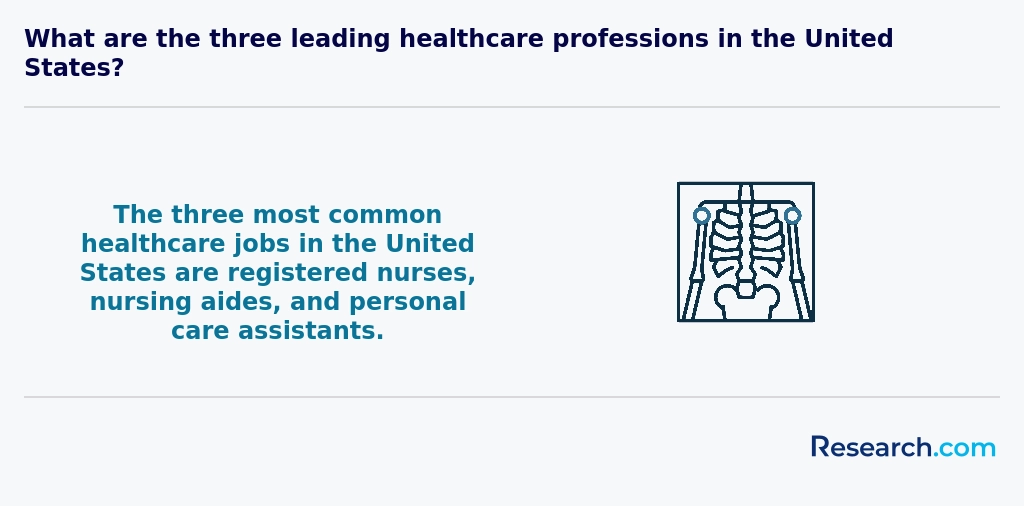
Graduates of online healthcare degree programs Philadelphia can pursue a range of career paths tailored to the city's dynamic healthcare landscape. Many find rewarding roles as Registered Nurses (RNs), benefiting from Philadelphia's strong clinical environment and the preparation these programs provide for the NCLEX-RN exam. Alumni from local institutions often share how their education built confidence for direct patient care in hospitals known for cutting-edge treatments.
Others choose administrative tracks, becoming Health Services Managers overseeing operations in prominent Philadelphia hospitals or insurance firms. The region's demand for skilled administrators aligns well with the leadership skills honed through these programs. For those interested in population health, roles as Public Health Specialists address urban health challenges, engaging with community-focused initiatives across the city.
Some graduates gravitate toward medical and health services technician roles, including informatics and billing, reflecting the sector's digital transformation. While exploring these options, students often emphasize the importance of developing cultural competence in nursing to navigate Philadelphia's diverse patient populations. This array of healthcare career opportunities in Philadelphia demonstrates how online degrees can open doors to meaningful, evolving professions.
What is the job market for online healthcare degree in Philadelphia?
The online healthcare job growth Philadelphia offers is promising, yet it's important to consider both the opportunities and challenges. Graduates from well-known local institutions such as the University of Pennsylvania and Drexel University often share positive experiences of quickly securing roles in hospitals or outpatient care centers. These healthcare degree employment opportunities Philadelphia provides appear especially strong in nursing, healthcare management, and social work, with many graduates entering reputable organizations like Thomas Jefferson University Hospital.
The median annual wage for registered nurses in Philadelphia is around $77,000, which encourages students to pursue local programs. However, while salaries are competitive, the market remains demanding, requiring practical skills alongside online theoretical knowledge. For some students, exploring easiest medical certifications can complement their degrees and improve employability.
Frequently Asked Questions About healthcare
Online healthcare degree students in Philadelphia can maximize their learning by taking advantage of local healthcare networks and resources. Philadelphia is home to numerous renowned hospitals and research institutions, such as the University of Pennsylvania Health System, offering opportunities for virtual internships or networking. Engaging actively in online class discussions and seeking study groups with peers can improve understanding and retention.
Time management is crucial for balancing studies with professional or personal responsibilities. Setting a dedicated study schedule helps maintain focus. Utilizing Philadelphia's public libraries for quiet study environments and free access to healthcare databases can enhance research capabilities. According to the Philadelphia Department of Public Health, healthcare jobs are expected to grow 15% by 2030, highlighting the importance of robust educational preparation.
The healthcare field is rapidly evolving, with several emerging niches attracting attention from students and professionals alike. In Philadelphia, telehealth and digital health technologies are growing quickly due to increased demand for remote patient care. According to the Pennsylvania Department of Health, telehealth services expanded by over 40% in 2023.
Another significant area is health informatics, which combines data management and healthcare to improve patient outcomes. Graduates with expertise in electronic health records and data security are highly sought after in hospitals across Philadelphia.
Additionally, personalized medicine, focusing on treatments tailored to individual genetic profiles, is gaining momentum thanks to nearby research institutions like the University of Pennsylvania. These specialties represent promising career paths for online healthcare degree students.
Preparing for the job market after earning an online healthcare degree in Philadelphia requires strategic planning. Start by obtaining relevant certifications, such as Certified Nursing Assistant (CNA) or Registered Health Information Technician (RHIT), which boost employability. Philadelphia's healthcare sector is robust, with over 90 hospitals and extensive outpatient facilities, making practical experience through internships or volunteering essential. According to the Philadelphia Department of Public Health, jobs in healthcare are expected to grow by 15% through 2028.
Networking within local healthcare organizations, attending virtual career fairs, and using Philadelphia-specific job boards can increase your chances of securing employment. Tailoring resumes to highlight online coursework and practical skills is crucial.
Employers in Philadelphia's healthcare sector prioritize a blend of technical and interpersonal skills in graduates of online healthcare degree programs. Key competencies include clinical knowledge, critical thinking, and proficiency in healthcare technology, which are essential for navigating today's digital medical environments.
Effective communication skills, both written and verbal, are highly valued due to the collaborative nature of healthcare work in multi-disciplinary teams. According to the Philadelphia Department of Public Health, adaptability and problem-solving abilities are increasingly important, reflecting the city's evolving healthcare landscape and patient population diversity.
Moreover, understanding healthcare regulations and ethics is crucial, particularly with Pennsylvania's strong emphasis on patient privacy laws and compliance standards.
Finding internships in Philadelphia for healthcare degree students requires targeted research and networking. Start by exploring partnerships between online programs and local healthcare facilities such as Jefferson Health or the University of Pennsylvania Health System, which often offer internship opportunities.
Philadelphia hosts over 50 hospitals, clinics, and healthcare organizations, providing a robust environment for healthcare internships (source: Philadelphia Department of Public Health, 2023). Students should contact their program's career services for connections to these institutions.
Utilizing professional platforms like the Greater Philadelphia Healthcare Career Network can also help locate internships tailored to healthcare disciplines.
Additionally, engaging with local healthcare job fairs and community health centers increases chances of securing relevant experience.
An online healthcare degree can significantly enhance career mobility and advancement opportunities for professionals in Philadelphia. The city's robust healthcare sector, employing over 250,000 workers according to the Pennsylvania Department of Labor, values higher education credentials. Employers increasingly prefer candidates with bachelor's degrees for roles in healthcare administration, management, and clinical support.
Online programs offer flexibility, allowing working professionals to upskill without interrupting their careers. This flexibility helps students gain relevant qualifications faster, positioning them for promotions or transitions into specialized fields.
Data from the U.S. Bureau of Labor Statistics shows that healthcare occupations in metropolitan Philadelphia are projected to grow by 15% through 2030, indicating sustained demand for qualified workers. Holding an accredited online healthcare degree supports meeting licensing requirements and competitive pay scales in the local market.
Studying for a healthcare degree online in Philadelphia equips students with essential skills to thrive in interdisciplinary healthcare roles. Philadelphia's healthcare education emphasizes collaboration among nursing, public health, administration, and allied health professionals. This approach is supported by local hospitals and health systems, such as Penn Medicine and Jefferson Health, fostering real-world teamwork experience.
Many programs integrate case studies and simulations based on Philadelphia's diverse patient population, improving problem-solving across disciplines. According to the Pennsylvania Department of Health, Philadelphia faces significant public health challenges, making interdisciplinary skills critical for effective care delivery.
Graduates are prepared to communicate across specialties and understand how various healthcare roles contribute to patient outcomes, meeting employer demands in the region's complex healthcare environment.
Choosing between a thesis and non-thesis online healthcare degree in Philadelphia depends on your career goals and learning preferences. A thesis program typically involves extensive research and is suited for students aiming at clinical research, academic roles, or advanced study. Non-thesis programs focus more on practical skills and coursework, ideal for those seeking direct entry into healthcare administration or practice.
Philadelphia's healthcare sector employs over 130,000 people, offering diverse opportunities that align with both paths, according to the Philadelphia Department of Public Health. Consider workload, timelines, and whether you prefer research or applied learning before deciding.
Students based in Philadelphia seeking to study healthcare abroad through online programs have several opportunities available within the U.S. higher education system. Many universities offer accredited online healthcare degrees that include international clinical experiences or partnerships with overseas institutions. For instance, programs may provide virtual simulations reflecting global healthcare challenges or arrange study-abroad residencies after completing core online coursework.
While Philadelphia itself is a hub for healthcare-with institutions like the University of Pennsylvania contributing to local health education-students wanting international exposure often enroll in programs that are flexible and recognized nationwide. This approach ensures their degree complies with U.S. licensure requirements.
According to data from the Pennsylvania Department of Education, enrollment in online healthcare programs has grown by over 20% in recent years, reflecting expanding interest in flexible, globally-aware options for healthcare education.
Philadelphia offers various part-time job opportunities that can effectively complement healthcare degree education. Positions such as medical scribe, pharmacy technician, and certified nursing assistant (CNA) provide practical experience alongside academic studies. According to the Pennsylvania Department of Labor & Industry, healthcare occupations in Philadelphia are projected to grow by 15% through 2028, highlighting a strong demand for skilled workers.
Working as a medical scribe allows students to observe clinical practice closely, improving medical terminology and documentation skills. Pharmacy technician roles familiarize students with medication management, an essential area in healthcare.
Certified nursing assistants gain hands-on patient care experience, which can be especially valuable for those pursuing nursing or allied health degrees. These part-time roles typically offer flexible schedules, making them suitable for students balancing coursework and employment duties.
Online healthcare students in Philadelphia benefit from a variety of networking opportunities despite the virtual format. Many accredited institutions partner with the city's extensive healthcare system, including organizations like the Children's Hospital of Philadelphia and Jefferson Health, to provide virtual internships and clinical experiences.
Local professional groups, such as the Philadelphia Public Health Association, offer virtual meetups and webinars to connect students with industry professionals. According to the Philadelphia Department of Public Health, healthcare employment ranks among the top sectors locally, fueling strong demand for networking.
Additionally, students can access online alumni groups and local chapter events of national organizations like the American Health Information Management Association, which help build professional contacts relevant to Philadelphia's healthcare market.
Alumni networks provide strong benefits for online healthcare degree students in Philadelphia by connecting them with professionals working in one of the nation's largest healthcare hubs. Philadelphia hosts over 45 hospitals and numerous research institutions, making networking vital for career growth.
Through alumni groups, students gain access to mentorship, job referrals, and continuing education opportunities. These networks often organize local events, workshops, and online forums to share industry updates and job openings.
According to the Philadelphia Business Journal, graduates connected to active alumni communities report higher employment rates within six months post-graduation. This support is especially valuable for online students who might lack on-campus interactions.
Such networks foster collaboration, provide insights on Philadelphia's specific healthcare challenges, and improve professional visibility in this competitive market.
Customizing an online healthcare degree program in Philadelphia involves selecting courses and concentrations aligned with your specific career goals. Many universities offer flexible curricula where students can choose specialties such as health informatics, public health, or healthcare administration. This flexibility allows you to build expertise relevant to roles in hospitals, insurance companies, or government agencies.
Philadelphia's healthcare industry employs over 100,000 people, emphasizing demand for varied healthcare skills, according to the Philadelphia Department of Public Health. Online programs often include practical components like virtual simulations or local clinical placements that help tailor learning to your desired field.
Additionally, advisors at Philadelphia institutions can guide you in choosing electives and certifications that enhance your resume, positioning you for growth in this competitive market.
Online healthcare students in Philadelphia often face challenges balancing coursework with demanding personal and professional responsibilities. Many must juggle their studies alongside jobs in one of the city's largest employment sectors-healthcare-which employs over 320,000 people, according to the Philadelphia Department of Public Health. This workload can cause time management difficulties, especially when clinical components require in-person attendance.
Another common issue is limited access to local clinical placements, crucial for hands-on training. Competition for these spots can be fierce, impacting the progress of healthcare programs. Additionally, students may encounter inconsistent internet connectivity and technology barriers, which can affect participation in virtual classes.
Finally, navigating financial aid for online programs can be complex, as federal and state support may differ from traditional education paths.
With an online healthcare degree, graduates in Philadelphia can pursue several professional certifications that enhance career opportunities. Common certifications include Certified Professional in Healthcare Quality (CPHQ), Certified Healthcare Administrative Professional (cHAP), and Registered Health Information Technician (RHIT).
These certifications validate specialized knowledge in healthcare quality management, administration, and health information technology. According to the Pennsylvania Department of Labor & Industry, healthcare occupations in Philly are projected to grow 16% by 2030, increasing demand for certified professionals.
Additionally, registered nurses with online degrees can aim for certifications such as the Certified Nurse Manager and Leader (CNML). Certification requirements typically include passing an exam and meeting clinical experience criteria, helping students qualify for higher-paying roles.
To write a winning application for an online healthcare program in Philadelphia, start by clearly demonstrating your commitment to healthcare. Admissions committees look for applicants with relevant experience or coursework, so highlight any volunteer work, internships, or jobs in local hospitals or clinics. Philadelphia is home to major healthcare employers like the University of Pennsylvania Health System, offering numerous opportunities to gain experience.
Make sure your personal statement explains why you chose healthcare and your goals within the Philadelphia healthcare market. Use data from sources like the Philadelphia Department of Public Health to show awareness of local health challenges.
Finally, submit all materials on time and ensure your academic records reflect strong performance in science and math courses, which typically weigh heavily in admissions decisions.
The global perspective on healthcare careers emphasizes the growing demand for skilled professionals due to rising populations and aging demographics worldwide. In the United States, and specifically in Philadelphia, this demand translates into expanding educational opportunities, including online healthcare degrees.
Philadelphia is home to numerous healthcare institutions and research centers, contributing to a strong local job market. According to the Pennsylvania Department of Labor & Industry, healthcare occupations in the region are expected to grow by over 15% through 2030, outpacing many other fields.
Internationally, healthcare careers are valued for their role in improving public health, yet training standards and professional roles may vary. Earning an online healthcare degree in Philadelphia connects students to U.S.-based standards recognized globally, supporting diverse career paths.
Overall, pursuing healthcare education online in Philadelphia offers alignment with global healthcare demands while meeting specific regional employment growth and quality standards.
Gaining practical experience while pursuing an online healthcare degree in Philadelphia often involves clinical placements or internships arranged through your institution. Many accredited online programs collaborate with local hospitals and healthcare facilities, such as the University of Pennsylvania Health System, to provide students with hands-on learning opportunities. This is crucial because the U.S. healthcare system, including Philadelphia's leading providers, requires real-world skills for licensure and certification.
Students should inquire about partnerships that enable placements in settings like outpatient clinics, nursing homes, or public health organizations. According to the Philadelphia Department of Public Health, experiential learning increases employment chances by up to 30% in the region's healthcare sector.
Choosing the right concentration within an online healthcare degree program in Philadelphia begins with understanding your career goals and the region's healthcare demands. Philadelphia's healthcare sector employs over 135,000 people, making it one of the largest job markets in the area, according to the U.S. Bureau of Labor Statistics.
Consider concentrations like healthcare administration, nursing, or health informatics, which reflect local employment growth. For example, Philadelphia has a significant number of hospitals and research institutions, increasing demand for skilled administrators and informatics professionals.
Review program curricula carefully to ensure alignment with industry certifications and licensure requirements relevant to Pennsylvania. Additionally, researching local employers' preferences through job listings or labor market data can help you pick a concentration with strong career prospects.
Related Healthcare Rankings for Nearby Cities
- 2027 Fastest Online Healthcare Degree Programs Ranking in South Orange, NJ
- 2027 Fastest Online Healthcare Degree Programs Ranking in New York, NY
- 2027 Fastest Online Master's in Healthcare Degree Programs Ranking in Baltimore, MD
- 2027 Fastest Online Healthcare Degree Programs Ranking in Adelphi, MD
- 2027 Fastest Online Healthcare Degree Programs Ranking in Washington, DC
- 2027 Fastest Online Healthcare Degree Programs Ranking in Loretto, PA
- 2027 Fastest Online Healthcare Degree Programs Ranking in Hampton, VA
- 2027 Fastest Online Master's in Healthcare Degree Programs Ranking in Utica, NY
- 2027 Fastest Online Healthcare Degree Programs Ranking in Norfolk, VA
- 2027 Fastest Online Healthcare Degree Programs Ranking in Harrisonburg, VA
Top Trending Healthcare Rankings
See What Experts Have To Say About Studying Healthcare
Read our interview with Healthcare experts

References
- Online Healthcare & Medical Certification Training Programs https://medcerts.com/programs/healthcare/
- Job-Ready Healthcare Skills for 2026 https://cliniwave.in/blogs/latest-article/job-ready-healthcare-skills
- Online Healthcare Degree Programs | University of Phoenix https://www.phoenix.edu/online-healthcare-degrees.html
- Networking and Mentorship During Clinical Rotations https://rotatingroom.com/blog/medical-students-the-importance-of-networking-mentorship-during-your-clinical-rotations
- Quick Links https://www.myccp.online/division-math-science-and-health-careers/department-allied-health
- Niche Markets in Healthcare: How to Find & Target https://nechayadvisors.com/blog/niche-markets-in-healthcare
- How to choose a bachelor's in healthcare administration | edX https://www.edx.org/resources/how-to-choose-a-bachelors-in-healthcare-administration
- Financial Aid Info: How to Pay for Healthcare Training – Prism Career Institute https://prismcareerinstitute.edu/financial-aid-101-how-to-pay-for-medical-trade-school/
- 6 Tips On Networking For Medical Professionals https://aaams.net/blog/how-to-network-in-the-medical-field-nurses/
- Unlocking potential: Expanding experiential learning through simulation https://www.pagethink.com/insights/unlocking-potential-expanding-experiential-learning-through-simulation


