2027 Most Valuable Healthcare Degree Programs Ranking in Evanston

Co-Founder and Chief Data Scientist
Choosing the right healthcare degree program in Evanston can shape your future career and open doors to meaningful opportunities. Our article presents the 2027 Most Valuable Healthcare Degree Programs Ranking in Evanston, developed by the Research.com team of data scientists.
This ranking helps you explore programs that offer strong value and career potential, making your decision easier and more confident.
Whether you're starting your journey or considering a change, pursuing a healthcare degree is a rewarding step toward a fulfilling and impactful profession.
Key benefits of getting healthcare degree in Evanston
- Salary for healthcare degree graduates: Graduates in Evanston can expect rewarding salaries such as $43,350 annually for Medical Assistants and Clinical Research Coordinators, up to $103,150 for Quality Improvement Coordinators, ensuring financial stability and growth.
- Potential career paths: A healthcare graduate from Northwestern University in Evanston can explore varied roles including Health Information Technician or Patient Care Technician, offering diverse opportunities to make a meaningful impact in the community.
- Benefits of an online healthcare degree: Earning a healthcare degree online through institutions like Northwestern allows flexible scheduling and the ability to balance work and study, making education more accessible without sacrificing quality.
- 2027 Most Valuable Healthcare Degree Programs Ranking in Evanston
- What can I expect from healthcare degree in Evanston?
- Where can I work with healthcare degree in Evanston?
What can I expect from healthcare degree in Evanston?
The average cost of earning a healthcare degree in Evanston varies, but students typically budget between $50,000 and $70,000 per year when attending institutions like Northwestern University. This range includes tuition, fees, and basic living expenses. Graduates often recall managing these costs by combining scholarships, part-time work, and clinical internships that sometimes offer stipends, easing financial pressure while gaining valuable experience.
Healthcare programs here balance rigorous academics with practical training. For example, students at Northwestern's Feinberg School of Medicine mention hands-on clinical rotations at nearby hospitals, which not only enrich learning but also build professional networks. These immersive opportunities are a key part of the value despite the high sticker price.
Some graduates emphasize planning early for expenses. Applying for financial aid through the university and local grants dedicated to healthcare studies in Evanston can reduce out-of-pocket costs. Additionally, partnering with health systems like NorthShore University HealthSystem often opens paid internship pathways, adding financial relief and job experience simultaneously.
Where can I work with healthcare degree in Evanston?
Graduates with a healthcare degree in Evanston often begin their careers at NorthShore University HealthSystem's Evanston Hospital. Many find securing roles as nurses, medical technologists, or physical therapists rewarding due to the hospital's strong community presence and diverse patient cases. These positions provide practical experience and steady growth opportunities, as demand for healthcare professionals in Cook County is rising.
Others explore outpatient care centers and urgent care clinics, where graduates enjoy direct patient interaction in fast-paced environments. For those who value community impact, working at local health departments or community health centers offers fulfilling roles in managing wellness programs or disease prevention initiatives.
Graduates from Northwestern University's Feinberg School of Medicine nearby benefit from research assistantships or teaching roles, expanding their careers into academic healthcare. Many alumni share that combining clinical work with research deepened their expertise while opening pathways to advanced specialties.
Finally, elder care and rehabilitation facilities in Evanston provide graduates with opportunities to apply compassionate care skills in nursing homes or home health services-creating meaningful daily connections and steady employment.
Graduates from healthcare programs in Evanston can expect competitive earnings aligned with real-world job data. For entry-level roles like medical assistants, a typical starting salary is approximately $43,350 annually. This aligns with what many recent graduates from local institutions experience as they begin working in hospitals or clinics nearby.
Those who specialize further, such as becoming patient care technicians, often see mean wages around $60,790 per year. This increase reflects additional skills and certifications gained through healthcare studies. Similarly, roles like health information technician or clinical research coordinator also offer median annual salaries close to $43,350, providing solid entry points for graduates focusing on administrative or research careers in Evanston's healthcare sector.
For graduates aiming higher, positions such as quality improvement coordinators command significantly more, with mean salaries near $103,150. This reflects advanced expertise and leadership roles that can be accessed with further experience and education. Graduates from Evanston's respected healthcare programs often find these opportunities through strong local healthcare networks and internships.
- Tuition for undergraduate healthcare degrees in Evanston ranges from $40,000 to $55,000 per year at private universities, while public and community colleges nearby cost about $10,000 to $15,000 annually.
- Additional expenses include books, supplies, and certification exams, which should be factored into the total cost.
- Entry-level salaries for healthcare graduates usually start between $50,000 and $65,000 per year depending on specialization and degree level.
- Experienced professionals with advanced certifications can earn between $80,000 and $100,000 annually in fields like nursing, physical therapy, or healthcare administration.
- Healthcare employment in the Evanston region is expected to grow by approximately 15% over the next decade, driven by demand in nursing, medical technology, and health services management.
- Proximity to Chicago expands job opportunities for graduates, who find work in hospitals, clinics, research institutions, and public health organizations.
Completing a healthcare degree in Evanston depends largely on the level of study you choose and your personal schedule. For example, associate's degrees at local community colleges usually take about two years, giving students foundational skills quickly enough to enter entry-level roles. Graduates often express satisfaction in gaining practical expertise without a long-term commitment.
Bachelor's degrees at Northwestern University typically require four years of full-time study. Many students appreciate how the program blends classroom learning with hands-on clinical experiences, helping them feel confident and ready for healthcare roles right after graduation.
For those pursuing advanced degrees like a Master of Science in Nursing or Doctor of Physical Therapy, expect an additional two to four years beyond the bachelor's. Many part-time students balance work and classes, extending their timelines but benefiting from flexible options that fit real life.
Considering these timelines upfront allows you to plan effectively, manage expectations, and feel motivated throughout your healthcare education journey in Evanston.
Embarking on a healthcare degree journey in Evanston, IL, requires more than just selecting the right program-it calls for a proactive approach to success. First, research the programs thoroughly, read student reviews, talk to advisors, and attend campus information sessions whenever possible. Engaging with current students and alumni can provide firsthand insights into the program’s strengths, campus culture, and post-graduation career support. Next, ensure that you match your personal strengths and career goals with the program’s curriculum and specializations. For example, if you are particularly interested in administrative roles or patient care, seek programs that emphasize hands-on training, modern health informatics, and industry partnerships. Additionally, build a solid academic foundation by strengthening your skills in science and mathematics, which will serve as essential tools throughout your studies. It’s also vital to explore various funding opportunities early on. Investigate scholarship options and consider reaching out to the admissions office to learn how local institutions support students through grants, work-study programs, and employer tuition reimbursement plans. This proactive research can ease financial concerns and help you focus on your studies. Moreover, staying informed about national and local industry trends is key. For updated rankings and comprehensive lists of top institutions, check out our valuable healthcare schools in illinois page. Finally, don’t underestimate the importance of networking and practical experience. Participate in internships, join student organizations, and attend career fairs to create a robust professional network that might open doors to future opportunities. These actionable tips, anchored in thorough research and real-life insights, can set you on a path to not only succeed academically but also to thrive in the evolving field of healthcare.
Choosing between online and on-campus healthcare degrees in Evanston mainly hinges on your lifestyle and learning preferences. Online programs offer flexibility, allowing you to fit classes around work or family, using video lectures and virtual discussions. For instance, graduates from Evanston-area online programs often recall juggling shifts while studying, appreciating how they could review materials anytime. However, hands-on clinical rotations still require in-person attendance, ensuring practical skills aren't missed.
On-campus degrees, like those at well-known Evanston colleges, provide direct access to labs, mentors, and peer collaboration. Graduates frequently mention the advantage of immediate feedback during clinical practice and networking opportunities through local hospitals connected to the universities.
Cost is another factor: online programs generally run 15-20% cheaper in tuition but remember to factor in Evanston's high living expenses when considering on-campus study. Ultimately, practical learners craving face-to-face interaction tend to thrive on-campus, while self-motivated students appreciate the online format's adaptable pace.
Healthcare graduates in Evanston, IL can significantly enhance their employability and earning potential by pursuing specialized certifications and continuing education programs. Beyond traditional degrees, certifications such as Certified Professional Coder (CPC), Registered Health Information Technician (RHIT), and Certified Coding Specialist (CCS) validate proficiency in medical coding, billing, and health data management. These credentials are often required by employers and can lead to faster career advancement and salary increases. Many local institutions and online providers offer flexible, self-paced certificate courses designed to complement full-time studies or professional work schedules. For instance, healthcare professionals aiming to specialize in medical billing can explore an affordable medical coding certificate program that covers CPT, ICD-10-CM, and HCPCS level II coding systems. These programs typically include real-world coding exercises, exam preparation modules, and access to expert instructors for personalized feedback. Continuing education units (CEUs) are another valuable resource for staying current with evolving healthcare regulations and technologies. Accredited organizations like the American Health Information Management Association (AHIMA) and the American Academy of Professional Coders (AAPC) offer workshops, webinars, and annual conferences that address topics from telehealth documentation best practices to emerging billing compliance standards. Earning CEUs not only fulfills professional recertification requirements but also demonstrates a commitment to lifelong learning. By integrating certifications and CEUs into their career pathway, Evanston’s healthcare graduates can differentiate themselves in a competitive job market, meet specialized employer demands, and secure leadership roles in areas such as health information management, medical auditing, and practice administration.
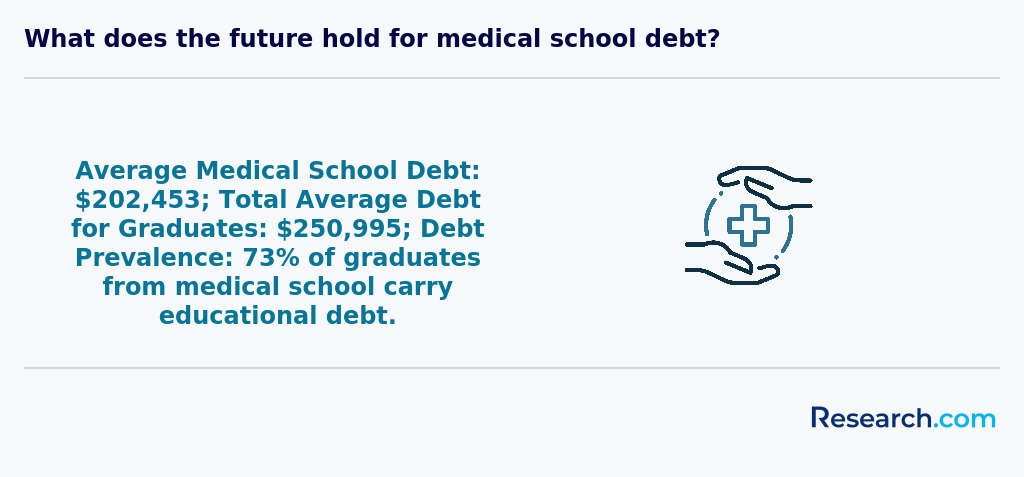
The average cost of a healthcare degree in Evanston typically centers around $91,242 in total tuition and fees, with in-state students often paying closer to $68,322. These figures reflect the reality for many students attending top institutions such as Northwestern University, which is well-known for its healthcare programs through the Feinberg School of Medicine. Graduates from Evanston-based programs frequently mention that while the sticker price feels daunting at first, the quality of education and strong professional networks make the investment worthwhile.
When planning finances, consider that tuition isn't the only expense; living costs in Evanston tend to be higher than average, impacting your overall budget. Many students factor in housing, transportation, textbooks, and supplies, which can add 15-20% more annually. A practical approach is to carefully calculate these-looking beyond the basic tuition-to ensure you're prepared for the full cost of earning your degree.
Exploring scholarships, federal aid, and employer tuition assistance programs is essential. Many students pursuing healthcare degrees in Evanston also seek part-time programs or accelerated paths, such as adn to msn programs accelerated online, which can reduce time-to-degree and potentially ease financial strain.
For Evanston residents, private institutions dominate, meaning the total tuition and fees for Evanston healthcare programs generally exceed public university rates elsewhere. Balancing cost and value, thoughtful planning, and exploring all aid options help make the ambition of earning a healthcare degree in Evanston both achievable and rewarding.
Navigating the application process for healthcare programs in Evanston can seem challenging, but being well-prepared can set you on the path to success. Start by reviewing each institution’s specific requirements, as these can vary widely-ensure you have up-to-date transcripts, letters of recommendation, and a compelling personal statement that reflects your passion for healthcare. It’s also wise to participate in informational sessions and campus tours, as these experiences provide deeper insights into the program’s culture and expectations. To streamline your efforts, set clear deadlines for each component of your application and consider creating a checklist or timeline. Many successful applicants suggest connecting with current students or alumni, whose firsthand advice can offer invaluable support and guidance through the process. Additionally, when researching your options, you may want to explore the rankings of valuable healthcare schools in illinois to get a comprehensive view of what each program offers. Remember, thoughtful preparation not only enhances the quality of your application but also builds the confidence needed to embark on your educational journey in the healthcare field.
Students pursuing healthcare degrees in Evanston can access multiple financial aid options to manage high tuition costs at institutions like Northwestern University or the local community colleges. The first step is completing the FAFSA to qualify for federal aid, including Pell Grants that offer up to $7,495 annually without repayment. Many healthcare graduates recall how these grants significantly eased their initial financial burden while studying nursing or allied health fields.
State support through the Illinois Student Assistance Commission's MAP grants is another reliable source for Illinois residents, often covering substantial tuition at in-state schools. For example, some students at Evanston-based colleges successfully combined MAP awards with federal aid to cover most expenses.
Additionally, healthcare programs often award merit-based scholarships to students demonstrating academic excellence or community commitment, which past graduates highlight as a morale booster and vital aid source.
Employer tuition assistance, common among local hospitals and healthcare providers, offers working students reimbursement plans, reducing out-of-pocket expenses and maintaining income stability during studies.
Joining professional healthcare associations can open doors to exclusive scholarships, adding another layer of financial support specific to your healthcare discipline.
Prospective healthcare students can benefit greatly from actionable strategies that not only enhance academic performance but also pave the way for successful careers. Building a structured study schedule, actively engaging with professors, and participating in internships are key to mastering the rigorous coursework and practical skills required in the healthcare field. In addition, leveraging networking opportunities-through associations, student organizations, and local healthcare events-can lead to invaluable mentorships and job referrals. Developing strong communication and time management skills is also essential for balancing classroom demands with clinical responsibilities. Students should explore all available resources such as tutoring services, academic counseling, and professional development workshops. Often, institutions collaborate with industry partners to offer career fairs and resume-building sessions that further bridge the gap between education and employment. For those considering further specialization, online advanced degree programs offer a flexible pathway to enhancing qualifications. Many students have successfully transitioned to higher roles by pursuing programs like a ranking of affordable online masters degrees in nutrition, ensuring that their education keeps pace with evolving industry standards. By implementing these success strategies, healthcare students can not only excel academically but also position themselves competitively in the fast-growing and ever-changing healthcare industry.
To enroll in a healthcare degree program in Evanston, you must first complete high school or earn a GED. Healthcare programs, like those at Northwestern University, often require strong foundational courses in biology, chemistry, and mathematics. Graduates recall that taking additional classes in anatomy or physiology helped them confidently manage early coursework.
Practical experience is equally important. Many successful students gained hands-on exposure through volunteering or internships at local hospitals or clinics, which admissions committees highly value. For example, spending weekends assisting in Evanston clinics not only built relevant skills but also made applicants stand out during interviews.
For advanced degrees like nursing or physician assistant studies, colleges in Evanston expect some college-level science classes with a GPA around 2.5 to 3.0. Passing exams such as the TEAS can also be required. One graduate shared how preparing for the TEAS early eased stress and boosted confidence on test day.
Overall, being proactive with coursework and real-world experience positions you well for healthcare admissions in Evanston's competitive programs.

Healthcare degree graduates in Evanston must obtain state licensure or professional certification to practice legally and competitively. In Illinois, the Department of Financial and Professional Regulation (IDFPR) oversees licensure for many roles, including Registered Nurses (RNs), Licensed Practical Nurses (LPNs), and Health Information Technicians. After graduation, aspiring RNs must pass the NCLEX-RN exam and apply through the Illinois Board of Nursing, demonstrating completion of an accredited program and a clean background check. LPN candidates follow a similar path via the NCLEX-PN, while Health Information Technicians often pursue the Registered Health Information Technician (RHIT) credential through the American Health Information Management Association (AHIMA). For specialized roles, additional certifications may be required. Patient Care Technicians typically complete a state-approved PCT training program and then sit for the NHA Certified Patient Care Technician/Assistant (CPCT/A) exam. Public Health graduates aiming for the Certified in Public Health (CPH) credential must meet eligibility criteria set by the National Board of Public Health Examiners and pass the CPH exam. Maintaining these credentials involves periodic continuing education units (CEUs) and renewal fees, which vary by profession. To streamline exam preparation, many local institutions offer board review courses; Northwestern University’s test-prep workshops for NCLEX and AHIMA’s online modules for RHIT candidates are highly recommended. Graduates should verify all application deadlines and required documentation on the IDFPR website to avoid processing delays. For students exploring flexible or cost-effective pathways to certification training, the Inexpensive Online Healthcare Degree Programs Ranking in Texas provides valuable insights into accredited online programs that meet national certification standards while offering significant tuition savings.
Healthcare degree programs in Evanston typically include core courses such as anatomy and physiology, which give students a clear understanding of the human body's structure-essential knowledge for anyone aiming to work in medicine or nursing. Graduates from local institutions often recall how mastering medical terminology early on helped them confidently communicate in clinical settings.
Microbiology is another staple, providing insight into bacteria and viruses that students encounter daily in hospitals and clinics around Evanston. Courses in healthcare ethics and policy prepare students to navigate the complex moral and regulatory landscape they will face, especially given Illinois' evolving healthcare laws. Clinical rotations or internships at Evanston-area hospitals allow students to apply their skills firsthand, boosting their confidence and teamwork abilities.
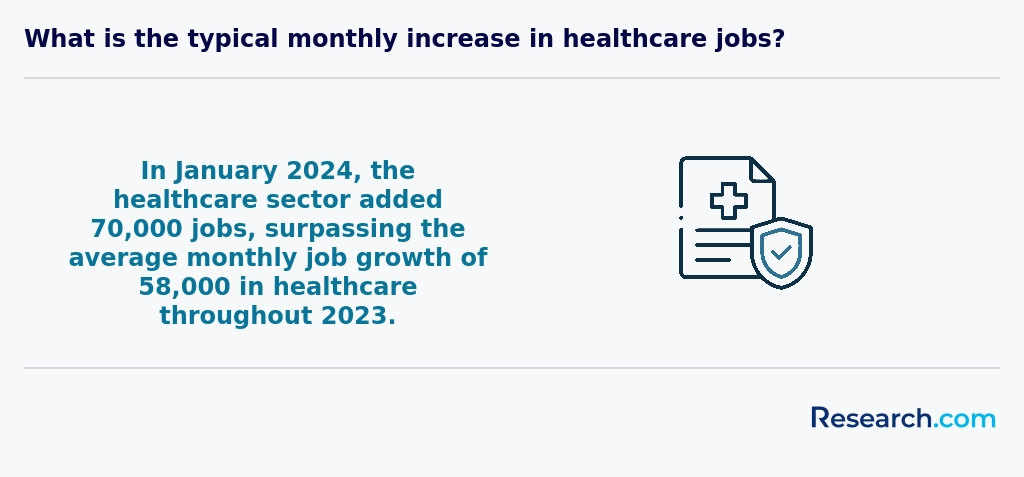
Many programs now include healthcare informatics, teaching students how to manage electronic health records-a vital skill as digital systems become standard. These practical courses help graduates feel ready and excited to enter a healthcare workforce projected to grow by 15% in Illinois by 2030.
Healthcare degree specializations in Evanston cover a range of practical fields designed to prepare students for today's medical landscape. Nursing programs, popular among graduates from reputed Evanston colleges, focus on registered nursing, nurse practitioner roles, and clinical specialties like pediatrics or geriatrics. Students report feeling confident stepping into these roles due to strong clinical training and local hospital partnerships.
Public Health is another prominent specialization, ideal for those interested in community health and epidemiology. Given Evanston's mix of urban and suburban areas, students gain firsthand experience studying health trends, which adds valuable depth to their degrees. Many graduates find this training essential for impactful careers.
Specializations such as Healthcare Administration and Physical Therapy also draw students keen on management and rehabilitative care. Local colleges collaborate with healthcare hubs to provide real-world management skills and patient care techniques. Some students even merge their healthcare education with holistic nutrition skills to widen their career options.
Choosing from these top healthcare programs Evanston offers lets students build a targeted skill set that meets job market demands, backed by practical experience and a supportive learning environment.
Start by identifying your career goals within healthcare since programs in Evanston vary from nursing to healthcare administration. Graduates from Northwestern University often mention how pursuing a Bachelor of Science in Nursing (BSN) opened doors due to its strong clinical components and local hospital partnerships. If affordability matters, explore community colleges or state universities offering more affordable healthcare degrees in Evanston without sacrificing quality.
Check for program accreditation, like the Commission on Collegiate Nursing Education (CCNE) or Council on Education for Public Health (CEPH), which ensures licensure eligibility and competitive employment. Many students found that programs with hands-on internships connected to Evanston-area clinics provided invaluable practical experience and smoother job transitions.
Look for flexible formats to fit your lifestyle. Some graduates balanced work and study by enrolling in nursing degree evening programs. Finally, weigh costs including tuition, fees, and living expenses, comparing options to find the best healthcare degree programs Evanston offers that fit your situation perfectly.
Graduates with a healthcare degree in Evanston have access to diverse career paths that align with the city's strong connection to Chicago's healthcare network and local institutions. Many find direct-care roles as registered nurses (RN), physician assistants (PA), or physical therapists in nearby hospitals such as Northwestern Memorial. These graduates often share how hands-on clinical rotations through Evanston colleges provide a real-world edge, boosting confidence when stepping into care roles.
Others choose administrative positions, becoming health services managers or insurance coordinators, where they blend healthcare expertise with operational skills. Evanston's local programs emphasize practical business training, helping students transition smoothly into these essential roles. Graduates praise this balance as key to steady, fulfilling employment. For those drawn to research or public health, Evanston's institutions offer opportunities to work in epidemiology and biostatistics, contributing to community health improvements.
Understanding which career path fits both interests and strengths is vital. Those exploring options should consider attending one of Evanston's valuable healthcare schools in Illinois, known for equipping students with practical experiences that open multiple doors.

The healthcare job opportunities in Evanston are strongly influenced by the city's proximity to Chicago and its robust local healthcare infrastructure, including institutions affiliated with Northwestern University. Graduates from Evanston colleges often find valuable clinical internships at Northwestern Memorial Hospital, which serve as a crucial stepping stone into registered nursing, medical technology, or healthcare administration roles. Many graduates describe a sense of optimism as they transition into workplaces where community health initiatives create diverse positions not only in hospitals but also in outpatient and public health environments.
Understanding Evanston healthcare degree employment outlook means recognizing fields with high demand such as physical therapy and medical technologists. Success for recent graduates often comes from combining hands-on experience with certifications and networking within Evanston's healthcare systems. Moreover, the city's focus on telehealth and healthcare IT adds emerging job options valuable for students seeking dynamic careers. For those considering financial planning, exploring programs featured in the ranking of affordable online masters degrees in nutrition offers practical ways to balance cost against career potential.
2027 Most Valuable Healthcare Degree Programs Ranking in Evanston
Investing in your education is a significant decision that can greatly influence your career and personal growth, and the Research.com team is committed to helping you make well-informed choices. To support prospective students in Evanston, we have carefully developed the "2027 Most Valuable Healthcare Degree Programs Ranking in Evanston." Our dedication to quality, credibility, and accuracy is evident through the rigorous research and thorough analysis conducted to compile this ranking.
We utilized the following reputable data sources to ensure a comprehensive evaluation of healthcare degree programs:
By exploring this ranking, readers will gain valuable insights into the most impactful healthcare degree programs in Evanston, empowering them to choose educational paths that maximize career potential and return on investment. For more information about our methodology, please visit our Research.com methodology page.

# 3 position
Garrett-Evangelical Theological Seminary
Master of Science in Health Sciences

Frequently Asked Questions About healthcare
Healthcare degree students in Evanston can maximize their learning by engaging deeply with clinical opportunities available in the area. Northwestern Memorial Healthcare, headquartered nearby, offers partnerships and internships that provide hands-on experience essential for healthcare careers.
Utilizing the resources of local institutions like Northwestern University's Feinberg School of Medicine can also enhance educational outcomes. These programs emphasize interprofessional collaboration, which prepares students for real-world healthcare environments.
Moreover, students should take advantage of Evanston's community health initiatives. Participating in public health projects not only builds practical skills but also connects students with local healthcare challenges and populations.
Research from the Illinois Department of Public Health highlights Evanston's growing need for healthcare professionals, making local networking and job fairs crucial for career development.
Emerging niches within the healthcare field reflect changes in technology, patient needs, and the evolving healthcare system. In Evanston, there is growing demand for professionals trained in telehealth, which saw a 50% increase in utilization nationwide during the pandemic, according to the CDC.
Precision medicine is another expanding area, focusing on personalized treatments based on genetic information. This field offers new opportunities for healthcare practitioners with expertise in genomics and biotechnology.
Behavioral health and integrated care programs are also rising, addressing mental health alongside physical health to improve outcomes. The Illinois Department of Public Health highlights a shortage of professionals in these specialties locally.
Healthcare informatics, involving the analysis and management of health data, is increasingly critical as electronic health records become standard in systems like NorthShore University HealthSystem based in Evanston.
To prepare for the job market after completing a healthcare degree in Evanston, students should focus on gaining practical experience through internships or clinical rotations. Local healthcare facilities, including Northwestern Memorial Hospital's outpatient centers, offer valuable opportunities for hands-on learning.
Networking is also crucial; attending healthcare job fairs in Cook County and joining local professional organizations can connect graduates with potential employers.
Familiarity with healthcare regulations and certifications, such as CPR and HIPAA compliance, enhances employability. According to the Illinois Department of Employment Security, healthcare occupations in the Chicago metropolitan area, including Evanston, are expected to grow by 15% from 2020 to 2030.
Strong communication skills and proficiency in electronic health records software further increase job prospects in this competitive market.
Employers in Evanston highly value healthcare graduates who demonstrate strong clinical skills combined with effective communication abilities. According to data from the Illinois Department of Employment Security, teamwork and patient interaction are critical components in local healthcare settings.
Analytical thinking and problem-solving also rank as essential skills. Healthcare graduates must interpret data accurately and make timely decisions, especially in fast-paced hospital environments like those near Evanston.
Technology proficiency, including familiarity with electronic health records (EHR) systems, is increasingly important. The Northwestern Medicine network, a major healthcare employer in the area, emphasizes candidates' capability to navigate digital tools efficiently.
Finding healthcare internships in Evanston involves a mix of strategic research and networking. Start by exploring local hospitals and clinics such as NorthShore University HealthSystem, which frequently offers internships for students pursuing healthcare degrees. According to the Illinois Department of Employment Security, healthcare roles are among the fastest-growing in the region, with strong demand for practical experience.
University career centers, including those at Northwestern University in Evanston, provide valuable resources like internship listings and resume workshops tailored to healthcare students. Online platforms such as Handshake also list opportunities specific to Evanston-area healthcare employers.
Joining local professional organizations like the Illinois Healthcare Association can further enhance connections. Early application is critical, as many internships are competitive and limited in number.
Obtaining a healthcare degree in Evanston significantly enhances career mobility and advancement opportunities. The city's proximity to Chicago and its robust healthcare sector, including prominent hospitals like Northwestern Memorial, supports diverse job prospects. According to the U.S. Bureau of Labor Statistics, healthcare occupations in the Chicago metro area are expected to grow by 15% from 2022 to 2032, well above the average for all jobs.
Degrees in nursing, health administration, or public health provide the necessary credentials for promotions and specialized roles. Many employers in Evanston prioritize candidates with accredited degrees, reflecting a higher level of expertise and commitment.
Additionally, local professional networks and internships available through Evanston's institutions help graduates gain practical experience, further improving employability and upward career movement.
Studying for a healthcare degree in Evanston offers strong preparation for interdisciplinary roles by emphasizing collaboration across medical, social, and technological fields. Local institutions integrate courses that connect nursing, public health, and health informatics, reflecting a growing demand for professionals who navigate diverse healthcare systems.
Programs often leverage Evanston's proximity to Chicago's healthcare networks, providing students with practical experience in settings that require teamwork among doctors, therapists, and IT specialists.
According to recent data from the Illinois Department of Public Health, interdisciplinary healthcare roles in the region are projected to grow by over 15% through 2028, underscoring the value of such training.
Choosing between a thesis and a non-thesis healthcare degree program in Evanston depends largely on your career goals and learning preferences. Thesis programs emphasize original research, developing skills in data analysis and academic writing, which can be crucial for those aiming for doctoral studies or research roles.
Non-thesis options focus more on practical skills and coursework, often including internships or projects, appealing to students seeking direct entry into healthcare professions. According to the National Center for Education Statistics, Evanston's healthcare programs have seen a 12% enrollment increase from 2020 to 2023, reflecting growing demand in the sector.
Consider factors like program length, required credits, and opportunities for clinical experience. For example, Northwestern University and other local institutions offer both tracks, with thesis students often needing about 30% more time to graduate due to research commitments.
Students in Evanston seeking healthcare degree opportunities abroad can benefit from partnerships between local universities and international institutions. Northwestern University, a major Evanston-based research university, offers study abroad programs that include healthcare-focused coursework in countries such as the United Kingdom and Australia.
These programs typically allow students to earn credits applicable to their U.S. degree while gaining global clinical and research experience. According to the Institute of International Education, approximately 17% of U.S. study abroad students pursue health sciences-related fields, reflecting growing interest.
Additionally, Evanston students can access faculty-led summer programs or internships through Northwestern's Feinberg School of Medicine, which frequently partners with hospitals overseas. These options prepare students with valuable cross-cultural skills essential in today's healthcare environments.
Students pursuing healthcare degrees in Evanston can boost their education with part-time jobs that offer practical experience. Opportunities such as medical scribing, patient transport, and pharmacy technician roles provide valuable exposure to clinical environments. According to the Illinois Department of Healthcare and Family Services, Evanston's healthcare sector has seen a 5% employment growth recently, increasing demand for supporting positions.
Local hospitals like NorthShore University HealthSystem actively hire part-time aides and administrative assistants. Additionally, working as a research assistant at Northwestern University's medical facilities offers insight into healthcare innovations while developing critical analytical skills.
Such roles complement academic learning, improve resumes, and help students build professional networks in Evanston's healthcare community.
Healthcare students in Evanston benefit from a range of networking opportunities crucial for career development. Northwestern University, located in Evanston, hosts numerous events and career fairs specifically for healthcare and life sciences students. These events often feature local hospitals like NorthShore University HealthSystem, fostering direct connections between students and employers.
Additionally, Evanston's proximity to Chicago expands possibilities through professional associations such as the Illinois Public Health Association, which offers workshops and conferences. These gatherings help students build valuable contacts and gain insights into industry trends.
Local internships and volunteer programs at Evanston-based healthcare facilities also enable students to meet professionals and peers in practical settings, enhancing their career prospects.
Alumni networks play a crucial role in supporting healthcare degree students in Evanston. These networks provide access to experienced professionals who can offer mentorship, career advice, and job referrals. Given Evanston's proximity to major medical centers and research institutions, such connections are highly valuable.
Studies show that students with strong alumni ties have a 20% higher chance of securing internships and employment in competitive healthcare fields. Alumni groups often organize workshops and networking events, helping students build essential skills and industry contacts.
Furthermore, alumni networks can offer insights into local healthcare job markets, especially important in the evolving landscape of Illinois healthcare employment, as reported by the Illinois Department of Employment Security.
Customizing a healthcare degree program in Evanston allows students to better align their education with specific career ambitions. Many local institutions offer flexible curricula where learners can choose specialties such as public health, nursing, or health administration. Elective courses and clinical internships in Evanston-area hospitals provide practical experience tailored to professional goals.
Students can also engage in research projects linked to Evanston's healthcare community, enhancing skills in areas like chronic disease management or healthcare technology. According to the Illinois Department of Public Health, Evanston's growing healthcare sector creates diverse opportunities for specialization.
Advisors at schools often assist in selecting courses and extracurricular options to match individual career pathways, ensuring relevant skill development for the evolving healthcare job market.
Healthcare students in Evanston frequently face rigorous academic demands due to the challenging nature of clinical coursework and evolving medical technologies. Balancing intense study schedules with clinical rotations often causes significant stress, impacting mental health. According to a 2023 Northwestern University survey, over 60% of healthcare students reported feeling overwhelmed during their clinical training. Additionally, financial strain is common, as tuition and living expenses in the Evanston area are notably high, averaging 20% above the national average for similar programs. Access to quality clinical placements can also be competitive, requiring proactive planning and networking to secure essential hands-on experience.
With a healthcare degree in Evanston, students can pursue a variety of professional certifications that enhance career prospects. Common certifications include Certified Nursing Assistant (CNA), Registered Nurse (RN), and Licensed Practical Nurse (LPN), all critical for clinical roles.
For allied health areas, certification as a Medical Assistant (CMA) or Emergency Medical Technician (EMT) is often available. Evanston healthcare facilities frequently seek professionals with these credentials due to the region's growing healthcare needs, as reported by the Illinois Department of Employment Security.
Advanced certifications such as Certified Health Education Specialist (CHES) or credentials in healthcare management can complement a degree, aligning with rising administration roles in local hospitals like Northwestern Medicine Evanston Hospital.
Writing a winning application for a healthcare program in Evanston requires careful preparation and attention to detail. Start by clearly demonstrating your passion for healthcare and your understanding of the field's challenges. Highlight relevant experiences such as volunteer work, internships, or employment in local healthcare settings, like those offered by Northwestern Medicine, a major provider in Evanston.
Be sure to meet all academic requirements, including prerequisite courses and minimum GPA standards, which typically range from 3.0 to 3.5 for competitive healthcare programs.
Strong letters of recommendation, preferably from healthcare professionals or professors familiar with your academic abilities, can significantly strengthen your application. Also, write a concise, personal statement that explains why you want to study healthcare in Evanston and how you plan to contribute to the community.
Healthcare careers are increasingly viewed through a global lens, emphasizing intercultural competence and international standards. In the United States, including Evanston, healthcare professionals are encouraged to understand diverse patient backgrounds and global health trends. According to the U.S. Bureau of Labor Statistics, healthcare jobs are expected to grow 16% from 2021 to 2031, driven partly by global aging populations and emerging diseases.
Evanston's proximity to Chicago offers access to world-class medical research and diverse communities, reflecting broader global health challenges. Programs in Evanston often incorporate international perspectives, preparing students for a workforce where cross-border collaboration is crucial.
Understanding global health issues helps graduates address local and worldwide healthcare inequalities effectively.
Gaining practical experience while studying for a healthcare degree in Evanston is essential for career readiness. Many local institutions, such as Northwestern University, offer clinical placements and internships through partnerships with nearby hospitals like Amita Health Saint Francis Hospital. These opportunities allow students to work directly with patients under professional supervision.
Students can also engage in volunteer work in Evanston healthcare facilities, providing hands-on exposure to healthcare environments. Additionally, simulation labs available on campus enable learners to practice procedures safely.
Such practical experiences enhance skills, improve job prospects, and fulfill licensure requirements in many healthcare fields.
Choosing the right concentration within a healthcare degree program in Evanston requires careful consideration of your career goals and the local job market. Health-related fields here include nursing, public health, health informatics, and healthcare administration. According to the Illinois Department of Employment Security, Evanston's healthcare sector is expected to grow by over 10% by 2030, with strong demand in nursing and health information technology.
Assess your interests and opportunities for hands-on experience. Many Evanston institutions offer internships in local hospitals and community health centers, which can clarify what specialization fits best.
Additionally, consider industry certifications related to each concentration to enhance employability after graduation.
- 2027 Most Valuable Healthcare Degree Programs Ranking in Chicago
- 2027 Most Valuable Healthcare Degree Programs Ranking in Grand Rapids
- 2027 Most Valuable Healthcare Degree Programs Ranking in Peoria
- 2027 Most Valuable Healthcare Degree Programs Ranking in Indianapolis
- 2027 Most Valuable Healthcare Degree Programs Ranking in Detroit
- 2027 Most Valuable Healthcare Degree Programs Ranking in Saint Louis
- 2027 Most Valuable Healthcare Degree Programs Ranking in Louisville
- 2027 Most Valuable Healthcare Degree Programs Ranking in Columbia
- 2027 Most Valuable Healthcare Degree Programs Ranking in Minneapolis
- 2027 Most Valuable Healthcare Degree Programs Ranking in Omaha
See What Experts Have To Say About Studying Healthcare
Read our interview with Healthcare experts

- What to Expect as a Health Science Major https://www.grace.edu/what-to-expect-as-a-health-science-major/
- Health Management Careers https://www.ache.org/Career-Resources/Start-Your-Career/Health-Management-Careers
- Oakton College and Endeavor Health partner to expand healthcare education access in Evanston and surrounding areas https://www.endeavorhealth.org/press-releases/oakton-college-endeavor-health-partner-expand-healthcare-education-access
- Nursing Jobs in Evanston, IL | Credenza https://credenzahealth.com/jobs/in-evanston-il
- Top 3 Reasons to Consider a Career in Healthcare - Roseman University https://www.roseman.edu/student-experience/news/top-3-reasons-to-consider-a-career-in-healthcare/
- Career Opportunities in Healthcare Without a Medical Degree https://www.just-medical.ch/en/blog/medical-careers-without-formal-education
- How to Choose a Health Administration Program https://www.healthadministrationdegrees.com/articles/choosing-a-program/
- Online Degree vs. Traditional: Choosing the Right Path https://beal.edu/online-degree-vs-traditional/
- Post Bacc Prehealth, Bachelor of Science Admission Requirements https://www.nwhealth.edu/admissions/requirements/undergraduate/
- Pre-Med Study Abroad Programs | Go Overseas https://www.gooverseas.com/study-abroad/pre-med