
2027 Most Valuable Healthcare Degree Programs Ranking in Columbia

Co-Founder and Chief Data Scientist
Choosing the right healthcare degree program is an important step toward a rewarding career in Columbia's growing medical field. This article introduces the 2027 Most Valuable Healthcare Degree Programs Ranking in Columbia, carefully developed by the Research.com team of data scientists.
Designed to help you make informed decisions, the ranking highlights programs that offer strong career prospects and real value.
Whether you're just starting or considering a new path, this guide provides clarity and confidence to pursue your passion in healthcare with a degree that truly matters.
Key benefits of getting healthcare degree in Columbia
- Healthcare degree graduates in Columbia can expect competitive salaries, such as Medical Assistants earning around $43,350 annually and Patient Care Technicians making approximately $60,790 per year, offering financial stability right after graduation.
- Graduates often find diverse career paths including roles like Clinical Research Coordinators or Health Information Technicians, with opportunities at well-known local universities supporting growth in patient care and research sectors.
- Completing a healthcare degree online offers flexibility to balance work and family, with many graduates from Columbia's online programs reporting easier access to hands-on training and quicker entry into rewarding healthcare jobs.
- Key benefits of getting healthcare degree in Columbia
- What can I expect from healthcare degree in Columbia?
- Where can I work with healthcare degree in Columbia?
- How much can I make with healthcare degree in Columbia?
- 2027 Most Valuable Healthcare Degree Programs Ranking in Columbia
- Key Findings
- How long does it take to complete healthcare degree in Columbia?
- What's the difference between online and on-campus healthcare degree?
- Accelerated and Online Healthcare Degree Options for Busy Professionals
- What is the average cost of healthcare degree in Columbia?
- Emerging Trends and Innovations in Healthcare Education
- What financial aid is available to healthcare degree students in Columbia?
- Return on Investment (ROI) for Healthcare Degrees in Columbia, MO
- What are the prerequisites for enrolling in healthcare degree program in Columbia?
- How to Apply: Admission Process and Deadlines for Healthcare Programs in Columbia, MO
- What courses are typically in healthcare degree programs in Columbia?
- What types of specializations are available in healthcare degree programs in Columbia?
- How do you choose the best healthcare degree in Columbia?
- What career paths are available for healthcare degree students in Columbia?
- What is the job market for healthcare degree in Columbia?
- Top Trending Healthcare Rankings
- See What Experts Have To Say About Studying Healthcare
What can I expect from healthcare degree in Columbia?
Picture yourself walking the bustling halls of a Columbia community college or the University of Missouri, where the hum of future healthcare heroes blends with ideas that could reshape medicine. The cost? For many, it's a tale of balance between ambition and budget. Associate degrees here often arrive with price tags noticeably kinder than their four-year counterparts-think affordable tuition that won't squeeze the joy out of your journey.
Graduates often recall how scholarships and federal aid programs felt like secret keys unlocking doors to their dreams, turning what seemed like steep tuition into manageable steps. Bachelor's degrees in nursing or public health might stretch the wallet more, but many say those costs are investments in a vibrant career landscape buzzing with opportunity across Columbia's hospitals and clinics.
In essence, the average tuition dances between community college affordability and university pricing, with generous financial support softening the burden, empowering students to focus on absorbing knowledge and clinical skills instead of worrying over bills.
Where can I work with healthcare degree in Columbia?
With a healthcare degree from a Columbia institution like the University of South Carolina, graduates dive into a booming local ecosystem where hospitals such as Prisma Health act as bustling hubs of opportunity. Imagine stepping into a state-of-the-art ward, where registered nurses and medical technologists collaborate in life-saving teamwork-this is the daily reality for many grads, whose expertise is highly sought after.
Others find their niche in the vibrant world of outpatient care centers and urgent clinics scattered across the city, places alive with fast-paced healing and innovation. Recent grads often share stories of immersive internships in Columbia's specialty clinics, where physical therapists and radiology assistants combine science and empathy to transform patient lives.
Meanwhile, the city's growing aging population unlocks doors to meaningful careers in long-term care and assisted living, where healthcare pros nurture seniors with chronic conditions, offering both skill and heart.
Many also thrive in public health or research roles tied to Columbia's universities, shaping policies and breakthroughs that ripple through communities-turning a healthcare degree into a catalyst for lasting impact.
How much can I make with healthcare degree in Columbia?
Graduates from healthcare programs in Columbia, like those finishing up at local institutions such as the University of Missouri or Columbia College, often find their pockets pleasantly surprised. Picture a recent graduate stepping into their first Medical Assistant role with an average annual salary of about $43,350-enough to start turning rent into something more than just a chore.
For those diving deeper, becoming a Patient Care Technician pays off handsomely, averaging $60,790 a year. Imagine the satisfaction of living in the city, knowing your skills directly impact patient outcomes while your paycheck reflects your growing expertise.
Graduates stepping into the role of Health Information Technician see similar rewards, making around $43,380 annually, blending tech savvy with healthcare knowledge in an evolving digital world. Meanwhile, Clinical Research Coordinators, fresh from their studies, earn roughly $43,350, contributing to advancing medical science with each project they manage.
The true financial game-changer? Quality Improvement Coordinators, who command mean salaries near $103,150. They're the architects behind better patient care systems, reimagining healthcare in Columbia with both passion and a lucrative paycheck to match.
2027 Most Valuable Healthcare Degree Programs Ranking in Columbia
How do we rank schools?
Investing in your education is a significant decision that can profoundly impact your future, and the Research.com team recognizes the importance of making well-informed choices. To guide prospective students in Columbia, we have carefully developed the "2027 Most Valuable Healthcare Degree Programs Ranking in Columbia." Our dedication to quality, credibility, and accuracy is demonstrated through rigorous research and detailed analysis performed to produce this ranking.
We utilized the following reputable data sources to ensure a comprehensive evaluation of healthcare degree programs:
By reviewing this ranking, readers will acquire valuable insights into the most valuable healthcare degree programs in Columbia, enabling them to make confident decisions about their educational investments. For further information about how this ranking was created, please visit our Research.com methodology page.


Key Findings
- Annual tuition for healthcare degrees in Columbia ranges from $6,000 to $12,000 at public institutions and $15,000 to $30,000 at private institutions.
- Additional costs such as textbooks, supplies, and clinical placements may not be included in tuition fees.
- Average starting salaries for healthcare graduates are around $50,000 per year, increasing to median salaries of $75,000 to $90,000 with experience.
- Healthcare jobs in Columbia are expected to grow by about 15% through 2030, driven by factors like an aging population and expanded healthcare services.
- Most programs require clinical experience, combining classroom learning with practical training through local healthcare partnerships.
- Degrees available include associate's, bachelor's, and graduate-level qualifications in nursing, health administration, medical laboratory sciences, and allied health.
How long does it take to complete healthcare degree in Columbia?
Imagine stepping onto the vibrant campus of the University of Missouri, where a driven student embarks on a four-year journey to become a nurse through the Bachelor of Science in Nursing (BSN) program. The clock ticks steadily as classes, labs, and clinical rotations fill their days, building expertise one semester at a time. Meanwhile, at Stephens College, another student punches the clock for two intense years, completing an associate degree that rapidly opens doors to healthcare roles like licensed practical nursing or medical assisting.
For those seeking deeper mastery, the path stretches longer but richer. Graduate programs like the 27-month physician assistant track at Missouri's School of Medicine transform learners from generalists to specialized practitioners, blending rigorous academics with hands-on clinical quests.
And then there are the marathoners: future physicians and dentists. Four years of medical or dental school plus years of residency-sometimes over a decade of dedication-forge careers meant to heal with precision.
In Columbia, each timeline is a promise to your future self: a tailored investment of time crafted to fit your healthcare ambitions.
What's the difference between online and on-campus healthcare degree?
Imagine walking the bustling halls of the University of Missouri in Columbia, feeling the hum of clinical labs and the buzz of face-to-face discussions with professors guiding your every step. On-campus healthcare programs immerse you in this tactile world-hands-on practice, real-time feedback, and instant networking that spark confidence and deepen your skills. Graduates often recall how those in-person moments shaped their clinical intuition, making their transition into hospitals almost seamless.
Now, picture logging into a virtual classroom from your cozy apartment, carefully balancing a part-time job and family commitments. Online healthcare degrees from Columbia College or Moberly Area Community College offer that exact flexibility, weaving education around life's unpredictability. Alumni praise how virtual simulations and remote labs still sharpen their clinical judgment, all while avoiding commute costs and campus fees.
While on-campus programs in Columbia pulse with immediate clinical access, online learners champion adaptable schedules. Both pathways demand grit and state-approved clinical experiences, but one invites you into a physical community; the other, a digital symphony tailored to your rhythm.
Accelerated and Online Healthcare Degree Options for Busy Professionals
For many prospective healthcare students in Columbia, MO, time and flexibility are key factors in choosing the right program. Accelerated and online degree options offer a practical solution, enabling busy professionals to complete their studies without compromising work or personal commitments. These programs are designed with a rigorous curriculum that mirrors traditional formats while providing flexible class schedules, virtual classroom environments, and self-paced learning opportunities that cater to modern lifestyles. Moreover, many accelerated programs integrate cutting-edge technologies and real-world applications, ensuring that graduates develop both the theoretical knowledge and practical skills needed to excel in today’s competitive healthcare industry. For instance, if you’re looking to fast-track your career while balancing other responsibilities, consider exploring programs like one year mph programs. These courses are structured to deliver comprehensive insights into public health, policy, and preventive care in a condensed timeframe, enabling you to enter the job market with enhanced expertise sooner. This blend of convenience and quality makes accelerated and online healthcare degree options an attractive choice for individuals eager to make a swift impact in the healthcare sector.
What is the average cost of healthcare degree in Columbia?
The average healthcare degree cost in Columbia often surprises incoming students, but it reflects a realistic investment in their future. For those enrolling in public universities known for strong health programs, the median in-state total cost typically sits around $20,331. Out-of-state students might anticipate near $47,248, which aligns with a broader trend showing higher fees for non-residents. Graduates often recall balancing tuition with additional expenses like textbooks and clinical materials that add layers of complexity-and excitement-to their educational journey.
Imagine a student diving into a rigorous Bachelor of Science in Nursing at a Columbia university, paying close attention to every lab fee and certification exam. Those costs add up, but the knowledge gained feels priceless. This narrative mirrors many local students' experiences, where tuition and fees blend with personal growth to shape a rewarding path. Paying for a healthcare degree in Columbia is not just about dollars; it represents stepping stones toward a fulfilling career.
Some allied health graduates describe budgeting carefully and turning to scholarships or federal aid to ease the financial load. Many find value in exploring the valuable healthcare programs in missouri, which help them gauge where to invest wisely. By understanding Columbia healthcare degree tuition and fees, students can chart a clear road map that suits their ambitions and financial standing.
Emerging Trends and Innovations in Healthcare Education
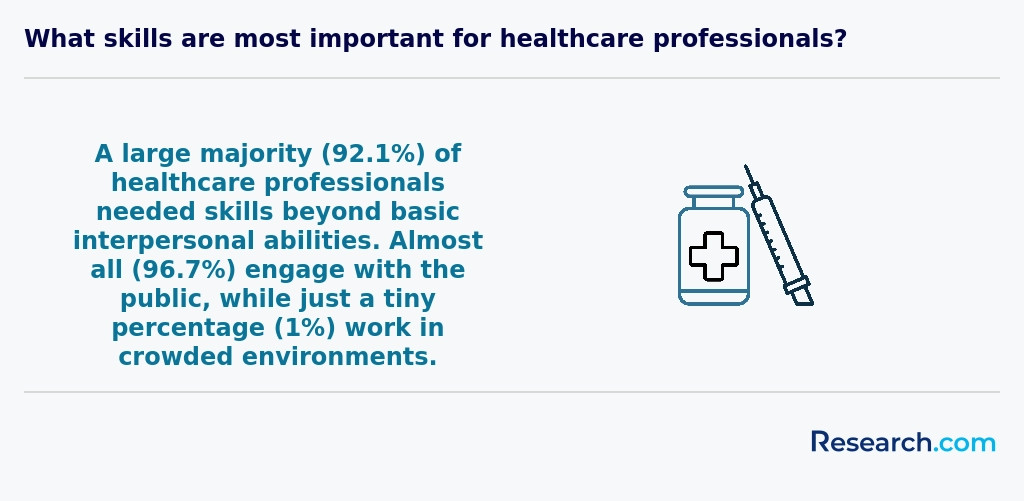
The healthcare industry is rapidly evolving, and today’s degree programs are incorporating innovative teaching methods and technologies to prepare students for tomorrow’s challenges. Modern curricula increasingly emphasize telehealth, simulation-based learning, and interprofessional collaboration, ensuring graduates are not only skilled in traditional clinical practices but also adept at navigating digital health tools and data-driven decision-making. For instance, many programs now include courses on digital health systems and remote patient monitoring, reflecting the growing importance of technology in patient care. This forward-thinking approach equips graduates with the agility to adapt to shifting industry landscapes and drives higher employment outcomes. In addition, integrating real-world projects, partnerships with local hospitals, and active participation in community health initiatives enrich the educational experience and enhance career readiness. Prospective students can gain further insight into program excellence by exploring valuable healthcare programs in missouri, a resource that highlights how institutions are leading these innovative changes.
What financial aid is available to healthcare degree students in Columbia?
Imagine walking through the halls of the University of Missouri in Columbia, knowing your healthcare dreams are buoyed by more than just hope. Many healthcare students here tap into the powerful Pell Grant, a magic key that unlocks funding without the shadow of repayment. Missouri locals often find the Missouri Access Program (MAP) easing their tuition burdens, turning dreams into doable realities at public institutions.
A nursing graduate shared how the Missouri Nursing Student Assistance Program not only paid her way but gently nudged her toward serving underserved communities, rewarding her efforts with a less anxious wallet and a heart full of purpose.
Loans might linger in the background, yet federal options come wrapped in friendlier terms, with the enticing prospect of Public Service Loan Forgiveness (PSLF) lighting the path-work in healthcare roles here in Columbia, and watch debts diminish like morning mist.
Finally, consider the hands-on hope offered by collaborating Columbia hospitals: paid internships and work-study gigs that spin income and experience into a safety net, all while you're still mastering your craft.
Return on Investment (ROI) for Healthcare Degrees in Columbia, MO
Understanding the return on investment (ROI) of a healthcare degree is crucial for making informed decisions about time, money, and career trajectory. In Columbia, MO, graduates typically incur average student loan debt of around $28,000 for a bachelor’s program in health sciences, while starting salaries often range between $41,000 and $56,000 annually. This balance of cost and earning potential can help you estimate your payback period and long-term financial stability. Key ROI metrics for Columbia, MO healthcare graduates:
- Average Bachelor’s Degree Debt: $28,000
- Average Starting Salary: $48,000 ($23.08/hour)
- Typical Annual Loan Payment (10-year plan at 4.5% APR): ~$3,600
- Estimated Payback Period: 7–9 years
- Salary-to-Debt Ratio: ~17% (annual payment ÷ gross salary) Beyond pure numbers, consider the intangible returns: local networking opportunities with the University of Missouri Health System, clinical partnerships at Columbia College, and mentorship programs that often translate to higher job placement rates. For students weighing cost efficiency against career gains, it’s worth exploring regional comparisons-if budget is a top priority, our Cheapest Online Healthcare Degree Programs Ranking in Minnesota offers insight into low-cost alternatives that still deliver strong career outcomes.
What are the prerequisites for enrolling in healthcare degree program in Columbia?
Imagine stepping onto the vibrant campus of a top Columbia university, where healthcare dreams take flight only after crossing a threshold of well-earned prerequisites. You'll need a sturdy foundation in science and math-think biology, chemistry, physics, and algebra-that prepares your mind to decode the mysteries of the human body. Graduate hopefuls often recall their bachelor's degree as the sturdy bridge that connected them to advanced studies like the MPH or PA programs, where clinical volunteer hours became the heartbeat of their applications.
Picture a graduate who vividly remembers sweating over anatomy midterms at a well-known Columbia college, knowing those lessons were their passport to nursing school. Letters of recommendation and personal statements weave a story of passion and perseverance, transforming mere paperwork into the echoes of your commitment. And yes, a glance toward tuition numbers-sometimes soaring beyond $50,000 annually for graduate studies-reminds you of the financial mountains to climb, but also the scholarships and aid that soften the ascent.
Background checks and immunizations add layers of responsibility, ensuring you're not just prepared academically but ready to safely step into clinical roles. These hurdles, when cleared, become badges of honor for Columbia's healthcare students, each requirement a step closer to a deeply rewarding future.

How to Apply: Admission Process and Deadlines for Healthcare Programs in Columbia, MO
Navigating the application process for a healthcare degree in Columbia, MO, is easier when you have a clear roadmap. Follow these steps to ensure your application stands out: 1. Review Program Requirements - Confirm prerequisite courses (biology, chemistry, math) and minimum GPA thresholds. - Prepare standardized test scores (ACT/SAT) if required by your chosen institution. 2. Gather Application Materials - Official transcripts from all post-secondary institutions. - Two to three letters of recommendation from faculty or healthcare professionals. - A personal statement outlining your career goals and passion for healthcare. 3. Complete the Online Application Portal - University of Missouri and Columbia College use separate portals-create accounts early to avoid last-minute issues. - Pay attention to application fees and potential fee-waiver opportunities. 4. Submit Supplemental Documents - Resume of relevant clinical or volunteer experience. - Proof of immunizations and background check for clinical placements. 5. Key Deadlines to Remember - Fall Semester Admission: Applications open October 1; priority deadline December 1; final deadline February 1. - Spring Semester Admission: Applications open June 1; priority deadline August 1; final deadline October 1. - Rolling Admissions: Some online and specialized tracks may accept applications year-round-check individual program pages. 6. Explore Accelerated Options - For students seeking a faster path, research our best online pharmd accelerated degree programs to compare program length, clinical hours, and tuition. 7. Follow Up and Interview - Monitor your email for requests to schedule an admissions interview or submit additional materials. - Prepare questions about clinical rotations, mentorship opportunities, and career support services. By following this structured timeline and ensuring all materials are submitted before deadlines, you’ll maximize your chances of acceptance into a rewarding healthcare degree program in Columbia, MO.
What courses are typically in healthcare degree programs in Columbia?
Picture stepping into a lively classroom at one of Columbia's prominent colleges, where the buzz isn't just about textbooks but the thrill of unraveling the human body's mysteries. Healthcare degree students dive deep into Anatomy and Physiology, mapping every muscle and organ as if prepping for a life-saving mission. They navigate Microbiology and Pathophysiology, discovering how tiny invaders upset the delicate balance within us, turning complex science into stories of survival and resilience.
Graduates often recount late nights wrestling with Pharmacology, decoding how medicines become allies in healing battles. The challenge feels real and urgent-understanding drugs that could one day save a neighbor in Columbia's hospitals or clinics.
In courses on Healthcare Ethics and Law, students find themselves debating real cases, learning to respect patient rights while making tough calls. Popular programs in Columbia emphasize Health Policy and Management, preparing future professionals to navigate the city's intricate healthcare systems like seasoned strategists.
Many cherish their hands-on experiences through Clinical Practice and Internships at beloved local health centers, where theory transforms into empathy and skill-moments that turn classrooms into launching pads for lifelong careers helping Columbia's vibrant communities.
What types of specializations are available in healthcare degree programs in Columbia?
In Columbia, healthcare degree specializations burst with vibrant pathways that match the pulse of the state's healthcare evolution. Nursing, the heartbeat of care, captivates many graduates who describe hands-on clinical rotations at renowned universities as transformative, boosting their confidence in real hospital halls. Meanwhile, public health draws students eager to tackle Columbia's unique rural health gaps, where classroom theories morph into impactful community projects, cultivating a sense of purpose and connection.
Technical fields like Health Information Management and Medical Laboratory Sciences intrigue analytical minds fascinated by the growing world of electronic health records and diagnostic testing. Graduates from Columbia's top healthcare programs often share stories of how managing complex health data felt like deciphering the vital language of life. For those craving holistic healing roles, specializations such as Physical Therapy and Occupational Therapy offer deeply rewarding experiences, where students witness daily triumphs of recovery firsthand.
Exploring beyond the usual, students dive into pharmacy or dietetics, empowered to shape medication plans or nutrition advice that genuinely change lives. Those excited about rapid career entry sometimes choose one year mph programs popular in Columbia, which offer a quick yet comprehensive ramp-up into the public health sector. These Columbia healthcare programs and specializations open doors to dynamic futures filled with meaningful connections and professional growth.
How do you choose the best healthcare degree in Columbia?
Imagine stepping into the vibrant halls of the University of South Carolina, where graduates speak passionately about how their healthcare degrees transformed their lives. Choosing the best healthcare degree programs in Columbia means envisioning not just classes but real-world impact-whether it's late-night clinical rotations or balancing online courses while working. Consider how Midlands Technical College students praise the flexibility of hybrid programs that bend around their busy lives.
Cost whispers loudly here. Affordable healthcare degrees Columbia 2027 doesn't just hint at tuition but the full experience: books, fees, living expenses, and the goldmine of scholarships or employer tuition help. Graduates recall juggling finances yet feeling empowered when accreditation seals their path to licensure and vibrant careers. Picture programs accredited by leaders like CCNE, validating that diploma as a passport to healthcare's bustling frontlines.
Lastly, dive into opportunities that extend beyond textbooks. Internships tying students to local hospitals offer not just experience but a heartbeat of Columbia's fast-growing healthcare job market. For those exploring pharmacist paths, checking out the best online pharmd accelerated degree programs can unlock surprising routes to success.
What career paths are available for healthcare degree students in Columbia?
Graduates embarking on healthcare degree careers in Columbia often find themselves stepping into roles that pulse with real-world impact. Imagine walking the bustling halls of popular universities like the University of South Carolina, where students transition into registered nurses who become essential pillars in over 20,000-strong healthcare teams across the city. Others navigate the labyrinth of hospital administration, turning chaos into streamlined care with managerial finesse, inspired by courses that blend theory with hands-on hospital rotations.
Alternatively, healthcare graduates in Columbia reinvent technology's role in healing by becoming health informatics specialists, crafting data-driven tools that transform patient outcomes. A graduate from Clemson University once described this path as a thrilling blend of coding puzzle-solving and life-saving innovation. Meanwhile, allied health professionals-like respiratory or occupational therapists-thrive on daily victories, assisting patients in reclaiming breath and motion with compassion-driven expertise.
For those weighing the cost of these adventures, the Cheapest Online Healthcare Degree Programs Ranking in Minnesota provides insightful options to embark on these careers while managing tuition wisely. These job opportunities for healthcare graduates Columbia offer dynamic, rewarding futures rooted in service and community connection.
What is the job market for healthcare degree in Columbia?
Graduates stepping out from Columbia's universities into the vibrant healthcare ecosystem find themselves at a crossroads of opportunity and promise. With major employers like Prisma Health and the University of South Carolina's medical hubs actively hiring, healthcare job opportunities in Columbia shimmer with potential. Imagine a recent grad, fueled by hands-on clinical experience and community health projects, seamlessly transitioning into a role as a registered nurse or healthcare manager, earning a median wage around $65,000, comfortably above many state averages.
Local healthcare infrastructures give these grads a tangible edge-whether it's through internships or research collaborations-shaping a workforce ready to tackle evolving medical challenges. The Columbia healthcare degree employment outlook radiates optimism, especially as entry-level salaries start near $45,000 and climb with specialization.
Students also appreciate the balance between quality education and cost, studying health programs at public institutions spending less on tuition compared to national private averages. Many choose fast degree programs here, accelerating their career path without sacrificing experience or earning power.
Frequently Asked Questions About healthcare
Healthcare degree students in Columbia can maximize their learning by engaging actively in both theoretical and practical experiences. Many universities in Columbia, such as the University of Missouri and Columbia College, provide clinical internships that are crucial for hands-on learning. According to the American Association of Colleges of Nursing, students who participate in internships improve their skills by 30% compared to those who do not.
Additionally, students should take advantage of on-campus resources like tutoring centers and study groups, which enhance understanding and retention of complex subjects.
Networking with local healthcare professionals and joining student organizations can also provide valuable insights into the healthcare industry.
In Columbia, emerging niches within the healthcare field respond to technological advances and evolving patient needs. Precision medicine, which customizes treatment based on genetic profiles, is gaining traction as more institutions integrate genomics into care. According to the Bureau of Labor Statistics, jobs in healthcare technology, such as health informatics specialists, are expected to grow by 17% nationally through 2031, reflecting local trends.
Telehealth also remains an expanding area, especially in rural parts of Columbia, improving access to specialists. Additionally, behavioral health services, including substance abuse counseling, have seen increased demand, fueled by greater awareness and mental health initiatives statewide.
After completing a healthcare degree in Columbia, preparing for the job market involves several key steps. Graduates should gain relevant clinical experience through internships or externships, which are often required by employers. Networking is crucial; joining professional organizations such as the Columbia Healthcare Association can connect job seekers with potential employers and mentors. According to the Bureau of Labor Statistics, healthcare jobs in South Carolina are projected to grow by 16% from 2021 to 2031, indicating strong demand.
Additionally, obtaining certifications related to your field, such as CPR or specialized licenses, improves employability. Tailoring resumes to highlight practical skills and continuing education signals readiness to employers.
Employers in Columbia highly value healthcare graduates who possess strong clinical skills combined with effective communication and teamwork abilities. According to the Columbia Department of Labor and Workforce Development, over 70% of healthcare employers prioritize interpersonal skills to ensure patient-centered care.
Technical competence, including proficiency with electronic health records (EHR) and familiarity with diagnostic tools, ranks among the top requirements. The importance of adaptability and critical thinking is growing as healthcare evolves rapidly with technology and regulations.
Additionally, cultural competence is essential due to Columbia's diverse population. Graduates who understand cultural sensitivities can improve patient outcomes, a quality noted in recent state healthcare workforce reports.
Finding internships in Columbia related to healthcare degrees involves several strategic steps. Begin by exploring partnerships that universities establish with local hospitals, clinics, and public health organizations. Many institutions, such as the University of South Carolina, provide dedicated internship placement offices to assist students.
The South Carolina Department of Health and Environmental Control (DHEC) offers internship programs that focus on public health, providing valuable practical experience. National healthcare organizations with offices in Columbia, such as the American Red Cross, also offer internships.
Additionally, online platforms like Handshake and Indeed list healthcare internship opportunities specific to Columbia. Networking through campus events and professional associations, such as the Columbia Healthcare Alliance, can increase your chances of securing an internship.
In Columbia, earning a healthcare degree significantly enhances career mobility and advancement opportunities. According to the Bureau of Labor Statistics, healthcare occupations in South Carolina are projected to grow 14% from 2022 to 2032, faster than the average for all occupations. This growth creates demand for qualified professionals across various settings.
A healthcare degree provides essential clinical knowledge and practical skills, which employers prioritize when promoting staff. It often opens doors to specialized roles such as nurse practitioner, healthcare administrator, or public health specialist, which offer higher salaries and leadership responsibilities.
Additionally, healthcare degrees can qualify graduates for certification exams, further improving employability. Networking opportunities during degree programs in Columbia also aid in career progression by connecting students to local healthcare employers and professional organizations.
Studying for a healthcare degree in Columbia equips students with skills for interdisciplinary roles by emphasizing collaboration across various medical and allied health fields. Programs often incorporate courses in communication, ethics, and healthcare management, fostering teamwork among nurses, physicians, therapists, and administrators.
Columbia's healthcare education aligns with national standards, encouraging clinical experiences in diverse settings where students interact with professionals from different specialties. According to the Bureau of Labor Statistics, jobs requiring such teamwork are growing faster than average, highlighting the importance of interdisciplinary training.
These programs also use case-based learning to simulate real-world healthcare challenges, enhancing problem-solving across disciplines. This prepares graduates to adapt in integrated care environments prevalent in U.S. hospitals and community clinics.
Choosing between a thesis and a non-thesis healthcare degree program in Columbia depends on your career goals and academic interests. Thesis programs emphasize research and are ideal if you plan to pursue doctoral studies or careers in healthcare research or academia. They typically require completing original research and a written dissertation.
Non-thesis options focus more on coursework and practical skills, which suits professionals aiming for clinical practice or administrative roles. According to the American Association of Colleges of Nursing (AACN), about 60% of healthcare graduate students prefer non-thesis paths for quicker entry into the workforce.
Consider also program length and faculty expertise when deciding. Research-intensive programs may take longer but offer deeper specialization, while non-thesis programs often allow flexible or accelerated schedules.
Students based in Columbia interested in studying healthcare abroad often consider options within the US higher education system due to its global reputation and extensive program variety. Many universities offer undergraduate and graduate degrees in fields like nursing, public health, and healthcare administration. According to the National Center for Education Statistics, over 150 accredited institutions provide healthcare-related degrees nationwide.
International students, including those from Columbia, can access various scholarships and financial aid programs designed to support their education in the US. Online and hybrid program formats also increase accessibility for students balancing other commitments. Clinical internships and residency placements in US hospitals further enhance practical experience for healthcare students abroad.
In Columbia, students pursuing healthcare degrees often find part-time jobs that enhance their academic experience and boost their resumes. Common roles include medical scribing, nursing assistant positions, and pharmacy technician jobs, which provide hands-on exposure to clinical environments. According to the U.S. Bureau of Labor Statistics, healthcare support roles are expected to grow by 13% through 2031, reflecting strong local demand.
Part-time work in outpatient clinics or community health centers also offers valuable patient interaction experience. Additionally, roles in medical billing and coding are popular among those interested in administrative aspects of healthcare. These opportunities not only strengthen practical skills but also help build professional networks in the Columbia healthcare sector.
Healthcare students in Columbia have a variety of networking opportunities that can enhance their career prospects. Many universities in the area, including the University of Missouri and Columbia College, offer student organizations focused on healthcare professions. These groups provide forums for students to connect with peers, faculty, and local healthcare professionals.
Professional associations such as the Missouri State Medical Association and student chapters of national bodies like the American Medical Association frequently hold events in Columbia. These gatherings allow students to engage with industry leaders and access mentorship programs.
Furthermore, Columbia's proximity to major hospitals such as University Hospital and Boone Hospital Center creates chances for internships and collaborative projects. According to the Missouri Department of Higher Education, students involved in such activities report stronger employment outcomes within six months of graduation.
Alumni networks play a crucial role for healthcare degree students in Columbia by providing access to valuable professional connections. According to the U.S. Bureau of Labor Statistics, 90% of job placements in healthcare involve networking, highlighting the importance of alumni ties. These networks often offer mentorship programs, internships, and job referrals that help students navigate the competitive healthcare field.
In Columbia, strong alumni communities from institutions like the University of Missouri or Columbia College facilitate knowledge sharing and career guidance. This support can lead to higher employment rates and faster career growth in healthcare professions.
Engagement with alumni also increases awareness of industry trends in Missouri's healthcare sector, enhancing students' readiness for real-world challenges.
In Columbia, customizing a healthcare degree program begins with selecting a school that offers diverse specializations aligned with your career goals. Many institutions provide concentrations in areas such as nursing, public health, health administration, or clinical research. According to the U.S. Bureau of Labor Statistics, healthcare jobs in Columbia are expected to grow faster than average, emphasizing the value of tailored education.
Students can often choose electives, internships, and practicum placements to gain experience in their desired healthcare fields. Additionally, flexible online and hybrid programs allow working professionals to balance education with employment.
Researching program accreditation and faculty expertise is crucial for ensuring quality education and career readiness.
Healthcare students in Columbia face several common challenges that affect their academic and professional path. One significant issue is the high cost of tuition and associated expenses, which can exceed $30,000 per year on average at private universities, leading to financial stress and student debt. Additionally, balancing demanding clinical hours with coursework creates time management difficulties, often resulting in high levels of stress and burnout. According to the American Psychological Association, nearly 50% of healthcare students report symptoms of anxiety during their studies. Furthermore, limited access to local clinical placements in Columbia can delay practical training, impacting graduation timelines and job readiness.
With a healthcare degree in Columbia, you can pursue several professional certifications to advance your career. Popular certifications include Certified Nursing Assistant (CNA), Registered Nurse (RN), and Licensed Practical Nurse (LPN). These credentials are essential for clinical roles and require passing state exams.
Other certifications include Medical Coding Specialist and Certified Medical Assistant (CMA), which are valuable in administrative and support roles. The Bureau of Labor Statistics projects employment in healthcare occupations to grow 13% from 2021 to 2031, highlighting demand for certified professionals.
Many colleges in Columbia offer preparatory programs aligned with certification requirements, helping students meet criteria rapidly and efficiently. Certification bodies such as the National Healthcareer Association (NHA) and American Nurses Credentialing Center (ANCC) provide recognized credentials nationally.
To write a winning application for a healthcare program in Columbia, start by researching accredited institutions and their specific admission requirements. Healthcare programs often require a strong academic record, especially in science courses like biology and chemistry. According to the Columbia Department of Education, maintaining at least a 3.0 GPA improves your chances significantly.
Highlight any relevant volunteer or work experience in healthcare, as programs value practical exposure. Craft a clear, compelling personal statement that explains your passion for healthcare and your career goals. Remember to request strong recommendation letters from professionals who can attest to your commitment and skills.
Many programs also require standardized test scores, so prepare accordingly. Lastly, pay close attention to deadlines and submit all materials early to avoid last-minute issues.
The global perspective on a healthcare career highlights its critical role in improving health outcomes worldwide. In the United States, healthcare employment is projected to grow 13% from 2021 to 2031, adding about 2 million new jobs, according to the U.S. Bureau of Labor Statistics. This growth is driven by aging populations and increased demand for healthcare services.
For students in Columbia considering healthcare degrees, the worldwide demand means diverse career opportunities exist, from clinical roles to health administration. The World Health Organization emphasizes that well-trained healthcare professionals are essential to delivering quality care globally.
Additionally, the COVID-19 pandemic has underscored the importance of public health knowledge and adaptability in healthcare careers. Students with degrees focusing on healthcare management, nursing, or allied health fields will find strong employment prospects and the chance to impact health systems both locally and globally.
Gaining practical experience while studying for a healthcare degree in Columbia is essential for building skills and boosting employability. Many programs incorporate clinical rotations, internships, or practicum components, allowing students to work directly with patients under supervision. According to the American Association of Colleges of Nursing, more than 85% of nursing programs in Columbia require hands-on clinical hours. Additionally, some institutions partner with local hospitals and clinics to offer externships and volunteer opportunities.
Students can also join simulation labs, which use high-tech mannequins to practice medical procedures safely. These practical experiences complement classroom learning and help students meet licensing requirements.
Choosing the right concentration within a healthcare degree program in Columbia begins with understanding your career goals and the local job market. The Columbia Department of Labor reports a 15% growth in healthcare employment from 2020 to 2030, highlighting demand across specialties like nursing, health administration, and clinical laboratory science.
Consider which roles align with your interests and skills. For example, nursing offers direct patient care and strong job growth, while health informatics involves data management and emerging technologies.
Additionally, review program accreditation and partnerships with local healthcare providers, as hands-on training is vital. Consulting resources like the Bureau of Labor Statistics and local educational institutions helps ensure informed decisions.
Related Healthcare Rankings for Nearby Cities
- 2027 Most Valuable Healthcare Degree Programs Ranking in Saint Louis
- 2027 Most Valuable Healthcare Degree Programs Ranking in Peoria
- 2027 Most Valuable Healthcare Degree Programs Ranking in Omaha
- 2027 Most Valuable Healthcare Degree Programs Ranking in Wichita
- 2027 Most Valuable Healthcare Degree Programs Ranking in Little Rock
- 2027 Most Valuable Healthcare Degree Programs Ranking in Chicago
- 2027 Most Valuable Healthcare Degree Programs Ranking in Sioux City
- 2027 Most Valuable Healthcare Degree Programs Ranking in Indianapolis
- 2027 Most Valuable Healthcare Degree Programs Ranking in Louisville
- 2027 Most Valuable Healthcare Degree Programs Ranking in Minneapolis
Top Trending Healthcare Rankings
See What Experts Have To Say About Studying Healthcare
Read our interview with Healthcare experts

References
- Networking in Medicine: Build Lasting Connections l Windsor https://www.windsor.edu/networking-in-medicine-building-relationships-from-day-one/
- Employability Skills Matrix for the Health Sector https://www.skillsforhealth.org.uk/resources/employability-skills-matrix/
- 9 Tips for College Success: Helpful Strategies for Healthcare Students | CHCP https://www.chcp.edu/blog/9-tips-how-succeed-college/
- Niche Market Opportunities Research Among Healthcare Professionals (A Decision Analyst Case History https://www.decisionanalyst.com/casestudies/nichemarketopportunities/
- Columbia College - Healthcare Management Degree Guide https://www.healthcare-management-degree.net/school-profiles/columbia-college/
- Know more about thesis vs non- thesis: what is the difference? https://studyfans.com/en/blogs/816
- Best Practices for Career Development and Advancement in the Healthcare Sector | Generation https://www.generation.org/news/best-practices-for-career-development-and-advancement-in-the-healthcare-sector/
- Top 3 Reasons to Consider a Career in Healthcare - Roseman University https://www.roseman.edu/student-experience/news/top-3-reasons-to-consider-a-career-in-healthcare/
- Pursuing Your Career Goals: Strategies and Examples https://www.ultimatemedical.edu/blog/career-goals-importance-strategies-and-examples/
- How to choose a bachelor's in healthcare administration | edX https://www.edx.org/resources/how-to-choose-a-bachelors-in-healthcare-administration


