2027 Fastest Online Bachelor's in Healthcare Degree Programs Ranking in Ohio

Co-Founder and Chief Data Scientist
Choosing the right healthcare degree program can shape your future, especially in a fast-growing field like healthcare. This article introduces the 2027 Fastest Online Bachelor's in Healthcare Degree Programs Ranking in Ohio, crafted by the Research.com team of data scientists. It's designed to help you find programs that balance speed and quality, making your educational journey efficient and rewarding.
Whether you're starting fresh or advancing your career, this ranking offers valuable insights to guide your decision. A healthcare degree opens doors to meaningful work that truly makes a difference in people's lives.
Key benefits of getting online healthcare degree in Ohio
- Healthcare degree graduates in Ohio can earn competitive salaries; for example, a Quality Improvement Coordinator makes an average annual wage of $103,150, while Patient Care Technicians earn about $60,790 yearly.
- Graduates from Ohio State University with healthcare degrees often find diverse roles like Medical Assistants, Health Information Technicians, or Clinical Research Coordinators, offering a wide range of career opportunities.
- Online healthcare degrees from institutions like the University of Cincinnati provide flexible schedules and allow students to balance work and study, making it easier to advance without pausing their careers.
- 2027 Fastest Online Bachelor's in Healthcare Degree Programs Ranking in Ohio
- What can I expect from online healthcare degree in Ohio?
- Where can I work with online healthcare degree in Ohio?
What can I expect from online healthcare degree in Ohio?
The average cost of an online healthcare degree in Ohio typically ranges between $12,000 and $25,000 for a full bachelor's program, depending on the institution and whether the student qualifies for in-state tuition. Graduates from programs at respected universities like Ohio State University and Ohio University often share how the investment felt significant but worthwhile, especially given the seamless blend of rigorous coursework and practical experience designed for working adults.
Many students find relief in the flexibility these programs offer-balancing family, work, and study without sacrificing quality or opportunity. The affordability, relative to traditional on-campus options, combined with strong regional accreditation, opens doors in nursing or health administration fields, reinforcing confidence in long-term career prospects.
One graduate reflected on completing clinical requirements near their hometown, illustrating how Ohio's local partnerships reduce costly travel and time away from work. This practical structure, paired with access to virtual labs and career advising, helps students feel supported financially and emotionally throughout their journey.
Where can I work with online healthcare degree in Ohio?
Graduates from online healthcare programs at Ohio State University and Kent State often find themselves immersed in dynamic hospital settings like Cleveland Clinic or OhioHealth, stepping into roles that blend clinical knowledge with administrative prowess. Picture managing patient records one day and coordinating care teams the next-such versatility showcases how these degrees open doors beyond the traditional bedside career.
Some alumni recall transitioning smoothly into outpatient care centers, where they balance patient engagement with organizational duties, a testament to how online education equips them with adaptable skills tailored to real-world healthcare challenges in Ohio's clinics.
Others have embraced roles in public health agencies such as the Ohio Department of Health, applying analytical training from their coursework to tackle epidemiology and health promotion in ways that genuinely impact their local communities.
The expanding field of long-term care, fueled by Ohio's aging population, also offers fulfilling paths. Graduates often express pride in managing care coordination and health services that improve quality of life for seniors, showing how healthcare degrees unlock vital, emotionally rewarding career opportunities.
Graduates from popular Ohio institutions offering online healthcare degrees often find themselves stepping confidently into roles that provide impressive compensation. Medical assistants, for example, start with an average annual wage near $43,350, which is a solid entry point for those beginning their healthcare careers without extensive experience.
Many graduates from schools like Ohio State University or University of Cincinnati share how their degrees opened doors to higher-paying jobs. Patient care technicians in Ohio make around $60,790 yearly, a tangible increase that reflects the value of specialized training through online programs.
Health information technicians earn approximately $43,380 annually, demonstrating that even behind-the-scenes positions yield respectable salaries. Those with a knack for coordination and quality improvement roles can break the mold, with quality improvement coordinators earning as much as $103,150 per year.
Such numbers challenge the common assumption that online programs limit earning potential. With Ohio's flexible online healthcare education, many graduates feel empowered by the real financial gains and career advancements they experience shortly after finishing their studies.
- Ohio offers accredited online and hybrid healthcare degree programs in nursing, health administration, and allied health fields.
- Tuition for online healthcare bachelor's degrees ranges from $8,000 to $15,000 per year for in-state students, with public universities being more affordable.
- Entry-level healthcare graduates in Ohio earn between $45,000 and $55,000 annually, while mid-career salaries average around $70,000 or more.
- The healthcare job market in Ohio is expected to grow about 15% through 2030, driven by an aging population and increased demand for services.
- Many programs include clinical practicums or internships required for licensure in nursing and therapy fields.
Completing an online healthcare degree in Ohio typically takes between three to four years for a bachelor's program, matching the national average. Yet, many students find their journeys don't always follow this timeline. Graduates from Ohio University and Cleveland State University, for example, often share how transferring previous credits or enrolling in accelerated courses compressed their timelines to as little as two years. This flexibility allows for a more personalized pace, especially appealing when balancing work and study.
For master's degrees in healthcare administration or nursing, coursework can stretch from 18 months up to three years. Many students juggling full-time jobs appreciate the part-time options offered by these programs, which extend the duration but provide crucial flexibility. Anecdotes from Cleveland State University graduates reveal how asynchronous classes allowed them to engage with material after long shifts, making progress feel achievable rather than overwhelming.
The timeline isn't simply about credit hours; it's deeply tied to personal circumstances, work commitments, and the specific program's design. Ohio's online healthcare education adapts to these realities, challenging the idea that degree completion should be a rigid, one-size-fits-all timeframe.
Choosing between online and on-campus healthcare degrees in Ohio often boils down to how you want to live and learn. Graduates from Ohio State University's online programs often describe the freedom to study after work or while caring for family as transformative, making healthcare education attainable without uprooting their lives. Imagine logging into a class after putting kids to bed or during a lunch break-this flexibility is a lifeline for many.
On the other hand, alumni from Ohio University's on-campus tracks highlight how hands-on labs and face-to-face study groups enriched their clinical skills and built lasting professional networks. The buzzing simulation labs and immediate access to instructors create an immersive atmosphere that's hard to replicate online.
Despite these differences, both formats must meet rigorous Ohio licensure and accreditation standards, so the quality remains consistent. While tuition ranges remain similar across formats, online learners in Ohio often rejoice at cutting costs tied to commuting and housing.
Diagnostic medical sonography is a healthcare specialization that blends patient interaction with imaging technology. Students in this area study ultrasound physics, anatomy, pathology, patient care, and imaging procedures. Because sonography is highly skills-based, prospective students should pay close attention to clinical training requirements, not just online course availability.
Students comparing programs can review bachelor of science in diagnostic medical sonography schools to identify options that match their career goals and state requirements. Online coursework may support didactic learning, but clinical practicums, scanning experience, and competency checks are essential for preparation.
What to verify before choosing sonography
- Programmatic accreditation. Look for accreditation from agencies such as the Commission on Accreditation of Allied Health Education Programs (CAAHEP), when applicable.
- Clinical access. Confirm that required rotations can be completed in your region and that the school helps arrange placements.
- Credentialing preparation. Ask which exams the curriculum is designed to support and what graduate outcomes are available.
- Career setting. Graduates commonly work with radiologists or obstetricians in hospitals, imaging centers, and specialized clinics.
This specialization can lead to competitive salaries, often above $70,000 annually, and strong job growth projected over the next decade. It is best suited to students who want a patient-facing technical role and are prepared for in-person clinical training, even if some academic courses are delivered online.
The average cost of an online healthcare degree in Ohio settles around $28,550, with in-state students typically paying slightly less, about $27,800. This figure challenges the common assumption that out-of-state tuition always skyrockets costs; in Ohio's case, the median out-of-state and in-state total costs are surprisingly close. Graduates from notable institutions, such as those studying nursing or health administration programs through Ohio State University or the University of Cincinnati, often reflect on how this affordability lifted financial burdens, allowing them to focus fully on learning.
Many students engaging with affordable online bachelor's healthcare programs Ohio find the investment worthwhile-not just for the credential, but for the flexibility and the ability to juggle work and study. They often share experiences of managing their courses alongside family commitments or part-time jobs, thanks to the competitive pricing and supportive university policies. The mix of tuition, fees, and occasional technology costs shapes their budgeting, but the overall expense remains accessible compared to national averages, fostering a sense of hope and achievement.
Those seeking specific options can explore the cheapest healthcare schools in ohio, where some programs offer flat rates regardless of residency, adding clarity and predictability to the financial equation. Considering Ohio's median costs, prospective students should reflect on how these values fit their personal goals and how investing in such degrees could translate into fulfilling healthcare careers here.
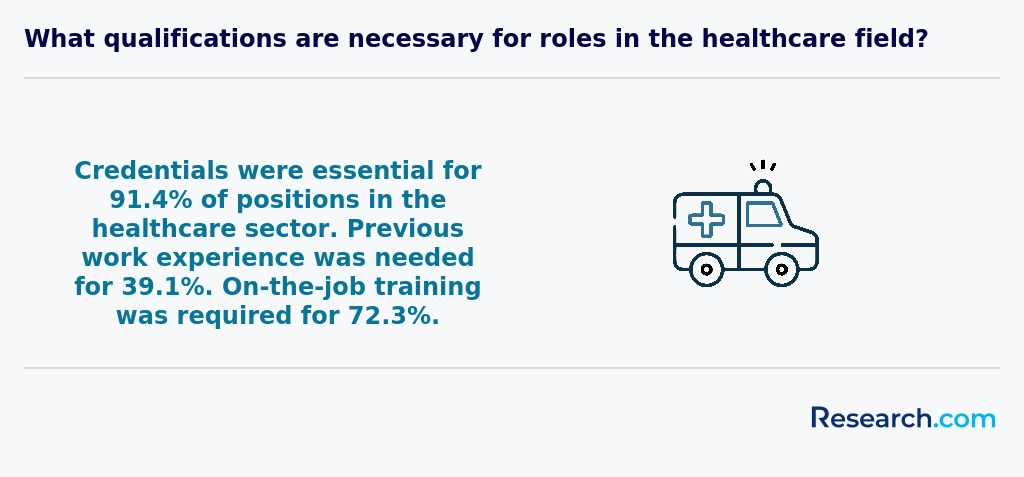
A bachelor’s degree can improve your healthcare career prospects, but certifications and professional development often determine how competitive you are for specialized roles. Employers may look for proof that you can apply technical skills in areas such as compliance, patient data management, reimbursement, quality improvement, medical coding, billing, or healthcare operations.
Credentials such as the Certified Coding Specialist (CCS) or Certified Medical Reimbursement Specialist (CMRS) can strengthen a resume for students interested in revenue cycle, coding, documentation, or reimbursement work. These certifications do not replace a degree, but they can demonstrate job-ready expertise in a narrower area.
How to evaluate certification value
- Check employer preferences. Review job postings in Ohio hospitals, clinics, insurers, and health systems to see which credentials appear most often.
- Ask whether the program includes exam preparation. Some online healthcare programs build certification-aligned content into the curriculum.
- Budget for exams and renewals. Certification costs can include exam fees, study materials, continuing education, and recertification requirements.
- Use career services. Resume reviews, networking events, mock interviews, and internship support can help translate your degree and certifications into job opportunities.
Students who need help paying for certification-related education can explore resources such as medical coding financial aid. The strongest career strategy combines academic preparation, practical experience, and targeted credentials that match the role you want.
Many online healthcare students in Ohio quickly realize that navigating financial aid involves more than just filling out the FAFSA. Graduates from institutions like Ohio State University or University of Cincinnati often share how the Pell Grant-offering up to $7,395 annually-lightened their tuition load, especially when public school costs hover around $7,000 per year. This grant can be a game-changer rather than a mere formality.
Several graduates also emphasize the value of subsidized federal loans, which cover interest while you study, easing immediate financial pressure. Still, they caution against taking on too much debt, a challenge mirrored by many balancing work and online classes.
State aid, such as the Ohio College Opportunity Grant, steps in as a crucial ally for Pell-eligible students attending both public and private colleges. Hearing from healthcare learners in Columbus and Cleveland, these grants provide tangible relief that makes dedication to their studies feel rewarded rather than risky.
Lastly, employer tuition reimbursement programs are often an untapped resource-especially for those already working in Ohio's healthcare sector. One graduate noted how this support turned their aspirations into achievable progress, proving that financial aid in Ohio's healthcare education is multifaceted, practical, and deeply personal.
The return on investment for an online healthcare bachelor’s degree in Ohio depends on three main variables: total cost, time to completion, and the type of healthcare role you pursue after graduation. A fast program can improve ROI if it helps you graduate sooner, keep working while enrolled, and qualify for a higher-paying role without taking on excessive debt.
Average total tuition costs are around $31,136 for in-state students and $31,976 for out-of-state enrollees. When compared with starting annual wages such as $55,860 for Patient Care Technicians and $41,260 for Health Information Technicians, many roles may produce a payback period of approximately 2–3 years. That estimate can vary widely based on scholarships, transfer credits, employer reimbursement, living costs, and whether you reduce work hours while studying.
ROI factors to compare before enrolling
| Factor | Why it matters | What to ask |
| Tuition and fees | Lower direct costs can shorten the time needed to recover your investment. | What is the full program cost after transfer credits, fees, books, and technology costs? |
| Completion speed | Accelerated formats can help students finish faster but may require heavier weekly workloads. | Can I realistically complete the course load while working? |
| Career alignment | Healthcare management, health informatics, and specialist roles may offer stronger advancement potential. | Which jobs do graduates typically pursue, and what support is available? |
| Non-tuition costs | Textbooks, technology fees, clinical expenses, exams, and lost wages can affect ROI. | Which costs are required beyond tuition? |
| Long-term advancement | Graduates moving into administrative or specialist roles often see salaries rise by 20–30% within five years. | Does the degree prepare me for promotion, certification, or graduate study? |
For students considering additional education later, affordable graduate pathways can matter. The programs highlighted in the Cheapest Online Master’s in Healthcare Degree Programs Ranking in North Carolina show how graduate tuition rates can affect long-term earnings decisions.
Also consider indirect savings. Many online programs use digital resources and recorded sessions, which can reduce textbook expenditures by up to 25%. Working professionals may also preserve income by studying without leaving full-time employment.
Ohio’s healthcare sector is projected to grow 13% through 2031, and demand remains strong for specialized roles. The best ROI comes from choosing a program that is fast, accredited, affordable, and clearly connected to your next career step.
To enroll in an online healthcare degree in Ohio, prospective students must meet several clear prerequisites that go beyond just academic measures. Imagine a student at Ohio State University, preparing to dive into a rigorous program by first securing a high school diploma or GED and maintaining a GPA around 2.5 to 3.0. This academic foundation is non-negotiable; it proves readiness for the complexity ahead. Many graduates recall how standardized tests like the SAT or ACT, still required by some public universities, served as stepping stones to prove their capabilities when college credits were limited.
But prerequisites aren't only about grades. Completing foundational courses in biology, chemistry, and anatomy is crucial, like a Baldwin Wallace University student grasping essential science before tackling clinical skills. Equally important is real-world exposure-volunteering or working in healthcare settings offers a visceral understanding of patient care, which many find both challenging and deeply rewarding.
Additionally, Ohio's average tuition of around $11,000 per year for in-state students reminds learners to approach financial planning seriously. Accepting this holistic set of requirements not only secures admission but builds confidence for the demanding and fulfilling journey ahead.
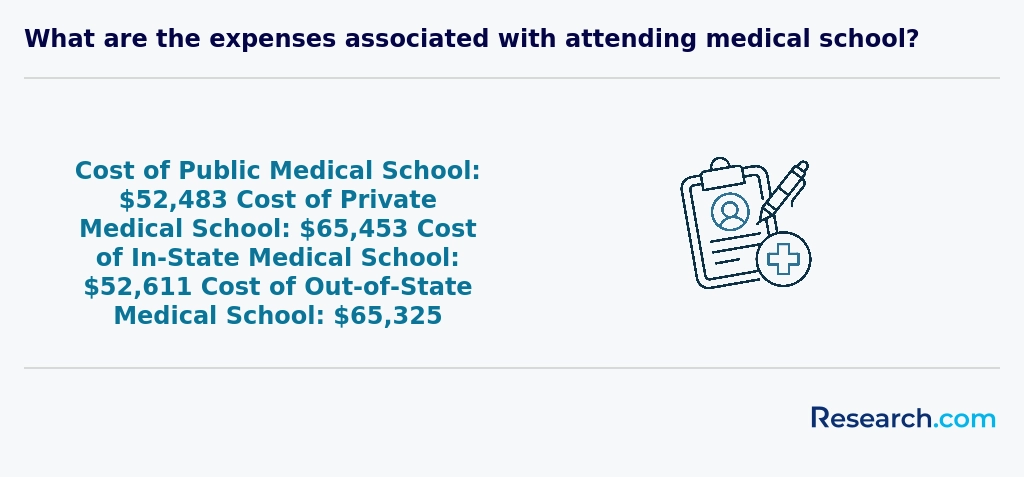
Online healthcare students succeed when they build structure around flexibility. Unlike a campus schedule, online learning often requires you to set the pace, track deadlines, and ask for help before small problems become major setbacks.
Build a realistic weekly system
- Create a dedicated study space. It does not need to be large, but it should be quiet, organized, and reliable.
- Use one calendar for everything. Track readings, quizzes, discussion posts, exams, group projects, clinical paperwork, and advising meetings in the same place.
- Break major assignments into smaller tasks. Healthcare courses often include case studies, research papers, care plans, data assignments, or policy analyses. Waiting until the final week can hurt both quality and comprehension.
- Participate in discussions with purpose. Forums and virtual study groups can help you understand clinical scenarios, policy issues, ethical questions, and workplace applications.
Use support services before you fall behind
Many online students underuse tutoring, library databases, writing centers, technology help desks, and faculty office hours. These services can be especially valuable in courses involving anatomy, physiology, statistics, informatics, healthcare law, or research methods.
Cost also affects persistence. If affordability is a priority, compare accredited options carefully and review lower-cost healthcare schools in Ohio before committing. A program that fits your budget is easier to complete without interrupting enrollment.
Finally, protect your energy. Schedule breaks, maintain contact with family and peers, and plan recovery time after intensive course blocks. Burnout can affect online students just as much as campus students, especially in healthcare programs where coursework may overlap with demanding jobs.
Online healthcare degree programs in Ohio thoughtfully marry foundational theory with real-world application, a balance many graduates from popular institutions like Ohio State University or University of Cincinnati deeply appreciate. Core courses such as Medical Terminology and Human Anatomy and Physiology aren't just academic requirements; they become the language and blueprint that students use daily when visualizing patient care scenarios.
Courses like Health Ethics and Law prompt students to wrestle with challenging moral dilemmas that healthcare professionals face in Ohio's diverse communities, making the learning experience profoundly personal and relevant. Imagine a student reflecting on a virtual case study where ethical decisions could impact a rural patient's access to care-these moments offer more than knowledge, they spark genuine empathy and critical thinking.
Specialized classes such as Healthcare Finance and Budgeting encourage students to see beyond clinical care, understanding how resource management affects their hospitals and clinics. Graduates often recall how this insight shifted their perspective, revealing healthcare as a complex ecosystem requiring both compassion and savvy leadership.
Choosing an online healthcare degree specialization in Ohio means diving into fields that directly shape patient care and system efficiency. Graduates from popular universities here often reflect on how Registered Nursing (RN) to Bachelor of Science in Nursing (BSN) programs gave them a newfound confidence and a measurable income boost-nurses with BSNs in Ohio can earn about 10% more than those without.
Health Informatics, another trending option, perfectly suits those drawn to Ohio's expanding healthcare IT sector, empowering students to turn data into smarter health decisions. Other students find themselves drawn to Healthcare Administration, attracted by projected job growth of 13% in Ohio and the chance to lead change from the front lines of hospital management.
Public Health programs resonate with those eager to tackle community health disparities, while Medical Laboratory Science appeals to detail-oriented learners who thrive behind the scenes. These specializations highlight why healthcare bachelor programs Ohio specializations matter deeply to career-focused students.
For those balancing budgets, exploring medical coding financial aid options is a practical step toward a rewarding degree.
Choosing the best online healthcare degree in Ohio goes beyond just picking a program with a good reputation. Graduates from well-known Ohio universities often emphasize the value of programs that combine rigorous accreditation with practical, state-specific clinical placements. For example, selecting a degree with clinical practicum options within Ohio ensures you gain hands-on experience in familiar healthcare systems, boosting your confidence and local employability. This practical connection is often overlooked but crucial.
Affordability plays a surprising role in motivation. Many students pursuing affordable healthcare degree programs Ohio-wide report less financial stress, allowing them to focus deeply on their studies and career goals. Keep in mind that the average annual tuition for public in-state online programs hovers around $8,000, significantly lower than private options, which can shape your long-term student satisfaction.
Consider how flexible course formats fit your lifestyle. Online learners often share how asynchronous classes at Ohio institutions let them balance work and family, fostering a sense of achievement and empowerment. For those drawn to specialized fields, some graduates suggest exploring programs that include a bachelor of science in diagnostic medical sonography schools, which provide strong industry connections and vibrant career prospects.
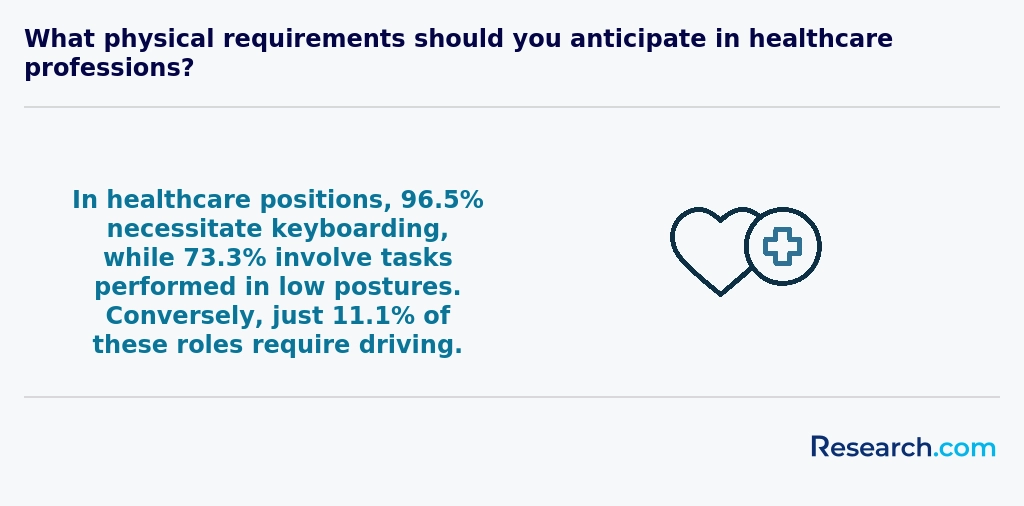
Graduates of online healthcare degree programs in Ohio step into a spectrum of career options that defy simple categorization. Many find themselves drawn to roles such as Registered Nurse (RN), where direct patient care and emotional resilience intertwine daily. In universities like Ohio State or the University of Cincinnati, graduates describe the pride and challenge of preparing for state licensing exams entirely through online coursework, proving the state's flexibility in embracing digital education.
Others discover that jobs in health information management or healthcare administration, common career options with online healthcare degree Ohio, offer a gratifying balance between leadership and impact. Imagine managing patient data systems or hospital operations in Cleveland or Columbus, knowing your work shapes healthcare delivery on a large scale. Alumni from online programs express how these paths fulfill both intellectual ambitions and a desire to contribute to public health innovation.
The evolving healthcare landscape in Ohio also opens doors as Public Health Educators or Medical and Health Services Managers, roles that require a mix of strategic thinking and community connection. For students seeking affordable paths to such careers, the Cheapest Online Master's in Healthcare Degree Programs Ranking in North Carolina offers insight into cost-effective options, further expanding choices beyond state borders.
The job market for online healthcare degree holders in Ohio defies the notion that virtual education limits career prospects. Graduates from popular institutions like Ohio State University and University of Cincinnati find themselves well-positioned amid a healthcare ecosystem hungry for skilled professionals. Registered Nurses and Medical and Health Services Managers, for example, enjoy robust demand fueled by Ohio's aging population and expanding outpatient care facilities.
Many graduates share that the balance of flexible online study and practical experience helps them confidently enter roles offering competitive salaries, such as the $64,000 median wage for nurses or six-figure earnings for managers. This optimistic outlook for healthcare career opportunities Ohio online degree holders brings extends beyond traditional settings, touching telehealth services reshaping patient care in cities like Cleveland and Columbus.
One surprising advantage these students discover is how affordable online programs can be compared to on-campus tuition, motivating many to pursue a quick degree and accelerate their entry into the workforce without excessive debt, enhancing the overall job market for online healthcare degree job outlook Ohio.
2027 Fastest Online Bachelor's in Healthcare Degree Programs Ranking in Ohio
Investing in your education is a significant decision that can shape your future, and the Research.com team understands the importance of making informed choices. To assist prospective students seeking healthcare degrees in Ohio, we have meticulously crafted the "2027 Fastest Online Bachelor's in Healthcare Degree Programs Ranking in Ohio." Our commitment to quality, credibility, and accuracy is reflected in the extensive research and analysis conducted to compile this ranking.
We utilized the following reputable data sources to ensure a comprehensive evaluation of healthcare programs:
By exploring this ranking, readers will gain valuable insights into the fastest online bachelor's healthcare degree programs in Ohio, enabling them to make well-informed decisions about their educational journeys. For more details on our methodology, please visit our Research.com methodology page.





Frequently Asked Questions About healthcare
Online healthcare degree students in Ohio can maximize their learning by actively engaging with their coursework and utilizing university resources. Many Ohio institutions offer interactive platforms, live virtual sessions, and access to faculty during office hours, which are essential for a deeper understanding of healthcare concepts. According to the Ohio Department of Higher Education, students benefit from joining online study groups and professional networks to develop practical skills.
Additionally, students should seek out clinical placements or internships in Ohio healthcare facilities to gain hands-on experience, a key requirement for many healthcare roles. The Ohio Healthcare Workforce Initiative reports that practical experience significantly improves graduate employability in the state. Staying updated on Ohio healthcare laws and policies also enhances comprehension relevant to local practice.
The healthcare field in Ohio is evolving rapidly, with several emerging niches gaining importance for online degree students. One significant area is telehealth, which saw a 40% increase in use across Ohio during the COVID-19 pandemic, according to the Ohio Department of Health. This growth has created demand for professionals skilled in remote patient care and digital health management.
Another expanding niche is healthcare informatics, focusing on managing electronic health records and data security. Ohio employers report a rising need for experts able to analyze health data to improve patient outcomes.
Additionally, geriatric care remains critical due to Ohio's aging population, with the state ranking among the top in the U.S. for residents over 65 years old, intensifying the demand for eldercare specialists.
After finishing an online healthcare degree in Ohio, preparing for the job market involves several key steps. First, graduates should obtain any required state licenses or certifications related to their specialty. For example, Ohio requires Registered Nurses to pass the NCLEX-RN exam before practicing (Ohio Board of Nursing).
Networking is vital-joining state organizations like the Ohio Healthcare Association can connect job seekers with employers. Additionally, Ohio's healthcare sector employs over 1.2 million people, with demand growing due to the aging population (Ohio Department of Job and Family Services).
Internships or clinical experience complement online education and improve employability. Finally, strong resume-building and interview preparation aligned with local healthcare employer expectations help graduates secure positions successfully.
Employers in Ohio's healthcare sector prioritize a combination of technical and interpersonal skills when hiring graduates with online healthcare degrees. Strong clinical knowledge and proficiency in healthcare technology are essential, as healthcare in Ohio increasingly relies on electronic health records and telemedicine.
Communication skills are highly valued, given the need for clear interaction with patients and medical teams. According to the Ohio Department of Job and Family Services, healthcare support occupations in Ohio grew by 8% from 2018 to 2023, reflecting rising demand for professionals who are adaptable and empathetic.
Critical thinking and problem-solving abilities are also key, enabling graduates to make informed decisions in fast-paced environments. Additionally, familiarity with state-specific healthcare laws and regulations strengthens employability in Ohio's diverse medical settings.
Finding healthcare internships in Ohio starts with utilizing resources offered by both your online degree program and local healthcare organizations. Many Ohio universities collaborate with hospitals and clinics to provide internship placements. For example, Ohio ranks among the top states for healthcare employment, with over 1.4 million healthcare jobs as of 2023, according to the Ohio Department of Job and Family Services.
Students should also explore internships through platforms like the Ohio Hospital Association, which connects aspiring healthcare professionals with opportunities statewide. Networking with local health systems such as Cleveland Clinic or Cincinnati Children's Hospital can be valuable.
Additionally, consider contacting community health centers and public health departments, as these often host internships for healthcare students. Timely application and a strong academic record improve chances of placement.
Obtaining an online healthcare degree in Ohio significantly enhances career mobility and advancement opportunities. The state's healthcare industry, one of the largest employers, is projected to grow by 15% from 2020 to 2030, according to the U.S. Bureau of Labor Statistics. This growth drives demand for qualified professionals with up-to-date knowledge and credentials.
An online degree allows working adults to gain credentials without pausing their careers, which supports upward movement within organizations. Many healthcare employers in Ohio value degrees from regionally accredited institutions, which are commonly offered online.
Additionally, online programs often provide specialized tracks, enabling students to tailor their education to high-demand fields such as health administration or nursing management, which can lead to leadership roles.
Studying for an online healthcare degree in Ohio equips students with skills essential for interdisciplinary roles. Ohio's healthcare programs emphasize collaboration between nursing, public health, administration, and social services. According to the Ohio Department of Higher Education, curricula often include courses in communication, ethics, and healthcare policy to prepare graduates for team-based environments.
Ohio hospitals and health organizations, such as the Ohio Hospital Association, prioritize professionals who can navigate diverse healthcare settings. Online programs frequently incorporate case studies and virtual simulations that mimic real-world interdisciplinary challenges. This approach trains students to work effectively across fields, improving patient outcomes and operational efficiency.
Choosing between a thesis and a non-thesis online healthcare degree in Ohio depends largely on your career goals. A thesis program emphasizes research, requiring students to complete an original study, which can benefit those aiming for clinical research or graduate study.
Non-thesis programs typically focus on practical skills and coursework, appealing to professionals seeking faster entry into healthcare roles. According to the Ohio Department of Higher Education, many online healthcare programs offer both options to suit diverse needs.
Consider your interest in research, time availability, and whether you plan to pursue advanced degrees or certifications before deciding.
Students based in Ohio seeking to study healthcare abroad have several pathways, primarily through partnerships between Ohio institutions and foreign universities. Ohio's State Board of Nursing reports a growing trend of collaborative programs that allow students to begin their healthcare education online in Ohio and complete clinical experiences internationally.
Many online bachelor's programs in Ohio healthcare fields, such as nursing and health administration, encourage study-abroad semesters or international internships, usually lasting a few weeks. These experiences enhance cultural competence, a key skill in healthcare. However, full degree programs entirely taught abroad and recognized in Ohio remain limited due to accreditation and licensure requirements.
Prospective students should review Ohio Department of Higher Education guidance and accreditation status of foreign institutions before enrolling. According to the National Center for Education Statistics, less than 5% of Ohio healthcare students study abroad, indicating a niche but growing interest.
Ohio offers several part-time job opportunities that complement healthcare degree education, allowing students to gain practical experience while studying. Positions such as medical assistants, patient care technicians, and pharmacy aides are common roles that align well with healthcare coursework. According to the Ohio Department of Job and Family Services, healthcare support occupations are expected to grow by 15% between 2020 and 2030, reflecting strong demand.
Many Ohio hospitals and clinics provide flexible part-time schedules to accommodate online students. Working in roles like home health aide or medical receptionist can help students develop patient interaction skills relevant to their degree programs.
Additionally, part-time jobs in telehealth support are expanding due to the rise of virtual care services in Ohio, offering valuable experience in emerging healthcare technologies.
Online healthcare students in Ohio benefit from a variety of networking opportunities designed to enhance their professional growth. Many universities offer virtual career fairs and online student forums where students can connect with peers and healthcare professionals.
Additionally, Ohio's healthcare sector is robust, employing over 1.3 million people statewide according to the Ohio Department of Job and Family Services. This large network creates numerous opportunities for internships and mentorships, often facilitated through university partnerships with local hospitals and clinics.
Professional organizations such as the Ohio Nurses Association and the Ohio Public Health Association offer student memberships, providing access to conferences, webinars, and networking events tailored for emerging healthcare professionals. Online students can join these groups to gain valuable contacts despite geographic distances.
Alumni networks offer significant benefits to online healthcare degree students in Ohio. These networks connect current students with graduates who have experience navigating the state's healthcare landscape. According to the Ohio Department of Health, the healthcare sector employs over 1.2 million people statewide, highlighting the importance of strong professional connections.
Through alumni networks, students gain access to mentorship, job opportunities, and industry insights tailored to Ohio's healthcare system. This support is vital for career advancement, especially in competitive fields like nursing or health informatics.
Many Ohio universities facilitate online platforms where alumni share job leads and advice, enhancing students' chances of successful employment after graduation. Such networks also foster collaboration on local healthcare challenges, promoting real-world learning beyond textbooks.
Customizing an online healthcare degree in Ohio allows students to align their education with specific career goals. Many schools offer flexible curricula where students can select concentrations such as healthcare management, informatics, or public health. This flexibility helps tailor learning toward roles in hospitals, clinics, or insurance companies.
Ohio's growing healthcare sector, which employs over 1.2 million people according to the Ohio Department of Jobs and Family Services (2023), provides diverse job options that correspond with various specializations.
Students can also customize through elective courses, internships, and capstone projects that focus on practical, real-world skills.
Accreditation and partnerships with local healthcare providers further enhance relevant training.
Online healthcare students in Ohio often face unique challenges related to balancing coursework with clinical experience requirements. Many programs demand in-person clinical hours, which can be difficult to schedule amid personal and work commitments. According to the Ohio Board of Nursing, clinical placements remain a significant hurdle due to limited availability at local healthcare facilities.
Another common difficulty is accessing adequate technological support. Reliable internet and appropriate devices are crucial, yet rural areas in Ohio report lower broadband access, potentially limiting some students' ability to participate effectively.
Additionally, students may struggle with staying motivated and engaged in a fully online learning environment. Without traditional classroom interaction, developing peer and instructor connections can be challenging, which may impact learning outcomes.
With an online healthcare degree in Ohio, graduates can pursue various professional certifications that enhance career opportunities. Common certifications include Certified Medical Assistant (CMA), Registered Health Information Technician (RHIT), and Certified Professional Coder (CPC). These credentials are recognized across the state and help demonstrate specialized skills.
Ohio also offers credentials such as the Licensed Practical Nurse (LPN) and Registered Nurse (RN) licenses, which require passing national exams after completing accredited programs, some of which are available online.
According to the Ohio Department of Higher Education, healthcare occupations are projected to grow 10% by 2030, making certifications valuable for job security.
Writing a winning application for an online healthcare program in Ohio requires careful preparation and attention to detail. Start by researching the specific program's admission requirements, as they can vary between institutions. Most programs expect a solid academic record, especially in science and math courses.
Strong letters of recommendation from healthcare professionals or professors can boost your application. Highlight any relevant work or volunteer experience in healthcare, which is particularly valuable in Ohio, where healthcare jobs are projected to grow by 15% by 2030, according to the Ohio Department of Job and Family Services.
Craft a clear, concise personal statement explaining your motivation and career goals in healthcare. Finally, ensure all application materials are error-free and submitted before deadlines.
Healthcare careers are increasingly viewed through a global lens, emphasizing skills that meet international standards. In the U.S., including Ohio, healthcare professionals often engage in exchanges of best practices with counterparts worldwide to improve patient care. According to the Ohio Department of Higher Education, the state offers numerous accredited online healthcare degree programs that prepare students to work in both local and global contexts.
Many Ohio healthcare programs incorporate global health topics to reflect growing international concerns, such as pandemics and health equity. The U.S. Bureau of Labor Statistics notes a 16% projected growth for healthcare occupations through 2031, highlighting global demand for qualified professionals.
Students trained in Ohio's online programs benefit from curricula aligned with global ethical and clinical standards, enhancing their mobility and career opportunities internationally.
Gaining practical experience while pursuing an online healthcare degree in Ohio is essential for career readiness. Many accredited programs require clinical internships or practicums that students can complete locally. Ohio's healthcare system, the seventh largest in the nation, offers numerous opportunities through hospitals, clinics, and community health organizations.
The Ohio Department of Higher Education reports that online students often partner with nearby facilities to fulfill hands-on hours, ensuring real-world exposure alongside virtual coursework. Additionally, some programs provide simulation labs or virtual practicums to enhance skills.
Networking with local healthcare providers through Ohio's professional associations can also facilitate internships and job shadowing experiences.
Choosing the right concentration within an online healthcare degree program in Ohio requires understanding both your career goals and the local job market. Ohio's healthcare sector is among the largest, employing over 1.2 million people as of 2023, according to the Ohio Department of Job and Family Services. Popular concentrations include healthcare administration, nursing, public health, and health informatics.
Consider areas with strong job growth; for example, health informatics is expanding rapidly due to increased digital recordkeeping. Researching Ohio's healthcare industry trends and licensing requirements for specific roles can guide your choice. Align your concentration with in-demand skills to increase employability within the state's competitive healthcare environment.
- 2027 Fastest Online Bachelor's in Healthcare Degree Programs Ranking in Kentucky
- 2027 Fastest Online Bachelor's in Healthcare Degree Programs Ranking in Pennsylvania
- 2027 Fastest Online Bachelor's in Healthcare Degree Programs Ranking in Michigan
- 2027 Fastest Online Bachelor's in Healthcare Degree Programs Ranking in Illinois
- 2027 Fastest Online Bachelor's in Healthcare Degree Programs Ranking in Virginia
- 2027 Fastest Online Bachelor's in Healthcare Degree Programs Ranking in Tennessee
- 2027 Fastest Online Bachelor's in Healthcare Degree Programs Ranking in North Carolina
- 2027 Fastest Online Bachelor's in Healthcare Degree Programs Ranking in Missouri
- 2027 Fastest Online Bachelor's in Healthcare Degree Programs Ranking in South Carolina
- 2027 Fastest Online Bachelor's in Healthcare Degree Programs Ranking in Georgia
See What Experts Have To Say About Studying Healthcare
Read our interview with Healthcare experts

- Challenges for Medical Students - Health Action Research Group https://www.healthactionresearch.org.uk/mental-health/challenges-for-medical-student/
- How to Gain Real-World Experience While Studying Online | American National University https://an.edu/how-to-gain-real-world-experience-while-studying-online/
- Course Benefits https://www.premedprojects.co.uk/hospital-work-experience-benefits
- Career Planning https://westernmasshealthcareers.org/career-planning/
- What are the top 10 skills that'll get you a job when you graduate? https://targetjobs.co.uk/careers-advice/skills-for-getting-a-job/what-are-top-10-skills-thatll-get-you-job-when-you-graduate
- Ohio Medical Career College (OMCC) - Financial Aid http://www.omcc.edu/financialaid.html
- What can I do with a healthcare studies degree, and how can I start? https://mrcollege.ac.uk/what-can-i-do-with-a-healthcare-studies-degree-and-how-can-i-start/
- How to Set and Achieve Career Goals in Health and Social Care | Royal Open College https://royalopencollege.org/blog/health-and-social-care/how-to-set-and-achieve-career-goals/
- Healthcare Administration https://online.utoledo.edu/programs/healthcare-administration/index.html
- 1+ Healthcare Cover Letter Examples (with In-Depth Guidance) https://www.tealhq.com/cover-letter-examples/healthcare