
2027 Fastest Online Healthcare Degree Programs Ranking in Ohio

Co-Founder and Chief Data Scientist
Choosing the right healthcare degree program in Ohio can feel overwhelming, especially when you want to move quickly toward a rewarding career. This article features the 2027 Fastest Online Healthcare Degree Programs Ranking in Ohio, created by the Research.com team of data scientists to guide you in making an informed decision.
By exploring these top programs, you'll discover options that fit your pace and goals. Pursuing a healthcare degree opens doors to meaningful work and personal growth, making it a smart step for your future.
Key benefits of getting online healthcare degree in Ohio
- Healthcare degree graduates in Ohio can earn competitive salaries, such as $43,350 annually for Medical Assistants and Clinical Research Coordinators, and up to $103,150 for Quality Improvement Coordinators, offering strong financial stability.
- Graduates from Ohio State University with healthcare degrees often pursue diverse careers in patient care, health information management, and clinical coordination, benefiting from a wide range of job opportunities.
- Completing a healthcare degree online from institutions like the University of Cincinnati allows flexible scheduling and faster completion, making it ideal for working adults balancing life and education.
- Key benefits of getting online healthcare degree in Ohio
- What can I expect from online healthcare degree in Ohio?
- Where can I work with online healthcare degree in Ohio?
- How much can I make with online healthcare degree in Ohio?
- 2027 Fastest Online Healthcare Degree Programs Ranking in Ohio
- Key Findings
- How long does it take to complete online healthcare degree in Ohio?
- Industry Trends and Future Opportunities in Healthcare Education in Ohio
- What's the difference between online and on-campus healthcare degree?
- Supplementary Certifications and Career Advancement Opportunities
- What is the average cost of online healthcare degree in Ohio?
- Accreditation and Licensure
- What financial aid is available to online healthcare degree students in Ohio?
- What are the prerequisites for enrolling in online healthcare degree program in Ohio?
- Student Success Strategies in Online Healthcare Education
- What courses are typically in online healthcare degree programs in Ohio?
- What types of specializations are available in online healthcare degree programs in Ohio?
- How do you choose the best online healthcare degree in Ohio?
- What career paths are available for online healthcare degree students in Ohio?
- What is the job market for online healthcare degree in Ohio?
- Related Healthcare Rankings for Nearby States
- Top Trending Healthcare Rankings
- See What Experts Have To Say About Studying Healthcare
What can I expect from online healthcare degree in Ohio?
The average cost of an online healthcare degree in Ohio typically ranges from $15,000 to $30,000, making it an affordable and accessible option for many students. Graduates from well-known institutions like Ohio State University and University of Cincinnati often share how this investment opened doors to rewarding careers without overwhelming financial burdens. Many appreciate that tuition is usually lower for online programs, combined with savings on commuting and housing, which lightens the overall cost.
Students frequently highlight how balancing work, family, and studies became easier thanks to Ohio's flexible online formats. They describe real-world experiences, such as virtual simulations and local clinical placements, as valuable steps toward gaining confidence and skills. The financial aid options, including state grants aimed at healthcare students, make these programs even more feasible. This supportive and cost-effective approach encourages many Ohioans to pursue their passion in healthcare with optimism and determination.
Where can I work with online healthcare degree in Ohio?
With an online healthcare degree in Ohio, graduates open doors to a vibrant range of career opportunities across the state's diverse healthcare landscape. Many find rewarding roles in renowned hospitals such as the Cleveland Clinic or OhioHealth, where their skills directly impact patient care and community health. Others thrive in rural and community hospitals, bringing vital support where it is most needed and experiencing the fulfillment of addressing staff shortages firsthand.
Students from Ohio State University and similar institutions often share inspiring stories of quickly advancing into roles like registered nurse, healthcare administrator, or health information technician. These professionals contribute to improving healthcare delivery and enjoy competitive salaries, making a meaningful difference in both urban centers and smaller towns.
For those drawn to technology and innovation, Ohio's expanding telehealth sector offers exciting positions supporting remote patient care and digital health services. Whether promoting community wellness through public health organizations or managing critical healthcare data, Ohio's online healthcare graduates are empowered to build impactful, fulfilling careers close to home.
How much can I make with online healthcare degree in Ohio?
Graduates from popular Ohio institutions offering online healthcare degrees often find themselves stepping into rewarding careers with salaries that reflect their dedication and education. For instance, medical assistants in Ohio earn a mean annual wage of around $43,350, providing a solid starting point for those entering the healthcare field.
Patient care technicians, another common career path for online healthcare students, typically earn about $60,790 annually, demonstrating how specialized skills translate into strong earnings. Health information technicians, who manage vital medical data, earn similarly at $43,380, reflecting the steady demand for tech-savvy healthcare professionals.
Those who aspire to leadership roles can look toward positions like quality improvement coordinators, where salaries soar to a rewarding $103,150 on average each year, illustrating the benefits of experience and advanced training within Ohio's healthcare system.
Many graduates from institutions such as Ohio State University or the University of Cincinnati share inspiring stories of starting with online degrees and quickly advancing into well-compensated roles, making a real difference in their communities while enjoying financial stability.
2027 Fastest Online Healthcare Degree Programs Ranking in Ohio
How do we rank schools?
Investing in your education is a significant decision that can shape your future, and the Research.com team is fully aware of the importance of making informed choices. To support prospective students in Ohio, we have carefully developed the "2027 Fastest Online Healthcare Degree Programs Ranking in Ohio." Our dedication to quality, credibility, and accuracy is demonstrated through rigorous research and comprehensive analysis.
We utilized the following reputable data sources to ensure a thorough evaluation of healthcare degree programs:
By consulting this ranking, readers will gain valuable insights into the fastest and most efficient online healthcare programs in Ohio, empowering them to make well-informed decisions about their educational futures. For more information on how this ranking was created, please visit our Research.com methodology page.


# 8 position
The Ohio State University at Columbus
Master of Pharmaceutical Sciences with a Specialization in Health-System Pharmacy Administration and Leadership




Key Findings
- Tuition for online healthcare degrees in Ohio typically ranges from $10,000 to $25,000 for bachelor's programs, with public universities offering lower rates for in-state students.
- Ohio's healthcare sector employs over 700,000 people and is expected to grow by about 10% through the mid-2020s.
- Entry-level healthcare jobs often start around $50,000 annually, while experienced professionals can earn between $65,000 and $85,000 depending on their role.
- Programs must be accredited and meet Ohio's licensing requirements, especially for clinical positions, with many offering hybrid options for local clinical placements.
- Financial aid and scholarship opportunities are available to help reduce the cost of online healthcare degrees in Ohio.
How long does it take to complete online healthcare degree in Ohio?
Completing an online healthcare degree in Ohio is an achievable and rewarding journey that fits a variety of lifestyles and goals. Students pursuing associate degrees in fields like health information technology often finish in about two years, balancing their studies with family and work commitments. Graduates from Columbus State Community College, for example, share how flexible online coursework allowed them to advance their careers without putting life on hold.
Bachelor's degrees, including nursing or healthcare management, typically take around four years but many Ohio universities offer accelerated online options. Ohio State University's accelerated BSN program, completed in as little as 15 months by students with prior nursing experience, inspires confidence that ambitious learners can fast-track their dreams.
Master's degrees in nursing or healthcare administration usually range from 18 months to three years online. These programs empower working professionals to grow their expertise and impact Ohio's healthcare community, all while maintaining their daily responsibilities.
This flexibility and commitment from institutions create a supportive environment where you can thrive and succeed on your own terms.
Industry Trends and Future Opportunities in Healthcare Education in Ohio
Ohio’s rapidly evolving healthcare landscape is not only transforming clinical practices but also reshaping the educational approaches that prepare future professionals. As online programs integrate cutting-edge technology like virtual reality simulations, artificial intelligence, and telehealth modules, students are gaining a dynamic learning experience that mirrors modern industry demands. These innovations are fueling a trend towards greater specialization, interdisciplinary collaboration, and digital literacy, ensuring that graduates are equipped to tackle emerging challenges in patient care and healthcare management. Moreover, expert insights suggest that as hospitals and clinics continue to adopt new technologies, there will be an increasing demand for professionals who combine technical proficiency with compassionate care. For those looking to start their journey with both quality and affordability, exploring the most affordable healthcare programs in ohio can provide a springboard into a future rich with opportunity. This forward-thinking approach to education not only supports immediate career goals but also lays the foundation for lifelong learning and leadership in the healthcare sector.
What's the difference between online and on-campus healthcare degree?
Online healthcare degrees in Ohio deliver remarkable flexibility, allowing students to balance work and family while progressing in their careers. Graduates from programs at Ohio's leading institutions like Ohio State University praise how online courses fit seamlessly into busy lives, empowering them to learn without sacrificing personal commitments. These programs cover diverse fields such as nursing and public health, letting motivated learners access quality education from anywhere in the state.
On the other hand, on-campus programs at universities like Case Western Reserve University create vibrant, hands-on experiences. Students treasure the face-to-face interactions with expert faculty and classmates, the immersive access to state-of-the-art labs, and the invaluable clinical placements arranged through local hospitals. These moments build lasting professional connections and practical skills that inspire confidence.
Both options ensure clinical training essential for professional licensure, with Ohio's schools partnering with community healthcare centers to provide real-world experience. Choosing either path means embracing growth and entering a fulfilling field ready to make a difference. Flexibility, engagement, and real-world application come together uniquely to shape every student's journey.
Supplementary Certifications and Career Advancement Opportunities
Completing an online healthcare degree in Ohio is a significant milestone, but supplementing your core education with additional certifications can set you apart in a competitive industry. Many professionals choose to enhance their credentials with specialized certifications that not only validate their skills but also open new avenues for career advancement. For instance, obtaining certifications in areas such as medical billing and coding or health informatics can provide a competitive edge when applying for leadership or specialized roles. Consider exploring free online medical billing and coding certification programs as they offer flexible, cost-effective options to broaden your expertise. These certifications are highly valued by employers and provide practical, up-to-date knowledge that complements your degree coursework. Moreover, pursuing supplementary training demonstrates a commitment to lifelong learning-a key factor in maintaining relevance in the rapidly evolving healthcare landscape. Whether you’re looking to boost your resume or transition into a new specialty, integrating additional certifications into your professional development strategy can help ensure long-term success in your healthcare career.
What is the average cost of online healthcare degree in Ohio?
The average cost of an online healthcare degree in Ohio offers a promising investment in your future, typically around $28,116 in total expenses. Many graduates from Ohio's popular universities find this investment manageable, especially when considering the strong career opportunities afterward. Studying online allows students to balance education with life commitments while benefiting from tuition rates that reflect both in-state and out-of-state categories. For instance, the median in-state total cost is about $24,692, making it an attainable goal for Ohio residents pursuing healthcare degrees.
Graduates who have completed their degrees in nursing or health administration online at well-regarded public universities often highlight how these programs combine quality education with affordability. Private institutions, while sometimes higher in tuition, add unique experiences and resources that attract many passionate healthcare students. At places like Ohio State University, the blend of rigorous curriculum with reasonable online learning fees encourages continuing education without overwhelming financial pressure.
When planning your journey, it's important to explore the total expenses for healthcare degree programs Ohio-wide, factoring in additional fees alongside tuition. Scholarships, employer tuition reimbursement programs, and financial aid options can significantly ease the path. You can discover more about the most affordable healthcare programs in ohio, helping you find the best fit to advance your career and achieve your dreams.
Accreditation and Licensure
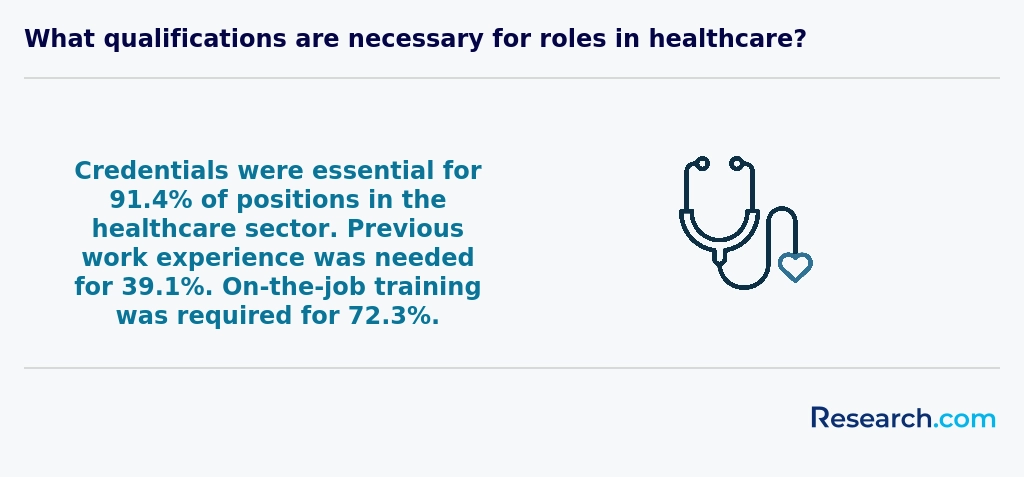
Selecting an online healthcare degree with proper accreditation and state approval is essential for eligibility to sit for certification exams and obtain Ohio licensure.
- Regional accreditation from the Higher Learning Commission (HLC) or equivalent
- Programmatic accreditation, such as ACEN or CCNE for nursing and CAAHEP for allied health
- State approval by the Ohio Board of Nursing or the Ohio Department of Health
After graduation, students typically:
- Request official transcripts be sent to the appropriate Ohio licensing board
- Register for and pass national certification exams (e.g., NCLEX-RN, CAAHEP-aligned allied health exams)
- Submit a licensure application and complete any required background checks or jurisprudence assessments
Verifying accreditation status and recent exam pass rates helps ensure a seamless transition to professional practice. For related training in administrative support roles, see our online classes for medical billing and coding with financial aid.
What financial aid is available to online healthcare degree students in Ohio?
Online healthcare students in Ohio have access to a wealth of financial aid options that truly open doors to achieving their dreams. Many graduates from institutions like Ohio State University and University of Cincinnati emphasize how federal Pell Grants and subsidized loans provided essential support, allowing them to focus fully on their studies without overwhelming debt.
State-specific aid, such as the Ohio College Opportunity Grant (OCOG), is a game changer for residents pursuing healthcare degrees online. Graduates often recall how this grant lightened their tuition burden, making education feel more attainable and less stressful. Coupled with institutional scholarships at popular Ohio colleges, these awards reward dedication and passion for healthcare careers.
Employers across Ohio's healthcare sector frequently offer tuition reimbursement programs, creating a win-win where students gain valuable work experience while advancing academically. Veterans and active military members can harness GI Bill benefits to embrace new opportunities in healthcare education.
These resources combine to create a supportive, hopeful environment where Ohio's online healthcare learners can succeed and transform their futures.
What are the prerequisites for enrolling in online healthcare degree program in Ohio?
To enroll in an online healthcare degree program in Ohio, you'll need a few foundational steps that open doors to an exciting career path. Most programs ask for a high school diploma or GED, which sets the stage for college-level learning. Imagine a graduate from Kent State University who began with these basics and progressed confidently through biology and chemistry prerequisites-courses like Introduction to Biology, General Chemistry, and English Composition are common requirements that build your essential knowledge.
Many students find submitting official transcripts and maintaining a GPA around 2.5 to 3.0 motivates them to grow academically and personally. At Ohio State University, some graduates shared how these concrete goals helped them stay focused and achieve success.
If you're aiming for advanced degrees like nursing or public health, prior healthcare experience or certifications such as a CNA license can be a powerful boost. These prerequisites aren't barriers but stepping stones helping you thrive in Ohio's supportive learning environments, readying you for meaningful roles in healthcare.
Student Success Strategies in Online Healthcare Education
Navigating an online healthcare program can be both rewarding and challenging. Successful students often combine self-discipline with effective use of available resources to achieve their academic and career goals. Here are key strategies to help you thrive: • Develop a structured study schedule: Set aside dedicated hours each week for coursework, assignments, and review sessions. This routine builds consistency and minimizes procrastination. • Utilize online learning tools: Many programs offer digital libraries, interactive modules, and virtual simulations. Familiarize yourself with these resources early, as they can significantly enhance your understanding of complex healthcare concepts. • Engage with your instructors and peers: Actively participate in online forums, group projects, and virtual office hours. Building a supportive network not only enriches your learning experience but also opens doors for mentorship opportunities. • Seek comprehensive support services: Look for programs that provide robust academic advising, career counseling, and technical support. These services can assist with everything from navigating the curriculum to preparing for job opportunities after graduation. • Explore affordable options: For guidance on managing tuition and fees, discover the most affordable healthcare programs in ohio that offer quality education without compromising financial stability. By incorporating these strategies into your routine, you can overcome the unique challenges of online education and pave the way for a successful career in healthcare.
What courses are typically in online healthcare degree programs in Ohio?
Online healthcare degree programs in Ohio immerse students in a dynamic mix of courses designed to build confidence and real-world skills. Graduates from popular institutions in Ohio often share how foundational classes like healthcare systems and policy opened their eyes to the inner workings of hospitals and clinics across the state, making them feel ready to contribute to Ohio's vast healthcare sector immediately.
Many students thrive as they dive into anatomy, physiology, and microbiology, gaining a deep understanding of the human body that inspires both respect and passion for their future roles. Interactive virtual labs, a hallmark of Ohio's online programs, make learning engaging and practical, even from home.
Courses in healthcare ethics and privacy resonate strongly, helping learners appreciate the vital responsibility of protecting patient rights. Others feel energized by healthcare informatics classes, equipping them to master cutting-edge technology shaping Ohio's medical landscape.
More experienced students find health services management and administration courses empowering, preparing them to lead and innovate within Ohio's expansive healthcare organizations. Tailored career courses, such as pharmacology or medical coding, give each student a unique edge aligned with their personal goals and dreams.
What types of specializations are available in online healthcare degree programs in Ohio?
Ohio's online healthcare degree specializations offer incredible opportunities to grow in fields that truly make a difference. Whether you envision yourself advancing in Nursing with programs tailored for registered nurses, or diving into Health Informatics to revolutionize patient data management, Ohio's diverse healthcare degree programs specialties meet your aspirations. Graduates from prominent Ohio universities feel proud contributing as nurse practitioners, healthcare administrators, or public health advocates, empowered by flexible online learning that fits their busy lives.
Imagine studying Healthcare Administration at a college known statewide for leadership, preparing to lead hospital teams or influence policy with confidence. Many students pursue Public Health specializations to help their communities thrive through education and prevention, while others embrace hybrid programs in Medical Laboratory Science or Radiologic Technology, blending online coursework with hands-on clinical practice close to home.
For those interested in accessible options, don't overlook free online medical billing and coding certification programs that complement your healthcare journey and enhance career readiness in Ohio's expanding healthcare market.
How do you choose the best online healthcare degree in Ohio?
Choosing the best online healthcare degree in Ohio means finding a program that fits your life and future goals. Graduates from popular Ohio schools often share how regional accreditation and specialized credentials, like those from ACEN or CAAHEP, assured them their education was respected statewide and beyond. This attention to quality lets you transfer credits smoothly or pursue advanced certifications with confidence.
Many Ohio students balancing work or family emphasize the importance of flexible, asynchronous classes paired with virtual labs and telehealth practicums. These features make it possible to complete clinical hours without commuting, a real game-changer for busy learners. Exploring affordable healthcare degree programs Ohio offers helps to manage costs while still accessing top-quality education.
Graduates often highlight the value of programs connected to Ohio healthcare employers, boosting job prospects in nursing or health information management. Plus, excellent student support through academic advising and career guidance makes tackling challenges easier and more motivating, helping you stay focused on success.
For more options, check out Inexpensive Online Healthcare Degree Programs Ranking in Virginia as inspiration for accessible online pathways.
What career paths are available for online healthcare degree students in Ohio?
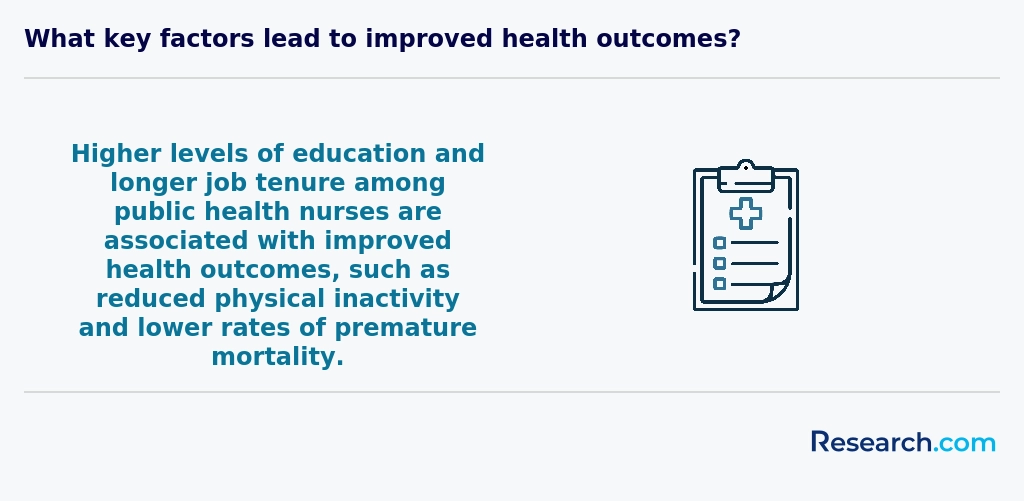
Ohio's healthcare landscape offers exciting career paths for those earning an online healthcare degree, opening doors to rewarding roles across the state. Graduates from popular schools like Ohio State University and University of Cincinnati often share how their programs empowered them to become Registered Nurses (RNs), thriving in hospital settings or community clinics that value compassionate, well-trained professionals. Others find fulfilling work in healthcare administration, leading teams in medical offices or managing operations at major Ohio health systems.
For students passionate about technology, becoming Health Information Technology Specialists provides a chance to safeguard patient data, a role increasingly essential in Ohio's digitized healthcare environment. Medical and Clinical Laboratory Technologists play a vital part behind the scenes, running diagnostic tests that help local doctors save lives. Interest in public health careers is also growing, where graduates support community programs addressing critical health challenges statewide.
These diverse opportunities reflect how an online healthcare degree career options Ohio offers can truly match your unique ambitions. Exploring college majors and jobs aligned with your goals sets the stage for a successful, fulfilling future.
What is the job market for online healthcare degree in Ohio?
The job market for online healthcare degree graduates in Ohio is thriving, fueled by strong demand across nursing, health administration, and allied health fields. Graduates from popular Ohio schools report swift employment at major hospital systems like Cleveland Clinic and OhioHealth, where their online credentials open doors to rewarding careers. Many find that the flexibility of online programs offered by state universities provides a perfect balance between study and life commitments, making career advancement feel achievable and inspiring.
With healthcare occupations in Ohio projected to grow by 15% through 2030, those pursuing an online healthcare degree in Ohio are stepping into a future full of opportunity, particularly in registered nursing and health services management roles. Employers highly value accredited degrees, and students appreciate Ohio's affordable tuition, which supports their journey without overwhelming debt. For those exploring options, checking out the best colleges offering open enrollment can be a great starting point to find flexible programs that fit individual needs.
Ohio's dynamic healthcare sector continues to welcome skilled professionals, ensuring graduates remain competitive and confident in a booming job market. The outlook for online healthcare degree jobs Ohio offers is indeed promising, encouraging students to pursue their passion with assurance and ambition.
Frequently Asked Questions About healthcare
Students pursuing online healthcare degrees in Ohio can enhance their learning by actively engaging with interactive course materials and virtual simulations. According to the Ohio Department of Higher Education, healthcare programs often include clinical components that require coordinating local internships or practicums. Taking advantage of these hands-on experiences is vital for skill development.
Connecting with faculty and peers through online forums and study groups builds a supportive network. Ohio's growing healthcare sector, employing over 700,000 people as reported by the Ohio Hospital Association, offers numerous volunteer and job-shadowing opportunities to complement academic learning.
Finally, managing time effectively and utilizing university resources like tutoring and career advising contributes significantly to success in online healthcare programs.
The healthcare field is rapidly evolving, with several emerging niches gaining prominence in Ohio. One significant area is telehealth, which expanded dramatically during the COVID-19 pandemic and continues to grow due to increasing patient demand for remote care.
Another niche is health informatics, where professionals manage digital health records and data analytics to improve patient outcomes. Ohio's investments in healthcare technology have bolstered this sector.
Additionally, gerontology and elder care are expanding as Ohio's aging population requires more specialized services. According to the Ohio Department of Aging, nearly 17% of Ohioans were aged 65 or older in 2022, increasing the need for trained healthcare workers in this niche.
Finally, mental health services are increasingly prioritized, reflecting national trends and specific Ohio initiatives aimed at addressing behavioral health shortages.
After completing an online healthcare degree in Ohio, preparing for the job market requires strategic steps. Start by obtaining relevant certifications and licenses specific to Ohio's healthcare industry, such as the State Medical Board credentials or Certified Nursing Assistant licenses. Networking is also critical; joining local professional organizations like the Ohio Hospital Association can open job opportunities and internships.
Additionally, gain hands-on experience through clinical placements or volunteer work, even if your degree was fully online. Ohio's healthcare sector employed over 675,000 people in 2023, signaling strong demand, especially in nursing and allied health fields (Ohio Bureau of Labor Statistics). Developing strong communication and technical skills will further enhance employability in this competitive market.
Employers in Ohio prioritize a combination of technical and soft skills when hiring healthcare degree graduates. Clinical competence remains fundamental, with strong knowledge in patient care, medical terminology, and healthcare technology being essential. According to the Ohio Hospital Association, communication skills are highly valued, helping professionals work effectively in diverse healthcare teams.
Problem-solving and critical thinking are also key, enabling graduates to adapt to fast-paced environments and unexpected challenges. Additionally, cultural competence is increasingly important, as Ohio's healthcare workforce serves a diverse population with varied needs.
Finally, professionalism and ethical behavior remain top priorities, reflecting the responsibility healthcare workers have in patient safety and care quality throughout the state.
Finding internships in Ohio relevant to a healthcare degree involves several key steps. Start by exploring partnerships your online program may have with local hospitals, clinics, and health organizations, as many Ohio universities connect students with practical experiences.
Additionally, organizations like the Ohio Hospital Association highlight facilities offering internships across the state. Cleveland Clinic and OhioHealth are among major employers hosting structured internship programs.
Use resources such as OhioMeansJobs, the state's official employment site, which frequently lists healthcare internships tailored for students.
Networking through professional groups like the Ohio Public Health Association can also uncover opportunities.
According to the Bureau of Labor Statistics, healthcare jobs in Ohio are projected to grow 13% through 2030, increasing internship availability.
An online healthcare degree in Ohio significantly enhances career mobility by providing flexible learning that accommodates working professionals. Graduates gain credentials recognized across various healthcare settings, from hospitals to long-term care facilities. According to the Ohio Bureau of Labor Market Information, healthcare occupations are expected to grow by 10.8% between 2020 and 2030, indicating strong demand for qualified professionals.
Advanced degrees can lead to leadership roles such as healthcare management or specialized clinical positions. Employers in Ohio increasingly prefer candidates with accredited online degrees due to their demonstrated commitment and updated skills. This advantage can accelerate promotions and open pathways to higher salaries.
Studying for a healthcare degree online in Ohio equips students with skills essential for interdisciplinary roles by emphasizing collaboration across various health professions. Ohio universities integrate coursework that covers communication, ethics, and healthcare management, fostering a team-based care approach. According to the Ohio Department of Higher Education, many programs include clinical simulations and virtual case studies, helping students apply knowledge in multidisciplinary settings.
Ohio's healthcare system relies heavily on coordinated care due to its aging population and diverse health needs. Graduates learn to work alongside nurses, physicians, social workers, and other professionals to improve patient outcomes. This preparation aligns with national trends promoting integrated healthcare delivery models.
Choosing between a thesis and a non-thesis healthcare degree program in Ohio depends on your career goals and learning preferences. Thesis programs involve original research and are suited for students aiming for academic, research, or advanced clinical roles. Non-thesis tracks usually focus on practical skills and coursework, ideal for those seeking immediate entry into healthcare professions or management.
Ohio is home to several accredited universities offering online healthcare degrees, with the Ohio Department of Higher Education emphasizing applied learning for workforce readiness. According to the U.S. Bureau of Labor Statistics, Ohio's healthcare sector is growing faster than the national average, making practical experience highly valuable. Consider your schedule and commitment level, as thesis programs often require more time for research and writing.
Students based in Ohio looking to study healthcare abroad have several options through partnerships between Ohio institutions and international universities. Many Ohio colleges offer online healthcare degree programs with study abroad components or exchange opportunities in countries such as Canada, Ireland, and Australia. These programs often allow students to complete coursework remotely while participating in clinical experiences overseas.
The Ohio Department of Higher Education reports that approximately 4% of Ohio healthcare students enroll in programs with international study options, reflecting growing interest in global health perspectives. Additionally, accreditation by agencies like CCNE and CAHME ensures that credits earned abroad are recognized by Ohio employers and licensing boards.
Financial aid and scholarships for these programs may be available through Ohio's state-funded resources, helping reduce barriers to international study. Students should consult with academic advisors to verify transferability and licensure implications specific to Ohio's healthcare job market.
Students pursuing online healthcare degrees in Ohio can benefit from part-time job opportunities that provide relevant experience and flexible schedules. Common roles include medical assistants, pharmacy technicians, and home health aides, all supportive positions within the Ohio healthcare system. According to the Ohio Bureau of Labor Market Information, these roles typically offer wages ranging from $12 to $18 per hour, ideal for supplementing education costs.
Additionally, administrative jobs in hospitals or clinics help students develop organizational skills vital for healthcare management careers. Volunteering at local health organizations also strengthens practical knowledge. These positions allow students to apply theoretical concepts in real-world settings while maintaining coursework flexibility.
Online healthcare students in Ohio benefit from a variety of networking opportunities that help bridge the gap between virtual learning and professional growth. Many Ohio institutions offering online healthcare degrees provide access to virtual career fairs, webinars, and discussion forums. These platforms allow students to engage with healthcare professionals, alumni, and peers across the state.
The Ohio Hospital Association reports that healthcare employment in Ohio grew by 3.5% annually, emphasizing the importance of strong professional connections. Students can join statewide healthcare organizations to access mentorship and local job leads. Additionally, clinical placements and partnerships often connect students with Ohio's leading hospitals, increasing networking potential within the healthcare community.
Alumni networks provide crucial support for students pursuing online healthcare degrees in Ohio. They offer access to professional connections that can lead to internships, job opportunities, and mentorship. For instance, Ohio ranks among the top states for healthcare employment, with over 1.2 million workers in the sector, according to the Ohio Department of Job and Family Services (2023).
Being part of a strong alumni network helps students tap into this job market more effectively.
Alumni also share valuable insights about industry trends and continuing education. This guidance is especially important in healthcare, where staying updated on regulations and technologies is vital.
Moreover, alumni can offer emotional and academic support, fostering a sense of community despite the remote nature of online learning.
Ohio offers a variety of online healthcare degree programs that allow students to tailor their education to specific career goals. Many institutions provide flexible course selections, including concentrations such as nursing, health administration, or public health. This customization helps students acquire skills directly aligned with their intended field.
Students can often choose electives focused on emerging areas like healthcare informatics or telehealth, reflecting Ohio's growing demand for tech-savvy healthcare professionals, as reported by the Ohio Department of Health. Some programs also offer hands-on clinical placements nearby, ensuring practical experience.
Advisors play a key role by helping students map out a degree plan that fits their timelines and professional objectives, which is especially useful for working adults.
Online healthcare students in Ohio commonly face challenges related to balancing coursework with personal and professional responsibilities. Many learners are working adults managing full-time jobs while attending school, which can create time management difficulties. According to the Ohio Board of Regents, about 60% of healthcare students are employed during their studies, increasing the risk of burnout.
Another significant challenge is accessing clinical and hands-on training opportunities. Ohio requires specific practicum hours for healthcare degrees, and coordinating these placements remotely can be complex. Limited access to local healthcare facilities can delay program completion.
Technical issues and varying digital literacy levels also impact students' success, as online platforms require reliable internet and computer skills.
With an online healthcare degree in Ohio, graduates can pursue various professional certifications that enhance career opportunities. Common certifications include Certified Nursing Assistant (CNA), Registered Health Information Technician (RHIT), and Certified Medical Assistant (CMA).
For example, Ohio reports a strong demand for CNAs, with over 70,000 employed as of 2023, according to the Ohio Department of Job and Family Services. These certifications require passing exams approved by national bodies like the National Healthcare Association.
Additional options include certifications in healthcare administration and coding, such as Certified Professional Coder (CPC), which are valuable in Ohio's growing healthcare sector.
Crafting a winning application for an online healthcare program in Ohio begins with thorough research. Applicants should identify programs accredited by recognized bodies such as the Commission on Accreditation of Allied Health Education Programs (CAAHEP) or the Accreditation Commission for Education in Nursing (ACEN).
Highlighting relevant healthcare experience is crucial, especially in Ohio's growing healthcare sector, which employed over 800,000 people as of 2023 (Ohio Department of Job and Family Services). Demonstrate your understanding of state-specific healthcare challenges and your commitment to serving local communities.
Strong letters of recommendation and a clear personal statement that outlines your career goals can differentiate your application. Make sure to follow all application instructions carefully and submit materials before deadlines.
Healthcare careers are viewed internationally as vital to addressing growing populations and aging demographics. In the United States, including Ohio, there is a strong demand for healthcare professionals, with the Ohio Department of Job and Family Services projecting a 15% job growth in healthcare occupations through 2030. Globally, countries increasingly recognize the need for trained healthcare workers to meet public health challenges and technological advances.
For Ohio students pursuing online healthcare degrees, this global demand means opportunities extend beyond state lines. Many healthcare practices align with international standards, making skills gained locally valuable worldwide.
According to the Bureau of Labor Statistics, healthcare remains one of the fastest-growing sectors in the U.S. economy, emphasizing its importance both nationally and globally.
Students pursuing an online healthcare degree in Ohio can gain practical experience through clinical placements required by most accredited programs. These placements allow students to apply theoretical knowledge in real medical settings under supervision. Ohio has numerous partnerships between universities and local hospitals, clinics, and long-term care facilities offering diverse opportunities.
Additionally, some programs provide virtual simulations and labs that mimic healthcare environments, enhancing skill development remotely. The Ohio Department of Higher Education supports initiatives to connect students with healthcare employers, facilitating internships and externships.
Gaining hands-on experience is crucial for licensure and employment in Ohio's healthcare sector, which is projected to grow 14% by 2030 according to the Ohio Labor Market Information office.
Choosing the right concentration within an online healthcare degree program in Ohio requires careful consideration of local industry demands and your career goals. Ohio's healthcare sector is projected to grow by 13% through 2030, according to the U.S. Bureau of Labor Statistics, making specialties like nursing, health informatics, and public health particularly promising.
Evaluate concentrations by understanding their job outlook and typical salaries. For instance, registered nurses in Ohio earn a median annual wage of about $69,000, per OhioMeansJobs.
Consider how the concentration aligns with licensing requirements or certifications needed in Ohio healthcare facilities. Also, review curriculum flexibility and support services offered by the online program.
Research local healthcare trends, such as the growing demand for telehealth and mental health services, to ensure your focus area matches emerging opportunities.
Related Healthcare Rankings for Nearby States
- 2027 Fastest Online Healthcare Degree Programs Ranking in Kentucky
- 2027 Fastest Online Healthcare Degree Programs Ranking in West Virginia
- 2027 Fastest Online Healthcare Degree Programs Ranking in Pennsylvania
- 2027 Fastest Online Healthcare Degree Programs Ranking in Michigan
- 2027 Fastest Online Healthcare Degree Programs Ranking in Virginia
- 2027 Fastest Online Healthcare Degree Programs Ranking in Tennessee
- 2027 Fastest Online Healthcare Degree Programs Ranking in North Carolina
- 2027 Fastest Online Healthcare Degree Programs Ranking in Missouri
- 2027 Fastest Online Healthcare Degree Programs Ranking in Maryland
- 2027 Fastest Online Healthcare Degree Programs Ranking in South Carolina
Top Trending Healthcare Rankings
See What Experts Have To Say About Studying Healthcare
Read our interview with Healthcare experts

References
- The Value of Healthcare Organization Alumni Associations https://consultqd.clevelandclinic.org/the-value-of-healthcare-organization-alumni-associations
- 14 Entry-Level Healthcare Certifications | San Juan College https://www.sanjuancollege.edu/blog/entry-level-healthcare-certifications/
- Welcome to the Health Professions Alumni Association! https://www.upstatefoundation.org/chpalumni
- 1+ Healthcare Cover Letter Examples (with In-Depth Guidance) https://www.tealhq.com/cover-letter-examples/healthcare
- The Healthcare Student’s Guide to Internships | EduMed.org https://www.edumed.org/resources/student-online-guide-to-internships/
- Top 3 Reasons to Consider a Career in Healthcare - Roseman University https://www.roseman.edu/student-experience/news/top-3-reasons-to-consider-a-career-in-healthcare/
- Client Challenge https://www.springerpflege.de/nursing-graduates-perceived-future-career-pathway-and-career-shi/50653658
- Healthcare Administration | UNOH https://www.unoh.edu/academics/college-of-health-professions/health-care-administration.html
- Mastering Ohio Nursing Prerequisites https://www.prereqcourses.com/mastering-ohio-nursing-prerequisites/
- How to Set and Achieve Career Goals in Health and Social Care https://uk.hfonline.org/how-to-set-and-achieve-career-goals-in-health-and-social-care/


