2027 Most Popular Healthcare Degree Programs Ranking in Chestnut Hill

Co-Founder and Chief Data Scientist
Choosing the right healthcare degree program is an important step for your future in Chestnut Hill. This article introduces the 2027 Most Popular Healthcare Degree Programs Ranking in Chestnut Hill, created by the Research.com team of data scientists to help you make an informed decision.
By exploring this ranking, you'll discover which programs stand out for quality and popularity, giving you confidence in your choice. Pursuing a healthcare degree opens doors to meaningful and rewarding careers that impact lives every day.
Take the first step toward a fulfilling path in healthcare with insights designed just for you.
Key benefits of getting healthcare degree in Chestnut Hill
- Healthcare degree graduates in Chestnut Hill can earn competitive salaries, such as Medical Assistants making around $43,350 annually and Quality Improvement Coordinators earning up to $103,150 per year.
- Graduates from local institutions often find diverse career options including roles like Patient Care Technicians and Health Information Technicians, providing rewarding opportunities in patient support and healthcare administration.
- Obtaining a healthcare degree online in Chestnut Hill offers flexibility and convenience, allowing students to balance studies and personal life while accessing quality education from well-respected programs.
- Key benefits of getting healthcare degree in Chestnut Hill
- What can I expect from healthcare degree in Chestnut Hill?
- Where can I work with healthcare degree in Chestnut Hill?
- How much can I make with healthcare degree in Chestnut Hill?
- 2027 Most Popular Healthcare Degree Programs Ranking in Chestnut Hill
- Key Findings
- How long does it take to complete healthcare degree in Chestnut Hill?
- Affordable Online and Out-of-State Healthcare Degree Options
- What's the difference between online and on-campus healthcare degree?
- Embracing Online Learning for a Flexible Healthcare Future
- What is the average cost of healthcare degree in Chestnut Hill?
- What financial aid is available to healthcare degree students in Chestnut Hill?
- Return on Investment and Long-Term Career Benefits
- What are the prerequisites for enrolling in healthcare degree program in Chestnut Hill?
- Alumni Outcomes and Career Placement Rates
- What courses are typically in healthcare degree programs in Chestnut Hill?
- What types of specializations are available in healthcare degree programs in Chestnut Hill?
- How do you choose the best healthcare degree in Chestnut Hill?
- What career paths are available for healthcare degree students in Chestnut Hill?
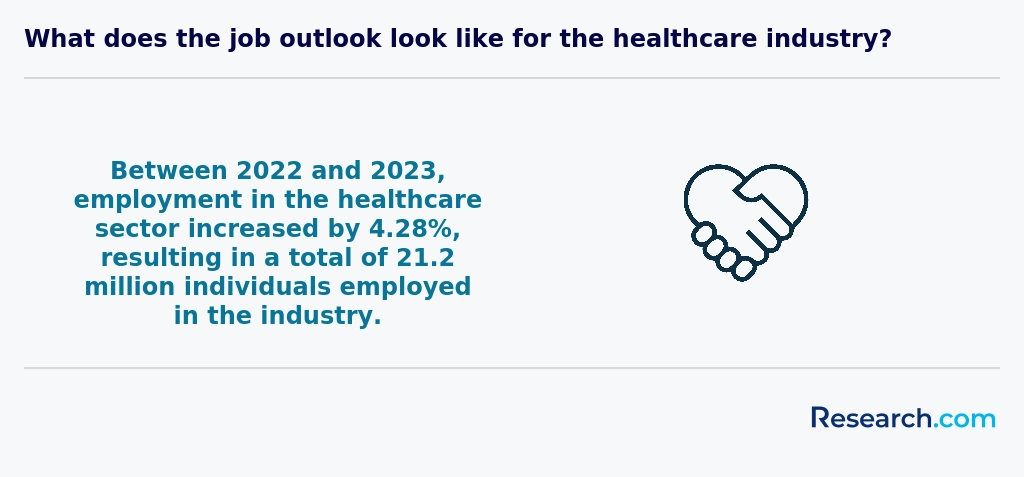
- What is the job market for healthcare degree in Chestnut Hill?
- Top Trending Healthcare Rankings
- See What Experts Have To Say About Studying Healthcare
What can I expect from healthcare degree in Chestnut Hill?
The average cost of a healthcare degree in Chestnut Hill varies widely, but students often find themselves navigating a balance between quality education and affordability. Graduates from Boston College, for example, recall tuition that can be steep-reflecting the institution's prestigious reputation-yet financial aid softened this burden, making the investment feel more achievable. Meanwhile, students at nearby state universities experience lower tuition rates, especially if they are residents, offering relief without sacrificing the clinical training vital to their success.
Many students emphasize how scholarships targeted toward high-need healthcare fields felt like a lifeline. One graduate shared how this support allowed an intense focus on studies rather than financial stress, enriching the overall educational journey.
Considering the proximity to top-tier hospitals, the cost also translates to invaluable clinical experiences that graduates say directly shaped their confidence and career readiness. This combination of rigorous academics and practical opportunities in Chestnut Hill encourages a nuanced view: cost is not merely a monetary figure but an entry to a compelling, multifaceted learning adventure.
Where can I work with healthcare degree in Chestnut Hill?
Graduates from Chestnut Hill's renowned institutions, like Boston College, often discover that their healthcare degrees unlock doors far beyond the traditional hospital walls. Instead of limiting themselves to nursing or clinical roles at places like Chestnut Hill Hospital, many find fulfilling careers in outpatient clinics where they build deeper patient relationships in physical therapy or mental health counseling. This hands-on community work frequently inspires a profound sense of purpose, reminding graduates why they chose healthcare in the first place.
Others leverage their education into roles with public health organizations or nonprofits, tackling real-world challenges like disease prevention and wellness education across the Chestnut Hill area. Graduates speak of feeling genuinely impactful, knowing their work directly improves community health outcomes.
Moreover, a growing number of healthcare alumni partner with cutting-edge research institutions such as Boston University, embracing clinical research or health informatics. These tech-driven paths highlight how healthcare degrees in Chestnut Hill can lead to innovative careers at the intersection of medicine and technology-areas often overlooked yet ripe with promise.
How much can I make with healthcare degree in Chestnut Hill?
Graduates with healthcare degrees in Chestnut Hill step into a job market that rewards their skills with competitive salaries, reflecting both the local demand and the cost of living. For example, a graduate working as a Medical Assistant in the Boston metro area can expect a mean annual wage of around $43,350. Similarly, Patient Care Technicians see a stronger starting point with average earnings near $60,790, illustrating how hands-on clinical roles are valued locally.
Health Information Technicians also earn close to $43,380 annually, combining technical know-how with healthcare insight. A graduate entering the role of Clinical Research Coordinator typically starts at about $43,350, revealing a foothold in research careers right after degree completion. Those aiming higher might become Quality Improvement Coordinators, earning on average $103,150 yearly, showcasing the tangible benefits of advanced skills and leadership readiness.
Students from Chestnut Hill's renowned institutions often share a sense of optimism as they translate their degrees into these promising income streams. They recognize that their education offers not only a profession but also financial stability in a vibrant healthcare ecosystem.
2027 Most Popular Healthcare Degree Programs Ranking in Chestnut Hill
How do we rank schools?
Investing in your education is a significant decision that can shape your future, and the Research.com team understands the importance of making informed choices. To assist prospective students in Chestnut Hill, we have meticulously crafted the "2027 Most Popular Healthcare Degree Programs Ranking in Chestnut Hill." Our commitment to quality, credibility, and accuracy is reflected in the extensive research and analysis conducted to compile this ranking.
We utilized the following reputable data sources to ensure a comprehensive evaluation of healthcare degree programs:
By exploring this ranking, readers will gain valuable insights into the most sought-after healthcare degree programs available in Chestnut Hill, empowering them to make well-informed decisions about their educational paths. For more details on our methodology, please visit our Research.com methodology page.

Key Findings
- Healthcare degree tuition in Chestnut Hill ranges from $25,000 to $45,000 per year, with private institutions typically charging more.
- Additional costs include fees, textbooks, and other expenses that students should plan for alongside tuition.
- Entry-level healthcare jobs such as registered nurses and medical technicians are commonly available to new graduates.
- Starting salaries for healthcare positions in Chestnut Hill usually range from $50,000 to $65,000 annually.
- Experienced healthcare professionals can expect to earn $75,000 or more per year, especially with advanced degrees or certifications.
- Employment growth in healthcare occupations in the area is projected to exceed 15% in the next decade, outpacing the national average.
How long does it take to complete healthcare degree in Chestnut Hill?
Completing a healthcare degree in Chestnut Hill often means embracing a timeline that reflects not just academic requirements but real-life commitments. For instance, associate degrees at local community colleges typically take around two years, providing a swift path for graduates eager to enter roles like medical assistants. Yet, those pursuing bachelor's degrees at popular institutions such as Boston College experience about four years of dedicated study, balancing roughly 120 credit hours with internships that bring theory to life.
Graduate students often find themselves navigating a flexible but demanding schedule. Master's degrees usually take two years, yet accelerated options at places like Chestnut Hill College allow completion in as little as 12-18 months. Graduates often highlight the emotional resilience needed to manage clinical placements alongside coursework, which can extend timelines but enrich understanding.
Many Chestnut Hill students reflect that part-time enrollment, while lengthening their journey by up to a year, provides invaluable balance. This mirrors real-world challenges, strengthening their dedication to healthcare careers before even stepping into the field.
Affordable Online and Out-of-State Healthcare Degree Options
As tuition in Chestnut Hill continues to climb, many students are turning to accredited online and out-of-state programs to reduce educational expenses without compromising on quality. These alternatives often feature lower per-credit costs, flexible scheduling, and the same rigorous curriculum found at traditional institutions. Key benefits of exploring online and out-of-state programs:
- Lower Tuition Rates: Out-of-state public institutions and regionally accredited online schools can cost up to 40% less per credit hour than local private colleges.
- Flexible Learning Formats: Self-paced modules, asynchronous lectures, and virtual simulations cater to working students and those with family obligations.
- Transferable Credits: Many online programs accept prior coursework and clinical hours, shortening time-to-degree and lowering overall costs. For prospective Chestnut Hill students seeking the most affordable options nationwide, consider the Low Cost Online Healthcare Degree Programs Ranking in Idaho, which highlights institutions offering quality healthcare curricula at minimal expense. Before committing, verify accreditation status (e.g., CAHIIM for health informatics or CCNE for nursing) and review state licensing reciprocity agreements to ensure your online or out-of-state credential is recognized in Massachusetts. By weighing cost savings against program reputation and licensure outcomes, you can select an education path that aligns with both your budget and career ambitions.
What's the difference between online and on-campus healthcare degree?
Choosing between online and on-campus healthcare degrees in Chestnut Hill isn't just about convenience-it's a pivot between two distinct learning worlds. Imagine a student attending a well-known Chestnut Hill university, immersed in hands-on labs and face-to-face clinical rotations at local hospitals. The energy of in-person interaction builds confidence, sharpens skills, and creates a rhythm that many graduates recall as essential to their success.
Contrast that with those pursuing online degrees, balancing coursework amidst family and work, appreciating the freedom to study asynchronously but still traveling locally for required clinical hours. Graduates often describe a sense of empowerment, mastering self-discipline while tapping into regional healthcare centers to fulfill practicum demands.
Both paths demand grit and adaptability, but the on-campus route offers structured immersion, while online programs provide flexibility tailored to real-life pressures common in Chestnut Hill's community. Each choice reflects a deliberate trade-off between direct mentorship and autonomous pacing-both equally valid journeys toward competent healthcare careers.
Embracing Online Learning for a Flexible Healthcare Future
In today's dynamic educational landscape, online programs in healthcare not only offer the convenience of flexible scheduling but also empower students to integrate real-world experience with academic learning. Many learners find that digital classrooms provide access to interactive modules, experienced mentors, and virtual simulations that help develop critical skills at their own pace. This modality is particularly beneficial for those balancing work, family commitments, and studies while still aiming to advance their careers. Online education is rapidly transforming the way students approach healthcare studies, making it easier to explore specialized courses in fields such as nutrition. For instance, students who want to enhance their knowledge in nutritional sciences can consider exploring options like the cheapest online nutrition degree, which offers a cost-effective and flexible curriculum designed to meet the demands of today’s job market. By leveraging online programs, individuals can tailor their learning experience, access up-to-date research, and gain skills that are increasingly relevant in both clinical and community settings. This shift to digital learning also fosters a more inclusive educational environment, opening doors to diverse learners from various backgrounds. As online platforms continue to evolve, they set the stage for innovative teaching methods and career-oriented training that prepare students for the fast-paced and ever-changing landscape of healthcare.
What is the average cost of healthcare degree in Chestnut Hill?
The average healthcare degree cost in Chestnut Hill typically centers around a median total cost of $87,610, reflecting the investment required for a quality education in this field. For in-state students, the median cost tends to be somewhat lower, around $70,702, which underscores the financial benefits of residency status. Graduates from local institutions, such as Boston College, often share stories of deep satisfaction despite the heavy price tag, emphasizing the invaluable hands-on clinical experiences that come with their training.
This reality prompts a fresh look at budgeting beyond just tuition. Some students describe balancing excitement and stress as they cover additional fees for uniforms, lab materials, and clinical placements, which are common in healthcare programs at Chestnut Hill colleges. The expenses tied to travel for clinical hours can add unforeseen pressure but also underscore the real-world preparedness these programs cultivate.
Understanding the 2027 healthcare degree tuition and fees Chestnut Hill projections highlights a pivotal moment for prospective students. It's an invitation to engage with the costs critically and consider the long-term benefits of scholarships, financial aid, and programs like the Health Resources and Services Administration (HRSA). Many who navigate these challenges find networking and scholarship hunting to be energizing steps toward achieving their dreams.
Some students pursuing nursing or allied health explore specialized pathways and financial strategies, sometimes consulting resources like nurse practitioner degrees illinois flexibleschedules for comparative guidance. Their journey reveals that while the up-front costs in Chestnut Hill may seem daunting, the personal growth, professional opportunities, and community impact make it a worthwhile investment.
What financial aid is available to healthcare degree students in Chestnut Hill?
Financial aid for healthcare students in Chestnut Hill is more than a checklist of forms-it's a lifeline that transforms daunting tuition costs into achievable goals. Graduates from local institutions often recount how Pell Grants made an immediate difference, removing anxiety about out-of-pocket expenses during their earliest semesters. These grants, awarded based on need, cover substantial portions of tuition without the looming pressure of repayment, a reality that many find empowering.
Federal loans, including Direct Subsidized and Unsubsidized options, become strategic tools rather than traps for many. Students navigating these loans report a sense of control, carefully balancing borrowing with future earning potential.
State aid programs, like the Massachusetts State Grant, specifically recognize the unique challenges of students living in Chestnut Hill, offering tailored support that feels personal and responsive. In bustling college environments, scholarships from healthcare organizations and nonprofits frequently emerge as unexpected rewards, fueling both motivation and pride.
Work-study opportunities on campuses known for healthcare studies immerse students in practical experience while easing financial burdens-nurses and allied health students often recall these jobs as integral to both their learning and livelihood.
Additionally, employer tuition reimbursement programs linked to major local hospitals create unique pathways, making education feel accessible even for those already juggling healthcare careers. This mosaic of financial aid doesn't just fund education-it fuels dreams in Chestnut Hill's healthcare community.
Return on Investment and Long-Term Career Benefits
When evaluating a healthcare degree in Chestnut Hill, MA, it’s essential to consider not only the upfront costs but also the long-term return on investment (ROI) and career growth potential. For many students, a degree is a gateway to opportunities that offer an excellent balance of meaningful work, competitive salaries, and job security. By carefully examining factors such as graduation rates, student debt ratios, and post-graduation employment statistics, prospective students can determine how their educational investment will pay off over time. A detailed ROI analysis often includes comparing the initial financial outlay-tuition, fees, and living expenses-with the anticipated lifetime earnings in various healthcare roles. For instance, while positions like Patient Care Technicians or Health Information Technicians offer immediate entry-level opportunities, advanced degrees in healthcare administration or specialized clinical roles typically yield higher financial rewards in the long run. Such analysis empowers students to make data-backed decisions about which program aligns best with their financial and career aspirations. Additionally, leveraging resources like those provided by the team at Research.com, you can gain more insights into how top programs perform. For further details on career outcomes and program performance, explore our comprehensive rankings at in demand healthcare schools. This information is invaluable for understanding not just the costs involved, but the broader economic benefits of a well-chosen educational path in healthcare.
What are the prerequisites for enrolling in healthcare degree program in Chestnut Hill?
To step into a healthcare degree program in Chestnut Hill, it's not just about holding a high school diploma; it's about demonstrating readiness through specific academic and personal milestones. Graduates from Boston College often recall how essential strong foundations in biology and chemistry were-these subjects don't merely prepare you for exams but shape your ability to think critically about health and science in real scenarios.
Many programs expect more than raw grades. Imagine submitting letters of recommendation from teachers or healthcare mentors who witnessed your dedication firsthand, reflecting your passion and work ethic. Personal statements, too, become a canvas to share your unique story and motivations, going beyond numbers and transcripts.
Standardized tests like the SAT might be optional these days, yet academic rigor remains non-negotiable. Additionally, practical requirements, such as background checks or vaccination records, echo the trust placed in aspiring professionals-because hands-on clinical experiences demand responsibility and integrity. Local community colleges in Chestnut Hill show that blending academics with volunteering or work experience can transform hopeful applicants into confident future healthcare leaders.
Alumni Outcomes and Career Placement Rates
Programs across Chestnut Hill, MA consistently report strong graduation and licensure pass rates, with most healthcare degree programs achieving over 85% completion within 150% of the expected timeframe. For example, Boston College’s Bachelor of Science in Healthcare Management boasts a 92% graduation rate within four years and a 95% first-time pass rate on the Certified Health Education Specialist exam. Pine Manor College’s Associate Degree in Public Health maintains an 88% graduation rate and places 90% of its graduates in relevant roles within six months of graduation, demonstrating the local institutions’ commitment to student success. Employment rates for graduates from Chestnut Hill institutions are equally impressive. Data from the Massachusetts Department of Higher Education shows that 89% of healthcare graduates secure full-time employment or pursue advanced study within six months of graduation. Many alumni have leveraged clinical partnerships with local hospitals to transition directly into roles such as registered nurses, patient care technicians, or health informatics specialists. Employers frequently seek Chestnut Hill graduates for their rigorous training and hands-on experience, contributing to a competitive edge in the regional job market. Prospective students aiming to maximize return on investment should also explore supplemental training opportunities. For those seeking budget-friendly options without sacrificing quality, the following resource is invaluable: cheap medical assistant programs online offer accelerated certificates that can complement traditional degrees and boost employability in high-demand roles.
What courses are typically in healthcare degree programs in Chestnut Hill?
Healthcare degree programs in Chestnut Hill challenge students to master both rigorous science and the realities of patient care. Graduates from local institutions often reflect on the profound impact of courses like Anatomy and Physiology, where dissecting the human body feels less like textbook study and more like decoding the blueprint of life itself. Medical Terminology, far from dry memorization, becomes a key to unlocking communication in fast-paced hospital corridors.
Ethics and law courses provoke thoughtful debates, pushing students to confront the moral complexities they will face, whether in a Boston community clinic or a bustling urban hospital. The study of Pathophysiology deepens diagnostic intuition, drawing students into the detective work of understanding illness. Pharmacology classes empower future nurses and therapists to grasp medication effects beyond mere dosage charts.
Chestnut Hill's programs uniquely integrate community health, reflecting the diverse populations nearby, and their clinical practicums place students in real healthcare settings that provoke both exhilaration and humility. This lived experience transforms textbook knowledge into compassionate care, a sentiment many graduates describe as a defining moment in their education.
What types of specializations are available in healthcare degree programs in Chestnut Hill?
Healthcare degree specializations in Chestnut Hill extend far beyond the traditional scopes most assume. Graduates from institutions here often highlight nursing as a cornerstone specialization, with tracks such as family nurse practitioner and nurse anesthetist that directly impact patient care. Yet, the appeal of these programs lies in their local relevance, blending national trends with Chestnut Hill's unique healthcare landscape.
Others find fulfillment in public health, focusing on community wellness and disease prevention-critical roles within Chestnut Hill's diverse population. These programs offer flexible formats that accommodate working students while preparing them for various leadership roles in hospitals and nonprofit organizations.
Chestnut Hill's healthcare program concentration options also encompass allied health fields like physical therapy and medical laboratory science, demanding both intellectual rigor and empathy, as graduates describe the rewarding nature of patient-centered rehabilitation and diagnostics.
Importantly, students seeking the practical side often explore options like respiratory therapy, healthcare informatics, or dietetics, which speak to evolving medical technologies and patient needs.
Prospective students curious about pursuing a career in nursing can explore options at recognized institutions locally by searching for nursing schools in gilbert az near me, reflecting the interconnectedness of healthcare education nationally and regionally.
How do you choose the best healthcare degree in Chestnut Hill?
Choosing the best healthcare degree in Chestnut Hill goes beyond picking a school; it demands reflection on your career vision and daily realities. Graduates from Boston College often recall how hands-on clinical rotations at nearby hospitals shaped their confidence, transforming abstract lessons into essential skills. These immersive experiences give you a taste of what your future holds and highlight the importance of programs that integrate practical training with academic rigor.
Many students wrestle with balancing cost and quality. Affordable healthcare degrees Chestnut Hill offers are varied, but the true value lies in accredited programs recognized by bodies like CCNE, ensuring your education leads to licensure and meaningful employment. Reflect on stories of peers who found not only knowledge but strong alumni networks linking them to Boston's vibrant healthcare job market.
Finally, consider emerging fields and demand trends. For instance, those aiming to become specialized roles-such as neonatal nurse practitioners demand shows a growing need-must seek programs that support this trajectory. Thoughtful choices today shape rewarding careers tomorrow.
What career paths are available for healthcare degree students in Chestnut Hill?
Graduates with a healthcare degree in Chestnut Hill find themselves at the crossroads of countless impactful career options. Many who studied at well-known local institutions embark on nursing careers, becoming registered nurses or nurse practitioners, thriving in the city's hospitals and outpatient clinics. Their stories often reflect the rewarding challenge of patient care combined with the satisfaction of a stable income. Others explore allied health professions like physical therapy or medical laboratory technology, where they balance technical skills with meaningful patient interactions, benefiting from Massachusetts' strong healthcare ecosystem. Those drawn to systems rather than patients choose healthcare administration, working behind the scenes as managers or policy analysts, navigating complex healthcare networks unique to the Boston area. Meanwhile, public health graduates leverage Chestnut Hill's proximity to research centers to engage in community health initiatives, fostering disease prevention. Students also frequently research options for advanced practice by examining np programs in california cost to compare pathways. Such diverse healthcare career opportunities in Chestnut Hill reveal a vibrant landscape where education meets real-world impact.
For many, the idea of healthcare degree jobs Chestnut Hill means integration into a local network that values innovation, patient care, and administration equally, creating a dynamic environment for career growth that challenges conventional expectations.

What is the job market for healthcare degree in Chestnut Hill?
The healthcare degree job outlook Chestnut Hill reveals a thriving employment landscape fueled by nearby leading medical institutions such as Massachusetts General Hospital and Brigham and Women's Hospital. Graduates from popular colleges here often find themselves stepping directly into roles that demand critical skills, inspiring a sense of accomplishment and purpose. These opportunities range from advanced nursing to cutting-edge health informatics, proving that the local market values versatile professionals.
Chestnut Hill healthcare degree employment opportunities extend beyond traditional hospital settings, embracing community health centers where graduates vividly experience making direct impacts on public health. Many report feeling energized by the variety of roles available, from healthcare management to allied health professions, which challenge them to grow continuously. For those balancing cost concerns, the region's educational institutions maintain strong ties to scholarship programs reflective of the competitive job environment.
For students contemplating healthcare careers, local examples illustrate growth and stability unmatched in many parts of the country. This is why some also explore options to broaden their perspective by examining the healthcare industry Georgia, comparing different career paths and educational approaches to deepen their expertise and marketability.
Frequently Asked Questions About healthcare
Healthcare degree students in Chestnut Hill can enhance their learning by actively engaging in local clinical experiences. Given the area's proximity to prominent hospitals such as Chestnut Hill Hospital, students benefit from practical exposure to diverse patient populations. Participation in internships and volunteer programs allows hands-on learning, which complements classroom theory.
Staying informed about advancements in healthcare technology through workshops offered by nearby institutions, including Boston College's Connell School of Nursing, is also valuable. Networking with local healthcare professionals helps students build connections essential for residency placements and job opportunities. Utilizing Chestnut Hill's educational resources and community health programs maximizes the learning experience effectively.
Emerging niches within the healthcare field reflect ongoing advances and evolving patient needs, particularly relevant for students pursuing healthcare degrees in Chestnut Hill. One significant area is telehealth, which has expanded rapidly since 2020, with Massachusetts reporting a 40% growth in telemedicine usage according to the Massachusetts Executive Office of Health and Human Services.
Precision medicine and genomics also offer promising career paths by using genetic information to tailor treatments. This field is growing nationwide, supported by research institutions in nearby Boston.
Additionally, healthcare data analytics and health informatics are becoming crucial as providers seek to improve patient outcomes through better data management and technology integration.
After completing a healthcare degree in Chestnut Hill, preparing for the job market requires strategic planning and practical experience. Start by gaining internships or volunteer opportunities at local hospitals like Newton-Wellesley or Chestnut Hill Medical Group to enhance clinical skills and build professional networks. According to the Massachusetts Department of Public Health, healthcare jobs in the Boston metropolitan area are projected to grow by 18% over the next decade, signaling strong demand.
Additionally, obtaining relevant certifications such as CPR, CNA, or medical coding can improve your employability. Chestnut Hill students should also attend career fairs and engage with Chestnut Hill College's alumni network for guidance and job leads. Strong communication and resume-writing skills are essential for standing out in the competitive healthcare field.
Employers in Chestnut Hill seeking healthcare degree graduates prioritize a mix of technical knowledge and interpersonal skills. Proficiency in clinical procedures, electronic health records (EHR) management, and patient care are crucial. According to the Massachusetts Department of Public Health, familiarity with local healthcare regulations and safety protocols enhances employability.
Soft skills such as effective communication, teamwork, and critical thinking are equally important. Healthcare professionals in Chestnut Hill must collaborate with diverse patient populations and multidisciplinary teams, making cultural competence highly valued.
Additionally, adaptability and continuing education readiness are key, as healthcare technologies and best practices evolve quickly.
Finding internships in Chestnut Hill related to healthcare degrees involves a few strategic steps. First, consider connecting with local hospitals and medical centers such as Chestnut Hill Hospital and Newton-Wellesley Hospital, which often offer internship programs for healthcare students. These institutions provide practical experience critical for career development.
Second, colleges in Chestnut Hill, including Boston College, frequently have partnerships with healthcare providers and maintain dedicated career services to help students secure internships. Use their resources early in your academic journey.
Also, explore online platforms like Handshake and the Massachusetts Health & Hospital Association's listings for updated internship opportunities tailored to healthcare fields.
Networking through local professional healthcare organizations can increase your chances of finding valuable internships by connecting you with industry professionals in the area.
In Chestnut Hill, earning a healthcare degree significantly enhances career mobility and advancement opportunities. The local healthcare sector is growing, with the Massachusetts Department of Public Health reporting a 12% increase in employment in healthcare occupations over the past five years. This growth creates demand for qualified professionals with formal education.
Healthcare degrees provide essential clinical knowledge and often include certifications that are required for many positions, such as nursing or medical technologists. Graduates are more competitive for higher-level roles and specialized positions.
Additionally, degree programs in Chestnut Hill frequently connect students to local hospitals and clinics, offering networking opportunities and internships that can lead to immediate job placement. Advanced degrees open doors to leadership and administrative roles, supporting career progression beyond entry-level jobs.
Studying for a healthcare degree in Chestnut Hill equips students with versatile skills needed for interdisciplinary roles in modern healthcare settings. Local programs often emphasize collaboration across nursing, public health, and medical technology fields, reflecting the integrated care models used nationwide.
Chestnut Hill's healthcare education leverages partnerships with Boston-area hospitals, offering real-world experience alongside diverse professionals. According to the Massachusetts Department of Higher Education, 68% of healthcare graduates in the region participate in clinical rotations involving interdisciplinary teams.
This hands-on exposure cultivates communication and problem-solving skills across specialties, which are crucial for roles involving care coordination, policy development, and health informatics. Graduates are thus prepared to navigate complex healthcare systems effectively.
Choosing between a thesis and a non-thesis healthcare degree program in Chestnut Hill depends on your career goals and learning preferences. Thesis programs demand original research, which suits those aiming for academic or research careers. These programs help develop critical thinking and analytical skills valued in many healthcare roles.
Non-thesis programs focus more on coursework and practical experience, ideal for students targeting clinical or administrative positions. Many Chestnut Hill healthcare employers, including local hospitals, prioritize candidates with hands-on skills over research experience.
Data from the Massachusetts Department of Higher Education shows that healthcare job growth in Chestnut Hill favors applied knowledge, supporting the popularity of non-thesis options.
Students in Chestnut Hill interested in studying healthcare abroad have several avenues to explore. Many US institutions, including those near Chestnut Hill, offer exchange programs with international universities that specialize in healthcare education. These partnerships often allow students to complete part of their degree overseas while earning credits toward their US qualifications.
Medical and nursing students can also consider programs accredited by organizations like the Commission on Collegiate Nursing Education (CCNE) or the Liaison Committee on Medical Education (LCME), which sometimes include global study opportunities. According to the National Center for Education Statistics, nearly 12% of healthcare undergraduates participate in study-abroad programs, gaining valuable global clinical perspectives.
Additionally, students can leverage Chestnut Hill's proximity to Philadelphia's major hospitals and universities, which often coordinate international internships and clinical rotations. These experiences enhance cultural competence and prepare students for global healthcare challenges in their careers.
Students pursuing healthcare degrees in Chestnut Hill have access to various part-time job opportunities that complement their academic studies. Local hospitals such as Chestnut Hill Hospital and community clinics frequently offer positions like medical scribes, patient care assistants, and pharmacy aides. These roles provide hands-on experience crucial for developing clinical skills.
Additionally, research institutions affiliated with universities in Chestnut Hill sometimes hire part-time research assistants to support healthcare studies, offering exposure to data collection and analysis.
According to the U.S. Bureau of Labor Statistics, part-time healthcare jobs in the region often pay between $12 and $18 per hour, allowing students to gain valuable practical knowledge while managing their schedules.
Healthcare students in Chestnut Hill benefit from multiple networking opportunities through local colleges and healthcare institutions. Schools like Boston College offer student organizations focused on healthcare careers, providing events where students can connect with alumni and professionals. Additionally, Chestnut Hill residents can access networking through nearby hospitals and clinics participating in clinical rotations, internships, and job shadowing programs.
The Greater Boston area hosts numerous healthcare conferences and seminars, which are accessible to students from Chestnut Hill, giving them exposure to current industry trends and potential employers. According to the Boston Public Health Commission, internships and clinical training are essential pathways for building professional connections in this region.
Alumni networks provide vital support for healthcare degree students in Chestnut Hill by connecting them with experienced professionals in the local medical community. These networks often facilitate mentorship opportunities, allowing students to gain insights and guidance from graduates already working in hospitals and clinics across the region. According to the Chestnut Hill Chamber of Commerce, over 70% of healthcare employers consider alumni connections an important factor in hiring decisions. Additionally, networking events and career fairs organized through alumni associations help students access internships and job openings, increasing employment rates for recent graduates. Strong alumni ties also promote collaborative research and continuing education in the healthcare field.
Customizing a healthcare degree program in Chestnut Hill allows students to align education with their specific career goals. Many institutions in the area offer diverse specializations such as nursing, public health, or healthcare administration. Students can select electives, certifications, or clinical experiences that match their interests.
For example, Chestnut Hill's proximity to major hospitals and health centers provides opportunities for internships and practical training, which enhances employability in competitive fields.
Additionally, interdisciplinary programs allow combining healthcare studies with management or technology, responding to the growing demand highlighted by the Massachusetts Department of Public Health, which projects a 15% increase in healthcare jobs locally by 2030.
Healthcare students in Chestnut Hill often face rigorous academic demands combined with practical training requirements. Many programs require extensive clinical hours, which can be challenging to balance with coursework and personal responsibilities. According to a 2023 report by the Massachusetts Department of Higher Education, clinical placements are limited in the Chestnut Hill area, making it competitive for students to secure hands-on experiences.
Financial pressures are also common, as tuition for healthcare degrees in this region often exceeds $30,000 annually. Additionally, students must manage stress linked to mastering complex medical knowledge and maintaining certifications.
Time management and emotional resilience are critical skills for students to succeed given these challenges.
With a healthcare degree in Chestnut Hill, graduates can pursue a variety of professional certifications to enhance their careers. Common certifications include Registered Nurse (RN) licensure for nursing graduates, which requires passing the NCLEX-RN exam. For those in health administration, Certified Healthcare Administrator (CHA) credentials are valuable. Medical coders and billers can obtain Certified Professional Coder (CPC) certification through the AAPC. Additionally, certifications like Certified Medical Assistant (CMA) or Certified Phlebotomy Technician (CPT) are options for those focused on clinical support roles.
These certifications often increase employability within the Chestnut Hill healthcare market, which is part of the broader Boston metropolitan area known for its healthcare sector growth. The U.S. Bureau of Labor Statistics projects a 16% growth rate in healthcare occupations nationally through 2031, reflecting similar trends in Massachusetts.
When applying to healthcare programs in Chestnut Hill, it is crucial to present a well-structured and clear application. Start with a compelling personal statement that highlights your motivation for pursuing healthcare, relevant experience, and commitment to patient care. Chestnut Hill applicants benefit from referencing local healthcare challenges, such as community outreach and aging populations, to show awareness of regional needs.
Include strong letters of recommendation from professionals who can attest to your skills and character. Programs in the area often look for evidence of teamwork, leadership, and academic ability. Be sure to meet all application deadlines and provide required documentation such as transcripts and standardized test scores.
Research from the National Center for Education Statistics shows that healthcare programs with higher admission standards tend to yield better student outcomes, so detail your academic achievements clearly. Tailoring your application specifically to the Chestnut Hill healthcare environment, including internships or volunteer work nearby, can strengthen your candidacy.
Healthcare careers are highly valued worldwide due to increasing demand for skilled professionals. In the US, including Chestnut Hill, healthcare occupations are projected to grow 13% from 2021 to 2031, much faster than average, according to the U.S. Bureau of Labor Statistics.
Globally, there is a strong emphasis on trained healthcare workers who can adapt to diverse populations and diseases. US education programs often focus on evidence-based medicine, cultural competence, and technological proficiency. Chestnut Hill's healthcare programs prepare students for this global standard through comprehensive curricula and clinical experiences.
Internationally, the exchange of healthcare knowledge, research, and workforce mobility is common, supporting global health improvements. For students in Chestnut Hill, understanding this broad perspective enhances career opportunities both locally and abroad.
Gaining practical experience while pursuing a healthcare degree in Chestnut Hill is essential for career readiness. Many local colleges partner with nearby hospitals, clinics, and care facilities to offer internships and clinical rotations. For example, institutions often collaborate with Chestnut Hill Hospital and other healthcare providers within the Greater Boston area.
Clinical placements provide hands-on patient care, allowing students to apply classroom knowledge practically. Additionally, volunteering opportunities at community health centers can enhance a student's skills and build professional networks.
Some programs also include simulation labs equipped with modern medical technology, helping students practice procedures safely. According to data from the Massachusetts Department of Higher Education, students engaged in such experiences show higher job placement rates post-graduation.
Choosing the right concentration within a healthcare degree program in Chestnut Hill involves understanding local industry demands and personal interests. Healthcare fields such as nursing, public health, and health informatics are growing sectors nationally and locally due to the area's aging population and expanding medical facilities. According to the Massachusetts Department of Public Health, healthcare employment in the Greater Boston area, including Chestnut Hill, is expected to grow by over 15% through 2030. Exploring concentrations aligned with high job growth, like nursing or healthcare administration, can increase career opportunities.
It is also important to consider your strengths and passion for specific healthcare roles. Practical experience opportunities, such as internships at nearby hospitals or community clinics, can help clarify your preferred concentration. Additionally, reviewing curriculum details and speaking with academic advisors can guide your decision by highlighting course content and specialization outcomes.
Related Healthcare Rankings for Nearby Cities
- 2027 Most Popular Healthcare Degree Programs Ranking in Cambridge
- 2027 Most Popular Healthcare Degree Programs Ranking in Boston
- 2027 Most Popular Healthcare Degree Programs Ranking in Worcester
- 2027 Most Popular Healthcare Degree Programs Ranking in Providence
- 2027 Most Popular Healthcare Degree Programs Ranking in Springfield
- 2027 Most Popular Healthcare Degree Programs Ranking in Albany
- 2027 Most Popular Healthcare Degree Programs Ranking in Bronx
- 2027 Most Popular Healthcare Degree Programs Ranking in Queens
- 2027 Most Popular Healthcare Degree Programs Ranking in New York
- 2027 Most Popular Healthcare Degree Programs Ranking in Brooklyn
Top Trending Healthcare Rankings
See What Experts Have To Say About Studying Healthcare
Read our interview with Healthcare experts

References
- Financial Assistance Program Summary https://christianacare.org/us/en/visit-us/for-patients/financial-assistance-program-summary.html
- The Healthcare Student’s Guide to Internships | EduMed.org https://www.edumed.org/resources/student-online-guide-to-internships/
- How to Write Your Cover Letter | NQRTH https://www.nqrth.edu.au/career-planning/how-to-write-your-cover-letter/
- Education requirements for the fastest-growing healthcare jobs https://www.corridorcareers.com/job-tips/blog-news-education-requirements-fastest-growing-healthcare-jobs
- Chestnut Hill Jobs https://careers.templehealth.org/us/en/chestnut-hill-jobs
- The Role of Interdisciplinary Studies in Medical Career Training https://georgia-med.com/the-role-of-interdisciplinary-studies-in-medical-career-training.html
- Niche Market Opportunities Research Among Healthcare Professionals (A Decision Analyst Case History https://www.decisionanalyst.com/casestudies/nichemarketopportunities/
- HEALTH MANAGEMENT (THESIS / NON-THESIS) - Lisansüstü Eğitim Enstitüsü https://lee.nisantasi.edu.tr/en/health-management-thesis-non-thesis/
- Quick Links https://www.myccp.online/transfer-agreements/chestnut-hill-college
- Thesis vs. Non-Thesis Master's Programs: Which is Right for You? https://potomac.edu/thesis-vs-non-thesis-masters/