2027 Best Online Master's in Healthcare Degree Programs Ranking in New Hampshire

Co-Founder and Chief Data Scientist
Choosing the right online master's program in healthcare is a big step, especially for students in New Hampshire aiming to advance their careers. This article introduces the 2027 Best Online Master's in Healthcare Degree Programs Ranking in New Hampshire, thoughtfully created by the Research.com team of data scientists. It is designed to help you make an informed decision about which programs truly stand out.
Exploring these top programs can open doors to new opportunities and growth in a rewarding field. Whether you're starting or advancing your education, this ranking guides you toward quality options that fit your goals.
Key benefits of getting online healthcare degree in New Hampshire
- Healthcare degree graduates in New Hampshire can expect strong earning potential, with roles like Healthcare Consultant earning a mean annual wage of $115,530 and Healthcare Compliance Manager earning $80,190, reflecting rewarding career opportunities.
- Graduates from institutions such as the University of New Hampshire pursue diverse career paths including consulting, compliance management, and project leadership, offering a dynamic and promising professional future.
- Online healthcare degrees from schools like Southern New Hampshire University provide flexible learning schedules and accessibility, allowing students to balance work and study while advancing their careers efficiently.
- Key benefits of getting online healthcare degree in New Hampshire
- What can I expect from online healthcare degree in New Hampshire?
- Where can I work with online healthcare degree in New Hampshire?
- How much can I make with online healthcare degree in New Hampshire?
- 2027 Best Online Master's in Healthcare Degree Programs Ranking in New Hampshire
- Key Findings
- How long does it take to complete online healthcare degree in New Hampshire?
- Student Support and Resources
- What's the difference between online and on-campus healthcare degree?
- Emerging Trends & Future Outlook in Online Healthcare Education
- What is the average cost of online healthcare degree in New Hampshire?
- Accreditation and Licensure Requirements
- What financial aid is available to online healthcare degree students in New Hampshire?
- Tips for Success in Online Healthcare Programs
- What are the prerequisites for enrolling in online healthcare degree program in New Hampshire?
- Types of Online Healthcare Master’s Degrees in New Hampshire
- What courses are typically in online healthcare degree programs in New Hampshire?
- What types of specializations are available in online healthcare degree programs in New Hampshire?
- How do you choose the best online healthcare degree in New Hampshire?
- What career paths are available for online healthcare degree students in New Hampshire?
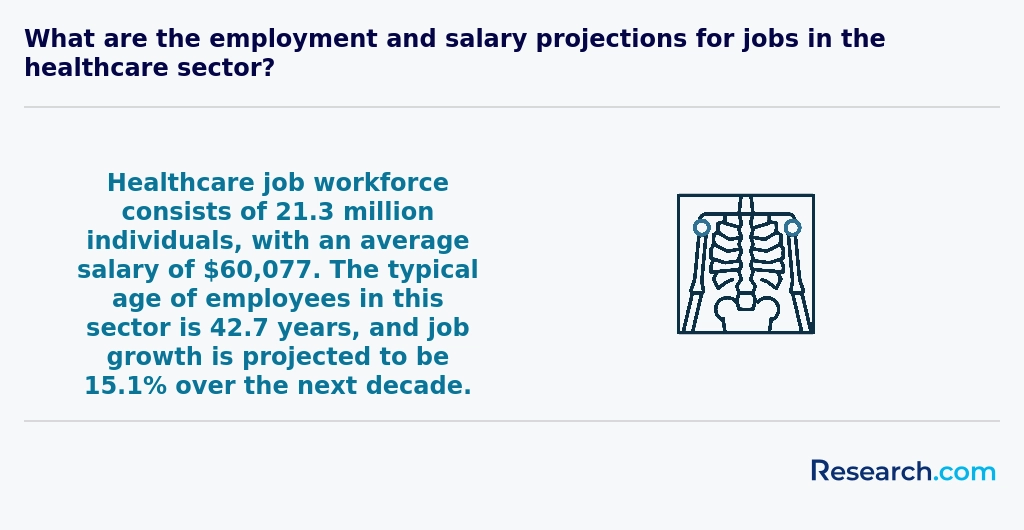
- What is the job market for online healthcare degree in New Hampshire?
- Related Healthcare Rankings for Nearby States
- Top Trending Healthcare Rankings
- See What Experts Have To Say About Studying Healthcare
What can I expect from online healthcare degree in New Hampshire?
The average cost of an online healthcare degree in New Hampshire typically ranges between $15,000 and $35,000, depending on the institution and program length. Graduates from well-known colleges such as the University of New Hampshire or Southern New Hampshire University recall feeling empowered by the investment, knowing it unlocked career growth and valuable clinical opportunities nearby. Many students appreciate the flexibility of online courses paired with hands-on internships at local hospitals, making the learning experience both practical and inspiring.
Costs often include technology fees and access to virtual simulations that bring real-world healthcare scenarios directly to students' devices. The affordability combined with high-quality education helps students feel confident about their choice, as they gain skills in areas like nursing, public health, and healthcare administration. This solid foundation prepares them for the state's growing healthcare demands, creating a hopeful path toward meaningful, rewarding careers in New Hampshire's vibrant healthcare community.
Where can I work with online healthcare degree in New Hampshire?
Graduates with an online healthcare degree from institutions like the University of New Hampshire find themselves stepping confidently into a variety of rewarding careers across the state. Many begin their journeys at major hospitals such as Dartmouth-Hitchcock Medical Center, where roles in nursing, healthcare administration, and specialized clinical services allow them to make a meaningful difference every day.
Others thrive in outpatient care centers and specialty clinics, managing patient care and coordinating vital services that keep communities healthy. The strong support from New Hampshire's aging population creates exciting opportunities to lead and innovate in healthcare management.
Public health agencies and organizations also welcome graduates passionate about shaping policies and improving population health. Working with the New Hampshire Department of Health and Human Services provides a real chance to impact lives at a broader scale.
Many alumni proudly report fulfilling careers in long-term care facilities, insurance companies, and healthcare consulting firms, where their expertise in finance, compliance, and technology drives positive change. The inspiring paths of these graduates prove that an online healthcare degree in New Hampshire opens the door to a vibrant and meaningful future.
How much can I make with online healthcare degree in New Hampshire?
Graduates from online healthcare programs in New Hampshire can look forward to rewarding financial prospects that match their dedication and skill. For instance, healthcare consultants in the state earn an impressive mean annual wage of $115,530, reflecting the high value placed on their expertise in improving healthcare systems. This salary empowers graduates from institutions like Southern New Hampshire University to envision a prosperous career path immediately after completing their degree.
Similarly, healthcare compliance managers enjoy a solid salary with a mean annual wage around $80,190, making this a promising role for graduates who focus on regulatory standards and patient safety. Many graduates feel proud applying their knowledge to safeguard healthcare quality, especially in dynamic urban centers like Manchester and Nashua.
These figures reveal that investing in an online healthcare degree in New Hampshire can unlock strong earning potential. Graduates often share the satisfaction of balancing studies with personal commitments while stepping confidently into a thriving local healthcare job market that values their advanced education and specialized skills.
2027 Best Online Master's in Healthcare Degree Programs Ranking in New Hampshire
How do we rank schools?
Investing in your education is a significant decision that can shape your future, and the Research.com team understands the importance of making informed choices. To assist prospective students in New Hampshire, we have meticulously crafted the "2027 Best Online Master's in Healthcare Degree Programs Ranking in New Hampshire." Our commitment to quality, credibility, and accuracy is reflected in the extensive research and analysis conducted to compile this ranking.
We utilized the following reputable data sources to ensure a comprehensive evaluation of healthcare programs:
By exploring this ranking, readers will gain valuable insights into the best online healthcare master's programs available in New Hampshire, empowering them to make well-informed decisions about their educational and professional futures. For more details on our methodology, please visit our Research.com methodology page.
# 1 position
Antioch University New England
Master of Dance/Movement Therapy


Key Findings
- New Hampshire offers accredited online healthcare programs in nursing, health administration, public health, and medical technology with flexible scheduling.
- Bachelor's degree tuition costs range from $25,000 to $40,000, while master's programs typically cost between $20,000 and $35,000, excluding some clinical fees.
- Entry-level healthcare professionals earn about $68,000 annually, with mid-career salaries ranging from $85,000 to $95,000 depending on specialization.
- The healthcare job market in New Hampshire is growing steadily, especially in nursing, health information management, and administration roles.
- Online programs usually align with state licensure requirements to help graduates meet New Hampshire's certification standards.
How long does it take to complete online healthcare degree in New Hampshire?
Completing an online healthcare degree in New Hampshire is an exciting journey that typically spans from one to four years, adapting perfectly to your unique lifestyle and goals. Many graduates from the University of New Hampshire and Granite State College share how flexible part-time options allowed them to balance work, family, and study, stretching their programs to three or four years without feeling overwhelmed.
For those eager to fast-track their careers, accelerated formats offer completion in as little as 12 to 18 months, with intensive, focused semesters that motivate you to excel quickly. Imagine immersing yourself in a program designed to fit your ambition and commitment, just like other passionate students who've thrived by dedicating concentrated weekly effort.
The degree level shapes your timeline: associate degrees often take about two years, while bachelor's degrees usually span four years, sometimes less when transfer credits come into play. Master's programs typically require two years of full-time study but can be shorter based on your pace and program design.
Choosing an online healthcare degree in New Hampshire means joining a community that supports your growth, providing flexibility and expert guidance as you step confidently toward a rewarding healthcare career.
Student Support and Resources
Pursuing an online healthcare degree in New Hampshire requires more than just quality coursework-it demands comprehensive support systems to ensure student success. From the moment you enroll, robust academic advising guides you through course selection, transfer credits, and specialization decisions. Dedicated career services teams host virtual fairs, resume workshops, and alumni networking sessions, helping you transition seamlessly into roles such as healthcare administrator or health information manager. Technical support is available 24/7, with live chat assistance for learning management systems and troubleshooting video conferencing tools during hybrid clinical labs. Online library access grants entry to medical journals, e-books, and research databases, while writing and data analysis tutors provide one-on-one feedback to sharpen your communication and research skills. Mental health and wellness resources-including teletherapy and peer support groups-ensure you balance rigorous study with self-care. To further tailor your educational journey, institutions often offer specialized advising for advanced tracks, such as pharmacy doctorates. For example, you can explore our curated list of affordable pharmd programs to identify high-value pathways that complement your online healthcare master’s degree. With these integrated support services, New Hampshire’s top online programs deliver not only academic excellence but also the personalized guidance essential for achieving your professional goals.
What's the difference between online and on-campus healthcare degree?
Online healthcare degrees in New Hampshire offer incredible flexibility, allowing students to balance studies with work and family life. Graduates from popular programs at universities like the University of New Hampshire often share how digital platforms made learning accessible, enabling them to engage with coursework at their own pace without sacrificing their daily commitments.
On the other hand, traditional on-campus programs, such as those at Dartmouth College, provide vibrant in-person interactions and networking opportunities that many students find inspiring. These experiences foster close connections with faculty and peers, enriching the educational journey through face-to-face collaboration.
Both paths require hands-on clinical experiences, so students-whether online or on-campus-gain vital practical skills through local internships in healthcare settings. Many online students appreciate this blend of remote learning and real-world application, opening doors to fulfilling careers throughout New Hampshire's growing healthcare sector.
Cost differences also play a role; online degrees often have lower tuition and fewer campus fees, making education more accessible without compromising quality. Graduates feel empowered knowing their choices fit both their lifestyle and career goals.
Emerging Trends & Future Outlook in Online Healthcare Education
As the field of healthcare continues to evolve, online education is increasingly integrating innovative technologies, teaching methodologies, and evolving industry needs to better prepare students for modern challenges. Recent developments indicate a growing emphasis on personalized learning platforms, virtual simulations, and telehealth practices that mirror real-world healthcare scenarios. This shift not only enhances the learning experience but also ensures graduates remain competitive in a rapidly changing job market. Furthermore, institutions are forging stronger connections with industry partners to offer robust internships, mentorship programs, and networking opportunities that foster professional growth. Students considering advanced studies can also explore options in pharmaceutical education-what is the most popular doctorate in pharmacy online program-to complement their career aspirations. As online healthcare programs continue to adapt to current trends and future demands, prospective students can be confident in finding an education pathway that is both cutting-edge and closely aligned with industry expectations.
What is the average cost of online healthcare degree in New Hampshire?
In New Hampshire, the average cost of an online healthcare degree typically centers around $46,144 in total tuition and fees. This figure reflects a realistic investment in a rewarding career path and is consistent with experiences shared by graduates from well-known institutions like the University of New Hampshire. Many students find that despite the financial commitment, the value of pursuing a healthcare master's online in New Hampshire-whether in nursing, public health, or administration-is far-reaching and well worth the effort.
Local students especially appreciate the benefit of in-state tuition rates at public universities, which can significantly ease the financial burden compared to out-of-state pricing. Graduates often describe how balancing work, family, and study was achievable thanks to the flexible online formats offered by these programs. This flexibility enables students to stay engaged professionally while advancing their education, making the total tuition and fees for healthcare masters New Hampshire a manageable step toward career growth.
Many alumni highlight the practical impact of their education through hands-on experience gained during online studies, supported by on-campus sessions or virtual labs. Those looking for excellent training in health informatics can find programs that blend cutting-edge coursework with accessible learning, confirming that the cost is a meaningful investment in future success.

Accreditation and Licensure Requirements
Ensuring your online master’s in healthcare is accredited by a recognized body is crucial for both academic credibility and professional licensure in New Hampshire. Accredited programs meet strict quality standards set by agencies such as the Commission on Accreditation of Healthcare Management Education (CAHME) for healthcare management or the Commission on Collegiate Nursing Education (CCNE) for nursing-related degrees. These endorsements not only validate curriculum rigor but also determine eligibility for federal financial aid and state licensure exams. Before applying, verify accreditation status on each institution’s website or through the U.S. Department of Education’s Database of Accredited Postsecondary Institutions and Programs. Graduates of CAHME- or CCNE-accredited programs often qualify to sit for national certification exams-such as the Certified Healthcare Executive (CHE) or the Certified Professional in Healthcare Quality (CPHQ)-which enhance job prospects and salary potential. Moreover, New Hampshire requires specific licensure pathways for roles like Nurse Practitioners or Physician Assistants, often mandating clinical hours in accredited settings. Prospective students should review state board requirements early to integrate necessary practicum components into their study plans. For those weighing program affordability alongside accreditation, our Cheapest Online Healthcare Degree Programs Ranking in Mount Pleasant, MI offers a comparative look at cost-effective, accredited options. By prioritizing accredited programs, you safeguard your investment, streamline certification, and secure a competitive edge in New Hampshire’s evolving healthcare landscape.
What financial aid is available to online healthcare degree students in New Hampshire?
Many healthcare students in New Hampshire have found confidence in pursuing their online degrees thanks to accessible financial aid tailored to their needs. Through the federal FAFSA program, students at institutions like Southern New Hampshire University receive Pell Grants up to $7,395 annually, providing non-repayable support that can ease tuition pressures. Federal student loans with low-interest rates also offer flexible repayment plans, allowing graduates to focus on their studies without overwhelming debt concerns.
Residents benefit from the New Hampshire Tuition Break, which significantly lowers the cost of attending regional public colleges offering healthcare programs online. This has enabled many aspiring nurses and allied health professionals to afford quality education while balancing work and family.
Additionally, numerous healthcare students tap into scholarships from local organizations and institutional aid from their schools. These awards, combined with employer tuition reimbursement programs common in New Hampshire's healthcare sector, create a strong support network that inspires hope and achievement.
Tips for Success in Online Healthcare Programs
Succeeding in an online healthcare program requires strategic planning and a proactive approach. Students should create a dedicated study schedule that accommodates both coursework and personal commitments, ensuring consistency and focused learning. Effective time management, along with regular participation in discussion forums and virtual study groups, can significantly enhance comprehension and retention of complex material. It’s also valuable to set clear academic and professional goals, allowing you to measure progress and adapt strategies as needed. Moreover, don’t hesitate to utilize on-campus resources offered by your institution-even in online formats-such as tutoring services, career counseling, and virtual labs. Given the rapidly evolving nature of healthcare, staying current with industry trends through webinars, research articles, and professional networks is essential. If you are budgeting for your education, consider exploring additional support by reviewing affordable healthcare programs in new hampshire, which provide insight into cost-effective pathways while maintaining educational quality. Finally, engage with mentors and connect with alumni who have successfully navigated the online learning environment. Their real-world experiences and advice can offer practical tips on overcoming challenges and maximizing the benefits of an online healthcare education. Adopting these strategies will not only improve academic performance but also prepare you for a dynamic career in the healthcare sector.
What are the prerequisites for enrolling in online healthcare degree program in New Hampshire?
To enroll in an online healthcare degree program in New Hampshire, students typically need a high school diploma or equivalent for undergraduate studies, while graduate programs require a relevant bachelor's degree from an accredited institution. Graduates from well-known schools like the University of New Hampshire and Southern New Hampshire University often remark that completing basic science courses such as biology or chemistry prepared them well for the challenges ahead, fueling their confidence and curiosity.
A solid GPA-usually between 2.5 and 3.0-demonstrates dedication and academic readiness, and some graduate programs may ask for GRE scores, encouraging applicants to showcase their potential in advanced healthcare topics.
Many programs also value hands-on healthcare experience. For example, nursing graduates emphasize how current licensure or clinical work helped them connect theory with real-world care, making their learning journey more meaningful.
Letters of recommendation and personal statements offer a chance to express passion and goals, helping admissions see the unique determination that drives each applicant toward a fulfilling healthcare career in New Hampshire's vibrant community.

Types of Online Healthcare Master’s Degrees in New Hampshire
New Hampshire offers several online master’s pathways to suit different career goals. Consider the following options:
- Master of Healthcare Administration (MHA): Prepares you for leadership roles in hospitals and clinics by focusing on finance, operations, and policy.
- Master of Public Health (MPH): Equips you to address community health challenges, design prevention programs, and influence health policy.
- Master of Science in Nursing (MSN): Advances clinical and leadership skills for nurse educators, managers, and advanced practice; explore cheap np programs.
- Master of Science in Health Informatics (MHI): Focuses on managing electronic health records and data analysis to improve patient outcomes.
- Master of Science in Health Services Administration (MSHSA): Combines business principles with healthcare policy to optimize organizational performance.
Review each curriculum, accreditation, and career outlook to choose the degree that best aligns with your aspirations.
What courses are typically in online healthcare degree programs in New Hampshire?
Online healthcare degree programs in New Hampshire offer a dynamic range of courses designed to equip students with essential skills for impactful careers. Graduates from well-known institutions in the state often reflect on how courses like healthcare ethics and law empowered them to confidently navigate complex regulatory environments. Imagine yourself mastering medical terminology and anatomy, gaining a foundational understanding that brings you closer to the realities of patient care within your community.
Courses in health policy and management inspire students to develop solutions for challenges unique to New Hampshire's rural areas and aging population. Many find that classes in healthcare informatics and data analysis open doors to innovative roles, allowing them to transform patient outcomes through technology. Leadership and organizational behavior courses build the confidence to lead teams and drive positive change in diverse healthcare settings.
Financial management in healthcare completes the curriculum, preparing you to make strategic decisions that sustain vital services. Students often share how real-world projects and case studies rooted in New Hampshire's healthcare landscape bring these lessons to life, making their education both relevant and motivating.

What types of specializations are available in online healthcare degree programs in New Hampshire?
Online healthcare specializations in New Hampshire are designed to empower students to make a real impact in their communities. Graduates from popular colleges in the state often pursue Healthcare Administration, where they learn leadership skills essential for managing hospitals and clinics. Many find this path rewarding as they envision themselves improving patient care systems right in their hometowns.
Nursing programs are especially inspiring, with options for Registered Nurses to advance through MSN tracks. These students embrace roles like nurse practitioners, educators, or administrators, responding to New Hampshire's growing aging population. Some alumni recall how their training helped them navigate complex health challenges while working locally, adding a deeply personal touch to their career journey. For those interested in specialized nursing roles, exploring nurse practitioner courses minnesota universities can offer additional insight and inspiration.
Other focus areas like Public Health and Health Informatics attract students passionate about addressing statewide issues such as rural health disparities and digital transformation in healthcare. Emerging fields including Healthcare Ethics, Health Policy, and Rehabilitation Sciences provide exciting options for those eager to tailor their expertise. These diverse pathways reflect New Hampshire's commitment to shaping skilled professionals ready to meet evolving healthcare demands.
How do you choose the best online healthcare degree in New Hampshire?
Choosing the best online healthcare degree in New Hampshire starts with finding a program that truly fits your aspirations and lifestyle. Graduates from popular universities in the state often share how regional accreditation gave them confidence their education would be valued by employers. Imagine balancing work and family while learning at your own pace through flexible schedules and robust support services common at NH institutions. Many students pursuing affordable healthcare master's programs NH appreciate the practical experience gained via clinical placements within local hospitals, which deepens their connection to the community.
When selecting a degree, consider how nursing, public health, or healthcare administration align with your passion and strength. Some graduates highlight how programs at New Hampshire colleges prepare them to lead in a healthcare sector that rewards dedication and skill, with earning potential reflecting that effort. Exploring programs that partner with New Hampshire's healthcare facilities provides opportunities similar to those at the Oregon Institute of Technology, blending theoretical knowledge with hands-on experience.

What career paths are available for online healthcare degree students in New Hampshire?
Graduates of online healthcare degrees in New Hampshire discover a wealth of rewarding career paths that not only offer stability but a true sense of purpose. Nurses who completed their BSN or MSN programs at popular institutions across the state often share how their roles as registered nurses or nurse practitioners allow them to make meaningful impacts on patients' lives every day. Healthcare administration graduates find fulfilling opportunities managing facilities in hospitals or clinics, ensuring smooth operations that directly affect community well-being. With New Hampshire's strong healthcare sector, many also pursue careers in public health, working on prevention programs and policy analysis that improve population health statewide. These dynamic career opportunities demonstrate the value of an online healthcare degree jobs New Hampshire can unlock.
Others engage in specialized roles such as health informatics, applying data skills learned in New Hampshire universities to enhance patient care and system efficiencies. Physical and occupational therapy graduates, many from top regional schools, celebrate how their advanced online degrees enable them to help patients regain mobility and independence. For students exploring healthcare education, becoming trainers and educators creates a rewarding cycle of giving back and shaping future professionals. Students interested in hands-on practice might also explore the top medical assistant programs NC, expanding their skills in nearby states while building a strong foundation for healthcare careers.
What is the job market for online healthcare degree in New Hampshire?
The job market for online healthcare degree graduates in New Hampshire is robust and full of promise. Graduates from well-known universities and colleges across the state find themselves stepping into rewarding roles, from nursing to healthcare management. Many report feeling inspired by the state's commitment to healthcare quality and innovation, with opportunities expanding due to a growing and aging population. Those who earned their degrees online appreciate the flexibility that allowed them to balance work and studies, especially in programs recognized for preparing students well for real-world challenges.
Healthcare degree employment prospects NH reflect a strong demand for skilled professionals, with roles such as Registered Nurses and Health Informatics Specialists receiving growing attention. Graduates are often invited to join regional hospitals or health organizations that actively seek professionals who understand the latest technologies and patient care strategies. For those exploring their options, programs like the best RN programs miami can serve as inspiring examples of accessible, high-quality healthcare education pathways available regionally and beyond.
Frequently Asked Questions About healthcare
Online healthcare degree students in New Hampshire can maximize their learning by actively engaging with digital course materials and participating in virtual discussions. Time management is crucial, as it allows balancing studies with professional or personal responsibilities.
Local healthcare facilities often offer internships or clinical experiences, which complement online coursework with practical skills. According to the New Hampshire Department of Health and Human Services, gaining hands-on experience significantly improves employment prospects in the state's growing healthcare sector, which is expected to expand by 14% through 2030.
Students should also utilize academic support services such as tutoring and career counseling, often provided by online programs. Leveraging these resources helps in mastering complex healthcare topics and understanding industry trends specific to New Hampshire.
The healthcare field in New Hampshire is experiencing growth in several emerging niches that offer promising career opportunities. One significant area is telehealth, which expanded rapidly during the COVID-19 pandemic and continues to transform healthcare delivery across the state. According to the New Hampshire Department of Health and Human Services, telemedicine visits increased by over 50% between 2020 and 2022.
Another growing niche is healthcare data analytics. With the rise of electronic health records, there is greater demand for professionals who can analyze patient data to improve outcomes and efficiency. Additionally, geriatrics and chronic disease management remain critical focus areas as New Hampshire's population ages; about 18% of residents are aged 65 or older, per U.S. Census Bureau data.
Specializations in health informatics, mental health services, and population health management are also gaining traction in the state, reflecting broader national trends. These fields require advanced skills that many online master's programs in New Hampshire are beginning to offer.
After completing an online healthcare degree in New Hampshire, preparing for the job market involves several key steps. Begin by researching local healthcare employers such as Dartmouth-Hitchcock Health, one of the state's largest healthcare systems. Networking through professional associations like the New Hampshire Hospital Association can open doors to job opportunities. Gaining relevant certifications, for example in healthcare management or informatics, also enhances employability.
Understanding New Hampshire's healthcare landscape is crucial. According to the U.S. Bureau of Labor Statistics, healthcare employment in New Hampshire is projected to grow 12% from 2020 to 2030, reflecting strong job prospects. Utilizing the state's workforce centers for resume and interview preparation can further strengthen your application process.
Employers in New Hampshire's healthcare sector prioritize a combination of technical and soft skills in graduates of online healthcare degree programs. Clinical knowledge is essential, with emphasis on evidence-based practice and patient care protocols. According to the New Hampshire Department of Health and Human Services, strong communication skills are critical, enabling professionals to interact effectively with patients and multidisciplinary teams.
Problem-solving abilities and adaptability are highly valued, given the fast-evolving healthcare landscape. Data literacy is increasingly important as healthcare organizations rely on electronic health records and data analytics. Leadership and ethical decision-making stand out among the sought-after skills for advanced roles.
Overall, a blend of clinical expertise, communication, and digital competency equips graduates to meet the state's healthcare workforce demands.
Finding internships in New Hampshire relevant to healthcare degrees involves a focused approach. Start by connecting with local hospitals and healthcare providers such as Dartmouth-Hitchcock Medical Center, the state's largest health system. These organizations frequently offer clinical and administrative internship opportunities.
Online students should also explore partnerships their schools have with New Hampshire medical facilities. Universities often provide resources for securing local internships despite remote learning formats.
The New Hampshire Department of Health and Human Services publishes workforce development data, showing healthcare as a growing sector with strong internship prospects.
Professional associations, like the New Hampshire Healthcare Association, can provide valuable networking options to locate internships.
An online healthcare degree in New Hampshire significantly enhances career mobility and advancement opportunities. The state's healthcare sector is expanding, with a projected 15% growth in healthcare jobs through 2030, according to the New Hampshire Employment Security. Earning an advanced degree online allows professionals to gain specialized skills while maintaining their current roles.
Flexible online programs make it easier to balance work and education, enabling quicker promotion eligibility in hospitals, clinics, and public health organizations. Many employers in New Hampshire value degrees from accredited institutions, which often lead to leadership roles and higher salaries.
Additionally, online degrees meet licensing and certification requirements, supporting career progression within the state's healthcare system.
Studying for a healthcare degree in New Hampshire offers strong preparation for interdisciplinary roles through programs that emphasize collaboration across medical, administrative, and technological fields. New Hampshire's online healthcare degrees often include coursework on healthcare policy, informatics, and patient-centered care, reflecting the state's integrated health systems like Dartmouth-Hitchcock Medical Center. According to the New Hampshire Department of Health and Human Services, over 60% of healthcare jobs require skills that span multiple disciplines.
Programs also focus on teamwork and communication, essential for coordinating care among doctors, nurses, social workers, and IT specialists. This interdisciplinary training ensures graduates can adapt to diverse healthcare environments and improve patient outcomes effectively.
Choosing between a thesis and a non-thesis online healthcare degree in New Hampshire depends on your career goals and learning preferences. A thesis program requires original research, suited for students aiming for roles in academia or research-intensive fields. Conversely, a non-thesis option focuses more on practical knowledge and coursework, often preferred by professionals targeting clinical or administrative positions.
The New Hampshire Department of Labor projects continued growth in healthcare jobs, including nursing and healthcare administration, which may influence your decision. Thesis programs typically take longer to complete and demand strong research skills, while non-thesis programs offer flexibility for working adults.
Consider faculty expertise, program curriculum, and accreditation status when assessing programs. The New England Commission of Higher Education (NECHE) commonly accredits reputable institutions in the state, ensuring quality education standards. Understanding these factors will help align your degree choice with your professional aspirations.
Students based in New Hampshire who wish to study healthcare abroad while pursuing online degrees have several pathways to consider. Many U.S. institutions offer fully online healthcare programs with international components or partnerships, allowing for global exposure without leaving home. According to NH Department of Education, students can enroll in accredited online master's programs in nursing, public health, or healthcare administration that include internships or study abroad options at partner institutions overseas.
Additionally, regional accreditation ensures credits from foreign institutions may be transferable to New Hampshire schools. The New England Board of Higher Education supports exchange programs, expanding opportunities for practical experience in international healthcare settings. These options are valuable for gaining a broader perspective on global health issues relevant to New Hampshire's growing healthcare workforce.
In New Hampshire, part-time jobs that complement online healthcare degree education often include roles such as medical assistants, pharmacy technicians, and home health aides. These positions provide practical experience relevant to healthcare careers while allowing students to balance work and studies.
According to the New Hampshire Department of Employment Security, healthcare occupations are expected to grow by 16% through 2030, reflecting strong demand for skilled workers. Part-time roles in hospitals, clinics, and elder care facilities offer hands-on exposure to patient care and medical procedures essential for healthcare students.
Additionally, some students find opportunities in health information technology, supporting electronic health records systems, which aligns with growing trends in digital healthcare management. These jobs contribute valuable insights into healthcare administration and technology.
Engaging in part-time healthcare jobs in New Hampshire can provide critical experience, enhancing resumes and supporting academic learning for students pursuing online healthcare degrees.
Online healthcare students in New Hampshire benefit from multiple networking opportunities despite studying remotely. Universities often provide virtual career fairs and alumni mixers, connecting students with local healthcare leaders and employers. The state's healthcare industry, which employs over 75,000 people according to the New Hampshire Department of Employment Security, offers a strong professional community.
Additionally, students can join state chapters of national organizations such as the American Healthcare Association or the New Hampshire Public Health Association. These groups host regular webinars and local events, fostering peer engagement and mentorship. Partnerships between schools and New Hampshire's major hospitals also create clinical and internship networking possibilities.
Alumni networks offer valuable connections for online healthcare degree students in New Hampshire. These networks provide access to professionals working in the state's healthcare sector, which employed over 150,000 people as of 2022, according to the New Hampshire Department of Employment Security.
Through alumni events, mentoring programs, and job boards, students can gain insight into local healthcare trends and job openings. Alumni often share guidance on licensure requirements and continuing education in New Hampshire's regulated healthcare fields.
Strong alumni ties also enhance professional credibility and open doors to internships or collaborative projects with New Hampshire medical centers, supporting career advancement in the region.
Customizing an online healthcare degree program in New Hampshire allows students to align education with specific career goals. Many universities offer flexible curricula where students can select electives, concentrations, or specialization tracks such as healthcare administration, nursing leadership, or health informatics. This tailoring ensures skills development relevant to evolving state healthcare needs. For example, New Hampshire's aging population increases demand for expertise in geriatric care and health services management, areas often available as specializations. Additionally, students can choose internships or capstone projects focused on local healthcare systems, enhancing practical experience and professional networking in the region.
Online healthcare students in New Hampshire commonly face challenges related to practical experience requirements. Healthcare programs often mandate clinical hours, which can be difficult to arrange remotely. Students must find local facilities that accept them for hands-on training, which may be limited in rural areas. According to the New Hampshire Department of Health and Human Services, approximately 40% of the state's population lives in rural communities, impacting access to clinical sites.
Another challenge involves balancing coursework with work and family responsibilities, as many online students are working adults. Time management and self-discipline are essential to succeed. Additionally, limited peer interaction and networking opportunities may affect collaboration and professional growth.
Technical issues, such as inconsistent internet access in some parts of New Hampshire, can also hinder learning efficiency. The state's broadband availability varies, with the Federal Communications Commission reporting that 15% of residents lack high-speed internet, which limits access to multimedia educational resources.
With an online healthcare degree in New Hampshire, students can pursue various professional certifications to enhance their career prospects. Popular certifications include the Certified Healthcare Administrator (CHA), Certified Professional in Healthcare Quality (CPHQ), and Project Management Professional (PMP).
Many graduates also seek licensure as Registered Nurses (RN) or Licensed Practical Nurses (LPN) if their degree aligns with nursing and they meet state requirements. New Hampshire's Department of Health and Human Services provides guidelines for clinical experience and exam eligibility.
Additionally, certifications such as Health Information Management (RHIA) are valuable for those focusing on healthcare data and administration. Nationally recognized certifications boost employability in New Hampshire's expanding healthcare sector, which grew by 3.6% since 2020, according to the New Hampshire Employment Security report.
To write a winning application for an online healthcare program in New Hampshire, start by clearly demonstrating your passion for healthcare and commitment to advancing your career. Highlight any relevant work experience or volunteer roles within the state, as New Hampshire employs over 25,000 healthcare workers according to the Department of Employment Security. Strong academic records and relevant coursework also matter. Be sure to tailor your personal statement to explain why an online degree fits your goals and lifestyle.
Include letters of recommendation from professionals who can vouch for your dedication and skills. Lastly, carefully follow each program's application instructions and submit all required documents before deadlines.
Healthcare careers are increasingly valued worldwide due to growing populations and aging demographics. In the United States, including New Hampshire, healthcare jobs are projected to grow by 16% from 2020 to 2030, faster than average for all occupations, according to the U.S. Bureau of Labor Statistics.
Globally, healthcare professionals face diverse challenges such as emerging diseases and technology integration. U.S. healthcare education emphasizes evidence-based practice and cultural competence, preparing students for both local and international environments.
In New Hampshire, the demand for healthcare workers reflects national trends, with a particular need for nurses and public health experts, supporting opportunities for those with online degrees.
Gaining practical experience while studying for an online healthcare degree in New Hampshire is essential for career readiness. Many programs require clinical internships or practicums completed at local healthcare facilities. Students often partner with hospitals, clinics, or community health centers across New Hampshire to fulfill these requirements.
For example, major healthcare providers like Dartmouth-Hitchcock Medical Center offer opportunities for hands-on experience. Additionally, state healthcare agencies and public health departments sometimes provide internship placements tailored for online students.
The New Hampshire Board of Nursing emphasizes supervised clinical hours for licensure in nursing programs, ensuring students gain real-world skills. Seeking programs with strong local healthcare networks enhances chances to secure quality practicums within the state.
Choosing the right concentration within an online healthcare degree program in New Hampshire involves evaluating your career goals and local healthcare needs. The state has a growing demand for professionals in fields like nursing, healthcare administration, and public health, according to the New Hampshire Department of Health and Human Services.
Research the concentrations that align with these areas, such as nurse leadership or health informatics. Consider how each concentration fits with your past experience and where job opportunities are expanding. For example, healthcare management roles are expected to grow by 16% nationally through 2030, reflecting stronger demand in New Hampshire as well (Bureau of Labor Statistics).
Also, review program accreditation and faculty expertise to ensure quality education tailored to regional healthcare challenges. This approach will help match your interests with practical outcomes.
Related Healthcare Rankings for Nearby States
- 2027 Best Online Master's in Healthcare Degree Programs Ranking in Massachusetts
- 2027 Best Online Master's in Healthcare Degree Programs Ranking in New York
- 2027 Best Online Master's in Healthcare Degree Programs Ranking in New Jersey
- 2027 Best Online Master's in Healthcare Degree Programs Ranking in Pennsylvania
- 2027 Best Online Master's in Healthcare Degree Programs Ranking in Maryland
- 2027 Best Online Master's in Healthcare Degree Programs Ranking in Virginia
- 2027 Best Online Master's in Healthcare Degree Programs Ranking in Ohio
- 2027 Best Online Master's in Healthcare Degree Programs Ranking in North Carolina
- 2027 Best Online Master's in Healthcare Degree Programs Ranking in South Carolina
- 2027 Best Online Master's in Healthcare Degree Programs Ranking in Michigan
Top Trending Healthcare Rankings
See What Experts Have To Say About Studying Healthcare
Read our interview with Healthcare experts

References
- 5 Concentrations for a Bachelor’s of Healthcare Administration - Healthcare Administration Degree Programs https://www.healthcare-administration-degree.net/lists/5-concentrations-for-a-bachelors-of-healthcare-administration/
- Degree Forward https://www.degreeforward.org/
- 2023 Most Popular Online Health Sciences & Services Bachelor's Degree Schools in New Hampshire - Course Advisor https://courseadvisor.com/majors/health-professions/health-sciences-and-services/rankings/most-popular-online/bachelors-degrees/new-england/new-hampshire/
- HEALTH MANAGEMENT (THESIS / NON-THESIS) - Lisansüstü Eğitim Enstitüsü https://lee.nisantasi.edu.tr/en/health-management-thesis-non-thesis/
- Know more about thesis vs non- thesis: what is the difference? https://studyfans.com/en/blogs/816
- Pursuing Your Career Goals: Strategies and Examples https://www.ultimatemedical.edu/blog/career-goals-importance-strategies-and-examples/
- Online Medical Programs at CHCP - Start Now! https://www.chcp.edu/degrees-certificates/online/
- Global Perspectives – Healthcare Beyond Borders https://www.cedars-sinai.org/international-stories/healthcare-beyond-borders.html
- Advancing Your Career in Healthcare: Tips and Strategies https://www.sunshinecarenetwork.com/blog/advancing-your-career-in-healthcare-tips-and-strategies
- Interdisciplinary Education and Practice https://www.aacnnursing.org/news-data/position-statements-white-papers/interdisciplinary-education-and-practice