2027 Best Online Master's in Healthcare Degree Programs Ranking in Maryland

Co-Founder and Chief Data Scientist
Choosing the right online master's program in healthcare can feel overwhelming, especially with so many options available in Maryland. This article introduces the 2027 Best Online Master's in Healthcare Degree Programs Ranking in Maryland, developed by the Research.com team of data scientists to guide you toward the best choices.
By exploring this ranking, you'll discover programs that align with your career goals and lifestyle. Earning a healthcare degree opens doors to rewarding opportunities that make a real difference in people's lives. Let this guide help you take the next confident step forward.
Key benefits of getting online healthcare degree in Maryland
- Healthcare graduates in Maryland can earn competitive salaries, such as a Healthcare Consultant with a mean annual wage of $115,530 and a Healthcare Compliance Manager earning about $80,190 per year.
- Graduates from Maryland colleges often find diverse career paths, from consulting and compliance management to healthcare administration roles, offering flexibility and growth in the healthcare sector.
- Online healthcare degrees provide flexibility for working students, allowing them to balance career and study effectively, as seen with graduates from institutions like the University of Maryland Global Campus.
- Key benefits of getting online healthcare degree in Maryland
- What can I expect from online healthcare degree in Maryland?
- Where can I work with online healthcare degree in Maryland?
- How much can I make with online healthcare degree in Maryland?
- 2027 Best Online Master's in Healthcare Degree Programs Ranking in Maryland
- Key Findings
- How long does it take to complete online healthcare degree in Maryland?
- Tips for Succeeding in Your Online Healthcare Program
- What's the difference between online and on-campus healthcare degree?
- Accreditation and Licensing
- What is the average cost of online healthcare degree in Maryland?
- Online Learning Success Strategies
- What financial aid is available to online healthcare degree students in Maryland?
- Insider Tips for Your Online Healthcare Journey
- What are the prerequisites for enrolling in online healthcare degree program in Maryland?
- How to Apply and Admission Timeline
- What courses are typically in online healthcare degree programs in Maryland?
- What types of specializations are available in online healthcare degree programs in Maryland?
- How do you choose the best online healthcare degree in Maryland?
- What career paths are available for online healthcare degree students in Maryland?
- What is the job market for online healthcare degree in Maryland?
- Related Healthcare Rankings for Nearby States
- Top Trending Healthcare Rankings
- See What Experts Have To Say About Studying Healthcare
What can I expect from online healthcare degree in Maryland?
Understanding the cost of an online healthcare degree in Maryland is essential as you plan your educational journey. Tuition for master's programs at well-known Maryland institutions like the University of Maryland Global Campus or Johns Hopkins University typically ranges from $600 to $900 per credit hour. Graduates often share how this investment felt manageable, especially when balanced against the flexibility of online learning that allows them to keep working while studying.
Many students find that the financial commitment pays off quickly given Maryland's growing healthcare sector, which offers ample job opportunities and competitive salaries. Some graduates recall using employer tuition assistance programs or scholarships that helped ease costs further, making their dreams achievable without overwhelming debt.
Keep in mind that online degrees in Maryland also save you expenses on commuting and housing, a meaningful relief for those balancing family or work duties. This practical approach to education not only makes finishing your degree doable but fuels confidence as you step forward into your career.
Where can I work with online healthcare degree in Maryland?
Graduates with an online healthcare degree in Maryland find themselves stepping into a vibrant and supportive job market. Many alumni from institutions like the University of Maryland and Towson University share how they secured rewarding roles in leading hospitals such as Johns Hopkins Hospital or the University of Maryland Medical Center. These settings welcome healthcare administrators, clinical managers, and policy experts who bring fresh, tech-savvy perspectives gained through online programs.
Others have discovered exciting opportunities in outpatient care centers and community health organizations that play a crucial role in local public health. Imagine being a program director overseeing community wellness initiatives or a quality assurance manager improving patient care-they do this every day in Maryland's expanding outpatient sector.
Maryland's proximity to federal agencies like NIH and FDA also creates unique paths in clinical research and regulatory affairs, areas where graduates apply their knowledge to groundbreaking health innovations. This variety of careers means your degree opens doors to meaningful work that improves lives across the state.
How much can I make with online healthcare degree in Maryland?
Graduates with an online healthcare degree in Maryland can expect rewarding career opportunities with salaries that reflect the state's thriving healthcare industry. For instance, healthcare consultants-professionals often emerging from programs at well-known institutions like the University of Maryland Global Campus-earn an average of $115,530 annually. This impressive salary demonstrates the strong demand for expertise in healthcare strategy and management within the state.
Similarly, healthcare compliance managers, a role that emphasizes regulatory knowledge and patient safety, earn around $80,190 per year. Alumni from Maryland's online public health and health administration programs have found that mastering these skills not only guarantees job placement but also provides a foundation for steady salary growth.
Many graduates share that earning their degree online allowed them to continue working while increasing their income potential. With Maryland's rich mix of hospitals, biotech firms, and research centers, these roles offer practical experience intertwined with competitive pay-making the decision to study healthcare here both inspiring and financially wise.
2027 Best Online Master's in Healthcare Degree Programs Ranking in Maryland
How do we rank schools?
Investing in your education is a significant decision that can shape your future, and the Research.com team understands the importance of making informed choices. To assist prospective students in Maryland, we have meticulously crafted the "2027 Best Online Master's in Healthcare Degree Programs Ranking in Maryland." Our commitment to quality, credibility, and accuracy is reflected in the extensive research and analysis conducted to compile this ranking.
We utilized the following reputable data sources to ensure a comprehensive evaluation of online healthcare master's programs:
By exploring this ranking, readers will gain valuable insights into the best online healthcare master's degree programs in Maryland, empowering them to make well-informed educational decisions aligned with their career goals. For more details on our methodology, please visit our Research.com methodology page.


# 4 position
University of Maryland, Baltimore
Registered Nurse to Master of Science in Nursing

# 5 position
University of Maryland Global Campus
Master of Health Information Management and Technology

Key Findings
- Maryland offers accredited online healthcare programs at associate, bachelor's, master's, and certificate levels in fields like nursing and health administration.
- Tuition for online master's healthcare degrees ranges from $20,000 to $50,000, with public universities providing lower in-state rates.
- Entry-level healthcare graduates earn between $50,000 and $65,000 annually, while registered nurses make about $75,000 and healthcare administrators can exceed $90,000.
- The healthcare job market in Maryland is growing at approximately 13% over the next decade, with high demand for nurses and health information managers.
- Programs must meet Maryland's state accreditation standards to ensure eligibility for required licensure and certification exams.
How long does it take to complete online healthcare degree in Maryland?
Completing an online healthcare degree in Maryland typically depends on the level of study and your personal pacing. For example, many graduates from the University of Maryland's online nursing program find that a full-time Bachelor of Science path takes about four years. Yet, if you're eager and able to commit more hours each term, accelerated options at institutions like Towson University can help you finish in three years or less.
Graduate students pursuing a Master's in Healthcare Administration or Nursing often complete their programs within 18 months to three years. Many stories from Johns Hopkins alumni highlight how flexible, part-time schedules allow them to juggle work and family, sometimes extending their degree up to four years without losing momentum.
Certificate programs in Maryland's online healthcare schools usually wrap up in six months to a year, perfect for professionals wanting targeted skills. These timelines illustrate not just a path but a personalized journey-balancing ambition with your life's rhythm while benefiting from Maryland's robust educational support.
Tips for Succeeding in Your Online Healthcare Program
Navigating an online healthcare degree program successfully requires not only commitment to learning but also strategic planning and proactive engagement. To help you make the most of your educational journey, consider these actionable tips: • Establish a structured routine by dedicating specific hours each day solely for coursework. This approach minimizes distractions and fosters consistent study habits. • Create a designated study space that is quiet, comfortable, and free of interruptions-whether at home or in a local library-to enhance focus and productivity. • Engage actively with virtual learning communities, discussion forums, and online study groups; these platforms provide opportunities for networking, peer support, and valuable industry insights. • Take advantage of academic advising and career services offered by your institution. These resources can guide you in aligning your coursework with your long-term career goals in the healthcare field. • Prioritize time management by using digital tools such as calendars and task management apps, ensuring you meet deadlines and balance your academic and personal commitments. • Finally, explore options that meet both quality and affordability. For instance, if budget is an important factor in your decision-making process, consider checking out most affordable online healthcare programs in maryland to see how you can achieve a high-quality education without compromising your financial goals. Implementing these strategies not only boosts your academic performance but also prepares you for the dynamic challenges of the healthcare industry. With clear goals and consistent effort, you’ll be well-positioned to excel in your online healthcare program and build a fulfilling career.
What's the difference between online and on-campus healthcare degree?
Choosing between online and on-campus healthcare degrees in Maryland often comes down to how you want to balance life and learning. Graduates from the University of Maryland's online programs often share how the flexibility of asynchronous classes allowed them to work shifts at local clinics while studying at their own pace. This flexibility is a game changer for those juggling family commitments or full-time jobs, as lectures and materials are accessible anytime, anywhere.
On the other hand, graduates from traditional programs at colleges like Towson University emphasize the value of face-to-face interactions and immediate access to labs, professors, and campus resources. They often describe the strong sense of community and networking opportunities that come naturally on campus, which can open doors after graduation.
Regardless of format, clinical training in Maryland remains hands-on and local, ensuring you gain real-world experience required for licensure. Online learners save on housing and commuting costs, but both paths share similar accreditation and quality standards, making your Maryland healthcare degree equally respected by employers.
Accreditation and Licensing
Accreditation guarantees program quality, supports licensure eligibility, and enables federal financial aid. Maryland online master’s in healthcare programs typically feature:
- Regional accreditation from the Middle States Commission on Higher Education, ensuring credit transfer and financial aid access.
- Programmatic accreditation such as CCNE (nursing) or CEPH (public health), which confirms specialized academic standards.
- CAHME accreditation for healthcare management, aligning curricula with industry benchmarks.
Before enrolling, verify that your program meets Maryland’s licensing requirements and prepares you for any required certification exams. For cost-conscious students seeking accredited pathways in healthcare leadership, consider the cheapest online healthcare administration degree.
What is the average cost of online healthcare degree in Maryland?
The average cost of an online healthcare degree in Maryland reflects a balance between quality education and varying tuition rates. Graduates from well-known Maryland institutions often share that total expenses typically fall around $25,000, which aligns closely with the median total cost of $25,345. This figure captures the range of tuition fees for popular programs like nursing, public health, and health informatics offered by reputable universities throughout the state.
Students enrolled in public universities in Maryland generally pay less, with in-state tuition averaging near $18,504, making their educational investment more manageable. For many, this cost includes not just tuition but also additional fees for technology or course materials, which can feel like a worthwhile step toward a fulfilling career in healthcare. The sense of accomplishment felt by graduates from these programs often outweighs the financial commitments made along the way.
Private institutions tend to have higher tuition rates, which can exceed $50,000 for an entire degree. Yet, many students find that scholarships, employer tuition reimbursement, and flexible online formats make pursuing these paths attainable and rewarding. Reflecting on their journeys, they emphasize the importance of exploring financial aid options early to minimize stress and focus on learning.
If you're evaluating your options, consider the most affordable online healthcare programs in maryland to find a balance that fits your goals and budget. Understanding the total expense for online healthcare master's Maryland programs helps prospective students plan smarter and take confident steps toward their healthcare careers.
Online Learning Success Strategies
Navigating an online healthcare degree requires more than just enrolling in a program-it calls for proactive strategies that ensure academic success and a balanced lifestyle. To maximize your learning experience, begin by setting a dedicated study schedule that aligns with your work and personal commitments. Utilize digital tools for time management and create a designated study space free from distractions. Engage actively with online discussion boards and virtual study groups to build a supportive community, as these platforms are excellent for sharing resources and insights. Many institutions offer tutoring services, career advising, and mentoring programs-be sure to take advantage of these resources to further enhance your academic journey. Additionally, carefully consider your program investment. For instance, exploring the most affordable online healthcare programs in maryland can help you manage costs while accessing high-quality education. Maintain regular communication with your instructors and peers to clarify doubts and keep pace with coursework, paving the way for both immediate academic achievement and long-term career growth. Adopting these success strategies will not only support your studies but also prepare you to excel in Maryland's dynamic healthcare landscape.
What financial aid is available to online healthcare degree students in Maryland?
When pursuing an online healthcare degree in Maryland, securing financial aid is often a game-changer. Many graduates from institutions like the University of Maryland Global Campus have leaned on federal aid opportunities such as the FAFSA to unlock Pell Grants and subsidized loans, easing their financial burden without overwhelming debt. Imagine balancing night shifts and coursework-federal work-study programs can offer paid roles that align with your studies, making every hour count.
State-specific aid is another powerful resource. The Maryland Higher Education Commission's Part-Time Grant has supported countless online learners juggling jobs and classes, allowing them to progress steadily without pausing their careers. Grants like Gary Job Corps also open doors for students from diverse backgrounds aiming to enter healthcare fields.
Scholarships tailored to healthcare disciplines at colleges like Stevenson University often reward academic promise or financial need, sometimes in partnership with local hospitals offering tuition assistance. Many working professionals find hope in employer tuition reimbursement programs, which can transform continuing education dreams into reality while earning a paycheck. Embracing these varied aids puts your Maryland healthcare education within reach and fuels your passion to make a difference.
Insider Tips for Your Online Healthcare Journey
Embarking on an online healthcare degree is not only about selecting the right program-it’s also about strategically preparing for success during and after your studies. Prospective students should begin by clearly mapping out their goals and researching each program’s unique strengths, from course delivery and technology integration to mentorship opportunities and alumni networking. Developing a robust study schedule, seeking guidance from academic advisors early on, and actively engaging in online discussion forums can enhance your learning experience and help you build meaningful connections in the industry. For instance, exploring options through resources like the best online pharmacy school can provide insights into how institutions integrate cutting-edge technology and career support within their online environments. Additionally, take advantage of webinars, virtual open houses, and student success stories to gain perspective on balancing work, family commitments, and study. A proactive approach-combined with thorough research and the willingness to seek out all available support services-can make a significant difference in achieving your career goals in the evolving healthcare landscape.
What are the prerequisites for enrolling in online healthcare degree program in Maryland?
To enroll in an online healthcare degree program in Maryland, you'll need to prepare thoroughly, as graduates from institutions like the University of Maryland or Johns Hopkins emphasize. Starting with a high school diploma or GED is essential for bachelor's programs, while graduate degrees typically require a related bachelor's degree. Many students recall that maintaining a GPA of around 3.0 helped them stay competitive, especially since programs value strong academic foundations.
Maryland's healthcare programs often require prerequisites in basic biology, chemistry, statistics, and healthcare systems-courses that ensure you're ready to tackle the demanding curriculum ahead. Graduates frequently share how these classes gave them confidence when progressing into complex topics during their studies.
For master's candidates, submitting letters of recommendation, a personal statement, and relevant healthcare experience is common. Many found that highlighting their practical work helped them stand out, and while some schools still request GRE scores, recent trends show they are often waived to broaden access.
Since Maryland values healthcare licensing, nursing and clinical students should be ready to provide licensure proofs and immunization records, which graduates say made the transition into healthcare careers smoother and more rewarding.
How to Apply and Admission Timeline
Navigating the application process for online master’s in healthcare programs in Maryland requires careful planning and attention to key deadlines. Most universities offer two primary intake periods-Fall and Spring-with priority application deadlines typically falling in early spring (around April 1–15) for Fall enrollment and early fall (around October 1) for Spring enrollment. Submitting your materials by the priority deadline not only improves your chances for merit-based scholarships but also ensures you receive timely advising and course registration options. Begin by gathering all required documents:
- Official transcripts from accredited institutions (with a minimum GPA of 3.0 for most master’s programs).
- Updated resume highlighting healthcare experience, research projects, or leadership roles.
- Personal statement that clearly articulates your professional goals, commitment to patient care, and how an online master’s in healthcare will advance your career.
- Two to three letters of recommendation from academic or professional references who can attest to your analytical skills and dedication. Some programs may require GRE scores, although an increasing number waive this requirement if you demonstrate significant professional experience. Check each school’s specific prerequisites and consider scheduling virtual interviews or campus visits to strengthen your application. Application tips for success: 1. Start early-request transcripts and letters of recommendation at least two months before deadlines. 2. Tailor your personal statement to each program’s strengths (e.g., public health policy at Johns Hopkins vs. health informatics at UMGC). 3. Attend virtual open houses and information sessions to network with faculty and alumni. For cost-conscious applicants, it’s also worth exploring regional affordability options-consider reviewing our Low Cost Online Healthcare Degree Programs Ranking in Morgantown, WV to compare tuition rates and financial aid opportunities before finalizing your choice. By adhering to these steps and timelines, you’ll position yourself for a smooth admissions process and a transformative educational journey in Maryland’s leading online healthcare programs.
What courses are typically in online healthcare degree programs in Maryland?
When pursuing an online healthcare degree in Maryland, you'll dive into courses designed to sharpen your expertise and prepare you for real-world challenges. Graduates from institutions like the University of Maryland or Towson University often recall how foundational subjects such as Healthcare Systems and Policy deepened their understanding of Maryland's unique Medicaid landscape and healthcare regulations. This course alone helped them navigate the complexities they saw later in hospital settings or community health roles.
Courses in Medical Terminology and Health Informatics bring clarity to the often complex language and technology behind patient care, making everyday tasks more manageable and rewarding.
Advanced classes like Healthcare Finance and Strategic Planning equip students to lead confidently, managing budgets or improving quality in clinical environments-skills directly tied to Maryland's all-payer rate system, a distinct feature that many find fascinating and career-enhancing. These courses foster a sense of readiness and motivation, turning theory into practical success stories.
What types of specializations are available in online healthcare degree programs in Maryland?
Online healthcare degrees in Maryland offer a range of specializations designed to fit your career ambitions and the evolving demands of the healthcare sector. Graduates from well-known Maryland institutions often praise how focusing on areas like Healthcare Administration or Nursing helped them step confidently into leadership and advanced clinical roles. Whether you are drawn to mastering policy and management or deepening clinical expertise through online healthcare degree specializations Maryland truly supports your goals.
For those passionate about community impact, concentrations in Public Health provide the tools needed to drive change in population health and government programs. Meanwhile, fields like Health Informatics blend healthcare with technology to improve patient outcomes-something that graduates at top Maryland colleges particularly value. Even specializations such as Occupational Therapy offer unique online options for advanced certifications, reflecting the state's commitment to flexible learning paths.
Many students balance their studies with life thanks to accessible programs, with some discovering exceptional value through Maryland's public universities. It's important to evaluate your options carefully-grads often highlight choice and affordability as key in their journey. For example, exploring the best online pharmacy school options can enhance your understanding of specialized healthcare pathways.
How do you choose the best online healthcare degree in Maryland?
When choosing the best online healthcare degree in Maryland, start by checking accreditation to ensure your education is respected and valuable, especially from recognized bodies like the Commission on Accreditation of Healthcare Management Education. Graduates from popular Maryland schools often share how accreditation opened doors for them in local healthcare systems such as Johns Hopkins Hospital. Focus on degrees offering specializations aligned with Maryland's healthcare needs, like public health or aging services, which reflect the state's demographic trends and priorities.
Affordability matters too. Many students find success balancing quality and cost by comparing tuition and aid options at Maryland institutions. Remember, in-state tuition typically ranges from $600 to $900 per credit hour, a vital consideration in selecting affordable online healthcare programs Maryland offers. Flexibility is essential: choose programs offering asynchronous classes if you juggle work commitments. Graduates appreciate programs that allow study without sacrificing family or job time.
Finally, explore career support as networking within Maryland's healthcare industry can transform your career path. Some students leveraged local internships through their schools' connections, landing roles within the University of Maryland Medical System. For detailed comparisons of costs, see Low Cost Online Healthcare Degree Programs Ranking in Morgantown, WV.
What career paths are available for online healthcare degree students in Maryland?
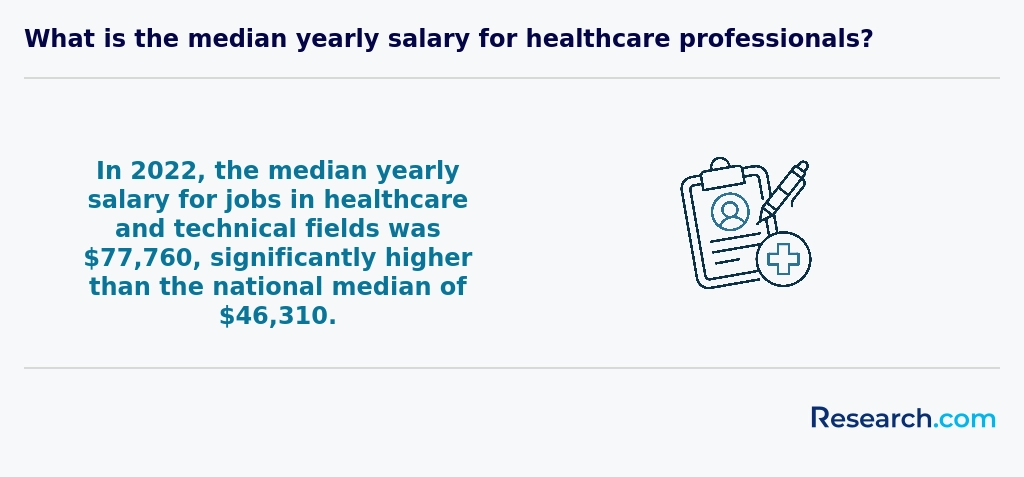
Graduates from Maryland's online healthcare degree programs often step confidently into diverse career paths that reflect the state's vibrant medical landscape. Many find rewarding roles in healthcare administration, managing operations at renowned institutions like Johns Hopkins Medicine or the University of Maryland Medical System. These positions allow them to improve patient care while mastering the complexities of healthcare management, a career option that shines through for anyone exploring online healthcare degree career options Maryland.
Others pursue nursing leadership roles, becoming Nurse Practitioners or Clinical Nurse Specialists, where their advanced training from Maryland colleges proves invaluable. Graduates often share how their theoretical knowledge turned into practical expertise during clinical rotations or internships in Maryland's urban hospitals, fueling their passion for patient advocacy and leadership.
If technology excites you, health informatics offers a dynamic path. Maryland's push for electronic health records creates exciting opportunities to combine healthcare and IT skills. Public health and clinical research coordination are also thriving fields here, supported by Maryland's strong biotech sector and public health initiatives.
For practical advice, many students benefit from fast online degree completion programs for working adults, balancing work and study while accelerating their careers in Maryland's growing healthcare market.
What is the job market for online healthcare degree in Maryland?
Graduates with online healthcare degrees in Maryland find themselves well-positioned in a thriving job market, thanks to strong demand fueled by the state's robust healthcare industry. Many alumni from universities like the University of Maryland and Johns Hopkins Medicine report securing roles quickly, often working as healthcare administrators or clinical managers. These roles capitalize on the knowledge gained through flexible online studies, perfectly suited for balancing work and life commitments.
For those exploring online healthcare jobs Maryland offers, the growth in healthcare occupations-projected at about 15% over the next decade-speaks to plentiful opportunities. Salary prospects are encouraging, with healthcare managers earning a median wage that exceeds many other fields, boosting confidence in career advancement.
Students often share that the investment in their education, including choosing some of the easiest masters degrees available online, pays off by opening doors to rewarding, stable positions in hospitals and healthcare systems statewide.
Frequently Asked Questions About healthcare
Students pursuing online healthcare degrees in Maryland can enhance their learning by actively engaging with virtual resources and local healthcare networks. Maryland hosts a robust healthcare sector, including institutions like Johns Hopkins Medicine, providing ample opportunities for virtual internships or networking. Leveraging Maryland's Clinical Simulation Centers can offer practical experience complementary to online coursework. Additionally, joining state-based professional organizations such as the Maryland Healthcare Education Association fosters peer interaction and mentorship. Staying current with Maryland's health policies and statistics, for instance from the Maryland Department of Health, helps students contextualize their learning within the state's healthcare challenges and innovations.
Emerging niches within the healthcare field reflect rapid advancements in technology and changing patient needs. In Maryland, a notable growth area is telehealth, driven by statewide policies promoting remote care. According to the Maryland Department of Health, telemedicine visits increased by over 50% between 2019 and 2022.
Another expanding niche is healthcare data analytics, which helps improve patient outcomes by analyzing large sets of health information. Maryland's emphasis on health IT infrastructure supports this trend, creating demand for professionals skilled in data management and cybersecurity.
Additionally, geriatric care management is growing due to Maryland's aging population. Workforce projections from the Maryland Department of Labor indicate a 15% growth in roles related to elderly healthcare by 2030. These areas offer promising pathways for students pursuing online healthcare degrees in Maryland.
After completing an online healthcare degree in Maryland, preparing for the job market involves several important steps. First, earning relevant certifications such as Registered Health Information Technician (RHIT) or Certified Medical Manager (CMM) can improve employability. Maryland's healthcare sector is robust, with over 300,000 healthcare jobs projected by 2030, according to the Maryland Department of Labor. Networking is crucial; joining professional groups like the Maryland Nurses Association or Maryland Healthcare Education Association provides valuable contacts. Internships or volunteer experiences offer practical skills and strengthen resumes. Additionally, tailoring applications to comply with Maryland's healthcare regulations and licensure requirements increases hiring chances significantly.
Employers in Maryland's healthcare sector prioritize a blend of technical and interpersonal skills for graduates of online healthcare degree programs. Critical thinking and clinical decision-making rank highly, essential for addressing diverse patient needs. According to the Maryland Department of Health, strong communication skills are vital, as healthcare professionals must collaborate effectively with patients and interdisciplinary teams.
Additionally, familiarity with electronic health records (EHR) systems is increasingly important due to Maryland's widespread adoption of digital healthcare technologies. Leadership and management capabilities also stand out, especially for those seeking advanced roles.
In 2023, Maryland healthcare employers reported that problem-solving skills improve patient outcomes and operational efficiency, emphasizing continuous learning.
Finding internships in Maryland for healthcare degree students requires a focused approach. Start by exploring partnerships between online programs and local healthcare providers such as Johns Hopkins Medicine or University of Maryland Medical System, which often offer internship opportunities.
The Maryland Department of Labor lists healthcare-related internships, helping students connect with facilities statewide. Additionally, professional organizations like the Maryland Nurses Association provide valuable internship and networking resources.
Maryland's healthcare sector employs over 400,000 people, enhancing chances for clinical placement and practical experience. Contact your online program's career services for guidance, as they can connect you with verified local internships aligned with your degree requirements.
Online healthcare degrees in Maryland significantly enhance career mobility and advancement for professionals in the state's growing healthcare sector. Maryland ranks among the top states for healthcare employment, with a 10% growth projected through 2030 according to the Maryland Department of Labor. Earning an online degree allows students to gain relevant credentials while continuing to work, making it easier to access promotions or switch roles.
Programs often cover leadership, healthcare policy, and administration, aligning with Maryland's demand for skilled healthcare managers. Graduates frequently qualify for higher-paying positions or specialized roles such as healthcare informatics or public health management.
Flexible learning schedules help working adults meet employer requirements more efficiently, which supports ongoing career development and adaptability within Maryland's dynamic healthcare environment.
Studying for an online healthcare degree in Maryland equips students with interdisciplinary skills essential for today's complex medical environment. Maryland hosts numerous healthcare institutions, such as Johns Hopkins and the University of Maryland Medical System, fostering collaboration across specialties.
Online programs emphasize teamwork, combining coursework in public health, informatics, and management to prepare students for multifaceted roles. According to the Maryland Health Care Commission, interdisciplinary healthcare teams have improved patient outcomes by 20% in recent years, highlighting the importance of such training.
Students also engage in case studies and projects that simulate real-world collaboration between nurses, physicians, administrators, and IT professionals, reflecting Maryland's evolving healthcare landscape.
When choosing between a thesis and a non-thesis healthcare degree program in Maryland, consider your career goals and learning preferences. Thesis programs often suit students aiming for research, academic roles, or doctoral studies. They involve completing original research and a written dissertation, deepening analytical skills.
Non-thesis programs focus more on practical skills and coursework, appealing to professionals seeking advancement in clinical or administrative healthcare roles. According to the Maryland Department of Health, practical expertise is highly valued in the state's healthcare workforce.
Additionally, consider your time commitment: thesis tracks usually take longer due to research demands, while non-thesis paths can be quicker, fitting busy schedules better.
Students based in Maryland interested in pursuing healthcare degrees abroad have several options, primarily through partnerships between Maryland institutions and international universities. Many Maryland universities offering online healthcare programs, such as the University of Maryland Global Campus, enable students to study in collaboration with foreign schools or participate in exchange programs that provide international exposure while earning credits toward their degrees.
The U.S. Department of Education reports that about 5% of Maryland's higher education students participate in study abroad experiences, which increasingly include healthcare fields due to globalized health challenges. However, fully online international healthcare degrees are less common, so students often seek hybrid models combining online coursework with short-term international clinical experiences.
Additionally, professional certifications and continuing education programs from global healthcare institutions can complement Maryland-based degrees, supporting diverse career pathways. Prospective students should verify program accreditation to ensure credit transferability and licensure eligibility in Maryland.
Part-time job opportunities in Maryland that complement healthcare degree education often include roles such as medical assistants, patient care technicians, and pharmacy assistants. These positions provide practical experience, helping students develop clinical skills and patient interaction, crucial for healthcare careers. According to the Maryland Department of Labor, jobs for healthcare support occupations are projected to grow by 15% through 2030, well above average growth.
Maryland's robust healthcare sector, with institutions like Johns Hopkins and University of Maryland Medical System, offers internships and part-time roles supporting administrative and clinical training. These experiences can enhance resumes and networking opportunities for students.
Additionally, some hospitals and clinics offer flexible schedules suitable for online students balancing education and work.
Online healthcare students in Maryland benefit from various networking opportunities designed to connect them with professionals and peers in the field. Many institutions offer virtual career fairs and alumni events that enable students to build professional relationships despite geographic distance.
Maryland is home to leading healthcare employers and organizations, including the Johns Hopkins Health System and the Maryland Department of Health, which often collaborate with universities to provide internships and mentorship programs. These partnerships help students gain valuable connections and practical experience.
The Maryland Healthcare Education Institute and state nursing associations frequently host webinars and virtual meetups, promoting regional networking tailored to healthcare professionals and students. According to the Maryland Center for Health Workforce Studies, healthcare workforce initiatives regularly emphasize fostering collaboration to address the state's health challenges.
Alumni networks provide valuable support for online healthcare degree students in Maryland by fostering professional connections. These networks enable graduates to tap into local healthcare communities, which is crucial in a state where healthcare employment is predicted to grow by 12% through 2030, according to the Maryland Department of Labor.
Members can access job opportunities, internships, and mentorships, helping students and graduates navigate Maryland's competitive healthcare sector. Networking events and online forums keep alumni connected despite remote study formats.
Such connections also promote collaborative learning and career advancement, making alumni networks an essential resource for Maryland's online healthcare students.
Customizing your online healthcare degree program in Maryland allows you to align your education with specific career goals. Many Maryland institutions offer flexible curricula where you can choose electives focusing on areas like health informatics, public health, or healthcare administration. This flexibility supports specialization tailored to Maryland's healthcare needs, such as addressing the state's aging population or managing chronic diseases common in the region.
Students can often select practicum or capstone projects partnering with Maryland healthcare providers, gaining local practical experience. Additionally, accredited online programs provide options for part-time or accelerated study to fit varied schedules. This adaptability helps professionals already working in Maryland's healthcare sector advance their skills without relocating or pausing their careers.
Online healthcare students in Maryland face several common challenges despite the flexibility of remote learning. One major issue is securing clinical placements. Maryland's healthcare facilities often have limited slots for online students, which can delay hands-on training essential for licensure.
Connectivity and technology access also pose difficulties. Rural areas in Maryland report slower internet speeds, affecting students' ability to participate fully in virtual classrooms, according to the Maryland Broadband Expansion Task Force.
Additionally, balancing work, family, and study demands remains a hurdle, as many online learners juggle multiple responsibilities while pursuing healthcare degrees.
Finally, some students find it challenging to build professional networks remotely, which are crucial for career advancement in Maryland's competitive healthcare field.
With an online healthcare degree in Maryland, graduates can pursue various professional certifications to enhance their careers. Common certifications include Certified Health Education Specialist (CHES), Certified Professional in Healthcare Quality (CPHQ), and Project Management Professional (PMP), reflecting skills valued in Maryland's healthcare system.
Maryland's growing healthcare sector demands certified professionals in areas like health informatics and healthcare administration. For example, the Maryland Department of Labor highlights an increasing need for certified healthcare administrators to manage hospitals and clinics efficiently.
Additionally, certifications such as Registered Health Information Technician (RHIT) and Certified Medical Manager (CMM) align with pathways available through online master's programs. These credentials often require passing an exam and maintain relevance in Maryland's competitive healthcare job market.
To write a winning application for an online healthcare program in Maryland, start by carefully researching each school's requirements and tailoring your materials accordingly. Highlight your relevant experience, such as work in Maryland's healthcare settings, and emphasize your understanding of local health challenges. Strong letters of recommendation from supervisors or professors familiar with your clinical or academic skills can significantly boost your application.
Include a well-crafted personal statement that clearly explains your career goals and how the program aligns with Maryland's healthcare needs. Demonstrating awareness of Maryland's status as a regional healthcare hub, with specialties like biotechnology and elder care, adds value. Finally, ensure your application is complete, error-free, and submitted before deadlines set by the Maryland institutions you target.
The global perspective on healthcare careers highlights growing opportunities and increasing demand for qualified professionals. In the United States, including Maryland, healthcare is one of the fastest-growing sectors, driven by an aging population and advances in medical technology. According to the U.S. Bureau of Labor Statistics, healthcare occupations in Maryland are projected to grow by 13% from 2022 to 2032, faster than the average for all occupations.
Internationally, healthcare professionals must adapt to diverse health systems and cultural contexts. This global outlook enhances skills such as cultural competence and interdisciplinary collaboration, essential in Maryland's increasingly diverse communities. Online healthcare degrees in Maryland prepare students to meet these demands with flexible learning options and access to up-to-date industry practices supported by state healthcare data and national trends.
Gaining practical experience while studying for an online healthcare degree in Maryland is essential for building skills and improving job prospects. Many Maryland programs require or facilitate clinical placements, internships, or practicums in local healthcare settings. These hands-on experiences often occur in hospitals, community clinics, or public health organizations.
Students benefit from Maryland's extensive healthcare network, including renowned institutions like Johns Hopkins and the University of Maryland Medical System. According to the Maryland Department of Health, the state employs over 400,000 healthcare workers, offering diverse internship opportunities. Schools typically assist with placement and ensure these experiences meet program standards and licensure requirements.
Additionally, virtual simulations and telehealth training are increasingly integrated into online curricula, reflecting Maryland's growing emphasis on telemedicine. This approach helps students develop practical skills remotely, complementing in-person clinical hours when possible.
Choosing the right concentration within an online healthcare degree in Maryland requires careful consideration of your career goals and the workforce demands in the state. Maryland's healthcare sector employs over 250,000 professionals, with strong growth in fields like health informatics, nursing leadership, and public health, according to the Maryland Department of Labor.
Explore concentrations that align with growing local needs, such as chronic disease management or healthcare data analytics. Consider programs accredited by organizations like CAHME or CEPH, ensuring recognized quality education.
Additionally, review the curriculum flexibility, faculty expertise, and opportunities for clinical partnerships in Maryland to gain practical experience.
Related Healthcare Rankings for Nearby States
- 2027 Best Online Master's in Healthcare Degree Programs Ranking in Virginia
- 2027 Best Online Master's in Healthcare Degree Programs Ranking in Pennsylvania
- 2027 Best Online Master's in Healthcare Degree Programs Ranking in New Jersey
- 2027 Best Online Master's in Healthcare Degree Programs Ranking in New York
- 2027 Best Online Master's in Healthcare Degree Programs Ranking in Ohio
- 2027 Best Online Master's in Healthcare Degree Programs Ranking in North Carolina
- 2027 Best Online Master's in Healthcare Degree Programs Ranking in South Carolina
- 2027 Best Online Master's in Healthcare Degree Programs Ranking in Massachusetts
- 2027 Best Online Master's in Healthcare Degree Programs Ranking in Georgia
- 2027 Best Online Master's in Healthcare Degree Programs Ranking in Michigan
Top Trending Healthcare Rankings
See What Experts Have To Say About Studying Healthcare
Read our interview with Healthcare experts

References
- 14 Entry-Level Healthcare Certifications | San Juan College https://www.sanjuancollege.edu/blog/entry-level-healthcare-certifications/
- Top Online Colleges In Maryland https://www.affordablecollegesonline.org/online-colleges/maryland/
- Niche Market Opportunities Research Among Healthcare Professionals (A Decision Analyst Case History https://www.decisionanalyst.com/casestudies/nichemarketopportunities/
- Online Degree vs. Traditional: Choosing the Right Path https://beal.edu/online-degree-vs-traditional/
- What are the top 10 skills that'll get you a job when you graduate? https://targetjobs.co.uk/careers-advice/skills-for-getting-a-job/what-are-top-10-skills-thatll-get-you-job-when-you-graduate
- The Value of Healthcare Organization Alumni Associations https://consultqd.clevelandclinic.org/the-value-of-healthcare-organization-alumni-associations
- Challenges for Medical Students - Health Action Research Group https://www.healthactionresearch.org.uk/mental-health/challenges-for-medical-student/
- How to Create a Healthcare Career Roadmap https://www.ihire.com/resourcecenter/jobseeker/pages/how-to-create-a-healthcare-career-roadmap
- What can I do with a healthcare studies degree, and how can I start? https://mrcollege.ac.uk/what-can-i-do-with-a-healthcare-studies-degree-and-how-can-i-start/
- Niche Markets in Healthcare: How to Find & Target https://nechayadvisors.com/blog/niche-markets-in-healthcare