
2027 Easiest Online Master's in Healthcare Degree Programs Ranking in Minnesota

Co-Founder and Chief Data Scientist
Choosing the right online master's program in healthcare can feel overwhelming, especially with so many options available. This article introduces the 2027 Easiest Online Master's in Healthcare Degree Programs Ranking in Minnesota, created by the Research.com team of data scientists.
The ranking is designed to help Minnesota students confidently find programs that align with their goals and lifestyle. Exploring these programs can open doors to rewarding careers in a growing field, offering flexibility and valuable skills.
By reading this article, you'll gain clear insights to make an informed decision on your educational journey.
Key benefits of getting online healthcare degree in Minnesota
- Healthcare degree graduates in Minnesota can earn competitive salaries, with Healthcare Consultants making around $115,530 annually and Healthcare Compliance Managers earning about $80,190 per year, offering strong financial rewards for your education.
- Graduates from schools like the University of Minnesota have diverse career paths available, such as consulting, compliance management, or project coordination, making it easier to find a role that fits your interests and skills.
- Completing your healthcare degree online, like many find at Minnesota State University, offers flexibility to balance work and study, reducing stress and making education more accessible without sacrificing quality.
- Key benefits of getting online healthcare degree in Minnesota
- What can I expect from online healthcare degree in Minnesota?
- Where can I work with online healthcare degree in Minnesota?
- How much can I make with online healthcare degree in Minnesota?
- 2027 Easiest Online Master's in Healthcare Degree Programs Ranking in Minnesota
- Key Findings
- How long does it take to complete online healthcare degree in Minnesota?
- Accreditation and Program Quality
- What's the difference between online and on-campus healthcare degree?
- Accreditation and Quality Assurance
- What is the average cost of online healthcare degree in Minnesota?
- Essential Licensure and Certification Guidance for Graduates
- What financial aid is available to online healthcare degree students in Minnesota?
- Accreditation and Quality Assurance: Building Trust Through Accredited Programs
- What are the prerequisites for enrolling in online healthcare degree program in Minnesota?
- Continuing Education and Certifications After Your Master’s
- What courses are typically in online healthcare degree programs in Minnesota?
- What types of specializations are available in online healthcare degree programs in Minnesota?
- How do you choose the best online healthcare degree in Minnesota?
- What career paths are available for online healthcare degree students in Minnesota?
- What is the job market for online healthcare degree in Minnesota?
- Related Healthcare Rankings for Nearby States
- Top Trending Healthcare Rankings
- See What Experts Have To Say About Studying Healthcare
What can I expect from online healthcare degree in Minnesota?
The average cost of an online healthcare degree in Minnesota typically ranges from $15,000 to $35,000, depending on the institution and program length. Graduates from well-known schools like the University of Minnesota or St. Catherine University often share that the investment feels manageable due to flexible payment options and available financial aid.
Many students appreciate that these programs reduce expenses linked to commuting and housing, allowing them to focus more on coursework and less on daily logistics. For example, a nursing professional balancing work and family found the ability to study from home invaluable, making the tuition cost feel like a worthwhile step toward career advancement.
Furthermore, the balance of quality education and affordability in Minnesota's online healthcare degrees fosters confidence among students. They often report feeling optimistic about returning to the workforce with credentials recognized by respected bodies, all while managing their finances thoughtfully.
With healthcare jobs booming in the state, this cost range aligns well with the potential for increased earnings and job security graduates anticipate after completing their degrees online.
Where can I work with online healthcare degree in Minnesota?
Graduates with an online healthcare degree in Minnesota often find themselves stepping directly into dynamic roles within prominent health systems like Mayo Clinic or Allina Health. Many report excitement when joining hospital administration or nursing leadership teams, where their skills immediately impact patient care and operational efficiency. Others discover fulfilling opportunities managing digital health records at Fairview Health Services, where expertise in healthcare informatics is increasingly vital.
Students from institutions like the University of Minnesota or Hamline University share stories of working in outpatient clinics and long-term care facilities, where they apply their training to support community health and patient wellness. Some graduates enthusiastically enter public health roles within state agencies, helping design programs that target chronic disease management and health equity-a testament to Minnesota's commitment to improving population health.
Looking forward, many online healthcare degree holders feel optimistic about careers in telemedicine and healthcare consulting, fields rapidly expanding due to Minnesota's technological investments. Their experiences reflect a broad, evolving landscape full of meaningful, impactful work.
How much can I make with online healthcare degree in Minnesota?
Graduates with online healthcare degrees in Minnesota commonly see strong earning potential, especially when pursuing roles supported by reliable salary data. For instance, healthcare consultants earn a mean annual wage of about $115,530, reflecting a rewarding career path for degree holders from institutions like the University of Minnesota's School of Public Health. These graduates often share excitement about applying their skills to improve healthcare systems while enjoying competitive pay.
Healthcare compliance managers also hold promising prospects, with median wages near $80,190 per year. Graduates from programs at Minnesota State University often describe how specialized knowledge gained during their studies translates directly into fulfilling management opportunities in clinical and regulatory environments.
In urban centers such as Minneapolis and St. Paul, this trend is more pronounced due to higher demand and living costs, encouraging new graduates to seek advanced certifications to boost their salaries further. These potential increases underscore exciting real-world possibilities for online learners aiming to impact healthcare delivery while securing financial stability.
2027 Easiest Online Master's in Healthcare Degree Programs Ranking in Minnesota
How do we rank schools?
Investing in your education is a significant decision that can influence your career and personal growth, and the Research.com team is fully aware of the importance of making well-informed choices. To support prospective students interested in healthcare, we have carefully developed the "2027 Easiest Online Master's in Healthcare Degree Programs Ranking in Minnesota." Our dedication to quality, credibility, and accuracy is demonstrated through rigorous research and detailed analysis behind this ranking.
We utilized the following reputable data sources to ensure a comprehensive evaluation of healthcare programs:
By exploring this ranking, readers will gain valuable insights into the easiest and most accessible online master's in healthcare programs in Minnesota, enabling them to make confident and strategic educational decisions. For more details on our methodology, please visit our Research.com methodology page.
# 1 position
Walden University
Master of Healthcare Administration


# 4 position
Bethel University, Minnesota
Master of Nurse-Midwifery

Key Findings
- Healthcare employment in Minnesota is projected to grow by about 13% through 2030, which is higher than the national average of 8%.
- Tuition for online healthcare degrees ranges from $12,000 to $30,000 for undergraduates and $15,000 to $40,000 for graduate programs.
- Entry-level salaries for healthcare graduates in Minnesota typically range between $50,000 and $60,000 per year, with experienced professionals earning between $75,000 and $90,000 annually.
- Online programs cover nursing, public health, healthcare administration, and allied health sciences, and are accredited by recognized bodies important for licensure.
- Graduates often find jobs in major medical centers and hospital networks in Minnesota, including the Mayo Clinic, due to strong local demand.
How long does it take to complete online healthcare degree in Minnesota?
Completing an online healthcare degree in Minnesota typically ranges from 18 months to four years, depending on program level and enrollment status. Graduates from popular institutions like the University of Minnesota and St. Catherine University often share how flexible scheduling helped them balance family and work commitments, especially in part-time programs that can extend duration but ease pressure.
For example, many pursuing a Master of Healthcare Administration at the University of Minnesota appreciate accelerated options that allow finishing in as little as 12 to 18 months. This fast track enables graduates to enter the workforce sooner, fueling excitement and motivation as they see tangible career progress quickly.
Certificate programs at colleges like Normandale Community College provide shorter-term options, often completed in under a year, ideal for working professionals eager to pivot or boost skills without a long-term commitment.
The growing availability of asynchronous learning in Minnesota's online healthcare programs means students can personalize their pace, making education more accessible and the journey feel empowering rather than overwhelming.
Accreditation and Program Quality
Accreditation ensures that an online healthcare master’s program in Minnesota meets rigorous academic and professional standards, protecting both your investment and career prospects. Most reputable institutions hold regional accreditation through the Higher Learning Commission (HLC) and programmatic accreditation from bodies such as the Commission on Accreditation of Healthcare Management Education (CAHME) or the Council on Education for Public Health (CEPH). These accreditations validate curriculum quality, faculty credentials, and student outcomes, and they often determine eligibility for federal financial aid and professional licensure exams. When evaluating programs, confirm whether the school’s online delivery platform supports interactive labs, virtual simulations, and up-to-date healthcare technology. Accredited programs also maintain transparent reporting of graduation rates, job placement statistics, and alumni satisfaction. For example, graduates of HLC-accredited institutions in Minnesota report smoother credit transfers and stronger employer recognition, resulting in faster career advancement. Because tuition and return on investment vary, prospective students should compare accreditation status alongside cost. If affordability is a priority, consider exploring our Low Cost Online Master's in Healthcare Degree Programs Ranking in Nebraska to see how accredited programs elsewhere stack up on cost and quality. Finally, verify state authorization to ensure your online degree is recognized by Minnesota licensing boards. Accredited, state-authorized programs empower graduates to pursue certifications, leadership roles, and specialized credentials without barriers-key factors in maximizing both educational value and long-term career growth.
What's the difference between online and on-campus healthcare degree?
Healthcare students in Minnesota often find that online programs offer the freedom to juggle studies with work or family, a major advantage for those living in cities like Minneapolis or remote areas. Imagine completing coursework from home while caring for family, yet still accessing virtual labs and simulations that mirror real clinical scenarios. Yet graduates emphasize that hands-on clinical hours remain essential, often arranged locally, blending convenience with vital practical experience.
On-campus students at institutions like the University of Minnesota Twin Cities describe vibrant campus life, with immediate access to labs and study groups that spark motivation and foster connections. This environment appeals to those who thrive on face-to-face engagement and benefit from networking opportunities intrinsic to healthcare education.
Cost-wise, both paths generally share similar tuition ranges, but online learners save on commuting and housing, though some may pay for travel to clinical sites. The key difference lies in the tailored experience: online learning prioritizes flexibility, while traditional on-campus programs center on immersive, direct interaction-both validated by Minnesota's strong healthcare network partnerships.
Accreditation and Quality Assurance
One of the most critical factors to consider when choosing an online Master’s in Healthcare degree program in Minnesota is accreditation and quality assurance. Accreditation ensures that a program meets rigorous academic standards and is recognized by employers, licensing boards, and other institutions. Regional accreditation-for example, from the Higher Learning Commission (HLC)-validates the overall institution, while specialized accrediting bodies such as the Commission on Accreditation of Healthcare Management Education (CAHME) or the Council on Education for Public Health (CEPH) evaluate program-specific curricula. Accredited programs typically require a peer-review process, periodic self-studies, and on-site evaluations to maintain their status. To verify accreditation, visit the U.S. Department of Education’s Database of Accredited Postsecondary Institutions and Programs (DAPIP) or the Council for Higher Education Accreditation (CHEA) website. Choosing a CAHME-accredited online healthcare management program, for instance, may enhance your eligibility for leadership roles and signal to employers that your education aligns with best practices in healthcare administration. Beyond accreditation, quality assurance can also be assessed through retention and graduation rates, student satisfaction surveys, and graduate outcomes data. Prospective students should review program transparency on placement rates, average time to completion, and faculty credentials. For additional insights into cost-effective yet high-quality options, explore our Low Cost Online Master's in Healthcare Degree Programs Ranking in Nebraska, which highlights accredited programs that balance affordability with academic excellence.
What is the average cost of online healthcare degree in Minnesota?
The average cost of an online healthcare degree in Minnesota typically centers around $27,420, with in-state students benefiting from a median total cost near $13,875. Graduates from well-known institutions like the University of Minnesota often recall the balance they struck between quality education and manageable expenses. These students frequently mention programs that mix flexible online coursework with regional clinical placements, helping them gain hands-on experience without traveling far or incurring steep fees.
For those exploring affordable online healthcare master's programs MN offers, many find that programs provide clear, flat-rate tuition options or bundled fees for technology and clinical supervision-features that help avoid surprise costs. Students appreciate being able to plan financially, especially when working while studying. One graduate shared how this predictability reduced stress during their transition back to school.
Looking ahead, expanding options for Minnesota students might include more personalized financial aid packages and innovative hybrid models combining asynchronous classes with local clinical mentorship. These could make specialized healthcare education more accessible, encouraging a diverse group of professionals to upskill. Prospective students can find valuable information about such opportunities by exploring affordable healthcare programs in minnesota, helping them target pathways that align cost-effectiveness with career ambition.
Essential Licensure and Certification Guidance for Graduates
In addition to choosing the right online master’s program, understanding licensure and certification requirements is vital for advancing in your healthcare career. Obtaining the necessary credentials can set you apart professionally, ensuring that you meet state and industry standards that are often prerequisites for higher-level roles. Many healthcare fields-ranging from clinical administration to specialized technical positions-require certifications, and graduates should carefully evaluate the steps needed for licensure post-graduation. For instance, if you are considering a role that involves patient care or medication management, researching specific licensure exams and ongoing education requirements is essential. Prospective students are encouraged to explore state-specific guidelines and additional resources such as pharmacist license requirements for comparative insight on certification processes. By staying informed about these credentials, you can better prepare for the competitive job market and ensure your qualifications meet both professional and regulatory expectations.
What financial aid is available to online healthcare degree students in Minnesota?
Students pursuing online healthcare degrees in Minnesota often find a variety of financial aid options that make education more achievable and less stressful. Graduates from the University of Minnesota frequently share how Pell Grants and Federal Supplemental Educational Opportunity Grants (FSEOG) provided a crucial boost, easing their financial burdens without the worry of repayment. These federal aids remain a cornerstone for many striving to balance work and study.
State support, like the Minnesota State Grant, also plays a transformative role. One graduate recalls receiving an average award near $5,500, which significantly narrowed the gap between tuition and savings. This grant is especially empowering for those from middle-income families who want to advance their healthcare careers online while managing living expenses.
Scholarships from institutions such as Mayo Clinic's educational centers and private organizations often bring joy and relief to students. Many have taken advantage of these merit- or need-based awards, boosting confidence and motivation to excel. Additionally, employer tuition reimbursements in Minnesota's healthcare sector offer practical support, turning job experience into education funding seamlessly.
Emerging trends hint at greater integration of work-study and assistantships tied to health institutions, allowing students to earn while they learn. This hands-on approach not only softens financial pressures but also enriches clinical insight, exciting many online healthcare learners ready to step into the profession with strong academic and practical foundations.
Engaging with the financial aid offices at Minnesota's online healthcare programs repeatedly proves invaluable. Personalized advice and timely updates often guide students toward opportunities they might otherwise miss, sparking hope and determination on their educational journeys.
Accreditation and Quality Assurance: Building Trust Through Accredited Programs
When researching online healthcare degree programs in Minnesota, understanding accreditation standards is essential for ensuring that your education meets industry benchmarks and is recognized by employers nationwide. Accreditation by reputable agencies-such as the Higher Learning Commission or regional bodies-serves as a quality assurance indicator that the program maintains rigorous academic standards and continually updates its curriculum to reflect current healthcare practices. Prospective students should verify whether the programs they're considering have earned accreditation, as this not only impacts eligibility for federal financial aid but also influences the transferability of credits and overall career opportunities. Additionally, accredited programs are more likely to offer robust student support services and up-to-date career placement resources, which are crucial for navigating the competitive job market. For instance, you might find comprehensive insights on various institutions by exploring our list of affordable healthcare programs in minnesota, where program quality and cost efficiency are both prioritized. By focusing on accreditation and quality assurance, you can make a well-informed decision that lays a solid foundation for a rewarding career in the healthcare industry.
What are the prerequisites for enrolling in online healthcare degree program in Minnesota?
Enrolling in an online healthcare degree in Minnesota typically requires a bachelor's degree, often in fields like nursing or public health, from an accredited institution. Graduates from universities such as the University of Minnesota often share how this foundational step boosted their confidence, setting a clear path toward advanced studies. Many programs also expect a strong GPA, generally around 3.0, reflecting the academic rigor needed for success.
Applicants might find that submitting letters of recommendation and a personal statement becomes an opportunity to showcase their passion and career goals, as echoed by recent graduates who felt these components allowed their unique experiences to shine. Some programs may request relevant professional experience, which resonates with those who balanced work and study, especially in clinical or administrative roles.
For Minnesota students, fulfilling background checks and immunization requirements is becoming more streamlined, even for online learners, thanks to evolving institutional support. These practical steps help ensure readiness for any in-person clinical components, reinforcing the connection between online learning and real-world healthcare impact in the state.
Continuing Education and Certifications After Your Master’s
Earning your online Master’s in Healthcare is a pivotal step, but complementing it with targeted certifications can accelerate your career trajectory and validate specialized skills. In Minnesota’s competitive job market, professionals who hold credentials such as Certified Professional in Healthcare Quality (CPHQ), Lean Six Sigma Green Belt, or Certified Healthcare Financial Professional (CHFP) often stand out for leadership roles. These certifications not only showcase your commitment to excellence but also equip you with up-to-date best practices in patient safety, process improvement, and financial stewardship. For graduates seeking swift returns on their investment of time, the path to certification can begin even before graduation. Many institutions and online platforms offer accelerated programs that prepare you for industry exams in as little as a few weeks. To explore a concise breakdown of options, learn more about what is the fastest medical certification to get and determine which credential aligns with your career goals. By strategically pairing your Master’s degree with one or two high-impact certifications, you’ll enhance your marketability and command higher salaries across hospitals, clinics, and health systems. Moreover, ongoing professional development through workshops, webinars, and state-approved continuing education units (CEUs) ensures you remain current with evolving regulations and technologies. Minnesota’s Board of Continuing Education in Nursing and the Department of Health frequently update approved CEU lists-monitor these resources to maintain licensure and pursue emerging areas like telehealth administration or informatics security. Ultimately, a well-crafted blend of advanced degree knowledge and recognized certifications will position you as a distinguished healthcare leader in Minnesota and beyond.
What courses are typically in online healthcare degree programs in Minnesota?
Online healthcare degree programs in Minnesota typically include courses that blend theory with hands-on application, designed to prepare students for the evolving healthcare landscape. Graduates from well-known institutions such as the University of Minnesota often share how foundational subjects like healthcare ethics and policy helped them navigate complex decisions in clinical and administrative roles.
Courses in healthcare informatics stand out, equipping students with skills to handle data-driven health solutions, reflecting Minnesota's growing emphasis on technology in healthcare systems like the Mayo Clinic. Many students find health promotion and disease prevention courses particularly rewarding, as they inspire real-world community projects that improve public well-being.
Financial management and quality improvement classes also resonate strongly, with graduates recalling how budgeting simulations or patient safety case studies prepared them for leadership roles in local hospitals and clinics. Electives in nursing administration and healthcare leadership offer flexibility to tailor learning, which many online learners appreciate as they balance career and studies within Minnesota's dynamic healthcare environment.
What types of specializations are available in online healthcare degree programs in Minnesota?
Online healthcare degree specializations Minnesota students pursue reflect a blend of traditional and emerging fields tailored to the state's dynamic healthcare landscape. Graduates from institutions like the University of Minnesota and St. Catherine University often share enthusiasm for Healthcare Administration, where they learn to lead with innovative strategies critical to Minnesota's $40 billion health economy. Others thrive in Nursing and Nurse Leadership programs, energized by the state's high demand for nurses and the chance to advance in roles such as nurse educators or administrators.
Health Informatics is increasingly popular as graduates see the power of data analytics in improving patient care and accelerating digital health transformations. Public Health specializations draw students inspired by Minnesota's response to health challenges, preparing them for real-world impact on community well-being. Those focusing on Occupational Therapy share rewarding experiences working with aging populations.
Prospective students often evaluate programs based on how they align with Minnesota's growing healthcare labor market. Admissions counselors sometimes recommend exploring concentrations similar to the pharmacist license requirements pathway to understand diverse career options. Researching healthcare master's program concentrations Minnesota offers helps candidates find meaningful, future-ready careers.
How do you choose the best online healthcare degree in Minnesota?
Choosing the best online healthcare degree Minnesota students find rewarding often involves evaluating programs that balance quality with real-world relevance. Graduates from prominent Minnesota universities frequently share how accreditation and curriculum alignment with the state's growing healthcare fields-like nursing administration and health informatics-boosted their confidence entering the workforce. They emphasize that affordable online healthcare programs Minnesota offers can be a game-changer, especially when paired with flexible, asynchronous class formats that fit around busy schedules.
Many students appreciate programs that integrate local clinical placements, ensuring hands-on experience in authentic Minnesota healthcare settings. This practical element not only meets licensure requirements but also builds meaningful connections in the community, a key factor highlighted by Minnesota grads. Exploring the faculty credentials and support services further reassures students of quality education and personalized guidance.
For those wondering about quick entry options, reviewing what is the fastest medical certification to get can clarify pathways. Ultimately, staying mindful of post-graduation employment rates reported by Minnesota institutions helps future professionals envision a successful career trajectory within the state's diverse healthcare sector.
What career paths are available for online healthcare degree students in Minnesota?
Graduates with an online healthcare degree in Minnesota find diverse career paths shaped by the state's dynamic healthcare landscape. Many step into healthcare administration roles where leadership skills foster growth within major hospital systems and clinics. For example, graduates from well-known Minnesota universities frequently share how their programs' focus on real-world healthcare challenges helped them confidently secure management positions that impact patient care quality. These careers align with healthcare job opportunities in Minnesota's expanding health sector, blending administrative expertise with innovative practices.
Others pursue public health careers, coordinating community initiatives or shaping policy. Online healthcare degree alumni often describe how coursework emphasizing data analysis prepared them to improve local health outcomes effectively. Nursing also remains a compelling path; graduates often advance to advanced nursing roles with rewarding responsibilities that connect directly to patient needs throughout the state.
Healthcare informatics is emerging rapidly, offering graduates a chance to bridge technology and clinical care. Professionals from Minnesota's top colleges commonly highlight their ability to drive efficiency by managing health data systems, reflecting the state's growing demand for such expertise. Students intrigued by cost considerations can review options, including financial aid, by consulting the Low Cost Online Master's in Healthcare Degree Programs Ranking in Nebraska, which offers insights relevant to regional pricing trends.
What is the job market for online healthcare degree in Minnesota?
The job market for graduates with an online healthcare degree in Minnesota is flourishing, driven by a growing demand for healthcare professionals across the state. Hospitals, clinics, and public health organizations in Minnesota consistently seek qualified candidates, with graduates often securing positions in nursing leadership, health informatics, and healthcare administration. Graduates from popular institutions such as the University of Minnesota or St. Catherine University frequently share positive experiences, noting how their online programs prepared them for real-world challenges in Minnesota's diverse healthcare environment.
Those pursuing online healthcare jobs Minnesota find that flexible degree programs, like the best associate's degree online in 6 months, allow them to balance work and study seamlessly. This flexibility has empowered many working adults to advance careers without relocating, aligning with Minnesota's expanding healthcare workforce needs.
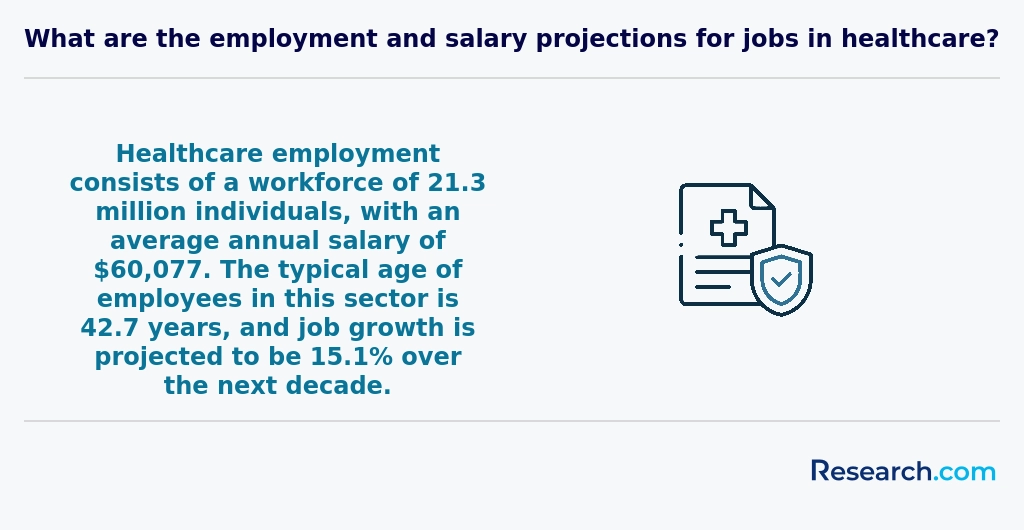
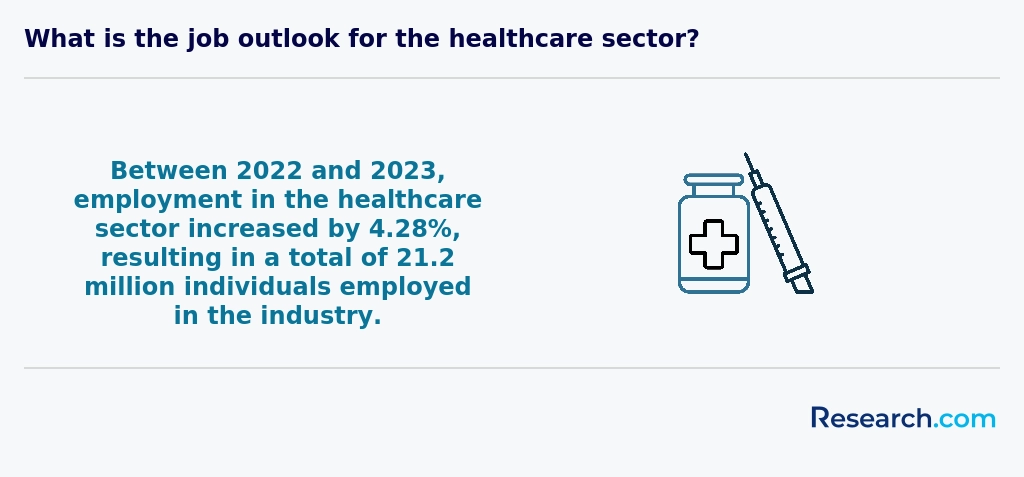
As the healthcare sector anticipates around 15% job growth in the coming decade, graduates remain optimistic about competitive wages and meaningful career advancement opportunities in Minnesota's dynamic healthcare landscape.
Frequently Asked Questions About healthcare
Online healthcare degree students in Minnesota can maximize their learning by actively engaging with virtual resources and local clinical opportunities. Minnesota hosts a robust healthcare sector, making hands-on experience essential. Students should seek programs that offer strong partnerships with Twin Cities hospitals, as clinical practicums or internships enhance skills and employability.
Time management is critical for balancing coursework and personal obligations. Using digital tools and consistent study schedules improves retention of healthcare concepts. Additionally, connecting with faculty and peers through discussion forums or video meetings fosters a collaborative environment, which is vital in healthcare education.
According to the Minnesota Department of Health, the state's demand for healthcare professionals is projected to grow 15% by 2030, emphasizing the importance of practical preparation through online programs.
The healthcare field in Minnesota is evolving rapidly, with several emerging niches gaining prominence. One notable area is telehealth, which expanded significantly during the COVID-19 pandemic and continues to grow due to increased patient demand and technology improvements. According to the Minnesota Department of Health, telemedicine visits increased by over 500% from 2019 to 2022, highlighting its expanding role.
Another emerging niche is healthcare informatics. This area focuses on managing and analyzing health data to improve patient outcomes. Minnesota's growing tech sector supports this trend, offering opportunities for healthcare professionals skilled in data analytics and health IT.
Additionally, gerontology and elder care are becoming critical due to Minnesota's aging population. The Minnesota State Demographic Center projects that by 2030, nearly 20% of Minnesotans will be over 65, increasing demand for specialized care.
Preparing for the job market after earning an online healthcare degree in Minnesota requires strategic planning. Start by researching the state's healthcare labor market; Minnesota's healthcare sector is one of the largest employers, with over 400,000 workers as reported by the Minnesota Department of Employment and Economic Development (DEED) in 2023. Understanding local demand helps target in-demand roles like nursing, health administration, and public health.
Networking is crucial. Join Minnesota healthcare associations and attend virtual events to connect with professionals and potential employers. Consider state-specific certifications and licenses to boost credibility.
Internships or clinical experiences, even if completed online, can improve employability and demonstrate practical skills to employers.
Employers in Minnesota highly value healthcare graduates who demonstrate strong critical thinking and problem-solving skills. These abilities are essential for effective patient care and adapting to the rapidly changing healthcare environment. According to the Minnesota Department of Employment and Economic Development, communication skills, both verbal and written, rank among the top traits sought in healthcare professionals across the state.
Technical proficiency with electronic health records (EHR) systems is increasingly important, given Minnesota's emphasis on digital healthcare innovation. Additionally, teamwork and interpersonal skills are crucial, reflecting the collaborative nature of healthcare settings. Ethics and cultural competence also play a significant role, ensuring care providers serve Minnesota's diverse populations respectfully and effectively.
Finding internships in Minnesota relevant to a healthcare degree involves strategic research and networking. Start by exploring Minnesota's extensive healthcare industry, which employs over 400,000 professionals as reported by the Minnesota Department of Employment and Economic Development (DEED). Many hospitals, clinics, and community health organizations offer internship programs, especially in the Twin Cities metro area.
Contact Minnesota's major healthcare providers such as Mayo Clinic, HealthPartners, and Fairview Health Services to inquire about available internships. Additionally, utilize your university's career services, as many online programs maintain partnerships with local healthcare organizations.
You can also search statewide internship databases such as Minnesota Job Skills Partnership and DEED's career platform for healthcare-related opportunities. Volunteering in local health initiatives can further enhance your practical experience and networking.
Obtaining an online healthcare degree in Minnesota significantly enhances career mobility and advancement opportunities. The state's healthcare sector is projected to grow by 14% from 2020 to 2030, faster than average, according to the Minnesota Department of Employment and Economic Development (DEED). This growth increases demand for qualified professionals with advanced degrees.
Online degrees offer flexibility, enabling working adults to upgrade their skills without leaving current jobs. Graduates often qualify for leadership roles, such as healthcare management or specialized clinical positions, that require higher education credentials.
Moreover, Minnesota employers increasingly recognize accredited online programs, valuing practical knowledge combined with academic achievement. This recognition supports career progression across hospitals, clinics, and public health organizations statewide.
Studying for an online healthcare degree in Minnesota equips students with skills essential for interdisciplinary roles by emphasizing collaboration across various healthcare fields. Minnesota's top programs integrate courses in public health, informatics, nursing, and administration, reflecting the state's push for coordinated care. According to the Minnesota Department of Health, interdisciplinary teams improve patient outcomes by sharing diverse expertise.
These programs often include case studies and simulations involving multiple healthcare disciplines, preparing students to communicate effectively with professionals such as physicians, social workers, and health IT specialists. Furthermore, strong partnerships between universities and regional healthcare systems enhance practical training opportunities.
Such comprehensive education aligns with the U.S. healthcare trend toward team-based approaches, ensuring graduates from Minnesota are well-prepared for the evolving demands of healthcare roles.
When choosing between a thesis and a non-thesis online healthcare degree program in Minnesota, consider your career goals first. Thesis programs emphasize research skills, ideal for students aiming to pursue doctoral studies or roles in healthcare policy and administration. Non-thesis options often focus on practical skills and applied knowledge, fitting those seeking leadership or clinical positions.
Data from the Minnesota Department of Health highlights growing demand for healthcare managers, a role well-matched by practical non-thesis degrees. Meanwhile, research-intensive thesis programs can offer advantages in academic and research institutions. Cost, time commitment, and faculty mentorship availability also play crucial roles in this decision.
Students in Minnesota interested in studying healthcare abroad while pursuing online degrees have several options through partnerships between Minnesota institutions and foreign universities. While most online healthcare degrees are offered domestically, some programs incorporate international clinical experiences or research projects. For example, students can participate in exchange programs or virtual collaborations with healthcare providers globally.
Minnesota ranks highly in healthcare education, with over 12% growth projected in health-related jobs by 2030 (Minnesota Department of Employment and Economic Development). This growth encourages schools to expand global learning opportunities. However, students should verify accreditation and licensure reciprocity when enrolling in programs abroad. The U.S. Department of Education and specialized agencies provide guidance on credential recognition.
Students pursuing online healthcare degrees in Minnesota can benefit from part-time jobs that provide relevant experience and flexible hours. Common roles include medical scribe positions, which support healthcare providers by documenting patient interactions. These roles offer valuable insight into clinical workflows and healthcare terminology.
Additionally, medical assistant jobs are in demand, with Minnesota's healthcare sector growing steadily according to the Minnesota Department of Employment and Economic Development. These jobs involve patient care support, administrative duties, and hands-on clinical tasks.
Phlebotomy technician roles also complement healthcare education by offering practical lab experience. Many Minnesota hospitals and clinics seek part-time phlebotomists.
These jobs not only boost resumes but help students build professional networks within the state's healthcare industry.
Online healthcare students in Minnesota benefit from diverse networking opportunities despite the virtual format. Many accredited programs incorporate virtual events, webinars, and discussion forums that connect students with peers and faculty across the state. Institutions like the University of Minnesota offer career fairs and alumni networking sessions tailored for online learners.
Additionally, Minnesota's strong healthcare industry, which employs over 320,000 people statewide according to the Minnesota Department of Employment and Economic Development, supports numerous professional associations. Groups such as the Minnesota Nurses Association and the Minnesota Public Health Association often hold regional events and provide online communities accessible to students for networking and mentorship.
Statewide healthcare conferences and workshops also welcome students, offering chances for face-to-face interaction with professionals. These combined resources help online students build connections crucial for career advancement within Minnesota's healthcare sector.
Alumni networks offer significant benefits to students pursuing online healthcare degrees in Minnesota. These networks provide access to valuable professional connections, mentorship opportunities, and career guidance. In a competitive healthcare job market like Minnesota-where healthcare employment is projected to grow by 12.7% from 2020 to 2030, according to the Minnesota Department of Employment and Economic Development (DEED)-strong connections can improve job prospects.
Members of alumni networks often share job openings, internship opportunities, and insights about industry trends. This peer support helps online students integrate into the local healthcare community despite studying remotely. Additionally, alumni events encourage lifelong learning and collaboration, enhancing students' professional development throughout their careers.
Customizing an online healthcare degree in Minnesota starts with selecting a program that offers flexible coursework aligned with your career goals. Many institutions provide concentrations such as public health, healthcare administration, or nursing leadership, allowing students to focus on areas in demand within the state.
Students should look for programs approved by the Minnesota Board of Nursing or accredited by bodies like CEPH or CAHME for healthcare management. This ensures your degree meets professional standards and increases job prospects.
Internships or practicum options through Minnesota healthcare facilities can further tailor your experience. According to Minnesota's Department of Employment and Economic Development, healthcare jobs in the state are expected to grow 13% by 2030, highlighting the benefit of specialized training.
Online healthcare students in Minnesota often face several challenges unique to their region and field. A primary difficulty is securing local clinical placements, as healthcare programs require hands-on experience and Minnesota has a competitive healthcare system with over 13,000 licensed providers, making spots limited (Minnesota Department of Health, 2023).
Additionally, many students struggle with balancing coursework alongside personal and professional responsibilities. Healthcare curricula are rigorous, and the online format can sometimes lead to feelings of isolation or reduced peer interaction, which impacts motivation and learning.
Technical issues also arise due to varying internet access across rural Minnesota, where broadband connectivity is less consistent. This digital divide can hinder access to synchronous learning activities.
Finally, online students must stay informed about state-specific licensing requirements, as Minnesota requires distinct exams and continuing education for healthcare professionals.
With an online healthcare degree in Minnesota, you can pursue a variety of professional certifications that enhance career opportunities. Common certifications include Certified Healthcare Administrator (CHA), Certified Professional in Healthcare Quality (CPHQ), and Registered Health Information Technician (RHIT). These credentials validate expertise in administration, quality assurance, and medical records management.
Minnesota's healthcare sector is growing rapidly, with the Bureau of Labor Statistics projecting above-average job growth for healthcare managers through 2031. Earning certifications can improve your competitiveness in this dynamic market.
Specific certifications often require passing national exams and meeting professional experience criteria. For example, CPHQ certification is offered by the National Association for Healthcare Quality and is widely recognized across the state and country.
Completing an accredited online healthcare program from Minnesota institutions is typically necessary to qualify for many certifications. This ensures alignment with state licensure and professional standards.
Writing a winning application for an online healthcare program in Minnesota requires careful preparation and a clear demonstration of your goals. Start by researching specific programs to understand their requirements and values. Minnesota has a strong healthcare sector, with over 400,000 healthcare workers statewide as of 2023 according to the Minnesota Department of Employment and Economic Development.
Highlight relevant work or volunteer experience, especially within Minnesota's healthcare settings. Tailor your personal statement to show your commitment to improving healthcare locally. Strong recommendations from healthcare professionals familiar with your skills can strengthen your application.
Finally, ensure all transcripts and test scores meet the program's criteria. Meeting deadlines is crucial since many programs have limited online seats.
Healthcare careers are increasingly viewed through a global lens due to interconnected challenges like pandemics and aging populations. In Minnesota, the healthcare workforce reflects this trend, with over 400,000 workers contributing to a sector that generates nearly 25% of the state's GDP, according to the Minnesota Department of Employment and Economic Development (DEED).
Globally, healthcare professionals are valued for adaptable skills that transfer across borders, highlighting the importance of cultural competence and technological fluency. U.S. online healthcare degrees, including those offered in Minnesota, emphasize evidence-based practice and leadership to prepare graduates for diverse settings.
The World Health Organization notes a global shortage of healthcare workers, making careers in this field both stable and impactful worldwide, a perspective vital for Minnesota students aiming to join this workforce.
Gaining practical experience while pursuing an online healthcare degree in Minnesota is essential for career readiness. Many programs incorporate clinical placements, internships, or practicums that students can complete locally. Minnesota's healthcare industry is robust, with over 500 hospitals and numerous clinics, providing ample opportunities for students to engage in hands-on learning.
Students often coordinate with their school's advisors to secure supervised experiences at nearby healthcare facilities. Additionally, Minnesota's Department of Health supports partnerships between educational institutions and healthcare providers to facilitate these placements. According to the Minnesota Hospital Association, practical experience improves job prospects for graduates significantly.
Choosing the right concentration within an online healthcare degree program in Minnesota involves understanding both your career goals and the regional healthcare landscape. Minnesota's healthcare sector is robust, with a strong demand for professionals in nursing, health administration, and public health, reflecting data from the Minnesota Department of Employment and Economic Development.
Consider concentrations that align with the local job market trends and your interests, such as healthcare informatics or healthcare management. Look for programs that offer coursework aligned with Minnesota's healthcare priorities, including rural health access and aging populations.
Review program flexibility, faculty expertise, and clinical opportunities in Minnesota to ensure practical experience.
Related Healthcare Rankings for Nearby States
- 2027 Easiest Online Master's in Healthcare Degree Programs Ranking in Wisconsin
- 2027 Easiest Online Master's in Healthcare Degree Programs Ranking in Iowa
- 2027 Easiest Online Master's in Healthcare Degree Programs Ranking in North Dakota
- 2027 Easiest Online Master's in Healthcare Degree Programs Ranking in Illinois
- 2027 Easiest Online Master's in Healthcare Degree Programs Ranking in Missouri
- 2027 Easiest Online Master's in Healthcare Degree Programs Ranking in Kansas
- 2027 Easiest Online Master's in Healthcare Degree Programs Ranking in Indiana
- 2027 Easiest Online Master's in Healthcare Degree Programs Ranking in Colorado
- 2027 Easiest Online Master's in Healthcare Degree Programs Ranking in Kentucky
- 2027 Easiest Online Master's in Healthcare Degree Programs Ranking in West Virginia
Top Trending Healthcare Rankings
See What Experts Have To Say About Studying Healthcare
Read our interview with Healthcare experts

References
- Networking in Medicine: Build Lasting Connections l Windsor https://www.windsor.edu/networking-in-medicine-building-relationships-from-day-one/
- Explore Healthcare Admin Degree Concentrations https://www.baypath.edu/news/bay-path-university-blogs/post/explore-healthcare-admin-degree-concentrations/
- How to Write Your Cover Letter | NQRTH https://www.nqrth.edu.au/career-planning/how-to-write-your-cover-letter/
- 2025 Best Online Community Colleges in Minnesota https://www.onlineu.com/best-online-community-colleges/minnesota
- 10 Skills Employers Are Looking for in Healthcare Management Jobs https://www.aiuniv.edu/blog/10-top-skills-for-healthcare-management-jobs
- Tips for Pursuing a Career in Healthcare - Penn-Mar https://www.penn-mar.org/tips-for-pursuing-a-career-in-healthcare/
- Trends and opportunities in healthcare across emerging markets - Inizio https://inizio.com/insights/trends-and-opportunities-in-healthcare-across-emerging-markets/
- Health Science Broad Field https://www.southeastmn.edu/major/Health-Sciences-Broad-Field-AS/
- Holy Cross Health Network Internships | Holy Cross Health https://www.holycrosshealth.org/careers/education-training-and-advancement/holy-cross-health-network-internships
- The Role of Interdisciplinary Studies in Medical Career Training https://georgia-med.com/the-role-of-interdisciplinary-studies-in-medical-career-training.html


