
2027 Easiest Online Master's in Healthcare Degree Programs Ranking in Illinois

Co-Founder and Chief Data Scientist
If you're an aspiring healthcare professional in Illinois, finding the right graduate program can feel overwhelming. This article introduces the 2027 Easiest Online Master's in Healthcare Degree Programs Ranking in Illinois, carefully developed by the Research.com team of data scientists to guide your decision-making process.
By exploring this ranking, you'll discover which programs are designed to offer flexibility and support while advancing your career. Earning a healthcare degree opens doors to meaningful work and personal growth, and this guide aims to help you choose the best path with confidence.
Key benefits of getting online healthcare degree in Illinois
- Salary for healthcare degree graduates: Healthcare consultants in Illinois earn a mean annual wage of $115,530, while healthcare compliance managers earn about $80,190, offering strong financial rewards for graduates.
- Career paths: Graduates from Illinois universities can pursue diverse roles like healthcare consulting or compliance management, providing flexible and rewarding career opportunities in the growing healthcare sector.
- Benefits of online degrees: Earning a healthcare degree online in Illinois allows students to balance work and study effectively while gaining the same respected credentials as traditional programs, opening doors to exciting healthcare careers.
- Key benefits of getting online healthcare degree in Illinois
- What can I expect from online healthcare degree in Illinois?
- Where can I work with online healthcare degree in Illinois?
- How much can I make with online healthcare degree in Illinois?
- 2027 Easiest Online Master's in Healthcare Degree Programs Ranking in Illinois
- Key Findings
- How long does it take to complete online healthcare degree in Illinois?
- Tips for Overcoming Online Learning Challenges
- What's the difference between online and on-campus healthcare degree?
- Tips for Success in Your Online Healthcare Program in Illinois
- What is the average cost of online healthcare degree in Illinois?
- Accreditation and Licensing: Ensuring Program Quality
- What financial aid is available to online healthcare degree students in Illinois?
- Accreditation and Licensing
- What are the prerequisites for enrolling in online healthcare degree program in Illinois?
- Accreditation and Licensing Requirements
- What courses are typically in online healthcare degree programs in Illinois?
- What types of specializations are available in online healthcare degree programs in Illinois?
- How do you choose the best online healthcare degree in Illinois?
- What career paths are available for online healthcare degree students in Illinois?
- What is the job market for online healthcare degree in Illinois?
- Related Healthcare Rankings for Nearby States
- Top Trending Healthcare Rankings
- See What Experts Have To Say About Studying Healthcare
What can I expect from online healthcare degree in Illinois?
The average cost of an online healthcare degree in Illinois generally ranges between $20,000 and $40,000 for the entire program. Graduates from institutions like the University of Illinois often mention that this investment is manageable, especially when balancing tuition with employer tuition reimbursement programs common in the state's healthcare sector. Many students find financial aid options helpful to reduce out-of-pocket expenses.
For example, one graduate shared how enrolling in a Master of Healthcare Administration program allowed them to maintain full-time employment while benefiting from flexible online coursework and asynchronous learning schedules. This balance enabled them to apply what they learned immediately in their current healthcare role without sacrificing income.
Illinois' mix of online and occasional in-person clinical experiences ensures students gain practical skills valued by employers. Graduates often feel confident stepping into healthcare leadership or policy roles after completing programs known for blending theory with real-world application, making the cost a worthwhile investment for career growth.
Where can I work with online healthcare degree in Illinois?
Graduates with an online healthcare degree in Illinois can find rewarding roles across hospitals, outpatient centers, public health agencies, and long-term care facilities. For example, many from programs at the University of Illinois Chicago have successfully taken on positions in hospital administration and care coordination, helping improve patient services and operational workflows.
Outpatient care centers and ambulatory services offer growing opportunities. Graduates often describe working in physician offices or diagnostic labs where their skills in healthcare management, gained online, directly contribute to more efficient patient care and smoother clinic operations.
Public health roles are another strong path, especially in agencies like the Illinois Department of Public Health or county health departments. Graduates report feeling fulfilled supporting community health initiatives or working on disease management projects that impact thousands in their communities.
Long-term care facilities also rely on healthcare degree holders to enhance care quality for Illinois's aging population. Graduates from colleges like DePaul University share how their online education prepared them to meet the administrative challenges in nursing homes and senior care settings.
Those interested in healthcare tech or insurance firms centered in Chicago find their skills in healthcare data management in high demand, opening doors to innovative, impactful careers close to home.
How much can I make with online healthcare degree in Illinois?
Graduates with online healthcare degrees in Illinois can anticipate competitive earnings, especially in roles backed by solid salary data. For instance, healthcare consultants, a common career path after earning a degree from institutions like the University of Illinois Chicago, often see mean annual wages around $115,530. This reflects the high demand for expert advice in healthcare systems.
Healthcare compliance managers, another growing role accessible through online programs at schools such as DePaul University, earn a mean annual wage of about $80,190 in Illinois. Graduates pursuing this career often express satisfaction with both the flexibility of online education and the ability to quickly advance in their roles.
While salaries vary by experience and location within the state, many online healthcare students from Illinois colleges report starting salaries near $60,000, rising significantly with strategic specialization and additional certifications. Focusing on roles like consulting or compliance management can offer a strong return on investment for online learners seeking to boost their income in Illinois' dynamic healthcare sector.
2027 Easiest Online Master's in Healthcare Degree Programs Ranking in Illinois
How do we rank schools?
Investing in your education is a significant decision that can shape your future, and the Research.com team understands the importance of making informed choices. To assist prospective students in Illinois, we have meticulously created the "2027 Easiest Online Master's in Healthcare Degree Programs Ranking in Illinois." Our dedication to quality, credibility, and accuracy is reflected in the thorough research and analysis behind this ranking.
We utilized the following reputable data sources to ensure a comprehensive evaluation of healthcare master's programs:
By exploring this ranking, readers will gain valuable insights into online healthcare master's programs that balance ease of access with quality education, helping them make well-informed decisions about their academic and professional futures. For more details on our methodology, please visit our Research.com methodology page.


# 3 position
Southern Illinois University-Edwardsville
Master of Business Administration- Healthcare Administration


# 10 position
Saint Francis Medical Center College of Nursing
Master of Nursing

Key Findings
- Illinois offers a wide range of online healthcare programs at both undergraduate and graduate levels, including nursing, health informatics, public health, and healthcare administration.
- Tuition for a bachelor's degree online ranges from $12,000 to $25,000, while master's degrees cost between $15,000 and $35,000, with lower rates for in-state students at public universities.
- The healthcare job market in Illinois will grow by about 10% through 2030, employing over 1 million workers in the state.
- Entry-level salaries average $50,000 to $65,000 annually, with registered nurses earning around $72,000 and healthcare managers making between $80,000 and $110,000.
- Many online programs in Illinois have regional and specialized accreditation, ensuring quality education and licensure eligibility.
How long does it take to complete online healthcare degree in Illinois?
Completing an online healthcare degree in Illinois usually depends on whether you study full-time or part-time and the level of your program. For instance, graduates from well-known Illinois institutions such as the University of Illinois at Chicago report that a full-time bachelor's degree takes about four years, aligning with the standard 120 credit hours required. This is ideal for those who can dedicate consistent hours weekly to their studies alongside any personal commitments.
For those pursuing a master's degree, like a Master of Health Administration or Nursing, the timeline is often shorter-about 1.5 to 3 years. Many graduates from DePaul University appreciate the flexible pacing options that allow them to speed up or slow down their progress depending on work and family demands, making it easier to stay motivated and balanced.
Some students find that enrolling part-time or transferring previous credits from other Illinois colleges can cut down completion time. Others benefit from accelerated programs offered at schools such as Southern Illinois University, which deliver courses in compressed schedules, enabling degree completion in as little as 18 months. This flexibility empowers working professionals to advance their careers without pausing their income flow.
Tips for Overcoming Online Learning Challenges
Online healthcare programs offer flexibility and convenience, but they also present unique challenges that students need to navigate to succeed. Balancing coursework with work or family responsibilities often requires strong time-management skills and self-discipline. One effective strategy is to establish a dedicated study schedule that mirrors the structure of on-campus classes. Additionally, engaging with faculty through virtual office hours and participating in discussion forums can help mitigate feelings of isolation and foster a sense of community. Another key tip is to leverage available academic resources-such as online tutoring, mentoring programs, and technical support-to enhance your learning experience. Many institutions also offer career services and networking opportunities that can guide you toward internships and job placements. For instance, if you’re exploring further advancement, consider checking out affordable online mph programs as they provide pathways to broaden your expertise while managing your studies effectively. Finally, ensure that your technology setup is reliable and that you’re comfortable with the learning management systems used by your program. By proactively addressing these challenges, you will be better positioned to not only complete your degree but also to thrive in a competitive healthcare industry.
What's the difference between online and on-campus healthcare degree?
Choosing between online and on-campus healthcare degrees in Illinois largely depends on your lifestyle and learning style. For instance, graduates from the University of Illinois online programs often highlight the convenience of studying after work or on weekends, which fits well for those managing jobs and family commitments.
On the other hand, on-campus students at schools like Northern Illinois University appreciate the direct interaction with instructors and peers, helping them stay motivated and build valuable networks. Clinical experiences are crucial in healthcare, and while on-campus students enjoy easier access to labs and hospital placements, online learners complete these hands-on requirements at approved local facilities, ensuring real-world practice close to home.
Cost is another clear difference. Many Illinois online programs charge $350 to $600 per credit hour, slightly less than the $400 to $700 range for on-campus courses, although small technology fees for online students can add up. Ultimately, flexibility versus face-to-face engagement is the key trade-off to weigh carefully based on your personal goals.
Tips for Success in Your Online Healthcare Program in Illinois
Embarking on an online healthcare degree is not only about choosing the right program but also about setting yourself up for academic and professional success. Establish a structured daily routine that balances coursework, research, and personal time. Prioritize effective communication with professors and peers by actively participating in discussion boards and virtual study groups. It’s also essential to take advantage of all available support resources, such as digital libraries, tutoring services, and career counseling. To further ease financial concerns, consider exploring resources like affordable healthcare schools in illinois, which can provide insights into budget-friendly program options without compromising educational quality. Additionally, set clear goals for each semester, and regularly assess your progress to adjust your study strategies accordingly. With the right approach and commitment, you’ll be well-prepared to thrive in your online healthcare program and make a meaningful impact in the industry.
What is the average cost of online healthcare degree in Illinois?
The average cost of an online healthcare degree in Illinois typically centers around $24,641 for in-state students, making it an accessible option for many residents. Graduates from well-known Illinois institutions often share how managing tuition, especially at public universities, felt manageable with well-structured financial aid and scholarship opportunities. These degrees, whether pursued through a bachelor's or online master's healthcare tuition fees Illinois programs, balance quality education without overwhelming debt.
For example, many students at popular Illinois colleges find that their online healthcare programs, which commonly hover near this median total cost, offer flexibility that lets them work while studying. This real-life balance eases financial pressures and bolsters confidence when facing the demands of healthcare coursework.
It's important to consider that additional expenses like textbooks, technology fees, and certification exams add to the total investment. However, these are often offset by scholarships from Illinois healthcare organizations or programs highlighted when exploring affordable healthcare schools in Illinois. Graduates frequently note that accessing these scholarships played a key role in making their studies more affordable and reducing overall stress.
Exploring financial aid options and flexible payment plans is practical advice for any student evaluating the average cost of online healthcare degree Illinois programs. Many find that understanding these costs upfront helps them plan wisely and succeed in their healthcare careers.

Accreditation and Licensing: Ensuring Program Quality
Accreditation is the cornerstone of a reputable online healthcare degree program in Illinois. Prospective students should verify both regional accreditation-granted by agencies such as the Higher Learning Commission-and programmatic accreditation, often awarded by specialized bodies like the Commission on Accreditation of Healthcare Management Education (CAHME). Programs with regional accreditation ensure transferability of credits and eligibility for federal financial aid, while programmatic accreditation confirms that curriculum, faculty qualifications, and clinical experiences meet industry standards. In addition to accreditation, graduates seeking licensure or certification-such as Certified Professional in Healthcare Quality (CPHQ) or state-based health information management credentials-must confirm that their program’s coursework satisfies Illinois licensure prerequisites. For example, courses in healthcare law, ethics, and patient data management are often mandated by licensure boards. Always consult the Illinois Department of Financial and Professional Regulation (IDFPR) for up-to-date requirements and application processes. When cost is a major factor, consider exploring affordable online alternatives vetted by Research.com. For instance, our sister ranking, Low Cost Online Healthcare Degree Programs Ranking in Maryland, highlights programs that combine low tuition with strong accreditation credentials, offering a model for budgeting and comparison. By prioritizing accredited programs aligned with licensure standards, students can safeguard their investment and confidently launch their healthcare careers.
What financial aid is available to online healthcare degree students in Illinois?
Students pursuing online healthcare degrees in Illinois have access to various financial aid options to make education more affordable. Graduates from popular institutions like the University of Illinois or DePaul University often rely on federal financial aid by completing the FAFSA for grants, loans, and work-study programs. For example, many found the Pell Grant and federal Direct Loans invaluable in reducing upfront costs.
State-funded support through the Illinois Student Assistance Commission's Monetary Award Program (MAP) helps those attending approved colleges, commonly benefiting undergraduate healthcare pathways. Additionally, several Illinois universities offer scholarships tailored to healthcare students, rewarding academic achievement and financial need-many graduates recall how such scholarships lightened their financial load.
Employer tuition assistance is another practical resource, especially since Illinois' strong healthcare sector often reimburses employees advancing their qualifications. Private scholarships from groups like the Illinois Nurses Foundation also provide essential supplemental aid.
Lastly, loan forgiveness programs such as Public Service Loan Forgiveness (PSLF) motivate graduates working in underserved Illinois communities by easing debt, making the long-term return on investment in healthcare education feel achievable and rewarding.
Accreditation and Licensing
Choosing an accredited, state-authorized program ensures your online healthcare master’s degree is respected by employers, qualifies for licensure, and allows seamless credit transfer.
- Regional accreditation (e.g., Higher Learning Commission) validates academic rigor and supports graduate school transfers.
- Professional accreditation (e.g., CAHME for MHA) confirms alignment with industry standards and employer expectations.
- Illinois state authorization guarantees eligibility for state licensure, clinical placements, and compliance with local regulations.
Students on a budget should compare most affordable mha programs that meet these criteria.
What are the prerequisites for enrolling in online healthcare degree program in Illinois?
To enroll in an online healthcare degree program in Illinois, start by ensuring you have a high school diploma or GED at minimum, a requirement common across institutions like the University of Illinois and DePaul University. For undergraduate programs, prepare your high school transcripts, highlighting biology, chemistry, and math courses-this foundation helps you confidently tackle healthcare sciences.
If you're aiming for a master's degree, such as a Master of Healthcare Administration at Loyola University Chicago, expect to submit a relevant bachelor's degree with at least a 3.0 GPA. Many graduates found that including professional healthcare experience strengthened their applications.
Standardized test scores like the GRE are less commonly required now, increasing accessibility, but be ready to provide letters of recommendation and a personal statement. Graduates often mention that articulating clear career goals in essays helped admissions see their passion for healthcare.
Lastly, if enrolling in advanced programs, proof of current certifications or licenses can be crucial. Illinois online programs emphasize these elements to ensure readiness, making the application process smoother and setting you up for success.
Accreditation and Licensing Requirements
Ensuring that your online healthcare master’s program in Illinois is properly accredited is crucial for both the quality of your education and your future career prospects. Regionally accredited institutions are evaluated on criteria such as faculty qualifications, curriculum rigor, and student support services-key factors that employers and licensing boards review when verifying your credentials. In addition, programmatic accreditation bodies like the Commission on Accreditation of Healthcare Management Education (CAHME) or the Commission on Collegiate Nursing Education (CCNE) validate specialized curricula, demonstrating that a master’s degree meets industry standards and prepares graduates for advanced roles. Before applying, verify that the program holds the appropriate accreditations:
- Regional accreditation (e.g., HLC or MSCHE) ensures institutional quality and is required for federal financial aid.
- Programmatic accreditation (e.g., CAHME for healthcare administration, CCNE for nursing leadership) confirms specialized excellence.
- State licensure eligibility: if your intended role requires licensure (such as nurse practitioner or health information manager), confirm that graduates are eligible to sit for certification exams and state board approvals. Accreditation also affects credit transferability and graduate school admission. Most accredited master’s programs accept transfer credits from other accredited institutions, reducing time to degree completion. Employers often require degrees from accredited programs for senior-level positions and professional certifications. When researching options, look for clear statements of accreditation on university websites or contact admissions offices directly. For a broader view of related online offerings and to compare program accreditations across disciplines, consider exploring our guide on medical degrees online. This resource outlines key accreditation markers and licensure pathways for various healthcare professions, helping you make an informed decision about your educational investment.
What courses are typically in online healthcare degree programs in Illinois?
Online healthcare degree programs in Illinois typically include courses that cover essential areas such as healthcare administration, health policy and law, public health, health informatics, research methods, and ethics in healthcare. Graduates from well-known institutions like University of Illinois at Chicago often mention how courses in healthcare administration helped them understand hospital operations and health services management, directly applying this knowledge in internships at local hospitals.
Many students appreciate classes on Illinois-specific topics, such as the state Medicaid system and the Illinois Health Information Exchange, which prepare them for real challenges in local healthcare settings. Practical components like practicum or capstone projects provide hands-on experience with Illinois healthcare organizations, offering graduates confidence when stepping into the workforce.
Courses on public health and epidemiology also resonate strongly, especially after working on community health initiatives in urban and rural areas. This mix of theory and applied learning makes students feel equipped and motivated to improve healthcare outcomes across Illinois.
What types of specializations are available in online healthcare degree programs in Illinois?
Online healthcare degree specializations Illinois students commonly choose focus on practical, career-driven areas. Graduates from popular universities often highlight healthcare administration, which equips them with leadership and financial skills to improve hospital or clinic operations effectively. Nursing remains a favorite, especially programs that prepare students for advanced clinical roles, enabling flexible career advancement in Illinois' high-demand healthcare settings.
Others find public health appealing, where students engage in community health promotion and disease prevention critical to urban centers like Chicago. Healthcare informatics also draws students eager to manage data systems and support digital health innovations, reflecting Illinois' tech-forward hospital environments. These healthcare master's degree concentration options suit students aiming for roles in both direct patient care and organizational improvement.
Additional areas include clinical research and healthcare quality improvement, offering pathways for those passionate about enhancing patient outcomes. For students weighing costs and options, exploring affordable online mph programs in Illinois provides strategic choices that align with career goals and budgets.
How do you choose the best online healthcare degree in Illinois?
When choosing the best online healthcare degree in Illinois, start by verifying program accreditation, such as from the Higher Learning Commission or CAAHEP. Graduates from accredited programs often feel confident their degrees meet state licensure requirements and open doors locally. Consider programs like those at the University of Illinois, popular for offering flexible schedules and relevant specializations in healthcare administration tailored to Illinois' system. Many students appreciate how online formats accommodate work and family, especially when asynchronous classes allow study anytime.
Cost matters; exploring affordable online healthcare master's Illinois options can ease financial stress. Some public universities offer lower rates for residents, which recent graduates highlight as a big relief. Check program details regarding clinical hour placements; Illinois' network of local healthcare sites supports in-state students completing hands-on components nearby. Alumni often mention how strong employer connections with systems like Advocate Aurora Health helped them find jobs quickly after graduation.
To explore related pathways, consider looking into medical degrees online that align with your goals.
What career paths are available for online healthcare degree students in Illinois?
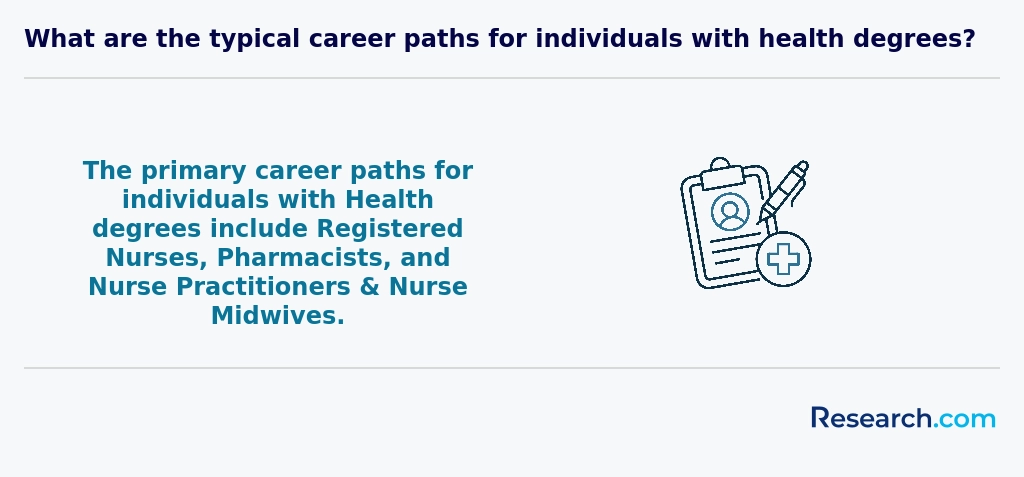
Graduates with an online healthcare degree in Illinois often pursue diverse career paths that align with the state's growing medical sector. Many find fulfilling roles as registered nurses, nurse practitioners, or healthcare administrators, leveraging their degree to advance quickly in clinical or management positions. For instance, those studying at well-regarded Illinois institutions experience firsthand the benefits of strong local healthcare networks, which enhance job placement and on-the-job learning.
Job seekers interested in healthcare management can oversee hospital departments or clinics, with master's programs from popular Illinois colleges providing the strategic skills needed to lead effectively. Others capitalize on technology trends by becoming health informatics specialists, where combining IT expertise with healthcare knowledge delivers better patient care. Public health remains a critical area, with graduates contributing to local disease prevention and community wellness initiatives across Illinois.
Illinois students exploring online healthcare degree jobs in Illinois might also consider specialized roles like research coordinators involved in clinical studies at Chicago's prominent medical centers. To find affordable education options, check the Low Cost Online Healthcare Degree Programs Ranking in Maryland for comparable insights on tuition and financial aid opportunities.
What is the job market for online healthcare degree in Illinois?
The demand for online healthcare degree graduates in Illinois is strong and growing, fueled by urban population growth and a rising need for healthcare professionals in diverse settings. Graduates from popular institutions across the state often find roles as registered nurses, healthcare administrators, and health informatics specialists, benefiting from a job market that is projected to grow by 17% over the next decade. Experienced graduates share that flexible online programs allowed them to balance work and study while gaining credentials that opened doors to rewarding careers in hospitals and specialized medical centers.
Salary prospects reinforce the positive outlook, with registered nurses earning a median of $76,000 annually and healthcare managers surpassing $100,000. For students concerned about cost, many have successfully navigated tuition by enrolling in competitive online programs with flexible plans. Prospective students exploring pathways can also consider accelerated options, such as the accelerated associate's degree online, to quickly enter the workforce.
With Illinois's healthcare sector expanding rapidly, those seeking online healthcare jobs in Illinois will find a welcoming environment that values qualified professionals and provides diverse career opportunities.
Frequently Asked Questions About healthcare
Students pursuing online healthcare degrees in Illinois can enhance their learning by actively engaging with digital resources provided by accredited universities. Illinois hosts several institutions accredited by the Higher Learning Commission, ensuring quality education aligned with state healthcare standards. Utilizing virtual simulation tools and case studies helps students apply theoretical knowledge practically, an essential skill given Illinois' diverse healthcare needs.
Connecting with local healthcare networks through internships or clinical placements can provide valuable hands-on experience. According to the Illinois Department of Public Health, demand for healthcare professionals is expected to grow by 15% through 2030, highlighting the importance of practical skills.
Time management and consistent communication with instructors also improve outcomes in online programs. Participating in online forums and study groups fosters peer support and deeper understanding. Leveraging these strategies positions students for success in Illinois' expanding healthcare market.
The healthcare field in Illinois is rapidly evolving, with new niches emerging due to technological advances and demographic shifts. One of the fastest-growing areas is telehealth, which expanded significantly during the COVID-19 pandemic and continues to offer remote care solutions. According to the Illinois Department of Public Health, telehealth use increased by over 50% in recent years.
Another emerging niche is healthcare informatics. Professionals skilled in managing health data and electronic records are in high demand as Illinois healthcare systems adopt advanced analytics for better patient outcomes.
Additionally, gerontology is gaining importance as Illinois' senior population grows, creating a need for specialized care managers and policy experts focused on aging.
Preparing for the job market after earning an online healthcare degree in Illinois involves multiple focused steps. First, candidates should obtain relevant certifications such as Certified Healthcare Administrator or Registered Health Information Technician, which boost employability.
Networking is essential; joining local organizations like the Illinois Health Care Association provides valuable connections. According to the Illinois Department of Employment Security, healthcare-related jobs in Illinois are expected to grow 12% through 2030, signaling strong demand.
Additionally, gaining practical experience via internships or volunteering with Illinois healthcare providers enhances resumes. Tailoring applications to meet state-specific healthcare regulations and credentialing requirements is also crucial.
Strong communication and technical skills are in demand, so continued education on emerging healthcare technologies is beneficial.
Employers in Illinois prioritize a combination of clinical expertise and interpersonal skills when hiring healthcare degree graduates. According to the Illinois Department of Employment Security, strong communication abilities are essential, as healthcare roles often require clear interaction with patients and multidisciplinary teams.
Critical thinking and problem-solving skills rank highly, enabling graduates to make informed decisions in fast-paced environments. Data from the Bureau of Labor Statistics highlights that knowledge in health informatics and technology is increasingly valuable in Illinois, where digital health systems are expanding.
Additionally, cultural competence is a key skill due to Illinois' diverse population. Employers look for graduates who can provide patient-centered care tailored to various backgrounds. These skills combined improve employability and readiness in the state's growing healthcare sector.
Finding internships in Illinois relevant to a healthcare degree involves a few key steps. Start by researching hospital systems such as Northwestern Memorial and Advocate Aurora Health, which often offer internship programs tailored to healthcare students. The Illinois Department of Public Health website also lists healthcare internship opportunities statewide.
Many universities providing online healthcare degrees in Illinois have partnerships with local medical facilities, so check with your school's career services. Networking through professional organizations like the Illinois Healthcare Council can open doors to internships.
According to the Illinois Department of Employment Security, healthcare occupations are projected to grow by 18% from 2020 to 2030, increasing internship opportunities. Early application and maintaining GPA requirements improve chances of success.
Obtaining an online healthcare degree in Illinois significantly enhances career mobility and advancement opportunities. The Illinois Department of Employment Security reports a steady increase in healthcare jobs, with a projected 15% growth in related fields through 2030. This demand creates a favorable environment for degree holders.
An online healthcare degree offers flexibility to working professionals, enabling them to gain advanced knowledge without career interruption. Many Illinois employers recognize accredited online programs, which can lead to promotions and higher salaries.
Completing a degree online also facilitates specialization in areas like health administration or nursing leadership, key to moving into management roles. According to the Illinois Nursing Workforce Center, advanced credentials correlate with increased leadership roles statewide.
Studying for a healthcare degree online in Illinois offers targeted preparation for interdisciplinary roles, reflecting the state's diverse and integrated healthcare system. Illinois programs emphasize collaboration among healthcare professionals, including nurses, social workers, and administrators, to improve patient outcomes. According to the Illinois Board of Higher Education, many institutions incorporate case studies and team-based projects that simulate real-world healthcare environments.
Online curricula often include courses on healthcare policy, ethics, and informatics, which equip students to work across fields and adapt to evolving industry demands. The state's healthcare workforce projections predict a 15% growth by 2028, highlighting the need for professionals skilled in multiple disciplines (Illinois Department of Employment Security, 2023). This interdisciplinary focus helps graduates assume leadership, coordination, and innovation roles in healthcare settings statewide.
Choosing between a thesis and a non-thesis healthcare degree program in Illinois depends largely on your career goals and learning preferences. Thesis programs require conducting original research and writing a detailed paper, which can benefit those pursuing a doctoral degree or careers in research and academia.
Non-thesis programs focus more on practical skills and coursework, making them ideal for professionals aiming to advance in clinical or administrative healthcare roles. According to the Illinois Board of Higher Education, healthcare employment in the state grew by 12% from 2018 to 2028, emphasizing the need for applied skills.
Consider the time commitment as thesis programs often take longer to complete due to research demands. Consult program advisors to understand specific requirements and how they align with your professional ambitions in Illinois's expanding healthcare sector.
Students based in Illinois who wish to study healthcare abroad have several pathways. Many US universities with healthcare programs offer study abroad or exchange opportunities that allow students to gain international experience without interrupting their degrees. Illinois students can access partnerships with institutions in countries like Canada, Australia, and the UK, known for their strong healthcare education systems.
Additionally, some online programs from foreign universities accept Illinois residents. However, students should verify accreditation and licensure requirements to ensure that international qualifications meet Illinois State Board of Nursing or medical board standards.
According to the Illinois Board of Higher Education, about 12% of Illinois college students participate in study abroad annually, reflecting growing interest in global healthcare perspectives.
Part-time job opportunities in Illinois can significantly enhance the educational experience for students pursuing online healthcare degrees. Common roles include medical assistants, patient care technicians, and administrative support staff within hospitals and clinics. These positions provide practical exposure to healthcare operations and patient interaction, complementing academic learning.
Illinois employed over 150,000 healthcare support workers as of 2023, according to the Illinois Department of Employment Security. This growing demand means part-time employment options are available statewide, including in Chicago, Springfield, and Peoria. Jobs in pharmacies and elderly care facilities also offer valuable experience relevant to healthcare degrees.
Additionally, many healthcare organizations in Illinois offer flexible shifts to accommodate students' schedules. Working in these roles enables students to build professional skills and networks while pursuing their degree online.
Networking opportunities for online healthcare students in Illinois are growing steadily alongside the state's expanding healthcare sector. Illinois is home to over 500 hospitals and numerous healthcare organizations, providing a rich professional environment (Illinois Department of Public Health, 2023). Many online programs encourage students to connect through virtual career fairs, webinars, and alumni groups tailored to healthcare fields.
Students can also join local chapters of national healthcare associations such as the American College of Healthcare Executives (ACHE) or the Illinois Health Information Management Association (IHIMA). These groups host events both online and in-person, facilitating connections with industry leaders.
Additionally, partnerships between universities and healthcare providers offer internships and practicum placements, valuable for building real-world contacts even for online learners. Leveraging LinkedIn groups and state-specific forums also helps online students expand their professional network in Illinois' healthcare community.
Alumni networks play a significant role for online healthcare degree students in Illinois by offering valuable connections within the local healthcare industry. These networks often provide mentorship opportunities, job referrals, and access to exclusive events, which can enhance career prospects. According to the Illinois Department of Employment Security, healthcare employment in Illinois is projected to grow by 12% between 2020 and 2030, making these connections particularly useful.
Students benefit from guidance on navigating Illinois' healthcare regulations and licensure processes through experienced alumni. The support from such networks helps students transition smoothly into the workforce after graduation, ensuring a practical advantage in Illinois' competitive healthcare job market.
Customizing an online healthcare degree in Illinois starts with selecting programs that offer specializations aligned with your career goals. Many Illinois universities provide options such as healthcare administration, informatics, or public health. These tracks help tailor your education to specific sectors within the healthcare industry.
Illinois' healthcare landscape employs nearly 1.2 million people, making focused skills highly valuable (Illinois Department of Employment Security, 2023). Online programs often allow elective courses or dual concentrations, enhancing flexibility.
Additionally, internships or practicum experiences can be chosen in local healthcare settings, offering real-world exposure while meeting licensure requirements.
Online healthcare students in Illinois often face several key challenges during their studies. One common difficulty is balancing coursework with professional and personal responsibilities, as many students are working adults or caregivers. Illinois data show that about 62% of healthcare graduate students juggle jobs alongside their education, increasing stress levels (Illinois Board of Higher Education, 2023).
Another challenge is access to clinical placements. Healthcare programs require hands-on experience, but securing local sites can be competitive. Illinois has a high demand for clinical placements due to its large healthcare sector, which sometimes limits availability for online students.
Lastly, technology barriers can hinder progress. Reliable internet and proper software are essential, yet not all students have consistent access. This digital divide affects around 15% of students statewide, impacting their learning experience (Pew Research Center, 2023).
With an online healthcare degree in Illinois, students can pursue various professional certifications that enhance career opportunities. Common certifications include Certified Medical Manager (CMM), Certified Healthcare Administrative Professional (CHAP), and Registered Health Information Technician (RHIT). These credentials are respected nationwide and supported by Illinois employers.
For those focusing on clinical roles, certifications such as Certified Professional in Healthcare Quality (CPHQ) and Certified Case Manager (CCM) are valuable. Illinois healthcare facilities often prefer candidates holding these certifications due to increasing healthcare quality standards.
According to the Illinois Department of Public Health, demand for certified professionals is expected to grow by 15% through 2030, highlighting the value of these credentials. Pursuing certification can also lead to higher salaries and better job security in Illinois' expanding healthcare sector.
When applying for an online healthcare degree program in Illinois, a strong application highlights your relevant experience and academic background. Emphasize any healthcare-related work or volunteer activities, as Illinois values practical knowledge in its growing healthcare sector. According to the Illinois Department of Employment Security, healthcare occupations are among the fastest growing in the state, making this background essential.
Clearly articulate your career goals and how the program aligns with them. Admissions committees look for motivated applicants committed to addressing Illinois' healthcare needs.
Strong letters of recommendation from professionals familiar with your skills can boost your application significantly.
Finally, proofread your personal statement carefully to ensure clarity and professionalism.
Healthcare careers are increasingly viewed from a global perspective, highlighting a growing demand for skilled professionals worldwide. In the United States, including Illinois, this translates to expanded opportunities as the healthcare industry adapts to international standards and global health challenges. According to the Illinois Department of Public Health, healthcare occupations in the state are projected to grow by 16% from 2020 to 2030, reflecting a broader global trend.
International collaboration and technology allow healthcare workers to address issues beyond local borders, making an online healthcare degree especially valuable. Such programs offer flexibility for students in Illinois to gain skills that meet both local and international healthcare needs, preparing them for a dynamic career.
Globally, many countries emphasize healthcare education standards aligned with those in the U.S., ensuring that graduates have comparable competencies. For Illinois students, this means their education may be recognized or adaptable should they choose to work in multinational environments or participate in global health initiatives, expanding career possibilities beyond state lines.
Gaining practical experience while studying for an online healthcare degree in Illinois is possible through clinical placements, internships, and partnerships arranged by many accredited programs. Illinois requires certain healthcare professions to complete hands-on training, which students usually fulfill at nearby hospitals, clinics, or community health centers.
For example, Illinois is home to over 200 hospitals and numerous outpatient facilities, providing ample options for clinical practice, according to the Illinois Hospital Association. Some online programs help coordinate these local experiences to meet licensure or certification requirements.
Additionally, virtual simulation labs are increasingly used to supplement real-world practice, offering flexible, interactive experiences for students unable to travel frequently.
Choosing the right concentration in an online healthcare degree program in Illinois requires careful assessment of your career goals and the state's healthcare demands. Illinois employs over 1.2 million healthcare workers, making specialties like nursing, healthcare administration, and public health highly relevant. According to the Illinois Department of Employment Security, healthcare roles are projected to grow by 16% through 2030, particularly in geriatric care and mental health services.
Consider professional certifications required in Illinois for specific roles, such as licensed nursing or medical coding credentials. Research if the program's concentration aligns with Illinois' healthcare regulations and employer expectations. Many Illinois universities emphasize real-world experience via virtual simulations or local clinical placements, beneficial for skill development.
Additionally, examine job placement rates and alumni success in your chosen field within Illinois. Data from the Illinois Board of Higher Education can help identify concentrations with strong regional employment outcomes, aiding informed decision-making in your studies.
Related Healthcare Rankings for Nearby States
- 2027 Easiest Online Master's in Healthcare Degree Programs Ranking in Indiana
- 2027 Easiest Online Master's in Healthcare Degree Programs Ranking in Wisconsin
- 2027 Easiest Online Master's in Healthcare Degree Programs Ranking in Iowa
- 2027 Easiest Online Master's in Healthcare Degree Programs Ranking in Missouri
- 2027 Easiest Online Master's in Healthcare Degree Programs Ranking in Kentucky
- 2027 Easiest Online Master's in Healthcare Degree Programs Ranking in Minnesota
- 2027 Easiest Online Master's in Healthcare Degree Programs Ranking in Kansas
- 2027 Easiest Online Master's in Healthcare Degree Programs Ranking in North Dakota
- 2027 Easiest Online Master's in Healthcare Degree Programs Ranking in West Virginia
- 2027 Easiest Online Master's in Healthcare Degree Programs Ranking in Mississippi
Top Trending Healthcare Rankings
See What Experts Have To Say About Studying Healthcare
Read our interview with Healthcare experts

References
- Knowledge and Attitude Towards Benefits and Challenges ... https://jpmsonline.com/article/knowledge-and-attitude-towards-benefits-and-challenges-of-inter-professional-education-among-undergraduate-healthcare-students-a-cross-sectional-study-711/
- Top 5 Part-Time Healthcare Jobs For Students https://www.sumnercollege.edu/blog/top-5-part-time-healthcare-jobs-for-students/
- How to Set and Achieve Career Goals in Health and Social Care | Royal Open College https://royalopencollege.org/blog/health-and-social-care/how-to-set-and-achieve-career-goals/
- BSHA - Healthcare Administration Degree Online at Aurora University https://online.aurora.edu/online-degrees/bsha-bachelor-science-healthcare-administration/
- Job-Ready Healthcare Skills for 2026 https://cliniwave.in/blogs/latest-article/job-ready-healthcare-skills
- Health Care Management (B.S.) - Online Degree Completion - University of St. Francis https://stfrancis.edu/health-care-management-online-degree-completion/
- Health Sciences Study Abroad Programs - Healthcare Abroad https://www.ceastudyabroad.com/academic-discipline/health-sciences
- How to Create a Healthcare Career Roadmap https://www.ihire.com/resourcecenter/jobseeker/pages/how-to-create-a-healthcare-career-roadmap
- How Much Can I Make With an Online Bachelor's of Public Health? - MPH Online https://www.mphonline.org/salary-bachelors-public-health/
- 10 Skills Employers Are Looking for in Healthcare Management Jobs https://www.aiuniv.edu/blog/10-top-skills-for-healthcare-management-jobs


