2027 Most Affordable Online Healthcare Degree Programs Ranking in Nebraska

Co-Founder and Chief Data Scientist
Choosing the right healthcare degree program in Nebraska can feel overwhelming. That's why this article presents the 2027 Most Affordable Online Healthcare Degree Programs Ranking in Nebraska, created by the Research.com team of data scientists. This helpful ranking aims to guide you through affordable, quality options so you can focus on your future.
Pursuing a healthcare degree opens doors to rewarding careers that make a difference. By exploring this ranking, you'll find programs that fit your goals and budget, empowering you to take confident steps toward a fulfilling career in healthcare.
Key benefits of getting online healthcare degree in Nebraska
- Graduates with healthcare degrees in Nebraska can earn competitive salaries, such as Medical Assistants averaging $43,350 annually and Quality Improvement Coordinators making around $103,150, reflecting strong financial opportunities.
- Career paths include roles like Patient Care Technician, Clinical Research Coordinator, or Health Information Technician, offering diverse options in clinical, research, and administrative healthcare fields.
- Online healthcare degrees provide flexible schedules and accessibility, allowing students to balance work and study while gaining valuable skills from reputable Nebraska institutions like the University of Nebraska, enhancing career prospects with convenience.
- 2027 Most Affordable Online Healthcare Degree Programs Ranking in Nebraska
- What can I expect from online healthcare degree in Nebraska?
- Where can I work with online healthcare degree in Nebraska?
What can I expect from online healthcare degree in Nebraska?
The average cost of an online healthcare degree in Nebraska dances between affordability and value, with many graduates sharing how their financial journeys felt surprisingly manageable. For example, students at the University of Nebraska's online nursing program often find themselves paying substantially less than traditional tuition-sometimes nearly half. This difference isn't just numbers; it translates to less debt and more freedom post-graduation, a relief echoed by many who juggle work, family, and study.
Community colleges offering healthcare administration or health information management degrees tend to price their courses even more competitively, giving hopeful healthcare workers a welcoming entry point. Grants, scholarships, and Nebraska's commitment to affordable education pepper these costs with bright spots, lighting the path for those motivated by passion, not just paycheck.
Graduates describe evenings balanced between virtual lectures and local clinical hours, smiling as they recount how accessible pricing made that possible without uprooting their lives or budgets. This blend of quality, flexibility, and fair pricing makes Nebraska's online healthcare degrees more than an investment-it's a launchpad into fulfilling careers.
Where can I work with online healthcare degree in Nebraska?
Graduates with an online healthcare degree in Nebraska dive into a spectrum of vibrant career avenues that pulse with opportunity. Picture a recent graduate from the University of Nebraska Online, thriving as a registered nurse in Omaha's bustling Nebraska Medical Center, where every shift weaves compassion into critical care.
Others bring their talents to regional hospitals in Lincoln or Grand Island, seamlessly blending online study flexibility with hands-on patient support. Outpatient clinics across Bellevue eagerly welcome graduates skilled in health education and clinical management-imagine coordinating community wellness programs that turn everyday lives healthier.
Some graduates carve paths into the heart of home health care, visiting Nebraska's aging population with gentle expertise, inspired by their courses at Creighton's online nursing program. State public health agencies hire alumni to lead initiatives on disease control and emergency preparedness, while health informatics roles flourish, where administration skills meet cutting-edge digital patient records.
In Nebraska's healthcare ecosystem, your online degree transforms into real-world impact, bridging education with the dreams of your community.
Imagine stepping out of the University of Nebraska's virtual classroom, ready to claim a Medical Assistant role with an average annual wage of $43,350. Plenty of graduates share stories of feeling the immediate payoff after finishing their online coursework, knowing their $20.84 hourly wage opens doors to steady, fulfilling work close to home.
Push the horizon further and picture yourself as a Patient Care Technician, where $60,790 annually and $29.23 hourly create a cushion for life's surprises. Several alumni from Nebraska Wesleyan University have found this role a perfect mix of meaningful patient interaction and solid paycheck in local clinics and hospitals.
For those drawn to the digital heartbeat of healthcare, becoming a Health Information Technician offers $43,380 a year, mirroring Medical Assistant wages but with a tech-savvy flair. Graduates relish the combination of both stability and behind-the-scenes impact in the Cornhusker State's ever-growing medical facilities.
Then, envision ascending to a Quality Improvement Coordinator, earning an inspiring $103,150 annually. Many University of Nebraska Medical Center veterans recall how this role, at $49.59 an hour, feels like shaping the future of Nebraska's healthcare-an empowering leap for online degree holders craving leadership and innovation.
- Online healthcare degrees in Nebraska cost between $9,000 and $15,000 per year for undergraduate programs, and $12,000 to $25,000 for graduate degrees.
- Starting salaries for recent healthcare graduates average around $50,000 annually, with registered nurses typically earning about $55,000.
- Experienced healthcare professionals in Nebraska can earn median salaries of approximately $75,000 or more after 5 to 10 years.
- Healthcare jobs in Nebraska are expected to grow by 15% through 2030, driven by an aging population and increased demand in rural areas.
- Accreditation is crucial for online healthcare programs to ensure quality education and eligibility for licensing exams in Nebraska.
Imagine balancing work, family, and dreams of helping others-online healthcare degrees in Nebraska flex to fit that life rhythm. Graduates from Bellevue University often share how the journey to a bachelor's took them about 3 years online, thanks to accelerated nursing pathways that cut the traditional 4-year timeline. Meanwhile, someone pursuing an associate degree at a local community college might wrap up in just 18 months, stepping swiftly into roles like medical assisting.
Graduate students at Chadron State College find a sweet spot studying part-time over 2 to 3 years, juggling shifts while growing into nursing or healthcare administration leaders. The Nebraska Department of Labor's steady demand means these programs bend with your schedule, empowering students to finish faster or at a comfortable pace.
It's like crafting your own healthcare story, where flexibility, prior credits, and your hustle decide the clock, making your degree timeline uniquely yours but always achievable.
After completing a Nebraska online healthcare degree, securing state licensure and national certification is essential for launching your career and ensuring compliance with professional standards. In Nebraska, registered nurses must pass the NCLEX-RN exam through the Nebraska Board of Nursing, submit fingerprint-based background checks, and maintain an active license via ongoing continuing education. Aspiring health information technicians often pursue the Registered Health Information Technician (RHIT) credential from AHIMA, which requires passing a standardized exam and adhering to recertification through professional development credits. Allied health graduates-such as respiratory therapists-typically take the Certified Respiratory Therapist (CRT) or Registered Respiratory Therapist (RRT) exams administered by the National Board for Respiratory Care (NBRC), while medical assistants can earn the Certified Medical Assistant (CMA) credential via the American Association of Medical Assistants (AAMA). Each certification demands a combination of accredited program completion, exam success, and periodic renewal through continuing education units (CEUs). Understanding licensure timelines, state fees, and renewal cycles is crucial. Nebraska healthcare professionals must often complete between 10 and 30 CEUs every two years, depending on the profession, to remain in good standing. Planning ahead for application processing times and exam scheduling can help new graduates transition smoothly into the workforce. For insights into regional program affordability and certification outcomes, explore our Affordable Online Healthcare Degree Programs Ranking in Idaho, which highlights comparable metrics and licensure success rates in a neighboring state.
Imagine a graduate from the University of Nebraska Medical Center juggling shifts at a bustling hospital while completing coursework on a tablet during quiet moments at home. This is the essence of online healthcare degrees in Nebraska-flexibility woven seamlessly into a busy life, eliminating long drives across sprawling rural landscapes. Meanwhile, a peer attending Creighton University experiences the vibrant campus buzz, face-to-face chats with professors, and hands-on labs in nearby clinics, soaking in the energy that fuels their passion for care.
Online programs in Nebraska craft clinical placements close to home, so students don't miss out on essential hands-on practice, despite not stepping foot on campus regularly. These students revel in the savings from ditching relocation and rent, often channeling resources into technology that keeps them connected and engaged.
Whether embracing the digital rhythm under Nebraska's endless skies or immersing in brick-and-mortar camaraderie, each path taps into unique strengths, shaping healthcare heroes ready to heal community-wide.
Succeeding in an online healthcare degree program requires a proactive approach to managing your studies, time, and resources. First, create a structured schedule that mirrors a traditional classroom setting, ensuring you dedicate specific hours each week to coursework and assignments. Utilizing digital tools like calendars, task management apps, and online discussion boards can help you stay organized and accountable. Develop effective communication strategies by actively participating in virtual study groups and engaging with faculty and peers during online lectures. This interaction not only deepens your learning but also expands your professional network, which is invaluable in the healthcare field. Many students have found that reaching out for support, whether through academic advisors or technical help desks, enhances the overall learning experience. Equally important is leveraging available resources to maximize your success. Consider exploring additional information on institutions offering accessible education, such as cheapest healthcare school in nebraska, to gain further insights and make informed decisions. Practical tips like setting up a dedicated study space, minimizing distractions, and taking regular breaks will also improve your productivity and well-being. Lastly, remember that online education is both flexible and challenging. Embrace the opportunity to develop lifelong skills in time management, digital literacy, and self-discipline, all of which are critical in today’s evolving healthcare environment. By adopting these strategies, you empower yourself to thrive academically and professionally throughout your online healthcare journey.
The average cost of an online healthcare degree in Nebraska generally falls between $8,000 and $13,000 per year at public universities. Graduates often recall balancing their busy schedules alongside courses that include clinical practicums and lab access, which add modest fees but enrich their hands-on experience. Imagine enrolling at a well-known Nebraska public university where costs remain affordable, making it easier to focus on mastering healthcare administration or nursing without overwhelming financial stress. This accessibility encourages many local students to envision fulfilling careers rooted right here in their communities.
Private institutions, known for specialized programs and flexible formats, tend to lean toward a higher tuition range of $15,000 to $25,000 annually, reflecting extra resources and often smaller class sizes. Alumni from these schools share stories of confidently navigating complex healthcare systems, supported by the robust online offerings. However, Nebraskans searching for affordable online healthcare degree programs Nebraska-wide are often encouraged to explore financial aid avenues, which many students find instrumental in making their educational dreams achievable.
Beyond tuition, additional costs including textbooks, clinical placement fees, and technology charges can nudge expenses upwards, yet many students embrace these as worthwhile investments in their future. Comparing these figures to national averages, Nebraska's pricing remains competitive. For those interested in specialized healthcare education paths, checking options from nursing colleges washington dc tuition can also provide useful context and financial strategies.

Succeeding in an online healthcare program requires a blend of disciplined study habits, effective time management, and proactive engagement with both digital tools and your academic community. Start by setting up a dedicated workspace that minimizes distractions and ensures reliable internet access. Create a detailed study schedule that aligns with assignment deadlines and exam dates, and take advantage of virtual office hours and discussion forums to clarify course material. Many students have found that leveraging digital resources-such as online libraries and interactive webinars-helps bridge the gap between theory and practice, enhancing both learning retention and practical skills. Additionally, if you’re exploring options for quality education, consider our cheapest healthcare school in nebraska to balance cost with comprehensive support services. Remember to apply time management techniques like the Pomodoro Method to sustain focus during study sessions, and reach out to peers through online study groups to foster a sense of community and shared learning. These strategies not only elevate your academic performance but also prepare you for the dynamic challenges of the healthcare industry.
Imagine diving into an online healthcare degree through the University of Nebraska without the weight of tuition anxiety. Many graduates share how completing the FAFSA unlocked a treasure chest of federal aid like Pell Grants, which felt like a financial breath of fresh air-grants that never demand repayment. At colleges like Creighton University, students rave about the Nebraska Opportunity Grant, a state-powered booster that slashes tuition costs for those juggling tight budgets.
Beyond the basics, institutional scholarships spark hope-merit or need-based, these awards have covered everything from textbooks to tech fees, creating a smoother path for countless healthcare hopefuls. Several graduates happily recall loan forgiveness programs targeting rural healthcare providers, turning their commitment to serve underserved communities into tangible debt relief.
For veterans stepping into healthcare careers online, GI Bill benefits open doors wide, often covering substantial tuition portions. These layers of support transform daunting expenses into manageable stepping stones, inspiring Nebraska students to pursue their healthcare dreams with confidence and excitement.
Online healthcare degrees in Nebraska integrate hands-on training through supervised field placements, ensuring you meet licensure standards while gaining real-world skills.
- Practicum Hours: Most bachelor’s programs require 100–200 clinical hours; nursing tracks and advanced certificates often exceed 400 hours.
- Local Partnerships: Nebraska institutions partner with hospitals, clinics and long-term care facilities to place students near home.
- Supervision and Evaluation: Experienced preceptors guide your training and assess competencies in patient care, data management or administrative tasks.
- Scheduling Flexibility: Evening and weekend placements accommodate working students.
- Licensure Preparation: Field experience aligns with state board requirements, setting you up for exams like the NCLEX-RN or RHIT certification.
For those focusing on health information management or billing, consider online classes for medical billing and coding with financial aid to supplement your practicum learning.
Imagine stepping into the vibrant world of Nebraska's healthcare scene, armed with the right credentials that open doors wide. To enroll in an online healthcare degree here, you'll first need your high school diploma or GED-a vital launchpad for programs at universities like the University of Nebraska Medical Center or Creighton University.
Graduates from these programs often recall the crunch of prerequisite courses like biology, chemistry, and English composition, which lay the groundwork for understanding complex medical concepts. You might also need standardized test scores like the ACT, although many schools in Nebraska are increasingly embracing test-optional policies, easing the path forward.
Hands-on experience shines too. Those with certifications such as CNA or EMT find their applications welcomed warmly, as real-world skills translate into confident learners ready to tackle challenges.
Picture enrolling smoothly, backed by a clear understanding of these requirements-a journey many Nebraska healthcare students describe as empowering, practical, and full of promise.

Embarking on an online healthcare degree is an exciting journey, and implementing effective strategies can help you excel both academically and professionally. Start by creating a structured study schedule that mirrors a traditional classroom routine; consistency is key when balancing coursework with work or family responsibilities. Utilize organized digital calendars, task lists, and time-blocking techniques to manage deadlines and study sessions effectively, ensuring you cover all course materials without feeling overwhelmed. Engage actively with your virtual classmates and instructors by participating in online discussion boards and webinars. This interaction not only solidifies your understanding of complex healthcare concepts but also builds a professional network that can support you throughout your career. Additionally, seek opportunities to connect with industry professionals through virtual events where you might learn more about emerging trends, such as insights on healthcare administration salary and job market shifts within the healthcare sector. Lastly, take full advantage of the online resources provided by your program-from recorded lectures and digital libraries to tutoring services and career counseling-to enhance your learning experience. This proactive approach will set you on a clear path to success in your online healthcare education.
Imagine diving into anatomy and physiology at the University of Nebraska Omaha, where graduates recall feeling like explorers mapping the intricate human body, unlocking secrets vital for anyone entering healthcare. Medical terminology becomes their secret code, allowing seamless communication in bustling hospital corridors or quiet rural clinics across Nebraska.
Health ethics and law classes don't just present dry statutes-they bring to life the real dilemmas Nebraska healthcare workers face, from respecting patient rights to navigating state-specific regulations. One graduate described this as their moral compass in the fast-paced world of medicine.
Incorporating health informatics with electronic health records at Creighton University, students embrace the digital revolution. They envision themselves as data guardians, ensuring patient information flows accurately and securely, bridging tech and care in today's evolving landscape.
Courses in healthcare management and leadership transform students into confident leaders ready to inspire teams in both metropolitan hospitals and small community health centers. Public health and patient care classes reflect Nebraska's unique blend of urban and rural communities, preparing graduates to promote wellness on all fronts.
- Anatomy and Physiology
- Medical Terminology
- Healthcare Ethics and Law
- Health Informatics and Electronic Health Records
- Healthcare Management and Leadership
- Public Health and Community Health
- Patient Care and Pharmacology
- Healthcare Quality Improvement

Imagine yourself navigating the dynamic world of healthcare from the comfort of your Nebraska home, choosing a pathway that speaks directly to your passion. Online healthcare degree specializations Nebraska programs at universities like the University of Nebraska Medical Center empower students to dive into fields such as Nursing, with many graduates describing the fulfillment found in RN-to-BSN programs that open doors to advanced patient care roles. Others celebrate the strategic thinking sharpened through Healthcare Administration and Management courses, preparing them to lead hospitals and clinics efficiently.
Students also find themselves immersed in Public Health, addressing challenges specific to Nebraska's vast rural areas, where community health strategies make a tangible impact. Health Informatics enthusiasts delight in the fusion of technology and medicine, transforming patient data into life-saving decisions. For those drawn to hands-on therapeutic roles, Physical Therapy and Occupational Therapy assistant programs-often with hybrid structures-offer a unique blend of virtual learning and practical skill-building. Medical Laboratory Science students share excitement over contributing to diagnostics, a critical step behind every successful treatment plan.
These tailored journeys are part of the broader healthcare program options Nebraska online institutions provide, allowing learners to shape careers with flexibility and profound local relevance. Many find this approach so appealing that they compare it to the practical benefits from traditional lpn schools in nc, making the leap to online education a meaningful choice for the future.
Choosing an online healthcare degree in Nebraska feels like mapping out your future with a compass made of passion and practicality. Imagine a graduate from the University of Nebraska Omaha, juggling family life while soaking in asynchronous lectures that fit perfectly into quiet late nights. Their key was finding a program that balances flexibility and accreditation-because Nebraska's rules demand legit, state-approved credentials to get that coveted license.
Another example: a student from Creighton University discovered affordable online healthcare degrees Nebraska through community college partnerships, keeping tuition under $5,000 annually. Their excitement soared when local clinical placements connected them with real-world experience right in Nebraska's heartland. This blend of cost-conscious decisions and hands-on learning transformed worries into confidence.
Look for programs that shine with support services-advisors who understand the hurdles of online learning and links to pediatric nursing workshops that deepen skills beyond textbooks. The best online healthcare programs Nebraska aren't just about classes; they're communities that spark growth, fueling careers and dreams alike.
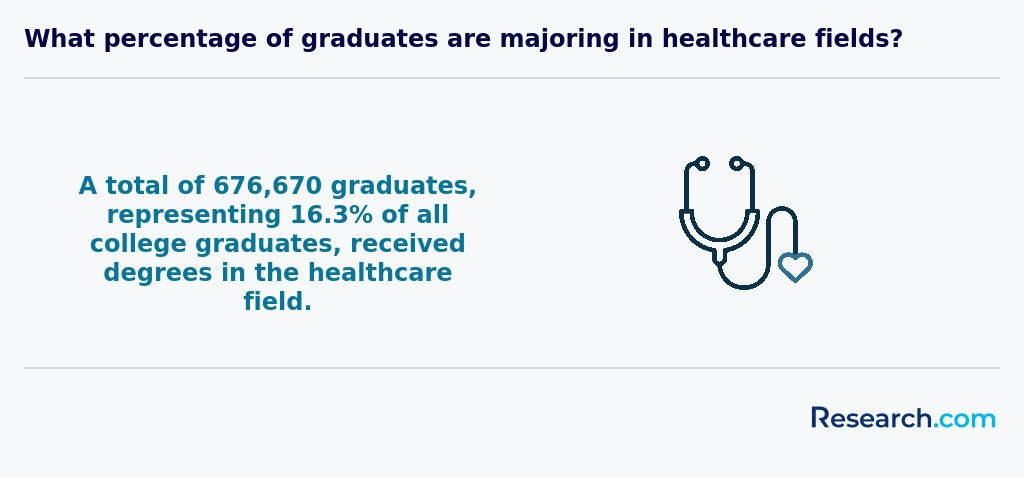
Graduates from Nebraska's online healthcare degree programs quickly realize their options stretch far beyond the usual. Picture a recent alum from the University of Nebraska cruising through a bustling hospital ward as a Registered Nurse, confidently balancing patient care and tech-driven charting. Another standout from Creighton University stepped into healthcare administration, managing clinic logistics with a sharp eye-proof that healthcare career opportunities Nebraska offers can feel like shaping the very backbone of local wellness. The digital frontier beckons as well, where medical coders and health informatics specialists thrive, decoding and directing encrypted health data like modern-day healthcare detectives. These roles don't just pay well-they offer the satisfaction of contributing to a healthier community, all while harnessing skills sharpened online.
Whether drawn to clinical care or the quiet power of medical data analysis, students find their niche in Nebraska's evolving healthcare landscape. For those inspired to advance even further, exploring accredited NP programs Georgia online from Nebraska can broaden horizons-merging local roots with extended expertise.
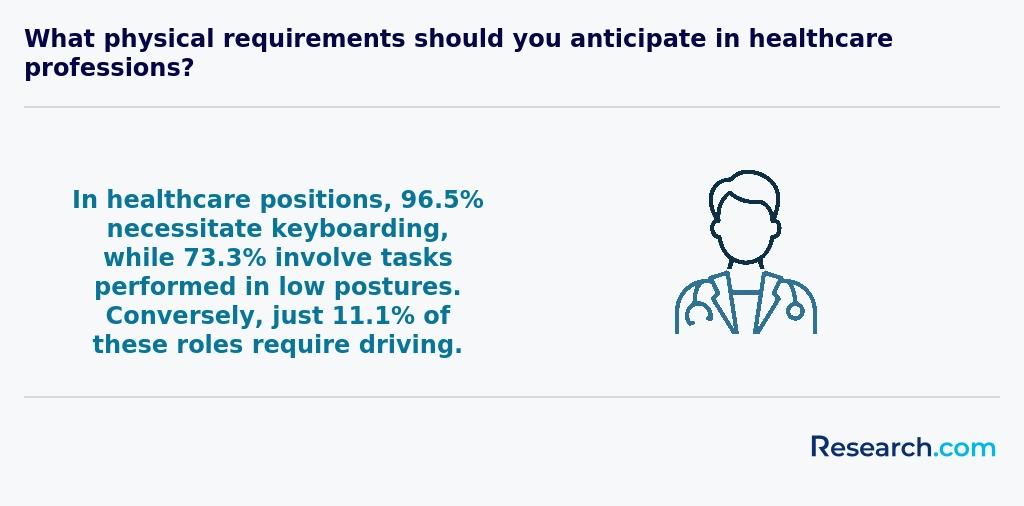
The online healthcare job market Nebraska offers is blooming with vibrant possibilities, especially for those who embrace flexibility and ambition. Graduates from popular institutions like the University of Nebraska Medical Center often share stories of landing diverse roles in hospitals, nursing homes, and public health agencies. These positions range from registered nurses to health services managers, fueled by a statewide demand that's projected to grow by 15% over the decade. Such optimism creates a fertile ground for eager professionals ready to thrive.
Healthcare degree employment opportunities Nebraska provides don't just stop at volume; the quality of jobs reflects competitive wages, often hovering near $64,000 annually for nurses. Many graduates find that earning an online degree from Nebraska colleges blends affordability with accreditation, opening doors in urban hubs like Omaha and Lincoln as well as rural communities. For those watchful of costs, exploring programs at the cheapest healthcare school in nebraska adds a practical edge to this exciting career path.
2027 Most Affordable Online Healthcare Degree Programs Ranking in Nebraska
Investing in your education is a significant decision that can greatly impact your future, and the Research.com team recognizes the importance of providing trustworthy guidance. To support students seeking affordable healthcare degree options in Nebraska, we have carefully developed the "2027 Most Affordable Online Healthcare Degree Programs Ranking in Nebraska." Our dedication to quality, credibility, and accuracy is demonstrated through thorough research and data analysis.
We utilized the following reputable data sources to ensure a comprehensive evaluation of healthcare programs:
By using this ranking, readers will gain meaningful insights into affordable online healthcare degree programs at Nebraska institutions, empowering them to make well-informed educational and financial decisions. For further information on how this ranking was created, please visit our Research.com methodology page.

# 2 position
University of Nebraska Medical Center
RN-to-BSN


Frequently Asked Questions About healthcare
Online healthcare degree students in Nebraska can maximize their learning experience by actively engaging with interactive course materials and virtual simulations that many accredited programs offer. Taking advantage of Nebraska's strong network of healthcare facilities for local internships or clinicals can reinforce practical skills. According to the Nebraska Department of Health and Human Services, hands-on experience is crucial for career readiness in healthcare fields.
Time management is essential; students should establish a consistent study schedule to balance coursework with personal and professional responsibilities. Joining online student forums or study groups specific to Nebraska healthcare topics can foster community and peer support, improving motivation.
Finally, utilizing academic advising and career services offered by Nebraska institutions can guide students toward relevant certifications and job placement, critical in a state where healthcare jobs are projected to grow by 13% through 2030 (U.S. Bureau of Labor Statistics).
The healthcare field is rapidly evolving, especially in Nebraska where new specialties are emerging to meet growing demands. One key niche is telehealth, which gained massive traction during the COVID-19 pandemic. Nebraska's rural areas benefit significantly from telehealth services, improving access to care for remote populations.
Another growing area is healthcare informatics. As medical facilities adopt electronic health records, professionals trained in data management and analysis are in high demand. The Nebraska Department of Health and Human Services highlights this as a priority for improving patient outcomes.
Additionally, gerontology is expanding due to Nebraska's aging population. Care focused on elderly patients requires specialized knowledge, creating new opportunities for online healthcare degrees that prepare students for this demographic shift.
After completing an online healthcare degree in Nebraska, it is essential to build a strong foundation for entering the job market. Start by gaining relevant experience through internships or clinical placements approved by your program. Nebraska's healthcare sector is growing steadily, with employment projected to increase by 7% from 2020 to 2030, according to the Nebraska Department of Labor.
Networking within local healthcare organizations and attending career fairs can open doors to opportunities. Additionally, obtaining relevant certifications, such as CPR or specific state licenses, improves your employability. Utilizing university career services for resume reviews and interview preparation is also highly recommended.
Employers in Nebraska highly value healthcare degree graduates who demonstrate strong clinical skills combined with effective communication abilities. According to the Nebraska Department of Health and Human Services, proficiency in patient care and knowledge of healthcare technology are essential for success in local healthcare settings.
In addition, critical thinking and problem-solving skills stand out as top competencies. Nebraska's growing healthcare industry requires graduates to adapt quickly to diverse environments, from rural clinics to urban hospitals.
Teamwork and leadership capacities are also increasingly important, reflecting a collaborative approach in Nebraska's healthcare facilities reported by the Nebraska Healthcare Workforce Center.
Finding internships in Nebraska related to healthcare degrees involves leveraging both academic and local professional resources. Many Nebraska colleges and universities with online healthcare programs maintain partnerships with hospitals and clinics across the state, facilitating student placements.
The Nebraska Department of Health and Human Services often lists available internship opportunities in public health and medical fields, making it a valuable resource. Additionally, facilities like the Nebraska Medicine health system and CHI Health offer internship programs for healthcare students.
Networking through Nebraska-based professional associations, such as the Nebraska Hospital Association, can also open doors to internship positions. Online job portals focused on Nebraska healthcare roles may provide current listings. Staying proactive and reaching out to local healthcare providers is crucial for securing relevant internships.
An online healthcare degree offers significant career mobility and advancement opportunities in Nebraska's growing healthcare sector. According to the Nebraska Department of Health and Human Services, the state expects a 15% growth in healthcare employment by 2030, creating demand for qualified professionals.
Online programs provide flexible access to accredited education, allowing working adults to gain advanced skills without relocating. Graduates with online healthcare degrees often qualify for higher-level positions such as healthcare administrators, nurse practitioners, or health information managers.
Moreover, Nebraska employers increasingly recognize online credentials, especially from regionally accredited institutions, aiding graduates' competitiveness in job markets.
Continuing education through online degrees supports professional licenses and certifications required statewide, enhancing job security and salary potential.
Studying for an online healthcare degree in Nebraska offers students a well-rounded education designed to prepare them for interdisciplinary roles in the evolving healthcare sector. Programs often emphasize collaboration across disciplines like nursing, public health, and healthcare administration. This approach aligns with Nebraska's growing demand for healthcare professionals who can work in teams to improve patient outcomes.
Nebraska's healthcare system is increasingly integrated, with many facilities encouraging cross-disciplinary communication. According to the Nebraska Department of Health and Human Services, there is a notable rise in roles requiring skills beyond clinical knowledge, including information management and policy understanding. Online degrees incorporate these elements, combining theory with practical applications.
In addition, Nebraska's accreditation standards for healthcare programs ensure students learn evidence-based practices adaptable to diverse healthcare environments. This training prepares graduates to address the needs of rural and urban populations alike, fostering collaboration between various healthcare experts.
Choosing between a thesis and a non-thesis online healthcare degree in Nebraska depends largely on your career goals and learning preferences. Thesis programs emphasize research and are ideal for students aiming for advanced roles or academic careers. They require completing a substantial research project, which can develop critical thinking and analytical skills.
Non-thesis programs focus on practical skills and coursework, making them suitable for professionals seeking direct entry into healthcare practice or administration. According to the Nebraska Department of Health and Human Services, healthcare jobs are projected to grow by 15% through 2030, favoring practical experience.
Consider program length and flexibility: non-thesis options often allow faster completion. Reviewing curriculum details on university websites and accrediting bodies can also guide your decision.
Students based in Nebraska seeking to study healthcare abroad through online programs have several options, though opportunities remain limited compared to domestic offerings. Many accredited U.S. universities partner with foreign institutions to deliver joint online healthcare degrees recognized across borders. This can include nursing, public health, and healthcare administration programs.
Nebraska ranks within the top 30 states for healthcare job growth, increasing demand for diverse educational paths. According to the Nebraska Department of Labor, enrollment in health-related fields increased by 5% in 2023, reflecting student interest in flexible programs, including international options.
It is important for Nebraska students to verify accreditation status and state licensing reciprocity when exploring international online healthcare degrees to ensure eligibility for professional certification upon completion.
Part-time job opportunities in Nebraska that complement healthcare degree education are diverse and practical. Positions such as certified nursing assistants (CNAs), medical assistants, and pharmacy technicians offer hands-on experience valuable to students. Nebraska's healthcare sector is growing steadily, with the Nebraska Department of Labor projecting a 10% increase in healthcare jobs through 2030.
Working in clinics, hospitals, or assisted living facilities allows students to apply theoretical knowledge while earning. Roles like patient care technician or medical coder help develop critical skills in patient interaction and health information management. These jobs often offer flexible hours, fitting well with online degree schedules.
According to the Nebraska Workforce Economic Research, healthcare support occupations earn a median hourly wage of about $15, making these positions viable for students seeking both experience and income.
Online healthcare students in Nebraska have growing networking opportunities despite the remote learning format. Many universities partner with local hospitals and clinics, enabling students to engage in virtual events and in-person clinical placements. Organizations like the Nebraska Health Care Association and Nebraska Nurses Association host conferences and workshops that online students can attend to build professional connections.
Additionally, several Nebraska institutions foster online student groups and career services tailored to healthcare fields. These include virtual job fairs and alumni mentoring programs. According to the Nebraska Department of Labor, healthcare is among the state's fastest-growing sectors, highlighting strong demand for professional networks.
By leveraging these resources, Nebraska's online healthcare students can connect with peers and industry professionals statewide, aiding career growth and knowledge sharing.
Alumni networks play an important role for students pursuing online healthcare degrees in Nebraska. These networks provide valuable connections in a state where healthcare jobs are growing steadily, with Nebraska expecting a 15% increase in healthcare occupations by 2030, according to the Bureau of Labor Statistics. Through alumni associations, students gain access to professional mentorship, job opportunities, and industry insights specific to Nebraska's healthcare landscape.
Networking helps online students overcome geographic isolation by linking them to local professionals and hospitals, such as the Nebraska Medical Center.
Moreover, alumni often share continuing education resources, supporting lifelong learning critical in healthcare fields.
Customizing an online healthcare degree in Nebraska involves selecting programs that offer flexible curricula aligned with your career goals. Many Nebraska institutions provide options to choose specializations such as nursing, health informatics, or public health, allowing students to tailor their studies.
In Nebraska, online healthcare programs often include elective courses and clinical practice placements that fit local healthcare needs. For example, Nebraska's growing demand for healthcare professionals in rural areas encourages programs to offer rural health modules.
Accredited schools follow guidelines from organizations like the Nebraska Department of Health and Human Services, ensuring quality education that meets state licensing requirements.
Online healthcare students in Nebraska often face challenges related to balancing rigorous coursework with personal and professional responsibilities. Many students juggle jobs or family care while studying, which can increase stress and limit study time. Limited access to local clinical placements presents another hurdle, as hands-on experience is crucial for healthcare qualifications but may be harder to arrange remotely.
Technical issues also pose barriers, including unstable internet connectivity in rural areas of Nebraska. According to the Nebraska Department of Education, approximately 15% of residents in rural regions lack reliable broadband access, affecting online learning quality.
Lastly, students may experience feelings of isolation or reduced peer interaction compared to traditional programs, impacting motivation and support networks.
With an online healthcare degree in Nebraska, graduates can pursue various professional certifications to advance their careers. Common certifications include the Certified Nursing Assistant (CNA), Registered Health Information Technician (RHIT), and Certified Medical Assistant (CMA). These credentials enhance employability in hospitals and clinics throughout Nebraska, where healthcare jobs are projected to grow 9% through 2030, according to the U.S. Bureau of Labor Statistics.
Additionally, individuals with degrees in health administration may seek certifications like the Certified Healthcare Administrative Professional (cHAP). For those focusing on public health, the Certified in Public Health (CPH) credential is available. These certifications demonstrate expertise and often lead to higher salaries in Nebraska's healthcare market.
Writing a winning application for an online healthcare program in Nebraska requires clear demonstration of your commitment and preparedness. Begin by thoroughly researching the program's specific prerequisites and admission criteria, as Nebraska schools often emphasize clinical experience and academic readiness. Highlight any healthcare-related work or volunteer service, since Nebraska's growing healthcare sector values hands-on experience.
Ensure your personal statement clearly explains your motivation for pursuing healthcare and your career goals. Include relevant skills like communication, teamwork, and adaptability. Nebraska ranks in the top states for nursing job growth, so stressing your understanding of local healthcare needs can strengthen your application.
Lastly, request strong letters of recommendation from supervisors or educators who can attest to your qualifications. Following these steps increases your chance of admission in competitive programs.
The global perspective on a healthcare career highlights its essential role in public well-being and economic stability. In the United States, including Nebraska, healthcare employment is projected to grow 13% from 2021 to 2031, faster than the average for all occupations, according to the U.S. Bureau of Labor Statistics.
Nebraska's healthcare sector employs over 140,000 people, reflecting a strong demand for qualified professionals. Globally, healthcare roles often involve collaboration across countries to improve standards of care, especially during crises like pandemics.
Online healthcare degrees in Nebraska provide flexible options to join this fast-growing, impactful field, preparing students for diverse local and global challenges.
Gaining practical experience while studying for an online healthcare degree in Nebraska is essential for building skills valued by employers. Most accredited programs require clinical or practicum hours, which students can complete in local healthcare settings such as hospitals, clinics, or nursing homes.
Nebraska is home to reputable healthcare facilities like Nebraska Medicine and CHI Health, offering diverse opportunities for hands-on training. Students typically work with their school's clinical coordinators to arrange placements near their residence.
Additionally, some schools partner with Nebraska's healthcare organizations to ensure supervised in-person experiences align with program requirements and state licensing standards.
According to the Nebraska Department of Health and Human Services, these experiences are critical for professions such as nursing and allied health.
Choosing the right concentration within an online healthcare degree program in Nebraska involves assessing your career goals and local job market needs. Nebraska's healthcare sector is growing, with a 12% projected increase in health-related jobs by 2030 according to the Nebraska Department of Labor. Popular concentrations include nursing, healthcare administration, and public health, each offering distinct career paths and salary potentials.
Consider programs that align with Nebraska's demand for professionals, especially in rural areas where healthcare shortages are critical. Research programs accredited by recognized bodies, ensuring your credentials are respected statewide. Additionally, review course flexibility to suit your schedule and the availability of clinical placements or internships within Nebraska healthcare facilities.
- 2027 Most Affordable Online Healthcare Degree Programs Ranking in South Dakota
- 2027 Most Affordable Online Healthcare Degree Programs Ranking in Missouri
- 2027 Most Affordable Online Healthcare Degree Programs Ranking in Minnesota
- 2027 Most Affordable Online Healthcare Degree Programs Ranking in North Dakota
- 2027 Most Affordable Online Healthcare Degree Programs Ranking in Illinois
- 2027 Most Affordable Online Healthcare Degree Programs Ranking in Wisconsin
- 2027 Most Affordable Online Healthcare Degree Programs Ranking in Texas
- 2027 Most Affordable Online Healthcare Degree Programs Ranking in New Mexico
- 2027 Most Affordable Online Healthcare Degree Programs Ranking in Mississippi
- 2027 Most Affordable Online Healthcare Degree Programs Ranking in Louisiana
See What Experts Have To Say About Studying Healthcare
Read our interview with Healthcare experts

- Networking and Mentorship During Clinical Rotations https://rotatingroom.com/blog/medical-students-the-importance-of-networking-mentorship-during-your-clinical-rotations
- Career Opportunities in Healthcare Without a Medical Degree https://www.just-medical.ch/en/blog/medical-careers-without-formal-education
- Challenges for Medical Students - Health Action Research Group https://www.healthactionresearch.org.uk/mental-health/challenges-for-medical-student/
- How to choose a bachelor's in healthcare administration | edX https://www.edx.org/resources/how-to-choose-a-bachelors-in-healthcare-administration
- Online Health Science Degrees with Financial Aid https://www.edumed.org/online-schools/health-science-degrees/financial-aid/
- Best Practices for Career Development and Advancement in the Healthcare Sector | Generation https://www.generation.org/news/best-practices-for-career-development-and-advancement-in-the-healthcare-sector/
- How Much Can I Make With an Online Bachelor's of Public Health? - MPH Online https://www.mphonline.org/salary-bachelors-public-health/
- 5 Concentrations for a Bachelor’s of Healthcare Administration - Healthcare Administration Degree Programs https://www.healthcare-administration-degree.net/lists/5-concentrations-for-a-bachelors-of-healthcare-administration/
- Global Health Perspectives https://www.denvercollegeofnursing.edu/students/global-health-perspectives.html
- Niche Markets in Healthcare https://ultrariskadvisors.com/niche-markets-in-healthcare/