2027 Most Affordable Online Healthcare Degree Programs Ranking in Idaho

Co-Founder and Chief Data Scientist
If you're exploring affordable options for healthcare degrees in Idaho, this article is here to help. We present the 2027 Most Affordable Online Healthcare Degree Programs Ranking in Idaho, carefully created by the Research.com team of data scientists.
This ranking simplifies your search by highlighting quality programs that won't break the bank. Whether you're starting fresh or advancing your career, finding the right program is key to achieving your goals.
Reading this guide can open doors to rewarding healthcare careers, making education feel more accessible and manageable for you.
Key benefits of getting online healthcare degree in Idaho
- Salary for healthcare degree graduates: Graduates can earn rewarding salaries, with Medical Assistants making around $43,350 annually and Quality Improvement Coordinators earning up to $103,150 per year, offering excellent financial motivation.
- Potential career paths: An Idaho State University healthcare graduate might explore diverse roles like Patient Care Technician, Clinical Research Coordinator, or Health Information Technician, reflecting strong job opportunities in the region.
- Benefits of online healthcare degrees: Online programs from institutions like Boise State University allow flexible study schedules and lower costs, helping students balance work and life while advancing their careers from home.
- 2027 Most Affordable Online Healthcare Degree Programs Ranking in Idaho
- What can I expect from online healthcare degree in Idaho?
- Where can I work with online healthcare degree in Idaho?
What can I expect from online healthcare degree in Idaho?
Students pursuing an online healthcare degree in Idaho typically find tuition rates comparable to on-campus programs, creating a balanced investment in their futures. For example, graduates from Idaho State University often share how paying around the same amount as their peers on campus allowed them to focus on their studies without added financial stress. Community colleges in Idaho frequently offer some of the most affordable options, which many students appreciate when managing family or work commitments.
Financial aid and scholarships also play a vital role in easing costs. Those balancing full-time jobs have found relief through grants designed specifically for healthcare students in the state. This financial flexibility helps students feel more confident and motivated while navigating rigorous coursework alongside practical training.
Through these experiences, prospective students realize that investing in an online healthcare degree in Idaho not only provides quality education but also respects their personal and financial challenges, making career advancement genuinely attainable.
Where can I work with online healthcare degree in Idaho?
Graduates from online healthcare programs at institutions like Boise State University often find themselves eagerly stepping into roles at prominent Idaho hospitals such as St. Luke's Health System. Many share how their education prepared them to confidently take on responsibilities as registered nurses or healthcare administrators, embracing both the challenge and fulfillment of improving patient care within these large health systems.
Others discover rewarding careers in outpatient clinics and urgent care centers throughout Boise and rural areas. The ability to work as medical assistants or healthcare managers in these accessible and community-focused settings resonates deeply with those who value close patient interaction.
Graduates with a passion for public health often recall meaningful experiences working with Idaho's Department of Health & Welfare, contributing to vital programs like epidemiology or community health education. This path offers a profound sense of purpose in safeguarding statewide wellness.
Those drawn to elder care appreciate opportunities in nursing homes and long-term facilities, responding to Idaho's aging population with compassion as licensed practical nurses or care coordinators. Home healthcare services similarly provide graduates from universities such as the University of Idaho with a chance to support patients in their own homes, making a tangible difference every day.
Graduates from Idaho's online healthcare programs often find rewarding salary prospects reflecting their chosen roles. For example, medical assistants who completed certifications through colleges like the College of Southern Idaho typically start with mean annual wages of about $43,350. Similarly, health information technicians, a popular path for those interested in data and administration, earn roughly $43,380 annually, according to BLS data.
Some graduates aiming for roles with more responsibility pursue careers as patient care technicians, commonly seen among those from Boise State University's healthcare tracks. These professionals earn close to $60,790 a year, a figure that represents a solid step up in Idaho's healthcare job market.
For those graduating from advanced programs or combining clinical practice with coordination roles, the quality improvement coordinator position stands out with a mean wage soaring to $103,150 annually. This demonstrates how Idaho's healthcare education, including online Master's pathways, sets graduates up for strong upward mobility both fiscal and professional.
Graduates often express satisfaction and confidence in their ability to support local communities while securing stable incomes, underscoring the meaningful nature of Idaho's healthcare training options.
- Idaho offers accredited online healthcare programs in nursing, health administration, and medical technology with flexible scheduling for working students.
- Tuition for undergraduate healthcare degrees ranges from $7,000 to $15,000 per year for in-state students, while graduate programs cost between $15,000 and $25,000 annually.
- Financial aid such as scholarships and federal loans may be available to help cover tuition and related expenses.
- Starting salaries for healthcare graduates in Idaho are about $45,000 to $55,000 annually, increasing to $65,000 to $85,000 with experience in roles like nursing or healthcare management.
- The job market for healthcare professionals in Idaho is growing faster than the national average, with strong demand for nurses, medical assistants, and healthcare administrators projected through 2030.
Completing an online healthcare degree in Idaho often spans several years, shaped by program type and personal circumstances. For example, graduates from programs at Boise State University frequently share how their bachelor's degrees in nursing or health administration took about four years full-time, while part-time study extended that timeline but allowed them to balance work and family obligations without stress.
Associate degrees, such as those for medical assisting from institutions like the College of Southern Idaho, typically wrap up in about two years. These graduates often express satisfaction in quickly joining the workforce, fueled by the accessible online coursework combined with essential hands-on clinical skills.
Graduate students pursuing MSN or healthcare administration degrees through Idaho State University note completion times between 18 months and three years, often influenced by prior healthcare experience and program flexibility. Many highlight that clinical practicum scheduling was the most challenging part but ultimately rewarding, fostering professional growth and confidence in real-world settings.
The journey varies, yet the embrace of Idaho's reputable programs and adaptable online formats helps students progress at a sustainable, fulfilling pace, aligned with their unique goals.
Choosing between online and on-campus healthcare degrees in Idaho often comes down to lifestyle and learning preferences. Graduates from Boise State University's online program share how the flexibility to study around family and work commitments made completing their degree manageable and rewarding. They appreciated accessing lectures and assignments anytime, which helped balance busy days without feeling overwhelmed.
Conversely, graduates from the University of Idaho recall the value of face-to-face interaction in classrooms and labs. They describe how hands-on practice and immediate feedback from instructors deepened their understanding of complex medical skills. The structured schedule fostered discipline and connection with peers, enhancing motivation and camaraderie.
Both pathways require clinical placements in Idaho's healthcare facilities, ensuring real-world experience regardless of study mode. Online students value that they can arrange nearby practicum sites, avoiding relocation, while on-campus students benefit from university support in securing local clinical hours.
Financially, some find online programs reduce costs by eliminating housing and commuting expenses common to colleges like Idaho State University, though tuition can be comparable due to technology needs. This nuanced difference allows students across Idaho-whether in Boise or more rural towns-to pursue healthcare education tailored to their circumstances.
Embarking on an online healthcare degree journey requires strategic planning and a proactive approach to overcome the unique challenges of remote learning. Students can enhance their academic performance by establishing a dedicated study schedule, utilizing digital learning tools, and actively engaging in virtual study groups. It is essential to develop effective time management skills and leverage online resources such as webinars, discussion forums, and institution-sponsored tutoring services. Additionally, connecting with alumni networks and career counselors can provide invaluable insights into navigating internships and job placements after graduation. For more detailed insights on cost-effective options, prospective students should explore our guide on the affordable healthcare school in idaho. By taking advantage of these success strategies, students can not only excel in their coursework but also position themselves for rewarding career opportunities in the rapidly evolving healthcare sector.
The average cost of an online healthcare degree in Idaho typically centers around $6,517 for in-state students, reflecting a balance between value and quality in public institutions. Many graduates share that programs at well-known schools like Boise State University offer a manageable investment without sacrificing the comprehensive education needed to thrive in healthcare fields. The affordability of these programs enables students to pursue their dreams without overwhelming financial stress, often making the difference between hesitation and confident commitment.
For those exploring affordable online healthcare programs Idaho 2027, it's important to remember that costs can vary depending on degree level and specialization. Associate degrees in allied health may be on the lower end of the spectrum, while bachelor's and graduate degrees naturally carry higher tuition but open wider career doors. Students often recall balancing their expenses with scholarships and employer tuition assistance, which reflect a practical approach to managing education costs while preparing for future success.
Many students find inspiration by comparing costs and outcomes. For example, graduates from Boise State recall the rewarding feeling of completing their program with a realistic budget. It's also valuable to explore diverse program options; some online nursing students refer to the advantages found by reviewing online nursing degrees florida job prospects as a comparison point for career outlooks and affordability.

When you’re ready to apply, follow these steps to stay on schedule and avoid last-minute stress.
- Review program-specific deadlines, prerequisites and required documentation.
- Complete the FAFSA and apply for state and institutional aid by priority dates.
- Gather transcripts, test scores, letters of recommendation and personal statements.
- Submit applications at least 6–8 weeks before the term begins to secure your spot.
- Arrange clinical placement hours in partnership with local Idaho healthcare providers.
- Confirm enrollment, set up your student portal and attend orientation sessions.
For those aiming at leadership roles, explore our online healthcare administration degree for specialized training and career support.
Financial aid for online healthcare students in Idaho is surprisingly accessible and varied, offering real relief to those balancing work, family, and study. Many graduates from programs at institutions like Boise State University and Idaho State University recall how completing the FAFSA unlocked grants and loans that significantly eased their tuition burden. Pell Grants, in particular, stand out as lifelines because they don't require repayment, allowing students with limited income to focus fully on their studies without overwhelming debt.
State-specific scholarships, such as the Idaho Opportunity Scholarship, also make a notable difference, especially when combined with merit recognition. Graduates describe the satisfaction of receiving up to $3,500 annually, which helped cover costs beyond tuition-textbooks, technology fees, and other essentials that add up quickly.
Practical partnerships with local hospitals and clinics provide dual benefits: financial support through tuition assistance and invaluable hands-on experience. Many find that these opportunities not only offset costs but also build confidence for entering Idaho's expanding healthcare workforce, where commitment to underserved communities can even lead to loan forgiveness programs.
Professional organizations further enrich the financial aid landscape by offering targeted scholarships. Online students pursuing nursing or health administration have found these dedicated funding sources through groups like the Idaho Nurses Association, enhancing both their academic journey and sense of belonging within the healthcare community.
In today’s competitive healthcare industry, pursuing additional qualifications can be a game changer for career advancement. Alongside an online healthcare degree, earning specialized certifications provides professionals with the latest industry insights and practical skills, ensuring they remain at the forefront of technological and regulatory advancements. For example, obtaining a healthcare administration certificate not only sharpens leadership and management capabilities but also enhances your resume when applying for high-level positions. Moreover, continuing education programs offer flexible learning options that cater to busy professionals, allowing them to upgrade their expertise without interrupting their current work schedule. Engaging in professional development through workshops, seminars, and accredited certification programs enables graduates to build a robust network, gain exposure to real-world challenges, and stay updated with evolving practices in healthcare administration and management. Institutions and employers increasingly value candidates who demonstrate a commitment to lifelong learning, and certifications serve as a tangible measure of that dedication. As such, integrating advanced certifications into your career strategy can open doors to diverse opportunities, from leadership roles in hospitals and clinics to specialized positions in public health and informatics.
Enrolling in an online healthcare degree in Idaho typically begins with having a solid educational foundation, such as a high school diploma or GED, which many graduates found crucial for grasping complex healthcare topics. For example, students from Boise State University often share how prior coursework in biology or chemistry helped them transition smoothly into their programs. Official transcripts are necessary, confirming these academic basics and sometimes showing advanced sciences completed.
Many programs in Idaho don't always require SAT or ACT scores, but it's wise to check each college's policy since some may still ask for them. Graduates from Idaho State University recall how completing patient care hours or holding certifications like CNA enriched both their applications and their confidence entering nursing programs.
Technical readiness also plays a vital role; successful students emphasize how mastering digital platforms early allowed them to focus on learning rather than struggling with technology. The blend of academic preparation, practical experience, and tech skills creates a strong platform for success in Idaho's growing healthcare sector.
Investing in an online healthcare degree requires balancing upfront costs against projected career earnings. On average, Idaho graduates incur $13,035 in tuition, while federal loan data shows a median debt of $25,000 for healthcare bachelor’s degree recipients. With the average annual salary for Patient Care Technicians at $55,860 and Health Information Technicians at $41,260, graduates typically recoup tuition within two to three years of full-time employment. Beyond entry-level roles, professionals earning a master’s degree can command starting salaries above $75,000. For students considering graduate programs, our Inexpensive Online Master's in Healthcare Degree Programs Ranking in the West highlights cost-effective master’s pathways that boost earning potential while minimizing debt. Factoring in Idaho’s projected 13% job growth, the net present value (NPV) of an online healthcare degree-calculated over a 10-year period-can exceed $200,000 when accounting for salary increases, benefits, and career advancement. Key metrics for evaluating ROI: • Average break-even point: 2.5 years • Estimated 10-year NPV: $180,000–$220,000 • Potential earnings growth: 3–5% annual raises in healthcare roles Prospective students should compare program costs, financial aid packages, and long-term salary projections to choose an option that maximizes ROI. Utilizing employer tuition reimbursement, state loan repayment programs, and income-driven repayment plans can further accelerate debt payoff and enhance overall value.
Students pursuing online healthcare degrees in Idaho find their coursework thoughtfully crafted to meet the state's unique healthcare landscape. Graduates from institutions like Boise State University often reflect on how courses such as Anatomy and Physiology laid a practical foundation, enabling them to understand patient conditions deeply, whether in bustling clinics or rural health centers. A solid grasp of Medical Terminology helps them communicate clearly with professionals and patients alike, reducing errors and fostering trust.
Courses like Healthcare Ethics and Law resonate strongly, as graduates recall navigating real-world scenarios involving patient confidentiality and HIPAA compliance, essential in Idaho's close-knit communities. Health Informatics opens doors to mastering evolving technology that supports rural healthcare delivery, a passion point for many students from the University of Idaho.
Electives in mental health or geriatrics often inspire students, reflecting Idaho's demographics and the growing demand for such specialists. These programs balance theory with hands-on skills, making students ready to meet local healthcare needs with confidence and empathy.
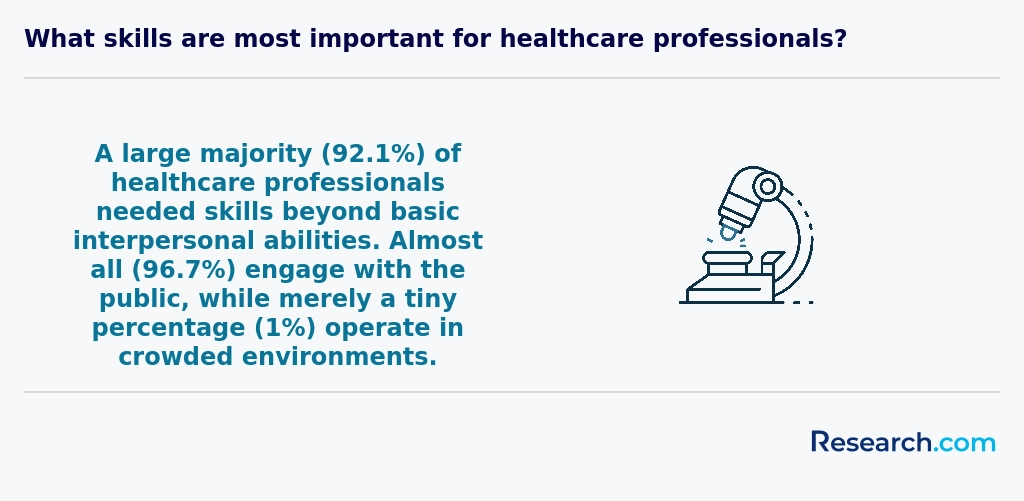
Many online healthcare degree specializations in Idaho respond to both personal ambition and industry demand, blending practicality with passion. Graduates from Idaho's popular universities often highlight Nursing as a top choice, particularly RN and BSN programs, appreciating how these degrees balance clinical skills with flexible schedules, fitting into their busy lives. Others find themselves drawn to healthcare administration or health informatics, where the challenge of improving healthcare systems or managing facilities offers meaningful career growth. These practical pathways are highly relevant given Idaho's expanding healthcare sector.
Students pursuing Idaho online healthcare program specialties frequently mention public health and allied health professions, such as medical laboratory technology or radiologic technology, valuing how these fields contribute directly to community well-being. Several graduates also recall how programs focused on healthcare management and health education prepared them for leadership roles with inspiring responsibility. For those exploring diverse options, programs often include hybrid models with clinical components, emphasizing real-world experience.
When considering specializations, some reflect fondly on how exploring medical assistant programs Nevada broadened their perspective on allied healthcare careers beyond Idaho.
Choosing an online healthcare degree in Idaho means focusing on factors that truly impact your future. Graduates from popular Idaho colleges often emphasize the importance of accreditation-not just regional, but program-specific like CCNE for nursing. This ensures your degree holds weight with employers and licensing boards nationwide.
Many have found that programs offering flexible schedules help balance work and family life, a real advantage when managing busy Idaho lifestyles. Affordable online healthcare degrees Idaho options tend to come from public institutions, where tuition typically stays on the lower end, making education more accessible without sacrificing quality.
Clinical experience also shapes your readiness. Local Idaho programs usually arrange convenient practicum sites, reflecting what graduates describe as a reassuring step that bridges theory with on-the-ground care. Student support-like advising or tech help-can transform a challenging moment into a confident stride forward.
For those exploring career paths, looking into career options for medical coder is one smart route, illustrating how diverse and promising these programs can be.

Graduates with an online healthcare degree in Idaho find their skills opening doors to diverse and rewarding career paths. Many choose to become Registered Nurses, building on foundational knowledge through ADN to BSN completion tracks offered by respected institutions like Boise State University. These programs reflect the state's growing need for nurses, highlighted in nursing profession job growth, creating promising opportunities for those passionate about direct patient care.
Others gravitate toward healthcare administration roles, managing operations in hospitals or clinics, often leveraging degrees from Idaho State University. Graduates in this field express satisfaction in shaping healthcare delivery behind the scenes, experiencing a blend of leadership and impact on community health. For those intrigued by data, becoming Health Informatics Specialists offers a chance to work at the cutting edge of healthcare technology, supporting efficient patient information systems across the state.
The appeal of serving rural Idaho through roles like public health specialists or medical and health services managers resonates deeply with many students, especially given the persistent shortages in these areas. Their work not only fulfills critical needs but also fosters a strong sense of purpose. These varied paths demonstrate the real-world value and emotional rewards tied to an online healthcare degree in Idaho.
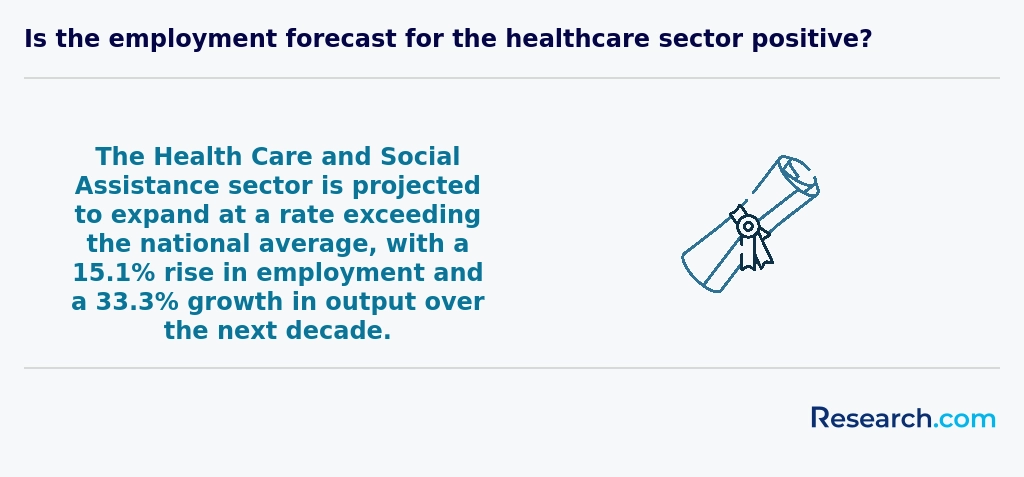
The online healthcare job market Idaho offers a hopeful outlook for graduates, reflecting a strong demand fueled by the state's aging population and healthcare system growth. Graduates from well-regarded institutions in Idaho, such as Boise State University and Idaho State University, often share experiences of finding diverse roles in hospitals, outpatient centers, and community health organizations soon after completing their online healthcare degrees. This adaptable education path, combined with necessary state certifications, opens doors to rewarding careers with competitive salaries.
Many graduates express satisfaction with how their online education prepared them for real-world challenges, emphasizing skills like patient care and digital health management. Idaho employers value this modern training, especially in telehealth and electronic health records, which are becoming essential. Those researching affordable options frequently consider an affordable healthcare school in idaho, ensuring quality education without excessive debt.
The Idaho healthcare degree employment outlook remains encouraging, providing graduates the confidence to enter a field that steadily expands with promising earnings. Whether in urban or rural settings, these opportunities reflect the state's growing investment in health services and innovation.
2027 Most Affordable Online Healthcare Degree Programs Ranking in Idaho
Investing in your education is a significant decision that can shape your future, and the Research.com team understands the importance of making informed choices. To assist prospective students in Idaho, we have carefully developed the "2027 Most Affordable Online Healthcare Degree Programs Ranking in Idaho." Our dedication to quality, credibility, and accuracy is demonstrated through thorough research and analysis undertaken to create this ranking.
We utilized the following reputable data sources to ensure a comprehensive evaluation of online healthcare degree programs:
By exploring this ranking, readers will gain valuable insights into the most affordable and credible online healthcare degree options in Idaho, empowering them to make well-informed decisions about their education journey. For more information on how this ranking was created, please visit our Research.com methodology page.


Frequently Asked Questions About healthcare
Online healthcare degree students in Idaho can maximize their learning by actively engaging with course materials and participating in virtual discussions. Utilizing Idaho-based clinical internship opportunities helps apply theoretical knowledge to local healthcare settings, which improves practical skills.
Idaho's workforce data shows a growing demand for healthcare professionals, so networking with local healthcare organizations through school partnerships can enhance job prospects. Time management is crucial for balancing online coursework with personal responsibilities, and students benefit from setting a structured study schedule.
Additionally, Idaho students should take advantage of academic resources such as tutoring and career services offered by their institutions to support their success.
The healthcare field in Idaho is evolving rapidly, with several emerging niches gaining prominence. One key area is telehealth, which expanded notably during the COVID-19 pandemic and continues to grow as Idaho improves rural access to care. According to the Idaho Department of Health and Welfare, telehealth usage increased by over 50% between 2019 and 2022.
Another important niche is healthcare informatics, focusing on managing patient data and improving healthcare delivery through technology. Idaho's aging population also drives demand for gerontological nursing and chronic disease management specialties.
Behavioral health services and addiction counseling represent critical fields responding to regional opioid and mental health challenges.
After earning an online healthcare degree in Idaho, preparing for the job market involves several strategic steps. First, it is essential to obtain any required state licenses or certifications, as many healthcare roles in Idaho, such as nursing or medical assisting, require proper credentials recognized by the Idaho Division of Occupational and Professional Licenses.
Networking is another key factor. Joining Idaho-based healthcare organizations or local chapters of national groups like the Idaho Nurses Association can open doors to job opportunities and mentorship.
According to the Idaho Department of Labor, healthcare employment in the state is expected to grow by more than 20% through 2030, highlighting strong job prospects for graduates.
Additionally, creating a professional resume tailored to Idaho employers and utilizing Idaho-specific job boards, such as HealthcareSource Idaho, improves the chances of securing relevant positions.
Finally, consider gaining practical experience through internships or volunteer work to enhance employability in Idaho's healthcare sector.
Employers in Idaho's healthcare sector prioritize a mix of technical and interpersonal skills when hiring graduates with online healthcare degrees. According to the Idaho Department of Labor, critical skills include clinical competence, electronic health records (EHR) proficiency, and knowledge of healthcare regulations. Employers also seek strong communication skills for patient interaction and teamwork, essential in Idaho's collaborative healthcare settings.
Problem-solving abilities and adaptability are highly valued due to the evolving nature of healthcare technology and patient needs. Additionally, cultural competency is important because Idaho's population is becoming more diverse, requiring sensitivity in care delivery. These skills help graduates meet employer expectations and succeed in Idaho's healthcare workforce.
Finding internships in Idaho related to healthcare degrees involves several effective strategies. Start by contacting Idaho's community colleges and universities offering healthcare programs, as they often have established partnerships with local hospitals and clinics. Networking through organizations such as the Idaho Hospital Association can also uncover internship opportunities.
Additionally, check with major healthcare providers in Idaho, including St. Luke's Health System and Saint Alphonsus Health System, which frequently provide internships and clinical placements.
The Idaho Department of Labor's website offers updated listings for healthcare internships and jobs, helping students connect to relevant positions.
Online databases like Handshake further support students by listing healthcare internships available regionally. These combined resources enhance the likelihood of securing hands-on experience in health services across Idaho.
Obtaining an online healthcare degree in Idaho significantly enhances career mobility by providing flexible access to accredited programs recognized by state employers. Healthcare occupations in Idaho are expected to grow 12% from 2022 to 2032, according to the Idaho Department of Labor, creating numerous advancement opportunities for credentialed professionals.
Online degrees allow workers to upskill without interrupting employment, supporting transitions between roles-such as moving from a clinical assistant to a nurse or healthcare administrator. Many Idaho healthcare employers prefer candidates with formal degrees due to increasing regulatory requirements and competitive salaries.
Graduates from online programs accredited by recognized bodies, like the Commission on Collegiate Nursing Education or the Council on Education for Public Health, meet statewide licensure eligibility, a crucial factor for promotion and career growth in Idaho's healthcare sector.
Studying for a healthcare degree in Idaho equips students with a broad understanding of medical, administrative, and social aspects essential for interdisciplinary roles. Programs often emphasize collaboration between nursing, public health, and health informatics, reflecting real-world team dynamics. Idaho's growing healthcare sector, with a projected 18% job increase in healthcare occupations by 2030 (Idaho Department of Labor), demands versatile professionals.
Many online degrees incorporate case studies and simulations addressing Idaho's rural and urban health challenges, helping students develop adaptable skills. Graduates learn to communicate across specialties, fostering coordinated care critical in improving patient outcomes statewide.
When choosing between a thesis and a non-thesis online healthcare degree in Idaho, consider your career goals and learning preferences. Thesis programs focus on research skills, requiring an original study and typically appealing to those interested in advancing to doctoral studies or research roles.
Non-thesis options often emphasize practical skills and coursework, suitable for professionals aiming to enter or advance in clinical or administrative healthcare roles more quickly.
Idaho's healthcare sector is growing, with a 16% projected increase in healthcare jobs by 2030 according to Idaho's Department of Labor, favoring practical skills that non-thesis tracks often provide.
Review program details, faculty expertise, and support services to match your needs effectively.
Students in Idaho interested in studying healthcare abroad via online programs have several viable options. Many U.S.-based accredited universities offer online healthcare degrees with international study components or global health tracks, allowing Idaho residents to gain abroad experience without relocating. According to the National Center for Education Statistics, Idaho has a growing demand for healthcare professionals, highlighting the value of diverse educational pathways.
Programs often include virtual global internships or partnerships with foreign health institutions. However, direct enrollment in foreign universities is less common due to licensing and accreditation differences, especially in healthcare fields. Students should verify that credits transfer and meet Idaho's professional licensure requirements.
Students pursuing online healthcare degrees in Idaho can benefit from various part-time jobs that enhance both their skills and resumes. Positions such as medical assistants, pharmacy technicians, or certified nursing assistants are common choices. These roles provide practical experience working in clinical or pharmacy settings, often with flexible hours suitable for students.
Idaho's healthcare sector is growing, with the Idaho Department of Labor projecting a 15% increase in healthcare employment from 2020 to 2030. This growth expands opportunities for part-time roles across hospitals, clinics, and long-term care facilities.
Additionally, telehealth support roles are emerging, allowing students to gain experience remotely.
Online healthcare students in Idaho have several networking opportunities despite the remote nature of their programs. Many Idaho institutions offering online healthcare degrees facilitate virtual networking through webinars, discussion boards, and group projects, allowing students to connect with peers and faculty across the state.
Additionally, Idaho's healthcare industry is growing, with over 103,000 healthcare jobs reported in 2022 by the Idaho Department of Labor. This growth supports numerous professional organizations, such as the Idaho Nurses Association and the Idaho Medical Association, which often host virtual events and local chapter meetups accessible to online students.
Students can also access internship and clinical placement networks through their schools, linking them with healthcare facilities statewide, helping to build professional contacts in real-world settings. Institutions frequently partner with hospitals and clinics in urban centers like Boise and Idaho Falls, enhancing practical networking opportunities.
Alumni networks provide crucial support for online healthcare degree students in Idaho by fostering professional connections beyond the virtual classroom. Graduates gain access to a wide community of healthcare professionals across the state, which can aid in job placement and career advancement. According to the Idaho Department of Labor, healthcare occupations are projected to grow by 16% from 2020 to 2030, making networking essential for capitalizing on emerging opportunities. These networks also offer mentorship, sharing real-world insights about Idaho's healthcare systems and regulatory environment. Such engagement enhances students' understanding and prepares them for the state's unique healthcare challenges.
Idaho students pursuing online healthcare degrees can tailor their studies by selecting specializations aligned with their career goals. Many Idaho institutions offer concentrations such as nursing, healthcare management, or public health, allowing students to focus on areas with strong local demand. According to the Idaho Department of Labor, healthcare support and professional roles are projected to grow 12% through 2030, emphasizing the value of targeted skills.
Flexible course scheduling and elective options enable students to balance education with work or personal commitments. Additionally, some programs provide clinical placement support in Idaho, helping learners gain practical experience relevant to the state's healthcare system.
Online healthcare students in Idaho often face challenges related to clinical placement availability. Since hands-on experience is critical in healthcare education, securing local internships or practicum sites can be difficult, particularly in rural areas where healthcare facilities are limited. According to the Idaho Department of Health and Welfare, many regions experience healthcare worker shortages, which can increase competition for clinical placements.
Additionally, students may encounter technical barriers such as unreliable internet access. The Federal Communications Commission reports that approximately 7% of Idahoans lack broadband, impacting online learning quality. Balancing work, family, and study commitments also remains a common difficulty for many adult learners pursuing online healthcare degrees.
With an online healthcare degree in Idaho, you can pursue several professional certifications to advance your career. Common options include Certified Nursing Assistant (CNA), Registered Health Information Technician (RHIT), and Medical Billing and Coding Specialist. These certifications often require passing national exams and meeting state-specific requirements.
Idaho also supports certifications such as the Licensed Practical Nurse (LPN) or Registered Nurse (RN), which require additional clinical experience but can be pursued after an accredited online degree combined with local clinical practice.
According to the Idaho Department of Health and Welfare, healthcare occupations are projected to grow 14% through 2030, highlighting a rising demand for certified professionals.
Completing certification enhances job prospects and validates specialized knowledge in areas like health informatics, patient care coordination, and healthcare administration.
Writing a successful application for an online healthcare program in Idaho begins with thorough research. Focus on programs accredited by recognized agencies like the Commission on Accreditation of Allied Health Education Programs (CAAHEP) or the Accreditation Commission for Education in Nursing (ACEN). These accreditations ensure quality education and eligibility for licensure.
Showcase your academic achievements and relevant experience clearly. Idaho's healthcare sector is growing, with jobs expected to increase by 17% from 2020 to 2030, according to the Idaho Department of Labor. This demand highlights the need for motivated applicants.
Personalize your statement by explaining why you want to serve Idaho's communities, emphasizing dedication to rural or underserved areas.
Finally, submit organized and error-free documents well before deadlines to reflect professionalism and reliability.
The global perspective on a healthcare career highlights its growing importance across nations. In the U.S., including Idaho, healthcare jobs are expanding rapidly due to aging populations and increased access to medical services. The U.S. Bureau of Labor Statistics projects a 13% growth for healthcare occupations from 2021 to 2031, faster than average.
Idaho reflects this trend, with a particular need for nurses, clinical staff, and healthcare administrators. Online healthcare degrees allow Idaho students flexibility while meeting local and national certification standards.
Worldwide, healthcare professionals face challenges like technological advances and cultural competence in diverse patient populations. Understanding these global shifts prepares students for a successful career in any setting.
Students pursuing an online healthcare degree in Idaho can gain practical experience through clinical placements, internships, or externships affiliated with their academic programs. Idaho's healthcare schools often partner with local hospitals, clinics, and community health organizations to provide hands-on training.
For example, students in nursing or allied health programs may complete required clinical hours at facilities such as St. Luke's Health System or Saint Alphonsus Health System, which are major healthcare providers in Idaho. These experiences help students apply theoretical knowledge in real-world settings.
Additionally, Idaho's Health Districts offer volunteer opportunities that can serve as practical exposure. The Idaho Department of Health and Welfare supports programs connecting students with public health initiatives, enhancing practical learning in community health.
When choosing a concentration within an online healthcare degree in Idaho, consider the state's healthcare job market demand. According to the Idaho Department of Labor, areas such as nursing, health informatics, and public health show strong growth. Align your choice with professions expected to grow by over 20% through 2030.
Evaluate how a concentration fits your career goals and interests. Nursing, for instance, prepares students for direct patient care roles, while health informatics focuses on managing healthcare data. Research Idaho-specific licensure requirements in fields like nursing or respiratory therapy when applicable.
Additionally, review program accreditation and clinical placement opportunities in your chosen concentration. Accredited programs ensure quality education and better job prospects in Idaho's healthcare system.
- 2027 Most Affordable Online Healthcare Degree Programs Ranking in New Mexico
- 2027 Most Affordable Online Healthcare Degree Programs Ranking in South Dakota
- 2027 Most Affordable Online Healthcare Degree Programs Ranking in North Dakota
- 2027 Most Affordable Online Healthcare Degree Programs Ranking in Nebraska
- 2027 Most Affordable Online Healthcare Degree Programs Ranking in Texas
- 2027 Most Affordable Online Healthcare Degree Programs Ranking in Minnesota
- 2027 Most Affordable Online Healthcare Degree Programs Ranking in Missouri
- 2027 Most Affordable Online Healthcare Degree Programs Ranking in Louisiana
- 2027 Most Affordable Online Healthcare Degree Programs Ranking in Wisconsin
- 2027 Most Affordable Online Healthcare Degree Programs Ranking in Illinois
See What Experts Have To Say About Studying Healthcare
Read our interview with Healthcare experts

- Niche Markets in Healthcare: How to Find & Target https://nechayadvisors.com/blog/niche-markets-in-healthcare
- Online learning | University of Idaho https://www.uidaho.edu/academics/online-learning
- Industry Recognized Credentials for Idaho https://www.americanalliedhealth.com/blog-posts/state-credentials/industry-recognized-credentials-idaho
- Online Medical Programs at CHCP - Start Now! https://www.chcp.edu/degrees-certificates/online/
- HEALTH MANAGEMENT (THESIS / NON-THESIS) - Lisansüstü Eğitim Enstitüsü https://lee.nisantasi.edu.tr/en/health-management-thesis-non-thesis/
- How a Strong Alumni Network Can Benefit Students https://www.pacificu.edu/blog/how-strong-alumni-network-can-benefit-students
- Students and Alumni associations - Europubhealth https://www.europubhealth.org/students-alumni-associations/
- Niche Markets in Healthcare https://ultrariskadvisors.com/niche-markets-in-healthcare/
- How to Set and Achieve Career Goals in Health and Social Care | Royal Open College https://royalopencollege.org/blog/health-and-social-care/how-to-set-and-achieve-career-goals/
- Health Careers https://www.nic.edu/healthcareers/