
2027 Most Valuable Online Doctorate in Healthcare Degree Programs Ranking in the Midwest

Co-Founder and Chief Data Scientist
Choosing the right online doctorate in healthcare can shape your future in meaningful ways. For students in the Midwest, navigating the many available programs might feel overwhelming.
This article presents the 2027 Most Valuable Online Doctorate in Healthcare Degree Programs Ranking in the Midwest, developed by the Research.com team of data scientists. It offers clear, data-driven insights to help you find programs that truly deliver value.
Discover options that fit your goals and unlock new opportunities in healthcare leadership and innovation. Your journey toward a rewarding career starts here.
Key benefits of getting online healthcare degree in the Midwest
- Healthcare degree graduates in the Midwest can expect strong salaries, such as a Program Director averaging $129,330 annually and a Research Director earning about $112,380 per year, highlighting rewarding financial opportunities.
- Career paths for healthcare graduates include leadership roles like Chief Development Officer or Principal Scientist, offering diverse options for growth within hospitals, research centers, and healthcare organizations.
- Obtaining a healthcare degree online from a respected Midwest university provides flexibility to balance work and studies, often allowing faster completion and access to the same quality education as on-campus programs.
- Key benefits of getting online healthcare degree in the Midwest
- What can I expect from online healthcare degree in the Midwest?
- Where can I work with online healthcare degree in the Midwest?
- How much can I make with online healthcare degree in the Midwest?
- 2027 Most Valuable Online Doctorate in Healthcare Degree Programs Ranking in the Midwest
- Key Findings
- How long does it take to complete online healthcare degree in the Midwest?
- Tips for Thriving in an Online Healthcare Program
- What's the difference between online and on-campus healthcare degree?
- Accreditation and Certification
- What is the average cost of online healthcare degree in the Midwest?
- Tips for Achieving Success in Your Online Healthcare Program
- What financial aid is available to online healthcare degree students in the Midwest?
- Application Process and Admission Requirements
- What are the prerequisites for enrolling in online healthcare degree program in the Midwest?
- Certification and Continuing Education Pathways
- What courses are typically in online healthcare degree programs in the Midwest?
- What types of specializations are available in online healthcare degree programs in the Midwest?
- How do you choose the best online healthcare degree in the Midwest?
- What career paths are available for online healthcare degree students in the Midwest?
- What is the job market for online healthcare degree in the Midwest?
- Top Trending Healthcare Rankings
- See What Experts Have To Say About Studying Healthcare
What can I expect from online healthcare degree in the Midwest?
The average cost of pursuing an online healthcare degree in the Midwest generally falls between $8,000 and $15,000 per year for full-time study, especially at public universities like the University of Illinois or Ohio State University. Graduates often recall feeling relief knowing that tuition remains more affordable here compared to national averages, which eases the financial strain while juggling work or family. Some students, particularly those studying from outside their state, shared how scholarships or in-state tuition options at their institutions helped bridge cost gaps, reinforcing their belief that investing in education was truly achievable.
One graduate reflected on balancing coursework with a busy schedule, appreciating the affordable tuition combined with the quality education and flexibility. These experiences show how the Midwest's public universities strive to maintain access for online learners, offering savings without sacrificing the comprehensive curricula or the accreditation that gives these degrees their respected value in healthcare fields.
Where can I work with online healthcare degree in the Midwest?
Graduates with an online healthcare degree in the Midwest often find themselves welcomed into dynamic and diverse workplaces. For many, institutions like the University of Michigan and the University of Iowa serve as launching pads, where alumni report rewarding roles in healthcare research or education. These positions allow one to make a tangible impact on advancing medical knowledge and mentoring future professionals.
Others discover vibrant opportunities in bustling hospitals across Illinois or Ohio. Here, graduates thrive in administration, health informatics, or clinical management, blending their online education with real-world challenges. One graduate shared how working at a major health system in Minnesota felt like joining a community dedicated to both patient care and innovation.
Public health departments and private outpatient centers also stand out as career hubs. From coordinating disease prevention efforts to managing telehealth initiatives in states like Wisconsin, these roles combine purpose with adaptability-qualities well suited to those who have embraced flexible online learning.
Many find particular fulfillment contributing to healthcare policy and advocacy, trusted to navigate complex systems and promote access. This path resonates with graduates eager to shape the future of healthcare infrastructure in the Midwest.
How much can I make with online healthcare degree in the Midwest?
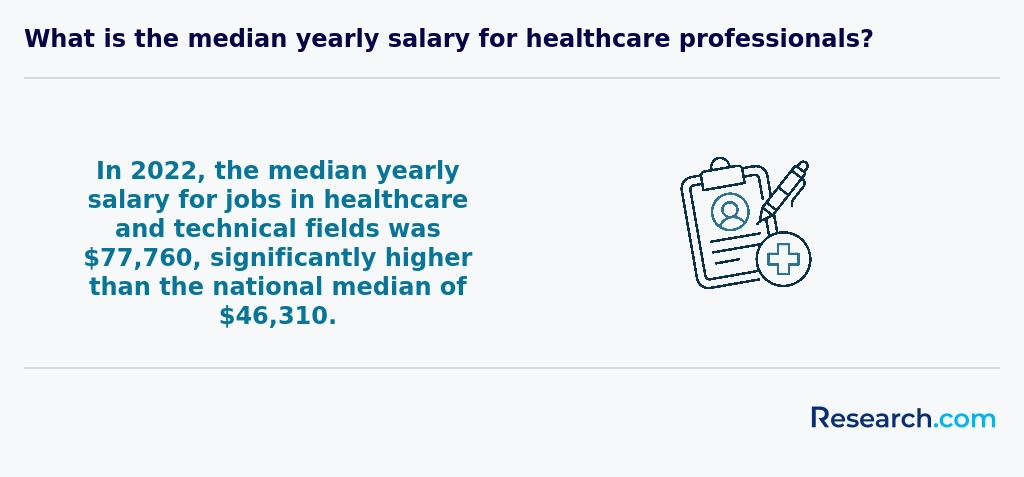
Graduates from online healthcare programs in the Midwest often find rewarding careers with competitive salaries, reflective of the region's growing demand for skilled professionals. Those who step into leadership roles such as Program Directors in healthcare settings typically earn around $129,330 annually, offering financial stability that many graduates from institutions like the University of Illinois or Ohio State University appreciate deeply.
Others entering development or administrative paths, such as Chief Development Officers, see mean wages near $95,600 a year, highlighting the value of combining healthcare expertise with strategic skills. For careers rooted in research and science, titles like Healthcare Services Researcher, Research Director, or Principal Scientist average salaries close to $112,380 annually, showcasing the opportunities available to graduates aiming to influence healthcare innovation and policy from Midwest hubs like the University of Minnesota or Michigan State University.
Many graduates share how this income enables them to comfortably support their families while investing in further certifications to climb higher within their fields. The blend of practical online education and strong regional job markets makes these salary levels not only attainable but also a source of pride and motivation for Midwestern students pursuing healthcare degrees.
2027 Most Valuable Online Doctorate in Healthcare Degree Programs Ranking in the Midwest
How do we rank schools?
Investing in your education is a significant decision that can shape your future, and the Research.com team understands the importance of making informed choices. To assist prospective students in the Midwest, we have meticulously crafted the "2027 Most Valuable Online Doctorate in Healthcare Degree Programs Ranking in the Midwest." Our commitment to quality, credibility, and accuracy is reflected in the extensive research and analysis conducted to compile this ranking.
We utilized the following reputable data sources to ensure a comprehensive evaluation of healthcare doctorate programs:
By exploring this ranking, readers will gain valuable insights into the most valuable online doctorate programs in healthcare available in the Midwest, empowering them to make well-informed decisions about their educational investments. For more details on our methodology, please visit our Research.com methodology page.

# 3 position
Maryville University of Saint Louis
Doctor of Adult-Gerontology Primary Care Nurse Practitioner


# 14 position
Chamberlain University - St. Louis
Doctor of Nursing Practice




Key Findings
- Average tuition for online healthcare degrees in the Midwest ranges from $15,000 to $30,000 per year.
- Healthcare jobs in the Midwest are expected to grow by about 12% from 2022 to 2032.
- Entry-level salaries for healthcare graduates typically range from $50,000 to $65,000 annually.
- With experience, healthcare salaries can increase to between $80,000 and $110,000.
- Many programs are accredited by the Higher Learning Commission, with some requiring special accreditation like CAHME for healthcare administration.
- Some degrees may require in-person clinical hours or practicums despite primarily being online.
How long does it take to complete online healthcare degree in the Midwest?
Completing an online healthcare degree in the Midwest typically aligns with the program's level and the student's pace. Graduates from institutions like the University of Minnesota often share that associate degrees in fields such as medical assisting usually take about two years when studied full-time. Those pursuing a Bachelor of Science in Nursing (BSN) at Ohio State University reflect that finishing in roughly four years is common but balancing work and family can extend this timeline.
Many students appreciate the flexibility offered by these programs. Part-time enrollment options are widely available, allowing individuals to stretch their studies over five or six years if needed. This approach often brings relief to those juggling multiple responsibilities while still advancing their careers steadily.
The timeframe for graduate degrees varies, with master's programs like Health Administration often taking around two years, while doctoral degrees such as the Doctorate in Nursing Practice (DNP) may span three to six years depending on research demands. Many Midwestern graduates find that pacing themselves thoughtfully creates a more manageable and rewarding educational experience.
Tips for Thriving in an Online Healthcare Program
Success in any online healthcare program depends on combining effective time management, proactive engagement with digital resources, and a commitment to continuous learning. To fully leverage your online education, start by cultivating a structured study schedule that aligns with your work and personal life. Allocate regular hours for coursework, virtual discussions, and revision sessions to prevent burnout and ensure steady progress. Students consistently report that building a dedicated home study space free from distractions can significantly enhance concentration and productivity. In addition to managing your time well, take full advantage of the career support services provided by your institution. Many online healthcare programs offer tutoring, academic advising, and networking opportunities which are essential for both academic success and job market readiness. For example, exploring specialized credentials like the most popular healthcare administration degree can broaden your expertise and prepare you for leadership roles. Staying engaged with online forums, virtual study groups, and alumni networks helps create a supportive community where you can exchange experiences, ask questions, and receive feedback. Moreover, continuously update your technical skills by familiarizing yourself with the latest healthcare software and digital communication tools. This not only improves your classroom performance but also positions you well for technologically advanced roles in the healthcare industry. By proactively seeking out internships, participating in volunteer work, and keeping abreast of industry trends, you can ensure that your academic journey translates into tangible career success.
What's the difference between online and on-campus healthcare degree?
Students pursuing healthcare degrees in the Midwest often find themselves weighing the flexibility of online programs against the immersive experience of on-campus study. For many graduates of institutions like the University of Illinois or Ohio State University, online learning meant the freedom to balance work and family without sacrificing their education. These students appreciated accessing lectures and assignments on their own schedule, which made continuing their education while managing life's demands a hopeful reality.
Conversely, those who attended traditional programs valued the rich face-to-face interactions and hands-on access to vital resources on campus. At schools such as the University of Michigan or the University of Wisconsin, students reported that immediate access to clinical labs and close partnerships with nearby hospitals deepened their practical skills and professional confidence.
Both paths require clinical practicum, but the approach differs: online students often complete practicum at local facilities near home, preserving community ties without missing essential hands-on training. This balance exemplifies how Midwest healthcare education evolves thoughtfully to meet diverse student needs.
Accreditation and Certification
Accreditation guarantees program quality and eligibility for licensure or board certification in healthcare leadership. When evaluating online doctorate options in the Midwest, verify:
- Regional accreditation by the Higher Learning Commission (HLC)
- CCNE accreditation for Doctor of Nursing Practice (DNP) programs
- CAHME accreditation for Doctor of Healthcare Administration (DHA) programs
Meeting these standards ensures your degree is recognized by employers, qualifies you for advanced roles, and supports state licensing requirements. For cost-conscious students, explore an affordable healthcare administration degree online that maintains rigorous accreditation.
What is the average cost of online healthcare degree in the Midwest?
Understanding the average cost of an online healthcare degree in the Midwest can shape your educational path and financial planning. Many graduates from institutions like the University of Illinois at Chicago or the University of Minnesota have found that the median total cost for completing such programs hovers around $32,835. This figure reflects a balanced perspective between affordability and quality, especially for students who qualify for in-state tuition, which typically averages near $27,722. These costs cover tuition, technology fees, and sometimes even course materials, though additional expenses like certification exams may apply.
The appeal of affordable online doctorate healthcare programs Midwest is enhanced by the opportunity to study without relocating, enabling many to maintain jobs and family commitments. One graduate shared how managing work and coursework was possible due to the economical nature of the program paired with flexible online scheduling. Private institutions tend to come at a premium, often surpassing $40,000 for out-of-state students, yet well-known public universities provide excellent value.
For prospective students comparing costs and programs, consider exploring rankings specific to your region; for example, resources listing the fastest online healthcare schools in michigan offer guidance tailored to Midwestern options. Knowing these figures and hearing success stories can ease worries about financial strain and focus your energy on thriving in your healthcare career journey.

Tips for Achieving Success in Your Online Healthcare Program
Embarking on an online healthcare degree journey demands not only academic dedication but also effective strategies for time management and self-motivation. Building a structured study schedule, setting both short- and long-term goals, and taking advantage of available technological tools can all contribute to a more productive learning experience. Additionally, actively seeking support from faculty, career services, and peer study groups can enhance understanding and retention of complex healthcare concepts. Networking is also key-engaging with alumni and professionals through virtual platforms or online events can not only provide industry insights but also open doors to internships and job opportunities. For instance, students interested in broadening their professional network might consider exploring the fastest online healthcare schools in michigan to discover programs known for their robust career support. Finally, staying organized and practicing self-discipline are essential in balancing coursework with other commitments. Leveraging online resources, participating in discussion forums, and regularly reviewing course materials can further solidify your learning and help overcome common challenges associated with virtual education. This proactive approach ensures that you not only excel academically but also lay a strong foundation for a thriving career in healthcare.
What financial aid is available to online healthcare degree students in the Midwest?
Many students pursuing online healthcare degrees in the Midwest find federal aid like Pell Grants and student loans essential. One graduate from Indiana University-Purdue University Indianapolis recalled how a Pell Grant covering up to $7,395 helped make their nursing program affordable without burdening them with overwhelming debt.
State-specific scholarships and grants also play a vital role. For instance, Illinois residents benefit from the Illinois Student Assistance Commission's support, while those in Michigan can access the Michigan Tuition Grant program. These funds often reflect a student's financial need and dedication to healthcare fields, creating opportunities that feel tailored and accessible.
Institutional scholarships often reward academic merit or relevant experiences. At IUPUI, several students have expressed gratitude for scholarships aimed specifically at remote healthcare learners, which took into account their professional work in healthcare settings.
Beyond scholarships, employer tuition reimbursement is another hopeful resource in this region's growing healthcare job market. Combining study and work, many find encouragement knowing their dedication to education can be financially supported while advancing their careers.
Application Process and Admission Requirements
Navigating the application process for an online doctorate in healthcare in the Midwest begins with understanding program-specific prerequisites and deadlines. Most universities require:
- A master’s degree in a related field (e.g., healthcare administration, public health) with a minimum GPA of 3.0.
- Official transcripts from all postsecondary institutions.
- A current résumé or CV highlighting professional experience in healthcare or research.
- Two to three letters of recommendation from academic or professional supervisors.
- A personal statement outlining your research interests, career goals, and reasons for choosing a fully online format. Many programs also ask for standardized test scores (GRE or GMAT), though some schools have waived this requirement in recent admission cycles. Before applying, verify the precise deadlines for fall and spring cohorts, as rolling admissions may fill spots early. Starting your application six months in advance allows time to gather materials, secure strong recommendations, and draft a compelling statement of purpose that emphasizes your leadership potential and commitment to advancing healthcare systems. In addition to academic credentials, admissions committees look for evidence of research aptitude-such as publications or conference presentations-and clear alignment between your goals and faculty expertise. Prospective students are encouraged to connect with program advisors or attend virtual information sessions to clarify expectations and discover funding opportunities, including assistantships or scholarships. For applicants prioritizing cost alongside quality, exploring regionally focused rankings can reveal budget-friendly alternatives. For instance, you may wish to review our Low Cost Online Healthcare Degree Programs Ranking in Ohio to compare tuition rates and financial aid options without sacrificing program value.
What are the prerequisites for enrolling in online healthcare degree program in the Midwest?
To enroll in an online healthcare degree program in the Midwest, students typically encounter prerequisites that ensure a strong foundation for success. Graduates from well-known institutions like the University of Illinois or Ohio State University often reflect on the importance of having completed key science courses such as biology, chemistry, and anatomy, typically with a minimum grade standard. This academic groundwork mirrors real-world healthcare demands and builds confidence early on.
Bachelor's degree aspirants usually need a high school diploma or equivalent, while those entering graduate programs must hold relevant undergraduate degrees. Many students have found that having coursework in related fields like statistics or mathematics eases their journey, as programs in the Midwest frequently value analytical skills.
Beyond academics, heartfelt essays and recommendation letters have helped applicants convey genuine passion and commitment, whether applying to a program at Indiana University or the University of Minnesota. Hands-on experience also shapes readiness; interns and volunteers report that prior work in hospitals or clinics made learning online more relatable and rewarding.
Certification and Continuing Education Pathways
Continuing professional development strengthens your doctorate credentials and opens specialized career tracks. Consider:
- Board Certification: Eligibility for specialty boards (e.g., ANCC Family Nurse Practitioner) validates clinical expertise and supports advanced practice roles.
- Healthcare Quality & Safety: Certifications like Certified Professional in Healthcare Quality (CPHQ) or Certified Professional in Patient Safety (CPPS) enhance leadership in quality improvement.
- Health Informatics Credentials: Designations such as Certified Health Data Analyst (CHDA) prepare you for data-driven decision-making roles.
- Coding & Billing Credentials: Deepen administrative skills by pursuing online medical billing and coding with financial aid programs.
Each credential has specific coursework, exam requirements, and often professional experience prerequisites. Align your choices with career goals to maximize your impact and marketability.
What courses are typically in online healthcare degree programs in the Midwest?
In Midwest online healthcare programs, courses are thoughtfully designed to build expertise grounded in both theory and actionable skills. Graduates from respected institutions often reflect on how classes like Healthcare Management and Administration prepared them to lead teams effectively, balancing budgets and human resources in real hospital settings. These courses resonate deeply when students consider organizational challenges faced by local health systems.
Health Policy and Ethics courses offer a meaningful understanding of patient rights and ethical dilemmas, which many alumni say helped them confidently navigate complex decisions in their own communities. Epidemiology and Public Health classes bring to life the importance of tracking disease trends-especially relevant in rural Midwestern areas where healthcare delivery is unique and often under-resourced.
Courses in Healthcare Informatics stand out as essential, teaching how integrated data systems improve patient outcomes and streamline operations, an insight vital for those working in fast-evolving medical environments. Clinical Research Methods and Patient Care and Communication also provide foundational skills that graduates use daily to support evidence-based practice and compassionate, clear interaction with patients and colleagues.
What types of specializations are available in online healthcare degree programs in the Midwest?
Online healthcare degree specializations Midwest programs often include healthcare administration, public health, nursing, health informatics, and health policy-each offering a unique path tailored to local industry demands. Many graduates from prominent colleges in the region describe how specializing in healthcare administration opened doors to leadership roles, enhancing patient care and operational efficiency. Those pursuing the most popular healthcare administration degree appreciate the flexibility and relevance this track provides.
Public health graduates recall focusing on community health challenges unique to the Midwest, such as rural healthcare access and chronic disease prevention. This specialization answers the call for professionals ready to address diverse populations, rooted in both urban and agricultural settings.
Nursing fields remain robust, with students at major Midwestern universities commenting on the convenience of advancing their careers through online programs that balance work and study. This flexibility inspires confidence and fosters ambition among working nurses.
Health informatics attracts those fascinated by bridging technology and healthcare, while health policy programs empower students to influence regional healthcare systems effectively. Reflecting on Midwest healthcare doctorate program options, these specializations equip students to meet evolving professional demands thoughtfully and pragmatically.
How do you choose the best online healthcare degree in the Midwest?
Choosing the best online healthcare degree in the Midwest means focusing on programs that carry strong accreditation, such as those recognized by CAHME or the Higher Learning Commission. Graduates from popular Midwest institutions often share how accreditation boosted their confidence knowing employers value their credentials. Cost is another important factor; many students appreciate the affordability of public universities in states like Illinois and Ohio, where in-state tuition can be significantly lower-making degrees more accessible without sacrificing quality. For a clearer picture of affordable options, students frequently consult rankings like Low Cost Online Healthcare Degree Programs Ranking in Ohio.
Reflecting on curriculum, successful students highlight programs that weave together healthcare policy, ethics, and real-world practicum experiences, which deepen understanding beyond theory. Several graduates mention how these practical components helped them lead confidently in healthcare settings after finishing their degree. Post-graduation outcomes are crucial; programs in the Midwest with graduation rates over 80% and strong job placements in healthcare administration or public health tend to inspire positivity and career readiness. This careful approach ensures you find the best online healthcare degrees Midwest universities offer, fitting both your professional and personal lives.
What career paths are available for online healthcare degree students in the Midwest?
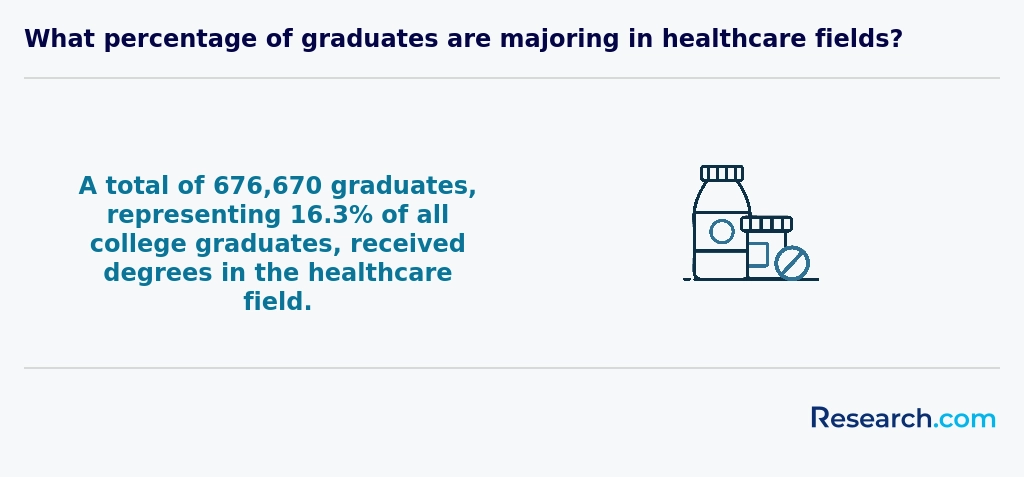
Graduates of online healthcare degree programs in the Midwest find themselves well-prepared to enter diverse and rewarding career paths. Many alumni from institutions like the University of Michigan and Ohio State University share how their education opened doors to clinical roles such as nurse practitioners and healthcare administrators, where they find deep satisfaction in improving patient outcomes. The strong healthcare job opportunities in the Midwest mean these professionals often step into positions with competitive salaries and meaningful community impact.
Others pursue healthcare management or health informatics, fields that benefit from the region's growing healthcare IT sector. For example, graduates at universities known for their health informatics programs are using data analysis skills daily to enhance healthcare delivery systems amid evolving technological demands. The practical flexibility of online degrees helps students balance studies with current jobs, enhancing their ability to transition smoothly into new roles.
Many graduates also express fulfillment working in public health and policy planning, addressing specific challenges faced by Midwest communities. With higher rates of chronic diseases in rural areas, professionals trained in community outreach play vital roles in health education and intervention programs. Those interested in shorter pathways might explore best 6 month associate online programs for a quicker entry into the field.
What is the job market for online healthcare degree in the Midwest?
The job market for graduates with an online healthcare degree in the Midwest is notably robust, fueled by expanding healthcare needs in cities like Chicago and Detroit. Graduates from well-regarded programs at institutions such as the University of Illinois or Michigan State often find themselves quickly absorbed into hospitals or outpatient clinics that are actively growing their staff. This favorable landscape is reflected in a broad array of opportunities spanning clinical roles to healthcare administration, making it an encouraging time to pursue healthcare careers in this region.
Midwest healthcare degree career outlook shines especially for those who embrace the versatility of online education, which equips learners with strong technological and management skills valued by employers. Many recent graduates express confidence in landing positions at public health agencies or telehealth providers, where they apply their education to pressing community health challenges. Those seeking to explore accessible programs might also consider exploring an easy bachelor's degree online as a practical starting point within this sector.
For students weighing the investment, healthcare degrees in the Midwest offer promising salary returns and job security, aligning well with regional demand that surpasses the national average growth rate. These realities illustrate why online healthcare job opportunities Midwest attract many hopefuls eager to make a meaningful difference close to home.
Frequently Asked Questions About healthcare
Online healthcare degree students in the Midwest can maximize their learning by leveraging regional resources and technologies. Engaging actively with virtual simulations and telehealth platforms enhances practical skills crucial for healthcare careers. According to the Midwestern Higher Education Compact, collaboration between institutions promotes access to specialized electives and faculty expertise.
Students should also participate in local clinical placements or internships, which remain vital despite the online format. The Illinois Department of Public Health reports increased demand for healthcare professionals, highlighting opportunities for hands-on experience in community hospitals.
Additionally, joining professional organizations like the Midwest Healthcare Education Network provides networking and mentorship important for career growth.
The healthcare field in the Midwest is expanding rapidly, with several emerging niches gaining attention. One significant area is telehealth, driven by rural populations' needs and advancements in digital technology. According to the Midwestern Public Health Institute, telemedicine usage increased by over 50% between 2019 and 2023. Another growing niche is healthcare informatics, which combines data analysis with patient care to improve outcomes. The demand for professionals skilled in electronic health records and data security is rising in states like Illinois and Ohio. Additionally, geriatrics and chronic disease management remain crucial due to the Midwest's aging population, highlighting opportunities in these specialized fields.
After earning an online healthcare degree in the Midwest, preparing for the job market involves several strategic steps. First, gaining relevant certification or licensure is essential, as most healthcare roles require state-specific credentials. The Midwest often has variable requirements, so checking with state boards like Illinois or Ohio's health departments can ensure compliance.
Networking is crucial; joining regional healthcare associations, such as the Midwest Healthcare Executives Network, can open professional opportunities. Additionally, internships or volunteer positions in local hospitals or clinics provide practical experience, which 70% of employers identify as a key hiring factor (Bureau of Labor Statistics, 2023).
Lastly, updating resumes to highlight both online education credentials and practical skills improves competitiveness. Utilizing university career services can aid in tailoring applications to Midwest healthcare markets, where job growth is projected at 16% from 2022 to 2032 (U.S. Bureau of Labor Statistics).
Employers in the Midwest prioritize a combination of technical knowledge and interpersonal skills when hiring healthcare degree graduates. According to the Illinois Health and Hospital Association, strong clinical competence remains essential, with special emphasis on evidence-based practice and patient safety.
Communication skills are critical, as healthcare professionals must effectively collaborate with diverse teams and interact compassionately with patients. The Midwest's growing elderly population also drives demand for skills in geriatrics and chronic disease management.
Additionally, employers value adaptability and proficiency with electronic health records (EHR) systems, aligning with nationwide trends highlighted by the U.S. Bureau of Labor Statistics. Leadership and critical thinking abilities are increasingly sought after for addressing complex care challenges.
Finding healthcare internships in the Midwest requires strategic planning and local research. Start with university career centers, which often have partnerships with regional hospitals and clinics. Many institutions collaborate with notable healthcare providers such as the Mayo Clinic in Minnesota, a leader in research and practical training.
Use online job portals like Handshake and the Healthcare Career Network, which frequently list internships specific to the Midwest. Contact state health departments directly, especially in Illinois, Michigan, and Ohio, where public health initiatives often offer internship roles.
Networking through professional associations such as the American Public Health Association (APHA) Midwest Regional Group can also open doors to local opportunities and mentorships.
Online healthcare degrees in the Midwest significantly enhance career mobility and advancement for professionals. According to the Bureau of Labor Statistics (2023), the healthcare sector in states like Illinois, Ohio, and Michigan shows steady job growth, expecting a 12% increase over the next decade. Earning an online degree provides flexibility to balance work and study, allowing students to gain new skills without leaving their current positions.
Employers increasingly value credentials earned through accredited online programs, especially in nursing, health administration, and public health fields. Graduates often access leadership roles and higher salaries, as reported by the Illinois Healthcare Workforce Council (2022). In rural Midwest areas, online degrees help bridge educational gaps, promoting equitable career progression.
Studying for a healthcare degree online in the Midwest equips students with skills essential for interdisciplinary roles in healthcare settings. Programs often emphasize collaboration across fields such as nursing, public health, and healthcare administration. This approach reflects regional healthcare trends, where integrated care is increasingly vital due to a growing aging population and rural health challenges.
Midwestern universities frequently partner with local hospitals and health systems, providing virtual simulations and case studies that mirror real-world team-based care. According to the Midwest Healthcare Transformation Report (2023), 67% of healthcare employers in the region value graduates experienced in interdisciplinary teamwork.
This focus helps students develop communication, leadership, and problem-solving skills necessary for coordinating care across diverse medical specialties.
Choosing between a thesis and a non-thesis online healthcare degree program in the Midwest depends on your career goals and learning preferences. Thesis programs usually focus on research and require students to complete a substantial research project, preparing them for doctoral studies or research careers. Non-thesis programs emphasize practical skills and coursework, ideal for those aiming to advance clinical or administrative roles without extensive research.
In the Midwest, universities like the University of Michigan and Ohio State offer both options. According to the National Center for Education Statistics, about 40% of healthcare graduate students in the region opt for thesis programs due to growing research opportunities in public health and healthcare administration.
Consider your desired industry role and time commitment, as thesis tracks often take longer to complete online than non-thesis paths.
Students based in the Midwest interested in studying healthcare abroad have several options to consider, despite physical distance. Many Midwestern universities with strong healthcare programs partner with international institutions, offering exchange or dual-degree opportunities. According to the Institute of International Education, participation in healthcare-related study abroad programs among US students was growing before the pandemic, with an emphasis on clinical experiences and global health research.
Online healthcare degrees from Midwestern schools increasingly include global health components, preparing students for international challenges. Additionally, organizations such as the Global Health Education Consortium provide resources specific to US students seeking international exposure.
While direct online degrees from foreign institutions are limited by accreditation concerns, Midwestern students can enhance their education through virtual internships and global seminars, broadening their understanding of healthcare systems worldwide.
In the Midwest, part-time jobs that complement healthcare degree education often involve direct patient interaction or administrative support. Roles such as medical assistants, certified nursing assistants (CNAs), and pharmacy technicians provide practical experience valuable for online students. According to the U.S. Bureau of Labor Statistics (2023), the demand for medical assistants in states like Illinois and Ohio is growing at over 15% annually.
Other opportunities include working as a healthcare coordinator or medical scribe, which enhance understanding of healthcare documentation and patient care workflows. Hospitals and clinics in the Midwest frequently offer flexible shifts suitable for online learners. These jobs help build relevant skills while supporting educational goals.
Online healthcare students in the Midwest have access to a range of networking opportunities despite the virtual nature of their programs. Many universities partner with local hospitals and healthcare organizations, offering virtual internships and clinical placements that promote professional connections.
Professional associations such as the Midwest Healthcare Executives Forum host regular online events and webinars, providing a platform for students to engage with industry leaders and alumni. These events often focus on regional healthcare challenges and innovations, enhancing relevance for students.
According to the Association of American Medical Colleges, healthcare employment in the Midwest is projected to grow by 12% over the next decade, increasing the importance of networking in this region.
Students may also join state-specific chapters of national healthcare organizations to expand their peer and mentor networks within their specialized fields.
Alumni networks provide valuable support to online healthcare degree students in the Midwest by fostering professional connections and career opportunities. These networks often include thousands of graduates working in diverse healthcare settings across states like Illinois, Ohio, and Michigan. According to the National Center for Education Statistics, Midwestern institutions report higher alumni engagement rates compared to other US regions, which helps students access mentorship and job leads.
Many alumni participate in virtual events and webinars, making it easier for online students to build relationships despite geographic distances.
Furthermore, alumni networks can offer guidance on licensing requirements, which vary across Midwestern states but are crucial for healthcare careers.
Customizing an online healthcare degree program in the Midwest allows students to align their education with specific career goals. Many Midwest universities offer flexible curricula, enabling learners to choose concentrations such as healthcare administration, public health, or nursing leadership. For example, programs accredited by the Commission on Accreditation of Healthcare Management Education (CAHME) ensure quality and relevance in healthcare management tracks.
Students can also select electives focusing on regional health challenges, like rural healthcare delivery-an important topic given that approximately 20% of the Midwest population lives in rural areas (CDC, 2023). Additionally, some programs offer practicum or capstone projects tailored to local healthcare systems, enhancing hands-on experience.
By leveraging these options, students can prepare for roles that meet the specific demands of Midwest healthcare markets.
Online healthcare students in the Midwest face several distinctive challenges that can impact their success. One key issue is limited access to reliable high-speed internet, especially in rural areas where 30% of Midwestern residents live, according to the USDA. This can disrupt synchronous classes and hinder engagement. Additionally, clinical placement opportunities are often competitive since healthcare facilities prioritize local on-campus students, creating barriers to gaining required hands-on experience.
Another challenge is balancing work, family, and study, common in this region where many students are nontraditional adults pursuing education while employed. Financial constraints also play a role, as Midwestern states tend to have lower average incomes compared to national figures, adding stress to tuition affordability.
With an online healthcare degree from the Midwest, students can pursue various professional certifications to enhance their career prospects. Common certifications include Certified Healthcare Administrator (CHA), Certified Medical Manager (CMM), and Registered Health Information Administrator (RHIA). Each credential focuses on different aspects of healthcare management, administration, or informatics.
The Bureau of Labor Statistics reports that healthcare occupations in the Midwest are growing faster than the national average, making certifications valuable for job security and salary growth. For example, RHIA certification holders earn a median annual wage of about $60,000.
Many online programs also prepare graduates for licensure exams required by states such as Illinois, Ohio, and Michigan, where healthcare management roles are in high demand. Holding these certifications can significantly boost a graduate's competitiveness in the Midwest healthcare job market.
To write a winning application for an online healthcare program in the Midwest, start by clearly demonstrating your passion for healthcare and commitment to improving community health. Midwest institutions value applicants with relevant experience, so highlight your work or volunteer background in health settings.
Strong academic records matter; ensure your transcripts show solid performance, especially in science courses. Many Midwest schools look for competitive GRE scores, so prepare thoroughly if required.
Personal statements should be concise and focused, explaining your goals and why you chose that program. According to the National Center for Education Statistics, healthcare degrees are growing rapidly in the region, making your motivation crucial.
Obtain strong recommendation letters from professionals familiar with your skills and dedication. Finally, meet all deadlines and submit complete applications to enhance your chance of acceptance.
The healthcare sector is recognized globally as one of the fastest-growing and most impactful career fields. In the United States, particularly in the Midwest, demand for healthcare professionals is projected to increase by 15% through 2030, according to the U.S. Bureau of Labor Statistics. This growth aligns with worldwide trends where aging populations and chronic diseases drive workforce needs.
Internationally, healthcare careers are valued for their stability and social importance. Graduates with advanced degrees often find wider opportunities due to the global emphasis on quality care and technological innovation. In the Midwest, online healthcare degrees offer flexibility for working professionals aiming to meet these evolving global standards without relocating.
Gaining practical experience while pursuing an online healthcare degree in the Midwest is essential to enhance skills and job readiness. Many accredited programs collaborate with local hospitals, clinics, and healthcare organizations to offer clinical placements or internships. These opportunities allow students to apply theoretical knowledge in real-world settings while fulfilling degree requirements.
Midwestern states like Illinois, Ohio, and Michigan have robust healthcare systems with over 1,200 hospitals and numerous outpatient centers, increasing available sites for hands-on experience (American Hospital Association, 2023). Additionally, some programs offer virtual simulations and telehealth practicums to complement limited in-person access.
Students should consult their program coordinators early to secure placements that comply with state licensure and clinical hour mandates. Employers increasingly value such practical components integrated into online education.
Choosing the right concentration within an online healthcare degree in the Midwest requires careful consideration of regional healthcare demands and personal career goals. The Midwest faces a growing need for primary care providers and healthcare administrators, influenced by an aging population and rural healthcare shortages, according to the Rural Health Information Hub.
Prospective students should evaluate concentrations aligned with these trends, such as public health, healthcare administration, or nursing practice. Additionally, researching job placement rates and employer partnerships of specific programs helps ensure practical relevance. Aligning your concentration with licensure and certification requirements in Midwestern states is also essential for career advancement and compliance.
Top Trending Healthcare Rankings
See What Experts Have To Say About Studying Healthcare
Read our interview with Healthcare experts

References
- Networking and Mentorship During Clinical Rotations https://rotatingroom.com/blog/medical-students-the-importance-of-networking-mentorship-during-your-clinical-rotations
- A multimodal education, including community partnerships, increases st | AMEP | Dove Medical Press https://www.dovepress.com/a-multimodal-approach-to-education-at-a-rural-midwestern-physical-ther-peer-reviewed-fulltext-article-AMEP
- Alumni Reconnect - Poznan University of Medical Sciences https://pums.edu.pl/alumni-friends/alumni-reconnect/
- 6 Tips On Networking For Medical Professionals https://aaams.net/blog/how-to-network-in-the-medical-field-nurses/
- The Healthcare Student’s Guide to Internships | EduMed.org https://www.edumed.org/resources/student-online-guide-to-internships/
- Career Opportunities in Healthcare Without a Medical Degree https://www.just-medical.ch/en/blog/medical-careers-without-formal-education
- 1+ Healthcare Cover Letter Examples (with In-Depth Guidance) https://www.tealhq.com/cover-letter-examples/healthcare
- Online Degree vs. Traditional | University of Arkansas Grantham https://www.uagrantham.edu/blog/pros-cons-online-degree-vs-traditional-university/
- Best Practices for Career Development and Advancement in the Healthcare Sector | Generation https://www.generation.org/news/best-practices-for-career-development-and-advancement-in-the-healthcare-sector/
- Different Careers in the Medical & Healthcare Industry https://www.onlinedegree.com/career/medical-healthcare/


