
2027 Fastest Online Master's in Healthcare Degree Programs Ranking in North Carolina

Co-Founder and Chief Data Scientist
Choosing the right online healthcare master's program can feel overwhelming, especially in a competitive state like North Carolina. To make this process easier, our article presents the 2027 Fastest Online Master's in Healthcare Degree Programs Ranking in North Carolina created by the Research.com team of data scientists. This ranking highlights programs that combine quality education with flexibility, helping you find the best fit for your career goals.
Whether you're advancing in your current field or exploring new opportunities, earning a healthcare degree opens doors to meaningful work and growth. Our article supports your decision with clear, trustworthy insights tailored to your needs.
Key benefits of getting online healthcare degree in North Carolina
- Healthcare degree graduates in North Carolina can expect competitive salaries, such as healthcare consultants earning an average of $115,530 annually and compliance managers making about $80,190 per year, providing strong financial motivation.
- Graduates from programs like those at the University of North Carolina have diverse career options, including roles in consulting, compliance, and project management, allowing flexibility to find a path that suits your skills and interests.
- Obtaining a healthcare degree online, like through NC State's program, offers convenience and flexibility, enabling students to balance work and study while gaining valuable skills without relocating or interrupting their current lifestyle.
- Key benefits of getting online healthcare degree in North Carolina
- What can I expect from online healthcare degree in North Carolina?
- Where can I work with online healthcare degree in North Carolina?
- How much can I make with online healthcare degree in North Carolina?
- 2027 Fastest Online Master's in Healthcare Degree Programs Ranking in North Carolina
- Key Findings
- How long does it take to complete online healthcare degree in North Carolina?
- Strategies to Accelerate Your Degree Completion
- What's the difference between online and on-campus healthcare degree?
- Application Process and Next Steps
- What is the average cost of online healthcare degree in North Carolina?
- Emerging Specializations: Diagnostic Medical Sonography
- What financial aid is available to online healthcare degree students in North Carolina?
- Accreditation and Licensure Considerations
- What are the prerequisites for enrolling in online healthcare degree program in North Carolina?
- Expert Tips for Succeeding in Online Healthcare Programs
- What courses are typically in online healthcare degree programs in North Carolina?
- What types of specializations are available in online healthcare degree programs in North Carolina?
- How do you choose the best online healthcare degree in North Carolina?
- What career paths are available for online healthcare degree students in North Carolina?
- What is the job market for online healthcare degree in North Carolina?
- Related Healthcare Rankings for Nearby States
- Top Trending Healthcare Rankings
- See What Experts Have To Say About Studying Healthcare
What can I expect from online healthcare degree in North Carolina?
The average cost of an online healthcare degree in North Carolina varies widely, reflecting differences in institutions and program levels. Graduates from the University of North Carolina system often report tuition around $10,000 to $20,000 for master's programs, which aligns with state-supported university pricing. Meanwhile, private colleges offering similar programs may charge higher rates, sometimes exceeding $30,000. Such variance requires prospective students to consider not only affordability but also the quality and accreditation status of the program.
Many healthcare students appreciate the flexibility of online formats but emphasize the importance of budgeting for occasional clinical placements, which may involve travel or accommodation costs near healthcare facilities. For example, students pursuing nursing degrees often need to arrange hands-on experiences locally, adding practical expenses to the overall cost.
Graduates frequently reflect positively on the value of accredited programs that meet North Carolina's licensing requirements, noting that initial financial investment often translates into competitive salaries and fulfilling career paths. For working adults balancing family and employment, this blend of flexibility, quality, and cost tends to create both reassurance and motivation.
Where can I work with online healthcare degree in North Carolina?
Graduates with an online healthcare degree in North Carolina often find diverse employment opportunities across the state's expanding healthcare sector. Many alumni from well-known institutions like the University of North Carolina and East Carolina University report starting their careers in major hospital systems such as Duke University Health System or UNC Health Care. These environments offer roles ranging from healthcare administration to clinical research coordination, providing a dynamic workplace experience.
Others choose to work in outpatient care centers or physician offices, where skills in healthcare management and health services coordination are in demand. For example, a recent graduate shared how their education prepared them to navigate the shift toward outpatient services, seeing firsthand the positive impact on patient care efficiency.
Long-term care facilities also attract healthcare graduates, especially as North Carolina's senior population grows. Graduates from local universities express fulfillment working in nursing homes focused on geriatric care management, noting how their roles directly support aging relatives in their communities.
Public health roles with organizations like the North Carolina Department of Health and Human Services appeal to those interested in policy and community health. Meanwhile, healthcare technology and informatics positions have surged, with graduates excited about contributing to telehealth innovations that have transformed patient access since 2020.
How much can I make with online healthcare degree in North Carolina?
Graduates from online healthcare degree programs in North Carolina often find promising salary prospects, though actual earnings vary by role and experience. For instance, those stepping into healthcare consultant positions report mean annual wages around $115,530, reflecting significant earning potential tied to advanced skills and strategic responsibilities.
Healthcare compliance managers, another common career path, earn a mean salary near $80,190 per year, a figure that speaks to solid middle-to-upper income opportunities directly related to compliance expertise. Graduates from institutions like the University of North Carolina and North Carolina State University often share satisfaction about flexible online program structures that prepare them for these competitive roles.
It is important to note that while these figures highlight strong income possibilities, they depend heavily on educational attainment, specialization, and local demand-especially in bustling health hubs like Raleigh and Charlotte. Some graduates, for example, emphasize that gaining relevant certifications alongside their degree further enhances their salary potential in North Carolina's evolving healthcare marketplace.
2027 Fastest Online Master's in Healthcare Degree Programs Ranking in North Carolina
How do we rank schools?
Investing in your education is a significant decision that can shape your future, and the Research.com team understands the importance of making informed choices. To assist prospective students in North Carolina, we have carefully developed the "2027 Fastest Online Master's in Healthcare Degree Programs Ranking." Our dedication to quality, credibility, and accuracy is evident in the thorough research and analysis that underpin this ranking. We utilized the following reputable data sources to ensure a comprehensive evaluation of healthcare degree programs:
By exploring this ranking, readers will gain valuable insights into the fastest online master's in healthcare programs in North Carolina, empowering them to make well-informed educational decisions. For more details on our methodology, please visit our Research.com methodology page.


# 4 position
University of North Carolina Wilmington
Master of Clinical Research & Product Development


Key Findings
- The cost of a bachelor's-level online healthcare degree in North Carolina ranges from $20,000 to $40,000, while graduate programs typically cost between $25,000 and $50,000.
- Entry-level healthcare professionals with bachelor's degrees start with salaries around $50,000 to $60,000 annually, and those with master's degrees start closer to $65,000.
- Experienced healthcare workers in specialized roles can earn between $90,000 and $110,000 per year.
- The healthcare industry in North Carolina makes up more than 15% of total employment and is projected to grow over 20% in many occupations by 2030.
- Online programs offer accredited coursework that meets North Carolina's licensure requirements, making them suitable for working adults and career changers.
How long does it take to complete online healthcare degree in North Carolina?
The time it takes to complete an online healthcare degree in North Carolina varies significantly depending on the level of study and personal circumstances. For example, many students pursuing an Associate Degree in Nursing (ADN) at community colleges like Central Piedmont Community College finish in about two years full-time. However, part-time students often extend this to three or four years, balancing work and family.
At universities such as the University of North Carolina at Chapel Hill or East Carolina University, bachelor's degrees in nursing (BSN) typically take four years, but accelerated online programs allow some graduates to finish in just two to three years. These flexible options appeal especially to those who already hold certifications or some college credits.
For graduate students, master's programs like the Master of Science in Nursing (MSN) at Western Carolina University usually take from 18 to 36 months, often extended to three years to accommodate working professionals. Doctoral candidates pursuing a Doctor of Nursing Practice (DNP) may spend three to six years completing rigorous clinical and research work online.
Graduates often express satisfaction with the adaptability of North Carolina's programs, highlighting how managing coursework alongside jobs and family is challenging yet rewarding when supported by online flexibility. This balance contributes to varied but realistic timelines for degree completion.
Strategies to Accelerate Your Degree Completion
To graduate faster from an online healthcare master’s program, plan strategically and leverage every resource. Follow these proven tactics:
- Review program requirements and map courses to finish core credits efficiently.
- Transfer eligible credits from previous degrees or certifications to reduce semester load.
- Enroll in back-to-back sessions or summer courses to maintain momentum.
- Opt for competency-based or accelerated tracks when available to progress at your own pace.
- Gain clinical experience quickly through a fastest medical assistant program for transferable credits and hands-on skills.
- Use time-management tools and set weekly goals to balance coursework and work responsibilities.
What's the difference between online and on-campus healthcare degree?
Online and on-campus healthcare degrees in North Carolina differ mainly in delivery and student experience. Graduates from East Carolina University's online program often emphasize how remote access to lectures and assignments allowed them to balance family life and work, making education feel more achievable for busy adults. In contrast, those who attended UNC Chapel Hill's on-campus programs value the face-to-face faculty interactions and hands-on clinical rotations that fostered deeper professional connections and practical skills.
While on-campus programs can feel immersive with in-person labs and networking, online learners appreciate the flexibility-though this requires strong self-discipline and reliable technology. Tuition can be similar between formats, but online students frequently save on housing and commuting costs, easing financial strain. Both formats require clinical placements locally, ensuring the same rigorous standards.
Choosing between them depends on personal circumstances: some thrive in structured campus environments, while others succeed with the independence of online study, highlighting that neither option is universally better but tailored to individual needs.
Application Process and Next Steps
Navigating the application process is a vital step toward securing your future in healthcare. Prospective students should begin by thoroughly researching each program’s prerequisites, gathering official transcripts, and crafting a compelling personal statement that highlights both academic achievements and professional aspirations. It’s essential to pay close attention to accreditation and to review each institution's unique application requirements to ensure all documentation is complete. Additionally, consider connecting with admissions counselors and attending information sessions to gain clarity on the enrollment timeline and any potential scholarship opportunities available. For those exploring pathways that can ease financial concerns while maintaining quality education, many experts recommend checking out affordable healthcare schools in north carolina which offer robust online programs paired with competitive tuition rates. By taking these proactive steps, you can move confidently from application to acceptance and begin your transformative journey in the vibrant field of healthcare.
What is the average cost of online healthcare degree in North Carolina?
The average cost of an online healthcare degree in North Carolina varies significantly depending on the institution type and residency status. Public universities in the state typically offer more affordable tuition for healthcare programs, with many graduates noting that total tuition and fees for an online healthcare master's degree are around $11,349 for in-state students. This contrasts with out-of-state students, who often face higher costs, sometimes exceeding $41,000 in total. These figures reflect real experiences from graduates of well-known public universities in the University of North Carolina system, who appreciate the balance of quality education and manageable tuition.
Private institutions, while often more expensive, can offer flexible options that some healthcare students find worthwhile despite higher costs. The median total cost, nearly $35,490, indicates that investing in these programs might provide access to specialized resources or smaller class sizes, which graduates have found beneficial for their career trajectories. However, it is important for prospective students to weigh these benefits against the higher tuition demands carefully.
Community colleges in North Carolina represent an alternative pathway, frequently charging under $150 per credit hour for healthcare certifications and associate degrees online. This option suits students seeking entry-level credentials with minimal financial burden. Many students who begin their education this way transition successfully into advanced programs, creating a cost-effective academic journey.
Given these varied costs, an important step for prospective students is to thoroughly research program details and financial aid possibilities. To explore options and identify programs that align with your budget, consider visiting a curated list of affordable healthcare schools in north carolina. This approach helps clarify the average cost of online healthcare degree in North Carolina while tailoring choices to individual circumstances and goals.

Emerging Specializations: Diagnostic Medical Sonography
Diagnostic Medical Sonography (DMS) has emerged as one of the fastest-growing allied health fields, offering high employability and competitive salaries. Students pursuing an online healthcare master’s can often add a sonography specialization or certificate to diversify their skill set and meet the increasing demand for imaging professionals. Many graduates highlight that combining administrative or informatics expertise with sonography credentials opens doors to advanced roles in hospitals, outpatient centers, and telehealth services. To explore programs that blend theory with hands-on practice, consider reviewing universities that offer diagnostic medical sonography. These institutions typically provide virtual simulations alongside on-site clinical practicums, ensuring students master ultrasound techniques in obstetrics, vascular, and cardiac imaging. Incorporating DMS into your education not only boosts clinical competence but also enhances leadership prospects, as healthcare teams increasingly rely on professionals who can interpret imaging data and coordinate patient care pathways. Key benefits of adding a Diagnostic Medical Sonography specialization to your online master’s:
- Accelerated career growth: Median sonographer salaries in North Carolina exceed $65,000, with 14% job growth projected by 2031.
- Versatile practice settings: From hospital radiology departments to outpatient imaging centers and mobile clinics.
- Flexible training models: Hybrid curricula combine online coursework with regional clinical rotations, accommodating working professionals. By integrating a Diagnostic Medical Sonography pathway, you position yourself at the intersection of technology and patient care, driving both clinical excellence and operational efficiency in today’s evolving healthcare landscape.
What financial aid is available to online healthcare degree students in North Carolina?
Students pursuing online healthcare degrees in North Carolina often rely on a combination of federal, state, and institutional financial aid to manage costs. For example, those enrolled at universities like the University of North Carolina or East Carolina University frequently access federal loans such as Direct Unsubsidized Loans and Grad PLUS loans, which offer flexible repayment options tailored to graduate students.
State-specific programs, including the North Carolina Healthcare Workforce Funds and NCSEAA scholarships, provide targeted support especially for nursing and allied health students committed to serving underserved areas within the state. Graduates from programs in these institutions often cite these funds as crucial in alleviating financial stress.
Institutional scholarships and assistantships are another vital resource. Many healthcare students report obtaining tuition assistance directly from their schools, which recognize the growing demand for qualified healthcare professionals.
Additionally, employer-sponsored tuition reimbursement programs and scholarships from professional organizations add layers of support, creating a more optimistic and manageable financial pathway for online students balancing work and education in North Carolina.
Accreditation and Licensure Considerations
Ensuring your online master’s in healthcare is properly accredited is vital for licensure eligibility, credit transfer, and employer recognition. In North Carolina, look for both regional accreditation (e.g., Southern Association of Colleges and Schools Commission on Colleges) and programmatic accreditation specific to your specialization:
- Healthcare Management: Commission on Accreditation of Healthcare Management Education (CAHME) validates curriculum quality and industry relevance.
- Nursing and Clinical Roles: Commission on Collegiate Nursing Education (CCNE) or Accreditation Commission for Education in Nursing (ACEN) ensure compliance with state licensure boards.
- Health Informatics: Commission on Accreditation for Health Informatics and Information Management Education (CAHIIM) confirms training meets current data standards. Before enrolling, verify that your program’s accreditation is recognized by the North Carolina Board of Nursing or the Department of Health and Human Services for your intended role. Accredited programs facilitate smoother licensure application, streamline federal financial aid, and support credit transfers for future doctoral or certificate studies. For cost-conscious applicants seeking high-quality yet affordable options beyond North Carolina, explore our Affordable Online Healthcare Degree Programs Ranking in Flint, MI to compare tuition rates and accreditation status.
What are the prerequisites for enrolling in online healthcare degree program in North Carolina?
Enrolling in an online healthcare degree in North Carolina typically requires a high school diploma or GED for bachelor's programs, while master's degree applicants need a completed undergraduate degree with a GPA often around 2.5 to 3.0. Graduates from popular institutions like the University of North Carolina at Chapel Hill or East Carolina University recall the importance of meeting these GPA thresholds to remain competitive and confident throughout their studies.
Prospective students also face prerequisite coursework in biology, chemistry, anatomy, and physiology, which former students describe as essential foundations that eased their transition into advanced healthcare topics. These requirements reflect North Carolina's commitment to preparing students for professional success amid rising healthcare demand.
- Official transcripts must verify academic achievements
- Letters of recommendation are common for rigorous master's programs
- Personal statements help applicants articulate clear healthcare career goals
- Some programs may require GRE scores, although many now waive this requirement
International students add proof of English proficiency and credential evaluations, reflecting both rigor and inclusiveness. Students often express satisfaction with how these standards balance maintaining quality while supporting diverse educational backgrounds within North Carolina's evolving healthcare landscape.
Expert Tips for Succeeding in Online Healthcare Programs
Navigating an online healthcare degree can be both rewarding and challenging. Prospective students should focus on establishing a structured study plan, leveraging technology to make the most of interactive learning tools, and actively participating in virtual discussions to build a supportive educational community. Prioritize time management by setting clear goals and using calendar tools to balance coursework, clinical requirements, and personal commitments. Additionally, regularly consult with mentors and career advisors, and explore available academic resources-such as tutoring services, discussion forums, and webinars-to help overcome obstacles and stay motivated throughout the program. It’s also beneficial to investigate financial support options to ease monetary burdens; for instance, students can learn more about aapc financial aid opportunities that many accredited institutions offer. Embracing these practices can significantly enhance the online learning experience and pave the way for success in the ever-evolving field of healthcare.
What courses are typically in online healthcare degree programs in North Carolina?
Online healthcare degree programs in North Carolina typically include courses in anatomy, physiology, and medical terminology, which graduates often describe as essential for understanding patient care and communication. For example, students from known institutions like the University of North Carolina at Chapel Hill emphasize how mastering these basics made clinical scenarios more approachable during internships.
Many programs also focus on healthcare management, offering classes in finance, health information systems, and healthcare law. Graduates mention these courses helped them confidently navigate budgeting and regulatory challenges, crucial skills given North Carolina's growing demand for healthcare administrators. One graduate from East Carolina University recalled appreciating case studies that mirrored real administrative decisions in local hospitals.
Public health and epidemiology classes are common, reflecting the state's efforts to improve rural and urban healthcare access. Graduates value learning about community health strategies that they later applied in outreach projects. Additionally, data analytics and research methods courses prepare students to assess healthcare outcomes, a skill increasingly praised in job markets across North Carolina.
What types of specializations are available in online healthcare degree programs in North Carolina?
Online healthcare degree specializations in North Carolina reflect the state's diverse healthcare landscape and workforce demands. Graduates of programs at well-known institutions like East Carolina University and UNC Greensboro often praise nursing tracks, especially the Master of Science in Nursing (MSN) with Nurse Practitioner and Nurse Educator options, noting how these specializations prepare them for rising clinical vacancies and rewarding patient care roles. For students leaning toward management, healthcare administration specializations teach leadership, finance, and policy skills essential in the state's $87 billion healthcare economy, equipping learners to navigate complex organizational challenges.
Public health programs are another popular choice, focusing on preventive care and addressing rural health disparities. Students have found these courses impactful when working in underserved communities, aligning their studies with the North Carolina Department of Health and Human Services' priorities. Others appreciate health informatics and physical therapy assistant pathways, which respond to growing needs in technology-driven care and rehabilitation. Prospective learners can explore these options while considering flexible formats and tuition considerations, including programs that may offer aapc financial aid. Thus, online healthcare degree specializations North Carolina provides are both diverse and practical, catering to a range of professional goals.
How do you choose the best online healthcare degree in North Carolina?
Choosing the best online healthcare degree programs North Carolina offers involves weighing accreditation, cost, and flexibility with your personal circumstances. Graduates from well-known universities often recall the confidence gained from regionally accredited programs that also hold specialized endorsements, such as CCNE for nursing fields. This assurance matters for licensing and employer recognition.
Affordability plays a key role; affordable online healthcare master's degrees NC students find at public institutions frequently fall between $6,000 and $12,000 annually, helping relieve financial stress while balancing work and study. One graduate reflected on how reducing tuition costs allowed more focus on mastering healthcare administration without overwhelming debt concerns.
Program format is also critical. Those engaged in fully online, asynchronous courses appreciated the ability to manage coursework around family and jobs, a common scenario for working professionals. However, some found value in synchronous sessions that encouraged interaction and deeper understanding.
Another consideration is curriculum relevance. Whether targeting nursing, public health, or health informatics, aligning course content to career ambitions enhances motivation. For instance, students from major North Carolina universities highlighted the benefit of capstone projects that connect theory to real-world practice.
Employment outlook influences choices deeply. With healthcare jobs in North Carolina growing robustly, programs offering strong local networks or internships improve chances for meaningful employment. Graduates frequently recommend exploring specialized pathways, including those featured by universities that offer diagnostic medical sonography, as part of your decision process.
What career paths are available for online healthcare degree students in North Carolina?
Graduates with an online healthcare degree in North Carolina find diverse career paths reflecting the state's healthcare demands. Many step into roles as Registered Nurses or Nurse Practitioners, driven by North Carolina's notable growth in healthcare jobs. For instance, alumni from universities like the University of North Carolina at Chapel Hill often share how their practical online training prepared them to confidently manage patient care in fast-paced hospital settings. Others pursue healthcare administration, managing operations in clinics and long-term care facilities, a path commonly highlighted by graduates of East Carolina University's online programs.
Some graduates pursue public health careers, contributing as epidemiologists or community health coordinators, especially given the increasing state focus on public health initiatives. The evolving tech scene near Research Triangle Park supports those with degrees in health informatics, blending healthcare with data analysis and electronic records management. For students exploring different options, there are roles like physical therapy assistants or healthcare policy analysts, showcasing the flexibility of an online degree in responding to North Carolina's healthcare landscape.
Those seeking more information on affordable pathways can consult the Affordable Online Healthcare Degree Programs Ranking in Flint, MI to compare options beyond North Carolina and make informed choices about their education and career.
This range of possibilities makes an online healthcare degree jobs North Carolina graduates pursue relevant and adaptable to shifting industry needs.
What is the job market for online healthcare degree in North Carolina?
The online healthcare job market North Carolina offers is robust but nuanced. Graduates from well-known institutions such as the University of North Carolina at Chapel Hill and East Carolina University often find themselves well-positioned to enter a sector employing over 600,000 individuals statewide. These graduates frequently report a sense of confidence, knowing they can access job opportunities in healthcare administration, nursing, and health informatics-fields that continue to grow due to demographic shifts and expanding healthcare needs.
However, the healthcare degree employment outlook NC is influenced by factors such as specialization and experience. While some graduates thrive in management roles offering median annual salaries around $90,000, others face a more competitive landscape, emphasizing the importance of choosing accredited programs that balance flexibility and quality. For those seeking to expedite their education, some turn to accelerated options like the top associate's degree in 6 months, which can jumpstart employment in clinical support roles.
Frequently Asked Questions About healthcare
Online healthcare degree students in North Carolina can maximize their learning by actively engaging with digital resources and virtual communities. Utilizing state-supported platforms such as UNC's online library and North Carolina healthcare databases enhances research capabilities. Connecting with local healthcare professionals through internships or virtual networking helps apply theory to practice, which is crucial given North Carolina's diverse healthcare landscape.
Time management is essential; balancing coursework with clinical hours demands discipline. According to the North Carolina Department of Health and Human Services, healthcare employment is growing by 14% annually, which emphasizes the value of focused study and practical experience. Students should also seek schools accredited by the Commission on Accreditation of Healthcare Management Education (CAHME) to ensure program quality.
Emerging niches within North Carolina's healthcare field reflect broader national trends, driven by technological advances and demographic changes. One notable area is telehealth, which grew significantly during the COVID-19 pandemic. North Carolina saw a 154% increase in telehealth visits in 2020 according to the state Department of Health and Human Services.
Another expanding segment is healthcare data analytics, crucial for improving patient outcomes and managing costs. Employers increasingly seek professionals trained in health informatics, a field benefiting from North Carolina's strong research universities.
Additionally, gerontology-focused roles are rising, as the state anticipates a 20% population increase of adults aged 65 and older by 2030. This demographic shift boosts demand for specialized care and chronic disease management.
Graduates of online healthcare degrees in North Carolina should begin job market preparation early. Networking through local professional organizations such as the North Carolina Healthcare Association can connect you with employers and mentors. Gaining relevant certifications like the Certified Professional in Healthcare Quality (CPHQ) enhances your credentials.
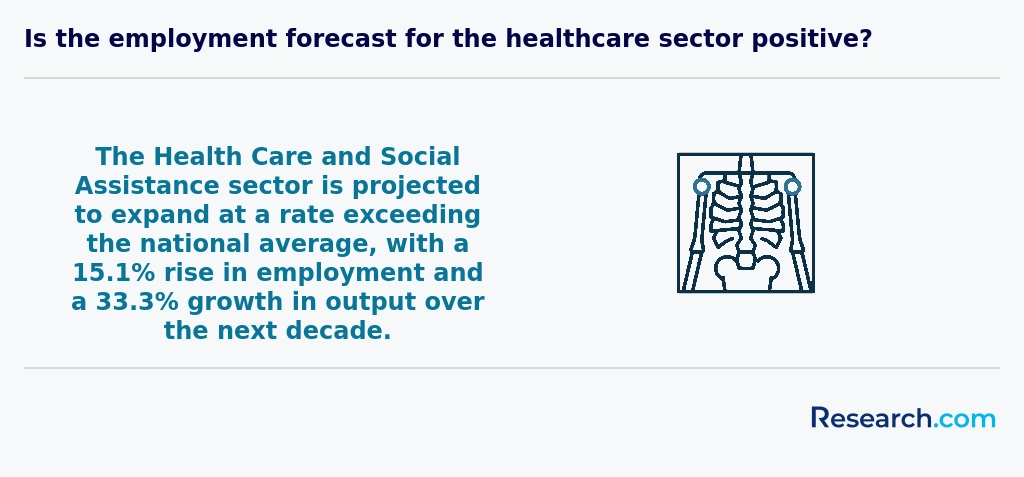
North Carolina's healthcare sector is growing, with a 7.1% increase in healthcare jobs expected by 2030, as reported by the NC Department of Commerce. Tailor your resume to highlight clinical experience and technological skills gained during your program. Utilize career services offered by your online school for interview preparation and job placement assistance.
Staying informed about state licensure requirements is important. The North Carolina Board of Nursing and other licensing bodies provide resources to ensure compliance. Combining your degree with practical experience through internships or volunteer work strengthens your employability in this competitive field.
Employers in North Carolina's healthcare sector seek graduates with both technical expertise and strong interpersonal skills. Critical thinking and clinical decision-making are highly valued due to the state's growing healthcare demands, especially in rural areas, as reported by the North Carolina Department of Health and Human Services.
Communication skills are essential for effective patient interaction and teamwork in diverse clinical settings. Additionally, proficiency in healthcare technology, including electronic health records (EHR) systems, is increasingly important, reflecting national trends noted by the American Health Information Management Association.
Understanding regulatory compliance and patient privacy laws, such as HIPAA, also ranks as a key requirement. Overall, employees must combine sharp analytical skills with empathy and adaptability to excel in North Carolina's evolving healthcare landscape.
Finding internships in North Carolina relevant to healthcare degrees involves leveraging local healthcare networks and educational resources. Students should start by exploring affiliations their online programs have with North Carolina medical centers and clinics, such as UNC Health or Atrium Health, which offer structured internship opportunities.
Additionally, the North Carolina Area Health Education Centers (AHEC) provide extensive support connecting students to clinical experiences statewide. According to the North Carolina Department of Commerce, healthcare remains the state's largest employment sector, signaling diverse internship availability.
Job boards like Handshake and LinkedIn, filtered for North Carolina healthcare internships, can yield multiple openings. Contacting healthcare facilities directly is also advised, as many internships are not publicly advertised.
Obtaining an online healthcare degree in North Carolina can significantly enhance career mobility and advancement opportunities. The state's healthcare sector is rapidly growing, with a 15% projected increase in healthcare jobs by 2030 according to the North Carolina Department of Commerce. Online degrees offer flexibility, enabling working professionals to upskill without disrupting employment.
Graduates with a master's in healthcare often qualify for leadership roles such as healthcare administrators and nurse managers, positions which typically command higher salaries. Employers in North Carolina increasingly value accredited online programs, recognizing their rigor and relevance to regional healthcare needs.
The convenience of online learning also allows students to access programs from top North Carolina universities, expanding their professional network and exposure to local healthcare systems, which supports career growth.
Studying for an online healthcare degree in North Carolina equips students with skills essential for interdisciplinary roles through a curriculum designed to emphasize collaboration across healthcare fields. Programs often integrate nursing, public health, administration, and clinical coursework. This approach reflects North Carolina's focus on addressing complex health challenges, such as chronic diseases that require teamwork among specialists.
The state's leading institutions incorporate case studies and simulation exercises that prepare students to communicate effectively with diverse healthcare professionals. According to the North Carolina Department of Health and Human Services, interdisciplinary care models are expanding rapidly, with 30% of hospitals adopting team-based practices.
This educational foundation helps graduates adapt to evolving healthcare environments that prioritize coordinated care, improving patient outcomes across settings.
Choosing between a thesis and a non-thesis healthcare degree program in North Carolina depends on your career goals and learning preferences. Thesis programs require original research and suit students aiming for academic, research, or doctoral study careers. Non-thesis options focus more on practical skills and coursework, ideal for professionals seeking leadership or clinical roles.
North Carolina's healthcare industry is growing rapidly, with a 15% job growth projection through 2030 according to the NC Department of Commerce. This expansion calls for diverse educational paths, so consider how a thesis might prepare you for advanced research versus how a non-thesis might expedite your entry into the workforce.
Additionally, thesis programs often take more time to complete due to research demands, while non-thesis paths can be quicker. Evaluate your available time, financial resources, and long-term plans carefully to decide which format best fits your needs in the state's evolving healthcare landscape.
Students in North Carolina seeking to study healthcare abroad through online programs have several options. Many US-accredited universities partner with international institutions, allowing learners to complete coursework remotely while gaining global healthcare perspectives. North Carolina's strong healthcare industry, with over 700,000 workers as reported by the NC Department of Commerce in 2023, drives the demand for culturally competent professionals.
Programs often include clinical placements or internships abroad, which must align with state licensing requirements. Students interested in global health can explore institutions offering specialization in international healthcare management or public health through online degrees.
In North Carolina, part-time jobs that complement online healthcare degrees often include roles such as medical assistants, patient care technicians, and health information clerks. These positions provide practical experience and help students apply theoretical knowledge in clinical or administrative settings.
The healthcare sector in North Carolina is robust, with a projected 15% job growth by 2030 according to the North Carolina Department of Commerce. This creates multiple part-time opportunities for students in hospitals, clinics, and long-term care facilities.
Many healthcare students also find opportunities as pharmacy technicians or emergency medical responders, which align well with various healthcare degrees. These roles build critical skills while offering flexible schedules suitable for part-time work.
Additionally, telehealth support positions are emerging in the state, allowing students to gain experience remotely, which suits those enrolled in online programs. According to the Healthcare Information and Management Systems Society (HIMSS), telehealth usage in North Carolina saw significant growth, enhancing part-time job prospects in this area.
Online healthcare students in North Carolina have access to various networking opportunities that help build professional connections essential for career growth. Many online programs partner with local hospitals and healthcare organizations, offering virtual events, webinars, and internships that foster interaction among students and industry experts.
The North Carolina Healthcare Association and regional chapters host conferences and workshops, which students can attend virtually or in person to meet practitioners and recruiters. Additionally, professional platforms like the North Carolina Public Health Association facilitate networking tailored to healthcare professionals.
According to NC Department of Commerce data, healthcare is the state's largest industry, presenting numerous local job contacts for students who engage in these networks during their studies. Active participation increases chances to collaborate and secure positions after graduation.
Alumni networks play a key role in supporting students enrolled in online healthcare degree programs in North Carolina. These networks connect current students with graduates who work in various healthcare sectors statewide, including hospitals, clinics, and public health organizations. According to the North Carolina Healthcare Association, the state employed over 500,000 healthcare workers in 2023, making connections in this field highly valuable.
Through networking events, mentorship programs, and online platforms, alumni provide career advice and share job opportunities specific to North Carolina's healthcare market. Such interactions often lead to internships, job placements, and collaborative projects, which can be critical for online students who lack on-campus access.
Access to alumni expertise also helps students stay informed about regional healthcare trends and policy changes, enhancing their practical understanding and employability in a competitive environment.
Customizing an online healthcare degree program in North Carolina allows students to align their education with specific career goals. Many universities offer concentrations such as healthcare administration, nursing leadership, or health informatics. Selecting relevant electives and capstone projects helps focus learning on desired specialties.
North Carolina's healthcare sector employs over 700,000 people, providing diverse opportunities in hospitals, public health, and research institutions (NC Department of Commerce, 2023). The state's universities often partner with local healthcare providers, enabling practical experience through internships or virtual simulations.
Additionally, accredited online programs provide flexibility to balance work with study, often offering accelerated tracks or part-time options tailored to professional schedules.
Online healthcare students in North Carolina commonly face challenges related to balancing rigorous coursework with work and family responsibilities. Many students report difficulty managing clinical hour requirements, which must be completed in person despite the online coursework. According to the North Carolina Board of Nursing, coordinating local clinical placements can be time-consuming and stressful.
Technical issues and lack of access to reliable high-speed internet in rural areas present additional obstacles. The FCC reports that approximately 20% of North Carolinians lack broadband access, which may hinder online learning experiences.
Furthermore, students sometimes feel isolated due to limited peer interaction, affecting motivation and support during studies. Overall, these challenges highlight the need for flexible programs and strong institutional support systems.
With an online healthcare degree, North Carolina students can pursue various professional certifications to advance their careers. Common certifications include the Certified Healthcare Administrator (CHA), which validates management skills in healthcare settings. Another option is the Certified Professional in Healthcare Quality (CPHQ), ideal for those interested in quality assurance.
Registered nurses with an online degree may seek the Certified Nurse Executive (CNE) credential to qualify for leadership roles. The North Carolina Board of Nursing regulates such certifications locally.
Additionally, Health Information Management professionals can pursue the Registered Health Information Administrator (RHIA) certification, given the state's growing healthcare data needs highlighted by the NC Department of Health and Human Services.
These certifications enhance job prospects in North Carolina's expanding healthcare sector, which employs over 700,000 people, according to the NC Office of State Budget and Management.
Writing a winning application for an online healthcare program in North Carolina requires clear organization and attention to detail. Start by thoroughly researching each program's prerequisites, as many emphasize experience in healthcare or related fields. Highlight relevant clinical or administrative experience to demonstrate your practical knowledge.
Strong letters of recommendation from healthcare professionals can boost your application significantly. North Carolina's healthcare sector employs over 650,000 workers, underscoring the competitive nature of these programs (NC Department of Commerce, 2023).
Additionally, craft a compelling personal statement that reflects your commitment to healthcare and addresses how the program aligns with your career goals. Finally, ensure that your application is error-free and submitted before the deadline to improve your chances.
Healthcare careers are increasingly viewed as vital worldwide, offering diverse opportunities and growth. Globally, healthcare professionals face rising demand due to aging populations and chronic diseases. In the United States, including North Carolina, the Bureau of Labor Statistics projects healthcare jobs to grow 13% from 2021 to 2031, faster than average. North Carolina itself expects strong growth in nursing and allied health roles, driven by expanding healthcare infrastructure.
Internationally, healthcare roles emphasize adaptability and cultural competence, skills valuable in diverse US settings. For North Carolina students, online degrees facilitate access to these careers while meeting local licensing requirements. Understanding global trends enhances readiness for a healthcare profession rooted in both regional and worldwide health challenges.
Gaining practical experience while pursuing an online healthcare degree in North Carolina is essential for career readiness. Many programs require clinical hours or internships, which students can complete at local hospitals, clinics, or healthcare organizations near their residence. The North Carolina Department of Health and Human Services provides a directory of licensed facilities suitable for clinical placements.
Some universities partner with statewide healthcare providers, so students can access approved sites more easily. Additionally, virtual simulation labs are increasingly used to supplement hands-on experience, offering realistic patient care scenarios. According to the North Carolina Healthcare Association, the demand for trained professionals is growing, making these practical experiences valuable for employment prospects.
Choosing the right concentration within an online healthcare degree program in North Carolina depends on your career goals and the state's healthcare needs. North Carolina faces growing demand for specialties like nursing administration, public health, and health informatics due to an aging population and expanding medical infrastructure, according to the North Carolina Department of Health and Human Services.
Consider concentrations aligned with local employer demand, such as healthcare management or epidemiology. Research opportunities available through accredited schools and whether programs include practicum options that fit your schedule.
Also, review licensure or certification requirements in North Carolina for your chosen field to ensure the concentration supports your professional advancement.
Related Healthcare Rankings for Nearby States
- 2027 Fastest Online Master's in Healthcare Degree Programs Ranking in South Carolina
- 2027 Fastest Online Master's in Healthcare Degree Programs Ranking in Virginia
- 2027 Fastest Online Master's in Healthcare Degree Programs Ranking in Georgia
- 2027 Fastest Online Master's in Healthcare Degree Programs Ranking in Florida
- 2027 Fastest Online Master's in Healthcare Degree Programs Ranking in Maryland
- 2027 Fastest Online Master's in Healthcare Degree Programs Ranking in Alabama
- 2027 Fastest Online Master's in Healthcare Degree Programs Ranking in Pennsylvania
- 2027 Fastest Online Master's in Healthcare Degree Programs Ranking in Ohio
- 2027 Fastest Online Master's in Healthcare Degree Programs Ranking in New Jersey
- 2027 Fastest Online Master's in Healthcare Degree Programs Ranking in Arkansas
Top Trending Healthcare Rankings
See What Experts Have To Say About Studying Healthcare
Read our interview with Healthcare experts

References
- Best Online Colleges In North Carolina https://www.affordablecollegesonline.org/online-colleges/north-carolina/
- The Role of Community Colleges in Meeting Workforce ... https://www.blueridge.edu/2022/11/17/the-role-of-community-colleges-in-meeting-workforce-needs-in-healthcare/
- Guide to Mastering North Carolina Nursing Prerequisites https://www.prereqcourses.com/guide-north-carolina-nursing-prerequisites/
- Online and Adult Learning https://ncicu.org/online-and-adult-learning/
- Pathways to Health Careers https://www.ncahec.net/health-careers/pathway-programs/
- Career-Focused Online Training Programs in North Carolina https://ccitraining.edu/locations/north-carolina/
- Remote opportunities https://careers.dukehealth.org/us/en/remote-opportunities
- Medical Schools in North Carolina: How to Get In (2026) https://www.shemmassianconsulting.com/blog/medical-schools-in-north-carolina
- Careers https://www.communitycarenc.org/careers
- Explore Health Careers https://www.arealahec.org/explore-health-careers/






