2027 Most Affordable Healthcare Degree Programs Ranking in North Carolina

Co-Founder and Chief Data Scientist
If you're considering a healthcare degree in North Carolina, finding an affordable program that fits your goals is key. This article features the 2027 Most Affordable Healthcare Degree Programs Ranking in North Carolina, carefully developed by the Research.com team of data scientists.
Our goal is to help you make informed decisions by showcasing programs that offer great value without compromising quality. Pursuing a healthcare degree opens doors to rewarding careers that truly make a difference.
Explore options that balance cost and opportunity, so you can confidently take the next step toward your future.
Key benefits of getting healthcare degree in North Carolina
- Salary for healthcare degree graduates: Graduates can expect competitive pay, such as Medical Assistants earning a mean annual wage of $43,350 and Quality Improvement Coordinators making up to $103,150, reflecting strong financial stability.
- Potential career paths: Healthcare degrees open doors to diverse roles, from Patient Care Technician to Health Information Technician, with opportunities in hospitals and clinics across North Carolina.
- Benefits of online degrees: Online healthcare programs from universities in North Carolina offer flexible schedules, allowing students to balance work and study while gaining the skills needed to succeed in rewarding healthcare careers.
- 2027 Most Affordable Healthcare Degree Programs Ranking in North Carolina
- What can I expect from healthcare degree in North Carolina?
- Where can I work with healthcare degree in North Carolina?
What can I expect from healthcare degree in North Carolina?
Imagine stepping into a lively campus at UNC Chapel Hill, where the hum of future healthcare heroes fills the air. For many students chasing healthcare degrees in North Carolina, affordability isn't just a perk-it's a lifeline. On average, in-state tuition for nursing or public health programs hovers around $7,000 to $9,000 annually at public universities, while community colleges, like those offering Associate Degrees in Nursing, welcome students with even friendlier price tags near $3,500 per year. Graduates often recall balancing their books alongside clinical hours, feeling relief knowing their investment was manageable compared to national averages.
Financial aid, scholarships, and state-funded grants frequently tip the scales, turning daunting costs into realistic possibilities. These programs unlock doors not just to knowledge but to real-world practical experiences, from anatomy labs at UNC to hands-on internships facilitated by private colleges. This blend makes each dollar stretch further, nurturing confidence and excitement as students envision themselves thriving in booming North Carolina healthcare fields.
Where can I work with healthcare degree in North Carolina?
Graduates from healthcare programs at North Carolina State University or UNC Chapel Hill step into a vibrant world where hospitals like UNC Health or Novant Health become more than workplaces-they're communities. Imagine joining a bustling nursing team, the pulse of healing in urban hubs or quiet rural towns, where each shift feels like making a real difference. Many graduates find themselves thriving in outpatient clinics, where healthcare evolves daily, offering chances to support patients with immediacy and care, reflecting the state's shift towards dynamic ambulatory services.
Long-term care centers also buzz with opportunity, especially as North Carolina's aging population grows. Here, graduates often share stories of becoming trusted caregivers and administrators, managing homes where compassion meets professional expertise. Others embrace roles in public health, working with local departments or state agencies, crafting wellness campaigns that ripple through communities-showing that healthcare degrees open doors well beyond traditional hospitals.
In the Research Triangle Park, innovation surrounds graduates working with pharmaceutical firms and tech developers, turning academic knowledge into cutting-edge medical solutions. It's a career landscape where passion meets purpose, tailored uniquely by the North Carolina experience.
Graduates holding healthcare degrees in North Carolina often step into roles with promising paychecks. Imagine a fresh Medical Assistant from a local community college near Raleigh, starting their career with an annual mean salary of about $43,350. It's a solid foundation that many celebrate as a first milestone toward financial and professional growth.
Those who dive into Patient Care Technician roles, often seen among UNC Health Care graduates, find themselves earning a more robust $60,790 yearly, reflecting their hands-on expertise in patient support. Meanwhile, Health Information Technicians-key cogs in managing medical data-typically bring home around $43,380 annually, a figure that can grow as they master new digital health technologies.
For graduates with a knack for leadership and quality improvement, stepping into the shoes of a Quality Improvement Coordinator can be rewarding both intellectually and financially, with mean salaries soaring to approximately $103,150. Duke University affiliates often describe this role as vital, where their work directly shapes patient outcomes and operational success.
These salary numbers aren't just abstract-they represent the tangible results of dedication, skill-building, and the unique advantages of studying healthcare in dynamic North Carolina markets like Charlotte and Durham.
- In-state tuition for healthcare undergraduate programs at public schools in North Carolina averages between $8,000 and $10,000 per year.
- Private institutions charge between $25,000 and $40,000 annually for similar healthcare degree programs.
- Entry-level registered nurses in North Carolina earn about $60,000 annually on average.
- Specialized healthcare roles like nurse practitioners or physical therapists start with salaries ranging from $75,000 to $90,000.
- The healthcare job market is growing rapidly, with employment expected to increase by over 15% from 2020 to 2030.
- Experienced healthcare professionals in North Carolina can earn median incomes between $85,000 and $110,000 annually depending on the specialty.
Imagine stepping onto the bustling campus of the University of North Carolina at Chapel Hill, where an eager healthcare student dives into a four-year adventure to earn a Bachelor of Science in Nursing. The days are filled with lectures, labs, and clinical rotations, each moment shaping the confident nurse-to-be ready to make an impact. Meanwhile, just down the road, a graduate from Wake Tech Community College harnesses the intensity of an Associate Degree in Nursing, completing the journey in about two years-fast enough to launch into the workforce with solid skills but with room to grow.
For those craving speed, a Certified Nursing Assistant program in Raleigh might be their gateway-just 6 to 12 weeks before they begin helping patients hands-on. If ambition pushes you higher, imagine taking the leap into a master's at Duke University, spending 2 to 3 years mastering specialties like nurse practitioner roles. Some dare to chase doctorates, dedicating 3 to 5 years to research or clinical expertise.
North Carolina's healthcare education adapts, whether you zip through accelerated options while working or savor a part-time rhythm, carving your unique path to care.
Ensuring your North Carolina healthcare degree comes from an accredited institution is the first step toward meeting state licensure requirements and maximizing your career prospects. Accreditation confirms that a program meets rigorous academic and professional standards, and it often determines eligibility for federal financial aid, certification exams, and state licensure boards. Most reputable North Carolina programs hold accreditation from bodies such as:
- Commission on Accreditation of Healthcare Management Education (CAHME) for healthcare administration
- Commission on Collegiate Nursing Education (CCNE) or Accreditation Commission for Education in Nursing (ACEN) for nursing degrees
- Commission on Accreditation for Health Informatics and Information Management Education (CAHIIM) for health informatics
- Council on Education for Public Health (CEPH) for public health programs
- Commission on Accreditation of Allied Health Education Programs (CAAHEP) for clinical specialties Before applying, check each school’s accreditation status through the U.S. Department of Education database and verify that its curriculum aligns with North Carolina’s licensing requirements. For example, nursing graduates must pass the NC Board of Nursing’s NCLEX-RN exam, while health information technicians often pursue the Registered Health Information Technician (RHIT) credential. If you’re exploring complementary pathways to enhance clinical expertise, consider a bachelors degree in kinesiology online, which can broaden your skill set in patient movement analysis and rehabilitation. By choosing an accredited program, you safeguard your investment, streamline the licensure process, and position yourself for success in North Carolina’s competitive healthcare job market.
Imagine juggling family dinners and late-night study sessions while logging into virtual lectures from East Carolina University - that's the reality for many online healthcare students in North Carolina. Online programs offer a digital rhythm where flexibility reigns, letting learners craft their own schedules around work or home life. Graduates often recall the convenience of submitting assignments via portals, yet they highlight how digital discussion boards became unexpected hubs of lively debate and peer support.
Contrast this with the bustling campus life at the University of North Carolina at Chapel Hill, where on-campus students thrive in hands-on clinical labs and real-time interactions. They describe the electric energy of face-to-face lectures and the confidence built during clinical rotations at nearby hospitals. The tactile experience of donning scrubs and practicing skills in person shapes their readiness for healthcare roles.
Both paths demand grit, but the choice sparks different journeys. Online students savor flexibility; on-campus learners cherish immersion. In both cases, North Carolina's strong accreditation ensures a respected, career-launching education.
Thinking about the average cost of a healthcare degree in North Carolina? Picture a blend of possibilities where in-state students attending public universities like the University of North Carolina at Chapel Hill or East Carolina University often manage a median in-state total cost around $27,366. Graduates from these programs frequently recall balancing studies while appreciating affordable tuition that keeps ambitions within reach. Meanwhile, students choosing private institutions or specialized programs might encounter a higher median total cost, close to $40,440, reflecting the enhanced resources and intimate classroom settings that nurture future healthcare professionals.
Imagine navigating your nursing or allied health degree with that financial backdrop, where the tangible costs are only part of the journey. Books, clinical supplies, and living expenses create a real-world canvas that requires smart budgeting and planning. Many find they are supported by scholarships and financial aid tailored specifically to healthcare students, making the dream of a healthcare career in North Carolina more tangible and less daunting. This is a landscape that courses beyond just numbers-it's about opportunity intertwined with practical investment.
Those looking for affordable healthcare degree programs North Carolina has made accessible often turn to options that balance quality and cost carefully. For those with busy schedules or distance challenges, the cheapest online healthcare school in north carolina can offer a flexible, budget-friendly path that complements traditional education routes, broadening access without sacrificing educational goals.
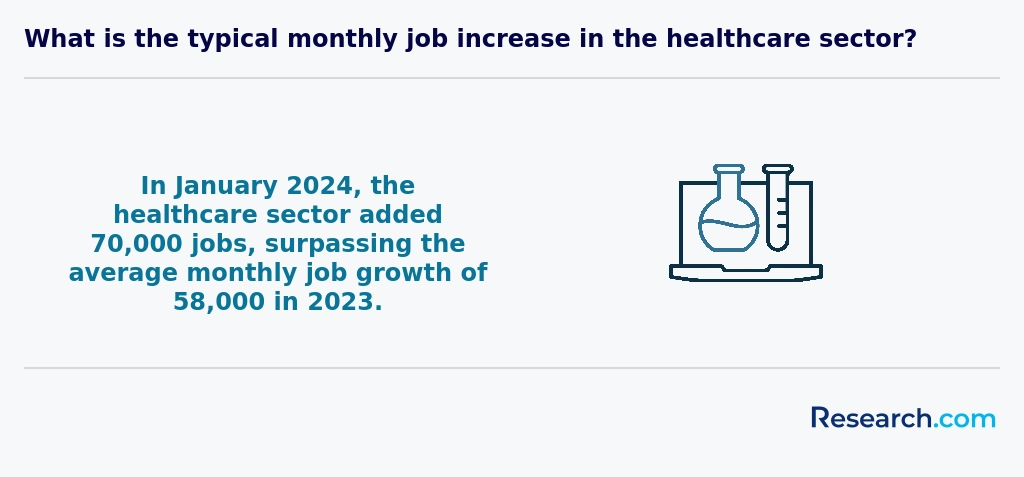
Ready to take the next step toward your healthcare career? Follow these proven strategies to craft a competitive application: 1. Research and Shortlist Programs • Visit each school’s official website to confirm accreditation and program format (online, hybrid, or on-campus). • Compare tuition, specializations, and student support services. For a broader view of affordable options, you can also explore the Inexpensive Online Healthcare Degree Programs Ranking in North Dakota to understand cost trends in neighboring states. 2. Meet Prerequisites Early • Ensure you have completed required courses-biology, chemistry, and math-during high school or through dual enrollment. • Take the SAT or ACT if required, and submit official transcripts from all institutions attended. 3. Craft a Standout Personal Statement • Highlight your passion for patient care, community impact, or healthcare technology. • Use concrete examples-volunteer work, internships, or personal experiences-that demonstrate resilience and empathy. 4. Secure Strong Recommendations • Request letters from instructors or supervisors familiar with your academic performance and work ethic. • Provide each recommender with a résumé summary and a brief on your career goals for personalized endorsements. 5. Prepare for Interviews (if required) • Practice common questions: “Why healthcare?” and “How do you handle high-pressure situations?” • Showcase teamwork, critical thinking, and communication skills cultivated during group projects or clinical simulations. 6. Plan Your Finances • Apply early for scholarships, grants, and work-study programs; note deadlines often precede admissions cutoffs. • Use net-price calculators on school sites to estimate out-of-pocket costs and compare aid packages. 7. Submit and Track Your Application • Double-check all materials for completeness before submitting via the school’s portal. • Follow up one week after submission to confirm receipt and inquire about next steps. By systematically addressing each step-research, prerequisites, essays, recommendations, interviews, and financial planning-you’ll position yourself for success and secure admission to a top affordable healthcare degree program in North Carolina.
When a healthcare student at UNC Chapel Hill or NC State University opens the door to financial aid, it's like discovering a secret garden of support tailored to their tough journey. Pell Grants sprinkle relief without the shadow of repayment-up to $7,395 in the 2023-2024 year-a lifeline for many balancing tuition with bills. Imagine a community college student in Durham tapping into the North Carolina Community College Grant, easing the pinch of certificate program fees that might otherwise feel overwhelming.
Then there's the Federal Supplemental Educational Opportunity Grant, a rare gem offering as much as $4,000 for those who need it most, though competition makes every dollar feel earned. Picture a student at East Carolina University, juggling classes and a Federal Work-Study job tied to healthcare, gaining not only money but skills that resonate deeply in future hospitals and clinics. Scholarships from organizations like North Carolina AHEC feel like a hand reaching out, supporting dreams grounded in public health and nursing, especially in underserved areas.
Lastly, federal loans stand ready, offering fixed rates and flexible repayment-an organized safety net amid the often-unpredictable costs of healthcare education. Graduates often tell how this mosaic of aid transforms the daunting financial climb into a manageable, hopeful ascent.
Stepping into a healthcare program in North Carolina means showing up prepared with more than just enthusiasm. Imagine a graduate from UNC Chapel Hill reminiscing about the day she nailed biology and chemistry prerequisites-those courses weren't just about memorizing facts but unlocking the language of the human body. Across the state, whether at ECU or NCCU, students know a high school diploma or GED is just the first step. Strong foundations in science and math are non-negotiable, setting a sturdy stage on which healthcare dreams can play out.
These future healers recall the pressure and pride of meeting GPA requirements-usually a 2.5 to 3.0-to prove they can handle the academic intensity. Many faced standardized tests like the SAT or ACT, yet most remember courses in anatomy and physiology as the true gateways. Clinical experience or volunteer hours, often demanded at community colleges, added real-world textures to textbooks, weaving empathy and insight into their journeys through healthcare.
At institutions like Wake Tech, students also embraced English and statistics prerequisites, appreciating how these sharpened their communication and critical thinking skills-vital tools for nurses, therapists, and healthcare administrators alike. Passing entrance exams like the TEAS felt like flipping a key in the lock, opening doors to careers rooted in care and science within the Tar Heel State.
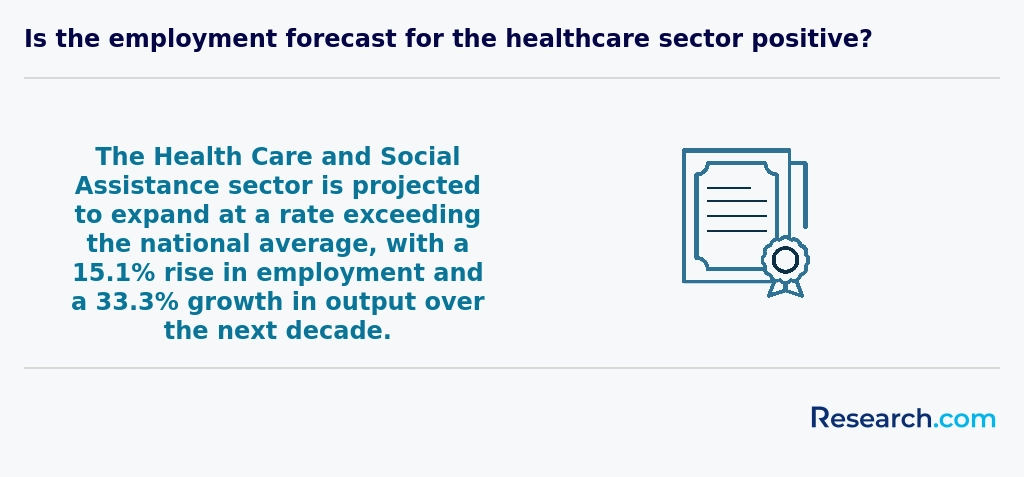
Expanding your knowledge beyond a traditional healthcare degree can dramatically boost your career prospects and ensure you stay ahead in a rapidly evolving industry. Many professionals enhance their qualifications by acquiring targeted certifications that validate specialized skills and keep them updated with the latest industry trends. For instance, certifications in medical billing and coding have become increasingly valuable as healthcare organizations strive to streamline patient data management and billing processes. One excellent option for professionals interested in this area is the florida medical billing and coding certificate program online, which offers an intensive course that can be completed in just a few weeks, making it a perfect complement to your ongoing education. In addition to technical certifications, many institutions offer short-term courses and refresher programs in emerging areas such as telehealth, healthcare informatics, and patient advocacy. These programs not only help in bridging gaps between academic learning and practical application, but also allow you to adapt to new challenges in the healthcare environment. Prospective students and working professionals are encouraged to explore these opportunities as a strategic move towards career advancement. By regularly updating your skills and obtaining relevant certifications, you enhance your employability and signal commitment to excellence and lifelong learning in your field.
Imagine diving into anatomy and physiology at a bustling North Carolina university, where understanding the human body feels like unlocking a living puzzle. Graduates from programs like those at UNC or Duke often recall the thrill of revealing the mysteries beneath skin and bone, laying the groundwork for every patient interaction to come.
Microbiology labs aren't just sterile spaces-they're arenas where students battle invisible foes, learning how tiny organisms impact health. Chemistry and biology classes build a scientific backbone, empowering students to link theory with real-world patient care.
Healthcare ethics and medical terminology classes foster confidence in navigating complex hospital halls filled with jargon and moral dilemmas, a daily reality for students at Appalachian State or East Carolina University. Health informatics courses transform tech-savvy learners into vital digital navigators of patient records and data trends, answering growing demands across North Carolina's health sector.
Clinical rotations are where theory breathes life-graduates remember the first time applying patient assessment and emergency care skills in local hospitals, sensing the profound responsibility and exhilaration unique to North Carolina's healthcare landscape.
Healthcare degree specializations in North Carolina unfold like a vibrant mosaic, each piece reflecting a passion and a pathway. Nursing, the heartbeat of the state's robust healthcare workforce, draws graduates from programs at universities like the University of North Carolina at Chapel Hill, where students experience hands-on care that fuels their drive. These future nurses embrace a 15% job growth forecast with optimism, knowing their skills matter deeply to communities statewide.
Diving into North Carolina healthcare program concentration options reveals the pulse of public health, where students at renowned schools become epidemiology detectives and policy advocates, inspired by the state's need to climb higher from its current 42nd rank in public health. Some graduates feel electrified by health informatics, a cutting-edge blend of technology and medicine, mastering data systems that revolutionize patient care and hospital workflows.
For those drawn to managerial roles, healthcare administration programs prepare leaders who balance budgets and compassion. Allied health fields like respiratory therapy and occupational therapy offer dynamic, clinical-rich experiences that spark confidence and resilience. Curious minds might explore alternatives-for example, a creative learner enrolled in a florida medical billing and coding certificate program online seizes the chance to swiftly step into the world of healthcare with practical skills and swift certification.
Choosing the best healthcare degree in North Carolina feels like piecing together a puzzle where your future takes shape. Imagine graduating from UNC Chapel Hill, where a blend of rigorous coursework meets hands-on clinical rotations at local hospitals-students often describe this as the heart of their transformative experience. As one graduate shared, the real-world exposure balanced with academic challenge made all the difference. For those eyeing affordable healthcare degree programs North Carolina offers, the price tag is not just about tuition; it's the investment in partnerships with healthcare centers that open doors beyond the classroom.
Flexibility is another secret ingredient. East Carolina University, for example, accommodates busy lives through hybrid classes, empowering students juggling work and family. Graduates here often praise the blend of online theory and in-person internships, which amplify learning without sacrificing life's demands. If you're curious about expanding your options, don't overlook a bachelors degree in kinesiology online, a route growing in appeal for its balance and accessibility.
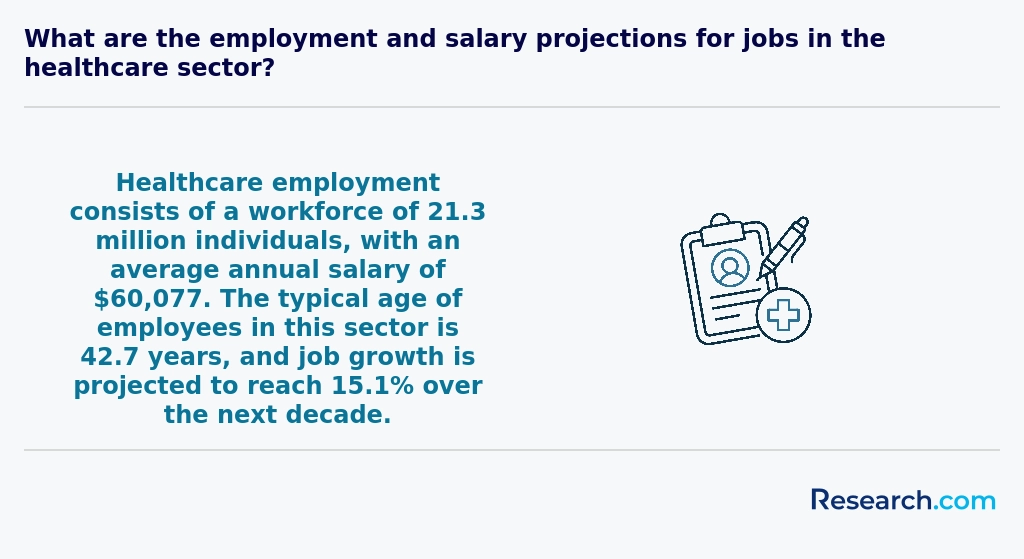
Graduates from healthcare programs in North Carolina often find themselves stepping into vibrant roles that pulse at the heart of the state's evolving medical landscape. Imagine a registered nurse in Raleigh, energized by the hands-on experience gained at Duke University Health System, who thrives on the constant challenge of patient care. Or picture a medical and health services manager in Charlotte, orchestrating efficient operations in expanding healthcare facilities, drawing from knowledge rooted in UNC Health Care's supportive network. These stories reflect the diverse healthcare career opportunities in North Carolina, spanning from physical therapists assisting seniors in Asheville to pharmacy technicians and pharmacists ensuring medication safety throughout the state.
For those aiming higher, advanced degrees open doors to specialized roles like nurse practitioners or occupational therapists, with salaries that reward dedication. Many graduates treasure how their education embedded them into a community of healthcare heroes contributing to public well-being, fueling their passion. If affordability is a concern, exploring Inexpensive Online Healthcare Degree Programs Ranking in North Dakota can unveil budget-friendly paths beyond state borders while keeping career aspirations alive.
North Carolina healthcare degree job prospects sparkle with promise, combining solid training with emotional fulfillment in real-world impact. Graduates describe their journeys as transformative, where academic rigor meets heartfelt service-an ideal fusion for anyone drawn to heal, manage, and educate in one of the nation's thriving healthcare hubs.
The healthcare job outlook North Carolina graduates face is vibrant and full of promise. Picture a nursing graduate from the University of North Carolina who steps into a bustling Raleigh hospital, joining the frontlines where the demand for skilled registered nurses is surging by about 15% through 2032. This isn't just a number; it reflects a booming landscape fueled by an aging population and expanding healthcare facilities across Charlotte and Durham.
Graduates from institutions like East Carolina University find themselves in an ecosystem charged with opportunity, where telehealth innovations and health informatics reshape traditional roles. Salaries hover near $65,000 annually, balanced by an affordable cost of living, making the financial picture as appealing as the career path.
For those weighing education costs, exploring 6-month online associate degree programs at local community colleges offers a streamlined, budget-friendly route into healthcare fields, adding another dimension to North Carolina healthcare employment growth.
2027 Most Affordable Healthcare Degree Programs Ranking in North Carolina
Investing in your education is a significant decision that can shape your future, and the Research.com team understands the importance of making informed choices. To assist prospective students in North Carolina, we have meticulously crafted the "2027 Most Affordable Healthcare Degree Programs Ranking in North Carolina." Our commitment to quality, credibility, and accuracy is reflected in the extensive research and analysis conducted to compile this ranking.
We utilized the following reputable data sources to ensure a comprehensive evaluation of healthcare degree programs:
By exploring this ranking, readers will gain valuable insights into the most affordable healthcare degree programs in North Carolina, enabling them to make well-informed decisions tailored to their educational and financial needs. For more information on how this ranking was developed, please visit our Research.com methodology page.


# 8 position
Strayer University-North Carolina
Master of Science in Health Services Administration


# 13 position
University of North Carolina at Charlotte
Bachelor of Science in Health Systems Management


Frequently Asked Questions About healthcare
Healthcare degree students in North Carolina can maximize their learning by actively engaging in clinical experiences offered through partnerships between universities and local hospitals. The state's extensive healthcare network, including prominent systems like UNC Health and Atrium Health, provides valuable real-world training opportunities. According to the North Carolina Healthcare Association, the demand for skilled professionals is growing by 3.5% annually, making hands-on experience critical.
Students should also take advantage of internships, volunteer roles, and research projects to deepen practical knowledge. Networking with healthcare professionals in regional conferences and workshops helps build mentorships and improves career readiness.
Consistently utilizing campus resources such as tutoring centers and simulation labs enhances technical skills, while staying updated on industry trends through reputable sources supports academic success.
Emerging niches within the healthcare field in North Carolina reflect national trends emphasizing technology and specialized care. Areas like telehealth have grown significantly, driven by the state's investment in broadband and rural healthcare access. According to the North Carolina Healthcare Association, telemedicine usage increased by over 50% from 2020 to 2023. Another fast-growing niche is health informatics, which blends healthcare and IT to improve patient outcomes through data analysis.
Geriatric care is also expanding due to North Carolina's aging population, with studies showing the elderly segment grew by 20% in the past decade. Additionally, behavioral health specialties are in higher demand as awareness of mental health issues rises statewide.
Preparing for the job market after earning a healthcare degree in North Carolina involves practical experience and networking. Many programs encourage completing clinical rotations or internships, which provide hands-on skills valued by employers. According to the North Carolina Department of Commerce, healthcare employment is expected to grow 14% by 2030, indicating strong demand nationally and statewide.
Graduates should also pursue relevant certifications and licenses, as many healthcare jobs require state-specific credentials. Joining professional organizations like the North Carolina Healthcare Association can offer networking opportunities and job leads. Additionally, utilizing the career services offered by colleges can help graduates access local job fairs and employer connections crucial for launching their careers.
Employers in North Carolina highly value healthcare degree graduates who demonstrate strong clinical skills combined with effective communication. According to the North Carolina Healthcare Association, adaptability and critical thinking are among the top traits sought after, especially as the state faces a growing demand for healthcare professionals.
Technical proficiency with electronic health records (EHR) systems is increasingly important, reflecting the broader US healthcare trend toward digital documentation. Graduates must also show cultural competence, as North Carolina's diverse population requires sensitivity to various backgrounds and needs.
Leadership and teamwork skills are essential, given the collaborative nature of healthcare environments. Finally, ethical judgment and empathy remain critical for patient-centered care, aligning with statewide initiatives to improve healthcare quality and patient satisfaction.
Finding internships in North Carolina for healthcare degree students involves several targeted approaches. Start by exploring partnerships between your college and local hospitals or clinics, such as those affiliated with the UNC Health system, which is the largest in the state. Many institutions offer dedicated internship placements supported by their academic programs.
Utilize statewide resources like the North Carolina Department of Health and Human Services website, which lists opportunities for student internships and training in various healthcare settings. Networking at career fairs and joining professional associations, such as the North Carolina Healthcare Association, can also provide valuable internship leads.
According to the North Carolina Healthcare Association, internship positions in the state's growing healthcare systems have increased by 8% over the past three years, reflecting a strong demand for practical experience.
In North Carolina, earning a healthcare degree significantly enhances career mobility and advancement opportunities. According to the North Carolina Department of Health and Human Services, the state's healthcare sector is growing faster than many others, driven by increased demand for specialized medical services.
A formal healthcare degree provides essential credentials that meet licensing requirements for many professions such as nursing, healthcare administration, and allied health fields. This formal education enables graduates to qualify for higher-paying and more advanced roles, including management positions and specialized clinical roles.
Moreover, North Carolina's expanding healthcare industry, boosted by research institutions and major hospital systems, offers diverse pathways for career progression. Employment projections through 2030 indicate a steady rise in healthcare-related jobs, underlining the value of degrees in gaining competitive advantages in the job market.
Studying for a healthcare degree in North Carolina equips students with skills essential for interdisciplinary roles by emphasizing collaboration across diverse medical fields. Healthcare programs often integrate courses in nursing, public health, medical technology, and administration, reflecting the state's growing demand for versatile professionals.
North Carolina's healthcare education benefits from partnerships with organizations such as the NC Area Health Education Centers, which facilitate experiential learning in real-world settings. This hands-on approach prepares students to work alongside doctors, therapists, and social workers in unified care delivery.
According to the North Carolina Department of Health and Human Services, the state anticipates a 16% growth in healthcare employment by 2030, highlighting the need for adaptable graduates proficient in teamwork and communication.
Choosing between a thesis and a non-thesis healthcare degree in North Carolina depends largely on your career goals and learning style. Thesis programs usually require original research, which benefits those interested in academic or research careers. In contrast, non-thesis options often focus on practical skills and coursework, ideal for professionals aiming for clinical or administrative roles.
North Carolina is home to numerous universities offering healthcare degrees with varying requirements. According to the NC Department of Health and Human Services, the state's growing healthcare sector favors both research and applied knowledge, giving students flexibility in their education paths.
Consider factors such as time commitment-thesis programs can take longer due to research demands-and your long-term plans, whether you aim for graduate study or immediate employment in healthcare settings.
Students in North Carolina seeking healthcare degrees have several opportunities to study abroad through established exchange programs and partnerships. Many universities in North Carolina, such as the University of North Carolina system, offer study abroad options in countries with advanced healthcare systems, allowing students to gain global perspectives. These programs often include clinical rotations, public health research, and internships that enhance practical experience.
According to the Institute of International Education, healthcare-related study abroad participation has grown steadily, reflecting the demand for global competence in healthcare professions. North Carolina students can access programs endorsed by the Global Health Education Consortium, which emphasize cross-cultural training.
Financial aid and scholarships specifically for healthcare study abroad are increasingly available through university international offices and private foundations. Students should consult their institutions for tailored advice.
Students pursuing healthcare degrees in North Carolina can benefit greatly from part-time jobs that offer practical experience and enhance their skills. Common opportunities include working as certified nursing assistants (CNAs), medical assistants, or pharmacy technicians. These roles provide direct patient interaction and familiarize students with healthcare settings, which is valuable for resumes and future careers.
North Carolina's healthcare sector is growing rapidly, with a predicted 20% increase in healthcare employment by 2030 according to the North Carolina Department of Commerce. This growth translates to more part-time openings in clinics, hospitals, and long-term care facilities. Additionally, jobs in medical billing and coding or health information management offer flexible hours and deepen administrative knowledge in healthcare.
Engaging in these part-time roles helps students apply theoretical knowledge from their studies while networking within the state's healthcare community. These jobs also often pay between $12 and $18 per hour, allowing students to support themselves financially while gaining relevant experience.
Healthcare students in North Carolina benefit from various networking opportunities throughout their education. Universities often have partnerships with local hospitals and clinics, offering students access to internships and clinical rotations. For example, the North Carolina A&T State University's School of Nursing collaborates with regional healthcare providers to enhance student experience.
Professional organizations such as the North Carolina Healthcare Association and the North Carolina Nurses Association host regular events, conferences, and workshops. These gatherings provide students with chances to meet industry professionals and potential employers.
Additionally, statewide health initiatives and job fairs focus on healthcare employment in North Carolina, which is projected to grow by 15% by 2030 according to the North Carolina Department of Commerce.
Alumni networks provide valuable support for healthcare degree students in North Carolina. These networks connect current students with graduates who work across hospitals, clinics, and research institutions statewide. This access helps students gain mentorship and career advice tailored to the local healthcare environment.
North Carolina's healthcare industry, including major players like UNC Health and Atrium Health, benefits from strong alumni ties. According to the North Carolina Department of Commerce, the healthcare sector is the state's largest employer, with over 700,000 jobs, so networking can be crucial for job placement in this competitive market.
Additionally, alumni often offer internships, job leads, and networking events that enhance students' real-world experience. Graduates report higher employment rates within six months when active in alumni communities, as these groups facilitate connections with industry professionals directly involved in North Carolina's healthcare system.
Customizing a healthcare degree in North Carolina involves choosing electives, specializations, and practical experiences that align with your career goals. Many universities offer concentrations such as public health, health administration, or nursing, enabling students to tailor their studies.
Clinical internships and externships with local hospitals and clinics provide hands-on experience, which is essential in this field. According to the North Carolina Department of Health and Human Services, engaging in community health projects can improve job prospects.
Online and part-time options also allow working professionals to balance education with employment. Exploring certifications alongside degrees, such as in healthcare informatics, further personalizes your education to specific roles.
Healthcare students in North Carolina often face the challenge of balancing rigorous coursework with demanding clinical experiences. According to the North Carolina Board of Nursing, clinical rotations require long hours that can be stressful alongside academic deadlines. Additionally, the state has a high demand for qualified healthcare professionals, especially in rural areas, which can add pressure on students to perform well and graduate on time.
Financial constraints are also significant. The average in-state tuition for healthcare programs at public universities can exceed $8,000 per year, not including fees or living expenses, making financial aid essential for many.
Moreover, adapting to rapidly evolving healthcare technologies and regulations requires students to continually update their skills, posing an ongoing learning challenge.
With a healthcare degree in North Carolina, students can pursue several professional certifications that enhance their career prospects. Common certifications include Certified Nursing Assistant (CNA), Licensed Practical Nurse (LPN), and Registered Nurse (RN), which are vital in the state's healthcare system.
Other options include certifications in specialized fields such as Medical Coding and Billing, Health Information Management, and Emergency Medical Technician (EMT). According to the North Carolina Board of Nursing, RNs represent a significant portion of the healthcare workforce, showing strong demand for certification.
Advanced certifications like Nurse Practitioner (NP) and Physician Assistant (PA) require further education but offer higher earning potential and leadership roles.
Writing a winning application for a healthcare program in North Carolina requires careful preparation and attention to detail. Start by researching the specific requirements of the program, as North Carolina schools often look for strong academic records and relevant experience. Highlight any healthcare-related volunteer work or certifications, such as CPR or CNA, which demonstrate commitment to the field.
Include a clear personal statement explaining your motivation to pursue healthcare, referencing North Carolina's growing healthcare sector: the state is projected to add over 40,000 healthcare jobs by 2030 according to the NC Department of Commerce. This shows your awareness of local opportunities and challenges.
Make sure your application is error-free and submit all required documents before deadlines. Strong letters of recommendation from healthcare professionals or educators can significantly boost your chances.
Healthcare careers are increasingly seen through a global lens, reflecting worldwide demand for qualified professionals. In the United States, healthcare roles are valued for their stability and growth potential, with the Bureau of Labor Statistics projecting a 15% growth in healthcare occupations through 2032.
North Carolina aligns with this trend, reporting a strong need for healthcare workers driven by its aging population and expanding healthcare facilities, according to the North Carolina Department of Health and Human Services.
Internationally, healthcare education often emphasizes cross-cultural skills, which is becoming essential in the U.S. as patient populations diversify. This global perspective is quickly integrating into North Carolina's healthcare degree programs to prepare graduates for evolving challenges.
Gaining practical experience while studying for a healthcare degree in North Carolina is essential for career readiness. Many universities in the state incorporate clinical rotations, internships, or practicum placements as part of their programs. For example, students in nursing or allied health fields often complete hands-on training in local hospitals and clinics, which helps build skills in real-world settings.
The North Carolina Area Health Education Centers (AHEC) program connects students to clinical sites across the state, supporting over 60,000 trainees annually in healthcare fields.
Additionally, volunteering or part-time work in healthcare facilities can supplement academic learning and enhance employment prospects after graduation.
Choosing the right concentration within a healthcare degree program in North Carolina requires understanding your career goals and the state's healthcare needs. North Carolina faces shortages in nursing, physical therapy, and allied health professions, creating strong job prospects in these fields according to the North Carolina Department of Commerce. Research local employment projections and salary data to align your choice with growth areas.
Consider your interests in patient care, research, administration, or technology, since healthcare degrees often offer diverse tracks. Accredited programs ensure quality education; check accreditation through bodies like CAAHEP or the Commission on Collegiate Nursing Education.
Explore programs offered by universities across North Carolina to find concentrations that match both your ambitions and local market demand, enhancing your chances of a rewarding career.
- 2027 Most Affordable Online Healthcare Degree Programs Ranking in South Carolina
- 2027 Most Affordable Online Healthcare Degree Programs Ranking in Virginia
- 2027 Most Affordable Online Healthcare Degree Programs Ranking in Tennessee
- 2027 Most Affordable Online Healthcare Degree Programs Ranking in West Virginia
- 2027 Most Affordable Online Healthcare Degree Programs Ranking in Kentucky
- 2027 Most Affordable Online Healthcare Degree Programs Ranking in Florida
- 2027 Most Affordable Online Healthcare Degree Programs Ranking in Maryland
- 2027 Most Affordable Online Healthcare Degree Programs Ranking in Pennsylvania
- 2027 Most Affordable Online Healthcare Degree Programs Ranking in Ohio
- 2027 Most Affordable Online Healthcare Degree Programs Ranking in Mississippi
See What Experts Have To Say About Studying Healthcare
Read our interview with Healthcare experts

- Occupations | NC Careers.org https://nccareers.org/occupation-profile
- Trends and opportunities in healthcare across emerging markets - Inizio https://inizio.com/insights/trends-and-opportunities-in-healthcare-across-emerging-markets/
- Interdisciplinary Education and Practice https://www.aacnnursing.org/news-data/position-statements-white-papers/interdisciplinary-education-and-practice
- What can I do with a healthcare studies degree, and how can I start? https://mrcollege.ac.uk/what-can-i-do-with-a-healthcare-studies-degree-and-how-can-i-start/
- 6 Tips On Networking For Medical Professionals https://aaams.net/blog/how-to-network-in-the-medical-field-nurses/
- Pathways to Health Careers | NC AHEC https://www.ncahec.net/health-careers/pathway-programs/
- Challenges of nursing students during clinical training: A nursing perspective https://www.aimspress.com/article/doi/10.3934/publichealth.2024019
- Employability Skills Matrix for the Health Sector https://www.skillsforhealth.org.uk/resources/employability-skills-matrix/
- Medical School Loans | NC Assist Loans https://www.ncassist.org/student-loan-options/graduate-loans/loans-for-medical-school/
- Master’s in Healthcare Management Degrees in North Carolina - L-P - Healthcare Management Degree Guide https://www.healthcare-management-degree.net/in/masters-in-healthcare-management-degrees-in-north-carolina/masters-in-healthcare-management-degrees-in-north-carolina-l-p/