
2027 Best Online Bachelor's in Healthcare Degree Programs Ranking in Ohio

Co-Founder and Chief Data Scientist
Choosing the right online bachelor's degree in healthcare can feel overwhelming, especially with so many options available to Ohio students. To help simplify this process, the Research.com team of data scientists created the 2027 Best Online Bachelor's in Healthcare Degree Programs Ranking in Ohio. This article highlights top programs that combine quality education with flexibility, designed to fit your busy lifestyle.
Exploring these ranked programs can empower you to make an informed decision and take a confident step toward a rewarding healthcare career. Pursuing a healthcare degree opens doors to meaningful work and lasting impact in your community.
Key benefits of getting online healthcare degree in Ohio
- Graduates with healthcare degrees in Ohio can expect competitive salaries, such as Medical Assistants earning around $43,350 annually and Patient Care Technicians making about $60,790 per year, reflecting strong earning potential.
- Career paths are diverse, ranging from Medical Assistant roles to Quality Improvement Coordinators who can earn over $103,000 annually, showcasing exciting opportunities for advancement in healthcare.
- Online healthcare degrees from Ohio institutions offer flexibility, enabling students to balance work and study while still gaining valuable skills and connections, often leading to successful careers like those of online graduates from popular Ohio universities.
- Key benefits of getting online healthcare degree in Ohio
- What can I expect from online healthcare degree in Ohio?
- Where can I work with online healthcare degree in Ohio?
- How much can I make with online healthcare degree in Ohio?
- 2027 Best Online Bachelor's in Healthcare Degree Programs Ranking in Ohio
- Key Findings
- How long does it take to complete online healthcare degree in Ohio?
- Next Steps: Expert Tips for Navigating Your Online Healthcare Journey
- What's the difference between online and on-campus healthcare degree?
- What is the average cost of online healthcare degree in Ohio?
- Advanced Education and Career Advancement Opportunities
- What financial aid is available to online healthcare degree students in Ohio?
- Student Support and Career Services
- What are the prerequisites for enrolling in online healthcare degree program in Ohio?
- Final Thoughts and Next Steps
- What courses are typically in online healthcare degree programs in Ohio?
- What types of specializations are available in online healthcare degree programs in Ohio?
- How do you choose the best online healthcare degree in Ohio?
- What career paths are available for online healthcare degree students in Ohio?
- What is the job market for online healthcare degree in Ohio?
- Related Healthcare Rankings for Nearby States
- Top Trending Healthcare Rankings
- See What Experts Have To Say About Studying Healthcare
What can I expect from online healthcare degree in Ohio?
Stepping into the world of online healthcare degrees in Ohio often begins with a practical question: What does it cost? Graduates from popular programs at Ohio State University or the University of Cincinnati often share that the average tuition ranges around $10,000 to $20,000 per year for online learners. This range depends on factors like the program length and level, whether it's a bachelor's or master's degree.
The excitement of studying healthcare remotely is paired with financial planning, but many students find relief through state grants and federal aid tailored for Ohio residents. Imagine juggling virtual classes on healthcare ethics one week and preparing for clinical hours at a nearby hospital the next-all while managing tuition that fits a budget thanks to these financial supports.
Online students often express how accessible and flexible Ohio's programs feel, making the investment worth it as they gain transferable skills and professional credentials. The cost may be an adventure, but these programs gear you up for a promising healthcare career close to home.
Where can I work with online healthcare degree in Ohio?
Graduates from online healthcare programs in Ohio often find themselves stepping into exciting roles across the state's vibrant healthcare landscape. Imagine working as a healthcare administrator at a bustling Cleveland Clinic hospital or managing patient data for OhioHealth's innovative outpatient clinics-these are real opportunities for those with degrees from universities like Ohio State or University of Cincinnati. Many online students share stories of landing positions where they coordinate care in long-term facilities or support rural health initiatives spearheaded by public health agencies like the Ohio Department of Health.
Some graduates explore careers as health information managers, navigating the fast-evolving world of digital patient records to improve healthcare delivery. Others dive into public health roles, designing programs that tackle chronic disease in Ohio communities. The journey feels rewarding, knowing your work directly impacts a state with over half a million healthcare professionals, all contributing to a system hungry for skilled, passionate graduates ready to make a difference.
How much can I make with online healthcare degree in Ohio?
Graduates from online healthcare programs in Ohio often find exciting opportunities with salaries that reflect their dedication and skills. For instance, those stepping into roles like Medical Assistant or Clinical Research Coordinator can earn around $43,350 a year, which is a solid start as they build experience. Patient Care Technicians enjoy a higher mean annual wage near $60,790, a figure that many Ohio-based learners report appreciating as they balance work and study.
At institutions such as Ohio State University or the University of Cincinnati, graduates share stories of landing positions that quickly lead to salary growth, especially when aiming for specialized roles. Health Information Technicians, earning about $43,380 annually, often describe the satisfaction of working behind the scenes to improve patient outcomes.
Ambitious students eyeing advanced positions like Quality Improvement Coordinator are often rewarded with salaries topping $103,000 in Ohio. Graduates from popular colleges find that this role not only offers financial growth but also the thrill of making system-wide healthcare improvements. Exploring these career paths in Ohio's vibrant healthcare sector is both promising and inspiring!
2027 Best Online Bachelor's in Healthcare Degree Programs Ranking in Ohio
How do we rank schools?
Investing in your education is a significant decision that can shape your future, and the Research.com team understands the importance of making informed choices. To assist prospective students in Ohio, we have meticulously crafted the "2027 Best Online Bachelor's in Healthcare Degree Programs Ranking in Ohio." Our commitment to quality, credibility, and accuracy is reflected in the extensive research and analysis conducted to compile this ranking.
We utilized the following reputable data sources to ensure a comprehensive evaluation of healthcare degree programs:
By exploring this ranking, readers will gain valuable insights into the best online healthcare degree programs available in Ohio, empowering them to make confident and informed decisions about their educational futures. For more details on our methodology, please visit our Research.com methodology page.






Key Findings
- Many Ohio online healthcare degree programs are accredited, which is important for licensure and job acceptance.
- Tuition for bachelor's degrees ranges from about $8,000 to $15,000 per year for in-state students, making it affordable compared to the national average.
- Early career salaries for healthcare graduates in Ohio average between $50,000 and $60,000 annually, with mid-career earnings often reaching $75,000 or more.
- Ohio's healthcare job market is growing steadily, especially in nursing, healthcare management, and therapy roles.
- Online programs typically require local clinical components to meet state licensure and certification requirements.
- Many Ohio schools offer support services for online students, including academic advising and job placement assistance.
How long does it take to complete online healthcare degree in Ohio?
Completing an online healthcare degree in Ohio opens an exciting path that usually takes between two to four years, depending on your chosen program. Imagine balancing life as a working adult while studying at Ohio University or the University of Cincinnati, where many find accelerated programs that let them finish in as little as three years. These graduates often rave about the flexibility to pace their studies around work and family, turning what could feel like a daunting timeline into an achievable adventure.
Associate degrees typically need about two years, offering a quicker gateway to healthcare roles or a stepping stone toward a bachelor's. Students who once worried about time often discover that transferring previous credits or opting for full-time course loads shaves months off their journey.
Practical experience is seamlessly woven in, so clinical hours-though in-person-fit within your timeline without dragging out your completion date. This blend of hands-on learning and pacing freedom in Ohio's online healthcare programs makes the journey feel less like a race and more like an exciting exploration toward a rewarding career.
Next Steps: Expert Tips for Navigating Your Online Healthcare Journey
As you evaluate your options for an online healthcare degree in Ohio, it’s essential to take actionable steps that prepare you for success. Begin by researching each program’s unique offerings and aligning them with your long-term career goals. For instance, review program curricula and compare specializations to identify which courses will build skills that are in high demand-from healthcare management and informatics to public health strategies. Develop a personalized roadmap by gathering insights from current students and alumni. Check university career services and mentorship opportunities to ensure robust support throughout your academic and professional journey. Leveraging testimonials and success stories can provide reassurance and real-world context that enhances your decision-making process. Financial planning is also a critical component. Investigate tuition costs, available scholarships, and financial aid options early on. If affordability is a significant factor in your decision, consider exploring the most affordable online healthcare programs in ohio to find an option that meets your budget without compromising on quality. Balancing cost with educational value can help you avoid unnecessary debt while still receiving a comprehensive education. Moreover, be proactive in seeking out networking opportunities. Engage with online forums, attend virtual open houses, and participate in alumni events. These connections not only provide industry insights but also offer the chance to gain valuable advice from professionals who were once in your shoes. Cultivate skills such as digital communication and self-discipline to make the most of the online learning format, ensuring you stay organized and motivated throughout your studies. Finally, stay current with industry trends, such as telehealth innovations and evolving healthcare regulations, which can influence future career opportunities. Regularly check trusted resources and continue learning even after graduation to maintain your competitive edge in a dynamic job market. By following these expert tips, you can confidently choose a program that empowers you to navigate your online healthcare journey and achieve lasting success in the field.
What's the difference between online and on-campus healthcare degree?
Imagine balancing a busy life in Ohio's sprawling suburbs while earning your healthcare degree online from a school like Ohio State University. Online programs offer the freedom to study anytime, fitting coursework smoothly around family or work commitments without the hassle of commuting. Many graduates love this flexibility, especially those living in rural areas where visiting a campus every day isn't practical.
On the flip side, attending an on-campus program at places like Miami University means diving into vibrant, face-to-face interactions. Graduates often describe the energy of lab sessions and clinical placements as invaluable-moments where theory meets the hands-on skills essential in healthcare. These settings build tight-knit networks and give real-time feedback that's hard to replicate online.
Interestingly, Ohio's online healthcare programs often blend digital learning with local clinical experiences. This hybrid approach lets students enjoy flexibility while still meeting state licensing standards, striking a perfect balance for many exploring their educational paths.
Cost-wise, online learners frequently appreciate savings on housing and transport, though some fees remain. Both paths open doors-just a different adventure on the journey to joining Ohio's booming healthcare workforce.
What is the average cost of online healthcare degree in Ohio?
When exploring the average cost of online healthcare degree Ohio programs, many students find a diverse spectrum of prices that reflect the varied institutions available. Graduates from well-known public universities like Ohio University and Wright State University often share their journey of balancing tuition fees that hover close to $27,800 for in-state students pursuing a full healthcare degree online. This amount is representative of a median total cost, blending tuition with other vital expenses such as books and technology.
Community colleges in Ohio offer an inviting gateway with substantially lower costs, providing associate degrees or pathways to bachelor's degrees. These programs appeal especially to those eager to start their healthcare education affordably. The excitement of progressing at a local community college then transferring to a larger university instills confidence in many healthcare students navigating their educational adventure.
Private institutions naturally hover at a higher price point, but many graduates speak of scholarships, employer assistance, and flexible online options that make those fees manageable. Ohio's broad educational landscape encourages students to seek out diverse financial aid possibilities, enhancing affordability without sacrificing quality.
Prospective students curious about the most affordable online healthcare programs in Ohio will find themselves empowered by knowing the realistic costs and opportunities, helping transform an ambition into a meaningful and financially sound commitment.
Advanced Education and Career Advancement Opportunities
For many students, earning an online bachelor's in healthcare is just the first step on a long and promising career journey. After graduating, exploring advanced degrees or specialized certifications can further boost your expertise and career trajectory. Continuing your education not only deepens your knowledge but also enhances your competitive advantage in the rapidly evolving healthcare field. For instance, some professionals choose to pursue a master’s degree in healthcare administration, while others may opt for specialized certificates in health informatics or clinical research. Additionally, if you are considering further academic advancement, you might explore a pharmacy school online program to position yourself for leadership roles in clinical settings. This pathway is particularly beneficial if you envision a career that goes beyond entry-level roles. Advanced degrees often translate to higher salary scales, increased job security, and broader career options. Moreover, many healthcare employers value candidates who invest in continuous learning and have a demonstrated commitment to staying current with industry trends and technology. By integrating advanced education into your career plan, you not only enhance your qualifications but also open doors to opportunities in areas such as research, policy development, and healthcare management.
What financial aid is available to online healthcare degree students in Ohio?
Imagine diving into an online healthcare degree at Ohio State University and discovering a treasure chest of financial aid waiting to lighten your path. Many students eagerly fill out the FAFSA to unlock federal Pell Grants-free money that doesn't need to be paid back-and access low-interest federal loans with flexible repayment plans. Some even land work-study positions, gaining hands-on experience while easing tuition costs.
At Case Western Reserve University, graduates recall how the Ohio College Opportunity Grant provided crucial support, delivering a welcome boost of several hundred dollars each semester. Ohio's targeted scholarships, especially those encouraging nursing and allied health professions, add another layer of aid, making dreams more attainable.
Local colleges also reward academic excellence and life experience through merit and need-based scholarships. A student balancing family and studies at the University of Cincinnati shares how employer tuition reimbursement transformed what seemed impossible into a manageable reality.
Even professional groups like the Ohio Nurses Association open doors to more scholarships, inspiring students to boldly pursue their healthcare calling.
Student Support and Career Services
Many online healthcare programs in Ohio bolster academic success with dedicated resources:
- Academic advising and faculty mentorship tailored to online learners.
- 24/7 technical support plus digital library and research databases.
- Career counseling with resume reviews, interview prep, and virtual job fairs.
- Practicum coordination and clinical placement assistance with local providers.
- Networking events, student organizations, and alumni connections. To explore further graduate options in related fields, explore our guide to online pharmacy school.
What are the prerequisites for enrolling in online healthcare degree program in Ohio?
Diving into an online healthcare degree in Ohio feels like stepping into a new world, but first, you need to cross a few academic thresholds. Most programs at top Ohio schools, like Ohio State University or University of Cincinnati, expect you to have a high school diploma or GED-nothing fancy, just proof you're ready to learn.
Imagine sitting down to tackle prerequisite courses like Biology with labs, Chemistry, or Anatomy and Physiology-they build the foundation that future healthcare graduates swear helped them feel confident during clinicals and exams. Some universities ask for a minimum GPA, typically around 2.5 to 3.0, ensuring you're steady in your studies before diving deeper.
Standardized tests like the ACT or SAT might pop up, but many Ohio colleges have embraced test-optional policies recently, easing the pressure. For those transferring credits, submitting transcripts is a must, unlocking pathways to continue your healthcare adventure without starting over.
Picture licensed nurses returning to school: they bring work experience and an official Ohio nursing license, meeting both academic and practical prerequisites as they advance their careers online. Alongside these, Ohio schools appreciate when you're tech-ready with stable internet and can handle immunization or background checks required for clinical settings.
Final Thoughts and Next Steps
As you navigate your journey toward earning an online healthcare degree in Ohio, it's essential to synthesize key insights and action steps from all the available information. From understanding program costs and financial aid options to exploring career paths and developing critical soft skills, every aspect of your educational investment plays a role in your future success. As you review various program rankings and detailed course offerings, consider how each opportunity aligns with your long-term professional goals and personal lifestyle. Don't forget to compare resources and look into the most affordable online healthcare programs in ohio to ensure that you receive both quality education and optimal value. With careful planning, thorough research, and a proactive mindset, you can confidently take the next step towards a rewarding career in healthcare.
What courses are typically in online healthcare degree programs in Ohio?
Imagine diving into courses like Introduction to Healthcare and Health Information Technology that open your eyes to how care is delivered across Ohio's diverse communities. Graduates from popular institutions like Ohio State University and University of Cincinnati often recall how these foundational classes built their confidence, making complex healthcare systems feel approachable and exciting.
From there, students explore specialized topics such as healthcare administration, medical coding, and public health principles, immersing themselves in the real-world challenges faced by Ohio's aging population and chronic disease trends. One graduate described how courses in Healthcare Law and Ethics sharpened their decision-making skills, preparing them to handle sensitive situations with integrity.
Hands-on experiences also come through clinical practicum opportunities arranged locally-offering a thrilling step beyond theory. Balancing statistics and research methods adds to the skill set, empowering students to analyze health data that can shape future care innovations right here in Ohio.
What types of specializations are available in online healthcare degree programs in Ohio?
When diving into online healthcare degree specializations Ohio offers, students often find themselves navigating exciting paths like Healthcare Administration, which equips future leaders with skills to manage hospitals or clinics-perfect for those inspired by the bustling health systems at campuses like Ohio State University. Nursing remains a favorite, with many graduates appreciating the flexibility of RN to BSN programs that balance clinical expertise and leadership in Ohio's vibrant healthcare landscape.
Others explore Public Health, engaging with community health projects that bring real impact, frequently connecting their learning to local agencies or nonprofits. Health Informatics attracts those fascinated by the fusion of healthcare and technology, ideal for students eager to support data-driven decisions in electronic health records systems. Broad specialties like Health Sciences offer a versatile foundation, while Medical Laboratory Science suits those drawn to the precision of lab work, fulfilling vital roles across Ohio hospitals.
Students at Ohio colleges often share how these specialties unlock careers uniquely tailored to Ohio healthcare bachelor programs specialties. For those considering a pharmacy school online program, the state's offerings provide accessible pathways to enter fields that blend passion with growing demand.
How do you choose the best online healthcare degree in Ohio?
When choosing the best online healthcare degree programs Ohio offers, think about the real-life stories of graduates who juggled work and study through schools like Ohio State or the University of Cincinnati. Many found that programs with flexible, asynchronous courses truly made balancing family life and ambition possible. Imagine accessing advanced healthcare ethics and informatics courses on your own schedule, just like they did.
Cost is another adventurous path to explore. Ohio's public universities often provide affordable healthcare bachelor's degrees Ohio residents rave about, sometimes as low as $10,000 a year. Graduates share how finding financial aid through accredited programs unlocked opportunities that once felt beyond reach. Don't forget to check total costs including fees and tech expenses, ensuring your choice fits your budget.
Explore programs that offer hands-on experiences through virtual labs or clinical placements nearby, enriching your learning with real-world skills. Many students highlight the value of dedicated career support and local healthcare connections that transform online study into tangible job prospects. For more options, check out the Cheapest Online Healthcare Degree Programs Ranking in Orange Beach, AL to widen your horizons.
What career paths are available for online healthcare degree students in Ohio?
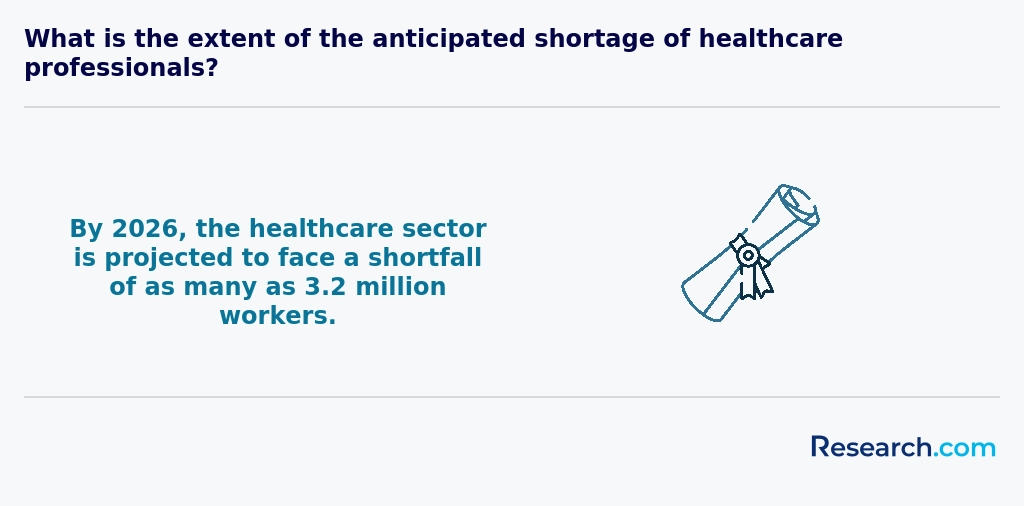
Graduates holding an online healthcare degree in Ohio often find themselves stepping into diverse and rewarding roles. From becoming a Registered Nurse (RN), where hands-on care meets personal fulfillment, to managing entire healthcare facilities as Health Services Managers-a path favored by many alumni from Ohio's well-known universities like Ohio State University and University of Cincinnati. These graduates share stories of their excitement navigating the bustling corridors of Cleveland Clinic or administering public health programs in local communities, reflecting how Ohio's healthcare environment amplifies their career journeys. The vibrant demand for healthcare workers means roles such as Medical and Health Services Technicians are increasingly vital, especially with the digital management of patient data becoming more critical across the state.
For those intrigued by public service, the field of public health offers impactful opportunities to influence policies and lead community health initiatives, making every day a new adventure. Whether fresh out of school or advancing their careers, Ohio students appreciate the flexible learning options available online, connecting them with real-world jobs and inspiring future growth. Explorers seeking to accelerate entry into this world might find 6 month certifications that pay well a tempting alternative along their path.
These dynamic healthcare career options in Ohio keep graduates eager to make a difference, fueled by a state known for its strong healthcare market and growing opportunities.
What is the job market for online healthcare degree in Ohio?
Ohio's online healthcare degree graduates often find themselves stepping into thriving job markets filled with opportunity. Imagine a graduate from a popular Ohio university who recently landed a role at Cleveland Clinic, energized by the chance to impact patient care in one of the nation's leading healthcare systems. The Ohio healthcare degree employment outlook is buoyed by the state's growing demand for healthcare professionals, driven by its aging population and expanding medical services.
Many graduates recall their journey through schools like Ohio State University or University of Cincinnati, where online programs blend flexibility with practical skills. These programs open doors to careers not just in hospitals but also government health agencies and health insurance providers. This sense of adventure in career prospects perfectly matches the dynamic environment in Ohio's healthcare scene.
For those wondering about next steps, exploring the best college degrees for older adults online offers insight into accessible options. Overall, students stepping into Ohio's healthcare field experience a vibrant and rewarding professional path shaped by both education and local industry strength.
Frequently Asked Questions About healthcare
Online healthcare degree students in Ohio can maximize their learning by actively engaging with course materials and utilizing available digital resources. Ohio has over 20 accredited institutions offering online healthcare programs, ensuring diverse options for students. Regular communication with professors and peers is crucial, as it fosters deeper understanding and networking opportunities. Many programs also provide simulation labs and virtual clinical experiences, essential for practical skills development.
Students should take advantage of Ohio's healthcare workforce data, such as that from the Ohio Department of Health, to align studies with in-demand specialties. Time management and disciplined study schedules further support academic success in online environments.
The healthcare field in Ohio is rapidly evolving, with several emerging niches gaining attention. One key area is telehealth, which saw a 40% growth in Ohio from 2020 to 2023, driven by expanded internet access and the COVID-19 pandemic's impact, according to the Ohio Department of Health. This growth has increased demand for professionals skilled in remote patient monitoring and digital health technologies.
Another promising niche is healthcare informatics, where integrating data analysis improves patient outcomes. The Ohio Hospital Association reports a need for specialists who can manage electronic health records and cybersecurity.
Additionally, chronic disease management, particularly for diabetes and cardiovascular conditions prevalent in Ohio, is creating specialized roles in patient education and care coordination.
After completing an online healthcare degree in Ohio, preparing for the job market involves several key steps. First, graduates should pursue relevant certifications or licenses required in Ohio, such as the Registered Health Information Administrator (RHIA) credential for health information management roles. According to the Ohio Department of Job and Family Services, healthcare occupations in the state are projected to grow by 9% from 2020 to 2030, reflecting strong demand.
Networking is also crucial; joining local professional associations like the Ohio Healthcare Association can provide valuable contacts and job leads. Additionally, participating in internships or practicum experiences-even virtually-can help build practical skills and improve employability.
Finally, graduates should utilize Ohio's workforce resources, including job boards and career counseling services offered by educational institutions and state agencies to navigate the job market effectively.
Employers in Ohio highly value healthcare degree graduates who demonstrate strong critical thinking and clinical reasoning skills. These abilities are essential for effective patient care and are often emphasized in online healthcare programs accredited by the Commission on Collegiate Nursing Education (CCNE) or the Council on Education for Public Health (CEPH).
Communication skills are also crucial. Ohio healthcare facilities report that clear communication with patients and interdisciplinary teams improves treatment outcomes. According to the Ohio Department of Job and Family Services, teamwork and emotional intelligence rank among the top soft skills sought.
Additionally, familiarity with healthcare technology, including electronic health records (EHR) systems, is increasingly important in Ohio's digitally evolving medical landscape. This skill aligns with the state's push toward advancing healthcare IT.
Finding healthcare internships in Ohio involves several practical steps that align with state-specific educational and professional requirements. Start by exploring partnerships your online program may have with Ohio-based hospitals and clinics, as many schools facilitate internship placements. The Ohio Department of Health and the Ohio Hospital Association often offer resources and listings for student internships.
Additionally, your school's career services can connect you to local healthcare providers. Popular healthcare employers in Ohio, such as Cleveland Clinic and OhioHealth, routinely provide internship opportunities, especially in urban centers where healthcare jobs are most concentrated. Networking through professional groups like the Ohio Public Health Association can also be helpful.
Utilize online job platforms focused on healthcare internships and specifically filter for Ohio locations. Early application is crucial because healthcare internships are competitive and often require verification of current enrollment in an accredited program.
Obtaining an online healthcare degree in Ohio significantly enhances career mobility and advancement opportunities. Ohio's healthcare sector is among the largest employment fields in the state, with over 700,000 jobs projected through 2028 according to the Ohio Department of Job and Family Services. An accredited online degree provides flexibility, allowing working professionals to upskill without interrupting their careers.
Employers in Ohio increasingly value bachelor's degrees for advanced roles such as healthcare administration, nursing leadership, and health informatics. The Ohio Board of Nursing reports that nurses holding BSN degrees experience higher promotion rates and salary growth compared to those with associate degrees.
Moreover, online programs often include Ohio-specific coursework and clinical partnerships, which align education with local workforce needs, supporting smoother transitions into leadership positions within the state's healthcare system.
Studying for a healthcare degree online in Ohio equips students with skills vital for interdisciplinary roles by emphasizing collaboration across diverse medical fields. Ohio's healthcare programs often include courses in communication, ethics, and health informatics, preparing graduates to work effectively with professionals like nurses, social workers, and administrators.
Ohio's workforce demand highlights the need for versatile healthcare workers; the Ohio Department of Job and Family Services reports a projected 15% growth in healthcare occupations through 2028. Programs integrate case studies and team projects to mirror real-world healthcare environments.
This interdisciplinary approach aligns with national trends encouraging coordinated patient care and improved health outcomes.
Choosing between a thesis and a non-thesis healthcare degree program in Ohio depends on your career goals and learning preferences. A thesis option focuses on research, requiring a formal project that can deepen your expertise. This path suits students aiming for advanced studies or research roles, especially since Ohio hosts strong healthcare research institutions like The Ohio State University's Wexner Medical Center.
Non-thesis programs emphasize practical skills and coursework, often appealing to professionals targeting immediate employment in Ohio's growing healthcare sector, which the Ohio Department of Job and Family Services reports is expanding by over 15% annually.
Consider also time commitments: thesis programs may take longer due to research demands, whereas non-thesis tracks can be faster, fitting busy schedules.
Students based in Ohio seeking to study healthcare abroad through online programs face limited direct options. Most U.S. accredited online healthcare degrees are offered domestically, including by several Ohio institutions. However, some students explore international universities that provide online healthcare courses recognized by U.S. accrediting bodies. It is important to verify accreditation and state licensure compatibility, especially in Ohio's regulated healthcare fields.
Ohio reports a growing healthcare workforce need, with over 500,000 professionals as of 2023 (Ohio Hospital Association). This demand encourages students to pursue accredited online degrees that meet Ohio licensure requirements rather than fully foreign programs.
Students can also consider hybrid programs with international components, but must ensure clinical training can be completed locally for licensure.
Ohio offers several part-time job opportunities that align well with healthcare degree studies. Positions such as medical assistants, pharmacy technicians, and patient care aides provide practical experience while accommodating students' class schedules.
The Ohio Bureau of Labor Market Information reports that healthcare support occupations in Ohio are expected to grow by over 12% through 2030, indicating strong demand and frequent part-time openings.
Working in local clinics, hospitals, or long-term care facilities allows students to develop hands-on skills relevant to their degree programs. Additionally, roles in home health care enable flexible hours and valuable patient interaction experience.
These job experiences complement academic learning and enhance employability upon graduation.
Online healthcare students in Ohio have access to various networking opportunities that help bridge the virtual learning environment with real-world experiences. Many Ohio universities hosting online programs offer virtual career fairs and online student organizations focused on healthcare fields.
Additionally, students can connect with local chapters of national healthcare associations like the American Public Health Association (APHA) Ohio affiliate or Ohio Health Care Association. These groups often provide events and professional meetups open to online learners.
Clinical placements and internships within Ohio's extensive healthcare system are common, fostering direct connections with healthcare professionals and potential employers. According to the Ohio Department of Jobs and Family Services, healthcare remains one of the fastest-growing sectors in the state, emphasizing the importance of building a strong professional network during study.
Alumni networks play a crucial role for online healthcare degree students in Ohio by offering access to professional connections and mentorship opportunities. Graduates from Ohio's healthcare programs often join active networks that provide job leads, internships, and guidance in navigating the state's healthcare system.
Ohio's healthcare industry is one of the largest employers in the state, with over 400,000 workers as of recent reports from the Ohio Department of Job and Family Services. Alumni networks help students leverage these local opportunities effectively.
Moreover, these networks foster a sense of community and support among peers, which can be especially important for online students who may feel isolated. Research shows that strong alumni engagement correlates with improved career outcomes and higher rates of post-graduation employment within Ohio's healthcare sector.
Customizing an online healthcare degree program in Ohio starts with selecting the right specialization that aligns with your career goals. Many Ohio universities offer concentrations like health administration, nursing, or public health within their online programs. This flexibility allows you to focus on areas experiencing strong job growth, such as health information management.
Students can also tailor their curriculum by choosing electives related to emerging Ohio healthcare needs, including aging populations and rural health initiatives. According to the Ohio Department of Health, demand for healthcare professionals is projected to grow by 15% through 2030, highlighting opportunities in diverse fields.
Practical experience options, such as virtual simulations or local clinical placements arranged by your school, help integrate theory with real-world skills. Additionally, some programs offer accelerated tracks or part-time enrollment, allowing you to balance education with work commitments effectively.
Online healthcare students in Ohio commonly face challenges balancing coursework with personal and professional responsibilities. Many learners juggle full-time jobs or family duties while adapting to remote learning environments. This juggling act can lead to increased stress and time-management difficulties.
Another challenge is the limited availability of local clinical placements, essential for hands-on experience. Ohio regulations require healthcare students to complete supervised clinical hours, which can be hard to secure virtually or far from campus.
Technical issues also pose barriers, particularly for students in rural areas with limited broadband access. According to the Ohio Broadband Office, approximately 8% of Ohioans still lack reliable high-speed internet.
Finally, online students sometimes report feeling isolated without in-person peer or faculty interaction, affecting motivation and academic performance.
With an online healthcare degree in Ohio, you can qualify for several professional certifications that enhance your career prospects. Common certifications include Certified Healthcare Administrator (CHA), Certified Professional in Healthcare Quality (CPHQ), and Certified Medical Manager (CMM). These credentials are recognized nationwide and can be pursued after completing relevant coursework and meeting experience requirements.
Ohio's healthcare sector offers numerous opportunities for certified professionals, especially with the state's growing demand in healthcare services reported by the Ohio Department of Job and Family Services. Certifications such as Registered Health Information Technician (RHIT) and Certified Coding Specialist (CCS) are also valuable for graduates interested in health information management.
It is important to check specific certification boards for eligibility criteria, as some require practical experience or additional training beyond an online degree. These certifications help demonstrate expertise and commitment in a competitive job market.
Writing a winning application for an online healthcare program in Ohio starts with understanding the specific admission requirements of Ohio institutions. Many programs, such as those at Ohio University or Kent State, require a minimum GPA of 2.5 to 3.0. Highlighting relevant healthcare experience or volunteer work strengthens your case, showing practical knowledge alongside academic readiness.
Ohio's healthcare industry employs over 1.2 million people, emphasizing demand for skilled graduates. Demonstrate familiarity with local healthcare challenges or workforce needs using data from the Ohio Department of Job and Family Services or Bureau of Labor Statistics.
Strong personal statements that connect your goals to Ohio's healthcare environment can set you apart. Finally, ensure your letters of recommendation and transcripts are submitted on time and emphasize your commitment to healthcare practice in Ohio.
The global perspective on a healthcare career highlights a growing demand for skilled professionals worldwide. In the US, including Ohio, healthcare jobs are expected to grow by 15% from 2021 to 2031, much faster than average, according to the Bureau of Labor Statistics.
Healthcare roles in Ohio reflect national trends, emphasizing adaptability to diverse populations and technologies. Understanding global health issues fosters better care and cultural competence, valuable in local settings.
Online healthcare degrees, especially from Ohio institutions, provide flexibility while meeting national accreditation standards. These programs prepare students for varied healthcare environments shaped by global health challenges and innovations.
Organizations like the Ohio Department of Health report increasing integration of global health knowledge in professional practices, ensuring graduates are ready to address evolving healthcare needs domestically and internationally.
Gaining practical experience while pursuing an online healthcare degree in Ohio is essential for career readiness. Many accredited Ohio programs incorporate clinical placements or internships in local healthcare facilities. These hands-on opportunities allow students to apply theoretical knowledge in real-world settings, often coordinated through the university's partnerships.
Students might engage in internships at hospitals, clinics, or public health organizations within Ohio, including cities like Cleveland and Columbus, where healthcare demand is high. According to the Ohio Department of Health, practical experience improves job placement rates in the state's growing healthcare sector, which is expected to add over 50,000 new jobs by 2030.
Additionally, some online programs offer simulation labs or virtual practicums to complement in-person experiences. Ohio students benefit from a variety of experiential learning models to meet licensure requirements and employer expectations.
Choosing the right concentration within an online healthcare degree in Ohio depends on your career goals and the state's healthcare demands. Ohio's healthcare sector is projected to grow by 15% from 2020 to 2030, according to the Ohio Department of Job and Family Services, highlighting opportunities in nursing, health administration, and public health.
Consider concentrations that align with high-demand roles, such as nursing informatics or healthcare management. Researching job market data from sources like the U.S. Bureau of Labor Statistics can help identify in-demand skills in Ohio's healthcare system.
It's also important to evaluate curriculum flexibility and accreditation to ensure your chosen program meets professional standards and prepares you for Ohio's licensing requirements.
Related Healthcare Rankings for Nearby States
- 2027 Best Online Bachelor's in Healthcare Degree Programs Ranking in Kentucky
- 2027 Best Online Bachelor's in Healthcare Degree Programs Ranking in Pennsylvania
- 2027 Best Online Bachelor's in Healthcare Degree Programs Ranking in Michigan
- 2027 Best Online Bachelor's in Healthcare Degree Programs Ranking in Illinois
- 2027 Best Online Bachelor's in Healthcare Degree Programs Ranking in Virginia
- 2027 Best Online Bachelor's in Healthcare Degree Programs Ranking in Tennessee
- 2027 Best Online Bachelor's in Healthcare Degree Programs Ranking in North Carolina
- 2027 Best Online Bachelor's in Healthcare Degree Programs Ranking in Missouri
- 2027 Best Online Bachelor's in Healthcare Degree Programs Ranking in South Carolina
- 2027 Best Online Bachelor's in Healthcare Degree Programs Ranking in Georgia
Top Trending Healthcare Rankings
See What Experts Have To Say About Studying Healthcare
Read our interview with Healthcare experts

References
- Pursuing Your Career Goals: Strategies and Examples https://www.ultimatemedical.edu/blog/career-goals-importance-strategies-and-examples/
- Top 3 Reasons to Consider a Career in Healthcare - Roseman University https://www.roseman.edu/student-experience/news/top-3-reasons-to-consider-a-career-in-healthcare/
- Online Healthcare Degree Programs | University of Phoenix https://www.phoenix.edu/online-healthcare-degrees.html
- Interdisciplinary Education and Practice https://www.aacnnursing.org/news-data/position-statements-white-papers/interdisciplinary-education-and-practice
- Top 20 Online Bachelor’s Degree Programs in Healthcare Management - Healthcare Management Degree Guide https://www.healthcare-management-degree.net/best/online-bachelors-programs/
- Global Health Perspectives https://globalhealthperspectives.com/
- Niche Markets in Healthcare https://ultrariskadvisors.com/niche-markets-in-healthcare/
- How to Gain Real-World Experience While Studying Online | American National University https://an.edu/how-to-gain-real-world-experience-while-studying-online/
- How a Strong Alumni Network Can Benefit Students https://www.pacificu.edu/blog/how-strong-alumni-network-can-benefit-students
- Job-Ready Healthcare Skills for 2026 https://cliniwave.in/blogs/latest-article/job-ready-healthcare-skills


