
2027 Most Affordable Online Healthcare Degree Programs Ranking in California, PA

Co-Founder and Chief Data Scientist
Are you considering a healthcare degree but worried about costs? This article introduces the 2027 Most Affordable Online Healthcare Degree Programs Ranking in California, PA, crafted by the Research.com team of data scientists. It's designed to help you find affordable and quality programs that fit your goals.
Getting a healthcare degree can open doors to rewarding careers where you make a real difference. By exploring this ranking, you'll discover options that combine value and flexibility, guiding you toward smart educational choices.
Take a step closer to your future in healthcare today.
Key benefits of getting online healthcare degree in California
- Healthcare degree graduates in California can expect competitive salaries such as $43,350 annually for Medical Assistants and Clinical Research Coordinators, while Quality Improvement Coordinators earn up to $103,150, offering strong financial motivation.
- Graduates from institutions like the University of California enjoy diverse career paths, including roles in patient care, health information management, or clinical research, giving you flexibility to find your ideal job.
- Online healthcare degrees from schools like California State University offer flexible schedules and the ability to study from anywhere, making it easier to balance work and life while advancing your education.
- Key benefits of getting online healthcare degree in California
- What can I expect from online healthcare degree in California?
- Where can I work with online healthcare degree in California?
- How much can I make with online healthcare degree in California?
- 2027 Most Affordable Online Healthcare Degree Programs Ranking in California, PA
- Key Findings
- How long does it take to complete online healthcare degree in California?
- Expert Tips for Succeeding in Your Online Healthcare Degree Program
- What's the difference between online and on-campus healthcare degree?
- Accreditation and Certification
- What is the average cost of online healthcare degree in California?
- What financial aid is available to online healthcare degree students in California?
- Tips for Succeeding in Your Online Healthcare Education
- What are the prerequisites for enrolling in online healthcare degree program in California?
- Accreditation and Licensure Requirements in California, PA
- What courses are typically in online healthcare degree programs in California?
- What types of specializations are available in online healthcare degree programs in California?
- How do you choose the best online healthcare degree in California?
- What career paths are available for online healthcare degree students in California?
- What is the job market for online healthcare degree in California?
- Top Trending Healthcare Rankings
- See What Experts Have To Say About Studying Healthcare
What can I expect from online healthcare degree in California?
The average cost of an online healthcare degree in California varies depending on the institution, with public universities such as those in the California State University (CSU) system and the University of California (UC) system typically offering more affordable tuition compared to private colleges. Graduates from these public institutions often report manageable tuition fees that align with state-supported education rates, making their pursuit of healthcare degrees financially feasible without excessive debt.
For many students, the opportunity to study online while continuing to work or manage family responsibilities significantly enhances their educational experience. One graduate described their satisfaction with an online nursing program at CSU, highlighting how affordable tuition combined with flexible scheduling made advanced education accessible. Another found that the UC online public health programs offered excellent value, balancing cost with quality instruction and local clinical placements, which were indispensable for hands-on learning in familiar healthcare settings.
This blend of reasonable tuition rates and applied learning opportunities within California's diverse healthcare landscape ensures students receive both financial and educational benefits while preparing for licensure and career advancement.
Where can I work with online healthcare degree in California?
Graduates with online healthcare degrees from institutions like the University of Southern California or California State University find diverse and rewarding career opportunities throughout California. Many secure roles in hospitals, outpatient clinics, nursing homes, and community health centers, reflecting the state's expansive healthcare network. These positions span nursing, health administration, and public health, providing graduates with a strong sense of professional fulfillment.
For example, graduates often join major healthcare providers such as Kaiser Permanente or Dignity Health, where their skills directly impact patient care and organizational efficiency. Others advance public health by working with agencies like the California Department of Public Health, contributing to vital programs in epidemiology or emergency preparedness.
Clinical degree holders, including registered nurses, benefit from California's licensure pathways to work in dynamic environments-ranging from busy hospitals to home health settings. Graduates consistently report excitement and pride from meaningful work that supports California's communities, urban and rural alike, demonstrating the practical value and deep impact of their online education.
How much can I make with online healthcare degree in California?
Graduates holding online healthcare degrees from respected institutions like the University of California system or San Diego State University can anticipate diverse earning potentials depending on their chosen roles within California's robust healthcare market. Entry-level positions such as medical assistants typically earn a mean annual wage of about $43,350, reflecting BLS data, making it an accessible stepping stone for new graduates.
Health information technicians, often tasked with managing patient data, earn similarly with an average annual salary near $43,380. These figures align with reports from graduates who appreciate the balance of solid income and career growth potential these roles offer.
More specialized positions like patient care technicians enjoy higher salaries, averaging about $60,790 annually, which is particularly motivating for those advancing through online certificates or associate degrees.
Graduates pursuing roles with greater responsibility, including quality improvement coordinators, see substantially increased earnings, with mean wages around $103,150 in California. Such opportunities create a tangible sense of achievement and financial stability, as reported by alumni thriving in diverse healthcare settings statewide.
2027 Most Affordable Online Healthcare Degree Programs Ranking in California, PA
How do we rank schools?
Investing in your education is a significant decision that can shape your future, and the Research.com team understands how important it is to make well-informed choices. To support prospective students in California, PA, we have carefully developed the "2027 Most Affordable Online Healthcare Degree Programs Ranking in California, PA." Our dedication to quality, credibility, and accuracy is demonstrated through thorough research and detailed analysis in compiling this ranking.
We utilized the following reputable data sources to ensure a comprehensive evaluation of online healthcare programs:
By exploring this ranking, readers will gain valuable insights into affordable and high-quality online healthcare degree options, empowering them to make confident educational decisions. For more information about how this ranking was created, please visit our Research.com methodology page.

Key Findings
- California offers accredited online healthcare programs including nursing, health administration, and public health tailored for working professionals.
- Tuition for online bachelor's healthcare degrees ranges from $8,000 to $20,000 per year at public schools and can exceed $25,000 at private institutions.
- Employment for healthcare practitioners in California is projected to grow by over 15% from 2022 to 2030, driven by an aging population and expanding infrastructure.
- Entry-level registered nurses in California earn about $90,000 annually, higher than the national average, while other healthcare roles start between $50,000 and $70,000.
- Healthcare professionals can expect salary growth of 20% to 30% over 10 years, with urban areas like Los Angeles and San Francisco offering higher pay but higher living costs.
How long does it take to complete online healthcare degree in California?
Completing an online healthcare degree in California typically varies by degree level and personal circumstances. Associate degrees, commonly offered by community colleges, usually take about two years full-time, though many students appreciate accelerated options that reduce this to approximately 18 months. Graduates often remark on how these flexible schedules helped them balance work and study efficiently.
Bachelor's degrees, such as the BSN programs at California State University campuses, generally require four years of full-time study. Many students choose part-time options, extending completion to five or six years, which allows them to maintain employment while progressing steadily. This adaptability often fosters a rewarding sense of achievement as students tailor their education to fit their lives.
Graduate programs like the Master of Public Health or Master of Science in Nursing usually take between 18 months and three years. Working professionals find these formats appealing, as program structures accommodate demanding schedules without compromising learning quality.
Doctoral degrees, including DNPs, range from three to five years, depending on research commitments and enrollment status. This flexible timing supports students juggling career advancement and academic goals simultaneously.
Expert Tips for Succeeding in Your Online Healthcare Degree Program
Succeeding in an online healthcare degree program requires more than academic rigor-it calls for solid strategies in time management, networking, and continuous learning. To get the most out of your studies, begin by setting a structured schedule that blends coursework with professional and personal responsibilities. Engage actively in virtual discussions and take advantage of mentorship opportunities provided by your institution. Leverage online platforms and forums to connect with peers and industry professionals; these connections often lead to internships and job referrals that can shape your career trajectory. Additionally, supplement your learning by exploring specialized resources and advanced certifications. For instance, students considering further specialization can research programs like online pharm d programs usa, which provide unique insights into advanced healthcare credentials. Staying updated on industry trends, joining professional associations, and continuously refining your technical and soft skills will position you for long-term success in the rapidly evolving healthcare field.
What's the difference between online and on-campus healthcare degree?
Online and on-campus healthcare degree programs in California differ mainly in delivery and learning experience. Online programs provide flexibility, allowing students to balance coursework with work or family commitments by studying remotely. Graduates from California State University online tracks often describe appreciating the freedom to access asynchronous lectures at their own pace while managing personal schedules. This mode typically lowers tuition and eliminates commuting, making it financially appealing.
Conversely, on-campus degrees, such as those at the University of California, offer direct interaction with faculty and peers. Many on-campus students value hands-on learning through clinical labs and in-person rotations essential for California licensing, often feeling more supported by immediate feedback and campus resources. However, both formats mandate clinical practice completed locally, ensuring practical skills development.
Students thriving in self-guided environments tend to favor online degrees, while those valuing structure and face-to-face engagement lean toward traditional campuses. The choice reflects personal learning styles alongside professional and financial priorities within California's healthcare education landscape.
Accreditation and Certification
Choosing an accredited online healthcare program ensures your degree is recognized by employers, qualifies you for licensure exams, and meets industry standards.
- Regional Accreditation: Look for schools approved by bodies like the Middle States Commission on Higher Education to guarantee overall academic quality.
- Programmatic Accreditation: Verify specialized accreditations-CAHIIM for health informatics, CAAHEP for clinical assisting, CCNE or ACEN for nursing-to ensure curriculum aligns with professional requirements.
- Certification Exam Eligibility: Graduates from accredited programs are typically eligible to sit for credentialing exams such as RHIT/RHIA (health information) or NCLEX-RN (nursing), boosting employability and career advancement.
For students interested in coding and billing pathways, consider exploring medical coding and billing classes online with financial aid to secure both accreditation and financial support.
What is the average cost of online healthcare degree in California?
The average cost of an online healthcare degree in California typically centers around a median total of $31,560, with a similar median out-of-state total cost near $31,560 and an in-state total cost close to $30,960. Public institutions, such as those in the California State University system, offer more affordable options, with tuition often ranging between $7,000 and $9,000 annually. These programs appeal to many students due to their reasonable pricing and recognized quality, making them a favored choice for those pursuing online healthcare education.
Graduates from well-known schools often describe a sense of accomplishment not only from their degree but from managing education costs effectively. Community colleges, for example, offer associate degrees and transfer pathways with tuition under $2,500 per year for in-state students, which can significantly reduce expenses before moving on to four-year universities. Such financial strategies enhance positive outcomes for many students seeking affordable healthcare degree programs Pennsylvania residents and Californians alike might compare their options.
Private universities, including popular institutions with robust online offerings, often have tuition rates ranging from $20,000 to over $40,000 annually. Despite higher costs, these schools provide substantial financial aid and flexible payment options, helping students from diverse financial backgrounds. Students exploring programs can also find valuable insights by reviewing resources like online nursing degrees florida reviews, which often reveal success stories and budgeting tips relevant to their own journey.

What financial aid is available to online healthcare degree students in California?
Students pursuing online healthcare degrees in California have access to a range of financial aid that can ease the burden of tuition costs. Many enrollees at institutions like the University of Southern California and California State University report that applying early through FAFSA unlocks Pell Grants and low-interest federal loans, making education more affordable.
State-specific programs such as the California College Promise Grant also provide substantial relief by waiving community college fees, which students at campuses like Pasadena City College find particularly beneficial. Additionally, the Cal Grant offers up to $12,570 annually for qualifying healthcare students, fueling hope for those attending schools such as San Francisco State University.
Graduates highlight how scholarships from professional bodies-including the California Nurses Association-target online nursing students, rewarding commitment to underserved areas. Employer tuition reimbursement plans are another financial navigator, praised by many working in healthcare facilities across the state who balance work and study.
Accessing these layered financial aids transforms what might seem like an overwhelming expense into a realistic and motivating pathway toward a rewarding healthcare career.
Tips for Succeeding in Your Online Healthcare Education
Embarking on an online healthcare degree program requires more than just meeting course requirements-it demands effective strategies for time management, technical readiness, and self-motivation. To thrive in your studies, consider setting a dedicated study schedule that respects your personal commitments, and take advantage of virtual networking opportunities to connect with peers and industry professionals. Developing a habit of active participation in online discussions and group projects will not only deepen your understanding of the material but also enhance your communication and teamwork skills, which are crucial in the healthcare field. Equally important is familiarizing yourself with the digital tools and platforms that enrich your learning experience; many successful students report that early investment in reliable technology can significantly reduce online study frustrations. Additionally, leveraging available resources-such as career support services, mentoring opportunities, and specialized webinars-can help you navigate challenges unique to remote learning environments. For those comparing program options to ensure they choose a path best suited to their career goals, exploring the most affordable online healthcare programs in pennsylvania can provide valuable insights on both financial and academic commitments. By implementing these practical tips and maintaining a proactive approach to your education, you can maximize the benefits of your online healthcare program and set a strong foundation for a dynamic and rewarding career in the healthcare industry.
What are the prerequisites for enrolling in online healthcare degree program in California?
Enrolling in an online healthcare degree program in California requires meeting clear prerequisites to ensure academic and professional success. For undergraduate programs like those at California State University campuses, applicants must hold a high school diploma or equivalent GED with a GPA typically between 2.5 and 3.0. Graduates often recall that having completed foundational courses in biology, chemistry, anatomy, and college-level math greatly eased their transition into advanced healthcare topics.
Graduate programs, such as the Master's in Public Health or Nursing offered online by prominent California institutions, demand a relevant bachelor's degree with a minimum GPA of 3.0. Many students report that their prior healthcare experience-usually one to three years-alongside strong letters of recommendation, cultivated confidence during the admissions process. Additionally, standardized tests like the TEAS for nursing or the GRE for other healthcare fields are commonly required, reflecting a commitment to maintaining rigorous academic standards.
These prerequisites not only verify readiness but also foster motivation and dedication among California's diverse online healthcare student community.

Accreditation and Licensure Requirements in California, PA
Healthcare employers and state boards prioritize graduates from accredited programs, so verifying both institutional and programmatic accreditation is essential. In Pennsylvania, most reputable online healthcare degrees hold regional accreditation from the Middle States Commission on Higher Education (MSCHE), while specialized tracks-such as health informatics and medical assisting-often require programmatic approval from bodies like CAHIIM (Commission on Accreditation for Health Informatics and Information Management Education) or CAAHEP (Commission on Accreditation of Allied Health Education Programs). Prospective students should also confirm that their chosen program meets the Pennsylvania State Board of Nursing or relevant licensure authority’s standards. For example, online nursing pathways must align with the NCLEX-RN® testing requirements and maintain graduate pass rates above 80% to ensure eligibility for licensure. Similarly, Health Information Technicians should attend CAHIIM-accredited programs to sit for the RHIT® exam, which verifies competency in data management and regulatory compliance. Employers increasingly review accreditation status when considering hires, so attending a properly accredited online degree can accelerate your career trajectory. For comparative purposes, you may wish to explore our Low Cost Online Healthcare Degree Programs Ranking in Norfolk, VA, which details accreditation benchmarks across affordable programs in a different region. Finally, stay informed about state-specific clinical practicum requirements. Even fully online programs often require local in-person clinical rotations or proctored exams. Confirming placement support and licensure prep resources within your chosen institution can streamline the transition from student to licensed healthcare professional in California, PA.
What courses are typically in online healthcare degree programs in California?
Online healthcare degree programs in California typically include a well-rounded array of courses designed to provide both theoretical knowledge and practical skills crucial for the healthcare industry. Graduates from institutions like California State University and University of California often recall starting with core subjects such as human anatomy, physiology, and microbiology, which build a vital biomedical foundation. These courses help students vividly understand the human body's complexities, enhancing their confidence in clinical settings.
Courses in healthcare ethics and law are integral, particularly given California's rigorous medical regulations. These classes prepare students to navigate ethical dilemmas and legal responsibilities, ensuring patient rights and privacy are upheld effectively. Students often express appreciation for how these lessons build their sense of professionalism.
- Healthcare informatics, focusing on technology and data management in patient care
- Health policy and administration, explaining the structure and challenges of healthcare systems in California and nationwide
- Public health principles, emphasizing disease prevention and community wellness
- Pharmacology, covering medication effects and safe usage
- Medical terminology, enabling clear communication with healthcare teams
Many students value the real-life application through virtual simulations or clinical practicums, which offer hands-on experience required for state licensure. These immersive components cultivate critical skills that graduates feel well-equipped to apply in their professional roles across California's diverse healthcare settings.
What types of specializations are available in online healthcare degree programs in California?
Online healthcare degree specializations California students often pursue address the state's dynamic healthcare environment. Nursing is a dominant focus, with programs such as RN to BSN widely available at institutions like California State University and University of California campuses. Graduates frequently describe feeling empowered by combining rigorous online coursework with clinical practice, preparing them for expanding career opportunities. Healthcare Administration is another sought-after specialization, equipping students for leadership roles in hospital management and health policy; alumni report satisfaction from immediately applying administrative skills in real-world settings. Many students are drawn to Public Health, emphasizing epidemiology and community wellness, particularly relevant given California's diverse population. Other practical options include Health Informatics, which merges data analysis with patient care, and Physical Therapy and Rehabilitation, where online theory is paired with hands-on clinical experiences. For those passionate about holistic care, Nutrition and Dietetics programs foster expertise in diet planning and wellness coaching. For more detailed school options, prospective students can explore programs here.
Prospective learners often weigh affordability alongside specialization variety; therefore, identifying affordable healthcare degree programs California specialties offers is crucial. Public universities frequently provide competitive tuition rates while maintaining program quality. Graduates value how these degrees blend flexibility with comprehensive content tailored to state healthcare demands. This approach fosters confidence and readiness in new healthcare professionals entering California's job market.
How do you choose the best online healthcare degree in California?
Selecting the best online healthcare degree in California requires assessing accreditation and relevance to your career goals. Graduates from prominent California colleges often emphasize the importance of regional accreditation by WSCUC, alongside programmatic accreditation from bodies like CCNE or CEPH, which directly influence licensure eligibility and employment prospects. Affordability is another vital consideration; affordable healthcare degrees California 2027 show wide variation in tuition-from community colleges at approximately $7,500 to private universities exceeding $20,000-making cost comparison and financial aid evaluation essential.
Flexibility is crucial for working professionals balancing studies with personal commitments. Many successful graduates appreciate asynchronous course structures offered by top programs in the state, enabling them to engage with coursework at times that fit their schedules. Moreover, curricula that integrate practical, up-to-date healthcare knowledge prepare students to meet California's diverse population health needs. Reliable support services including career advising and clinical placement assistance further enhance student satisfaction and outcomes.
For those exploring options beyond California, the Minnesota lpn program application also provides useful insights into choosing practical nursing pathways.
What career paths are available for online healthcare degree students in California?
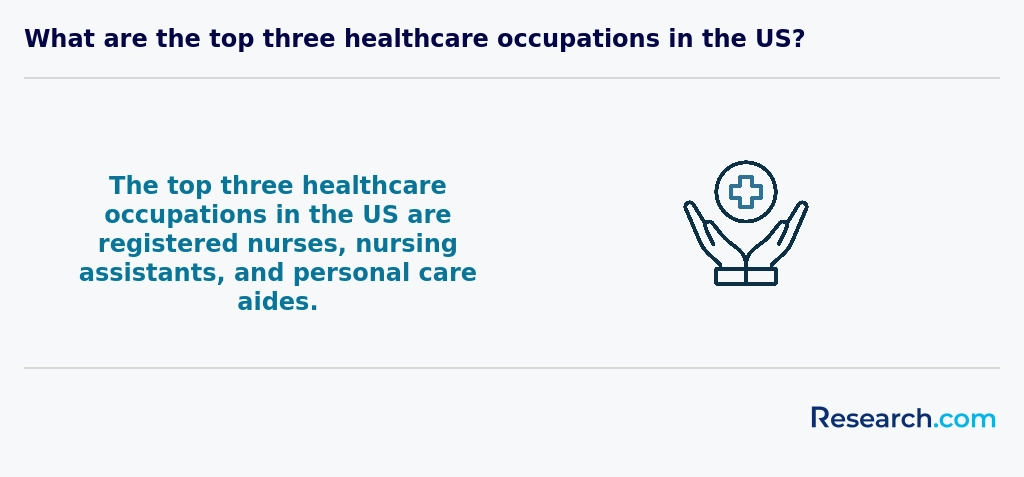
Graduates with an online healthcare degree in California enjoy diverse career paths aligned with the state's extensive medical infrastructure. Many pursue registered nursing, leveraging online Bachelor of Science in Nursing programs at reputable institutions known across California. These graduates join a workforce exceeding 350,000 RNs, responding to strong demand reflected in competitive salaries. Others find rewarding roles in healthcare administration or health information management, where they help streamline patient care systems and manage electronic health records. Popular colleges offering these online programs are praised by students for their flexibility and strong industry connections, enabling effective transition into California's healthcare job opportunities with online degree California.
Additionally, public health and health education careers thrive, especially post-pandemic, with graduates contributing to community health initiatives. Fields such as physical therapy, respiratory therapy, and clinical laboratory science also attract those seeking specialized licensure and promising careers. Graduates often share how their education at California's leading universities combines online coursework with practical training, preparing them to address local healthcare challenges, including issues highlighted in the California nursing crisis.
What is the job market for online healthcare degree in California?
The job market for graduates with an online healthcare degree in California is highly promising, driven by strong demand across diverse healthcare settings such as hospitals, clinics, and public health organizations. Many graduates from esteemed institutions like the University of California and California State University have reported securing positions swiftly, particularly in roles supporting telemedicine and health informatics. This dynamic environment allows them to engage with innovative healthcare technologies and contribute meaningfully to patient care.
Those pursuing online healthcare degrees benefit from a curriculum tailored to meet California's healthcare needs, enhancing employability in urban centers like Los Angeles and San Francisco, where digital health management is vital. The California healthcare degree employment outlook remains robust, with competitive salaries reflecting the state's high cost of living and growing need for skilled professionals.
Students weighing financial factors often consider resources such as nursing degrees gilbert arizona cost to benchmark costs against other programs. Overall, online healthcare jobs in California offer flexible pathways to rewarding careers while addressing an evolving healthcare landscape.
Frequently Asked Questions About healthcare
Online healthcare degree students in California can maximize their learning by actively engaging with digital course materials and participating in virtual discussions. Many California universities use interactive platforms that support video lectures, quizzes, and peer interaction, which enhance knowledge retention.
Practical experience is crucial. Students should seek local clinical placements or internships, as California's diverse healthcare settings provide valuable real-world exposure. According to the California Employment Development Department, healthcare jobs are projected to grow 15% by 2028, emphasizing the importance of applicable skills.
Maintaining consistent study schedules and utilizing campus resources, such as academic advising and tech support, further support online learners. Staying informed about California's healthcare policies and trends also enriches the educational experience.
Emerging niches within the healthcare field in California reflect growing demand for specialized skills driven by demographic and technological changes. Areas such as telehealth and health informatics are rapidly expanding due to increased adoption of digital healthcare solutions. According to the California Health Care Foundation, telehealth visits increased by over 50% from 2020 to 2023.
Additionally, geriatric care and chronic disease management are critical niches, as California's aging population continues to grow, with nearly 16% of residents aged 65 or older in 2023. Behavioral health services also show rising demand, partly due to heightened mental health awareness statewide.
These niches represent promising opportunities for students pursuing online healthcare degrees in California.
After completing an online healthcare degree in California, preparing for the job market requires strategic planning. First, obtaining relevant certifications and licenses is crucial, as many healthcare roles in California mandate state-specific credentials. The California Employment Development Department reports healthcare occupations among the fastest-growing sectors, with over 1.2 million jobs statewide as of 2023.
Networking is another key step. Joining professional organizations like the California Association of Healthcare Employers can connect graduates with job opportunities. Additionally, gaining practical experience through internships or volunteer work enhances employability.
Building a strong resume tailored to healthcare employers and practicing interview skills is essential. Familiarity with electronic health records and telehealth technology is increasingly valued by California healthcare providers.
Employers in California's healthcare sector prioritize a combination of technical knowledge and interpersonal skills in online healthcare degree graduates. Critical thinking and clinical competence remain essential, as graduates must navigate complex patient care scenarios effectively. According to the California Labor Market Information Division, communication skills rank highly due to the diverse, multilingual population healthcare professionals serve.
Additionally, proficiency in electronic health records (EHR) systems is increasingly important with California's emphasis on digitizing patient data.
Adaptability and teamwork are also crucial, given the fast-paced and collaborative nature of healthcare environments. Employers seek candidates who can work well under pressure while adhering to California's stringent healthcare regulations and ethical standards.
Finding internships in California relevant to an online healthcare degree requires strategic research and networking. Start by exploring resources on your university's career services webpage, which often list healthcare organizations offering internships. In California, affiliations with hospital systems such as Kaiser Permanente and Sutter Health can provide valuable internship opportunities.
The California Employment Development Department reports that healthcare-related employment in the state is projected to grow by 15% over the next decade, increasing internship availability. Professional associations like the California Healthcare Association also maintain internship listings and can connect students with local healthcare providers.
Additionally, online platforms such as Handshake and LinkedIn frequently post healthcare internships targeted to California students. Early outreach to supervisors and leveraging faculty contacts can boost your chances of securing positions in competitive fields like nursing, public health, or health administration.
Online healthcare degrees in California significantly enhance career mobility by offering flexible learning options that accommodate working professionals. The California Workforce Development Board reports that healthcare occupations are projected to grow by 15% from 2020 to 2030, creating ample opportunities for advancement.
Completing an accredited online degree helps meet state licensure requirements, which is essential for many healthcare careers such as nursing or health administration. According to the California Board of Registered Nursing, over 40% of licensed nurses hold at least a bachelor's degree, often required for leadership roles.
Moreover, online degrees broaden access to continuing education, enabling professionals to update skills and qualify for higher-paying positions in a competitive market.
Studying for a healthcare degree in California offers unique preparation for interdisciplinary roles due to the state's diverse healthcare landscape. Programs often emphasize collaboration among nursing, public health, and health administration fields to meet the needs of California's 39 million residents, including underserved populations. According to the California Health Care Foundation, this approach improves patient outcomes by promoting teamwork across specialties.
Students engage in case studies and projects with multiple healthcare disciplines, reflecting real-world settings. California's emphasis on telehealth and digital tools further equips graduates for integrated care environments increasingly prevalent statewide. This foundation supports seamless coordination essential for modern healthcare delivery.
Choosing between a thesis and a non-thesis healthcare degree program in California depends on your career goals and learning preferences. Thesis programs often suit those interested in research or pursuing a doctoral degree, as they involve extensive research projects. Non-thesis tracks typically focus on practical skills and coursework, ideal for professionals aiming for direct employment or certifications.
California's healthcare sector is growing rapidly, with a 15% projected increase in healthcare jobs by 2030 (California Employment Development Department). A thesis program might better prepare you for roles in public health research or academia. Meanwhile, non-thesis paths often offer flexibility for working students balancing schedules.
Consider your preferred learning style and post-graduation plans carefully before deciding. Consulting academic advisors or healthcare employers in California can provide valuable insights.
Students based in California who wish to study healthcare abroad generally pursue online degree programs offered by U.S. universities with global clinical partnerships. Fully abroad-based degrees are rare, as healthcare programs often require hands-on clinical practice within accredited U.S. settings. California students benefit from many online healthcare degrees accredited by CA Board of Registered Nursing or other relevant bodies, which sometimes include international practicum options.
Additionally, some institutions offer study abroad components or international research opportunities integrated into their online healthcare programs. Data from the California Department of Consumer Affairs indicates strong local demand for healthcare professionals, encouraging many students to focus on California-approved curricula to meet licensing requirements.
For those interested in global experience, hybrid models combining online coursework with short-term international residencies are becoming more common, ensuring compliance with both U.S. accreditation and international standards.
California offers a variety of part-time job opportunities that complement online healthcare degree studies. Many students work as medical assistants, a role in high demand due to California's large healthcare industry. According to the California Employment Development Department, medical assistants earn an average hourly wage of $17.50, suitable for part-time schedules.
Another option is working as a Certified Nursing Assistant (CNA). CNAs often find flexible hours in nursing homes and hospitals, gaining practical experience relevant to nursing or healthcare administration degrees.
Health information technicians and pharmacy technicians also provide part-time employment opportunities that align with healthcare education, helping students build skills in data management and patient care support.
These roles help enhance practical knowledge while allowing students to continue their education remotely.
Online healthcare students in California have access to numerous networking opportunities despite studying remotely. Many universities offer virtual career fairs and online student organizations focused on healthcare fields. These platforms connect students with peers, faculty, and healthcare professionals statewide.
The California Healthcare Institute and the California Association of Health Services provide additional networking events and webinars accessible to online students. These connections are vital for internship placements and job searches in a state that employs over 1.3 million healthcare workers, according to the California Employment Development Department (2023).
Moreover, LinkedIn groups and online forums specifically for California healthcare professionals offer informal yet valuable networking spaces. Students are encouraged to engage actively in these communities to build professional relationships early in their careers.
Alumni networks provide valuable support for online healthcare degree students in California by fostering professional connections that can lead to job opportunities. According to the California Workforce Development Board, healthcare is a rapidly growing sector in the state, with over 1.3 million jobs projected by 2030. Networking through alumni helps students gain insights into emerging healthcare trends and local job markets.
These networks often offer mentoring programs, career advice, and access to exclusive job listings. Students benefit from shared experiences and guidance from graduates already working in California's diverse healthcare settings.
Maintaining these connections can improve career advancement and help graduates stay informed about continuing education and licensure requirements.
California offers a range of online healthcare degree programs that allow students to tailor their studies according to career goals. Many institutions provide elective courses and specialty tracks in areas like public health, healthcare administration, or nursing. Choosing relevant internships or clinical placements within California's diverse healthcare system can enhance practical skills.
Some programs include flexible scheduling and options to accelerate or extend studies, helping balance work and education. Additionally, students can often select certificate courses or dual degrees to diversify their expertise.
The California Employment Development Department projects a 15% growth in healthcare jobs by 2030, supporting demand for specialized skills.
Online healthcare students in California commonly face challenges balancing rigorous coursework with personal and professional responsibilities. Many students report difficulties managing clinical practicum requirements, which must often be completed in person despite the online format. According to the California Board of Registered Nursing, securing clinical placements is competitive, adding stress and delays.
Technology access and digital literacy also pose obstacles, particularly for older students or those in rural areas with limited broadband. Additionally, navigating state-specific healthcare regulations can be complex for students aiming for licensure in California, requiring careful attention to curriculum accreditation and state board approvals.
With an online healthcare degree in California, you can pursue numerous professional certifications that enhance your career prospects. Popular options include Certified Professional Coder (CPC), Certified Medical Assistant (CMA), and Registered Health Information Technician (RHIT). These certifications are widely recognized across the state's healthcare industry and align well with online degree curricula.
Many programs prepare students for certifications issued by national organizations such as the American Health Information Management Association (AHIMA) and the American Academy of Professional Coders (AAPC). California ranks among the top states for healthcare jobs, with employment expected to grow 15% from 2022 to 2032, increasing demand for credentialed professionals (Bureau of Labor Statistics).
Obtaining these certifications often requires passing a standardized exam and meeting clinical or work experience criteria, which online degrees typically address through supervised practicums or partnerships with local facilities.
Crafting a winning application for an online healthcare program in California requires careful preparation. Start by highlighting your academic qualifications and relevant experience, especially if you have worked in healthcare settings. California's growing demand for healthcare professionals-expected to increase by 15% through 2029 according to the California Employment Development Department-makes experience particularly valuable.
Next, clearly communicate your motivation for pursuing an online degree, emphasizing your commitment to healthcare and how the program aligns with your career goals. Strong letters of recommendation from healthcare supervisors or educators can significantly boost your application.
Finally, ensure your personal statement is well-structured, concise, and free of errors, demonstrating your communication skills-essential for success in healthcare fields.
Healthcare careers hold significant importance worldwide, reflecting a shared global commitment to public health. In the United States, including California, there is increasing recognition of healthcare professionals due to growing demand and aging populations. According to the California Employment Development Department, healthcare occupations are projected to grow by over 15% between 2020 and 2030, emphasizing job stability.
Globally, healthcare roles are valued for their social impact. Many countries face similar shortages, making healthcare an internationally portable skill. Online healthcare degrees in California allow students to connect with global health challenges while preparing for local licensing requirements.
Such degrees integrate emerging technologies and telehealth, aligning with worldwide healthcare modernization trends reported by the World Health Organization.
Gaining practical experience while pursuing an online healthcare degree in California is essential for career readiness. Many programs incorporate clinical placements or internships in local healthcare facilities, allowing students to fulfill hands-on requirements close to home. California's large network of hospitals and clinics provides diverse opportunities in settings such as community health centers and outpatient care.
Additionally, students can seek volunteer roles or part-time positions in healthcare to build skills and networks. Licensing boards in California often require documented clinical hours, so verifying program accreditation is crucial. According to the California Board of Registered Nursing, practical training ensures graduates meet state-specific competency standards for healthcare professionals.
When choosing a concentration within an online healthcare degree in California, consider your career goals first. California's healthcare industry offers diverse opportunities, from nursing to health informatics and public health. Research job growth projections; for example, the California Employment Development Department expects a 14% increase in healthcare support roles through 2030. Aligning your concentration with high-demand fields can improve job prospects.
Accreditation and curriculum quality also matter. Look for programs recognized by California's healthcare boards or national accrediting bodies. Additionally, examine whether the concentration offers practical skills applicable to California's healthcare system, such as managing diverse patient populations or understanding state-specific health regulations.
Related Healthcare Rankings for Nearby Cities
- 2027 Most Affordable Online Master's in Healthcare Degree Programs Ranking in Pittsburgh, PA
- 2027 Most Affordable Online Healthcare Degree Programs Ranking in Morgantown, WV
- 2027 Most Affordable Online Healthcare Degree Programs Ranking in Loretto, PA
- 2027 Most Affordable Online Healthcare Degree Programs Ranking in Akron, OH
- 2027 Most Affordable Online Healthcare Degree Programs Ranking in Harrisonburg, VA
- 2027 Most Affordable Online Healthcare Degree Programs Ranking in Athens, OH
- 2027 Most Affordable Online Healthcare Degree Programs Ranking in Cleveland, OH
- 2027 Most Affordable Online Healthcare Degree Programs Ranking in Adelphi, MD
- 2027 Most Affordable Online Healthcare Degree Programs Ranking in Washington, DC
- 2027 Most Affordable Online Master's in Healthcare Degree Programs Ranking in Baltimore, MD
Top Trending Healthcare Rankings
See What Experts Have To Say About Studying Healthcare
Read our interview with Healthcare experts

References
- 1+ Healthcare Cover Letter Examples (with In-Depth Guidance) https://www.tealhq.com/cover-letter-examples/healthcare
- Thesis vs. Non-Thesis Master's Programs: Which is Right for You? https://potomac.edu/thesis-vs-non-thesis-masters/
- How real-world learning at UC prepares students for evolving careers https://www.universityofcalifornia.edu/news/real-world-learning-at-uc-prepares-students-for-evolving-careers
- Employability Skills Matrix for the Health Sector https://www.skillsforhealth.org.uk/resources/employability-skills-matrix/
- 2025 Most Affordable Healthcare Administration Degrees Online https://www.onlineu.com/most-affordable-colleges/healthcare-administration-degrees
- Online Healthcare Degree Programs | University of Phoenix https://www.phoenix.edu/online-healthcare-degrees.html
- Top 3 Reasons to Consider a Career in Healthcare - Roseman University https://www.roseman.edu/student-experience/news/top-3-reasons-to-consider-a-career-in-healthcare/
- Networking and Mentorship During Clinical Rotations https://rotatingroom.com/blog/medical-students-the-importance-of-networking-mentorship-during-your-clinical-rotations
- Course Benefits https://www.premedprojects.co.uk/hospital-work-experience-benefits
- How to Gain Real-World Experience While Studying Online | American National University https://an.edu/how-to-gain-real-world-experience-while-studying-online/


