
2027 Most Valuable Healthcare Degree Programs Ranking in New Jersey

Co-Founder and Chief Data Scientist
Choosing the right healthcare degree program can be a life-changing decision, especially in New Jersey's dynamic job market. This article presents the 2027 Most Valuable Healthcare Degree Programs Ranking in New Jersey, created by the Research.com team of data scientists. It's designed to help you make an informed choice by highlighting the programs that offer the best value and career potential.
Whether you're starting your journey or considering a change, learning about these top programs can guide you toward a rewarding future. A healthcare degree opens doors to meaningful work and long-term growth.
Key benefits of getting healthcare degree in New Jersey
- Healthcare degree graduates in New Jersey can earn competitive salaries, such as $43,350 annually for Medical Assistants and Clinical Research Coordinators, and up to $103,150 for Quality Improvement Coordinators, reflecting strong financial benefits.
- Graduates from institutions like Rutgers University often pursue diverse career paths including Patient Care Technician or Health Information Technician roles, offering flexibility and growth in the healthcare sector.
- Online healthcare degrees from schools like Thomas Edison State University provide the convenience to study at your own pace, which is ideal for working adults balancing life and education without sacrificing quality.
- Key benefits of getting healthcare degree in New Jersey
- What can I expect from healthcare degree in New Jersey?
- Where can I work with healthcare degree in New Jersey?
- How much can I make with healthcare degree in New Jersey?
- 2027 Most Valuable Healthcare Degree Programs Ranking in New Jersey
- Key Findings
- How long does it take to complete healthcare degree in New Jersey?
- Application Process and Insider Tips
- What's the difference between online and on-campus healthcare degree?
- Future Trends and Innovations in Healthcare Education in New Jersey
- What is the average cost of healthcare degree in New Jersey?
- Return on Investment for Healthcare Degrees in New Jersey
- What financial aid is available to healthcare degree students in New Jersey?
- Student Success Strategies and Campus Experience in Healthcare Programs
- What are the prerequisites for enrolling in healthcare degree program in New Jersey?
- Licensure and Certification Requirements in New Jersey
- What courses are typically in healthcare degree programs in New Jersey?
- What types of specializations are available in healthcare degree programs in New Jersey?
- How do you choose the best healthcare degree in New Jersey?
- What career paths are available for healthcare degree students in New Jersey?
- What is the job market for healthcare degree in New Jersey?
- Related Healthcare Rankings for Nearby States
- Top Trending Healthcare Rankings
- See What Experts Have To Say About Studying Healthcare
What can I expect from healthcare degree in New Jersey?
The average cost of a healthcare degree in New Jersey typically ranges from $30,000 to $60,000 for a bachelor's program, depending on the institution and whether the student attends a public or private university. Graduates from schools like Rutgers New Jersey Medical School often reflect on how the financial investment felt manageable, especially when paired with the numerous scholarships and financial aid options available statewide.
Many students appreciate the flexibility of part-time and online programs, which allow them to work while studying, easing the financial pressure. For instance, nursing graduates recall how clinical placements in local hospitals not only enriched their learning but also sometimes offered paid opportunities that helped offset costs.
Looking ahead, as New Jersey's healthcare education continues to evolve, programs might integrate more technology-driven training, potentially increasing initial tuition costs but also offering innovative financial support packages. Students envision a future where affordable degrees come with stronger ties to employers, making the cost feel more like a worthwhile investment in a rapidly growing job market.
Where can I work with healthcare degree in New Jersey?
Graduates from healthcare programs at universities like Rutgers and Seton Hall often find themselves stepping confidently into roles at New Jersey's bustling hospitals, such as Hackensack Meridian Health. These positions range from registered nursing to health informatics, where they directly impact patient care using cutting-edge technology. One graduate shared how hands-on clinical experiences translated into a rewarding role treating patients with chronic conditions, highlighting the state's supportive environment for skill development.
Outpatient clinics and physician offices in New Jersey present emerging opportunities, especially as preventive care gains momentum. Graduates excited by evolving healthcare trends report working as physician assistants or healthcare administrators, shaping community health with innovative chronic disease management strategies. Their stories show how local education connects deeply with real-world impact.
For those drawn to long-term care, the growing demand in nursing homes offers fulfilling careers in skilled nursing and patient coordination. Public health roles within state agencies also engage graduates passionate about epidemiology and crisis response, fueling a sense of purpose in improving community well-being.
Laboratories and medical technology firms near research hubs add a dynamic dimension, encouraging graduates to innovate beyond traditional clinical settings. These diverse pathways reflect a future where healthcare degree holders in New Jersey enjoy vibrant, meaningful careers.
How much can I make with healthcare degree in New Jersey?
Graduates with healthcare degrees from well-known New Jersey institutions often find promising salary prospects shortly after completing their studies. For example, medical assistants typically earn a mean annual wage of about $43,350 in New Jersey, a figure that reflects the state's robust demand for skilled entry-level healthcare workers. Similarly, roles such as patient care technicians offer higher earnings, with mean wages around $60,790 annually, making these positions attractive for recent graduates eager to begin their careers.
Health information technicians, another popular career path for healthcare graduates, also see competitive salaries near $43,380. These roles appeal to graduates who enjoy working with healthcare data and technology. Graduates transitioning into clinical research coordination roles can expect comparable pay near $43,350, enabling them to contribute to advancements in healthcare treatments while maintaining financial stability.
Aspiring professionals aiming for supervisory positions should note that quality improvement coordinators in New Jersey earn a substantial mean wage of $103,150, showcasing the potential for significant income growth with experience and advanced skills. Students from respected New Jersey colleges often share how the state's vibrant healthcare ecosystem and ongoing public health initiatives motivate them to envision rewarding, well-compensated futures in these fields.
2027 Most Valuable Healthcare Degree Programs Ranking in New Jersey
How do we rank schools?
Investing in your education is a significant decision that can shape your future, and the Research.com team understands the importance of making informed choices. To assist prospective students in New Jersey, we have carefully developed the "2027 Most Valuable Healthcare Degree Programs Ranking in New Jersey." Our commitment to quality, credibility, and accuracy is demonstrated through thorough research and analysis behind this ranking.
We utilized the following reputable data sources to ensure a comprehensive evaluation of healthcare degree programs:
By exploring this ranking, readers will gain valuable insights into the most valuable healthcare degree programs in New Jersey, enabling them to make informed decisions about their education and career paths. For more details on our methodology, please visit our Research.com methodology page.


# 11 position
Chamberlain University-New Jersey
Bachelor of Science in Nursing (bsn)





# 19 position
Thomas Edison State University
Bachelor of Nursing


Key Findings
- Healthcare degree programs in New Jersey are offered at associate, bachelor's, master's, and doctoral levels across many accredited institutions.
- Annual tuition costs average around $15,000 at public state universities for in-state students and can exceed $35,000 at private institutions.
- Entry-level healthcare professionals typically earn between $60,000 and $75,000 annually, with experienced roles like nurse practitioners often making over $100,000 per year.
- The healthcare job market in New Jersey is growing at a projected rate of about 15% through 2030, especially for nurses, physical therapists, and health services managers.
- Graduates must pass state-specific licensing exams, and programs need accreditation from bodies such as CAAHEP or ACEN for exam eligibility.
How long does it take to complete healthcare degree in New Jersey?
Completing a healthcare degree in New Jersey typically fits into clear but flexible timelines, offering students a path tailored to their pace and goals. Associate degrees often take about two years, with many community college graduates feeling excitement as they quickly enter entry-level jobs, gaining hands-on experience in local clinics or hospitals.
Bachelor's degrees usually span four years at institutions like Rutgers University or Montclair State University, where graduates express pride in balancing demanding coursework with clinical rotations. Many share how completing around 120 credits not only sharpened their skills but also deepened their commitment to patient care.
Master's programs bring new opportunities, usually lasting between one and three years. Graduates often describe this period as intense yet rewarding, especially when advancing to roles like nurse practitioner or healthcare manager, where real-world impact becomes tangible. Flexible and accelerated options expanding at New Jersey schools help students navigate their busy lives without sacrificing progress.
Doctoral paths, including medical school and residencies, remain the longest journey-seven to ten years-but many grads cherish the profound expertise gained, imagining their future as physicians or researchers shaping healthcare innovation statewide.
Application Process and Insider Tips
Navigating the application process for healthcare degree programs in New Jersey can be a decisive step toward a rewarding career. To boost your chances of success, start by researching individual program requirements and deadlines, ensuring that your academic records, recommendation letters, and personal statements highlight your passion for healthcare and commitment to excellence. Engaging with admissions counselors and attending virtual information sessions can provide valuable insights into program culture and expectations. Additionally, consider comparing financial options and scholarship opportunities early in the process to ease tuition concerns. For example, prospective students seeking affordable online educational paths should explore the cheapest online healthcare programs in new jersey available, as these programs often provide flexibility and competitive tuition rates without compromising academic quality. By following these insider tips, you can craft a compelling application that not only meets admissions criteria but also positions you as a standout candidate in New Jersey’s competitive healthcare education landscape.
What's the difference between online and on-campus healthcare degree?
Graduates from Rutgers University often recall the energy of on-campus healthcare programs, where hands-on clinical labs and face-to-face mentorship made mastering nursing or radiologic technology feel immediate and engaging. The structured schedule, buzzing with peers and instructors, created a focused environment perfect for immersive skill-building. Meanwhile, those who chose online paths at institutions offering hybrid programs in New Jersey describe appreciating the flexibility to study theoretical coursework on their own time, balancing work or family while still progressing toward their goals.
Envision a future where New Jersey's healthcare education blends these strengths even more seamlessly-online platforms could incorporate virtual reality simulations replicating hospital scenarios, allowing remote students to practice clinical skills without geographic limits. Yet, state licensure demands will likely keep some in-person clinical hours a necessity, ensuring graduates gain crucial real-world experience.
As healthcare education evolves, the emotional connection of hands-on learning at colleges like Seton Hall University will remain vital, while digital advances promise to expand access and convenience for a new generation of learners.
Future Trends and Innovations in Healthcare Education in New Jersey
As the healthcare industry continues to evolve, it is crucial for prospective students and professionals to stay informed about emerging trends that are shaping the future of healthcare education in New Jersey. Innovations such as telehealth, simulation-based learning, and hybrid program formats are not only transforming how clinical skills are developed but are also making education more accessible and cost-effective. For example, many institutions are now integrating virtual labs and remote mentorship opportunities, which prepare students for advanced roles in settings increasingly reliant on digital health technology. Moreover, as the demand for affordable educational options grows, exploring flexible online formats has become essential. Programs that offer a blend of virtual coursework with practical, in-person experiences can be a game changer for busy learners. In fact, many experts recommend checking out cheapest online healthcare programs in new jersey to balance quality education with financial pragmatism. This forward-thinking approach not only supports the rapid digital transformation occurring in healthcare but also aligns with the strategic need for a workforce that is adept at navigating new technologies and innovative patient care models. As New Jersey continues to lead in healthcare advancements, staying updated with these trends will empower students to make well-informed decisions and secure rewarding careers in an ever-changing landscape.
What is the average cost of healthcare degree in New Jersey?
The average cost of a healthcare degree in New Jersey typically hovers around $19,632 for in-state students, reflecting a balance between public and private institution tuition. Graduates from well-known New Jersey universities often share how managing this cost feels like an investment in a meaningful future, fueling their motivation as they navigate rigorous healthcare programs. For instance, students pursuing nursing or healthcare administration degrees at these institutions find the cost challenging yet surmountable with proper planning.
New Jersey healthcare degree tuition and fees vary widely, with private colleges charging significantly more. This range often stretches from $30,000 to over $50,000 annually, pushing some students to explore financial aid and scholarships extensively. Personal accounts from graduates highlight how state grants and federal loans contribute positively by easing financial pressure, enabling them to focus on clinical placements and hands-on learning experiences that make their education feel real and rewarding.
Community colleges in New Jersey provide an affordable pathway toward associate's degrees in healthcare-related fields for about $5,000 yearly. Many students who start here speak warmly about the feeling of community and support, which helps offset financial concerns while building a solid foundation.
Looking forward, evolving online programs and hybrid options promise to reshape expenses related to healthcare education. Students aiming to reduce costs might explore the cheapest online healthcare programs in new jersey, a growing trend that could increase accessibility without sacrificing quality.

Return on Investment for Healthcare Degrees in New Jersey
Investing in a healthcare degree in New Jersey demands careful analysis of costs versus long-term earnings to ensure a strong return on investment (ROI). On average, bachelor’s programs at public institutions in the state cost between $30,000 and $40,000 in total tuition, while private colleges may exceed $100,000. Considering that the median early-career salary for healthcare graduates in New Jersey hovers around $60,000, most students recoup tuition expenses within three to six years post-graduation, depending on specialization and certifications obtained. To maximize ROI, prospective students should compare tuition rates alongside projected starting salaries. For example, graduates from accelerated nursing programs often report first-year incomes above $70,000, shortening payback periods to under three years. Meanwhile, health informatics specialists with master’s degrees can command salaries upward of $85,000, especially when combined with certifications in electronic health records or data analytics. If you’re considering a master’s pathway, exploring competitive pricing outside New Jersey can further optimize ROI. For instance, our Most Affordable Online Master's in Healthcare Degree Programs Ranking in California offers insights into programs that deliver exceptional value without compromising quality. By benchmarking these options against in-state offerings, students can balance cost savings with program reputation and licensure outcomes. Finally, factor in financial aid, loan forgiveness, and state-sponsored programs-such as New Jersey’s loan redemption initiatives for clinicians in underserved areas. When combined with targeted scholarships and work-study opportunities, these resources can significantly reduce net cost and accelerate your path to a positive ROI, ensuring your healthcare degree remains both affordable and impactful.
What financial aid is available to healthcare degree students in New Jersey?
Healthcare students in New Jersey often find relief through a blend of federal, state, and institutional financial aid tailored to their unique needs. Imagine a nursing student at Rutgers University feeling reassured after securing a Pell Grant, which offers up to $7,395 annually without the pressure of repayment. Many graduates reflect on how these grants eased their financial burden, allowing them to focus on clinical skills rather than loan stress.
State programs like the New Jersey Student Tuition Assistance Reward Scholarship (NJ STARS) amplify these opportunities, especially for high-performing community college students transitioning to four-year healthcare programs. One recent graduate shared how NJ STARS helped reduce tuition costs, making physical therapy studies more accessible and less daunting.
Loan repayment programs targeting underserved areas inspire hope among new dentists and nurses, encouraging them to serve communities in need while gradually erasing debt. Moreover, institutional scholarships at schools like Rutgers provide merit-based support, affirming students' dedication and fostering confidence throughout their education journey.
Emerging trends suggest expanding employer tuition reimbursement and workforce grants will continue to empower future healthcare professionals to pursue their dreams without overwhelming financial stress.
Student Success Strategies and Campus Experience in Healthcare Programs
Navigating a healthcare degree program in New Jersey requires more than just academic diligence-it also demands a well-rounded approach to student life and career preparedness. Beyond rigorous coursework and clinical placements, successful students benefit immensely from robust support systems on campus. Engaging with extracurricular clubs, student organizations, and networking events can lay the groundwork for long-term career growth. For example, many institutions partner with alumni networks to offer mentorship programs, internships, and career counseling sessions that enhance both personal development and professional prospects. Prospective students should actively seek institutions that demonstrate commitment to off-campus learning opportunities and peer-to-peer collaboration. Careful planning to balance academic responsibilities with campus events and personal wellness practices can significantly influence success rates. Furthermore, exploring critical acceptance benchmarks, such as the ucla mha acceptance rate, can also provide valuable insights into a program's competitive edge and selectivity. Adopting effective time management strategies, utilizing academic advising resources, and engaging in community service are additional ways students can bolster their resumes while experiencing a supportive campus culture. These proactive steps not only build a strong foundation for academic achievement but also prepare graduates to meet the evolving demands of the healthcare industry.
What are the prerequisites for enrolling in healthcare degree program in New Jersey?
Enrolling in a healthcare degree in New Jersey typically begins with a solid foundation in science, such as biology, chemistry, and math, reflecting what many graduates from Rutgers University or Seton Hall University experienced. These prerequisites often include courses like anatomy and physiology, preparing students for the demanding healthcare curriculum ahead. For undergraduates, a high school diploma with strong science grades is key, while competitive programs may still look for SAT or ACT scores, despite the growing test-optional trend.
Graduate programs, popular at institutions like New Jersey Institute of Technology, generally require a related bachelor's degree and specific coursework in microbiology and statistics. Many graduates recall the importance of maintaining a GPA around 3.0 and providing health clearances or immunization records to meet state standards.
Personal statements, letters of recommendation, and relevant healthcare volunteer work also play a big role in enhancing applications, making prospective students feel more confident as they align their experiences with these expectations. As New Jersey's healthcare education evolves, students increasingly use community colleges or online courses to complete prerequisites, showcasing a flexible and proactive approach to their futures.
Licensure and Certification Requirements in New Jersey
Upon earning a healthcare degree in New Jersey, graduates must obtain the appropriate state licensure or professional certification before practicing. Each discipline has its own regulatory board, application process, and examination: • Nursing (RN/LPN): Candidates must apply to the New Jersey Board of Nursing, complete a criminal background check, and pass the NCLEX-RN or NCLEX-PN exam. After initial licensure, RNs must complete 30 continuing education hours every two years for renewal. • Allied Health Technicians: Roles such as Patient Care Technician or Health Information Technician often require national credentials from bodies like the National Healthcareer Association (NHA) or the American Health Information Management Association (AHIMA). Applicants submit proof of program completion and exam scores to the New Jersey Department of Education’s Office of Career Readiness. • Therapists and Rehabilitation Specialists: Physical Therapist Assistants and Occupational Therapy Assistants register with the New Jersey Board of Physical Therapy and must pass the National Physical Therapy Exam (NPTE). For those interested in biomechanics and injury prevention, exploring the best online kinesiology programs can provide specialized preparation that aligns with licensure requirements. • Public Health and Administration: While state licensure is not required for public health roles, certifications such as Certified in Public Health (CPH) or Fellow of the American College of Healthcare Executives (FACHE) enhance credibility. Maintaining these credentials involves periodic renewal, ongoing professional development, and compliance with state-mandated continuing education units (CEUs). Early planning-such as budgeting for exam fees (ranging from $200–$400) and mapping out required coursework-ensures a smooth transition from campus to career and upholds the high standards expected of New Jersey’s healthcare workforce.
What courses are typically in healthcare degree programs in New Jersey?
Healthcare degree programs in New Jersey commonly include courses in human anatomy and physiology, offering students a close look at the human body's intricate systems. Graduates from universities like Rutgers often share how hands-on anatomy labs deepened their appreciation for real patient care. Pathophysiology is another key course, explaining how diseases impact bodily functions, which helps students anticipate challenges they'll face in clinical settings.
Medical terminology classes build confidence in communicating with healthcare professionals-something students at schools such as Montclair State find invaluable during internships. Ethics and healthcare law are woven in as well, guiding students through the moral complexities of patient rights and legal responsibilities.
With New Jersey's commitment to technology, many programs now emphasize healthcare administration and electronic health records, preparing students for future digital innovations. Public health courses covering epidemiology and disease prevention have taken on new relevance, especially reflecting on pandemic experiences, motivating students with a strong sense of purpose.
Clinical training, often described as "eye-opening" by recent graduates, bridges theory and practice, making the education deeply personal and rewarding in New Jersey's diverse healthcare landscape.
What types of specializations are available in healthcare degree programs in New Jersey?
Healthcare degree specializations in New Jersey are evolving to meet the growing demands of the state's healthcare landscape. Popular fields such as nursing continue to attract students at institutions like Rutgers and Seton Hall, where graduates express enthusiasm about hands-on clinical experiences that prepare them for real-world challenges. Alongside traditional programs, top healthcare programs and specializations New Jersey now include health informatics, blending tech skills with patient care. Graduates often share how working with electronic health records and telehealth technologies energizes their careers, promising a future shaped by innovation.
Public health and healthcare administration remain crucial as students from well-regarded colleges engage in projects addressing community health disparities. Physical and occupational therapy specializations are also gaining momentum, reflecting an aging population's needs. Many students find these paths rewarding as they help patients regain independence.
For those considering advanced degrees, exploring options through guides like the ucla mha acceptance rate can provide insight into streamlined admissions and career acceleration in healthcare management.
How do you choose the best healthcare degree in New Jersey?
Choosing the best healthcare degree in New Jersey involves looking beyond just program titles to consider accreditation, practical experience, and alignment with local healthcare needs. Graduates from well-known institutions in the state often share how clinical placements at nearby hospitals built their confidence and skills, preparing them for a competitive job market fueled by a projected 12% growth in healthcare roles. Affordable healthcare degrees in New Jersey can still offer strong outcomes, especially when they are accredited by national bodies, ensuring graduates meet licensure requirements.
Flexibility is emerging as a key factor; many students balance work with studies by opting for accelerated or part-time programs, a trend notable at popular colleges around New Jersey. The positive experiences of graduates emphasize the importance of program outcomes like licensure pass rates and job placement. For those interested in expanding their career options, exploring fields like health informatics or nursing through specialized routes could be beneficial. Additionally, exploring the best online kinesiology programs offers insight into innovative healthcare education pathways that blend convenience with quality.
What career paths are available for healthcare degree students in New Jersey?
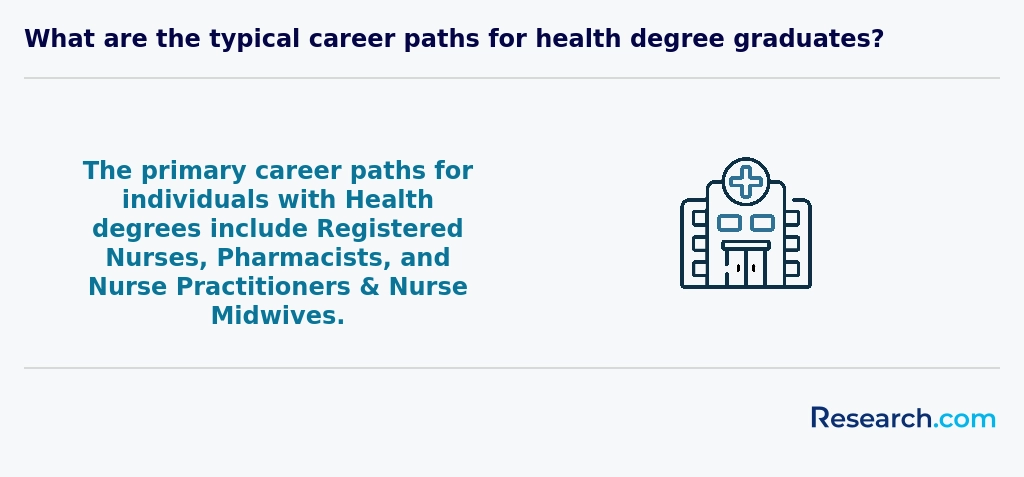
Healthcare graduates in New Jersey find a wealth of career paths that continue to evolve with the state's dynamic medical landscape. From the bustling hospitals near Rutgers University to community clinics around Montclair State, roles like Registered Nurses and radiologic technologists offer rewarding clinical opportunities backed by competitive salaries. Many graduates describe a deep sense of fulfillment working directly with patients, knowing their skills improve lives daily. Exploring healthcare career opportunities in New Jersey also means considering administrative roles; graduates often step into health services management positions, drawn by the challenge of leading healthcare operations and shaping policy. The rise of public health careers reflects growing awareness of community well-being, with epidemiologists and public health specialists playing pivotal roles in statewide health initiatives. Additionally, emerging fields like health informatics attract graduates fascinated by the fusion of data and patient care. For those seeking flexible learning options to enter these in-demand careers, resources like the Most Affordable Online Master's in Healthcare Degree Programs Ranking in California can be instrumental in guiding their educational journey toward New Jersey healthcare degree jobs.
What is the job market for healthcare degree in New Jersey?
The healthcare job opportunities in New Jersey are set to grow steadily, fueled by an aging population and strong institutional support. Graduates from prominent institutions such as Rutgers University and Montclair State University often share stories of quickly landing roles in hospitals or outpatient clinics, benefiting from the state's comprehensive healthcare network. Many find the transition eased by rigorous clinical programs and connections fostered during their studies.
New Jersey healthcare degree employment outlook also appears promising for a variety of professions, from nursing to allied health fields. Competitive salaries, particularly for registered nurses earning around $85,000 annually, motivate students to pursue degrees here. The proximity to metropolitan hubs like New York City further enhances opportunities for advancement.
Students looking for quicker entry into the workforce explore options like the fast-track associates degree, enabling them to meet high demand swiftly. Overall, the climate encourages new graduates to envision fulfilling, secure careers supported by a robust healthcare infrastructure.
Frequently Asked Questions About healthcare
Healthcare degree students in New Jersey can maximize their learning experience by combining academic study with practical training. New Jersey offers many clinical internship and externship opportunities through partnerships with top hospitals like Hackensack Meridian Health and RWJBarnabas Health, which help students gain hands-on experience.
Engaging in state-approved certification programs alongside degree coursework enhances employability, especially in fields such as nursing and allied health. According to the New Jersey Department of Labor, healthcare employment is projected to grow 15% by 2030, emphasizing the demand for skilled professionals.
Utilizing campus resources such as tutoring centers and participating in healthcare-focused student organizations also supports skill development. Staying updated on state healthcare policies and trends through sources like the New Jersey Hospital Association can further enrich a student's knowledge.
The healthcare field in New Jersey is rapidly evolving, with emerging niches offering promising career opportunities. One key area is telehealth, which has expanded significantly following the COVID-19 pandemic. According to the New Jersey Department of Health, telemedicine visits increased by over 50% in recent years, highlighting demand for professionals skilled in digital healthcare delivery.
Another growing field is healthcare informatics, where experts use data analysis to improve patient outcomes. New Jersey hospitals are investing heavily in health IT, driven by federal incentives. Additionally, geriatric care is expanding due to the state's aging population; New Jersey has one of the highest percentages of residents over 65, creating a need for specialized elder care providers.
Preparing for the job market after earning a healthcare degree in New Jersey involves several strategic steps. Start by gaining practical experience through internships or clinical placements, which many New Jersey programs require. Hands-on experience enhances your resume and builds professional connections.
Networking is critical; join local healthcare associations such as the New Jersey Hospital Association to meet industry professionals. According to the New Jersey Department of Labor, healthcare employment in the state is projected to grow by 15% through 2030, increasing job opportunities.
Additionally, obtaining relevant certifications like CPR or specialty licenses can improve your job prospects. Utilize New Jersey's career services and job boards dedicated to healthcare roles for targeted job searches and interview preparation.
Employers in New Jersey's healthcare sector prioritize a combination of technical knowledge and soft skills in graduates holding healthcare degrees. According to the New Jersey Department of Labor, critical skills include clinical competence, patient communication, and familiarity with electronic health records (EHR) systems. Employers also emphasize teamwork and problem-solving abilities, as healthcare workers often collaborate in fast-paced environments.
Attention to detail and adherence to safety protocols are also essential, given the state's strict healthcare regulations. Additionally, cultural competence is increasingly valued due to New Jersey's diverse patient population. These skills improve patient outcomes and workplace efficiency.
Finding internships in New Jersey relevant to a healthcare degree involves leveraging multiple resources. Begin by exploring your college's career services, as many schools maintain partnerships with local hospitals and clinics. According to the New Jersey Hospital Association, the state has over 70 hospitals offering various internship opportunities, especially in metropolitan areas like Newark and Jersey City.
Online platforms such as Handshake and LinkedIn also list healthcare internships tailored to New Jersey students. Additionally, the New Jersey State Department of Health provides information about public health internships that can enhance practical experience.
Networking at local healthcare events and joining student chapters of professional healthcare organizations can further connect you to potential internships. Actively applying during the fall and spring semesters can improve your chances, as many programs have specific application windows.
Obtaining a healthcare degree in New Jersey significantly enhances career mobility and advancement opportunities. The state's growing healthcare sector, projected to add over 20,000 jobs by 2030 according to the New Jersey Department of Labor, values formal education highly. A degree qualifies graduates for a variety of roles, from nursing to healthcare administration, often leading to higher salaries and leadership positions.
In New Jersey, employers frequently prefer candidates with accredited degrees as it ensures familiarity with state regulations and best practices. Furthermore, advanced degrees can open doors to specialized fields such as physical therapy or public health, which offer even greater career growth potential.
Licensing boards in New Jersey require proof of education for certification, making a degree essential for clinical roles. According to the Bureau of Labor Statistics, healthcare jobs in New Jersey have a lower unemployment rate compared to other sectors, underscoring stable job prospects for degree holders.
Healthcare degree programs in New Jersey emphasize interdisciplinary education to prepare students for collaborative roles in diverse medical settings. Many universities in the state incorporate coursework that integrates nursing, public health, administration, and social work, reflecting the multi-faceted nature of modern healthcare. According to the New Jersey Department of Health, coordinated care teams improve patient outcomes by 30%, highlighting the importance of such training.
Students engage in clinical rotations and projects alongside peers from different healthcare disciplines, fostering communication and teamwork skills vital for real-world situations. Additionally, New Jersey's proximity to major medical centers like Rutgers and Hackensack University Medical Center offers practical exposure to interdisciplinary environments.
Choosing between a thesis and a non-thesis healthcare degree program in New Jersey depends on your career goals and learning style. Thesis programs focus on research, preparing students for roles in academia or specialized healthcare fields where analytical skills are crucial.
The non-thesis option emphasizes practical skills and coursework, appealing to those aiming to enter the workforce quickly or pursue professional certifications.
According to the New Jersey Department of Labor, healthcare jobs in the state are projected to grow 13% from 2020 to 2030, highlighting demand for both research and practical expertise.
Consider if you prefer independent research or applied learning before enrolling.
Students based in New Jersey who wish to study healthcare abroad have several pathways to consider, including exchange programs, joint degrees, and study-abroad opportunities through their home institutions. Many New Jersey universities with strong healthcare programs, such as Rutgers and Seton Hall, offer partnerships with foreign universities, enabling students to gain international experience while earning credits toward their degrees.
According to the Institute of International Education, about 1.5% of U.S. healthcare students participate in study-abroad programs, often focused on public health or global health. New Jersey students benefit from programs in countries with advanced healthcare systems, such as the United Kingdom, Australia, and Canada.
Studying healthcare abroad can expose students to different health policies and clinical practices, enhancing their cultural competence-a skill valued in New Jersey's diverse healthcare environment. Funding opportunities, like scholarships from the Fulbright Program or university-specific grants, may support New Jersey students in pursuing these experiences.
Students pursuing healthcare degrees in New Jersey can find valuable part-time job opportunities that enhance their education and practical skills. Common roles include medical scribe positions, where students assist physicians by documenting patient interactions. These jobs improve medical terminology knowledge and clinical workflow understanding.
Other options include working as certified nursing assistants (CNAs) or medical assistants, providing direct patient care while gaining hands-on experience. According to the New Jersey Department of Health, healthcare support occupations are projected to grow by 12% through 2030, reflecting strong job availability.
Pharmacy technician roles and personal care aides also complement healthcare studies by familiarizing students with medication management and patient support tasks.
Healthcare students in New Jersey benefit from numerous networking opportunities through educational institutions and professional organizations. Universities like Rutgers and Seton Hall offer student chapters of national bodies such as the American Healthcare Association and the National Student Nurses' Association. These groups provide access to events, workshops, and conferences that connect students with industry professionals.
Additionally, New Jersey's close proximity to major metropolitan areas expands options for internships and job fairs held by prominent hospitals and healthcare facilities. The New Jersey Hospital Association, representing over 70 hospitals, regularly hosts networking events that introduce students to healthcare leaders.
According to the New Jersey Department of Labor, healthcare employment grew by 5.9% between 2019 and 2023, signaling rising opportunities for students who engage in professional networking early.
Alumni networks offer significant advantages for healthcare degree students in New Jersey by providing connections to experienced professionals across the state's medical field. These networks facilitate mentorship, career advice, and job placement opportunities. According to the New Jersey Hospital Association, nearly 90% of healthcare jobs in the state are secured through networking and referrals.
Students benefit from events and workshops hosted by alumni, which help develop industry-specific skills and knowledge. These connections can be crucial in competitive specialties, such as nursing or physical therapy, where local contacts improve access to clinical placements and residencies.
Overall, New Jersey's active alumni communities play a vital role in supporting career growth and integration into the state's robust healthcare system.
In New Jersey, customizing a healthcare degree program begins with choosing a specialization that matches your career interests, such as nursing, health administration, or public health. Many colleges allow students to select electives and concentrations that tailor their education to roles in hospitals, clinics, or community health settings.
To further align your program with career goals, consider internships and clinical experiences offered through partnerships with New Jersey healthcare providers. The New Jersey Department of Labor reports that healthcare roles in the state are expected to grow by 13% through 2030, emphasizing the value of practical skills and networking.
Additionally, some New Jersey schools provide flexible online courses or hybrid models, helpful for working professionals. Certification preparation, like for the Registered Nurse (RN) or Certified Medical Assistant (CMA), can also be embedded in programs to improve job prospects.
Healthcare students in New Jersey face several challenges during their education. One key difficulty is managing the demanding coursework combined with clinical rotations, which often require long hours and significant emotional resilience. According to the New Jersey Department of Health, the state's healthcare sector is rapidly growing, increasing competition for clinical placement sites.
Additionally, many students experience financial stress. Tuition and living costs in New Jersey are relatively high, with average annual expenses for healthcare programs ranging between $20,000 and $40,000 depending on the institution. Balancing part-time work and studies can be tough, impacting student performance.
Lastly, adapting to fast-evolving healthcare technologies and regulatory standards requires continuous learning, which can overwhelm some students early in their programs.
With a healthcare degree in New Jersey, you can pursue various professional certifications to enhance your career prospects. Popular certifications include Certified Nursing Assistant (CNA), Licensed Practical Nurse (LPN), Registered Nurse (RN), and Medical Assistant certification, all regulated by the New Jersey Board of Nursing and relevant state agencies.
Advanced certifications such as Certified Professional in Healthcare Quality (CPHQ) or Certified Health Education Specialist (CHES) are also available for those seeking specialization beyond entry-level roles. These certifications often require passing a national exam and fulfilling specific clinical or educational hours.
According to the New Jersey Department of Labor, healthcare professions continue to grow by over 10% annually, making certification a valuable asset for job security and advancement.
Writing a winning application for a healthcare program in New Jersey requires clear focus and careful preparation. Start by researching the specific program's prerequisites and mission. Most healthcare schools in New Jersey, such as Rutgers University and Seton Hall, expect strong academic records in sciences like biology and chemistry.
Highlight relevant experience, including volunteer work or internships, to show commitment to healthcare. Since New Jersey's healthcare sector employs over 300,000 professionals, practical exposure can distinguish your application (New Jersey Department of Labor, 2023).
Craft a concise personal statement explaining your motivation and career goals. Strong letters of recommendation from healthcare professionals or professors also add weight. Finally, proofread all materials to ensure accuracy and professionalism, significant factors in competitive admissions.
Globally, healthcare careers are recognized for their stability, growth, and societal impact. In the United States, including New Jersey, the demand for healthcare professionals is rising rapidly due to aging populations and advances in medical technology.
New Jersey is a significant healthcare hub, with over 17% employment growth projected for healthcare occupations from 2020 to 2030, according to the U.S. Bureau of Labor Statistics. This growth mirrors global trends emphasizing healthcare accessibility and innovation.
Internationally, healthcare careers require adaptability to diverse systems, but U.S. degrees-especially from New Jersey institutions-are well respected worldwide, often offering pathways for international practice and research collaboration.
Understanding these global dimensions can help New Jersey students appreciate the broad relevance of their healthcare education and career opportunities.
Gaining practical experience while pursuing a healthcare degree in New Jersey is essential for building skills and improving employment prospects. Many accredited programs incorporate clinical placements or internships as part of their curriculum. For example, nursing students often complete hands-on clinical hours in hospitals affiliated with their schools, such as those in Newark or Camden.
Additionally, New Jersey's diverse healthcare system offers numerous opportunities to work in settings like outpatient clinics, long-term care facilities, and community health organizations. According to the New Jersey Department of Labor, healthcare support roles are expected to grow by 14% through 2030, highlighting the demand for experience.
Students can also seek volunteering options or part-time roles in healthcare environments to further strengthen their resumes. Universities frequently provide career services that connect students with local providers offering practical training.
Choosing the right concentration within a healthcare degree program in New Jersey depends on your career goals and the region's job market. Healthcare demand in New Jersey is growing rapidly, with the Bureau of Labor Statistics projecting a 14% increase in healthcare occupations by 2031. Popular concentrations include nursing, healthcare administration, and public health, each offering unique career paths.
Consider local healthcare needs - New Jersey has a high demand for registered nurses and healthcare managers due to its dense population and aging residents, as reported by the New Jersey Department of Labor. Research programs that align with certifications valued by regional employers.
Internships and clinical placement availability in New Jersey hospitals and clinics also influence your experience and job prospects after graduation. Look for programs with strong ties to local healthcare facilities.
Related Healthcare Rankings for Nearby States
- 2027 Most Valuable Online Healthcare Degree Programs Ranking in Pennsylvania
- 2027 Most Valuable Online Healthcare Degree Programs Ranking in New York
- 2027 Most Valuable Online Healthcare Degree Programs Ranking in Maryland
- 2027 Most Valuable Online Healthcare Degree Programs Ranking in Virginia
- 2027 Most Valuable Online Healthcare Degree Programs Ranking in West Virginia
- 2027 Most Valuable Online Healthcare Degree Programs Ranking in Ohio
- 2027 Most Valuable Online Healthcare Degree Programs Ranking in North Carolina
- 2027 Most Valuable Online Healthcare Degree Programs Ranking in South Carolina
- 2027 Most Valuable Online Healthcare Degree Programs Ranking in Tennessee
- 2027 Most Valuable Online Healthcare Degree Programs Ranking in Maine
Top Trending Healthcare Rankings
See What Experts Have To Say About Studying Healthcare
Read our interview with Healthcare experts

References
- The Role of Interdisciplinary Studies in Medical Career Training https://georgia-med.com/the-role-of-interdisciplinary-studies-in-medical-career-training.html
- How to Become an RN in New Jersey: 5 Steps https://credenzahealth.com/career-advice/how-to-become-an-rn-in-new-jersey-5-steps
- myCME | Continuing Medical Education https://www.mycme.com/pages/new-jersey-medical-license-cme-requirements-courses
- Networking in Medicine: Build Lasting Connections l Windsor https://www.windsor.edu/networking-in-medicine-building-relationships-from-day-one/
- Health Sciences https://www.saintpeters.edu/academics/undergraduate-programs/health-sciences/career-paths/
- Medical Schools in New Jersey: How to Get In (2025) - Shemmassian Academic Consulting https://www.shemmassianconsulting.com/blog/medical-schools-in-new-jersey
- Advancing Your Career in Healthcare: Tips and Strategies https://www.sunshinecarenetwork.com/blog/advancing-your-career-in-healthcare-tips-and-strategies
- Health Sciences-Public Health Education, B.S. https://catalog.njcu.edu/undergraduate/professional-studies/health-sciences/health-sciences-public-health-education-bs/
- How to Set and Achieve Career Goals in Health and Social Care | Royal Open College https://royalopencollege.org/blog/health-and-social-care/how-to-set-and-achieve-career-goals/
- How to Write Your Cover Letter | NQRTH https://www.nqrth.edu.au/career-planning/how-to-write-your-cover-letter/


