
2027 Best Healthcare Degree Programs Ranking in Irvine

Co-Founder and Chief Data Scientist
Choosing the right healthcare degree program can shape your future in meaningful ways. If you're in Irvine and interested in healthcare, this article will guide you through top options available in 2027.
The 2027 Best Healthcare Degree Programs Ranking in Irvine was developed by the Research.com team of data scientists to help you make an informed decision. It highlights programs worth considering based on rigorous analysis.
Reading this guide can inspire confidence as you explore rewarding career paths that make a real difference in people's lives.
Key benefits of getting healthcare degree in Irvine
- Graduates with a healthcare degree in Irvine can expect strong earning potential, with roles like Quality Improvement Coordinator offering a mean annual wage of $103,150 and positions such as Medical Assistant around $43,350.
- Many career paths are available, from Clinical Research Coordinator to Health Information Technician, providing variety and growth opportunities for healthcare degree holders in Irvine's vibrant job market.
- Completing a healthcare degree online in Irvine offers flexibility and convenience, enabling students to balance work and study while gaining valuable skills, just like many graduates from local universities have experienced.
- Key benefits of getting healthcare degree in Irvine
- What can I expect from healthcare degree in Irvine?
- Where can I work with healthcare degree in Irvine?
- How much can I make with healthcare degree in Irvine?
- 2027 Best Healthcare Degree Programs Ranking in Irvine
- Key Findings
- How long does it take to complete healthcare degree in Irvine?
- What's the difference between online and on-campus healthcare degree?
- Accelerated Healthcare Pathways: Fast-Track Your Career
- What is the average cost of healthcare degree in Irvine?
- Licensing and Certification Requirements in California
- What financial aid is available to healthcare degree students in Irvine?
- Emerging Trends and Future Opportunities in Healthcare Education
- What are the prerequisites for enrolling in healthcare degree program in Irvine?
- Return on Investment (ROI) for Healthcare Degrees in Irvine, CA
- What courses are typically in healthcare degree programs in Irvine?
- What types of specializations are available in healthcare degree programs in Irvine?
- How do you choose the best healthcare degree in Irvine?
- What career paths are available for healthcare degree students in Irvine?
- What is the job market for healthcare degree in Irvine?
- Top Trending Healthcare Rankings
- See What Experts Have To Say About Studying Healthcare
What can I expect from healthcare degree in Irvine?
The typical cost of pursuing a healthcare degree in Irvine dances between affordability and investment, shaped largely by the choice of institution. Graduates from public community colleges often smile, remembering how they managed to keep expenses light, often around a few thousand dollars per year, thanks to accessible tuition and plentiful financial aid tied to clinical opportunities. In contrast, those who stepped into the halls of private colleges in Irvine recall a different financial rhythm-higher tuition fees reflecting specialized programs and cutting-edge research facilities. These costs can stretch into the tens of thousands annually, but with scholarships and work-study programs, the burden softens.
Imagine a nursing student rotating through the bustling University of California, Irvine Medical Center: the hands-on learning priceless, yet tempered by scholarship funds earned through dedication. Another might balance tuition with part-time work, energized by the vibrant network of healthcare providers visible right outside the classroom.
In this landscape, the cost becomes more than just numbers-it transforms into an investment in vibrant futures and compassionate care careers, with Irvine's healthcare community waiting just beyond graduation.
Where can I work with healthcare degree in Irvine?
Graduates with healthcare degrees from institutions like the University of California, Irvine dive headfirst into a vibrant ecosystem where hospitals such as UCI Medical Center and nearby Hoag Hospital Newport Beach become dynamic stages for their skills. Imagine shadowing nurses in bustling emergency rooms or coordinating cutting-edge medical technology trials amid Irvine's 300-plus life sciences companies-each day pulses with new challenges and impactful wins.
Others find themselves weaving through outpatient clinics and urgent care facilities, where fast-paced environments demand sharp thinking and compassionate care. Some take the route less traveled, stepping into public health roles within Orange County's Health Care Agency, designing community programs that educate and uplift neighborhoods.
Private sector careers buzz with opportunity too. Picture managing clinical research projects for biotech startups or navigating healthcare administration in insurance firms, all within Irvine's thriving innovation hub. Graduates often share a sense of fulfillment, knowing their work directly shapes health outcomes in a city wired for advancement and empathy.
How much can I make with healthcare degree in Irvine?
Imagine stepping out of a healthcare program at one of Irvine's leading universities and into a role where your work is not just valued but well-paid. Graduates often find themselves starting around $43,350 annually as Medical Assistants or Clinical Research Coordinators, a solid entry point that matches the vital support they provide in busy clinics.
Others, who dive into specialized tech roles like Health Information Technicians, see similar earnings near $43,380-proof that your degree translates into real monetary value amid Irvine's booming medical network.
Push a little further, and you'll meet graduates becoming Patient Care Technicians, drawing a more comfortable $60,790 a year, blending hands-on care with technical skills gained on campus or in local hospitals.
The real game changer? Quality Improvement Coordinators. These savvy professionals elevate healthcare standards and pocket a hefty $103,150 annually, a beacon for those aiming to combine leadership with solid pay in Orange County's competitive landscape.
In Irvine's sun-drenched lecture halls and simulation labs, each hour spent mastering your craft sets you closer to these figures, turning education into income that energizes dreams and fuels futures.
2027 Best Healthcare Degree Programs Ranking in Irvine
How do we rank schools?
Investing in your education is a significant decision that can profoundly impact your future, and the Research.com team recognizes the importance of making well-informed choices. To support prospective students in Irvine, we have carefully developed the "2027 Best Healthcare Degree Programs Ranking in Irvine." Our dedication to quality, credibility, and accuracy is demonstrated by the thorough research and analysis performed in compiling this ranking.
We utilized the following reputable data sources to ensure a comprehensive evaluation of healthcare degree programs:
By consulting this ranking, readers will receive valuable insights into the top healthcare degree programs offered in Irvine, empowering them to make confident and informed decisions about their educational journeys. For more information on how this ranking was created, please visit our Research.com methodology page.


Key Findings
- Irvine offers healthcare programs in nursing, public health, healthcare administration, and allied health through accredited institutions.
- The cost for a bachelor's degree in nursing or healthcare ranges from $10,000 to $35,000 per year, excluding fees and living expenses.
- Entry-level registered nurses earn an average of $75,000 annually, while healthcare administration graduates start near $60,000.
- Experienced healthcare professionals, such as nurse practitioners or managers, can earn between $100,000 and $130,000 annually.
- The healthcare job market in Irvine is growing faster than average, with high demand for nurses, medical assistants, managers, and public health specialists.
- Many programs provide hands-on clinical experience and collaborate with local hospitals and clinics to improve job placement.
How long does it take to complete healthcare degree in Irvine?
Imagine stepping onto the campus of the University of California, Irvine, where a healthcare student embarks on a four-year odyssey to earn a BSN, blending lectures with real clinical rotations. It's a journey that demands dedication but rewards with hands-on confidence, fitting neatly into the typical timeframe for a bachelor's healthcare degree in Irvine.
For those craving a quicker leap into the healthcare world, local community colleges offer certificates or associate degrees often completed between six months and two years. Graduates from these programs share stories of landing roles as medical assistants or phlebotomists, energized by fast-track learning and early workforce entry.
Accelerated master's programs in Irvine, like the MSN for non-nursing majors, crunch typical two-year paths into as little as 12 to 18 months. Students feel the thrill of intensive study, chasing leadership roles with fervor while weaving coursework tightly around their lives.
Doctoral aspirants, embracing the challenge at Irvine's institutions, embark on multi-year quests-three to six years-to transform into healthcare innovators, balancing research ambitions with part-time rhythms.
What's the difference between online and on-campus healthcare degree?
Imagine a healthcare student at the University of California, Irvine, bustling through campus labs, the hum of simulation mannequins echoing their heartbeat. They thrive on face-to-face moments-laughing with peers over case studies, catching last-minute tips from professors, and mastering clinical skills in nearby hospitals. Here, the tactile nature of learning feels immediate, warming, and undeniably human.
Now, picture a student enrolled in an online program from Irvine Valley College, balancing family dinner with virtual lectures. Their learning is sculpted by flexibility-a late-night quiz, a midday video call, all punctuated by local clinical hours woven into their personal rhythm. While the pixelated smile of an instructor replaces physical presence, the freedom to learn anywhere breeds an empowering independence.
Both paths in Irvine invite deeply personal journeys: hands-on campuses simmer with connection and tangible expertise, while online routes offer fluidity and self-driven mastery, each crowned by clinical experiences that anchor theory in real-world care.
Accelerated Healthcare Pathways: Fast-Track Your Career
For students eager to jump-start their journey into healthcare without the lengthy commitment of traditional degree programs, accelerated pathways offer an exciting alternative. These fast-track options are designed for those who want to quickly gain the essential skills needed to excel in the field, while also addressing immediate workforce demands. In particular, programs such as those leading to a certified medical assistant qualification not only shorten the time to employment but also provide hands-on training that meets industry standards. With a curriculum tailored to develop technical, clinical, and interpersonal skills in a condensed timeframe, these accelerated programs empower students to secure rewarding positions in hospitals, clinics, and other healthcare settings. Furthermore, many of these courses include internship placements and career placement services to ensure that graduates are well-prepared to meet the challenges of today’s dynamic healthcare landscape. Embracing this fast-track approach can be a strategic move for those ready to make an immediate impact while still advancing their education and professional network.
What is the average cost of healthcare degree in Irvine?
Imagining the journey of earning a healthcare degree in Irvine reveals a landscape where the average cost hovers around $68,502, a figure many graduates recognize as an investment in their future. For in-state students, attending institutions like the University of California, Irvine, or Irvine Valley College often means facing a more approachable total expense near $16,696. These students recall balancing textbooks, lab fees, and clinical supplies, weaving their passion for care into every dollar spent.
One graduate shared how choosing Irvine Valley College's healthcare programs felt like a gateway-affordable yet rich in practical training, making the path to a medical career less daunting. Yet, for those venturing from out-of-state, expenses mirror the median total cost, presenting challenges but also opportunities to develop resilience and financial savvy. The true essence lies beyond numbers-these costs reflect the dedication to mastering nursing skills or public health insights within a vibrant healthcare community.
Understanding the average cost of healthcare degree in Irvine helps clarify financial planning for prospective students. Many tap into scholarships and grants, feeling hopeful as their dreams align with accessible support. Further, exploring the most affordable online healthcare schools in california offers creative alternatives to traditional pathways and eases the financial burden.
With healthcare fields buzzing in demand, the total expenses for healthcare degree programs Irvine present are not just a price tag-they're a stepping stone toward a rewarding career in medicine and healing.
Licensing and Certification Requirements in California
Graduates of healthcare degree programs in Irvine, CA must obtain state licensure or national certification before practicing, ensuring both quality of care and compliance with California Board regulations. Here’s what you need to know:
- State Board Registration • Nursing: Pass the NCLEX-RN exam and apply through the California Board of Registered Nursing. • Allied Health: Complete a board-approved program, pass the relevant national exam (e.g., Medical Assistant Certification), and register with the California Department of Public Health.
- Common Certification Exams • NCLEX-RN/PN for nursing roles • Certified Health Information Technician (RHIT) exam • American Registry for Diagnostic Medical Sonography (ARDMS) for ultrasound specialists-consider our Best Diagnostic Medical Sonography Programs to prepare.
- Application Steps and Fees 1. Submit official transcripts and proof of clinical hours 2. Complete fingerprinting and background check 3. Pay exam and licensing fees (varies by profession, typically $200–$400) 4. Schedule and pass the required exam within eligibility period
- Renewal and Continuing Education • RN licenses renew every two years; require 30 hours of approved CE units. • Allied health certifications often require 20–30 CE hours per cycle-verify with your certifying body to avoid lapses. Planning ahead for licensure streamlines your transition from student to healthcare professional. Consult your program’s career services for exam prep resources and track deadlines on the California Board websites to ensure a smooth certification process.
What financial aid is available to healthcare degree students in Irvine?
Imagine stepping into a bustling campus of a top Irvine healthcare college, where a hopeful nursing student receives a Pell Grant, instantly slicing thousands off their tuition bill and lifting a heavy financial weight. Federal aid-the powerhouse behind many success stories-flows through FAFSA, unlocking Pell Grants that don't need repayment, subsidized direct loans with friendly interest, and paid work-study gigs that double as valuable healthcare experience.
California's Cal Grant adds its sparkle by offering up to $12,570 for tuition and fees, a beacon for Irvine residents chasing healthcare dreams. One graduate recalls how this state aid transformed their journey, enabling focus on studies rather than bills.
Institutional scholarships in Irvine's healthcare schools celebrate merit and passion, sometimes funded by partnerships with local hospitals-turning community ties into education gold. Professional healthcare associations, like the American Nurses Association, also sprinkle scholarships, rewarding those aligned with the sector's mission.
And the icing on the cake? Employer tuition assistance from local clinics that soften the financial blow, encouraging students already working in healthcare to advance seamlessly.
Emerging Trends and Future Opportunities in Healthcare Education
In today’s rapidly evolving healthcare landscape, prospective students are not only investing in a strong education but also preparing for the future of patient care, technology integration, and evolving work models. Digital health innovations, telemedicine, and data analytics are transforming the field, leading to emerging roles such as telehealth coordinators, clinical data specialists, and digital patient care innovators. Recognizing these shifts can help you choose a program that not only teaches core healthcare principles but also emphasizes practical skills in simulation technologies, virtual labs, and interdisciplinary teamwork. Many institutions are adapting by offering flexible online learning environments where you can stay ahead of industry trends. For instance, exploring options like the most affordable online healthcare schools in california can provide a cost-effective route to obtaining a quality degree while gaining the skills needed in a modern, technology-driven healthcare sector. Staying informed about these trends through webinars, industry conferences, and professional organizations will further empower you to navigate your career path and adapt to the innovative changes in the healthcare industry.
What are the prerequisites for enrolling in healthcare degree program in Irvine?
To embark on a healthcare degree journey in Irvine, you first need that foundational high school diploma-your golden ticket proving you're ready to dive into the intense science and care behind healthcare. Graduates from popular Irvine colleges often recall the thrill of submitting their SAT or ACT scores, though many programs now lean towards a test-optional vibe, easing that pressure.
Picture a student juggling anatomy and microbiology prerequisites with passion, knowing these classes are the keys to unlocking the mysteries of the human body. A solid GPA around 2.5 to 3.0 usually keeps dreams alive, reflecting steady academic stamina.
Application season feels like an exciting challenge-crafting personal statements that hum with genuine motivation, gathering glowing letters of recommendation, and sometimes facing interviews that shine a light on your readiness for healthcare's real-world demands in Irvine's vibrant clinical scene.
For those chasing advanced degrees, the path includes a bachelor's degree and hands-on clinical experience, often earned through local healthcare internships. These steps sketch a roadmap that Irvine students walk with hope and determination every day.
Return on Investment (ROI) for Healthcare Degrees in Irvine, CA
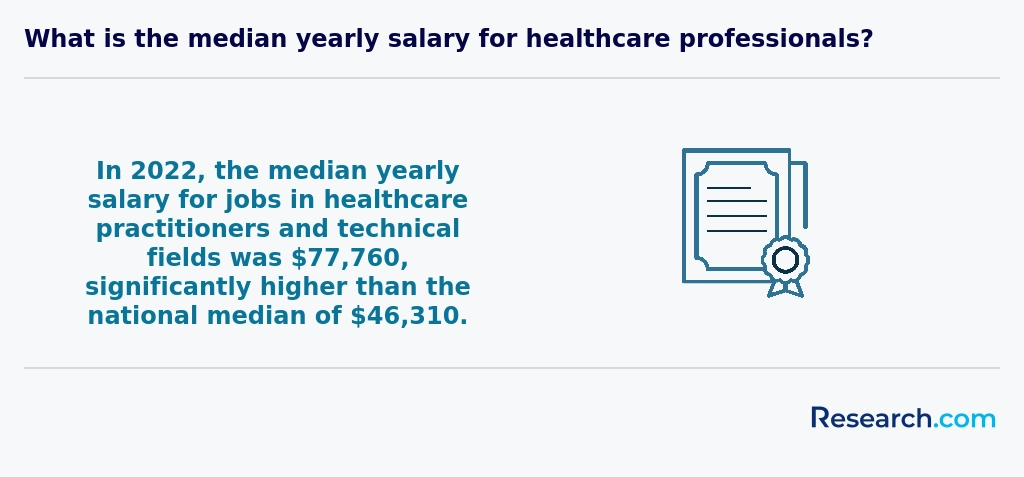
Investing in a healthcare degree in Irvine, CA often raises the question: “How long until I recoup my tuition and start earning a solid return?” On average, a four-year bachelor’s program at institutions like the University of California, Irvine, carries a sticker price of roughly $58,959 per year (in-state). Multiply that by four, and you’re looking at about $235,836 in tuition alone-before fees, books, and living expenses. Yet, with entry‐level salaries ranging from $41,260 (Health Information Technician) to $55,860 (Patient Care Technician), and mid-career roles in healthcare administration often surpassing $75,000 annually, the typical break-even period falls between 3.5 to 5 years after graduation. Key ROI factors to consider:
- Upfront Cost vs. Starting Salary: • Total Tuition (4-year in-state): ~$235,836 • Average Entry-Level Salary: $48,560 • Estimated Payback Period: 4.9 years
- Mid-Career Earnings Potential: • Healthcare Administrator: $75,000–$95,000 • Advanced Practice Nurse: $100,000+ • Reduced Payback Period: 2.5–3.5 years
- Financial Aid & Scholarships: • Federal grants and UCI-specific awards can lower net cost by 20–40%. • Work-study and part-time clinical roles add earned income while studying. If upfront cost is a barrier, consider blended or fully online master’s options that significantly shorten your payback window. For a comprehensive list of affordable, accredited programs, explore Low Cost Online Master's in Healthcare Degree Programs Ranking in the Northeast. These programs often offer:
- Lower per-credit tuition rates
- Accelerated 12–18 month formats
- No relocation or campus fees By comparing total program costs against projected salary trajectories-and leveraging scholarships, employer tuition assistance, and flexible online formats-you can strategically minimize your ROI timeline and maximize long-term earnings.
What courses are typically in healthcare degree programs in Irvine?
Imagine diving into a healthcare degree at one of Irvine's vibrant institutions, where your days are filled with mastering Anatomy and Physiology-understanding the very mechanics of the human body, much like solving a complex, living puzzle. Graduates often recall their first lab of Microbiology, peering through microscopes to uncover invisible organisms that influence every heartbeat and breath. In lecture halls at popular Irvine colleges, students eagerly decode Medical Terminology, unlocking the language that bridges doctor and patient worlds.
Picture yourself navigating the digital frontier with Health Informatics, managing electronic health records as future tech-savvy caregivers. Many graduates cherish hands-on moments in Patient Care Techniques, where clinical training in local hospitals bonds theory with life-saving practice.
The curriculum doesn't just stop at the bedside; it propels you into ethical dilemmas with Healthcare Ethics and Law, prompting passionate discussions about patient rights-the very soul of medicine in bustling Irvine's healthcare milieu.
Students at Irvine's top universities often mention electives in telemedicine and healthcare technology, reflecting the city's innovative pulse, preparing them to thrive in a future where care meets cutting-edge innovation.
What types of specializations are available in healthcare degree programs in Irvine?
Diving into healthcare degree specializations in Irvine is like unlocking a treasure chest of opportunities tailored to the vibrant pulse of the city's healthcare ecosystem. Graduates from top healthcare programs Irvine CA often reflect on their hands-on experiences, from bustling hospital wings to innovative tech labs, where Nursing is a heartbeat specialty-covering everything from registered nursing to nurse practitioner roles with real patient interactions that ignite passion and confidence.
Health Informatics feels like the brainwave of modern medicine; students emerge ready to decode massive data codes, transforming patient care with smart tech right in Irvine's classrooms and partnerships. Public Health grads share stories of community projects, tackling local health challenges and crafting prevention strategies that truly resonate with Orange County's diverse populations.
For those drawn to leadership, Healthcare Administration inspires with its mix of finance, ethics, and law, training students to guide dynamic organizations. Meanwhile, Physical Therapy and Rehabilitation offer deeply rewarding journeys in recovery therapy. Many in Irvine even explore accelerated tracks like a certified medical assistant, blending speed and career launch in an energetic local environment.
How do you choose the best healthcare degree in Irvine?
Choosing the perfect healthcare path in Irvine is like crafting your own healing adventure, where each program is a stepping stone toward your future. Picture a graduate from Irvine Valley College who juggled evening classes and weekend clinicals, praising the college's flexible schedules that made balancing work and family possible. They found that affordable healthcare degrees in Irvine didn't just save money-they unlocked opportunities, turning dreams into real-world impact.
Imagine another graduate who earned a Bachelor's at a local private university, drawn by specialized programs and strong clinical placements fueling their confidence. With Irvine's growing healthcare scene, their BSN degree soared beyond textbooks into thriving job prospects. Accreditation mattered here, too; knowing their degree held weight with employers was a reassurance they often shared.
For those exploring specialized fields, visiting the Best Diagnostic Medical Sonography Programs helped many uncover paths less trodden but equally rewarding. This first-hand exploration, paired with chatting up advisors and alumni, brought clarity and excitement to choosing the best healthcare degree programs Irvine offers.

What career paths are available for healthcare degree students in Irvine?
Graduates armed with a healthcare degree in Irvine dive into a spectrum of vibrant career arcs, from the pulse-quickening hustle of a registered nurse in bustling Orange County hospitals to the precise, life-enhancing work of radiologic technologists and respiratory therapists. Imagine stepping out from the lecture halls of University of California, Irvine, and straight into the vibrant corridors of Hoag Hospital, where the theoretical meets the urgent, fueling both passion and purpose. These immersive paths echo the real experiences of graduates who feel empowered by the city's rich healthcare tapestry.
Meanwhile, some graduates channel their skills into the strategic rhythm of healthcare administration or health information management, orchestrating smooth operations behind the scenes. The blend of evolving regulations and technology sparks a sense of achievement, as these professionals see their impact ripple through patient care systems. Exploring careers with healthcare degree in Irvine means embracing a journey both clinical and cerebral, where innovation meets compassion in vivid, everyday realities.
For those drawn to the frontier of knowledge, advanced roles in healthcare research at UCI offer thrilling opportunities to shape public health policies and outcomes. Students often celebrate these moments of discovery, knowing their insights could ripple across communities. With affordability in mind, many look into Low Cost Online Master's in Healthcare Degree Programs Ranking in the Northeast to balance cost and career growth seamlessly, making their healthcare dreams in Irvine practically attainable.
What is the job market for healthcare degree in Irvine?
The healthcare job opportunities in Irvine pulse with energy, fueled by a thriving medical ecosystem where graduates from local colleges feel the buzz of real-world impact. Imagine walking through the halls of University of California Irvine or Irvine Valley College, where students absorb both cutting-edge theory and hands-on clinical experience, stepping into roles at Hoag Hospital Irvine or Kaiser Permanente shortly after graduation. These careers don't just pay the bills-they reward with purpose, as the median annual wage for registered nurses in Orange County hovers impressively near $105,000.
The Irvine healthcare degree career outlook is sunny and expanding, riding a 15% growth wave through 2028. Graduates report jumping into diverse roles from physical therapy to healthcare management, marveling at the stable demand despite economic ripples. Many appreciate how the region's focus on innovation and patient-centered care creates rich pathways beyond typical clinical jobs, even inspiring some to pursue universities with accelerated degree programs nearby, accelerating their careers and financial returns.
Frequently Asked Questions About healthcare
Healthcare degree students in Irvine can maximize their learning experience by engaging in local clinical internships and practicum opportunities. Institutions such as the University of California, Irvine Medical Center provide valuable hands-on training in diverse healthcare settings, which enhances practical skills.
Participating in student organizations related to healthcare also supports networking and professional growth. According to the California Health Care Foundation, students involved in community health projects report improved understanding of real-world challenges.
Leveraging Irvine's growing healthcare industry, which supports over 30,000 jobs according to the U.S. Bureau of Labor Statistics, students benefit from exposure to emerging technologies and diverse patient populations. Additionally, maintaining strong academic performance and seeking mentorship from experienced faculty further strengthens their educational journey.
The healthcare field in Irvine is evolving rapidly, with several emerging niches gaining prominence. Precision medicine, which tailors treatments based on individual genetics, is expanding, supported by local biotech firms and research institutions. Telehealth has surged, especially after 2020, providing remote care options that increase access for diverse populations across Orange County. Another growing area is healthcare informatics, focusing on managing and analyzing patient data to improve outcomes.
Additionally, regenerative medicine and biotechnology are key growth sectors, driven by advances in stem cell research and tissue engineering at nearby universities. According to the Orange County Economic Development report (2023), healthcare job growth in specialized areas outpaces general practice, indicating strong demand for niche expertise in Irvine.
Preparing for the job market after completing a healthcare degree in Irvine involves several strategic steps. Graduates should first obtain necessary state licenses or certifications, as many healthcare roles require them. For example, Registered Nurses in California must pass the NCLEX-RN exam to practice legally.
Internships and clinical experience gained during studies are valuable for building practical skills and professional networks. Irvine's proximity to facilities like Hoag Memorial Hospital provides local opportunities for hands-on training.
Additionally, engaging in career services at your college can improve job search skills, including resume writing and interview preparation.
According to the California Employment Development Department, healthcare occupations in Orange County, which includes Irvine, are projected to grow by 13% between 2020 and 2030, highlighting strong job prospects for qualified professionals.
Employers in Irvine seek healthcare degree graduates who demonstrate strong clinical skills and effective communication. According to the California Employment Development Department, practical experience with patient care and electronic health record systems ranks highly.
Critical thinking and adaptability are also essential due to the region's rapidly evolving healthcare technologies and diverse patient populations. A 2023 report by the Irvine Chamber of Commerce highlights employers valuing teamwork and cultural competence.
Additionally, graduates with up-to-date knowledge of health regulations and the ability to manage healthcare data efficiently are more competitive in Irvine's healthcare job market.
Finding internships in Irvine relevant to a healthcare degree involves a combination of research, networking, and leveraging local resources. Irvine is home to notable healthcare facilities such as Hoag Hospital Irvine and certain affiliated clinics, providing internship opportunities for students. According to the California Employment Development Department, healthcare occupations in Orange County are projected to grow by over 12% from 2022 to 2030, increasing the demand for qualified interns.
Students should begin by contacting university career centers and academic advisors, as many maintain partnerships with local hospitals and clinics. Online platforms like Handshake and internship portals of local health organizations also list openings specific to healthcare fields. Attending healthcare job fairs and professional events in Irvine can connect students with potential employers. Additionally, volunteering in healthcare settings can often lead to internship offers by building experience and local connections.
Obtaining a healthcare degree in Irvine significantly enhances career mobility and advancement opportunities. The city is home to a growing healthcare sector, with employment projected to increase by over 15% through 2030, according to the U.S. Bureau of Labor Statistics. Degrees in nursing, health administration, and allied health fields provide graduates with the credentials needed to meet employer demands in local hospitals and clinics. Many Irvine healthcare employers prioritize candidates with formal education, often offering higher starting salaries and leadership roles to degree holders. Graduates also benefit from access to professional networks around major healthcare centers like Hoag and CHOC, boosting career growth potential.
Studying for a healthcare degree in Irvine offers students strong preparation for interdisciplinary roles by emphasizing collaboration across medical, nursing, and allied health fields. Irvine's institutions integrate coursework that encourages teamwork among diverse healthcare professionals, reflecting the real-world healthcare environment.
Students benefit from access to local clinical partnerships with hospitals like Hoag Memorial Hospital and UC Irvine Health, which serve the region's growing patient population of over 300,000 residents. These affiliations provide hands-on experience in multidisciplinary care settings.
According to the California Employment Development Department, healthcare occupations in Orange County are projected to grow 14% by 2030, highlighting the demand for professionals skilled in integrated service delivery, a focus of many Irvine degree programs.
When choosing between a thesis and a non-thesis healthcare degree program in Irvine, students should consider their career goals. Thesis programs focus on research and often suit those aiming for doctoral studies or research positions. Non-thesis options emphasize practical skills and are typically faster to complete, ideal for those targeting immediate employment in clinical or administrative roles.
In Irvine, healthcare professionals are in demand due to local growth in medical centers like Hoag and UC Irvine Health. According to the Bureau of Labor Statistics, healthcare occupations in Orange County are projected to grow 15% through 2030, underscoring the value of practical experience.
Students should also evaluate available faculty expertise and resources. Thesis tracks require access to research mentors, which some Irvine schools provide extensively. Reviewing curriculum details and speaking with advisors can clarify the best fit.
Students based in Irvine interested in healthcare degrees have growing opportunities to study abroad through U.S. universities' international programs. Many institutions partner with global universities, offering exchange or dual-degree options that allow students to gain experience in other healthcare systems. According to NAFSA, these programs help broaden clinical skills and cultural competency, vital traits in healthcare professions. While Irvine itself hosts reputable healthcare education, such as UC Irvine's medical and nursing schools, students often explore countries like the UK, Canada, and Australia for specialized training. These options align with the increasing demand for globally aware healthcare professionals.
Part-time jobs in Irvine offer valuable experiences that complement healthcare degree education. Many students find opportunities as medical assistants or patient care technicians in local clinics and hospitals. According to the California Employment Development Department, healthcare support roles in Orange County grew by 8.5% from 2020 to 2023, reflecting strong demand.
Other roles include pharmacy technicians and physical therapy aides, positions available in Irvine's numerous outpatient facilities. These jobs provide hands-on exposure to clinical practices and patient interaction, enhancing academic learning. Additionally, internships or part-time administrative roles in health organizations develop organizational and communication skills essential for healthcare professionals.
Healthcare students in Irvine benefit from a variety of networking opportunities that support their academic and professional growth. The city is home to institutions like the University of California, Irvine (UCI), which hosts several healthcare-related student organizations and career fairs. These events regularly connect students with local hospitals, clinics, and research centers.
Irvine's proximity to major healthcare employers such as Hoag Memorial Hospital Presbyterian and Kaiser Permanente expands internship and mentorship prospects. Additionally, UCI's strong alumni network offers healthcare students access to professionals in nursing, medicine, and public health fields, fostering valuable industry connections.
According to the California Employment Development Department, the healthcare sector in Orange County, including Irvine, is projected to grow by 16% over the next decade. This growth creates more opportunities for students to engage with industry leaders and participate in community health initiatives, enhancing practical experience and networking potential.
Alumni networks provide valuable support to healthcare degree students in Irvine by offering access to professional connections and mentorship opportunities. Many healthcare programs in Irvine, including those at University of California, Irvine, boast active alumni who work in regional hospitals and clinics. This network can help students secure internships and job placements in a competitive healthcare job market.
Research from the National Association of Colleges and Employers shows that 85% of jobs are filled through networking, making alumni connections crucial. Additionally, alumni often share insights on local healthcare trends, aiding students in understanding Irvine's dynamic medical environment.
Such networks also provide career workshops and updated industry knowledge, enhancing student preparedness. These benefits collectively contribute to stronger career outcomes for healthcare graduates in the area.
Customizing a healthcare degree program in Irvine involves selecting specialized courses and practical experiences that align with your career goals. Many local institutions offer concentrations such as nursing, health administration, or public health, allowing students to tailor their studies. Internships and clinical placements in Irvine's healthcare facilities, like those at Hoag Memorial Hospital, provide hands-on experience relevant to your interests.
Students can also pursue elective courses in emerging areas like healthcare technology or mental health, enhancing their skill sets. According to the California Employment Development Department, Irvine's healthcare sector is growing, making specialized skills valuable for local job markets.
Advisors can help map your academic plan to match desired certifications or licensure requirements.
Healthcare students in Irvine commonly face a variety of challenges related to the demanding nature of their programs. Rigorous coursework combined with clinical placements requires strong time management and resilience. Many students report stress linked to balancing studies with part-time jobs or family responsibilities, as seen in surveys by the National Center for Education Statistics.
Additionally, access to quality clinical sites can be competitive in Orange County due to high demand, impacting hands-on learning opportunities. The cost of living in Irvine, which is higher than the California average according to recent U.S. Census Bureau data, also creates financial pressure for students relying on loans or part-time employment.
Finally, adapting to rapidly evolving healthcare technologies and regulations demands continuous learning outside the classroom, which some students find challenging amidst other commitments.
With a healthcare degree in Irvine, you can pursue several professional certifications to advance your career. Popular certifications include Certified Nursing Assistant (CNA), Registered Nurse (RN), and Licensed Practical Nurse (LPN), which are essential for clinical roles. For those interested in administrative paths, Certified Medical Assistant (CMA) and Health Information Technician certifications are valuable options.
Many Irvine healthcare graduates also pursue specialized certifications like Certified Professional in Healthcare Quality (CPHQ) or Medical Coding certification. These credentials often require passing an exam and meeting experience standards.
According to the California Employment Development Department, the healthcare sector in Irvine continues to grow, increasing demand for certified professionals.
Writing a winning application for a healthcare program in Irvine starts with understanding the competitive nature of these programs. In 2023, healthcare jobs in Orange County, which includes Irvine, were projected to grow by 15%, making admissions selective (source: Bureau of Labor Statistics).
Begin by clearly showcasing your passion for healthcare through a concise personal statement. Highlight relevant experiences such as volunteering in local hospitals or internships in healthcare settings. Admissions committees value hands-on exposure that reflects commitment.
Include strong academic records, especially in science courses, as applicants with GPAs above 3.5 have better chances in Irvine's top programs (source: California Department of Education). Additionally, submit up-to-date letters of recommendation from professionals familiar with your work ethic and skills.
Lastly, tailor your application to each institution by researching their specific program values and community initiatives related to Irvine's health industry.
The global perspective on healthcare careers highlights strong demand fueled by aging populations and evolving medical technology. In the United States, healthcare is the fastest-growing sector, projected to add over 2 million jobs from 2021 to 2031, according to the Bureau of Labor Statistics. Irvine, as part of Orange County, benefits from this trend with a growing healthcare infrastructure and numerous hospitals and clinics.
Internationally, healthcare professionals are valued for their expertise and adaptability in diverse medical systems. Earning a healthcare degree in Irvine positions students well for both local and global opportunities due to accredited programs emphasizing evidence-based care and cultural competence. Such skills are critical when working in multicultural environments.
Gaining practical experience while studying for a healthcare degree in Irvine is essential for career readiness. Many local colleges and universities offer clinical internships, which allow students to work directly in hospitals, clinics, or community health centers. For example, institutions like the University of California, Irvine, have partnerships with nearby facilities such as Hoag Hospital and Irvine Medical Center, providing students with hands-on training opportunities.
Additionally, volunteering in healthcare settings is a valuable way to gain experience while building professional networks. Students often participate in simulation labs on campus, which mimic real-life medical scenarios to develop critical skills.
According to the California Employment Development Department, healthcare jobs in Orange County, including Irvine, are expected to grow 15% from 2022 to 2032, emphasizing the importance of practical experience during education.
Choosing the right concentration within a healthcare degree program in Irvine requires understanding both your personal interests and the local job market demands. Irvine is part of Orange County, where healthcare occupations are growing faster than the national average-by about 13% through 2030 according to the U.S. Bureau of Labor Statistics.
Popular concentrations include nursing, health administration, and public health. Nursing remains the leading field due to ongoing demand in nearby hospitals like Hoag and Kaiser Permanente. Health administration appeals to students interested in leadership roles, reflecting local healthcare facility growth.
Consider also your career goals: clinical roles often need hands-on training, while public health focuses on community wellness and policy. Connect with local industry professionals or academic advisors to align your concentration with workforce trends and practical opportunities in Irvine.
Related Healthcare Rankings for Nearby Cities
- 2027 Best Healthcare Degree Programs Ranking in Anaheim
- 2027 Best Healthcare Degree Programs Ranking in Los Angeles
- 2027 Best Healthcare Degree Programs Ranking in La Jolla
- 2027 Best Healthcare Degree Programs Ranking in San Diego
- 2027 Best Healthcare Degree Programs Ranking in Riverside
- 2027 Best Healthcare Degree Programs Ranking in Las Vegas
- 2027 Best Healthcare Degree Programs Ranking in Phoenix
- 2027 Best Healthcare Degree Programs Ranking in Tempe
- 2027 Best Healthcare Degree Programs Ranking in Oakland
- 2027 Best Healthcare Degree Programs Ranking in San Francisco
Top Trending Healthcare Rankings
See What Experts Have To Say About Studying Healthcare
Read our interview with Healthcare experts

References
- What is the Timeline for Obtaining a Degree in Healthcare Management? - Healthcare Management Degree Guide https://www.healthcare-management-degree.net/faq/what-is-the-timeline-for-obtaining-a-degree-in-healthcare-management/
- Global Health Perspectives https://globalhealthperspectives.com/
- Niche Markets in Healthcare: How to Find & Target https://nechayadvisors.com/blog/niche-markets-in-healthcare
- Alumni Reconnect - Poznan University of Medical Sciences https://pums.edu.pl/alumni-friends/alumni-reconnect/
- Health Sciences https://www.ivc.edu/lst/health-sciences
- 20 healthcare investment niches and 3 things to know: The evolution of ... https://blackbookmarketresearch.com/20-healthcare-investment-niches-and-3-things-to-know-the-evolution-of
- The impact of postgraduate education on career advancement in healthcare https://sets.com.ua/journals/vol-3-no-2-2024/the-impact-of-postgraduate-education-on-career-advancement-in-healthcare
- Best Practices for Career Development and Advancement in the Healthcare Sector | Generation https://www.generation.org/news/best-practices-for-career-development-and-advancement-in-the-healthcare-sector/
- How to Create a Healthcare Career Roadmap https://www.ihire.com/resourcecenter/jobseeker/pages/how-to-create-a-healthcare-career-roadmap
- How to choose a bachelor's in healthcare administration | edX https://www.edx.org/resources/how-to-choose-a-bachelors-in-healthcare-administration


