2027 Most Valuable Healthcare Degree Programs Ranking in Greenville

Co-Founder and Chief Data Scientist
Choosing the right healthcare degree program in Greenville can feel overwhelming. To make this easier, the Research.com team of data scientists created the 2027 Most Valuable Healthcare Degree Programs Ranking in Greenville. This ranking helps you identify programs that offer the best value and career prospects.
Reading this article will guide you toward making an informed decision, saving time and effort in your search. Pursuing a healthcare degree is a rewarding step toward a meaningful and stable career, and this ranking highlights programs that truly stand out.
Key benefits of getting healthcare degree in Greenville
- Healthcare degree graduates in Greenville can expect strong earning potential, with roles like Patient Care Technician earning a mean annual wage of $60,790 and Quality Improvement Coordinators making around $103,150 yearly.
- Graduates often explore diverse career paths such as Medical Assistant, Health Information Technician, or Clinical Research Coordinator, showcasing the flexibility and exciting opportunities available locally.
- Online healthcare degrees offer valuable convenience and flexibility, allowing students in Greenville to balance studies with life commitments, similar to successful graduates from popular local universities.
- Key benefits of getting healthcare degree in Greenville
- What can I expect from healthcare degree in Greenville?
- Where can I work with healthcare degree in Greenville?
- How much can I make with healthcare degree in Greenville?
- 2027 Most Valuable Healthcare Degree Programs Ranking in Greenville
- Key Findings
- How long does it take to complete healthcare degree in Greenville?
- Accreditation and Licensure Outcomes
- What's the difference between online and on-campus healthcare degree?
- Tips for Success in Your Healthcare Education Journey in Greenville, NC
- What is the average cost of healthcare degree in Greenville?
- Expert Tips for Maximizing Your Healthcare Education Investment
- What financial aid is available to healthcare degree students in Greenville?
- Future Trends and Career Advancement in Healthcare
- What are the prerequisites for enrolling in healthcare degree program in Greenville?
- Continuing Education and Professional Certifications
- What courses are typically in healthcare degree programs in Greenville?
- What types of specializations are available in healthcare degree programs in Greenville?
- How do you choose the best healthcare degree in Greenville?
- What career paths are available for healthcare degree students in Greenville?
- What is the job market for healthcare degree in Greenville?
- Top Trending Healthcare Rankings
- See What Experts Have To Say About Studying Healthcare
What can I expect from healthcare degree in Greenville?
The average cost of a healthcare degree in Greenville really depends on where you study and what level you're aiming for. Many grads from local community colleges share that associate degrees or certificates, like those in medical assisting, can be pretty budget-friendly-think lower tuition that won't bust your wallet. But if you're eyeing a bachelor's or higher at one of Greenville's universities, the price tag usually climbs, reflecting the more advanced career paths you're preparing for, like nursing or healthcare management.
One student journeying through Greenville State University's nursing program mentioned that while tuition was higher than at community college, the investment felt worth it thanks to the strong clinical practice opportunities and hands-on experience right in local hospitals. Plus, plenty of programs offer part-time or evening classes, letting busy students work while they study without feeling overwhelmed.
So, whether you're starting with an affordable associate degree or jumping into a bachelors, Greenville's variety of options make it flexible and doable, fitting a range of budgets and schedules.
Where can I work with healthcare degree in Greenville?
With a healthcare degree in Greenville, you've got a bunch of solid career paths right in your backyard. Graduates from schools like Greenville Technical College and Furman University often land jobs at big places like Prisma Health, which is the biggest healthcare system around here. Imagine starting your day helping patients at one of their hospitals or outpatient centers-it's super rewarding and you're right where the action is.
Others find their groove at Greenville Memorial Hospital, especially if they're into nursing or radiology. It's a busy Level I Trauma Center, so you're always learning and growing. Some grads love working in smaller clinics or specialty centers, doing hands-on work in things like occupational therapy or sonography. It's nice to feel connected and make a difference right in your community.
Plus, public health gigs with the county or state can be pretty exciting if you're into making a big-picture impact through education and prevention. There's also room in healthcare admin or tech roles at universities or local agencies, perfect if you want to mix healthcare know-how with management. Basically, Greenville's got a seat waiting for you!
How much can I make with healthcare degree in Greenville?
If you're thinking about a healthcare degree in Greenville, you'll be glad to know the pay can be pretty encouraging. Graduates stepping into roles like Medical Assistants should expect to start around $43,350 a year, which is a solid entry point when you're fresh out of schools like Greenville Technical College.
Those who dive into specialized jobs such as Patient Care Technicians can see wages climb to about $60,790 annually. That extra cash really helps when juggling expenses and building your career. Health Information Technicians also earn roughly $43,380, which is great news for grads from programs focusing on health data and administration.
For folks aiming higher, a role like Quality Improvement Coordinator offers a serious boost, with salaries averaging over $103,000 a year. Many Greenville graduates find these advanced positions rewarding not just financially but also in terms of job satisfaction.
These figures show that Greenville's healthcare field offers a range of opportunities with pay reflecting your training and experience. It's motivating to see local schools prepping grads for these roles with hands-on learning and strong community connections.
2027 Most Valuable Healthcare Degree Programs Ranking in Greenville
How do we rank schools?
Investing in your education is a significant decision that can shape your future, and the Research.com team understands the importance of making informed choices. To assist prospective students in Greenville, we have meticulously developed the "2027 Most Valuable Healthcare Degree Programs Ranking in Greenville." Our commitment to quality, credibility, and accuracy is demonstrated by the rigorous research and analysis behind this ranking.
We utilized the following reputable data sources to ensure a comprehensive evaluation of healthcare degree programs:
By exploring this ranking, readers will gain valuable insights into the most valuable healthcare degree programs available in Greenville, helping them make well-informed decisions about their educational paths. For more information on how this ranking was created, please visit our Research.com methodology page.

Key Findings
- Tuition for healthcare programs in Greenville ranges from $8,000 to $20,000 per year for in-state students, varying by institution and program level.
- Community colleges offer affordable options for associate degrees, while four-year universities provide bachelor's, master's, and advanced degrees.
- Starting salaries for healthcare graduates with bachelor's degrees are typically between $45,000 and $55,000 annually.
- Experienced professionals can earn median salaries from $70,000 to over $100,000 per year, depending on their specialization.
- Local employers include Greenville Memorial Hospital, Prisma Health, and private healthcare providers, supporting strong job demand.
- Clinical experience is required for licensure, with many programs needing background checks and immunizations before placements.
How long does it take to complete healthcare degree in Greenville?
If you're aiming to finish a healthcare degree in Greenville, the timeline really depends on which path you pick. For example, graduates from Greenville Technical College often wrap up their associate degrees in about two years, which is perfect if you want to jump into a healthcare role quickly. These programs are hands-on and usually require around 60 credit hours, setting you up for entry-level jobs.
Now, if you're looking at a bachelor's degree, like nursing at Furman University or the Clemson University Greenville Center, expect around four years. Students there mix classroom learning with clinical practice, so you get real-world experience while you study. Many grads love how this blend helps them feel ready and confident on day one of their careers.
For advanced degrees, like a master's in healthcare management or nurse practitioner tracks, the typical ride is about two extra years after your bachelor's. Some programs even offer faster options if you need to speed things up! And if you're thinking big with a doctorate, plan for at least three to six years, depending on full or part-time study choices in local universities.
Accreditation and Licensure Outcomes
Accreditation ensures that healthcare degree programs in Greenville, NC meet rigorous standards for curriculum, faculty qualifications, and student outcomes. Most nursing programs at East Carolina University are accredited by the Commission on Collegiate Nursing Education (CCNE), while allied health and technician programs at Pitt Community College hold programmatic accreditation through the Accrediting Bureau of Health Education Schools (ABHES). Before enrolling, verify that your chosen program is recognized by the relevant state board-such as the North Carolina Board of Nursing for RN and LPN tracks-or by national bodies like the Accreditation Council for Occupational Therapy Education (ACOTE). Licensure pass rates are a key indicator of program quality and graduate preparedness. For example, ECU’s Bachelor of Science in Nursing graduates maintain an NCLEX-RN first-time pass rate consistently above 90%, reflecting strong clinical training and exam readiness. Similarly, Pitt Community College reports Medical Assisting graduates achieving a credentialing exam pass rate of over 85% on their first attempt. Prospective students should review each institution’s published pass rates and consider programs with outcomes that align with their professional goals. For those pursuing advanced credentials, it’s essential to choose an accredited master’s program that qualifies you for national certification exams. To explore cost-effective, fully accredited graduate options, see our Inexpensive Online Master's in Healthcare Degree Programs Ranking in Denton, TX, which highlights top affordable master’s pathways designed to meet licensure requirements and elevate your expertise.
What's the difference between online and on-campus healthcare degree?
If you're thinking about a healthcare degree in Greenville, the biggest difference between online and on-campus programs comes down to how you like to learn. Greenville Technical College and other local schools offer hands-on, in-person programs where you get to work directly in simulation labs and join clinicals nearby. Graduates often say that being face-to-face with instructors and classmates helped them feel more confident, especially when practicing skills like nursing or respiratory therapy.
On the flip side, online programs give you a lot more freedom to study on your own schedule. Many students juggling jobs or family in Greenville find this super helpful. You still get virtual lectures and can connect with peers online, but you'll likely head to local clinics for real-world practice. Plus, online learners often save money on commuting and housing, which is a big relief for many.
At the end of the day, whether you're on campus or online, Greenville students tap into strong clinical partnerships that prepare them well for healthcare jobs-so it's really about what fits your lifestyle best.
Tips for Success in Your Healthcare Education Journey in Greenville, NC
Setting yourself up for success begins before you step into the classroom. Prospective students are encouraged to map out both short-term and long-term goals to navigate the complexities of their healthcare programs. Establishing a solid study routine, participating in mentorship programs, and getting involved in clinical placements early can make a significant difference in your academic performance and career readiness. Additionally, leveraging campus resources-such as student advisement centers, tutoring services, and career fairs-can help streamline your transition from student to professional. Engaging actively with professional organizations and networking with peers and faculty not only enhances learning but also opens doors for future job opportunities. To further refine your path, consider exploring valuable healthcare schools in north carolina that align with your career aspirations, ensuring that every decision you make supports both your academic growth and career ambitions.
What is the average cost of healthcare degree in Greenville?
If you're wondering about the average cost of a healthcare degree in Greenville, you're in luck-things tend to be pretty affordable here compared to national averages. Many students pursuing healthcare degrees at local institutions find the median in-state total cost hovers around $7,361, which makes Greenville a great choice if you're budget-conscious but still aiming for quality education. Graduates from popular colleges in the area often share how manageable expenses made it easier for them to focus on their studies and clinical hours without stressing too much about debt.
Of course, out-of-state students typically face higher tuition fees, with median costs around $36,720 total, which can feel steep. But Greenville still offers a range of programs from community colleges to four-year universities, meaning you can find something within your financial reach. Many students pursuing nursing, healthcare administration, or medical technology degrees choose local schools because they offer competitive pricing and accessible financial aid options.
For someone planning ahead, knowing the total expenses for healthcare degrees Greenville 2027 will likely remain in this range helps with making smart decisions. Plus, students often benefit from the city's lower cost of living, which can ease budgeting for housing and daily needs.
Some graduates recommend exploring affordable lpn programs online offered locally as a stepping stone for careers in nursing, which shows how smart program selection can stretch your dollar without sacrificing quality.
Expert Tips for Maximizing Your Healthcare Education Investment
Navigating the path to a rewarding healthcare career not only involves selecting the right program but also capitalizing on expert guidance and strategic planning before, during, and after your studies. Prospective students should start by researching each institution’s unique strengths and available support services, such as tutoring, career centers, and networking events. Leveraging mentorship from alumni and faculty can provide insider tips on scholarship opportunities, internship placements, and hands-on learning experiences that truly enrich your education. Additionally, staying informed about industry innovations and evolving certification requirements is essential to maintain a competitive edge. For instance, exploring insights from valuable healthcare schools in north carolina can give you a broader perspective on how top institutions foster both academic and professional growth. Remember, a proactive approach in building relationships with peers, professors, and industry experts not only enhances your learning experience but also opens doors to future career opportunities in the dynamic field of healthcare.
What financial aid is available to healthcare degree students in Greenville?
When you're diving into a healthcare degree in Greenville, financial aid can really lighten the load. Lots of students at places like Greenville Technical College rave about grabbing federal aid through FAFSA-this opens doors to Pell Grants that don't need paying back, plus work-study gigs that help cover bills while gaining healthcare experience.
On top of that, South Carolina's scholarships like the Palmetto Fellows and LIFE Scholarship kick in for locals, making tuition cheaper at public schools nearby. Graduates often mention how these state funds gave them peace of mind during stressful semesters.
Many Greenville colleges offer their own scholarships, too. Nursing and allied health students commonly score financial help that's either merit-based or need-based, easing worries about tuition. And if you're working at a local hospital like Prisma Health, you might snag employer tuition assistance-these programs sometimes cover parts of your degree in exchange for commitment.
Lastly, professional groups such as the South Carolina Nurses Association offer grants and scholarships, which past students found super helpful for covering costs related to certifications or advanced degrees.
Future Trends and Career Advancement in Healthcare
The evolving landscape in healthcare extends far beyond traditional classroom education. With rapid technological advancements and innovative practices such as telehealth, artificial intelligence, and personalized medicine, today’s healthcare professionals must continually update their skills to stay competitive. Graduates are encouraged to consider additional certifications and complementary programs to bolster their expertise. For example, integrating studies in nutrition-an essential aspect of preventive health-can enhance career prospects. One practical resource is the ranking of the popular online bachelors degrees in nutritional science, which offers insights into how nutrition education is evolving in the digital age. Moreover, professional development through ongoing education is critical for adapting to emerging trends. Attending workshops, joining industry networks, and pursuing advanced training can lead to specialist roles in areas such as digital health management and healthcare analytics. In an era where interprofessional collaboration is becoming the norm, leveraging these trends helps healthcare professionals not only improve patient outcomes but also maintain a strong competitive edge within the job market. Ultimately, a proactive approach to lifelong learning ensures that graduates are well-prepared to navigate and thrive in the future of healthcare.
What are the prerequisites for enrolling in healthcare degree program in Greenville?
If you're looking to enroll in a healthcare degree in Greenville, there are a few key things you'll want to have covered before you jump in. For most undergraduate programs like nursing or health sciences at popular spots like Greenville Technical College or Bob Jones University, you'll need a high school diploma with solid grades in biology, chemistry, and math. Many grads say having a good handle on these subjects made their first semesters feel way less overwhelming.
Test scores like the SAT or ACT used to be a big deal, but some Greenville schools now let you skip those, which is a relief for many applicants. Also, expect to submit transcripts showing a GPA around 2.5 to 3.0, plus a recommendation letter or two-those personal touches often tip the scale!
For grad programs such as MPH or Physician Assistant studies, it gets a bit more specific. Graduates mention that having completed courses in anatomy, physiology, and microbiology beforehand really helped them hit the ground running at places like Converse College or Furman University. Clinical experience, even volunteering, is a major plus and sometimes required.
Oh, and don't forget background checks and immunizations. They're standard in Greenville, especially because of the hands-on clinical work and patient safety rules. Most students find this completely doable, and the schools make it pretty straightforward to handle.
Continuing Education and Professional Certifications
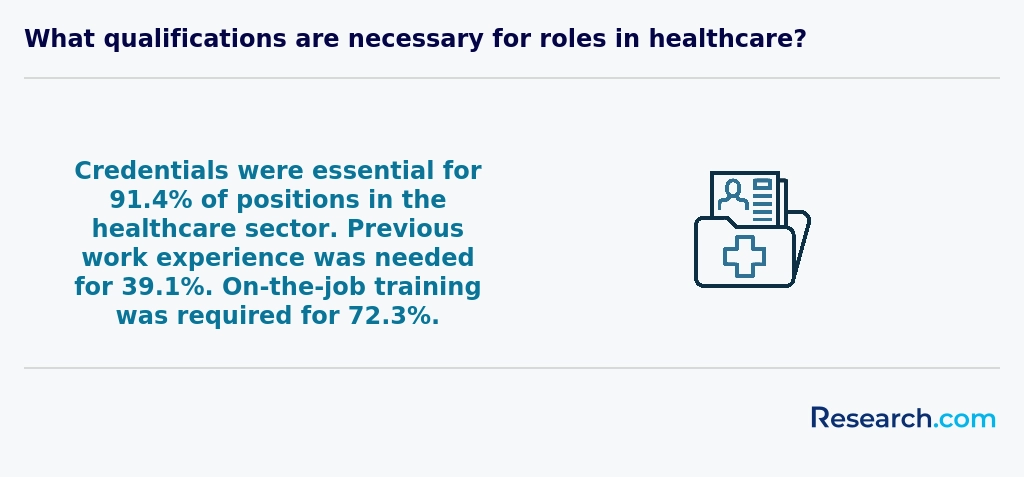
Graduates looking to enhance their expertise and marketability in Greenville’s competitive healthcare industry can pursue a variety of continuing education paths and professional certifications. Many roles-such as Health Information Technicians and Medical Coders-require industry-standard credentials like the Certified Coding Specialist (CCS) or Registered Health Information Technician (RHIT). These certifications not only validate your skills but also can lead to salary increases and advanced career opportunities within hospitals, clinics, and insurance providers. Online certificate programs offer flexible, self-paced learning that complements full-time work. For instance, professionals aiming to specialize in medical billing and coding can explore the most affordable online medical billing and coding courses, which are designed to prepare students for the Certified Professional Coder (CPC) exam. By completing these targeted courses, graduates sharpen their understanding of CPT, ICD-10-CM coding guidelines, and healthcare reimbursement methodologies. Beyond coding credentials, healthcare workers can pursue advanced certificates in specialized areas such as geriatric care, telehealth, and healthcare quality management. Institutions like East Carolina University and Pitt Community College frequently host workshops and seminars accredited by the American Health Information Management Association (AHIMA) and the American Academy of Professional Coders (AAPC). These programs often include case studies, interactive coding labs, and mentorship components to ensure real-world readiness. Maintaining certifications requires ongoing education-typically 20–30 continuing education units (CEUs) every two years-encouraging lifelong learning and adherence to evolving industry standards. Many employers in Greenville offer tuition reimbursement or paid time off for CEU courses, reinforcing a culture of professional growth. By actively engaging in these educational opportunities, healthcare graduates can demonstrate their commitment to excellence, enhance patient outcomes, and secure leadership roles in clinical and administrative settings.
What courses are typically in healthcare degree programs in Greenville?
If you're diving into a healthcare degree in Greenville, expect a solid mix of courses that really set you up for the real world. Most students at popular local colleges find themselves taking anatomy and physiology first-basically learning everything about how the human body ticks, which is pretty fascinating and a must-know. Then there's microbiology, where you get the lowdown on those tiny critters that can either help or harm us. Graduates often say that understanding health ethics and law opens their eyes to the real responsibilities they'll face in the field, which makes the whole journey feel meaningful.
Medical terminology is another big piece-once you've got that down, chatting with doctors and nurses feels way less intimidating. A favorite among students is healthcare administration because it gives a peek behind the scenes, showing how hospitals and clinics actually run. Nutrition and wellness classes are also a hit since they connect what you learn to everyday healthy living. Plus, local programs toss in hands-on clinical experiences that many find game-changing, really boosting confidence before stepping into a job.

What types of specializations are available in healthcare degree programs in Greenville?
If you're diving into healthcare degree specializations in Greenville, you'll find a solid mix that fits a bunch of different interests. Nursing is huge here, with many grads from local colleges sharing how hands-on and rewarding their experiences were, especially in programs connected to Prisma Health. Whether you want to be an RN or go further into Nurse Practitioner roles, Greenville's programs got you covered.
There's also a strong buzz around Health Information Management. Students often tell stories about how managing data and tech in hospitals feels like being the behind-the-scenes hero-super important and growing fast in Greenville's healthcare scene. If you're more into clinical work, allied health options like Physical Therapy Assistant or Respiratory Therapy are popular picks at Greenville Technical College and similar schools.
Many who explore Greenville healthcare degree programs options also discover Healthcare Administration, which sets you up for leadership roles. Plus, if you want to check out remote alternatives, grads often recommend looking into online nursing degrees florida university rankings to compare.
How do you choose the best healthcare degree in Greenville?
If you're wondering how to pick the best healthcare degree in Greenville, start by thinking about what really drives you. Many graduates from local colleges have found that programs with strong ties to nearby hospitals make a huge difference when landing internships or first jobs. For example, nursing degrees in Greenville often come with great clinical placements that let you gain real hands-on experience while you study. This connection to the local healthcare scene keeps things exciting and relevant.
Cost matters a lot too, especially if you're hunting for affordable healthcare degrees Greenville SC offers. Some students opt for public universities to keep tuition around $10,000 a year, while others choose private colleges for a different vibe despite higher costs. Scholarships can be game changers, so it's smart to check out options like lpn scholarships Minnesota if you're open to some creative funding sources.
Finally, look into program length and flexibility. Some folks juggling work or family love programs that offer part-time or hybrid classes, which are pretty common here. Picking a degree that fits your life rhythm can make the whole learning journey feel less stressful and way more doable.
What career paths are available for healthcare degree students in Greenville?
If you're diving into healthcare degrees in Greenville, you'll find plenty of career paths waiting for you. Graduates from local universities often land roles in hospitals or clinics as registered nurses, physical therapists, or physician assistants, thanks to Greenville's strong healthcare network like Prisma Health. It's exciting to hear how many grads feel proud working directly with patients, making a real difference every day. Some grads also choose administrative careers, managing healthcare data or billing-positions that keep the system running smoothly while offering solid job security.
There are also options beyond the usual clinical roles, like becoming public health educators or mental health counselors, helping communities tackle real challenges such as chronic illness or substance abuse. Many students from colleges in Greenville appreciate how these roles let them give back locally. If you're curious about practical programs, checking out lpn certification Minnesota shows how specialized training fits into wider healthcare career opportunities in Greenville. Whether hands-on or behind the scenes, healthcare degrees here open doors to thriving, rewarding careers.
What is the job market for healthcare degree in Greenville?
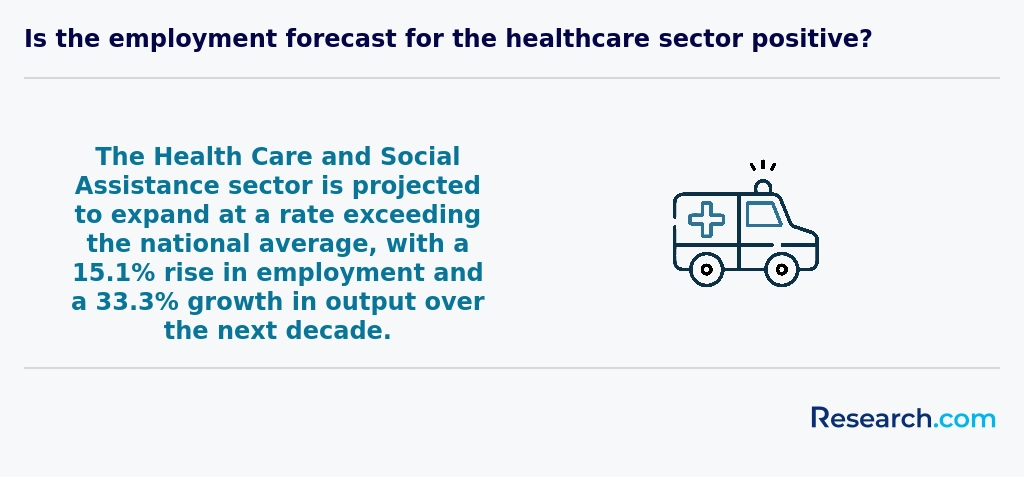
The healthcare job market Greenville SC is buzzing with opportunities right now. Graduates from popular schools in Greenville often tell stories about landing roles as registered nurses or medical assistants almost right after finishing their programs. With hospitals like Prisma Health expanding, there's a real demand for skills learned at local colleges. It's not just nurses; roles like healthcare technicians and physical therapists are also in demand, making it a great place to kickstart your career.
Many grads share how affordable tuition at community colleges here helped them start working sooner without crushing debt. Plus, the median annual wage for nurses hovers around $62,000, which students find encouraging when picturing their future in the area. If you're considering advancing further, you might want to check out some online nurse practitioner programsCalifornia to boost your credentials.
For anyone looking at employment outlook healthcare degrees Greenville offers a mix of solid pay and steady openings. It's a good feeling knowing your hard work can lead to a rewarding healthcare career right here in town.
Frequently Asked Questions About healthcare
Healthcare degree students in Greenville can maximize their learning experience by engaging in hands-on clinical practice, which is vital for skill development. Local hospitals like Prisma Health and Bon Secours St. Francis frequently offer internships and externships that provide real-world exposure. According to the Greenville Chamber of Commerce, over 30% of healthcare jobs in the region require practical experience, emphasizing its importance.
Students should also take advantage of Greenville's growing healthcare research initiatives. Collaborating with faculty on studies can deepen understanding and foster critical thinking. Networking through professional organizations such as the South Carolina Nurses Association can open doors to mentorships and job opportunities.
Healthcare in Greenville is evolving rapidly, with several emerging niches gaining importance for future professionals. One such area is telehealth, which grew significantly due to expanded technology use and policy shifts during the COVID-19 pandemic. Greenville's health systems increasingly offer telemedicine services, creating new roles for specialists trained in digital patient care.
Another expanding field is personalized medicine, leveraging genetics and data analysis to tailor treatments. Greenville's research institutions contribute to advances in this niche, aligning education with innovation.
Mental health services also show growth, reflecting national trends and local demand. According to the Greenville Health System, behavioral health specialists are among the fastest-growing healthcare professions in the area.
Graduates with healthcare degrees in Greenville should focus on gaining practical experience through internships or clinical rotations available locally. These opportunities, often facilitated by hospitals and clinics like Prisma Health, enhance skills and improve employability.
Networking is essential; attending Greenville health job fairs or joining professional organizations such as the South Carolina Nurses Association can connect graduates to employers. Additionally, obtaining certifications relevant to your specialization, such as CPR or medical coding, strengthens credentials.
Familiarity with Greenville's healthcare market helps. The health sector in Greenville is growing faster than the national average, with a 7% projected employment increase through 2030 according to the Bureau of Labor Statistics, indicating strong demand.
Finally, tailoring resumes and preparing for interviews with a clear understanding of local healthcare needs makes candidates more competitive in job searches.
Employers in Greenville highly value healthcare degree graduates who demonstrate strong communication skills. Clear and compassionate interaction with patients and colleagues is critical in medical settings. According to the Greenville Health System, over 70% of healthcare job listings emphasize interpersonal skills. Clinical competence is another priority; practical experience through internships or clinical rotations is often required to ensure graduates can apply theoretical knowledge effectively.
Problem-solving abilities and adaptability are essential due to the fast-paced nature of healthcare environments. Employers also seek graduates proficient in electronic health records (EHR) systems, reflecting a nationwide trend toward digital healthcare management. Knowledge of HIPAA regulations and patient privacy is frequently mentioned as well.
Finding internships in Greenville for healthcare students involves utilizing local resources and understanding the city's healthcare landscape. Greenville hosts several major healthcare providers, including Prisma Health, which is one of South Carolina's largest health systems. Partnering with institutions like Prisma offers many internship opportunities for nursing, medical, and allied health students.
Students should also explore Greenville's academic institutions, such as Greenville Technical College, which often facilitate internship placements through their healthcare programs. Networking through career fairs and local healthcare organizations increases chances of finding relevant internships.
Additionally, the South Carolina Department of Employment and Workforce website provides listings specific to Greenville's healthcare sector, supporting internship searches with up-to-date openings.
Obtaining a healthcare degree in Greenville significantly enhances career mobility and advancement opportunities. The region's growing healthcare sector, including major employers like Prisma Health and Greenville Health System, offers diverse roles for degree holders. According to the Bureau of Labor Statistics, healthcare jobs in the Greenville area are projected to grow faster than average through 2030.
Graduates with degrees such as nursing, healthcare administration, or allied health have increased access to promotions and specialized positions. Many local employers prioritize candidates with formal education, which often leads to higher salaries and leadership roles.
Additionally, Greenville's proximity to respected educational institutions provides continuous learning and certification options, enabling professionals to adapt and climb the career ladder within the local healthcare industry.
Studying for a healthcare degree in Greenville offers students robust preparation for interdisciplinary roles. Local institutions emphasize collaborative learning environments where students from nursing, public health, and allied health programs work together on case studies and simulations. This approach mirrors real healthcare settings, fostering communication skills essential for team-based patient care.
According to Greenville Health System, nearly 70% of local healthcare jobs require coordination across multiple disciplines, highlighting the need for integrated training. Curriculum in Greenville's programs often includes courses in healthcare informatics, ethics, and management, which equip graduates to understand diverse healthcare perspectives and technologies.
Partnerships between Greenville colleges and area hospitals provide hands-on experiences, enabling students to interact with professionals in various specialties. This practical exposure is critical as it builds adaptability and problem-solving skills across disciplines, key attributes in today's complex healthcare environment.
Choosing between a thesis and a non-thesis healthcare degree program in Greenville depends largely on your career goals and learning preferences. Thesis programs focus on research, requiring students to complete an original study, which can be beneficial for those planning academic or research careers. Non-thesis programs emphasize practical skills and coursework, often appealing to professionals seeking direct entry into healthcare roles.
According to data from Greenville's educational institutions, about 40% of healthcare graduate students opt for thesis tracks, reflecting strong research opportunities locally. Meanwhile, 60% choose non-thesis paths, valuing faster completion and applied learning. Consider how each format aligns with your professional plans and personal strengths.
Students based in Greenville looking to study healthcare abroad have various pathways to consider. Many universities in Greenville, such as Furman University and Clemson University's Greenville campus, offer study-abroad programs in collaboration with international institutions that include healthcare-related courses.
Programs typically last a semester or full academic year, allowing students to gain global healthcare perspectives and clinical experience. According to the Institute of International Education's Open Doors Report 2023, about 15% of U.S. study-abroad students participate in health and sciences fields, reflecting growing interest in global health careers.
Additionally, Greenville's local healthcare education providers often partner with global hospitals or research centers for internships abroad, making it easier for students to combine academic credits and practical experience internationally.
Greenville offers various part-time job opportunities that can complement healthcare degree education effectively. Many students find roles as medical assistants, patient care technicians, or pharmacy aides at local hospitals like Prisma Health and Greenville Memorial. These positions provide valuable hands-on experience crucial for healthcare careers.
Additionally, jobs in healthcare administration or data entry in clinics offer exposure to medical records and billing processes. According to the U.S. Bureau of Labor Statistics, Greenville's healthcare support occupations are projected to grow faster than the national average, indicating strong job availability.
Volunteering at community health centers is another option to gain relevant skills while networking professionally.
Healthcare students in Greenville benefit from a variety of networking opportunities that connect them with local professionals and organizations. Greenville is home to several hospitals like Prisma Health, which collaborates with nearby colleges to offer internships and clinical placements. These partnerships allow students to build professional relationships early in their careers.
Additionally, Greenville hosts events such as health career fairs and workshops sponsored by the South Carolina Hospital Association. These gatherings attract healthcare employers and provide students with chances to meet potential mentors. Students can also join professional groups like the Greenville County Medical Society to expand their networks.
Alumni networks provide significant benefits to healthcare degree students in Greenville by offering professional connections crucial for career advancement. These networks often include graduates working in prominent local institutions such as Prisma Health and Bon Secours St. Francis Health System. Through alumni events and online platforms, students gain access to mentorship, internships, and job opportunities, which can improve employment prospects in Greenville's competitive healthcare market.
A 2023 survey by Greenville Chamber of Commerce highlighted that 68% of healthcare graduates found their first job through alumni referrals. This demonstrates the practical advantage of staying connected with former students.
Moreover, alumni can offer guidance on local licensure requirements and continuing education important for healthcare professionals in South Carolina.
Customizing a healthcare degree program in Greenville involves selecting courses and specializations that align with your career goals. Many local institutions offer flexible curricula allowing students to focus on areas such as nursing, health administration, or public health. For instance, Greenville's growing healthcare sector-supported by major employers like Prisma Health-has increased demand for specialized skills.
Students can often choose electives, internships, or clinical placements in local hospitals and clinics to gain hands-on experience. Additionally, Greenville colleges may provide evening or online classes to accommodate working professionals. Utilizing these options lets you tailor your education while building a network in the Greenville healthcare community.
Healthcare students in Greenville often face the challenge of balancing rigorous coursework with demanding clinical hours. Programs typically require 40 to 60 hours of weekly commitment, making time management essential. Additionally, financial stress is common; the average annual tuition for healthcare programs in Greenville ranges from $12,000 to $18,000, according to the South Carolina Commission on Higher Education.
Students also report limited access to local clinical placements due to high competition, which can delay hands-on experience. Mental health concerns are rising, with 45% of healthcare students in Greenville indicating feelings of anxiety during their studies, based on a 2023 survey by Greenville Health System.
Graduates with a healthcare degree in Greenville can pursue several professional certifications to enhance their career prospects. Common certifications include Certified Nursing Assistant (CNA), Registered Nurse (RN), and Medical Assistant (MA), each requiring state-specific exams and clinical experience. For those interested in administrative roles, the Certified Healthcare Administrative Professional (cHAP) credential is recognized nationally.
Specialized certifications such as Emergency Medical Technician (EMT) and Licensed Practical Nurse (LPN) are also popular in Greenville due to local demand in hospitals and clinics. According to the South Carolina Department of Health and Environmental Control, healthcare jobs in Greenville have grown by 12% over five years, increasing the value of these certifications.
Advanced certifications like Certified Professional in Healthcare Quality (CPHQ) can be pursued after additional experience, and they open doors to leadership roles. Many Greenville institutions support candidates with preparatory programs aligned to these certifications.
Writing a winning application for a healthcare program in Greenville requires careful preparation. Start by researching programs offered by local institutions such as Greenville Technical College or the University of South Carolina Upstate, ensuring you meet their prerequisites.
Highlight relevant healthcare experience, including internships or volunteer work in local hospitals like Prisma Health. Strong letters of recommendation from healthcare professionals can significantly boost your application.
Maintain a competitive GPA; Greenville programs often prefer applicants with at least a 3.0 on a 4.0 scale. Be sure to clearly express your motivation for healthcare and how you plan to contribute to Greenville's growing medical community, which employs over 15,000 professionals (Bureau of Labor Statistics, 2023).
Lastly, tailor your personal statement to reflect your commitment and understanding of healthcare challenges specific to Greenville's population demographics.
Healthcare careers are increasingly viewed through a global lens, emphasizing the importance of culturally competent care and international health standards. In the United States, including Greenville, healthcare education integrates global health issues such as pandemics, chronic diseases, and healthcare access disparities. According to the U.S. Bureau of Labor Statistics, healthcare occupations are projected to grow 16% from 2021 to 2031, fueled by an aging population and global health challenges.
Institutions in Greenville align curricula with worldwide healthcare trends, preparing students for diverse patient populations and potential international collaboration. This global perspective enhances career opportunities beyond local practice, emphasizing adaptability in an interconnected world.
Gaining practical experience while studying for a healthcare degree in Greenville is essential for career readiness. Many local institutions, including Greenville Technical College and Furman University, offer clinical placements and internship opportunities to students. These experiences allow hands-on practice in healthcare settings such as hospitals, clinics, and community health centers.
Students can also benefit from partnerships with renowned facilities like Prisma Health, one of the largest healthcare providers in the region. According to Prisma Health, over 70% of healthcare students in their programs complete internships or clinical rotations onsite.
Additionally, volunteering with organizations such as the Greenville Rescue Mission provides practical exposure and community engagement, boosting valuable skills for future healthcare professionals.
Choosing the right concentration within a healthcare degree program in Greenville involves understanding your career goals and the local job market. Greenville's healthcare sector is growing rapidly, driven by institutions like Prisma Health and the University of South Carolina School of Medicine Greenville. According to the Bureau of Labor Statistics, healthcare occupations in South Carolina are expected to grow by 15% from 2021 to 2031, suggesting strong demand across various specialties.
Students should explore concentrations based on their interests in patient care, healthcare administration, or medical technology. Informational interviews with local professionals or advisors can provide valuable insights. Additionally, consider programs offering clinical experiences in Greenville-area hospitals to gain practical skills recognized by local employers.
Related Healthcare Rankings for Nearby Cities
- 2027 Most Valuable Healthcare Degree Programs Ranking in Durham
- 2027 Most Valuable Healthcare Degree Programs Ranking in Fayetteville
- 2027 Most Valuable Healthcare Degree Programs Ranking in Chapel Hill
- 2027 Most Valuable Healthcare Degree Programs Ranking in Wilmington
- 2027 Most Valuable Healthcare Degree Programs Ranking in Norfolk
- 2027 Most Valuable Healthcare Degree Programs Ranking in Virginia Beach
- 2027 Most Valuable Healthcare Degree Programs Ranking in Richmond
- 2027 Most Valuable Healthcare Degree Programs Ranking in Greensboro
- 2027 Most Valuable Healthcare Degree Programs Ranking in Lynchburg
- 2027 Most Valuable Healthcare Degree Programs Ranking in Winston-Salem
Top Trending Healthcare Rankings
See What Experts Have To Say About Studying Healthcare
Read our interview with Healthcare experts

References
- How to Choose a Health Administration Program https://www.healthadministrationdegrees.com/articles/choosing-a-program/
- Networking and Mentorship During Clinical Rotations https://rotatingroom.com/blog/medical-students-the-importance-of-networking-mentorship-during-your-clinical-rotations
- Other Financial Assistance Programs https://www.gvltec.edu/otherFAprograms/
- Advance Your Education and Career While Working in Healthcare https://www.hospitalrecruiting.com/blog/4236/advance-your-education-and-career-while-working-in-healthcare/
- Admitva – AI-Powered Pre-Health Admissions Platform https://admitva.com/blog/how-to-get-into-university-of-south-carolina-school-of-medicine-greenville
- Client Challenge https://www.springerpflege.de/nursing-graduates-perceived-future-career-pathway-and-career-shi/50653658
- Healthcare Assistant Cover Letter Templates | myPerfectCV https://www.myperfectcv.co.uk/cover-letter/examples/healthcare-assistant-cover-letter
- Financial Assistance https://www.ecuhealth.org/patients-and-families/your-bill/financial-assistance/
- Top 5 Part-Time Healthcare Jobs For Students https://www.sumnercollege.edu/blog/top-5-part-time-healthcare-jobs-for-students/
- Explore Healthcare Admin Degree Concentrations https://www.baypath.edu/news/bay-path-university-blogs/post/explore-healthcare-admin-degree-concentrations/