2027 Most Valuable Healthcare Degree Programs Ranking in Chapel Hill

Co-Founder and Chief Data Scientist
Choosing the right healthcare degree program in Chapel Hill can feel overwhelming. That's why we're sharing the 2027 Most Valuable Healthcare Degree Programs Ranking in Chapel Hill, created by the Research.com team of data scientists.
This article is designed to help you explore programs that offer strong career prospects and meaningful work.
Getting a healthcare degree opens doors to rewarding opportunities where you can make a real difference. By reading this ranking, you'll gain clear, trustworthy insights to guide your next steps with confidence.
Key benefits of getting healthcare degree in Chapel Hill
- Healthcare degree graduates in Chapel Hill can expect competitive salaries, such as Medical Assistants earning around $43,350 annually and Quality Improvement Coordinators earning over $103,000, ensuring strong financial stability.
- Graduates have diverse career paths, from becoming Patient Care Technicians to Clinical Research Coordinators, with options for both hands-on and administrative roles in healthcare settings.
- Obtaining a healthcare degree online from local institutions offers flexibility, allowing students to balance work and study while gaining the same valuable skills and recognition as traditional programs.
- Key benefits of getting healthcare degree in Chapel Hill
- What can I expect from healthcare degree in Chapel Hill?
- Where can I work with healthcare degree in Chapel Hill?
- How much can I make with healthcare degree in Chapel Hill?
- 2027 Most Valuable Healthcare Degree Programs Ranking in Chapel Hill
- Key Findings
- How long does it take to complete healthcare degree in Chapel Hill?
- Campus Life and Student Experience in Chapel Hill, NC
- What's the difference between online and on-campus healthcare degree?
- Campus Life and Student Experience
- What is the average cost of healthcare degree in Chapel Hill?
- Expanding Your Healthcare Horizons with Allied Health and Nutritional Science Programs
- What financial aid is available to healthcare degree students in Chapel Hill?
- Certification and Licensing Requirements
- What are the prerequisites for enrolling in healthcare degree program in Chapel Hill?
- Return on Investment Analysis for Healthcare Degrees in Chapel Hill, NC
- What courses are typically in healthcare degree programs in Chapel Hill?
- What types of specializations are available in healthcare degree programs in Chapel Hill?
- How do you choose the best healthcare degree in Chapel Hill?
- What career paths are available for healthcare degree students in Chapel Hill?
- What is the job market for healthcare degree in Chapel Hill?
- Top Trending Healthcare Rankings
- See What Experts Have To Say About Studying Healthcare
What can I expect from healthcare degree in Chapel Hill?
The average cost of pursuing a healthcare degree in Chapel Hill, particularly at the University of North Carolina at Chapel Hill (UNC), is competitive and thoughtfully structured to support students' ambitions. Many healthcare students find that tuition fees align well with the value of education received, often comparable or lower than those at peer institutions around the country. Scholarships and assistantships tailored specifically for healthcare disciplines significantly ease financial burdens, allowing students to focus more on their passion and less on expenses.
Graduates recall how these financial supports created opportunities to engage deeply with rigorous programs at UNC's Gillings School of Global Public Health and School of Medicine without overwhelming debt. Imagine balancing clinical internships at UNC Hospitals, where hands-on learning complements classroom theory, all while knowing your financial assistance helps keep the journey manageable. This kind of backing fosters confidence and ambition, fueling a sense of adventure as students step into diverse healthcare roles in the vibrant Triangle area.
Ultimately, the cost here is more than a number-it's an investment in a transformative experience grounded in one of the nation's top healthcare education hubs.
Where can I work with healthcare degree in Chapel Hill?
Graduates from healthcare programs at universities like UNC Chapel Hill find themselves stepping into a vibrant job market buzzing with opportunity. Imagine walking through the halls of UNC Health Care, a massive medical network that hires thousands of professionals-including nurses, lab technologists, and healthcare administrators-offering a chance to engage in cutting-edge patient care and research.
Others dive into community roles in local clinics and long-term care facilities, applying their skills in nursing homes or rehabilitation centers where they make tangible differences in people's daily lives. Some graduates eagerly join public health teams at Orange County Health Department or Chapel Hill-Carrboro City Schools, working on initiatives like disease prevention or school health programs, turning passion into public impact.
Picture colleagues collaborating with biotech firms like GlaxoSmithKline nearby, blending healthcare knowledge with innovation in clinical research and regulatory affairs. The academic world also calls, where teaching and research roles at UNC spark intellectual growth and discovery for those craving a deeper dive into healthcare science.
How much can I make with healthcare degree in Chapel Hill?
If you're diving into a healthcare degree in Chapel Hill, the salary prospects can be surprisingly encouraging. Graduates from local programs, such as those offered at the University of North Carolina at Chapel Hill, often step into roles where the average annual pay starts around $43,350 for positions like Medical Assistant, Clinical Research Coordinator, or Health Information Technician. Imagine launching your career knowing you're earning roughly $20.84 an hour right out of the gate!
Some adventurous graduates pursue roles that reward specialized skills and experience. Take the Quality Improvement Coordinator pathway, where salaries can soar to about $103,150 annually, nearly $50 an hour. This climb reflects hands-on involvement in enhancing healthcare systems-a thrilling challenge for those eager to make an impact.
Others working as Patient Care Technicians find themselves earning close to $60,790 annually. For students navigating Chapel Hill's vibrant healthcare scene, this means their education translates into solid earnings while contributing to patient wellness in renowned institutions like UNC Hospitals.
These figures spark excitement among graduates, illustrating how healthcare degrees here open doors not only to meaningful work but also to rewarding financial futures.
2027 Most Valuable Healthcare Degree Programs Ranking in Chapel Hill
How do we rank schools?
Investing in your education is a significant decision that can shape your future, and the Research.com team understands the importance of making informed choices. To assist prospective students in Chapel Hill, we have meticulously crafted the "2027 Most Valuable Healthcare Degree Programs Ranking in Chapel Hill." Our commitment to quality, credibility, and accuracy is reflected in the extensive research and analysis conducted to compile this ranking.
We utilized the following reputable data sources to ensure a comprehensive evaluation of healthcare degree programs:
By exploring this ranking, readers will gain valuable insights into the most valuable healthcare degree programs available in Chapel Hill, empowering them to make well-informed decisions about their educational paths. For more details on our methodology, please visit our Research.com methodology page.

Key Findings
- Annual tuition for healthcare programs ranges from $9,000 to $15,000 for in-state students and $30,000 to $40,000 for out-of-state students.
- Healthcare degrees available include nursing, public health, pharmacy, and allied health fields, mainly offered by the University of North Carolina at Chapel Hill.
- Entry-level healthcare jobs pay between $50,000 and $65,000 annually, with experienced professionals earning $90,000 to $120,000 or more.
- Major employers in the region include hospitals, research centers, and clinics, providing diverse job opportunities.
- Students can gain valuable hands-on experience through internships offered by nearby research institutions.
How long does it take to complete healthcare degree in Chapel Hill?
Imagine yourself diving into a Bachelor of Science in Nursing at UNC Chapel Hill, where four vibrant years of full-time study unfold like an exciting journey through core healthcare knowledge and skills. Graduates often recall those years as a thrilling blend of classrooms, labs, and hands-on clinical experiences that build a solid foundation for their careers.
If you're drawn to advanced expertise, consider a Master of Science in Nursing or the Master of Public Health at UNC's Gillings School-a path usually traveled in about two years. Many grads share stories of immersive research projects and leadership challenges that made every moment feel purposeful and rewarding.
For those ready to explore the depths of healthcare innovation, doctoral programs like the Doctor of Nursing Practice or Doctor of Physical Therapy demand a bigger time investment, typically three to five years. Students cherish this period for the deep clinical practice and cutting-edge research that transform their professional lives.
And if speed and flexibility call your name, accelerated and part-time options in Chapel Hill offer spirited routes, perfect for those eager to balance life and learning while embracing the adventure of healthcare education.
Campus Life and Student Experience in Chapel Hill, NC
Chapel Hill’s healthcare programs offer more than a robust academic curriculum-they provide a vibrant campus life designed to enrich both personal growth and professional readiness. Students thrive in an environment where diverse clubs, mentorship programs, and career services play key roles in supplementing classroom knowledge with real-world experiences. Campus events, health fairs, and networking opportunities with local healthcare professionals help foster a strong sense of community and build lasting partnerships that extend far beyond graduation. The supportive campus environment also includes extensive student-career advising, wellness centers, and tutoring services that address both academic and personal challenges, ensuring a well-rounded educational journey. Prospective healthcare students seeking an institution committed to excellence might consider exploring options at a valuable healthcare school in north carolina, where innovative learning environments and community engagement initiatives set the stage for future success. By blending academic rigor with a dynamic campus culture, Chapel Hill positions its healthcare programs as ideal stepping stones for students eager to make an impactful difference in the healthcare field while enjoying a rich, supportive student experience.
What's the difference between online and on-campus healthcare degree?
Choosing between an on-campus and online healthcare degree in Chapel Hill means deciding how you want to experience your education. Imagine walking the lively corridors of the University of North Carolina at Chapel Hill, joining passionate peers and professors face-to-face, and stepping directly into clinical rotations at UNC Medical Center. Graduates often recall the thrill of hands-on labs and real patient interactions that shaped their confidence and skills.
On the flip side, online programs offer the freedom to study from your favorite coffee spot or your living room. This flexibility suits busy professionals juggling work or family life. Yet, students embrace the adventure of coordinating local clinical hours on their own, blending home study with real-world practice. Many appreciate how this mix pushes them to be self-driven and organized.
Costs also differ. While on-campus students budget for housing and travel in Chapel Hill, online learners save there but plan for technology fees and occasional campus visits. Either route, uniquely crafted around Chapel Hill's resources, prepares you to thrive in healthcare with your own exciting journey.
Campus Life and Student Experience
Chapel Hill is not only a hub for academic excellence but also offers a vibrant campus life that greatly enhances the overall healthcare degree journey. Students can expect a balanced blend of rigorous coursework and engaging extracurricular opportunities that foster meaningful connections, personal growth, and professional networking. Many institutions host health clubs, research symposiums, and community service initiatives that enable students to practice leadership and teamwork outside of the classroom. Furthermore, campus facilities such as modern labs, simulation centers, and collaborative study spaces are designed to bolster hands-on learning and innovation, ensuring that students receive real-world experiences alongside their academic instruction. For those looking for programs with a strong community feel and robust support systems, exploring what makes a program a valuable healthcare school in north carolina can provide further insights into how these environments contribute to student success. The vibrant cultural scene and diverse student body in Chapel Hill also play a crucial role, offering a host of social events, wellness programs, and recreational activities that help balance academic demands. This holistic approach to education ensures that graduates are well-prepared not only academically but also socially and emotionally to meet the challenges of the evolving healthcare industry.
What is the average cost of healthcare degree in Chapel Hill?
The journey to earning a healthcare degree in Chapel Hill is as exciting as it is financially significant. The average healthcare degree cost in Chapel Hill reflects both opportunity and investment, with median in-state totals around $8,994 and median out-of-state totals reaching $56,297. Many students at UNC Chapel Hill, a cornerstone institution for healthcare education, find these figures a gateway to world-class programs in nursing, public health, pharmacy, and medicine. Graduates often recall juggling tuition with living expenses, but they embrace the experience knowing they're stepping into highly regarded healthcare careers.
Imagine a graduate from the Gillings School of Global Public Health who balanced coursework with clinical placements, supported by financial aid while navigating the typical local housing costs. This vibrant experience brings to life the total cost of healthcare programs Chapel Hill students invest in, encompassing tuition, fees, books, and daily living expenses. Such realities inspire creativity and careful planning among students, who often seek scholarships or assistantships to ease their path.
For those curious about practical outcomes beyond the classroom, exploring the job market outlook is enlightening. It gives a sense of the rewarding possibilities awaiting after graduation, making the overall cost feel like a worthwhile step toward a fulfilling healthcare career in this energetic university town.

Expanding Your Healthcare Horizons with Allied Health and Nutritional Science Programs
Healthcare is an ever-evolving field that benefits greatly from interdisciplinary knowledge. In addition to specialized healthcare degrees, exploring allied programs-such as those in nutritional science-can enhance your ability to address broader wellness issues and integrate preventative care into treatment plans. For instance, understanding the impact of nutrition on chronic disease management can complement clinical skills, resulting in a more holistic approach to patient care. Many institutions now offer integrated courses or dual-degree options, allowing students to build a robust foundation in both clinical and nutritional sciences. Exploring options like a food science degree online can also provide flexibility and broaden your career prospects by merging technical expertise with practical healthcare applications. This interdisciplinary approach not only improves patient outcomes but also equips graduates with diverse skills that are increasingly valued in modern healthcare settings.
What financial aid is available to healthcare degree students in Chapel Hill?
Chasing a healthcare degree in Chapel Hill is both thrilling and costly, but students here aren't diving into debt blindly. Graduates often share how federal aid, like Pell Grants and the FSEOG, lifted their financial weight, letting them focus on healing sciences instead of worrying about loans. UNC Chapel Hill shines with its own scholarships, rewarding merit and leadership in healthcare-imagine receiving support that feels like a nod to your passion from the very institution fueling your dreams.
State programs add another layer of hope. Many nursing students recount how North Carolina's Nursing Scholarship linked their studies to real-world impact, with service commitments that shaped careers in underserved areas. Meanwhile, working professionals praise employer tuition assistance, allowing them to juggle shifts at UNC Hospitals with advancing their education.
Campus work-study roles weave learning with earning, creating everyday opportunities to gain hands-on experience while easing expenses. Beyond campus, foundations like the American Medical Association open doors to grants, turning the pursuit of healthcare knowledge in Chapel Hill into a journey fueled by community and support.
Certification and Licensing Requirements
Healthcare degree graduates in Chapel Hill, NC, must often obtain state and national certifications to practice legally and advance their careers. For example, Registered Nurses complete the NCLEX-RN exam administered by the North Carolina Board of Nursing, while Public Health professionals may pursue the Certified in Public Health (CPH) credential through the National Board of Public Health Examiners. Medical Laboratory Scientists register with the American Society for Clinical Pathology (ASCP), and Health Information Technicians often aim for the Registered Health Information Technician (RHIT) credential via the American Health Information Management Association (AHIMA). Beyond these core certifications, specialized roles-such as Billing and Coding Specialists-require credentials like the Certified Professional Coder (CPC) offered by the AAPC. Prospective students interested in a flexible pathway to coding certification can explore our Most Affordable Online Medical Billing and Coding Courses, which combine exam prep with practical skills training. In addition to passing exams, candidates must fulfill clinical hour requirements and maintain continuing education credits. For instance, nurse practitioners in North Carolina renew their licenses every five years and complete at least 30 contact hours of approved continuing education. Staying current with evolving regulations-such as HIPAA updates and telehealth protocols-is essential for all healthcare professionals in the state. Understanding the timeline, costs, and renewals associated with each licensure or certification helps graduates transition smoothly into the workforce. Institutions like the University of North Carolina at Chapel Hill and Duke University offer dedicated support through exam review workshops and career services, ensuring that candidates meet all board requirements and launch their healthcare careers with confidence.
What are the prerequisites for enrolling in healthcare degree program in Chapel Hill?
Diving into a healthcare degree in Chapel Hill means gearing up with a solid background in science and math-think biology, chemistry, and sometimes a splash of physics and algebra. Imagine a graduate from the University of North Carolina at Chapel Hill sharing how mastering these subjects unlocked doors to their health program, setting a confident pace for their studies.
Beyond academics, standardized tests like the SAT or ACT might be part of your journey, though some local programs embrace test-optional paths, adding a touch of flexibility. Picture yourself crafting a personal statement or gathering letters of recommendation that tell your unique story of healthcare passion, just like many successful students from UNC's Gillings School of Global Public Health.
Real-world experience also matters. Volunteering or working in healthcare settings isn't just a checkbox-it's a chance to feel the pulse of the profession and show your commitment firsthand. These steps blend together to form the roadmap toward stepping into Chapel Hill's vibrant healthcare community.
Return on Investment Analysis for Healthcare Degrees in Chapel Hill, NC
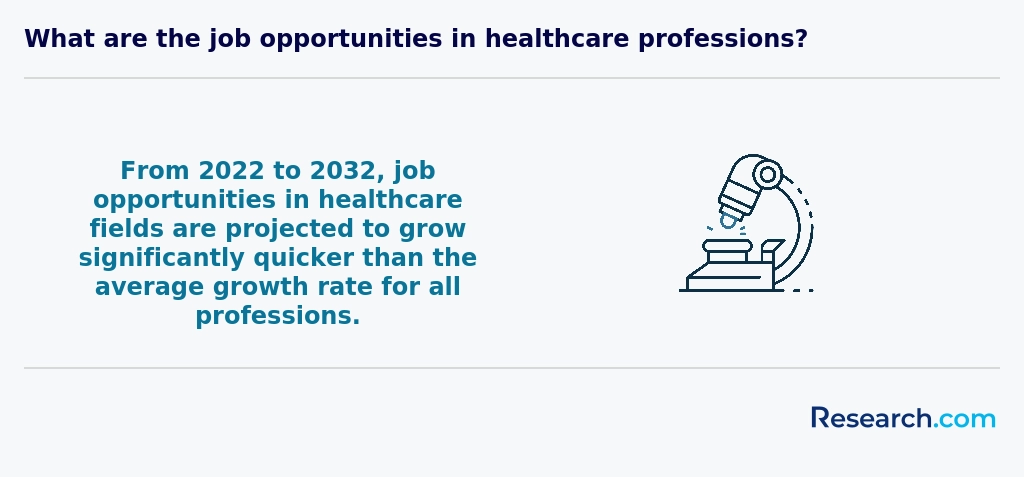
When evaluating the true value of a healthcare degree, understanding the return on investment (ROI) is essential. In Chapel Hill, NC, average total tuition for a bachelor’s program sits around $97,616, while living expenses can add another $48,000 over four years. Graduates reporting entry-level salaries of $60,000 to $90,000 annually can often recoup their investment within five to seven years, outpacing national averages in similar markets. Several factors influence ROI: program length, financial aid, and post-graduation placement. Students who secured scholarships or federal grants reduced their net cost by up to 30%, accelerating payback periods. For example, graduates who leveraged Pell Grants and university scholarships saw their break-even point drop to just four years. Specialized master’s graduates, particularly in fields like public health or healthcare administration, command higher starting salaries-often exceeding $85,000. Prospective students aiming for advanced credentials may also explore more budget-friendly online options, such as our Low Cost Online Master’s in Healthcare Degree Programs Ranking in the West, which can offer similar outcomes with lower tuition and full-time work flexibility. By mapping program costs against realistic salary projections and factoring in financial aid, prospective healthcare students in Chapel Hill can make data-driven decisions that maximize both their educational experience and long-term earnings potential.
What courses are typically in healthcare degree programs in Chapel Hill?
Diving into healthcare degrees in Chapel Hill means immersing yourself in courses that bring the human body and its mysteries vividly to life. Imagine mastering Anatomy and Physiology, where students unravel how each organ works in harmony, just like graduates from the University of North Carolina at Chapel Hill have experienced firsthand during intense lab sessions.
Then there's Microbiology and Pathophysiology, where future healthcare professionals explore real cases of diseases, fueling a sense of curiosity about how illnesses spread and evolve. These courses often spark "aha" moments that keep students motivated throughout their journey.
Courses like Healthcare Ethics and Law and Pharmacology ground learners in essential knowledge, preparing them to make informed decisions and safely manage medication-skills highly valued by those training in Chapel Hill's respected programs.
Practical skills come alive in Health Assessment and Clinical Skills, often taught alongside internships or rotations in renowned local centers such as UNC Health. This blend of theory and hands-on practice brings the excitement and reality of patient care to every lecture and clinic visit.
Students also embrace Statistics and Research Methods to analyze healthcare data and Public Health and Community Health to understand how to make a real impact beyond the hospital walls. For those fascinated by organization and efficiency, Healthcare Administration and Management offers insights into running health facilities smoothly.
What types of specializations are available in healthcare degree programs in Chapel Hill?
In Chapel Hill, pursuing a healthcare degree opens doors to fascinating specializations that truly align with your passion for making a difference. Graduates from the University of North Carolina at Chapel Hill often share how their studies in nursing-ranging from nurse practitioner to nurse anesthetist roles-immersed them in hands-on patient care that felt both challenging and deeply rewarding. Others captivated by community impact dive into public health, focusing on epidemiology and health policy to tackle real-world issues right where they live.
Students exploring Chapel Hill healthcare program options find themselves engaged in health administration, developing leadership skills to manage and innovate within healthcare systems. Programs in pharmacy and physical or occupational therapy add layers of expertise, pulling learners into rehabilitation sciences or pharmaceutical research. Many reflect fondly on the blend of academic rigor and community involvement that these specializations inspire.
For those curious about broader paths, Chapel Hill's offerings perfectly complement the growing needs of North Carolina's healthcare workforce. Discover more about the best online healthcare programs to expand your career horizons.
How do you choose the best healthcare degree in Chapel Hill?
Choosing the best healthcare degree programs Chapel Hill means diving into your true passions while exploring world-class options like those at UNC Chapel Hill. Graduates often share how uncovering their specific healthcare interest-whether it's clinical nursing, public health, or health informatics-clarified their path and sparked excitement. Imagine immersing yourself in hands-on experiences at UNC Hospitals, where theory meets real-life patient care, making your learning vivid and fulfilling.
Many students appreciate the balanced affordability of Chapel Hill's programs, especially compared to pricier private schools. Experiencing affordable healthcare degrees Chapel Hill offers helps ease financial stress, allowing you to focus on growth and discovery. Program flexibility is another treasure, accommodating busy schedules through part-time or accelerated formats, which grads say opened doors they never expected.
Don't forget to tap into tailored support. Some graduates highlight the value of exploring specialized tracks, like pediatric nursing specialties, that align with their dreams and ambitions for a vibrant healthcare career in this dynamic region.

What career paths are available for healthcare degree students in Chapel Hill?
Graduates with a healthcare degree in Chapel Hill dive into diverse career paths bursting with opportunity. From bustling hospital floors to community health centers shaped by the University of North Carolina at Chapel Hill's robust programs, students find themselves stepping into invigorating roles. Many enter clinical careers such as nurse practitioners earning rewarding salaries or embrace allied health professions like physical and occupational therapy, directly impacting Chapel Hill's growing population. Graduates often share excitement about joining UNC's well-regarded physician assistant program, which opens doors to flexible, hands-on patient care within local health systems. Exploring public health careers, degree holders contribute to dynamic Chapel Hill initiatives tackling community well-being and health disparities, inspired by the Gillings School of Global Public Health. Administrative roles also beckon, where graduates manage healthcare facilities with purpose and innovation, reflecting competitive wages in the region. For adventurers eager to blend science and discovery, medical research positions surround UNC's cutting-edge centers. Curious students can even compare their path to peers at nursing schools in Minnesota through programs like nursing schools in Minnesota, broadening their view of healthcare degree careers in Chapel Hill.

What is the job market for healthcare degree in Chapel Hill?
The healthcare job market in Chapel Hill is brimming with opportunities for graduates eager to launch their careers. Many graduates from local universities, such as those pursuing degrees at the University of North Carolina, find themselves welcomed into vibrant healthcare networks including UNC Health Care, which employs thousands across nursing, allied health, and administration. These graduates often share stories of engaging clinical rotations and hands-on research projects that prepare them for the thriving healthcare environment here.
Chapel Hill healthcare degree employment prospects also benefit from the city's expanding medical research initiatives and a growing demand driven by North Carolina's aging population. Entry-level roles like medical assistants provide accessible stepping stones for students beginning their journey, turning early experiences into rewarding careers.
For students exploring the best places to grow their skills, the cost-effective tuition paired with competitive salaries adds to the appeal. Many find Chapel Hill a valuable healthcare school in north carolina to deepen their expertise while preparing for a flourishing future in healthcare.
Frequently Asked Questions About healthcare
Healthcare degree students in Chapel Hill can maximize their learning by engaging with hands-on clinical experiences early in their programs. The University of North Carolina at Chapel Hill, a leading institution in healthcare education, offers extensive opportunities through its affiliated hospitals and clinics, enabling students to apply classroom knowledge in real-world settings.
Students should also take advantage of interprofessional education, collaborating with peers from nursing, pharmacy, and public health to develop teamwork skills essential in healthcare.
Utilizing research opportunities at UNC's Gillings School of Global Public Health allows students to contribute to cutting-edge healthcare innovations, enhancing their critical thinking. According to UNC, over 1,000 healthcare students participate annually in clinical rotations, internships, and research projects, reinforcing practical skills alongside academic learning.
The healthcare field in Chapel Hill is quickly evolving, with new and specialized areas gaining importance. One emerging niche is health informatics, where professionals manage patient data and improve healthcare systems through technology. According to the University of North Carolina at Chapel Hill, enrollment in health informatics programs has grown steadily, reflecting workforce demands.
Another growing area is telehealth, especially since the COVID-19 pandemic accelerated remote medical services nationwide. Chapel Hill's healthcare facilities increasingly seek experts skilled in virtual care delivery.
Additionally, precision medicine, which tailors treatment based on genetic information, is expanding due to advances in biotechnology. Local research institutions, including UNC Health, actively support training in this niche.
Preparing for the job market after completing a healthcare degree in Chapel Hill involves several strategic steps. First, gaining practical experience through internships or clinical placements is essential, as employers in North Carolina often prioritize hands-on skills. The Chapel Hill area, with its proximity to the University of North Carolina Hospitals, offers rich opportunities for clinical exposure and networking.
Next, healthcare graduates should focus on obtaining relevant certifications required for their specific field, such as the Certified Nursing Assistant (CNA) or Registered Nurse (RN) licenses, which are crucial for employment in the state. Additionally, staying current with healthcare technology and electronic health records systems can boost employability.
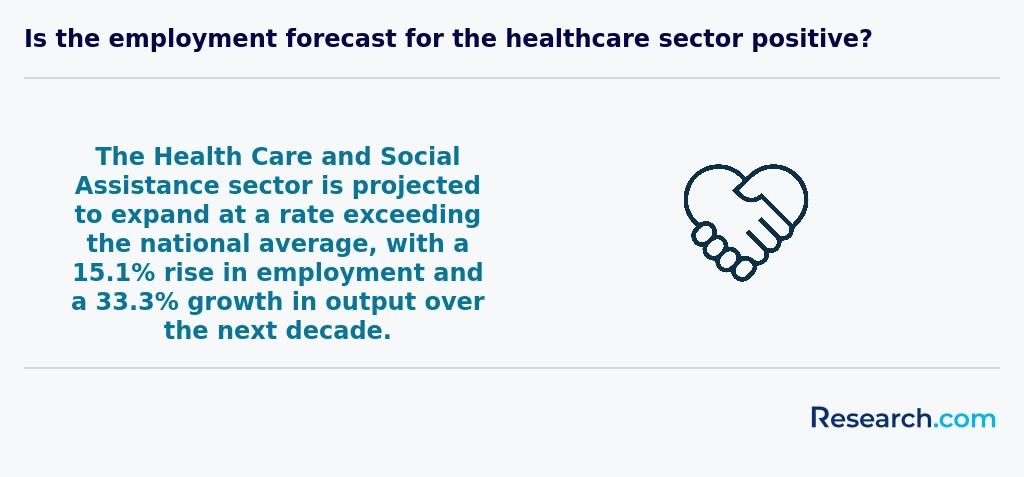
According to the North Carolina Department of Commerce, healthcare jobs in the Chapel Hill region are projected to grow by 16% over the next decade, indicating strong demand for skilled workers. Graduates should also utilize career services and local job fairs hosted by Chapel Hill institutions to connect with potential employers and tailor their resumes to highlight both academic achievements and clinical experience.
Employers in Chapel Hill prioritize a combination of technical and interpersonal skills when hiring healthcare degree graduates. Strong clinical knowledge, gained through accredited programs such as those at the University of North Carolina, remains essential. According to the North Carolina Healthcare Association, 85% of local healthcare employers emphasize proficiency in electronic health records (EHR) systems due to ongoing digitization.
Beyond technical prowess, communication skills stand out as critical. Practitioners must effectively interact with patients and multidisciplinary teams. Additionally, problem-solving abilities and adaptability are highly valued, especially given the evolving healthcare landscape in Chapel Hill's research-driven medical community.
Leadership and ethical judgment also rank highly, reflecting the community's focus on patient-centered care and regulatory compliance.
Finding internships in Chapel Hill relevant to a healthcare degree often involves engaging with local universities and healthcare providers. The University of North Carolina at Chapel Hill is a primary resource, offering numerous internship opportunities through its School of Medicine and Gillings School of Global Public Health. UNC partners with area hospitals such as UNC Health Care, providing hands-on clinical and research experiences.
Students should also explore Chapel Hill's public health departments and nonprofit organizations focused on community health. Leveraging university career centers and online portals like Handshake can connect applicants with local internships. Networking at campus events and healthcare conferences enhances chances of securing practical experience.
According to UNC data, over 70% of healthcare students secure internships locally, indicating a strong community presence. Early application and proactive outreach are recommended to benefit from these opportunities.
In Chapel Hill, earning a healthcare degree significantly enhances career mobility and advancement opportunities. The region's robust healthcare sector, anchored by institutions like UNC Health Care, ranks among North Carolina's top employers, offering diverse job options ranging from clinical roles to healthcare administration.
Graduates with healthcare degrees benefit from higher employment rates and salary growth. For example, according to the North Carolina Department of Commerce, healthcare occupations in Orange County are projected to grow by over 14% through 2030, outpacing many other fields.
Advanced credentials often lead to leadership positions, with employers valuing specialized training and certifications available through local universities. This creates a strong pathway for professionals to progress within Chapel Hill's evolving healthcare landscape.
Studying for a healthcare degree in Chapel Hill offers students an immersive experience in interdisciplinary education. The University of North Carolina at Chapel Hill, a leader in health sciences, promotes collaboration across fields such as medicine, public health, nursing, and pharmacy. This approach equips students with the ability to communicate effectively among diverse healthcare teams.
Chapel Hill's healthcare programs emphasize real-world problem solving through team-based projects and clinical partnerships with UNC Health Care, a major regional provider. According to UNC's latest enrollment data, over 70% of healthcare students participate in interdisciplinary training opportunities.
Such experiences prepare graduates to navigate complex healthcare environments, improving patient outcomes through coordinated care. By integrating various disciplines, Chapel Hill fosters versatile healthcare professionals ready to address evolving challenges.
Choosing between a thesis and a non-thesis healthcare degree program in Chapel Hill depends on your career goals and learning preferences. Thesis programs typically require original research, appealing to students interested in academic or research careers. These programs often prepare candidates for doctoral studies or roles in healthcare innovation.
Non-thesis options focus more on practical skills and coursework relevant to clinical or administrative roles. Chapel Hill's University of North Carolina offers both paths, with thesis programs demanding additional time for research projects.
Statistics show that about 40% of graduate healthcare students in Chapel Hill opt for thesis tracks, reflecting local emphasis on research-driven healthcare advancements (UNC Institutional Research, 2023).
Consider your professional aims, available time, and interest in research before deciding. Consulting faculty advisors and reviewing specific program requirements in Chapel Hill can also help make an informed choice.
Students based in Chapel Hill seeking to study healthcare abroad have a variety of pathways available through their home institutions. The University of North Carolina at Chapel Hill (UNC) offers multiple study abroad programs tailored to healthcare fields, including public health, nursing, and biomedical sciences. These programs often include clinical placements or research opportunities in countries with diverse healthcare systems, enhancing practical experience.
In addition, Chapel Hill students may leverage exchange agreements with partner universities worldwide, facilitating access to international healthcare curricula while earning credits toward their degrees. The UNC Global office reports over 30% of undergraduates participate in study abroad, reflecting strong institutional support.
Financial aid and scholarships specific to healthcare students studying abroad are accessible through both university and external sources, helping to offset costs. Students are encouraged to work closely with academic advisors to select programs that meet accreditation standards and career goals.
Chapel Hill offers various part-time job opportunities that can effectively complement healthcare degree education. Positions such as certified nursing assistants (CNAs), medical office assistants, and pharmacy technicians are commonly available. These roles provide hands-on experience with patient care and administrative tasks, strengthening practical skills. According to the North Carolina Department of Commerce, healthcare support jobs in the Chapel Hill area have grown by approximately 8% over the past five years.
Working in local hospitals like UNC Health or clinics around the University of North Carolina can deepen understanding of clinical environments. Additionally, jobs in research labs or community health organizations offer exposure to healthcare data and public health initiatives.
Healthcare students in Chapel Hill benefit from a variety of strong networking opportunities supported by the town's vibrant medical community. The University of North Carolina at Chapel Hill (UNC) plays a central role, offering students access to dedicated career fairs, healthcare clubs, and alumni networking events. According to UNC Career Services, over 70% of healthcare majors participate annually in internship placements or clinical rotations, providing vital professional connections.
Students can also engage with the UNC Health system, one of the largest hospitals in the Southeast, for hands-on experiences. Local professional organizations such as the North Carolina Healthcare Association hold regional meetings and conferences in Chapel Hill, helping students build industry contacts.
These resources collectively support career development in the healthcare sector within the Chapel Hill area.
Alumni networks play a significant role in supporting healthcare degree students in Chapel Hill. Graduates from local institutions, such as the University of North Carolina at Chapel Hill, form strong connections that help current students access mentoring and career guidance.
These networks often provide valuable internships and job opportunities within the area's robust healthcare system, including partnerships with UNC Health Care, one of the largest employers in the region. According to UNC Health Care, alumni connections have increased employment chances by approximately 30% for recent graduates in healthcare fields.
Additionally, alumni events foster professional networking, which students can leverage for research collaborations and continued education.
Customizing a healthcare degree program in Chapel Hill allows students to align their education with specific career goals. Many local institutions, including the University of North Carolina at Chapel Hill, offer flexible course options and specializations such as public health, health informatics, or clinical research. Students can choose electives that emphasize leadership, policy, or patient care to target roles in hospitals, research centers, or community health organizations.
Internships and practicums in nearby healthcare facilities provide practical experience tailored to specific interests. According to the North Carolina Department of Health and Human Services, Chapel Hill's healthcare sector is growing, increasing opportunities for specialized roles.
Healthcare students in Chapel Hill face several notable challenges during their studies. One common difficulty is managing the rigorous academic workload, which often includes demanding coursework and clinical rotations. According to the University of North Carolina's School of Medicine data, students spend over 60 hours weekly on study and practical tasks, leading to high stress levels.
Financial pressures also impact students. Tuition and living costs in Chapel Hill are relatively high, with average annual expenses exceeding $30,000, excluding personal costs. Many students rely on loans or part-time jobs, balancing finances with education demands.
Additionally, competition for clinical placement spots in local hospitals can be intense. Limited availability requires early planning and strong academic performance. Lastly, maintaining work-life balance remains difficult, as healthcare programs emphasize hands-on experience and long hours.
With a healthcare degree in Chapel Hill, graduates can pursue various professional certifications to enhance their career opportunities. Common certifications include Registered Nurse (RN), Certified Medical Assistant (CMA), and Certified Health Education Specialist (CHES). These certifications often require passing an exam and meeting clinical experience hours.
Chapel Hill benefits from proximity to top employers like UNC Health, which values certifications such as the Certified Professional in Healthcare Quality (CPHQ). According to the North Carolina Board of Nursing, over 10,000 nurses in the state are licensed, with many advancing through certifications.
Other options include Certified Pharmacy Technician (CPhT) and Medical Coding certifications, which are crucial in administrative healthcare roles. These credentials increase employability and earning potential in the region's competitive healthcare job market.
Writing a winning application for a healthcare program in Chapel Hill requires careful preparation and attention to detail. Start by researching programs offered by institutions such as the University of North Carolina at Chapel Hill, known for its highly ranked School of Medicine and Gillings School of Global Public Health.
Focus on highlighting both academic achievements and relevant healthcare experience in your personal statement. Chapel Hill programs often emphasize community engagement and clinical experience, so be sure to include volunteer work or internships in local healthcare facilities.
Strong letters of recommendation from professionals familiar with your skills are essential.
Finally, meet all deadlines and tailor each application to the specific program's values and requirements.
Healthcare careers are increasingly viewed through a global lens, reflecting worldwide demand for skilled professionals. The World Health Organization reports a persistent shortage of healthcare workers globally, emphasizing the importance of well-trained graduates. In the U.S., Chapel Hill benefits from strong healthcare education programs aligned with international standards, preparing students for diverse roles.
Internationally, healthcare careers often involve multidisciplinary collaboration and cultural competence. Graduates from Chapel Hill institutions like UNC are encouraged to understand global health challenges, since infectious diseases and chronic conditions affect populations everywhere.
Statistics from the North Carolina Department of Health highlight regional growth in healthcare jobs, reflecting broader trends worldwide. This global perspective shapes curriculum and career paths, making Chapel Hill a strategic place for those aiming at impactful healthcare work both locally and abroad.
Gaining practical experience while studying for a healthcare degree in Chapel Hill is essential for career readiness. Many universities, including the University of North Carolina at Chapel Hill, offer clinical placements and internships in collaboration with local hospitals such as UNC Medical Center. These opportunities provide hands-on experience in patient care, medical procedures, and healthcare administration.
Students can also engage in research projects funded by the NIH or other institutes based in the area, gaining valuable experience in medical research and healthcare innovation.
Volunteering at community clinics and public health organizations in Chapel Hill is another effective way to develop practical skills and professional networks.
Choosing the right concentration within a healthcare degree program in Chapel Hill involves understanding both your interests and the local job market. Chapel Hill's healthcare sector is strong, supported by institutions like UNC Health and numerous research centers, which influences available opportunities.
Start by exploring concentrations that align with growing fields. For example, public health and nursing remain in high demand in Chapel Hill, with the UNC Gillings School of Global Public Health ranking top nationally. Consider specialties with strong employment prospects and local demand, such as healthcare administration or biomedical informatics.
Assess your personal strengths and long-term goals. If you prefer patient care, nursing or physical therapy might suit you. For those interested in policy or research, public health can be ideal. Leverage Chapel Hill's resources by attending career fairs and engaging with local healthcare professionals to inform your choice.
Related Healthcare Rankings for Nearby Cities
- 2027 Most Valuable Healthcare Degree Programs Ranking in Washington
- 2027 Most Valuable Healthcare Degree Programs Ranking in Baltimore
- 2027 Most Valuable Healthcare Degree Programs Ranking in Atlanta
- 2027 Most Valuable Healthcare Degree Programs Ranking in Louisville
- 2027 Most Valuable Healthcare Degree Programs Ranking in Jacksonville
- 2027 Most Valuable Healthcare Degree Programs Ranking in Birmingham
- 2027 Most Valuable Healthcare Degree Programs Ranking in Indianapolis
- 2027 Most Valuable Healthcare Degree Programs Ranking in Gainesville
- 2027 Most Valuable Healthcare Degree Programs Ranking in Montgomery
- 2027 Most Valuable Healthcare Degree Programs Ranking in Tallahassee
Top Trending Healthcare Rankings
See What Experts Have To Say About Studying Healthcare
Read our interview with Healthcare experts

References
- Healthcare Administration Certifications https://www.publichealthdegrees.org/careers/healthcare-administrator/certification/
- Niche Markets in Healthcare: How to Find & Target https://nechayadvisors.com/blog/niche-markets-in-healthcare
- Financial Assistance Program | UNC Health https://www.unchealth.org/records-insurance/financial-assistance-programs
- What to Expect as a Health Science Major https://www.grace.edu/what-to-expect-as-a-health-science-major/
- Global Health Perspectives https://globalhealthperspectives.com/
- Students and Alumni associations - Europubhealth https://www.europubhealth.org/students-alumni-associations/
- What are the top 10 skills that'll get you a job when you graduate? https://targetjobs.co.uk/careers-advice/skills-for-getting-a-job/what-are-top-10-skills-thatll-get-you-job-when-you-graduate
- Global Health Perspectives https://www.denvercollegeofnursing.edu/students/global-health-perspectives.html
- How to Succeed in a Difficult Job Market After Graduation https://www.hospitalrecruiting.com/blog/6542/how-to-succeed-in-a-difficult-job-market-after-graduation/
- What Can You Do with a Health Sciences Degree? https://www.ycp.edu/news/what-can-you-do-with-a-health-sciences-degree