
2027 Most Valuable Healthcare Degree Programs Ranking in Charleston

Co-Founder and Chief Data Scientist
Choosing the right healthcare degree program can shape your future in Charleston's growing medical community. This article introduces the 2027 Most Valuable Healthcare Degree Programs Ranking in Charleston, created by the Research.com team of data scientists to guide you toward the best options available.
By exploring this ranking, you'll discover which programs offer strong career prospects and meaningful outcomes. Pursuing a healthcare degree not only opens doors to rewarding jobs but also allows you to make a positive impact in people's lives.
Let this guide help you make a confident, informed decision about your education and future success.
Key benefits of getting healthcare degree in Charleston
- Healthcare degree graduates in Charleston can expect rewarding salaries like $60,790 annually as a Patient Care Technician or around $43,350 as a Medical Assistant, reflecting strong earning potential in the local job market.
- Graduates from Charleston colleges often find diverse career options including roles as Health Information Technicians and Clinical Research Coordinators, allowing flexibility to match personal interests and skills.
- Online healthcare degrees offer convenient learning for busy students, enabling them to balance work and study while enjoying access to quality programs from Charleston's recognized universities.
- Key benefits of getting healthcare degree in Charleston
- What can I expect from healthcare degree in Charleston?
- Where can I work with healthcare degree in Charleston?
- How much can I make with healthcare degree in Charleston?
- 2027 Most Valuable Healthcare Degree Programs Ranking in Charleston
- Key Findings
- How long does it take to complete healthcare degree in Charleston?
- Application Tips for Prospective Healthcare Students
- What's the difference between online and on-campus healthcare degree?
- Accreditation and Licensure: Ensuring Program Quality and Career Readiness
- What is the average cost of healthcare degree in Charleston?
- Student Life and Campus Culture in Charleston, SC
- What financial aid is available to healthcare degree students in Charleston?
- Accreditation and Licensure Requirements
- What are the prerequisites for enrolling in healthcare degree program in Charleston?
- Student Life and Campus Community in Charleston, SC
- What courses are typically in healthcare degree programs in Charleston?
- What types of specializations are available in healthcare degree programs in Charleston?
- How do you choose the best healthcare degree in Charleston?
- What career paths are available for healthcare degree students in Charleston?
- What is the job market for healthcare degree in Charleston?
- Top Trending Healthcare Rankings
- See What Experts Have To Say About Studying Healthcare
What can I expect from healthcare degree in Charleston?
The average cost of earning a healthcare degree in Charleston typically ranges based on the type of institution and program. For example, pursuing a Bachelor of Science in Nursing (BSN) at the Medical University of South Carolina (MUSC) can cost between $15,000 and $25,000 per year for in-state students, including tuition and fees. Graduates often feel this investment is worthwhile given MUSC's strong clinical training and leadership development, which open doors to competitive nursing roles with a median salary of about $65,000 annually.
At community-focused schools like Trident Technical College, certificate and associate degree programs in allied health fields usually cost less, often around $4,000 to $7,000 per year. Students there appreciate the hands-on experience and direct links with Charleston-area hospitals, feeling well-prepared for licensure and job placement without excessive debt.
Many healthcare students in Charleston stress the value of scholarships, financial aid, and part-time clinical work to manage expenses, making a quality healthcare education accessible while building practical skills in real medical settings.
Where can I work with healthcare degree in Charleston?
Graduates from healthcare programs at institutions like the Medical University of South Carolina often find rewarding roles within Charleston's vast medical landscape. Many quickly secure positions in hospitals such as Roper St. Francis Healthcare or East Cooper Medical Center, working in nursing, surgical support, or physical therapy. These settings allow new professionals to apply their skills in fast-paced, patient-centered environments that encourage growth and hands-on learning.
Others pursue careers in public health through Charleston County Public Health, engaging in community-focused efforts like vaccination campaigns and disease prevention that directly impact local populations. Biotechnology companies and clinical research labs also attract those interested in science-driven paths, offering work with cutting-edge clinical trials and pharmaceutical developments.
Healthcare graduates with strengths in management often thrive in administrative roles, overseeing operations at healthcare facilities or insurance firms. These varied pathways demonstrate how a healthcare degree in Charleston opens doors to meaningful work that blends expert knowledge with real community impact.
How much can I make with healthcare degree in Charleston?
Graduates from healthcare programs in Charleston can expect competitive earnings tied closely to their chosen fields. For instance, medical assistants typically earn a mean annual wage of about $43,350, offering a solid entry point with room for advancement. Patient care technicians, who gain valuable hands-on experience during their studies at institutions like the Medical University of South Carolina, often see mean salaries near $60,790, reflecting their growing demand across local hospitals.
For graduates pursuing more specialized roles, salaries increase accordingly. Health information technicians earn around $43,380 annually, leveraging technical skills acquired through college programs. Clinical research coordinator roles, appealing to those interested in the research side of healthcare, also offer mean wages near $43,350, providing practical pathways into the medical research community in Charleston.
Those aiming higher, such as quality improvement coordinators, benefit from advanced training and report mean salaries exceeding $100,000. Many Charleston healthcare graduates find this role rewarding, applying their knowledge to enhance patient care systems in local clinics and hospitals. Overall, earning potential grows with certifications and experience, making continued education and professional development key strategies for success.
2027 Most Valuable Healthcare Degree Programs Ranking in Charleston
How do we rank schools?
Investing in your education is a significant decision that can shape your future, and the Research.com team recognizes the importance of making well-informed choices. To support prospective students in Charleston, we have carefully developed the "2027 Most Valuable Healthcare Degree Programs Ranking." Our dedication to quality, credibility, and accuracy is demonstrated through thorough research and rigorous analysis involved in creating this ranking.
We utilized the following reputable data sources to ensure a comprehensive evaluation of healthcare degree programs:
By exploring this ranking, readers will gain valuable insights into the most valuable healthcare degree programs available in Charleston, empowering them to make confident decisions about their educational and professional futures. For more information on how this ranking was developed, please visit our Research.com methodology page.
# 1 position
Medical University of South Carolina
Master of Health Administration

# 2 position
Medical University of South Carolina
Doctor of Health Administration
# 3 position
Medical University of South Carolina
BS in Health Sciences in Columbia


Key Findings
- Healthcare bachelor's degrees in Charleston typically cost between $25,000 and $45,000 for in-state students, depending on the school and program length.
- Charleston's healthcare job market is expected to grow by about 15% over the next decade, which is faster than the national average.
- Entry-level salaries range from $50,000 to $65,000, with registered nurses starting near $60,000 and advancing to $75,000-$85,000.
- Other roles like physician assistants and physical therapists start between $65,000 and $70,000, with higher potential as experience grows.
- Clinical training is accessible through local hospitals and medical centers, including the Medical University of South Carolina, providing valuable hands-on experience.
- Merit-based scholarships and financial aid are available at both public and private institutions to help reduce tuition costs for healthcare students.
How long does it take to complete healthcare degree in Charleston?
Healthcare degrees in Charleston vary widely in completion time, depending on the program level and your personal schedule. For example, certificate programs for roles like Certified Nursing Assistants at local technical colleges often take six months to a year, making them a quick path to starting a healthcare career.
Associate degrees, such as those offered at Trident Technical College, usually require about two years of full-time study. Many graduates appreciate the balance of classroom learning and hands-on clinical experience, helping them feel prepared for licensure and work.
Bachelor's degrees at institutions like the College of Charleston typically take four years, combining theory and practice. Graduates often find their comprehensive training gives them confidence when entering the workforce.
For advanced degrees such as MSN or Physician Assistant programs at the Medical University of South Carolina, expect two to three years after your bachelor's. Doctoral programs extend this by another three to four years but offer rewarding opportunities for specialization and leadership.
Part-time options are common in Charleston, granting the flexibility needed for working students, although this stretches completion times. Students often find this route helps balance education with life, keeping motivation high.
Application Tips for Prospective Healthcare Students
When preparing your application for a healthcare degree program in Charleston, SC, it’s important to start early and research thoroughly. Begin by reviewing each program’s admission requirements, including prerequisite courses, minimum GPA expectations, and standardized test scores. Tailor your personal statement to highlight your passion for healthcare, your understanding of the local industry, and your career aspirations. Secure strong letters of recommendation from professionals or educators who can attest to your abilities and commitment to the field. Additionally, consider joining preparatory workshops or consulting with admissions advisors to refine your application materials. For those exploring multiple pathways, remember that some programs encourage flexibility-such as the easy mph online program to get into-which might offer options that better align with your educational needs and lifestyle. Lastly, keep a checklist of deadlines and required documentation to ensure your application is both complete and competitive, paving the way for a successful entry into Charleston’s dynamic healthcare programs.
What's the difference between online and on-campus healthcare degree?
Students pursuing healthcare degrees in Charleston often face the choice between online and on-campus programs, each offering unique experiences. On-campus students, such as those attending the Medical University of South Carolina, benefit from hands-on clinical practice and face-to-face interactions with professors and peers. These direct connections foster strong networking opportunities and practical skill development that many graduates recall as critical to their confidence in clinical settings.
Alternatively, online healthcare programs provide flexibility ideal for working professionals or those with family commitments. Graduates from Charleston-based online programs share how managing coursework alongside real-life responsibilities strengthened their time-management skills. However, online learners must arrange local clinical placements to gain essential practical experience, adding a layer of coordination but also allowing them to build community ties in Charleston's healthcare scene.
Considering finances, online programs can lower costs by eliminating commuting and housing expenses, though tuition often remains comparable to traditional programs in Charleston. Prospective students should weigh which learning environment supports their lifestyle and career goals most effectively.
Accreditation and Licensure: Ensuring Program Quality and Career Readiness
Accreditation is a cornerstone of any reputable healthcare degree program in Charleston, SC, as it verifies that institutions meet rigorous academic and clinical standards. Prospective students should confirm both regional accreditation-typically through the Southern Association of Colleges and Schools Commission on Colleges (SACSCOC)-and programmatic accreditation from bodies such as the Commission on Collegiate Nursing Education (CCNE) for nursing, the Council on Education for Public Health (CEPH) for public health, or the Commission on Accreditation for Health Informatics and Information Management Education (CAHIIM) for health informatics. Graduates of accredited programs are eligible for essential licensure exams, including the NCLEX-RN for registered nurses and the Certified Health Education Specialist (CHES) examination, ensuring seamless entry into professional practice and compliance with South Carolina Board of Nursing requirements. Program accreditation not only impacts licensure eligibility but also influences transfer credits, employer partnerships, and graduate school admissions. Institutions often publish first-time licensure exam pass rates-an indicator of curriculum effectiveness and student preparedness. For example, programs with NCLEX-RN pass rates above the national average signal robust faculty oversight and high-quality clinical partnerships with local hospitals like MUSC Health. Additionally, articulation agreements with regional healthcare employers can streamline pathways into roles such as medical and health services management, further enhancing return on investment. While on-campus accreditation remains critical, many students seek flexible online pathways with equal quality assurance. To explore affordable alternatives that maintain strict accreditation standards, consider comparing the Low Cost Online Master's in Healthcare Degree Programs Ranking in Wisconsin, which highlights programs vetted for programmatic accreditation and career‐focused outcomes. By choosing an accredited and licensure-ready program, future healthcare professionals in Charleston can be confident in the credibility of their education and the strength of their career prospects.
What is the average cost of healthcare degree in Charleston?
The average total cost of a healthcare degree in Charleston is approximately $48,143, with in-state students typically paying closer to $22,749. For many students at institutions like the Medical University of South Carolina or the College of Charleston, understanding this upfront cost helps them plan effectively for their education. Graduates often share how budgeting for tuition, fees, and additional expenses like books and clinical supplies shaped their academic journey. These costs can feel manageable with careful financial planning and taking advantage of scholarships and grants offered by Charleston schools.
Healthcare students in Charleston frequently balance their studies with part-time work or internships, which helps with expenses beyond tuition. The total cost also depends on whether you are pursuing an associate, bachelor's, or graduate degree. Community colleges offer a more affordable pathway for associate degrees or certifications, typically costing between $4,000 and $7,000 for in-district students, which many find to be a practical step before transferring to a university program.
When researching options, it's crucial to consider the length of the program and additional fees that might not be included in tuition. Many local students have reported positive outcomes by exploring financial aid early and comparing costs at the most valuable healthcare schools in south carolina. This practical approach can make the total cost of healthcare degrees 2027 Charleston students face more transparent and achievable.
Student Life and Campus Culture in Charleston, SC
For many students, choosing a healthcare degree program is as much about the on-campus experience as it is about academics. In Charleston, SC, campuses offer more than just classrooms-they provide vibrant communities with state-of-the-art facilities, diverse extracurricular activities, and strong local partnerships that foster both personal and professional growth. Students often highlight the enriching campus culture that includes dedicated healthcare clubs, volunteer initiatives, and mentorship programs, all of which contribute to a well-rounded education. Engaging with peers who share similar passions in healthcare creates an environment where learning extends beyond lectures, preparing graduates for the collaborative nature of the medical field. Moreover, local institutions actively collaborate with nearby healthcare organizations, offering students internships, networking events, and research opportunities that directly connect them with industry professionals. For prospective students evaluating their options, exploring valuable healthcare schools in south carolina can provide deeper insight into these transformative experiences. This unique blend of academic rigor and campus life in Charleston makes it an ideal destination for those aspiring to make a positive impact in healthcare.
What financial aid is available to healthcare degree students in Charleston?
Healthcare students in Charleston can access several financial aid options to ease tuition costs. Many rely first on federal aid through FAFSA, which opens doors to Pell Grants offering up to $7,395 annually without repayment. Graduates from places like the Medical University of South Carolina (MUSC) often share how Pell Grants made their nursing degrees more affordable and less stressful financially.
In addition, MUSC and local community colleges provide merit-based scholarships that can cover up to half of tuition for nursing and allied health programs. These scholarships, renewable with good grades, have helped students stay motivated and confident throughout their studies. State scholarships such as South Carolina's Palmetto Fellows and LIFE programs also reduce expenses for healthcare students attending Charleston institutions.
Many students find work-study programs especially valuable, gaining real-world healthcare experience while earning money. Plus, partnerships between Charleston's healthcare employers and schools often include scholarship or tuition reimbursement agreements for those committed to local post-graduation jobs, easing financial worries and fostering career opportunities.
Accreditation and Licensure Requirements
Accreditation ensures that healthcare degree programs in Charleston, SC, meet rigorous quality standards set by recognized agencies, and licensure confirms graduates are qualified to practice. Prospective students should verify both institutional accreditation-typically from the Southern Association of Colleges and Schools Commission on Colleges (SACSCOC)-and programmatic accreditation relevant to their field. For example, nursing programs must hold Commission on Collegiate Nursing Education (CCNE) or Accreditation Commission for Education in Nursing (ACEN) approval, while pharmacy tracks require accreditation by the Accreditation Council for Pharmacy Education (ACPE). After completing an accredited curriculum, graduates must satisfy state licensure requirements, which generally include:
- Submitting official transcripts and application materials to the South Carolina Board of Nursing or the Board of Pharmacy.
- Passing a national examination-such as the NCLEX-RN for registered nurses or the NAPLEX for pharmacists-often accompanied by jurisprudence or law exams.
- Completing background checks and any required clinical hours verification. Staying informed about evolving regulations is crucial. Some healthcare fields demand additional certifications (e.g., BLS/CPR, ACLS for advanced nursing roles) or continuing education credits to maintain licensure. Students wishing to pursue pharmacy without a bachelor’s degree can explore direct entry pharmd programs, which streamline the path from undergraduate studies directly into the PharmD curriculum, ensuring seamless alignment with ACPE standards. By prioritizing accredited programs and understanding licensure protocols from the outset, Charleston students can confidently navigate the transition from classroom to clinical practice, safeguarding both professional credibility and patient safety.
What are the prerequisites for enrolling in healthcare degree program in Charleston?
To enroll in a healthcare degree program in Charleston, you must have at least a high school diploma or equivalent, with many programs recommending coursework in biology, chemistry, and math. Graduates from popular local institutions emphasize how this foundation helped them excel in early clinical classes and demanding science labs.
Most programs require official transcripts showing a GPA around 2.5 to 3.0 on a 4.0 scale, ensuring you're prepared for rigorous coursework. For example, students from Charleston's well-known colleges share that meeting this GPA threshold gave them confidence when tackling complex subjects like anatomy and pharmacology.
Standardized test scores like the SAT or ACT may also be needed, though some Charleston schools are now test-optional, so it's wise to check each program's current policy. Letters of recommendation or personal statements help highlight your passion and readiness, often making a real difference in admissions decisions.
For advanced degrees, previous healthcare experience or certifications like CNA can boost your application, a strategy many successful nursing graduates used to stand out. Additionally, be prepared for background checks and proof of immunizations, vital for clinical placements in Charleston's healthcare facilities.
Student Life and Campus Community in Charleston, SC
Beyond the classroom, the vibrant student life and supportive campus community in Charleston play a critical role in a healthcare student’s journey. Many programs emphasize a well-rounded experience that extends past lectures and labs-fostering personal growth, networking, and community engagement. Students often benefit from on-campus organizations, health clubs, and volunteer opportunities that create lasting connections between peers, faculty, and local professionals. This enriching environment not only enhances academic learning but also prepares graduates to thrive in real-world healthcare settings by cultivating soft skills and community awareness. Moreover, local institutions often host career fairs, guest lectures by industry experts, and practical workshops that illustrate the unique collaboration between academia and the local healthcare industry. For those exploring their educational options, checking out the valuable healthcare schools in south carolina can provide further insights into which campuses excel in delivering these dynamic student experiences.
What courses are typically in healthcare degree programs in Charleston?
Healthcare degree programs in Charleston typically include core courses like anatomy and physiology, essential for understanding the human body's structure and functions. Graduates recall how hands-on labs at the Medical University of South Carolina made these subjects come alive, helping them visualize complex systems beyond textbooks.
Pathophysiology and medical terminology are also staples, enabling students to grasp disease mechanisms and communicate confidently with healthcare teams. For those pursuing nursing or administration, pharmacology classes cover vital aspects of drug interactions and medication safety, often reinforced through clinical rotations at local hospitals.
Ethics and healthcare law courses prepare students to handle real-world dilemmas, while public health and community health studies address Charleston's specific needs, such as managing diabetes and health disparities. Graduates highlight how engaging with community projects at nearby colleges instilled a strong sense of purpose and practical insight into local health challenges.
Students focused on healthcare administration benefit from courses in management and health information systems, gearing up for leadership roles in the growing Charleston healthcare sector. The combination of theory and hands-on experience ensures graduates feel ready and confident stepping into their careers.
What types of specializations are available in healthcare degree programs in Charleston?
Healthcare degree programs Charleston often include diverse specializations to match the city's healthcare demands. Graduates from institutions like the Medical University of South Carolina highlight nursing tracks such as registered nursing (RN) and nurse practitioner (NP) as highly rewarding, especially working with elderly patients in geriatric care. This specialization benefits from Charleston's aging population, providing a meaningful career path.
Other students find healthcare administration appealing, gaining skills in managing local hospitals and navigating insurance policies. Programs focus on real-world applications, preparing students to lead in Charleston's expanding healthcare infrastructure.
For hands-on roles, allied health sciences-covering medical laboratory technology and respiratory therapy-offer solid job security. Public health degrees emphasize community interventions, tailored to Charleston's unique health challenges, while physical and occupational therapy specialties focus on rehabilitation, helping patients regain mobility after injury.
Many students seeking flexibility combine these specializations with online options, exploring options like an easy mph online program to get into alongside in-person clinical experience.
How do you choose the best healthcare degree in Charleston?
Choosing the best healthcare degree programs in Charleston starts with verifying program accreditation to ensure quality education and smooth licensure. Graduates from the Medical University of South Carolina often highlight how accredited programs opened doors to local hospitals and clinics. Assess tuition costs carefully; many in-state students find affordable healthcare degrees Charleston SC by attending public institutions where average annual fees hover around $10,000. Consider your lifestyle-part-time or accelerated programs with evening or online options at Charleston colleges help working students balance responsibilities without sacrificing progress. Look for degrees that connect you to Charleston's strong healthcare job market, with partnerships at major centers like Roper St. Francis. Real students report gaining confidence and practical skills through internships available at these facilities. For tailored options, explore direct entry pharmd programs if pharmacy interests you, which some Charleston institutions offer with flexible pathways to fast-track your career.
What career paths are available for healthcare degree students in Charleston?
Graduates with a healthcare degree in Charleston have access to diverse career paths, supported by the city's robust medical infrastructure. Many find rewarding roles in nursing, such as Registered Nurse (RN), Nurse Practitioner (NP), or Licensed Practical Nurse (LPN), taking advantage of hands-on clinical experiences at local hospitals. Others secure positions as medical and clinical laboratory technologists, where they perform critical diagnostic work essential to patient care.
Healthcare degree career opportunities Charleston also include roles in healthcare administration, where professionals manage hospital operations and organizational processes. Some graduates focus on public health, contributing to community wellness programs and disease prevention initiatives. Physical therapists and occupational therapists in Charleston help patients regain mobility, offering fulfilling patient-centered careers.
Students from colleges like the Medical University of South Carolina find that clinical internships enhance job prospects by connecting education with real-world practice. Considering costs, exploring options like the Low Cost Online Master's in Healthcare Degree Programs Ranking in Wisconsin can make further specialization affordable and accessible.
Jobs with healthcare degree Charleston are abundant and varied, allowing graduates to build meaningful, stable careers close to home.
What is the job market for healthcare degree in Charleston?
The healthcare job market Charleston offers remains strong and promising for graduates with healthcare degrees. Local employers such as the Medical University of South Carolina and Roper St. Francis Healthcare provide a range of opportunities, from entry-level registered nurse positions to advanced roles like physician assistants and healthcare managers. Graduates from popular Charleston colleges often share that practical training and network connections gained during their studies help them quickly secure rewarding jobs in hospitals, outpatient centers, and public health organizations.
With an increasing demand fueled by Charleston's growing population and expanding healthcare facilities, those holding associate or bachelor's degrees find competitive salaries and clear career advancement paths. Many graduates emphasize how programs in Charleston blend rigorous coursework with hands-on clinical experience, preparing them effectively for the job market. For students seeking flexible options, researching the best open admission colleges offering healthcare degrees ensures access to quality education with easier enrollment processes, enhancing their employment prospects.
Focusing on healthcare degree employment opportunities, students can benefit by targeting roles showing steady growth and aligning their education with local employer needs. Taking advantage of internships and certifications available through Charleston institutions often leads to faster hiring and greater job satisfaction.
Frequently Asked Questions About healthcare
Healthcare degree students in Charleston can maximize their learning experience by engaging deeply with both academic coursework and hands-on clinical opportunities. Local institutions like the Medical University of South Carolina (MUSC) offer robust programs that combine classroom knowledge with practical experience in one of the region's largest healthcare systems.
Students should also participate in internships at Charleston's many hospitals and clinics, such as Roper St. Francis Healthcare and Trident Health, to gain real-world skills. According to the Charleston Metro Chamber of Commerce, healthcare jobs in the region are projected to grow by over 15% through 2030, making practical experience essential.
Networking with professionals through local healthcare organizations and attending seminars can further expand knowledge and career prospects.
The healthcare field in Charleston is experiencing growth in several emerging niches, reflecting broader national trends. One rapidly expanding area is telehealth, which has seen a 50% increase in local usage since 2020, driven by advances in technology and patient demand for remote care, according to the South Carolina Department of Health. Another important niche is geriatric care, as Charleston's senior population grows faster than the national average, requiring specialized skills to manage chronic conditions.
Additionally, healthcare data analytics is becoming crucial, with Charleston hospitals investing in tech-savvy professionals to improve patient outcomes. Finally, behavioral health continues to grow, especially with expanded services for substance abuse and mental health, meeting both community needs and workforce demand in the region.
After completing a healthcare degree in Charleston, preparing for the job market involves several strategic steps. First, gaining practical experience through internships or clinical rotations in local hospitals like MUSC Health is crucial, as the institution is a major employer in the region. Networking with professionals via Charleston's healthcare job fairs or professional groups can increase job opportunities. According to the Charleston Trident Workforce Initiative, healthcare jobs in Charleston are expected to grow by 12% through 2030, emphasizing demand for qualified candidates.
Licensure is essential; ensure you meet South Carolina's certification requirements for your healthcare role. Enhancing skills with certifications relevant to your specialty will improve employability. Finally, maintaining updated resumes tailored to Charleston's healthcare sector trends helps in securing positions efficiently.
Employers in Charleston seek healthcare degree graduates who demonstrate strong clinical skills combined with effective communication. According to the Charleston Area Medical Center's recent workforce analysis, 85% of employers prioritize proficiency in patient care and medical technology. Additionally, teamwork and adaptability are crucial due to the dynamic healthcare environment in the region.
Critical thinking and problem-solving abilities rank high, especially for roles in nursing and allied health fields. Graduates familiar with electronic health records (EHR) systems are more competitive, as digital documentation is standard across Charleston's healthcare facilities.
Compassion and cultural competence are valued to provide quality care in Charleston's diverse communities. These skills reflect a growing trend emphasizing holistic patient management.
Finding internships in Charleston related to healthcare degrees involves strategic research and networking. Start by exploring affiliations that local colleges have with hospitals and clinics, such as the Medical University of South Carolina (MUSC), a leading academic health center. MUSC offers numerous clinical internship programs across various healthcare fields, making it a key resource.
Utilize online platforms like Handshake and the South Carolina Healthcare Association's career portal, which frequently list internships specific to the region. Additionally, attend healthcare job fairs hosted by Charleston-area universities, where employers seek students for internships.
Many healthcare providers in Charleston, including Roper St. Francis Healthcare, periodically recruit interns. Establishing contacts through informational interviews and volunteering can also improve your chances.
According to the South Carolina Department of Employment and Workforce, healthcare occupations in Charleston are projected to grow by over 12% through 2030, increasing internship opportunities in clinical and administrative healthcare roles.
Obtaining a healthcare degree in Charleston significantly enhances career mobility and advancement opportunities. The city's growing healthcare sector, driven by institutions like the Medical University of South Carolina and Trident Health, creates demand for skilled professionals across multiple specialties.
According to the South Carolina Department of Employment and Workforce, healthcare occupations are projected to grow by over 15% by 2030 in the Charleston area, offering graduates strong job security. Higher degrees often lead to leadership roles or specialized positions, increasing salary potential and career options.
Moreover, licensure and certification requirements in healthcare frequently mandate formal education, making degrees essential for job eligibility and promotional pathways. Advanced credentials can also facilitate transitions between clinical, administrative, and research roles within Charleston's diverse healthcare ecosystem.
Studying for a healthcare degree in Charleston offers unique preparation for interdisciplinary roles by emphasizing collaboration across medical, nursing, public health, and allied health fields. Charleston's healthcare education programs integrate practical experiences with local hospitals like Medical University of South Carolina and Roper St. Francis Healthcare, where interprofessional teamwork is critical. According to the South Carolina Board of Health and Environmental Control, the region faces diverse community health challenges that require coordinated care approaches, sharpening students' ability to work with varied healthcare professionals. Additionally, Charleston's growing healthcare sector, now 14% of local employment, provides ample opportunities for real-world interdisciplinary learning.
Choosing between a thesis and a non-thesis healthcare degree in Charleston depends on your career goals and learning preferences. Thesis programs focus on research and require a substantial project, ideal for those aiming for roles in academia or specialized research. Non-thesis programs emphasize practical skills and coursework, fitting for students targeting immediate clinical or administrative careers.
In Charleston, healthcare employers such as the Medical University of South Carolina often value hands-on experience, making non-thesis degrees attractive for clinical roles. However, thesis options could open doors to doctoral programs or research positions.
Consider your interest in investigative work and time commitment, as thesis tracks usually take longer to complete. According to the South Carolina Commission on Higher Education, thesis programs often require 6 to 12 more credit hours.
Students based in Charleston interested in studying healthcare abroad have several options through U.S. universities offering international exchange and study-abroad programs. Many Charleston institutions, including the Medical University of South Carolina (MUSC), have partnerships with healthcare schools overseas, allowing students to earn credits while gaining global clinical experience.
Popular destinations for healthcare study abroad include Europe, Asia, and Latin America, where students can observe diverse healthcare systems and medical practices. According to the Institute of International Education, U.S. healthcare students participating in study abroad grew by 8% in recent years, reflecting increasing interest in global health.
Financial aid and scholarships may be available for Charleston students pursuing education abroad, especially those focusing on healthcare fields, helping to offset travel and tuition expenses.
Part-time job opportunities in Charleston that complement healthcare degree education are diverse and growing. Many students find roles as medical assistants, a position that offers hands-on experience while earning an average hourly wage of $15 to $18, according to the U.S. Bureau of Labor Statistics. Healthcare facilities such as the Medical University of South Carolina (MUSC) and Roper St. Francis Healthcare often hire part-time workers, providing exposure to clinical environments.
Other options include working as pharmacy technicians or patient care technicians, roles which require certification but enhance a student's practical knowledge. Additionally, administrative positions in healthcare offices help develop essential organizational skills.
These jobs help build relevant skills, support academic growth, and strengthen resumes for future full-time healthcare careers.
Healthcare students in Charleston benefit from numerous networking opportunities through local universities and professional organizations. Institutions like the Medical University of South Carolina (MUSC) host events, workshops, and career fairs connecting students with healthcare leaders and employers. MUSC's College of Health Professions is especially active in fostering student engagement with clinical and research professionals.
Additionally, Charleston's growing healthcare sector, which employs over 30,000 workers as per the Greater Charleston RTA, offers internships and volunteering positions. Students can join groups such as the South Carolina Nurses Association or the Charleston Healthcare Businesswomen's Network for expanded professional contacts.
Alumni networks offer significant advantages to healthcare degree students in Charleston by providing connections to local healthcare employers and professionals. These networks often facilitate mentorship opportunities, which can help students navigate clinical placements and job searches in Charleston's growing medical sector. According to the Charleston Metro Chamber of Commerce, healthcare services account for over 25% of the region's employment, highlighting the importance of local industry links.
Through alumni events and online platforms, students gain access to job leads and insider insights, enhancing their career readiness. Strong alumni engagement at institutions like the Medical University of South Carolina also promotes professional development and lifelong learning.
Customizing a healthcare degree program in Charleston allows students to align their education with specific career goals. Many local institutions offer flexible coursework options, including elective classes focused on areas like public health, nursing, or healthcare administration. Students can also engage in internships or clinical experiences at Charleston's prominent medical centers, such as Medical University of South Carolina, which is a leading academic health system in the region.
Additionally, Charleston's healthcare market is growing rapidly, with employment projected to increase by over 15% through 2030, based on Bureau of Labor Statistics data. This growth encourages tailored learning paths that emphasize emerging specialties like telehealth and health informatics. Choosing concentrations or minors related to these fields can enhance job prospects immediately after graduation.
Healthcare students in Charleston face a variety of challenges during their academic journey. One significant issue is the competitive nature of clinical placements, as local hospitals and clinics have limited capacity, causing delays in hands-on training experiences. According to the South Carolina Hospital Association, this bottleneck affects around 30% of healthcare students annually.
Additionally, many students struggle with the financial burden of tuition and related expenses. The average annual cost for healthcare programs in Charleston ranges between $12,000 and $25,000, depending on the institution, which can lead to significant student debt.
Lastly, balancing rigorous coursework with personal and work commitments remains a common stressor cited in recent surveys of Charleston students.
Pursuing a healthcare degree in Charleston opens the door to a variety of professional certifications that can enhance career opportunities. Common certifications include Certified Nursing Assistant (CNA), Licensed Practical Nurse (LPN), and Registered Nurse (RN), which are critical in South Carolina's healthcare system. Advanced certifications such as Certified Medical Assistant (CMA) and Certified Professional in Healthcare Quality (CPHQ) are also valuable for specialized roles.
Many healthcare workers in Charleston pursue certifications approved by the National Healthcareer Association or state boards. These credentials often lead to higher salaries and better job stability in Charleston's growing healthcare market, supported by data from the South Carolina Department of Employment and Workforce.
To write a winning application for a healthcare program in Charleston, start by thoroughly researching the specific program requirements of institutions such as the Medical University of South Carolina (MUSC). Highlight relevant healthcare experience, whether through volunteering, internships, or employment in local hospitals or clinics.
Emphasize your academic achievements, particularly in science courses, maintaining a strong GPA to meet competitive standards. Personal statements should clearly express your passion for healthcare and understanding of community health challenges in Charleston, where the demand for healthcare professionals is growing.
Ensure your recommendation letters come from credible sources familiar with your capabilities. Meeting application deadlines and submitting well-organized materials are equally important.
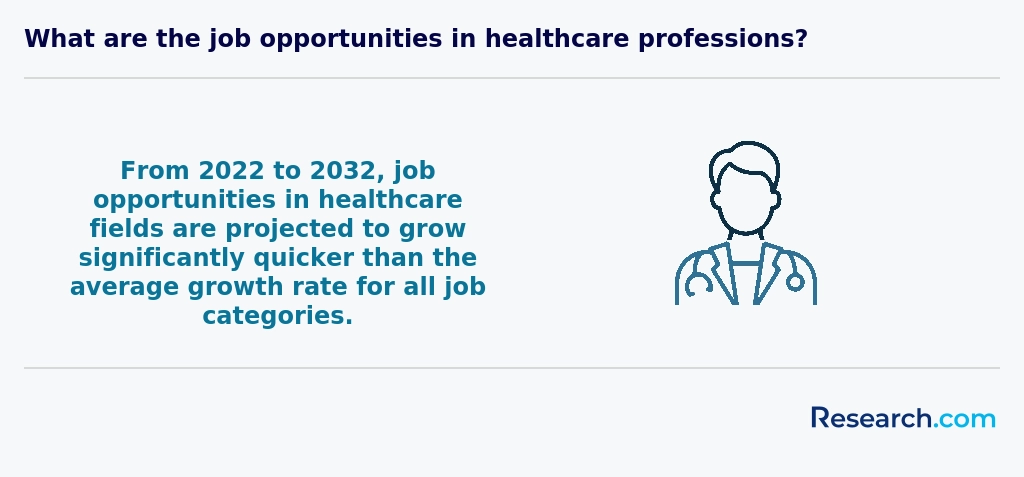
A healthcare career is valued worldwide for its stability and impact on society. In the United States, including Charleston, healthcare employment is projected to grow 13% from 2021 to 2031, much faster than the average for all occupations (U.S. Bureau of Labor Statistics). This reflects a global demand for skilled professionals due to aging populations and advances in medical technology.
Charleston benefits from a robust healthcare sector, with institutions like the Medical University of South Carolina contributing to research and training. Globally, healthcare roles require cultural competence and adaptability, skills developed in diverse educational settings.
Students pursuing healthcare degrees in Charleston gain not only technical expertise but also insights into addressing health disparities, a concern shared worldwide.
Gaining practical experience while studying for a healthcare degree in Charleston is essential for building real-world skills. Many local institutions, like the Medical University of South Carolina (MUSC), offer clinical rotations and internships as part of their programs. These opportunities allow students to work directly with patients under supervision, enhancing their hands-on knowledge.
Additionally, Charleston's extensive network of hospitals, such as Roper St. Francis and Charleston Health, often partners with colleges to provide externships and volunteer roles. According to the South Carolina Department of Labor, healthcare jobs in Charleston grew 12% from 2017 to 2022, increasing demand for practical training.
Students should also consider joining healthcare-related student organizations or engaging in community health outreach projects. These activities improve communication skills and professional networking, vital for career development.
Choosing the right concentration within a healthcare degree program in Charleston involves assessing your career goals alongside local job market demands. Charleston's healthcare sector is growing rapidly, with a 15% employment increase projected by the U.S. Bureau of Labor Statistics through 2030, especially in nursing, health administration, and allied health fields.
Consider your strengths and interests, such as direct patient care versus healthcare management. Research programs at Charleston-area institutions like the Medical University of South Carolina, which offers tailored tracks in nursing and clinical research.
Additionally, analyze internship and clinical placement opportunities nearby, as practical experience within Charleston's large hospital systems can enhance job prospects. Use local labor data and program accreditation status to guide your choice.
Related Healthcare Rankings for Nearby Cities
- 2027 Most Valuable Healthcare Degree Programs Ranking in Jacksonville
- 2027 Most Valuable Healthcare Degree Programs Ranking in Gainesville
- 2027 Most Valuable Healthcare Degree Programs Ranking in Atlanta
- 2027 Most Valuable Healthcare Degree Programs Ranking in Tallahassee
- 2027 Most Valuable Healthcare Degree Programs Ranking in Orlando
- 2027 Most Valuable Healthcare Degree Programs Ranking in Tampa
- 2027 Most Valuable Healthcare Degree Programs Ranking in Montgomery
- 2027 Most Valuable Healthcare Degree Programs Ranking in Birmingham
- 2027 Most Valuable Healthcare Degree Programs Ranking in Fort Myers
- 2027 Most Valuable Healthcare Degree Programs Ranking in Washington
Top Trending Healthcare Rankings
See What Experts Have To Say About Studying Healthcare
Read our interview with Healthcare experts

References
- How to Succeed in a Difficult Job Market After Graduation https://www.hospitalrecruiting.com/blog/6542/how-to-succeed-in-a-difficult-job-market-after-graduation/
- Online Degree vs. Traditional: Choosing the Right Path https://beal.edu/online-degree-vs-traditional/
- Networking in Medicine: Build Lasting Connections l Windsor https://www.windsor.edu/networking-in-medicine-building-relationships-from-day-one/
- Job-Ready Healthcare Skills for 2026 https://cliniwave.in/blogs/latest-article/job-ready-healthcare-skills
- Education requirements for the fastest-growing healthcare jobs https://www.corridorcareers.com/job-tips/blog-news-education-requirements-fastest-growing-healthcare-jobs
- The Healthcare Student’s Guide to Internships | EduMed.org https://www.edumed.org/resources/student-online-guide-to-internships/
- How to Create a Healthcare Career Roadmap https://www.ihire.com/resourcecenter/jobseeker/pages/how-to-create-a-healthcare-career-roadmap
- Thesis vs. Non-Thesis Master's Programs: Which is Right for You? https://potomac.edu/thesis-vs-non-thesis-masters/
- Pre-Med Study Abroad Programs | Go Overseas https://www.gooverseas.com/study-abroad/pre-med
- Explore Healthcare Admin Degree Concentrations https://www.baypath.edu/news/bay-path-university-blogs/post/explore-healthcare-admin-degree-concentrations/


