2027 Most Valuable Healthcare Degree Programs Ranking in South Carolina

Co-Founder and Chief Data Scientist
Choosing the right healthcare degree program is a big step toward a rewarding career. For students in South Carolina, making this decision can feel overwhelming with so many options available.
This article introduces the 2027 Most Valuable Healthcare Degree Programs Ranking in South Carolina, carefully created by the Research.com team of data scientists. It's designed to help you navigate your choices and focus on programs that offer real value.
Reading this guide can inspire confidence and excitement about pursuing a degree that opens doors to meaningful opportunities in healthcare.
Key benefits of getting healthcare degree in South Carolina
- Healthcare degree graduates in South Carolina can earn competitive salaries, with roles like Patient Care Technicians averaging $60,790 annually and Quality Improvement Coordinators reaching $103,150, offering strong financial rewards.
- Graduates from universities such as the University of South Carolina have diverse career paths available, including Medical Assistants, Health Information Technicians, and Clinical Research Coordinators, ensuring varied and fulfilling job opportunities.
- Obtaining a healthcare degree online, as seen with graduates from institutions like South University, provides flexible schedules and the ability to balance work and study, making education more accessible for busy adults.
- Key benefits of getting healthcare degree in South Carolina
- What can I expect from healthcare degree in South Carolina?
- Where can I work with healthcare degree in South Carolina?
- How much can I make with healthcare degree in South Carolina?
- 2027 Most Valuable Healthcare Degree Programs Ranking in South Carolina
- Key Findings
- How long does it take to complete healthcare degree in South Carolina?
- Future Trends and Innovations in Healthcare Education in South Carolina
- What's the difference between online and on-campus healthcare degree?
- Post-Graduation Career Advancement
- What is the average cost of healthcare degree in South Carolina?
- Licensing and Certification Requirements for Healthcare Graduates in South Carolina
- What financial aid is available to healthcare degree students in South Carolina?
- Future Trends in Healthcare Education in South Carolina
- What are the prerequisites for enrolling in healthcare degree program in South Carolina?
- Return on Investment (ROI) for Healthcare Degrees in South Carolina
- What courses are typically in healthcare degree programs in South Carolina?
- What types of specializations are available in healthcare degree programs in South Carolina?
- How do you choose the best healthcare degree in South Carolina?
- What career paths are available for healthcare degree students in South Carolina?
- What is the job market for healthcare degree in South Carolina?
- Related Healthcare Rankings for Nearby States
- Top Trending Healthcare Rankings
- See What Experts Have To Say About Studying Healthcare
What can I expect from healthcare degree in South Carolina?
If you're wondering about the cost of a healthcare degree in South Carolina, you'll be glad to know it's often pretty reasonable compared to other states. For example, students attending schools like the University of South Carolina or Clemson University typically find in-state tuition fees quite affordable. Many graduates recall how manageable their tuition was, especially when combined with scholarships geared toward healthcare fields.
Most programs range from associate to doctoral levels, so the price varies depending on which path you choose. In-state tuition generally falls within a comfortable range that doesn't break the bank, making it easier for students to focus on their studies instead of stressing over huge debts. Plus, plenty of schools offer financial aid specifically for healthcare students, which several grads found super helpful as they balanced class, clinicals, and life.
Picture doing hands-on training at a local clinic through Clemson's partnerships or studying for the NCLEX exam after finishing a nursing program at USC-all while knowing your tuition cost was fair and manageable. It really takes the pressure off and lets you focus on what matters most: becoming a skilled healthcare professional in South Carolina.
Where can I work with healthcare degree in South Carolina?
If you're wondering where you can land a job with a healthcare degree in South Carolina, there's plenty of exciting options waiting for you. Graduates from schools like the Medical University of South Carolina (MUSC) often find themselves working in big hospitals or health systems, such as Prisma Health, where the opportunities range from nursing to healthcare administration. Imagine starting your shift as a registered nurse or managing patient data in a bustling hospital right here in Charleston or Greenville.
Others head to outpatient care centers or physician offices, which are popping up all over the state. These spots are perfect for those who want a hands-on role without the 24/7 hospital rush-think physician assistants or diagnostic sonographers helping patients daily.
Many grads also enjoy working in nursing homes or long-term care facilities, especially with South Carolina's rising elderly population. Helping seniors live comfortably and managing chronic conditions can be rewarding and meaningful work.
And if you're into non-clinical careers, places like pharmaceutical companies or health insurance firms in the state's growing biotech scene offer roles in research, sales, and administration. You really can tailor your career path to what feels right for you.
How much can I make with healthcare degree in South Carolina?
If you're thinking about a healthcare degree in South Carolina, you might be curious about how much cash you can actually bring in after graduation. Well, let's dive right in! Graduates who land roles as medical assistants typically make around $43,350 a year, which is a solid starting point for getting your foot in the door. If you go for a bit more technical path, like becoming a patient care technician, the pay jumps nicely to about $60,790 annually.
Some grads from colleges like the University of South Carolina or Clemson have shared how working as a clinical research coordinator or health information technician nets them about $43,350 and $43,380 yearly, respectively. It's not flashy at first, but it's steady and rewarding work.
Now, if you're aiming higher and snag a spot as a quality improvement coordinator, you're looking at a pretty sweet paycheck of around $103,150 a year. That's the kind of role where your expertise really shines and responsibilities grow, so it's definitely worth the extra effort and education.
Many grads feel pumped knowing these salaries reflect both the strong healthcare demand in South Carolina and the hands-on training they got from their programs. It's exciting to think about growing your career and income right here in your home state!
2027 Most Valuable Healthcare Degree Programs Ranking in South Carolina
How do we rank schools?
Investing in your education is a significant decision that can profoundly impact your professional future, and the Research.com team recognizes the importance of supporting you in making well-informed choices. To guide prospective students in South Carolina, we have carefully developed the "2027 Most Valuable Healthcare Degree Programs Ranking in South Carolina." Our dedication to quality, credibility, and accuracy is demonstrated through rigorous research and thorough analysis.
We utilized the following reputable data sources to ensure a comprehensive and trustworthy evaluation of healthcare degree programs:
By consulting this ranking, readers will gain essential insights into the most valuable healthcare degree programs in South Carolina, empowering them to make confident and strategic decisions about their education and career paths. For further information on our ranking process, please visit our Research.com methodology page.
# 1 position
South University-Columbia
Bachelor of Science in Healthcare Management


# 5 position
Medical University of South Carolina
Master of Health Administration


# 7 position
Medical University of South Carolina
Doctor of Health Administration
# 8 position
Medical University of South Carolina
BS in Health Sciences in Columbia


# 14 position
Bob Jones University
Bachelor of Science in Health Sciences


Key Findings
- In-state tuition for healthcare programs at public universities in South Carolina ranges from $10,000 to $15,000 per year, while private institutions charge between $20,000 and $35,000 annually.
- Entry-level nurses in South Carolina earn an average starting salary of about $52,000 per year, with specialized healthcare roles paying between $70,000 and $100,000 after several years of experience.
- The healthcare employment growth rate in South Carolina is projected to be around 15% through 2030, driven by an aging population and increased demand for medical services.
- Fields such as registered nursing, physical therapy, and healthcare administration have strong job prospects in the state.
- Programs must be accredited and prepare students for state licensure exams, with South Carolina following nationally recognized licensing standards.
How long does it take to complete healthcare degree in South Carolina?
So, how long does it take to finish a healthcare degree in South Carolina? Well, if you're looking at an associate degree, like those offered at technical colleges or even community programs near the University of South Carolina, you're probably looking at about two years. It's a great way to jump into healthcare quickly, especially if you want to start working as a nurse assistant or medical assistant.
Now, if you're thinking bigger and aiming for a bachelor's degree-say, a BSN from Clemson University or USC-that usually takes around four years. Many graduates share how the hands-on clinical experiences there made those years fly by, making the workload feel more rewarding than stressful.
Going further, if you want a master's, like an MSN or healthcare admin degree, add about two more years after your bachelor's. And for those aiming for a Doctor of Nursing Practice or PharmD, be ready for 3 to 4 years more. Fellow students often mention how these programs felt intense but fulfilling, especially with the support from professors in South Carolina's top healthcare schools.
Plus, many programs offer part-time or online options to fit your life, which can stretch out the timeline but make it way more doable if you're juggling work or family.
Future Trends and Innovations in Healthcare Education in South Carolina
As the healthcare industry continues to evolve, so do the educational programs that prepare future professionals to meet tomorrow's challenges. In South Carolina, emerging trends such as the integration of advanced technology in clinical training, increased emphasis on interdisciplinary learning, and a shift toward personalized learning paths are reshaping the landscape of healthcare education. These innovations not only enhance the learning experience but also ensure that graduates remain competitive in a rapidly changing field. For instance, many programs are now incorporating virtual reality simulations and telemedicine practices into their curricula, providing students with hands-on experience even before they step into a clinical setting. Additionally, partnerships between academic institutions and healthcare providers are creating opportunities for collaborative research and real-time problem solving, which further bridges the gap between theory and practice. Prospective students interested in aligning their career goals with these progressive trends can explore options at the best healthcare program in south carolina, which consistently demonstrates an ongoing commitment to innovation and excellence. Embracing these forward-thinking initiatives is crucial for anyone seeking to build a successful career in healthcare, as they ensure that graduates are well-prepared to tackle both current challenges and future industry demands.
What's the difference between online and on-campus healthcare degree?
If you're juggling work or family in South Carolina, an online healthcare degree might feel like a lifesaver. Many graduates from schools like the University of South Carolina appreciate being able to watch lectures whenever it fits their schedule and join class discussions from home. But don't think it's all screen-time - you'll still need to get hands-on with clinical hours, usually arranged at local hospitals or clinics, so you get real-life experience.
On-campus programs, like those at Clemson University, offer a different vibe. Students talk about the energy of working side-by-side with professors and classmates, soaking up knowledge in labs or during clinical rotations. It's perfect if you love face-to-face mentorship and group projects where you can ask questions on the spot.
Both paths are legit and have strong clinical training, but your choice really comes down to what fits your lifestyle and learning style best here in South Carolina's thriving healthcare education scene.
Post-Graduation Career Advancement
Graduating with a healthcare degree is only the beginning of a dynamic career journey. To truly maximize your potential in South Carolina’s competitive healthcare landscape, it is essential to focus on continuous learning, networking, and leveraging every opportunity for professional growth. In addition to refining your clinical and technical skills, consider pursuing specialized certifications or advanced degree programs that can give you an edge in leadership roles and innovative sectors of healthcare. Many professionals find that enrolling in advanced studies, such as best mha programs in the us, creates pathways for advancement in areas like healthcare administration and management. Engaging with professional organizations, attending industry conferences, and keeping up with the latest technological and regulatory trends are critical steps to stay ahead. By proactively building your network and seeking mentorship opportunities, you can enhance your career prospects and become a leader in transforming patient care for the future.
What is the average cost of healthcare degree in South Carolina?
If you're thinking about getting a healthcare degree in South Carolina, the average total cost usually comes out to around $18,145 for in-state students. That's a pretty reasonable number compared to out-of-state students who might pay about $39,440 in total. Graduates from schools like the University of South Carolina often share how managing tuition within these ranges made their journey a lot less stressful financially, letting them focus more on their studies and clinical experiences.
Many students appreciate the balance between quality and cost here, especially when they attend public universities known for solid healthcare programs. The average healthcare degree cost South Carolina students face includes not just tuition but also extra expenses like books, supplies, and clinical fees, which can add a few thousand dollars each year. But the good news is, plenty of scholarships and state financial aid programs are available, so a lot of students find ways to lighten their financial load.
When you break it down per credit hour, public universities charge between $350 and $500, which aligns well with state residents' budgets. Lots of those who've graduated from popular schools have said this pricing helped them commit fully to their healthcare education without worrying too much about debt. If you want to explore options and get a feel for the best fit, check out this best healthcare program in south carolina to see where you might thrive.

Licensing and Certification Requirements for Healthcare Graduates in South Carolina
Graduates of healthcare degree programs in South Carolina must obtain state licensure and, in many cases, national certification to practice legally and advance their careers. For nursing graduates, passing the National Council Licensure Examination (NCLEX-RN or NCLEX-PN) is mandatory; South Carolina’s Board of Nursing reports an annual NCLEX pass rate of over 85% for ADN and BSN programs. Allied health professionals-such as radiologic technologists, respiratory therapists, and health information managers-also sit for board or registry exams administered by bodies like the American Registry of Radiologic Technologists (ARRT) or the American Health Information Management Association (AHIMA). To begin the licensure process, candidates typically must:
- Complete an accredited program recognized by the South Carolina Commission on Higher Education.
- Submit official transcripts and application materials to the relevant state licensure board.
- Pass background checks and, if applicable, drug screenings. After initial licensure, many professions require maintenance through continuing education (CE) hours. For example, registered nurses in South Carolina must complete 30 CE hours every two years, while health information technicians pursuing the Certified Health Data Analyst (CHDA) credential need 30 professional development points triennially. Students seeking hands-on experience and early exposure to licensure requirements can benefit from programs with strong clinical partnerships. These collaborations often include pre-licensure workshops, simulation labs, and shadowing opportunities in local hospitals. For those interested in complementary fields, exploring our Best Online Kinesiology Programs can provide insight into additional certification pathways and allied health career options. By understanding and planning for these licensing and certification steps, prospective students ensure their degrees lead directly to qualified, in-demand roles throughout South Carolina’s healthcare system.
What financial aid is available to healthcare degree students in South Carolina?
When you're diving into a healthcare degree in South Carolina, there's good news: several financial aid options can really lighten the load. For starters, filling out the FAFSA can open doors to Pell Grants, which helped many local students get up to $7,395 in need-based aid without any repayment hassles. Plus, federal student loans come with pretty manageable rates and flexible payback plans, making the whole financing thing feel a lot less overwhelming.
Many graduates from places like USC Columbia's College of Nursing recall how scholarships exclusive to the school-some backed by alumni donations-made their journeys smoother. Then, there are state scholarships like the South Carolina Nursing Scholarship, especially awesome if you're planning to work here after graduation.
Don't forget about employer perks either! Hospitals and clinics, especially in rural areas, often offer tuition reimbursement or loan forgiveness, encouraging students to give back to communities that really need healthcare pros.
Joining groups like the South Carolina Nurses Association can also lead to handy scholarships and advice, making your path to a healthcare career feel way more doable and exciting.
Future Trends in Healthcare Education in South Carolina
South Carolina is poised to become a leader in innovative healthcare education, with emerging trends set to redefine how students learn and prepare for their careers. In this rapidly evolving landscape, programs are increasingly integrating advanced technologies such as artificial intelligence, telemedicine, and data analytics into their curricula to provide students with hands-on experience in cutting-edge practices. Institutions are forging partnerships with local hospitals and health systems, facilitating clinical research opportunities that not only enhance learning but also directly contribute to community healthcare improvements. Additionally, the expansion of flexible learning formats-including hybrid and fully online models-ensures that education remains accessible to a diverse range of students. These forward-thinking approaches are designed to equip future healthcare professionals with both the technical proficiency and the innovative mindset needed to excel in a competitive job market. For those seeking comprehensive insights into top programs, exploring the best healthcare program in south carolina can provide valuable guidance as you embark on your educational journey.
What are the prerequisites for enrolling in healthcare degree program in South Carolina?
If you're thinking about jumping into a healthcare degree program in South Carolina, there are some important prerequisites you'll want to keep in mind. Most folks start with a high school diploma or equivalent, focusing on science classes like biology, chemistry, and math-these are the building blocks for pretty much every healthcare course out there. Graduates from popular schools in South Carolina, like the University of South Carolina or Clemson, often mention how having solid science skills made their first semesters way less stressful.
On top of that, programs usually look for a GPA around 2.5 to 3.0 and might ask for SAT or ACT scores, especially for nursing or allied health degrees. Communication is huge too, so expect to have some English and social science credits under your belt. One graduate shared how those classes helped them connect better with patients during clinicals.
Don't forget health screenings and background checks - these are required before you can start any hands-on training, so getting your vaccinations up to date is key. For advanced programs, like Physician Assistant studies, you'll need a bachelor's plus extra science courses, and some practical experience. Students say volunteering locally before applying really gave them confidence and made them stand out.
Return on Investment (ROI) for Healthcare Degrees in South Carolina
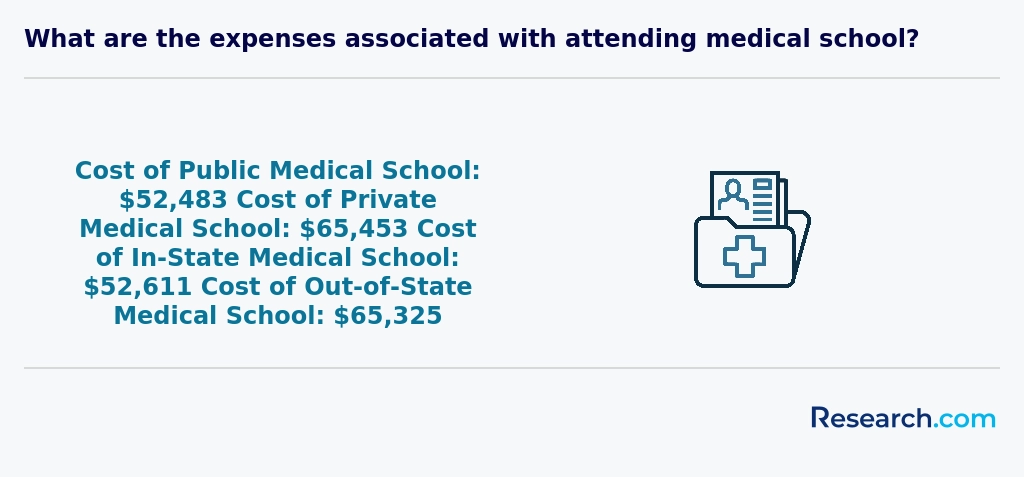
Understanding the return on investment (ROI) of a healthcare degree helps prospective students weigh educational costs against long-term career earnings. In South Carolina, the average bachelor’s program tuition ranges from $10,000 to $30,000 per year, while students investing in a master’s degree may incur an additional $15,000–$25,000 annually. Given that the median starting salary for healthcare graduates in the state is approximately $52,000 and mid-career professionals earn upwards of $85,000, most students can recoup their educational expenses within 5–7 years. Key factors that enhance ROI include specialization, program length, and delivery format. For instance, accelerated or online master’s pathways often reduce tuition and living costs, enabling faster entry into high-paying roles such as nurse practitioner or health informatics manager. Prospective students should also compare programs based on clinical placement opportunities and institutional partnerships, which can lead to pre-graduation job offers and reduced job search time. To explore cost-effective graduate options, consider the Affordable Online Master’s in Healthcare Degree Programs Ranking in Washington, DC, showcasing institutions that deliver strong ROI through low tuition and robust career outcomes. When calculating ROI, include additional expenses-books, living costs, and certification fees-and weigh them against projected salary growth and licensure requirements. Utilizing financial aid packages, employer tuition reimbursement, and scholarship opportunities can further improve the ROI equation. By analyzing these variables, South Carolina students can select healthcare programs that not only align with their career goals but also maximize financial returns over the span of their professional lives.
What courses are typically in healthcare degree programs in South Carolina?
If you're thinking about a healthcare degree in South Carolina, expect to dive into some solid basics first. Most programs, like those at the University of South Carolina or Clemson, start with human anatomy and physiology-you'll get to know how the body works inside and out, which is super important no matter your healthcare path.
Along with that, students often take microbiology and chemistry, which help explain what's happening when someone gets sick. Graduates often mention how these courses felt challenging but rewarding, especially when they could connect what they learned to real patient cases during internships.
Medical terminology classes are also a must. Knowing the right words helps students feel confident talking with doctors and nurses during clinical rotations. And don't forget healthcare ethics and laws-these courses prepare you for the real-world challenges, like patient privacy and legal responsibilities.
Depending on the program, you might also get into specifics like pharmacology if you're in nursing or community health if you're at a school focused on public health. Practical experience, like hands-on labs or internships, is a big deal here-graduates say those moments in real clinics or hospitals made all the theory click.
What types of specializations are available in healthcare degree programs in South Carolina?
If you're diving into healthcare degrees in South Carolina, you'll find a bunch of cool specializations to pick from. Lots of students at popular schools like the University of South Carolina and Clemson University share how nursing programs-ranging from LPN to DNP-really prepared them for busy hospital floors, especially with the state's big demand for RNs. Then there's healthcare administration, perfect for those who want to manage hospitals or shape policy, which is super relevant with the way healthcare facilities here are evolving.
Other grads love the hands-on vibe of allied health professions, like physical or respiratory therapy, offered at schools known for strong clinical training. Public health also draws students passionate about tackling rural health gaps and chronic disease in South Carolina communities. Meanwhile, those who prefer working behind the scenes can opt for medical laboratory science, playing a key role in diagnostics.
Many future students find it helpful to explore South Carolina healthcare programs and concentrations through resources like the best mha programs in the us, which showcase options aligned with local job growth trends.
How do you choose the best healthcare degree in South Carolina?
When choosing a healthcare degree in South Carolina, start by thinking about what kind of job you want after graduation. Graduates from schools like the University of South Carolina often mention how knowing their career goal-whether nursing, physical therapy, or healthcare administration-made picking the right program way easier. Cost is another big deal; community colleges usually offer more affordable healthcare degrees South Carolina students appreciate, with tuition far lower than many universities, making it a smart choice if budget's tight.
Accreditation matters a lot here. Programs at places like Clemson University that are recognized by boards such as CCNE give you a smoother path to licensing and jobs, which really helped some grads land their first healthcare roles quickly. Also, pick a school near hospitals and clinics like those around Charleston or Columbia for great hands-on experiences. If you're curious about something more specific, check out the Best Online Kinesiology Programs for flexible study options.
What career paths are available for healthcare degree students in South Carolina?
If you're thinking about a healthcare degree in South Carolina, there's a bunch of great career paths waiting for you. Many graduates from well-known schools like the University of South Carolina or Clemson find themselves stepping into nursing roles, thanks to a big demand for RNs around the state. It's a rewarding gig, with solid pay and plenty of job growth. Others dive into fields like medical technology, radiology, or respiratory therapy, where specialized training lands you jobs that pay decently and feel super hands-on.
For those who love the business side of things, healthcare administration roles are a smart pick. Graduates working for hospitals or clinics often enjoy good salaries and a chance to make a real impact behind the scenes. Plus, public health careers are on the rise, especially if you're into community outreach or policy work. Many students get their start locally, benefiting from programs that offer clinical experience nearby and strong connections across South Carolina. If you want to explore affordable options for further studies, check out the Affordable Online Master's in Healthcare Degree Programs Ranking in Washington, DC for ideas.
These healthcare degree career options South Carolina offers really show how many doors you can open with the right education and a bit of passion for helping others.
What is the job market for healthcare degree in South Carolina?
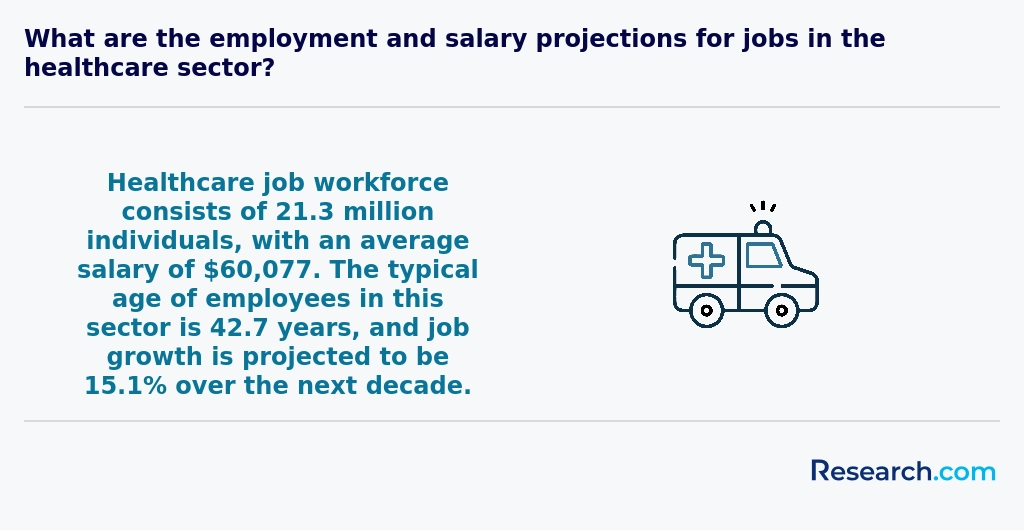
If you're earning a healthcare degree in South Carolina, the job market is looking pretty bright right now. Graduates from popular schools like the University of South Carolina and Clemson University often find themselves stepping into solid healthcare roles quickly because demand is growing fast. Thanks to the state's aging population and expanding health services, positions like registered nurses and medical managers are especially in demand, offering competitive wages compared to nearby states.
Many grads share how landing a job felt easier when they were open to working in rural areas, where South Carolina is boosting healthcare infrastructure. It means not only job security but also opportunities to make a real impact in communities that need care the most. Plus, with tuition at public universities averaging about $12,000, it's an affordable pathway to enter a thriving field. If time's tight, some even look into options like an associates degree online fast to jumpstart their career.
Those exploring the healthcare job outlook South Carolina can be hopeful-career growth and solid wages are well within reach, especially when you're ready to specialize or take on roles in allied health or support services.
Frequently Asked Questions About healthcare
Healthcare degree students in South Carolina can maximize their learning experience by engaging deeply in clinical rotations and internships offered through accredited programs. The state has partnerships with prominent hospitals such as Prisma Health and the Medical University of South Carolina, providing valuable hands-on training. According to the South Carolina Hospital Association, nearly 75% of healthcare graduates find employment within the state, highlighting the importance of local clinical experience.
Additionally, students should leverage resources like the South Carolina Area Health Education Consortium, which helps connect learners with mentorship and continuing education opportunities. Active participation in student organizations and attending healthcare conferences in Charleston or Columbia can also broaden professional networks and perspectives. Combining practical training with academic knowledge equips students for success in South Carolina's evolving healthcare workforce.
The healthcare field in South Carolina is rapidly evolving, with several emerging niches gaining importance. One notable area is telehealth, which has seen a sharp increase due to expanded broadband access and the COVID-19 pandemic's impact. The South Carolina Department of Health and Human Services reported a 45% rise in telehealth visits in 2022 compared to previous years. Another growing niche is healthcare informatics, where professionals manage and analyze patient data to improve outcomes. Additionally, gerontology is expanding, as South Carolina's aging population-expected to grow by 25% by 2030 according to the SC Chamber of Commerce-requires specialized care.
Precision medicine is also gaining traction, emphasizing personalized treatment plans based on genetic information. Mental health services, particularly integrating behavioral health into primary care, represent another expanding opportunity. Finally, healthcare administration roles focused on regulatory compliance and healthcare policy are in increasing demand. These niches reflect broader national trends while addressing South Carolina's specific demographic and technological developments, making them promising fields for new students to consider.
Preparing for the job market after earning a healthcare degree in South Carolina involves a combination of gaining practical experience, networking, and staying informed about state-specific demand. South Carolina's healthcare sector is growing rapidly, with the Bureau of Labor Statistics projecting a 15% increase in healthcare occupations through 2030. Hands-on internships or clinical rotations completed during study are crucial, as they provide real-world skills and help build professional contacts. Additionally, obtaining relevant certifications, such as CNA or CPR, can enhance employability.
Networking through local organizations like the South Carolina Hospital Association offers valuable job leads. Staying updated on healthcare policies in South Carolina also prepares graduates to adapt quickly in their careers.
Employers in South Carolina's healthcare sector emphasize several key skills when hiring graduates with healthcare degrees. Strong communication skills are essential, enabling professionals to interact effectively with patients, families, and interdisciplinary teams. According to the South Carolina Department of Health and Environmental Control, teamwork and collaboration rank among the top attributes sought in candidates.
Critical thinking and problem-solving abilities also stand out. Healthcare workers must quickly analyze information and make sound decisions, especially in high-pressure environments. Additionally, proficiency with healthcare technologies and electronic health records (EHR) is increasingly vital as South Carolina hospitals continue modernizing their systems.
Cultural competence is crucial due to the state's diverse population and growing healthcare needs. Employers value graduates who understand and respect different backgrounds to provide patient-centered care. Finally, adaptability and a commitment to ongoing education are important in a field that evolves rapidly with medical advancements.
Finding internships in South Carolina for healthcare degrees involves several strategies. Start by exploring local hospitals and healthcare systems, such as Prisma Health and MUSC Health, which offer structured internship programs for students. These internships provide practical experience in clinical and administrative settings.
Universities in South Carolina often maintain internship databases and partnerships with regional healthcare organizations. The South Carolina Department of Health and Human Services also lists opportunities for students seeking hands-on experience.
Networking through professional associations like the South Carolina Healthcare Human Resources Association can increase access to internship openings. According to the Bureau of Labor Statistics, healthcare employment in South Carolina is projected to grow 15% from 2020 to 2030, underscoring the importance of early practical experience.
Healthcare degrees in South Carolina offer significant advantages for career mobility and advancement. The state's growing healthcare sector, driven by an aging population, expands demand for qualified professionals in nursing, allied health, and administration. For example, the South Carolina Department of Employment and Workforce projects a 15% growth in healthcare jobs by 2030, faster than many other industries.
Holding a healthcare degree enables graduates to qualify for higher-paying roles and leadership positions. Many employers in South Carolina prefer candidates with formal credentials due to increasing regulatory requirements and the complexity of patient care.
Additionally, degrees from accredited institutions can open doors to specialized certifications and continuing education, further boosting career prospects within the state's healthcare facilities and organizations.
Studying for a healthcare degree in South Carolina offers a strong foundation for interdisciplinary roles by combining clinical training with collaborative skills. Many programs emphasize teamwork across nursing, public health, and administration to address complex patient needs effectively. According to the South Carolina Commission on Higher Education, local institutions integrate simulation labs and interprofessional education to encourage real-world cooperation.
The state's growing healthcare sector, projected to increase by 18% through 2030 per the Bureau of Labor Statistics, demands professionals who can work across disciplines. This prepares graduates to navigate roles that require flexible skill sets, such as care coordination and health informatics, fostering holistic patient care.
When choosing between a thesis and a non-thesis healthcare degree program in South Carolina, students should consider their career goals and learning preferences. Thesis programs emphasize research and often prepare graduates for doctoral studies or roles in healthcare policy and academia. Non-thesis programs focus more on practical skills and direct application, suited for those aiming to enter clinical or administrative roles quickly.
South Carolina's healthcare industry is growing, with a projected employment increase of 15% by 2030 according to the SC Department of Employment and Workforce. This growth supports diverse educational paths.
Financial aid and program duration also vary; thesis options may require more time and resources. Speak with academic advisors to weigh options based on your interests and the specific healthcare sector you wish to enter.
Students in South Carolina interested in studying healthcare abroad have several pathways to consider. Many local universities, such as the University of South Carolina and Clemson University, offer study abroad programs with partner institutions in countries known for healthcare excellence. These programs often include clinical experience and research opportunities, enriching a student's education.
Exchange programs allow students to spend a semester or year overseas while earning credits toward their degree, facilitating international exposure without extending graduation time. Additionally, some students enroll directly in accredited foreign medical or nursing schools, though they must carefully evaluate accreditation status and U.S. licensing requirements.
South Carolina healthcare degrees are strongly connected to rising local demand, as the state's population over 65 is projected to grow by over 50% through 2030 (S.C. Department of Health).
Part-time job opportunities in South Carolina that complement healthcare degree education are diverse and practical. Many students find roles as certified nursing assistants (CNAs), where they can gain hands-on patient care experience while earning. According to the South Carolina Department of Labor, CNAs earn a median wage of around $14 an hour, making this job both educational and financially reasonable.
Other common options include medical scribing and pharmacy technician positions. These roles provide exposure to clinical documentation and medication management, essential skills for many healthcare careers. South Carolina's healthcare sector is growing, with a projected 14% increase in healthcare employment by 2030 according to the U.S. Bureau of Labor Statistics.
Working as a medical receptionist or health educator assistant also allows students to develop communication and administrative skills useful in healthcare settings. These jobs often offer flexible hours to suit academic schedules.
Healthcare students in South Carolina have access to numerous networking opportunities that support their professional growth. Many universities, such as the Medical University of South Carolina (MUSC) and Clemson University, host student organizations and events focused on healthcare fields. These enable students to connect with peers, faculty, and local professionals.
Additionally, South Carolina's strong healthcare industry, which employs over 260,000 workers according to the South Carolina Department of Employment and Workforce (2023), offers internship and clinical placement options. These experiences allow students to build relationships with practicing clinicians and healthcare administrators.
Annual conferences and workshops, like those organized by the South Carolina Hospital Association, also provide valuable platforms for students to meet industry leaders, learn about emerging healthcare trends, and expand their professional network within the state.
Alumni networks play a significant role in supporting healthcare degree students in South Carolina by offering valuable connections within the healthcare industry. Graduates from institutions like the Medical University of South Carolina often remain active in these networks, creating opportunities for mentorship and career guidance.
These networks facilitate internships and job placements, important in a state where healthcare employment is expected to grow by 13.1% through 2030, according to the South Carolina Department of Employment and Workforce. Access to experienced professionals helps students navigate licensing requirements and specialty certifications common in healthcare fields.
Furthermore, alumni often share insights about regional healthcare trends and job market demands, helping students make informed decisions about their education and future roles. This community fosters ongoing professional development and collaboration across South Carolina's healthcare system.
Customizing a healthcare degree in South Carolina begins with selecting the right specialization to match your career goals. Many institutions offer tracks like nursing, public health, health administration, or medical technology. South Carolina colleges often provide elective courses and clinical experiences tailored to specific interests.
Students can also choose between on-campus, hybrid, or fully online programs, allowing flexibility for working professionals. South Carolina's healthcare sector is growing, with a 10% job increase expected by 2030, according to the U.S. Bureau of Labor Statistics, making advanced skills valuable.
Internships and partnerships with local hospitals or clinics in South Carolina offer practical experience. Additionally, certificate programs in areas like health informatics can be added to degrees for further specialization.
Healthcare students in South Carolina face several significant challenges during their education. One major issue is the limited availability of clinical training sites, as the state has a growing but underserved healthcare workforce. According to the South Carolina Hospital Association, increasing demand for healthcare professionals puts pressure on students to secure hands-on experience.
Another challenge is the financial burden. Tuition and related costs for programs such as nursing or allied health often exceed $10,000 per year, which can be difficult for many students given the state's median income levels. Additionally, balancing rigorous coursework with clinical hours and often part-time jobs contributes to stress and burnout.
Students must also navigate competitive admission processes, as healthcare programs in South Carolina frequently have more applicants than available seats. This is particularly true for nursing and physician assistant tracks, where acceptance rates can be below 50%, per data from the South Carolina Commission on Higher Education.
With a healthcare degree in South Carolina, many professional certifications are available to enhance career opportunities. Common certifications include Certified Nursing Assistant (CNA), Licensed Practical Nurse (LPN), and Registered Nurse (RN), which are regulated by the South Carolina Board of Nursing. For those interested in specialized fields, certifications such as Medical Assistant (CMA), Pharmacy Technician, and Emergency Medical Technician (EMT) are widely recognized.
Advanced certifications like Certified Health Education Specialist (CHES) or Physical Therapy Assistant (PTA) also complement healthcare degrees. South Carolina's growing healthcare sector supports these credentials, reflecting national trends reported by the U.S. Bureau of Labor Statistics and state workforce data.
Writing a winning application for a healthcare program in South Carolina involves several key steps. Begin by researching the specific program's prerequisites and admission criteria, as these vary widely among schools such as the University of South Carolina and Clemson University.
Strong academic records, especially in science courses like biology and chemistry, are crucial. South Carolina's healthcare programs often emphasize GPA thresholds around 3.0 or higher. Including relevant healthcare experience, such as volunteering or internships, strengthens your application by showing commitment.
Personal statements should clearly articulate your motivation for pursuing healthcare, referencing South Carolina's growing healthcare sector, which employs over 220,000 people according to the South Carolina Healthcare Association. Finally, secure letters of recommendation from professionals familiar with your skills and dedication to healthcare practice.
The global perspective on a healthcare career highlights the growing demand for skilled professionals across nations, including the United States. In South Carolina, healthcare employment is projected to increase by 15% from 2021 to 2031, faster than many other job sectors, according to the U.S. Bureau of Labor Statistics.
Worldwide, healthcare roles emphasize cultural competence and adaptability due to increasingly diverse populations. For students in South Carolina, pursuing a healthcare degree equips them to meet these international standards while addressing local needs, such as rural healthcare delivery challenges.
Educational curricula often integrate global health topics, preparing graduates for varied environments. This approach reflects a broader shift toward interconnected healthcare systems and collaborative practices globally.
Gaining practical experience while studying for a healthcare degree in South Carolina is essential for career readiness. Many programs integrate clinical rotations directly into their curricula, allowing students to work in hospitals, clinics, or long-term care facilities. For example, nursing students often complete 500 to 700 clinical hours under supervision, as recommended by accrediting bodies like the CCNE.
Students can also access internships offered through partnerships between universities and local healthcare providers. The South Carolina Department of Health and Environmental Control supports such collaborations, helping students gain hands-on experience.
Additionally, volunteering or part-time work in healthcare settings contributes valuable exposure to real-world patient care.
Choosing the right concentration within a healthcare degree program in South Carolina begins with understanding your career goals and the local healthcare landscape. South Carolina faces increased demand for healthcare professionals, especially in nursing, public health, and healthcare administration, due to its growing and aging population, according to the South Carolina Department of Health and Environmental Control (DHEC).
Research specific healthcare roles that align with your interests and strengths, such as patient care, management, or community health. Consider job availability; for example, nursing ranks among the top in demand according to the Bureau of Labor Statistics. Additionally, evaluate program offerings at South Carolina institutions to ensure they provide accreditation and clinical opportunities relevant to your chosen concentration.
Lastly, factor in licensure requirements in South Carolina for your concentration, as some specialties require specific certifications. Expert advice from academic advisors and local healthcare employers can further clarify which concentration best fits your ambitions and the state's workforce needs.
Related Healthcare Rankings for Nearby States
- 2027 Most Valuable Online Healthcare Degree Programs Ranking in Georgia
- 2027 Most Valuable Online Healthcare Degree Programs Ranking in North Carolina
- 2027 Most Valuable Online Healthcare Degree Programs Ranking in Tennessee
- 2027 Most Valuable Online Healthcare Degree Programs Ranking in Virginia
- 2027 Most Valuable Online Healthcare Degree Programs Ranking in Mississippi
- 2027 Most Valuable Online Healthcare Degree Programs Ranking in West Virginia
- 2027 Most Valuable Online Healthcare Degree Programs Ranking in Louisiana
- 2027 Most Valuable Online Healthcare Degree Programs Ranking in Maryland
- 2027 Most Valuable Online Healthcare Degree Programs Ranking in Missouri
- 2027 Most Valuable Online Healthcare Degree Programs Ranking in Ohio
Top Trending Healthcare Rankings
See What Experts Have To Say About Studying Healthcare
Read our interview with Healthcare experts

References
- Niche Market Opportunities Research Among Healthcare Professionals (A Decision Analyst Case History https://www.decisionanalyst.com/casestudies/nichemarketopportunities/
- Thesis vs. Non-Thesis Master's Programs: Which is Right for You? https://potomac.edu/thesis-vs-non-thesis-masters/
- 8 Health & Medicine Degrees to Consider https://www.oxfordscholastica.com/blog/medicine-articles/8-health-medicine-degrees-to-consider/
- Pre-Med Study Abroad Programs | Go Overseas https://www.gooverseas.com/study-abroad/pre-med
- Palmetto College | Healthcare and Helping Professions https://palmettocollege.com/healthcare_and_helping_professions/
- Building Your Network of Doctors and Medical Students - Medic Mentor https://medicmentor.org/building-your-network-of-doctors-and-medical-students/
- Explore Healthcare Admin Degree Concentrations https://www.baypath.edu/news/bay-path-university-blogs/post/explore-healthcare-admin-degree-concentrations/
- How to Choose a Health Administration Program https://www.healthadministrationdegrees.com/articles/choosing-a-program/
- The Value of Healthcare Organization Alumni Associations https://consultqd.clevelandclinic.org/the-value-of-healthcare-organization-alumni-associations
- Getting medical work experience https://www.bma.org.uk/advice-and-support/studying-medicine/becoming-a-doctor/getting-medical-work-experience