
2027 Best Online Bachelor's in Healthcare Degree Programs Ranking in Philadelphia, PA

Co-Founder and Chief Data Scientist
Choosing the right healthcare degree program can feel overwhelming, especially with so many options available online. This article introduces the 2027 Best Online Bachelor's in Healthcare Degree Programs Ranking in Philadelphia, PA, carefully developed by the Research.com team of data scientists.
Our ranking helps you identify top-quality programs that fit your needs, making your decision easier and more confident.
By exploring these programs, you're taking an important step toward a rewarding career in healthcare-one that offers stability, growth, and a chance to make a real difference.
Key benefits of getting online healthcare degree in Philadelphia
- Healthcare degree graduates in Philadelphia can expect strong earning potential, with roles like Patient Care Technicians earning around $60,790 annually and Quality Improvement Coordinators making up to $103,150 per year.
- Graduates from local institutions often find diverse career paths in healthcare, including positions as Medical Assistants, Clinical Research Coordinators, or Health Information Technicians, offering flexibility and growth.
- Online healthcare degrees from Philadelphia universities provide convenience and allow working students to balance study and life, accelerating career advancement without sacrificing personal time.
- Key benefits of getting online healthcare degree in Philadelphia
- What can I expect from online healthcare degree in Philadelphia?
- Where can I work with online healthcare degree in Philadelphia?
- How much can I make with online healthcare degree in Philadelphia?
- 2027 Best Online Bachelor's in Healthcare Degree Programs Ranking in Philadelphia, PA
- Key Findings
- How long does it take to complete online healthcare degree in Philadelphia?
- Curriculum Structure and Typical Coursework
- What's the difference between online and on-campus healthcare degree?
- Typical Courses and Curriculum Overview
- What is the average cost of online healthcare degree in Philadelphia?
- Career Pathways and Professional Networking
- What financial aid is available to online healthcare degree students in Philadelphia?
- Typical Courses & Curriculum Overview
- What are the prerequisites for enrolling in online healthcare degree program in Philadelphia?
- Application Process and Admission Tips
- What courses are typically in online healthcare degree programs in Philadelphia?
- What types of specializations are available in online healthcare degree programs in Philadelphia?
- How do you choose the best online healthcare degree in Philadelphia?
- What career paths are available for online healthcare degree students in Philadelphia?
- What is the job market for online healthcare degree in Philadelphia?
- Top Trending Healthcare Rankings
- See What Experts Have To Say About Studying Healthcare
What can I expect from online healthcare degree in Philadelphia?
The average cost of an online healthcare degree in Philadelphia typically ranges from around $15,000 to $40,000, depending on the institution and the program length. Graduates from well-known schools like the University of Pennsylvania and Thomas Jefferson University often reflect on how the investment felt manageable, especially with financial aid and scholarships tailored for online learners. One graduate shared how the accessible tuition allowed them to balance work while continuing their education without overwhelming debt.
Many students find comfort in part-time enrollment options, helping to spread tuition costs over time. The competitive prices compared to on-campus programs also make online healthcare degrees attractive for those seeking flexibility. Financial counselors at Philadelphia colleges often guide students through aid packages, ensuring that the path to advancing in healthcare remains attainable.
For example, a recent graduate juggling family life praised the affordability combined with the quality resources offered by Philadelphia's institutions, highlighting online access to virtual simulations and interactive sessions that felt just as engaging as in-person classes.
Where can I work with online healthcare degree in Philadelphia?
With an online healthcare degree in Philadelphia, you can dive into vibrant career paths that shape the city's thriving medical landscape. Graduates from the University of Pennsylvania or Drexel University often find themselves thriving in renowned hospitals like Penn Medicine or Thomas Jefferson University Hospital, stepping confidently into roles such as medical technicians or healthcare informatics specialists. Imagine navigating bustling hospital corridors while playing a critical role in patient care or data management-these experiences spark personal growth and professional pride.
Others embrace the city's public health mission, joining organizations like the Philadelphia Department of Public Health. These grads engage in impactful work around disease prevention and community wellness, where their efforts directly touch neighborhood lives. Whether coordinating health education programs or analyzing epidemiological data, the work is dynamic and deeply rewarding.
For those interested in innovation and technology, Philadelphia's expanding health tech sector creates exciting niches. Graduates find opportunities with companies like Independence Blue Cross, where they become key players in healthcare analytics, policy, and patient advocacy. Their online degrees equip them with adaptable skills to meet the city's evolving needs.
Additionally, home health agencies and nursing facilities call on graduates to support patients' daily wellbeing-roles grounded in empathy and excellent communication. These real-world jobs bring the lessons learned in Philadelphia's top healthcare programs to life, inspiring graduates to make a meaningful difference every day.
How much can I make with online healthcare degree in Philadelphia?
If you've earned an online healthcare degree from a respected Philadelphia institution like Drexel University or Thomas Jefferson University, you're stepping into a job market ripe with opportunity and diverse salary possibilities. Graduates working as Medical Assistants often see starting salaries around $43,350 annually, perfect for those eager to enter hands-on patient care roles without delay. Meanwhile, Patient Care Technicians in the city enjoy mean wages near $60,790, reflecting the high demand for skilled professionals who support frontline services.
Those drawn to behind-the-scenes expertise are struck by opportunities as Health Information Technicians, earning roughly $43,380 yearly, managing crucial medical data in Philadelphia's bustling hospital networks. For a more dynamic path, Clinical Research Coordinators might find themselves at about $43,350, diving into groundbreaking healthcare studies based out of major universities.
Ambitious graduates eager to blend management and quality improvements in care discover exciting salary prospects, with Quality Improvement Coordinators earning over $103,000. This leap shows the financial rewards that come with advanced roles and certifications.
These salaries not only reflect solid entry points but also a vibrant, growing healthcare ecosystem in Philadelphia that values skilled, adaptable professionals ready to make a difference.
2027 Best Online Bachelor's in Healthcare Degree Programs Ranking in Philadelphia, PA
How do we rank schools?
Investing in your education is a significant decision that can shape your future, and the Research.com team understands the importance of making informed choices. To assist prospective students in Philadelphia, PA, we have meticulously crafted the "2027 Best Online Bachelor's in Healthcare Degree Programs Ranking." Our commitment to quality, credibility, and accuracy is reflected in the extensive research and analysis conducted to compile this ranking.
We utilized the following reputable data sources to ensure a comprehensive evaluation of healthcare degree programs:
By exploring this ranking, readers will gain valuable insights into the best online healthcare bachelor's programs in Philadelphia, helping them make well-informed decisions about their educational paths. For more details on our methodology, please visit our Research.com methodology page.

# 2 position
Peirce College
Bachelor of Healthcare Administration

Key Findings
- Tuition for online healthcare degrees in Philadelphia typically ranges from $15,000 to $40,000 for a bachelor's degree.
- Entry-level healthcare graduates can expect an average starting salary of around $50,000 per year in Philadelphia.
- Mid-career salaries for healthcare professionals in the region typically range from $70,000 to $80,000 annually.
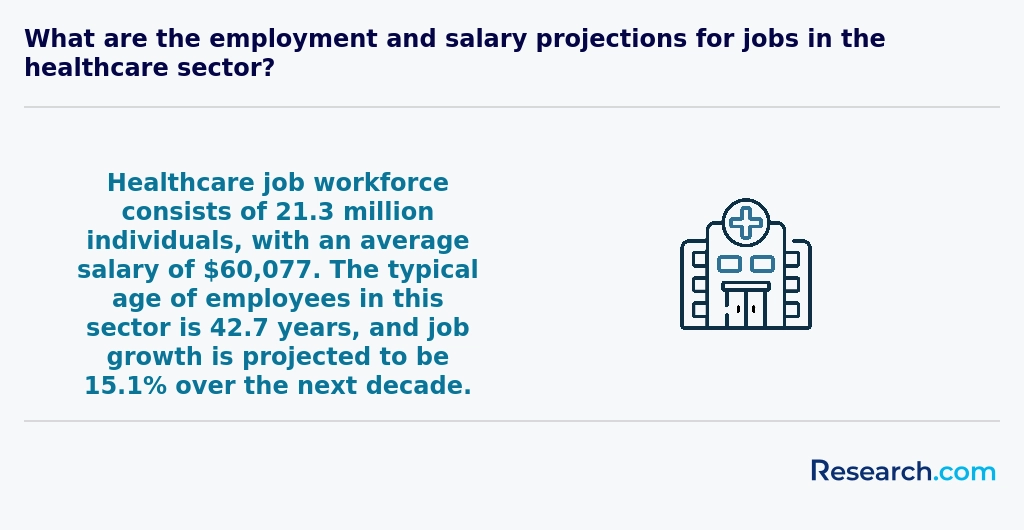
- Healthcare job growth in Philadelphia is projected to increase by about 15% over the next decade, higher than the national average.
- Accreditation from bodies like CCNE and ACOTE is important for online healthcare programs to ensure quality education.
How long does it take to complete online healthcare degree in Philadelphia?
How long does it take to complete an online healthcare degree in Philadelphia? For many students at institutions like Drexel University or Thomas Jefferson University, the typical journey is about four years when studying full-time. Imagine a busy working professional diving into accelerated courses, completing their bachelor's online in just two to three years-balancing day jobs and family life, yet steadily moving forward.
Some graduates recall the freedom of part-time programs that extended their studies beyond five years, allowing them to grow at their own pace without sacrificing income or personal commitments. Transfer credits often brighten the path, shaving months or even years off the timeline.
Philadelphia's vibrant healthcare scene pulses through these programs, featuring short, focused terms-sometimes as brief as 7 to 8 weeks-where learners immerse themselves fully. Graduates often mention how practicum placements within local hospitals make their education feel tangible, adding real-world excitement to their academic adventure.
Curriculum Structure and Typical Coursework
Online bachelor’s in healthcare degree programs in Philadelphia, PA follow a structured curriculum that balances foundational theory, hands-on practice, and elective specialization. Most programs require 120 credit hours, typically divided into: • Core Healthcare Foundations (45–50 credits): – Anatomy & Physiology I & II – Medical Terminology and Healthcare Communication – Introduction to Health Informatics and Data Management – Healthcare Ethics, Law, and Regulatory Compliance – Epidemiology and Population Health • Clinical and Practicum Experiences (15–20 credits): – Virtual Simulations in Patient Care – Health Assessment Techniques – Community Health Project or Field Placement • Specialization Electives (15–20 credits): – Healthcare Administration and Leadership – Nursing Fundamentals for Non-RN Pathways – Public Health Policy and Program Planning – Medical Coding, Billing, and Informatics • General Education and Capstone (30–35 credits): – College Writing and Critical Thinking – Statistics for Health Sciences – Capstone Research Project or Internship Seminar Many Philadelphia institutions also offer optional certifications-such as Certified Healthcare Administrator or Health Informatics Specialist-within the elective block. To explore related pathways in broader medical fields, consider the what medical degrees can I get online guide, which outlines complementary online programs and advanced study options. This comprehensive coursework ensures graduates are well-prepared for clinical roles, administrative leadership, or data-driven positions in today’s evolving healthcare landscape.
What's the difference between online and on-campus healthcare degree?
Choosing between online and on-campus healthcare degrees in Philadelphia often feels like stepping into two very different worlds. On-campus students at places like Drexel University dive into lively lectures, hands-on labs, and bustling clinical settings, forging real connections with professors and peers. These graduates share how the energy of campus life-a quick chat after class, spontaneous study groups, or direct access to city hospital partnerships-fueled their confidence and deepened their learning.
Meanwhile, online learners embrace flexibility that fits busy lives, whether managing work or family. Graduates from Temple University's online programs recount the freedom of studying from home while still engaging in vital, locally arranged clinical hours within Philadelphia's vibrant healthcare community. This independence sparks a strong sense of self-discipline and accomplishment, turning challenges into rewarding victories.
Both paths promise solid accreditation, but the choice boils down to your personal rhythm: the structured buzz of campus or the adaptable pulse of online learning, uniquely shaped by Philadelphia's rich medical landscape.
Typical Courses and Curriculum Overview
An online Bachelor’s in Healthcare program in Philadelphia, PA delivers a balanced curriculum that equips students with both theoretical knowledge and practical skills. While course offerings vary by institution, core and elective classes commonly include: • Introduction to Medical Terminology – Builds a foundation in healthcare vocabulary and charting conventions. • Anatomy & Physiology for Healthcare Professionals – Covers human body systems and clinical applications through virtual labs and simulations. • Healthcare Ethics and Law – Explores patient rights, confidentiality standards, and regulatory frameworks. • Health Informatics & Data Management – Teaches electronic health record systems, data analysis, and reporting tools. • Public Health Principles – Examines community health, epidemiology, and preventive strategies in urban settings. • Healthcare Finance and Budgeting – Reviews financial planning, cost control, and reimbursement models in hospitals and clinics. • Quality Improvement in Healthcare – Introduces performance metrics, risk management, and process optimization methodologies. • Leadership and Organizational Behavior – Focuses on team management, communication skills, and strategic decision-making in healthcare environments. Many programs also offer specialized electives-such as Telehealth Strategies or Emergency Preparedness-to tailor your studies to emerging industry trends. For students seeking cost-effective alternatives or supplemental credentials, explore our Most Affordable Online Healthcare Degree Programs Ranking in Maryland, which highlights low-tuition options with strong curricular alignment.
What is the average cost of online healthcare degree in Philadelphia?
The average cost of an online healthcare degree in Philadelphia generally falls between $20,000 and $50,000, reflecting a balance between public and private institution pricing. Many students pursuing healthcare degrees online in Philadelphia appreciate how this range aligns with broader U.S. trends, making it a practical yet adventurous investment in their future. Graduates from well-known universities like Thomas Jefferson University share experiences of manageable tuition costs paired with the excitement of studying healthcare from home, saving on commuting and housing expenses.
One appealing aspect about online healthcare degree expenses in Philadelphia PA is how residency status influences tuition, especially at public universities where Pennsylvania residents often access lower rates. Private schools, while on the higher end of the spectrum, provide detailed tuition breakdowns and financial aid options that ignite optimism in prospective students navigating the cost landscape. This dynamic fosters a sense of exploration, as learners tailor their path toward nursing, health informatics, or healthcare administration based on both passion and affordability.
Many online healthcare programs in Philadelphia also offer scholarships and payment plans designed to ease financial pressures. Students enthusiastically highlight the freedom to focus on learning without the typical campus costs. For those curious about top-tier nursing programs, it's worth exploring the top np programs california for comparative insights, reminding future healthcare workers that valuable opportunities await nationwide when budgeting and planning their educational adventure.
Career Pathways and Professional Networking
Navigating an online Healthcare degree goes beyond acquiring academic knowledge-it’s also about strategically mapping your career path and building a robust professional network. In today’s ever-evolving healthcare landscape, industry connections, continuous skill development, and real-world exposure are critical to long-term success. Here are key strategies to propel your career while leveraging your online education: • Network Proactively: Online platforms often facilitate connection with accomplished alumni, seasoned faculty, and industry leaders. Participate in virtual career fairs, webinars, and discussion forums to establish valuable relationships that can guide your career decisions. • Enhance Your Skillset: Stay informed about emerging trends by enrolling in supplemental courses and certification programs. For instance, integrating current technological advancements into your skill portfolio can open doors to specialized opportunities in areas like biotechnology career paths and digital healthcare solutions. • Seek Mentorship and Career Guidance: Many institutions offer mentorship programs that pair you with professionals who have navigated similar career trajectories. Mentors can provide insights on overcoming industry challenges and share strategies for professional growth. • Engage in Practical Projects: Look for internships, research opportunities, or collaborative projects that allow you to apply theory in real-world settings. These experiences not only enhance your resume but also instill confidence and practical knowledge needed for thriving in competitive healthcare environments. • Stay Updated on Industry Trends: Regularly review trusted sources and attend industry conferences (virtual or in-person) to keep abreast of innovations that shape the future of healthcare. This proactive approach ensures your education remains relevant and impactful. By integrating these networking strategies and career development practices into your educational journey, you can build a solid foundation for a rewarding career in healthcare while effectively leveraging the flexibility and resources provided by your online program.
What financial aid is available to online healthcare degree students in Philadelphia?
Imagine securing a Pell Grant while diving into an online nursing program at a well-known Philadelphia college-this federal aid can provide up to $7,395 a year without adding to your debt. Many graduates from local institutions rave about how completing the FAFSA opened doors to Stafford Loans and work-study options, easing the financial pressure as they pursued their healthcare dreams.
Living in Pennsylvania unlocks additional help through the Pennsylvania State Grant, which offers up to $5,200 annually for eligible students attending Philadelphia's approved online healthcare programs. This state support feels like a personalized boost, especially for those balancing work and study in the city's vibrant healthcare landscape.
Beyond these public resources, Philadelphia-area schools often award institutional scholarships inspired by your commitment to nursing or allied health fields. Graduates recall receiving these scholarships as affirming acknowledgments of their passion and potential.
Private scholarships and employer tuition assistance add another layer of opportunity. In a city buzzing with healthcare innovation, employers frequently invest in their workforce's education, making every online course a step closer to a fulfilled career.
Typical Courses & Curriculum Overview
Online healthcare programs in Philadelphia are designed to equip you with both foundational knowledge and hands-on skills crucial for today’s dynamic healthcare environment. Students typically engage in courses that blend theory with practical applications, including modules such as Introduction to Healthcare Systems, Medical Terminology, Human Anatomy & Physiology, Health Informatics, and Healthcare Ethics. These courses are crafted to build critical thinking, effective communication, and clinical decision-making skills. Programs often feature interactive components like virtual labs, case studies, and simulated patient interactions-ensuring that learners can apply classroom theory to real-world scenarios. Additionally, many curricula offer elective courses in areas such as Public Health, Healthcare Administration, and specialized nursing tracks, allowing you to tailor your education to your specific career goals. Faculty with extensive industry expertise continually update course material to reflect the latest advancements and regulatory standards in healthcare, ensuring that your education remains relevant and comprehensive.
What are the prerequisites for enrolling in online healthcare degree program in Philadelphia?
Enrolling in an online healthcare degree program in Philadelphia opens an exciting door, but it comes with clear steps to prepare you for success. Imagine a graduate from a well-known Philadelphia college sharing how their journey began with a solid high school diploma and a GPA around 3.0, just enough to spark their dream. This baseline ensures you're ready to dive into the demanding world of healthcare.
You'll likely encounter prerequisites like biology, chemistry, and anatomy-courses that once felt daunting became fascinating foundations for understanding patient care. Many students recall how these subjects built their confidence before advanced classes.
Some programs value real-world experience too. Think about those who volunteered in local clinics or gained CPR certification; their hands-on exposure made their online learning all the more meaningful.
Although standardized tests like the SAT are fading from requirements, personal statements and recommendation letters offer chances to express your passion for healthcare in Philadelphia's vibrant medical community.
Application Process and Admission Tips
Navigating the application process can be a decisive factor in your success as you pursue an online healthcare degree in Philadelphia, PA. To help streamline your journey from prospective applicant to accepted student, here’s a clear, step-by-step guide: • Research and Prepare: Begin by identifying programs that align with your career goals. Verify each program’s accreditation, review admission requirements, and gather necessary documentation such as transcripts, recommendation letters, and a personal statement. This preparation not only boosts your confidence but also reinforces your application’s credibility. • Meet Prerequisites Early: Ensure you have a strong foundation in key subjects like biology, chemistry, or anatomy, as many programs emphasize science readiness. Early completion of prerequisite coursework and any remedial classes can improve both your academic readiness and your acceptance odds. • Strategic Application Timing: Keep track of application deadlines and any rolling admissions policies. Applying early can offer advantages such as access to additional scholarships or early decision benefits, so mark your prospective programs’ key dates on your calendar and set up reminders. • Utilize Program Resources: Many institutions provide virtual admissions counseling, application workshops, or informational webinars. Engage with these resources to clarify any uncertainties and tailor your application to showcase both your academic potential and practical passion for healthcare. • Highlight Professional and Personal Experience: Whether through internships, work experience, or volunteer efforts, strongly emphasize your hands-on involvement in healthcare. This personal touch reinforces your commitment to the field and complements the rigorous academic training provided online. • Follow Up and Stay Engaged: After submitting your application, maintain communication with admissions teams. A courteous follow-up email can reiterate your interest and keep you informed about application status and next steps. Networking with current students or alumni on platforms like LinkedIn can also offer insider insights on transitioning smoothly to campus life-or in this case, virtual learning. By approaching the application process with diligence and thorough preparation, you can ease the transition into your chosen program and set a strong foundation for a fulfilling career in healthcare. This comprehensive, actionable guide not only improves your admission prospects but also builds the confidence you need for academic success in Philadelphia’s dynamic online healthcare education landscape.
What courses are typically in online healthcare degree programs in Philadelphia?
Diving into an online healthcare degree in Philadelphia means embarking on a journey through fascinating, real-world subjects that many local graduates describe as eye-opening and empowering. Imagine studying human anatomy and physiology through interactive modules that mirror the hands-on approach used at institutions like Thomas Jefferson University, helping you visualize the complexity of the human body right from home.
Courses in medical terminology quickly become familiar language, unlocking communication skills vital for working in any Philadelphia hospital. Many students appreciate the healthcare ethics and law classes, which prepare them to navigate challenging moral situations they might encounter at major health systems such as the University of Pennsylvania Health System.
Graduates often mention how healthcare informatics and data analysis courses helped them translate patient information into actionable insights-skills especially important given Philly's tech-forward medical facilities. Community health studies connect you with public health challenges right in your neighborhood, making your education relevant and inspiring as you explore disease prevention and wellness strategies.
Finally, learning about healthcare management rounds out the experience, equipping you with tools to lead and innovate within Philadelphia's dynamic healthcare landscape.
What types of specializations are available in online healthcare degree programs in Philadelphia?
Diving into online healthcare degree specializations Philadelphia offers opens a world of exciting opportunities tailored to the city's unique healthcare landscape. Many graduates from top universities in Philadelphia find themselves drawn to Health Administration, where skills in managing bustling urban hospitals come alive through real-world projects reflecting Philadelphia's dynamic medical scene.
Others are passionate about Public Health, addressing community wellness challenges specific to Philadelphia's dense neighborhoods. Nursing programs here not only help students advance clinically but also open doors for leadership positions, making the tough yet rewarding path feel achievable. Many graduates from local colleges share how practical experiences in renowned hospitals deepen their connection to the field.
Those intrigued by technology often choose Healthcare Informatics, blending IT skills with patient care improvement in a city pushing healthcare innovation. Meanwhile, the broad Health Sciences track lets students explore diverse careers, from medicine to physical therapy, with flexibility.
Exploring healthcare bachelor's program concentrations Philadelphia PA enables students to find a path that excites and prepares them for real impact. For those aiming to enhance their nursing credentials, looking into a nursing license in Washington might be a future step after building a solid foundation here.
How do you choose the best online healthcare degree in Philadelphia?
Choosing the best online healthcare degree in Philadelphia feels like embarking on a personal adventure where each decision shapes your future. Imagine connecting with graduates from local universities who share how accreditation made all the difference-they knew their programs met national standards, opening doors to licensure and rewarding jobs. Many found delight in programs that didn't just offer generic courses but embraced the city's unique health challenges, propelling them into careers that matter locally.
Imagine exploring affordable healthcare degree programs Philadelphia PA options, balancing tuition with financial aid, making education feel more accessible despite busy schedules. Students at top colleges in the area rave about the flexibility to study asynchronously, allowing them to work or care for family while progressing steadily. It's no surprise many turn to online healthcare administration degrees tuition when comparing cost and convenience.
Graduates also highlight the power of programs with solid graduation rates and strong job placements-offering a sense of security that their investment will pay off as Philadelphia's healthcare job market grows by leaps and bounds.
What career paths are available for online healthcare degree students in Philadelphia?
Diving into online healthcare degree careers Philadelphia offers a fascinating spectrum of paths where graduates find themselves stepping into vital roles with real impact. Imagine a graduate from a popular local university coordinating patient data as a health informatics specialist, seamlessly blending technology with care at bustling hospitals or research centers. Others become healthcare administrators, navigating the dynamic environment of Philadelphia's healthcare hubs, managing operations that keep clinics and hospitals running smoothly.
For those craving hands-on patient care, many explore becoming registered nurses or medical and health services managers right here in the city, joining thousands in a thriving job market. Graduates from well-known Philadelphia colleges often share stories of their leap into rewarding positions involving direct interaction with patients and community health education, enriching lives with every step.
Urban health challenges inspire some to pursue epidemiology or public health coordination, roles that bring vital support to neighborhoods across Philadelphia. With so many exciting options, it's no surprise students are drawn to explore bachelor degree careers with high salaries, rounding out their education with practical experience and career-ready skills.
What is the job market for online healthcare degree in Philadelphia?
The job market for graduates holding an online healthcare degree in Philadelphia is vibrant and full of opportunity, thanks to the city's rich healthcare landscape. Graduates from institutions like Drexel University and Thomas Jefferson University often find themselves stepping confidently into roles ranging from healthcare administration to health information management, buoyed by partnerships these schools maintain with local health systems.
Many online healthcare degree students in Philadelphia share stories of landing supportive roles at leading hospitals, such as the University of Pennsylvania Health System, where their education and flexible online study schedules uniquely prepare them to excel. This real-world engagement keeps career paths dynamic and responsive to changes in the industry, making online healthcare degree employment Philadelphia an adventurous journey for many.
Exploring this terrain further, students often discover various biotechnology career paths tied closely to Philadelphia's healthcare job opportunities in Philadelphia. The city's emphasis on innovation and workforce development creates a landscape where career growth feels both achievable and exciting.
Frequently Asked Questions About healthcare
Online healthcare degree students in Philadelphia can enhance their learning by leveraging local healthcare resources and professional networks. Philadelphia hosts a robust healthcare industry, with institutions like Jefferson Health and the University of Pennsylvania Health System providing potential internship and clinical placement opportunities. Engaging with these organizations allows students to gain practical experience alongside theoretical knowledge.
Accessing Philadelphia-based online study groups or professional associations, such as the Greater Philadelphia Healthcare Council, helps students connect with peers and mentors. According to the Philadelphia Department of Public Health, healthcare employment in the region grew by 3.5% in 2023, reflecting career opportunities for well-prepared graduates.
Effective time management and using university-provided digital platforms also support academic success in virtual environments.
The healthcare field is rapidly evolving, with several emerging niches gaining momentum in Philadelphia and nationwide. One growing area is telehealth, which expanded significantly during the COVID-19 pandemic and continues to transform patient care delivery. According to the Philadelphia Department of Public Health, telehealth visits have increased by over 35% since 2020.
Another promising niche is health informatics, where professionals manage data to improve healthcare outcomes. The U.S. Bureau of Labor Statistics projects a 15% job growth in this sector through 2030. Additionally, personalized medicine, which tailors treatments based on genetic information, is gaining traction in Philadelphia's research hospitals, providing new opportunities for degree seekers.
After completing an online healthcare degree in Philadelphia, preparing for the job market involves several crucial steps. Begin by researching local healthcare employers such as the University of Pennsylvania Health System and Jefferson Health, which are major regional employers. Networking is essential; attending virtual career fairs and joining professional organizations like the Pennsylvania Healthcare Association can open valuable opportunities.
Obtaining relevant certifications, such as the Certified Healthcare Access Associate (CHAA), improves employability in Philadelphia's competitive job market. According to the Philadelphia Department of Public Health, the healthcare sector here is expected to grow by 15% through 2030, signaling strong demand for qualified professionals.
Gaining practical experience through internships or volunteering in Philadelphia-area hospitals or clinics enhances skills and resumes. Finally, tailoring your resume to highlight your online degree's accredited status and any specialized coursework makes a positive impact on local healthcare recruiters.
Employers in Philadelphia value several key skills when hiring graduates with online healthcare degrees. Critical thinking and problem-solving top the list, as healthcare roles often involve making swift, informed decisions for patient care. Strong communication skills, both verbal and written, are essential for collaborating with medical teams and engaging patients effectively.
Technical competence, including familiarity with electronic health records (EHR) systems, is increasingly important due to Philadelphia's adoption of digital healthcare technologies. According to the Pennsylvania Department of Health, proficiency in data management and healthcare informatics supports better patient outcomes. Additionally, employers seek candidates with cultural competency to address Philadelphia's diverse population.
Finally, adaptability and lifelong learning are vital as healthcare regulations and treatments continuously evolve in the region.
Finding internships in Philadelphia relevant to a healthcare degree often begins with utilizing local resources and networks. Many universities in Philadelphia have partnerships with major healthcare systems such as Penn Medicine and Jefferson Health, offering structured internship programs.
Additionally, websites like Handshake and the Philadelphia Department of Public Health provide listings for healthcare internships. Networking through professional associations like the Philadelphia Area Healthcare Educational Resources Network (PAHERN) can open doors to opportunities not widely advertised.
According to the Philadelphia Department of Labor, healthcare occupations are among the fastest growing sectors, with internships often leading to full-time roles.
In Philadelphia, earning an online healthcare degree significantly enhances career mobility and advancement opportunities. The city's healthcare sector is robust, employing over 120,000 professionals as of recent labor reports from the Pennsylvania Department of Labor. Many employers in hospitals and health systems, such as Penn Medicine and Jefferson Health, value formal education credentials for promotions and specialized roles.
Online degrees enable working professionals to upskill without pausing their careers, facilitating transitions into management, health administration, or specialized clinical positions. Data from the Bureau of Labor Statistics highlights a growing demand for healthcare managers, with a projected 28% job growth nationwide through 2031, which reflects trends seen locally.
Additionally, accredited online programs often include clinical partnerships within Philadelphia, supporting practical experience essential for career growth. Therefore, an online healthcare degree can serve as a vital credential boosting employability and upward mobility within Philadelphia's competitive healthcare labor market.
Studying for an online healthcare degree in Philadelphia equips students with skills critical for interdisciplinary roles in the health sector. Philadelphia hosts a range of healthcare institutions and research centers, fostering collaboration between disciplines like nursing, public health, and health informatics. This environment encourages programs to integrate coursework that emphasizes teamwork, communication, and systems thinking.
According to the Philadelphia Department of Public Health, the city's complex healthcare landscape requires professionals able to work across multiple fields, addressing urban health challenges. Many programs include practical experiences through virtual simulations and partnerships with local health organizations.
This approach prepares graduates to navigate diverse healthcare teams effectively, improving patient outcomes in a rapidly evolving industry.
When choosing between a thesis and a non-thesis healthcare degree program in Philadelphia, consider your career goals and learning preferences. Thesis programs typically emphasize research and are ideal if you plan to pursue advanced education or roles in healthcare research. Non-thesis programs focus on practical skills and are designed for those aiming to enter or advance in clinical or administrative healthcare settings more quickly.
Philadelphia hosts several institutions offering accredited online healthcare degrees. According to the Pennsylvania Department of Education, research-based programs often require students to complete a significant independent project, which can take additional time and effort.
For working professionals, a non-thesis option could be more flexible, allowing faster completion and smoother integration into Philadelphia's healthcare job market, which is projected to grow by 12% from 2022 to 2032 (Bureau of Labor Statistics).
Students in Philadelphia interested in studying healthcare abroad primarily have the option to enroll in US-based universities offering international partnerships or dual-degree programs. These programs often include clinical rotations or research opportunities in countries with strong healthcare systems. While fully online foreign healthcare degrees are rare due to licensing requirements, many US institutions facilitate study abroad experiences that complement online coursework.
Philadelphia's robust healthcare industry supports these initiatives, with over 500 hospitals and health systems reported by the Philadelphia Department of Public Health. Such connections enhance practical learning abroad. Additionally, students can explore exchange programs through nationally recognized schools accredited by the Commission on Collegiate Nursing Education (CCNE) or the Accreditation Council for Education in Nutrition and Dietetics (ACEND).
It is essential for students to verify that any foreign healthcare degree aligns with US licensure requirements. Many professional healthcare licensures require completion of accredited programs, often linked to specific states like Pennsylvania, which has its own Board of Nursing and Medical Licensure bodies ensuring quality standards.
Students pursuing online healthcare degrees in Philadelphia can benefit from part-time roles that build relevant skills while accommodating study schedules. Common positions include medical receptionist, patient services coordinator, and pharmacy technician, which offer direct exposure to healthcare operations.
Philadelphia's healthcare sector employs over 100,000 people, with institutions like Jefferson Health and Penn Medicine providing numerous part-time opportunities suited for students.
Additionally, working as a certified nursing assistant (CNA) or in home health aide roles allows hands-on patient care experience, improving practical knowledge alongside academic learning.
According to the Pennsylvania Department of Labor, healthcare support jobs in Philadelphia are projected to grow by 12% through 2030, reflecting strong demand and career prospects.
Online healthcare students in Philadelphia have several networking opportunities despite not attending classes on campus. Many local universities with online programs offer virtual career fairs and webinars that connect students with healthcare employers across the region.
Philadelphia's robust healthcare sector, including institutions like the University of Pennsylvania Health System and Jefferson Health, frequently hosts professional events and workshops that online students can attend remotely. These events provide valuable industry insights and chances to build relationships.
Additionally, students can join regional chapters of national healthcare organizations such as the American Public Health Association or the Healthcare Information and Management Systems Society. These groups often hold virtual meet-ups and conferences, promoting peer networking and professional growth.
According to the Philadelphia Department of Public Health, healthcare jobs in the city are projected to grow by 15% over the next decade, increasing networking importance for career success.
Alumni networks play a significant role for online healthcare degree students in Philadelphia. These networks provide valuable connections that can lead to job opportunities and professional mentorship. With Philadelphia being a major hub for healthcare, including world-renowned institutions like Penn Medicine and Jefferson Health, an active alumni community helps students tap into this job market.
Studies show that 85% of jobs are filled through networking, making alumni associations crucial for career advancement. Graduates often share insights about local healthcare trends and licensing requirements, helping current students navigate the field effectively.
Moreover, alumni events, both virtual and in-person, foster relationships that support ongoing education and collaboration. These benefits enhance not only job prospects but also professional growth in a competitive healthcare industry.
Customizing an online healthcare degree program in Philadelphia allows students to align their education with specific career goals in a growing healthcare market. Many programs offer elective courses that focus on areas such as health informatics, public health, or healthcare management. This flexibility helps students build relevant skills for local employers, as Philadelphia's healthcare sector added over 7,000 jobs in recent years, according to the Pennsylvania Department of Labor & Industry.
Additionally, some schools provide the option to complete clinical hours or internships at nearby hospitals like Penn Medicine or Jefferson Health, enhancing practical experience. Choosing a program accredited by recognized bodies like CAHME also ensures the curriculum meets industry standards.
Online healthcare students in Philadelphia commonly face challenges balancing rigorous coursework with personal and work responsibilities. Many learners juggle jobs in the city's busy medical sector, which is Pennsylvania's largest employer with over 300,000 healthcare jobs as reported by the Philadelphia Department of Public Health in 2023.
Access to reliable technology and stable internet can also be a barrier, particularly for lower-income students. Despite Philadelphia's efforts to expand broadband access, digital divide issues persist in some neighborhoods, affecting online learning effectiveness.
Additionally, gaining hands-on clinical experience remains difficult through remote programs. Philadelphia's healthcare programs often require in-person practicums, which must be carefully coordinated amid students' schedules and local facility availability.
These combined factors make time management, technology access, and clinical placements key hurdles for Philadelphia's online healthcare students.
With an online healthcare degree, professionals in Philadelphia can pursue a variety of certifications to advance their careers. Popular certifications include Certified Medical Assistant (CMA), Certified Health Education Specialist (CHES), and Registered Health Information Technician (RHIT). These credentials validate skills and improve job prospects in clinical and administrative roles.
Healthcare in Philadelphia is growing rapidly, with the region employing over 60,000 healthcare practitioners according to the U.S. Bureau of Labor Statistics (2023). Obtaining certifications such as the Certified Professional in Healthcare Quality (CPHQ) can further enhance career opportunities in this competitive market.
Many certification programs require passing a national exam and maintaining continuing education credits.
To write a winning application for an online healthcare program in Philadelphia, start by thoroughly researching the specific program's requirements. Tailor your personal statement to highlight your commitment to healthcare, linking your goals to Philadelphia's healthcare landscape, which is robust with major hospitals like Penn Medicine and Jefferson Health.
Emphasize relevant experience, including volunteer or work in local healthcare settings, as Philadelphia's industry values practical engagement. Use clear, concise language and provide examples of leadership or teamwork skills. Include up-to-date certifications if applicable.
Strong academic records and recommendation letters from professionals familiar with Philadelphia's health sector also enhance credibility.
The global demand for healthcare professionals continues to rise, influenced by aging populations and increased prevalence of chronic diseases. In the U.S., including Philadelphia, healthcare careers rank among the fastest-growing fields, with the Bureau of Labor Statistics projecting a 15% growth rate for healthcare occupations from 2021 to 2031.
Worldwide, healthcare roles are becoming more interdisciplinary, requiring skills in technology, communication, and cultural competence. For Philadelphia students, online healthcare degrees offer access to advanced training that aligns with these global trends, preparing them for diverse healthcare environments.
Philadelphia's healthcare sector employs over 200,000 individuals, reflecting strong local opportunities. Institutions emphasize global health perspectives, often integrating international case studies to broaden students' understanding of healthcare challenges in different countries.
Students pursuing an online healthcare degree in Philadelphia can gain practical experience through local internships and clinical placements. Philadelphia's extensive healthcare network, including well-known institutions like the University of Pennsylvania Health System and Jefferson Health, offers many opportunities for hands-on learning.
Many online programs partner with these organizations to facilitate access to real-world training. Additionally, students can explore volunteering or part-time roles in community health centers, helping address local health disparities. The Pennsylvania Department of Health data highlights Philadelphia's growing demand for healthcare professionals, making experiential learning critical for career readiness.
Some courses also incorporate virtual simulations, allowing students to build clinical skills remotely. These options ensure practical exposure while maintaining flexibility for online learners.
Choosing the right concentration within an online healthcare degree program in Philadelphia requires careful evaluation of your career goals and local industry demands. Healthcare is a broad field, with popular concentrations including nursing, health administration, public health, and health informatics. Data from the Philadelphia Department of Public Health indicates a growing need for professionals in health information technology and community health due to the city's diverse population and aging residents.
Research local job markets through platforms like the Philadelphia Works Labor Market Information to identify in-demand skills. Consider your interests, such as patient care or healthcare management, and balance flexibility with specialization to increase employability in Philadelphia's competitive healthcare sector.
Related Healthcare Rankings for Nearby Cities
- 2027 Best Online Healthcare Degree Programs Ranking in South Orange, NJ
- 2027 Best Online Master's in Healthcare Degree Programs Ranking in New York, NY
- 2027 Best Online Healthcare Degree Programs Ranking in Baltimore, MD
- 2027 Best Online Healthcare Degree Programs Ranking in Dobbs Ferry, NY
- 2027 Best Online Healthcare Degree Programs Ranking in Adelphi, MD
- 2027 Best Online Master's in Healthcare Degree Programs Ranking in Washington, DC
- 2027 Best Online Healthcare Degree Programs Ranking in Loretto, PA
- 2027 Best Online Healthcare Degree Programs Ranking in Hampton, VA
- 2027 Best Online Bachelor's in Healthcare Degree Programs Ranking in Utica, NY
- 2027 Best Online Healthcare Degree Programs Ranking in Norfolk, VA
Top Trending Healthcare Rankings
See What Experts Have To Say About Studying Healthcare
Read our interview with Healthcare experts

References
- Explore Healthcare Admin Degree Concentrations https://www.baypath.edu/news/bay-path-university-blogs/post/explore-healthcare-admin-degree-concentrations/
- Pursuing Your Career Goals: Strategies and Examples https://www.ultimatemedical.edu/blog/career-goals-importance-strategies-and-examples/
- Pre-Med Study Abroad Programs | Go Overseas https://www.gooverseas.com/study-abroad/pre-med
- Unlocking potential: Expanding experiential learning through simulation https://www.pagethink.com/insights/unlocking-potential-expanding-experiential-learning-through-simulation
- How to Write Your Cover Letter | NQRTH https://www.nqrth.edu.au/career-planning/how-to-write-your-cover-letter/
- Global Health Perspectives https://globalhealthperspectives.com/
- Twelve tips for structuring student placements to... | MedEdPublish https://mededpublish.org/articles/5-109
- Philadelphia https://ccitraining.edu/locations/philadelphia/
- 14 Entry-Level Healthcare Certifications | San Juan College https://www.sanjuancollege.edu/blog/entry-level-healthcare-certifications/
- Health Management Careers https://www.ache.org/Career-Resources/Start-Your-Career/Health-Management-Careers


