2027 Fastest Online Bachelor's in Healthcare Degree Programs Ranking in the USA

Co-Founder and Chief Data Scientist
Are you considering a career in healthcare and want to earn your degree as quickly as possible? This article presents the 2027 Fastest Online Bachelor's in Healthcare Degree Programs Ranking in the USA, created by the Research.com team of data scientists. It's designed to help you make an informed decision about which programs truly stand out for speed and quality.
By exploring these top-ranked programs, you can find options that fit your lifestyle and career goals. Earning a healthcare degree opens doors to rewarding opportunities, and this guide is here to support your journey every step of the way.
Key benefits of getting online healthcare degree in America
- Salary: Graduates with healthcare degrees can earn competitive salaries, such as Medical Assistants and Clinical Research Coordinators earning around $43,350 annually, while Quality Improvement Coordinators can make up to $103,150 per year.
- Career paths: A healthcare graduate from a well-known college might explore diverse roles including Patient Care Technician or Health Information Technician, offering flexibility and growth in the healthcare industry.
- Online degree benefits: Earning a healthcare degree online, like many graduates from popular universities, allows for flexible scheduling and learning at your own pace, making balancing work and study much easier.
- 2027 Fastest Online Bachelor's in Healthcare Degree Programs Ranking in the USA
- What can I expect from online healthcare degree in America?
- Where can I work with online healthcare degree in America?
What can I expect from online healthcare degree in America?
The average cost of an online healthcare degree in America usually falls between $15,000 and $40,000 for a bachelor's program. Many students find this range quite manageable, especially when compared to traditional on-campus tuition. For example, graduates from popular schools like University of Florida or Arizona State University often share how the flexible online format helped them keep working while studying without breaking the bank.
Financial aid and scholarships add to the affordability, making it easier for students juggling jobs and family. One graduate mentioned how federal aid combined with a scholarship from their university really lightened the financial load. Plus, schools known for healthcare programs often provide support to navigate these options, helping students reduce worries about costs.
Many students appreciate that even though the tuition can vary, the investment pays off with strong career prospects in healthcare management, nursing, or public health. This real-world payoff keeps students motivated, knowing their money is going towards a degree that opens doors in a growing field.
Where can I work with online healthcare degree in America?
If you're wondering where you can work with an online healthcare degree in America, the possibilities are pretty exciting. Graduates from schools like the University of Arizona or Ohio State often find themselves landing roles in hospitals, taking on jobs like healthcare management or patient service coordination. It's a chance to be part of something meaningful, helping keep things running smoothly behind the scenes.
Others dive into public health roles with agencies like the CDC or local health departments, focusing on community health and education. Imagine working on programs that actually improve people's lives in your own city!
Some graduates also venture into labs or health insurance companies, where they handle data or advocate for patients. And with telehealth booming, tech-savvy grads find cool gigs managing virtual care platforms. It's clear an online healthcare degree opens doors to a variety of paths, blending healthcare knowledge with real-world impact.
If you're thinking about earning an online healthcare degree in America, you're probably wondering, "How much can I actually make?" Well, it really depends on what role you land after graduation. For example, graduates working as Medical Assistants can expect a mean annual wage around $43,350, which is a solid start for those fresh out of programs from schools like the University of Phoenix or Chamberlain College of Nursing.
Now, if you move into roles like Patient Care Technician, the pay bumps up, averaging about $60,790 a year. That's definitely a boost and a nice step up for those who got practical training with clinical components during their studies.
For those who lean toward tech and data, becoming a Health Information Technician offers a similar starting salary to Medical Assistants, around $43,380 annually. This is a great path if you're interested in the growing field of healthcare informatics, which many grads from schools like Western Governors University are exploring.
Ready for a bigger leap? Quality Improvement Coordinators bring in about $103,150 per year, reflecting the important responsibility they hold for improving healthcare services. Graduates who've taken leadership or advanced healthcare management courses at colleges like Southern New Hampshire University often find themselves here.
Overall, these numbers show you can earn good money with an online healthcare degree, especially if you pick your specialty wisely and get experience through your program.
- Online healthcare degrees are available at bachelor's, master's, and certificate levels, with bachelor's degrees being the most common for entry into the field.
- Tuition for online bachelor's degrees in healthcare typically ranges from $15,000 to $40,000, with public universities being more affordable especially for in-state students.
- Healthcare jobs are projected to grow 13% between 2021 and 2031, faster than the average for all occupations due to increased demand and an aging population.
- Graduates with a bachelor's degree in healthcare can expect a median annual salary of about $60,000, rising to $85,000-$90,000 in mid-career.
- Accreditation by bodies like CAAHEP or CEPH is essential for program quality and eligibility for certifications and licensure.
- Online programs usually include required practicum or clinical components in approved settings to combine theory with hands-on experience.
How long it takes to complete an online healthcare degree in America really depends on your pace and situation. Many full-time students at popular schools like University of Florida or Arizona State University finish in about four years. But if you're juggling a job or family, part-time study might stretch that out to six years or more, which is totally okay-lots of students have been there and still rocked it.
Some graduates love how accelerated programs, especially at places like Western Governors University, let them wrap things up in as little as 2.5 to 3 years. This is great if you're coming in with previous credits or an associate degree and want to get into the workforce faster. Plus, these programs often feel more flexible and practical, so you can actually balance life and school without stress.
Many students find that transferring credits or choosing healthcare administration rather than a hands-on clinical track helps shorten their timeline. It's about finding what fits your lifestyle and goals-and feeling confident that you're on the right path.
Accreditation is one of the most important checks for any online healthcare degree. It helps verify that a school or program meets recognized academic standards, and it can affect financial aid eligibility, credit transfer, employer recognition, certification exams, graduate admission, and licensure options.
Institutional and programmatic accreditation both matter
Institutional accreditation applies to the college or university as a whole. Programmatic accreditation applies to a specific healthcare program or discipline. Depending on your field, relevant accrediting bodies may include the Commission on Accreditation of Allied Health Education Programs (CAAHEP), the Accreditation Commission for Education in Nursing (ACEN), and other specialized organizations.
Before enrolling, verify that the accrediting agency is recognized by the U.S. Department of Education or the Council for Higher Education Accreditation (CHEA). Do not rely only on marketing language. Ask the admissions office for the exact accreditation status, the accreditor’s name, and whether the online program is covered.
Licensure rules vary by profession and state
Some healthcare careers require state licensure, certification, supervised clinical hours, or approved coursework. Requirements can differ by state, even for the same occupation. Students planning to work in nursing, allied health, diagnostic imaging, or other regulated fields should contact the appropriate state board before enrolling.
For example, aspiring sonographers should confirm whether a program aligns with the Joint Review Committee on Education in Diagnostic Medical Sonography (JRC-DMS) standards. Students comparing this pathway can review what colleges offer diagnostic medical sonography and then verify clinical and certification requirements directly with schools and state authorities.
Questions to ask before committing
- Is the institution accredited, and by which recognized agency?
- Does the specific healthcare program have programmatic accreditation if the field expects it?
- Will the program meet licensing or certification requirements in the state where I plan to work?
- Are clinical hours, practicums, or labs required, and can they be completed near my location?
- What are graduate outcomes for certification exams, licensure, employment, and graduate school admission?
Accreditation does not guarantee a job or license, but it reduces avoidable risk. For healthcare students, it should be a first-step filter, not a final detail.
If you're weighing online versus on-campus healthcare degrees in the U.S., one big difference is how you attend classes. Online programs, like those offered by schools such as Arizona State University or University of Florida, let you study from anywhere, which is awesome if you're juggling work or family. Graduates always mention loving the freedom to learn on their own schedule, but it does take some serious self-discipline.
On the flip side, going on-campus at places like University of Michigan provides a more hands-on vibe with in-person labs and easy chats with professors. Some students say being around peers helps them crush tough topics faster. Clinical training is key no matter the route, but online students usually arrange it locally through partnerships, which can feel convenient if you want to stay close to home.
Cost-wise, online healthcare degrees often save cash on housing and travel, even if tuition stays close to on-campus prices. Both options are fully accredited, so you can confidently prep for your healthcare career wherever you choose.
Strong online healthcare programs do not leave students to figure everything out alone. The best support systems help students choose courses in the right order, stay on track for graduation, prepare for clinical or practical requirements, and connect coursework to career outcomes.
Support services to look for
- Academic advising: Advisors should help map prerequisites, transfer credits, course sequencing, and graduation timelines.
- Tutoring and writing support: These services are especially useful in science, statistics, research, healthcare writing, and capstone courses.
- Technical support: Online students need reliable help with learning platforms, proctoring systems, virtual labs, and digital library access.
- Career services: Resume reviews, mock interviews, job boards, employer events, and healthcare-specific career coaching can improve job readiness.
- Clinical or internship coordination: If the program includes hands-on requirements, ask how the school helps students find approved local placements.
- Mentorship and online communities: Peer and alumni networks can reduce isolation and provide practical advice about balancing school, work, and family.
Before applying, ask whether online students receive the same advising, tutoring, library access, and career support as campus students. Also ask whether services are available during evenings or weekends if you plan to study while employed. Students comparing value-focused options can review the most affordable healthcare colleges while checking whether lower tuition still comes with strong academic and career support.
When you're thinking about the average cost of an online healthcare degree in America, it usually sits around $43,560 total. This is a handy middle ground reflecting what many students experience after finishing their programs. Graduates from popular universities like those in big public systems often mention how they managed costs by opting for in-state tuition, which typically averages about $29,250. It's a real relief for those juggling work and family while studying online.
Out-of-state tuition can push the total closer to $47,880, but many students find this is worth it for the flexibility of online classes and access to great healthcare programs. For instance, students who chose schools known for nursing or health administration have shared how financial aid and scholarships made a huge difference, easing the load while they chased their goals.
Those looking for the total expense for online healthcare bachelor's programs 2027 should also consider extra fees like textbooks, technology tools, and any clinical placement costs. It's smart to compare universities carefully - some public and private schools in America list these costs openly to help you plan better. If affordability is a top priority, check out the most affordable healthcare colleges offering quality degrees without breaking the bank.

When comparing online healthcare degree programs, look at both regional and programmatic accreditation. Regional accreditation from agencies such as the Higher Learning Commission (HLC) or the Southern Association of Colleges and Schools Commission on Colleges (SACSCOC) evaluates the institution’s overall academic standards. Specialized accreditation may apply to particular healthcare disciplines, such as the Commission on Collegiate Nursing Education (CCNE) or the Commission on Accreditation for Health Informatics and Information Management Education (CAHIIM).
Licensing requirements depend on the profession and the state. Nursing graduates, for example, must complete accredited clinical hours and pass the NCLEX-RN. Health information management professionals may pursue credentials such as the Registered Health Information Administrator (RHIA) exam. Students should verify requirements with the correct board or certification body before enrolling, especially if they may move to another state after graduation.
Cost should never be evaluated separately from accreditation. A low-cost program may not be a good value if it does not support the credential or license you need. Students looking for cost-conscious options in Missouri can review the Cheapest Online Healthcare Degree Programs Ranking in Springfield, MO while confirming that each program meets academic and licensure expectations.
If you're going for an online healthcare degree in America, there's a good chance you'll find some solid financial aid to help ease the costs. Federal aid through FAFSA is usually the first stop, unlocking grants, loans, and work-study options. Many healthcare students from schools like Ohio State or University of Florida have scored Pell Grants-these don't have to be paid back and can offer up to about $7,395 a year, which really takes a load off.
Besides federal help, plenty of scholarships exist for nursing or public health students, especially through groups like the American Association of Colleges of Nursing. Graduates from popular programs often mention how these scholarships made a real difference, turning what felt like an overwhelming tuition bill into something manageable.
Many states also throw in extra scholarships or loan forgiveness programs if you agree to work in underserved areas after graduating. Plus, if you're balancing work while studying, employer tuition assistance can be a huge relief-some healthcare companies cover part or even all of your tuition.
Private loans are out there too, but most grads recommend using those only after you've maxed out federal options because of higher interest rates and fewer flexible repayment choices.
The most successful online healthcare students make decisions early: what role they want, which credentials may be required, how many credits they can realistically take, and what support they will use when coursework becomes demanding.
- Start with the career outcome. A healthcare administration path, nursing pathway, health informatics focus, public health track, and medical billing or coding option can lead to different requirements. Match the degree to the role, not just the title of the major.
- Confirm accreditation before applying. Accreditation can affect credit transfer, certification eligibility, employer acceptance, and licensure pathways.
- Do not underestimate clinical or practical requirements. Even online healthcare programs may require internships, practicums, labs, or local placements.
- Use faculty office hours. Online students sometimes wait too long to ask for help. Contact instructors as soon as you are unclear about a concept, assignment, or exam format.
- Track professional skills, not only grades. Employers value communication, documentation, ethical judgment, data accuracy, patient privacy awareness, and teamwork.
- Consider stackable skills. Students who want targeted training in administrative healthcare roles may also explore accredited medical billing and coding schools online with financial aid near me as a way to broaden job-ready skills.
Keep a simple career file throughout the program with projects, certifications, practicum documentation, supervisor feedback, and measurable achievements. This makes it easier to update your resume and prepare for interviews before graduation.
To get started with an online healthcare degree in America, you'll usually need a high school diploma or GED, which is the basic ticket in. Many programs, especially popular ones at places like Arizona State University or the University of Florida, often ask for a GPA around 2.5 to 3.0 to show you're ready for college-level work. Some grads share how submitting official transcripts and having solid grades in science courses like biology and chemistry really helped them feel confident stepping into those more advanced healthcare classes.
Practical experience also counts big time. Students who've volunteered at hospitals or worked as CNAs often were more comfortable when clinical work started. A few programs even expect you to have certifications like CPR before jumping into hands-on stuff.
And don't sweat standardized tests too much-lots of schools have relaxed those requirements lately, which makes applying less stressful. It's all about making sure you're set up to succeed in a busy, rewarding healthcare career online.

Succeeding in an online healthcare program requires more than logging into classes. Healthcare coursework can be technical, deadline-heavy, and tied to real patient-care standards, so students need a plan for managing time, staying engaged, and connecting the degree to a career goal.
Build a weekly study system before classes start
Treat online courses like scheduled appointments. Block time for lectures, readings, assignments, exams, and discussion posts, then add extra review time for science-heavy courses such as anatomy, physiology, medical terminology, health informatics, or healthcare quality. Students who work full time should avoid overloading their first term until they understand the pace of the program.
- Use a digital calendar for due dates, exams, advising appointments, and clinical or internship deadlines.
- Create a recurring weekly review session to catch small gaps before they become major problems.
- Keep one folder for program requirements, transfer-credit decisions, financial aid notices, and graduation checks.
Participate actively, even if the program is asynchronous
Online healthcare students who stay visible usually get more value from the program. Join virtual study groups, ask faculty questions early, and use discussion boards to test your understanding of complex topics. Peer interaction can also lead to internship leads, mentorship, and insight into roles such as medical assistant, health information technician, clinical research coordinator, or healthcare administrator.
Use affordability as a success strategy
A fast program is less helpful if the cost creates unnecessary financial pressure. Compare tuition, fees, transfer-credit policies, employer tuition reimbursement, and financial aid before enrolling. Students looking for lower-cost options can also review programs listed among the most affordable healthcare colleges to understand how price and flexibility may fit together.
Protect your health while preparing for a healthcare career
Burnout can affect online students just as much as campus students. Schedule breaks, maintain sleep routines, and build a support network before difficult terms begin. Healthcare programs prepare students for demanding environments, so learning how to manage stress, communicate clearly, and ask for help is part of professional preparation-not a distraction from it.
If you're diving into an online healthcare degree in America, expect a mix of courses that really ground you in the basics and beyond. Most grads from popular schools like the University of Arizona or Western Governors University share how classes like anatomy and physiology made complex things about the human body surprisingly clear-imagine finally understanding what's really happening inside a patient's lungs or heart as if you were right there with them.
Alongside that, medical terminology is a must, helping you speak the healthcare language confidently. Many find healthcare ethics and law fascinating because it tackles real-world questions about patient rights and privacy-something everyone in the healthcare field needs to get, especially with laws like HIPAA in the picture.
Another favorite is healthcare management, where you learn what goes on behind the scenes at hospitals or clinics-students often say it feels like training to be the "brain" that keeps the whole operation running smoothly.
Plus, you'll cover public health topics and healthcare informatics, so you're not just about patient care but also about improving health on a bigger scale with tech tools like electronic health records.
When you look into online healthcare degree specializations USA offers, you'll find a bunch of options tailored to different interests. For example, Health Administration is a favorite among grads who want to steer hospitals or clinics without stepping into a patient's room. Folks from universities known for solid healthcare programs often rave about how this specialization preps them for leadership roles by mastering healthcare policies and budgets.
Then there's Public Health, which is perfect if you're passionate about community well-being and tackling things like pandemics. Graduates from popular colleges say this path gave them the tools to educate and protect entire populations, which feels pretty rewarding. Another cool track is Health Informatics, blending healthcare with tech to improve patient care. The buzz around healthcare degree programs specializations America has often highlights this as a future-proof option.
If clinical work is more your vibe, Nursing remains a top pick with programs designed for busy professionals to climb the ladder. Plus, if you're curious about behind-the-scenes healthcare roles, check out accredited medical billing and coding schools online with financial aid near me-graduates say this path helped them jump right into rewarding jobs handling medical records and billing.
Picking the best online healthcare degree in America is all about finding the right fit for your lifestyle and career goals. Graduates from big-name universities often say that checking for solid accreditation made a huge difference-not just for transfer credits but for getting recognized by employers later on. For example, if you're thinking of a specialized path, programs accredited by groups like CAAHEP give you that extra edge. Many folks searching for the best online healthcare degree programs USA discover that balancing cost and flexibility is key. Public universities tend to offer more affordable online options, especially if you're an in-state student, which helps keep tuition manageable.
Curriculum really matters, too. Some graduates loved programs focused on public health or health administration because they dove deep into management, while others who wanted clinical roles found hands-on experiences invaluable. If you're unsure about the specialty, check out what colleges offer diagnostic medical sonography as a practical example of a focused healthcare track. Also, many students appreciate asynchronous courses, letting them learn on their own schedule-a lifesaver for working adults juggling family and work.
When weighing affordable online healthcare degrees America offers, also peek into graduate outcomes. Look for schools sharing job placement stats or licensure pass rates, so you know you're investing in a program that really launches careers. It's all about feeling confident that your hard work online turns into real-world success.
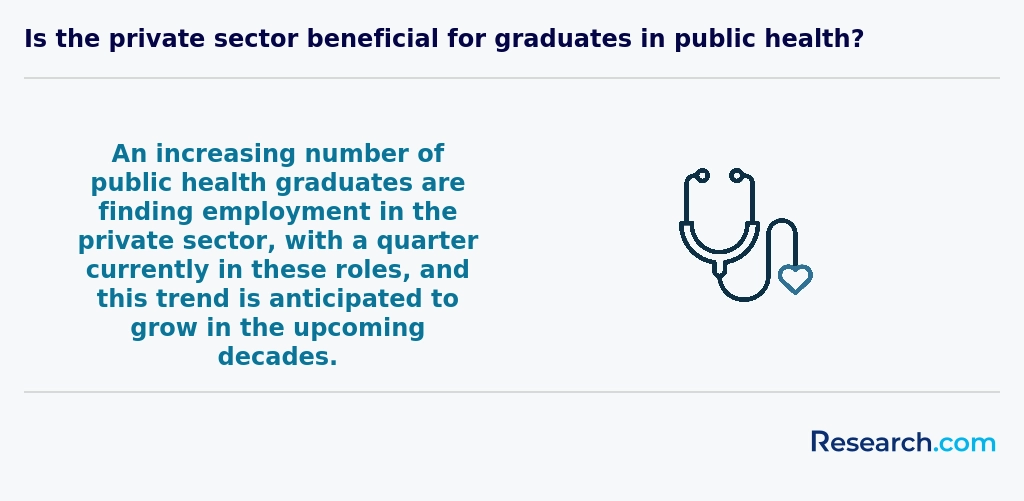
Graduates with an online healthcare degree in America find themselves stepping into a bunch of exciting careers. Many jump into healthcare administration, managing operations at hospitals or clinics, which means lots of interaction, budgeting, and following healthcare laws. Others who earned an online Bachelor of Science in Nursing (BSN) often become Registered Nurses (RNs), working closely with patients and coordinating care-this role especially shines in outpatient centers and home healthcare, where the demand is booming.
Some graduates from well-known programs at popular colleges dive into health informatics, using tech to improve patient outcomes, while others focus on public health, designing community wellness programs. You'll also hear from folks working as medical services managers or healthcare consultants, helping facilities run smoother. It's a comforting thought that these healthcare degree job opportunities America-wide lead to steady, meaningful work.
Many students exploring options also look at affordable choices; check out the Cheapest Online Healthcare Degree Programs Ranking in Springfield, MO to find quality programs that won't break the bank.
The job market for online healthcare degree graduates in America is looking pretty bright right now. Many graduates from well-known schools across the country share how they landed roles quickly in healthcare administration or nursing, thanks to practical skills gained during their studies. With healthcare being one of the fastest-growing fields, driven by an aging population and tech advances, there are plenty of opportunities sitting there for you.
For example, graduates from popular colleges in states like California often find jobs with competitive salaries, reflecting strong local demand. Nurses with online BSN degrees can expect solid wages while health information specialists enjoy steady growth too. This upbeat outlook makes it clear job market for healthcare graduates in America is friendly, especially for those who've earned accredited degrees and hands-on experience.
Cost-wise, many students weigh whether tuition fits their budget, especially since online programs range from $10,000 to $40,000. If you're looking for quicker options without sacrificing pay potential, don't miss checking out some 6 month programs that pay well. They can jumpstart your career while keeping costs manageable.
2027 Fastest Online Bachelor's in Healthcare Degree Programs Ranking in the USA
Investing in your education is a significant decision that can shape your future, and the Research.com team is keenly aware of the importance of making informed choices. To help prospective students find the fastest online bachelor's in healthcare degree programs in the USA, we have carefully developed the "2027 Fastest Online Bachelor's in Healthcare Degree Programs Ranking." Our commitment to quality, credibility, and accuracy is demonstrated through extensive research and thorough analysis.
We utilized the following reputable data sources to ensure a comprehensive evaluation of healthcare degree programs:
By consulting this ranking, readers will gain valuable insights into the fastest online healthcare bachelor's degree programs, enabling them to make well-informed decisions about their educational journeys. For more details on how this ranking was created, please visit our Research.com methodology page.


Frequently Asked Questions About healthcare
Online healthcare degree students in America can maximize their learning by actively engaging with course materials and participating in virtual discussions. Research from the National Center for Education Statistics shows that student engagement significantly boosts retention in online programs.
Scheduling consistent study times helps maintain discipline, especially since healthcare courses often require understanding complex topics like anatomy and healthcare management. Utilizing digital resources such as interactive simulations can enhance practical knowledge.
Networking with peers and instructors through online forums and webinars provides valuable professional connections within the U.S. healthcare system, which is expected to add over 2.6 million jobs by 2031, according to the Bureau of Labor Statistics.
Lastly, seeking out internships or clinical placements, when available, complements theoretical study and improves employability in the competitive healthcare market.
The healthcare industry in the United States is rapidly evolving, creating new opportunities in several specialized fields. Emerging niches include telehealth, which saw a 38-fold increase in usage between 2019 and 2021, according to the Centers for Disease Control and Prevention (CDC). Another growing area is healthcare informatics, where professionals use data analytics and electronic health records to improve patient outcomes. Additionally, gerontology is expanding due to the aging U.S. population, with increasing demand for specialists in elderly care. Behavioral health is also a critical focus, as mental health awareness continues to rise nationwide. These niches represent promising paths for online healthcare degree students seeking future-ready careers.
After earning an online healthcare degree in America, preparing for the job market requires strategic steps to stand out. Start by obtaining relevant certifications such as Certified Health Education Specialist (CHES) or Registered Health Information Technician (RHIT), depending on your focus. According to the U.S. Bureau of Labor Statistics, healthcare occupations are projected to grow 13% from 2021 to 2031, emphasizing the need for specialized credentials.
Internships and volunteer work remain valuable, offering practical experience and professional connections. Networking through platforms like the American Public Health Association or American Health Information Management Association can also open doors.
Lastly, tailor your resume to highlight both online coursework and hands-on skills, addressing employer preferences for adaptable, tech-savvy candidates in an evolving healthcare landscape.
Employers in the American healthcare sector prioritize a mix of technical and soft skills in graduates with online healthcare degrees. Critical thinking and clinical knowledge remain essential, as they directly impact patient outcomes and decision-making in complex situations. According to the U.S. Bureau of Labor Statistics, communication skills are equally crucial because healthcare professionals must clearly explain treatment plans and collaborate with multidisciplinary teams.
Additionally, adaptability and proficiency with healthcare technology, such as electronic health records (EHRs), are increasingly valued. The Office of the National Coordinator for Health Information Technology reports that over 85% of hospitals have adopted EHR systems, making tech-savviness vital.
Time management and ethical judgment are other top priorities, reflecting the high-stakes, fast-paced nature of healthcare environments across the U.S.
Finding internships relevant to a healthcare degree in America involves several strategic steps. Start by consulting your online program's career services, as many accredited schools collaborate with local hospitals, clinics, and public health organizations to offer internship placements. According to the National Association of Colleges and Employers (NACE), 63% of healthcare internships turn into job offers, highlighting their importance.
Utilize online platforms like Handshake and the Healthcare Career Center to locate opportunities nationwide. Networking through professional associations such as the American Public Health Association can also lead to valuable internships. Additionally, consider applying directly to health systems or government agencies that offer structured internship programs designed for students enrolled in healthcare degrees.
In the United States, earning an online healthcare degree significantly enhances career mobility and advancement opportunities. According to the Bureau of Labor Statistics (BLS), healthcare occupations are projected to grow 13% from 2021 to 2031, much faster than the average for all jobs. This growth creates demand for qualified professionals, making a degree in healthcare a valuable asset.
Online degrees offer flexibility for working adults, enabling them to gain updated skills without leaving their current roles. Graduates often qualify for higher-paying positions, such as healthcare administration or specialized clinical roles. Employers increasingly recognize accredited online programs, which can lead to faster promotions and expanded responsibilities.
Studying for a healthcare degree in America offers a strong foundation for interdisciplinary roles, which are increasingly important in today's complex healthcare environment. Many programs incorporate courses in health policy, informatics, and management, equipping students with diverse skills.
According to the U.S. Bureau of Labor Statistics, healthcare occupations are projected to grow 16% from 2021 to 2031, highlighting the need for professionals who can collaborate across fields.
Online healthcare degrees often include opportunities for teamwork and problem-solving in virtual settings, mirroring real-world interdisciplinary collaboration among nurses, physicians, and administrators.
This training cultivates adaptability and communication skills critical for integrated healthcare delivery.
Choosing between a thesis and a non-thesis healthcare degree program in America depends on your career goals and learning preferences. Thesis programs typically involve conducting original research, which can be ideal if you plan to pursue advanced study or work in clinical research. According to the National Center for Education Statistics, about 20% of U.S. healthcare master's programs include a thesis option, emphasizing research skills.
Non-thesis programs, more common in applied healthcare fields, focus on practical skills and coursework. They suit students aiming to enter the workforce quickly or advance in management roles. Online programs often offer non-thesis tracks to accommodate working professionals.
Consider your long-term plans: thesis programs may take longer and demand more writing but can strengthen graduate school applications, while non-thesis tracks emphasize professional practice and flexibility.
American students seeking to study healthcare abroad online have several options. Many US institutions partner with foreign universities to offer joint or dual-degree programs, allowing students to gain international experience while earning a US-accredited degree. According to the Institute of International Education, about 40% of American students studying abroad participate in health-related fields.
Some universities in countries like the UK, Australia, and Canada provide fully online healthcare degrees accessible from the US, often with flexible schedules tailored to working professionals. These programs frequently cover global health perspectives, complementing US healthcare education standards set by bodies like the Commission on Accreditation of Healthcare Management Education (CAHME).
Additionally, American students should verify that foreign online degrees align with US licensing requirements if intending to practice healthcare domestically. Research from the National Center for Education Statistics highlights increasing interest in global online learning, underscoring expanded access to diverse healthcare curricula for US learners.
Part-time job opportunities can significantly enhance the education of students pursuing healthcare degrees online in America. Common roles include medical scribe, pharmacy technician, and home health aide. These positions provide practical experience in patient care, medical documentation, and medication management.
The U.S. Bureau of Labor Statistics reports that healthcare support roles are among the fastest-growing job categories, with home health aides expected to grow 11% from 2022 to 2032.
Working part time in healthcare settings offers insight into real-world challenges, strengthens communication skills, and helps build professional networks. Such experience can make students more competitive in the job market post-graduation.
Online healthcare students in America have various networking opportunities despite the remote learning format. Many programs offer virtual meetups, discussion forums, and group projects that connect students with peers and faculty nationwide. According to the National Center for Education Statistics, 65% of online healthcare programs incorporate interactive platforms to foster community engagement.
Students can also join professional healthcare associations such as the American Healthcare Association or the National Healthcareer Association. These organizations provide online events, webinars, and local chapter meetups, aiding in professional networking and career development.
Internships and clinical placements arranged through universities remain key for real-world connections, often leading to job opportunities.
Alumni networks play a crucial role in supporting online healthcare degree students in America. These networks provide access to professional connections that can lead to internships, job opportunities, and mentorship. According to the National Association of Colleges and Employers (NACE), 70% of jobs are secured through networking, underscoring the importance of strong alumni ties.
For healthcare students, these networks often include graduates working in diverse settings such as hospitals, clinics, and public health organizations. Engaging with alumni allows students to gain insights into the industry's evolving demands and best practices.
Moreover, alumni events and online forums foster a sense of community, which can be especially valuable for remote learners seeking peer support and professional guidance.
Customizing an online healthcare degree program in America allows students to tailor their education to specific career goals. Many programs offer elective courses, concentrations, or specializations in areas like health informatics, healthcare management, or public health.
The U.S. Bureau of Labor Statistics projects a 16% growth in healthcare jobs from 2021 to 2031, highlighting the importance of targeted skills. Choosing a specialization can improve employability in these expanding fields.
Additionally, selecting programs with flexible course formats, internships, or capstone projects helps students gain practical experience aligned with their career paths.
Accreditation by recognized bodies ensures quality education relevant to healthcare professions nationwide.
Online healthcare students in America face several challenges impacting their education experience. A key difficulty is the need for reliable clinical placements, as hands-on training is essential in healthcare but often limited by location or availability. According to the American Association of Colleges of Nursing, clinical site shortages affect many programs nationwide.
Another common challenge involves balancing coursework with work or family responsibilities. Many students in online healthcare degrees juggle jobs or caregiving roles, which can hinder consistent study time.
Additionally, some students report feelings of isolation due to limited face-to-face interaction with peers and instructors. This can affect motivation and engagement. Technical issues, such as unstable internet connections, also remain a barrier for a portion of learners in rural areas, according to Pew Research Center.
With an online healthcare degree in the United States, you can pursue various professional certifications that enhance your career opportunities. Common certifications include Certified Nursing Assistant (CNA), Registered Health Information Technician (RHIT), and Certified Medical Assistant (CMA). These credentials often require passing an exam and meeting clinical experience requirements.
The U.S. Bureau of Labor Statistics reports that healthcare occupations are expected to grow 13% from 2021 to 2031, indicating strong demand. Certifications such as Certified Professional in Healthcare Quality (CPHQ) and Health Information Management certifications are valued for administrative roles. These certifications improve job prospects and earning potential in a competitive field.
Writing a winning application for an online healthcare program in America begins with clear and concise personal statements. Applicants should highlight relevant healthcare experience and explain their motivation for choosing the field. Given the growing demand for healthcare professionals-projected to increase 16% from 2021 to 2031 by the U.S. Bureau of Labor Statistics-clarifying career goals strengthens the case.
Strong letters of recommendation from supervisors or professors can attest to your skills and dedication. Additionally, ensure all transcripts reflect a solid academic record, especially in science and math courses, which are foundational to healthcare studies.
Finally, meet all deadlines and carefully follow application instructions to avoid common errors that delay processing.
Healthcare careers hold a strong global importance due to increasing demands for quality medical services and advancing technologies. In the United States, the healthcare sector is among the fastest-growing industries, expected to add about 2.6 million jobs from 2021 to 2031, according to the U.S. Bureau of Labor Statistics.
Internationally, healthcare professionals are highly valued, reflecting a shared priority for health on a global scale. However, educational standards and licensing requirements differ widely by country. For U.S. students pursuing online healthcare degrees, understanding these variations is crucial for potential global career mobility.
Moreover, the global emphasis on public health, aging populations, and chronic disease management continues to drive demand for skilled healthcare workers both in America and around the world.
Gaining practical experience during an online healthcare degree in America is vital for career readiness. Many programs include clinical placements or internships arranged locally, allowing students to fulfill hands-on requirements close to home. According to the American Association of Colleges of Nursing (2023), over 80% of accredited healthcare programs require clinical hours to develop real-world skills.
Students can also seek volunteer opportunities in hospitals, clinics, or public health organizations. These experiences provide valuable exposure to patient care and healthcare operations. Additionally, virtual simulations and labs are increasingly integrated into curricula, helping students practice clinical scenarios safely online.
Networking with local healthcare providers can open doors to mentorship and job-shadowing, enhancing practical knowledge while studying remotely.
Choosing the right concentration within an online healthcare degree program in America involves evaluating your career goals and the current job market. The U.S. Bureau of Labor Statistics projects a 16% growth in healthcare occupations from 2021 to 2031, indicating strong demand across many specialties. Popular concentrations include healthcare administration, nursing, informatics, and public health.
Consider factors like salary potential, work environment, and necessary certifications. For example, healthcare administration graduates may pursue management roles with median salaries above $104,000 per year (BLS, 2023). Meanwhile, informatics blends technology and healthcare, a growing field as hospitals adopt electronic records.
Review program curricula closely to ensure they cover skills aligned with your interests. Accreditation status and faculty expertise also affect quality and recognition of the degree.
See What Experts Have To Say About Studying Healthcare
Read our interview with Healthcare experts

- 2026 Most Affordable Online Healthcare Administration ... https://www.onlineu.com/most-affordable-colleges/healthcare-administration-degrees
- 15 Best Online Bachelor's Degrees in Health Services 2019 https://www.healthcare-administration-degree.net/best-online-bachelors-degrees-in-health-services/
- How service-learning experiences can help undergraduate ... https://www.ijsed.com/article/123671-how-service-learning-experiences-can-help-undergraduate-students-choose-a-health-related-profession-a-perspective
- Online Healthcare Degree Programs https://www.phoenix.edu/online-healthcare-degrees.html
- How Long Is Nursing School in The USA? https://www.shiftmed.com/professionals/blog/how-long-is-nursing-school-in-the-usa/
- How long does it take to become a doctor https://www.umhs-sk.org/blog/how-long-does-it-take-to-become-a-doctor
- Medical Specialties Associate Online Degree https://www.uscareerinstitute.edu/online-medical-specialties-associate-degree
- Healthcare Students Learning https://www.unlvhealth.org/article/healthcare-students-learning
- Online Healthcare Programs: Healthcare & Medical Training https://medcerts.com/programs/healthcare/
- Best Healthcare Degrees & Programs https://www.accreditedschoolsonline.org/healthcare/degrees/