
2027 Most Affordable Healthcare Degree Programs Ranking in the USA

Co-Founder and Chief Data Scientist
Choosing the right healthcare degree program can be challenging, especially when balancing quality and affordability. This article introduces the 2027 Most Affordable Healthcare Degree Programs Ranking in the USA, created by the Research.com team of data scientists. It aims to help students like you make an informed decision about which programs offer the best value.
By exploring this ranking, you'll discover accessible options that align with your goals and budget. Pursuing a healthcare degree opens doors to rewarding careers that make a real difference. Let this guide inspire your journey toward a fulfilling future.
Key benefits of getting healthcare degree in America
- Healthcare degree graduates can expect competitive wages; for example, a Quality Improvement Coordinator earns a mean annual salary of $103,150, while roles like Medical Assistant and Health Information Technician offer around $43,350 annually.
- Graduates from popular universities often find diverse career options, including clinical roles, research coordination, and patient care specialties, allowing flexible and rewarding job choices.
- Completing a healthcare degree online, such as through well-known institutions, offers convenience and flexibility, enabling students to balance work and studies while still gaining valuable skills for the healthcare industry.
- 2027 Most Affordable Healthcare Degree Programs Ranking in the USA
- What can I expect from healthcare degree in America?
- Where can I work with healthcare degree in America?
What can I expect from healthcare degree in America?
The average cost of pursuing a healthcare degree in America can be an exciting investment in your future, with many students embracing this challenge with enthusiasm. At popular institutions like the University of Pennsylvania or the University of Michigan, graduates often recall balancing tuition fees that hover around $10,000 to $12,000 per year at public universities, though private schools can be higher. For example, a nursing student might find the path demanding but rewarding, especially when extra fees for lab work and clinical placements come into play-adding layers of hands-on learning that feel like stepping directly into the pulse of healthcare.
Many graduates describe the financial commitment as a small price for the rich experience of combining rigorous science courses with real-world clinical internships. Imagine spending your days immersed in anatomy classes at a bustling campus, then transitioning to a hospital setting where every patient encounter feels like a new chapter in your education. This blend of classroom and practical learning, though sometimes costly, creates an engaging journey that many healthcare students in America find truly worthwhile.
Where can I work with healthcare degree in America?
Graduates from healthcare programs at schools like the University of Michigan or Johns Hopkins often find themselves stepping into bustling hospitals, the heartbeats of healthcare in America. Imagine navigating the fast-paced corridors where nearly 36% of healthcare jobs thrive, directly impacting patient lives.
Others recall the excitement of working in outpatient care centers-vibrant spaces like urgent care clinics or outpatient surgery units-where about 11% of healthcare professionals bring quick and compassionate care to communities craving convenience beyond hospitals.
Some adventurous graduates explore long-term care facilities, such as nursing homes or rehabilitation centers, providing essential support to an aging population, echoing the real-world stories of nearly 16 million Americans receiving these services annually.
Government roles in public health departments or Medicare offices offer a unique venue to influence policies and community wellness, a path many find deeply rewarding and impactful.
Private practice clinics and academic institutions also attract healthcare graduates hungry for personalized patient care or groundbreaking medical research, illustrating the diversity of career paths shaped by a healthcare degree in America.
With a healthcare degree from popular schools like the University of Michigan or Johns Hopkins, graduates often step into roles that offer both rewarding work and appealing salaries. Imagine starting as a Medical Assistant earning an average of $43,350 a year-enough to cover essentials and build experience while exploring the vast healthcare landscape.
Many graduates find themselves as Patient Care Technicians, where the mean annual wage rises to about $60,790. This jump reflects the valuable hands-on skills learned during their studies, providing not just a paycheck but pride in meaningful patient care.
Other paths include roles like Health Information Technician or Clinical Research Coordinator, both hovering around $43,350 annually, perfect for those who love combining healthcare with technology or research.
For those aiming higher, Quality Improvement Coordinators, often graduates with additional expertise from institutions such as Emory University, can earn a compelling mean salary of $103,150. Such positions allow graduates to impact healthcare quality at systemic levels, opening doors to leadership and innovation.
- Healthcare degrees in the US range from associate to doctoral levels, covering fields like nursing, medical technology, public health, and healthcare administration.
- Annual tuition for public healthcare programs is typically $7,000 to $15,000 for in-state students, while private schools can charge over $30,000 per year.
- Starting salaries for healthcare graduates with a bachelor's degree range from $50,000 to $70,000, with experienced professionals earning over $100,000 annually in specialized roles.
- The healthcare job market is expected to grow about 15% from 2021 to 2031, faster than many other fields.
- Program accreditation from bodies like CCNE or ACEND is important for licensure and certification eligibility in many healthcare careers.
Wondering how long it takes to earn a healthcare degree in America? Imagine a curious student stepping onto the vibrant campus of a university like the University of North Carolina or Ohio State-committing about two years to an associate degree to dive into hands-on roles like medical assisting. Graduates from these programs often share how quickly those foundational skills open doors and spark excitement for healthcare careers.
For those chasing more advanced roles, picture walking the bustling halls of Johns Hopkins or the University of Michigan. Here, a bachelor's degree usually takes around four years, blending classroom learning with real clinical experiences. Alumni often recall the thrill of their first patient interaction during clinical rotations, making the years fly by despite the hard work.
Graduates aiming for master's degrees at places like Emory or Boston University embrace an adventurous two to four years of intense study-balancing practicums and research that enrich their expertise.
And for fearless explorers ready to conquer doctorates, med students at institutions such as Harvard or UCLA dedicate four or more years plus residencies, fueled by the dream of transforming patient care.
Imagine juggling a healthcare degree while balancing a full-time job and family-this is where online programs at universities like Arizona State or Liberty shine. Graduates often praise the freedom to watch lectures after putting kids to bed, turning chaotic days into manageable learning moments. In contrast, attending an on-campus course at schools such as the University of Michigan offers a vibrant daily rhythm, with face-to-face interactions that spark lively discussions in labs and hallways.
Clinical hours bring an exciting challenge. Online learners coordinate local practicum sites near their hometowns, sometimes requiring extra patience but offering personalized experiences. On-campus students at places like Johns Hopkins benefit from seamless access to renowned hospitals, diving into hands-on training alongside peers.
Tuition also plays a role-while public universities may charge on-campus students around $10,940 yearly, online learners might save on housing and commuting, easing financial stress. Both pathways demand dedication but open doors to rewarding healthcare careers with unique advantages.
Accreditation is a critical indicator of educational quality and institutional integrity for affordable healthcare degree programs. Prospective students should verify that their chosen institution holds regional accreditation from recognized bodies such as the Higher Learning Commission (HLC) or Middle States Commission on Higher Education (MSCHE), as well as programmatic accreditation from agencies like the Commission on Accreditation of Allied Health Education Programs (CAAHEP) for allied health degrees or the Council on Education for Public Health (CEPH) for public health programs. These accreditations ensure curricula meet rigorous academic standards, qualify graduates for licensure exams, and are respected by employers nationwide. Beyond accreditation, program quality can be assessed through metrics such as student-to-faculty ratios, graduation rates, and clinical placement success. Low faculty turnover and robust support services-such as dedicated career counselors and simulation labs-often correlate with higher student satisfaction and stronger job readiness. When comparing affordability, it’s essential to balance tuition costs against these quality markers to maximize long-term value. For students exploring flexible, cost-effective options, online master’s pathways can offer both convenience and the same rigorous accreditation as on-campus counterparts. For those interested in deepening their expertise through an online master’s program, see our Affordable Online Master's in Healthcare Degree Programs Ranking in New Jersey for a curated list of regionally and programmatically accredited programs that meet high standards of academic excellence while remaining budget-friendly.
The average cost of a healthcare degree in America invites students to navigate a fascinating mix of numbers and experiences. For those aiming to receive their degree from a public university, the median tuition sits around $16,758 for in-state students, while out-of-state students often encounter a much larger figure near $41,900. Graduates from community colleges pursuing associate healthcare degrees enjoy a more accessible range, typically between $6,000 and $15,000, making them savvy starters on their healthcare journey.
Imagine the excitement of a nursing student at a renowned public university discovering that their tuition reflects not just classroom learning but access to advanced technology and simulation labs that shape their practical skills. This layering of fees explains why the average cost of healthcare degree programs in the USA can sometimes reach upward of $40,000 to $120,000 for bachelor's degrees, depending on where one studies.
Private institutions and specialized graduate programs, like Physician Assistant or Master of Public Health degrees, often mark an even higher climb in costs. Yet, many students feel a powerful sense of achievement, fueled by financial aid and scholarships that help balance these expenses. Prospective learners researching the most affordable healthcare schools can explore options tailored to their budget and dream through resources like most affordable healthcare schools.
Choosing healthcare as a path in America is a vibrant adventure full of both challenge and reward, wrapped within the reality of affordable healthcare degree tuition fees United States students are eager to master and overcome.
Accreditation serves as a critical quality marker for the most affordable healthcare degree programs, ensuring that graduates are eligible for professional licensure and competitive employment. Regional accreditation-granted by agencies such as the Middle States Commission on Higher Education (MSCHE) or the Higher Learning Commission (HLC)-validates an institution’s overall academic standards. Programmatic accreditation, meanwhile, targets specific disciplines: for example, the Commission on Accreditation in Physical Therapy Education (CAPTE) accredits physical therapy assistant programs, while the Commission on Collegiate Nursing Education (CCNE) oversees nursing curricula. When evaluating affordability, students should verify both institutional and programmatic accreditations to guarantee eligibility for federal financial aid and seamless transfer of credits. Graduates of CAPTE-accredited programs, for instance, qualify to sit for the National Physical Therapy Exam (NPTE). Those interested in physical therapy assistant training can compare costs and curriculum outcomes by exploring our Best Online Associate in Physical Therapy Assistant Programs, which balance affordability with CAPTE standards. Licensure requirements vary by state and profession. Most healthcare roles-from health information technicians to medical assistants-mandate passing a certification exam administered by bodies like the American Health Information Management Association (AHIMA) or the National Healthcareer Association (NHA). Prospective students should consult state licensing boards early in the application process to understand clinical hour requirements, background checks, and continuing education mandates. By prioritizing accredited programs and aligning coursework with licensure criteria, students can maximize return on investment, reduce time to certification, and confidently enter a diverse and growing job market.
Imagine being a healthcare student at a bustling institution like the University of Michigan or the University of North Carolina, where the road to your degree feels a little less daunting thanks to federal aid. Many graduates recall how completing the FAFSA unlocked access to Pell Grants-need-based funding ranging from $600 to over $6,500 yearly-that didn't require repayment, breathing relief into their finances during intense study periods.
Others discovered federal student loans with fixed interest and flexible repayment, perfectly suited for health careers. One graduate praised how programs like Public Service Loan Forgiveness erased their debt after a decade of working in clinics, turning their investment in healthcare into a rewarding journey.
Scholarships from respected groups such as the American Nurses Association often light up the path for nursing and allied health students. Meanwhile, work-study roles at sites like Johns Hopkins provided hands-on experience and steady income-the perfect combo for focused learners.
State grants and university aid packages frequently support residents attending local universities with a love for healing, making the dream of a healthcare degree a little closer every day.
As the healthcare field continues to evolve at a breakneck pace, understanding future trends is essential for prospective students seeking a dynamic and sustainable career. Recent innovations in digital health, telemedicine, and simulation-based learning are reshaping the way healthcare education is delivered, making it more interactive and accessible. Institutions are increasingly integrating technology into their curricula, ensuring that students are equipped with both theoretical insights and practical expertise to thrive in a competitive job market. Moreover, the rapid rise in online program offerings, including those from some of the most affordable healthcare schools, has democratized access to quality education, enabling individuals from diverse backgrounds to pursue degrees while balancing work and personal commitments. This shift not only reflects a response to current market demands but also anticipates future workforce needs, where adaptability and continuous learning will be paramount. With a growing emphasis on interdisciplinary approaches, future graduates can expect a learning environment that prioritizes innovation, collaboration, and the seamless integration of emerging technologies into everyday healthcare practices.
Imagine stepping onto the vibrant campus of a top healthcare school like Johns Hopkins or the University of California, San Francisco-your journey begins with meeting key prerequisites that open the door to this adventure. For undergraduates, that means a high school diploma paired with foundational courses like Biology and Chemistry, giving you the sturdy scientific footing needed for the challenges ahead. Graduates, who dream of programs such as the Master of Public Health or Physician Assistant studies, come prepared with a relevant bachelor's degree and often a solid GPA around 3.0, reflecting the dedication that these universities expect.
Many graduates recall how completing prerequisite courses in anatomy, physiology, or microbiology was thrilling-a way to understand the body like never before. Plus, engaging in clinical volunteer work or internships provided priceless real-world exposure, often sparking that "aha" moment when theory meets practice. Schools frequently require tests like the GRE, adding a dash of challenge to your preparation but also confirming readiness. This mix of academics and hands-on experience truly shapes confident healthcare professionals ready to make a difference.

In today’s rapidly evolving healthcare landscape, the learning journey doesn’t end with your degree. Embracing continuous education and professional certifications is a key strategy to stay competitive and adapt to emerging industry trends. Pursuing specialized credentials not only deepens your expertise in areas such as healthcare IT, coding, and billing but also signals to employers your commitment to excellence. For instance, obtaining certifications through programs like medical coding online classes can provide you with targeted skills that enhance both your resume and practical capabilities. By integrating ongoing training-whether via flexible online courses, hands-on workshops, or advanced degree programs-healthcare professionals can continuously refine their technical proficiency, leadership abilities, and understanding of regulatory standards. This commitment to lifelong learning is essential for career advancement and ensures that you remain a valuable asset in a dynamic and increasingly competitive field.
Imagine diving into a healthcare degree at a university like the University of Michigan or UCLA, where your journey begins with fascinating foundational courses like Anatomy and Physiology, Microbiology, and Chemistry. Graduates often recall the excitement of exploring the human body's inner workings, understanding how cells function, and identifying disease processes firsthand.
Alongside these, students quickly immerse themselves in practical courses such as Medical Terminology and Health Assessment, sharpening clinical skills essential for patient care. Many describe the thrill of their first clinical practice labs, where textbook knowledge transforms into real-life patient interactions.
For those drawn to healthcare leadership, classes on Healthcare Policy, Health Law and Ethics, and Healthcare Economics provide insightful tools to navigate the complex healthcare system. At colleges like Johns Hopkins or Emory, learners appreciate how these courses prepare them to advocate for better patient outcomes and innovate healthcare delivery.
United by a mix of science, hands-on practice, and management studies, these courses equip American healthcare students to confidently step into diverse roles, whether in bustling hospitals or community clinics.
Diving into healthcare degree specializations in the USA reveals an exciting world of opportunities. Nursing, for instance, captivates many graduates from universities like the University of Pennsylvania and the University of Michigan, offering paths as Registered Nurses or Nurse Practitioners, roles in high demand nationwide. Imagine studying at a bustling campus where hands-on clinical experience complements coursework, preparing you for a dynamic career.
Public health is another compelling path, explored enthusiastically by students at schools such as Johns Hopkins University. It opens doors to community health initiatives and epidemiology adventures, where you could influence health policy on a broad scale. Meanwhile, health administration specializations attract those dreaming of running major hospitals or insurance firms, combining business savvy with healthcare insight.
Allied health fields like physical therapy and radiology offer focused clinical training, popular among graduates from institutions like Boston University. The blend of technology and patient care in emerging fields like health informatics calls for curiosity and innovation. Some are even drawn to mental health counseling, riding the wave of growing awareness in wellness.
For those interested in combining healthcare with practical skills, exploring medical coding online classes provides a swift and rewarding entry point into the industry. This diversity underscores why top healthcare specialties in America continue to evolve, welcoming countless eager students ready to make a difference.
Choosing the best healthcare degree in America feels like setting off on a thrilling journey where your passions meet practical goals. Graduates from renowned universities often share how picking a program matching their desired role-be it nursing or health administration-shaped their career excitement. Imagine attending a public university famous for nursing and the sense of pride when passing the NCLEX-RN. Balancing expenses is key too: in-state tuition might be around $10,000 annually, a relief compared to private tuition, yet graduates remind you to budget for clinical placements and exams as well. Exploring flexibility is part of the adventure-many students appreciate programs offering part-time, online, or hybrid formats that fit life's twists. When hunting for the top healthcare degree programs in America, it's wise to check program reputations and licensure pass rates rigorously. For those intrigued by therapy careers, the Best Online Associate in Physical Therapy Assistant Programs offer exciting, affordable options.
Finding a best affordable healthcare degrees USA is about weaving your ambitions with real-world challenges, making every study experience uniquely rewarding.
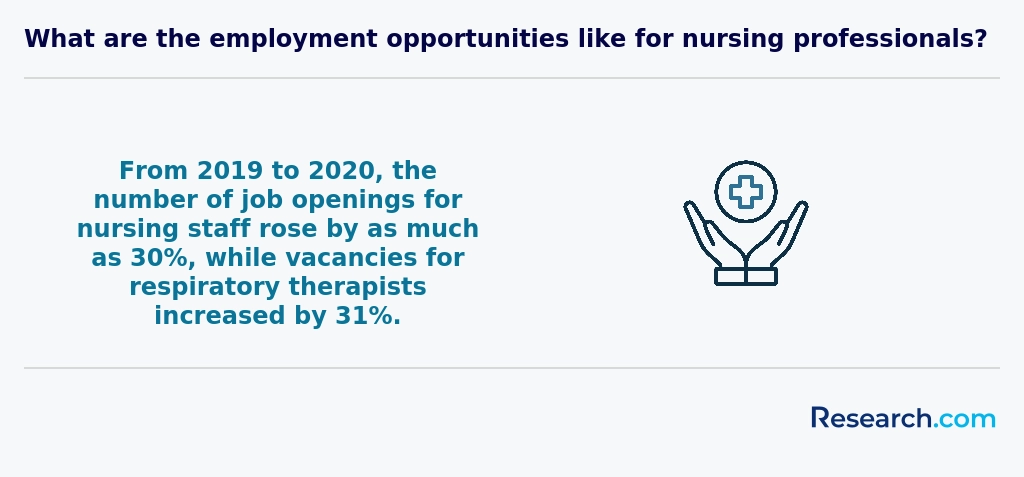
Graduates with a healthcare degree in America discover a vibrant mix of career paths that spark both passion and purpose. Many alumni from renowned universities embark on journeys as registered nurses, drawn to dynamic hospital floors where every shift writes a new story of care and healing. Others dive into allied health roles like respiratory therapists or radiologic technicians, where rapid growth and hands-on expertise meet at the forefront of patient treatment. Exploring healthcare career opportunities in the USA unveils exciting administrative roles too, with healthcare managers shaping the future of hospital systems and clinics.
Public health graduates often find themselves championing community wellbeing, working in nonprofits or government agencies to prevent disease and promote healthier lifestyles-a rewarding challenge many students discussed fondly at popular institutions known for their public health programs. Research careers also intrigue adventurous grads who innovate new therapies and enhance healthcare efficiency with data analytics. For those navigating healthcare degree job prospects in America, programs from top schools offer affordable options, sometimes highlighted in rankings like the Affordable Online Master's in Healthcare Degree Programs Ranking in New Jersey, making this journey accessible and inspiring.
The job market for healthcare degree graduates in America is vibrant and expanding, fueled by an aging population and constant medical innovation. For students from universities well-known for healthcare programs, like those in large metro areas or renowned public colleges, the thrill of stepping into in-demand roles feels real and promising. Registered nurses, physician assistants, and healthcare administrators find doors wide open, with growth rates much higher than average. Exploring healthcare degree job outlook USA reveals exciting opportunities, especially for those ready to serve in rural or underserved urban communities where professionals are critically needed.
Graduates often share stories of how hands-on experiences through internships and clinical rotations at respected institutions boosted their confidence and employability. Many also highlight the possibility to start with solid earnings, with median wages for nurses and healthcare admins beating many other fields. For those wanting to fast-track their journey, programs like 6-month associate degree programs online offer an adventurous path into the field. Opportunities in healthcare employment opportunities in America invite passionate learners to join a dynamic workforce that makes a real difference every day.
2027 Most Affordable Healthcare Degree Programs Ranking in the USA
Investing in your education is a significant decision that can shape your future, and the Research.com team fully recognizes the importance of making well-informed choices. To support those seeking affordable healthcare degree programs, we have carefully developed the "2027 Most Affordable Healthcare Degree Programs Ranking in the USA." Our dedication to quality, credibility, and accuracy is demonstrated through extensive research and rigorous analysis.
We utilized the following reputable data sources to ensure a comprehensive evaluation of healthcare programs:
By exploring this ranking, readers will gain valuable insights into affordable, high-quality healthcare degree options, empowering them to make confident and informed decisions about their education. For more information on how we created this ranking, please visit our Research.com methodology page.


# 4 position
University of the People
Bachelor of Science in Health Sciences


# 6 position
Dine College
Bachelor of Science in Health Sciences


# 9 position
Humacao Community College
Bachelor of Science in Nursing


# 14 position
College of the Mainland
Bachelor of Science in Nursing


Frequently Asked Questions About healthcare
Healthcare degree students in America can enhance their learning by actively engaging in clinical experiences, which are vital for applying theoretical knowledge. According to the American Association of Colleges of Nursing, over 80% of nursing programs require hands-on clinical hours, emphasizing real-world practice. Students should also seek internships or volunteer opportunities in healthcare settings to build practical skills.
Utilizing resources such as simulation labs and joining study groups helps reinforce understanding of complex medical concepts. Staying informed about the latest healthcare policies and technologies through reputable sources like the CDC can broaden perspectives. Balancing coursework with time management and self-care is key to maintaining academic success and well-being.
Emerging niches within the American healthcare field reflect evolving patient needs and technological advances. One rapidly growing area is telehealth, boosted by a 154% increase in telemedicine use since 2019, according to the CDC. This niche demands professionals skilled in digital communication and remote patient care.
Another promising field is health informatics, which integrates healthcare with data analytics to improve clinical outcomes. The U.S. Bureau of Labor Statistics projects 15% job growth in this sector through 2031, driven by electronic health records and AI technologies.
Additionally, gerontology is expanding due to America's aging population. Degrees focusing on elder care coordination and chronic disease management offer new career pathways.
After completing a healthcare degree in America, preparing for the job market involves several key steps. First, gaining relevant experience through internships or clinical rotations is essential. The U.S. Bureau of Labor Statistics reports that healthcare occupations are projected to grow 13% from 2021 to 2031, highlighting strong demand. Networking is also crucial; joining professional organizations like the American Medical Association or the American Nurses Association can open doors to job opportunities. Additionally, obtaining necessary licenses or certifications specific to your field improves employability. Tailoring your resume and practicing interview skills focused on healthcare settings can further enhance your chances of securing a position.
Employers in the American healthcare sector prioritize a mix of technical and interpersonal skills when hiring graduates with healthcare degrees. Clinical competence remains essential; graduates must demonstrate proficiency in evidence-based medical practices and patient care techniques, often validated through certifications and hands-on experience.
Additionally, communication skills rank highly. According to the U.S. Bureau of Labor Statistics, effective communication improves patient outcomes and interdisciplinary teamwork. Employers seek graduates who can clearly explain treatment plans and collaborate with diverse healthcare teams.
Critical thinking and adaptability are also vital. The healthcare field rapidly evolves with new technologies and regulations, so the ability to learn and adjust quickly is a top asset. Leadership and ethical decision-making further enhance a graduate's employability.
Securing an internship is a crucial step for students pursuing healthcare degrees in America, providing practical experience and professional networking. To find relevant internships, start by exploring your university's career center, which often collaborates with local hospitals and clinics. According to the National Association of Colleges and Employers (NACE), 60% of internships are accessed through school resources.
Online platforms such as Handshake and Indeed also list healthcare internships tailored to students. Additionally, professional organizations like the American Public Health Association offer internship listings specific to healthcare fields. Early application is essential, as competitive internships may fill quickly, especially in top U.S. medical centers.
In the United States, earning a healthcare degree significantly enhances career mobility and advancement opportunities. According to the Bureau of Labor Statistics, healthcare occupations are projected to grow 13% from 2021 to 2031, much faster than the average for all jobs. This growth creates strong demand for qualified professionals.
A healthcare degree often acts as a gateway to specialized roles, where advanced education is required or preferred. For example, registered nurses with a Bachelor of Science in Nursing (BSN) experience higher promotion rates compared to those with only an associate degree.
Moreover, degrees in healthcare can lead to leadership positions in hospitals, clinics, and public health organizations, expanding career pathways and salary prospects.
Studying for a healthcare degree in America equips students with the skills needed to work across various medical and health-related fields. Programs often emphasize teamwork, combining knowledge from nursing, public health, medical technology, and health administration. According to the Association of American Medical Colleges (AAMC), over 70% of healthcare roles involve collaboration with professionals from different disciplines. This prepares graduates to address complex patient needs effectively.
Curricula include courses on communication, ethics, and healthcare systems, fostering a well-rounded understanding of patient care. Many schools also provide interprofessional education (IPE) experiences, where students from different healthcare programs learn together. This approach helps build essential skills for coordinating care in today's diverse medical settings.
Choosing between a thesis and a non-thesis healthcare degree program in America depends on your career goals and learning preferences. Thesis programs require conducting original research and writing a detailed paper, ideal for students aiming to pursue a PhD or research-focused roles. Non-thesis programs typically emphasize practical knowledge and coursework, making them suitable for professionals targeting clinical or administrative positions.
According to the National Center for Education Statistics, about 30% of master's healthcare programs offer thesis options, often at research universities. Consider time commitment: a thesis may extend your study by 6-12 months.
Financial factors also matter, as thesis programs sometimes provide research assistantships.
Students based in America who wish to study healthcare abroad have several pathways to consider. Many universities in the U.S. offer exchange programs or partnerships with international institutions, allowing students to gain global experience while earning credits toward their degree. According to the Institute of International Education, about 58% of American students studying abroad in 2022 chose health-related fields as their major.
Another option is enrolling directly in foreign healthcare institutions, especially in countries like the UK, Canada, and Australia, which have well-regarded medical and nursing schools. However, students must verify accreditation to ensure eligibility for U.S. licensure exams, as outlined by the Educational Commission for Foreign Medical Graduates (ECFMG).
Programs abroad often provide exposure to different healthcare systems and practices, an advantage given the growing demand for culturally competent healthcare professionals in America. The U.S. Bureau of Labor Statistics projects healthcare occupations to grow 13% from 2021 to 2031, highlighting increasing opportunities for globally trained graduates.
Many part-time job opportunities in America can complement healthcare degree education by providing relevant experience. Positions such as certified nursing assistants (CNAs), medical assistants, and pharmacy technicians allow students to work directly with patients and healthcare teams. According to the U.S. Bureau of Labor Statistics, these roles often offer flexible schedules suited for students.
Working as medical scribes or hospital receptionists can also help students understand clinical workflows and documentation. These jobs develop communication and organizational skills essential in healthcare careers. Additionally, roles in labs or research facilities may provide exposure to healthcare technology and data analysis, valuable in modern medicine.
Healthcare students in America have access to a wide range of networking opportunities essential for career development. Universities often host professional events, including guest lectures and career fairs, where students can connect with industry leaders. According to the American Association of Colleges of Nursing, over 80% of healthcare students participate in internships or clinical rotations, which are vital for building professional networks.
Many schools also support student organizations like the American Medical Student Association or the Health Occupations Students of America. These groups provide access to conferences and mentorship programs. Additionally, online platforms such as LinkedIn are widely used by students to engage with healthcare professionals and alumni.
Alumni networks provide valuable support for healthcare degree students in America by offering professional connections and career guidance. According to the National Association of Colleges and Employers (NACE), over 70% of jobs are secured through networking. These networks often include healthcare professionals who share job leads, internships, and mentoring opportunities tailored to specific fields like nursing, public health, or medical technology.
They also help students stay informed about emerging trends and continuing education resources in a rapidly evolving sector. Moreover, some alumni groups organize workshops and conferences, enhancing practical skills and increasing students' competitiveness in the healthcare job market.
Customizing a healthcare degree program in America allows students to align education with specific career goals. Many universities offer concentrations or tracks within degrees, such as public health, health administration, nursing, or health informatics. These options enable focused learning in areas with strong job growth, like healthcare management, which is projected to grow 32% by 2030 according to the U.S. Bureau of Labor Statistics.
Students can also choose elective courses or internships that provide practical experience in their desired field. Online programs add flexibility, helping working professionals tailor their schedules without delaying education. Selecting accredited schools ensures coursework meets industry standards required for certifications or licenses.
Healthcare students in America often face significant challenges that can impact their academic success and well-being. One major obstacle is the high cost of education. According to the American Association of Colleges of Nursing, tuition for nursing programs can average between $10,000 and $40,000 annually, often leading to substantial student debt.
Another challenge is the demanding coursework and clinical hours required. Students must balance rigorous academic study with hands-on training, which can cause stress and burnout. The National Academies of Sciences found that over 40% of healthcare students report symptoms of anxiety and depression.
Additionally, healthcare programs require maintaining strict licensure and certification standards, which adds pressure. Limited clinical placements and competition for internships further complicate gaining practical experience.
A healthcare degree in America opens doors to various professional certifications that enhance career opportunities and credibility. Common certifications include Certified Nursing Assistant (CNA), Registered Nurse (RN), and Licensed Practical Nurse (LPN), which require state licensing exams after completing accredited programs. For those interested in administration or specialized roles, certifications like Certified Medical Manager (CMM) or Certified Professional Coder (CPC) are available.
The American Hospital Association reports that the healthcare sector expects a 15% growth from 2021 to 2031, increasing the demand for certified professionals. Certifications such as Certified Health Education Specialist (CHES) support public health careers, while clinical roles may pursue certifications from the American Society of Clinical Pathology (ASCP).
Writing a winning application for a healthcare program in America requires careful preparation and clear communication. Start by researching the specific program's requirements and tailoring your personal statement accordingly. Highlight your passion for healthcare and relevant experience, such as volunteering or internships, which 56% of accepted applicants typically possess according to the American Association of Colleges of Nursing.
Strong letters of recommendation from healthcare professionals or professors are crucial; these validate your commitment and skills. Include academic achievements and emphasize soft skills like empathy and teamwork, highly valued in healthcare careers.
Finally, ensure your application is error-free and well-organized, as programs see numerous applications and value clarity and professionalism.
Healthcare careers in the United States are highly regarded worldwide, reflecting the country's advanced medical education system and cutting-edge research facilities. According to the U.S. Bureau of Labor Statistics, employment in healthcare occupations is projected to grow 13% from 2021 to 2031, faster than the average for all occupations. This growth is driven by an aging population and increased focus on chronic disease management.
American healthcare degrees, especially in nursing, medicine, and public health, are considered benchmarks globally, largely due to rigorous accreditation standards established by organizations like the Commission on Collegiate Nursing Education (CCNE).
Graduates from U.S. programs often find international opportunities, as many countries recognize American credentials for advanced healthcare roles. A 2022 World Health Organization report highlights the U.S. as a leader in healthcare innovation and training, influencing curricula worldwide.
Gaining practical experience is essential when studying for a healthcare degree in America. Students often participate in clinical rotations, internships, and externships at hospitals, clinics, or community health centers. These opportunities offer hands-on learning under the supervision of licensed professionals, which enhances skills and improves job readiness.
Many accredited programs require clinical hours; for example, nursing students typically complete between 500 and 1,000 hours in clinical settings, as noted by the American Association of Colleges of Nursing. Additionally, joining student organizations or volunteering in healthcare facilities provides networking and real-world exposure.
Health departments and non-profits also offer internships that focus on public health and administration, broadening experience beyond direct patient care.
Choosing the right concentration within a healthcare degree program in America involves understanding your interests, career goals, and job market trends. Healthcare offers diverse fields such as nursing, public health, health informatics, and healthcare administration, each with unique roles and demands.
Research from the U.S. Bureau of Labor Statistics (2023) shows that jobs like registered nurses and medical health services managers are expected to grow faster than average, at 6% and 28% respectively through 2031. Consider concentrations aligned with high-growth areas to improve employment opportunities.
Evaluate program accreditation and how well it prepares students for certification exams, which impact licensure and career advancement in fields like physical therapy or occupational therapy.
See What Experts Have To Say About Studying Healthcare
Read our interview with Healthcare experts

- Job-Ready Healthcare Skills for 2026 https://cliniwave.in/blogs/latest-article/job-ready-healthcare-skills
- Healthcare Students Learning - UNLV Health https://www.unlvhealth.org/article/healthcare-students-learning
- Careers https://www.publichealthdegrees.org/careers/
- Careers A-Z - Explore Healthcare Careers - Mayo Clinic College of Medicine & Science https://college.mayo.edu/academics/explore-health-care-careers/careers-a-z/
- Advancing Your Career in Healthcare: Tips and Strategies https://www.sunshinecarenetwork.com/blog/advancing-your-career-in-healthcare-tips-and-strategies
- The impact of postgraduate education on career advancement in healthcare https://sets.com.ua/journals/vol-3-no-2-2024/the-impact-of-postgraduate-education-on-career-advancement-in-healthcare
- Online Healthcare & Medical Certification Training Programs https://medcerts.com/programs/healthcare/
- How long does it take to become a doctor https://www.umhs-sk.org/blog/how-long-does-it-take-to-become-a-doctor
- What are the top 10 skills that'll get you a job when you graduate? https://targetjobs.co.uk/careers-advice/skills-for-getting-a-job/what-are-top-10-skills-thatll-get-you-job-when-you-graduate
- The Value of Healthcare Organization Alumni Associations https://consultqd.clevelandclinic.org/the-value-of-healthcare-organization-alumni-associations


