2027 Most Affordable Healthcare Degree Programs Ranking in Syracuse

Co-Founder and Chief Data Scientist
Choosing the right healthcare degree program in Syracuse can shape your future career and open doors to rewarding opportunities. This article introduces the 2027 Most Affordable Healthcare Degree Programs Ranking in Syracuse, created by the Research.com team of data scientists to guide you in making an informed decision.
By exploring this ranking, you'll discover affordable options that balance quality education and cost, helping you invest wisely in your future. Pursuing a healthcare degree is a meaningful step toward a stable and impactful career, and this guide makes the path clearer and more accessible.
Key benefits of getting healthcare degree in Syracuse
- Healthcare degree graduates in Syracuse can earn competitive salaries, such as Medical Assistants making around $43,350 annually and Quality Improvement Coordinators earning up to $103,150, offering strong financial stability.
- Graduates from Syracuse-area colleges often find diverse career paths, including roles like Clinical Research Coordinators or Patient Care Technicians, allowing for meaningful, impactful work in various healthcare settings.
- Choosing an online healthcare degree offers flexibility and convenience, helping students balance studies with work or family, as seen in graduates from Syracuse's online programs who enjoy both quality education and practical experience.
- 2027 Most Affordable Healthcare Degree Programs Ranking in Syracuse
- What can I expect from healthcare degree in Syracuse?
- Where can I work with healthcare degree in Syracuse?
What can I expect from healthcare degree in Syracuse?
In Syracuse, diving into a healthcare degree usually means balancing passion with practicality, especially when it comes to cost. Onondaga Community College stands out as a beacon for affordability, where students pay an average in-state tuition ranging from $5,000 to $8,000 annually. Imagine a graduate who stretched every dollar while gaining clinical experience at Upstate University Hospital-this blend of affordable education and real-world exposure lights the way to a rewarding career.
Private universities like Syracuse University offer a more diverse array of programs but come with higher price tags. Still, many students find this investment worthwhile due to partnerships with local hospitals, granting them hands-on internships and networking goldmines.
Hearing from recent graduates, there's a shared sense of relief mixed with excitement-knowing they've accessed quality education without drowning in debt. For those chasing healthcare dreams in this city, the tuition costs balance with rich opportunities, creating a path where financial concerns don't overshadow the thrill of care and discovery.
Where can I work with healthcare degree in Syracuse?
Graduates from healthcare programs at Syracuse University or SUNY Upstate Medical University find themselves stepping into a vibrant ecosystem teeming with opportunities. Imagine clocking in at Upstate University Hospital, a bustling nexus where nursing, research, and allied health roles converge, offering a playground for newly minted professionals eager to make a real impact.
Others channel their skills into St. Joseph's Health, weaving through hospitals and outpatient centers, blending healthcare management with hands-on clinical care. Picture yourself in physical therapy or pharmacy departments, where every day brings a chance to uplift community health.
For those drawn to compassion and longevity, nursing homes and rehab centers in Onondaga County beckon, driven by an aging population craving dedicated care. Meanwhile, public health grads dive into dynamic roles with local agencies fighting disease and championing health education, transforming neighborhoods through outreach.
From outpatient clinics to private practices scattered across Syracuse, the demand for medical assistants and healthcare technicians hums steadily. Graduates share stories of thriving here, where growth projections promise that every sunrise brings new possibility and purpose.
If you've earned a healthcare degree in Syracuse, your paycheck will likely reflect both your grit and the city's healthcare demand. Graduates stepping into roles like Medical Assistant can expect around $43,350 annually, a dependable foundation as they gain hands-on skills. Those climbing into positions such as Patient Care Technicians earn notably more-about $60,790 per year-reflecting their critical role in everyday patient support.
Imagine a fresh graduate from a Syracuse college hitting the hospital floors equipped with a Health Information Technician certificate, starting with a solid $43,380 annually as they master the art of medical data management. Meanwhile, Clinical Research Coordinators, another vital niche for degree holders, receive roughly $43,350-proof that even behind-the-scenes jobs offer competitive wages in this region.
Push the boundaries with experience, though, and jobs like Quality Improvement Coordinator become the prize, boasting mean earnings north of $103,000. Many Syracuse grads feel a surge of pride stepping into such roles, knowing their education-whether from a community college or a university-is translating into meaningful income and impact in their neighborhoods.
- Tuition for healthcare degrees in Syracuse ranges from $10,000 to $30,000 per year, varying by institution type and degree level.
- The total cost to complete a bachelor's degree in healthcare is approximately $40,000 to $90,000, including tuition and other expenses.
- Community colleges offer more affordable associate degrees and certificates, providing cost-effective entry points into healthcare careers.
- Healthcare jobs in Syracuse are expected to grow by about 12% in the next decade, outpacing many other industries.
- Entry-level healthcare salaries typically range from $55,000 to $65,000 annually, with experienced professionals earning between $75,000 and $90,000.
- Major healthcare providers like Upstate University Hospital and St. Joseph's Health support clinical training and practical experience opportunities for students.
Imagine stepping onto the bright campus of SUNY Upstate Medical University, feeling the pulse of a bustling healthcare community ready to shape your future. Here, an associate degree blossoms in about two years, perfect for those eager to jump into roles like medical assisting with hands-on flair. Meanwhile, walking through the halls of Le Moyne College, many bachelor's graduates recount their four-year journey filled with growth, balancing lively lectures and clinical rotations that bring theory to life.
For those chasing mastery, Syracuse's master's programs often extend two more years, blending intense study with real-world practice-nurse practitioners and healthcare admins thrive here. Doctoral pursuits stretch from three to six years, a marathon where dedication meets research rigor, sometimes part-time, letting life and learning coalesce.
Graduates often talk about time as a flexible companion-part-time paths extend the journey, but innovative hybrid courses at SUNY offer a faster track, turning challenging schedules into opportunities. The vibrant Syracuse healthcare education scene molds career-ready professionals ready to serve their communities with confidence and heart.
Understanding the full cost of a healthcare degree in Syracuse, NY is crucial for planning your educational journey. Tuition fees can vary widely between institutions, with many programs in the region offering competitive rates, while additional expenses such as lab fees, textbooks, and technology costs may apply. Prospective students should research hidden fees and compare the overall investment required by each program. Moreover, considering long-term financial outcomes-like return on investment and the potential for high-paying career paths in healthcare-can help you make an informed decision. For insight into balancing quality education with manageable expenses, be sure to explore affordable healthcare programs in new york. This approach not only ensures transparency in cost but also allows you to weigh the value of a degree against career prospects and financial aid opportunities. Comprehensive cost analysis, when combined with scholarship and loan options, can significantly lessen the financial burden while still maintaining a high-quality education.
Imagine stepping through the doors of SUNY Upstate Medical University, where the hum of clinical simulation labs and face-to-face mentorship forge your nursing skills. On-campus healthcare degrees in Syracuse immerse you in this vibrant, tactile environment-graduates often recall how hands-on labs and real-time feedback shaped their confidence before they ever donned scrubs. The 15-20 hours weekly spent in person isn't just instruction; it's a dynamic dance with peers and professionals, crafting practical expertise.
Now, picture juggling family dinners and a day job while logging into virtual lectures from a cozy Syracuse apartment. Online healthcare degrees bend to life's rhythm, perfect for those who need flexibility but still crave connection. Graduates cherish the blend of remote coursework with carefully arranged local clinical placements, bridging theoretical learning with hands-on care in neighborhood hospitals.
Between SUNY's bustling campus and digital classrooms, the choice hinges on how you want to blend immersion, convenience, and community in your healthcare journey.
Estimating the total cost of a healthcare degree in Syracuse, NY requires examining tuition, mandatory fees, and ancillary expenses to give prospective students a clear financial picture. • Tuition and Fees: - Associate Degree (Onondaga Community College): Approximately $5,800 per year for in-district students, plus a $150 technology fee and $100 student activity fee per semester. - Bachelor’s Degree (Syracuse University): Roughly $58,000 per year, with an additional $300 per semester in lab and clinical practice fees. - Master’s Degree (MHA programs): On average $1,450 per credit hour for a 42-credit curriculum, totaling about $60,900 in tuition, plus a $260 technology fee and $140 university fee each semester. • Books, Supplies, and Living Expenses: - Textbooks and course materials: $1,200–$1,500 per academic year. - Housing and meals: Estimated $12,000–$15,000 annually for on-campus residents; off-campus costs vary by location. - Transportation and insurance: $1,000–$2,000 per year depending on whether you commute or require health insurance. • Cost-Saving Strategies: - Dual-enrollment or summer courses can reduce overall tuition by accelerating degree completion. - Employer tuition assistance and the Health Care Worker Grant can cover up to 50% of undergraduate tuition for qualifying roles. - Compare program formats: online or hybrid formats often offer lower per-credit costs and eliminate commuting or campus housing expenses. For students considering graduate coursework, the Inexpensive Online Master’s in Healthcare Degree Programs Ranking in Florida provides additional examples of budget-friendly master’s options. By understanding these components, you can plan for a realistic budget, seek out scholarships early, and make informed decisions about the most cost-effective path to your healthcare career.
The average cost of earning a healthcare degree in Syracuse hovers around $72,177, a figure that gently balances ambition with reality for many aspiring professionals in the field. Graduates from well-known institutions like Syracuse University often recall the weight of tuition fees, yet reflect warmly on the priceless education and hands-on clinical experiences they received. For in-state students, the journey is a bit lighter on the wallet, typically around $52,929, making healthcare studies more accessible within familiar local walls.
Imagine walking the halls of Onondaga Community College, where public programs offer a more attainable path but still provide rigorous training that shapes compassionate healthcare workers. The reality of healthcare degree tuition fees Syracuse reveals a spectrum: from these community-based beginnings to the private university route, each step charged with both cost and opportunity.
One graduate remembers balancing textbook costs and lab fees with part-time work-moments where the financial strain sparked ingenuity and resilience. Yet, the excitement of finally donning a scrubs uniform during clinical placements made every penny spent feel like an investment in a calling. Prospective students eager to embrace this rewarding path may also find support and relief by exploring scholarships and affordable healthcare programs in new york, transforming complexity into hopeful possibility.
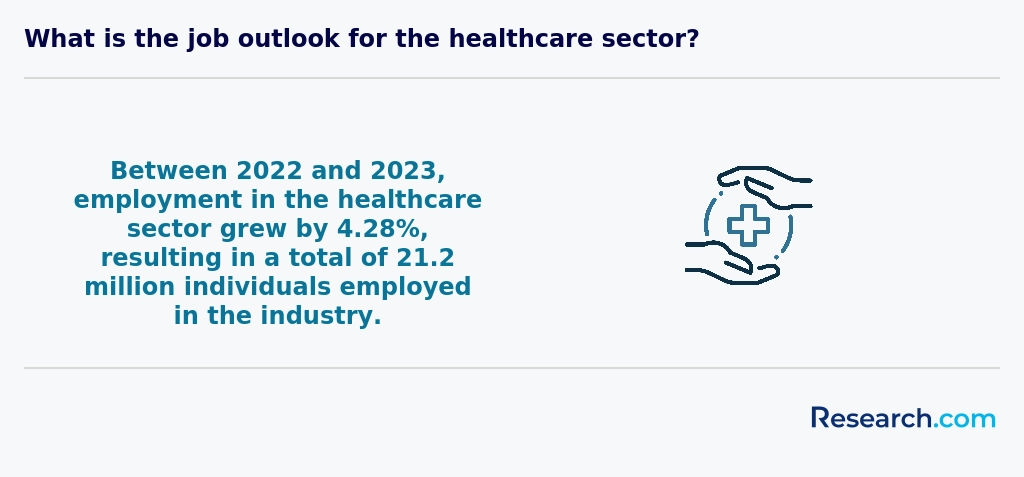
In today’s ever-evolving healthcare landscape, obtaining your degree is just the beginning of a lifelong journey of learning and career advancement. Graduates are encouraged to supplement their foundational education with additional certifications and training programs that enhance specialized skills and broaden their professional opportunities. For instance, exploring resources like the most popular online nutrition certifications can provide valuable insights into integrated health services, which are increasingly in demand as patient wellness becomes a multidisciplinary focus. Beyond formal degree programs, professional development initiatives such as workshops, seminars, and continuing education courses can help you stay abreast of the latest advancements in healthcare technology, patient care procedures, and regulatory compliance. By investing in these supplementary learning opportunities, you not only boost your expertise and credentials but also position yourself as a lifelong learner committed to excellence in the healthcare field. Embracing ongoing education can open doors to leadership positions, research opportunities, and specialized roles within the industry, ensuring that your skills remain competitive in a dynamic market.
Imagine starting your journey at SUNY Upstate Medical University, your backpack loaded not just with textbooks but with hope, fueled by a mix of Pell Grants and New York State's Tuition Assistance Program (TAP). These grants act like lifelines, lifting the heavy financial fog that often shadows healthcare students in Syracuse-covering thousands in annual tuition and fees, especially crucial given the extra costs of labs and clinical rotations.
Many graduates still recall the relief of institutional scholarships targeted specifically at healthcare majors, from nursing to allied health fields, offered by local colleges and private donors. These awards spark motivation, turning the dream of becoming a healthcare professional into reality without being shackled by constant financial worry.
Think also about work-study roles on campus-those hands-on healthcare-related jobs that not only pad your wallet but enrich your resume with real-world experience. And afterward, standing at the crossroads, loan forgiveness programs for service in underserved communities become more than a distant idea-they become a beacon of hope, easing debt and igniting purpose after graduation.
Understanding the long-term value of a healthcare degree is vital for making informed educational choices. In Syracuse, NY, the average annual tuition for a bachelor’s in healthcare ranges from $10,000 to $18,000 at public institutions, while private colleges may charge upwards of $35,000 per year. When you factor in additional fees-such as lab, technology, and student services, which can total $1,200 to $1,800 annually-the true cost of attendance becomes clear. Despite these expenses, median starting salaries for healthcare graduates in Syracuse hover around $50,000 to $60,000, depending on the role. For example, registered nurses typically begin near $58,000, while health information technicians start around $41,000. By comparing total educational costs against projected earnings, students can estimate a payback period of roughly 3–5 years. For those aiming to minimize debt while maximizing career prospects, exploring flexible graduate pathways is crucial. Many students opt for a low cost online master degree in healthcare administration, which often reduces per-credit fees and eliminates relocation expenses. Graduates from these programs report an average salary increase of 20–30%, translating to an accelerated ROI and greater financial stability. Ultimately, assessing program affordability alongside post-graduation earning potential empowers prospective students to choose a path that aligns with both budget constraints and long-term professional goals.
Imagine stepping into a bustling lecture hall at a Syracuse college, your mind primed with biology and chemistry from high school-these subjects are your passport to the healthcare world here. Graduates often recall how foundational courses in anatomy and physiology became their backstage pass, setting the stage for deeper dives into healthcare's complexities.
In Syracuse, colleges expect more than just a diploma or GED; they seek a spark of readiness-think solid science and math skills, alongside a GPA around 2.5 to 3.0. Some graduates describe the challenge of standardized tests like the SAT or ACT as a rite of passage, a necessary key to unlock bachelor's or advanced programs.
Beyond academics, the heartbeat of Syracuse's healthcare degree path often pulses with real-world experience. Volunteering at St. Joseph's Hospital or Upstate University Hospital isn't just a checklist-it's the story of connection, empathy, and hands-on learning that admissions committees treasure.
Applicants frequently share how narratives in personal statements or recommendation letters became their unique voice, turning prerequisites into personal milestones that signal readiness to join the vibrant healthcare community of Syracuse.

Selecting an accredited healthcare program in Syracuse is essential for licensure and career mobility. Accreditation ensures your education meets industry standards and qualifies you to sit for certification exams.
- Regional accreditation (Middle States Commission on Higher Education) validates overall institutional quality.
- Programmatic accreditation (e.g., CCNE for nursing, CAAHEP for allied health, CAHIIM for health informatics) verifies curriculum rigor.
- State licensing approvals from the New York State Education Department allow graduates to apply for professional licenses.
- Clinical hour requirements and board exam eligibility depend on meeting both institutional and state regulations.
Always confirm accreditation status on school and state board websites. For flexible study options that meet accreditation standards, explore online healthcare degrees.
Imagine diving into the intricate dance of the human body through Human Anatomy and Physiology, where students at SUNY Upstate Medical University feel the thrill of connecting textbook knowledge to the heartbeat they monitor in clinical rounds. These courses are more than facts; they're a gateway to understanding life's blueprint. Alongside this, mastering Medical Terminology transforms jargon into a shared language, making students confident communicators in Syracuse's bustling hospitals and clinics.
Microbiology opens invisible worlds, where learners glimpse the battlegrounds between microbes and immunity, sparking a mix of curiosity and respect for the smallest agents of health and disease. Many graduates recount how Healthcare Ethics and Law challenged their thinking-balancing care with responsibility, especially when real patients depend on their judgment.
Pharmacology lessons reveal medicines as coded allies, while hands-on Clinical Practicum experiences in local clinics make these lessons tangible, as students transition from classrooms to real-life heroes in Syracuse's healthcare community.
In Syracuse, diving into a healthcare degree feels like stepping into a dynamic ecosystem where each specialization unfolds a vivid pathway. Graduates from Onondaga Community College and Le Moyne College often recount how Registered Nursing (RN) programs don't just prepare them with textbooks but thrust them into real hospital wings, blending theory with hands-on adrenaline. With healthcare degree specializations Syracuse students can also navigate Healthcare Administration, mastering leadership skills vital for steering complex medical institutions amid evolving challenges.
There's a spark of innovation in Health Informatics, too-where students combine healthcare savvy with IT wizardry, becoming architects of data-driven care. Public Health enthusiasts embrace community-centered projects, tackling local health disparities with heart and strategy. Meanwhile, Occupational and Physical Therapy Assistant pathways offer specialized training fueling rehabilitation heroes across Syracuse clinics.
Those curious about complementary fields might explore some of the most popular online nutrition certifications, enhancing their healthcare toolkit with nutrition insights. These healthcare programs and career paths Syracuse offers are not only professionally rewarding but deeply relatable to those eager to impact their community.
Picture yourself walking the vibrant campus paths of Syracuse, where healthcare degrees are not just pieces of paper but doorways to thrilling careers. Graduates from local universities often recall balancing clinical rounds at Upstate University Hospital while engaging in lively campus debates about ethics in healthcare administration. Choosing the best healthcare degree in Syracuse means tuning into these real-life rhythms-where accreditation and job placement rates truly matter, and where a degree can connect you directly to the heartbeat of the city's medical community.
Imagine weighing program flexibility, as some peers juggle night shifts and classes, thanks to part-time or online options. This is crucial when searching for affordable healthcare degree programs in Syracuse, where cost meets convenience without compromising quality. Many find comfort exploring financial aid or opting for a low cost online master degree in healthcare administration, opening doors wider than any campus walls.

Graduates holding a healthcare degree in Syracuse find themselves at crossroads teeming with vibrant opportunities. Imagine a nurse walking the halls of Upstate University Hospital, their hands skilled and heart steadfast, earning a median salary near $72,000 while delivering life-changing care. Elsewhere, a healthcare graduate steps into a management role, navigating the complex dance of hospital administration, commanding salaries around $104,000, and shaping the future of Central New York's healthcare landscape.
Physical therapists in Syracuse, responding to an aging community, restore movement and independence-transforming pain into progress with an average salary of $90,000. Other graduates dive into the burgeoning world of healthcare informatics, harnessing technology to revolutionize patient records and care coordination, embodying the tech-driven future. For those inspired by public health's community pulse, roles like Public Health Analyst offer chances to champion disease prevention initiatives linked to local nonprofits and government.
Many healthcare students from Syracuse's popular universities cherish how these diverse options align perfectly with their passion and lifestyle. For those weighing tuition costs alongside these promising career paths, checking out the Inexpensive Online Master's in Healthcare Degree Programs Ranking in Florida can offer valuable financial insights. This blend of solid job prospects and educational affordability makes understanding healthcare degree job prospects Syracuse a smart move for future professionals.
The healthcare job market in Syracuse bursts with vibrant energy, offering a playground of opportunity for graduates of healthcare degrees. Imagine finishing your studies at one of the bustling institutions in Syracuse, stepping out with a freshly minted degree, and diving straight into the heartbeat of Upstate University Hospital or St. Joseph's Health. Graduates often describe the satisfaction of landing roles as registered nurses or health technologists where they feel both valued and in demand. This landscape isn't just stable-it's growing, fueled by a regional healthcare infrastructure that guarantees diverse opportunities and a steady climb in job openings.
For students exploring the Syracuse healthcare degree employment outlook, the reality is promising: entry-level salaries hover between $45,000 and $60,000, striking a competitive balance with local living costs and education expenses. Many graduates credit local scholarships and financial aid for easing their journey. Exploring easy master's degrees that pay well in this region can also enhance career mobility.
Those pursuing healthcare here often share stories of clinical placements that immerse them in real-world patient care, exciting them about the future. The buzz around nursing and allied health professions continues to grow, reflecting a job market where ambition meets ample opportunity.
2027 Most Affordable Healthcare Degree Programs Ranking in Syracuse
Investing in your education is a significant decision that can shape your future, and the Research.com team understands the importance of making informed choices. To assist prospective students in Syracuse, we have meticulously crafted the "2027 Most Affordable Healthcare Degree Programs Ranking in Syracuse." Our commitment to quality, credibility, and accuracy is reflected in the extensive research and analysis conducted to compile this ranking.
We utilized the following reputable data sources to ensure a comprehensive evaluation of healthcare degree programs:
By exploring this ranking, readers will gain valuable insights into the most affordable healthcare degree programs available in Syracuse, enabling them to make well-informed decisions about their educational investment. For more details on our methodology, please visit our Research.com methodology page.


Frequently Asked Questions About healthcare
Healthcare degree students in Syracuse can maximize their learning experience by engaging deeply with both academic and practical opportunities. Local institutions like SUNY Upstate Medical University offer hands-on clinical training, which is crucial for skill development. Research shows that students who participate in internships or clinical rotations gain a 30% higher employment rate within six months after graduation.
Active involvement in student organizations related to healthcare also enhances learning by providing networking and leadership opportunities. Syracuse's growing healthcare sector-with over 15,000 professionals employed as of 2023-offers ample chances for real-world exposure. Utilizing resources such as tutoring centers and attending workshops on evolving healthcare technology can further strengthen knowledge and skills.
Emerging niches within the healthcare field in Syracuse reflect nationwide trends toward specialized and technology-driven care. Areas such as telehealth have expanded rapidly, especially following increased demand during the COVID-19 pandemic. According to the New York State Department of Health, Syracuse-based providers have significantly integrated telemedicine services, opening opportunities for professionals trained in digital health technologies.
Another growing niche is geriatric care, driven by Syracuse's aging population. Programs focusing on elderly patient management and chronic disease support are increasingly important. Additionally, behavioral health specialties, including mental health counseling and substance abuse treatment, are seeing high demand locally due to rising community needs documented by the Onondaga County Health Department.
After completing a healthcare degree in Syracuse, preparing for the job market involves several strategic steps. It is important to gain practical experience through internships or clinical placements, as many employers prioritize hands-on skills alongside academic credentials. Syracuse's strong healthcare sector, including institutions like Upstate University Hospital, offers valuable local opportunities for such experiences.
Networking is also essential; joining professional organizations such as the Syracuse chapter of the American Healthcare Association can connect graduates with industry professionals. Additionally, tailoring resumes and practicing interview skills specific to healthcare roles improves job prospects.
According to New York State Department of Labor data from 2023, healthcare jobs in Syracuse grew by 4% annually, highlighting demand in nursing, medical technology, and health administration fields.
Employers in Syracuse seek healthcare degree graduates with a blend of technical proficiency and interpersonal skills. Key competencies include clinical knowledge, critical thinking, and familiarity with electronic health records (EHR) systems, which are widely used in local hospitals such as Upstate University Hospital.
Soft skills like communication, teamwork, and empathy are also highly valued, reflecting the patient-centered focus prominent in Syracuse's healthcare settings. According to the Syracuse Regional Workforce Development Board, 72% of healthcare employers prioritize these interpersonal abilities when hiring.
Additionally, adaptability and problem-solving skills are crucial due to the rapidly evolving healthcare environment and recent focus on telehealth services in Central New York. Graduates prepared with these skills tend to have a competitive advantage in Syracuse's job market.
Finding internships in Syracuse relevant to a healthcare degree involves several strategic steps. Start by exploring partnerships between local universities and healthcare providers such as Upstate University Hospital and St. Joseph's Health. These institutions often offer internship programs that provide hands-on experience in clinical settings.
Utilize university career centers, which frequently maintain updated listings of local internship opportunities tailored to healthcare students. Additionally, platforms like Handshake and the Syracuse Chamber of Commerce can connect students with healthcare organizations offering internships.
Networking through professional associations such as the Central New York Healthcare Association can also be valuable. According to the New York State Department of Labor, healthcare jobs in Syracuse are projected to grow by 12% through 2028, increasing internship availability.
Obtaining a healthcare degree in Syracuse significantly enhances career mobility and advancement opportunities. The city's growing healthcare sector, including major employers like Upstate University Hospital and St. Joseph's Health, drives demand for qualified professionals. According to the New York State Department of Labor, healthcare occupations in Syracuse are projected to grow faster than average through 2028, supporting stable job prospects.
Graduates with a healthcare degree often qualify for a wide range of roles, from clinical positions to healthcare administration, which enhances flexibility in career paths. Additionally, advanced degrees can lead to higher salaries and leadership roles, reflecting national trends reported by the Bureau of Labor Statistics.
Local employers frequently prioritize candidates with formal education, recognizing it as a marker of specialized knowledge and skills relevant to the community's healthcare needs.
Healthcare degree programs in Syracuse emphasize interdisciplinary training to prepare students for collaborative roles in complex medical settings. Many local institutions integrate courses that combine nursing, public health, and health administration, reflecting the growing demand for professionals who understand multiple facets of patient care.
Students often engage in team-based projects and clinical rotations across diverse departments, fostering skills in communication and problem-solving alongside varied healthcare professionals. According to the New York State Department of Labor, Syracuse's healthcare sector is projected to grow by 10% through 2028, increasing the need for graduates who can operate effectively within interdisciplinary teams.
This approach equips students to tackle healthcare challenges holistically, making them valuable assets in hospitals, community clinics, and public health organizations throughout the region.
Choosing between a thesis and a non-thesis healthcare degree program in Syracuse depends largely on your career goals and learning preferences. Thesis programs require conducting original research and writing a substantial paper, which can develop strong analytical and research skills. This path is ideal if you aim for roles in academia, research, or advanced clinical practice.
Non-thesis programs typically focus on coursework and practical skills, appealing to students targeting clinical or administrative healthcare positions. They tend to be shorter, allowing faster entry into the workforce.
Schools in Syracuse, like Syracuse University, offer both options with varied tuition costs and timelines, so consider these factors alongside your professional aims.
Students in Syracuse interested in studying healthcare abroad have several pathways to consider. Many local universities, such as Syracuse University, offer study abroad programs tailored to healthcare fields, allowing students to earn credit while gaining international experience. Popular destinations include the United Kingdom, Germany, and Australia, where students can explore healthcare systems different from the U.S.
Additionally, partnerships between Syracuse institutions and foreign universities facilitate exchange programs in nursing, public health, and biomedical sciences. According to the Institute of International Education (IIE), approximately 10% of U.S. healthcare students participate in such programs annually, though Syracuse-specific data is less detailed.
For those seeking clinical experience, some programs arrange internships or observation opportunities abroad. This exposure can enhance cultural competence, a vital skill in healthcare. Financial aid and scholarships for study abroad are often available, especially for science and health majors.
Students pursuing healthcare degrees in Syracuse have several part-time job options that can enhance their education and practical skills. Positions such as certified nursing assistants (CNAs) or medical assistants are common and valuable for gaining hands-on patient care experience. According to the New York State Department of Labor, healthcare support occupations in Syracuse are expected to grow faster than average, creating more job openings for students.
Additionally, roles like pharmacy technicians or health information clerks allow students to understand different healthcare workflows. Local hospitals, including Upstate University Hospital, often hire part-time employees, providing flexible schedules that accommodate academic responsibilities.
These jobs not only improve resumes but also help build professional networks within Syracuse's medical community.
Healthcare students in Syracuse benefit from strong networking opportunities through local educational institutions and healthcare providers. Syracuse University and Onondaga Community College regularly host career fairs and professional workshops, connecting students with hospitals and clinics in the region. The Upstate Medical University, located nearby, also offers events where students can meet practicing professionals and researchers.
Local chapters of national organizations like the American Medical Association and the American Nurses Association provide additional networking forums. Syracuse's growing healthcare sector employs over 15,000 people, offering students access to a broad professional community. These connections are essential for internships and job placements upon graduation.
Alumni networks provide significant support for healthcare degree students in Syracuse by connecting them with experienced professionals in the local medical community. These networks often offer mentorship opportunities crucial for navigating clinical internships, which are mandatory in many healthcare programs. According to the Syracuse Regional Economic Development Council, healthcare is one of the fastest-growing sectors in the region, making these connections valuable for job placements.
Additionally, alumni events frequently feature job fairs and workshops tailored to healthcare careers, enhancing students' employment prospects. Graduates from Syracuse-based institutions report that robust alumni networks increase access to exclusive internships and entry-level positions in major Syracuse hospitals.
Customizing a healthcare degree program in Syracuse allows students to align their education with specific career goals. Many institutions offer flexible curricula that include electives in areas like public health, health administration, and clinical specialties. This flexibility lets students focus their studies on fields experiencing local demand. For example, Syracuse's healthcare sector employs over 40,000 people, with growing needs in nursing and health services management, according to the New York State Department of Labor.
Additionally, internships and clinical placements with nearby hospitals provide practical experience tailored to students' interests. Syracuse-based programs often partner with health systems such as Upstate University Hospital, giving students relevant exposure.
Choosing certificate programs or minors alongside the degree is another way to customize skills in areas like healthcare informatics or patient advocacy, supporting diverse career paths in the region.
Healthcare students in Syracuse commonly face several challenges throughout their studies. One major obstacle is balancing rigorous coursework with clinical practice requirements, which demand significant time and stamina. According to the New York State Education Department, healthcare programs often require over 1,000 clinical hours, placing considerable pressure on students.
Financial strain is another concern, as tuition and related expenses can be high. Syracuse University reports that many students rely on loans, leading to debt burdens post-graduation. Additionally, access to quality clinical sites may be limited because of growing student numbers and competition in the region's healthcare system.
This competition also impacts gaining hands-on experience with diverse patient populations. Furthermore, the fast-paced developments in healthcare technology require constant learning, which adds to academic pressure. These factors combine to make pursuing a healthcare degree in Syracuse challenging but manageable with proper support.
With a healthcare degree in Syracuse, students can pursue various professional certifications that boost their career prospects. Popular certifications include Certified Nursing Assistant (CNA), Registered Nurse (RN), and Emergency Medical Technician (EMT). These credentials are often required for roles in hospitals and clinics across Onondaga County, home to over 45 healthcare facilities.
Additionally, certifications like Medical Coding Specialist and Health Information Technician are in demand due to the growing need for professionals skilled in electronic health records. Syracuse's healthcare sector is expanding, with employment expected to grow 15% by 2030, according to the Bureau of Labor Statistics.
To write a winning application for a healthcare program in Syracuse, start by thoroughly researching the specific schools and programs available. Focus on demonstrating a clear understanding of the healthcare field and how the program aligns with your career goals. Highlight any relevant experience, such as volunteering or work in local healthcare settings, as Syracuse has a strong network of hospitals like Upstate University Hospital and St. Joseph's Health.
Ensure your personal statement is focused, concise, and reflects your motivation to serve diverse communities, which is crucial given Syracuse's mixed urban and suburban population. Include any academic achievements and certifications, emphasizing strong science and math skills. Letters of recommendation should come from professionals familiar with your healthcare abilities or academic performance. Following these steps increases your chances of acceptance into competitive programs.
The global outlook on healthcare careers emphasizes increasing demand for skilled professionals due to aging populations and rising chronic diseases. In the United States, including Syracuse, healthcare jobs are projected to grow 13% from 2021 to 2031, according to the U.S. Bureau of Labor Statistics. This growth reflects worldwide trends where healthcare systems require qualified workers to manage complex patient needs.
Healthcare degrees offer varied international opportunities. Professionals in nursing, public health, and allied health may find global mobility through certifications and international agreements. Understanding global health challenges can enhance career prospects locally in Syracuse, where diverse communities benefit from culturally competent care.
Gaining practical experience while studying for a healthcare degree in Syracuse is essential for career readiness. Many local institutions, including Syracuse University and community colleges, offer clinical placements or internships that provide hands-on learning in hospitals, clinics, and other healthcare settings. According to the New York State Education Department, these practical components are often required to meet licensing standards.
Students can also volunteer at Syracuse-area hospitals such as Upstate University Hospital or St. Joseph's Health. These opportunities allow direct patient interaction and exposure to healthcare environments. Additionally, participating in campus simulation labs helps develop essential clinical skills in a controlled setting.
Choosing the right concentration within a healthcare degree program in Syracuse requires careful consideration of local industry needs and personal interests. Syracuse's healthcare sector employs over 30,000 people, with strong growth in nursing, health administration, and allied health fields, according to the New York State Department of Labor. Prospective students should research the demand for specific roles in the area, such as registered nurses or medical technologists.
Examining programs offered at local institutions like SUNY Upstate Medical University can provide insights into concentrations available and their compatibility with job opportunities. Additionally, consider your strengths and career goals, alongside practical factors like clinical placement options near Syracuse hospitals and clinics.
- 2027 Most Affordable Healthcare Degree Programs Ranking in Ithaca
- 2027 Most Affordable Healthcare Degree Programs Ranking in Utica
- 2027 Most Affordable Healthcare Degree Programs Ranking in Oneonta
- 2027 Most Affordable Healthcare Degree Programs Ranking in Rochester
- 2027 Most Affordable Healthcare Degree Programs Ranking in Alfred
- 2027 Most Affordable Healthcare Degree Programs Ranking in Scranton
- 2027 Most Affordable Healthcare Degree Programs Ranking in Albany
- 2027 Most Affordable Healthcare Degree Programs Ranking in Wilkes-Barre
- 2027 Most Affordable Healthcare Degree Programs Ranking in Troy
- 2027 Most Affordable Healthcare Degree Programs Ranking in Buffalo
See What Experts Have To Say About Studying Healthcare
Read our interview with Healthcare experts

- Overcoming Common Challenges in Nursing School: Tips for Success - American Healthcare Institute https://amhealthinstitute.com/blog/overcoming-common-challenges-in-nursing-school-tips-for-success/
- Thesis vs. Non-Thesis Master's Programs: Which is Right for You? https://potomac.edu/thesis-vs-non-thesis-masters/
- 6 Tips On Networking For Medical Professionals https://aaams.net/blog/how-to-network-in-the-medical-field-nurses/
- Niche Markets in Healthcare https://ultrariskadvisors.com/niche-markets-in-healthcare/
- Healthcare Administration Certifications https://www.publichealthdegrees.org/careers/healthcare-administrator/certification/
- Tuition and Fees | Crouse Health, Syracuse, New York https://www.crouse.org/nursing/aid/tuition/
- Challenges for Medical Students - Health Action Research Group https://www.healthactionresearch.org.uk/mental-health/challenges-for-medical-student/
- Networking and Mentorship During Clinical Rotations https://rotatingroom.com/blog/medical-students-the-importance-of-networking-mentorship-during-your-clinical-rotations
- Healthcare Careers & Accredited Degree Programs https://www.healthcaredegree.com/
- HEALTH MANAGEMENT (THESIS / NON-THESIS) - Lisansüstü Eğitim Enstitüsü https://lee.nisantasi.edu.tr/en/health-management-thesis-non-thesis/