
2027 Most Valuable Healthcare Degree Programs Ranking in Edmond

Co-Founder and Chief Data Scientist
Choosing the right healthcare degree program in Edmond can shape your future career and open doors to meaningful opportunities. This article introduces the 2027 Most Valuable Healthcare Degree Programs Ranking in Edmond, created by the Research.com team of data scientists. It is designed to help you identify programs that offer the best value and potential for success.
By exploring this ranking, you'll gain insights that support informed decisions, ensuring your investment in education leads to rewarding outcomes. Pursuing a healthcare degree is a step toward making a positive difference in your community and your life.
Key benefits of getting healthcare degree in Edmond
- Healthcare degree graduates in Edmond can expect competitive salaries, such as a Medical Assistant earning around $43,350 annually and a Quality Improvement Coordinator making over $103,000 per year.
- A healthcare degree opens doors to diverse roles including Patient Care Technician, Clinical Research Coordinator, and Health Information Technician, offering flexibility and growth based on skills and interests.
- Online healthcare degrees provide convenience and allow busy students in Edmond to balance work and study, as shown by successful graduates who earned credentials from well-known local universities without sacrificing income.
- 2027 Most Valuable Healthcare Degree Programs Ranking in Edmond
- What can I expect from healthcare degree in Edmond?
- Where can I work with healthcare degree in Edmond?
What can I expect from healthcare degree in Edmond?
The average cost of pursuing a healthcare degree in Edmond varies depending on the institution and specific program. For example, graduates from the University of Central Oklahoma, a popular choice for nursing degrees, often report tuition and fees that typically range around $5,000 to $7,000 per semester for in-state students. This cost reflects not just classroom instruction but also the essential clinical experiences provided through partnerships with local healthcare centers like Providence Edmond Medical Center.
Many students appreciate the affordability compared to national averages, which contributes positively to their overall educational satisfaction. However, some acknowledge that additional expenses such as textbooks, uniforms, and commuting to clinical sites can add up, requiring careful budgeting. Alternative programs, such as healthcare administration certificates, might present lower total costs but vary widely in length and scope.
Graduate experiences often highlight the value of hands-on learning despite financial challenges, emphasizing how Edmond's supportive educational environment enables students to balance cost considerations with solid career preparation in a growing healthcare market.
Where can I work with healthcare degree in Edmond?
Graduates with healthcare degrees from Edmond's well-regarded institutions often find rewarding employment across various local healthcare settings. Many start careers at Mercy Hospital Edmond, where roles for registered nurses and medical technologists are plentiful, reflecting the hospital's status as a major regional employer. For instance, graduates from the University of Central Oklahoma have shared that hands-on clinical rotations there boosted their confidence entering the workforce.
Others discover opportunities in outpatient clinics and physician offices around Edmond, filling positions like licensed practical nurses and medical assistants. These environments offer dynamic, patient-facing experiences that recent graduates appreciate for their community impact and variety. Those focused on home health care report fulfilling roles supporting aging populations, benefiting from Edmond's growing demand in this area as highlighted by local health departments.
Healthcare administration and informatics graduates-often from Oklahoma Christian University-find pathways into management and consulting roles, navigating complex systems while positively influencing care delivery. Public health roles in Edmond and nearby Oklahoma City also attract graduates aiming to promote wellness at the community level, offering meaningful jobs as health educators or policy analysts.
Graduates with healthcare degrees in Edmond can expect a range of earnings depending on their chosen profession and level of experience. For example, medical assistants typically earn around $43,350 annually, which reflects both local demand and the starting pay for entry-level positions. Similarly, clinical research coordinators in Edmond report average salaries near $43,350, offering a consistent earning baseline for those focused on research-oriented healthcare roles.
Patient care technicians-a common step for many Edmond graduates-can earn about $60,790 annually, a figure that matches regional healthcare growth trends and provides a comfortable living wage. More advanced roles, like quality improvement coordinators, see significantly higher pay, averaging $103,150 per year, which illustrates the financial rewards of gaining specialized credentials or leadership experience in Edmond's healthcare sector.
Students from popular Edmond institutions often share that while starting salaries can feel modest, the opportunities for upward mobility and salary growth align well with ongoing education and certification efforts. This positive outlook helps many new graduates remain motivated as they build rewarding careers within the local healthcare community.
- Tuition and fees for healthcare programs in Edmond range from $6,000 to $12,000 per year for in-state students.
- Healthcare degrees offered include nursing, medical assisting, health information technology, and allied health fields, with program lengths of two to four years.
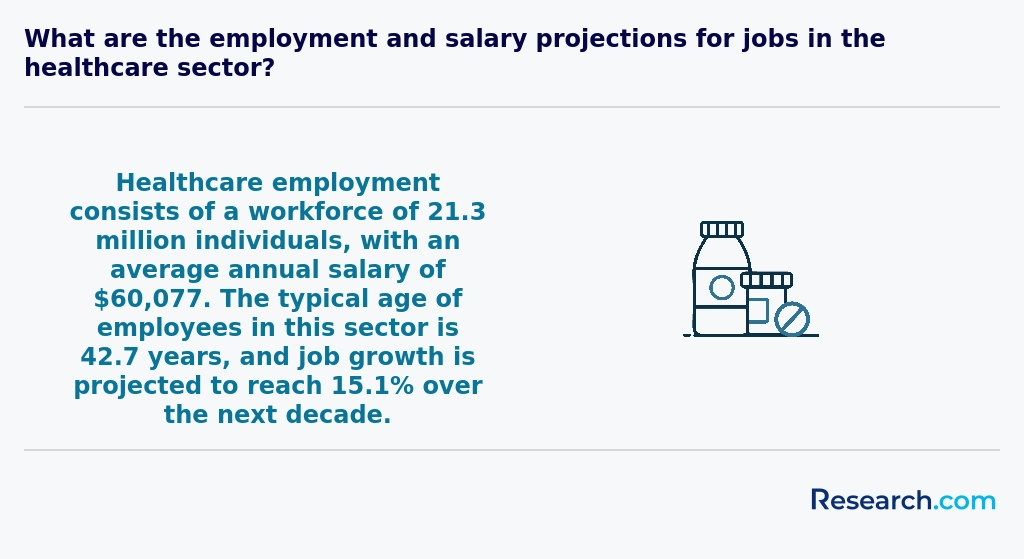
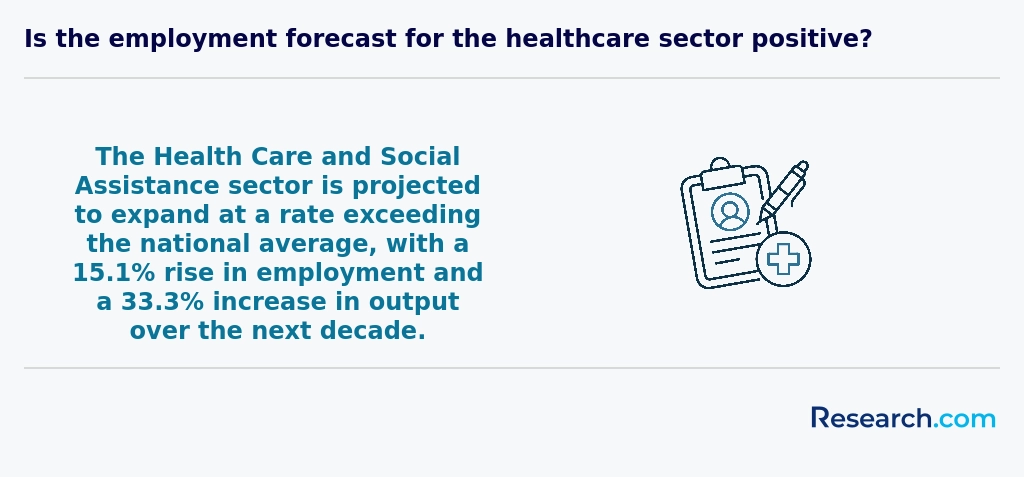
- Healthcare employment in Edmond is projected to grow by approximately 15% over the next decade.
- Entry-level salaries for healthcare graduates typically range between $40,000 and $55,000 annually, increasing to $60,000-$75,000 with experience.
- Local healthcare facilities offer clinical placements and internships that are important for practical training and licensure.
Completing a healthcare degree in Edmond typically depends on the program level and the student's personal circumstances. Graduates from community colleges offering associate degrees, such as those in nursing or medical technology, often report finishing in about two years of full-time study. This timeframe fits many who appreciate starting their careers quickly while gaining practical skills.
For those enrolling at universities known for their nursing or health administration programs in Edmond, a bachelor's degree usually takes around four years. Many students value this duration because it balances depth of study with opportunities for internships and clinical practice, enriching their learning experience.
Graduate programs, including Master of Science in Nursing or healthcare administration degrees, often require two to three years post-bachelor's. Students appreciate the chance to specialize, though some find the added commitment challenging when managing work and family.
Part-time and online formats offered locally add flexibility but can extend completion time, which suits working professionals eager to advance while maintaining balance. Overall, Edmond's healthcare students benefit from various timelines that adapt to different goals and lifestyles.
As the healthcare landscape evolves, integrating nutrition and preventive care into your professional skillset is becoming increasingly vital. A strong foundation in nutrition not only enhances patient outcomes but also complements traditional healthcare training by focusing on long-term wellness and disease prevention. By merging clinical expertise with nutrition science, healthcare professionals can offer more comprehensive care, addressing both immediate health concerns and underlying lifestyle factors that contribute to chronic conditions. This approach empowers you to guide patients through sustainable lifestyle changes while preparing you for emerging roles in wellness and holistic health. For those interested in expanding their knowledge, exploring a nutrition science degree online can open new pathways to integrate dietary expertise with healthcare services, ensuring you stay ahead in a competitive job market. Adopting this multi-faceted strategy will not only enhance your clinical practice but also align with current trends prioritizing preventative care, making your degree even more valuable in today’s healthcare environment.
Online and on-campus healthcare degrees in Edmond differ in how students experience learning and practical training. Graduates from the University of Central Oklahoma, for example, often recall the value of on-campus programs for their direct patient care opportunities through local hospital partnerships. These hands-on clinical hours are crucial in fields like nursing or radiologic sciences, where in-person practice builds essential skills and confidence.
By contrast, alumni of online programs from smaller Edmond institutions appreciate the flexibility to balance work and family responsibilities. They highlight synchronous virtual labs and recorded lectures that make theoretical knowledge accessible without commuting. However, some online students note the challenge of staying motivated and managing time effectively without the structured environment of a campus.
Cost-wise, public universities in Edmond show similar tuition fees whether courses are online or in-person, but on-campus students often spend more on transport and supplies, while online learners invest in reliable technology. Graduates frequently emphasize that licensing often requires in-person clinical hours regardless of program type, underlining the importance of hands-on experience.
Edmond offers more than excellent academic programs-it provides a vibrant campus life and a supportive community that enrich the overall student experience. Prospective healthcare students will find that local institutions foster a blend of academic rigor and engaging extracurricular activities, from student-led clubs and mentorship programs to wellness initiatives and community service projects. Many students appreciate the close-knit environment where faculty and peers work together to create meaningful networking opportunities, enhancing both personal and professional growth. Furthermore, the availability of on-campus resources like career counseling, library archives, and hands-on training labs contributes to a well-rounded education that goes beyond the classroom. For those looking to explore further, our comprehensive overview of valuable healthcare programs in oklahoma delves into how these programs complement outstanding campus life with tailored support services. Emphasizing a balance between academic excellence and a supportive social environment, Edmond remains a compelling destination for students eager to thrive both inside and outside the lecture hall.
The average cost of a healthcare degree in Edmond generally centers around $8,818 for in-state students, reflecting a balance between affordability and quality education. Graduates from institutions like the University of Central Oklahoma and Oklahoma City Community College often highlight how this manageable tuition combined with additional fees still allowed them to focus on gaining practical skills without excessive financial stress. These institutions are known for healthcare programs that provide strong clinical training at costs that remain accessible relative to many private universities.
Students pursuing healthcare degrees in Edmond typically encounter total tuition and fees around this figure, but variations exist depending on the program and institution. For example, associate degree seekers at community colleges report annual costs closer to $3,000-$5,000, making it a budget-friendly way to start a healthcare career. Conversely, those enrolled in bachelor's or advanced healthcare programs should anticipate cumulative costs that might exceed $30,000, aligning with the median total tuition and fees for healthcare degrees Edmond students face over their full course of study. These differences underscore the importance of planning based on one's academic goals and financial situation.
Aside from tuition, healthcare students in Edmond also navigate expenses such as lab fees, clinical placement costs, and supplies. Many graduates remember the value of well-structured programs that prepare them thoroughly without overwhelming out-of-pocket demands. Additionally, some opt for alternative pathways like weekend lpn programs Minnesota to tailor their education to fit personal schedules and budgets.
Accreditation ensures that healthcare degree programs in Edmond, OK meet rigorous standards of academic quality and professional relevance. Most reputable institutions in Edmond hold regional accreditation from the Higher Learning Commission (HLC), guaranteeing that credits transfer smoothly and degrees are recognized by employers and licensing boards. Additionally, programmatic accrediting bodies-such as the Commission on Accreditation of Allied Health Education Programs (CAAHEP) for clinical specialties or the Commission on Collegiate Nursing Education (CCNE) for nursing tracks-validate that specific curricula prepare graduates for certification exams and competent practice. Students should verify both regional and programmatic accreditation before applying, as this affects eligibility for federal financial aid and professional licensure. For example, graduates of a CCNE-accredited nursing program can sit for the NCLEX-RN exam, while those in an accredited Health Information Management program meet industry standards for preparing electronic health records. Understanding accreditation distinctions also helps when exploring advanced degrees; you can compare program quality through resources like the Affordable Online Master’s in Healthcare Degree Programs Ranking in Massachusetts to see how remote programs maintain high standards in curriculum design and student outcomes. By choosing accredited programs, Edmond students gain assurance that their education aligns with national benchmarks, enhances employability, and supports smooth progression to graduate study or certification. Always consult institutional accreditation details on university websites and review accreditor reports to confirm that program quality and clinical placement opportunities meet your professional goals.
Healthcare students in Edmond commonly rely on a mix of federal, state, and local financial aid to manage the significant costs of their programs. Federal aid accessed through the FAFSA is often the first step, unlocking grants like the Pell Grant that can provide up to $7,395 annually. Graduates often recall how these funds eased their tuition burden without adding debt, allowing them to focus on demanding coursework at institutions such as the University of Central Oklahoma.
Oklahoma-specific aid, like the Oklahoma Tuition Aid Grant (OTAG), supplements federal help by targeting residents pursuing healthcare degrees nearby. Students frequently cite OTAG as a vital resource that made public colleges more affordable, though it rarely covers the entire cost, pressing students to explore other options.
Local scholarships from Edmond community groups and the Oklahoma State Department of Health provide additional but competitive funding. Some students describe leveraging these awards as hugely encouraging, combining them with employer tuition reimbursement plans when working in local clinics or hospitals.
Institutional aid offered by Edmond healthcare programs and payment plans also help spread out costs, reflecting a pragmatic approach familiar to many graduates navigating financial challenges. Early engagement with financial aid counseling at the University of Central Oklahoma proves essential to successfully piecing together these multiple funding streams.
Graduating with a healthcare degree in Edmond, OK is only the first step toward a successful career; obtaining the right certifications and state licensure ensures you meet professional standards and unlock advanced opportunities. In Oklahoma, healthcare graduates must pass board exams such as the NCLEX-RN for Registered Nurses or the RHIT credentialing exam for Health Information Technicians. Each credential requires completion of an accredited program, a minimum number of supervised clinical or practicum hours, and a passing score on the relevant national exam. Popular certification pathways include: • Registered Nurse (RN) – NCLEX-RN licensure via the Oklahoma Board of Nursing • Patient Care Technician (PCT) – certification through organizations like the National Healthcareer Association • Health Information Technician – RHIT exam administered by AHIMA • Medical Billing and Coding – Certified Professional Coder (CPC) credential with AAPC; for students exploring scalable training options, our Most Affordable Online Medical Billing and Coding Courses deliver targeted curriculum and exam preparation at competitive rates. Maintaining certification demands ongoing education-typically 15–30 CEUs every two years-ensuring professionals stay current with evolving regulations, electronic health record systems, and patient privacy standards. By strategically planning your licensure timeline and leveraging accredited prep resources, Edmond graduates can secure credentials that enhance credibility and career advancement.
To enroll in a healthcare degree program in Edmond, students generally need to have a high school diploma or GED, demonstrating a baseline academic readiness. Graduates from popular local colleges often recall how a solid foundation in science and math courses, especially biology and chemistry, was crucial in preparing them for the rigorous curriculum ahead. While some schools still request standardized test scores like the SAT or ACT, many are shifting toward test-optional policies to focus more on holistic admissions.
Letters of recommendation hold particular weight, reflecting not only academic aptitude but also personal qualities such as empathy and communication-traits that former healthcare students often highlight as essential in their day-to-day clinical experiences. In Edmond, practical involvement through volunteering or internships at community clinics gave many students valuable insight and confidence, bridging classroom theory with real patient care.
Prospective students must also consider prerequisite college coursework in subjects like anatomy and microbiology, often required before fully entering specialized fields. This multi-layered approach ensures readiness without overlooking the diversity of student backgrounds across Edmond's community colleges and universities.
In addition to rigorous academics and hands-on training, selecting a healthcare program in Edmond, OK should involve evaluating the strength of its student support services and career development opportunities. Many institutions offer dedicated career centers that provide resume workshops, interview preparation, and internship placement assistance to ensure graduates are workforce-ready upon completion of their studies. Robust alumni networks and mentorship programs not only enhance learning but also foster valuable professional relationships that can open doors to future job opportunities. By participating in campus events, job fairs, and specialized seminars, students can acquire industry insights and stay updated on emerging healthcare trends. For a comprehensive look at programs that excel in providing these essential services, check out our list of valuable healthcare programs in oklahoma.
In Edmond, healthcare degree programs typically include a core set of courses that balance scientific knowledge with practical skills. Graduates from popular local colleges often highlight courses like Human Anatomy and Physiology, which helped them visualize the structure and function of the human body during hands-on labs, making complex concepts easier to grasp. Medical Terminology is another staple, enabling students to confidently navigate healthcare settings where precise language is essential.
Ethics and Health Law classes challenge students to think critically about moral dilemmas they might face, often prompting lively discussions among peers about real-world cases. Courses such as Introduction to Public Health provide a broader perspective, helping students understand community health issues beyond the hospital walls.
Many graduates recall that Clinical Practice or Practicum courses felt especially rewarding, offering a tangible connection between classroom theories and actual patient care experiences at Edmond-area healthcare facilities. The inclusion of Healthcare Informatics and Nutrition courses reflects the evolving landscape of healthcare, preparing students for diverse roles in an increasingly data-driven and wellness-focused industry.
Healthcare degree specializations in Edmond cover a broad spectrum of fields, reflecting the community's diverse healthcare needs. Many students at Edmond's popular colleges find themselves drawn to nursing, which prepares them for vital roles as registered nurses with potential paths to advanced clinical positions. Others gravitate toward health information management, appreciating its emphasis on electronic health records and data accuracy, crucial for today's tech-driven healthcare environment. Graduates often share how hands-on experiences in medical laboratory technology programs helped them feel confident working behind the scenes, while allied health concentrations like respiratory therapy offer opportunities to directly impact patient care.
In Edmond healthcare programs and concentrations, public health and healthcare administration remain important choices for those interested in broader systemic roles. Students frequently highlight how partnerships between local institutions and healthcare facilities enrich their training through internships. Those pursuing nursing often compare their options with RN programs in San Francisco, noting Edmond's affordability and community support as significant advantages.
Choosing the best healthcare degree in Edmond involves more than just selecting a program with good reviews. Graduates from popular colleges in Edmond often emphasize the importance of accreditation and program relevance to local healthcare needs. For instance, programs recognized by bodies like CAAHEP or ACEN ensure graduates meet professional standards, which enhances employability. However, some students find value in flexible course formats offered by community colleges, balancing work and study without sacrificing quality.
Cost efficiency is frequently mentioned, especially when comparing degrees across institutions. Affordable healthcare degrees Edmond 2027 options, such as associate degrees or certificate programs, allow students to enter the workforce faster with less debt. Personal stories reveal that while some aspire to a full bachelor's degree, others appreciate launching careers in shorter programs that address immediate job market demands.
A vital consideration is career stability; local healthcare employers seek nurses and technicians familiar with regional healthcare systems. Edmond graduates stress how programs with strong clinical partnerships offer hands-on experience, improving job prospects. For insights on long-term career benefits, explore resources on nursing career stability.
Graduates with healthcare degrees in Edmond face diverse career options that reflect the city's growing healthcare industry. Among the popular paths are roles such as Registered Nurse (RN), supported by local employers like Edmond Memorial Hospital, where many graduates report feeling fulfilled by making a direct impact on patient care. Others take on administrative positions as Medical and Health Services Managers, overseeing clinic operations with median earnings around $90,000 annually, a positive prospect highlighted by alumni from key Edmond colleges focused on healthcare degree job prospects.
Some graduates choose specialized roles like Physical Therapist Assistant or Medical Laboratory Technician, fields benefiting from steady local demand. Additionally, the rise of healthcare informatics offers newer graduates exciting opportunities that blend technology and healthcare knowledge, addressing the evolving needs of Edmond's healthcare career opportunities in Edmond.
Students considering alternative pathways might explore certifications or allied health fields, evident from popular programs near Edmond that prepare candidates with hands-on experience and a closer connection to the community. Those unsure about direct clinical roles often research related options such as the medical assistant job outlook, discovering viable entry points into healthcare that align with their interests.
The healthcare job opportunities in Edmond are promising, yet they require careful consideration. Graduates from local institutions often find themselves well-positioned due to the region's steady population growth, which fuels increasing demand for healthcare professionals. For example, those completing degrees at popular Edmond colleges report positive employment outcomes, especially in nursing and medical assisting roles, which remain in high demand.
Employment outlooks show a projected 15% growth in healthcare jobs through 2033, a rate that surpasses many other sectors. However, the competitive nature of the market means graduates must also pursue certifications and practical experiences, such as the pharmacy technician internship, to enhance their employability. Graduates often emphasize that affordable education combined with strong local hiring trends in hospitals and outpatient centers improved their confidence entering the workforce.
Despite these opportunities, realistic expectations are crucial. Median wages hover around $65,000 for nurses, which is respectable but varies with specialization and experience. Some graduates find success in diverse clinical settings, illustrating the importance of adaptability within Edmond healthcare degree employment outlook discussions.
2027 Most Valuable Healthcare Degree Programs Ranking in Edmond
Investing in your education is a significant decision that can shape your future, and the Research.com team understands the importance of making informed choices. To assist prospective students in Edmond, we have meticulously crafted the "2027 Most Valuable Healthcare Degree Programs Ranking in Edmond." Our commitment to quality, credibility, and accuracy is reflected in the extensive research and analysis conducted to compile this ranking.
We utilized the following reputable data sources to ensure a comprehensive evaluation of healthcare degree programs:
By exploring this ranking, readers will gain valuable insights into the most valuable healthcare degree programs offered in Edmond, enabling them to make well-informed decisions about their educational paths. For more details on our methodology, please visit our Research.com methodology page.
# 1 position
University of Central Oklahoma
Bachelor of Science in Public Health the Uco Public Health


Frequently Asked Questions About healthcare
Healthcare degree students in Edmond can maximize their learning experience by combining academic study with hands-on practice. Local institutions often partner with nearby clinics and hospitals, offering valuable internships and clinical rotations that provide real-world skills. Engaging in these opportunities early helps students apply classroom knowledge to patient care.
Additionally, students should utilize campus resources such as tutoring centers and study groups. Research from the Oklahoma State Regents for Higher Education highlights that collaborative learning improves retention and understanding, especially in complex healthcare topics.
Staying informed about local healthcare trends by attending Edmond health fairs and seminars also enhances practical knowledge and networking.
The healthcare field in Edmond is expanding beyond traditional roles, with several emerging niches attracting attention. One growing area is telehealth, which saw a nationwide increase of over 40% during the last three years, reflecting a similar trend in Oklahoma. This sector offers remote patient monitoring and virtual consultations, requiring expertise in digital health technologies.
Another promising niche is health informatics, combining healthcare and information technology to improve patient outcomes. Edmond's healthcare programs are beginning to incorporate training in data management and electronic health records.
Additionally, personalized medicine and genetic counseling are gaining importance as advancements in genomics influence treatment plans. The U.S. Bureau of Labor Statistics projects these specializations will grow faster than average through 2030.
After completing a healthcare degree in Edmond, preparing for the job market involves several key steps. Graduates should focus on obtaining relevant certifications, such as CPR or state-specific licenses, which are often required for clinical roles. Networking plays a crucial role; Edmond's growing healthcare sector, supported by institutions like OU Health Edmond, offers local job fairs and professional associations to connect with employers. Additionally, gaining experience through internships or volunteer work enhances practical skills and increases employability. Staying updated on healthcare trends and technology, especially telehealth services expanding in Oklahoma, will also provide a competitive edge in the job market.
Employers in Edmond highly value healthcare graduates who demonstrate strong clinical skills and patient care abilities. Practical knowledge of medical procedures combined with proficiency in electronic health records (EHR) systems is essential. According to the Oklahoma State Department of Health, employers increasingly seek candidates with effective communication skills, as teamwork and patient interaction are critical in healthcare settings.
Analytical skills and problem-solving also rank high, given the complexity of medical environments. Additionally, familiarity with local healthcare regulations and compliance standards is important for working successfully in Edmond. These skills collectively enhance employability and career advancement in the region's growing healthcare market.
Finding internships in Edmond relevant to healthcare degrees involves leveraging multiple local resources. Students should start by contacting career services at Edmond-area colleges, such as the University of Central Oklahoma, which often partner with healthcare providers for internship placements. Local hospitals like Integris Health Edmond and Mercy Hospital Edmond frequently offer internships or volunteer opportunities that provide practical experience.
Additionally, the Edmond Economic Development Authority lists healthcare employers in the area, which can be a resource for direct outreach. Using statewide platforms like Oklahoma's Labor Market Information also helps identify healthcare internships and entry-level positions specifically in Edmond. Networking through local healthcare associations can further improve chances of securing internships.
Obtaining a healthcare degree in Edmond significantly enhances career mobility within the region's growing medical sector. According to the U.S. Bureau of Labor Statistics, Edmond's healthcare employment is projected to grow by over 15% through 2030, reflecting strong local demand for qualified professionals.
Graduates with degrees in nursing, healthcare administration, or allied health fields find greater opportunities for promotion and lateral moves across hospitals, clinics, and long-term care facilities in Edmond. Specialized credentials can lead to roles with higher responsibility and increased salaries.
Local employers often prioritize candidates with formal education due to evolving industry standards and licensure requirements. This trend supports continuous advancement and adaptability in healthcare careers within Edmond's competitive workforce.
Studying for a healthcare degree in Edmond provides students with a strong foundation for interdisciplinary roles through comprehensive curricula that integrate multiple healthcare disciplines. Programs often emphasize collaboration among nursing, public health, and health administration fields, preparing students to work effectively in diverse teams. Edmond's institutions collaborate with local hospitals and clinics, offering practical experience in settings where interdisciplinary care is essential.
According to recent data from the Oklahoma State Department of Health, Edmond's healthcare sector is growing, increasing the demand for professionals skilled in teamwork across specialties. These programs focus on communication skills, ethical decision-making, and systems-based practice to ensure graduates can adapt to evolving healthcare environments.
When choosing between a thesis and a non-thesis healthcare degree program in Edmond, students should consider their career goals and learning preferences. Thesis programs require original research, ideal for those interested in academic or clinical research roles. Non-thesis tracks focus more on practical skills and coursework, suited for students aiming to enter the workforce quickly.
Healthcare employers in Edmond often value hands-on experience, which non-thesis programs may emphasize through internships or clinical practice. However, a thesis can strengthen applications for specialized or advanced positions.
Local institutions, including the University of Central Oklahoma, offer both options with varying emphasis on research versus practice, reflecting broader US trends in healthcare education.
Students based in Edmond have several options to pursue healthcare degrees abroad through partnerships and study abroad programs affiliated with local institutions. For example, the University of Central Oklahoma in Edmond offers exchange programs that allow students to study healthcare subjects in countries such as Ireland and Australia, which are known for their strong medical education systems.
Many programs focus on nursing, public health, and pre-medical studies, aligning with healthcare workforce demands in the US, including Edmond's growing healthcare sector. According to the Oklahoma State Department of Health, education abroad experiences improve students' cultural competence, a critical skill in Edmond's diverse patient populations.
Additionally, students often earn credits transferable to their Edmond degrees, ensuring timely graduation. Financial aid and scholarships are frequently available to support these international opportunities, making them accessible to Edmond residents focused on healthcare careers.
Students pursuing healthcare degrees in Edmond can enhance their education through part-time jobs that provide relevant experience. Common roles include medical assistant positions, which offer hands-on skills in patient care and electronic health records management. Local clinics and outpatient centers often seek part-time aides.
Other opportunities include roles as pharmacy technicians or home health aides, both regulated professions that require certification but allow practical exposure to healthcare settings.
Edmond's demand for healthcare workers aligns with statewide trends where the Oklahoma Employment Security Commission reported a 12% growth in healthcare jobs between 2020 and 2030.
Volunteering in hospitals or public health organizations also complements academic knowledge with community health insights.
Healthcare students in Edmond benefit from strong networking opportunities through local colleges, healthcare facilities, and professional organizations. Institutions like the University of Central Oklahoma offer student chapters of national groups such as the American Medical Student Association (AMSA) and the National Student Nurses' Association (NSNA), providing access to conferences and mentorship programs.
Edmond's proximity to Oklahoma City expands options, allowing students to attend healthcare expos and workshops hosted by the Oklahoma Hospital Association. Clinical internships at ongoing regional healthcare providers create real-world connections with practicing professionals.
Additionally, Edmond hosts regular healthcare career fairs, which in 2023 attracted over 500 attendees from nursing, allied health, and administration fields, according to Edmond Economic Development Authority data.
Alumni networks offer significant benefits to healthcare degree students in Edmond by providing mentorship and career guidance. Graduates from local institutions often share job opportunities within Edmond's growing healthcare sector, which supports over 6,000 jobs according to the Oklahoma Employment Security Commission.
These networks create connections that help students access internships, residencies, and entry-level positions in nearby hospitals and clinics like Integris Health and Mercy Hospital Edmond. Access to experienced professionals enhances learning beyond the classroom.
Participation in alumni events encourages knowledge exchange and professional development. According to the National Association of Colleges and Employers, 85% of jobs are filled through networking, highlighting the practical importance of strong alumni ties for Edmond healthcare students.
Customizing a healthcare degree program in Edmond begins with selecting a specialization that aligns with your career goals. Many local institutions offer diverse tracks, such as nursing, healthcare administration, or medical imaging. You can often tailor coursework by choosing electives that focus on specific skills or emerging fields.
In Edmond, students benefit from access to healthcare facilities for internships and practicum experiences, vital for hands-on training. Additionally, some programs allow flexible scheduling, including evening or online classes, supporting working professionals.
Advisors at Edmond colleges can help map out your academic plan to meet certification or licensure requirements, enhancing employment opportunities. Utilizing available career services and networking events further personalizes your educational path.
Healthcare students in Edmond often face demanding academic workloads, balancing rigorous coursework with clinical rotations. According to data from the Oklahoma State Regents for Higher Education, retention rates in healthcare programs can be affected by the intensity of these combined commitments.
Additionally, securing quality clinical placements poses a challenge. Edmond's healthcare facilities sometimes have limited slots, increasing competition among students. This can delay hands-on experience essential for licensure and job readiness.
Financial pressures are also significant. Tuition and associated costs for healthcare degrees can be high, with many students relying on loans. The Oklahoma Nursing Workforce Center notes a statewide shortage of healthcare professionals, which adds pressure on students to perform well and graduate on time.
With a healthcare degree in Edmond, graduates can pursue a variety of professional certifications to advance their careers. Popular certifications include Certified Nursing Assistant (CNA), Registered Nurse (RN), and Licensed Practical Nurse (LPN), which are essential for nursing roles. Other options are Certified Medical Assistant (CMA) and Certified Health Education Specialist (CHES), reflecting growing demand in outpatient and community health services.
Additionally, healthcare degree holders may seek certifications in specialized areas such as Medical Coding, Phlebotomy, or Health Information Management. These certifications often require passing national exams and meeting state licensing criteria.
Oklahoma's healthcare sector, including Edmond, has seen a 12% growth in nursing jobs since 2020, highlighting the value of such credentials (source: Oklahoma Employment Security Commission).
Writing a winning application for a healthcare program in Edmond starts with thorough preparation. Applicants should highlight relevant experience, such as volunteering or working in local medical facilities, which strengthens the practical aspect of the application. Edmond's healthcare sector is growing, with institutions like the Edmond Medical Center providing valuable opportunities for hands-on experience. Including strong letters of recommendation from healthcare professionals or educators in Edmond adds credibility.
Academic records matter; aim for a competitive GPA, typically above 3.0, reflecting your dedication. Personal statements must clearly express your motivation for healthcare, linking your goals to community needs in Edmond. Finally, ensure all materials meet specific program requirements and deadlines, as timely submission is critical to success.
The global perspective on a healthcare career highlights its critical role in improving public health and meeting growing demands. In the United States, healthcare jobs are projected to grow 13% from 2021 to 2031, much faster than average, according to the Bureau of Labor Statistics. Edmond, Oklahoma, reflects this trend, with local healthcare facilities expanding their workforce to serve a growing population.
Internationally, healthcare careers are valued for their stability and meaningful impact. Advanced degrees open opportunities for work in diverse settings, from hospitals to research institutions, aligning with U.S. health priorities on innovation and patient care quality.
Gaining practical experience while studying for a healthcare degree in Edmond is essential for building skills and improving employability. Many local institutions, including the University of Central Oklahoma, offer clinical internships and practicum opportunities as part of their healthcare programs. These placements allow students to work under supervision in hospitals, clinics, or community health centers.
Edmond's proximity to Oklahoma City provides additional opportunities at large medical centers such as OU Health and Integris Health. Students often complete hundreds of clinical hours, meeting accreditation standards required for professional certification.
Volunteering at local facilities can also supplement practical learning and develop patient interaction skills. The Oklahoma State Department of Health offers programs that support student participation in community health initiatives, providing hands-on experience outside traditional classroom settings.
Choosing the right concentration within a healthcare degree program in Edmond involves understanding local job market demands and your personal interests. Edmond is part of the Oklahoma City metropolitan area, where healthcare occupations are growing steadily, with nursing and allied health professions showing particularly strong demand, according to the U.S. Bureau of Labor Statistics (2023).
Evaluate concentrations like nursing, health administration, or medical technology by reviewing program offerings at local institutions such as the University of Central Oklahoma. Consider internship opportunities and clinical exposure available within Edmond's healthcare facilities, as hands-on experience is vital for success.
Additionally, research median salaries and employment rates for each concentration in Oklahoma, which can guide you toward fields with better financial and career growth prospects. Reflect on your long-term goals and skills to ensure alignment with your chosen specialization.
- 2027 Most Valuable Healthcare Degree Programs Ranking in Wichita
- 2027 Most Valuable Healthcare Degree Programs Ranking in Little Rock
- 2027 Most Valuable Healthcare Degree Programs Ranking in Columbia
- 2027 Most Valuable Healthcare Degree Programs Ranking in Omaha
- 2027 Most Valuable Healthcare Degree Programs Ranking in Saint Louis
- 2027 Most Valuable Healthcare Degree Programs Ranking in Colorado Springs
- 2027 Most Valuable Healthcare Degree Programs Ranking in Sioux City
- 2027 Most Valuable Healthcare Degree Programs Ranking in Jackson
- 2027 Most Valuable Healthcare Degree Programs Ranking in Denver
- 2027 Most Valuable Healthcare Degree Programs Ranking in Baton Rouge
See What Experts Have To Say About Studying Healthcare
Read our interview with Healthcare experts

- Healthcare & Health Sciences https://www.edmonds.edu/programs-and-degrees/areas-of-study/healthcare-and-health-sciences/
- Best Practices for Career Development and Advancement in the Healthcare Sector | Generation https://www.generation.org/news/best-practices-for-career-development-and-advancement-in-the-healthcare-sector/
- Explore Healthcare Admin Degree Concentrations https://www.baypath.edu/news/bay-path-university-blogs/post/explore-healthcare-admin-degree-concentrations/
- Careers A-Z - Explore Healthcare Careers - Mayo Clinic College of Medicine & Science https://college.mayo.edu/academics/explore-health-care-careers/careers-a-z/
- Top 3 Reasons to Consider a Career in Healthcare - Roseman University https://www.roseman.edu/student-experience/news/top-3-reasons-to-consider-a-career-in-healthcare/
- Students and Alumni associations - Europubhealth https://www.europubhealth.org/students-alumni-associations/
- 20 healthcare investment niches and 3 things to know: The evolution of ... https://blackbookmarketresearch.com/20-healthcare-investment-niches-and-3-things-to-know-the-evolution-of
- 6 Tips On Networking For Medical Professionals https://aaams.net/blog/how-to-network-in-the-medical-field-nurses/
- 1+ Healthcare Cover Letter Examples (with In-Depth Guidance) https://www.tealhq.com/cover-letter-examples/healthcare
- The Healthcare Student’s Guide to Internships | EduMed.org https://www.edumed.org/resources/student-online-guide-to-internships/


