
2027 Most Valuable Healthcare Degree Programs Ranking in Baton Rouge

Co-Founder and Chief Data Scientist
Choosing the right healthcare degree program can shape your future in meaningful ways. If you're a student in Baton Rouge considering this path, understanding which programs offer the best value is essential.
This article introduces the 2027 Most Valuable Healthcare Degree Programs Ranking in Baton Rouge created by Research.com's team of data scientists. It provides clear, data-driven insights to help you make a confident, informed decision.
Explore options that align with your goals and discover how a healthcare degree can open doors to rewarding opportunities in your community.
Key benefits of getting healthcare degree in Baton Rouge
- Healthcare degree graduates in Baton Rouge can earn competitive salaries, such as Medical Assistants with a mean annual wage of $43,350 and Quality Improvement Coordinators making up to $103,150, offering strong financial motivation.
- Graduates from local colleges often find diverse career paths, including roles as Patient Care Technicians or Health Information Technicians, providing flexibility to find a job that fits their passion and skills.
- Online healthcare degrees from Baton Rouge universities offer convenience and flexibility, allowing students to balance work and study while gaining the same recognized credentials as traditional programs.
- Key benefits of getting healthcare degree in Baton Rouge
- What can I expect from healthcare degree in Baton Rouge?
- Where can I work with healthcare degree in Baton Rouge?
- How much can I make with healthcare degree in Baton Rouge?
- 2027 Most Valuable Healthcare Degree Programs Ranking in Baton Rouge
- Key Findings
- How long does it take to complete healthcare degree in Baton Rouge?
- Expert Tips for Success in Healthcare Programs
- What's the difference between online and on-campus healthcare degree?
- Accreditation and Licensure Standards
- What is the average cost of healthcare degree in Baton Rouge?
- Accelerated PharmD Programs in Baton Rouge: A Fast-Track Path to Your Pharmacy Career
- What financial aid is available to healthcare degree students in Baton Rouge?
- Expert Insights on Future Trends in Healthcare Education
- What are the prerequisites for enrolling in healthcare degree program in Baton Rouge?
- Essential Strategies for Student Success in Healthcare Education
- What courses are typically in healthcare degree programs in Baton Rouge?
- What types of specializations are available in healthcare degree programs in Baton Rouge?
- How do you choose the best healthcare degree in Baton Rouge?
- What career paths are available for healthcare degree students in Baton Rouge?
- What is the job market for healthcare degree in Baton Rouge?
- Top Trending Healthcare Rankings
- See What Experts Have To Say About Studying Healthcare
What can I expect from healthcare degree in Baton Rouge?
Expect to spend about $10,000 per academic year if you enroll in healthcare programs at Louisiana State University (LSU), which many local graduates cite as a reasonable investment given the quality of education and clinical opportunities. Community colleges like Baton Rouge Community College (BRCC) offer even more affordable pathways, often under $5,000 annually, making them popular stepping stones toward a four-year degree.
Graduates often reflect on how this affordability allowed them to focus on gaining vital hands-on experience-such as clinical rotations at Our Lady of the Lake Regional Medical Center-without excessive financial stress. Their investments in tuition contributed directly to developing practical skills essential for certification and immediate employment in Baton Rouge's growing healthcare market.
Choosing a program here means balancing cost with access to training that aligns with local healthcare demands. Many find that the supportive environment at LSU and BRCC, combined with comparatively low tuition costs, makes pursuing healthcare degrees in Baton Rouge both achievable and rewarding.
Where can I work with healthcare degree in Baton Rouge?
Graduates with a healthcare degree in Baton Rouge commonly find employment in major hospitals like Our Lady of the Lake Regional Medical Center, Baton Rouge General Medical Center, and Ochsner Medical Center. Many former students from Louisiana State University (LSU) share that starting as a registered nurse or in medical technology roles at these facilities offers strong job security and a clear path for specialization.
Others pursue careers in outpatient care centers, physical therapy clinics, or dental offices, where practical skills learned during their healthcare studies directly apply. Graduates often mention the satisfaction of working closely with patients in local rehabilitation clinics or community health centers, which are growing rapidly in Baton Rouge.
Public health positions with the Louisiana Department of Health and local agencies also attract degree holders interested in disease prevention and health education. These roles tap into skills gained through coursework in epidemiology and healthcare management offered at Baton Rouge colleges.
Finally, some healthcare graduates find rewarding roles in academic research or pharmaceutical companies around the city, appreciating the blend of science and innovation. Real-life experiences from LSU alumni emphasize the city's diverse healthcare landscape, encouraging hands-on learning and community impact.
How much can I make with healthcare degree in Baton Rouge?
Graduates with healthcare degrees in Baton Rouge can expect a range of salaries depending on their specialization and experience. For example, medical assistants typically earn around $43,350 annually, while patient care technicians see salaries closer to $60,790. These figures reflect real earning potential right after completing programs common at local institutions like Baton Rouge Community College or Southeastern Louisiana University.
Health information technicians, another popular path, earn about $43,380 per year, benefiting from Baton Rouge's growing healthcare administration sector. Those aiming higher, such as quality improvement coordinators, can command salaries exceeding $100,000, reflecting advanced skills and leadership roles within major Baton Rouge healthcare facilities.
Graduates recall starting with solid entry-level wages that allow for comfortable living and professional growth. Practical training connections in area hospitals like Our Lady of the Lake reinforce these prospects, making hands-on experience a key part of success in the Baton Rouge healthcare job market.
2027 Most Valuable Healthcare Degree Programs Ranking in Baton Rouge
How do we rank schools?
Investing in your education is a significant decision that can shape your future, and the Research.com team understands the importance of making informed choices. To assist prospective students in Baton Rouge, we have meticulously developed the "2027 Most Valuable Healthcare Degree Programs Ranking in Baton Rouge." Our commitment to quality, credibility, and accuracy is demonstrated through thorough research and analysis conducted to compile this ranking.
We utilized the following reputable data sources to ensure a comprehensive evaluation of healthcare degree programs:
By exploring this ranking, readers will gain valuable insights into the most valuable healthcare degree programs in Baton Rouge, empowering them to make well-informed decisions about their educational investments. For more details on our methodology, please visit our Research.com methodology page.


# 3 position
Louisiana State University and Agricultural & Mechanical College
Bachelor of Science in Health

# 4 position
Louisiana State University and Agricultural & Mechanical College
Master of Health Administration
Key Findings
- Baton Rouge has multiple accredited institutions offering healthcare degrees ranging from associate to advanced levels.
- Tuition for in-state students at public colleges typically ranges from $5,000 to $10,000 per year, while private schools may exceed $15,000 annually.
- Entry-level salaries for healthcare graduates start around $40,000, with registered nurses often starting in the low $50,000s.
- Experienced healthcare professionals in Baton Rouge earn between $60,000 and $90,000 annually, with specialized roles commanding higher pay.
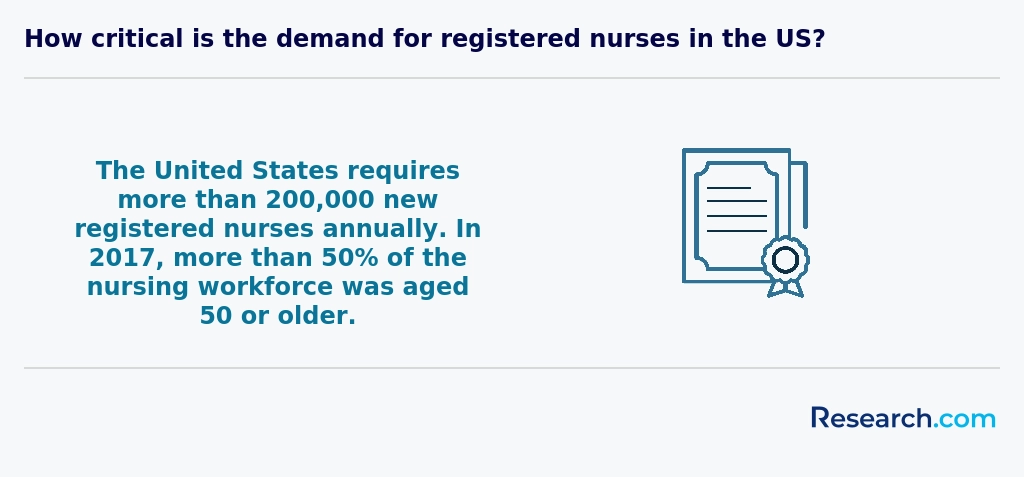
- The healthcare job market in Baton Rouge is growing steadily, driven by demand in nursing, medical technology, health information, and therapy fields.
How long does it take to complete healthcare degree in Baton Rouge?
Completing a healthcare degree in Baton Rouge varies by program type and schedule. Certificate programs, favored by those seeking quick entry into roles like medical assistant, typically finish in six months to a year. Graduates of these fast-track programs often share relief and pride in starting their careers swiftly at local clinics or care facilities.
For those aiming higher, associate degrees such as an ADN at Baton Rouge community colleges take about two years full-time, blending classroom learning with hands-on clinical experience. Students appreciate the balance as it builds confidence through real patient interactions before stepping into the workforce.
Bachelor's degrees, like the BSN from Louisiana State University, generally require four years. Graduates often mention the satisfaction of completing a comprehensive program that opens doors to professional nursing or health administration opportunities in Baton Rouge's hospitals.
Those pursuing graduate degrees, including MSN or doctoral programs, commit two to seven years, depending on the specialty. Many find these longer paths rewarding despite the extra effort, knowing advanced credentials lead to leadership roles or specialized care positions locally and beyond.
Expert Tips for Success in Healthcare Programs
Navigating the demands of a healthcare program goes beyond mastering textbooks and clinical skills; it involves strategic planning, mentorship, and proactive career development. Start by setting clear short- and long-term goals that align with the skills required in today’s rapidly evolving healthcare field. Embrace active learning opportunities including internships, volunteer work, and participation in student organizations-all of which provide practical experience and networking advantages. Additionally, seek feedback from professors and industry professionals to continually refine your skills and stay informed on emerging trends. Leveraging career support resources offered by your institution can further maximize your success; for instance, many students have benefited from career fairs and alumni networking sessions organized by schools that rank among the valuable healthcare programs in louisiana. Finally, stay updated with the latest industry insights and technological advancements, as continuous learning is key to remaining competitive in the healthcare sector.
What's the difference between online and on-campus healthcare degree?
Online healthcare degrees in Baton Rouge offer flexibility that fits busy schedules, especially for working adults or parents balancing other responsibilities. Graduates from LSU Health Sciences Center who took hybrid or fully online options often mention appreciating the ability to study remotely while managing jobs or family. This setup allows access to coursework anytime, removing the need to commute or attend fixed class times.
In contrast, on-campus programs at institutions like Baton Rouge Community College provide hands-on training critical for clinical careers. Students experience direct interaction with instructors and peers, use state-of-the-art labs, and complete mandatory clinical rotations in nearby hospitals. Graduates frequently highlight how these immersive experiences build confidence and practical skills needed for nursing or radiologic technology jobs.
While online programs might slightly reduce costs related to commuting or housing, tuition usually stays around $8,000 to $15,000 per year. Both delivery methods require accreditation-such as from CAAHEP or ACEN-to ensure your degree is respected by employers and licensure boards in Louisiana.
Accreditation and Licensure Standards
Accreditation is the cornerstone of any reputable healthcare degree program in Baton Rouge, LA, ensuring curriculum quality and eligibility for state licensure. Most top institutions hold regional accreditation from the Southern Association of Colleges and Schools Commission on Colleges (SACSCOC) and programmatic accreditation-such as CCNE for nursing or CAHME for healthcare management. Before enrolling, verify that your school’s healthcare program appears on the U.S. Department of Education’s database of accredited postsecondary institutions and programs. Licensure outcomes are equally critical. For example, Bachelor of Science in Nursing graduates must pass the NCLEX-RN exam to practice, and Baton Rouge programs commonly boast first-time pass rates above the 88% national average. Program websites often publish detailed statistics on certification exam success-use these metrics to compare schools and predict your professional readiness. Continuing education requirements also vary by specialty. Healthcare administrators may pursue the Certified Healthcare Executive (CHE) credential through the American College of Healthcare Executives, while health informatics professionals often seek the AAPC’s Certified Professional in Healthcare Information and Management Systems (CPHIMS) credential. Confirm that your chosen curriculum includes required coursework for these certifications. For students balancing cost with credentialing needs, consider expanding your search beyond Louisiana. For instance, our Inexpensive Online Master's in Healthcare Degree Programs Ranking in Orlando, FL highlights accredited programs that deliver strong licensure support at lower tuition rates. By prioritizing accreditation and licensure outcomes, you safeguard your investment and maximize career opportunities in Baton Rouge’s competitive healthcare market.
What is the average cost of healthcare degree in Baton Rouge?
The average cost of obtaining a healthcare degree in Baton Rouge is roughly $38,977 in total. For in-state students, this typically amounts to about $11,954, which makes pursuing such degrees at public institutions like Louisiana State University (LSU) a practical option. Graduates often share how this manageable investment allowed them to gain valuable skills without overwhelming debt. Out-of-state students should prepare for a higher overall cost, near the median total of $38,977, reflecting increased tuition fees.
Many healthcare students in Baton Rouge appreciate community colleges such as Baton Rouge Community College (BRCC) for their affordable tuition, often between $3,500 and $5,000 annually, especially for associate degrees and certificate programs. These programs offer a faster route into the healthcare workforce while keeping costs low, a beneficial choice for those balancing work and study. The average cost of healthcare degree Baton Rouge options reflects a broad range, allowing students to choose paths that fit their financial situations and career goals.
Expenses beyond tuition, such as supplies, uniforms, certification exams, and clinical placement fees, can add up. Graduates often recommend budgeting for these early, as they are essential components to complete training smoothly. Exploring financial aid options is equally critical; scholarships targeting healthcare students, federal grants, and institutional aid help ease the financial load.
For more information on the best schools to find valuable healthcare programs in Baton Rouge, students may consider exploring the valuable healthcare programs in louisiana to identify opportunities that balance quality education and cost effectively.
Accelerated PharmD Programs in Baton Rouge: A Fast-Track Path to Your Pharmacy Career
Students seeking to launch their pharmacy careers quickly often turn to accelerated PharmD programs, which condense the traditional four-year Doctor of Pharmacy curriculum into three intense, integrated years. Baton Rouge institutions have begun exploring partnerships and curriculum innovations to offer these accelerated pathways, combining foundational coursework with early experiential rotations. By participating in one of these fast-track options, students can reduce tuition costs and enter the workforce sooner, all while maintaining rigorous academic standards and accreditation requirements. Key Features of Accelerated PharmD Tracks:
- Integrated Curriculum: Accelerated programs reorganize didactic coursework-such as pharmacokinetics, medicinal chemistry, and patient-centered care-into continuous semesters with lighter breaks, ensuring students remain immersed in their studies.
- Early Clinical Exposure: From the first year, students engage in community and hospital rotations under licensed preceptors, sharpening patient counseling and medication management skills.
- NCLEX and Licensing Preparation: Structured review sessions and mock exams are embedded throughout the program, boosting first-attempt pass rates on state board exams. Given the growing demand for pharmacists in Baton Rouge’s hospitals, outpatient clinics, and specialty pharmacies, accelerated PharmD tracks offer a competitive edge. Prospective students should explore online accelerated pharm d programs to compare admission requirements, curriculum models, and tuition savings. By selecting the right accelerated PharmD pathway, aspiring pharmacists can fast-track their education, minimize debt, and begin making a difference in patient care sooner.
What financial aid is available to healthcare degree students in Baton Rouge?
When pursuing a healthcare degree in Baton Rouge, start by completing the FAFSA to access federal aid like Pell Grants, which can cover a substantial portion of tuition without needing repayment. Many healthcare graduates at LSU Health Sciences Center relied on these grants to manage the $7,000 to $15,000 annual tuition, feeling relief from upfront costs.
Next, check for Louisiana's state scholarships, such as the TOPS program, especially if enrolled full-time at institutions like Louisiana State University. Graduates often talk about how TOPS eased their financial strain by covering a large chunk of tuition.
Don't overlook institutional scholarships specifically for healthcare fields-they reward academic merit or dedication to specialties like nursing or allied health. Many have shared how these scholarships motivated them to excel while reducing debt.
Work-study programs tied to healthcare settings provide practical experience plus income, a favorite path for students balancing education with earning. Also, some local employers offer tuition reimbursement, which recent graduates found invaluable for continuing education without financial stress.
Expert Insights on Future Trends in Healthcare Education
As the healthcare industry evolves, experts emphasize the importance of integrating emerging technology, innovative teaching methods, and strong industry partnerships to prepare students for the future. Leading professionals in healthcare education and administration are increasingly highlighting how digital transformation is reshaping curricula, with virtual simulations and telemedicine training becoming integral parts of modern programs. They advise prospective students to seek out programs that not only cover traditional coursework but also offer experiential learning opportunities with cutting-edge tools and real-world applications. These insights underscore that beyond classroom theory, mentorship partnerships and networking opportunities with seasoned professionals are crucial for career development. In today’s competitive landscape, students benefit from institutions that foster connections with healthcare providers and research organizations, ensuring that graduates are ready to tackle pressing challenges and capitalize on industry growth. For instance, several experts note that innovative online platforms now allow for accelerated learning experiences-much like those found in 1 year mph programs online-which highlight the flexibility and forward-thinking approaches adopted by top schools. By staying informed about these trends and choosing programs that emphasize both technological proficiency and practical experience, future healthcare professionals can ensure they are well-equipped to lead and innovate in a rapidly changing field.
What are the prerequisites for enrolling in healthcare degree program in Baton Rouge?
To enroll in a healthcare degree program in Baton Rouge, start by ensuring you have a high school diploma or GED, as most programs like those at Louisiana State University or Baton Rouge Community College require this basic credential. Graduates often recall how their solid foundation in biology, chemistry, and math during high school made advanced healthcare concepts easier to grasp. Testing is the next step; many programs ask for ACT, SAT, or TEAS scores to confirm your readiness, especially for nursing or allied health tracks.
For bachelor's or master's programs, expect to complete college-level prerequisite courses such as anatomy and physiology. Many students share how completing these efficiently helped them smoothly transition into clinical rotations. A minimum GPA around 2.5 to 3.0 is commonly required, pushing students to develop strong study habits early on.
- Proof of immunizations and a health examination
- Background checks and drug screenings for clinical placements
- CPR certification before starting clinical rotations
These requirements are standard across local institutions and ensure you're prepared both academically and practically, making your healthcare education journey in Baton Rouge a confident and rewarding experience.
Essential Strategies for Student Success in Healthcare Education
Navigating a healthcare degree program requires more than academic aptitude-it demands effective strategies for managing time, leveraging campus resources, and building a robust professional network. Students can maximize their success by seeking mentorship from experienced faculty, actively participating in study groups, and utilizing career services that many institutions offer. For instance, establishing a mentor relationship often leads to better feedback and personalized advice, which can be invaluable during clinical rotations or intensive coursework. Additionally, taking advantage of internships and networking events can bridge the gap between classroom learning and the realities of a healthcare career. Many programs facilitate connections with industry professionals through career fairs and alumni events, encouraging students to engage with leaders in the field. These experiences not only build confidence but also open doors to future opportunities. Prospective students should also explore resources that compare program quality and outcomes. For more insights into top-rated educational choices, consider reviewing our valuable healthcare programs in louisiana, which offer comprehensive support to ensure both academic and professional growth. Embracing these strategies can empower students to navigate the challenges of their healthcare education journey with resilience and clarity, setting the stage for a fulfilling career in the dynamic field of healthcare.
What courses are typically in healthcare degree programs in Baton Rouge?
Healthcare degree programs in Baton Rouge commonly start with core courses that build a solid foundation in science and healthcare basics. Graduates from local institutions like LSU Health Sciences Center often recall beginning with classes such as Human Anatomy and Physiology, General Chemistry, and Microbiology. These courses are essential for understanding how the human body works and preparing for more specialized healthcare topics.
Alongside the sciences, students quickly encounter practical subjects like Health Terminology and Medical Ethics and Legal Issues, which set the stage for real-world healthcare communication and professional responsibility. For example, students training at Baton Rouge Community College appreciate how learning medical ethics early helped them navigate patient confidentiality during clinical rotations.
As the program advances, expect to see courses like pharmacology and health assessment. These teach critical skills such as medication management and physical evaluations, crucial for careers in nursing or medical assisting at facilities like Our Lady of the Lake Regional Medical Center.
Hands-on clinical experiences complete the curriculum, allowing students to apply classroom lessons in Baton Rouge's diverse healthcare settings and confidently transition into their careers.
What types of specializations are available in healthcare degree programs in Baton Rouge?
Healthcare degree specializations in Baton Rouge include nursing, public health, healthcare administration, and allied health professions, reflecting the city's diverse medical needs. Nursing programs at local institutions emphasize hands-on clinical training, with graduates often praising the direct experience gained at hospitals like Our Lady of the Lake Regional Medical Center. This practical approach builds confidence and readiness for demanding patient care roles.
Public health specializations focus on community health challenges, including epidemiology and health policy, preparing students to improve regional health outcomes. Graduates frequently find satisfaction in contributing to efforts addressing common local issues such as infectious disease control and chronic condition management.
Healthcare administration majors learn to navigate hospital operations and health insurance complexities-a critical skill in Baton Rouge's busy healthcare environment. Meanwhile, allied health fields like respiratory therapy and medical laboratory science provide alternative paths for students eager to impact patient recovery and diagnostics.
For those interested in combining technology with healthcare, health informatics programs offer in-demand skills managing healthcare data. Baton Rouge students explore practical options, including 1 year mph programs online, which can enhance their qualifications efficiently.
Choosing a healthcare specialization in Baton Rouge means aligning with a city experiencing growth in medical services and education, with accessible programs that match this evolving landscape of opportunities.
How do you choose the best healthcare degree in Baton Rouge?
Choosing the best healthcare degree in Baton Rouge starts with identifying your career goals and matching them to local program options. Graduates from Louisiana State University appreciate how the mix of associate, bachelor's, and advanced degrees lets students efficiently pursue paths in nursing, health administration, or allied health fields. Accreditation matters-programs recognized by bodies like CCNE or ACOTE directly impact licensure success and job placement, something every student here has found reassuring. Cost is crucial too; many find the affordable healthcare degrees Baton Rouge offers, especially at public universities, help reduce debt while maintaining quality. Clinical experience plays a practical role as well. Students value close ties to hospitals like Our Lady of the Lake Regional Medical Center for hands-on learning, boosting confidence entering the workforce. For those interested in pharmacy, exploring online accelerated pharm d programs can provide a quicker route to licensed practice without sacrificing local relevance.

What career paths are available for healthcare degree students in Baton Rouge?
Graduates with a healthcare degree in Baton Rouge have multiple career options tailored to local industry needs. Many pursue nursing, benefiting from programs accredited by the Louisiana State Board of Nursing and finding roles in well-known facilities like Baton Rouge General Medical Center. These graduates often highlight the rewarding feeling of becoming essential frontline caregivers. Others focus on allied health professions such as radiologic technologists or respiratory therapists, whose skills directly support patient diagnosis and treatment within Baton Rouge's hospitals.
For those interested in healthcare degree jobs in Baton Rouge, public health roles offer a chance to impact community well-being through education and policy. Graduates from Louisiana State University's healthcare programs often share experiences of contributing to local health initiatives, proving invaluable to public agencies and nonprofits. Additionally, health information management careers, including medical coding and data analysis, are growing fields where graduates apply their knowledge to improve healthcare operations efficiently.
Students considering affordable options might explore opportunities from programs featured in the Inexpensive Online Master's in Healthcare Degree Programs Ranking in Orlando, FL as a guide to balancing quality and cost while planning a healthcare career.
What is the job market for healthcare degree in Baton Rouge?
The healthcare job opportunities in Baton Rouge are robust, especially for graduates of local programs at universities like LSU and Baton Rouge Community College. Graduates frequently find positions at major healthcare centers such as Our Lady of the Lake Regional Medical Center, where roles for registered nurses and allied health technicians are in high demand. Many graduates describe their transition into these jobs as encouraging due to steady hiring and competitive wages averaging around $67,000 annually for registered nurses.
Programs in Baton Rouge balance practical training with exposure to emerging fields like health informatics, increasing graduates' versatility in the job market. With Louisiana's public university tuition ranging between $7,000 and $10,000 per year, recent graduates feel their education investment is justified by tangible career results. For those seeking to accelerate their qualifications, a quick bachelor's degree online option can enhance job readiness without prolonged campus time.
Understanding the Baton Rouge healthcare degree employment outlook also means recognizing the city's expanding healthcare infrastructure. Federal investments and a growing elderly population drive demand for skilled professionals. Graduates regularly note how specialized outpatient care centers and state initiatives open doors to diverse healthcare roles, making Baton Rouge a promising location to launch a healthcare career.
Frequently Asked Questions About healthcare
Healthcare degree students in Baton Rouge can maximize their learning experience by actively engaging in the city's extensive network of clinical partnerships. Local hospitals like Our Lady of the Lake Regional Medical Center offer valuable internship and practicum opportunities that provide hands-on experience, crucial for mastering practical skills.
Students should take advantage of Baton Rouge Community College and Louisiana State University's specialized healthcare programs, which integrate updated curriculum aligned with current industry standards. According to the Louisiana Board of Regents, practical experience increases job placement rates significantly in healthcare fields.
Networking with local healthcare professionals through workshops and conferences in Baton Rouge enhances understanding of regional health challenges and trends, preparing students for future employment.
Emerging niches in the healthcare field reflect the evolving needs of communities like Baton Rouge. One significant area is telehealth, which has expanded rapidly since 2020, improving access in rural and underserved parts of Louisiana. According to the Louisiana Department of Health, telehealth visits increased by over 50% in recent years.
Another growing sector is health informatics. This field blends healthcare and technology, focusing on managing electronic health records and data analytics to improve patient outcomes. Baton Rouge's expanding medical centers and clinics are increasingly seeking professionals skilled in this area.
Additionally, personalized medicine, involving treatments tailored to individual genetic profiles, is gaining traction. Local universities are beginning to incorporate genetic counseling and biotechnology into healthcare degrees, responding to rising demand.
After completing a healthcare degree in Baton Rouge, preparing for the job market involves strategic steps to enhance employment prospects. First, obtaining relevant certifications and licenses, such as CNA or EMT credentials, aligns with Louisiana's healthcare regulations and is essential for many roles.
Networking plays a crucial role. Connecting with local healthcare employers through career fairs hosted by institutions like Baton Rouge Community College or LSU Health Sciences Center can open doors.
Internships and clinical experience gained during study improve practical skills and employability. Louisiana's Department of Health reports rising demand in nursing and allied health fields, indicating growing opportunities for graduates.
Developing soft skills, including communication and teamwork, is equally important in this dynamic sector.
Employers in Baton Rouge prioritize several key skills when hiring healthcare degree graduates. Critical thinking and problem-solving abilities top the list, as healthcare professionals must quickly assess patient needs and adapt to changing situations. According to the Louisiana Workforce Commission, effective communication skills-both verbal and written-are essential, given the collaborative nature of medical teams.
Additionally, proficiency in healthcare technology is increasingly important. With Baton Rouge hospitals adopting advanced electronic health records, graduates familiar with these systems have a clear advantage.
Empathy and cultural competence also matter, reflecting the city's diverse population. Research from Baton Rouge General shows employers seek graduates who demonstrate respect and understanding of patients from various backgrounds.
Finally, a strong foundation in clinical knowledge combined with adherence to safety protocols is crucial for success in local healthcare settings.
Finding healthcare internships in Baton Rouge involves leveraging local resources and establishing connections within the community. Students should begin by consulting their college's career services, as many Baton Rouge institutions maintain partnerships with regional hospitals and clinics. For example, facilities like Our Lady of the Lake Regional Medical Center and Baton Rouge General often offer internships for students pursuing healthcare degrees.
Additionally, joining professional organizations such as the Louisiana Healthcare Quality Forum can provide networking opportunities and job leads. Online platforms like Handshake or LinkedIn also list local healthcare internship openings.
Research shows that Baton Rouge's healthcare sector is growing steadily, with healthcare employment rising by about 3% annually over the past five years, which increases internship availability (U.S. Bureau of Labor Statistics, 2023).
In Baton Rouge, obtaining a healthcare degree significantly enhances career mobility and advancement opportunities. The city's growing healthcare sector, driven by institutions such as Baton Rouge General Medical Center and Our Lady of the Lake Regional Medical Center, demands qualified professionals across various specialties.
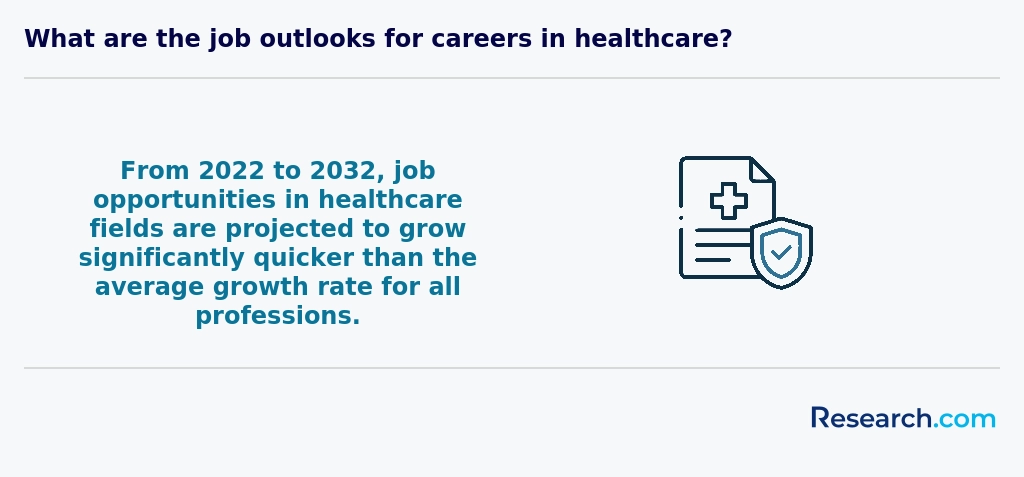
Data from the U.S. Bureau of Labor Statistics highlights that healthcare occupations in Louisiana are projected to grow 15% from 2022 to 2032, faster than average, which benefits degree holders in this field.
Healthcare degrees open paths to roles beyond entry-level jobs, including management, specialist, or advanced practice positions. Employers in Baton Rouge often prefer candidates with accredited degrees, valuing both practical training and theoretical knowledge.
Additionally, many local healthcare employers support continuing education, meaning a healthcare degree can be a foundation for lifelong professional growth and salary increases.
Studying for a healthcare degree in Baton Rouge offers strong preparation for interdisciplinary roles through a curriculum emphasizing collaborative skills. Many local institutions integrate programs that combine nursing, public health, and health administration, reflecting the interconnected nature of modern healthcare.
Students benefit from partnerships with regional hospitals like Our Lady of the Lake and Baton Rouge General, providing hands-on experiences in teams of diverse health professionals.
The Louisiana Department of Health highlights Baton Rouge's growing demand for coordinated care, making graduates skilled in communication and teamwork highly valued. This approach aligns healthcare education with real-world needs, fostering flexibility across disciplines.
Choosing between a thesis and a non-thesis healthcare degree program in Baton Rouge depends on your career goals and learning preferences. Thesis programs emphasize research, requiring students to conduct original studies and write a detailed paper. This path suits those interested in academic, research, or doctoral pursuits.
Non-thesis programs focus on practical skills and coursework, often appealing to professionals aiming to enter the workforce quickly or advance clinical expertise. In Baton Rouge, programs frequently align with industry needs in healthcare sectors like hospital administration and public health, reflecting local job market demands reported by the Louisiana Workforce Commission.
Consider your readiness for independent research and the time commitment each option demands, as thesis programs typically take longer to complete.
Students in Baton Rouge aspiring to study healthcare abroad have several pathways to consider. While most local healthcare programs focus on LSU and Southern University, opportunities for international study often come through exchange programs or partnerships with foreign universities. Many U.S. institutions offer dual-degree options or study abroad semesters, particularly in countries with advanced healthcare systems.
Programs in Canada, the UK, and Australia are popular choices due to their recognition by U.S. accreditation bodies. Students often seek clinical experience abroad, which can broaden cultural competence, an important skill in healthcare careers. Baton Rouge students should also explore scholarships and grants aimed at study abroad healthcare programs to manage costs.
Baton Rouge offers several part-time job opportunities that align well with healthcare degree education. Students frequently find positions as medical assistants, patient care technicians, or pharmacy aides at local clinics and hospitals. These roles provide hands-on experience with patient interaction and medical procedures, which complements theoretical learning.
The Baton Rouge metropolitan area's healthcare sector has grown by 4.5% annually, supporting more than 25,000 healthcare jobs as of 2023, according to the Louisiana Workforce Commission. Part-time roles in health administration or lab support also help students develop valuable skills in healthcare operations and diagnostics.
Working in these roles helps build a professional network and often leads to internships or full-time positions after graduation.
Healthcare students in Baton Rouge have access to numerous networking opportunities that can enhance their educational and professional journeys. Local universities, such as Louisiana State University (LSU), host events where students can connect with healthcare professionals and alumni.
Additionally, Baton Rouge is home to several hospitals and health systems, including Our Lady of the Lake Regional Medical Center, which frequently offers internships and volunteer positions. These opportunities allow students to build relationships with practitioners and gain real-world experience.
Professional organizations like the Louisiana State Nurses Association regularly conduct local chapter meetings and workshops in Baton Rouge. Students participating in these events can expand their professional contacts within the healthcare community.
The city's healthcare sector continues to grow, supported by health initiatives and a rising number of registered healthcare facilities, creating a dynamic environment for networking and career development.
Alumni networks offer significant advantages for healthcare degree students in Baton Rouge. These connections provide access to local professionals already working in hospitals, clinics, and research centers. Networking through alumni can lead to internships and job opportunities that might not be publicly advertised.
Research from the Baton Rouge Area Chamber highlights that hospitals in the region, such as Our Lady of the Lake and Baton Rouge General, prefer hiring candidates with local alumni endorsements. This increases students' chances of securing positions in competitive healthcare fields.
Moreover, alumni often serve as mentors, guiding current students through licensure exams, career decisions, and continuing education options. These relationships support professional growth and can improve graduation and employment rates for healthcare programs in Baton Rouge.
Customizing a healthcare degree program in Baton Rouge allows you to align your education with specific career goals. Many local institutions offer flexible curricula, including electives in fields like nursing, health administration, and public health. This flexibility lets students focus on specialties that match workforce demands in Louisiana, such as geriatric care or healthcare informatics.
Internships and clinical placements within Baton Rouge's extensive healthcare network-home to facilities like Our Lady of the Lake Regional Medical Center-provide hands-on experience tailored to your interests. Additionally, some programs incorporate research opportunities, which can be crucial if you aim for roles in healthcare policy or technology development.
Advising services and career counseling in Baton Rouge schools help you select courses, certifications, and experiences to meet licensure requirements or specialized certifications relevant to Louisiana's healthcare sector.
Healthcare students in Baton Rouge often face several notable challenges during their education. One significant difficulty is managing the demanding coursework alongside clinical rotations, which require both theoretical knowledge and hands-on skills. This can lead to stress and time-management issues, particularly for students balancing work or family responsibilities.
Additionally, Baton Rouge's competitive healthcare job market makes securing quality internships and post-graduate employment a critical concern. According to the Louisiana Workforce Commission, healthcare employment in the region is growing, but students must still navigate stiff competition for practical training spots.
Financial strain is another hurdle. Many students rely on loans or grants, but rising tuition and living costs in Baton Rouge can be burdensome. Lastly, students often face challenges adapting to the rapidly evolving healthcare technologies and regulations that are essential to their future careers.
With a healthcare degree in Baton Rouge, graduates can pursue a variety of professional certifications that enhance career prospects in the medical field. Common credentials include Certified Nursing Assistant (CNA), Licensed Practical Nurse (LPN), Registered Nurse (RN), and specialized credentials like Certified Medical Assistant (CMA).
For those interested in allied health, certifications such as Emergency Medical Technician (EMT) or Medical Laboratory Technician (MLT) are valuable. Baton Rouge's healthcare sector shows steady growth, supported by institutions like Our Lady of the Lake Regional Medical Center, increasing demand for certified professionals.
Nationally recognized certifications are often required by Louisiana employers and improve salary potential and job security. The Louisiana State Board of Nursing and other professional bodies oversee licensing and certification standards locally.
Writing a winning application for a healthcare program in Baton Rouge requires clear focus and preparation. First, tailor your personal statement to highlight your commitment to healthcare, emphasizing local community experience or interests. Baton Rouge institutions like LSU Health Sciences Center value applicants who understand regional healthcare challenges, such as addressing disparities in access and chronic disease rates reported by the Louisiana Department of Health.
Provide strong academic transcripts showing proficiency in sciences and math, as many programs require a minimum GPA of about 3.0. Letters of recommendation from healthcare professionals or instructors familiar with your capabilities add credibility. Lastly, prepare for interviews by researching local healthcare trends and demonstrating your motivation to contribute to Baton Rouge's evolving medical community.
The global perspective on a healthcare career emphasizes increasing demand due to aging populations and rising chronic diseases. In the United States, including Baton Rouge, healthcare jobs are projected to grow by 16% from 2021 to 2031, according to the U.S. Bureau of Labor Statistics. This growth reflects a worldwide trend where healthcare professionals are essential to addressing public health challenges.
Internationally, healthcare roles may vary in scope and specialization, but core skills like patient care, communication, and ethical practice remain universal. For Baton Rouge students, understanding these global standards enhances career flexibility.
Moreover, local institutions such as LSU Health Sciences Center contribute significantly to research and training, positioning Baton Rouge as a growing hub in healthcare education.
Gaining practical experience while studying for a healthcare degree in Baton Rouge is essential for building skills and improving job prospects. Many local institutions partner with hospitals and clinics, such as Baton Rouge General Medical Center and Our Lady of the Lake Regional Medical Center, offering students internships and clinical rotations. These hands-on opportunities allow students to apply classroom knowledge in real healthcare settings under professional supervision.
Additionally, Baton Rouge's public health agencies and community health programs frequently collaborate with universities, providing volunteer and research participation options. According to the Louisiana Board of Regents, experiential learning is a requirement in most accredited healthcare programs, ensuring students graduate work-ready.
Choosing the right concentration within a healthcare degree program in Baton Rouge begins with understanding your career goals and the local healthcare landscape. Baton Rouge hosts several healthcare hubs, including Our Lady of the Lake Regional Medical Center, which often influences demand for specialties such as nursing, health administration, and medical technology.
Analyzing job market data for Baton Rouge reveals that registered nursing and healthcare management experience steady growth, with nursing jobs projected to increase by 12% through 2030, according to the Louisiana Workforce Commission. Aligning your concentration with these growing fields can improve employability.
Additionally, consider available local clinical placement opportunities. Programs with strong partnerships in Baton Rouge hospitals and clinics offer practical experience essential for licensure and employment. Review program curricula and speak with advisors to find concentrations that match both your interests and Baton Rouge's healthcare needs.
Related Healthcare Rankings for Nearby Cities
- 2027 Most Valuable Healthcare Degree Programs Ranking in New Orleans
- 2027 Most Valuable Healthcare Degree Programs Ranking in Hattiesburg
- 2027 Most Valuable Healthcare Degree Programs Ranking in Jackson
- 2027 Most Valuable Healthcare Degree Programs Ranking in Mobile
- 2027 Most Valuable Healthcare Degree Programs Ranking in Little Rock
- 2027 Most Valuable Healthcare Degree Programs Ranking in Montgomery
- 2027 Most Valuable Healthcare Degree Programs Ranking in Birmingham
- 2027 Most Valuable Healthcare Degree Programs Ranking in Tallahassee
- 2027 Most Valuable Healthcare Degree Programs Ranking in Atlanta
- 2027 Most Valuable Healthcare Degree Programs Ranking in Gainesville
Top Trending Healthcare Rankings
See What Experts Have To Say About Studying Healthcare
Read our interview with Healthcare experts

References
- Health Sciences Study Abroad Programs - Healthcare Abroad https://www.ceastudyabroad.com/academic-discipline/health-sciences
- Financial Aid Information https://mylahealthcareers.com/financial-aid-information/
- Welcome to the Upstate Nursing Alumni Association! https://www.upstatefoundation.org/NursingAlumni
- Healthcare Administration Certifications https://www.publichealthdegrees.org/careers/healthcare-administrator/certification/
- Healthcare Assistant Cover Letter Templates | myPerfectCV https://www.myperfectcv.co.uk/cover-letter/examples/healthcare-assistant-cover-letter
- The impact of postgraduate education on career advancement in healthcare https://sets.com.ua/journals/vol-3-no-2-2024/the-impact-of-postgraduate-education-on-career-advancement-in-healthcare
- Career Opportunities in Healthcare Without a Medical Degree https://www.just-medical.ch/en/blog/medical-careers-without-formal-education
- Advance Your Education and Career While Working in Healthcare https://www.hospitalrecruiting.com/blog/4236/advance-your-education-and-career-while-working-in-healthcare/
- 6 key healthcare challenges affecting students and how to address them - Wellfleet Student https://wellfleetstudent.com/engaging-empowering-student-members/6-key-healthcare-challenges-affecting-students-and-how-to-address-them/
- Challenges for Medical Students - Health Action Research Group https://www.healthactionresearch.org.uk/mental-health/challenges-for-medical-student/





