
2027 Most Popular Healthcare Degree Programs Ranking in Davis

Co-Founder and Chief Data Scientist
Choosing the right healthcare degree program in Davis can shape your future career and personal growth. This article introduces the 2027 Most Popular Healthcare Degree Programs Ranking in Davis, created by the Research.com team of data scientists, designed to guide you through the best options available.
By exploring this ranking, you'll gain valuable insights to make an informed decision that fits your goals and interests. Pursuing a healthcare degree opens doors to meaningful work, stability, and the chance to make a positive impact on your community.
Key benefits of getting healthcare degree in Davis
- Healthcare degree graduates in Davis can earn rewarding salaries, such as $43,350 annually for Medical Assistants or $60,790 for Patient Care Technicians, offering financial stability and growth potential.
- Graduates often find diverse career paths, from clinical roles like Patient Care Technician to administrative jobs like Health Information Technician, benefiting from strong local healthcare networks.
- Completing a healthcare degree online in Davis offers flexibility for busy students, allowing them to balance work and study while still gaining valuable skills and connections.
- Key benefits of getting healthcare degree in Davis
- What can I expect from healthcare degree in Davis?
- Where can I work with healthcare degree in Davis?
- How much can I make with healthcare degree in Davis?
- 2027 Most Popular Healthcare Degree Programs Ranking in Davis
- Key Findings
- How long does it take to complete healthcare degree in Davis?
- Return on Investment for Healthcare Degrees in Davis, CA
- What's the difference between online and on-campus healthcare degree?
- Licensure and Certification Requirements for Healthcare Graduates in Davis, CA
- What is the average cost of healthcare degree in Davis?
- Alumni Outcomes and Return on Investment
- What financial aid is available to healthcare degree students in Davis?
- Spotlight on Sonography: A Growing Field in Healthcare
- What are the prerequisites for enrolling in healthcare degree program in Davis?
- Student Life & Campus Experience in Davis, CA
- What courses are typically in healthcare degree programs in Davis?
- What types of specializations are available in healthcare degree programs in Davis?
- How do you choose the best healthcare degree in Davis?
- What career paths are available for healthcare degree students in Davis?
- What is the job market for healthcare degree in Davis?
- Top Trending Healthcare Rankings
- See What Experts Have To Say About Studying Healthcare
What can I expect from healthcare degree in Davis?
The average cost of pursuing a healthcare degree in Davis, particularly at UC Davis, reflects both the quality and depth of the education provided. Many graduates recall balancing the financial investment with the invaluable clinical experiences offered through UC Davis Medical Center, known for its top-tier teaching hospital environment. Tuition for undergraduate healthcare programs often ranges around $14,000 per year for in-state students, while out-of-state students might expect closer to $44,000 annually. This variation, however, is often softened by scholarships and financial aid tailored for healthcare students.
Graduates frequently emphasize that the hands-on practice in nursing, public health, and biomedical research justifies the cost, providing the confidence needed to thrive in demanding healthcare careers. They describe their time working alongside diverse patient populations and innovative research projects as transformative, turning theory into meaningful impact. For students aiming to join this dynamic field locally, the combination of academic rigor and practical exposure at UC Davis often makes the expense a worthwhile investment toward a fulfilling healthcare career.
Where can I work with healthcare degree in Davis?
Healthcare graduates from institutions like UC Davis often find themselves welcomed into diverse roles across the city and surrounding areas. Many share the excitement of joining the UC Davis Health system, where opportunities span from clinical nursing to innovative biomedical research. One graduate spoke of starting as a nurse in a bustling hospital ward before transitioning into health administration, embracing the dynamic environment that Davis offers.
Others discover rewarding careers in local outpatient clinics or specialty care centers, where they apply their skills as physician assistants or medical technologists. The steady demand, especially for nurses, gives a reassuring sense of stability and purpose.
Community health is another vibrant avenue. Graduates who value public service often find fulfillment working with Yolo County Public Health Department, contributing to meaningful health education and policy projects. These paths highlight how Davis's healthcare landscape supports both personal growth and impactful work.
For those drawn to academia, UC Davis provides a stimulating research environment where healthcare professionals collaborate on cutting-edge clinical trials and innovation, turning knowledge into real-world solutions. The variety of options ensures that each graduate can find a path aligned with their passion and skills.
How much can I make with healthcare degree in Davis?
Graduates holding healthcare degrees in Davis often find encouraging salary prospects that reflect both local demand and specialized skills. For instance, medical assistants can anticipate earning around $43,350 annually, aligning with the data from the US Bureau of Labor Statistics. This figure resonates well with recent graduates from programs affiliated with Sacramento State University, who appreciate the solid starting point as they build experience.
Many graduates who pursue roles like patient care technicians benefit from higher wages, with average earnings near $60,790 yearly. Such opportunities commonly attract students from community colleges in the region eager to enter practical healthcare roles swiftly. Similarly, health information technicians typically earn about $43,380 per year, offering a blend of clinical knowledge and administrative expertise suitable for those drawn to digital health careers.
For those aiming at leadership or specialist positions, roles such as quality improvement coordinators command salaries around $103,150 annually. These figures encourage Davis healthcare graduates to pursue advanced certifications or degrees, knowing that their investment in education can yield substantial returns. The proximity to UC Davis Health often enhances these prospects, exposing students to innovative settings that inspire both professional growth and personal fulfillment.
2027 Most Popular Healthcare Degree Programs Ranking in Davis
How do we rank schools?
Investing in your education is a significant decision that can shape your future, and the Research.com team understands the importance of making informed choices. To assist prospective students in Davis, we have meticulously crafted the "2027 Most Popular Healthcare Degree Programs Ranking in Davis." Our commitment to quality, credibility, and accuracy is reflected in the extensive research and analysis conducted to compile this ranking.
We utilized the following reputable data sources to ensure a comprehensive evaluation of healthcare programs:
By exploring this ranking, readers will gain valuable insights into the most popular healthcare degree programs available in Davis, enabling them to make well-informed decisions about their educational paths. For more details on our methodology, please visit our Research.com methodology page.

Key Findings
- Undergraduate healthcare tuition in Davis ranges from $15,000 to $35,000 per year for in-state students, with out-of-state fees sometimes exceeding $40,000.
- Graduate healthcare programs cost between $20,000 and $45,000 annually, excluding additional expenses like books and living costs.
- Entry-level salaries for healthcare graduates typically start around $60,000 per year.
- Experienced healthcare professionals in Davis can earn between $85,000 and $110,000 annually within five to ten years.
- Healthcare jobs in Davis are expected to grow by about 10% over the next decade, supported by local hospitals and research institutions.
How long does it take to complete healthcare degree in Davis?
Completing a healthcare degree in Davis often means embracing a commitment that varies by the level of study. Graduates from local programs, such as those at UC Davis, frequently share how their associate degrees-common among medical assisting or LVN students-took about two years, blending classroom instruction with hands-on clinical rotations in nearby healthcare facilities.
Bachelor's degree students, particularly in Registered Nursing or health sciences, typically navigate a full four years. They often describe a fulfilling journey that includes both rigorous academics and meaningful clinical experiences, making the effort worthwhile as they prepare to enter the workforce confidently.
For those pursuing master's degrees in areas like public health or nurse practitioner tracks, an additional two to three years beyond the bachelor's is usually needed. Many graduates find this time rich with advanced learning and practical research opportunities that deepen their expertise.
Doctoral candidates, especially in nursing practice or health sciences, balance three to six years of study post-master's, often adjusting timelines based on part-time options and research intensity. These immersive experiences at UC Davis and similar institutions foster personal growth and professional readiness, reassuring students that investing time here leads to profound career satisfaction.
Return on Investment for Healthcare Degrees in Davis, CA
Deciding on a healthcare degree in Davis, CA involves more than tuition figures-it requires a clear understanding of long-term financial benefits. On average, graduates with a bachelor’s in healthcare or public health can expect starting salaries between $50,000 and $70,000, with mid-career earnings rising to $80,000–$100,000 depending on specialization. When comparing total program costs (including tuition, fees, and living expenses averaging $20,000 annually) against projected earnings, most students recoup their investment within 5–7 years. To maximize ROI, prospective students should:
- Analyze program duration and per-credit costs across institutions like UC Davis and local community colleges.
- Explore flexible pathways-such as an affordable bs in public health degree online-that lower living-expense burdens and enable part-time work.
- Factor in financial aid, employer tuition reimbursement, and scholarship opportunities that can reduce debt by 30–50%.
- Compare salary trajectories by specialization; for example, health informatics roles often begin at $60,000 with 10% annual growth, while public health administrators may see six-figure incomes within a decade. By weighing tuition against median salaries and considering alternative online or accelerated options, students in Davis can choose a healthcare pathway that delivers both professional fulfillment and a strong financial return.
What's the difference between online and on-campus healthcare degree?
Choosing between online and on-campus healthcare degrees in Davis often comes down to balancing flexibility with hands-on experience. Graduates from UC Davis share how online programs allowed them to juggle family and work, accessing lectures anytime without the stress of commuting-a significant advantage given the city's transportation costs. This flexibility can make education feel more manageable and personalized.
Conversely, those who attended on-campus courses highlight the value of face-to-face interaction with faculty and peers, which fostered deeper connections and immediate feedback. The access to clinical placements at UC Davis Health was a game changer for many, providing real-world experience that online formats can't fully replicate. These moments of hands-on training created confidence and practical skills essential for healthcare careers.
Both paths offer quality education accredited by respected bodies, but your personal circumstances and learning style in Davis will shape which experience feels most rewarding and practical for your journey.
Licensure and Certification Requirements for Healthcare Graduates in Davis, CA
Healthcare degree holders in Davis, CA, must meet specific state and national licensure requirements to practice legally and advance in their careers. Most entry-level roles, such as Registered Nurse (RN) or Patient Care Technician (PCT), require completion of an accredited program followed by passing a standardized exam: • Registered Nurses: Graduates must pass the NCLEX-RN and apply for licensure through the California Board of Registered Nursing, which mandates fingerprinting, background checks, and proof of education. Annual renewal requires 30 hours of continuing education. • Patient Care Technicians and Nursing Assistants: Certification is obtained via the California Department of Public Health’s CNA exam. Applicants must complete a state-approved training program and submit verification of clinical hours. • Health Information Technicians: To become a Registered Health Information Technician (RHIT), graduates sit for the AHIMA certification exam. Maintenance of RHIT status involves 20 continuing education units every two years. • Allied Health Roles (e.g., Radiologic Technologists, Respiratory Therapists): Each specialty follows national boards-ARRT for radiology, NBRC for respiratory care-with state licensing through the Department of Consumer Affairs. For healthcare professionals aiming to elevate their credentials or transition into leadership and informatics roles, earning a master’s degree can streamline licensure reciprocity and advanced certification. Prospective students should review the Inexpensive Online Master's in Healthcare Degree Programs Ranking in District of Columbia to identify cost-effective pathways that align with licensure prerequisites and ongoing professional development.
What is the average cost of healthcare degree in Davis?
The average cost of a healthcare degree in Davis is a vital consideration for anyone planning their educational journey. At institutions like the University of California, Davis, healthcare students often find the median total cost to be around $67,000, with significant differences based on residency status. Residents typically face median in-state costs near $16,700, a figure that feels more manageable for many local students. These costs cover tuition, mandatory fees, and other academic expenses, but graduates often emphasize the importance of accounting for additional essentials beyond the classroom.
Healthcare students describe their experience balancing tuition with the realities of healthcare education, such as fees for clinical placements, lab materials, and the cost of textbooks. For instance, a graduate recalling their time at UC Davis highlights how planning for these expenses early helped ease financial stress, allowing more focus on their studies and professional growth. This thoughtful budgeting is an essential part of understanding the total expenses for healthcare programs Davis offers.
Many students also find budgeting for living costs in Davis challenging but rewarding, as the city's vibrant college atmosphere creates a supportive environment. It's worth noting that financial aid, including scholarships and grants, makes this path more accessible. For those interested in diverse career opportunities following healthcare degrees, some graduates explore roles as a corporate wellness consultant, blending healthcare with wellness industries, empowered by their education while mindful of the costs involved.
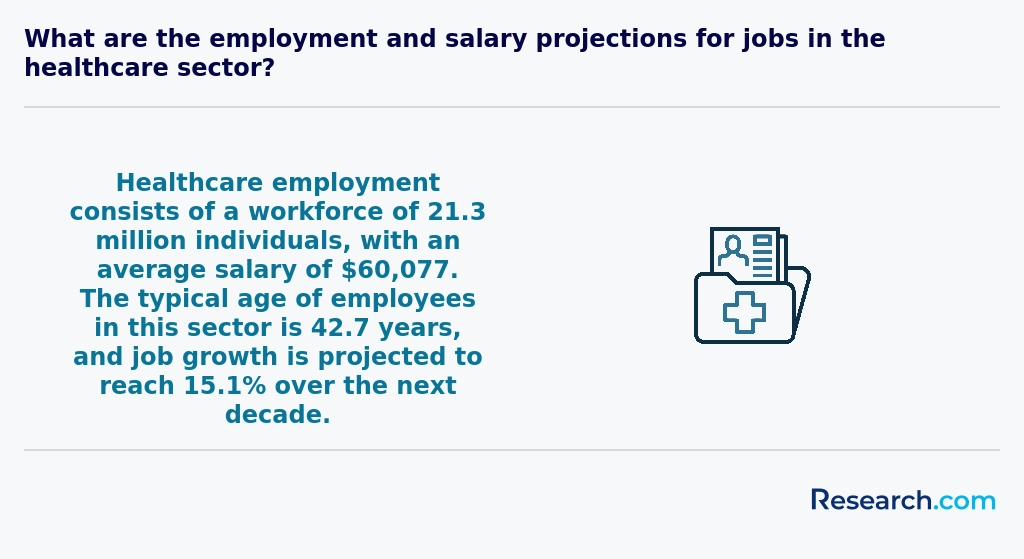
Alumni Outcomes and Return on Investment
Understanding the long-term value of your healthcare education is essential, and alumni outcomes provide valuable insights into the potential return on investment. Many graduates report that their healthcare degrees not only paved the way for rewarding careers but also delivered impressive financial returns over time. For example, several alumni of local programs have secured positions with competitive starting salaries, and many note rapid career progression that has significantly boosted their lifetime earnings. Moreover, success stories often highlight how hands-on experiences, rigorous coursework, and supportive academic environments have prepared them to meet industry demands effectively. To explore detailed comparisons and discover institutions that excel in fostering such outcomes, check out the best popular healthcare colleges in the region. By considering long-term alumni success alongside educational costs and opportunities, prospective students can make more informed decisions that align with their career goals and financial expectations.
What financial aid is available to healthcare degree students in Davis?
Healthcare students in Davis find financial aid essential in managing the high costs associated with specialized training. Graduates from UC Davis often recall how completing the FAFSA opened doors to federal aid, including Pell Grants that provided non-repayable funds critical during their studies. This foundational support eases the burden, allowing focus on demanding nursing or biomedical courses.
State programs like Cal Grant provide additional relief, covering tuition and living expenses for California residents enrolled in healthcare majors. Many students describe how this aid made their education more attainable, turning financial worries into motivation rather than obstacles.
Scholarships tailored for healthcare fields in Davis further enrich support options. UC Davis and local organizations reward academic excellence and community involvement, which past recipients found both encouraging and inspiring.
Work-study experiences connected to local hospitals offer practical skills while financially supporting students, blending learning with earning. Moreover, loan forgiveness programs for those serving underserved communities reinforce a sense of purpose beyond the classroom, making the investment in healthcare education deeply rewarding.
Spotlight on Sonography: A Growing Field in Healthcare
While this overview provides extensive insights into various healthcare degree programs, a focused look at sonography can further enhance understanding of emerging opportunities in the field. Sonography, or diagnostic medical sonography, is rapidly becoming an essential area in healthcare due to its non-invasive nature and its crucial role in patient diagnosis. Students who pursue this specialty often enjoy shorter program durations and strong job placement rates upon graduation. With technological advances and growing demand for diagnostic imaging, expanding your education to include sonography can serve as both a strategic and rewarding career move. For those exploring flexible study options, many institutions now offer sonography programs online that blend convenience with rigorous training. This specialized focus not only broadens the scope of your healthcare expertise but also positions you to thrive in a competitive job market that values both technical skills and clinical proficiency.
What are the prerequisites for enrolling in healthcare degree program in Davis?
To enroll in a healthcare degree program in Davis, students must meet several important prerequisites that pave the way for a fulfilling academic journey. Graduates from institutions like the University of California, Davis often recall how completing core courses in biology, chemistry, math, and English was essential. These foundational subjects not only prepared them academically but also built their confidence for the demanding healthcare environment.
Many found that gaining hands-on experience through volunteering or internships in local clinics made their applications stand out. This exposure deepened their passion and gave them real insight into patient care, something admissions committees in Davis highly value.
Graduate programs require even more rigor-typically a relevant bachelor's degree, a solid GPA around 3.0, and sometimes GRE scores. Clinical hours, often between 500 to 1,000, became a rite of passage, strengthening both skill and resolve.
Finally, completing health prerequisites like immunizations and CPR certification is a critical step, ensuring safety for both students and patients in Davis healthcare settings.

Student Life & Campus Experience in Davis, CA
Davis offers more than just top-tier academics-it provides a vibrant, supportive community that enriches every aspect of student life. Beyond rigorous coursework, healthcare students enjoy access to modern simulation labs, student organizations, and hands-on internship opportunities that foster both personal growth and professional development. Many local institutions host community events, career fairs, and networking sessions where students can engage directly with industry professionals and alumni. This immersive environment cultivates a sense of belonging and drives collaboration, ensuring that every student is prepared for both classroom challenges and real-world applications. For example, exploring campus amenities and social initiatives at the best popular healthcare colleges in the region can offer firsthand insight into how well-rounded educational experiences pave the way for long-term success in the healthcare field.
What courses are typically in healthcare degree programs in Davis?
Healthcare degree programs in Davis truly immerse students in a diverse curriculum that balances theory with hands-on learning. Graduates from local institutions often reflect fondly on core courses like Human Anatomy and Physiology, which bring the human body's complexity to life through detailed lab work and real patient examples. Medical Terminology is another cornerstone, enabling clear communication that students quickly realize is crucial during clinical rotations.
Pathophysiology courses, commonly praised by alumni, deepen understanding of how illnesses disrupt normal bodily functions, making disease management feel tangible rather than abstract. Healthcare Ethics and Law frequently spark lively debates in classroom settings, helping students navigate the moral challenges faced by professionals.
A standout point for Davis students is the focus on Health Informatics, linking technology with patient care-something many graduates appreciate for its relevance in modern healthcare environments affiliated with nearby medical centers. Across these programs, courses like Pharmacology and Nutrition offer practical knowledge that graduates find directly applicable during internships and clinical placements, strengthening both confidence and competence.

What types of specializations are available in healthcare degree programs in Davis?
Healthcare degree specializations in Davis offer a rich variety tailored to prepare students for meaningful careers. Many graduates from UC Davis deeply appreciate the nursing programs, which range from registered nurse (RN) tracks to advanced nurse practitioner roles, reflecting the urgent community need fueled by the aging local population. These students often share stories about clinical rotations that bring textbook knowledge to life, cultivating both confidence and compassion.
Exploring other types of healthcare programs Davis include public health, with specializations in epidemiology and health policy. Graduates frequently describe how the MPH program at UC Davis sharpened their skills to address pressing local health challenges, fostering a sense of purpose beyond the classroom.
Healthcare administration also attracts students looking to manage facilities and staff, combining leadership with practical skills like healthcare informatics. For those interested in hands-on care roles, fields such as physical therapy or occupational therapy include clinical practicum inside Sacramento-Davis's healthcare systems. Additionally, some students discover unique paths through programs leading to the clinical laboratory sciences, or even exploring less conventional routes. One resource worth checking for related healthcare roles is the X-ray tech job description.
How do you choose the best healthcare degree in Davis?
Choosing the best healthcare degree program in Davis often starts with exploring your personal interests and the roles that inspire you, such as nursing or public health. Graduates from UC Davis often share how their programs combined rigorous academics with hands-on clinical experiences at local facilities like UC Davis Medical Center, making the learning process deeply engaging and directly relevant to their future careers. The vibrant healthcare community here values accredited programs, so look for degrees recognized by bodies like the Commission on Collegiate Nursing Education, ensuring quality and professional readiness.
Affordability also plays a significant role, especially for many students seeking affordable healthcare degrees Davis CA offers through public institutions like UC Davis. Many grads remark how understanding tuition differences by residency status saved them considerable stress. Additionally, some discovered helpful financial aid and scholarships, easing the path through their studies.
Finally, consider employment prospects. Those who trained in Davis benefit from strong local healthcare employment growth, supported by connections made during their programs. For a broader perspective on career options, reviewing resources about nursing job opportunities in Iowa can inspire confidence in making a solid, informed choice.

What career paths are available for healthcare degree students in Davis?
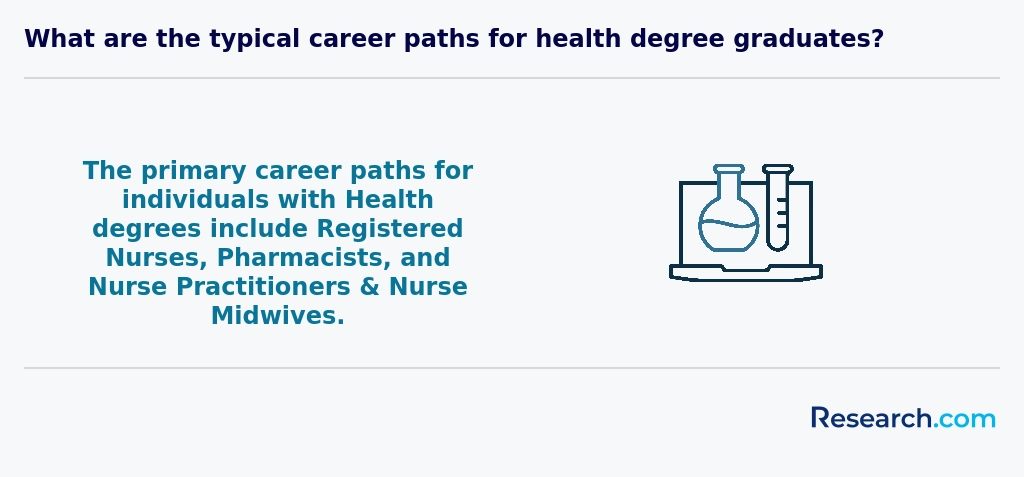
Graduates holding a healthcare degree in Davis find themselves stepping into a vibrant landscape of career opportunities. Many alumni from popular colleges and universities in the area have pursued paths as Registered Nurses, appreciating the strong demand and rewarding roles that come with this profession. Others have embraced careers as Medical Laboratory Technicians, working behind the scenes in diagnostic labs that support the region's hospitals. The diversity of options reflects the real-world community health dynamics here, where some choose to become Health Information Managers, blending healthcare insight with IT expertise to improve patient outcomes.
Those drawn to public service often find fulfillment working locally as Public Health Specialists, contributing to initiatives led by nearby agencies that focus on disease prevention and community wellness. Physical Therapist Assistants, another common route, support patient rehabilitation, making a tangible difference in people's quality of life. For students exploring healthcare degree job prospects Davis offers a spectrum of paths supported by hands-on programs and extensive networks. Many find guidance through resources like the best popular healthcare colleges, which help clarify options and inspire confident career choices.
What is the job market for healthcare degree in Davis?
The healthcare job market in Davis offers a vibrant and encouraging environment for graduates of healthcare degrees. Many graduates from well-regarded institutions such as UC Davis find themselves stepping into roles that not only provide competitive salaries but also meaningful work, often fueled by the city's proximity to renowned medical centers. The strong demand for nurses, medical managers, and allied health professionals in Davis reflects the broader regional trends and creates tangible opportunities for recent graduates to grow within their fields.
Employment outlook for healthcare degrees Davis highlights the advantage of immersive clinical experiences and community health initiatives that local students benefit from. For example, access to internships and rotations at the UC Davis Medical Center often becomes a pivotal career milestone, helping graduates transition smoothly into the workforce with confidence. Those pursuing specialized areas may also explore options in growing fields like telehealth or public health, which are expanding rapidly in the region.
Managing education costs while maximizing career returns is a thoughtful consideration for many students. Those exploring different options may find value in sonography programs online, which can complement traditional pathways and increase employability. Ultimately, the blend of local opportunities and educational resources makes the job market both promising and rewarding for healthcare degree holders in Davis.
Frequently Asked Questions About healthcare
Healthcare degree students in Davis can maximize their learning experience by actively engaging in clinical placements and internships with local healthcare providers. The proximity to the UC Davis Health campus offers numerous hands-on opportunities, which are essential for practical skill development. According to UC Davis Health, over 70% of students involved in their programs report improved clinical confidence after participating in these experiences.
Students should also take advantage of interdisciplinary learning by collaborating with peers in related health fields such as nursing, public health, and biomedical sciences. This fosters teamwork skills crucial for healthcare settings. Additionally, involvement in research projects at institutions like the Betty Irene Moore School of Nursing further enhances understanding of current healthcare challenges in California.
Finally, joining local professional organizations and attending seminars offered by the Sacramento area healthcare community can help students stay informed about industry trends and expand their professional network.
The healthcare field in Davis is rapidly evolving, with several emerging niches gaining attention among students and professionals. One notable area is telehealth, which has expanded significantly due to advancements in technology and the COVID-19 pandemic. Telehealth allows providers to consult, diagnose, and treat patients remotely, increasing access to care.
Another growing niche is personalized medicine, where treatments are tailored to an individual's genetic profile. This approach is supported by research institutions affiliated with the University of California, Davis.
Additionally, healthcare data analytics is becoming essential as healthcare systems in the region adopt electronic health records and big data tools to improve patient outcomes.
Preparing for the job market after completing a healthcare degree in Davis involves several strategic steps. Graduates should prioritize gaining practical experience through internships and volunteer opportunities at facilities like the UC Davis Health system, a major employer locally. Networking is also crucial; joining professional groups such as the Davis Healthcare Consortium can open doors to local job leads. According to the California Employment Development Department, healthcare jobs in the Sacramento-Davis metro area are projected to grow by 16% through 2030, highlighting strong demand.
Obtaining relevant certifications alongside a degree, like CPR or specialized clinical credentials, can enhance employability. Additionally, staying informed about emerging healthcare technologies and policies affecting California will position candidates as competitive applicants in Davis's evolving market.
Employers in Davis highly value healthcare graduates who demonstrate strong clinical skills combined with effective communication. According to the California Employment Development Department, teamwork and patient interaction abilities are critical given the region's diverse healthcare settings. Analytical thinking and problem-solving skills rank equally important as healthcare roles often require quick, accurate decision-making.
Data from UC Davis Health highlights that proficiency in electronic health records and familiarity with healthcare technology is increasingly sought after. Cultural competence is essential as employers serve a multicultural population in Davis, reflecting broader trends across California.
Adaptability and continuing education are also favored since healthcare protocols frequently evolve.
Finding internships in Davis for healthcare degrees involves leveraging local healthcare institutions and university resources. The University of California, Davis (UC Davis) School of Medicine offers numerous clinical internship opportunities connected with its affiliated hospitals and clinics. Students can explore positions at the UC Davis Health System, which serves over 40 specialties and trains thousands of healthcare professionals annually.
In addition, local hospitals such as Sutter Health and Dignity Health provide structured internship and volunteer programs relevant to healthcare studies. Networking through career fairs hosted by UC Davis and the city's Chamber of Commerce is also effective.
The California Department of Public Health reports increased demand for healthcare workers in the Central Valley, making internships in this area more competitive and valuable. Contacting local public health agencies directly can reveal additional placement options.
Obtaining a healthcare degree in Davis significantly enhances career mobility and advancement opportunities within the region. The city's proximity to major healthcare hubs and research institutions creates a demand for qualified professionals. According to the California Employment Development Department, healthcare occupations in Yolo County, where Davis is located, are projected to grow by 15% between 2022 and 2030. This growth translates into more job openings and promotions for degree holders.
Healthcare degrees also provide essential credentials that employers use to identify qualified candidates, improving chances for higher-paying and leadership roles. Furthermore, Davis's collaborative healthcare community offers internships and networks that support career progression.
Studying for a healthcare degree in Davis offers robust preparation for interdisciplinary roles through its emphasis on collaborative learning and practical experience. Many programs at institutions like the University of California, Davis, integrate coursework across nursing, public health, and biomedical sciences, fostering a broad understanding of healthcare systems.
Students frequently engage in team-based projects and clinical rotations that simulate real-world interdisciplinary environments. According to UC Davis Health, over 60% of healthcare graduates participate in interprofessional education initiatives, enhancing communication skills crucial for teamwork.
This interdisciplinary training enables graduates to navigate complex healthcare settings effectively, collaborating with professionals such as physicians, social workers, and pharmacists. The focus on practical skills, combined with research opportunities in Davis's healthcare network, prepares students for diverse roles in the evolving healthcare landscape.
Choosing between a thesis and a non-thesis healthcare degree program in Davis depends largely on your career goals and learning preferences. Thesis programs focus on research, requiring students to complete an original study, which can be ideal if you plan to pursue a PhD or work in healthcare research. Non-thesis programs typically emphasize coursework and practical skills, better suited for immediate clinical or administrative roles.
Data from UC Davis Health highlights that about 40% of healthcare graduate students opt for thesis tracks, reflecting the region's strong research environment. Consider whether you desire hands-on experience or research expertise when making your decision.
Students based in Davis interested in studying healthcare abroad have several opportunities through established exchange and study abroad programs. The University of California, Davis (UC Davis) provides partnerships with numerous international universities, allowing healthcare students to gain global perspectives.
Many programs focus on fields such as nursing, public health, and clinical research. According to UC Davis Global Affairs data from 2023, approximately 15% of healthcare majors participate in study-abroad experiences before graduation.
Popular destinations include the United Kingdom, Australia, and Spain, which offer healthcare systems with diverse clinical settings. These programs often last one quarter to one year, providing immersive learning combined with international practicum placements.
Financial aid and scholarships specifically for healthcare students studying abroad are increasingly available, lowering barriers for Davis residents.
Part-time job opportunities in Davis that complement healthcare degrees are abundant due to the city's proximity to major medical centers and its university environment. Students often find roles as medical assistants, certified nursing assistants (CNAs), or phlebotomy technicians. These positions provide practical experience alongside theoretical studies.
In addition, working as a patient care technician or a pharmacy technician can enhance skills in patient interaction and medication management. According to the California Employment Development Department, healthcare occupations in the Sacramento metropolitan area, which includes Davis, are expected to grow by over 15% through 2030.
Volunteer positions at local hospitals like the UC Davis Medical Center also offer valuable exposure to clinical settings for students with flexible schedules.
Healthcare students in Davis benefit from various networking opportunities through local universities and healthcare institutions. The University of California, Davis, hosts over 30 student organizations focused on health professions, offering events, workshops, and guest lectures that connect students with professionals and alumni.
Students can participate in career fairs organized by the UC Davis Center for Career and Professional Development, which regularly features healthcare employers from Sacramento and the broader Central Valley region. These fairs help students secure internships and job placements.
Additionally, community hospitals such as the UC Davis Medical Center encourage student involvement through volunteer programs and clinical internships, providing firsthand experience and valuable contacts. According to the hospital's 2023 report, over 60% of interns found employment through these networks.
Alumni networks play a crucial role in supporting healthcare degree students in Davis by providing valuable professional connections and mentorship opportunities. Graduates from institutions like the University of California, Davis often stay engaged with current students through organized events and online platforms.
These connections can help students secure internships and job placements in local hospitals and clinics, essential for practical experience. According to recent data, UC Davis alumni have a strong presence in the Sacramento and greater Davis healthcare community, enabling students to tap into a network of experienced professionals.
Moreover, involvement in alumni networks aids students in understanding evolving healthcare trends and access to specialty residencies or certifications. Such support systems are pivotal in competitive healthcare fields, enhancing career readiness and long-term success.
Customizing a healthcare degree program in Davis begins with selecting a specialization aligned with your career goals, such as nursing, public health, or health informatics. Local institutions often provide elective courses, clinical experiences, and internships tailored to the needs of the region's healthcare market. For example, Davis is part of a healthcare network emphasizing agricultural health and rural medicine, allowing students to focus on these areas.
Students can also pursue certificate programs alongside their degree, adding skills in healthcare management or medical technology. Faculty advisors play a key role in helping customize course paths.
According to California Postsecondary Education Commission data, flexibility in course scheduling and experiential learning is increasing at Davis institutions to meet student and employer demands.
Healthcare students in Davis often encounter demanding coursework and intense clinical hours, which require strong time management skills. Balancing practical training with academic responsibilities poses a significant challenge.
Access to affordable housing is another common issue, as Davis's rental prices are among the highest in California, impacting students' financial stability according to recent data from the California Housing Partnership.
Additionally, securing clinical placements within the local healthcare system can be competitive due to the limited number of facilities in the region. This competition sometimes delays students' progression in hands-on experience.
Mental health concerns are increasingly recognized, with many students reporting stress related to rigorous program demands and future career uncertainties, as highlighted in a 2023 survey by the University of California Education Research Center.
With a healthcare degree, students in Davis can pursue various professional certifications to advance their careers. Common options include becoming a Registered Nurse (RN) by passing the NCLEX-RN exam after completing a nursing program. Another popular certification is Medical Assistant (CMA) offered by the American Association of Medical Assistants, valuable for clinical and administrative roles.
Additionally, certifications like Certified Health Educator (CHES) or Certified Medical Coder (CMC) can broaden career opportunities. Davis healthcare employers often seek professionals with these credentials, reflecting the region's growing healthcare sector supported by data from the California Employment Development Department.
Certification requirements may vary, so verifying them with local institutions or accrediting bodies is essential.
Applying for a healthcare program in Davis requires careful preparation and clear communication of your goals. Start by researching programs offered locally, such as those at the University of California, Davis, which is a leading institution with a well-ranked medical school and several healthcare disciplines.
Emphasize relevant experience, including volunteer work or internships in hospitals or clinics around Davis, like those affiliated with UC Davis Medical Center. Demonstrating community involvement can strengthen your application.
Strong academic records are essential; aim for a competitive GPA, typically above 3.5 for healthcare programs in this region, and prepare for prerequisite exams like the TEAS or GRE if required.
Craft a compelling personal statement that highlights your passion, resilience, and understanding of healthcare challenges specific to the Sacramento-Davis area, referring to resources such as the California Health Care Foundation for regional health data.
Finally, secure strong recommendation letters from academic or professional mentors familiar with your healthcare aspirations to provide credibility and insight into your capabilities.
Healthcare careers offer strong global relevance due to increasing demand for medical professionals worldwide. In the United States, and specifically in Davis, healthcare job growth is expected to rise by 16% from 2020 to 2030, according to the U.S. Bureau of Labor Statistics. This growth reflects a global trend, where aging populations and advances in medical technology drive the need for skilled practitioners.
Degree programs in health sciences equip students with knowledge applicable across countries. While licensure requirements vary internationally, foundational skills like patient care and health management remain consistent. Students in Davis benefit from access to renowned institutions such as the University of California, Davis, which emphasizes both local community health and global awareness in its curricula.
Globally, healthcare careers provide opportunities to work in diverse settings-from hospitals to international organizations-making them attractive to students seeking both stable employment and meaningful impact. Current US healthcare challenges, like addressing disparities and enhancing telehealth, are increasingly recognized worldwide, broadening career scope for degree holders.
Gaining practical experience while studying for a healthcare degree in Davis is essential for career readiness. Many local institutions, including the University of California, Davis (UC Davis), offer clinical rotations and internships as part of their healthcare programs. These opportunities allow students to work alongside professionals in hospitals and clinics, gaining hands-on skills.
The UC Davis Medical Center, a major healthcare provider in the region, partners with students for internships and research projects. According to the California Employment Development Department, the Sacramento metropolitan area, which includes Davis, is projected to grow healthcare jobs by 16% through 2028.
Volunteer positions at local health centers and community organizations also enhance practical skills and resume strength.
Choosing the right concentration within a healthcare degree program in Davis begins with understanding your career goals. Healthcare offers diverse paths such as nursing, public health, or health informatics, each with specific skills and job outlooks. According to the California Employment Development Department, healthcare fields in the Sacramento metropolitan area, which includes Davis, are expected to grow by 12% from 2022 to 2030, with nursing and allied health careers leading demand.
Consider local healthcare needs in Davis, where UC Davis Health provides extensive clinical opportunities. Research program curricula to ensure they align with desired certifications or licensure requirements.
Shadow professionals, seek advising at Davis colleges, and evaluate your personal interests to make an informed choice.
Related Healthcare Rankings for Nearby Cities
- 2027 Most Popular Healthcare Degree Programs Ranking in Las Vegas
- 2027 Most Popular Healthcare Degree Programs Ranking in Portland
- 2027 Most Popular Healthcare Degree Programs Ranking in Provo
- 2027 Most Popular Healthcare Degree Programs Ranking in Tacoma
- 2027 Most Popular Healthcare Degree Programs Ranking in Spokane
- 2027 Most Popular Healthcare Degree Programs Ranking in El Paso
- 2027 Most Popular Healthcare Degree Programs Ranking in Lubbock
- 2027 Most Popular Healthcare Degree Programs Ranking in Abilene
- 2027 Most Popular Healthcare Degree Programs Ranking in Wichita
- 2027 Most Popular Healthcare Degree Programs Ranking in Lincoln
Top Trending Healthcare Rankings
See What Experts Have To Say About Studying Healthcare
Read our interview with Healthcare experts

References
- Client Challenge https://www.springerpflege.de/nursing-graduates-perceived-future-career-pathway-and-career-shi/50653658
- Health Sciences Study Abroad Programs - Healthcare Abroad https://www.ceastudyabroad.com/academic-discipline/health-sciences
- Pre-Med Study Abroad Programs | Go Overseas https://www.gooverseas.com/study-abroad/pre-med
- Niche Market Opportunities Research Among Healthcare Professionals (A Decision Analyst Case History https://www.decisionanalyst.com/casestudies/nichemarketopportunities/
- The Role of Interdisciplinary Studies in Medical Career Training https://georgia-med.com/the-role-of-interdisciplinary-studies-in-medical-career-training.html
- Niche Markets in Healthcare https://ultrariskadvisors.com/niche-markets-in-healthcare/
- How to choose a bachelor's in healthcare administration | edX https://www.edx.org/resources/how-to-choose-a-bachelors-in-healthcare-administration
- Help Paying Your Bill | UC Davis Rehabilitation Hospital https://www.ucdavisrehabhospital.com/patient-information/help-paying-your-bill
- Clinical Rotation Advice for Nursing Students | Davis & Elkins College https://www.dewv.edu/clinical-rotation-advice-for-nursing-students-from-davis-elkins-college/
- Career Opportunities in Healthcare Without a Medical Degree https://www.just-medical.ch/en/blog/medical-careers-without-formal-education


