
2027 Most Popular Healthcare Degree Programs Ranking in Spokane

Co-Founder and Chief Data Scientist
Choosing the right healthcare degree program in Spokane is an important step toward a rewarding career. This article features the 2027 Most Popular Healthcare Degree Programs Ranking in Spokane, created by the Research.com team of data scientists to help you make an informed decision.
By exploring these rankings, you'll discover which programs offer the best opportunities for growth and success. Whether you're just starting out or considering a career change, a healthcare degree opens doors to meaningful work that impacts lives every day.
Take comfort in knowing that this guide is designed with your future in mind, making the path clearer and more achievable.
Key benefits of getting healthcare degree in Spokane
- Healthcare degree graduates in Spokane can earn competitive salaries, such as Medical Assistants making around $43,350 annually and Patient Care Technicians earning about $60,790 per year, providing financial stability and growth.
- Graduates from Spokane's universities often find diverse career paths, including roles like Health Information Technicians or Clinical Research Coordinators, which offer rewarding opportunities in patient care and data management.
- Online healthcare degrees in Spokane offer flexibility and convenience, allowing students to balance work and study while still accessing quality education and support from experienced instructors.
- Key benefits of getting healthcare degree in Spokane
- What can I expect from healthcare degree in Spokane?
- Where can I work with healthcare degree in Spokane?
- How much can I make with healthcare degree in Spokane?
- 2027 Most Popular Healthcare Degree Programs Ranking in Spokane
- Key Findings
- How long does it take to complete healthcare degree in Spokane?
- Accreditation and Licensing Requirements
- What's the difference between online and on-campus healthcare degree?
- What is the average cost of healthcare degree in Spokane?
- Accreditation and Licensure Requirements
- What financial aid is available to healthcare degree students in Spokane?
- Continuing Education and Certifications: Elevate Your Healthcare Career
- What are the prerequisites for enrolling in healthcare degree program in Spokane?
- Final Steps: Navigating Your Future in Healthcare Education
- What courses are typically in healthcare degree programs in Spokane?
- What types of specializations are available in healthcare degree programs in Spokane?
- How do you choose the best healthcare degree in Spokane?
- What career paths are available for healthcare degree students in Spokane?
- What is the job market for healthcare degree in Spokane?
- Top Trending Healthcare Rankings
- See What Experts Have To Say About Studying Healthcare
What can I expect from healthcare degree in Spokane?
When considering the cost of pursuing a healthcare degree in Spokane, you'll find it refreshingly affordable compared to many other regions. For instance, graduates from Spokane Community College often share that their Associate Degree in Nursing cost between $4,000 and $6,000 annually for in-state tuition-a manageable investment when lined up with the quality education and hands-on experience they received.
At Eastern Washington University, tuition tends to be higher, but students appreciate the value in pathways leading to advanced careers like nursing leadership or healthcare administration. Many Spokane students highlight how these programs blend rigorous science coursework with real-world clinical practice through partnerships with local hospitals such as Sacred Heart Medical Center. This combination prepares them not just academically but emotionally, encouraging confidence as they move into their careers.
Flexible scheduling options also ease budgeting challenges, providing part-time and evening classes that fit around work or family life, making the financial commitment more accessible and less stressful for many.
Where can I work with healthcare degree in Spokane?
With a healthcare degree earned at institutions like Gonzaga University or Spokane Community College, you can step directly into a thriving job market in Spokane. Many graduates find fulfilling roles at Providence Sacred Heart Medical Center or Deaconess Hospital, where they make a real difference as registered nurses, radiologic technologists, or respiratory therapists. Imagine waking up each day knowing your skills help save lives and improve patient care in these well-respected facilities.
Others leverage their degrees to work in long-term care homes or assisted living centers, meeting the growing needs of Spokane's aging population. Graduates often share how rewarding it feels to support elders recovering or maintaining their independence. Some pursue careers in public health, joining local agencies to run community wellness programs that truly impact neighborhoods.
Private practices and specialty clinics also welcome healthcare professionals trained in Spokane, offering opportunities to focus on mental health, dental care, or physical therapy. Practical experience gained during studies ensures graduates meet licensing requirements and are ready to thrive in diverse healthcare settings around the city.
How much can I make with healthcare degree in Spokane?
With a healthcare degree in Spokane, your earning potential reflects both the strong local demand and solid education offered by institutions such as Spokane Community College and Gonzaga University. Graduates stepping into roles like Medical Assistants can anticipate starting salaries around $43,350 annually, which is a practical entry point for launching your healthcare career.
Many graduates pursuing positions as Patient Care Technicians enjoy wages near $60,790 per year, a rewarding figure that mirrors the dedication and care they provide daily. Health Information Technicians, another essential role typically filled by Spokane-trained professionals, earn approximately $43,380 annually, offering a steady career in healthcare administration and data management.
For those aiming higher, the role of Quality Improvement Coordinator provides an impressive average salary of $103,150, showing how advancing your education and expertise in Spokane can lead to rewarding financial and professional growth. These salaries demonstrate how your commitment to education here can translate into meaningful work and lucrative outcomes, encouraging you with the real success stories of recent graduates thriving in Spokane's vibrant healthcare market.
2027 Most Popular Healthcare Degree Programs Ranking in Spokane
How do we rank schools?
Investing in your education is a significant decision that can shape your future, and the Research.com team understands the importance of making informed choices. To assist prospective students in Spokane, we have meticulously crafted the "2027 Most Popular Healthcare Degree Programs Ranking in Spokane." Our commitment to quality, credibility, and accuracy is reflected in the extensive research and analysis conducted to compile this ranking.
We utilized the following reputable data sources to ensure a comprehensive evaluation of healthcare degree programs:
By exploring this ranking, readers will gain valuable insights into the most popular healthcare degree programs available in Spokane, empowering them to make well-informed educational decisions tailored to their goals. For more details on our methodology, please visit our Research.com methodology page.


# 5 position
Spokane Community College
Bachelor of Science in Nursing

Key Findings
- Healthcare degrees in Spokane are offered at accredited institutions with programs in nursing, health administration, and allied health professions.
- Annual tuition ranges from $6,000 to $12,000 at public schools for in-state students, while private colleges may cost over $20,000.
- Starting salaries for healthcare graduates typically range from $50,000 to $60,000 per year, increasing to $70,000-$90,000 with experience.
- The healthcare job market in Spokane is expected to grow by about 10% over the next decade due to an aging population.
- Many programs include clinical placements at local hospitals like Providence Health & Services and MultiCare to support workforce readiness.
How long does it take to complete healthcare degree in Spokane?
Completing a healthcare degree in Spokane takes dedication, but the timeline depends on your chosen path. For example, many ADN graduates from Spokane Community College share how they balanced hands-on clinical training with full-time classes to finish in about two years. This quick turnaround allows them to start working sooner, gaining real-world experience while others continue their education.
For students aiming higher, a Bachelor of Science in Nursing at Eastern Washington University usually spans four years. Graduates often mention how the option to take evening or part-time courses helped them manage work and family commitments without sacrificing progress. These programs prepare you thoroughly, opening doors to diverse healthcare roles.
Those pursuing master's degrees, like a physician assistant track, invest an additional two to three years beyond their bachelor's. Spokane's programs, though intensive with clinical hours, offer rewarding, hands-on learning that graduates highlight as highly valuable for career growth. While Spokane doesn't have an MD program, motivated students find ways to continue elsewhere, inspired by local mentors.
Accreditation and Licensing Requirements
Ensuring your healthcare degree program in Spokane, WA, is accredited by recognized bodies is critical for licensure and employability. Accreditation guarantees that curricula meet industry standards and that credits transfer smoothly if you pursue further education. For instance, nursing programs must be approved by the Washington State Nursing Care Quality Assurance Commission and accredited by the Commission on Collegiate Nursing Education (CCNE) or the Accreditation Commission for Education in Nursing (ACEN). Allied health tracks, such as physical therapy assistant programs, often require Commission on Accreditation in Physical Therapy Education (CAPTE) approval. Prospective students can compare accredited options like the Best Online Associate in Physical Therapy Assistant Programs to verify their compliance with national standards. After graduation, most healthcare professions mandate passing a licensing exam-such as the NCLEX for nurses or the Registered Health Information Technician (RHIT) exam for health informatics specialists-and applying for a state license. Spokane Community College and Eastern Washington University both offer dedicated licensing review courses and clinical partnerships that prepare students for these crucial exams. Confirming a program’s accreditation and its graduate pass rates on licensing exams will boost your confidence and ensure a smoother transition into a licensed career.
What's the difference between online and on-campus healthcare degree?
Choosing between online and on-campus healthcare degrees in Spokane means thinking about how you learn best and what fits your life. Graduates from Eastern Washington University often recall the energizing experience of being physically present in classrooms, where hands-on labs and clinical practicums build confidence through real-time guidance and peer collaboration. The sense of community and immediate feedback in those hallways made their learning come alive.
In contrast, graduates from Spokane Community College who pursued online programs highlight the freedom to study after work or family time, appreciating the flexibility asynchronous classes offer. Yet, they still embraced clinical training nearby, gaining practical skills needed for healthcare careers. This blend of digital convenience with essential in-person practice speaks to students balancing busy lives.
Both paths bring valuable experiences, but understanding your personal rhythm can empower you to thrive. When you imagine your future in healthcare, picture where your learning style feels most natural-whether in Spokane's supportive campuses or through a tailored online journey.
What is the average cost of healthcare degree in Spokane?
The average cost of a healthcare degree in Spokane reflects a thoughtful balance between quality education and affordability. Students pursuing their healthcare degree tuition and fees Spokane experience typically face a median total cost of about $70,724 for out-of-state students and $52,880 for in-state students. This investment covers tuition, clinical training, and essential hands-on experiences that prepare future healthcare professionals for rewarding careers.
Graduates from well-regarded institutions such as Eastern Washington University often share stories of how the costs felt manageable when coupled with scholarships, financial aid, and local employer tuition assistance. These real-life examples show that while the price tag may seem high at first glance, the comprehensive training and access to clinical placements in Spokane's hospitals and clinics provide invaluable experience that makes every dollar worthwhile.
Choosing to study at Spokane's public universities allows students to benefit from relatively lower tuition compared to national averages, especially for in-state residents. For those curious about options or wanting to explore more choices, it's helpful to look at the most popular healthcare colleges in the region for programs that align with both budget and career goals.
Understanding the average cost of healthcare degree in Spokane helps future students plan wisely, making strategic decisions about finances while keeping eyes firmly on the goal of becoming skilled, compassionate healthcare providers.
Accreditation and Licensure Requirements
Healthcare degree programs in Spokane, WA, must hold accreditation from nationally recognized agencies to ensure academic quality and eligibility for professional licensure. Prospective students should verify that their chosen program is approved by bodies such as the Commission on Collegiate Nursing Education (CCNE) for nursing degrees, the Accreditation Commission for Education in Nursing (ACEN), or the Commission on Accreditation for Health Informatics and Information Management Education (CAHIIM). Spokane institutions are also regionally accredited by the WASC Senior College and University Commission (WSCUC), guaranteeing that credits transfer seamlessly and employers recognize your credential. Upon graduation, obtaining state licensure or certification is a mandatory step to practice in Washington. Key requirements include:
- Submitting proof of degree and accreditation to the Washington State Department of Health
- Passing the National Council Licensure Examination (NCLEX-RN) for registered nurses
- Completing the Registered Health Information Technician (RHIT) exam for Health Information Technicians
- Fulfilling background checks and continuing education credits as stipulated by each professional board Maintaining active licensure often requires ongoing education-nurses, for example, must complete at least 45 contact hours of approved continuing education every two years. Similarly, health information professionals typically renew certification every two years by earning continuing education units (CEUs) through approved workshops or conferences. While Spokane offers a robust selection of accredited programs, cost-conscious students may also explore options beyond the region. For an alternative perspective on affordability, consider our Affordable Online Healthcare Degree Programs Ranking in Flint, MI. This complementary ranking can help you compare tuition, accreditation status, and licensure support as you plan your educational path.
What financial aid is available to healthcare degree students in Spokane?
When pursuing a healthcare degree in Spokane, the financial aid options available can truly lighten the load and empower your journey. Many students start by completing the FAFSA to access federal aid like the Pell Grant, which can provide up to $7,395 annually without needing repayment. This support is a game-changer, especially for those balancing studies and personal responsibilities.
Local colleges such as Spokane Community College and Eastern Washington University offer scholarships tailored to healthcare fields. Graduates often share how these awards-ranging from a few hundred to several thousand dollars-helped them focus more on their nursing or allied health programs instead of stressing over tuition.
State aid through the Washington Student Achievement Council also plays a vital role, with grants like the State Need Grant supporting many Spokane students. Plus, employers in healthcare often provide tuition assistance, easing the path to certification while gaining valuable work experience.
Don't forget national private scholarships from groups like the Washington State Nurses Association, which many here have successfully tapped to fund their education. With a mix of federal, state, local, and private aid options, Spokane offers real opportunities to make healthcare education achievable.
Continuing Education and Certifications: Elevate Your Healthcare Career
In today’s evolving healthcare landscape, lifelong learning and professional certifications are key to staying current with industry trends and enhancing your expertise. Pursuing advanced certifications and specialized training not only bolsters your resume but also provides practical skills that are highly valued by employers. Whether you are seeking to specialize further after graduation or looking to pivot into emerging fields, targeted online courses can complement your degree and offer flexibility to learn at your own pace. For example, enrolling in programs like the cheapest medical billing and coding online courses can provide you with the necessary credentials and up-to-date knowledge to manage administrative and coding challenges in modern healthcare settings. By integrating continuing education into your career development strategy, you not only improve your marketability but also contribute to improved patient outcomes and operational efficiency in your workplace. This proactive approach to ongoing learning is essential for healthcare professionals committed to excellence and long-term success.
What are the prerequisites for enrolling in healthcare degree program in Spokane?
To enroll in a healthcare degree program in Spokane, you'll first need a high school diploma or GED-this basic credential opens the door to college-level study. Many students who have walked the halls of Spokane Community College or Whitworth University found that completing key courses like biology, chemistry, and anatomy before applying made their transition smoother and boosted their confidence.
Beyond academics, successful graduates often highlight the importance of strong communication skills. Imagine working alongside patients at a Spokane clinic-being able to listen, empathize, and explain clearly makes all the difference. Colleges here expect applicants to demonstrate these skills through personal statements or recommendation letters, reflecting your readiness for real healthcare teamwork.
For nursing or allied health paths at regional schools, background checks, immunization records, and CPR certifications are standard prerequisites. These steps ensure you're prepared to step into clinical environments safely and competently. Embracing these requirements early will help you begin your healthcare journey well-equipped and confident in Spokane's vibrant healthcare community.
Final Steps: Navigating Your Future in Healthcare Education
Before you take the leap into a healthcare degree program in Spokane, WA, it’s crucial to prepare both academically and professionally for the journey ahead. In this final section, we offer actionable strategies and resources to help you connect with industry experts, leverage networking opportunities, and build a competitive portfolio. Begin by researching programs that not only match your career goals but also offer extensive support services like internships, mentorship programs, and career placement assistance. Make it a priority to connect with current students and alumni through online forums, webinars, and virtual tours, where you can gain firsthand insights into campus life and future career prospects. Staying informed about industry trends and job market forecasts will also empower you to make data-driven decisions about your educational pathway. Additionally, exploring rankings and expert reviews-such as the insights provided by our most popular healthcare colleges list-can further refine your choices and identify programs that are aligned with the evolving healthcare landscape. By taking these preparatory steps, you can ensure that your educational investment sets the stage for long-term career success, turning your passion for healthcare into a fulfilling and impactful profession.
What courses are typically in healthcare degree programs in Spokane?
Healthcare degrees in Spokane typically include a rich mix of courses that build a solid foundation and sharpen practical skills essential for thriving in healthcare roles. At well-regarded Spokane colleges, students dive into human anatomy, physiology, and medical terminology, which feel like unlocking the language and blueprint of the human body. Graduates often describe how mastering these basics helped them confidently communicate with patients and healthcare teams during their clinical rotations.
Ethics and healthcare law courses prepare you to navigate real challenges, like protecting patient privacy or understanding consent, which are critical in Spokane's tightly regulated healthcare environment. Pharmacology and pathophysiology classes give hands-on learners the tools to grasp how medications work and diseases develop-knowledge that shines during internships at Spokane's leading clinics and hospitals.
Many students also praise their experience with clinical externships in local healthcare facilities, where theoretical concepts come alive and build professional confidence. If you're aiming for healthcare administration, expect classes on management and health information systems that gear you up for leadership roles supporting Spokane's vibrant public health landscape.
What types of specializations are available in healthcare degree programs in Spokane?
Choosing your path within healthcare degree specializations in Spokane means embracing opportunities that reflect real-world needs. Many graduates from programs at Eastern Washington University or Spokane Community College find themselves drawn to nursing-a field with clear routes like Registered Nurse (RN) or advanced roles such as Nurse Practitioner (NP). The chance to work in leading hospitals like Providence Sacred Heart Medical Center makes these specializations deeply rewarding and practical.
Others are inspired by healthcare administration, where they can shape patient experiences and lead teams in facilities across Spokane's vibrant $3 billion healthcare sector. This track suits those who thrive in leadership and operational roles.
For those who enjoy hands-on clinical skills, Spokane offers focused programs in radiologic technology, medical laboratory science, physical therapy assisting, and pharmacy technician roles. Graduates often recall their excitement stepping into labs or clinics, ready to apply their knowledge directly.
Students looking for accessible and affordable ways to start can explore options like the cheapest medical billing and coding online courses that fit various schedules and budgets, rounding out the diverse Spokane healthcare program specialization options.
How do you choose the best healthcare degree in Spokane?
Choosing the best healthcare degree in Spokane means focusing on what truly matters for your future. Graduates from Eastern Washington University often highlight how accredited programs boosted their confidence during licensure and job hunts, proving that program quality directly impacts success. Spokane's healthcare market is growing rapidly, so exploring programs with strong ties to local hospitals like Providence Sacred Heart offers invaluable hands-on experience that makes all the difference when you step into your first role.
Affordability is another crucial factor. Many students at Spokane community colleges find that balancing cost with quality allows them to graduate with less debt, all while accessing scholarships and federal aid specifically aimed at affordable healthcare degrees Spokane offers. The financial office at your school can be a goldmine for these opportunities, so don't hesitate to ask.
Finally, envision your daily life as a healthcare professional in Spokane. Look for programs that offer flexible schedules or online options, especially if you're balancing work or family. Those considering specialized paths might find the Best Online Associate in Physical Therapy Assistant Programs a strong fit, combining convenience with career-ready training.
What career paths are available for healthcare degree students in Spokane?
If you're pursuing a healthcare degree in Spokane, a variety of fulfilling career paths await you. Graduates from local institutions often enter nursing roles, where Registered Nurse (RN) positions remain highly sought after due to Spokane's strong clinical healthcare network, including prominent facilities like Providence Sacred Heart Medical Center. Many find rewarding work as allied health professionals-such as radiologic technologists or respiratory therapists-positions that offer solid growth and satisfaction within Spokane's thriving medical community.
Those focused on healthcare administration might leverage additional business training to impact hospital management or health information systems, thriving in Spokane's administrative sector. Public health careers also flourish here, with Spokane's health districts expanding opportunities in community health and policy development. Therapy services like physical therapy assistants are equally vital, reflecting the growing demand for rehabilitation professionals.
Graduates from Spokane's colleges often share how hands-on experience combined with the region's diverse job market fuels confidence and career success. If you want to explore affordable training options, check out the Affordable Online Healthcare Degree Programs Ranking in Flint, MI for inspiration on accessible pathways to launch your healthcare career opportunities in Spokane.
Jobs with healthcare degree Spokane are as varied as the needs of the community-your education here opens doors to many impactful roles.
What is the job market for healthcare degree in Spokane?
Healthcare degree holders in Spokane find themselves in a thriving job market fueled by strong demand and steady growth. Graduates from popular local institutions often share how they quickly secured positions at key employers such as Providence Sacred Heart Medical Center & Children's Hospital or MultiCare Deaconess Hospital. The Spokane healthcare degree employment outlook remains bright, especially with the region's aging population increasing the need for qualified professionals in nursing, physical therapy, and healthcare administration.
Entry-level roles are accessible through associate degrees or certificates, which many graduates pursue through affordable public colleges here. Those aiming higher, like healthcare managers, typically benefit from bachelor's or master's degrees. Wages are competitive, encouraging graduates to feel confident about their career choices.
If you're considering fast-tracking your healthcare credentials, you might explore options like the best associate degree in 6 months online programs, which can accelerate your entry into this growing field. Spokane offers a supportive environment where both new and experienced professionals thrive.
Frequently Asked Questions About healthcare
Healthcare degree students in Spokane can maximize their learning experience by engaging in hands-on clinical placements offered through local hospitals and clinics. Institutions like Providence Sacred Heart Medical Center provide valuable real-world practice, which complements academic coursework effectively.
Students should take advantage of Spokane's strong network of healthcare providers for internships and mentorship opportunities, which enhance practical skills and professional connections. According to Spokane Workforce Development Council, healthcare jobs are expected to grow by over 15% through 2030, underscoring the importance of gaining relevant experience.
Additionally, participating in study groups and using campus resources such as tutoring and simulation labs can deepen understanding of complex subjects. Staying updated on current healthcare policies and technologies also benefits future careers in this rapidly evolving field.
The healthcare field in Spokane is evolving with new niche areas gaining traction. One emerging niche is telehealth, which has expanded rapidly since 2020, providing remote patient care and increasing access to rural communities in Washington State. According to the Washington State Department of Health, telehealth visits in Spokane County grew by over 150% between 2019 and 2023.
Another growing area is geriatric care, driven by Spokane's aging population. Specialized training in elderly care is in demand due to the city's increasing number of residents over 65, which is expected to rise by 25% by 2030 (U.S. Census Bureau data).
Health informatics also represents a promising niche. This field combines healthcare and data management to improve patient outcomes and operational efficiency in local hospitals and clinics. Spokane's healthcare organizations are investing more in digital records and analytics, highlighting the need for professionals skilled in this area.
After earning a healthcare degree in Spokane, preparing for the job market involves combining education with practical experience. Spokane's healthcare sector is growing rapidly; according to the Washington State Employment Security Department, healthcare jobs in the Spokane area are projected to grow by 13% through 2030.
Students should seek internships and clinical experiences offered through local hospitals like Providence Sacred Heart Medical Center and MultiCare Deaconess Hospital. These opportunities build skills and professional networks essential for job placement.
Additionally, obtaining relevant certifications can improve employability. Many healthcare roles require licenses such as RN or CNA, depending on the specialization. Engaging with Spokane-based professional associations also helps access job postings and career guidance.
Employers in Spokane seek healthcare degree graduates who combine strong clinical knowledge with excellent interpersonal skills. According to the Washington State Employment Security Department, communication skills rank highly, as healthcare workers must effectively interact with diverse patients and multidisciplinary teams. Critical thinking and problem-solving abilities are also vital due to the fast-paced nature of medical settings.
Technical proficiency with electronic health records and diagnostic tools is increasingly important, reflecting Spokane's growing adoption of health IT systems, as reported by the Spokane Regional Health District. Additionally, employers value adaptability and cultural competence to serve the region's diverse population effectively.
According to recent job market analyses, approximately 65% of healthcare positions in Spokane require teamwork abilities, reflecting a collaborative care approach common in local hospitals such as Sacred Heart and Providence.
Finding healthcare internships in Spokane involves leveraging local resources and partnerships. Many Spokane colleges, such as Spokane Community College and Eastern Washington University, maintain relationships with nearby hospitals and clinics. For example, MultiCare Deaconess Hospital and Sacred Heart Medical Center often offer internship opportunities for students in nursing, medical assisting, and other healthcare fields.
Students should contact their school's career services or healthcare program coordinators, who frequently have updated lists of available internships or connections with local healthcare providers. Additionally, utilizing online platforms like Handshake or local job boards specific to medical roles in Spokane can be helpful.
The Spokane Regional Health District is another resource, sometimes providing internships in public health and related studies, offering valuable experience in community healthcare settings. According to the Washington State Employment Security Department, the healthcare sector in Spokane is expected to grow by approximately 12% through 2028, enhancing internship prospects for students in the area.
In Spokane, earning a healthcare degree significantly enhances career mobility and advancement opportunities. The local healthcare industry is expanding rapidly, with employment in healthcare occupations projected to grow by 15% from 2022 to 2032, according to the Washington State Employment Security Department. Graduates with degrees such as nursing, health administration, or allied health sciences have access to a wide range of positions across hospitals, clinics, and specialized care facilities.
Higher educational credentials often lead to roles with greater responsibility and higher salaries. For instance, registered nurses with bachelor's degrees earn about 10-15% more than those with associate degrees, based on data from the Bureau of Labor Statistics.
Local employers in Spokane value accredited degrees, which can open doors to leadership roles and specialized certifications.
Studying for a healthcare degree in Spokane offers strong preparation for interdisciplinary roles due to the region's emphasis on collaborative healthcare education. Local institutions such as Eastern Washington University and Spokane Community College integrate teamwork and communication skills throughout their curricula.
Students engage in clinical experiences at nearby hospitals like Providence Sacred Heart Medical Center, where interdisciplinary collaboration is standard practice. This exposure helps students understand how different healthcare professionals work together to improve patient outcomes.
According to Spokane Regional Health District data, the local healthcare sector consistently demands professionals capable of coordinating across nursing, social work, and medical fields, reinforcing the practical value of this training.
Choosing between a thesis and a non-thesis healthcare degree program in Spokane depends largely on your career goals and learning preferences. Thesis programs emphasize original research and are ideal if you plan to pursue a PhD or roles in academia or research. They typically require a significant time commitment to design and complete a research project.
Non-thesis programs focus more on practical skills and coursework, preparing students for clinical or administrative healthcare roles. These programs usually require internships or capstone projects instead of a formal thesis. Spokane's healthcare sector, which employed over 35,000 workers in 2023 according to the Washington State Employment Security Department, offers diverse opportunities that align with both paths.
Consider advising resources; local universities like Gonzaga University provide guidance to help match your strengths with program demands. Reflect on whether you prefer hands-on training or scholarly research when making your choice.
Students in Spokane interested in studying healthcare abroad have several pathways through U.S. institutions offering international exchange programs and partnerships. Eastern Washington University and Gonzaga University, both serving Spokane, provide study-abroad opportunities that include healthcare-focused placements in countries like Ireland, Australia, and the United Kingdom. These programs often last a semester and may include clinical observation or public health projects.
Additionally, Spokane students can enroll in online healthcare degrees with international components or participate in summer global health internships organized by U.S. universities. According to the Institute of International Education, more than 10,000 U.S. students pursued health-related study abroad options in recent years, reflecting growing interest in global healthcare perspectives.
Spokane offers a variety of part-time job opportunities that complement healthcare degree education. Positions such as medical assistants, pharmacy clerks, and patient service representatives provide practical experience while studying. These roles allow students to develop essential skills like patient communication and medical record handling.
Local hospitals, including Sacred Heart and MultiCare Deaconess, often seek part-time support staff, offering flexibility for students' schedules. According to Spokane Workforce Council data, healthcare support jobs in the region are expected to grow by 12% from 2022 to 2032, reflecting strong demand.
Engaging in these roles can enhance employability and provide insights into clinical environments, aligning with academic coursework and career goals.
Healthcare students in Spokane benefit from various networking opportunities that connect them with local professionals and institutions. Spokane hosts several health-focused events and conferences, such as those organized by the Spokane Regional Health District and local chapters of national organizations like the American Nurses Association.
Students often engage with clinical sites including MultiCare Deaconess Hospital and Providence Sacred Heart Medical Center, offering practical exposure and professional contacts. Educational institutions like Spokane Community College and Washington State University Spokane facilitate student networking through career fairs and alumni events.
These interactions help students build relationships vital for internships, mentorships, and job placement in the growing Spokane healthcare sector, which employs over 20,000 people according to the Spokane Workforce Development Council.
Alumni networks play a significant role for healthcare degree students in Spokane by offering valuable career connections and mentorship opportunities. These networks often include graduates working in local healthcare facilities such as Sacred Heart Medical Center and Providence Sacred Heart Medical Center, which employ thousands of healthcare professionals across the region.
Through alumni events and online platforms, students can gain insights into industry trends and job openings, which can improve their chances of securing internships and employment. According to Spokane Workforce Council data, healthcare is one of the fastest-growing sectors locally, increasing demand for well-connected professionals.
Furthermore, alumni can provide guidance on continuing education and certification relevant to Washington State's healthcare requirements, helping students navigate career advancement pathways effectively.
Customizing a healthcare degree program in Spokane largely depends on the flexibility offered by local colleges and universities. Many institutions provide elective courses, allowing students to specialize in areas such as nursing, health administration, or medical technology. Spokane's healthcare sector, employing over 20,000 workers according to the Washington State Employment Security Department, supports diverse career paths. Students can also pursue internships or clinical rotations at prominent local healthcare providers, including Providence Sacred Heart Medical Center. Additionally, some schools offer part-time or online options for working professionals, making it easier to balance education with career goals.
Healthcare students in Spokane commonly face several challenges during their education. One significant issue is balancing demanding clinical hours with academic coursework, as healthcare programs often require hands-on experience in local hospitals and clinics. According to Spokane Community College, many students report stress related to time management and workload.
Financial barriers also affect students, with tuition and associated costs being a concern. The Washington Student Achievement Council notes that Spokane healthcare students often rely on loans or part-time jobs, which can impact study time and performance.
Additionally, navigating competitive program admissions and maintaining high academic standards adds pressure. Limited local clinical placements may also restrict practical learning opportunities, influencing student preparedness for certification exams and job placement.
With a healthcare degree in Spokane, you can pursue a variety of professional certifications that enhance your career prospects. Common certifications include Certified Nursing Assistant (CNA), Licensed Practical Nurse (LPN), and Registered Nurse (RN), which are especially valuable in local hospitals and clinics.
Other options include certifications in medical coding, phlebotomy, or healthcare administration that align with Spokane's growing outpatient services sector. According to the Washington State Department of Health, demand for certified healthcare professionals in Spokane is projected to increase by 15% over the next decade.
Advanced certifications like Certified Medical Assistant (CMA) or Emergency Medical Technician (EMT) also offer pathways into specialized healthcare roles in the area.
To write a winning application for a healthcare program in Spokane, start by researching each institution's specific requirements, as schools like Washington State University Spokane and Eastern Washington University often have different standards. Highlight relevant healthcare experience, whether through volunteering or internships, as Spokane's healthcare industry emphasizes practical skills.
Strong academic records in science and math subjects are essential, reflecting the competitive nature of programs. According to the Spokane Workforce Development Council, healthcare job growth is expected to rise by 12% through 2030, so expressing clear career goals aligned with local industry needs strengthens your application.
Lastly, submit well-crafted personal statements and secure professional references familiar with your healthcare aptitude.
A career in healthcare is increasingly viewed through a global lens, reflecting the interconnectedness of health challenges worldwide. For students in Spokane, understanding global perspectives means recognizing how the United States collaborates with international organizations to address pandemics, chronic diseases, and healthcare access disparities.
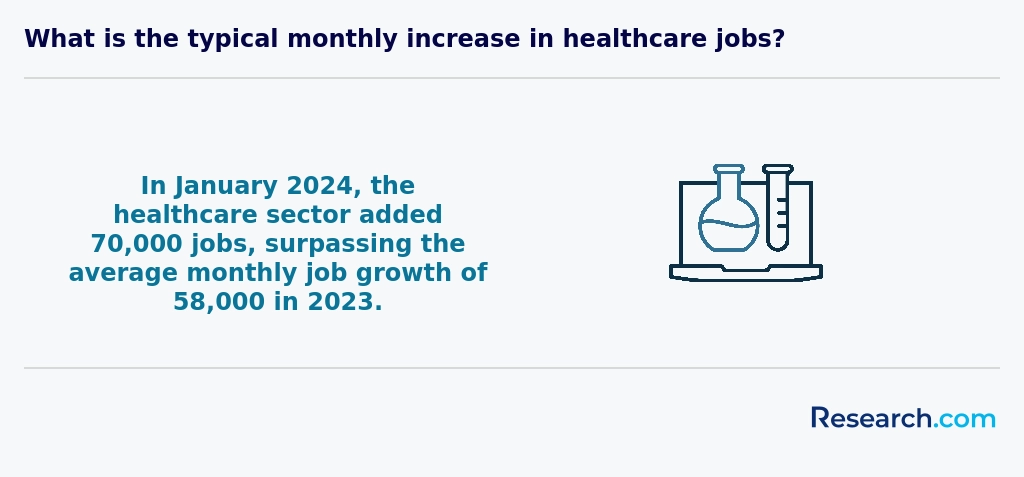
The U.S. Bureau of Labor Statistics forecasts a 16% growth in healthcare jobs from 2021 to 2031, showing strong domestic and global demand. Spokane's healthcare sector aligns with this trend, with institutions like Providence St. Joseph Health contributing to regional and international healthcare initiatives.
Studying healthcare involves learning practices influenced by global standards, such as those from the World Health Organization, which guide policy and patient care worldwide. Aspiring professionals benefit from seeing how Spokane's educational programs incorporate these international protocols to prepare students for both local and global challenges.
Gaining practical experience while studying for a healthcare degree in Spokane is essential for career readiness. Many local colleges and universities, such as Eastern Washington University and Spokane Community College, offer clinical placements and internships integrated into their healthcare programs. These opportunities allow students to work directly with patients under supervision in hospitals and clinics, including those affiliated with Providence Sacred Heart Medical Center, a major health provider in Spokane.
Students can also participate in volunteer programs at local health organizations to further develop hands-on skills. According to Spokane Regional Health District data, clinical internships improve job prospects by providing real-world exposure to healthcare settings and professional networking.
Choosing the right concentration within a healthcare degree program in Spokane requires understanding both your interests and the local job market. Spokane's healthcare sector is growing steadily, with the U.S. Bureau of Labor Statistics projecting a 15% increase in healthcare employment in Washington state by 2030. Key areas include nursing, healthcare administration, and medical laboratory technology. Research local healthcare providers like Providence Health & Services to see which specialties are in demand. Additionally, consider your strengths and whether you prefer direct patient care, administrative roles, or technical positions. Visiting program advisors and reviewing curriculum specifics can also help align your choice with career goals.
Related Healthcare Rankings for Nearby Cities
- 2027 Most Popular Healthcare Degree Programs Ranking in Tacoma
- 2027 Most Popular Healthcare Degree Programs Ranking in Portland
- 2027 Most Popular Healthcare Degree Programs Ranking in Provo
- 2027 Most Popular Healthcare Degree Programs Ranking in Las Vegas
- 2027 Most Popular Healthcare Degree Programs Ranking in Sioux City
- 2027 Most Popular Healthcare Degree Programs Ranking in Lincoln
- 2027 Most Popular Healthcare Degree Programs Ranking in Omaha
- 2027 Most Popular Healthcare Degree Programs Ranking in Saint Paul
- 2027 Most Popular Healthcare Degree Programs Ranking in Wichita
- 2027 Most Popular Healthcare Degree Programs Ranking in El Paso
Top Trending Healthcare Rankings
See What Experts Have To Say About Studying Healthcare
Read our interview with Healthcare experts

References
- Healthcare Administrator Salary https://www.publichealthdegrees.org/careers/healthcare-administrator/salary/
- What to Expect as a Health Science Major https://www.grace.edu/what-to-expect-as-a-health-science-major/
- The Importance of Career Growth in Healthcare https://www.frontlinerecruitmentgroup.com/resources-hub/the-importance-of-career-growth-in-healthcare/
- Home https://www.campusce.net/spokane/course/course.aspx
- 1+ Healthcare Cover Letter Examples (with In-Depth Guidance) https://www.tealhq.com/cover-letter-examples/healthcare
- 6 key healthcare challenges affecting students and how to address them - Wellfleet Student https://wellfleetstudent.com/engaging-empowering-student-members/6-key-healthcare-challenges-affecting-students-and-how-to-address-them/
- Degree Programs https://waportal.org/health-initiatives/public-health-academic-learning-collaborative-wa-phalco/degree-programs
- 20 healthcare investment niches and 3 things to know: The evolution of ... https://blackbookmarketresearch.com/20-healthcare-investment-niches-and-3-things-to-know-the-evolution-of
- How to Choose a Health Administration Program https://www.healthadministrationdegrees.com/articles/choosing-a-program/
- Healthcare Careers & Accredited Degree Programs https://www.healthcaredegree.com/


