
2027 Most Affordable Online Healthcare Degree Programs Ranking in Michigan

Co-Founder and Chief Data Scientist
If you're a Michigan resident thinking about starting or advancing your career in healthcare, choosing the right degree program is a big step. The 2027 Most Affordable Online Healthcare Degree Programs Ranking in Michigan, created by the Research.com team of data scientists, offers clear guidance to help you find quality programs that fit your budget.
Exploring these options can save you time and money while opening doors to meaningful work in a growing field. A healthcare degree brings rewarding opportunities to make a difference in your community and beyond.
Key benefits of getting online healthcare degree in Michigan
- Healthcare graduates in Michigan can expect competitive salaries, such as a Patient Care Technician earning around $60,790 annually and a Quality Improvement Coordinator making approximately $103,150 each year, providing strong financial motivation.
- Popular Michigan universities offer diverse career paths for healthcare graduates, from Medical Assistant roles to Clinical Research Coordinators, ensuring opportunities to find a role that fits your interests and goals.
- Completing a healthcare degree online in Michigan offers flexibility and convenience, allowing graduates to balance work and study efficiently while still gaining valuable skills recognized by employers.
- Key benefits of getting online healthcare degree in Michigan
- What can I expect from online healthcare degree in Michigan?
- Where can I work with online healthcare degree in Michigan?
- How much can I make with online healthcare degree in Michigan?
- 2027 Most Affordable Online Healthcare Degree Programs Ranking in Michigan
- Key Findings
- How long does it take to complete online healthcare degree in Michigan?
- Licensure and Certification: Your Path to Professional Practice
- What's the difference between online and on-campus healthcare degree?
- Accreditation and Clinical Practicum
- What is the average cost of online healthcare degree in Michigan?
- Next Steps and Resources to Enhance Your Online Healthcare Journey
- What financial aid is available to online healthcare degree students in Michigan?
- How to Apply: A Step-by-Step Guide to Enrolling in Michigan’s Most Affordable Online Healthcare Programs
- What are the prerequisites for enrolling in online healthcare degree program in Michigan?
- Post-Graduation Career Development and Networking
- What courses are typically in online healthcare degree programs in Michigan?
- What types of specializations are available in online healthcare degree programs in Michigan?
- How do you choose the best online healthcare degree in Michigan?
- What career paths are available for online healthcare degree students in Michigan?
- What is the job market for online healthcare degree in Michigan?
- Related Healthcare Rankings for Nearby States
- Top Trending Healthcare Rankings
- See What Experts Have To Say About Studying Healthcare
What can I expect from online healthcare degree in Michigan?
The average cost of an online healthcare degree in Michigan tends to be quite reasonable compared to many other states, especially at public universities. Graduates from institutions such as Wayne State University and Central Michigan University often reflect on their experience paying tuition rates that balance quality education with affordability. Many find the investment manageable, particularly when factoring in financial aid or scholarships tailored for Michigan residents.
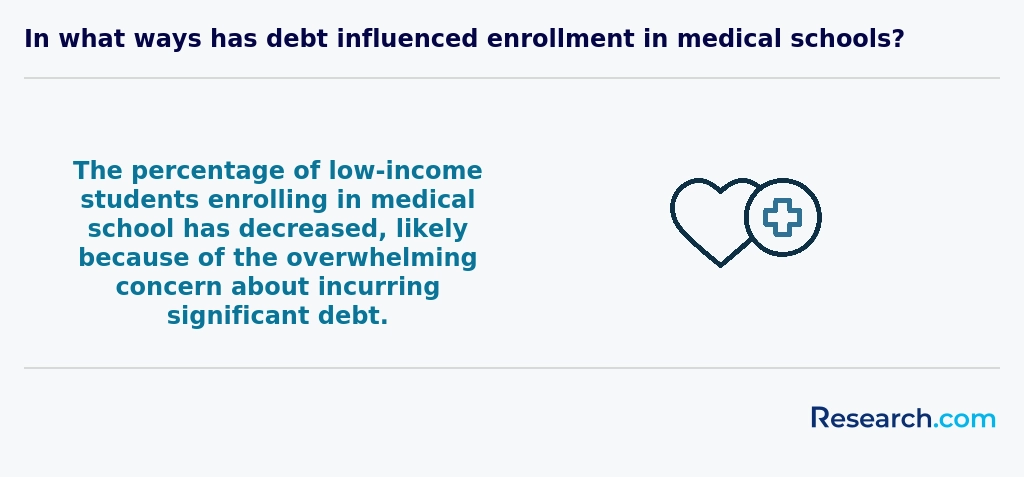
Students commonly describe a sense of relief knowing that their educational expenses won't become an overwhelming burden. For example, one graduate shared how the cost savings allowed them to focus more on mastering coursework in anatomy and healthcare ethics rather than worrying about large debt.
Michigan's public universities frequently offer competitive tuition, making it easier for students to pursue their ambitions while maintaining financial stability. This supportive environment encourages many to confidently commit to healthcare careers, feeling empowered by both the education and the affordability.
Where can I work with online healthcare degree in Michigan?
Graduates with online healthcare degrees from Michigan's respected institutions often find themselves welcomed into a variety of rewarding roles across the state's vibrant healthcare landscape. Many reflect on their first jobs in well-known hospital systems like the University of Michigan Health System or Henry Ford Health System, where nurses and healthcare administrators play crucial roles in patient care and operational leadership.
Others share stories of starting their careers in outpatient care centers or clinics, appreciating the fast-paced environments where medical assistants and health educators grow their skills while making tangible impacts every day. Nursing homes also offer heartfelt opportunities, especially as graduates apply their training in elder care to meet the rising needs of Michigan's aging population.
Those interested in policy or data find meaningful work with state agencies or insurance companies, turning classroom knowledge into improvements in health services and claims management. With Detroit and Ann Arbor pushing telehealth innovations, graduates often express excitement about joining the growing digital health workforce, where remote patient monitoring and data analysis open novel career paths.
How much can I make with online healthcare degree in Michigan?
Graduates from online healthcare programs in Michigan often witness rewarding salary prospects that reflect their dedication and the state's robust healthcare landscape. For example, those who start as medical assistants can expect a mean annual wage of around $43,350, while patient care technicians typically earn about $60,790 per year. These roles provide solid entry points into Michigan's healthcare field, commonly pursued by students from institutions like Ferris State University and Oakland University, known for their flexible online healthcare pathways.
Graduates who specialize in health information technology often see similar earnings, with a mean annual wage near $43,380. Meanwhile, more advanced roles like quality improvement coordinators command significantly higher wages, averaging $103,150 annually, showcasing how further education and experience positively impact earnings.
Many online learners from the University of Michigan Health System's affiliated programs share how acquiring these credentials opens doors to stable, fulfilling careers. Earning potential grows with professional certifications and practical experience, making the investment in an online healthcare degree a source of both pride and financial security.
2027 Most Affordable Online Healthcare Degree Programs Ranking in Michigan
How do we rank schools?
Investing in your education is a significant decision that can shape your future, and the Research.com team understands the importance of making informed choices. To assist prospective students in Michigan, we have meticulously crafted the "2027 Most Affordable Online Healthcare Degree Programs Ranking in Michigan." Our commitment to quality, credibility, and accuracy is reflected in the extensive research and analysis conducted to compile this ranking.
We utilized the following reputable data sources to ensure a comprehensive evaluation of healthcare degree programs:
By exploring this ranking, readers will gain valuable insights into the most affordable online healthcare degree options in Michigan, helping them make well-informed educational decisions that align with their career goals. For more details on how this ranking was created, please visit our Research.com methodology page.


Key Findings
- Michigan offers many accredited institutions with online healthcare programs, including nursing, healthcare administration, public health, and medical technology.
- Undergraduate tuition for in-state students at public universities ranges from $13,000 to $16,000 per year, while graduate programs typically cost between $20,000 and $30,000 annually.
- Additional costs like textbooks and clinical practice fees may apply even in mostly online programs.
- Entry-level healthcare workers in Michigan earn between $40,000 and $60,000 annually, with registered nurses often starting near the higher end.
- Experienced healthcare professionals can earn $70,000 to $90,000 or more, especially those with advanced degrees or certifications.
- Healthcare employment in Michigan is growing steadily due to an aging population and increased demand for medical services, creating many job opportunities.
How long does it take to complete online healthcare degree in Michigan?
Completing an online healthcare degree in Michigan naturally depends on the program you choose and how quickly you can commit time. Graduates from well-regarded institutions like Grand Valley State University or Oakland University often share that certificates and diplomas, such as medical coding or healthcare administration, can be achieved in as little as 6 to 12 months. This offers a swift path into the healthcare field, fueling enthusiasm for new career prospects.
Associate degrees, often pursued through schools like Lansing Community College, typically require about 2 years of full-time effort or up to 4 years part-time. Many find this balance rewarding, fitting studies around work and family life, which cultivates a steady sense of accomplishment.
Bachelor's degrees, for example from the University of Michigan or Wayne State University, take roughly 4 years full-time but allow transfer credits that can shorten this time. Graduates emphasize how this comprehensive timeframe builds confidence and deeper expertise, setting a firm foundation for a fulfilling career.
Master's programs, such as those in nursing or healthcare administration, generally span 2 to 3 years. The inclusion of practicum or clinical hours can extend this, but students appreciate the immersive experience that prepares them for leadership in Michigan's dynamic healthcare environment.
Licensure and Certification: Your Path to Professional Practice
One pivotal element often overlooked is understanding and preparing for the licensing and certification processes that follow your online healthcare degree. Earning your degree is an important step, but ensuring you meet state and industry-specific requirements is equally crucial for launching a successful career. In Michigan, graduates must navigate certification exams, state licensure procedures, and sometimes additional credentialing that validates their competency in specialized healthcare fields. Online programs often integrate exam preparation modules, simulation labs, and dedicated support services to help you confidently tackle these post-graduation hurdles. Familiarizing yourself with state-specific requirements early on can give you a competitive edge and streamline your transition into professional practice. Additionally, prospective students should review comprehensive rankings and program details-like those available at cheapest healthcare schools in michigan-to ensure the program not only offers quality education but also robust preparation for licensure. This proactive approach not only strengthens your credentials but also reinforces long-term career growth in Michigan’s dynamic healthcare landscape.
What's the difference between online and on-campus healthcare degree?
Choosing between online and on-campus healthcare degrees in Michigan often comes down to lifestyle and learning preferences. Graduates from Wayne State University's online nursing program often praise the flexibility that allowed them to balance studies with work and family. They accessed lectures anytime, which felt empowering, yet still completed required clinical hours at nearby hospitals, grounding their virtual learning in real-world practice.
On the other hand, those who studied on-campus at the University of Michigan highlight the energizing experience of interacting directly with professors and peers. The vibrant labs and campus resources fostered stronger connections and collaboration, fueling motivation during demanding courses. However, this came with a fixed schedule and commuting, which wasn't always convenient.
Both paths share rigorous curricula, but online students must be self-disciplined to manage asynchronous work, while on-campus peers benefit from a structured routine. Tuition costs at public institutions like Michigan State University tend to be similar, but online learners often enjoy savings on commuting and housing, adding to the appeal.
Accreditation and Clinical Practicum
Accreditation by recognized bodies ensures your degree meets licensure and employer standards. Look for programs accredited by:
- ACEN or CCNE (nursing)
- CAHIIM (health informatics)
- CEPH (public health)
- ABHES (allied health)
Online programs must also facilitate clinical practicum in Michigan. Quality programs provide:
- Local site placement with hospitals or clinics
- Dedicated coordinators to arrange hours
- Virtual simulation before hands-on training
Verify both accreditation and practicum support to progress smoothly from coursework to clinical competency. Consider our cheapest online healthcare administration degree as one option meeting these standards.
What is the average cost of online healthcare degree in Michigan?
Understanding the average cost of an online healthcare degree in Michigan can feel daunting, but it becomes clearer when reflecting on the experiences of recent graduates. The median total cost for completing an online healthcare degree in Michigan is about $36,600, which includes tuition, fees, and related expenses. Public universities such as Michigan State University or University of Michigan-Flint provide affordable options, especially for in-state students, with an average total cost around $37,861. Graduates recall that managing in-state tuition rates made pursuing their degrees more financially feasible while still delivering high-quality education.
In contrast, out-of-state students often face higher costs, with the median total reaching approximately $50,924. Many out-of-state students attending private institutions like Baker College report appreciating the flexible pace of their programs despite the steeper tuition fees, which usually fall within the $18,000 to $25,000 range annually. These investments often feel worthwhile as graduates express pride in the confidence and career readiness they gained.
For those searching for affordable online healthcare programs Michigan offers, it's important to consider budgeting for additional expenses beyond tuition-technology fees, textbooks, and supplies can add about $1,000 to $2,000 per year. Many students find that taking advantage of scholarships and financial aid programs helps lighten the financial burden and turn their educational goals into achievable realities. More information on the cheapest healthcare schools in michigan can offer valuable guidance when planning your path.
Next Steps and Resources to Enhance Your Online Healthcare Journey
As you evaluate your educational options, it’s essential to explore practical steps and additional resources that can guide you toward the right program. In this section, you’ll find expert tips on preparing your application, insights on making informed comparisons, and advice on leveraging career services to maximize your educational investment. Begin by outlining your long-term career goals and determining which program specialties best match your aspirations. Explore comprehensive guidance provided by advisory services at many institutions that can help refine your decision-making process. For detailed information on affordability and program quality, consider reviewing our ranking of cheapest healthcare schools in michigan-an excellent resource for comparing program costs, support services, and outcomes. Additionally, connect with current students and alumni through webinars and online forums to get first-hand insights that can further solidify your choice. This proactive approach not only clarifies your educational path but also enhances your chance of success in the competitive healthcare field while keeping you updated on emerging trends and technologies in online learning.
What financial aid is available to online healthcare degree students in Michigan?
Many students pursuing online healthcare degrees in Michigan find significant relief through federal financial aid, such as Pell Grants offering up to $7,395 annually and Direct Student Loans with manageable interest rates. Graduates from popular institutions like the University of Michigan and Wayne State University often reflect on how these sources eased their financial burden during demanding study periods.
State-specific options like the Michigan Tuition Grant also play a crucial role, especially for residents attending colleges such as Grand Valley State University or Michigan State University. These grants helped graduates reduce tuition costs substantially, making education more accessible without compromising quality.
Institutional scholarships and grants are vital too. Many community colleges and universities award healthcare-focused scholarships based on merit or need, which some students recall as pivotal in their ability to continue studies confidently.
Employer tuition assistance remains an invaluable resource. Healthcare workers statewide, benefiting from employer support for continuing education, often share that this aid motivated them to advance their careers without financial stress.
- Federal Work-Study programs to earn while learning
- Professional healthcare association scholarships
- Veterans benefits through the GI Bill
How to Apply: A Step-by-Step Guide to Enrolling in Michigan’s Most Affordable Online Healthcare Programs
Navigating the application process for an online healthcare degree in Michigan can seem daunting, but a clear roadmap ensures you submit a competitive and complete application. First, research program requirements and deadlines: most institutions offer rolling admissions for fall, spring, and summer terms, but some competitive programs may close early. Next, gather your academic transcripts, standardized test scores (if required), and letters of recommendation from supervisors or faculty who can attest to your commitment and aptitude in healthcare. Prepare a compelling personal statement that highlights your passion for patient care, leadership experiences, and how an online format will help you balance work and study. Admissions committees look for clear goals and evidence of your ability to thrive independently-reference any volunteer or professional healthcare roles to strengthen your narrative. Be sure to proofread your essay for clarity and coherence, using short paragraphs and active voice to align with NLP best practices. When selecting programs, consider both cost and program quality. For a localized list of budget-friendly options, explore our Cheapest Online Healthcare Degree Programs Ranking in Flint, MI to compare tuition rates, accreditation status, and student support services. Accreditation by bodies such as the Commission on Collegiate Nursing Education (CCNE) or the Accreditation Council for Education in Nutrition and Dietetics (ACEND) ensures that your degree will be recognized by employers and qualify you for professional licensure. Finally, complete any required placement assessments or technology checks well before the deadline, and reach out to admissions advisors with questions-demonstrating proactive engagement can tip the scales in your favor. Once accepted, finalize financial aid by submitting FAFSA information and exploring institutional scholarships. By following these steps-and tailoring each element of your application to showcase your strengths-you’ll position yourself for success in Michigan’s most affordable online healthcare degree programs.
What are the prerequisites for enrolling in online healthcare degree program in Michigan?
Enrolling in an online healthcare degree in Michigan often begins with the foundational step of holding a high school diploma or a GED, a straightforward yet vital starting point. Graduates from programs at well-regarded institutions like the University of Michigan-Flint have shared how meeting this initial requirement gave them a clear path toward a rewarding career in healthcare.
Many students at Oakland University reflect on the importance of prerequisite coursework in biology, chemistry, and anatomy. These subjects form the scientific backbone essential for success in advanced healthcare studies and truly prepare you for the challenges ahead.
Beyond academics, practical steps such as submitting transcripts and sometimes providing letters of recommendation are common, helping admissions teams see the whole person behind the application. Clinical placements often require background checks or immunization proof, reminding students that healthcare is as much about responsibility as it is about knowledge.
Graduate applicants, particularly for nursing master's programs, often speak about the confidence they gained by first obtaining an RN license and a bachelor's degree, emphasizing how prior experience helped them thrive in Michigan's competitive healthcare education environment.

Post-Graduation Career Development and Networking
Graduating with an online healthcare degree is just the beginning of a rewarding journey. Successful alumni emphasize that career development doesn’t end at graduation-it requires strategic planning, continuous learning, and active networking. Students are encouraged to leverage career services offered by their institutions, join professional associations, and seek mentorship opportunities to refine their skill sets and broaden their professional reach. Embracing internships, volunteering, and part-time roles during or after the program can further bridge the gap between academic knowledge and real-world application. Many healthcare professionals recommend exploring further specialization to enhance career prospects. For example, pursuing the best healthcare administration degree can be a powerful step for those aspiring to leadership roles or management positions in healthcare facilities. Additionally, keeping abreast of industry trends and emerging technologies-such as telemedicine and data analytics-will place graduates at the forefront of innovative care practices. By actively engaging with alumni networks, online forums, and industry conferences, graduates can share insights and access job opportunities not advertised through conventional channels. This proactive approach not only leads to skill enhancement but also significantly boosts employability in Michigan's competitive healthcare market. Ultimately, a commitment to ongoing professional development and networking paves the way for a successful and sustainable career in healthcare.
What courses are typically in online healthcare degree programs in Michigan?
Online healthcare degree programs in Michigan often offer a carefully chosen blend of courses that build both knowledge and hands-on skills, preparing students for meaningful work in healthcare settings. Graduates from well-known institutions like the University of Michigan or Michigan State University frequently highlight how courses like Introduction to Healthcare Systems gave them a clear understanding of how Medicare and Medicaid shape patient care access across the state.
Many find Medical Terminology essential for feeling confident in clinical environments, while Health Informatics courses provide practical lessons on managing electronic health records, a skill highly valued by Michigan hospitals. Exploring Pathophysiology and Pharmacology has helped students connect textbook theory to real patient experiences they encountered during virtual labs or internships.
Healthcare Ethics and Law classes often resonate deeply, encouraging thoughtful reflection on moral challenges healthcare professionals face daily. For those aiming at leadership, courses in Healthcare Finance and Quality Improvement stand out as invaluable for navigating administrative roles in busy Detroit-area clinics.
What types of specializations are available in online healthcare degree programs in Michigan?
Online healthcare degree specializations in Michigan offer a range of focused study areas that align well with the state's healthcare demands. Graduates from universities like the University of Michigan-Flint or Wayne State University often share how the nursing specialization, including RN to BSN pathways, equipped them to meet the state's growing needs with confidence and skill. Other popular options like health informatics prepare students to handle complex healthcare data, a vital skill as Michigan's digital health landscape expands.
Many students appreciate programs in healthcare administration that develop leadership skills for managing Michigan's hospitals and clinics. Those aspiring to these roles frequently explore the best healthcare administration degree programs, known for balancing theory with practical application. Public health degrees remain essential too, addressing urban and rural challenges throughout the state, while physical therapy and rehabilitation offer foundational courses online before clinical work.
Choosing any of these specializations allows Michigan students to pursue careers that are both personally rewarding and critical to the community's well-being, fully reflecting the values of Michigan affordable healthcare degree programs specializations.
How do you choose the best online healthcare degree in Michigan?
Choosing the best online healthcare degree in Michigan starts with understanding how each program fits your unique goals and lifestyle. Graduates from well-known institutions across the state often mention how programs offering strong accreditation from bodies like CCNE or CEPH gave them confidence both academically and professionally. For example, a healthcare student in Detroit found that selecting a program aligned with Michigan's licensing requirements smoothed their path to employment in local hospitals.
Cost can't be overlooked, especially when seeking affordable online healthcare degrees Michigan institutions offer. Many students successfully balance budgets by comparing tuition and fees, including hidden costs like textbooks and certification expenses. Those attending community colleges or public universities often experience relief knowing they chose more economical paths. If you want to explore budget-friendly options, consider checking the Cheapest Online Healthcare Degree Programs Ranking in Flint, MI for specific guidance.
Flexibility was a game-changer for numerous online learners juggling work and family, particularly in cities like Grand Rapids or Ann Arbor. Programs with asynchronous classes allowed them to study without sacrificing their busy routines. The chance to engage with faculty experienced in Michigan's healthcare sector also left many feeling supported and prepared for a rewarding career ahead.
What career paths are available for online healthcare degree students in Michigan?
Graduates pursuing an online healthcare degree in Michigan often find rewarding career paths tailored to their interests and strengths. Many who studied at well-regarded institutions like the University of Michigan or Wayne State University start as registered nurses, energized by making direct impacts in hospitals and community clinics. These roles offer a median annual wage around $67,000, providing financial stability alongside personal fulfillment.
Others choose to specialize in healthcare administration, managing operations in busy medical centers or public health organizations. Graduates from programs at Michigan State University have shared how this path allowed them to blend leadership with healthcare knowledge, rewarding their commitment with median salaries near $92,000. These roles fit those who enjoy organizing and improving healthcare access locally.
For those interested in diverse online healthcare degree jobs Michigan offers, numerous graduates find success as medical laboratory technologists or health informatics specialists. These roles focus on diagnostics and data management, key to modern healthcare's evolution. Additionally, associate-level programs pave the way for roles like medical assistants, vital to smooth patient care. Exploring options like an accelerated bachelor's degree online accredited can also accelerate entry into these professions.
What is the job market for online healthcare degree in Michigan?
The job market for online healthcare degree graduates in Michigan remains strong and accessible, especially for those from respected institutions such as the University of Michigan or Michigan State University. Many graduates share how their online studies equipped them with practical skills directly applicable in local hospitals and healthcare centers throughout Detroit and Grand Rapids. These graduates often find themselves quickly integrated into roles as registered nurses, healthcare administrators, or allied health professionals, benefiting from steady demand fueled by the state's aging population.
Exploring healthcare career opportunities Michigan online degrees provide reveals encouraging salary prospects, with median wages for registered nurses around $72,000 and medical managers earning over $100,000. Many graduates reflect on achieving these careers without sacrificing work-life balance, thanks to the flexibility of online programs.
Affordability also plays a key role in making healthcare education more attainable. Those seeking advancement while working appreciate that tuition typically costs between $10,000 and $15,000 per year, notably less than on-campus options. For students looking for easy online degree programs accredited, this balance of cost and quality is especially motivating.
Overall, the online healthcare degree job market Michigan offers is a promising pathway, blending practical training, competitive wages, and growing opportunities.
Frequently Asked Questions About healthcare
Online healthcare degree students in Michigan can enhance their learning by actively engaging with interactive course materials and participating in virtual discussions. Utilizing state resources such as the Michigan Health Council and local healthcare associations can provide valuable insights and networking opportunities. According to the Michigan Department of Licensing and Regulatory Affairs, practical experience through approved clinical placements should be prioritized to gain real-world skills.
Maintaining a disciplined study schedule and seeking support from academic advisors can help balance coursework and personal commitments. Additionally, exploring Michigan's healthcare job market trends, where healthcare jobs are expected to grow by 14% through 2030 (U.S. Bureau of Labor Statistics), can guide students in career planning.
The healthcare sector in Michigan is rapidly evolving, creating new opportunities for students pursuing online degrees. Emerging niches include telehealth, which grew 46% statewide from 2019 to 2022 as remote care became essential during the pandemic (Michigan Department of Health and Human Services). Another fast-growing area is health informatics, combining data management with patient care to improve health outcomes. Additionally, gerontology is expanding due to Michigan's aging population, with individuals aged 65 and older comprising 18% of residents as of 2023 (U.S. Census Bureau). These fields offer promising careers for students seeking to impact Michigan's healthcare landscape.
After completing an online healthcare degree in Michigan, preparing for the job market involves several key steps. First, graduates should obtain the necessary state licensure or certification for their specific healthcare role, as Michigan requires credentials for many positions such as nursing or medical assisting. According to the Michigan Department of Licensing and Regulatory Affairs, timely certification improves employment prospects.
Networking is also crucial. Joining professional associations like the Michigan Health & Hospital Association can connect graduates with local employers. Additionally, hands-on experience gained through clinical internships or volunteering enhances job readiness.
Graduates should also develop strong communication and technical skills, as digital health continues to grow in Michigan's healthcare sector.
Employers in Michigan highly value healthcare graduates who combine strong clinical skills with effective communication and critical thinking abilities. According to the Michigan Center for Nursing, teamwork and adaptability are crucial, especially as healthcare roles evolve with new technologies. Graduates proficient in electronic health records (EHR) management and telehealth services are in growing demand due to the state's expanding digital health initiatives. Additionally, cultural competence is essential because Michigan's diverse population requires sensitive and personalized patient care. Analytical skills to interpret medical data and problem-solving capabilities also rank among the top qualities sought by healthcare employers statewide.
Finding internships in Michigan relevant to a healthcare degree involves a mix of research and networking. Many universities with online healthcare programs maintain partnerships with local hospitals and clinics, offering dedicated internship placements. For example, the Michigan Department of Health and Human Services often lists internship opportunities on its website.
Students can also explore hospital systems like Henry Ford Health and Spectrum Health, which frequently offer internships for healthcare students. Utilizing platforms such as Handshake or the Michigan Nurses Association can connect students to openings tailored for healthcare fields.
Research from the Michigan Healthcare Association highlights that over 60% of healthcare employers prefer candidates with local internship experience, underscoring the value of hands-on work within the state.
In Michigan, earning an online healthcare degree can significantly enhance career mobility by providing flexible access to accredited education while maintaining employment. This flexibility allows professionals to upskill without relocating, crucial in a state with diverse urban and rural healthcare needs.
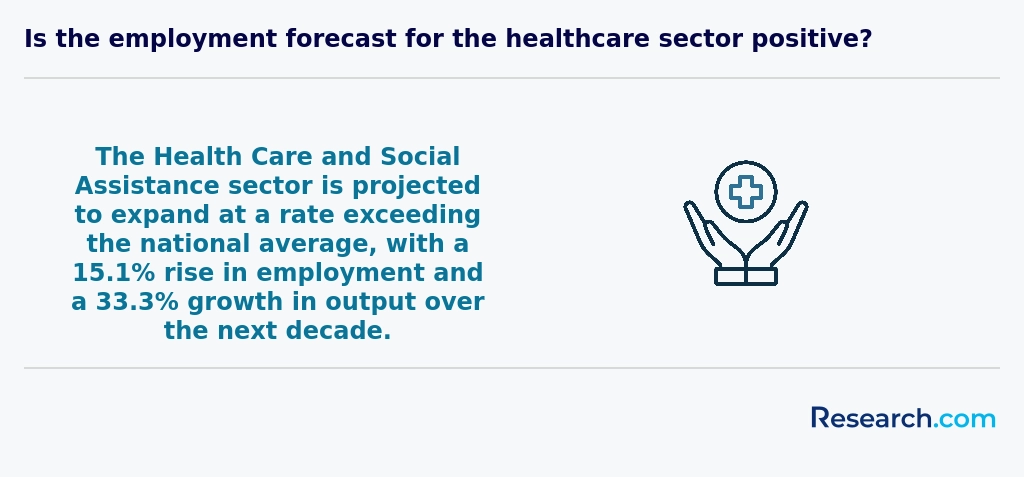
According to the Michigan Department of Health and Human Services, demand for healthcare workers is expected to grow by 15% through 2030, emphasizing advancement opportunities for degree holders.
Graduates with online healthcare degrees often qualify for higher-level positions, such as healthcare administration or specialized clinical roles, translating into better salaries and leadership roles.
Additionally, many Michigan employers recognize online credentials from regionally accredited institutions, supporting career progression statewide.
Studying for a healthcare degree in Michigan offers strong preparation for interdisciplinary roles through a curriculum that integrates diverse healthcare fields. Many programs emphasize collaboration among medicine, nursing, public health, and allied health disciplines, reflecting Michigan's integrated healthcare systems.
Michigan's healthcare education institutions often incorporate real-world scenarios, case studies, and team-based projects to develop skills in communication and problem-solving across specialties. For example, Michigan has a growing demand for healthcare professionals trained to work in interdisciplinary teams, driven by the state's focus on improving population health outcomes reported by the Michigan Department of Health and Human Services.
Online programs also provide flexibility while maintaining accreditation standards that ensure students gain knowledge applicable to various healthcare settings. This approach aligns with national trends encouraging collaborative healthcare delivery to address complex patient needs efficiently.
When choosing between a thesis and a non-thesis healthcare degree program in Michigan, consider your career goals carefully. Thesis programs focus on research and are ideal if you plan to pursue a PhD or roles in academia or advanced clinical research.
Non-thesis programs emphasize practical skills and coursework, suited for professionals aiming to enter or advance in clinical practice, healthcare administration, or policy roles quickly.
Michigan's healthcare sector is growing, with demand for qualified professionals rising by 15% through 2030, per the Michigan Department of Labor and Economic Opportunity. This growth supports diverse educational paths.
Online programs in Michigan offer flexibility but vary in research requirements. Review course outlines and speak with advisors to understand expectations and how they align with your professional ambitions.
Students based in Michigan seeking online healthcare degrees with international experience have several options. Many Michigan universities partner with foreign institutions to offer study abroad components, even within online programs. These partnerships provide students with exposure to global healthcare practices without relocating permanently. According to the Michigan Department of Education, collaboration with countries like Canada and the United Kingdom is common in healthcare education.
Additionally, some accredited online programs include virtual international internships or global case studies. This enables students to gain cross-cultural competencies relevant to healthcare careers. It is important to verify accreditation and program recognition when choosing such options to ensure credit transfer and licensure eligibility.
Michigan offers several part-time job opportunities that complement online healthcare degree education. Positions such as medical assistants, pharmacy technicians, and certified nursing assistants provide practical experience alongside academic studies. According to the Michigan Department of Labor, healthcare support occupations are projected to grow by 15% through 2030, reflecting increasing demand in the state.
Working in outpatient clinics, hospitals, or long-term care facilities gives students valuable hands-on skills. Additionally, roles in health information management or telehealth services can enhance understanding of healthcare operations and technology.
These part-time jobs not only improve resumes but also provide networking opportunities, helping students transition into full-time healthcare careers in Michigan's expanding industry. Sources: Michigan Department of Labor and Economic Opportunity.
Online healthcare students in Michigan have access to a variety of networking opportunities, despite studying remotely. Many universities offer virtual career fairs and webinars, connecting students with healthcare employers statewide. For example, Michigan State University organizes online events that attract local hospitals and clinics.
Professional organizations also play a key role. Groups like the Michigan Health & Hospital Association provide memberships and virtual meetups, allowing students to engage with industry professionals. According to the U.S. Bureau of Labor Statistics, Michigan's healthcare sector employs over 600,000 people, highlighting strong potential for connections.
Additionally, online students can join specialized social media groups linked to Michigan healthcare fields. These platforms foster discussions, share job leads, and support peer networking beyond campus.
Alumni networks provide vital support for online healthcare degree students in Michigan by connecting them with experienced professionals and recent graduates. These networks offer mentorship opportunities that can guide students through licensure processes and job searches. In Michigan, healthcare employers often value connections made through alumni groups, which can increase hiring prospects in a competitive field.
According to the Michigan Department of Health and Human Services, the state expects healthcare occupations to grow by over 15% by 2030, increasing demand for qualified workers. Alumni networks help students navigate this expanding job market.
Furthermore, alumni associations frequently host events and share job leads, facilitating ongoing career development and professional networking.
Customizing an online healthcare degree in Michigan allows students to align their education with their specific career goals. Many programs offer specialized tracks such as health informatics, nursing, or healthcare administration, helping students develop targeted skills.
Students can often choose electives or certifications that boost expertise in areas like public health or medical coding. For example, the Michigan Department of Health and Human Services emphasizes growing demand in healthcare technology roles, making informatics a valuable focus.
Internships and practical experiences, even when completed remotely, further tailor degree outcomes to individual ambitions. Accredited Michigan schools provide advisors to guide course selection based on industry needs.
Online healthcare students in Michigan often face challenges related to balancing coursework with demanding personal and professional responsibilities. Many students report time management as a key difficulty, especially when clinical placements must be completed in person despite online classes.
Access to quality clinical experiences can be limited by geographic location, as rural areas in Michigan may have fewer nearby healthcare facilities for internships or practicums. According to the Michigan Department of Health and Human Services, rural communities represent 28% of the state's population but have fewer healthcare resources.
Technical issues also pose challenges, as reliable high-speed internet is not universally available across all parts of Michigan, which can impact participation in live lectures and submission of assignments.
Finally, students often face financial barriers, with healthcare education costs rising alongside the average tuition for Michigan public universities, which was approximately $15,000 per year in 2023 per NCES data.
With an online healthcare degree in Michigan, you can pursue various professional certifications that enhance your career prospects. Popular certifications include Certified Nursing Assistant (CNA), Registered Health Information Technician (RHIT), and Certified Medical Assistant (CMA). These credentials are recognized throughout Michigan and the U.S. and can lead to higher earning potential.
Graduates can also consider specialized certifications such as Certified Professional in Healthcare Quality (CPHQ) or the Registered Health Information Administrator (RHIA) for roles in healthcare management and information systems. According to the Michigan Department of Labor and Economic Opportunity, healthcare jobs requiring certifications are expected to grow by 10% through 2030.
Obtaining these certifications typically requires passing national or state exams, supported by coursework completed during your degree. Online programs often offer preparation aligned with these exams, enabling flexible study for working adults.
To write a winning application for an online healthcare program in Michigan, start by thoroughly researching each school's requirements. Many Michigan universities look for a clear statement of purpose that outlines your career goals and why you chose healthcare. Highlight any relevant experience, such as volunteering or work in medical settings, which is valued in the state's competitive healthcare job market.
Michigan's healthcare sector employs over 540,000 people, so emphasizing skills that meet industry demands, like communication and critical thinking, can strengthen your application.
Ensure your transcripts reflect strong grades in science and math courses. Additionally, obtain recommendation letters from supervisors or educators familiar with your healthcare aptitude to add credibility to your application.
Lastly, follow all instructions carefully and meet deadlines; this attention to detail reflects your professionalism and commitment to succeeding in Michigan's growing healthcare field.
The global perspective on healthcare careers highlights a growing demand for qualified professionals worldwide. In the United States, including Michigan, healthcare jobs are expected to grow 16% from 2021 to 2031, much faster than average, according to the U.S. Bureau of Labor Statistics. This growth reflects the global trend of aging populations and the increasing need for medical care.
Michigan's healthcare sector is a significant employer, with over 650,000 workers, making it a vital industry for the state's economy. Online healthcare degrees allow Michigan students to enter this expanding field with flexible learning options.
Internationally, there is a strong emphasis on interdisciplinary skills and technology in healthcare education. Michigan's programs often align with these global trends through advanced online coursework and clinical practice standards, preparing graduates for diverse healthcare environments.
Gaining practical experience while pursuing an online healthcare degree in Michigan is essential for career readiness. Many accredited programs offer clinical placements or internships in local healthcare facilities throughout Michigan, including hospitals, clinics, and community health centers.
Students typically coordinate these hands-on experiences with their program advisors to fulfill state licensure requirements. According to the Michigan Department of Health and Human Services, clinical hours vary by specialty but often range from 500 to 1,200 hours.
Additionally, some universities partner with Detroit Medical Center and other regional providers to facilitate real-world training for online learners. Volunteering or part-time work in healthcare settings is another practical option to gain experience while studying remotely.
Choosing the right concentration within an online healthcare degree program in Michigan depends on your career goals and the state's healthcare needs. Michigan employs over 500,000 healthcare workers, with strong demand in nursing, healthcare administration, and public health sectors, according to the Michigan Department of Health and Human Services.
Consider concentrations aligned with local job growth. For example, nursing and healthcare management typically offer higher employment opportunities. Look for programs accredited by agencies like the Commission on Accreditation of Healthcare Management Education (CAHME) or the Commission on Collegiate Nursing Education (CCNE), ensuring quality education and eligibility for state licensure.
Examine curriculum flexibility and clinical placement support, especially important for online learners in Michigan seeking real-world experience.
Related Healthcare Rankings for Nearby States
- 2027 Most Affordable Online Healthcare Degree Programs Ranking in Ohio
- 2027 Most Affordable Online Healthcare Degree Programs Ranking in Wisconsin
- 2027 Most Affordable Online Healthcare Degree Programs Ranking in Illinois
- 2027 Most Affordable Online Healthcare Degree Programs Ranking in Minnesota
- 2027 Most Affordable Online Healthcare Degree Programs Ranking in Pennsylvania
- 2027 Most Affordable Online Healthcare Degree Programs Ranking in Kentucky
- 2027 Most Affordable Online Healthcare Degree Programs Ranking in West Virginia
- 2027 Most Affordable Online Healthcare Degree Programs Ranking in Missouri
- 2027 Most Affordable Online Healthcare Degree Programs Ranking in New York
- 2027 Most Affordable Online Healthcare Degree Programs Ranking in Tennessee
Top Trending Healthcare Rankings
See What Experts Have To Say About Studying Healthcare
Read our interview with Healthcare experts

References
- The Healthcare Student’s Guide to Internships | EduMed.org https://www.edumed.org/resources/student-online-guide-to-internships/
- Career Opportunities in Healthcare Without a Medical Degree https://www.just-medical.ch/en/blog/medical-careers-without-formal-education
- Networking in Medicine: Build Lasting Connections l Windsor https://www.windsor.edu/networking-in-medicine-building-relationships-from-day-one/
- Different Careers in the Medical & Healthcare Industry https://www.onlinedegree.com/career/medical-healthcare/
- How to Set and Achieve Career Goals in Health and Social Care | Royal Open College https://royalopencollege.org/blog/health-and-social-care/how-to-set-and-achieve-career-goals/
- Explore Healthcare Admin Degree Concentrations https://www.baypath.edu/news/bay-path-university-blogs/post/explore-healthcare-admin-degree-concentrations/
- Niche Market Opportunities Research Among Healthcare Professionals (A Decision Analyst Case History https://www.decisionanalyst.com/casestudies/nichemarketopportunities/
- Advancing Your Career in Healthcare: Tips and Strategies https://www.sunshinecarenetwork.com/blog/advancing-your-career-in-healthcare-tips-and-strategies
- Scholarships & Financial Aid | MyMichigan Health https://www.mymichigan.org/education/ScholarshipsFinancialAid/
- Healthcare Administration Certifications https://www.publichealthdegrees.org/careers/healthcare-administrator/certification/




