2027 Most Valuable Online Bachelor's in Healthcare Degree Programs Ranking in Florida

Co-Founder and Chief Data Scientist
Choosing the right online bachelor's degree in healthcare can shape your future, especially here in Florida. That's why this article presents the 2027 Most Valuable Online Bachelor's in Healthcare Degree Programs Ranking in Florida, created by the Research.com team of data scientists. It's designed to guide you through the best options available.
By exploring this ranking, you'll gain clear insights into programs that offer real value, helping you make confident decisions. A healthcare degree opens doors to rewarding careers, and this resource can be a strong first step in your journey.
Key benefits of getting online healthcare degree in Florida
- Healthcare graduates can earn competitive salaries, such as Medical Assistants making around $43,350 annually and Patient Care Technicians earning about $60,790, offering financial stability in rewarding roles.
- Graduates from popular Florida institutions often find career options from clinical support to quality improvement, with jobs like Health Information Technicians or Clinical Research Coordinators providing diverse paths.
- Online healthcare degrees from Florida colleges provide flexibility, allowing students to balance studies with life commitments while gaining the same respected credentials as traditional programs.
- Key benefits of getting online healthcare degree in Florida
- What can I expect from online healthcare degree in Florida?
- Where can I work with online healthcare degree in Florida?
- How much can I make with online healthcare degree in Florida?
- 2027 Most Valuable Online Bachelor's in Healthcare Degree Programs Ranking in Florida
- Key Findings
- How long does it take to complete online healthcare degree in Florida?
- Clinical Practicum Requirements
- What's the difference between online and on-campus healthcare degree?
- Tips and Strategies for Success in Online Healthcare Programs
- What is the average cost of online healthcare degree in Florida?
- Accreditation and Clinical Placements
- What financial aid is available to online healthcare degree students in Florida?
- Return on Investment of Online Healthcare Degrees in Florida
- What are the prerequisites for enrolling in online healthcare degree program in Florida?
- Essential Tips for Success in Your Online Healthcare Degree Program
- What courses are typically in online healthcare degree programs in Florida?
- What types of specializations are available in online healthcare degree programs in Florida?
- How do you choose the best online healthcare degree in Florida?
- What career paths are available for online healthcare degree students in Florida?
- What is the job market for online healthcare degree in Florida?
- Related Healthcare Rankings for Nearby States
- Top Trending Healthcare Rankings
- See What Experts Have To Say About Studying Healthcare
What can I expect from online healthcare degree in Florida?
The average cost of an online healthcare degree in Florida usually lands around $15,000 to $30,000 for a bachelor's program, especially at well-known schools like the University of Central Florida or Florida International University. Graduates often share how this makes balancing life and education much easier since many programs offer in-state tuition rates, which really helps keep expenses manageable. One grad mentioned feeling relieved knowing they could study nursing online without uprooting their family or taking a pay cut.
Plus, many students love that Florida colleges often provide state-specific scholarships or grants designed just for online learners, which lowers costs further. The financial support combined with flexible payment plans means you're not stuck stressing over tuition every semester. It feels like schools genuinely want to help you succeed without breaking the bank!
On top of that, healthcare programs here usually mix self-paced online lessons with occasional live sessions, so you can fit your studies around work or family time. This kind of setup is a game changer for busy students who want a degree without the usual hassle or sky-high price tag.
Where can I work with online healthcare degree in Florida?
If you earn an online healthcare degree in Florida, you've got loads of great job options waiting for you. Graduates from schools like the University of Florida or Florida International University often find themselves working in hospitals, which are everywhere in the state - think major systems like Baptist Health or AdventHealth. These places need nurses, healthcare admins, and medical tech experts, so there's really something for every interest.
Some graduates land roles in skilled nursing homes or outpatient clinics, especially since Florida's got lots of older adults who need care. Imagine helping coordinate patient care or managing health records in cozy community centers close to home. Others enjoy jobs with public health agencies, where they help shape health education programs or support local wellness efforts.
And if you're into tech, there's a booming scene with companies handling telehealth and electronic health records. Graduates say having strong healthcare IT skills learned online opens doors to working on cool projects that improve how care is delivered across the state.
All in all, this degree lets you step into diverse jobs that feel meaningful and steady, right here in Florida.
How much can I make with online healthcare degree in Florida?
If you're thinking about an online healthcare degree in Florida, you'll be happy to know the pay can be pretty solid. Graduates from schools like the University of Central Florida or Florida International University often land jobs as Medical Assistants, where the average annual wage is about $43,350. Not bad for starting out, right?
Some grads move into roles like Patient Care Technicians, earning closer to $60,790 a year-definitely a step up. If you're into the tech side, becoming a Health Information Technician averages around $43,380 annually. It's a great path for those who like combining healthcare with data management.
One standout is the Quality Improvement Coordinator position. It pays over $100,000 a year on average in Florida. Graduates who've specialized in healthcare management from colleges such as Florida State University have shared how landing such roles really felt like hitting a jackpot for their hard work.
So, with an online healthcare degree from a reputable Florida school, you can expect to make anywhere from mid-$40Ks up to six figures depending on the career you choose. It's a pretty encouraging salary outlook that many grads find super motivating.
2027 Most Valuable Online Bachelor's in Healthcare Degree Programs Ranking in Florida
How do we rank schools?
Investing in your education is a significant decision that can shape your future, and the Research.com team understands the importance of making informed choices. To assist prospective students in Florida, we have meticulously crafted the "2027 Most Valuable Online Bachelor's in Healthcare Degree Programs Ranking in Florida." Our commitment to quality, credibility, and accuracy is reflected in the extensive research and analysis conducted to compile this ranking.
We utilized the following reputable data sources to ensure a comprehensive evaluation of healthcare degree programs:
By exploring this ranking, readers will gain valuable insights into the most valuable online healthcare bachelor's programs in Florida, helping them make informed decisions about their educational journeys. For more details on our methodology, please visit our Research.com methodology page.

# 2 position
Florida State College at Jacksonville
Bachelor of Nursing


Key Findings
- Many accredited Florida institutions offer fully online bachelor's degrees in healthcare fields like healthcare administration, nursing, and health informatics.
- The average cost for a bachelor's online healthcare degree ranges from $15,000 to $35,000, with public universities often offering lower tuition for residents.
- Healthcare graduates in Florida can expect starting salaries between $45,000 and $55,000 annually, varying by field and location.
- Mid-career healthcare professionals typically earn between $70,000 and $95,000 per year, reflecting strong industry growth in Florida.
- Employment in healthcare occupations in Florida is projected to grow by about 20% over the next decade, one of the fastest growth rates among sectors.
- Licensing and certification requirements for healthcare roles apply to online degree holders, so students should ensure their programs meet state licensure standards.
How long does it take to complete online healthcare degree in Florida?
If you're thinking about an online healthcare degree in Florida, expect it to typically take about four years if you're going full-time. That's pretty much the standard for bachelor's programs at popular schools like the University of Florida or Florida State University. But here's the cool part-many students at these colleges share that you can really tailor the timeline to your life. For instance, some grads working full-time alongside school found part-time options that stretched their path to six years, giving them the space they needed to juggle work and family.
On the flip side, accelerated programs at places like Florida Atlantic University let you finish in as little as two to three years by cranking up the course load or studying year-round. And if you've already got some credits or an associate degree, you can usually shave off a couple years-some recent grads at Miami Dade College did exactly this and finished their bachelor's way faster online.
Many Florida schools also offer courses in short 6-8 week modules, which helps students stay motivated and finish quicker while balancing life's craziness. It's all about finding the pace that fits you best.
Clinical Practicum Requirements
Online healthcare bachelor’s programs in Florida blend virtual coursework with hands-on clinical experiences to meet licensure and accreditation standards. Here’s what to expect:
- 120–160 hours of supervised practicum in hospitals, clinics or community settings
- Coordination support through your institution to place you at a facility near home
- Licensed preceptors guiding patient care tasks, documentation and professional conduct
- Flexible scheduling options-weekends, evenings or block rotations-to fit around work or family
- Costs for background checks, immunizations and travel, typically $200–$500
When evaluating programs, seek those with strong partnerships and clear practicum policies. Many affordable accredited healthcare administration degrees also include dedicated internship coordinators to simplify placement and comply with state requirements.
What's the difference between online and on-campus healthcare degree?
If you're thinking about a healthcare degree in Florida, the biggest difference between online and on-campus programs is all about how and where you learn. Online programs, like those from the University of Central Florida, let you study from anywhere, fitting classes around your job or family life. One graduate shared how she appreciated being able to watch lectures late at night after her kids were asleep-something that wouldn't work on campus.
On-campus programs offer hands-on experiences you can't beat, with labs and face-to-face time with instructors and classmates. This is a big plus at places like Florida State University, where students get to practice skills in real-life settings. But keep in mind, on-campus often means extra fees for things like technology and facilities that online students might avoid.
Both formats require clinical hours, but if you're doing online, you usually find placements near your home, which many graduates say feels more comfortable and flexible. Networking can be easier on campus with spontaneous chats and events, while online students get creative connecting through virtual meetups.
Tips and Strategies for Success in Online Healthcare Programs
Succeeding in an online healthcare program in Florida requires a proactive approach and the development of effective learning habits. First, create a dedicated study schedule that accommodates your work-life balance and keeps you on track with coursework deadlines. Establish a quiet study space and utilize technology tools-such as digital planners and reminder apps-to manage assignments efficiently. Take advantage of available student support services by engaging with academic advisors, tutoring centers, and career development resources provided by your institution. Networking is equally essential; join virtual study groups and participate in online forums to connect with peers and faculty. These interactions often lead to collaborative projects and lasting professional relationships, which can be crucial in a competitive job market. In addition, practical experience remains a cornerstone of a well-rounded education. Look for programs that offer real-world simulations and partnerships with local healthcare facilities, as these opportunities enhance your clinical skills and industry readiness. For those exploring cost-effective pathways, consider reviewing the most affordable healthcare schools in florida to identify programs that align with both your academic goals and financial considerations. Lastly, continuously seek feedback and set short-term goals to monitor your progress. Regularly revisiting course material, self-assessing your understanding, and participating in webinars or workshops can further enhance both your competency and confidence in the field of healthcare. This comprehensive, strategic approach will not only facilitate academic success but also lay a strong foundation for your professional career.
What is the average cost of online healthcare degree in Florida?
The average cost of an online healthcare degree in Florida can vary, but on the whole, most students pay around $21,480 if they're in-state, with the total cost for out-of-state students sometimes climbing to about $41,000. This range reflects tuition fees, course materials, and all those extra expenses that add up when you're working toward a healthcare degree online. Graduates from popular programs at schools like the University of Florida or Florida State University often mention how the affordability combined with flexible online options made pursuing their dreams way less stressful financially.
If you're exploring Florida online bachelor's healthcare degree tuition fees, you'll notice that in-state students usually get a great deal, especially compared to private institutions where yearly tuition can exceed $20,000. Many students appreciate that their overall costs are reasonable without sacrificing quality or access to clinical experiences, which are vital in healthcare fields. Plus, financial aid and scholarships tailored to online learners make the journey even more manageable.
One of the keys many graduates point out is factoring in the convenience of not relocating or commuting, which can save hundreds or even thousands of dollars. When you look for the most affordable healthcare schools in Florida, you'll find solid options that blend cost-effectiveness with excellent learning experiences, helping keep your degree within budget while preparing you for a rewarding career.
Accreditation and Clinical Placements
Ensuring your online healthcare degree is recognized by employers and supports licensure starts with accreditation:
- Regional accreditation from bodies like SACSCOC or MSCHE validates institutional quality.
- Programmatic accreditation (e.g., ACEN, CAAHEP, CCNE) ensures curriculum meets healthcare standards.
- State board approvals guarantee your clinical hours count toward licensure in Florida.
Online programs also partner with local hospitals and clinics to arrange supervised clinical rotations, blending virtual learning with hands-on experience in real healthcare settings.
For focused coding careers with financial support, see online medical billing and coding with financial aid.
What financial aid is available to online healthcare degree students in Florida?
If you're aiming for an online healthcare degree in Florida, financial aid options are pretty solid and definitely worth exploring. A lot of students attending places like the University of Florida or Florida State University tap into federal aid by filling out the FAFSA. This opens doors to Pell Grants that don't need to be paid back, covering up to $7,395 a year, which is a huge help when tuition is around $6,380 annually for in-state students at UF. Plus, federal student loans come with low interest rates and flexible repayment plans, which is a relief for many grads starting out.
On top of that, Florida residents can snag state scholarships like the Bright Futures Scholarship or the Florida Student Assistance Grant, both great for easing the financial load. Graduates from popular healthcare programs often mention how institutional scholarships from their schools gave them extra support, especially if they showed strong grades or healthcare experience.
And don't forget, some hospitals or healthcare employers in Florida even offer tuition reimbursement, making it easier to juggle work and study. For many, this mix of federal, state, school, and employer aid makes pursuing that healthcare degree feel totally doable and less stressful.
Return on Investment of Online Healthcare Degrees in Florida
Prospective students often ask how long it will take to recoup their investment in an online healthcare degree. In Florida, where tuition averages $56,746 and in-state costs can be as low as $15,501, graduates report significant returns within 3–5 years thanks to competitive starting salaries and strong employment prospects. According to recent job placement data, over 85% of online healthcare graduates secure positions within six months of graduation, with median starting salaries ranging from $45,000 (health information technician) to $65,000 (healthcare manager). Key ROI metrics to consider: • Break-Even Period: With an average annual salary increase of $10,000–$15,000 after graduation, most students break even within four years. • Salary Growth: Over a 10-year career span, alumni report a cumulative salary growth of 30%–40%, driven by promotions and specialized certifications. • Employment Rate: Florida’s robust healthcare market yields an 88% employment rate for online degree holders, outpacing the national average of 82%. Beyond salary, the true ROI includes intangible benefits such as flexible scheduling, reduced commuting costs, and access to mentorship networks. Many graduates highlight that asynchronous coursework allowed them to maintain full-time employment, effectively earning while learning. For a comparative look at program affordability and post-graduation outcomes in another region, see the Most Affordable Online Healthcare Degree Programs Ranking in Omaha, NE.
What are the prerequisites for enrolling in online healthcare degree program in Florida?
If you're thinking about jumping into an online healthcare degree in Florida, the first step usually involves having a high school diploma or GED under your belt. This is the baseline for most bachelor's programs across the state. Graduates from places like the University of Central Florida often say that having those solid reading, writing, and math skills in place made the coursework smoother.
Next up, you'll probably need to send in your official transcripts. Some Florida schools want to see a GPA around 2.5 to 3.0 - nothing too scary but enough to show you're ready for some serious study. A few grads mention that getting those transcripts together felt like their first small win toward the degree!
Also, be ready to have completed certain prerequisite courses, like biology or chemistry, before diving into the main healthcare classes. For example, UCF online programs often recommend courses in human biology and basic stats. Many students find that having those basics down helps them feel way more confident tackling tougher subjects later on.
Some programs ask for letters of recommendation or personal statements - a chance to show you're genuinely pumped about healthcare. If clinical work is involved, you might have to manage background checks or immunization records too, usually something you handle locally. Plus, make sure your internet and computer are up to the task, since everything happens virtually.
Essential Tips for Success in Your Online Healthcare Degree Program
Achieving success in an online healthcare degree program requires a blend of effective study strategies, time management, and proactive engagement with both digital tools and academic communities. To start, create a dedicated study space and a structured schedule that mirrors a traditional classroom setting. This routine helps maintain consistency and keeps you on track with deadlines and coursework. Leveraging technology is key; make full use of virtual libraries, online discussion forums, and digital collaboration tools to enhance your learning experience. For instance, exploring specialized courses like medical billing and coding classes online can expand your digital skillset and broaden your career prospects. Equally important is setting up regular check-ins with professors and peers. Virtual study groups and mentorship programs not only provide support but also enable you to discuss complex topics and share valuable insights about the healthcare industry. Additionally, engaging in hands-on projects or simulations can help solidify theoretical knowledge and apply it to real-world scenarios. Lastly, stay informed about the latest industry trends by following reputable healthcare news sources and participating in online webinars. This proactive approach will keep you aligned with evolving practices and technologies in healthcare, ensuring that your online education remains both current and impactful.
What courses are typically in online healthcare degree programs in Florida?
If you're considering an online healthcare degree in Florida, expect to start with basics like biology, anatomy, and medical terminology. These courses build a strong foundation so you feel confident moving into more advanced topics. Students from schools like the University of Florida often mention how these early classes made complex healthcare ideas easier to grasp later on.
Beyond that, you'll dive into courses like healthcare ethics and law, which cover important stuff like patient rights and privacy rules such as HIPAA. Imagine understanding what really goes on behind hospital doors-that's what these classes help with. Other common courses include health informatics, teaching how technology and electronic records are transforming care, and public health, which focuses on keeping communities safe and healthy.
- Healthcare management and administration, where you learn to lead healthcare teams and manage finances
- Evidence-based practice and research, showing you how to use real scientific studies to improve patient care
- Specialized classes on topics like mental health or emergency care, depending on the program
Many graduates from Florida colleges appreciate how their programs tie theory to Florida's unique healthcare needs-so the learning always feels relevant and practical. This approach helps students feel ready to step into jobs that truly make a difference in their communities.
What types of specializations are available in online healthcare degree programs in Florida?
When diving into online healthcare degrees in Florida, you'll find plenty of specializations that really fit the buzz of the local industry. Graduates from popular schools in the state often mention how focusing on Health Administration and Management helped them land leadership roles, where they handle everything from policy to managing teams in busy hospitals. Others found a passion in Public Health, especially since Florida's diverse communities need experts who understand disease prevention and community wellness - super relevant if you want to make a real difference statewide. Nursing remains a favorite, with options like RN-to-BSN programs that let nurses upgrade their skills without leaving their jobs.
Those interested in tech love Health Informatics, blending IT with patient care to boost hospital efficiency. There's even a specialization in Healthcare Quality and Patient Safety, which grads say feels rewarding because it helps reduce medical errors and improve patient experiences. If you want to know more about related paths, check out medical billing and coding classes online.
Many students appreciate how these online healthcare degree specializations Florida offer real-world skills that match the state's booming healthcare job market.
Another popular topic among students is healthcare degree concentration options Florida, as schools tailor programs to the state's needs, letting students design studies that fit their career dreams perfectly.
How do you choose the best online healthcare degree in Florida?
When picking the best online healthcare degree programs Florida offers, start by checking accreditation-this is a must. Graduates from popular Florida schools often share how knowing their degree came from nationally recognized bodies like CCNE made them feel confident stepping into demanding healthcare roles. Next, think about what specialty excites you-whether it's nursing, public health, or health administration. Many students juggle work and family, so look for programs with flexible schedules and strong support services like career counseling. Costs also matter; Florida's public universities usually have friendlier tuition rates compared to other places, which recent grads really appreciated when balancing budgets. Don't forget to check graduation rates and job placement-programs connected with local employers give you a leg up on internships and landing your first job. For some extra research help, you might want to explore the Most Affordable Online Healthcare Degree Programs Ranking in Omaha, NE to weigh cost options even further.
If affordability is your priority, affordable online nursing degrees Florida programs shine because of financial aid and employer reimbursement options local students often talk about. Choosing a degree that fits your lifestyle while keeping your career goals front and center makes all the difference.
What career paths are available for online healthcare degree students in Florida?
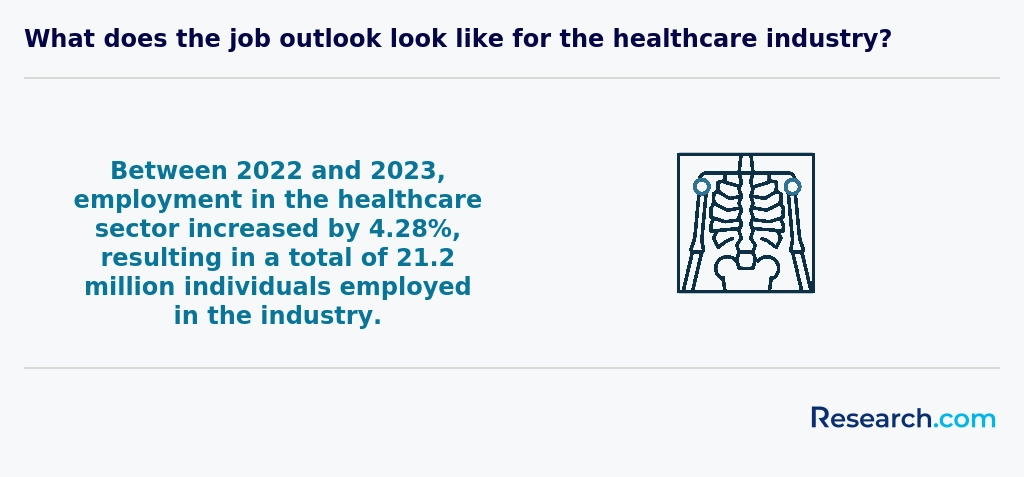
If you're aiming for an online healthcare degree in Florida, you've got plenty of exciting career paths ahead. Graduates from popular schools around the state often become Registered Nurses, which is huge here since Florida expects a 15% jump in nursing jobs soon-perfect if you want a stable and rewarding role.
Other grads step into health services management, running clinics or departments, especially with Florida's healthcare scene growing fast. And if you're into tech, becoming a Medical and Health Services Technician or Health Information Manager are great routes, managing everything from lab equipment to electronic health records.
Public Health Educators are also key players, working on community wellness initiatives in both cities and rural spots. Many students find these options motivating because they get to make a real difference in people's lives.
Lots of folks going for online healthcare degree jobs Florida love that schools offer hands-on learning alongside flexibility. You might also want to check out programs in the best one year masters programs for quick advancement.
What is the job market for online healthcare degree in Florida?
If you're thinking about online healthcare jobs Florida offers, you're in luck because the job market here is buzzing. Graduates from schools like the University of Florida or Florida Atlantic University often share how quickly they found roles in hospitals or healthcare centers across Miami and Tampa. Many emphasize that flexible online programs gave them the chance to balance work and studies, which really helped with gaining experience while earning their degree.
You'll find that the demand for skilled healthcare pros is strong, especially in nursing and health admin roles, with salaries that can be pretty rewarding-some nurse practitioners even pull in six figures. Plus, the option to get your degree online from popular colleges means you can avoid hefty costs and still join this thriving field.
For those wondering what is the easiest degree to jump into healthcare, online programs in Florida offer a mix of accessibility and quality. Whether you're aiming for urban hospitals or rural clinics, opportunities are out there.
Frequently Asked Questions About healthcare
Online healthcare degree students in Florida can maximize their learning by actively engaging with course materials and leveraging Florida's extensive healthcare network. Participating in virtual discussions and using campus-provided resources, such as academic advising and tutoring, enhances understanding and retention. Florida's numerous hospitals and clinics often offer practicum and internship opportunities, which are crucial for hands-on experience and networking in the healthcare field.
Utilizing Florida-based professional organizations, like the Florida Public Health Association, provides additional learning and career development resources. Staying updated on Florida's healthcare trends and workforce demands, supported by data from the Florida Department of Health, helps students align their studies with market needs.
Emerging niches within Florida's healthcare field reflect growing demands and technological advances shaping the industry. Areas like telehealth have expanded rapidly, especially after Florida saw a 45% increase in virtual care use between 2019 and 2023, according to the Florida Center for Health Information and Transparency. This growth creates new roles for healthcare professionals trained in digital health technologies.
Another rising niche is healthcare data analytics. Florida's aging population amplifies the need for data-driven strategies to improve patient outcomes and manage costs efficiently. Online degrees now often integrate health informatics to prepare students for this demand.
Additionally, gerontology and chronic disease management remain critical fields due to Florida's high percentage of residents over 65. Specialized training in these areas can enhance career prospects in both clinical and community settings.
Preparing for the job market after completing an online healthcare degree in Florida involves several strategic steps. First, it is important to obtain relevant certifications and licenses required by Florida's healthcare system, such as the Certified Nursing Assistant (CNA) or Registered Health Information Technician credentials. According to the Florida Department of Health, compliance with state-specific licensing requirements is crucial for employment.
Networking plays a vital role; engaging with local professional associations and Florida healthcare job fairs helps build connections. The Florida Department of Economic Opportunity reports that healthcare occupations in the state are projected to grow by 21.8% through 2030, highlighting expanding opportunities.
Additionally, gaining practical experience through internships or volunteer positions in Florida's hospitals and clinics can improve employability. Resume-building and interview preparation tailored to Florida's healthcare market trends will position graduates competitively.
Employers in Florida's healthcare sector prioritize several key skills in graduates holding online healthcare degrees. Communication skills are essential, as effective interaction with patients and multidisciplinary teams improves care quality. Critical thinking and problem-solving abilities are highly valued for navigating complex clinical situations.
Healthcare in Florida is rapidly evolving, particularly with a growing elderly population, so knowledge of healthcare technology and electronic health records is increasingly important. According to the Florida Department of Health, proficiency in patient data management and adherence to state healthcare regulations are crucial competencies.
Finally, cultural competency and ethical judgment are emphasized, reflecting Florida's diverse patient base and legal standards. These skills ensure graduates can provide respectful, legal, and patient-centered care.
Finding internships in Florida relevant to healthcare degrees requires strategic research and networking. Start by exploring partnerships between your online program and local hospitals, clinics, or public health organizations.
Florida's Department of Health and the Agency for Healthcare Administration often list internship opportunities. Additionally, professional associations like the Florida Public Health Association provide resources and connections for students.
Many healthcare employers in Florida, including large systems such as AdventHealth and Baptist Health, offer structured internship programs for students. Internships can provide valuable hands-on experience, helping graduates meet licensure and certification requirements.
Utilizing online job platforms focused on healthcare internships in Florida can also expand your options. According to the Florida Board of Nursing, clinical experience is critical, making these internships a key step in your education.
Online healthcare degrees in Florida significantly enhance career mobility and advancement for students and professionals. Florida's healthcare industry is rapidly growing, with a projected 15% increase in healthcare jobs between 2020 and 2030, according to the Bureau of Labor Statistics.
Completing an accredited online healthcare program provides essential credentials that employers in Florida value, opening doors to roles in nursing, health administration, and allied health fields. These degrees often include updated curricula aligned with Florida's healthcare regulations and standards.
Moreover, online degrees offer flexibility, allowing working professionals to gain skills without interrupting their careers. This flexibility often leads to quicker promotions and wage increases in Florida's competitive healthcare market.
Studying for a healthcare degree online in Florida equips students with skills crucial for interdisciplinary roles by emphasizing collaboration across multiple health professions. Florida's healthcare programs often integrate courses in communication, ethics, and healthcare management, preparing graduates to work effectively within diverse teams. The state's growing healthcare industry, projected to add over 200,000 jobs by 2030 according to the Florida Department of Economic Opportunity, demands professionals who understand complex care coordination.
Florida's curricula frequently include case studies and simulations involving nursing, public health, and administration, reflecting real-world challenges. This approach fosters adaptability and critical thinking, essential for interdisciplinary settings. Accredited online programs in the state also align with guidelines from bodies like the Council on Education for Public Health, ensuring comprehensive knowledge.
Choosing between a thesis and a non-thesis healthcare degree program in Florida depends largely on your career goals and learning preferences. Thesis programs emphasize research and require a substantial project, ideal for students aiming for advanced studies or roles in healthcare research and policy. Non-thesis programs focus more on practical skills and coursework, suiting those targeting clinical or administrative positions.
In Florida, about 30% of online healthcare degree holders enter research or academic roles, per the Florida Department of Education 2023 report. Research-based degrees often take longer due to the thesis component, while non-thesis tracks allow faster completion.
Evaluate your interest in research, available faculty support, and program flexibility before deciding.
Students based in Florida looking to study healthcare abroad while pursuing online degrees have several pathways to consider. Many U.S. institutions with strong Florida enrollments partner with international universities, allowing students to complete parts of their coursework overseas or through global virtual programs.
Florida ranks high in healthcare employment, with a projected growth of 15% through 2030 according to the U.S. Bureau of Labor Statistics, motivating students to seek diverse, internationally informed education. Some programs offer clinical placements or internships abroad to enhance real-world experience without interrupting online study.
Additionally, Florida residents can access accredited online nursing, public health, and healthcare management degrees with international curriculum components, aligning with global healthcare standards and Florida's licensure requirements.
Part-time job opportunities in Florida that complement healthcare degree education often involve roles in clinical settings and administrative support. Many students work as medical assistants, a position growing at a rate of 23% nationally through 2030, according to the U.S. Bureau of Labor Statistics. These roles provide hands-on experience with patient care and office procedures.
Additionally, positions such as pharmacy technicians, patient service representatives, and home health aides allow students to apply classroom knowledge practically. Florida's aging population increases demand for healthcare support jobs, making these roles relevant and accessible for students balancing work and study.
Florida hospitals and clinics frequently offer flexible hours suitable for students pursuing online degrees.
Online healthcare students in Florida have access to growing networking opportunities that can enhance their educational and professional paths. Many Florida universities offer virtual events, webinars, and career fairs specifically for online students to connect with healthcare professionals. For example, the Florida Center for Nursing frequently hosts online forums and networking events that support student engagement with local healthcare providers.
Additionally, statewide organizations like the Florida Public Health Association provide online memberships and events where students can meet professionals and peers. Through platforms like LinkedIn, students can join regional healthcare groups to expand their connections.
Florida's healthcare sector, employing over 1.5 million workers according to the Florida Department of Economic Opportunity, offers many networking prospects that students can tap into, even from a distance.
Alumni networks provide valuable support to online healthcare degree students in Florida by fostering professional connections. These networks often include experienced healthcare professionals who can offer mentorship and career advice tailored to the Florida job market.
Florida's healthcare sector is growing rapidly, with a projected 16% increase in healthcare jobs by 2030, according to the U.S. Bureau of Labor Statistics. Strong alumni ties help students tap into this expanding market through job referrals and internships.
Additionally, alumni groups frequently host events and provide online platforms that encourage collaboration and knowledge sharing. This communal support enhances students' learning experience beyond the virtual classroom.
Customizing an online healthcare degree program in Florida involves selecting specializations and electives that align with your career goals. Many Florida institutions offer options such as health informatics, public health, or healthcare administration to tailor your studies. According to the Florida Department of Education, some programs allow students to complete clinical hours locally, providing practical experience without relocating.
Students can also choose part-time or accelerated formats to fit work and personal commitments. Since Florida's healthcare sector is growing faster than the national average, focusing on high-demand fields like gerontology or healthcare management can improve job prospects. Consulting academic advisors early helps to create a personalized study plan that suits your ambitions.
Online healthcare students in Florida often face several distinct challenges. One major issue is the limited access to local clinical placements essential for hands-on experience. Florida's healthcare system requires clinical hours for licensure, but finding nearby affiliates willing to partner with online programs can be difficult. This challenge may delay graduation or licensure.
Another common obstacle involves balancing rigorous coursework with personal and professional responsibilities, especially since Florida has one of the largest populations of working adults pursuing degrees. Technical difficulties and inconsistent internet access, particularly in rural areas, also impact students' learning experiences.
According to the Florida Department of Education, retention rates for online healthcare programs tend to be lower than traditional ones, likely due to these combined factors. Students must proactively manage time and seek out support services to succeed.
With an online healthcare degree in Florida, you can pursue several professional certifications that enhance job prospects and career growth. Common certifications include Certified Medical Assistant (CMA), Certified Healthcare Administrator (CHA), and Registered Health Information Technician (RHIT).
Florida employs over 600,000 healthcare workers, making certifications valuable for standing out in a competitive job market, according to the Florida Department of Economic Opportunity. Certification requirements typically include passing an exam and holding a degree from an accredited program.
Some roles also require state-specific licensure, such as for nursing or clinical positions. Professional certifications validate specialized skills, improve salary potential, and increase eligibility for leadership roles within Florida's healthcare system.
To write a winning application for an online healthcare program in Florida, start by clearly demonstrating your passion for healthcare and commitment to the field. Florida's healthcare industry is one of the largest in the nation, employing over 1.5 million workers as of recent state labor data, so highlighting relevant experience or volunteer work is valuable.
Use your personal statement to explain why you chose an online program and how it fits your career goals. Be specific about your interest in serving Florida's diverse populations, including elderly and multicultural communities.
Strong letters of recommendation from healthcare professionals or educators can boost your application credibility.
Finally, ensure all required documents, such as transcripts and test scores, are complete and submitted on time to Florida institutions' admissions offices.
The global perspective on a healthcare career highlights its vital role in addressing worldwide health challenges. In the United States, healthcare remains one of the fastest-growing employment sectors, with Florida experiencing a 14% growth rate for healthcare jobs from 2020 to 2030, according to the U.S. Bureau of Labor Statistics.
Healthcare professionals are increasingly recognized for their ability to impact population health, both domestically and internationally. This recognition drives demand for qualified workers who understand diverse health systems and cultural competencies.
Florida's diverse population, including significant elderly and immigrant communities, underscores the importance of culturally aware healthcare education. Online degree programs in Florida increasingly incorporate global health topics to prepare students for diverse workplace environments.
Students pursuing online healthcare degrees in Florida can gain practical experience through clinical placements, internships, or externships required by most accredited programs. These hands-on opportunities are often arranged locally to comply with state regulations and allow students to apply classroom knowledge in real healthcare settings.
Many Florida schools partner with local hospitals, clinics, and community health centers to facilitate supervised training. According to the Florida Board of Nursing, clinical hours are mandatory for nursing degrees, ensuring that students complete hundreds of hours under professional supervision.
Additionally, some programs encourage volunteering or part-time roles in healthcare facilities, offering valuable exposure to patient care and administrative functions. Utilizing online resources and state workforce databases can help students identify suitable practical experiences nearby.
Choosing the right concentration within an online healthcare degree in Florida involves evaluating personal interests and the state's healthcare job market. Florida's aging population increases demand for fields like gerontology, nursing, and healthcare administration, according to the Florida Department of Economic Opportunity. Prospective students should consider concentrations aligned with high-growth careers-such as health information management or public health-offering better job prospects and salaries.
Reviewing program curricula helps ensure coursework matches career goals. Accreditation by bodies like the Commission on Collegiate Nursing Education (CCNE) or the Council on Education for Public Health (CEPH) is vital for educational quality and licensure eligibility.
Finally, consider clinical practicum requirements and employer partnerships within Florida to enhance practical experience and local employment opportunities.
Related Healthcare Rankings for Nearby States
- 2027 Most Valuable Online Bachelor's in Healthcare Degree Programs Ranking in Georgia
- 2027 Most Valuable Online Bachelor's in Healthcare Degree Programs Ranking in Alabama
- 2027 Most Valuable Online Bachelor's in Healthcare Degree Programs Ranking in South Carolina
- 2027 Most Valuable Online Bachelor's in Healthcare Degree Programs Ranking in North Carolina
- 2027 Most Valuable Online Bachelor's in Healthcare Degree Programs Ranking in Kentucky
- 2027 Most Valuable Online Bachelor's in Healthcare Degree Programs Ranking in Arkansas
- 2027 Most Valuable Online Bachelor's in Healthcare Degree Programs Ranking in Virginia
- 2027 Most Valuable Online Bachelor's in Healthcare Degree Programs Ranking in Missouri
- 2027 Most Valuable Online Bachelor's in Healthcare Degree Programs Ranking in Ohio
- 2027 Most Valuable Online Bachelor's in Healthcare Degree Programs Ranking in Illinois
Top Trending Healthcare Rankings
See What Experts Have To Say About Studying Healthcare
Read our interview with Healthcare experts

References
- Global Health Perspectives https://globalhealthperspectives.com/
- Best Online Colleges In Florida 2025 https://www.affordablecollegesonline.org/online-colleges/florida/
- How a Strong Alumni Network Can Benefit Students https://www.pacificu.edu/blog/how-strong-alumni-network-can-benefit-students
- Career Opportunities in Healthcare Without a Medical Degree https://www.just-medical.ch/en/blog/medical-careers-without-formal-education
- Financial Aid https://agmedtech.com/financial-aid-page/
- Career Pathways | Health First https://www.careers.hf.org/career-pathways
- Niche Markets in Healthcare https://ultrariskadvisors.com/niche-markets-in-healthcare/
- Health Management Careers https://www.ache.org/Career-Resources/Start-Your-Career/Health-Management-Careers
- Challenges for Medical Students - Health Action Research Group https://www.healthactionresearch.org.uk/mental-health/challenges-for-medical-student/
- Florida's Premier Healthcare College - Med College https://medcollege.edu/