
2027 Best Healthcare Degree Programs Ranking in Kenosha

Co-Founder and Chief Data Scientist
Choosing the right healthcare degree program can shape your future career in meaningful ways. This article introduces the 2027 Best Healthcare Degree Programs Ranking in Kenosha, created by the Research.com team of data scientists to guide students through the best educational options available.
By exploring this ranking, you'll discover trusted information that helps you make confident decisions about your education. Pursuing a healthcare degree opens doors to rewarding opportunities, personal growth, and the chance to make a real difference in your community.
Key benefits of getting healthcare degree in Kenosha
- Salary for healthcare degree graduates: Graduates can expect solid earnings, such as Medical Assistants making around $43,350 annually and Patient Care Technicians earning about $60,790 per year, offering a stable financial future.
- Career paths: A healthcare graduate from a popular Kenosha college can pursue diverse roles like Health Information Technician or Clinical Research Coordinator, opening rewarding opportunities in hospitals, clinics, or research settings.
- Online degree benefits: Earning a healthcare degree online from a reputable Kenosha institution provides flexibility and convenience, allowing students to balance work or family while gaining the skills needed for in-demand healthcare jobs.
- Key benefits of getting healthcare degree in Kenosha
- What can I expect from healthcare degree in Kenosha?
- Where can I work with healthcare degree in Kenosha?
- How much can I make with healthcare degree in Kenosha?
- 2027 Best Healthcare Degree Programs Ranking in Kenosha
- Key Findings
- How long does it take to complete healthcare degree in Kenosha?
- Affordable Online Healthcare Degree Programs to Consider
- What's the difference between online and on-campus healthcare degree?
- Exploring Alternative Pathways in Healthcare Education
- What is the average cost of healthcare degree in Kenosha?
- Accreditation and Licensure Requirements
- What financial aid is available to healthcare degree students in Kenosha?
- Return on Investment: Evaluating the Value of a Healthcare Degree in Kenosha, WI
- What are the prerequisites for enrolling in healthcare degree program in Kenosha?
- How to Apply for Your Healthcare Degree Program
- What courses are typically in healthcare degree programs in Kenosha?
- What types of specializations are available in healthcare degree programs in Kenosha?
- How do you choose the best healthcare degree in Kenosha?
- What career paths are available for healthcare degree students in Kenosha?
- What is the job market for healthcare degree in Kenosha?
- Top Trending Healthcare Rankings
- See What Experts Have To Say About Studying Healthcare
What can I expect from healthcare degree in Kenosha?
The average cost of a healthcare degree in Kenosha varies depending on the institution and program level. For example, graduates from the University of Wisconsin-Parkside report tuition costs ranging from $6,000 to $10,000 per year for nursing and allied health programs. Many students find these costs manageable when balanced with financial aid and scholarships offered locally. Community colleges nearby offer more affordable associate degrees that can serve as a stepping stone to bachelor's programs.
Students frequently mention how practical experiences, such as clinical placements at Milwaukee or Chicago hospitals, add tremendous value beyond tuition. These hands-on opportunities build real confidence and strong resumes. Flexible scheduling has also helped working adults manage costs by allowing part-time attendance while maintaining employment, reducing the need for loans.
Graduates emphasize the positive outcomes of earning nationally recognized certifications like RN or CMA alongside their degrees, which often lead to quicker job placement and salary growth up to $100,000 for specialized roles in the Kenosha healthcare market.
Where can I work with healthcare degree in Kenosha?
Graduates with a healthcare degree in Kenosha find ample opportunities, especially through connections with local institutions like Herzing University and Gateway Technical College. Many graduates share how internships and clinical placements at Aurora Medical Center opened doors to roles as registered nurses, respiratory therapists, and medical technologists, giving them hands-on experience that quickly translated into job offers.
Beyond hospitals, Kenosha's skilled nursing facilities and long-term care centers offer roles for licensed practical nurses and certified nursing assistants, which several grads have found rewarding as they build their careers by supporting an aging community. Others pursuing outpatient care careers benefit from partnerships between local programs and urgent care clinics or rehabilitation centers, gaining practical skills through community health initiatives.
Healthcare administration graduates frequently secure positions managing hospital operations or health information systems in billing offices and insurance companies, appreciating the blend of healthcare and business. Students from Kenosha-area colleges report feeling confident launching their careers thanks to the city's growing healthcare market and strong network of employers committed to hiring well-trained local professionals.
How much can I make with healthcare degree in Kenosha?
Graduates from healthcare programs in Kenosha, including those from popular institutions like the University of Wisconsin-Parkside, can expect competitive earnings that reflect the region's growing demand. Entry-level roles such as medical assistants typically earn around $43,350 annually, according to recent BLS data. This salary provides a solid foundation for new graduates entering the workforce.
Many Kenosha healthcare graduates find positions as patient care technicians, where the mean annual wage increases to about $60,790, demonstrating clear progress in earning potential after gaining experience. Health information technician roles offer similar pay, roughly $43,380 per year, fitting well for graduates focused on healthcare data and management.
Graduates advancing into coordinator positions, such as clinical research or quality improvement coordinators, can anticipate even stronger salaries. For instance, quality improvement coordinators average over $103,000 per year, making this a promising career path for those pursuing leadership within healthcare settings like Froedtert South hospital.
Real-life experience through internships or clinical placements during study often boosts graduates' readiness for these roles, turning academic knowledge into rewarding careers in Kenosha's expanding healthcare field.
2027 Best Healthcare Degree Programs Ranking in Kenosha
How do we rank schools?
Investing in your education is a significant decision that can shape your future, and the Research.com team understands the importance of making informed choices. To assist prospective students in Kenosha, we have meticulously crafted the "2027 Best Healthcare Degree Programs Ranking in Kenosha." Our commitment to quality, credibility, and accuracy is reflected in the extensive research and analysis conducted to compile this ranking.
We utilized the following reputable data sources to ensure a comprehensive evaluation of healthcare degree programs:
By exploring this ranking, readers will gain valuable insights into the best healthcare degree programs available in Kenosha, helping them make well-informed decisions about their educational paths. For more details on our methodology, please visit our Research.com methodology page.


# 4 position
Herzing University-Kenosha
Bachelor of Science in Nursing

Key Findings
- Healthcare degree programs in Kenosha are offered by institutions like the University of Wisconsin-Parkside, covering nursing and health sciences with national certification alignment.
- Annual tuition and fees for in-state students range from $10,000 to $18,000, with additional costs for textbooks and clinical supplies.
- Entry-level salaries for healthcare professionals in Kenosha typically start between $50,000 and $60,000 annually.
- Experienced healthcare workers can earn median salaries of $75,000 or more after 5 to 10 years in the field.
- The local healthcare job market includes hospitals, clinics, and long-term care centers, showing steady growth fueled by demographic and service demands.
- Healthcare programs include clinical partnerships that provide internships and hands-on training essential for licensure and employment.
How long does it take to complete healthcare degree in Kenosha?
Completing a healthcare degree in Kenosha depends largely on the program type and your personal pace. Many graduates from local institutions like the University of Wisconsin-Parkside share how their associate degrees took about 2 to 3 years, providing a swift route into entry-level nursing or medical assistant roles. This shorter timeline means you can start working and gaining experience quickly, which feels motivating and rewarding early on.
For those aiming for a bachelor's degree, such as Nursing (BSN) or Health Sciences, Kenosha students often invest around 4 years of full-time study. Graduates from popular colleges appreciate flexible scheduling options that helped them balance work and family while completing their degree. Imagine studying foundational courses alongside real clinical experiences that make theory feel alive and applicable.
Master's programs in Kenosha typically add 1 to 3 years after your bachelor's. Many healthcare graduates find that part-time options let them keep earning an income while advancing their careers, reducing stress and providing a sustainable path forward.
Short-term certificates available at technical colleges are perfect for those wanting to enter the workforce fast-some finish in just a few months, gaining skills like phlebotomy or EMT training.
Affordable Online Healthcare Degree Programs to Consider
Online healthcare degrees offer Kenosha students a cost-effective pathway to credentials without sacrificing quality or flexibility. By choosing accredited online programs, learners can balance work, family, and studies while reducing expenses associated with on-campus tuition, textbooks, and commuting. Whether aiming for an associate or bachelor’s degree, candidates should look for programs with clear clinical placement support, robust student services, and streamlined digital resources. For those seeking additional affordable options beyond Wisconsin, the Low Cost Online Healthcare Degree Programs Ranking in Little Rock, AR showcases top-ranked online programs that combine low tuition with strong outcomes. These rankings highlight programs with competitive per-credit rates, flexible scheduling, and high graduation success, making them ideal for students focused on minimizing debt while maximizing return on investment. When evaluating an online program, prospective students should verify accreditation, clinical training partnerships, and technology support. Reviewing student-to-faculty ratios, graduation rates, and alumni outcomes can also ensure informed decisions. By considering these factors, Kenosha students can identify online healthcare degrees that deliver quality education at a fraction of traditional costs.
What's the difference between online and on-campus healthcare degree?
Online and on-campus healthcare degrees in Kenosha offer distinct experiences tailored to different lifestyles and goals. On-campus students at places like the University of Wisconsin-Parkside benefit from hands-on labs, direct instructor interaction, and clinical practicums at local hospitals, giving them invaluable real-world exposure. Graduates often recall how these face-to-face sessions built their confidence and practical skills, essential for nursing or medical tech roles.
Meanwhile, online programs, such as those at Gateway Technical College, provide flexibility ideal for working adults or those with family commitments in Kenosha. Students complete coursework remotely on their own schedule but still attend clinical hours locally, blending convenience with important practical training. Many appreciate the ability to balance studies with life responsibilities without sacrificing accreditation quality.
Both formats are affordable options within Kenosha's competitive landscape, but online learners save on commuting and housing costs. Choosing depends on your preferred learning style-whether you thrive in interactive campus settings or value adaptable pacing while gaining the same accredited expertise.
Exploring Alternative Pathways in Healthcare Education
For many students, traditional degree programs are only one piece of the puzzle when pursuing a career in healthcare. An equally important consideration is exploring alternative pathways that offer flexibility, targeted training, and quicker entry into the workforce. These alternative options not only enhance your skills but also provide specialized expertise that can complement your existing degree. For instance, certificate courses, bridge programs, and online associate options enable you to focus on niche areas while maintaining a balance between work, family, and continued education. Moreover, emerging fields like diagnostic sonography have become increasingly popular due to their blend of technical proficiency and patient-focused care. If you’re looking for a program that offers an expedited route into the healthcare industry, consider exploring online sonography associate's programs. These programs are designed to furnish you with practical, job-ready skills in a shorter time frame while still ensuring a high standard of education. By considering these alternative pathways, prospective healthcare professionals can diversify their qualifications and boost their employability in a competitive market. This approach not only prepares you for immediate entry-level roles but also lays the groundwork for continuous career advancement in the healthcare sector.
What is the average cost of healthcare degree in Kenosha?
The average cost of a healthcare degree in Kenosha varies depending on the type of program and residency status. For in-state students attending institutions like Gateway Technical College or the University of Wisconsin-Parkside, typical total expenses for healthcare degree Kenosha 2027 show median in-state costs around $10,860. Graduates recall that managing tuition alongside fees for clinical supplies and textbooks was manageable when budgeting carefully. Out-of-state students, however, can expect significantly higher costs, with median total expenses reaching about $27,583, reflecting the premium on non-resident tuition rates and additional program fees.
Many healthcare students find that financial aid and scholarships reduce the burden considerably. Local schools offer targeted support for students entering high-demand healthcare fields, helping them navigate costs practically. For example, those pursuing nursing at UW-Parkside often highlight employer tuition reimbursement and scholarship programs as key resources. Exploring such opportunities early can make the pathway to a healthcare degree more affordable and less stressful.
Students weighing their options in Kenosha should also consider certificate and associate degree programs which have lower upfront costs and prepare graduates quickly for workforce entry. To find programs providing real value without excessive expenses, prospective students can check rankings of the cheapest healthcare schools in wisconsin. Careful planning aligned with available financial aid helps many students achieve their healthcare career goals while managing the average cost of healthcare degree in Kenosha effectively.
Accreditation and Licensure Requirements
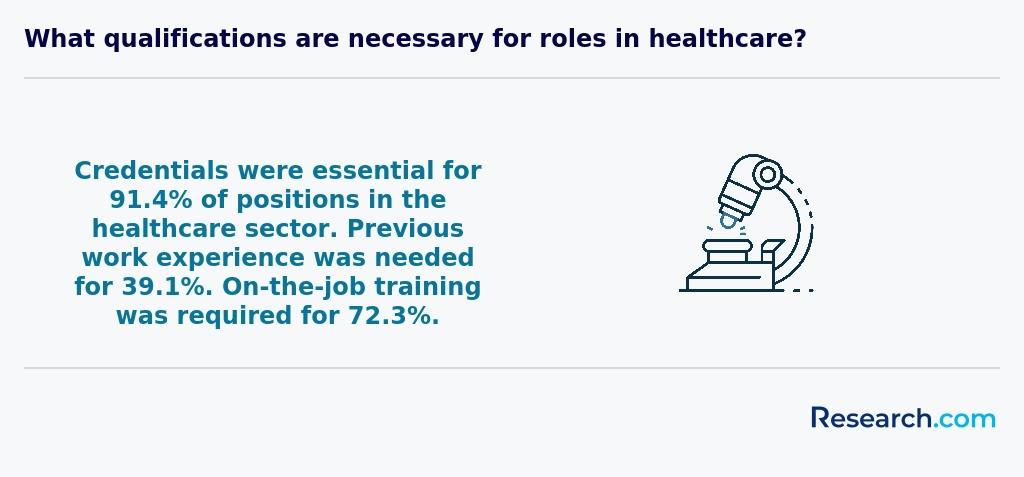
Choosing an accredited healthcare program ensures you meet state and national standards and qualify for professional licensure. In Wisconsin, nursing programs must be approved by the Wisconsin Board of Nursing and hold accreditation from bodies such as the Commission on Collegiate Nursing Education (CCNE) or the Accreditation Commission for Education in Nursing (ACEN), while allied health programs often seek CAAHEP or CAHIIM accreditation. Graduates from accredited programs are eligible to sit for licensure exams like the NCLEX-RN for nurses or the Registered Health Information Technician (RHIT) exam, which employers and patients trust as proof of competency. Licensure pass rates are a key performance indicator; programs boasting a 90%+ first-attempt NCLEX pass rate, for example, demonstrate rigorous preparation and strong faculty support. Additionally, accreditation affects access to federal financial aid and scholarship opportunities-ensuring you can finance your education without compromising quality. For public health students, selecting a CEPH-accredited degree program is equally critical. Prospective candidates should also explore the most affordable bachelor's in public health online programs to find cost-effective, quality pathways that align with licensure and accreditation requirements. Before applying, verify each program’s accreditation status on official accreditor websites and review state board approval information. By prioritizing accredited programs with high licensure success rates, you safeguard your eligibility for certification, enhance your employability, and uphold the highest standards of patient care.
What financial aid is available to healthcare degree students in Kenosha?
Students pursuing healthcare degrees in Kenosha can tap into several financial aid options to ease tuition costs and related expenses. Many graduates from institutions like UW-Parkside and Gateway Technical College have successfully used the Free Application for Federal Student Aid (FAFSA) to secure Pell Grants, which can provide up to $7,395 annually based on financial need. These grants are a crucial starting point for those worried about affording their education.
State funds through the Wisconsin Grant Program also support local students attending Kenosha-area colleges, often complementing federal aid to reduce out-of-pocket costs. Several scholarships targeted specifically at healthcare students are available from community organizations such as the Kenosha County Medical Society, offering both financial relief and encouragement for entering in-demand fields like nursing or allied health.
Work-study programs provide practical, part-time roles on campus or nearby clinics that help students earn money while gaining valuable healthcare experience. Additionally, many local healthcare employers offer tuition assistance or repayment programs, which graduates frequently cite as pivotal in managing debt while advancing their careers.
Return on Investment: Evaluating the Value of a Healthcare Degree in Kenosha, WI
Understanding the long-term value of your education is crucial when investing in a healthcare degree. In Kenosha, WI, average tuition for a four-year bachelor’s in healthcare hovers around $23,573 per year, while two-year associate programs average $3,000 to $7,000 annually. When you factor in additional costs such as fees and textbooks-typically $1,000 to $2,000 per year-your total investment can range from $14,000 for an associate degree to over $100,000 for a bachelor’s degree. By comparison, Patient Care Technicians earn an average of $55,860 annually and Health Information Technicians about $41,260. If you graduate with an associate degree and enter a role at $55,860, your payback period (total cost divided by first-year salary) can be under one year. For bachelor’s degree holders entering higher-paying roles such as Registered Nurses (median $75,000/year), the payback period may be closer to 1.5 years. Prospective students should also consider lower-cost online alternatives to optimize ROI. Programs that balance affordability with accreditation can reduce debt while maintaining quality. For example, see our ranking of Low Cost Online Healthcare Degree Programs Ranking in Little Rock, AR for benchmarks on cost-effective program features. Ultimately, comparing total program costs against average starting salaries helps you make data-driven decisions. A shorter payback period not only reduces financial stress but also increases your lifetime earnings potential, underscoring the true return on investment of a healthcare degree in Kenosha.
What are the prerequisites for enrolling in healthcare degree program in Kenosha?
To enroll in a healthcare degree program in Kenosha, you must have a high school diploma or GED, which lays the groundwork for success in challenging healthcare studies. Many graduates recall that completing key coursework in biology, chemistry, and math at local colleges like Gateway Technical College was crucial in preparing them for their programs.
Maintaining a GPA of at least 2.5 to 3.0 on a 4.0 scale is typically required, ensuring you're ready for the demanding sciences and clinical content. This standard helped many graduates confidently manage their studies at institutions such as the University of Wisconsin-Parkside.
Applicants also need to present immunization records and pass background checks due to hands-on training in healthcare settings, a step that many found reassuring as it protects both students and patients.
While some programs may ask for test scores like the SAT or ACT, many Kenosha schools have adopted test-optional policies, making admission more accessible.
Finally, volunteer or work experience in healthcare is strongly recommended. Graduates often cite their time volunteering in local clinics as invaluable for gaining real-world insight and building a strong application.

How to Apply for Your Healthcare Degree Program
Navigating the application process for a healthcare degree in Kenosha, WI, can feel overwhelming-but with a clear strategy, it becomes manageable and rewarding. Start by researching each institution to understand their specific admission requirements. Most programs require a high school diploma, relevant science coursework such as biology and chemistry, standardized test scores, letters of recommendation, and a personal statement that showcases your passion for healthcare. Paying attention to these details early on can significantly strengthen your application. It’s beneficial to attend virtual or in-person open houses and information sessions. These events provide insights into the program structure, faculty expertise, and available support services. Engage with current students or alumni who can share their experiences, offering real-world perspectives that might not be evident from the website alone. In addition, many schools in the region offer application workshops which can guide you through crafting compelling essays and preparing for interviews. Organize your application timeline by noting each institution’s deadlines and required documents. Early preparation not only helps you avoid last-minute rushes but also allows time to refine your application materials. Remember that meeting or exceeding the minimum admission criteria is just the first step-demonstrating your unique motivations and how you plan to contribute to the healthcare community can set you apart from other applicants. For students looking to balance quality education with affordability, additional resources are available on identifying budget-friendly programs. Dive into our guide on the cheapest healthcare schools in wisconsin to explore options that deliver excellent value without compromising educational integrity. Taking a strategic and informed approach to your application process paves the way for academic success and future career growth in the healthcare field. With careful planning and timely preparation, you’ll be well-equipped to submit a strong application that highlights your commitment and readiness to excel.
What courses are typically in healthcare degree programs in Kenosha?
Healthcare degree programs in Kenosha typically cover essential courses designed to build both knowledge and hands-on skills. Students at popular institutions like Gateway Technical College often praise courses such as Human Anatomy and Physiology, which provide a clear understanding of the body's functions-crucial when working directly with patients in clinical settings.
Graduates highlight Medical Terminology as another vital course, offering the language needed to navigate diverse healthcare environments confidently. Introduction to Healthcare Systems helps students grasp how facilities operate, while Pharmacology prepares them to handle medications safely.
Many students also find Healthcare Informatics invaluable, especially when using electronic health records, a daily task in hospitals and clinics around Kenosha. Practical experience through Clinical Practicums lets students apply their learning in real-world settings, such as local hospitals where teamwork and communication skills truly come alive.
Courses in Health Ethics and Law also equip students to address patient rights thoughtfully-another common topic graduates feel well-prepared to handle in their careers.
What types of specializations are available in healthcare degree programs in Kenosha?
Healthcare degree specializations in Kenosha cover several in-demand fields tailored to the local industry's growth. Graduates from popular colleges often choose Nursing, pursuing RN or LPN tracks that prepare them for the NCLEX exam and hands-on clinical experience at nearby hospitals. Others focus on Healthcare Administration, gaining skills to manage healthcare facilities effectively amidst Kenosha's expanding network of clinics and public health organizations. Medical Laboratory Technology is another practical path, with students learning diagnostic techniques crucial to patient care. Allied Health Professions, such as radiologic technology and respiratory therapy, offer roles within diverse care teams, reflecting Kenosha's comprehensive healthcare approach. For those passionate about community impact, Public Health studies provide tools to improve regional health outcomes through epidemiology and education.
Students exploring Kenosha healthcare program concentration options benefit from programs that often include clinical placements. Those seeking to expand their qualifications might consider continuing on to advanced degrees or supplementing their studies by exploring online sonography associate's programs to enhance their expertise and marketability in the healthcare job market.
How do you choose the best healthcare degree in Kenosha?
Choosing the best healthcare degree programs Kenosha depends on matching your personal interests with local educational offerings. Graduates from Gateway Technical College often share how its accredited nursing and allied health programs provided clear steps toward licensure and immediate employment in nearby hospitals like Froedtert South. Considering program length and flexibility is vital-many students appreciate part-time or accelerated options that fit alongside work or family commitments.
Affordability also plays a key role. Those looking for affordable healthcare degrees Kenosha WI often start by comparing costs at public technical colleges against private universities. Financial aid and scholarships can ease the burden, making it possible to pursue quality education without overwhelming debt. Some students find success exploring the most affordable bachelor's in public health online programs to balance cost, convenience, and career goals.
Check whether programs offer strong clinical partnerships with local healthcare providers to gain hands-on experience. Graduates highlight how real-world practice at Aurora Medical Center boosted their confidence and job prospects. Also, inquire about faculty expertise and support with licensing exams, such as the NCLEX, which can greatly influence your readiness and success in the healthcare field.
What career paths are available for healthcare degree students in Kenosha?
Graduates with a healthcare degree in Kenosha have access to diverse healthcare career opportunities in Kenosha that suit a variety of interests and skills. Many find rewarding roles as registered nurses, providing direct patient care in busy hospitals and outpatient clinics, where the demand is high and job growth is steady. Others pursue positions as medical assistants, combining clinical work with administrative responsibilities, often gaining hands-on experience at Gateway Technical College, a local college popular for healthcare studies.
Respiratory therapists and physical therapy assistants also play vital roles in Kenosha's healthcare system, supporting patients with chronic conditions and rehabilitation needs. Administrative roles, such as healthcare administration, offer another path for graduates aimed at managing clinic operations and billing, matching the skills learned in healthcare degree jobs Kenosha Wisconsin programs. Graduates often share how practical training in Kenosha's facilities prepares them for these roles with confidence.
For students seeking affordable education, Kenosha offers excellent options. Exploring Low Cost Online Healthcare Degree Programs Ranking in Little Rock, AR can also provide insight into budget-friendly pathways while planning advanced healthcare careers locally or beyond.
What is the job market for healthcare degree in Kenosha?
The healthcare job opportunities in Kenosha are promising for graduates of local programs. Students from Gateway Technical College, known for its affordable nursing and allied health degrees, often find steady employment quickly due to strong ties with area hospitals and clinics like Aurora Medical Center. These graduates typically secure roles with competitive salaries, such as registered nursing positions paying around $70,000 annually, or management roles exceeding $90,000. The steady population growth and aging demographic in Kenosha further increase demand for healthcare professionals, providing a strong outlook for degree holders.
Graduates often share that hands-on clinical experiences provided by Kenosha colleges prepare them well for real-world challenges, enhancing their employability. Those who explore fields like health information management or therapy find expanding opportunities in both urban and suburban settings. For those weighing education options, consider programs with affordable tuition like those at Gateway to optimize return on investment.
For faster entry into the workforce, many students complement degrees by exploring best paying 6 month certificate programs, which can boost qualifications and salary potential.
Frequently Asked Questions About healthcare
Healthcare degree students in Kenosha can maximize their learning experience by engaging in hands-on clinical opportunities available through local hospitals and clinics. Kenosha is home to facilities like Aurora Medical Center, which partners with educational institutions to provide real-world training. Research shows that practical experience enhances retention and skill development, critical for healthcare fields.
Students should also take advantage of Kenosha's community health programs, offering internships that improve cultural competence and patient interaction skills. Networking with local professionals through workshops and seminars can open career doors.
Additionally, balancing coursework with time management and seeking tutoring or peer study groups can boost academic success. According to the Wisconsin Department of Public Instruction, students who actively participate in study groups have a higher pass rate in healthcare licensing exams.
Emerging niches within the healthcare field reflect growing needs in technology and specialized care. Telehealth has rapidly expanded, driven by increased demand for remote patient services, especially following the COVID-19 pandemic. According to the Wisconsin Department of Health Services, telemedicine use in Kenosha has grown by over 75% since 2020.
Another growing area is healthcare data analytics, as providers seek professionals who can interpret big data to improve patient outcomes. Additionally, geriatric care is becoming vital in Kenosha, where the elderly population is rising faster than the state average, emphasizing the need for trained specialists.
Other emerging fields include genetic counseling and personalized medicine, which are reshaping patient care approaches. Students pursuing healthcare degrees in Kenosha should consider these evolving specialties for promising career paths.
After completing a healthcare degree in Kenosha, preparing for the job market involves several important steps. First, obtaining relevant certifications and licenses is crucial, as most healthcare roles require state or national credentials. For example, registered nurses must pass the NCLEX-RN exam to practice legally in Wisconsin.
Networking is also essential. Kenosha's healthcare sector includes major employers like Froedtert South and local clinics, which often post job openings on regional job boards and hospital websites. Engaging with local healthcare associations can provide valuable contacts and job leads.
Additionally, gaining hands-on experience through internships or volunteer work in Kenosha-area healthcare facilities can make candidates more competitive. According to the Wisconsin Department of Workforce Development, healthcare occupations in Kenosha are projected to grow by over 12% by 2030, increasing opportunities for qualified graduates.
Employers in Kenosha seek healthcare degree graduates with strong clinical skills and proficiency in patient care. According to local healthcare providers, adaptability and effective communication are essential, especially when working in diverse medical environments. Familiarity with electronic health records (EHR) systems is increasingly important, reflecting a national trend towards digital documentation.
Additionally, teamwork and problem-solving abilities rank highly. The Kenosha Workforce Development Board reports that graduates who can collaborate efficiently often have better job prospects. Basic knowledge of healthcare regulations and safety protocols is also crucial to ensure compliance and patient safety in facilities.
Finding internships in Kenosha for healthcare degree students involves targeted research and networking. Start by exploring local healthcare facilities like Kenosha Medical Center and Aurora Health Care, which often offer internship programs tailored to students in nursing, medical assisting, and allied health fields.
Additionally, use Kenosha Area Business Alliance resources and career services at local colleges such as the University of Wisconsin-Parkside. These institutions frequently maintain updated lists of internship opportunities specific to healthcare.
Online databases like Handshake and Indeed also list internships available in Kenosha, but prioritize those connected directly to reputable local providers.
Networking with healthcare professionals and attending local health career fairs can improve chances of securing internships. According to the Bureau of Labor Statistics, hands-on experience significantly enhances job prospects in healthcare fields nationwide.
Obtaining a healthcare degree in Kenosha significantly enhances career mobility and advancement opportunities. With the region's growing healthcare sector, professionals with formal education often find access to a wider range of positions, from clinical roles to administrative and specialist jobs. According to the Bureau of Labor Statistics, the demand for healthcare practitioners and technical occupations in Wisconsin is expected to grow by 15% from 2021 to 2031, reflecting local trends in Kenosha.
Healthcare degrees also help in meeting state certification requirements, essential for advanced practice roles such as nurse practitioners or physician assistants. Employers in Kenosha increasingly prefer candidates with accredited degrees due to evolving healthcare regulations and technological advancements.
Graduates can leverage education to move from entry-level to supervisory roles, benefiting from enhanced skill sets and knowledge. Kenosha's proximity to larger cities also allows degree holders to explore broader career options within the state and neighboring markets.
Studying for a healthcare degree in Kenosha equips students to work effectively in interdisciplinary roles by emphasizing collaboration across various healthcare fields. Local programs integrate coursework in nursing, health administration, and allied health sciences, reflecting the real-world need for teamwork.
Kenosha's healthcare institutions often partner with educational programs, offering clinical experiences that expose students to diverse medical professions. According to the Wisconsin Department of Workforce Development, healthcare jobs in Kenosha County are projected to grow by 12% through 2028, highlighting increasing demand for versatile professionals.
This environment fosters the development of communication and problem-solving skills essential for interdisciplinary healthcare settings.
Choosing between a thesis and a non-thesis healthcare degree in Kenosha depends largely on your career goals and learning preferences. Thesis programs require conducting original research and writing a detailed paper, which suits students aiming for clinical research or doctoral studies. Non-thesis options usually focus on practical skills and coursework, ideal for those seeking immediate employment in healthcare settings.
According to data from the Kenosha County Workforce Alliance, healthcare jobs are projected to grow 11% by 2030, emphasizing the need for hands-on skills. If you plan to work locally in hospitals or clinics, a non-thesis program may provide faster entry.
Consider your time commitment too. Thesis degrees often take longer due to research demands. Consult local institutions' advisors to understand program specifics and outcomes for Kenosha students.
Students based in Kenosha interested in studying healthcare abroad have several pathways available through U.S. higher education partnerships and exchange programs. While Kenosha itself hosts respected healthcare programs, international study options often come via affiliations with universities in Europe, Canada, and Australia. These partnerships allow students to gain global clinical experience and broaden their healthcare perspectives.
According to the Wisconsin Department of Public Instruction, nearly 15% of healthcare undergraduates from Kenosha pursue study-abroad semesters to enhance cultural competence-a vital skill in diverse medical environments. Popular destinations include the United Kingdom and Ireland, known for nursing and public health programs.
Financial aid and scholarships specifically targeting study abroad in healthcare fields can be accessed through Kenosha-area colleges, helping reduce travel and tuition costs. Students should consult academic advisors early to plan for prerequisites and clinical licensing requirements applicable across borders.
Students pursuing healthcare degrees in Kenosha can find valuable part-time job opportunities that complement their education and provide practical experience. Local hospitals such as Aurora Health Care and Froedtert South offer positions like medical assistants, patient care technicians, and phlebotomy aides. These roles allow students to interact directly with patients and healthcare professionals, enhancing their clinical skills.
Additionally, Kenosha's numerous long-term care facilities and clinics frequently hire nursing assistants and health aides, providing insight into elder care and rehabilitation services. According to the Wisconsin Department of Workforce Development, healthcare support jobs in Kenosha are expected to grow by 15% over the next decade, indicating steady demand.
Working in these part-time roles can improve time management and teamwork skills, important for healthcare careers.
Healthcare students in Kenosha have access to valuable networking opportunities through local institutions and community organizations. Gateway Technical College, a major provider of healthcare education in the area, regularly hosts career fairs and employer panels, connecting students with professionals from local hospitals and clinics.
Kenosha's healthcare sector includes facilities like Advocate Aurora Health and Kenosha Health Department, which offer internships and volunteer positions that help students build professional relationships. According to the Wisconsin Department of Workforce Development, the healthcare industry in Kenosha is expected to grow by 12% over the next decade, increasing the demand for skilled workers with strong local connections.
Local chapters of national healthcare organizations, such as the American Nurses Association and National Student Nurses' Association, also provide students with access to conferences, workshops, and mentorship programs in Kenosha. These forums enable students to engage with experienced healthcare providers and enhance their career prospects.
Alumni networks offer significant benefits to healthcare degree students in Kenosha by creating valuable professional connections. Graduates from local institutions often remain involved, providing mentorship and guidance to current students. This support can help students navigate clinical placements and job searches in the region.
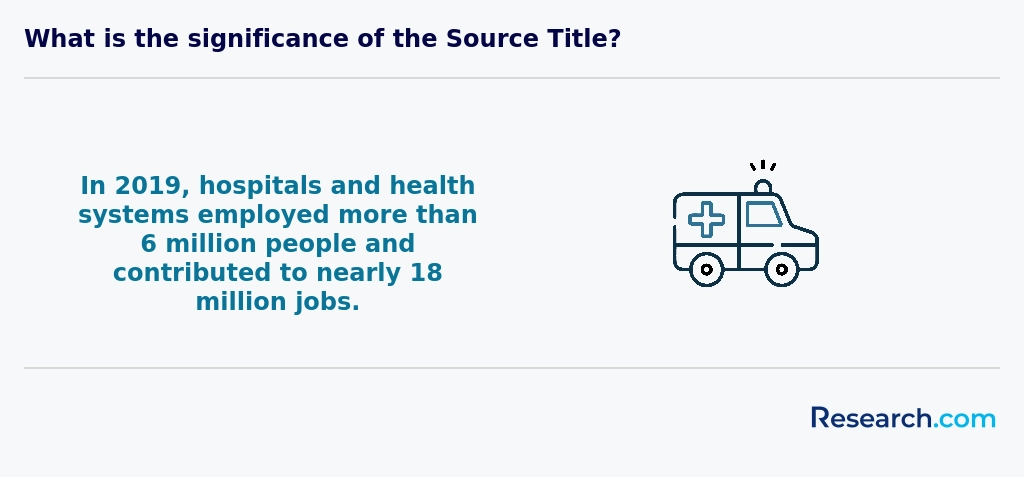
Kenosha's healthcare sector employs over 6,000 professionals, according to the Wisconsin Department of Workforce Development. Alumni networks facilitate access to this local job market through networking events and referrals.
Additionally, alumni connections can provide insights into the latest healthcare trends and employer expectations. Such engagement often leads to internships and job opportunities, increasing graduates' employment rates and career success.
Customizing your healthcare degree program in Kenosha allows you to align education with your career goals. Many local colleges offer flexible coursework, enabling you to choose electives in specialties like nursing, medical technology, or healthcare administration. For example, Gateway Technical College provides options to focus on practical skills relevant to Kenosha's growing healthcare market.
Internships and clinical placements at Kenosha-area hospitals and clinics help tailor your experience. They also build professional networks within the community.
Additionally, students can pursue certifications such as CPR or medical coding alongside their degree, increasing job readiness after graduation.
Data from the Wisconsin Department of Workforce Development highlights that healthcare roles in Kenosha have grown steadily, making customized education increasingly valuable.
Healthcare students in Kenosha often face significant challenges balancing rigorous academic demands with clinical training requirements. Many programs require extensive hands-on experience at local hospitals, which can be difficult to schedule alongside coursework. According to data from the Wisconsin Department of Health Services, clinical placements in Kenosha County are limited, creating competitive situations for students.
Financial strain is another common obstacle. Healthcare programs can be costly, and students often juggle part-time jobs or loans. The rising cost of tuition combined with living expenses in Kenosha poses a challenge, especially for those without access to robust financial aid.
Additionally, adapting to evolving healthcare technologies and maintaining mental wellness are ongoing concerns, as stress levels among healthcare students nationwide remain high.
With a healthcare degree in Kenosha, students can pursue various professional certifications to advance their careers. Common certifications include Certified Nursing Assistant (CNA), Licensed Practical Nurse (LPN), and Registered Nurse (RN), all recognized nationwide. For those interested in specialized fields, certifications like Certified Medical Assistant (CMA) or Physical Therapy Assistant (PTA) are also popular. According to the Wisconsin Department of Health Services, Kenosha County has seen growth in healthcare job opportunities, increasing the demand for certified professionals. These certifications typically require passing a state or national exam after completing specific educational and clinical requirements.
Certifications help improve employability and may lead to higher salaries. For example, the Bureau of Labor Statistics reports that certified nurses in Wisconsin earn on average 10-20% more than their uncertified peers. Continuing education is also encouraged to maintain credentials and stay current with healthcare standards. Kenosha's healthcare facilities, including Aurora Health Care and Kenosha Medical Center, often prefer hiring certified staff due to their proven skills and training. Students should explore available certification programs offered locally to align their education with career goals.
Writing a winning application for a healthcare program in Kenosha begins with understanding program requirements clearly. Most local institutions, like Gateway Technical College, expect a strong academic record in science courses including biology and chemistry. Highlight relevant volunteer or work experience in healthcare settings, which shows your commitment and practical knowledge.
Many programs value a well-crafted personal statement explaining your motivation and career goals in healthcare. According to the Wisconsin Department of Workforce Development, healthcare jobs in Kenosha County are projected to grow by over 10% through 2030, reflecting strong demand for skilled professionals.
Additionally, securing strong letters of recommendation from teachers or healthcare employers can significantly support your application. Make sure your application is error-free and submitted before deadlines to increase your chances of acceptance.
Globally, a healthcare career is highly valued due to increasing demand for skilled professionals. In the United States, including Kenosha, healthcare occupations are expected to grow by 16% from 2020 to 2030, much faster than the average for all jobs, according to the U.S. Bureau of Labor Statistics. This growth is driven by an aging population and advances in medical technology.
Kenosha County's healthcare sector employs a significant portion of the local workforce, with major hospitals and clinics offering diverse roles in nursing, therapy, and medical technology. Internationally, healthcare careers are recognized for their stability and opportunities for advancement, with many countries facing similar workforce shortages.
For students in Kenosha, understanding these global trends can help align their education with high-demand skills, increasing employability both locally and abroad.
Gaining practical experience while studying for a healthcare degree in Kenosha is essential to build skills and improve job prospects. Many local colleges incorporate clinical internships or practicum hours directly into their programs, allowing students to work in hospitals, clinics, or long-term care facilities.
For example, Herzing University in Kenosha offers hands-on training through partnerships with healthcare providers, where students complete supervised clinical rotations. These experiences expose students to real patient care and healthcare operations.
Additionally, volunteering opportunities in organizations like Kenosha Community Health Center provide valuable experience and networking within the local healthcare community.
According to the Wisconsin Department of Workforce Development, healthcare jobs in Kenosha County are projected to grow by over 10% through 2030, emphasizing the importance of practical experience for job readiness.
Choosing the right concentration within a healthcare degree program in Kenosha starts with understanding local job market demands. According to the Wisconsin Department of Workforce Development, healthcare occupations in Kenosha are projected to grow by over 12% by 2030, with strong demand in nursing, medical assisting, and health information technology. Prospective students should consider their interests and strengths alongside these trends.
Exploring program offerings at Kenosha-area institutions, such as Gateway Technical College, can clarify available specializations. Hands-on experience through internships and clinical placements in Kenosha's healthcare facilities also helps determine the best fit.
Additionally, review certification and licensure requirements in Wisconsin for each concentration to ensure the program aligns with your career goals.
Related Healthcare Rankings for Nearby Cities
- 2027 Best Healthcare Degree Programs Ranking in Toledo
- 2027 Best Healthcare Degree Programs Ranking in Cincinnati
- 2027 Best Healthcare Degree Programs Ranking in Saint Louis
- 2027 Best Healthcare Degree Programs Ranking in Columbus
- 2027 Best Healthcare Degree Programs Ranking in Minneapolis
- 2027 Best Healthcare Degree Programs Ranking in Cleveland
- 2027 Best Healthcare Degree Programs Ranking in Columbia
- 2027 Best Healthcare Degree Programs Ranking in Erie
- 2027 Best Healthcare Degree Programs Ranking in Omaha
- 2027 Best Healthcare Degree Programs Ranking in Pittsburgh
Top Trending Healthcare Rankings
See What Experts Have To Say About Studying Healthcare
Read our interview with Healthcare experts

References
- Education requirements for the fastest-growing healthcare jobs https://www.corridorcareers.com/job-tips/blog-news-education-requirements-fastest-growing-healthcare-jobs
- Medical Assistant Certification Kenosha Wisconsin - NPS https://npscerts.com/medical-assistant-certification-kenosha-wisconsin/
- HEALTH MANAGEMENT (THESIS / NON-THESIS) - Lisansüstü Eğitim Enstitüsü https://lee.nisantasi.edu.tr/en/health-management-thesis-non-thesis/
- Financial Assistance Options | Aurora Health Care https://www.aurorahealthcare.org/patients-visitors/billing-payment/financial-assistance
- Healthcare Careers & Accredited Degree Programs https://www.healthcaredegree.com/
- 3 Health Care Assistant cover letter examples [Get noticed] https://standout-cv.com/cover-letter-examples/health-care-assistant
- Niche Market Opportunities Research Among Healthcare Professionals (A Decision Analyst Case History https://www.decisionanalyst.com/casestudies/nichemarketopportunities/
- The Value of Healthcare Organization Alumni Associations https://consultqd.clevelandclinic.org/the-value-of-healthcare-organization-alumni-associations
- Public Health Nurse/Registered Nurse - Wisconsin Counties Association https://www.wicounties.org/job/public-health-nurse-registered-nurse/
- How to Choose a Health Administration Program https://www.healthadministrationdegrees.com/articles/choosing-a-program/


