2027 Best Healthcare Degree Programs Ranking in Cleveland

Co-Founder and Chief Data Scientist
Choosing the right healthcare degree program in Cleveland can shape your future and career success. Our article features the 2027 Best Healthcare Degree Programs Ranking in Cleveland, crafted by the Research.com team of data scientists to provide clear, trustworthy insights.
By exploring this ranking, you'll discover which programs stand out for quality and value, helping you make an informed decision. Pursuing a healthcare degree opens doors to meaningful work and personal growth. Let this guide support your journey toward a rewarding healthcare career.
Key benefits of getting healthcare degree in Cleveland
- Healthcare degree graduates in Cleveland can expect competitive salaries, such as $43,350 annually for Medical Assistants and Clinical Research Coordinators, $60,790 for Patient Care Technicians, and up to $103,150 for Quality Improvement Coordinators, offering strong financial stability.
- Graduates from Cleveland State University, for example, can explore diverse career paths including clinical roles, health information management, and research coordination, giving them flexibility and growth opportunities in various healthcare settings.
- Obtaining a healthcare degree online from an accredited Cleveland institution allows for flexible study schedules and balances work-life demands, making education more accessible while maintaining the quality needed for success in healthcare careers.
- 2027 Best Healthcare Degree Programs Ranking in Cleveland
- What can I expect from healthcare degree in Cleveland?
- Where can I work with healthcare degree in Cleveland?
What can I expect from healthcare degree in Cleveland?
The average cost of a healthcare degree in Cleveland typically ranges from $20,000 to $35,000 per year, depending on the institution and program. For example, graduates from Case Western Reserve University often report higher tuition costs balanced by extensive clinical training and research opportunities that justify the investment. Many students feel the moderate tuition fees are manageable given the city's strong support for practical experience through partnerships with Cleveland Clinic and University Hospitals.
Graduates describe the blend of classroom knowledge and hands-on clinical placements as invaluable, often citing the direct exposure to a dynamic healthcare setting. This real-world training enhances their readiness for employment, making the tuition expenses feel worthwhile.
Compared to other major metropolitan areas, Cleveland's healthcare programs offer accessible pricing without compromising quality. This affordability, combined with a projected 12% healthcare employment growth rate through 2030 in the region, makes pursuing a healthcare degree here a financially and professionally promising choice.
Where can I work with healthcare degree in Cleveland?
Healthcare degree graduates in Cleveland have access to robust employment opportunities across clinical, administrative, research, and technological sectors. Leading hospitals like the Cleveland Clinic and University Hospitals Cleveland Medical Center employ graduates in nursing, therapy, medical technology, and healthcare administration, providing a variety of rewarding roles. Many graduates recall gaining hands-on clinical experience that directly enhanced their job readiness.
Outpatient care centers are rapidly expanding, reflecting a national trend highlighted by the U.S. Bureau of Labor Statistics, and create additional pathways for ongoing patient care careers. Public health departments in Cleveland and Cuyahoga County offer roles focused on community health improvement and emergency preparedness, which attract graduates passionate about population health and policy.
Graduates from institutions such as Case Western Reserve University emphasize opportunities in medical research and clinical trials, a sector growing alongside Cleveland's innovation in healthcare technology. Many find fulfilling careers in elder care and rehabilitation centers, aligned with Ohio's demand for nursing assistants and home health aides. This diversity allows students from Cleveland's colleges to translate their degrees into meaningful work that impacts lives daily.
Graduates with healthcare degrees from institutions like Cuyahoga Community College or Cleveland State University typically enter the workforce with salaries aligned to regional data. For example, medical assistants start with a mean annual wage of about $43,350 in Cleveland, reflecting entry-level opportunities in clinical settings. Patient care technicians, often hired by major healthcare providers such as the Cleveland Clinic, earn substantially more, with an average salary near $60,790.
Health information technicians from local programs often begin at a comparable salary level to medical assistants, around $43,380 annually, offering solid pathways into health administration roles. Clinical research coordinators, another common role for graduates, also earn mean wages close to $43,350, highlighting the variety of clinical support roles available.
Those aiming for leadership or specialized positions, such as quality improvement coordinators, can expect salaries exceeding $100,000 annually, showcasing significant career growth potential within Cleveland's healthcare system. Graduates often express enthusiasm about these promising salary trajectories, especially given Cleveland's expanding healthcare sector and strong institutional presence.
- Cleveland offers various accredited healthcare programs at community colleges and universities, including nursing, medical technology, and healthcare administration.
- In-state tuition at public universities ranges from $8,000 to $12,000 per year, while private schools charge between $25,000 and $35,000 annually.
- Community colleges provide more affordable options, with healthcare diplomas or associate degrees costing around $4,000 to $6,000 per year.
- Entry-level healthcare salaries in Cleveland range from $55,000 to $65,000, with experienced professionals earning $80,000 or more annually.
- The healthcare job market in Cleveland is projected to grow by about 15% over the next decade, supporting strong job security and career growth.
- Partnerships between schools and local medical centers provide ample clinical training opportunities to enhance real-world skills and employability.
Completing a healthcare degree in Cleveland typically ranges from two to eight years, depending on the level of education chosen. Graduates from Cuyahoga Community College often complete associate degrees in about two years, preparing for hands-on roles like medical assistants or EMTs. At the bachelor's level, institutions like Cleveland State University and Case Western Reserve University offer four-year programs in nursing and health sciences that align with industry standards. Many graduates express satisfaction with the thorough preparation these programs provide, enabling them to enter the workforce confidently.
Advanced degrees add more time but open leadership opportunities. For example, pursuing a master's in healthcare administration usually takes an additional two years, a path favored by professionals aiming for management positions. Doctoral programs, such as those offered at Case Western Reserve, generally require three to five years beyond a bachelor's or master's and prepare students for research or clinical specialization, a goal that many find highly rewarding.
Flexible scheduling options at Cleveland schools also allow working students to balance income and education, sometimes extending completion time but maintaining financial stability.
Navigating the application process for a healthcare degree in Cleveland can feel daunting, but with a clear strategy, you can strengthen your candidacy and secure your spot in a top program. Start by carefully reviewing each institution's application requirements and deadlines, which often include transcripts, standardized test scores, letters of recommendation, and personal essays. Tailor your application to highlight any clinical or volunteer experiences that demonstrate your commitment to patient care and community health-a quality highly valued by Cleveland’s healthcare institutions. It’s also essential to craft a compelling personal statement that underscores your passion for healthcare, outlines your career goals, and explains why you’re a great fit for the program. Don’t hesitate to reach out to admissions counselors for guidance; many schools in Cleveland offer virtual information sessions and workshops to help prospective students navigate the process. If you’re exploring flexible learning options, consider reviewing programs that offer remote study formats-for example, you can learn about the cheapest online healthcare school in ohio to see if an affordable online option fits your educational needs. Finally, be proactive in preparing for interviews and stay organized by keeping track of submission dates and required documentation. By following these tips and leveraging available resources, you can confidently move forward in the admissions process and take an important step toward a fulfilling career in Cleveland’s dynamic healthcare landscape.
On-campus healthcare degrees in Cleveland, such as those offered by Case Western Reserve University or Cleveland State University, emphasize in-person learning and practical skill development. Graduates often highlight the value of face-to-face interactions with professors and peers, plus access to hands-on lab work and clinical rotations easily coordinated through local hospital partnerships. This immersive environment helps students build strong professional networks and gain direct experience under supervision.
Conversely, online healthcare programs provide flexibility that suits working adults balancing jobs or family commitments. Coursework delivered through video lectures and virtual simulations allows students in Cleveland's healthcare industry to study without geographic constraints. However, these programs still require clinical hours, which students arrange locally, combining convenience with essential real-world practice. Graduates appreciate the ability to tailor their schedules while maintaining access to accredited programs.
Cost differences are notable; on-campus tuition ranges approximately from $15,000 to $30,000 annually, often higher at private schools, and includes additional expenses like housing and commuting. Online programs might offer reduced tuition or fees but vary by institution. Students value understanding these trade-offs when selecting the ideal learning format.
The average total cost of obtaining a healthcare degree in Cleveland is approximately $74,744, with in-state students typically paying around $58,004. These figures provide a realistic baseline for prospective students budgeting their education journey in healthcare fields. Graduates from local public universities such as Cleveland State University often report that managing these costs is achievable through a combination of careful financial planning and leveraging available support. Their experiences underscore the value of attending a public institution where tuition is comparatively lower while still receiving quality healthcare education.
Students pursuing healthcare degrees in private institutions like Case Western Reserve University usually encounter higher costs, reflecting the advanced facilities and clinical opportunities available. For many, the investment in a private school translates into expansive hands-on experiences and strong professional networking that justify the price. These graduates frequently express satisfaction with their education outcomes despite the steep tuition, affirming the return on investment for a healthcare degree in Cleveland.
Beyond tuition, additional expenses such as clinical fees, textbooks, and certification exams add to the total cost, often ranging from $2,000 to $5,000 annually. This means the total cost of healthcare degree Cleveland students face includes various components that must be accounted for in financial planning.
Financial aid and employer tuition reimbursement programs are key resources that many prospective students rely on to offset these costs. For those seeking more affordable options, exploring the cheapest online healthcare school in ohio could be a practical step toward a budget-conscious healthcare education.
Graduates of healthcare programs in Cleveland must secure state licensure or professional certification before entering practice. Each career path has specific requirements enforced by Ohio’s licensing boards and national organizations. Understanding these steps early can streamline your transition from student to healthcare professional and ensure compliance with regulatory standards. Key licensure and certification steps include:
- Registered Nurse (RN): Graduate from a CCNE- or ACEN-accredited nursing program, pass the NCLEX-RN exam, and apply for licensure through the Ohio Board of Nursing.
- Health Information Technician (RHIT): Earn an AHIMA-accredited degree and pass the RHIT certification exam administered by the American Health Information Management Association.
- Healthcare Administrator: While state licensure is not required, consider earning credentials like the Certified Healthcare Executive (FACHE) through the American College of Healthcare Executives to boost employability.
- Physical Therapist Assistant (PTA): Complete a CAPTE-accredited program, pass the National Physical Therapy Examination (NPTE) for PTAs, and apply for licensure. For flexible study options, explore accredited online physical therapist assistant associate in science programs that prepare you for the NPTE. Continuing education is mandatory in Ohio, with most boards requiring 24–30 hours of approved coursework every two years. Graduates should verify renewal deadlines and approved providers on the Ohio eLicense portal. By meeting these certification and licensing standards, you’ll be fully prepared to launch a compliant, rewarding healthcare career in Cleveland.
Healthcare students in Cleveland typically rely on a mix of federal, state, local, and private financial aid to offset costs, which range from $10,000 to $30,000 annually depending on the institution and program level. Federal options like the FAFSA open access to Pell Grants, offering need-based funds that do not require repayment, alongside low-interest federal student loans. Graduates from Cleveland Clinic's affiliated programs often recall Pell Grants significantly easing their tuition burden.
Local scholarships from Cleveland-area institutions such as University Hospitals provide targeted awards for nursing and allied health students. Many scholarships reward academic excellence and financial need, motivating students through opportunities directly linked to Cleveland's healthcare workforce demands.
The Ohio College Opportunity Grant additionally supports Ohio residents attending in-state public colleges, directly lowering tuition fees for healthcare majors. Graduates frequently express relief at combining this with employer tuition assistance, common in Cleveland's large hospital systems, which helps working students balance jobs and education.
Finally, private scholarships from healthcare associations and local nonprofits further enhance affordability, making healthcare education in Cleveland more accessible and sustainable for many students.
Cleveland's dynamic healthcare landscape is evolving rapidly, integrating emerging technological innovations and shifting patient care models. As the city continues to invest in state-of-the-art medical facilities and digital health solutions, students entering the field can expect a wealth of opportunities that align with these advancements. Current trends such as telemedicine, data-driven care, and patient-centered service models are creating a robust environment where practical skills and digital proficiency are highly valued. This foresight helps prospective students align their educational paths with not only today's market needs but also tomorrow's industry demands. Moreover, local healthcare institutions and research centers are collaborating on initiatives that expand community outreach and improve overall patient outcomes. Emerging roles like health informatics specialists and telehealth coordinators are becoming increasingly important, ensuring graduates are well-prepared for diverse career avenues. Balancing quality education with affordability is key, and for those looking for cost-effective solutions, exploring options like the cheapest online healthcare school in ohio can be a strategic step toward a promising career. Embracing both current trends and forward-thinking educational strategies will give you a competitive edge in Cleveland's ever-evolving healthcare market.
Enrolling in healthcare degree programs in Cleveland typically requires a high school diploma with coursework in biology, chemistry, mathematics, and English, ensuring foundational knowledge crucial for success. Many students at institutions like Cuyahoga Community College or Cleveland State University report that submitting SAT or ACT scores remains important, though test-optional policies provide flexibility based on individual academic records.
Healthcare students, especially those pursuing nursing or allied health fields, often face additional prerequisites such as completing college-level anatomy, physiology, microbiology, and chemistry courses. Graduates describe maintaining a GPA between 2.5 and 3.0 as essential to remain competitive for program acceptance.
Clinical training mandates students submit proof of immunizations, health screenings, and sometimes background checks and drug tests. Those aiming for graduate degrees, like a Physician Assistant program at Case Western Reserve University, highlight the necessity of a bachelor's degree with relevant science coursework, healthcare experience, GRE scores, and strong personal statements.
These clear, structured requirements ensure students are well-prepared and confident stepping into Cleveland's healthcare education environment, contributing to their academic and professional success.

In addition to traditional degree pathways, many aspiring healthcare professionals are turning to accelerated training and certification programs as a way to quickly gain industry-relevant skills and enter the workforce. These programs offer focused curricula that cover essential topics-including clinical procedures, patient care fundamentals, and administrative competencies-in significantly less time than a conventional degree. For example, students looking to jumpstart their careers might explore a 6 week medical assistant program, which is designed to provide hands-on training and immediate exposure to the fast-paced healthcare environment. Accelerated programs are typically developed in collaboration with industry professionals and local healthcare providers, ensuring that course content aligns with current job market demands and technological trends. This approach not only bolsters a student’s practical skills but also enhances their employability by delivering certifications that are recognized by employers across Cleveland and beyond. Moreover, many of these programs offer flexible scheduling options-ideal for working adults or those looking to transition careers-while also fostering networking opportunities through internships and clinical placements. By integrating these accelerated training options into your education strategy, you can gain valuable, in-demand skills rapidly and position yourself competitively within the evolving healthcare landscape. This section highlights the importance of considering alternative educational paths that complement traditional degree programs and provide a swift route to beginning a rewarding career in healthcare.
Healthcare degree programs in Cleveland commonly encompass comprehensive courses such as human anatomy and physiology, microbiology, pathology, and pharmacology. Graduates from local institutions often recount how mastering medical terminology was crucial for effective communication during clinical rotations at major healthcare centers like Cleveland Clinic or University Hospitals.
Courses in healthcare ethics and law equip students to navigate complex professional scenarios with confidence, reflecting the legal realities they will face in their careers. Additionally, healthcare management and policy classes provide insight into operational and regulatory aspects unique to Cleveland's healthcare system, fostering a practical understanding of industry workflows.
Clinical practicums or internships form a substantial part of the curriculum, offering hands-on experience that graduates describe as both challenging and rewarding. This real-world exposure at well-regarded local hospitals solidifies theoretical knowledge and enhances readiness for licensure and employment. Many students appreciate how these practical experiences build their confidence and deepen their commitment to patient care in Cleveland's dynamic medical environment.
Healthcare degree specializations in Cleveland commonly include Nursing tracks such as Registered Nursing (RN) and Nurse Practitioner (NP), often with focused areas like Pediatric or Geriatric Nursing. Graduates from institutions like Case Western Reserve University report gaining hands-on experience through clinical rotations in local hospitals, which deepens their confidence and practical skills. Healthcare Administration is another popular path, preparing students for leadership roles in hospitals, clinics, and public health, aligning with Cleveland's robust healthcare systems.
Other key specializations are Medical Laboratory Science, Physical and Occupational Therapy, and Public Health-emphasizing community health and epidemiology vital to Cleveland's diverse population. Respiratory Therapy is growing rapidly, responding to urban health challenges. Students at Cuyahoga Community College highlight how accessible programs complement their career goals efficiently.
Those considering a shorter path might explore a 6 week medical assistant program to quickly enter the workforce. Overall, the top healthcare programs Cleveland offers reflect strong alignment between local industry demand and educational opportunities.
To choose the best healthcare degree in Cleveland, start by pinpointing your specific area of interest, whether nursing, health administration, or medical technology. Graduates from Cleveland's prominent institutions often emphasize the value of programs accredited by bodies like CAAHEP or CCNE, which assure quality and industry recognition. Considering Cleveland's healthcare sector prominence, programs connected with local hospitals such as the Cleveland Clinic offer invaluable clinical rotations that greatly enhance employability.
Cost is a critical factor; for instance, public bachelor's healthcare programs in Ohio average $11,000 annually for in-state students and rise to $27,000 out-of-state. Graduates recommend assessing affordability alongside flexible options like part-time study or online courses-for example, many explore online physical therapist assistant associate in science programs for balancing education and life.
Among the best healthcare degree programs Cleveland offers, students often value strong academic advising and the robust healthcare job market, which creates positive, confidence-building experiences throughout their education journey.
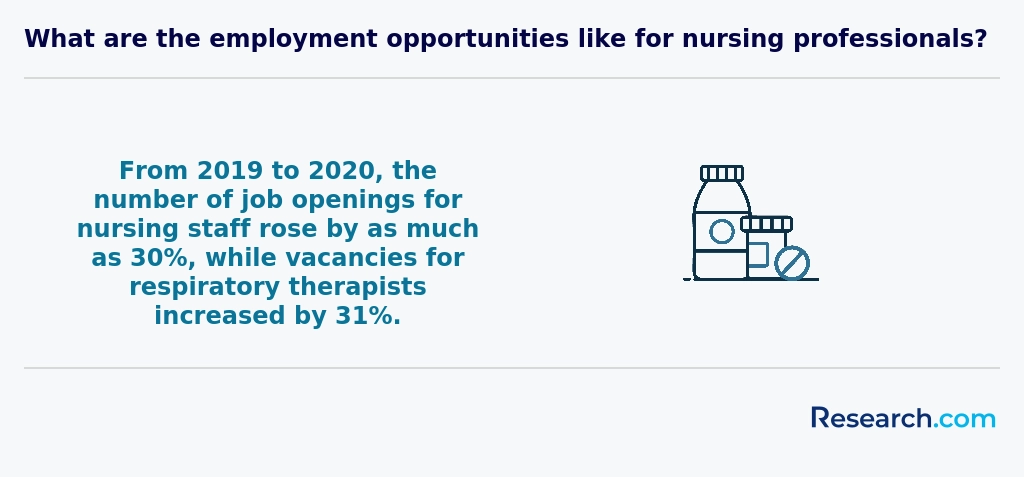
Healthcare degree jobs in Cleveland Ohio span a variety of roles across the city's extensive medical sector. Graduates from institutions like Case Western Reserve University and Cuyahoga Community College often find nursing positions at renowned employers such as the Cleveland Clinic, where median registered nurse salaries reach approximately $72,000 annually. This demand, driven by an aging population, makes nursing a stable and rewarding career.
Other graduates have pursued roles as medical technologists or lab technicians, supporting critical diagnostic work. The Greater Cleveland Partnership highlights growth in these jobs, ensuring ample employment options. Healthcare administration is another attractive path; health services managers in Ohio earn averages near $100,000, reflecting the region's need for leadership in increasingly complex healthcare organizations.
Specialized careers including physical therapy, radiologic technology, and pharmacy are also popular. Cleveland pharmacists earn median salaries close to $125,000, and graduates often describe fulfilling experiences working in rehabilitative and pharmaceutical services. Many students also explore opportunities in healthcare technology, such as health informatics and telemedicine, discovering promising paths aligned with national trends.
Those concerned with education costs can refer to Low Cost Online Healthcare Degree Programs Ranking in Peoria, IL to balance affordable tuition with strong career prospects in the region. Students appreciate the financial feasibility and practical training Cleveland offers when planning these healthcare career opportunities in Cleveland.
The job market for healthcare degree holders in Cleveland is robust and growing, supported by major institutions like the Cleveland Clinic and University Hospitals. Graduates find ample healthcare job opportunities in Cleveland, particularly for registered nurses, healthcare administrators, and specialized technicians. For instance, registered nurses in this region face over 3,000 annual openings, reflecting sustained demand linked to the aging population.
Graduates from local universities often share positive experiences about securing employment soon after finishing their degrees, which reinforces Cleveland's strong healthcare degree employment outlook. Employers highly value the skill sets gained at institutions known for aligning their programs with local healthcare needs. Salary levels are competitive, with registered nurses earning an average of around $68,000, balanced by lower living costs in Cleveland.
Prospective students also benefit from relatively affordable tuition at Cleveland's public colleges compared to national averages. Many consider enrolling in a 6 month online course with high salary as a fast track to entering this expanding job market, making the investment in a healthcare degree in Cleveland both promising and practical.
2027 Best Healthcare Degree Programs Ranking in Cleveland
Investing in your education is a significant decision that can shape your future, and the Research.com team understands the importance of making informed choices. To assist prospective students in Cleveland, we have meticulously crafted the "2027 Best Healthcare Degree Programs Ranking in Cleveland." Our commitment to quality, credibility, and accuracy is reflected in the extensive research and analysis conducted to compile this ranking.
We utilized the following reputable data sources to ensure a comprehensive evaluation of healthcare degree programs:
By exploring this ranking, readers will gain valuable insights into the best healthcare degree programs available in Cleveland, helping them make informed decisions about their educational paths. For more details on our methodology, please visit our Research.com methodology page.


Frequently Asked Questions About healthcare
Healthcare degree students in Cleveland can maximize their learning experience by engaging in hands-on clinical training at the city's renowned hospitals, such as the Cleveland Clinic and University Hospitals. These institutions provide critical exposure to diverse medical cases, enhancing practical skills beyond classroom knowledge.
Students should also take advantage of internship and volunteer opportunities within Cleveland's robust healthcare network, which employs over 160,000 people, according to the Greater Cleveland Partnership. This involvement boosts real-world experience and professional networking.
Finally, utilizing research resources and attending local healthcare seminars enriches academic understanding, as the city hosts numerous medical conferences yearly that focus on innovations in healthcare practices.
Emerging niches within the healthcare field in Cleveland reflect nationwide trends driven by technological advances and demographic shifts. One rapidly growing area is telehealth, which expanded significantly during the COVID-19 pandemic. Cleveland Clinic reports a 3,000% increase in virtual visits since 2019, highlighting strong local demand for professionals skilled in digital healthcare delivery.
Another key niche is gerontology, as Cleveland's aging population requires specialized care. Ohio Department of Health data shows that 17% of Cuyahoga County residents are over 65, increasing the need for geriatric nursing and chronic disease management experts.
Precision medicine is also gaining prominence, employing genetic information for personalized treatments. Institutions like Case Western Reserve University are driving research and education in this innovative field, offering new opportunities for students.
Preparing for the job market after completing a healthcare degree in Cleveland involves several strategic steps. Graduates should first seek relevant clinical or internship experiences offered by local hospitals such as the Cleveland Clinic and University Hospitals, which are major employers in the region.
Networking is crucial. Attending healthcare career fairs and joining professional organizations like Ohio Health Care Association can improve job prospects by connecting students with employers. Additionally, staying informed of regional employment trends is valuable; Cleveland's healthcare sector continues to grow, with a projected 15% increase in healthcare jobs over the next decade according to the Ohio Department of Job and Family Services.
Certification and licensure requirements must be fulfilled promptly to qualify for many positions. Finally, developing strong communication and technical skills, including proficiency with electronic health records, will enhance employability in Cleveland's competitive healthcare environment.
Employers in Cleveland's healthcare sector prioritize a combination of technical and interpersonal skills in graduates. According to the Cleveland Clinic and local healthcare providers, clinical competence and proficiency with electronic health records (EHR) systems are essential. The ability to accurately assess patient needs and administer treatments safely ranks high.
Communication skills, both verbal and written, are also vital, as coordination among medical teams and patient interactions require clarity and empathy. Problem-solving and critical thinking help graduates adapt to evolving healthcare technologies and procedures.
Additionally, knowledge of local health regulations and cultural competency is increasingly valued to serve Cleveland's diverse population effectively.
Finding internships in Cleveland for healthcare degrees involves exploring partnerships between local colleges and healthcare providers. Many institutions, such as Case Western Reserve University and Cuyahoga Community College, have established connections with hospitals and clinics across the city. These affiliations often provide students direct access to internship listings and application support.
The Cleveland Clinic, one of the largest medical centers in the U.S., offers numerous internship programs annually, especially in nursing, public health, and allied health fields. According to Cleveland Clinic reports, over 1,000 students get internship opportunities yearly, reflecting the region's robust healthcare sector.
Students should also utilize online portals like Handshake or local job centers that specialize in healthcare roles. Additionally, networking through professional organizations such as the Greater Cleveland Healthcare Partnership can increase internship prospects by providing mentorship and job fairs dedicated to healthcare careers.
Obtaining a healthcare degree in Cleveland significantly enhances career mobility and advancement opportunities. The region's healthcare industry is robust, with over 160,000 workers employed in healthcare and social assistance as of 2023, according to the Ohio Department of Job and Family Services. Degrees such as nursing, health administration, and allied health are highly valued by local employers including the Cleveland Clinic and University Hospitals.
Graduates with specialized healthcare training often experience higher earnings and quicker access to leadership roles. For example, Cleveland's demand for registered nurses is projected to grow by 15% from 2020 to 2030, according to the Bureau of Labor Statistics.
Additionally, healthcare degrees offer pathways for certifications that further improve employability and promotion prospects within Cleveland's competitive job market.
Studying for a healthcare degree in Cleveland offers strong preparation for interdisciplinary roles due to the city's diverse medical landscape. Cleveland is home to world-renowned institutions like the Cleveland Clinic, which fosters collaboration among specialists, researchers, and healthcare professionals. This environment allows students to engage in practical experiences emphasizing teamwork across different healthcare fields.
Academic programs in Cleveland typically integrate coursework in communication, ethics, and healthcare technology, aiming to develop skills necessary for collaborative practice. According to the Cleveland Department of Public Health, interdisciplinary teams have contributed to improved patient outcomes regionally, highlighting the importance of such training.
Furthermore, clinical placements and internships commonly involve working alongside multiple healthcare disciplines, giving students direct exposure to comprehensive patient care. This experiential learning is critical for understanding the interconnected roles within healthcare systems in Cleveland and beyond.
Choosing between a thesis and a non-thesis healthcare degree program in Cleveland depends largely on your career goals and learning preferences. Thesis programs typically involve conducting original research and writing a detailed paper, which can be essential if you plan to pursue doctoral studies or a research-based career. Non-thesis programs tend to focus more on practical skills and coursework, preparing students for clinical or administrative roles in healthcare.
In Cleveland, institutions like Case Western Reserve University offer thesis options geared toward research-intensive healthcare fields, while programs at Cuyahoga Community College emphasize applied skills without a thesis. According to the Ohio Department of Higher Education, Cleveland's healthcare sector grew by over 3% in 2023, increasing demand for both practical and research skills.
Consider factors such as time commitment, interest in research, and professional objectives before deciding. Speaking with academic advisors and healthcare employers in Cleveland can provide valuable insights tailored to local industry needs.
Students based in Cleveland who wish to study healthcare abroad have several pathways available within the U.S. higher education system. Many Cleveland institutions, such as Case Western Reserve University, offer exchange programs and partnerships with international universities, allowing students to gain global experience while earning credits. According to the Institute of International Education, approximately 15% of U.S. healthcare students participate in study-abroad programs focused on public health and clinical research.
Additionally, programs accredited by bodies like the Commission on Accreditation of Healthcare Management Education (CAHME) often include international internship options. These experiences expose students to different healthcare systems, enhancing their understanding of global health challenges.
Such options provide Cleveland healthcare students with valuable perspectives, preparing them for careers in an increasingly interconnected healthcare environment.
Students pursuing healthcare degrees in Cleveland have access to various part-time job opportunities that complement their education. Working as a medical assistant or an administrative aide in local hospitals like Cleveland Clinic or University Hospitals allows hands-on experience with patient care and medical office operations. According to the U.S. Bureau of Labor Statistics, these roles typically require minimal certification, making them accessible for students.
Phlebotomy technician positions are also in demand, offering practical skills in blood collection and patient interaction. Local clinics and labs often seek part-time help, which can enhance a student's resume.
Additionally, positions such as pharmacy technicians or physical therapy aides provide exposure to specialized healthcare fields, fostering critical skills and professional networking.
Cleveland offers healthcare students a variety of valuable networking opportunities. The city is home to the Cleveland Clinic, one of the largest and most respected health systems in the U.S., which frequently hosts workshops, seminars, and career fairs open to students. Local universities like Case Western Reserve University also organize networking events, connecting students with healthcare professionals and researchers.
Students can join regional associations such as the Cleveland Medical Library Association or participate in internships within local hospitals and community clinics. These experiences help build professional relationships essential for career growth.
According to the Greater Cleveland Partnership, healthcare accounts for over 20% of jobs in the region, highlighting the strong local industry presence and numerous opportunities for student engagement.
Alumni networks play a crucial role for healthcare degree students in Cleveland by providing access to a broad community of professionals. These networks offer mentorship opportunities, career advice, and potential job placements in local hospitals and clinics. Cleveland is home to top healthcare institutions like the Cleveland Clinic and University Hospitals, making these connections invaluable for practical experience and employment.
According to the Cleveland Foundation, strong alumni ties increase job placement rates by up to 20% among healthcare graduates in the region. Additionally, alumni events and online platforms foster knowledge sharing, helping students stay updated with industry trends and best practices.
Such networks also support continuing education and professional development, essential for healthcare workers to maintain licenses and certifications. Overall, alumni networks in Cleveland create a supportive environment that enhances students' career readiness and professional growth.
Customizing a healthcare degree program in Cleveland allows students to align education with specific career goals. Many local institutions offer flexible course options, including electives in areas like public health, healthcare administration, or clinical specialties.
Students can often select internships or clinical placements in renowned Cleveland medical centers, such as the Cleveland Clinic, offering practical experience tailored to their interests. According to the Cleveland Department of Public Health, healthcare roles in the region emphasize interdisciplinary skills, encouraging coursework in communication and technology.
Additionally, certificate programs or minors in related fields can complement core healthcare studies. This approach enhances qualifications and prepares graduates for diverse roles in Cleveland's expanding healthcare market, expected to grow by 15% through 2030 per the Bureau of Labor Statistics.
Healthcare students in Cleveland face several common challenges while pursuing their degrees. One major issue is balancing rigorous coursework and demanding clinical rotations, which often require many hours outside traditional class time. According to the Cleveland Clinic's education reports, students frequently report stress related to time management and workload intensity. Financial pressures also impact students, as tuition and related costs have increased nationally, and Cleveland's average student debt for healthcare programs aligns with this trend.
Additionally, gaining access to quality clinical placements can be competitive due to the high number of applicants at Cleveland's top medical institutions.
Networking and securing mentorships within Cleveland's healthcare community is crucial but can be challenging for newcomers without established contacts. Finally, healthcare students must stay updated on constantly evolving healthcare regulations and technologies, a difficulty noted in a 2023 study by Case Western Reserve University.
With a healthcare degree in Cleveland, graduates can pursue numerous professional certifications to advance their careers. Common certifications include Certified Nursing Assistant (CNA), Registered Nurse (RN), and Licensed Practical Nurse (LPN). For those interested in specialized roles, certifications like Certified Medical Assistant (CMA) and Medical Coding Specialist are popular choices.
Many Cleveland healthcare facilities, such as the Cleveland Clinic, support employees obtaining certifications recognized nationwide. This region demands highly skilled professionals due to its growing healthcare sector, which employs over 100,000 workers, according to the Greater Cleveland Partnership.
Additional certifications, like Certified Health Education Specialist (CHES) or Registered Health Information Technician (RHIT), can enhance job prospects in administrative or community health roles.
To write a winning application for a healthcare program in Cleveland, start by thoroughly researching the schools you are interested in. Cleveland hosts renowned institutions like Case Western Reserve University, known for its strong healthcare curriculum. Admissions committees value clear, concise personal statements that highlight your passion for healthcare, relevant experience, and career goals.
Ensure your application includes strong letters of recommendation, preferably from healthcare professionals or academic mentors familiar with your skills and dedication. Cleveland's healthcare job market is competitive, so emphasize any practical experience or volunteer work at local hospitals such as Cleveland Clinic or University Hospitals.
Test scores and academic records matter, but holistic review processes increasingly consider applicants' community involvement and leadership. According to the Cleveland Department of Public Health, healthcare-related volunteerism is highly regarded. Pay attention to deadlines and tailor each application to the specific healthcare program's requirements.
Healthcare careers are increasingly recognized worldwide for their vital role in improving public health. In the US, and specifically in Cleveland, healthcare remains one of the fastest-growing employment sectors. According to the Cleveland Clinic, one of the largest employers in the area, the demand for qualified healthcare professionals is driven by an aging population and advances in medical technology.
Globally, healthcare education emphasizes adaptability and cultural competence to serve diverse populations. US programs, including those in Cleveland, align with these trends by incorporating global health perspectives into their curricula.
This approach prepares students to work in various healthcare systems or participate in international health initiatives. For prospective Cleveland students, understanding these global aspects can enhance career flexibility and impact.
Gaining practical experience while studying for a healthcare degree in Cleveland is essential to building relevant skills and improving job prospects. Many Cleveland institutions-including Case Western Reserve University and Cleveland State University-offer clinical rotations and internships as part of their healthcare programs.
Students can engage in hands-on learning at major local medical centers such as the Cleveland Clinic and University Hospitals, which collectively employ tens of thousands of healthcare professionals. These partnerships provide valuable exposure to real-world healthcare environments.
Additionally, volunteering or part-time work in hospitals, nursing homes, or community health organizations can complement formal training. According to the Ohio Board of Nursing, clinical hours are required for licensure, so structured practical experience is both common and necessary.
When choosing the right concentration within a healthcare degree program in Cleveland, start by assessing your career goals and interests. Healthcare offers diverse paths like nursing, public health, health informatics, and biomedical sciences. Research Cleveland's healthcare market - Cleveland Clinic and University Hospitals employ tens of thousands and often favor candidates with specialized training.
Consider the availability of internships or clinical placements in Cleveland, which enhance practical experience. Data from the Cleveland Department of Public Health shows growing demand for professionals in gerontology and chronic disease management, reflecting local population needs.
Finally, compare program accreditation and graduation outcomes to ensure quality education aligned with your specialization choice.
- 2027 Best Healthcare Degree Programs Ranking in Erie
- 2027 Best Healthcare Degree Programs Ranking in Toledo
- 2027 Best Healthcare Degree Programs Ranking in Pittsburgh
- 2027 Best Healthcare Degree Programs Ranking in Columbus
- 2027 Best Healthcare Degree Programs Ranking in Buffalo
- 2027 Best Healthcare Degree Programs Ranking in Cincinnati
- 2027 Best Healthcare Degree Programs Ranking in Rochester
- 2027 Best Healthcare Degree Programs Ranking in Harrisonburg
- 2027 Best Healthcare Degree Programs Ranking in Wilkes-Barre
- 2027 Best Healthcare Degree Programs Ranking in Syracuse
See What Experts Have To Say About Studying Healthcare
Read our interview with Healthcare experts

- The Healthcare Student’s Guide to Internships | EduMed.org https://www.edumed.org/resources/student-online-guide-to-internships/
- Overcoming Common Challenges in Nursing School: Tips for Success - American Healthcare Institute https://amhealthinstitute.com/blog/overcoming-common-challenges-in-nursing-school-tips-for-success/
- Alumni Reconnect - Poznan University of Medical Sciences https://pums.edu.pl/alumni-friends/alumni-reconnect/
- Medical Assistant Program Tuition & Cost | Cleveland Medical Assistant School https://clevelandmedicalassistant.com/tuition/
- Home https://jobs.clevelandclinic.org/
- Master of Science in Health Sciences https://grad.engagecsu.com/program/master-science-health-sciences
- Average Cost of Medical School [2025]: Yearly + Total Costs https://educationdata.org/average-cost-of-medical-school
- Financial Assistance https://my.clevelandclinic.org/patients/billing-finance/financial-assistance
- 20 healthcare investment niches and 3 things to know: The evolution of ... https://blackbookmarketresearch.com/20-healthcare-investment-niches-and-3-things-to-know-the-evolution-of
- Building Your Network of Doctors and Medical Students - Medic Mentor https://medicmentor.org/building-your-network-of-doctors-and-medical-students/