2027 Easiest Online Healthcare Degree Programs Ranking in San Francisco, CA

Co-Founder and Chief Data Scientist
Choosing the right healthcare degree can feel overwhelming, especially with so many options available online. To help you navigate this journey, our article presents the 2027 Easiest Online Healthcare Degree Programs Ranking in San Francisco, CA, created by the Research.com team of data scientists.
This ranking is designed to guide you toward programs that balance quality and accessibility, making your path to a healthcare career smoother. Whether you're starting fresh or advancing your education, discovering the right program can boost your confidence and open rewarding opportunities.
Explore these options and take a positive step toward a fulfilling future in healthcare.
Key benefits of getting online healthcare degree in San Francisco
- Salary benefits: Graduates with healthcare degrees can expect competitive salaries, such as a Patient Care Technician earning around $60,790 annually or a Quality Improvement Coordinator making up to $103,150 per year, ensuring strong financial stability.
- Career paths: A healthcare graduate from a popular San Francisco college often explores roles like Medical Assistant or Health Information Technician, gaining versatile job options in hospitals, clinics, and research settings.
- Online degree advantages: Earning a healthcare degree online from a reputable San Francisco university provides flexible scheduling and access to quality education, making it easier to balance work, life, and studies while advancing career goals.
- 2027 Easiest Online Healthcare Degree Programs Ranking in San Francisco, CA
- What can I expect from online healthcare degree in San Francisco?
- Where can I work with online healthcare degree in San Francisco?
What can I expect from online healthcare degree in San Francisco?
The average cost of an online healthcare degree in San Francisco varies but typically ranges between $20,000 and $50,000, depending on the institution and program length. Graduates from well-known local universities describe balancing tuition expenses against the unique value of studying in a city rich with healthcare innovation, such as UCSF's online nursing or health administration programs. While the price tag might seem steep compared to other regions, students often emphasize the payoff: direct access to cutting-edge research, professional networks, and clinical placements in top-tier medical centers. This investment reflects San Francisco's high living costs and the premium on expertise demanded by the region's healthcare market.
Consider a graduate from a popular online public health program who found that the tuition paid was outweighed by the career doors opened through partnerships with local hospitals. They describe how the hybrid model-mixing virtual coursework with in-person clinical hours-strengthened their confidence in real-world patient care. For many, this blend of rigorous academics and immersive experiences justifies the financial outlay and nurtures a strong emotional connection to the city's vibrant healthcare community.
Where can I work with online healthcare degree in San Francisco?
Graduates with an online healthcare degree from schools like San Francisco State University or the University of San Francisco often find themselves stepping into dynamic roles at major hospitals such as UCSF Medical Center. Imagine starting your first day as a registered nurse or clinical coordinator, feeling the pulse of a bustling hospital that shapes lives daily. It's not just about hospitals-many graduates discover fulfilling roles in outpatient clinics or community health organizations, where their work in public health outreach creates tangible impacts on diverse neighborhoods.
Others draw excitement from the city's innovative spirit, merging healthcare knowledge with technology in fast-growing health IT startups. Picture collaborating on data-driven projects in a vibrant Bay Area tech hub, turning patient care into smart digital solutions. Graduates also report a rewarding sense of purpose working in nonprofit or governmental agencies, influencing health policy and addressing social determinants of health, a path that highlights how healthcare extends beyond clinics and into broader societal change.
These experiences reveal that with an online healthcare degree in San Francisco, your career possibilities stretch across varied environments, each offering moments of meaningful contribution and professional growth tailored to your passions.
Graduates from San Francisco's well-regarded online healthcare programs often find their degrees translating into salaries that defy typical expectations. For example, those starting as Medical Assistants or Health Information Technicians report average annual incomes near $43,350, closely matching national data but with local employers frequently offering incremental regional adjustments.
Those who earned an online degree and secured roles such as Patient Care Technicians see earnings rise, with averages around $60,790, providing not just stability but a foothold in San Francisco's competitive healthcare market. Graduates from programs affiliated with respected local institutions often share how this earning power helped them balance living costs while gaining valuable experience.
More specialized roles like Quality Improvement Coordinators command salaries over $103,000 annually, illustrating how advancing education online can unlock significantly higher compensation. The blend of strong university reputations and San Francisco's healthcare demands creates real opportunities for graduates eager to build fulfilling careers with financial rewards.
- The cost of an online healthcare degree in San Francisco ranges from $15,000 to $40,000, with public universities generally offering more affordable options.
- Healthcare jobs in the San Francisco area are expected to grow by about 12% over the next decade, which is faster than the national average.
- Entry-level salaries for healthcare roles like registered nurses or medical technologists start around $60,000 per year.
- Experienced professionals in healthcare management or specialized nursing can earn over $110,000 annually.
- Accreditation from agencies like CCNE or ACOTE is important for licensure and job eligibility in healthcare fields.
- Online programs often include virtual clinical components or local practicums, allowing hands-on experience without relocating.
Completing an online healthcare degree in San Francisco typically unfolds over a timeline that challenges the traditional four-year expectation. Many graduates from universities like San Francisco State or University of San Francisco find that full-time bachelor's programs in nursing or health sciences span about four years, mirroring national norms but with the local twist of integrated clinical experiences that sometimes extend the journey.
Yet, acceleration is a game-changer for those juggling work and life. Students leveraging prior credits or relevant healthcare experience at institutions offering flexible online options often celebrate finishing in just two to three years. These compressed timelines aren't just about speed-they offer a sense of accomplishment and momentum that energizes students balancing multiple responsibilities.
For master's candidates, the story is one of choice and adaptability. At schools known for their healthcare administration or public health programs, the typical full-time completion ranges from 18 months to three years. Part-time options, stretching up to five years, allow working professionals to maintain careers while steadily advancing their education, fostering pride in sustained commitment despite the longer haul.
Graduates often describe their experiences as deeply rewarding because San Francisco's connections with local hospitals provide hands-on practice that enriches learning, even if it occasionally prolongs the course. This blend of rigorous academics and practical exposure illustrates that completing a healthcare degree online here is less about a fixed timeline and more about a personalized journey shaped by ambition and context.
Choosing between online and on-campus healthcare degrees in San Francisco often boils down to lifestyle rather than quality. Graduates from programs at institutions like UCSF recall how on-campus learning immerses you in a vibrant campus culture, where spontaneous hallway conversations with instructors or peers deepen understanding beyond textbooks. The proximity to renowned hospitals like UCSF Medical Center enables hands-on clinical experiences that many find invaluable for mastering practical skills.
Conversely, graduates of online programs appreciate the freedom to juggle demanding work schedules or family responsibilities while maintaining progress toward their degree. The flexibility is critical in a city where commuting can sap hours and rent strains budgets. However, even online students share a common thread-they must arrange local clinical placements, ensuring they don't miss out on crucial real-world practice.
This contrast forces students to reconsider what they truly value: the structured immersion of a campus environment or the adaptable rhythm of remote learning. Both routes demand rigor but offer distinct emotional landscapes shaped by San Francisco's unique challenges and opportunities.
When evaluating the average cost of an online healthcare degree in San Francisco, prospective students often face a median total expense near $65,685. This figure reflects the city's premium education environment, influenced by local living costs and distinguished institutions offering specialized healthcare programs. Many graduates recount how their investment, though substantial, opened doors to competitive healthcare roles without the need to relocate.
Choosing an online format in San Francisco combines convenience with cutting-edge curricula found at universities known for healthcare excellence. However, students note that tuition fees are just part of the financial picture-additional expenses like technology fees and course materials also play a role. A common experience includes balancing these costs with the flexibility to study while working, a trade-off that many find rewarding despite the initial financial commitment.
For those considering San Francisco online healthcare degree tuition fees, the landscape is varied. Public institutions may offer some relief through in-state tuition discounts, but private university programs typically command higher rates. Understanding the accreditation of medical assistant programs and financial aid opportunities becomes crucial to navigating expenses effectively.
Many students who have pursued their degrees here emphasize the importance of leveraging scholarships and employer tuition assistance to offset these costs. Such strategies transform the challenge of funding education into a manageable and fulfilling journey toward advancing a healthcare career.
Students pursuing online healthcare degrees in San Francisco often find federal financial aid to be a vital lifeline. Graduates from well-known institutions report how filing the FAFSA unlocked access to Pell Grants, offering up to $7,395 annually-a crucial boost against the city's soaring living costs. The California College Promise Grant further lightens the financial load for many attending community colleges, where online associate degrees in nursing or allied health rapidly advance careers without crushing debt.
Beyond grants, scholarships from local healthcare foundations and San Francisco medical centers create opportunities that feel personal and tangible. Graduates recall how a timely scholarship application eased their worries, sometimes covering essentials like textbooks and certification fees. Employer tuition reimbursement programs, common in the city's hospitals and clinics, transform healthcare jobs into stepping stones for advancement-turning daily work into investment in the future.
Federal student loans remain preferable to private alternatives, which often bring harsher terms. Students reminded themselves to exhaust grants and scholarships first, recognizing that smart financial planning can transform doubt into confidence throughout their educational journey.
Enrolling in an online healthcare degree program in San Francisco starts with that foundational checkpoint: a high school diploma or GED. Graduates from well-known San Francisco colleges recall how meeting this basic, yet critical, requirement was their first stride toward a rewarding healthcare career.
The journey intensifies with prerequisite science courses-biology, chemistry, anatomy, and physiology. One graduate vividly describes how mastering these subjects at a local university gave them not just knowledge but confidence to tackle complex healthcare challenges.
Test scores like the SAT or ACT still hold weight for many programs, but some schools recognize the real value in transcripts reflecting postsecondary coursework, especially for transferring students. This flexibility opens doors for those balancing work or family commitments in the Bay Area.
Additional documents-recommendation letters, personal statements, or a resume highlighting volunteer work-offer a glimpse into your passion and dedication. Many students find writing these to be a reflective process that deepened their commitment to healthcare.
Finally, the reality of background checks and immunization records looms for those preparing for clinical placements, underscoring the responsibility San Francisco's online programs demand to protect patients and practitioners alike.
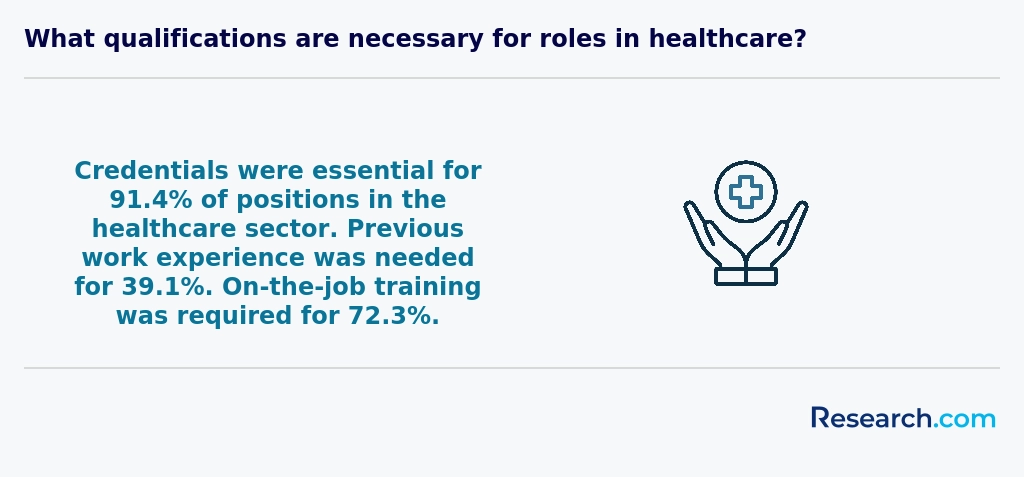
Online healthcare degree programs in San Francisco challenge students to master a rich blend of courses that go beyond textbooks, preparing them for dynamic, real-world healthcare environments. Graduates from leading local universities often recall how courses like Medical Terminology and Healthcare Ethics and Law became more than academic requirements-they shaped their ability to communicate effectively and navigate complex ethical decisions in actual clinical settings.
Core subjects such as anatomy and physiology provide the necessary foundation, but it's the integration of Health Information Technology and Telemedicine that reflects San Francisco's unique tech-forward healthcare landscape. Students frequently describe engaging with digital health tools in ways that directly impact patient care-they learn to harness electronic health records and data analytics to improve outcomes, a skill highly valued in the city's innovative clinics and hospitals.
Public Health and Epidemiology classes evoke a sense of purpose, connecting students to community health challenges right in their neighborhoods. Graduates often feel empowered by these insights, recognizing their potential to influence disease prevention and support underserved populations through informed, compassionate care.
When exploring online healthcare degree specializations in San Francisco, it's easy to assume traditional paths like nursing or public health dominate. Yet graduates from leading colleges in the city often share how these programs flexibly adapt to diverse ambitions. Nursing, including advanced roles such as Nurse Practitioner, remains a mainstay, blending hands-on skills with leadership-something students appreciate given San Francisco's innovative health systems.
Healthcare Administration graduates from local programs speak of the real-world impact, managing complex hospital operations amid urban challenges. Others find passion in Health Informatics, where mastering data improves patient care across bustling Bay Area hospitals. Public Health tracks resonate deeply amid current health crises, training advocates for community well-being.
Even niche areas like Medical Coding and Billing attract students seeking precise expertise in healthcare operations. For those balancing work and study, programs that emphasize flexibility from prominent institutions make this possible. Some students recommend checking out the best BSN programs oklahoma city to compare online options beyond the Bay Area, broadening one's perspective on career planning.
Choosing the best online healthcare degree in San Francisco can't rely solely on reputation or convenience; it demands reflection on how a program fits your unique lifestyle and local job market. Graduates from well-known institutions in the city often highlight the importance of accreditation, not just as a checkbox but as a guarantee their degree opens doors, especially when tied to licensure. Those balancing busy lives appreciate programs offering flexible, asynchronous classes that allow study around demanding work schedules-something vital in a city that never sleeps.
Moreover, consider the degree's relevance to San Francisco's healthcare needs. Fields like nursing or health information management are booming here. Graduates frequently note that programs connected with local healthcare giants provide invaluable clinical placements and mentorship, deepening practical skills and boosting confidence. Exploring online nursing programs accreditation California offers insight into places where quality and opportunity collide.
Affordability remains a core challenge; even with high living costs, online options can reduce relocation burdens. Successful students advise combining institutional support with local scholarships to ease financial strain. For anyone seeking the best online healthcare degree San Francisco offers, this multifaceted approach is not just smart-it's essential.

Graduates holding an online healthcare degree in San Francisco find themselves at the crossroads of technology, medicine, and leadership, with career opportunities that defy traditional expectations. From clinical roles like registered nurses earning around $120,000 annually to healthcare administrators who enhance patient care in hospitals and insurance companies, the demand is both diverse and robust. Those graduating from well-regarded local institutions often share how their education empowered them to step confidently into these dynamic roles.
With San Francisco's booming tech sector, many graduates embrace health informatics, mastering data to revolutionize healthcare delivery. This field's rapid growth offers a particularly exciting avenue for those wanting to blend analytical skills with healthcare knowledge-making it a compelling option within online healthcare degree jobs San Francisco. Public health careers, too, resonate deeply with graduates dedicated to community impact, working in city health departments and nonprofits to meet urgent societal needs.
Exploring MSN career paths reveals a compelling spectrum of possibilities that challenge students to envision impactful futures in San Francisco's healthcare landscape.
The job market for graduates holding online healthcare degrees in San Francisco defies simple expectations of standard career paths. Graduates from well-known institutions such as UCSF and other local colleges often report thriving opportunities across nursing, healthcare administration, and health informatics. A graduate working at UCSF Medical Center described the experience as both challenging and exhilarating, benefiting from the median registered nurse wage near $120,000, which reflects San Francisco's strong healthcare economy.
With the city's tech-driven environment, online degree holders find unique openings in biotechnology firms and health IT startups adapting cutting-edge innovations. Entry-level positions often start around $70,000 but have significant growth potential. For students balancing work and study, flexible programs open doors in this competitive market, demonstrating how online healthcare jobs San Francisco can align with real-life demands.
Those aiming for roles beyond nursing can explore diverse prospects, including managed care organizations. For a closer look at specialized healthcare careers, graduates suggest exploring opportunities similar to sonography job prospects, which also benefit from the region's healthcare dynamism.
2027 Easiest Online Healthcare Degree Programs Ranking in San Francisco, CA
Investing in your education is a significant decision that can shape your future, and the Research.com team understands the importance of making informed choices. To assist prospective students in San Francisco, CA, we have meticulously developed the "2027 Easiest Online Healthcare Degree Programs Ranking." Our commitment to quality, credibility, and accuracy is reflected in the thorough research and analysis behind this ranking.
We utilized the following reputable data sources to ensure a comprehensive evaluation of healthcare programs:
By exploring this ranking, readers will gain valuable insights into the most accessible online healthcare degree programs available in San Francisco, CA, empowering them to make well-informed decisions about their educational paths. For more details on our methodology, please visit our Research.com methodology page.

# 3 position
University of California-San Francisco
Master of Healthcare Administration and Interprofessional Leadership

Frequently Asked Questions About healthcare
Online healthcare degree students in San Francisco can enhance their learning by actively engaging in virtual discussions and study groups. Connecting with peers allows for exchanging ideas and gaining different perspectives. Utilizing local healthcare resources, such as San Francisco General Hospital and UCSF Health online seminars, provides practical insights aligned with coursework.
Time management is crucial; setting a regular study schedule helps balance professional and academic responsibilities. According to the California Department of Public Health, San Francisco employs over 130,000 healthcare workers, highlighting numerous internship and networking opportunities students should explore.
Leveraging technology tools, like simulation software and telemedicine platforms, further deepens understanding of clinical practices relevant to the regional healthcare system.
The healthcare field is rapidly evolving, with several emerging niches gaining momentum. In San Francisco, areas like telehealth and digital health technologies are expanding due to the city's strong tech industry presence. According to the California Health Care Foundation, telehealth visits increased by over 150% statewide since 2020. Another growing niche is geriatric care, driven by California's aging population. Healthcare data analytics also offers new opportunities by improving patient outcomes through big data. Additionally, mental health services are seeing increased demand, reflecting broader societal focus and investment. These trends highlight promising areas for students pursuing online healthcare degrees in San Francisco.
After completing an online healthcare degree in San Francisco, it's essential to develop a strategic plan for entering the job market. First, gaining relevant experience through internships or volunteer opportunities within local hospitals or clinics, such as UCSF Health, can significantly boost employability. According to the San Francisco Department of Public Health, healthcare jobs in the Bay Area are projected to grow by 17% through 2030, highlighting strong demand.
Next, securing professional certifications relevant to your healthcare field enhances your resume. Networking through local healthcare associations and attending San Francisco-based job fairs can open doors to positions in both public and private sectors. Lastly, tailoring your resume to emphasize skills acquired through your online program is critical for standing out to employers.
Employers in San Francisco's healthcare sector prioritize a blend of technical and interpersonal skills in graduates. Clinical proficiency, including patient care and familiarity with electronic health records (EHR), is essential due to the region's advanced healthcare infrastructure.
Communication skills are highly valued, given the diverse patient population and collaborative work environments. According to the San Francisco Health Authority, 68% of healthcare employers emphasize cultural competence and empathy as critical for improving patient outcomes.
Additionally, problem-solving abilities and adaptability to rapid technological changes are crucial. The healthcare field here is dynamic, with ongoing innovations requiring graduates who can learn quickly and apply evidence-based practices.
Strong organizational skills also support efficient workflow in busy medical settings, while foundational knowledge in health policy aids understanding of local and federal healthcare regulations.
Finding internships in San Francisco related to healthcare degrees involves several practical steps. Begin by exploring the city's extensive healthcare network, including major institutions like UCSF Medical Center, which offers numerous internship opportunities in clinical and administrative roles. According to the San Francisco Department of Public Health, the city supports hundreds of healthcare agencies where students can gain hands-on experience.
Use online platforms such as Handshake and LinkedIn, which often list healthcare internships tailored for local students. Networking through professional healthcare associations, like the California Nurses Association, can also open doors. Additionally, contact your online program's career services to identify connections with San Francisco hospitals and clinics providing internships.
Obtaining an online healthcare degree can significantly enhance career mobility and advancement in San Francisco. The city's healthcare sector is expanding rapidly, with a Bureau of Labor Statistics projection of 14% growth for healthcare occupations in California through 2031. This growth fuels demand for qualified professionals.
Online degrees offer flexibility for working adults and students, allowing them to upskill without interrupting their current employment. Accredited programs ensure graduates meet state licensure and credentialing requirements, critical for roles in nursing, health administration, and allied health fields.
The ability to earn a degree remotely also broadens access to institutions that specialize in emerging healthcare technologies and management strategies relevant to San Francisco's evolving healthcare landscape.
Professionals with online healthcare degrees often report better job prospects and higher earning potential, reflecting the region's competitive market and emphasis on advanced qualifications, as noted by California's Employment Development Department.
Studying for a healthcare degree in San Francisco equips students for interdisciplinary roles by emphasizing collaboration across different health professions. Many online programs integrate courses in public health, nursing, health informatics, and administration, reflecting the city's diverse medical environment. San Francisco hosts world-class medical facilities like UCSF Medical Center, fostering partnerships that enrich student experiences. According to the California Workforce Development Board, interdisciplinary training is critical as 45% of health jobs in the region require cross-functional skills. This approach prepares graduates to work effectively in teams, coordinate patient care, and adapt to evolving healthcare technologies and policies.
Choosing between a thesis and a non-thesis online healthcare degree in San Francisco depends on your career goals and learning preferences. A thesis program typically involves conducting original research, ideal for those aiming at advanced roles or doctoral studies. Non-thesis programs focus more on practical skills and coursework, suiting professionals seeking direct application in clinical or administrative settings.
In San Francisco, where healthcare innovation is strong-supported by institutions like UCSF-research experience may open doors to hospitals and biotech companies. However, the Bay Area also offers many healthcare management jobs valuing practical knowledge. According to the California Labor Market, healthcare jobs in the region grow at 12% annually, emphasizing diverse opportunities for both paths.
Students based in San Francisco seeking to study healthcare abroad have various online options through accredited U.S. institutions offering global health programs. Many universities provide fully online healthcare degrees, including public health, nursing, and health administration, with flexible schedules suitable for international study contexts.
The California State University system, for example, offers online healthcare courses designed to meet state and national accreditation, allowing students to earn recognized degrees without relocating. According to the California Department of Public Health, San Francisco has a strong demand for healthcare professionals, increasing opportunities for graduates.
Additionally, federal regulations support distance education for healthcare, enabling students to gain international perspectives while remaining enrolled locally. These programs often include virtual internships or abroad exchange components, helping students gain global experience safely and affordably.
San Francisco offers several part-time job opportunities that complement online healthcare degrees, helping students gain relevant experience while studying. Positions like medical assistants, pharmacy technicians, and patient service representatives are common in local clinics and hospitals. According to the California Employment Development Department, healthcare support roles in the Bay Area are projected to grow 15% through 2028, faster than average. These positions provide hands-on patient interaction, essential for applying theoretical knowledge.
Other opportunities include roles in telehealth services and health information management, reflecting the city's advanced healthcare infrastructure. Working part-time in such settings can improve job prospects after graduation and enhance practical skills relevant to modern healthcare.
Online healthcare students in San Francisco can access several valuable networking opportunities despite studying remotely. Local professional organizations, such as the San Francisco Medical Society and California Nurses Association, often host virtual and in-person events that encourage collaboration and mentorship.
San Francisco's healthcare sector is robust, employing over 150,000 people, according to the California Employment Development Department (2023). Online students can leverage this by attending city-wide healthcare conferences and seminars, gaining direct connections with industry professionals.
Additionally, many universities offering online healthcare degrees partner with local hospitals and clinics for internships and networking events, providing hands-on experience and peer interaction. Virtual student groups on platforms like LinkedIn also support strong peer-to-peer engagement within the healthcare community.
Alumni networks offer significant advantages for online healthcare degree students in San Francisco. These networks provide valuable connections to local healthcare professionals and organizations, enhancing career opportunities in a competitive job market. According to the San Francisco Chamber of Commerce, healthcare remains one of the city's fastest-growing sectors, with over 60,000 local jobs as of 2023.
Through alumni events and online platforms, students can access mentorship, internships, and job referrals within San Francisco's extensive healthcare system. Networking with graduates who work at top institutions like UCSF Medical Center fosters knowledge sharing and professional growth. These connections often lead to better employment outcomes for graduates pursuing healthcare careers locally.
Customizing an online healthcare degree program in San Francisco allows students to align their education with specific career goals. Many universities offer flexible course selections, including specializations such as public health, healthcare administration, or nursing. Students can often choose electives that focus on local healthcare trends, addressing San Francisco's unique challenges, such as managing care for diverse populations.
Internships or practicum options in Bay Area healthcare facilities help provide practical experience relevant to regional needs. Additionally, programs might offer part-time scheduling to accommodate working professionals.
The California Employment Development Department reports strong growth in healthcare jobs locally, encouraging tailored education pathways to meet workforce demands.
Online healthcare students in San Francisco often face challenges related to balancing rigorous coursework with busy personal and professional lives. Many learners juggle part-time or full-time jobs while pursuing degrees, limiting their available study time. Reliable internet access and suitable study environments can also be an issue, especially in areas with high living costs and limited affordable housing options.
Clinical practicums pose another hurdle, as students must secure in-person experience in local healthcare settings, which can be competitive and impacted by the region's ongoing healthcare staffing shortages. According to the California Employment Development Department, healthcare jobs in the Bay Area grew by 8% from 2019 to 2023, intensifying practical training demand.
Emotional stress related to remote learning and limited peer interaction is frequent, underscoring the need for strong online support systems.
With an online healthcare degree, students in San Francisco can pursue a variety of professional certifications that enhance career opportunities. Common certifications include Certified Nursing Assistant (CNA), Registered Health Information Technician (RHIT), and Medical Coding Specialist. These credentials are nationally recognized and often required for specialized roles.
San Francisco's healthcare sector values certifications due to the competitive job market and high standards of care. According to the California Employment Development Department, healthcare occupations are expected to grow by 15% in the San Francisco Bay Area through 2028, emphasizing demand for certified professionals.
Additionally, graduates may obtain certifications like the Certified Professional in Healthcare Quality (CPHQ) or Certified Healthcare Access Associate (CHAA), which support advancement in administrative and quality control roles.
Writing a winning application for an online healthcare program in San Francisco requires clear focus and thorough preparation. Start by researching programs accredited by recognized bodies such as the Commission on Collegiate Nursing Education (CCNE) or the Accreditation Council for Occupational Therapy Education (ACOTE). Highlight your academic achievements and relevant healthcare experience, emphasizing any local clinical or volunteer work within San Francisco's diverse medical community.
Include a compelling personal statement that explains your goals and connection to healthcare challenges in San Francisco, where healthcare jobs are projected to grow 15% by 2030, according to the California Employment Development Department. Be sure to submit all required documents accurately and on time to demonstrate professionalism.
The healthcare career is viewed worldwide as vital and growing rapidly. In the United States, healthcare jobs are projected to grow 16% from 2021 to 2031, significantly faster than average, according to the U.S. Bureau of Labor Statistics. This demand is also reflected in San Francisco, where innovative healthcare technology companies and hospitals create diverse opportunities.
Globally, many countries prioritize healthcare education to address aging populations and expanding health needs. For students in San Francisco seeking online healthcare degrees, understanding this global demand can inform choices that align with international standards.
Moreover, healthcare careers offer diverse roles, from patient care to health informatics, shaped by global health trends such as telemedicine.
Gaining practical experience while pursuing an online healthcare degree in San Francisco is essential for career readiness. Many programs encourage students to complete clinical internships or externships at local healthcare facilities, such as UCSF Medical Center and California Pacific Medical Center. These opportunities allow hands-on training in a real-world environment, complementing online coursework.
Additionally, students can volunteer with organizations like the San Francisco Department of Public Health, which provides valuable exposure to community health initiatives. Networking through local professional groups can also lead to part-time roles or shadowing experiences.
According to the California Employment Development Department, healthcare jobs in San Francisco are projected to grow by over 15% through 2028, making practical experience highly valuable for employment prospects.
Choosing the right concentration within an online healthcare degree program in San Francisco begins with understanding local industry demands. According to the San Francisco Department of Public Health, fields like mental health, health informatics, and healthcare administration show strong job growth. Reflect on your career goals and skills to align with these areas.
Next, consider program flexibility and clinical training requirements, as some concentrations may require in-person practicums nearby. Accreditation is crucial; ensure your program is recognized by agencies like CAHME or ACHE for credibility.
Finally, review employment data from sources like the California Employment Development Department, which highlights competitive salaries in nursing and physician assistant concentrations within San Francisco healthcare facilities.
- 2027 Easiest Online Healthcare Degree Programs Ranking in Chico, CA
- 2027 Easiest Online Healthcare Degree Programs Ranking in Los Angeles, CA
- 2027 Easiest Online Healthcare Degree Programs Ranking in Carson, CA
- 2027 Easiest Online Healthcare Degree Programs Ranking in San Diego, CA
- 2027 Easiest Online Healthcare Degree Programs Ranking in Boise, ID
- 2027 Easiest Online Healthcare Degree Programs Ranking in Salt Lake City, UT
- 2027 Easiest Online Healthcare Degree Programs Ranking in Flagstaff, AZ
- 2027 Easiest Online Healthcare Degree Programs Ranking in Phoenix, AZ
- 2027 Easiest Online Healthcare Degree Programs Ranking in Tucson, AZ
- 2027 Easiest Online Healthcare Degree Programs Ranking in Albuquerque, NM
See What Experts Have To Say About Studying Healthcare
Read our interview with Healthcare experts

- Is an Online Degree the Same as a Traditional Degree | Online Degree https://www.cambridgehealth.edu/online-degrees/get-an-online-degree/is-an-online-degree-the-same-as-a-traditional-degree/
- How to Set and Achieve Career Goals in Health and Social Care | Royal Open College https://royalopencollege.org/blog/health-and-social-care/how-to-set-and-achieve-career-goals/
- What are the top 10 skills that'll get you a job when you graduate? https://targetjobs.co.uk/careers-advice/skills-for-getting-a-job/what-are-top-10-skills-thatll-get-you-job-when-you-graduate
- The impact of postgraduate education on career advancement in healthcare https://sets.com.ua/journals/vol-3-no-2-2024/the-impact-of-postgraduate-education-on-career-advancement-in-healthcare
- Course Benefits https://www.premedprojects.co.uk/hospital-work-experience-benefits
- Client Challenge https://www.springerpflege.de/nursing-graduates-perceived-future-career-pathway-and-career-shi/50653658
- Global Perspectives – Healthcare Beyond Borders https://www.cedars-sinai.org/international-stories/healthcare-beyond-borders.html
- Top 3 Reasons to Consider a Career in Healthcare - Roseman University https://www.roseman.edu/student-experience/news/top-3-reasons-to-consider-a-career-in-healthcare/
- Employability Skills Matrix for the Health Sector https://www.skillsforhealth.org.uk/resources/employability-skills-matrix/
- Pursuing Your Career Goals: Strategies and Examples https://www.ultimatemedical.edu/blog/career-goals-importance-strategies-and-examples/