
2027 Most Valuable Healthcare Degree Programs Ranking in Lubbock

Co-Founder and Chief Data Scientist
Choosing the right healthcare degree program can shape your future and open doors to many rewarding careers. This article introduces the 2027 Most Valuable Healthcare Degree Programs Ranking in Lubbock, created by the Research.com team of data scientists to guide you in making an informed decision.
By exploring this ranking, you'll discover which programs offer the best value for your time and investment. Whether you're starting your educational journey or considering a change, understanding your options will help you find a path that fits your goals and passion.
Getting a healthcare degree is not only a smart choice but also a chance to make a real difference.
Key benefits of getting healthcare degree in Lubbock
- Healthcare degree graduates in Lubbock can earn competitive salaries, such as $43,350 annually for Medical Assistants and Clinical Research Coordinators, up to $103,150 for Quality Improvement Coordinators, offering strong financial stability.
- Graduates from Texas Tech University in Lubbock have diverse career paths, including roles like Patient Care Technician or Health Information Technician, allowing flexibility to find a position that fits personal interests and skills.
- Online healthcare degrees offer convenience and flexibility, perfect for working students in Lubbock, as seen with online graduates from local universities balancing education and life while advancing their careers swiftly.
- Key benefits of getting healthcare degree in Lubbock
- What can I expect from healthcare degree in Lubbock?
- Where can I work with healthcare degree in Lubbock?
- How much can I make with healthcare degree in Lubbock?
- 2027 Most Valuable Healthcare Degree Programs Ranking in Lubbock
- Key Findings
- How long does it take to complete healthcare degree in Lubbock?
- Accreditation and Licensure Success
- What's the difference between online and on-campus healthcare degree?
- Emerging Trends and Future Opportunities in Healthcare Education
- What is the average cost of healthcare degree in Lubbock?
- Return on Investment: Tuition Costs vs. Career Earnings in Lubbock, TX
- What financial aid is available to healthcare degree students in Lubbock?
- Student Life and Campus Culture
- What are the prerequisites for enrolling in healthcare degree program in Lubbock?
- Licensure and Certification: The Path to Practice in Texas
- What courses are typically in healthcare degree programs in Lubbock?
- What types of specializations are available in healthcare degree programs in Lubbock?
- How do you choose the best healthcare degree in Lubbock?
- What career paths are available for healthcare degree students in Lubbock?
- What is the job market for healthcare degree in Lubbock?
- Top Trending Healthcare Rankings
- See What Experts Have To Say About Studying Healthcare
What can I expect from healthcare degree in Lubbock?
Expect to invest approximately $20,000 to $30,000 per year when pursuing a healthcare degree at institutions like Texas Tech University Health Sciences Center in Lubbock. Graduates often mention how this investment feels justified by the hands-on clinical training and local hospital placements, which make the cost tangible in real-world skills. For example, nursing students frequently highlight their valuable clinical rotations at University Medical Center, where they apply classroom knowledge directly to patient care.
Most programs blend theory with practical experience, meaning students spend time both in simulation labs and healthcare settings nearby. This approach helps graduates confidently pass licensure exams, with pass rates consistently above 85%, reinforcing the value of their education despite the tuition costs.
Financial aid options and employer partnerships, especially with local healthcare providers like Covenant Health, help ease the financial burden. Graduates often share how internships sometimes transform into job offers, making the total cost worthwhile as it leads to stable employment in a growing healthcare job market in Lubbock.
Where can I work with healthcare degree in Lubbock?
Graduates with healthcare degrees in Lubbock often find steady roles at well-known local institutions like Texas Tech University Health Sciences Center (TTUHSC), where many students gain hands-on experience during their studies. Hospitals such as Covenant Health System and University Medical Center (UMC) offer positions in nursing, medical technology, and health administration, providing a reliable path right after graduation.
Some graduates choose work in outpatient care centers or long-term care facilities, responding to Lubbock's growing need for skilled professionals in geriatric and rehabilitative care. Those passionate about community impact often secure roles in public health agencies, delivering health education and wellness programs, supporting underserved populations.
Others pursue medical research or education careers through affiliations with TTUHSC, contributing to clinical studies or training future healthcare workers. Private companies in insurance or health technology startups also attract graduates interested in health informatics or management, offering diverse career options.
By focusing on Lubbock's healthcare ecosystem, graduates leverage local opportunities that match their interests, ensuring fulfilling, real-world career outcomes aligned with their education.
How much can I make with healthcare degree in Lubbock?
Graduates from healthcare programs in Lubbock often find rewarding financial outcomes soon after completing their degrees. For instance, medical assistants commonly earn about $43,350 annually, a solid start reflecting their essential role in clinics and hospitals around Texas Tech University and South Plains College. Patient care technicians can expect around $60,790 yearly, offering a meaningful income while gaining hands-on experience in busy local healthcare facilities.
Health information technicians, working behind the scenes with medical records, make roughly $43,380 combined with strong job stability. Clinical research coordinators-who often support important studies at local institutions-also average $43,350 per year, allowing recent graduates to engage in meaningful research while earning a dependable wage.
For those who aim higher, quality improvement coordinators make an impressive $103,150 annually in Lubbock, reflecting advanced skills in healthcare management. Graduates from healthcare programs here appreciate the blend of competitive salaries and thriving job opportunities offered by local hospitals like University Medical Center, creating a positive financial outlook that encourages ongoing professional growth.
2027 Most Valuable Healthcare Degree Programs Ranking in Lubbock
How do we rank schools?
Investing in your education is a significant decision that can profoundly impact your career and future. The Research.com team recognizes the importance of making well-informed choices and has taken great care to ensure the quality, credibility, and accuracy of the "2027 Most Valuable Healthcare Degree Programs Ranking in Lubbock." This ranking is the result of rigorous research and comprehensive analysis.
We utilized the following reputable data sources to create a thorough assessment of healthcare degree programs:
By reviewing this ranking, readers will gain valuable insights into the most worthwhile healthcare degree programs in Lubbock, enabling them to make confident, informed education decisions. For further information about our approach, please visit our Research.com methodology page.
# 1 position
Texas Tech University Health Sciences Center
Bachelor of Science in Health Sciences

# 2 position
Texas Tech University Health Sciences Center
Master of Science in Health Administration
# 3 position
Texas Tech University Health Sciences Center
Doctor of Healthcare Administration


Key Findings
- Lubbock hosts Texas Tech University Health Sciences Center, offering accredited healthcare programs including nursing and allied health.
- Annual tuition for undergraduate healthcare programs ranges from $10,000 to $15,000 for in-state students; graduate programs cost between $15,000 and $25,000.
- Entry-level salaries for healthcare professionals start around $50,000 to $60,000 per year, with experienced workers earning $70,000 to $90,000 annually.
- Healthcare job growth in Lubbock exceeds the national average, supported by major employers like University Medical Center and Covenant Health.
- Lubbock provides strong clinical training opportunities through local medical partnerships, boosting graduate job readiness and networking.
How long does it take to complete healthcare degree in Lubbock?
Completing a healthcare degree in Lubbock depends largely on the type of program you choose. Certificate programs, often offered at local colleges, take about six months to a year, perfect for those eager to quickly start careers like medical assisting or phlebotomy. Graduates of these programs often feel confident stepping into the workforce with practical skills gained in a short time.
Associate degrees at institutions such as South Plains College usually require around two years of full-time study. These programs blend classroom instruction with clinical practice, allowing students to gain hands-on experience. Many graduates appreciate how this timeline balances solid training with a relatively quick path to employment.
Bachelor's degrees typically take four years at places like Texas Tech University Health Sciences Center. These comprehensive programs prepare students for certifications critical to healthcare roles, combining rigorous coursework with supervised clinical hours. Graduates often express pride in how well-prepared they feel to meet the challenges of their chosen fields.
Advanced degrees, including master's or doctoral programs at TTUHSC, add two to four years beyond a bachelor's. Students targeting leadership or specialized roles find this investment worthwhile, valuing the depth of expertise they acquire during this time.
Accreditation and Licensure Success
Accredited programs in Lubbock meet national standards and support high licensure pass rates, enhancing confidence and career readiness.
- Texas Tech University Health Sciences Center School of Nursing is CCNE-accredited, with a first-time NCLEX-RN pass rate above 92%.
- Lubbock Christian University’s nursing track holds ACEN accreditation and consistently reports NCLEX pass rates over 90%.
- South Plains College’s Associate Degree in Nursing is ACEN-accredited, producing graduates who exceed the Texas average NCLEX-RN pass rate.
- Health Information Management programs follow CAHIIM standards, ensuring eligibility for professional certification.
- For flexible study options, explore the healthcare management degree online, accredited by CAHME and designed for working professionals.
What's the difference between online and on-campus healthcare degree?
Choosing between online and on-campus healthcare degrees in Lubbock comes down to your lifestyle and learning preferences. Graduates from Texas Tech University Health Sciences Center often share how the hybrid online courses allowed them to balance work and family while completing clinical hours locally. This flexibility can reduce commuting stress and save money on housing.
On the other hand, those who attended fully on-campus programs appreciate the structured routine and face-to-face interactions with professors and peers. They highlight the value of immediate access to labs and clinical facilities, which helped them build practical skills confidently. Being on campus also gave them a stronger sense of community and support through services like career counseling.
Cost-wise, online programs in Lubbock typically lower tuition by up to 25%, but clinical placement fees remain similar. Plus, on-campus students often bear additional travel and living expenses. Both paths require hands-on experience, but your decision may hinge on whether you prefer direct daily engagement or the convenience of remote study with local clinical visits.
Emerging Trends and Future Opportunities in Healthcare Education
As the healthcare industry evolves, forward-thinking institutions in Lubbock, TX, are integrating cutting-edge trends into their curricula to prepare students for a rapidly changing field. In today’s data-driven environment, advancements in telemedicine, electronic health records, and AI-powered diagnostics are reshaping the way healthcare is delivered, while online platforms are expanding access to high-quality education. Institutions are increasingly collaborating with industry leaders to provide hands-on experience with emerging technologies, ensuring graduates are not only versed in traditional methodologies but also adept at utilizing innovative tools. Moreover, many programs now offer tailored modules on digital health, predictive analytics, and health informatics-all essential skills for addressing modern healthcare challenges. Proactive learners are encouraged to explore additional resources, such as cheapest 1-year mph programs online, which can serve as an accessible pathway to specialized expertise. By staying informed about these trends, prospective students can better align their educational investments with future career opportunities, ensuring long-term success and a competitive edge in the healthcare market.
What is the average cost of healthcare degree in Lubbock?
The average healthcare degree cost in Lubbock typically totals around $11,852 for in-state students and can rise significantly for out-of-state attendees, with median costs near $36,954. At Texas Tech University Health Sciences Center (TTUHSC), a well-regarded hub for healthcare education, many graduates recall managing tuition expenses that fall within this range. For example, an undergraduate nursing student living locally might budget roughly $11,000 annually, while those pursuing specialized graduate degrees like physical therapy expect fees closer to $20,000 per year.
When estimating the total cost of healthcare programs Lubbock students face, it's important to also consider textbooks, clinical practice fees, and living expenses. Graduates often emphasize planning for these add-ons early, as they can cumulatively add thousands of dollars annually to the financial commitment. Many students find that setting a detailed budget that includes these typical expenditures helps reduce stress throughout their studies.
Financial aid and scholarships are widely accessible for healthcare students here. Many alumni highlight how leveraging these resources alongside work-study or paid clinical placements greatly lightened their financial load. If you're aiming to attend a valuable healthcare school in texas, exploring these funding avenues early can make a significant difference in your affordability and overall experience.
Return on Investment: Tuition Costs vs. Career Earnings in Lubbock, TX
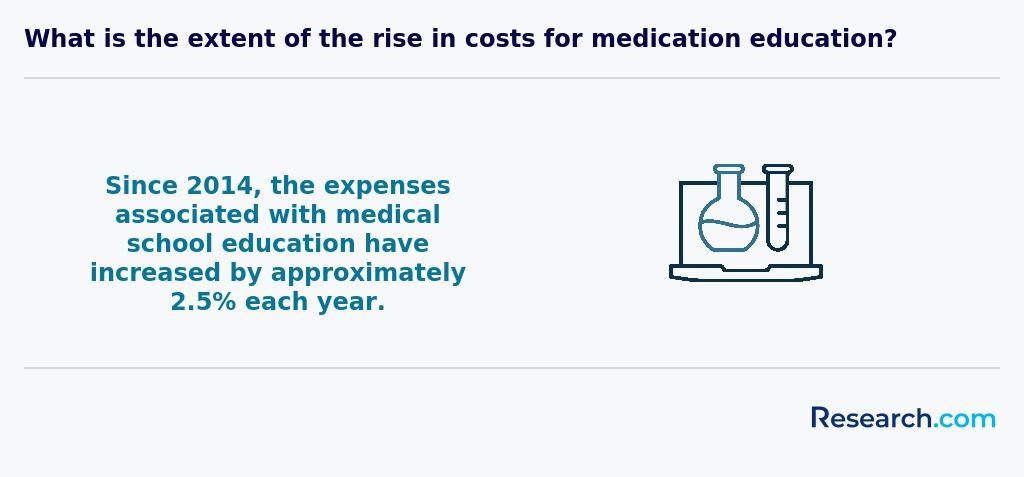
Understanding the return on investment (ROI) for a healthcare degree is essential when weighing tuition costs against long-term earning potential. In Lubbock, TX, the average in-state tuition for a bachelor’s program in healthcare ranges from $10,000 to $30,000 per year, with additional living expenses of $10,000–$15,000 annually. Over four years, total costs can approach $80,000–$180,000, depending on institutional choice and financial aid packages. Graduates entering roles such as Patient Care Technicians (average starting salary $55,860) or Health Information Technicians ($41,260) typically recoup their educational investment within 3–5 years. Those advancing into nursing or health administration positions can see median salaries exceed $70,000, reducing the payback period even further. Key factors influencing ROI include: • Financial Aid Leveraged: Merit-based scholarships and federal grants can lower net tuition by 30–50%. • Career Advancement: Specializations in health informatics or management often command higher starting salaries, improving ROI. • Local Demand: Lubbock’s projected 13% job growth in healthcare ensures accelerated career progression and steady wage increases. Beyond direct cost and salary comparisons, students should evaluate program features-such as clinical partnerships with Covenant Health and UMC Health System-that enhance employability and may qualify for loan forgiveness programs. For insight into more affordable program alternatives, explore our Affordable Online Healthcare Degree Programs Ranking in Orlando, FL, which showcases cost-effective online options that still deliver strong ROI for aspiring healthcare professionals.
What financial aid is available to healthcare degree students in Lubbock?
Graduates from healthcare programs at Texas Tech University Health Sciences Center in Lubbock often share how crucial federal financial aid was for them. Start by applying early for Pell Grants, which don't require repayment and can cover up to $7,395 for eligible students. Next, consider Direct Subsidized and Unsubsidized Loans to bridge any remaining tuition gaps.
Many students also secure scholarships offered directly through Lubbock universities, targeting nursing, medical, and allied health fields. These scholarships reward academic achievement or financial need, making a tangible difference in managing education costs. For example, scholarships from Texas Tech's Health Sciences Center often helped graduates reduce debt significantly while focusing on their studies.
Besides university aid, statewide programs like Texas Nursing Shortage Reduction provide loans and scholarships in exchange for service commitments post-graduation. Many healthcare students take advantage of these to offset costs and gain guaranteed employment within Texas.
Finally, consider local employers' tuition reimbursement or loan repayment programs-many hospitals and clinics in Lubbock offer these perks to students willing to work in high-demand healthcare roles, providing practical financial relief while gaining hands-on experience.
Student Life and Campus Culture
Immersing yourself in a vibrant campus environment is an essential part of your educational journey in Lubbock, TX, and plays a pivotal role in shaping your professional and personal growth. Beyond rigorous academics and clinical practice, institutions in Lubbock offer a rich tapestry of extracurricular activities, student organizations, and mentorship programs that foster collaboration and community engagement. Many healthcare programs host networking events, career fairs, and guest lectures from industry experts who share real-world insights into the healthcare sector, helping you build lasting connections. For example, students at a valuable healthcare school in texas often emphasize the transformative power of these experiences, which enhance both soft skills and technical competencies. Additionally, campus life opportunities-including wellness centers, volunteer initiatives, and interdisciplinary clubs-create an atmosphere that nurtures leadership, empathy, and resilience, ensuring you are not only well-prepared to excel in the classroom but also ready to thrive in a competitive healthcare landscape.
What are the prerequisites for enrolling in healthcare degree program in Lubbock?
To enroll in a healthcare degree program in Lubbock, start by securing a high school diploma or its equivalent with a strong foundation in science and math-courses like biology, chemistry, and algebra are essential. Graduates from Texas Tech University Health Sciences Center recall how these subjects became their daily focus early on, easing their transition into demanding healthcare studies.
Next, you'll likely need to provide SAT or ACT scores, though some programs have adopted test-optional policies. For competitive fields such as nursing or physician assistant programs, these scores still play a key role in admissions decisions.
Other crucial prerequisites include maintaining a minimum GPA around 2.5 to 3.0 and completing specific college-level prerequisite courses if you're pursuing advanced degrees. Proof of immunizations and clearances-like background checks and drug screenings-are mandatory before clinical placements, ensuring safety for you and your future patients.
Finally, personal statements or letters of recommendation help you stand out by showcasing your motivation and healthcare experience. Local graduates often highlight how these components together prepared them for success in Lubbock's healthcare environment.
Licensure and Certification: The Path to Practice in Texas
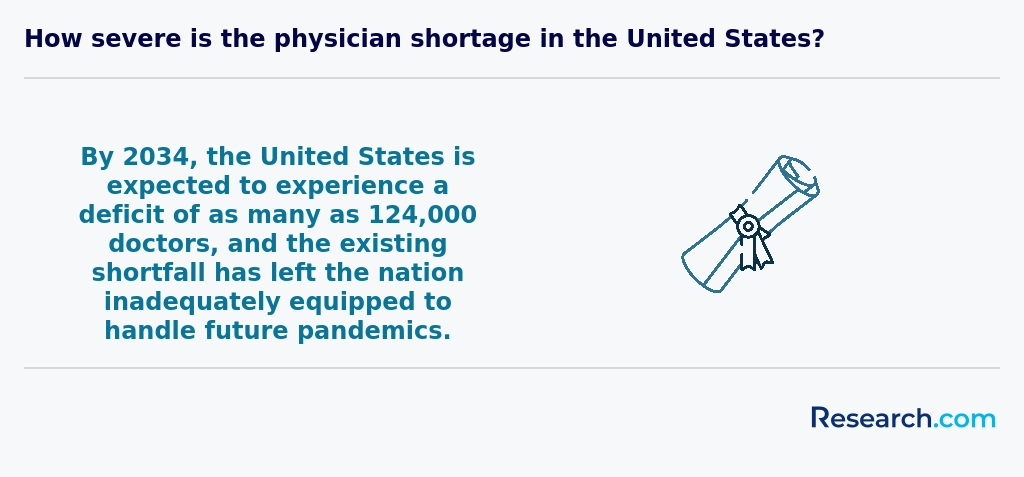
After earning a healthcare degree in Lubbock, graduates must secure state licensure and any required certifications before entering clinical or administrative roles. In Texas, the Texas Board of Nursing (TBON) governs licensure for Registered Nurses (RNs) and Licensed Vocational Nurses (LVNs). Candidates must: 1. Submit an application to TBON, including official transcripts and fingerprint-based background checks. 2. Register for and pass the NCLEX-RN or NCLEX-PN exam, with average pass rates often published by local institutions. 3. Complete any additional state-mandated education modules on patient safety and ethics. For allied health professionals-such as radiologic technologists, respiratory therapists, and health information technicians-licensure or certification typically involves:
- Certification exams administered by recognized bodies (e.g., American Registry of Radiologic Technologists or American Health Information Management Association).
- Continuing education units (CEUs) every two years to maintain credentials and stay abreast of evolving best practices. Pharmacy graduates follow a parallel path under the Texas State Board of Pharmacy, requiring successful completion of the North American Pharmacist Licensure Examination (NAPLEX) and the Multistate Pharmacy Jurisprudence Examination (MPJE). Those interested in an accelerated pathway to a pharmacy career may explore the pharm d accelerated program, which condenses pre-pharmacy prerequisites and professional coursework into a streamlined timeline. Finally, many certifications mandate annual or biennial renewal, combining CEUs, fee payment, and affirmation of practice standards. Early planning for licensure ensures that Lubbock graduates transition smoothly from classroom to clinic, delivering safe, legal, and compassionate care across Texas.
What courses are typically in healthcare degree programs in Lubbock?
Healthcare degree programs in Lubbock typically include a solid mix of foundational science courses and practical training designed to prepare you for real-world medical settings. For example, graduates from Texas Tech University Health Sciences Center often talk about mastering subjects like anatomy, physiology, and microbiology early on-these courses build critical knowledge about the human body and diseases.
Specialized classes such as medical terminology and pharmacology follow, helping students communicate effectively and understand patient care needs. Many find that healthcare ethics courses provide valuable guidance in making tough decisions during clinical rotations at local hospitals in Lubbock, bridging theory with practice.
Hands-on learning through labs and clinical placements is where the coursework truly comes alive. Alumni frequently highlight how these experiences in Lubbock's diverse medical facilities boosted their confidence and skills, especially in patient care and healthcare administration.
Advanced students also dive into topics like healthcare policy and research methods, preparing them for leadership roles or further studies. This well-rounded curriculum reflects Lubbock's strong healthcare community and ample career opportunities.
What types of specializations are available in healthcare degree programs in Lubbock?
Healthcare degree specializations in Lubbock offer focused paths like nursing, biomedical engineering, public health, and healthcare administration. Graduates from Texas Tech University Health Sciences Center often highlight how nursing programs range from Registered Nurse to advanced Nurse Practitioner tracks, allowing them to build clinical expertise step-by-step while enjoying hands-on experience in local hospitals. Biomedical engineering students immerse in developing healthcare technologies, combining engineering skills with medical applications, benefiting from the city's strong educational resources.
Those pursuing degrees in public health find practical value by addressing community health issues and learning policy development, a vital skillset for Texas's healthcare landscape. Healthcare administration focuses on leadership skills, preparing graduates to effectively manage clinics and hospitals in bustling hubs like Lubbock. Students pursuing clinical practice areas such as dental hygiene, physical therapy, and medical laboratory science appreciate direct patient care training integrated throughout their programs, enhancing career readiness.
If you want affordable options, some turn to the cheapest 1-year mph programs online to balance cost while advancing in public health. Overall, Lubbock healthcare programs and career options align closely with local healthcare demands, giving students a clear and practical educational roadmap.
How do you choose the best healthcare degree in Lubbock?
Start by identifying healthcare programs in Lubbock that are both accredited and known for strong outcomes, such as those offered at Texas Tech University Health Sciences Center. Graduates often praise the hands-on clinical experience gained through local partnerships with hospitals, which builds confidence and improves job readiness. When considering affordable healthcare degrees Lubbock TX offers, factor in the annual tuition around $10,000 to $15,000 for well-regarded public programs, which balances quality education with manageable costs compared to national private options.
Think practically about your career goals by exploring programs that match your interests, whether nursing, allied health, or specialized fields. Also, assess support services like career counseling and class sizes, as graduates have noted these can make a real difference in personal learning and networking opportunities. For those interested in specific tracks, you might investigate programs like the pharm d accelerated program available locally that helps speed up entry into the workforce.

What career paths are available for healthcare degree students in Lubbock?
Graduates with a healthcare degree in Lubbock find diverse career paths that match their skills and interests. Many pursue nursing roles, working as Registered Nurses or Nurse Practitioners at local facilities like Covenant Health or University Medical Center. These positions offer job security and competitive pay, making nursing a practical first step. Medical laboratory technology is another strong option, with graduates often employed by diagnostic labs supported by Texas Tech University Health Sciences Center, contributing vital work diagnosing diseases. Those interested in the administrative side can take advantage of healthcare administration roles, managing hospital departments or patient services, with salaries that grow alongside experience.
Public health specialists remain vital in Lubbock's community, addressing ongoing health challenges and influencing policy and education. For students weighing their options, exploring Affordable Online Healthcare Degree Programs Ranking in Orlando, FL helps compare costs and plan education wisely. With strong healthcare career opportunities in Lubbock, graduates can confidently enter fields with real growth potential and personal fulfillment.
What is the job market for healthcare degree in Lubbock?
The healthcare job market for graduates in Lubbock is strong and steadily growing, making it a practical choice for those pursuing healthcare degrees locally. Graduates from institutions like Texas Tech University Health Sciences Center often find ample opportunities in nursing, medical assisting, and respiratory therapy, driven by the area's expanding healthcare infrastructure and population growth. This steady demand is supported by competitive entry-level wages typically around $60,000 annually for registered nurses, which is appealing considering Lubbock's relatively affordable living costs.
Healthcare students appreciate the clear pathway from education to employment, confirmed by local workforce reports showing consistent growth in healthcare job opportunities in Lubbock. Many graduates share how practical clinical experiences at major healthcare employers boost both skills and confidence, easing the transition into full-time roles.
For prospective students concerned about education investment, Texas public university tuition ranges from $8,000 to $20,000 yearly for in-state learners, making it manageable compared to other regions. If speed is essential, Lubbock also offers accelerated undergraduate programs, providing a quicker route to entering the job market with a healthcare degree employment outlook that remains positive and stable.
Frequently Asked Questions About healthcare
Healthcare degree students in Lubbock can maximize their learning experience by engaging with local clinical opportunities early in their studies. Institutions such as Texas Tech University Health Sciences Center offer partnerships with prominent hospitals, providing hands-on experience that reinforces classroom knowledge. According to the Texas Higher Education Coordinating Board, practical training improves employment prospects by up to 30% in healthcare fields.
Additionally, students should utilize Lubbock's professional networks and organizations, like the Lubbock Healthcare Alliance, to build connections and stay informed about industry trends. Supplementing coursework with workshops and certifications, such as CPR and phlebotomy, also enhances practical skills and competitiveness in the job market.
The healthcare field in Lubbock is evolving rapidly, with several emerging niches gaining attention. One significant area is telehealth, which expanded notably during the COVID-19 pandemic and continues to grow due to increasing patient demand for remote services. According to the Texas Tech University Health Sciences Center, telemedicine programs are expanding to meet regional needs.
Another rising niche is healthcare informatics. This field combines healthcare and information technology to improve patient care and data management. Lubbock's tech-focused institutions support training in this area, reflecting national trends.
Additionally, there is growing demand for geriatric care specialists, as Texas' aging population requires focused healthcare services. This trend aligns with broader US demographic shifts. Finally, behavioral health remains critical, influenced by rising awareness and treatment of mental health conditions.
After completing a healthcare degree in Lubbock, preparing for the job market involves several key steps. First, obtaining any required state licenses or certifications is essential. Texas mandates specific credentials depending on the healthcare role, such as nursing or medical technologists.
Networking within local healthcare institutions, including Covenant Health and University Medical Center, can open valuable employment opportunities. Leveraging job fairs and internships available through Texas Tech University Health Sciences Center also enhances career prospects.
Additionally, staying informed about Lubbock's healthcare trends-where employment in healthcare is projected to grow by 15% from 2022 to 2032 according to the Texas Workforce Commission-can guide job search strategies.
Developing strong communication and technical skills is equally important, preparing graduates to meet employers' expectations in a competitive market.
Employers in Lubbock highly value healthcare graduates who possess strong clinical skills combined with effective communication. The local healthcare market, driven by institutions like the University Medical Center and Covenant Health, demands proficiency in patient care, medical technology, and teamwork. According to the Texas Workforce Commission, interpersonal skills rank among the top requirements for healthcare roles in the region.
Analytical abilities and problem-solving are essential, given the increasing use of electronic health records in Lubbock's healthcare facilities. Graduates who demonstrate adaptability and a commitment to continuing education have an advantage in this rapidly evolving field.
Finding healthcare internships in Lubbock involves leveraging local resources and educational institutions. Texas Tech University Health Sciences Center (TTUHSC) is a primary hub, offering connections to numerous hospital systems, including University Medical Center and Covenant Health.
Students should utilize campus career services which often list internships tailored for healthcare degrees. Additionally, the Lubbock Chamber of Commerce provides periodic listings of healthcare-related opportunities.
Networking through professional healthcare organizations like the Texas Nurses Association or local chapters of the American Physical Therapy Association can further enhance internship prospects.
Finally, many hospitals and clinics in Lubbock post internships directly on their websites, so regularly checking these can be beneficial.
Obtaining a healthcare degree in Lubbock significantly enhances career mobility and advancement opportunities. The city and surrounding West Texas region have a growing healthcare industry supported by institutions like University Medical Center and Covenant Health.
The Texas Workforce Commission reported that healthcare occupations in Lubbock are projected to increase by over 15% between 2020 and 2030. This growth creates strong demand for qualified professionals who hold degrees in nursing, health administration, and allied health fields.
Healthcare degrees also provide access to state licensure and certifications required for specialized roles, boosting professional credibility and salary potential. Employers in Lubbock often prioritize candidates with formal education due to the technical and regulatory nature of healthcare jobs.
Studying for a healthcare degree in Lubbock offers strong preparation for interdisciplinary roles, largely due to the city's robust medical education infrastructure. Texas Tech University Health Sciences Center (TTUHSC), a major institution in Lubbock, provides programs that emphasize collaboration among nursing, medicine, pharmacy, and allied health fields. This interdisciplinary training reflects industry trends prioritizing teamwork in patient care.
The region's healthcare system, including Covenant Health and University Medical Center, supports clinical rotations across various specialties. These experiences allow students to engage with diverse healthcare professionals, building essential communication and coordination skills.
According to TTUHSC data, over 70% of their healthcare graduates participate in interprofessional education activities, enhancing their readiness for complex team-based environments.
When choosing between a thesis and a non-thesis healthcare degree program in Lubbock, consider your career goals first. Thesis programs typically emphasize research and prepare students for careers in academia or advanced clinical roles. Non-thesis options focus more on practical skills and coursework, appealing to those aiming for direct healthcare practice or administration.
Lubbock is home to several institutions offering healthcare degrees, including Texas Tech University Health Sciences Center, which provides both options. According to the U.S. Bureau of Labor Statistics, healthcare jobs in Texas are expected to grow by 15% by 2030, making practical experience valuable.
Thesis tracks usually take longer due to research demands. If you prefer a shorter duration or want to enter the workforce quickly, non-thesis may be better. Additionally, check if your desired employers in Lubbock value research experience or applied skills.
Students based in Lubbock interested in studying healthcare abroad have several pathways aligned with U.S. higher education standards. Many local universities, such as Texas Tech University Health Sciences Center, offer study abroad programs or exchange partnerships with accredited international institutions. These programs provide exposure to diverse healthcare systems and practices while earning credits transferable to their Lubbock degrees.
Additionally, students can consider recognized global healthcare degrees that meet U.S. accreditation requirements, allowing easier licensure back home. The Council on Education for Public Health notes that cross-border educational experiences enhance practical skills and cultural competencies vital in healthcare careers.
Financial aid and scholarships specifically supporting study abroad in healthcare fields are increasingly available to Lubbock residents, making international study more accessible.
Part-time job opportunities in Lubbock that complement healthcare degree education primarily include roles such as medical assistant, pharmacy technician, and patient care technician. These positions provide valuable hands-on experience and exposure to clinical environments, which can enhance learning and employability.
Lubbock is home to several healthcare facilities like the University Medical Center and Covenant Health, offering students practical roles that align with their academic pursuits. According to the Texas Workforce Commission, these jobs pay an average hourly wage ranging from $12 to $18, allowing students to support themselves financially while gaining relevant experience.
Additionally, jobs like medical receptionist or health information clerk offer students insight into healthcare administration, broadening their understanding of the industry.
Lubbock offers healthcare students various networking opportunities crucial for career development. Texas Tech University Health Sciences Center (TTUHSC) is the primary institution providing extensive connections through student organizations, professional associations, and clinical partnerships. TTUHSC's Health Professions Student Senate and specialty-specific clubs host regular events, inviting local healthcare professionals.
Additionally, strong ties between TTUHSC and Lubbock's hospitals, such as University Medical Center and Covenant Health, provide students with internships and clinical rotations that promote professional networking. Local chapters of national organizations like the American Medical Association and American Nurses Association also hold meetings and seminars in Lubbock, enhancing student access to mentors and job leads.
Alumni networks play a crucial role for healthcare degree students in Lubbock by providing valuable connections within the local medical community. Graduates from institutions like Texas Tech University Health Sciences Center often stay engaged, offering mentorship and job referrals. According to a study by the National Association of Colleges and Employers, 85% of jobs are filled through networking, emphasizing the advantage of these connections.
In Lubbock's healthcare sector, strong alumni ties can open doors at prominent hospitals such as Covenant Health. This access helps students gain internships, clinical placements, and eventually employment. Furthermore, alumni events foster professional growth and lifelong learning opportunities tailored to regional healthcare demands.
Customizing a healthcare degree program in Lubbock allows students to align education with specific career goals. Many local institutions offer electives and specialization options tailored to fields such as nursing, public health, or health administration. For example, Texas Tech University Health Sciences Center provides focused tracks and clinical experiences to enhance skills in areas like emergency care or healthcare informatics.
Students can also pursue internships and partnerships with Lubbock-area hospitals, gaining practical experience that complements classroom learning. According to the Texas Workforce Commission, healthcare jobs in Lubbock are expected to grow by 15% through 2030, underscoring the importance of targeted training.
Additionally, some programs support flexible scheduling, including evening or online courses, to accommodate working professionals seeking advancement or career changes.
Healthcare students in Lubbock often face significant challenges balancing rigorous coursework with clinical training demands. Programs like nursing and allied health require extensive hands-on experience, which can be time-consuming alongside academic responsibilities. Additionally, the cost of healthcare education in Lubbock, averaging around $8,000 per year for in-state students in community college nursing programs (Texas Higher Education Coordinating Board, 2023), presents financial strain.
Access to local clinical placements can also be competitive due to partnerships with hospitals such as University Medical Center in Lubbock. Students must navigate both academic performance and practical skills development to succeed in these environments. Moreover, managing stress and burnout is a noted concern among students pursuing healthcare degrees here.
With a healthcare degree, graduates in Lubbock can pursue various professional certifications that enhance career opportunities and earning potential. Common certifications include Certified Nursing Assistant (CNA), Licensed Practical Nurse (LPN), and Registered Nurse (RN) credentials, which are highly valued in Lubbock's growing healthcare sector.
Other certifications such as Certified Medical Assistant (CMA), Emergency Medical Technician (EMT), and Registered Health Information Technician (RHIT) are also attainable and recognized nationally.
According to the Texas Workforce Commission, healthcare occupations in the Lubbock area are expected to grow by 15% over the next decade, emphasizing the importance of certification to stay competitive.
To write a winning application for a healthcare program in Lubbock, start by thoroughly researching local institutions such as Texas Tech University Health Sciences Center. Highlight your academic achievements, focusing on science and math courses relevant to healthcare. Lubbock's healthcare sector is growing, with a 7% employment increase projected by the Texas Workforce Commission through 2028, so emphasize your commitment to serving this dynamic community.
Include clear, concise personal statements illustrating your motivation and understanding of healthcare challenges specific to West Texas.
Strong letters of recommendation from healthcare professionals or educators in Lubbock enhance credibility.
Lastly, meet all application deadlines and ensure your documents comply with university requirements.
The global perspective on a healthcare career highlights growing demand and evolving roles across many countries, including the United States. Healthcare professionals are increasingly seen as essential to maintaining public health and managing chronic illnesses. In the U.S., healthcare employment is projected to grow 16% from 2021 to 2031, faster than other sectors, according to the Bureau of Labor Statistics.
For students in Lubbock, this global trend aligns with regional needs. Texas, including Lubbock, faces a shortage of healthcare workers, which creates promising job opportunities. Local health systems are investing in training programs and partnerships with universities to meet this demand.
Worldwide, healthcare careers offer diverse paths, from clinical roles to research and administration, requiring cultural competence and adaptability. This makes a healthcare degree valuable for those interested in making an international impact while serving local communities.
Gaining practical experience while pursuing a healthcare degree in Lubbock is essential for developing critical skills needed in medical fields. Many local institutions, including Texas Tech University Health Sciences Center, offer clinical rotations that allow students to engage directly with patients under professional supervision.
Internships and externships at Lubbock-area hospitals like University Medical Center provide hands-on opportunities in various specialties such as nursing, radiology, and pharmacy. According to the Texas Higher Education Coordinating Board, over 70% of healthcare students in Texas participate in such programs before graduation.
Volunteering at community health centers in Lubbock also helps students gain real-world experience and networking opportunities. These practical components complement classroom learning, boosting employability after degree completion.
Choosing the right concentration within a healthcare degree program in Lubbock involves evaluating your interests, career goals, and local industry demands. Lubbock's growing health sector, including facilities like Covenant Health and University Medical Center, favors specialties such as nursing, medical technology, and health administration, which show steady employment opportunities.
Consider programs accredited by recognized bodies like the Commission on Collegiate Nursing Education (CCNE) or the Accreditation Council for Education in Nutrition and Dietetics (ACEND) to ensure quality education. Reviewing job placement rates and partnerships with local hospitals can also guide your decision.
Labor market data from the Texas Workforce Commission indicate strong growth in healthcare support roles, which may influence your concentration choice.
Related Healthcare Rankings for Nearby Cities
- 2027 Most Valuable Healthcare Degree Programs Ranking in Wichita
- 2027 Most Valuable Healthcare Degree Programs Ranking in Colorado Springs
- 2027 Most Valuable Healthcare Degree Programs Ranking in Denver
- 2027 Most Valuable Healthcare Degree Programs Ranking in Tucson
- 2027 Most Valuable Healthcare Degree Programs Ranking in Little Rock
- 2027 Most Valuable Healthcare Degree Programs Ranking in Tempe
- 2027 Most Valuable Healthcare Degree Programs Ranking in Phoenix
- 2027 Most Valuable Healthcare Degree Programs Ranking in Omaha
- 2027 Most Valuable Healthcare Degree Programs Ranking in Columbia
- 2027 Most Valuable Healthcare Degree Programs Ranking in Baton Rouge
Top Trending Healthcare Rankings
See What Experts Have To Say About Studying Healthcare
Read our interview with Healthcare experts

References
- What to Expect as a Health Science Major https://www.grace.edu/what-to-expect-as-a-health-science-major/
- Students and Alumni associations - Europubhealth https://www.europubhealth.org/students-alumni-associations/
- Know more about thesis vs non- thesis: what is the difference? https://studyfans.com/en/blogs/816
- Alumni Reconnect - Poznan University of Medical Sciences https://pums.edu.pl/alumni-friends/alumni-reconnect/
- Job-Ready Healthcare Skills for 2026 https://cliniwave.in/blogs/latest-article/job-ready-healthcare-skills
- Careers A-Z - Explore Healthcare Careers - Mayo Clinic College of Medicine & Science https://college.mayo.edu/academics/explore-health-care-careers/careers-a-z/
- Thesis vs. Non-Thesis Master's Programs: Which is Right for You? https://potomac.edu/thesis-vs-non-thesis-masters/
- How to Find Healthcare Internships: A Step-by-Step Guide for Students and New Graduates https://hipaatraining.net/how-to-find-healthcare-internships-a-step-by-step-guide-for-students-and-new-graduates
- Overcoming Common Challenges in Nursing School: Tips for Success - American Healthcare Institute https://amhealthinstitute.com/blog/overcoming-common-challenges-in-nursing-school-tips-for-success/
- Interdisciplinary Education and Practice https://www.aacnnursing.org/news-data/position-statements-white-papers/interdisciplinary-education-and-practice


