2027 Best Healthcare Degree Programs Ranking in Buffalo

Co-Founder and Chief Data Scientist
Choosing the right healthcare degree program is an important step toward a fulfilling career in Buffalo's growing medical field. This article introduces the 2027 Best Healthcare Degree Programs Ranking in Buffalo, developed by the Research.com team of data scientists. Their analysis helps you find programs that stand out for quality and student success.
By exploring this ranking, you'll gain valuable insights to make confident decisions about your education. A healthcare degree opens doors to rewarding opportunities, and this guide is here to support your journey every step of the way.
Key benefits of getting healthcare degree in Buffalo
- Healthcare degree graduates in Buffalo can earn competitive salaries such as $43,350 annually for Medical Assistants and Clinical Research Coordinators, or up to $103,150 as Quality Improvement Coordinators, showing strong financial potential.
- Graduates often explore varied healthcare careers, from patient care roles to technical specialist positions, like those starting with degrees from institutions such as the University at Buffalo.
- Online healthcare degrees offer flexibility and convenience, allowing students at schools like SUNY Buffalo State to balance work and study effectively while preparing for rewarding careers.
- 2027 Best Healthcare Degree Programs Ranking in Buffalo
- What can I expect from healthcare degree in Buffalo?
- Where can I work with healthcare degree in Buffalo?
What can I expect from healthcare degree in Buffalo?
The average cost of pursuing a healthcare degree in Buffalo varies widely depending on the institution and program level. Graduates from the University at Buffalo often share that tuition and fees for a Bachelor of Science in Nursing (BSN) can range from $10,000 to $25,000 per year for in-state students, reflecting SUNY's public university structure. Private colleges may have higher tuition, but many students find that financial aid and scholarships help ease the burden.
Many healthcare students describe balancing their coursework with part-time jobs or clinical placements, which sometimes offer stipends, helping to offset expenses. This real-world involvement not only enriches learning but also subtly reduces financial strain through practical experience connections.
Considering certification exams and licensure fees, graduates often budget additional thousands over the course of their studies. Yet, the rewarding feeling of progressing through Buffalo's respected programs-with opportunities at major hospitals like Kaleida Health-makes the investment manageable and worthwhile.
Where can I work with healthcare degree in Buffalo?
Graduates with a healthcare degree in Buffalo find themselves welcomed by a vibrant medical community that values their skills. Many start their careers in well-known hospitals like the Buffalo General Medical Center or the Erie County Medical Center, where roles range from nursing to healthcare administration. These environments often encourage continued learning, fostering confidence and growth that recent graduates cherish.
Others discover fulfilling work in outpatient clinics or physician offices scattered throughout Buffalo. Here, roles such as medical assisting or patient care coordination come to life, allowing professionals to build meaningful connections with patients focused on prevention and chronic disease management. These settings offer a rewarding pace that many healthcare graduates find deeply satisfying.
Public health agencies, like the Erie County Department of Health, attract graduates eager to promote community well-being through education and policy. This path suits those inspired to make a broad impact beyond individual care, embracing a communal sense of purpose that resonates strongly with Buffalo's public health students.
For those passionate about elder care, long-term care facilities offer steady opportunities, especially given Buffalo's aging population. The blend of compassion and medical expertise required here provides a rich, emotionally rewarding career often shared by alumni of Buffalo-area healthcare programs.
Finally, the academic and research institutions connected to the University at Buffalo's medical school offer prospects for graduates who thrive in innovation or education. For these individuals, contributing to medical advancement feels like a meaningful continuation of their learning journey, inspiring pride and fulfillment.
Graduates with healthcare degrees in Buffalo can expect varied earnings depending on their specific roles, but many find the salaries quite rewarding given the city's cost of living. For instance, Medical Assistants typically start around $43,350 annually, which offers a solid entry point for recent graduates from local institutions like the University at Buffalo or D'Youville College.
Those pursuing roles such as Patient Care Technicians benefit from higher median wages around $60,790 a year, reflecting the demand in area hospitals and clinics. Similarly, Health Information Technicians earn near $43,380 annually, a stable choice for graduates interested in the administrative side of healthcare.
Graduates aiming for coordinator positions, like Quality Improvement Coordinators, often see salaries exceeding $100,000, a testament to how advanced certifications and experience gained in Buffalo's trusted healthcare centers significantly boost earning potential.
Many graduates find that the balance between competitive wages and Buffalo's supportive healthcare network creates both professional satisfaction and financial stability. This reality encourages students to pursue degrees confidently, knowing there are clear pathways to success and meaningful employment.
- Annual tuition for public universities in Buffalo ranges from $7,000 to $12,000 for in-state students, while private institutions charge between $20,000 and $35,000.
- Entry-level registered nurses in Buffalo earn an average salary of around $60,000 per year after graduation.
- Mid-career healthcare workers can expect salaries between $80,000 and $95,000 annually.
- Buffalo's healthcare job market is projected to grow by about 10% through 2030, indicating strong demand for graduates.
- Internships and clinical rotations are available through partnerships with major medical centers like Kaleida Health and Buffalo General Medical Center.
Completing a healthcare degree in Buffalo is a journey that varies by degree level but is marked by rewarding milestones. Graduates from Erie Community College often recall the brisk two-year pace of their associate degrees, appreciating how the focused programs in nursing or medical assisting swiftly prepared them for entry-level roles in local clinics.
At the University at Buffalo, bachelor's degree students experience a fuller, four-year immersion. Many cherish the blend of rigorous coursework and the vibrant Buffalo Niagara Medical Campus clinical rotations that deepen their hands-on skills and community connection.
For those advancing to master's programs, such as the MSN or Healthcare Administration, the additional two years reflect a deliberate progression toward expertise and leadership. Alumni often describe this period as challenging yet deeply fulfilling, especially with options to balance part-time studies around work and family life.
Doctoral candidates embracing clinical doctorates like the DNP find the three to four years both demanding and transformational. Their reflections highlight the intensity of developing clinical proficiency while contributing to Buffalo's healthcare advancements.
Navigating a healthcare degree program in Buffalo, NY can be a transformative journey that benefits greatly from expert advice and robust student support. In this section, we provide actionable insights that address common concerns and highlight practical strategies for excelling both academically and professionally. Prospective and current students are encouraged to leverage mentorship programs, detailed career counseling, and comprehensive resume-building sessions available through many local institutions. Additionally, integrating industry-relevant skills-such as enrolling in medical assistant online classes-can significantly enhance one’s practical experience and employability in the competitive healthcare job market. Expert advisors suggest that establishing clear short-term and long-term career goals, participating in networking events, and utilizing internship opportunities not only builds confidence but also reinforces a commitment to lifelong learning. This proactive approach not only aligns with quality educational standards but also improves search relevancy for users seeking in-depth career preparedness support within the healthcare field.
Choosing between online and on-campus healthcare degrees in Buffalo often comes down to how you envision your learning journey. Graduates from institutions like the University at Buffalo frequently share how on-campus programs enriched their experience through hands-on clinical placements with local hospitals. These face-to-face opportunities breathe life into complex subjects, fostering confidence as students practice essential skills in real environments.
Conversely, those who pursued online degrees valued the flexibility to study around demanding work schedules. Many working professionals in Buffalo's healthcare field found digital lectures and virtual discussions convenient, allowing them to advance their education without sacrificing family or job responsibilities. This self-directed style cultivates discipline and adaptability, skills crucial in healthcare careers.
Both paths require accredited programs, ensuring degrees are respected and open doors to certification. The choice often reflects personal circumstances: on-campus learning thrives on interaction and immediate support, while online education champions balancing life's many commitments without losing momentum in your healthcare aspirations.
For many students, the university experience extends well beyond the classroom, and understanding campus life and available support services is essential when choosing a healthcare degree program. In Buffalo, NY, many institutions offer robust student support systems that include academic advising, career counseling, extracurricular clubs, and wellness programs designed to foster personal growth and professional readiness. Engaging with these resources can not only ease the transition to university life but also strengthen your network and enhance future career prospects. Many prospective students find it beneficial to explore rankings and insights from the top healthcare schools in new york, where detailed reviews on campus culture and student support services help guide their decision-making process. Leveraging mentorship programs, peer support groups, and events that connect students with healthcare professionals can provide invaluable insights into the industry, ensuring that your educational journey is both well-rounded and rewarding.
The average healthcare degree cost in Buffalo varies but generally falls around $18,910 for in-state students, reflecting a balance between affordability and quality. Graduates from the University at Buffalo often share how the in-state tuition, approximately $10,000 per year, made healthcare education accessible without sacrificing the depth required in demanding programs like nursing or allied health. Their experiences highlight the value of state-supported education paired with rigorous training.
Private colleges, known for smaller class sizes and specialized healthcare tracks, present a wider range in tuition, typically between $27,000 and $33,000 annually. Students who chose private institutions recall the personalized attention and expansive resources that justified higher costs, especially when pursuing advanced certifications or specific healthcare program tuition and fees not widely available elsewhere in Buffalo.
Community colleges such as Erie Community College offer a compelling option for those seeking an associate degree or certification in healthcare fields at roughly $4,000 annually for local residents. Many graduates express satisfaction in starting their healthcare journey here, appreciating how affordable healthcare programs open doors to foothold roles while minimizing debt.
Additional costs-for supplies, uniforms, or clinical placements-can add around $1,000 or more per semester, but many students find these investments rewarding considering the hands-on experience gained. Financial aid and grants often soften these expenses significantly. Prospective students looking for guidance can explore the top healthcare schools in new york for detailed comparisons and opportunities tailored to Buffalo's healthcare education landscape.

Accreditation ensures your healthcare degree in Buffalo meets rigorous standards and prepares you for licensure exams required by New York State. Most nursing programs must be accredited by the Commission on Collegiate Nursing Education (CCNE) or the Accreditation Commission for Education in Nursing (ACEN), while health information management degrees often seek accreditation from the Commission on Accreditation for Health Informatics and Information Management Education (CAHIIM). For aspiring physical therapy assistants, graduating from a program accredited by the Commission on Accreditation in Physical Therapy Education (CAPTE) is mandatory for New York licensure. After completing an accredited program, graduates must pass the appropriate board exams-such as the NCLEX-RN for registered nurses or the PTA exam for physical therapy assistants-and apply to the New York State Education Department for licensure. Maintaining licensure typically involves completing continuing education units (CEUs) every three years; requirements vary by profession but often include courses in ethics, patient safety, and advances in clinical practice. Students seeking a flexible entry point into allied health can consider associate-level pathways that lead to full licensure. For instance, some aspiring PTAs enhance their credentials through our best online associate in physical therapy assistant programs, which combine CAPTE-accredited coursework with supervised clinical hours. Understanding accreditation and licensure timelines up front empowers prospective students to plan financially, meet application deadlines, and align their educational investments with long-term career goals.
Students pursuing healthcare degrees in Buffalo often find federal financial aid crucial in easing their educational journey. Completing the FAFSA unlocks access to Federal Pell Grants, which many graduates recall as a lifeline-helping cover significant tuition portions without repayment stress. Supplementing these are Federal Direct Loans and Work-Study opportunities, allowing students from institutions like the University at Buffalo to balance learning with part-time work, fostering both income and experience.
State aid programs offer additional relief. New York's Tuition Assistance Program (TAP) frequently supports undergraduates at local colleges such as Daemen College, while the Excelsior Scholarship substantially lifts tuition burdens for families earning under $125,000. These resources can transform a daunting cost into a manageable investment, a reality many healthcare alumni warmly remember.
Buffalo's strong healthcare community further enriches financial possibilities. Scholarships from the Buffalo Niagara Medical Campus and local hospitals offer targeted support, reflecting the city's commitment to developing skilled professionals. Graduates working while studying praise employer-sponsored tuition assistance, a practical advantage that eases financial pressures and strengthens career ties.
Graduating from an accredited healthcare program in Buffalo ensures you’re eligible for licensure exams and recognized credentials.
- Commission on Collegiate Nursing Education (CCNE) for nursing degrees, required to sit for the NCLEX-RN in New York
- Commission on Accreditation of Allied Health Education Programs (CAAHEP) for fields like medical lab science and surgical technology
- Accreditation Council for Education in Nutrition and Dietetics (ACEND) for dietetics programs leading to the Registered Dietitian exam
- American Health Information Management Association (AHIMA) accreditation for medical billing and coding-consider affordable medical billing and coding certification to start quickly
- New York State Education Department approval to ensure your program meets state licensure requirements
Completing an accredited curriculum and passing the necessary exams solidifies your credentials and opens doors across Buffalo’s healthcare sector.
Enrolling in healthcare degree programs in Buffalo means meeting clear academic and experiential prerequisites that prepare you for the challenges ahead. Graduates from institutions like Erie Community College often recall how a strong foundation in biology, chemistry, anatomy, and physiology made the demanding coursework manageable and rewarding. High school courses in these subjects, plus mathematics and English, are essential starting points that reflect this city's commitment to quality healthcare education.
Moreover, many programs emphasize practical experience-volunteering at local hospitals or clinics in Buffalo offers hands-on insights that textbooks cannot provide. Students frequently express how these real-world exposures solidified their passion and improved their readiness for clinical work. Some schools also expect submission of standardized test scores, though this varies, reflecting flexibility in recognizing student potential.
Finally, since clinical practice is integral, background checks and immunization records are routine requirements, ensuring safety and professionalism. This comprehensive approach reflects Buffalo's dedication to nurturing capable and compassionate healthcare professionals.
Choosing a healthcare degree program in Buffalo, NY, starts with verifying both regional and programmatic accreditation to ensure your education meets rigorous quality standards. Regionally accredited institutions-such as those approved by the Middle States Commission on Higher Education (MSCHE)-guarantee that core academic requirements are upheld, while programmatic accreditations from bodies like the Commission on Collegiate Nursing Education (CCNE) or the Commission on Accreditation of Allied Health Education Programs (CAAHEP) affirm specialized curricula in nursing, radiologic technology, or health information management. Graduating from an accredited program is often a prerequisite for professional licensure and employer recognition. In New York State, most healthcare professions require passing a licensing exam administered by the New York State Education Department (NYSED). For example, nursing graduates must pass the NCLEX-RN or NCLEX-PN, while respiratory therapists pursue credentialing through the National Board for Respiratory Care (NBRC). Physical therapy, pharmacy, and medical laboratory science programs similarly align their coursework with state and national exam content outlines. Before applying, confirm that your chosen Buffalo institution offers a curriculum mapped to these exam requirements and provides comprehensive preparatory resources such as review workshops or simulated clinical assessments. Beyond state licensure, many professionals pursue voluntary certifications-such as Certified Health Education Specialist (CHES) or Registered Health Information Administrator (RHIA)-to demonstrate expertise and improve job prospects. Accredited programs frequently integrate exam preparation into capstone courses or clinical practicums, giving students real-world exposure under preceptor supervision. When comparing online options, consider both accreditation status and pass-rate statistics; reputable programs often publish data on licensure or certification success, which can be a powerful indicator of instructional quality. Finally, exploring adjacent resources can deepen your perspective on program cost and flexibility. For instance, those weighing a master’s pathway may find value in the Most Affordable Online Master’s in Healthcare Degree Programs Ranking in Wisconsin, where accreditation standards mirror many New York offerings. By prioritizing accredited programs and understanding licensing trajectories, you’ll position yourself for a seamless transition from graduation to a rewarding healthcare career.
Healthcare degree programs in Buffalo typically offer a blend of foundational and specialized courses that prepare students for real-world challenges. Graduates from institutions like the University at Buffalo often reflect on how courses such as Anatomy and Physiology gave them a clear, hands-on understanding of the human body, enhancing their confidence in clinical settings.
Microbiology and Medical Terminology are crucial components, helping students communicate effectively with healthcare teams and understand disease mechanisms. Many students find that Healthcare Ethics and Policy courses deepen their appreciation for the complexity of medical decision-making in environments like Buffalo General Medical Center.
Programs also emphasize practical skills through Clinical Practice or Practicum experiences, allowing students to engage directly with patients and healthcare technologies. Health Informatics courses prepare them for the growing digital landscape in healthcare, making their learning relevant to today's fast-evolving medical field.
Overall, these courses collectively build a solid foundation, enabling Buffalo's healthcare students to confidently navigate both academic and professional worlds with purpose and compassion.
Healthcare degree specializations in Buffalo reflect the city's diverse medical landscape and growing demand for skilled professionals. Graduates from popular institutions in Buffalo often speak warmly of nursing programs that prepare them in areas like pediatrics, geriatrics, and acute care, blending classroom theory with hands-on experience at places like Buffalo General Medical Center. Many students find these specializations not only rewarding but also deeply connected to the community's needs.
Other common focuses include healthcare administration, where students develop the skills to manage local healthcare facilities efficiently, responding to Buffalo's expanding healthcare infrastructure. Those pursuing physical therapy or occupational therapy enjoy practical training in Buffalo's rehabilitation centers, helping patients regain independence and hope.
Public health is another vital track, addressing community wellness and disease prevention, an area highlighted through ongoing initiatives in the region. Technical specializations such as medical laboratory science, radiologic technology, and pharmacy round out the options available to students dedicating their futures to healthcare.
For students considering quicker entry paths, programs like medical assistant online classes offer valuable alternatives and complement traditional specializations found in Buffalo healthcare program specialization options.
Choosing the best healthcare degree in Buffalo means balancing quality, cost, and career goals. Graduates from institutions like the University at Buffalo often speak about how accreditation from recognized bodies, such as CCNE or ACEND, gave them confidence their education met high standards. This kind of assurance is vital when considering the best healthcare degree programs in Buffalo, as it opens doors for certification and licensing.
Cost is always on students' minds. Many find that public universities in Buffalo offer a more affordable path without compromising value. But beyond tuition, the real student accounts emphasize budgeting for textbooks and clinical fees, which can add up. The flexibility of program lengths, such as part-time or accelerated formats, especially helps those balancing work and studies in this city.
One inspiring aspect shared by many graduates is the opportunity to gain hands-on experience through partnerships with local hospitals. These clinical rotations or internships bring classroom learning to life and connect students directly with Buffalo's growing healthcare job market. For those interested in allied professions, it's worth exploring options like the best online associate in physical therapy assistant programs available locally.
Lastly, tapping into scholarships and financial aid designed specifically for Buffalo healthcare students can significantly ease the burden. Reflecting on these real experiences reveals that thoughtful planning and understanding the healthcare degree cost and value Buffalo presents make all the difference in choosing the right program.
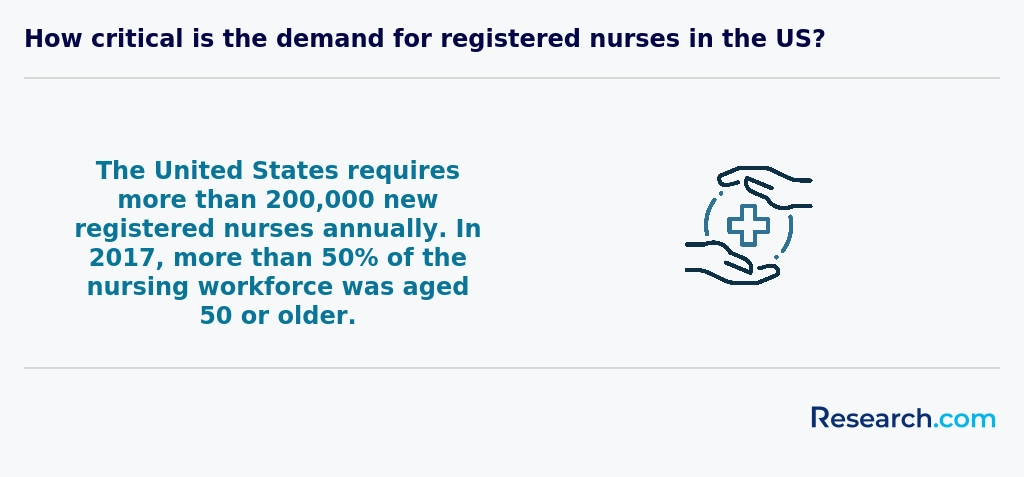
Graduates with a healthcare degree in Buffalo have a wealth of career paths to explore, reflecting the city's dynamic medical landscape. Many find rewarding roles as registered nurses, benefiting from strong local programs at institutions like the University at Buffalo. These graduates often share how their hands-on clinical training prepared them for high-demand hospital positions, with rewarding salaries and opportunities for growth, a key draw for those focused on patient care. Exploring healthcare career opportunities in Buffalo reveals additional avenues, such as medical technologists or lab technicians supporting diagnostic work in specialized fields like oncology, contextualized by Buffalo's growing investment in medical research.
Others pursue administrative roles, managing healthcare operations to enhance patient services, with graduates praising how Buffalo's schools equipped them with vital leadership skills. Public health is another meaningful path, addressing Erie County's community needs through prevention and education. For students weighing cost and quality, programs at Buffalo's public universities stand out as affordable choices compared to national averages, and resources like the Most Affordable Online Master's in Healthcare Degree Programs Ranking in Wisconsin offer further guidance. Considering Buffalo healthcare degree job prospects brings to light a variety of promising and fulfilling futures supported by strong local education and healthcare networks.
Graduates with healthcare degrees in Buffalo find themselves in a thriving job market shaped by strong local demand and steady growth. Many who studied at institutions like the University at Buffalo often share how their proximity to major employers such as Kaleida Health and ECMC provided valuable hands-on experience, making the transition into roles like Registered Nurses or Health Services Managers smooth and rewarding. This robust environment reflects the Buffalo healthcare degree employment outlook, which remains promising due to an aging population and expanding healthcare needs across Erie County.
Healthcare students frequently remark on the affordability of local education compared to national averages, which eases financial stress and encourages focus on career-building opportunities. The diverse settings-from outpatient clinics to nursing homes-offer wide-ranging job possibilities that align with various interests and specialties. Exploring fast degree programs in the area also helps many accelerate their entry into this vibrant labor market.
2027 Best Healthcare Degree Programs Ranking in Buffalo
Investing in your education is a significant decision that can profoundly impact your future, and the Research.com team recognizes the importance of making well-informed choices. To support prospective students in Buffalo, we have carefully developed the "2027 Best Healthcare Degree Programs Ranking in Buffalo." Our dedication to ensuring quality, credibility, and accuracy is demonstrated through thorough research and analysis.
We utilized the following reputable data sources to create a comprehensive evaluation of healthcare degree programs:
By reviewing this ranking, readers will obtain valuable insights into top healthcare education options in Buffalo, empowering them to make confident decisions about their academic and professional future. For a deeper understanding of how this ranking was created, please visit our Research.com methodology page.


Frequently Asked Questions About healthcare
Healthcare degree students in Buffalo can maximize their learning by engaging actively with local clinical opportunities. The Buffalo Niagara Medical Campus hosts several hospitals and research institutions, providing students hands-on experience essential for practical skills. Participating in internships at these facilities enhances both knowledge and employability.
Additionally, students benefit from joining professional organizations such as the Western New York Healthcare Association, which offers networking events and career resources. Utilizing Buffalo's strong community health programs also broadens understanding of public health challenges in urban settings.
Data from the New York State Department of Labor highlights healthcare fields growing faster than average in Buffalo, underscoring the value of gaining relevant regional experience.
The healthcare field in Buffalo is evolving with several emerging niches offering promising career opportunities. One notable area is telehealth, which expanded rapidly during the COVID-19 pandemic and continues to grow as technology improves patient access to care. According to the New York State Department of Health, telemedicine usage in Buffalo increased by over 150% from 2019 to 2022.
Another fast-growing niche is healthcare data analytics. Professionals skilled in managing and interpreting large health data sets are in demand to improve patient outcomes and reduce costs. Local hospitals like Kaleida Health are investing heavily in data-driven decision-making.
Additionally, geriatric care specialization is rising in response to Buffalo's aging population, which grew by 12% over the past decade, per U.S. Census data. This includes roles focused on chronic disease management and palliative care.
After completing a healthcare degree in Buffalo, preparing for the job market involves several practical steps. Start by gaining relevant experience through internships or clinical placements, which are often required by local employers and help build crucial skills.
Networking with Buffalo's healthcare institutions, such as Kaleida Health and Catholic Health, can open doors to job opportunities. These systems employ thousands locally and often recruit recent graduates. Joining local professional organizations, like the Western New York Health Collaborative, also enhances connections.
Additionally, obtaining necessary certifications and licenses specific to your healthcare field is essential. According to the Bureau of Labor Statistics, healthcare jobs in Buffalo are projected to grow steadily through 2030, emphasizing the importance of early career preparation.
Employers in Buffalo highly value both technical and interpersonal skills in healthcare degree graduates. According to data from the New York State Department of Labor, proficiency in electronic health records (EHR) systems is essential, reflecting the region's ongoing shift towards digital healthcare management. Communication skills rank equally high, as healthcare professionals must effectively interact with diverse patient populations and interdisciplinary teams.
Critical thinking and problem-solving abilities are also sought after, given the complexity of clinical environments in Buffalo's major hospitals like ECMC and Kaleida Health. Additionally, knowledge of local public health issues, including chronic disease management unique to the Western New York area, enhances a graduate's employability.
Finding internships in Buffalo related to healthcare degrees involves several strategic steps. Start by exploring connections through local universities like the University at Buffalo, which partners with numerous hospitals and clinics for internship placements. Institutions such as Kaleida Health and Catholic Health offer structured programs suitable for healthcare students.
Networking through professional organizations like the Western New York Healthcare Association can also provide valuable leads. Online platforms like Handshake and internships.com list opportunities specific to Buffalo's healthcare sector. According to the Buffalo Niagara Partnership, healthcare remains the region's largest employment sector, making internships plentiful but competitive.
Early application and maintaining strong academic performance increase chances of securing quality internships.
In Buffalo, obtaining a healthcare degree significantly enhances career mobility and advancement opportunities. The local healthcare sector, anchored by major employers like Kaleida Health and Roswell Park Comprehensive Cancer Center, demands skilled professionals with formal education.
According to the U.S. Bureau of Labor Statistics, healthcare occupations in the Buffalo-Niagara Falls metro area are projected to grow by 15% from 2021 to 2031, outpacing many other industries. This growth reflects rising demand for qualified employees, making healthcare degrees highly valuable for securing well-paying roles.
Additionally, advanced degrees such as nursing or healthcare administration can lead to leadership roles, increasing earning potential and job security.
Local schools offering accredited programs provide flexible pathways for students to enter or advance within the healthcare workforce efficiently.
Studying for a healthcare degree in Buffalo equips students with skills suited for interdisciplinary roles through a blend of coursework and practical experience. Local programs emphasize collaboration among fields such as nursing, public health, and health administration, reflecting the real-world integration seen in Buffalo's healthcare sector.
Partnerships with institutions like the Kaleida Health system offer hands-on training alongside diverse professionals, fostering communication and teamwork skills essential for interdisciplinary work. According to the New York State Department of Labor, the demand for healthcare workers adept in multiple disciplines in the Buffalo-Niagara region continues to grow steadily.
Additionally, curricula often include modules on health informatics and policy, preparing students to engage across clinical and administrative domains. This holistic approach aligns with national trends that value coordinated care and collaborative problem-solving in healthcare delivery.
Choosing between a thesis and a non-thesis healthcare degree program in Buffalo depends on your career goals and learning preferences. Thesis programs typically involve original research and are ideal if you plan to pursue advanced degrees or work in clinical research. Non-thesis programs focus on practical skills and coursework, making them suitable for those aiming to enter the workforce quickly.
Buffalo's healthcare sector employs over 100,000 workers, according to the Buffalo Niagara Partnership, highlighting diverse opportunities. Universities like the University at Buffalo offer both pathways, reflecting the city's demand for skilled professionals and researchers. Your decision should align with whether you prefer research or practical application in the healthcare field.
Students in Buffalo interested in studying healthcare abroad have several options through US universities' exchange and dual-degree programs. Many institutions in Buffalo, such as the University at Buffalo, offer study abroad partnerships with healthcare schools in Europe, Asia, and Australia. These programs often allow students to complete clinical rotations or coursework in global health settings, providing valuable international experience.
According to Buffalo Niagara Partnership data, healthcare is the largest employment sector locally, making global exposure increasingly relevant. Moreover, some programs include language preparation and cultural training to support student success overseas.
Students should explore options through Buffalo's colleges and consult program advisors to identify accredited, US-recognized opportunities that meet their professional goals.
Buffalo offers several part-time job opportunities that complement healthcare degree education effectively. Students can find roles as medical assistants, pharmacy technicians, or certified nursing assistants (CNAs) at local hospitals like Erie County Medical Center and Buffalo General Medical Center. These positions provide hands-on experience in patient care and medical administration.
Additionally, roles in medical billing and coding or health information technology are available, offering valuable behind-the-scenes knowledge of healthcare operations.
According to the New York State Department of Labor, healthcare support jobs in Buffalo are growing faster than average, providing a practical supplement to academic studies.
Healthcare students in Buffalo benefit from strong networking opportunities through local universities and healthcare institutions. The University at Buffalo, a prominent research university, offers student access to healthcare-focused career fairs, faculty-led research projects, and dedicated healthcare clubs. Partnerships with major local hospitals such as Erie County Medical Center enable students to gain practical experience and connect with professionals.
The Buffalo Niagara Medical Campus hosts regular events and seminars where students can meet healthcare leaders and alumni. Additionally, Buffalo's growing healthcare sector, with over 40,000 jobs according to the Buffalo Niagara Partnership, provides ample internship and volunteer roles to build professional networks early.
Alumni networks offer significant benefits to healthcare degree students in Buffalo by providing professional connections vital to career growth. These networks link current students with graduates working in local hospitals, clinics, and research centers, such as the Buffalo Niagara Medical Campus. According to the Buffalo Niagara Partnership, networking via alumni can increase job placement rates by up to 25% for healthcare fields.
Students gain access to mentorship opportunities, where experienced alumni offer guidance on licensing exams, internships, and workplace challenges. Many Buffalo healthcare institutions prioritize hiring from familiar alumni pools, making these connections crucial for competitive employment.
Additionally, alumni groups often organize workshops, job fairs, and seminars that keep students updated on healthcare trends and innovations relevant to the region's healthcare needs.
Healthcare degree programs in Buffalo offer multiple ways to customize your education to align with your career goals. Many institutions provide flexible curricula that allow you to choose specialized tracks such as nursing, health administration, or public health. This flexibility helps target the growing healthcare sector in Buffalo, which employs over 50,000 workers according to the Buffalo Niagara Partnership.
Internships and clinical placements with local hospitals like Kaleida Health or Sisters of Charity can provide hands-on experience in specific fields. Additionally, some programs support dual degrees or certificates in related areas, such as healthcare informatics or management, broadening your skills and job prospects. Tailoring your coursework to meet licensing requirements is also critical for job readiness.
Healthcare students in Buffalo face several challenges typical of rigorous medical and allied health programs. One major difficulty is balancing demanding course loads with clinical rotations, which require significant time commitments at local hospitals such as Buffalo General Medical Center. The region's healthcare workforce shortage, reported by the New York State Department of Labor, intensifies competition for quality clinical placements.
Additionally, many students grapple with financial strain. Tuition and related expenses at institutions like the University at Buffalo can be substantial, with many relying on loans or scholarships. The pandemic also disrupted traditional learning formats, forcing some programs to adapt quickly to hybrid or online models, which posed obstacles for hands-on training.
With a healthcare degree in Buffalo, you can pursue a variety of professional certifications that enhance your career prospects. Popular options include becoming a Certified Nursing Assistant (CNA), Licensed Practical Nurse (LPN), or Registered Nurse (RN), each requiring specific state exams and clinical hours. For those interested in specialized roles, certifications such as Certified Medical Assistant (CMA) or Registered Health Information Technician (RHIT) are widely recognized in the Buffalo healthcare market.
Buffalo's growing healthcare sector, including facilities like Kaleida Health and ECMC, supports high demand for certified professionals. According to the New York State Department of Labor, registered nursing positions in the region are expected to grow by 12% through 2028. This growth underscores the value of earning certifications to meet local healthcare needs.
Crafting a winning application for a healthcare program in Buffalo requires clarity, relevance, and strong evidence of commitment. Admissions committees often look for applicants with a solid academic record, particularly in biology, chemistry, and math. Highlighting volunteer or work experience in local healthcare settings, such as at Buffalo General Medical Center or Niagara Falls Memorial Medical Center, can strengthen your case.
Clear, concise personal statements explaining your passion for healthcare and career goals are critical. Buffalo's competitive programs may require standardized test scores like the TEAS or GRE, so prepare accordingly.
Letters of recommendation from healthcare professionals or instructors familiar with your skills also enhance credibility.
The global perspective on healthcare careers highlights increasing demand due to aging populations and chronic diseases worldwide. In the U.S., including Buffalo, healthcare jobs are projected to grow 13% from 2021 to 2031, faster than average for all occupations, according to the Bureau of Labor Statistics. This growth reflects a global trend where healthcare professionals are essential in managing public health challenges and advancing medical technologies.
Buffalo's position near international borders and its diverse population create opportunities for culturally competent healthcare workers. Institutions such as the University at Buffalo offer programs aligned with global health standards, preparing students for both local and international healthcare environments.
Gaining practical experience while studying for a healthcare degree in Buffalo is essential for career readiness. Many local institutions, including the University at Buffalo, offer clinical placements and internships as part of their healthcare programs. Students can work in partnerships with hospitals such as Buffalo General Medical Center and Roswell Park Comprehensive Cancer Center, providing hands-on training in diverse medical settings.
Buffalo's healthcare sector is among the largest employers, making it easier for students to find volunteer or part-time roles. According to data from the Buffalo Niagara Partnership, healthcare provides approximately 22% of local employment, highlighting numerous opportunities for practical learning. Additionally, many programs incorporate simulation labs and community-based projects to enhance skills before direct patient interaction.
Choosing the right concentration within a healthcare degree program in Buffalo requires understanding local industry demands and your career goals. Buffalo has a growing healthcare sector, with the Buffalo Niagara Medical Campus employing over 12,000 healthcare professionals as of recent reports from the Buffalo Niagara Partnership.
Start by researching concentrations that align with Buffalo's needs-such as nursing, public health, or healthcare administration-fields showing steady job growth according to the Bureau of Labor Statistics. Consider your interests and strengths alongside program curriculum and clinical opportunities offered by Buffalo-area institutions.
Engage with local healthcare providers or alumni to gain insights and ensure the concentration supports meaningful employment in Buffalo's dynamic healthcare market.
- 2027 Best Healthcare Degree Programs Ranking in Rochester
- 2027 Best Healthcare Degree Programs Ranking in Erie
- 2027 Best Healthcare Degree Programs Ranking in Syracuse
- 2027 Best Healthcare Degree Programs Ranking in Cleveland
- 2027 Best Healthcare Degree Programs Ranking in Pittsburgh
- 2027 Best Healthcare Degree Programs Ranking in Wilkes-Barre
- 2027 Best Healthcare Degree Programs Ranking in Scranton
- 2027 Best Healthcare Degree Programs Ranking in Toledo
- 2027 Best Healthcare Degree Programs Ranking in Albany
- 2027 Best Healthcare Degree Programs Ranking in Philadelphia
See What Experts Have To Say About Studying Healthcare
Read our interview with Healthcare experts

- Top 10 Healthcare Industry Trends [2026] | StartUs Insights https://www.startus-insights.com/innovators-guide/healthcare-industry-trends/
- Health Management Careers https://www.ache.org/Career-Resources/Start-Your-Career/Health-Management-Careers
- 10 Common Challenges Medical Students Face and How to Overcome Them https://www.laumed.org/blog/10-common-challenges-medical-students-face-and-how-to-overcome-them
- Thesis vs. Non-Thesis Master's Programs: Which is Right for You? https://potomac.edu/thesis-vs-non-thesis-masters/
- Emerging Healthcare Specialties 2026: Avoid Obsolete Skills https://zeedocs.com/2026/02/12/emerging-healthcare-specialties-2026/
- What are the top 10 skills that'll get you a job when you graduate? https://targetjobs.co.uk/careers-advice/skills-for-getting-a-job/what-are-top-10-skills-thatll-get-you-job-when-you-graduate
- 6 Tips On Networking For Medical Professionals https://aaams.net/blog/how-to-network-in-the-medical-field-nurses/
- How Interdisciplinary Degrees Are Shaping Modern Healthcare Careers - Dr. Diana Rangaves, PharmD https://dianarangaves.com/2026/05/26/interdisciplinary-degrees/
- What Can You Do with a Health Sciences Degree? https://www.ycp.edu/news/what-can-you-do-with-a-health-sciences-degree
- Study Healthcare Abroad - Top Universities for Masters, MBA, PhD Degree Programs https://studee.com/degree/abroad/healthcare