
2027 Most Affordable Healthcare Degree Programs Ranking in Connecticut

Co-Founder and Chief Data Scientist
Choosing the right healthcare degree program in Connecticut can feel overwhelming. That's why the Research.com team of data scientists created the 2027 Most Affordable Healthcare Degree Programs Ranking in Connecticut to guide you. This article highlights the best affordable options, making it easier for you to find a program that fits your goals and budget.
Investing in a healthcare degree opens doors to a rewarding career helping others. Reading this ranking will give you confidence in making a smart, informed decision for your future.
Key benefits of getting healthcare degree in Connecticut
- Healthcare degree graduates in Connecticut can earn competitive salaries, such as Medical Assistants making a mean annual wage of $43,350, and Quality Improvement Coordinators earning up to $103,150, offering strong financial benefits.
- Graduates from Connecticut institutions often find diverse career paths, including roles like Patient Care Technicians or Clinical Research Coordinators, ensuring opportunities in both clinical and administrative healthcare settings.
- Completing a healthcare degree online, such as through a well-known Connecticut university, provides flexibility and convenience, allowing students to balance work and study while gaining valuable skills.
- Key benefits of getting healthcare degree in Connecticut
- What can I expect from healthcare degree in Connecticut?
- Where can I work with healthcare degree in Connecticut?
- How much can I make with healthcare degree in Connecticut?
- 2027 Most Affordable Healthcare Degree Programs Ranking in Connecticut
- Key Findings
- How long does it take to complete healthcare degree in Connecticut?
- Embracing Online Learning in Healthcare Education
- What's the difference between online and on-campus healthcare degree?
- Accreditation and Licensure Requirements
- What is the average cost of healthcare degree in Connecticut?
- Emerging Trends & Future Outlook in Healthcare Education
- What financial aid is available to healthcare degree students in Connecticut?
- Continuing Education and Professional Certification Opportunities
- What are the prerequisites for enrolling in healthcare degree program in Connecticut?
- Licensure and Certification Requirements in Connecticut
- What courses are typically in healthcare degree programs in Connecticut?
- What types of specializations are available in healthcare degree programs in Connecticut?
- How do you choose the best healthcare degree in Connecticut?
- What career paths are available for healthcare degree students in Connecticut?
- What is the job market for healthcare degree in Connecticut?
- Related Healthcare Rankings for Nearby States
- Top Trending Healthcare Rankings
- See What Experts Have To Say About Studying Healthcare
What can I expect from healthcare degree in Connecticut?
The average cost of a healthcare degree in Connecticut varies significantly depending on the institution and level of study. Graduates from the Connecticut Community College System typically report tuition expenses ranging from $5,000 to $8,000 per year for associate degrees, which include programs like nursing and medical assisting. This affordability allows many students to balance education with work or family commitments, easing financial stress.
In contrast, bachelor's and master's degrees from universities such as the University of Connecticut or Quinnipiac University usually entail higher tuition costs, averaging between $20,000 and $35,000 annually. These programs often attract students who appreciate the blend of rigorous coursework and practical internships, which graduates describe as invaluable for career readiness.
Despite the higher price tag, many healthcare students find scholarships and financial aid accessible, significantly reducing out-of-pocket expenses. The combination of clinical experience, networking opportunities facilitated by universities, and solid financial support makes studying healthcare in Connecticut both a practical and rewarding investment for a growing workforce.
Where can I work with healthcare degree in Connecticut?
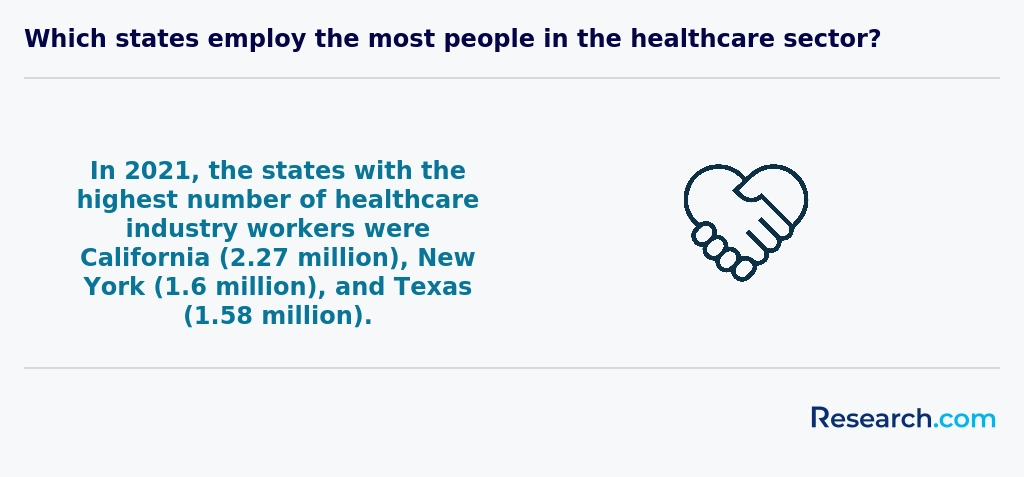
Graduates with healthcare degrees from institutions like the University of Connecticut and Quinnipiac University find a wealth of employment opportunities across Connecticut's expansive healthcare sector, which supports over 180,000 jobs as of 2023. Many secure roles in major hospital systems such as Yale New Haven Health or Hartford HealthCare, working as registered nurses, physical therapists, or healthcare managers. These real-world settings provide graduates with hands-on experience while meeting the steady demand for skilled clinical staff and administrators.
Beyond hospitals, outpatient clinics and specialty centers draw professionals skilled in diagnostic imaging, occupational therapy, and respiratory care. Graduates often describe rewarding careers in ambulatory care, addressing preventive health and chronic disease management within community settings.
Public health degree holders find positions in state and local health departments, contributing to vital disease prevention and health promotion initiatives. Long-term care facilities and home healthcare agencies also employ graduates, responding to Connecticut's growing elder population with roles in nursing and rehabilitation.
Finally, healthcare administration alumni thrive in insurance, pharmaceutical, and health IT companies, applying their skills toward management, policy, and compliance-showcasing the diverse and dynamic career paths available across Connecticut's healthcare landscape.
How much can I make with healthcare degree in Connecticut?
Graduates holding healthcare degrees in Connecticut can expect competitive salaries reflecting the state's strong healthcare sector. For example, medical assistants typically earn a mean annual wage of about $43,350, while patient care technicians receive higher wages, averaging $60,790 per year. This difference often mirrors the level of clinical responsibility and specialized training involved.
Health information technicians, another common role for healthcare degree holders, earn roughly $43,380 annually, which offers a solid start for those entering healthcare administration or health informatics fields. Clinical research coordinators command similar wages near $43,350, providing opportunities in research-driven healthcare settings.
Roles with greater responsibility, such as quality improvement coordinators, offer notably higher compensation, with mean annual earnings around $103,150. Connecticut graduates from universities like the University of Connecticut or Yale School of Public Health often share that these salary prospects, combined with local healthcare networks, make pursuing a healthcare degree highly rewarding.
These figures highlight that investing in a healthcare degree in Connecticut can lead to meaningful economic returns early in one's career while opening pathways to advanced roles and specializations.
2027 Most Affordable Healthcare Degree Programs Ranking in Connecticut
How do we rank schools?
Investing in your education is a significant decision, and the Research.com team fully recognizes the importance of making well-informed choices. To support prospective students in Connecticut, we have carefully developed the "2027 Most Affordable Healthcare Degree Programs Ranking." Our dedication to quality, credibility, and accuracy is demonstrated through thorough research and analysis behind this ranking.
We utilized the following reputable data sources to ensure a comprehensive evaluation of affordable healthcare degree programs:
By exploring this ranking, readers will gain valuable insights into the most affordable healthcare degree options in Connecticut, empowering them to make confident decisions about their educational investments. For more information on how this ranking was created, please visit our Research.com methodology page.
# 1 position
Charter Oak State College
Healthcare Administration Bachelor's
# 2 position
Charter Oak State College
Master of Science in Health Data Analytics


# 9 position
Post University
MBA Healthcare Administration

# 10 position
Post University
Bachelor of Science in Healthcare Services


Key Findings
- Tuition for public healthcare degree programs in Connecticut ranges from $12,000 to $18,000 per year for in-state students, while private colleges charge between $30,000 and $50,000 annually.
- Entry-level healthcare professionals, such as registered nurses, earn starting salaries around $65,000 per year in Connecticut.
- Mid-career healthcare workers in the state can expect salaries often exceeding $90,000 annually, depending on their specific job and work setting.
- Healthcare jobs are growing faster than most other sectors in Connecticut, with strong demand for nurses, therapists, and health support roles.
- Many programs include clinical experience at local hospitals and clinics, essential for licensure and practical training within the state.
- Connecticut offers various scholarships and financial aid aimed at healthcare students, especially to encourage work in underserved areas.
How long does it take to complete healthcare degree in Connecticut?
Completing a healthcare degree in Connecticut varies by program level and format. An Associate Degree in Nursing (ADN) typically requires about two years at community colleges like Gateway Community College or Manchester Community College. Graduates often feel confident entering the workforce quickly, prepared for RN licensure within this timeframe.
Bachelor's degrees, such as a BSN from the University of Connecticut or Sacred Heart University, usually demand four years of full-time study. Students commonly share that the comprehensive curriculum and clinical experience at these institutions build strong foundations and open doors to advanced certifications.
Master's programs, including MSN or healthcare administration, generally take two to three years beyond the bachelor's degree. Yale University's flexible options, both online and on-campus, attract many who appreciate the balance between rigorous academics and personal commitments. Accelerated pathways can shorten this to 12-18 months for those with prior healthcare backgrounds, allowing quicker career advancement.
Clinical hours and prerequisite courses often extend timelines, but many students find these requirements vital for gaining real-world skills and confidence. This combination of academic rigor and practical experience at Connecticut's institutions ensures graduates feel well-prepared and optimistic about their futures.
Embracing Online Learning in Healthcare Education
The rapid evolution of education has made online learning a vital avenue for aspiring healthcare professionals. Today’s online programs incorporate cutting-edge digital tools and flexible learning schedules that cater to diverse life circumstances. Virtual classrooms offer interactive modules, real-time feedback, and simulation labs that replicate hands-on clinical experiences-ensuring that students receive quality training comparable to traditional on-campus settings. Furthermore, online programs provide the flexibility to balance work, family, and study, making it easier to stay on track toward a rewarding healthcare career. For those seeking cost-effective alternatives without compromising on quality, many experts recommend exploring options like the affordable online healthcare school in connecticut, which highlights the growing prominence of digital education in the healthcare field. This evolving learning environment not only broadens access to quality education but also prepares graduates to thrive in the increasingly digital and interconnected world of healthcare.
What's the difference between online and on-campus healthcare degree?
Online healthcare degree programs in Connecticut offer flexibility unmatched by traditional formats, enabling students to balance work, family, and studies more easily. Graduates from popular institutions like the University of Connecticut often praise the ability to access recorded lectures and virtual discussions at their convenience. Still, these programs integrate essential in-person clinical placements to develop hands-on skills critical for healthcare professions.
Conversely, on-campus programs at schools such as Quinnipiac University provide immersive experiences with direct access to labs, simulation centers, and face-to-face mentorship. Students value the networking opportunities and immediate feedback during practicum sessions, often facilitated through partnerships with local hospitals and clinics.
Cost-wise, Connecticut's public universities average around $14,000 per year for in-state tuition, consistent across both formats, though online students frequently save on commuting and housing. Both formats demand clinical hours essential for licensure, with accredited programs ensuring quality education whether delivered remotely or on campus.
Accreditation and Licensure Requirements
Ensuring your healthcare degree is fully accredited and meets Connecticut’s licensure standards is critical for career success. Accreditation not only validates program quality but also determines your eligibility to sit for required certification exams. In Connecticut, key accrediting bodies include:
- Commission on Collegiate Nursing Education (CCNE) or Accreditation Commission for Education in Nursing (ACEN) for nursing programs
- Commission on Accreditation in Physical Therapy Education (CAPTE) for physical therapy assistant programs
- Council on Education for Public Health (CEPH) for public health degrees
- Commission on Accreditation of Healthcare Management Education (CAHME) for healthcare management Upon graduation, you must pass state or national licensing exams-such as the NCLEX-RN for registered nurses or the National Physical Therapy Exam (NPTE) for physical therapy assistants-to obtain your professional credential. Steps typically include: 1. Graduating from a program accredited by the relevant agency 2. Submitting a licensure application and official transcripts to the Connecticut Department of Public Health 3. Scheduling and passing the required certification exam 4. Completing any state-mandated background checks and jurisprudence assessments For those exploring specialized pathways, Connecticut offers an array of online associate degrees that align with CAPTE standards-consider the Best Online Associate in Physical Therapy Assistant Programs to streamline accreditation and licensure preparation. Understanding these requirements early ensures you select an affordable healthcare degree program in Connecticut that fully prepares you for immediate entry into the workforce.
What is the average cost of healthcare degree in Connecticut?
The average cost of a healthcare degree in Connecticut typically reflects the diverse range of institutions within the state and their tuition rates. Based on recent data, the median total cost for completing a healthcare degree stands around $57,230, with significant variation between in-state and out-of-state students. In-state students generally face a median cost near $35,760, making local public universities like the University of Connecticut an appealing choice due to their more affordable tuition combined with strong healthcare programs. Graduates from these institutions often report satisfaction with the value received given the comprehensive curriculum and clinical training offered.
Community colleges such as Gateway Community College provide an even more affordable pathway to healthcare careers, often costing between $6,000 and $8,000 annually for in-district students. These programs are particularly attractive for students seeking associate degrees or entry-level healthcare roles. Several students have expressed positive experiences transitioning from these colleges to higher-level healthcare positions, citing cost-effectiveness as a key factor in their educational decisions. For those exploring affordable online healthcare school in connecticut, this route can be practical and budget-friendly.
Private institutions, including Yale University, significantly raise the cost spectrum with tuition that can exceed $60,000 per year regardless of residency. Nevertheless, the availability of financial aid can substantially offset these expenses, making private education accessible and desirable in many cases. For prospective students focused on affordable healthcare degree programs Connecticut 2027 options must be carefully weighed against long-term career goals and potential financial aid opportunities to ensure the best return on investment.

Emerging Trends & Future Outlook in Healthcare Education
In today’s rapidly evolving healthcare landscape, staying ahead means understanding not only the current educational offerings but also the trends that will shape tomorrow’s healthcare professionals. This section highlights how technological innovations-such as advanced simulation labs, telehealth practicum, and AI-driven learning tools-are transforming the way healthcare is taught and practiced in Connecticut. These emerging trends provide students with dynamic learning environments that combine virtual patient simulations, interactive feedback, and flexible program delivery. For example, incorporating digital health technologies in curriculum planning helps bridge the gap between theoretical knowledge and practical skills, ensuring graduates are well-prepared to meet future industry demands. Students exploring these innovations might also consider options like exploring an affordable online healthcare school in connecticut, where virtual classrooms and remote learning platforms are integrated with hands-on training to create a comprehensive educational experience. These developments not only enhance learning outcomes but also ensure that Connecticut’s healthcare education remains competitive and aligned with the evolving needs of the global healthcare sector.
What financial aid is available to healthcare degree students in Connecticut?
Financial aid for healthcare students in Connecticut includes federal, state, institutional, and employer-based support, all essential in managing tuition costs, which average around $12,000 per year at public colleges. Many graduates from institutions like the University of Connecticut School of Nursing recall relying heavily on the Pell Grant, which offers up to $7,395 in need-based funds without repayment obligations, easing financial stress significantly.
The Connecticut Encourages You (CEY) grant further reduces expenses for students demonstrating financial need and satisfactory academic progress, providing critical support in costly professional healthcare programs. Graduates from Quinnipiac University's Allied Health programs frequently mention scholarships from regional organizations such as the Connecticut State Medical Society Foundation, which help target high-demand fields like nursing and physical therapy.
Employer tuition reimbursement proves invaluable for working healthcare professionals advancing their education, enabling them to pursue degrees without excessive debt. Additionally, merit-based scholarships from colleges directly reward academic achievement, a strategy that many students at Yale School of Public Health have successfully utilized to offset costs.
Continuing Education and Professional Certification Opportunities
In today’s dynamic healthcare environment, graduates have the chance to stand out by pursuing continuing education and specialized certifications. Complementing a formal degree with targeted training not only sharpens your skills but also boosts your marketability in a competitive industry. For instance, supplementing your primary qualification with a medical billing and coding certificate online can open additional career doors in healthcare administration and revenue cycle management. Short-term courses and certifications provide practical, up-to-date insights that keep professionals aligned with industry advancements and regulatory changes. By integrating these learning opportunities into your professional journey, you can enhance your expertise, improve job prospects, and secure a competitive edge in the evolving healthcare landscape.
What are the prerequisites for enrolling in healthcare degree program in Connecticut?
Prospective students aiming to enroll in healthcare degree programs in Connecticut must meet defined academic and administrative prerequisites that ensure readiness for rigorous study and clinical work. Undergraduate applicants typically present a high school diploma with strong science and math backgrounds, including courses like biology and chemistry. For instance, graduates from community colleges in Connecticut often recall that maintaining at least a 2.5 GPA was necessary, with competitive nursing programs occasionally requiring higher standards and prerequisite classes such as anatomy.
Advanced applicants pursuing degrees like a BSN or MSN commonly submit standardized test scores (SAT/ACT), transcripts showing a minimum 3.0 GPA, letters of recommendation, and personal statements. Applicants sharing their experiences from universities known for healthcare, such as the University of Connecticut, emphasize how professional healthcare exposure strengthened their applications.
Additional prerequisites include background checks, immunization records, CPR certification, and sometimes passing entrance exams like the TEAS for nursing programs. These requirements prepare students for clinical placements while supporting patient safety.
Licensure and Certification Requirements in Connecticut
Obtaining a healthcare degree is only the first step; securing state licensure and national certification ensures you can practice legally and competitively in Connecticut’s healthcare system. The Connecticut Department of Public Health (DPH) oversees licensing for many healthcare roles, from Registered Nurses (RNs) to Health Information Technicians and Patient Care Technicians, each with distinct application processes, exam requirements, and renewal cycles. For Registered Nurses, graduates must pass the NCLEX-RN exam and submit an online application through the Connecticut DPH portal. Required documents include official transcripts, a background check, and the licensure fee (approximately $150). Upon passing the NCLEX, RNs receive a two-year license, which mandates 30 hours of continuing education per renewal cycle, covering topics such as patient safety, ethics, and evidence-based practice. Health Information Technicians often pursue certification through organizations like AHIMA (e.g., Registered Health Information Technician, RHIT) or AAPC (e.g., Certified Professional Coder, CPC). While Connecticut does not require state licensure for HITs, national certification demonstrates expertise in medical coding, data privacy, and electronic health record management-skills increasingly essential to healthcare employers. Patient Care Technicians must complete a state-approved training program, pass a competency exam, and register with the DPH. Renewal is annual and may involve proof of clinical hours and basic life support (BLS) certification. Other specialized roles-such as Medical Assistants and Phlebotomy Technicians-follow similar pathways, combining employer-sponsored training with national certification exams. If you’re planning to pursue an advanced online master’s degree and align licensure timelines, check out our Low Cost Online Master's in Healthcare Degree Programs Ranking in Washington, DC for flexible, affordable graduate options.
What courses are typically in healthcare degree programs in Connecticut?
Healthcare degree programs in Connecticut consistently include core courses such as human anatomy and physiology, medical terminology, and pharmacology. These foundational classes equip students with the essential knowledge to understand the human body, communicate professionally, and comprehend medication effects-skills critical for roles in nursing, allied health, and administration. Graduates from prominent Connecticut colleges often highlight how anatomy labs and pharmacology lectures prepared them to confidently handle clinical scenarios.
Courses on healthcare ethics and law ensure students grasp patient rights and professional standards, which graduates frequently describe as crucial when navigating real-world dilemmas during practicum experiences. Similarly, microbiology and pathology courses deepen understanding of diseases and diagnostic techniques, providing a solid base for clinical and research careers.
Health information management is another key area, reflecting the state's shift toward electronic health records. Students report that their exposure to data security and digital systems made them well-prepared for modern healthcare environments.
Practicum placements with local hospitals allow students to immediately apply classroom learning, fostering confidence and hands-on skills. This integration of theory and practice is frequently praised by Connecticut healthcare graduates as pivotal to their career readiness.
- Human Anatomy and Physiology
- Medical Terminology
- Pharmacology
- Healthcare Ethics and Law
- Microbiology and Pathology
- Health Information Management
- Clinical Practice/Practicum
What types of specializations are available in healthcare degree programs in Connecticut?
Healthcare degree specializations in Connecticut encompass a broad spectrum of disciplines reflecting the evolving healthcare landscape. Nursing remains a dominant focus, with programs preparing registered nurses (RN), nurse practitioners (NP), and specialties such as pediatric nursing, popular among graduates from well-known institutions like the University of Connecticut. Health Informatics is emerging rapidly, blending IT skills with healthcare to meet demands in electronic health records and data analysis. Students from Hartford's healthcare programs often highlight practical learning environments that enhance their career readiness.
Public Health and Healthcare Administration are key specializations that prepare students to tackle community health challenges and to manage healthcare organizations efficiently. Graduates from Connecticut College express satisfaction with the real-world policy and management training received. Physical Therapy and Medical Laboratory Science also rank prominently, offering hands-on experience in patient rehabilitation and clinical diagnostics.
Those seeking niche certifications may explore the medical billing and coding certificate online to complement their healthcare degrees in Connecticut, expanding job opportunities post-graduation.
How do you choose the best healthcare degree in Connecticut?
Choosing the best healthcare degree in Connecticut requires examining specific program strengths aligned with your career goals. Graduates from popular Connecticut universities often emphasize the value of programs accredited by national bodies like the Commission on Collegiate Nursing Education (CCNE), which ensures recognized quality and licensure eligibility. For example, nursing students appreciate degrees that combine theoretical knowledge with clinical placements in nearby hospitals, enhancing hands-on experience and employability.
Cost considerations are crucial; many students seek affordable healthcare degree programs Connecticut offers at public colleges with average tuition between $12,000 and $15,000 per year. Balancing expenses with opportunities such as scholarships can significantly ease financial burdens. Students in healthcare administration programs highlight how well-designed curricula incorporating health informatics prepare them for growing local job markets.
Flexibility is another deciding factor. Online and hybrid models attract working adults wanting to advance careers without pausing employment. Those interested in hands-on roles may review options like the Best Online Associate in Physical Therapy Assistant Programs, valuing quality clinical instruction paired with online convenience. Analyzing graduation and licensure exam pass rates helps prospective students identify reliable, effective programs in Connecticut's evolving healthcare sector.
What career paths are available for healthcare degree students in Connecticut?
Graduates with a healthcare degree in Connecticut find diverse career paths due to the state's robust medical infrastructure. Popular roles include Registered Nurse (RN), with a median annual wage near $75,000, and Medical and Health Services Manager, earning around $110,000. Physical Therapists and Healthcare Social Workers also contribute significantly to the healthcare sector, with annual salaries averaging $95,000 and $60,000 to $70,000 respectively. Many students choose programs at well-known institutions such as the University of Connecticut or Quinnipiac University, where hands-on clinical experience and connections to Yale New Haven Hospital enhance employment prospects.
Jobs with healthcare degree in Connecticut extend beyond direct patient care, including healthcare administration, research, and policy development. Graduates appreciate the state's emphasis on certifications, such as the NCLEX-RN for nurses, ensuring readiness for licensure and employment. For those balancing education and cost, Low Cost Online Master's in Healthcare Degree Programs Ranking in Washington, DC offers insight into affordable pathways that complement local options, providing flexible routes to advance a rewarding healthcare career in the region.
What is the job market for healthcare degree in Connecticut?
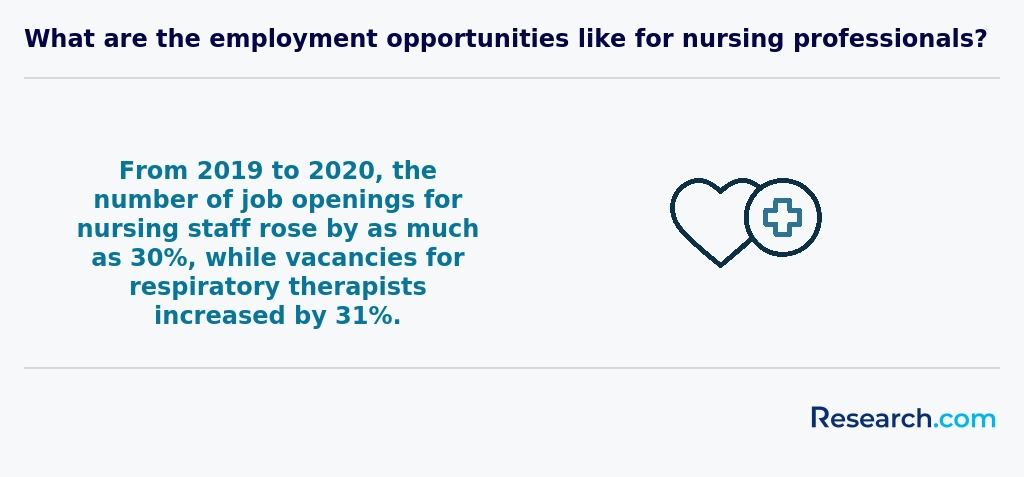
The healthcare job opportunities in Connecticut remain vibrant, especially for graduates from prominent institutions with accredited programs such as the University of Connecticut and Quinnipiac University. These graduates frequently share positive experiences securing roles in well-established systems like Yale-New Haven Health and Hartford HealthCare, reflecting a workforce demand fueled by the state's aging population and expanding healthcare infrastructure.
Connecticut healthcare degree career outlook is bolstered by a projected 15% employment growth through 2030, far surpassing average industry gains. Registered nurses in the state enjoy median salaries exceeding $75,000, while roles in healthcare administration and allied health fields also show strong wage potential and job stability. Many graduates find rewarding employment involving direct patient care or specialized support, benefiting from accessible programs that often integrate fast college courses to reduce education costs and accelerate entry into the workforce.
Frequently Asked Questions About healthcare
Healthcare degree students in Connecticut can maximize their learning experience by engaging in hands-on clinical training at local hospitals and healthcare facilities, which are abundant due to the state's strong medical network. Connecticut hosts top hospitals like Yale New Haven and Hartford Hospital that frequently partner with educational programs. Students should seek programs accredited by recognized bodies such as the Commission on Accreditation of Allied Health Education Programs (CAAHEP) to ensure quality education.
Additionally, taking advantage of internship and externship opportunities offers real-world experience, improving both skills and employability. Connecticut's Bureau of Labor Statistics reports a projected 14% growth in healthcare jobs through 2030, highlighting the importance of practical learning. Finally, participating in campus research or community health initiatives further enhances understanding and professional readiness.
Healthcare in Connecticut is evolving, with several emerging niches gaining importance. One notable field is geriatric care, driven by the state's aging population. According to the Connecticut Department of Public Health, residents aged 65 and older now make up over 17% of the population, increasing demand for specialized care providers.
Another growing area is telehealth, accelerated by the COVID-19 pandemic. Telemedicine expands access to healthcare, especially in rural parts of the state. Many Connecticut institutions offer training in digital health technologies.
Behavioral health is also expanding due to rising mental health awareness. Professionals skilled in integrated care models combining physical and mental health services are increasingly sought after.
These emerging niches reflect broader national trends but are shaped by Connecticut's specific demographic and healthcare infrastructure demands.
Preparing for the job market after completing a healthcare degree in Connecticut involves several strategic steps. First, gaining practical experience through internships or clinical placements is essential, as Connecticut hospitals and clinics value hands-on skills. According to the Connecticut Department of Labor, healthcare occupations are projected to grow 12% by 2030, highlighting strong job prospects in the state.
Networking with professionals through local healthcare associations can also increase employment opportunities. Certifications relevant to Connecticut's healthcare regulations, such as CPR and HIPAA compliance, enhance a graduate's resume.
Lastly, utilizing state job boards and university career services can connect graduates with local openings and employers.
Employers in Connecticut value healthcare degree graduates who demonstrate strong clinical skills alongside effective communication. According to the Connecticut Department of Labor, proficiency in patient care, medical technology, and electronic health records is crucial in this competitive job market.
Interpersonal skills are also highly sought after, as healthcare workers must collaborate efficiently within multidisciplinary teams. Critical thinking and problem-solving abilities rank among the top attributes, enabling professionals to adapt quickly to dynamic healthcare environments.
Given Connecticut's aging population, knowledge of geriatric care and chronic disease management is increasingly important. Additionally, cultural competence and understanding diverse patient backgrounds enhance job prospects significantly in the state's healthcare sector.
Finding healthcare internships in Connecticut involves leveraging local healthcare networks and educational resources. Many universities and colleges in Connecticut, such as the University of Connecticut and Yale School of Medicine, maintain partnerships with hospitals and clinics offering clinical internships. These institutions often provide dedicated career services to help students secure relevant placements.
Connecticut's healthcare sector features numerous providers, including Yale New Haven Health, a major employer offering internship opportunities in nursing, public health, and allied health fields. The Connecticut Department of Public Health website also lists internship openings and guidance for healthcare students.
Students should explore statewide job portals like CTCareers.ny.gov and connect with professional organizations such as the Connecticut Nurses Association for networking and mentorship.
Internship availability may vary, so early application and direct outreach to healthcare facilities increase success chances. According to the Bureau of Labor Statistics, Connecticut's healthcare employment grew by 9% over the past decade, indicating expanding internship possibilities.
Obtaining a healthcare degree in Connecticut significantly enhances career mobility and advancement opportunities. The state's growing healthcare industry offers diverse roles, from nursing to health administration. According to the Connecticut Department of Labor, healthcare occupations are projected to grow by 11% through 2030, faster than the average for all occupations.
This growth means degree holders experience increased job stability and access to higher-paying positions. Advanced degrees can open doors to leadership roles, such as nurse managers or healthcare administrators, which often require formal education beyond entry-level credentials.
Connecticut's hospitals and clinics frequently prefer candidates with accredited degrees, emphasizing the importance of formal education for career progression in the state's competitive healthcare market.
Studying for a healthcare degree in Connecticut equips students with skills needed for interdisciplinary roles by emphasizing collaboration across various medical and health fields. Many programs integrate courses in nursing, public health, healthcare administration, and social work to build well-rounded professionals.
Connecticut's healthcare education often incorporates practical experiences through partnerships with major hospitals and community health centers. This real-world exposure helps students understand the complexities of patient care teams and broader health systems.
The state's initiatives, such as the Connecticut Department of Public Health's workforce development efforts, further support interdisciplinary training to address local health challenges.
According to the U.S. Bureau of Labor Statistics, Connecticut expects healthcare occupations to grow by over 10% through 2030, increasing demand for professionals capable of working collaboratively.
Choosing between a thesis and a non-thesis healthcare degree program in Connecticut depends largely on your career goals. Thesis programs focus on research, requiring students to complete an original study, which is ideal if you plan to pursue doctoral studies or work in clinical research. Non-thesis options emphasize practical skills and coursework, suitable for immediate entry into healthcare professions.
Connecticut's healthcare industry is growing, with over 200,000 healthcare jobs projected by 2030 according to the Connecticut Department of Labor. This demand often favors applied skills gained in non-thesis programs. However, institutions like the University of Connecticut offer both formats, allowing flexibility based on student interests.
Financial aid and program length also vary; thesis tracks might extend study duration and require more funding. Be sure to review specific program requirements at prospective schools to align with your professional ambitions.
Students based in Connecticut who wish to study healthcare abroad have several options through US higher education partnerships. Many Connecticut universities collaborate with international institutions in countries like Ireland, Australia, and the United Kingdom, offering exchange programs or dual degree opportunities in fields such as nursing, public health, and healthcare administration.
According to the Connecticut Office of Higher Education, approximately 10% of healthcare students participate in study abroad programs, highlighting growing interest in global healthcare perspectives. Such programs provide exposure to diverse healthcare systems and practices, enhancing cultural competence-a vital skill in Connecticut's increasingly diverse population.
Financial aid and scholarships may be available to support these opportunities, but students should verify transferability and licensure implications when returning to practice in the US.
Part-time job opportunities in Connecticut that complement healthcare degree education are diverse and practical. Many students find positions as medical assistants, certified nursing assistants (CNAs), or pharmacy technicians to be highly relevant. These roles offer hands-on experience and strengthen clinical skills essential for healthcare careers.
Connecticut's healthcare sector employs over 250,000 people, making these jobs widely available. The state's Department of Labor reports that CNAs in Connecticut earn a median hourly wage of $15.50, allowing students to support themselves while gaining experience. Additionally, roles such as patient care coordinators or lab assistants provide valuable exposure to healthcare settings.
Hospitals and clinics affiliated with institutions like Yale New Haven Health System often hire part-time students, offering flexible schedules aligned with academic commitments.
Healthcare students in Connecticut benefit from numerous networking opportunities that connect them with professionals and peers. Many universities and colleges in the state host career fairs, workshops, and guest lectures featuring healthcare experts. For example, the Connecticut State Department of Public Health collaborates with schools to offer access to internships and training programs.
Professional organizations like the Connecticut Nurses Association and the Connecticut Hospital Association provide students with local memberships, allowing them to attend conferences and events. According to the U.S. Bureau of Labor Statistics, Connecticut employs over 200,000 healthcare professionals, a robust network for students to engage with.
Additionally, strong hospital systems such as Yale New Haven Health and Hartford HealthCare actively partner with academic institutions, offering practical experience and mentorship programs. These combined resources create valuable pathways for healthcare students to build connections essential for their careers.
Alumni networks provide significant advantages to healthcare degree students in Connecticut by connecting them to established professionals within the state's robust medical community. These networks often facilitate mentorship opportunities, helping students navigate their career paths and understand local healthcare demands. For example, institutions like the University of Connecticut Health Center maintain active alumni groups that support job placement and internships.
Given Connecticut's ranking as one of the top states for healthcare employment growth, with a 9% increase expected by 2030 according to the U.S. Bureau of Labor Statistics, networking through alumni can be crucial. Access to contacts in prestigious Connecticut hospitals and clinics enhances students' chances of securing relevant clinical experiences and employment post-graduation.
Additionally, alumni networks often provide updates on regional industry trends, continuing education, and professional development resources tailored to Connecticut's healthcare landscape. These connections contribute to building a professional reputation and career longevity within the state's competitive healthcare market.
Customizing a healthcare degree program in Connecticut allows students to align their education with specific career goals. Many institutions in the state offer flexible course selections and specializations, such as public health, nursing, or healthcare administration. This enables students to focus on areas with strong local demand. For example, Connecticut's healthcare sector is projected to grow by 10% through 2030, according to the Connecticut Department of Labor. Students can also pursue internships and clinical experiences through partnerships with local hospitals and health organizations, gaining hands-on skills relevant to the state's healthcare needs.
Academic advisors in Connecticut universities often help students design personalized study plans. Combining electives and practical training, students can develop expertise in fields like healthcare technology or patient care management. Furthermore, programs accredited by bodies such as the Commission on Collegiate Nursing Education (CCNE) ensure robust training and better job market outcomes. Overall, the variety of program options and state-specific industry ties make it feasible to tailor a healthcare degree for targeted professional advancement in Connecticut.
Healthcare students in Connecticut often face several challenges during their education. One significant obstacle is the high cost of tuition, which can exceed the national average, making it difficult for many to afford quality programs. According to the Connecticut Office of Higher Education, student debt in health-related fields can be substantial.
Another challenge involves rigorous clinical placement requirements. Connecticut's dense healthcare network offers many opportunities, but securing quality clinical sites can be competitive due to high demand.
Additionally, students must balance demanding coursework with practical experience, often leading to stress and burnout. State licensing exams in nursing and allied health fields also require extensive preparation. Navigating these elements calls for strong time management and support systems.
With a healthcare degree in Connecticut, students can pursue various professional certifications that enhance career opportunities in the healthcare industry. Common certifications include Certified Nursing Assistant (CNA), Registered Nurse (RN), and Licensed Practical Nurse (LPN), each regulated by the Connecticut Department of Public Health.
Advanced certifications such as Certified Medical Assistant (CMA) and Certified Professional Coder (CPC) are also popular among healthcare graduates. These credentials can improve employability in specialized fields like medical billing or clinical support.
For those interested in therapy or rehabilitation, becoming a Licensed Physical Therapist Assistant (LPTA) or obtaining certification as an Emergency Medical Technician (EMT) are viable paths. According to the Connecticut Office of Workforce Strategy, healthcare occupations are projected to grow by 12% through 2030, highlighting strong demand for certified professionals.
To craft a winning application for a healthcare program in Connecticut, start by thoroughly researching the specific program's requirements. Many Connecticut institutions, such as the University of Connecticut and Yale School of Medicine, look for strong academic records, especially in sciences like biology and chemistry. Highlight relevant healthcare experience, including volunteering or internships, as Connecticut's healthcare job market values practical exposure.
Tailor your personal statement to demonstrate commitment to the healthcare field and understanding of local health challenges. According to the Connecticut Department of Public Health, the aging population increases demand for healthcare professionals, so expressing awareness of these trends strengthens applications.
Secure strong recommendation letters from professionals or educators familiar with your healthcare potential. Finally, meet all deadlines and submit clear, error-free documents to leave a professional impression.
Healthcare careers are valued worldwide for their critical role in improving public health and managing disease. In the United States, including Connecticut, healthcare professions are in high demand due to an aging population and advances in medical technology. According to the Connecticut Department of Labor, healthcare support occupations are projected to grow by 16% from 2020 to 2030, faster than many other fields.
Globally, healthcare roles often require extensive education and certification, similar to U.S. standards. Graduates with degrees from Connecticut institutions can find opportunities both domestically and internationally, especially in nursing, public health, and allied health fields.
Connecticut's strong healthcare infrastructure, anchored by major hospitals and research centers, provides excellent clinical training environments. This local foundation aligns well with global expectations for skilled professionals, ensuring graduates remain competitive worldwide.
Students pursuing healthcare degrees in Connecticut can gain practical experience through clinical rotations, internships, and cooperative education programs, often included in accredited curricula. Many institutions partner with local hospitals, such as Yale New Haven Hospital and Hartford HealthCare, offering diverse hands-on learning environments.
Connecticut requires clinical hours for licensure in fields like nursing and respiratory therapy, ensuring students practice skills in real settings. According to the Connecticut Office of Higher Education, these experiences improve employment prospects by 20% upon graduation.
Additionally, organizations like the Connecticut Hospital Association provide resources for student placements and volunteer opportunities, helping learners build valuable professional networks early in their studies.
Choosing the right concentration within a healthcare degree program in Connecticut begins with understanding local industry demands. According to the Connecticut Department of Labor, registered nursing and healthcare support occupations are projected to grow over 12% through 2030, reflecting strong employment opportunities.
Consider your personal interests and strengths alongside market trends. Connecticut hosts major healthcare employers like Yale New Haven Health and Hartford HealthCare, which often seek professionals in nursing, public health, and health informatics.
Research each program's curriculum to ensure it aligns with your career goals. Many Connecticut schools offer focused tracks such as mental health, occupational therapy, or health administration, each with distinct certification paths.
Finally, explore internship and clinical placement options within Connecticut's healthcare facilities, as practical experience can be critical to career success.
Related Healthcare Rankings for Nearby States
- 2027 Most Affordable Online Healthcare Degree Programs Ranking in New York
- 2027 Most Affordable Online Healthcare Degree Programs Ranking in New Jersey
- 2027 Most Affordable Online Healthcare Degree Programs Ranking in Pennsylvania
- 2027 Most Affordable Online Healthcare Degree Programs Ranking in Maryland
- 2027 Most Affordable Online Healthcare Degree Programs Ranking in Maine
- 2027 Most Affordable Online Healthcare Degree Programs Ranking in Virginia
- 2027 Most Affordable Online Healthcare Degree Programs Ranking in Ohio
- 2027 Most Affordable Online Healthcare Degree Programs Ranking in West Virginia
- 2027 Most Affordable Online Healthcare Degree Programs Ranking in Kentucky
- 2027 Most Affordable Online Healthcare Degree Programs Ranking in North Carolina
Top Trending Healthcare Rankings
See What Experts Have To Say About Studying Healthcare
Read our interview with Healthcare experts

References
- Niche Market Opportunities Research Among Healthcare Professionals (A Decision Analyst Case History https://www.decisionanalyst.com/casestudies/nichemarketopportunities/
- Global Perspectives – Healthcare Beyond Borders https://www.cedars-sinai.org/international-stories/healthcare-beyond-borders.html
- Employability Skills Matrix for the Health Sector https://www.skillsforhealth.org.uk/resources/employability-skills-matrix/
- The Value of Healthcare Organization Alumni Associations https://consultqd.clevelandclinic.org/the-value-of-healthcare-organization-alumni-associations
- Top 5 Part-Time Healthcare Jobs For Students https://www.sumnercollege.edu/blog/top-5-part-time-healthcare-jobs-for-students/
- What Are the Differences in Salary Level for Different Degrees in Healthcare Management? | MHA Salary https://www.healthcare-management-degree.net/faq/what-are-the-differences-in-salary-level-for-different-degrees-in-healthcare-management/
- How to Create a Healthcare Career Roadmap https://www.ihire.com/resourcecenter/jobseeker/pages/how-to-create-a-healthcare-career-roadmap
- 6 Tips On Networking For Medical Professionals https://aaams.net/blog/how-to-network-in-the-medical-field-nurses/
- Advance Your Education and Career While Working in Healthcare https://www.hospitalrecruiting.com/blog/4236/advance-your-education-and-career-while-working-in-healthcare/
- Challenges for Medical Students - Health Action Research Group https://www.healthactionresearch.org.uk/mental-health/challenges-for-medical-student/


