
2027 Best Online Healthcare Degree Programs Ranking in the Midwest

Co-Founder and Chief Data Scientist
Choosing the right healthcare degree program can feel overwhelming, especially with so many options in the Midwest. Our article presents the 2027 Best Online Healthcare Degree Programs Ranking in the Midwest, carefully crafted by the Research.com team of data scientists.
This ranking helps you discover reputable programs that fit your goals and lifestyle. Pursuing a healthcare degree opens doors to rewarding careers that make a difference in people's lives.
Explore the ranking to find valuable insights and take confident steps toward your future in healthcare.
Key benefits of getting online healthcare degree in the Midwest
• Graduates with healthcare degrees in the Midwest can expect strong salary prospects, such as Medical Assistants earning around $43,350 annually and Patient Care Technicians making about $60,790 per year, reflecting rewarding financial opportunities.
• Career paths are diverse, including roles like Health Information Technicians and Clinical Research Coordinators, offering graduates from Midwest universities flexible options to find fulfilling work in hospitals, clinics, or research settings.
• Online degrees provide the advantage of flexible scheduling and often lower costs, enabling students to balance work and study effectively, much like many successful graduates from Indiana University's online healthcare programs have experienced.
- Key benefits of getting online healthcare degree in the Midwest
- What can I expect from online healthcare degree in the Midwest?
- Where can I work with online healthcare degree in the Midwest?
- How much can I make with online healthcare degree in the Midwest?
- 2027 Best Online Healthcare Degree Programs Ranking in the Midwest
- Key Findings
- How long does it take to complete online healthcare degree in the Midwest?
- Licensure and Certification Success
- What's the difference between online and on-campus healthcare degree?
- Return on Investment of Online Healthcare Degrees in the Midwest
- What is the average cost of online healthcare degree in the Midwest?
- Emerging Trends in Online Healthcare Education
- What financial aid is available to online healthcare degree students in the Midwest?
- What are the prerequisites for enrolling in online healthcare degree program in the Midwest?
- Accreditation and State Authorization
- What courses are typically in online healthcare degree programs in the Midwest?
- What types of specializations are available in online healthcare degree programs in the Midwest?
- How do you choose the best online healthcare degree in the Midwest?
- What career paths are available for online healthcare degree students in the Midwest?
- What is the job market for online healthcare degree in the Midwest?
- Top Trending Healthcare Rankings
- See What Experts Have To Say About Studying Healthcare
What can I expect from online healthcare degree in the Midwest?
Many students pursuing online healthcare degrees in the Midwest find the cost to be notably manageable compared to traditional on-campus options. Graduates from well-regarded institutions such as the University of Illinois or Michigan State University often share that tuition savings, combined with the elimination of commuting and housing expenses, make their education financially viable without overwhelming debt. For example, one graduate explained how balancing work and study was possible because online courses allowed flexibility while costs remained reasonable.
The average cost typically varies by program level and university but often falls below what you might expect in coastal states, reflecting the region's commitment to accessible education. Scholarships and employer tuition reimbursement schemes further ease financial burdens. This affordability empowers students to focus on mastering critical healthcare skills rather than financial stress, enhancing their confidence as they prepare to serve Midwestern communities facing chronic health challenges.
In real terms, this means that many students can invest in their future without sacrificing present stability, setting them up for rewarding careers in hospitals, clinics, or public health organizations throughout the region.
Where can I work with online healthcare degree in the Midwest?
Graduates holding an online healthcare degree in the Midwest often find themselves stepping into vibrant roles within hospitals, clinics, and public health organizations. Many from well-regarded institutions like the University of Michigan or Indiana University share how their online education opened doors at places such as the Cleveland Clinic and local community health centers. These environments offer rich experiences in nursing, health administration, and informatics, allowing graduates to apply their skills where they are truly needed.
Others take pride in joining public health agencies like the Chicago Department of Public Health, where they contribute to community wellness and education. It's common for graduates to express gratitude for the flexibility online programs offered, which allowed them to balance work and family while preparing for meaningful careers impacting public health across the region.
Rural healthcare roles also present fulfilling paths, especially in underserved areas of Iowa and Nebraska. Graduates report a deep sense of purpose working in smaller communities, addressing provider shortages with a combination of practical knowledge and compassion that their online degrees helped them develop.
Moreover, corporate healthcare employers in Minnesota and Illinois eagerly hire for positions in healthcare management and data analysis, often providing remote work options that enhance work-life balance. These diverse opportunities highlight how an online degree equips students to thrive in a Midwest healthcare landscape that values both expertise and adaptability.
How much can I make with online healthcare degree in the Midwest?
Graduates from online healthcare programs in the Midwest often find themselves stepping into roles with solid earning potential. For instance, those who take on positions like medical assistants usually see average annual wages around $43,350, reflecting steady entry-level compensation. A graduate from a well-known college in Illinois shared how this starting salary helped them gain financial independence shortly after completing their degree.
Hands-on roles such as patient care technicians tend to offer better pay, with mean wages near $60,790 per year. Similarly, health information technician positions average around $43,380, providing a stable income for those interested in the technological side of healthcare. One recent graduate from a Minnesota program remarked on the rewarding balance between job satisfaction and income.
More specialized roles, like quality improvement coordinators, command significantly higher salaries-averaging $103,150 annually. Graduates from Midwest universities often report feeling empowered pursuing these paths because they combine strong financial prospects with impactful work in improving patient care.
These salaries illustrate the practical value of online healthcare degrees within the Midwest's dynamic job market, where graduates balance meaningful careers with competitive pay.
2027 Best Online Healthcare Degree Programs Ranking in the Midwest
How do we rank schools?
Investing in your education is a significant decision that can profoundly impact your career and life, and the Research.com team is fully aware of the responsibility involved in guiding such choices. To assist prospective students in selecting the best online healthcare degree programs in the Midwest, we have rigorously developed the "2027 Best Online Healthcare Degree Programs Ranking in the Midwest." Our dedication to quality, credibility, and accuracy is demonstrated by the thorough research and analysis applied throughout this process.
We utilized the following reputable data sources to ensure a comprehensive and reliable evaluation of healthcare programs:
By exploring this ranking, readers will gain valuable insights that simplify the decision-making process by revealing top programs tailored to their needs and regional preferences. For more information on how this ranking was created, please visit our Research.com methodology page.

# 2 position
The Ohio State University at Columbus
Master of Pharmaceutical Sciences with a Specialization in Health-System Pharmacy Administration and Leadership





Key Findings
- The average cost for a bachelor's online healthcare degree in the Midwest ranges from $15,000 to $35,000, with public institutions being more affordable than private ones.
- Many Midwest schools offer accredited online healthcare programs recognized by bodies such as CCNE and ACEND, essential for licensure and employment.
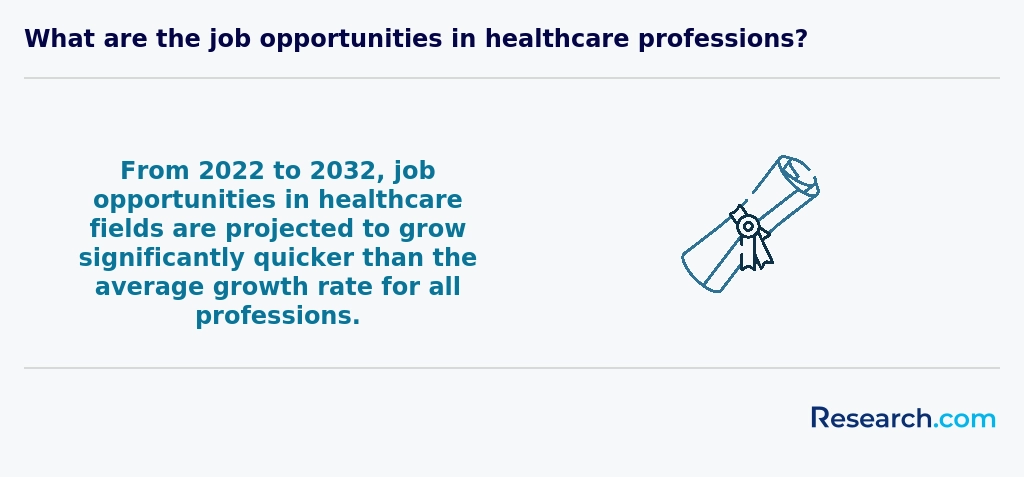
- Healthcare jobs in the Midwest are expected to grow by about 14% between 2022 and 2032, driven by demand in both rural and urban areas.
- Starting salaries for graduates usually fall between $45,000 and $55,000, rising to $70,000-$90,000 within five to ten years depending on field and experience.
- States in the Midwest often provide financial aid and tuition assistance to support students pursuing online healthcare degrees.
How long does it take to complete online healthcare degree in the Midwest?
Completing an online healthcare degree in the Midwest generally fits into a flexible timeline tailored to diverse lifestyles. Many graduates from well-known institutions like the University of Illinois or Ohio State University share how balancing work and family often extended their studies beyond the typical four-year mark for bachelor's degrees. Those pursuing a Bachelor of Science in Nursing can expect about four years full-time, but part-time options allow students to stretch their pace to six or more years, offering relief to busy adults managing multiple responsibilities.
Graduate degrees add more nuance. A Master of Science in Nursing or Healthcare Informatics degree often takes between 18 months to three years. Graduates appreciate programs with accelerated tracks, common at schools in Indiana and Ohio, which leverage prior experience to finish sooner. This flexibility creates a sense of accomplishment and hope, helping students stay motivated.
By thoughtfully choosing programs with hybrid or fully asynchronous formats, many Midwest students feel empowered to work toward their goals without sacrificing personal obligations, making the journey deeply rewarding.
Licensure and Certification Success
Passing board exams and certifications validates your online healthcare degree and unlocks professional roles. Below are common licensure paths, average first-time pass rates among Midwest online programs, and preparation tips:
- Nursing (NCLEX-RN): first-attempt pass rates range from 85% to 92% due to robust clinical simulators and review workshops.
- Health Information Management (RHIA/RHIT): programs report 80%–88% success, supported by case-based learning and exam boot camps.
- Medical coding (CPC): students achieve 75%–85% pass rates; for guidance on financial resources, see online medical billing and coding with financial aid.
- Public Health (CPH) and Administration (CPHQ): certification prep courses boost candidate confidence and yield pass rates above 70%.
Preparation Tips:
- Enroll in simulation labs or virtual practicums early.
- Join study groups and use question banks aligned with exam blueprints.
- Schedule dedicated review weeks before test dates.
What's the difference between online and on-campus healthcare degree?
Choosing between online and on-campus healthcare degrees in the Midwest often boils down to lifestyle and learning preferences. Graduates from institutions like the University of Illinois at Chicago recall how online programs allowed them to balance family and work while studying healthcare, accessing lectures and assignments anytime. This flexibility is invaluable for many Midwestern students juggling multiple responsibilities.
In contrast, those who attended on-campus programs at schools such as Ohio State University cherish the face-to-face engagement with professors and peers. They highlight hands-on labs and clinical simulations that deepen practical skills, a benefit often emphasized in traditional settings. The direct access to campus resources and spontaneous study groups made their experience more immersive and socially enriching.
Both paths in the Midwest require clinical rotations at local hospitals, ensuring real-world exposure. While online students must proactively seek virtual networking, on-campus students find professional connections more naturally through daily campus life. Each approach offers distinct advantages shaped by personal goals and circumstances.
Return on Investment of Online Healthcare Degrees in the Midwest
Investing in an online healthcare degree in the Midwest requires careful consideration of program costs against potential earnings. With an average total program cost of $32,238 and median starting salaries of $55,860 for Patient Care Technicians and $41,260 for Health Information Technicians, graduates often recoup tuition expenses within 1–2 years of full-time employment. Beyond entry-level roles, advanced positions such as Health Services Manager (median salary $104,280) or Nurse Practitioner (median salary $120,680) can shorten the payback period and amplify lifetime earnings. When comparing regional ROI, tuition and salary dynamics vary. For example, programs in New Jersey tend to have higher tuition but also yield competitive salaries-explore the Most Affordable Online Master's in Healthcare Degree Programs Ranking in New Jersey to benchmark costs and outcomes. Factoring in living-expense savings from remote learning, access to digital resources, and employer tuition assistance can further tilt the scales in favor of online formats. Prospective students should calculate their individual break-even point by dividing total tuition and fees by expected net annual income increase. This simple ROI formula helps distinguish programs that deliver rapid returns versus those that require longer time horizons. Incorporating scholarships, grants, and loan forgiveness opportunities reduces out-of-pocket expenses and accelerates financial recovery, making an online healthcare degree in the Midwest not just an educational investment, but a strategic career move.
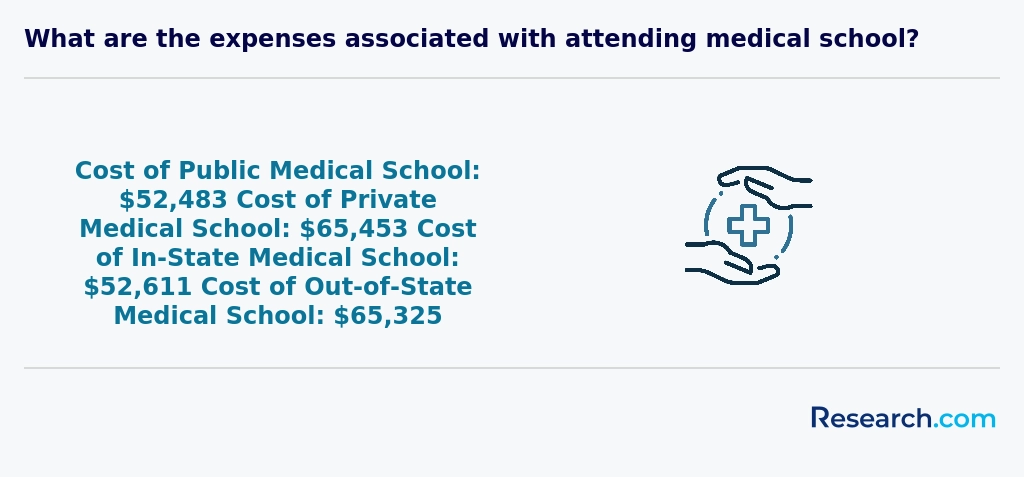
What is the average cost of online healthcare degree in the Midwest?
The average cost of an online healthcare degree in the Midwest typically centers around $30,680, reflecting a balance between in-state savings and out-of-state expenses. Graduates from Midwestern institutions often share how choosing a public university made earning their degree more accessible. For example, those attending the University of Illinois Springfield benefited from tuition rates near $400 per credit hour, keeping total costs close to $20,000 for a full program. By comparison, programs at the University of Missouri tend to reach approximately $25,000, illustrating how public options generally offer competitive pricing without sacrificing quality education.
Many students find that the Midwest online healthcare degree tuition fees vary depending on whether they attend public or private schools. Those drawn to private institutions often pay more, with prices exceeding $30,000 depending on program specialization and flexibility. Still, the extra investment can bring personalized learning experiences and unique tracks not always available in public offerings. Several graduates appreciate the opportunity to balance cost and program convenience, especially when accelerated options help them enter the workforce sooner.
Financial aid plays a significant role in making healthcare degrees affordable. With around 85% of students in this region receiving some form of assistance, the net cost can feel manageable, opening doors that seemed distant before. Prospective students are encouraged to explore detailed program offerings and compare tuition against aid options and transfer credit policies. Those seeking the best online healthcare programs in michigan often find that diligent research reveals opportunities matching both career goals and budget expectations.
Emerging Trends in Online Healthcare Education
The evolving landscape of online healthcare education is embracing innovative technologies and modern teaching methodologies that not only enhance learning outcomes but also prepare students for the future of healthcare delivery. Institutions across the Midwest are increasingly integrating interactive virtual simulations, telemedicine practices, and competency-based learning models into their curriculums. These advancements ensure that students remain proficient in the latest clinical practices while gaining hands-on experience through digital platforms. Additionally, emerging trends such as micro-credentialing and flexible financing options are making it easier for students to build specialized skills and manage their education costs. In this context, many are exploring options to balance quality education with affordability, as evidenced by insights on medical billing and coding online courses cost. This continuous innovation is not only transforming educational practices but also enhancing career readiness, making online healthcare programs a strategic investment for aspiring professionals.
What financial aid is available to online healthcare degree students in the Midwest?
Online healthcare students in the Midwest often find federal aid to be a crucial starting point. Graduates from institutions like the University of Illinois Online or Ohio State's online nursing program frequently share how completing the FAFSA unlocked Pell Grants, covering thousands of dollars without repayment. This relief lightens the financial load significantly and allows students to focus on their studies rather than worry about debt.
State-specific grants also play a vital role. For example, those attending universities in Illinois or Ohio often benefit from scholarships aimed at encouraging work in rural or underserved areas, aligning personal commitment with regional healthcare needs. Such targeted aid not only supports education but fosters a sense of purpose among students.
Many Midwest colleges supplement this with merit-based scholarships and need-based grants. Graduates recall receiving institutional awards that cut tuition fees nearly in half, a true game-changer. For working professionals, employer tuition reimbursement programs add another layer of support, enabling them to grow careers without sacrificing income.
What are the prerequisites for enrolling in online healthcare degree program in the Midwest?
Enrolling in an online healthcare degree in the Midwest often starts with meeting clear academic prerequisites that set a strong foundation. Graduates from well-known institutions in states like Illinois and Ohio frequently recall how having a high school diploma-or a prior degree for advanced programs-was essential before even applying. Many students find aligning their coursework with subjects such as biology and chemistry crucial; these classes serve as the groundwork for the challenging medical content ahead.
Some Midwest programs ask for standardized test scores like the ACT or SAT, but more schools now embrace test-optional policies, easing stress for applicants who excel in other areas. Graduates reflect positively on how this flexibility allowed them to focus on their hands-on experiences and volunteer work, which many competitive nursing or physician assistant programs value highly.
Language proficiency and background checks also play a role, especially for those moving into clinical settings from diverse backgrounds. Providers in states like Missouri emphasize the importance of these steps to safeguard patient care, and students often appreciate the transparency in these requirements early on.
Ultimately, navigating these prerequisites with awareness and preparation can turn the application process into a confident stride toward a fulfilling healthcare career in the Midwest.

Accreditation and State Authorization
Ensuring your online healthcare degree program holds the right accreditation and state authorization is essential for licensure eligibility and employer recognition.
- Regional accreditation (e.g., Higher Learning Commission) validates overall institutional quality.
- Program-specific accreditation, such as CCNE for nursing or ACPE for pharmacy (pharmd degree), ensures curricula meet industry standards.
- State authorization confirms the program can legally enroll and support students in your state, avoiding unexpected hurdles in clinical placement or licensure applications.
- Verify that clinical practicum partners are approved by both the institution and state boards to guarantee hands-on training credits transfer toward your licensure requirements.
What courses are typically in online healthcare degree programs in the Midwest?
Online healthcare degrees in the Midwest typically integrate a well-rounded mix of foundational and specialized courses, designed thoughtfully to prepare students for real-world challenges. Graduates from renowned institutions like the University of Illinois or Ohio State University often reflect on how early coursework in anatomy and medical terminology gave them a strong grasp of human biology and healthcare language, essential in any clinical or administrative setting.
Core courses such as Introduction to Healthcare Systems help learners understand how hospitals and clinics function uniquely within the Midwest's healthcare landscape. Many find Health Informatics particularly empowering, as managing electronic health records is increasingly critical; with a 14% surge in healthcare IT jobs reported locally, this skill opens exciting career doors.
Courses in Healthcare Ethics and Law, along with Public Health and Epidemiology, connect students to the pressing health issues faced by rural Midwest communities, making their education feel meaningful and relevant. Meanwhile, options like Pharmacology or Healthcare Management provide practical leadership tools, which past graduates have praised for boosting their confidence in coordinating care teams or making policy decisions.
What types of specializations are available in online healthcare degree programs in the Midwest?
In the Midwest, students pursuing online healthcare degree programs Midwest often find a rich range of specializations that reflect the region's healthcare demands. Nursing remains a staple, with programs supporting working professionals advancing from RN to BSN or MSN degrees. Graduates from top Midwestern colleges often share how these flexible nursing tracks allowed them to balance family life while gaining skills to meet the increasing healthcare workforce needs in their communities.
Healthcare administration is another fruitful path, as many programs emphasize leadership skills necessary for managing hospitals and public health organizations. Students feel empowered studying health policy and economics, knowing the Midwest's healthcare spending is significant and administrators shape important regional outcomes. Public health stands out as an emotionally rewarding specialization, with online degrees focusing on community health and rural wellness-areas deeply relevant to many Midwestern families you may know.
Adding to these, fields like health informatics and medical laboratory sciences offer exciting prospects combining technology and healthcare. Prospective students interested in cost-effective paths might also explore medical billing and coding online courses cost. These options provide practical skills aligned with evolving healthcare systems, ensuring graduates leave prepared for the future.
How do you choose the best online healthcare degree in the Midwest?
Choosing the best online healthcare degree in the Midwest begins with ensuring the program's accreditation, as graduates often share relief knowing their degree holds value with employers and licensing boards. For example, schools accredited by the Higher Learning Commission or programs recognized by CAAHEP offer reassurance of quality education. Reflecting on the experiences of graduates from Ohio State University or Michigan State University, their online programs' blend of flexible coursework with local practicum placements makes balancing work and study possible while gaining essential hands-on skills. This practical approach nurtures confidence and professional growth.
Another key aspect is aligning curriculum options with your career goals. Graduates value programs that specialize, such as health informatics or healthcare management, particularly at institutions like the University of Illinois Online, where focused tracks help sharpen expertise in fast-evolving healthcare fields. Cost considerations also weigh heavily; choosing among affordable healthcare degree programs Midwest offers, and exploring financial aid opportunities, helps reduce stress and keeps education attainable.
Many students appreciate programs that invest in strong support services, from virtual labs to career counseling, creating an encouraging atmosphere. Checking graduation and employment outcomes at each school offers peace of mind, ensuring your investment leads to meaningful career advancement. For additional insights on cost-effective options, explore the Most Affordable Online Master's in Healthcare Degree Programs Ranking in New Jersey.
What career paths are available for online healthcare degree students in the Midwest?
Graduates pursuing an online healthcare degree careers Midwest find diverse opportunities tailored to regional needs. Many alumni from well-known institutions like the University of Illinois and Ohio State University have stepped into roles as Registered Nurses or Nurse Practitioners, addressing critical workforce shortages driven by an aging population. These careers bring not just job stability but a deep sense of fulfillment by directly impacting patient lives.
Others have ventured into healthcare administration, leveraging their education to manage thriving healthcare facilities across the Midwest. The mix of business acumen and healthcare knowledge opens doors to leadership positions, often accompanied by competitive salaries exceeding $90,000. Graduates frequently share how this path has empowered them to influence community health positively while building rewarding careers.
Health informatics continues to attract those passionate about technology and data, with colleges in the region offering specialized programs that prepare students to become clinical informatics specialists or health data analysts. Such roles, reflecting a 20% national growth rate, make complex healthcare systems more efficient and patient-centered.
Allied health professions also represent exciting gateways, combining hands-on patient care with flexible, often online or hybrid education formats offered at many Midwest colleges. Additionally, those interested in public health benefit from increasing state support in Illinois and Ohio, turning education into impactful community work. For students exploring career options, checking out best paying 6 month certificate programs online can complement a degree nicely.
What is the job market for online healthcare degree in the Midwest?
The job market for online healthcare degree holders in the Midwest is robust and encouraging. Graduates from universities such as the University of Illinois at Chicago or Ohio State University often share how their online credentials helped them secure positions in nursing or healthcare administration within months. Many find this especially true in states like Illinois and Michigan, where demand for registered nurses and allied health professionals is growing steadily. This aligns with the broader online healthcare degree job outlook Midwest, which shows a positive trajectory fueled by healthcare facilities expanding telemedicine services and rural health investments.
Graduates report feeling confident entering the workforce knowing employers increasingly accept accredited online degrees, enabling smoother transitions into roles that combine healthcare and technology. The affordability of online programs in the region also reassures many working adults balancing jobs and family, as they navigate career advancement without the financial strain of on-campus tuition.
For those considering further study, exploring the easiest doctorate degree to obtain could be a strategic next step toward leadership positions within healthcare systems, reinforcing a solid foundation built through their Midwest healthcare degree employment opportunities.
Frequently Asked Questions About healthcare
Students pursuing online healthcare degrees in the Midwest can enhance their learning by actively engaging in virtual discussions and study groups. Research from the National Center for Education Statistics shows that collaboration improves retention and comprehension in remote settings. Utilizing local healthcare facilities for hands-on experience, even through internships or volunteer opportunities, strengthens practical skills crucial in fields like nursing and public health.
Additionally, selecting programs accredited by recognized bodies such as the Commission on Collegiate Nursing Education ensures quality education, aligning with regional healthcare demands. Accessing Midwest-specific health data from organizations like the Midwest Public Health Institute can provide relevant case studies to deepen understanding.
Emerging niches within the healthcare field reflect growing demand for specialized skills and innovative care models. In the Midwest, telehealth stands out as a rapidly expanding area, driven by rural populations needing broader access to medical services. According to the Midwest Health Data Organization, telehealth usage increased over 60% from 2020 to 2023.
Another niche is healthcare informatics, focusing on managing patient data and improving healthcare delivery through technology. The Bureau of Labor Statistics projects a 15% growth in health information roles by 2030.
Additionally, geriatric care is expanding due to the aging population in states like Illinois and Ohio, increasing demand for expertise in elder care management and chronic disease treatment.
After completing an online healthcare degree in the Midwest, preparing for the job market involves strategic planning and skill development. Start by gaining relevant experience through internships or volunteer opportunities, which are often required by employers in states like Illinois, Ohio, and Michigan.
Developing strong networking connections is essential. Joining professional organizations such as the Midwest Healthcare Executives Network can improve job prospects by providing access to job boards and industry events.
Additionally, obtaining certifications relevant to your field, like CNA or medical coding credentials, increases employability. The U.S. Bureau of Labor Statistics projects a 15% growth in healthcare jobs by 2031, underscoring the importance of staying current with industry demands.
Employers hiring healthcare graduates in the Midwest prioritize several key skills that align with regional healthcare needs and industry standards. According to the U.S. Bureau of Labor Statistics and the Illinois Healthcare Council, strong communication skills top the list, as professionals must effectively interact with diverse patient populations and multidisciplinary teams.
Technical competence in electronic health records (EHR) is critical, with Midwest healthcare facilities increasingly adopting digital systems. Problem-solving and critical thinking are essential due to the complexity of patient care and evolving medical protocols.
Additionally, cultural competence is valued, reflecting the Midwest's growing diversity. Data from the Indiana Healthcare Association shows that employers seek graduates who demonstrate adaptability and empathy in clinical settings.
Finding internships relevant to a healthcare degree in the Midwest begins with leveraging university career centers, which often have partnerships with local hospitals and clinics. Students should explore opportunities at large healthcare systems such as the Mayo Clinic in Minnesota or the Cleveland Clinic in Ohio, both known for robust internship programs.
Online job boards like Indeed and Handshake provide extensive listings tailored to healthcare roles in the region. The Midwest accounts for about 25% of the nation's healthcare workforce, highlighting strong demand for interns.
Networking through professional associations like the American Public Health Association's Midwest chapter can also open doors to internships.
An online healthcare degree can significantly enhance career mobility and advancement opportunities for professionals in the Midwest. According to the U.S. Bureau of Labor Statistics (BLS), healthcare occupations in the region are expected to grow about 13% from 2022 to 2032, well above the national average. This growth creates many openings that often require flexible, accessible education paths such as online programs.
Online degrees allow working adults to gain specialized skills without interrupting their careers. Many Midwestern employers value accredited online degrees equally to traditional ones, especially from regionally recognized institutions. As a result, graduates can qualify for higher-paying roles, leadership positions, or specialized clinical jobs. For example, registered nurses earning a Bachelor of Science in Nursing (BSN) online can access nurse management roles, which earned an average salary of over $85,000 annually in states like Illinois and Ohio.
Moreover, online healthcare programs often include current industry trends and technologies, preparing students for evolving job demands. The flexibility of online learning can help individuals meet licensing or certification requirements necessary for advancement in fields like health administration, nursing, or medical informatics.
Studying for a healthcare degree in the Midwest offers strong preparation for interdisciplinary roles due to the region's emphasis on collaborative healthcare models. Many universities integrate courses in public health, health informatics, and social services, reflecting the diverse needs of Midwestern communities.
Programs often include practical experiences in hospitals and clinics where teamwork across nursing, medicine, and allied health professions is essential. According to the Illinois Public Health Institute, nearly 70% of healthcare employers in the Midwest seek graduates with skills in interdisciplinary communication.
This approach equips students to handle complex patient needs by working effectively with varied healthcare teams, enhancing job readiness in a dynamic healthcare environment.
Choosing between a thesis and a non-thesis healthcare degree program in the Midwest depends largely on your career goals and learning preferences. Thesis programs often appeal to students interested in research or doctoral studies, requiring original research and a formal thesis. These programs typically take longer but provide strong analytical skills valuable in academia or specialized healthcare roles.
Non-thesis programs focus more on practical skills through coursework and internships. They usually take less time, ideal for professionals seeking advancement or immediate workforce entry. According to the National Center for Education Statistics, Midwest online programs increasingly offer both, allowing flexibility based on your needs.
Students based in the Midwest interested in studying healthcare abroad typically have limited options, as most US institutions offering online healthcare degrees focus on domestic curricula. However, several Midwest universities participate in exchange programs or partnerships with international schools, enabling students to complete short-term study abroad experiences. For example, some nursing and public health programs include global health electives or international internships.
According to the National Center for Education Statistics (NCES), less than 10% of healthcare students from Midwest schools pursue full degrees entirely overseas, partly due to licensing challenges and varying accreditation standards.
Online degree programs may incorporate global case studies and telehealth training, helping students gain an international perspective without leaving the region.
Students pursuing online healthcare degrees in the Midwest can find part-time jobs that enrich their education and provide practical experience. Roles such as medical scribes, pharmacy technicians, and patient care assistants offer relevant exposure to clinical settings. According to the Bureau of Labor Statistics (BLS, 2023), the Midwest has a growing demand for healthcare support occupations, with employment expected to increase by 12% over the next decade.
Working as a medical scribe in hospitals or clinics, especially in states like Illinois and Ohio, lets students observe physician-patient interactions, improving their medical terminology and documentation skills. Pharmacy technician positions also provide insight into medication management, a core healthcare area.
Moreover, patient care assistant roles in nursing homes and outpatient centers strengthen communication and caregiving abilities, foundational for many healthcare professions. These job opportunities help students balance education with work, enhancing both academic and professional development.
Online healthcare students in the Midwest have diverse networking opportunities despite the virtual format. Many universities offer access to local healthcare organizations, clinical sites, and professional conferences in states like Illinois, Ohio, and Michigan, which are major healthcare hubs. According to the Midwest Healthcare Executives Forum, regional events often welcome students for workshops and networking sessions, fostering connections.
Several programs encourage student participation in state and national healthcare associations, such as the Illinois Healthcare Association or Ohio Nurses Association. These memberships provide online forums, mentoring, and job shadowing. Additionally, virtual career fairs tailored for healthcare students in the Midwest facilitate direct contact with employers and alumni networks.
Alumni networks play a crucial role for online healthcare degree students in the Midwest by providing valuable career connections and professional support. These networks often include thousands of graduates working in regional hospitals, clinics, and health organizations, enhancing job placement opportunities.
According to the National Center for Education Statistics, institutions with active alumni communities see a 20% higher employment rate among recent healthcare graduates. In the Midwest, states like Illinois and Ohio have strong healthcare sectors, allowing alumni to share insights about local job markets and licensing requirements.
Moreover, alumni groups frequently host virtual events and mentorship programs that help online students navigate career paths and stay current with healthcare industry trends. Access to this collective knowledge benefits students during and after their degree completion.
Customizing an online healthcare degree program in the Midwest begins with selecting a school that offers flexible course options and specializations aligned with your career goals. Many Midwestern universities provide concentrations in areas such as healthcare administration, nursing, public health, and health informatics. According to the National Center for Education Statistics, over 60% of healthcare programs in the Midwest allow students to choose electives or certificates that enhance their expertise.
Additionally, internships and practicum opportunities within local healthcare facilities can be integrated into online programs, giving practical experience relevant to in-demand regional jobs. For example, states like Illinois and Ohio have growing healthcare sectors that value hands-on experience combined with online learning.
Students should also consider programs with strong employer networks in the Midwest to increase job placement chances. By leveraging these customizable elements, students can tailor their education to meet specific professional demands while studying remotely.
Online healthcare students in the Midwest often face connectivity challenges due to rural internet access limitations. According to the Federal Communications Commission, about 22.3% of rural Midwestern residents lack broadband access, complicating participation in live lectures and digital discussions.
Another key issue is balancing clinical requirements with remote learning. Midwest programs typically require in-person clinical hours, which can be difficult to arrange for students living far from urban centers with medical facilities.
Additionally, students may experience limited local support services, such as academic advising and tutoring, typically more accessible on campus. This gap can affect retention and success rates.
Financial constraints also represent a significant concern. Data from the National Center for Education Statistics shows Midwestern students often depend heavily on loans, with average healthcare program costs varying widely between states.
With an online healthcare degree from a Midwest institution, students can pursue a variety of professional certifications that enhance career opportunities. Popular certifications include the Certified Medical Assistant (CMA), offered by the American Association of Medical Assistants, and the Registered Health Information Technician (RHIT) credential from the American Health Information Management Association.
Other in-demand certifications involve specialties such as Phlebotomy Technician and Pharmacy Technician, both recognized across healthcare facilities in states like Illinois, Ohio, and Michigan. Data from the U.S. Bureau of Labor Statistics shows that certification often leads to faster employment and higher wages in the region.
Completing these certifications typically requires passing an exam and meeting clinical experience standards, which many online healthcare programs in the Midwest help facilitate through partnerships with local medical centers.
Crafting a strong application for an online healthcare program in the Midwest requires clear presentation of your academic and professional background. Highlight relevant experience, such as healthcare-related jobs or volunteer work, which demonstrates your commitment to the field. Admissions committees value practical skills alongside GPA and test scores.
Midwestern programs often emphasize community health, so mention any local healthcare initiatives you've participated in. According to the National Center for Education Statistics, many regional schools look for applicants who understand the specific healthcare challenges in the Midwest, including rural access and chronic disease management.
Strong letters of recommendation and a well-written personal statement that outlines your goals and passion for healthcare can significantly improve your chances. Ensure you tailor your statement to the mission of the institution and its online learning format.
Globally, healthcare careers are valued for their vital role in improving public health, a perspective that strongly influences U.S. higher education priorities. In the Midwest, where rural populations face healthcare access challenges, online degrees offer flexible pathways to address these needs. According to the U.S. Bureau of Labor Statistics, healthcare jobs are expected to grow 16% nationally from 2021 to 2031, with Midwestern states like Illinois and Ohio showing similar trends.
The global emphasis on healthcare innovation and workforce development drives demand for skilled professionals locally. Online programs in the Midwest align with international efforts by emphasizing technology, cultural competence, and evidence-based practice.
Gaining practical experience while studying for an online healthcare degree in the Midwest often involves clinical placements and internships facilitated by your school. Many accredited programs partner with local hospitals, clinics, and healthcare facilities in states like Illinois, Ohio, and Michigan to provide hands-on training. According to the National Center for Education Statistics, over 80% of Midwest healthcare programs require such clinical hours to meet licensing standards.
Students can also seek volunteer opportunities or part-time roles in local healthcare settings to build experience during their studies. This practical exposure complements online coursework and improves job readiness.
Choosing the right concentration within an online healthcare degree program in the Midwest requires understanding regional healthcare needs and job outlooks. The Midwest faces shortages in nursing, public health, and health informatics, with the Bureau of Labor Statistics projecting a 12% growth in healthcare occupations by 2030. Focus on concentrations that align with these trends to improve employment prospects.
Consider your career goals and interests, whether it's clinical care, administration, or technology. Research programs accredited by bodies such as the Commission on Collegiate Nursing Education (CCNE) or the Council on Education for Public Health (CEPH).
Additionally, review available resources, faculty expertise, and local healthcare partnerships that can enhance your learning experience and job placement.
Top Trending Healthcare Rankings
See What Experts Have To Say About Studying Healthcare
Read our interview with Healthcare experts

References
- Health Sciences Study Abroad Programs - Healthcare Abroad https://www.ceastudyabroad.com/academic-discipline/health-sciences
- Niche Markets in Healthcare https://ultrariskadvisors.com/niche-markets-in-healthcare/
- Trends and opportunities in healthcare across emerging markets - Inizio https://inizio.com/insights/trends-and-opportunities-in-healthcare-across-emerging-markets/
- How Much Can I Make With an Online Bachelor's of Public Health? - MPH Online https://www.mphonline.org/salary-bachelors-public-health/
- 1+ Healthcare Cover Letter Examples (with In-Depth Guidance) https://www.tealhq.com/cover-letter-examples/healthcare
- The Value of Healthcare Organization Alumni Associations https://consultqd.clevelandclinic.org/the-value-of-healthcare-organization-alumni-associations
- Know more about thesis vs non- thesis: what is the difference? https://studyfans.com/en/blogs/816
- Challenges for Medical Students - Health Action Research Group https://www.healthactionresearch.org.uk/mental-health/challenges-for-medical-student/
- Online Healthcare Degree Programs | University of Phoenix https://www.phoenix.edu/online-healthcare-degrees.html
- Healthcare Degrees https://teach.com/online-ed/healthcare-degrees/





