2027 Best Healthcare Degree Programs Ranking in Carolina

Co-Founder and Chief Data Scientist
Choosing the right healthcare degree program is an important step toward a rewarding career in Carolina. This article introduces the 2027 Best Healthcare Degree Programs Ranking in Carolina, created by the Research.com team of data scientists to guide you in making an informed decision.
Our ranking highlights programs that combine quality education, practical experience, and strong career prospects. Whether you're just starting out or considering advancing your skills, understanding which programs stand out can make a big difference. Explore opportunities that match your goals and set yourself up for success in healthcare.
Key benefits of getting healthcare degree in Carolina
- Healthcare degree graduates in Carolina can earn competitive salaries, such as Medical Assistants with a mean annual wage of $43,350 and Patient Care Technicians earning about $60,790 yearly, offering financial stability.
- Graduates from universities in Carolina often explore diverse career paths in roles like Health Information Technician or Clinical Research Coordinator, unlocking many opportunities in growing healthcare fields.
- Online healthcare degrees from Carolina institutions provide flexibility and convenience, enabling students to balance work and study while still preparing for rewarding healthcare careers.
- 2027 Best Healthcare Degree Programs Ranking in Carolina
- What can I expect from healthcare degree in Carolina?
- Where can I work with healthcare degree in Carolina?
What can I expect from healthcare degree in Carolina?
The average cost of obtaining a healthcare degree in Carolina varies significantly depending on the institution and residency status, yet students often find the investment manageable relative to the quality of education received. Public universities such as the University of North Carolina at Chapel Hill and the Medical University of South Carolina typically offer lower tuition rates for in-state students, making degrees more affordable for residents. Graduates frequently highlight how scholarship opportunities and financial aid specific to healthcare fields helped ease their financial burden, allowing them to focus on hands-on clinical training and internships.
Many healthcare students at North Carolina's prominent institutions share experiences of combining rigorous coursework with practical rotations in leading hospitals, which are supported by strong healthcare networks. This integration of theory and practice justifies the costs by preparing graduates for immediate employment in a competitive, expanding job market.
Ultimately, while tuition rates fluctuate-often reflecting program levels from associate to doctoral degrees-Carolina's commitment to affordable healthcare education creates an encouraging pathway for aspiring healthcare professionals.
Where can I work with healthcare degree in Carolina?
Graduates from healthcare programs at institutions like the University of North Carolina at Chapel Hill and East Carolina University find diverse employment opportunities across Carolina's robust medical landscape. Many secure positions in renowned hospitals such as Duke University Health System and Atrium Health, working as registered nurses, medical technologists, or clinical researchers. These roles offer dynamic, hands-on environments where professionals contribute directly to patient care and medical advancements.
Others pursue careers in outpatient clinics and specialized therapy centers, applying skills as physical or respiratory therapists. For example, graduates describe fulfilling experiences managing rehabilitation programs that significantly enhance patients' recovery in local facilities.
Public health sectors in cities like Charlotte and Raleigh also recruit healthcare degree holders to implement vital community health initiatives, especially targeting rural areas with limited resources. This work inspires a strong sense of purpose among professionals dedicated to improving population health.
Additionally, healthcare administration and research positions at Carolina's leading universities and biotech firms attract graduates eager to shape policy, innovate, and lead healthcare solutions, reflecting the state's growing demand for skilled leaders in this field.
Graduates with healthcare degrees in Carolina can anticipate a range of earning potentials depending on their chosen career path. Entry-level roles, such as Medical Assistants and Clinical Research Coordinators, typically earn mean annual wages around $43,350. Those beginning their careers as Health Information Technicians receive similar salaries near $43,380, reflecting steady demand for technical expertise.
For individuals pursuing patient-facing technical roles, such as Patient Care Technicians, the median annual income rises to approximately $60,790, offering a promising step up in compensation within the healthcare ecosystem.
Graduates from well-regarded institutions like the University of North Carolina at Chapel Hill and East Carolina University often share positive experiences of securing roles as Quality Improvement Coordinators, a position offering significantly higher wages, with a mean annual salary around $103,150. These roles reward graduates with advanced skills and leadership capabilities, reflecting the state's growing emphasis on quality healthcare management.
Many alumni from Carolina's healthcare programs report feeling empowered by the competitive salaries tied to their specialized training, reinforcing their decision to study locally. Their experiences highlight how healthcare education in Carolina effectively prepares graduates for rewarding careers with solid financial prospects and meaningful community impact.
- Healthcare degrees in Carolina are available at various levels including associate, bachelor's, master's, and doctoral programs.
- In-state tuition for public universities ranges from $8,000 to $10,000 per year, while private institutions charge between $25,000 and $40,000 annually.
- Entry-level healthcare graduates with a bachelor's degree can expect starting salaries between $50,000 and $60,000 per year.
- Average long-term salaries for healthcare professionals such as nurses and administrators range from $70,000 to over $90,000 annually.
- Healthcare employment in Carolina is projected to grow by about 15% over the next decade.
- Opportunities exist in healthcare technology and administration, with careers in health information systems and policy development.
Completing a healthcare degree in Carolina depends heavily on the level of education pursued. For instance, graduates from community colleges offering associate degrees, such as the ADN programs, typically finish within 2 years. This pathway suits those eager to start working in entry-level healthcare roles or those preparing to continue toward a bachelor's degree.
Students enrolled in prominent universities like the University of North Carolina or Clemson University often complete their bachelor's degrees in about 4 years. These programs blend rigorous general education with specialized healthcare training, preparing graduates for diverse clinical roles.
Those aiming for advanced practice roles, such as nurse practitioners, enroll in master's programs that can last between 1.5 to 3 years, depending on whether they study full- or part-time. Many graduates appreciate flexible scheduling options offered by institutions like Duke University, which help balance work and study demands.
Doctoral programs, such as MD or PharmD degrees, typically require an additional 3 to 7 years post-bachelor's. Graduates recall the intensity of clinical practicum hours vital for licensure, which often extend program duration but provide invaluable hands-on experience in renowned Carolina medical centers.
In Carolina, students pursuing healthcare degrees face distinct differences between online and on-campus programs that shape their educational journeys. On-campus programs, such as those at the University of North Carolina at Chapel Hill or Clemson University, require physical attendance for lectures, labs, and clinical rotations. Graduates recall the energizing camaraderie built through in-person interactions and hands-on training, critical for mastering clinical skills and navigating real-world healthcare environments.
Conversely, online programs offered by institutions like East Carolina University grant greater flexibility, allowing students to balance education alongside work or family responsibilities. These students often appreciate the convenience of accessing coursework anytime, yet still complete local clinical hours to gain necessary practical experience. This blend supports self-motivated learners ready to manage technology and time effectively while maintaining accredited standards.
Cost differences also influence choice. While on-campus tuition averages around $10,740 per year for in-state students, online programs may reduce expenses by eliminating commuting and housing fees, though pricing can vary by institution. Both pathways in Carolina emphasize strong academic support and clinical rigor, ensuring students graduate prepared and confident.
The average cost of a healthcare degree in Carolina varies notably depending on residency status and institution type. Median total costs stand around $17,450, while in-state students benefit from a significantly lower median total cost of approximately $7,750, reflecting the more affordable tuition rates offered by public universities. Graduates from the University of North Carolina system often highlight the value of these competitive in-state tuition rates, which make quality healthcare education accessible without excessive financial burden.
Out-of-state students, however, face costs aligned with the higher median total of $17,450, a figure consistent with private colleges and universities that offer specialized healthcare degrees. These institutions, including prominent schools like Duke University, often provide rigorous curricula combined with prestigious clinical placements, which enrich the educational experience while commanding premium tuition fees.
Prospective students should also factor in supplementary expenses such as textbooks, lab fees, licensing exams, and uniforms, which add to overall costs. Many healthcare graduates recall budgeting carefully for these necessities throughout their programs.
Those interested in more flexible options might explore online nursing degrees massachusetts accreditation, which can offer financial and scheduling advantages. Understanding these cost dynamics helps prospective students make informed decisions when considering the average cost of healthcare degree in Carolina, balancing quality education with financial planning.

Students pursuing healthcare degrees in Carolina benefit from diverse financial aid designed to alleviate the significant costs of tuition. Federal aid remains a cornerstone, with Pell Grants offering up to $7,395 annually for undergraduates demonstrating financial need. Many also utilize Direct Subsidized and Unsubsidized Loans, tailored to ease repayment pressures, accessed through the FAFSA application.
State programs further support students dedicated to healthcare fields critical to the region. For example, North Carolina's Health Professions Student Loan Program provides low-interest loans specifically for those enrolled in medical, dental, nursing, and allied health courses. South Carolina offers the Palmetto Fellows Scholarship and Need-Based Grants, commonly awarded to healthcare students attending local institutions.
Graduates from the University of North Carolina and the Medical University of South Carolina often recall how institutional scholarships, including merit-based and departmental awards, substantially reduced their financial burden. Scholarships from healthcare associations like the Carolina Nursing Scholarship Foundation, which encourage service in underserved areas, also positively impact many students' educational journeys.
Employer tuition reimbursement programs further assist those already working in healthcare, making advanced education more attainable while fostering career growth within the state.
Before practicing in Carolina, PR, graduates must secure state licensure and national certification. Key steps include:
- Graduate from an accredited Puerto Rico program recognized by the Council on Postsecondary Education of Puerto Rico and relevant US bodies
- Pass the required national exam (e.g., NCLEX-RN for nurses, PANCE for physician assistants)
- Apply to the Puerto Rico Examining Board with transcripts, exam scores, background check, immunization records, and pay fees
- Complete any mandated supervised practice hours or clinical internships
- Maintain certification through periodic continuing education (typically 15–30 credits per renewal cycle)
If you’re considering pharmacy, review how long does it take to become a pharmacist for specific licensure timelines.
To enroll in a healthcare degree program in Carolina, students must first hold a high school diploma or an equivalent credential like a GED. Most programs, including those at well-regarded institutions such as the University of North Carolina or Duke University, require strong foundations in biology, chemistry, and mathematics. Graduates often recall how completing high school courses in biology with lab work, chemistry or physical science, algebra, and English composition was essential for their smooth transition into college-level healthcare studies.
Standardized tests like the SAT or ACT may be required by some universities, although many have adopted test-optional policies. Applicants are encouraged to verify these requirements at their chosen schools. For graduate healthcare programs, such as Master of Science in Nursing or Physician Assistant studies at Carolina colleges, a completed bachelor's degree and relevant healthcare experience through volunteering or internships are critical prerequisites. This blend of academic and practical experience prepares students for the challenges of healthcare careers.
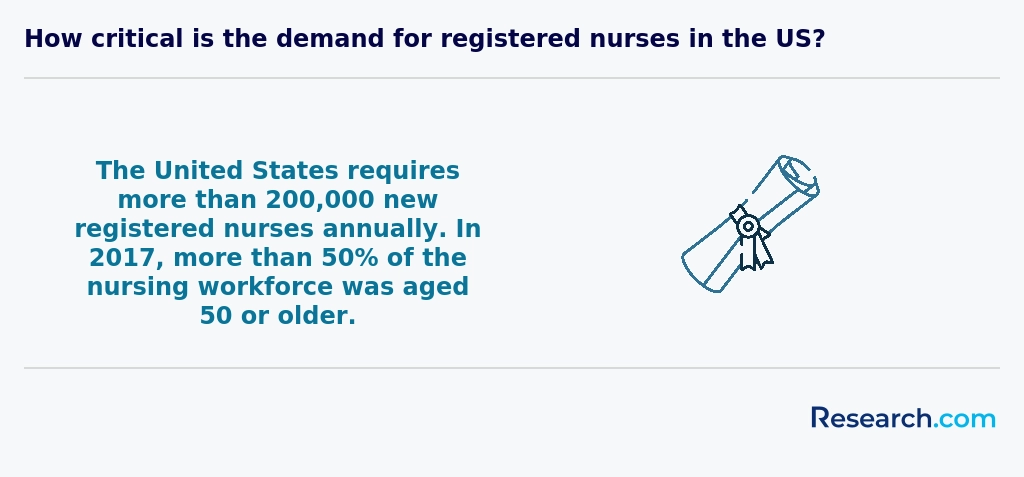
Healthcare degree programs in Carolina consistently include a comprehensive mix of courses designed to build both foundational knowledge and practical expertise. Students at well-known institutions like the University of North Carolina and Duke University often highlight core sciences such as human anatomy, physiology, microbiology, and chemistry as essential for understanding the intricacies of the human body and disease processes.
Graduates frequently recall early exposure to healthcare ethics and law, which equips them with a solid grasp of patient rights and professional responsibilities, crucial for working within Carolina's healthcare system.
Applied courses are equally emphasized. Medical terminology helps students communicate confidently in clinical settings. Health informatics introduces managing patient data, a skill increasingly valued across Carolina's hospitals. Pharmacology equips graduates with critical knowledge about medications they will encounter. Hands-on clinical skills training, including internships and lab sessions, enables students to translate theory into compassionate patient care, creating rewarding real-world experiences.
Additionally, courses in community and public health prepare students to tackle statewide challenges, such as rural healthcare access, making the education practical and emotionally fulfilling for those committed to Carolina's communities.

Healthcare degree specializations in Carolina offer students diverse pathways tailored to industry needs. Popular choices include nursing, with focuses such as Registered Nurse (RN), Nurse Practitioner (NP), and Nurse Anesthetist. Graduates from universities in Charlotte and Raleigh often share their rewarding experiences addressing the state's aging population. Public health is another key specialization where students concentrate on epidemiology or community health, essential in tackling rural healthcare challenges throughout the region. Many students enrolled in Carolina healthcare programs and specializations find fulfillment working on health education initiatives that improve access to care in underserved areas.
Healthcare administration prepares students for leadership roles in expanding hospital systems, especially in urban centers like Charleston. Other specialized programs frequently pursued involve physical therapy, pharmacy, healthcare informatics, medical laboratory technology, and dietetics. Those considering specialized paths may also explore veterinary technician jobs related to healthcare fields. Graduates often reflect positively on their hands-on training experiences provided by well-regarded colleges across the state, which align closely with Carolina's healthcare workforce demands and growth projections.
Choosing the best healthcare degree programs in Carolina requires careful evaluation of factors such as accreditation, cost, and practical experience opportunities. Graduates from well-regarded universities emphasize the importance of selecting programs accredited by agencies like CAAHEP or CCNE, as these credentials are essential for licensure and career advancement within the state's competitive healthcare market.
Affordability is also a critical consideration. Many students find that affordable healthcare degrees Carolina offers through public institutions balance quality education and manageable tuition fees. However, private colleges may provide more extensive clinical affiliations that facilitate valuable internships, which local employers highly value. For example, programs in urban centers like Charlotte and Raleigh offer diverse clinical placements that enhance hands-on skills and networking.
Students frequently share positive experiences from engaging directly with clinical settings at popular institutions, leading to job offers before graduation. Exploring options like nursing schools riverside online programs can also provide flexible pathways aligned with individual circumstances and career goals.
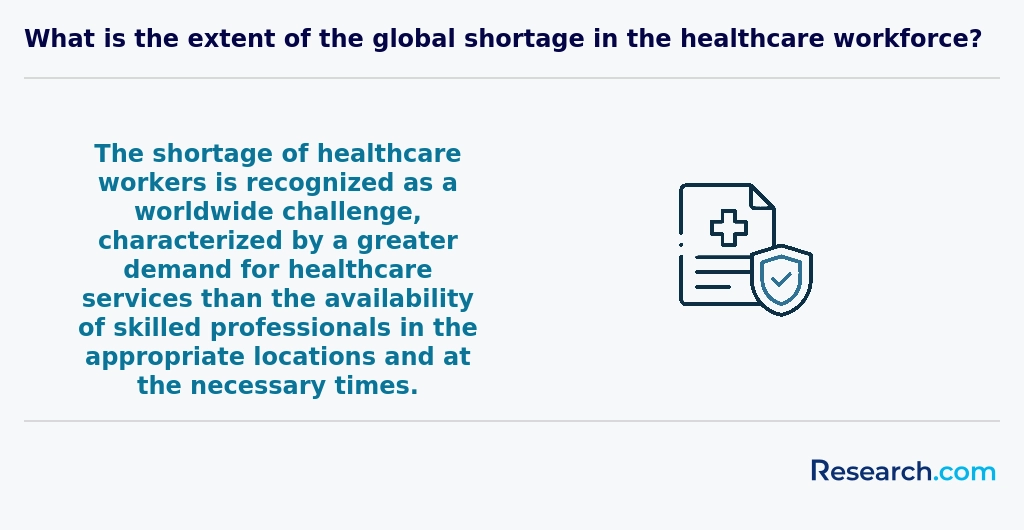
Graduates holding a healthcare degree in Carolina can pursue diverse career paths spanning nursing, allied health, healthcare administration, and public health. Registered nurses from universities such as the University of North Carolina and Clemson University find rewarding roles in hospitals and community health systems, reflecting the state's growing demand for skilled professionals. Allied health graduates become physical therapists or medical technologists at prominent medical centers, addressing the needs of an aging population with compassion and expertise.
Healthcare degree careers in Carolina also include leadership opportunities in healthcare administration. Many graduates from institutions like Appalachian State University secure positions managing hospital operations or health informatics, where they influence policy and improve patient care systems. Others passionate about community wellness build careers in public health, working in state health departments or nonprofits to promote disease prevention and education, fulfilling vital societal roles.
Students interested in administrative roles often choose a low-cost master's in healthcareadministration to enhance their credentials and access competitive salaries. These opportunities illustrate robust job opportunities for healthcare graduates Carolina offers, combining rewarding work with sustainable career growth.

The healthcare job opportunities in Carolina are robust, driven by rapid growth in key metropolitan areas including Charlotte, Raleigh, and the Research Triangle Park. Graduates from prominent universities in the region report smooth transitions into fields like registered nursing, physical therapy, and health services management. These roles benefit from competitive wages and expanding healthcare systems encompassing hospitals, outpatient centers, and elder care facilities. The Carolina healthcare degree employment outlook is particularly encouraging due to consistent demand and strong median wages, often reflecting salaries well above the state average.
Students pursuing healthcare education locally find considerable value in programs offered by public institutions, where annual tuition typically ranges from $8,000 to $15,000 for in-state learners. Graduates frequently highlight how scholarships and financial aid alleviate costs, further enhancing accessibility to quality education. Those exploring alternative pathways within healthcare, such as administration or informatics, benefit from growing biotech and research industries in the region, supported by workforce initiatives aimed at improving job placement.
For those searching for flexible options, Carolina also has options like online nursing programs without prerequisites Texas, which appeal to students balancing commitments. This breadth of opportunity makes pursuing a healthcare degree in Carolina a pragmatic and promising choice for aspiring health professionals.
2027 Best Healthcare Degree Programs Ranking in Carolina
Investing in your education is a significant decision that can shape your future, and the Research.com team understands the importance of making informed choices. To assist prospective students in Carolina, we have meticulously crafted the "2027 Best Healthcare Degree Programs Ranking in Carolina." Our commitment to quality, credibility, and accuracy is reflected in the extensive research and analysis conducted to compile this ranking.
We utilized the following reputable data sources to ensure a comprehensive evaluation of healthcare programs:
By exploring this ranking, readers will gain valuable insights into the best healthcare degree programs in Carolina, helping them make informed decisions about their educational paths. For more details on our methodology, please visit our Research.com methodology page.
# 1 position
Dewey University-Carolina
Bachelor of Science in Nursing

# 2 position
Universidad Ana G. Mendez-Carolina Campus
Master of Health Administration

# 3 position
Universidad Ana G. Mendez-Carolina Campus
Bachelor of Science in Health Services Management
Frequently Asked Questions About healthcare
Healthcare degree students in Carolina can maximize their learning by engaging in hands-on clinical experiences early in their programs. The state's strong network of hospitals and clinics, including academic medical centers like UNC Health, provides valuable practical opportunities. According to the North Carolina Department of Health and Human Services, clinical rotations improve job readiness and skills proficiency significantly.
Students are also encouraged to participate in research projects, especially given Carolina's emphasis on healthcare innovation. Collaborations with institutions such as Duke University and Wake Forest Baptist Health can enhance understanding of current medical advancements.
Joining student organizations and networking at healthcare conferences in the region further enriches learning by connecting students with professionals. Finally, utilizing state resources for tutoring and career counseling enhances academic success and career planning.
The healthcare field in Carolina is rapidly evolving, with several emerging niches showing strong growth potential. One key area is telehealth, which expanded significantly during the COVID-19 pandemic and continues to transform patient care delivery. According to the North Carolina Department of Health and Human Services, telehealth visits increased by over 600% between 2019 and 2022.
Another promising niche is healthcare data analytics, where professionals use big data to improve health outcomes and operational efficiency. The demand for experts in this field is growing as Carolina hospitals adopt more advanced electronic health record systems.
Additionally, gerontology and specialized elder care programs are expanding due to the state's aging population. The UNC School of Public Health notes that by 2030, one in five residents in North Carolina will be 65 or older, increasing the need for trained professionals in this area.
After completing a healthcare degree in Carolina, preparing for the job market requires focused planning and skill development. Graduates should begin by obtaining relevant certifications, such as Certified Nursing Assistant (CNA) or Registered Nurse (RN) licenses, which are often mandatory in the state. Gaining hands-on experience through internships or clinical rotations is crucial, as Carolina healthcare employers highly value practical skills.
Networking is another essential step. Many hospitals and clinics in Carolina, including those in metropolitan areas like Charlotte and Raleigh, prefer candidates with local connections and professional references. According to the North Carolina Department of Commerce, healthcare employment in the state is expected to grow 16% by 2030, indicating strong job prospects.
Developing soft skills like communication and teamwork will further enhance job opportunities. Utilizing career services at universities and attending job fairs can help graduates navigate the local healthcare market more effectively.
Employers in Carolina prioritize a combination of technical knowledge and interpersonal skills when hiring healthcare degree graduates. Clinical competency remains essential, with practical skills in patient care, medical technology, and data management highly sought after. According to the North Carolina Department of Health and Human Services, proficiency in electronic health records (EHR) systems is increasingly important in the state's healthcare facilities.
Communication skills also rank highly. Healthcare professionals must effectively share information with patients and colleagues, ensuring understanding and compassion. Critical thinking and problem-solving abilities enable practitioners to adapt to complex clinical situations.
Additionally, teamwork and cultural competence are vital. Carolina's diverse population, especially in metropolitan areas like Charlotte and Raleigh, demands sensitivity to varied backgrounds. Employers look for graduates who can work cooperatively in multidisciplinary teams to improve patient outcomes.
Finding internships in Carolina related to healthcare degrees involves leveraging local hospitals, clinics, and educational institutions. North and South Carolina have numerous healthcare facilities seeking interns due to a growing medical workforce demand. For example, the North Carolina Department of Health and Human Services reports a steady increase in healthcare job openings, making internships highly competitive and valuable.
Students should explore partnerships their schools have with hospitals like Duke University Health System or Atrium Health. Many universities also offer dedicated internship offices connecting students with healthcare providers.
Online platforms such as Handshake or the Carolina Healthcare Internship Consortium often list current openings specifically in healthcare fields.
Networking through campus career fairs, professional healthcare associations, and faculty recommendations can additionally enhance internship prospects in Carolina.
Earning a healthcare degree in Carolina significantly enhances career mobility and advancement within the state's growing medical sector. With over 14% projected job growth for healthcare roles in North Carolina through 2030, degrees provide essential credentials for access to various professional opportunities, from nursing to health administration (U.S. Bureau of Labor Statistics, 2023).
Healthcare employers in Carolina prioritize candidates with formal education, especially given the state's increasing focus on advanced medical technologies and patient care standards. Graduates often qualify for higher-paying roles and leadership positions, as credentials demonstrate proven expertise and commitment.
Additionally, Carolina's healthcare education programs offer specialized training, which allows graduates to pivot between fields such as public health, clinical roles, or healthcare informatics, supporting long-term career growth and adaptability within the state's dynamic healthcare environment.
Studying for a healthcare degree in Carolina provides students with comprehensive training that emphasizes collaboration across multiple disciplines. Programs often integrate coursework in nursing, public health, social work, and health administration, reflecting the interconnected nature of modern healthcare settings.
Carolina's universities incorporate clinical experiences and interprofessional education (IPE) activities, which prepare students to work effectively with diverse healthcare teams. According to the University of North Carolina's IPE initiative, over 80% of healthcare graduates report improved teamwork and communication skills upon program completion.
This preparation aligns with increasing demand across the state for professionals capable of navigating complex healthcare systems, especially in rural areas where interdisciplinary roles are crucial. South Carolina's Department of Health highlights this gap, noting a 15% projected growth in interdisciplinary healthcare positions through 2030.
When choosing between a thesis and a non-thesis healthcare degree program in Carolina, consider your career goals carefully. A thesis option is ideal for students interested in research or pursuing doctoral studies, as it involves conducting original research and writing a detailed paper. In Carolina, programs with a thesis often prepare students for roles in academia or advanced clinical research.
Non-thesis programs, more common in professional healthcare fields, focus on practical skills and clinical experience without the need to produce a research project. According to the National Center for Education Statistics, about 60% of healthcare master's students in North Carolina opt for non-thesis tracks, reflecting a demand for applied skills in the workforce.
Additionally, consider time and resource commitments. Thesis programs usually require more time due to research demands, potentially extending completion by six months or more. Non-thesis degrees might suit professionals looking for quicker entry or advancement in clinical settings.
Students based in Carolina who wish to study healthcare abroad have several pathways to consider. Many universities in the United States, including those in Carolina, offer study abroad programs specifically for healthcare majors. These programs often partner with international institutions in countries such as the United Kingdom, Ireland, and Australia, where students can gain clinical experience and global health perspectives.
Additionally, some Carolina institutions participate in exchange agreements that allow healthcare students to complete part of their coursework overseas. According to the University of North Carolina's Global Health Office, about 15% of healthcare students engage in international study, reflecting growing interest in global medical education.
Finally, specialized short-term internships and summer programs abroad provide focused hands-on experience. These options help Carolina healthcare students enhance language skills and cultural competence-key assets in today's medical professions.
Students pursuing healthcare degrees in Carolina have various part-time job opportunities that can strengthen their education and skills. Common roles include medical assistants, pharmacy technicians, and certified nursing assistants (CNAs). These positions offer hands-on experience with patients and clinical procedures, complementing academic coursework.
The U.S. Bureau of Labor Statistics notes that Carolina hospitals and outpatient care centers have steadily increased hiring for support roles, with over 20,000 healthcare support jobs projected by 2028. Local clinics and long-term care facilities also frequently seek part-time workers for flexible schedules.
Working in these roles helps students develop communication skills and familiarity with healthcare technology, improving their competitiveness for internships and future employment.
Healthcare students in Carolina benefit from numerous networking opportunities that connect them with professionals and peers. Many universities, such as the University of North Carolina at Chapel Hill and Clemson University, host annual healthcare career fairs, attracting regional hospitals and clinics. These events enable students to meet potential employers and explore internships.
Student organizations like the Carolina Public Health Association and nursing clubs provide platforms for collaborative projects and mentorship programs. According to the North Carolina Healthcare Association, over 75% of healthcare employers report that internships significantly improve hiring outcomes, emphasizing the importance of these connections.
Additionally, state conferences and workshops allow students to stay updated on industry trends while expanding their professional circles.
Alumni networks in Carolina provide valuable support for healthcare degree students by offering professional connections and career guidance. These networks often include graduates working in local hospitals, clinics, and research institutions, enhancing job placement opportunities for current students. For example, UNC Health and Atrium Health, two major healthcare employers in the region, frequently collaborate with university alumni, aiding students in securing internships and residencies.
According to the North Carolina Department of Health and Human Services, healthcare employment in the state is projected to grow 15% by 2030, increasing the demand for well-connected professionals. Alumni networks facilitate mentorship programs, skill development workshops, and access to exclusive job listings specifically in Carolina's healthcare sector.
Strong alumni ties also foster community involvement and lifelong learning, helping students stay updated on regional healthcare innovations and policies.
Healthcare degree programs in Carolina offer various opportunities to tailor your education according to your career ambitions. Many universities allow students to choose from specializations such as nursing, health informatics, public health, or healthcare administration. This flexibility helps align academic focus with job market demands.
Additionally, Carolina features programs with clinical practicum placements across diverse healthcare settings, providing hands-on experience essential for career readiness. Students can often select electives or minors that complement their main healthcare focus, enhancing skills in areas like data analysis or patient communication.
According to the North Carolina Department of Health and Human Services, demand for healthcare professionals is projected to grow by over 15% by 2030, making customized programs valuable for job placement.
Healthcare students in Carolina face several notable challenges during their education. One major hurdle is managing the demanding coursework and clinical hours, which can often exceed 40 hours per week. According to the South Carolina Board of Nursing, many students report high stress levels due to balancing school, work, and personal responsibilities.
Another challenge is gaining access to quality clinical placements. Limited availability in popular hospitals and clinics can delay hands-on training essential for degree completion. This issue is particularly acute in rural areas of both North and South Carolina, where healthcare facilities are fewer.
Financial strain is also common. The average cost for nursing programs in Carolina can range from $8,000 to $25,000 annually, creating barriers for students without sufficient financial aid. Additionally, the evolving healthcare regulations require students to stay updated, adding complexity to their study routines.
With a healthcare degree in Carolina, graduates can pursue a variety of professional certifications that enhance career opportunities. Common options include Certified Nursing Assistant (CNA), Registered Nurse (RN), and Licensed Practical Nurse (LPN) certifications, which require passing state exams administered by Carolina's Board of Nursing.
For those interested in specialized roles, certifications like Certified Medical Assistant (CMA), Certified Health Education Specialist (CHES), and American Health Information Management Association (AHIMA) credentials are available. According to the North Carolina Department of Health and Human Services, these certifications improve employability and salary potential.
Additionally, professionals can seek certifications in healthcare administration, such as Certified Healthcare Administrator (CHA), widely recognized across Carolina's hospitals and clinics. The South Carolina Board of Medical Examiners also provides certification pathways for clinical roles.
Applying to a healthcare program in Carolina requires a strategic approach to stand out among applicants. First, ensure your application highlights relevant academic achievements, especially in sciences such as biology and chemistry, which are essential for healthcare studies. Carolina schools often look for a competitive GPA, typically above 3.0, reflecting strong scholastic performance.
Clinical experience or volunteering in medical settings within North or South Carolina strengthens your application significantly. According to the South Carolina Department of Health and Environmental Control, practical experience boosts acceptance chances by demonstrating commitment.
Craft a compelling personal statement that clearly explains your motivation for a healthcare career in Carolina, referencing local healthcare challenges or opportunities when possible. Letters of recommendation from healthcare professionals or educators familiar with your skills add credibility to your candidacy.
Finally, meet all deadlines and provide accurate documentation to avoid disqualification early in the process.
Healthcare careers in Carolina reflect a growing global demand for qualified professionals. According to the U.S. Bureau of Labor Statistics, healthcare employment is projected to grow 13% from 2021 to 2031, faster than average for all occupations. This trend aligns with international needs, as aging populations worldwide increase the demand for medical services.
Carolina's healthcare programs emphasize both local and global health issues, preparing students to work in diverse environments. Institutions such as the University of North Carolina incorporate global health perspectives into their curricula, underlining the importance of understanding healthcare systems worldwide.
Students trained in Carolina gain skills relevant to internationally recognized standards, enhancing career mobility. This is crucial as global health challenges like pandemics and chronic diseases require collaborative solutions.
Gaining practical experience while studying for a healthcare degree in Carolina is vital for career readiness. Most universities in the state integrate clinical placements, internships, and hands-on labs into their curricula. For example, institutions like the University of North Carolina and Clemson University have agreements with local hospitals and healthcare providers to offer students real-world settings. According to the North Carolina Healthcare Association, over 85% of healthcare programs in the state include clinical rotations as a graduation requirement.
Students can also seek volunteer roles or part-time jobs in clinics and community health centers to build experience. Additionally, simulation labs equipped with advanced technology are widely available, allowing safe and controlled practice before patient interaction. These opportunities help students develop essential skills and improve employability post-graduation.
Choosing the right concentration within a healthcare degree program in Carolina begins with understanding your career goals. Popular concentrations include nursing, public health, healthcare administration, and allied health fields. Each offers unique opportunities aligned with the growing healthcare sector in the state.
Consider the employment outlook: for example, the North Carolina Department of Commerce projects a 15% growth in healthcare occupations through 2030, with nursing and health services management among the fastest-growing areas. Research local demand to align your concentration with job market needs.
Evaluate program curriculum and clinical experience offerings at various Carolina universities. Hands-on training is critical in healthcare education. Additionally, seek programs with strong partnerships with regional hospitals and healthcare providers.
Finally, reflect on personal interests and strengths. Concentrations like nursing require strong patient interaction skills, while health informatics suits those with analytical aptitudes. Advising services at Carolina institutions can further help you make an informed choice.
See What Experts Have To Say About Studying Healthcare
Read our interview with Healthcare experts

- How to Choose Health Insurance in North Carolina https://www.carolinainsuranceprofessionals.com/how-to-choose-health-insurance/
- Financial Assistance | Patient Resources https://www.bonsecours.com/patient-resources/financial-assistance
- 20 healthcare investment niches and 3 things to know: The evolution of ... https://blackbookmarketresearch.com/20-healthcare-investment-niches-and-3-things-to-know-the-evolution-of
- Health Science https://www.publichealthdegrees.org/specializations/health-science/
- Top 5 Part-Time Healthcare Jobs For Students https://www.sumnercollege.edu/blog/top-5-part-time-healthcare-jobs-for-students/
- Best programs to become a health education specialist in South Carolina https://clema.ai/south-carolina/occupations/health-education-specialists
- 1 Healthcare Cover Letter Example https://www.tealhq.com/cover-letter-examples/healthcare
- 5 Concentrations for a Bachelor’s of Healthcare Administration - Healthcare Administration Degree Programs https://www.healthcare-administration-degree.net/lists/5-concentrations-for-a-bachelors-of-healthcare-administration/
- Client Challenge https://www.springerpflege.de/nursing-graduates-perceived-future-career-pathway-and-career-shi/50653658
- Students and Alumni associations - Europubhealth https://www.europubhealth.org/students-alumni-associations/