2027 Most Valuable Online Doctorate in Healthcare Degree Programs Ranking in New Jersey

Co-Founder and Chief Data Scientist
Choosing the right healthcare doctorate program can shape your future career and impact your life in meaningful ways. For students in New Jersey seeking advanced education online, finding a valuable program is essential.
This article introduces the 2027 Most Valuable Online Doctorate in Healthcare Degree Programs Ranking in New Jersey, developed by Research.com's team of skilled data scientists. It helps guide you through top programs that offer quality education and strong career potential.
Discover practical insights to make an informed decision and take confident steps toward a rewarding healthcare career.
Key benefits of getting online healthcare degree in New Jersey
- Healthcare degree graduates in New Jersey can expect strong salaries, such as $129,330 annually for Program Directors and around $112,380 for Research Directors and Principal Scientists, reflecting well-paid, rewarding careers.
- Career paths are diverse, including roles like Chief Development Officer or Healthcare Services Researcher, offering graduates from universities like Rutgers a variety of exciting opportunities in healthcare leadership and research.
- Online healthcare degrees from institutions such as Rutgers University provide flexibility and accessibility, allowing busy professionals to advance their education and career without disrupting their daily lives.
- Key benefits of getting online healthcare degree in New Jersey
- What can I expect from online healthcare degree in New Jersey?
- Where can I work with online healthcare degree in New Jersey?
- How much can I make with online healthcare degree in New Jersey?
- 2027 Most Valuable Online Doctorate in Healthcare Degree Programs Ranking in New Jersey
- Key Findings
- How long does it take to complete online healthcare degree in New Jersey?
- Tips for Success in Online Healthcare Programs
- What's the difference between online and on-campus healthcare degree?
- Application Process & Key Deadlines for Online Healthcare Doctorate Programs in New Jersey
- What is the average cost of online healthcare degree in New Jersey?
- Accreditation and NJ State Authorization
- What financial aid is available to online healthcare degree students in New Jersey?
- Student Support and Success Resources
- What are the prerequisites for enrolling in online healthcare degree program in New Jersey?
- Licensure and Certification Requirements in New Jersey
- What courses are typically in online healthcare degree programs in New Jersey?
- What types of specializations are available in online healthcare degree programs in New Jersey?
- How do you choose the best online healthcare degree in New Jersey?
- What career paths are available for online healthcare degree students in New Jersey?
- What is the job market for online healthcare degree in New Jersey?
- Related Healthcare Rankings for Nearby States
- Top Trending Healthcare Rankings
- See What Experts Have To Say About Studying Healthcare
What can I expect from online healthcare degree in New Jersey?
When it comes to the average cost of an online healthcare degree in New Jersey, many students find it quite manageable, especially compared to traditional on-campus programs. Typically, tuition ranges from about $10,000 to $25,000 per year, depending on the school and the program level. For example, graduates from popular schools like Rutgers University or Seton Hall University often mention how the flexibility of online classes, combined with reasonable tuition rates, made it easier to balance work and study without breaking the bank.
Plus, many students take advantage of financial aid options such as federal loans, scholarships, or even employer tuition reimbursement which can significantly reduce out-of-pocket costs. One student shared that enrolling in a program with clinical components arranged near their home helped save on relocation expenses while still gaining valuable hands-on experience.
Overall, New Jersey's online healthcare degrees offer solid value for the investment, making it an attractive path for those wanting to grow in healthcare without compromising their budget or lifestyle.
Where can I work with online healthcare degree in New Jersey?
If you've earned an online healthcare degree from a New Jersey school like Rutgers or Seton Hall, you're stepping into a vibrant job market with plenty of paths to explore. Many grads land roles in local hospital systems such as Hackensack Meridian or RWJBarnabas Health, managing operations or leading clinical teams. It's pretty exciting for students who want to make a real impact on patient care without leaving the state.
Others find themselves working in public health agencies, tackling health education or policy work with the state's Department of Health or community organizations. Graduates often talk about how rewarding it feels to help design programs that improve people's lives right in their own neighborhoods.
Healthcare consulting and insurance companies also hire a good number of NJ grads, especially since the state's near NYC and Philly, which means access to big consulting gigs focused on healthcare analytics or reimbursement strategies. Plus, with New Jersey's aging population, a lot of graduates step into leadership roles at long-term care or rehab centers, helping improve patient safety and quality of life.
And if teaching or research gets you excited, universities and research centers around New Jersey welcome online degree holders to join their teams, shaping the future of healthcare education. Many grads love that their online programs prepared them for flexible careers that fit their busy lives.
How much can I make with online healthcare degree in New Jersey?
If you're thinking about earning an online healthcare degree in New Jersey, you might be wondering, "How much can I actually make?" Well, grads from programs at well-known schools like Rutgers or Seton Hall often step into roles paying really well. For instance, program directors in healthcare average around $129,330 a year in New Jersey, which is pretty fantastic for a career launched from an online degree.
Other common jobs for grads include healthcare services researchers or research directors, both averaging about $112,380 annually. Imagine working behind the scenes improving healthcare systems while bringing in six figures-it's a nice feeling to know your education can support that!
Chief development officers, also reachable with a healthcare background, earn roughly $95,600 per year. Many graduates say that making this much while working in a state that values healthcare skills feels really motivating and rewarding, especially when balancing online study with life's demands.
2027 Most Valuable Online Doctorate in Healthcare Degree Programs Ranking in New Jersey
How do we rank schools?
Investing in your education is a significant decision that can impact your career and personal growth, and the Research.com team understands the importance of making well-informed choices. To support prospective students in New Jersey, we have carefully developed the "2027 Most Valuable Online Doctorate in Healthcare Degree Programs Ranking." Our dedication to quality, credibility, and accuracy is demonstrated through thorough research and detailed analysis in compiling this ranking.
We utilized the following reputable data sources to ensure a comprehensive evaluation of healthcare doctorate programs:
By reviewing this ranking, readers will gain valuable insights into the highest-value online doctorate programs in healthcare available in New Jersey, empowering them to select the best path for their educational and professional goals. For more information about how this ranking was created, please visit our Research.com methodology page.


Key Findings
- Many accredited New Jersey institutions offer fully online or blended healthcare programs that meet state licensure requirements.
- Tuition for online healthcare degrees ranges from $10,000 to over $30,000 per year depending on whether the school is public or private.
- New Jersey's healthcare sector employs over 400,000 workers and is expected to grow by about 15% from 2022 to 2032.
- Entry-level healthcare graduates in New Jersey earn between $50,000 and $65,000 annually, while experienced professionals can make $80,000 to over $120,000 per year.
- Online programs often ensure students are eligible for New Jersey licensure exams and clinical practice requirements through proper accreditation.
How long does it take to complete online healthcare degree in New Jersey?
If you're thinking about an online healthcare degree in New Jersey, the time it takes really depends on what level you're aiming for. For example, associate degrees in fields like medical assisting usually wrap up in about 2 years at popular community colleges like Bergen or Essex County College. Graduates often mention how the online setup let them juggle work and family without stress.
Bachelor's degrees, say in nursing or health admin from schools like Rutgers or Montclair State, usually take around 4 years full-time, but many students speed things up with accelerated online options or go part-time to fit their busy lives. One grad shared how flexible schedules helped her get through without quitting her job.
Masters programs typically run 18 months to 3 years, depending on if you're full- or part-time. Online formats in NJ let you breeze through faster if you've got previous healthcare experience. Doctorate degrees, like a DNP, can stretch from 3 to 6 years-many appreciate pacing themselves alongside a career and family.
Overall, the mix of flexible online programs at NJ schools means you can find a pace that works for you without feeling overwhelmed.
Tips for Success in Online Healthcare Programs
Embarking on an online healthcare degree offers unmatched flexibility and career potential, yet it also calls for disciplined study habits and proactive planning. Students should develop a clear schedule that accommodates both coursework and personal responsibilities, leveraging digital tools and virtual study groups to stay organized. It’s beneficial to set specific short-term goals and celebrate small wins while progressing through challenging modules. Equally important is accessing robust student support services, from technical help desks to academic advising, which can smooth the transition into the online learning environment. Seek programs that provide not only quality coursework but also ongoing mentorship and career development resources. Consider exploring the most affordable healthcare programs in new jersey to find institutions that balance cost-effectiveness with comprehensive student support. Moreover, networking with alumni and current students through online forums and social media groups can offer real-time insights into managing academic workload while transitioning back into the professional realm. Implementing these strategies can lead to improved study efficiency, reduced stress, and ultimately, a more successful journey through your online healthcare degree program.
What's the difference between online and on-campus healthcare degree?
If you're juggling work or family in New Jersey, an online healthcare degree can be a total game-changer. Graduates from places like Rutgers or Seton Hall often say the flexibility feels like a breath of fresh air. They can watch lectures whenever it fits their schedule, which means no stressing over rush-hour traffic or spending $2,200 a year just getting to class. Plus, they still get access to awesome digital libraries and databases that their on-campus peers use.
On the flip side, students who choose to study on-campus at schools like New Jersey Institute of Technology love the hands-on vibe. They get to bond face-to-face with professors and classmates and dive into clinical practice more easily, which is huge in healthcare. Those real-world experiences in local hospitals can really boost confidence and skills.
Networking's another biggie. While on-campus students might bump into future colleagues between classes, online students tap into virtual events and forums-sometimes needing a bit more hustle but totally possible to build solid connections.
Application Process & Key Deadlines for Online Healthcare Doctorate Programs in New Jersey
Navigating the application process for an online doctorate in healthcare can be straightforward when you know the key steps and deadlines. Most New Jersey institutions offer two primary start dates-Fall and Spring-and adhere to the following general timeline: 1. Research & Program Selection • Begin 9–12 months before your desired start term. • Compare curriculum, faculty expertise, and student support services across programs. For additional context on cost-effective options, applicants may also explore rankings of universities with affordable pharmd programs. 2. Prepare Application Materials • Official transcripts from all post-secondary institutions • Three letters of recommendation (academic or professional) • Statement of purpose (500–1,000 words outlining research interests and career goals) • Current résumé or CV • Proof of English proficiency (if applicable) 3. Application Submission • Fall Term: Priority deadline January 15; final deadline March 1 • Spring Term: Priority deadline August 15; final deadline October 1 • Application fee: $50–$100 (waivers available for qualifying students) 4. Interview & Supplemental Assessments • Selected candidates may be invited to a virtual interview with faculty • Some programs require a research proposal or writing sample 5. Decision Notification & Enrollment • Admission decisions released 4–6 weeks after the final deadline • Confirm enrollment by submitting a non-refundable deposit (varies by institution) • Attend a virtual orientation one month before your start date Tips for Success:
- Verify transfer credit policies to reduce time-to-degree.
- Schedule faculty interviews early to discuss your research interests.
- Explore financial aid deadlines in tandem with admission deadlines to secure grants and scholarships.
What is the average cost of online healthcare degree in New Jersey?
If you're thinking about getting an online healthcare degree in New Jersey, the cost tends to hover around an average total of $44,818. Many graduates from well-known local universities share how investing in their degrees felt like a smart move, giving them flexibility to study while working or managing family life. For example, some students at schools popular for healthcare programs found that paying for an online nursing or health administration degree online was easier thanks to payment plans and financial aid options.
The average cost reflects the different levels of healthcare degrees available. Undergraduate online programs usually run cheaper, but graduate degrees-like a master's in healthcare administration or nursing-push that number higher. Doctorate-level programs, especially ones like a Doctor of Nursing Practice, can easily go beyond this average. Understanding the typical pricing gives you a better idea before committing to a program.
It helps to break down tuition by the credit hour, too. New Jersey schools generally charge between $400 and $800 per credit for online healthcare courses, depending on if you're attending a public or private institution and which specialty you choose. That means you can plan your budget with a bit more precision before you start.
Many students looking for the average cost of online healthcare degree New Jersey find it useful to explore options and financial support carefully. Checking out the most affordable healthcare programs in new jersey can also guide you to choices that fit your budget and career goals.
Accreditation and NJ State Authorization
Accreditation verifies that a doctorate program meets rigorous educational standards, supports licensure requirements and qualifies for federal financial aid. For New Jersey residents, confirm each program holds:
- Regional accreditation from the Middle States Commission on Higher Education (MSCHE)
- Specialized accreditation such as CCNE for nursing or CAHME for healthcare management
- State authorization from the New Jersey Office of the Secretary of Higher Education for online delivery
Always check that your chosen school maintains authorization to teach out-of-state students, ensuring your credits and degree are fully recognized. For accredited online pathways in nursing, see our online nursing program.
What financial aid is available to online healthcare degree students in New Jersey?
If you're eyeing an online healthcare degree in New Jersey, there's good news: tons of financial aid options can make your journey a lot less stressful. Many grads from places like Rutgers or Seton Hall found federal aid super helpful-filling out the FAFSA opens doors to grants and loans that don't bury you in debt. Imagine snagging a Pell Grant that covers a chunk of your tuition without needing to pay it back!
State scholarships also come into play. Programs like NJ STARS can lighten the load if you're eligible, especially if you've done well in community colleges or certain four-year schools. Some folks I know snagged these scholarships to push through their healthcare studies online, which really changed their game.
Plus, don't forget institutional aid-many schools offer scholarships aimed right at healthcare students, whether you're nursing, managing healthcare services, or studying public health. Talking directly with financial aid offices at your chosen school often uncovers neat opportunities.
Finally, federal student loans, including low-interest Direct Loans or Graduate PLUS Loans, give you flexible repayment options without the stress private loans bring. Many students found this safety net a total lifesaver while juggling work and studies.
Student Support and Success Resources
Online healthcare programs in New Jersey not only provide robust academic curricula but also emphasize strong support systems that help students succeed in a demanding online environment. Many institutions offer personalized academic advising, peer mentoring, and 24/7 technical assistance to ensure that students have the resources they need throughout their educational journey. Virtual tutoring sessions, extensive digital libraries, and career counseling services empower students to overcome challenges and balance their studies with professional and personal responsibilities. In addition, networking opportunities through online student forums and alumni events help build a sense of community and facilitate long-term career growth. Students are also encouraged to explore related fields, and you can learn more about additional program options at an online pharmacy school, further expanding their horizon in the healthcare industry.
What are the prerequisites for enrolling in online healthcare degree program in New Jersey?
If you're aiming to enroll in an online healthcare degree in New Jersey, there are a few key prerequisites you'll want to know about. Most programs ask for a high school diploma or GED if you're starting with an associate or bachelor's degree. For those going after a master's or doctoral degree, having a relevant bachelor's or master's already under your belt is essential. Graduates from schools like Rutgers University often share how completing prerequisite courses in biology, chemistry, and anatomy really prepped them for the tougher topics ahead.
Many programs expect a decent GPA-usually around 2.5 to 3.0-which feels doable if you've got a solid handle on your studies. Some students mention taking the GRE, but plenty say it's less common now, as admissions look at your whole profile. Hands-on experience matters a lot too; internships or volunteer work in healthcare can give you a big edge, especially if you're heading toward a doctoral program. Places like Rowan University emphasize real-world skills alongside academics, which many graduates found motivating.
Financially, it helps to know that in-state tuition for public schools often runs around $14,000 a year for undergrads, while grad programs can be anywhere from $20,000 to $50,000 yearly. Plenty of students recommend checking out scholarships and financial aid early to ease the burden. Also, being ready with things like TOEFL scores if you're an international student or having your immunization records handy can save a lot of headaches down the line.
Licensure and Certification Requirements in New Jersey
Navigating state licensure and certification is a critical step for graduates of online healthcare doctorate programs in New Jersey. Most advanced roles-such as Nurse Practitioners, Healthcare Administrators, and Health Informatics Specialists-require approval from the New Jersey Board of Nursing or the New Jersey Board of Medical Examiners. To ensure full compliance and maintain professional standing, graduates should:
- Verify accreditation: Confirm that your online program is recognized by regional accrediting bodies and any specialized agencies (e.g., CAHME for healthcare management).
- Pass national exams: Prepare for exams such as the ANCC’s Family Nurse Practitioner certification or the CPHQ (Certified Professional in Healthcare Quality) depending on your specialization.
- Complete state-specific applications: Submit documentation, transcripts, and background checks through New Jersey’s online licensing portal. Processing times can range from 4–8 weeks.
- Fulfill continuing education (CE) requirements: Most New Jersey licenses require 30–40 CE credits every two years, with approved courses in ethics, pharmacology, and patient safety. For professionals seeking alternative pathways or complementary qualifications, exploring rankings like the Inexpensive Online Master’s in Healthcare Degree Programs Ranking in California can provide insight into cost-effective graduate options that align with certification prerequisites in other states. By proactively understanding these licensure steps and meeting each criterion, doctoral graduates in New Jersey position themselves for expedited credentialing, seamless career entry, and sustained compliance in a rapidly evolving healthcare landscape.
What courses are typically in online healthcare degree programs in New Jersey?
If you're diving into an online healthcare degree in New Jersey, expect a lineup of courses that really get you ready for the real world. Graduates from schools like Rutgers University or Seton Hall often highlight how courses like Healthcare Fundamentals helped them understand New Jersey's unique healthcare system-balancing public and private sectors. Picture learning medical jargon in Medical Terminology class that made on-the-job communication with nurses and doctors way less intimidating.
Many students find Healthcare Policy and Law especially useful, since it covers state-specific rules that can affect everything from patient privacy to insurance claims in New Jersey. Health Informatics is another popular course, where you get a hands-on feel for using tech and data-super hot skills now with all the digital health projects popping up in the state.
And hey, Ethics in Healthcare isn't just theory; grads say it's like practicing tough decision-making you'll face daily when you're managing care or talking with patients. Overall, these courses blend theory with cool real-life examples from New Jersey's bustling healthcare scene.
What types of specializations are available in online healthcare degree programs in New Jersey?
If you're diving into online healthcare specializations New Jersey offers, you'll find some cool options tailored to fit what the state really needs right now. Lots of students from well-known NJ colleges choose Healthcare Administration, where you learn to lead hospitals and clinics-handling everything from budgets to policy. Graduates share how rewarding it is to manage real-life challenges in busy hospital settings.
Another popular path is Public Health, perfect if you're into community work like disease prevention and health education, which is super relevant in a state as busy as New Jersey. Many students who specialize here feel proud knowing their work directly impacts neighborhoods.
Nursing is also big, especially clinical nursing tracks like Nurse Practitioner or Nursing Education. With the nursing shortage NJ faces, grads say job prospects look bright. And some students interested in tech-focused careers go for Health Informatics or Healthcare Policy and Ethics, which fit well with the state's evolving healthcare landscape.
For those curious about more advanced healthcare doctorate degree options NJ schools provide, check out this online pharmacy school program for a great example.
How do you choose the best online healthcare degree in New Jersey?
When picking out the best online healthcare degree in New Jersey, start by checking if the program is properly accredited. Graduates from Rutgers University often highlight how accreditation helped them secure jobs quickly since employers recognize those credentials right away. Another smart move is to look for programs that match your career interests-whether it's nursing, healthcare management, or public health. Many students appreciate the flexibility, especially in programs like those offered at Rutgers, which tailor courses to fit busy schedules.
Students often talk about balancing cost with quality, since tuition can vary a lot. You might want to explore programs with scholarships or aid available. If you're looking for affordable options specific to your field, check out universities with affordable pharmd programs in New Jersey. Also, think about how the program handles clinical experiences locally-that hands-on part is crucial and can make all the difference in feeling confident once you graduate.
Finally, remember that New Jersey's healthcare job market is strong, so programs with good job placement rates can really pay off. Taking time to research these details will help you find the best online healthcare degrees New Jersey has to offer.
What career paths are available for online healthcare degree students in New Jersey?
If you're thinking about an online healthcare degree in New Jersey, there are plenty of career paths waiting for you. Many graduates from popular schools like Rutgers or Seton Hall find themselves stepping into roles as registered nurses, which is huge right now since the state is dealing with a nursing shortage through 2030. It's pretty awesome knowing you can make a real difference and earn around $80,000 a year on average.
Others migrate toward healthcare administration, managing the day-to-day operations in hospitals and clinics. Graduates have shared how they enjoy the dynamic work environment while earning salaries well over $110,000. It's a smart move if you love leadership but want to stay connected to healthcare.
There's also a growing demand for healthcare professionals in IT and allied health jobs, like clinical lab technologists or healthcare IT specialists. Online learners often see their skills helping hospitals adopt telemedicine and digital records, making a big impact behind the scenes.
For anyone curious about the research side, New Jersey's institutions offer chances to get involved in public health or medical science innovation. With competitive tuition and career options, many students find success pursuing an Inexpensive Online Master's in Healthcare Degree Programs Ranking in California to further their education and career.
What is the job market for online healthcare degree in New Jersey?
The job market for online healthcare degree graduates in New Jersey is looking pretty bright. Thanks to a strong local healthcare industry and steady growth projections-around 10% growth from 2020 to 2030-students finishing programs at schools like Rutgers or Seton Hall often find plenty of opportunities waiting. New Jersey has a demand for a wide range of roles, from registered nurses to healthcare administrators, and the wages reflect that with nurses earning about $87,000 a year on average-higher than the national median.
Many graduates share how their programs prepared them well for real-world roles, especially with licensing requirements built into courses. Plus, living near big healthcare hubs like New York City adds even more options for online healthcare jobs in New Jersey. If you want to speed things up, check out fast track college programs online that some New Jersey colleges offer to jumpstart your career.
Healthcare degree employment prospects New Jersey are boosted by aging populations, tech advances, and solid salaries, making the state a solid choice for healthcare students focused on online options that fit their busy lives.
Frequently Asked Questions About healthcare
Online healthcare degree students in New Jersey can maximize their learning experience by actively engaging with virtual resources and local healthcare networks. Utilizing interactive platforms and participating in online discussions improves comprehension and retention. New Jersey's diverse healthcare environment, with over 300 hospitals and medical centers, offers opportunities for students to seek internships or practical experiences nearby, complementing their online studies. According to the New Jersey Department of Health, the state's growing demand for healthcare professionals underlines the importance of combining theory with real-world practice. Additionally, joining professional organizations like the New Jersey Health Care Quality Institute can provide networking and mentorship benefits.
The healthcare field is evolving rapidly, creating new career opportunities for graduates. In New Jersey, emerging niches include telehealth, health informatics, and personalized medicine. Telehealth has expanded greatly, especially after the COVID-19 pandemic, offering remote patient care options. The New Jersey Department of Health highlights a growing demand for professionals skilled in digital health technologies.
Health informatics focuses on managing patient data and improving healthcare outcomes through technology. According to the U.S. Bureau of Labor Statistics, jobs in this area are expected to grow 17% nationally by 2030, a trend reflected in New Jersey's healthcare sector.
Another niche is personalized medicine, which uses genetic and molecular information to tailor treatments. Research institutions in New Jersey, such as Rutgers University, play a key role in advancing this field, offering specialized programs accessible online for working professionals.
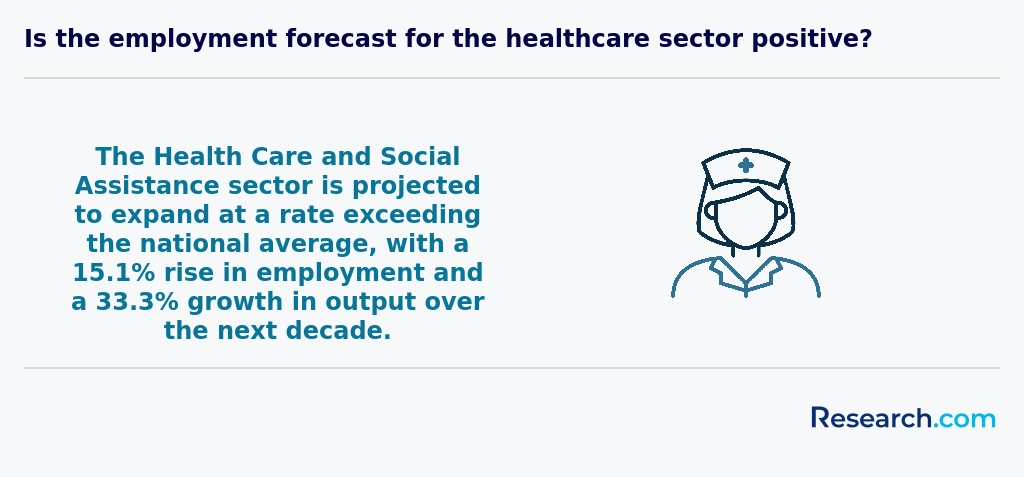
Preparing for the job market after completing an online healthcare degree in New Jersey involves strategic planning and skill development. First, it's crucial to obtain relevant certifications and licenses specific to your healthcare field, as New Jersey requires formal credentials for many occupations. According to the New Jersey Department of Labor, healthcare positions in the state are expected to grow by 15% through 2030, signaling increasing job opportunities.
Networking with local healthcare professionals and joining New Jersey-based associations can open doors. Internships, even virtual ones, provide hands-on experience and improve employability. Additionally, customizing your resume to highlight both your online education and practical skills can attract employers in New Jersey's competitive healthcare landscape.
Employers in New Jersey prioritize specific skills when hiring healthcare degree graduates. Strong clinical competency remains essential, ensuring graduates can apply knowledge effectively in patient care. Communication skills are highly valued; professionals must interact clearly with patients, families, and interdisciplinary teams.
Critical thinking and problem-solving are also key, as healthcare environments often demand rapid, accurate decisions. According to the New Jersey Department of Labor, healthcare roles frequently require adaptability due to evolving technologies and protocols.
Additionally, familiarity with healthcare regulations and data management is important, as New Jersey's healthcare sector increasingly emphasizes compliance and electronic health records. Graduates demonstrating leadership and teamwork abilities tend to stand out to employers.
Finding healthcare internships in New Jersey involves a strategic approach combining academic resources and local healthcare networks. Many colleges with online healthcare programs offer career services that connect students to internships. It's important to utilize these services early in your studies to secure placements in hospitals, clinics, or public health organizations.
New Jersey is home to more than 70 hospitals, including well-known institutions like Hackensack Meridian Health and RWJBarnabas Health, which frequently offer internships for students. Additionally, the New Jersey Department of Health provides public health internship opportunities that can enhance practical experience.
Students should also explore partnerships between their online program and local healthcare providers, as these collaborations improve internship access. Checking statewide listings on platforms such as NJ Health Pathways can help identify current openings.
Obtaining an online healthcare degree in New Jersey significantly expands career mobility and advancement opportunities. Graduates gain recognized credentials that meet state licensing requirements, allowing entry into diverse roles such as healthcare administration, nursing leadership, and public health management. According to the New Jersey Department of Labor, healthcare jobs are projected to grow 15% through 2030, emphasizing demand for qualified professionals.
An online degree also provides flexibility for working adults, enabling skill enhancement without career interruption. Employers in New Jersey increasingly value candidates with advanced degrees, often linking them to leadership roles and higher salaries. This credential can open pathways to specialized certifications and promote professional networking within the state's healthcare industry.
Studying for a healthcare degree in New Jersey offers strong preparation for interdisciplinary roles by emphasizing collaboration across multiple healthcare fields. Many online programs incorporate curricula that connect nursing, public health, healthcare administration, and social services to reflect real-world healthcare settings. According to the New Jersey Department of Health, the state supports integrated care models to improve patient outcomes, requiring professionals who understand diverse care aspects.
Students learn communication skills and team-based problem solving, critical for roles in hospitals and community health organizations. Coursework often includes case studies and simulations with interdisciplinary approaches to patient care.
New Jersey's healthcare system, known for its diverse population and complex health needs, provides an ideal environment to develop these competencies. This experience enhances graduates' readiness to lead and innovate in varied healthcare settings.
Choosing between a thesis and a non-thesis online healthcare degree program in New Jersey depends on your career goals and learning preferences. Thesis programs often appeal to those interested in research or academic roles, requiring a substantial research project. Non-thesis options usually focus more on practical skills and coursework, which suits professionals aiming to advance clinically or administratively.
In New Jersey, healthcare jobs grow faster than the national average, making practical experience valuable. According to the New Jersey Department of Labor, healthcare employment is projected to rise by 14% through 2030.
Consider whether you want to pursue further education, such as a PhD, which often requires a thesis-based master's degree. If research isn't your priority, a non-thesis program may provide quicker entry into leadership roles.
Students in New Jersey seeking online healthcare degrees with an international focus have various pathways for studying abroad. While most healthcare programs are U.S.-based due to licensure and accreditation requirements, some universities offer partnerships with foreign institutions, allowing limited study or research opportunities overseas.
New Jersey's strong healthcare sector-employing over 300,000 professionals according to NJ HealthCare Talent Network-favors accredited online programs that meet state licensing standards. Prospective students should verify international coursework aligns with New Jersey's Board of Nursing or Medicine requirements.
Additionally, students can explore study abroad programs in countries where U.S. education standards are recognized, but must ensure credits fully transfer to their New Jersey institution. Distance learning remains the primary mode for international healthcare education among New Jersey residents.
Part-time job opportunities in New Jersey that complement online healthcare degree education often include roles such as medical assistants, pharmacy technicians, and patient care aides. These positions offer practical experience relevant to healthcare studies and help build essential skills. According to the New Jersey Department of Labor, medical assistant roles are projected to grow 13% from 2020 to 2030, higher than average for all occupations.
Additionally, opportunities in telehealth support services are expanding, aligning well with online healthcare programs focused on digital health. Roles like administrative assistants in healthcare settings also provide valuable exposure.
Online healthcare students in New Jersey benefit from a variety of networking opportunities despite studying remotely. Many accredited programs partner with local hospitals, clinics, and health organizations, enabling students to engage in virtual events and clinical placements within the state.
The New Jersey Hospital Association and New Jersey Health Care Quality Institute frequently offer webinars and conferences that foster professional connections among students and healthcare practitioners. Additionally, statewide healthcare events attract thousands of professionals annually, providing excellent chances for online students to build industry contacts.
Professional associations like the New Jersey Nurses Association also have active online communities tailored to support students and new graduates. These groups offer mentorship programs and networking forums that can be accessed regardless of location.
According to the New Jersey Department of Labor, the healthcare sector is the state's largest employer, with over 435,000 workers in 2023, underscoring the value of strong networks for career advancement in this field.
Alumni networks provide valuable support for online healthcare degree students in New Jersey by facilitating professional connections and career advancement. Graduates often share job leads, industry insights, and mentorship opportunities, which can be crucial in a competitive healthcare market. New Jersey's healthcare sector is robust, with healthcare employment projected to grow by 12% from 2022 to 2032 according to the U.S. Bureau of Labor Statistics, making networking essential.
Through alumni events and online platforms, students gain access to experienced professionals who understand New Jersey's healthcare landscape. These connections can help students secure internships and job placements within the state's major hospital systems and healthcare organizations. Alumni also offer guidance on navigating certifications and licensing specific to New Jersey, enhancing students' professional readiness.
Customizing your online healthcare degree program in New Jersey begins with selecting electives and concentrations aligned with your career goals. Many programs offer options in administration, public health, or clinical specialties, allowing you to tailor your studies.
New Jersey's healthcare sector is growing rapidly, with the Bureau of Labor Statistics projecting a 14% increase in healthcare jobs by 2030 in the state. This growth supports diverse career paths such as healthcare management, policy, or advanced clinical practice.
Additionally, students can benefit from accredited programs that provide flexible scheduling and practical experiences, including virtual simulations or partnerships with local health organizations.
Exploring online programs with strong alumni networks in New Jersey can further enhance career opportunities through mentorship and job placements.
Online healthcare students in New Jersey commonly face challenges related to balancing coursework with professional and personal responsibilities. Many students work full-time in healthcare settings, making time management crucial. According to the New Jersey Department of Labor, healthcare workers often experience long shifts, adding to the difficulty of maintaining consistent study schedules.
Another notable challenge is accessing clinical experiences. Online programs must coordinate in-person practicums with local healthcare facilities, which can be limited in availability. Additionally, some students report feeling isolated due to reduced face-to-face interaction, impacting networking and peer support opportunities.
Technical issues and adapting to virtual learning platforms also remain concerns, especially for adult learners not familiar with digital tools.
With an online healthcare degree, professionals in New Jersey can pursue various certifications to boost their career prospects. Common certifications include Certified Healthcare Administrator (CHA) and Certified Professional in Healthcare Quality (CPHQ). These credentials validate specialized knowledge in healthcare management and quality improvement.
Nurse practitioners may seek certification from the American Nurses Credentialing Center (ANCC) or the American Association of Nurse Practitioners (AANP), which enhances licensure and practice authority in New Jersey. Additionally, healthcare informatics graduates can aim for the Certified Health Data Analyst (CHDA) credential.
According to New Jersey's Department of Labor, healthcare roles requiring certifications are growing 15% faster than average. This makes credentials key to accessing leadership and advanced clinical positions statewide.
Writing a winning application for an online healthcare program in New Jersey requires clear focus and preparation. Start by researching schools accredited by recognized agencies such as the Middle States Commission on Higher Education. Including specific reasons for choosing healthcare in New Jersey, where demand for healthcare professionals is expected to grow by 14% through 2030 (Bureau of Labor Statistics), strengthens your case.
Highlight your relevant work experience, particularly in New Jersey's healthcare settings like hospitals or community clinics. Strong letters of recommendation from professionals familiar with your skills also add credibility. Finally, demonstrate your commitment to advancing healthcare outcomes in the state through a well-crafted personal statement that aligns with the program's goals.
Globally, healthcare careers are increasingly valued due to rising demands for medical services and aging populations. In the United States, and specifically New Jersey, healthcare professions offer strong job growth, with the U.S. Bureau of Labor Statistics projecting a 13% increase in healthcare employment by 2031. New Jersey benefits from a robust healthcare infrastructure, including numerous hospitals and research centers that contribute to career opportunities.
Internationally, healthcare roles emphasize interdisciplinary knowledge and cultural competence. This trend influences online healthcare degree programs in New Jersey, which integrate global health perspectives to prepare students for diverse work environments. Graduates gain skills relevant to both local and international healthcare systems.
Understanding these global dynamics helps New Jersey students recognize the importance of adaptability in healthcare, where technological advancements and policy changes continue to evolve.
Gaining practical experience while pursuing an online healthcare degree in New Jersey is essential for career readiness. Many programs require clinical rotations or internships that students must complete at local healthcare facilities. New Jersey's dense network of hospitals, including top-ranked centers like Hackensack University Medical Center, offers diverse opportunities for hands-on training.
Students often arrange internships through their school's partnerships with healthcare providers. These experiences help develop skills in real-world settings, complementing online coursework.
Licensing boards in New Jersey may also require certain hours of supervised clinical work, so completing these practical components is vital for certification and employment.
Choosing the right concentration within an online healthcare degree in New Jersey involves assessing your career goals and the state's healthcare demands. New Jersey's healthcare sector is growing, with a 12% projected employment increase in healthcare occupations through 2030, according to the New Jersey Department of Labor. This growth creates opportunities in areas like healthcare administration, public health, and nursing education.
Consider concentrations that align with New Jersey's needs, such as gerontology, due to the state's aging population. Also, evaluate program curriculum flexibility, accreditation, and faculty expertise. Seeking advice from industry professionals and reviewing state healthcare job trends can guide your decision effectively.
Related Healthcare Rankings for Nearby States
- 2027 Most Valuable Online Doctorate in Healthcare Degree Programs Ranking in Pennsylvania
- 2027 Most Valuable Online Doctorate in Healthcare Degree Programs Ranking in New York
- 2027 Most Valuable Online Doctorate in Healthcare Degree Programs Ranking in Virginia
- 2027 Most Valuable Online Doctorate in Healthcare Degree Programs Ranking in Massachusetts
- 2027 Most Valuable Online Doctorate in Healthcare Degree Programs Ranking in Ohio
- 2027 Most Valuable Online Doctorate in Healthcare Degree Programs Ranking in Kentucky
- 2027 Most Valuable Online Doctorate in Healthcare Degree Programs Ranking in South Carolina
- 2027 Most Valuable Online Doctorate in Healthcare Degree Programs Ranking in Tennessee
- 2027 Most Valuable Online Doctorate in Healthcare Degree Programs Ranking in Indiana
- 2027 Most Valuable Online Doctorate in Healthcare Degree Programs Ranking in Georgia
Top Trending Healthcare Rankings
See What Experts Have To Say About Studying Healthcare
Read our interview with Healthcare experts

References
- 10 Skills Employers Are Looking for in Healthcare Management Jobs https://www.aiuniv.edu/blog/10-top-skills-for-healthcare-management-jobs
- Two-Year Health Science Degree NJ | Eastwick Education https://eastwick.edu/news/how-to-get-a-degree-in-health-science-in-less-than-two-years/
- Alumni Reconnect - Poznan University of Medical Sciences https://pums.edu.pl/alumni-friends/alumni-reconnect/
- Different Careers in the Medical & Healthcare Industry https://www.onlinedegree.com/career/medical-healthcare/
- The Value of Healthcare Organization Alumni Associations https://consultqd.clevelandclinic.org/the-value-of-healthcare-organization-alumni-associations
- Health Sciences Study Abroad Programs - Healthcare Abroad https://www.ceastudyabroad.com/academic-discipline/health-sciences
- Thesis vs. Non-Thesis Master's Programs: Which is Right for You? https://potomac.edu/thesis-vs-non-thesis-masters/
- Online Healthcare Degree Programs | University of Phoenix https://www.phoenix.edu/online-healthcare-degrees.html
- Building Corporate Alumni For Healthcare: Best Practices https://enterprisealumni.com/blog/building-corporate-alumni-for-healthcare-best-practices
- School of Nursing and Health Sciences | TCNJ https://nhs.tcnj.edu/