2027 Most Affordable Online Master's in Healthcare Degree Programs Ranking in California

Co-Founder and Chief Data Scientist
If you're considering advancing your career in healthcare, finding an affordable and reputable online master's program is essential. This article introduces the 2027 Most Affordable Online Master's in Healthcare Degree Programs Ranking in California.
Developed by the Research.com team of data scientists, this ranking helps students make informed decisions about which programs offer the best value and quality education. Pursuing a healthcare degree opens doors to meaningful opportunities and growth in a vital industry.
Explore the ranking to discover programs that fit your goals and budget with confidence.
Key benefits of getting online healthcare degree in California
- Healthcare degree graduates in California pursuing roles like Healthcare Consultant can earn a mean annual wage of $115,530, offering strong financial rewards for your investment in education.
- Graduates from popular California universities often explore diverse careers, including healthcare consulting and compliance management, which allow for meaningful impact in improving patient care and organizational efficiency.
- Obtaining a healthcare degree online from reputable California schools provides flexibility to balance work and study, enabling you to gain valuable experience while advancing your education at your own pace.
- 2027 Most Affordable Online Master's in Healthcare Degree Programs Ranking in California
- What can I expect from online healthcare degree in California?
- Where can I work with online healthcare degree in California?
What can I expect from online healthcare degree in California?
When considering the average cost of an online healthcare degree in California, it's important to know that tuition typically ranges from $8,000 to $18,000 per year, depending on the university and level of study. For example, graduates from California State University's online Master of Public Health program often share how the tuition felt like a valuable investment given the career opportunities that followed. Many find that the flexibility and quality of education make the expense worthwhile, especially when balancing work and family.
Students pursuing nursing or healthcare administration degrees at University of California campuses also report that financial aid and scholarships can significantly ease the burden. Keep in mind that state residency benefits often reduce costs, making these sought-after programs accessible. Paying attention to program accreditation and alignment with California's licensing boards adds confidence that every dollar spent supports your future career goals in the thriving healthcare sector.
Ultimately, the cost reflects both the academic rigor and practical training that prepares you to succeed in diverse roles, from hospital care to public health management, fueling that inspiring dream of making a difference in your community.
Where can I work with online healthcare degree in California?
Graduates with an online healthcare degree in California often find rewarding careers in diverse settings, from bustling hospitals to innovative biotech companies. Many alumni from well-known universities like the University of Southern California or San Diego State University share how they quickly stepped into roles in hospital administration or health informatics departments in cities like Los Angeles and San Francisco, where demand is strong for those skilled in healthcare management.
Others have embraced careers in outpatient care centers or public health agencies, contributing directly to community wellness and disease prevention efforts within state and county health departments. Picture yourself coordinating impactful programs at the California Department of Public Health - a real possibility for degree holders focused on policy and health promotion.
California's growing biotech industry, especially around the Bay Area, also welcomes graduates who combine healthcare knowledge with data analytics or business insights. Remember, while some clinical roles might need extra licenses, many promising paths in management and policy are open right after your online degree, offering a fulfilling start to your healthcare career journey.
Graduates from online healthcare programs in California often see rewarding salaries right out of the gate. For example, healthcare consultants in the state earn a mean annual wage of about $115,530, according to the latest data. Imagine completing your degree from a respected institution like the University of Southern California or San Diego State University and stepping into a role where your expertise directly influences patient care and hospital efficiency, all while earning a salary that reflects your impact.
Healthcare compliance managers, another common career path, earn an average of $80,190 annually. Many graduates from California State University healthcare programs find these roles fulfilling as they ensure organizations meet regulatory standards, balancing patient safety and operational success.
These figures stand apart from national averages, emphasizing California's competitive market fueled by high demand and cost of living. Alumni often share how their advanced knowledge, paired with real-world clinical or administrative experience gained through their online degrees, helped them negotiate better salaries and benefits packages-including bonuses and retirement plans, which adds to overall financial well-being.
- Many online healthcare degrees in California are offered by regionally accredited institutions, ensuring quality and credit transferability.
- Tuition for online bachelor's programs ranges from $30,000 to $60,000, while master's programs typically cost between $40,000 and $80,000 total.
- Entry-level salaries for healthcare graduates usually fall between $60,000 and $80,000, with registered nurses and healthcare administrators earning $75,000 to $85,000.
- Experienced healthcare professionals in California can earn median salaries exceeding $100,000 per year.
- The healthcare job market is expected to grow by 15% through 2028, driven by aging populations and healthcare expansion.
- High-demand roles include registered nurses, medical and health services managers, and health information specialists.
Online healthcare degrees in California typically take between one and three years to complete, depending on your program and pace. Many students pursuing a Master of Healthcare Administration or Master of Public Health at well-known institutions like the University of Southern California or San Francisco State University finish in about two years if studying full-time. Part-time students balancing work and family often take closer to three years, which is a realistic and manageable timeline that allows them to grow personally and professionally without overwhelming themselves.
Some graduates share how acceleration options helped them shave months off their program by taking extra courses year-round, but warn that this requires dedication and stamina. For bachelor's degrees, such as nursing or health information management at places like California State University or community colleges, completion times range from three to four years if you're starting fresh. Those with previous credits or an associate degree often finish sooner, making it a flexible and achievable path.
Remember, hands-on clinical experiences tied to your local healthcare facilities can influence your schedule but enrich your learning tremendously, preparing you for real-world impact. With California's diverse options and your commitment, completing an online healthcare degree is absolutely within reach-and worth every effort.
Succeeding in an online healthcare degree program requires a unique blend of self-discipline, effective time management, and digital engagement. Students can enhance their online learning experience by establishing a dedicated study routine and leveraging available resources such as virtual libraries, discussion forums, and academic advising services. It is beneficial to set clear goals and milestones that keep you motivated throughout your studies. Many healthcare professionals recommend creating a structured schedule that aligns with work, personal commitments, and course deadlines-keeping distractions to a minimum and allowing you to maintain a balanced lifestyle. In addition to managing your time wisely, proactively engaging with peers and instructors in virtual environments can create an interactive and supportive learning community. Participating in study groups and online workshops not only deepens your understanding of the coursework but also builds valuable professional networks that can lead to mentorship and career opportunities. For instance, if you are considering advancing your professional journey, you might explore a degree in healthcare administration, which offers a robust curriculum designed to foster leadership and critical thinking skills. Lastly, taking advantage of technology tools such as learning management systems and digital scheduling apps can streamline your academic process, transforming potential challenges into opportunities for academic and professional growth. Embracing these best practices can set you on a path to success, turning the online learning experience into a launching pad for a rewarding career in healthcare.
Choosing between an online and on-campus healthcare degree in California often hinges on your lifestyle and learning preferences. Online programs, like those at well-known institutions such as the University of Southern California or San Diego State University, offer you the freedom to study at your own pace, perfect for working professionals balancing jobs and family. Graduates frequently express how this flexibility empowered them to achieve their goals without uprooting their lives.
On-campus programs, common at places like UCLA or California State University campuses, provide immersive experiences with hands-on labs and face-to-face collaboration. Many students value the direct access to campus facilities and in-person mentorship that fuels motivation and engagement.
Financially, while online degrees may have similar tuition costs, they often save money on housing and commuting. Both paths require clinical practice in California healthcare settings, ensuring real-world skills. Graduates from both formats attest that accreditation is equally respected, so your choice should align with your personal and professional needs rather than concerns about credibility.
Online healthcare education offers flexibility and innovation-but success requires strategy and support. Students should design a dedicated study space, set a structured schedule, and actively participate in virtual classrooms and discussion boards. Embracing digital collaboration tools and developing self-discipline are critical components for staying motivated and focused. Many experts recommend building a strong network with peers and mentors online; this not only enhances learning but also provides long-term career insights. Additionally, exploring reputable program rankings, like those found at affordable healthcare school in california, can help ensure you choose a program that meets both educational quality and financial criteria. By regularly assessing your progress, seeking academic support through tutoring or career counseling, and balancing your responsibilities with effective time management, you can maximize your success and take full advantage of the transformative opportunities that online healthcare programs offer.
The average cost of an online healthcare degree in California typically hovers around $21,000 for in-state students. This figure reflects a manageable investment, especially when compared to the median total cost of $33,000 for out-of-state learners. Graduates from well-known public universities in California often share how this accessible pricing helped them stay focused on their studies without overwhelming financial stress. These institutions are committed to balancing quality education with affordability, which many find inspiring when pursuing a demanding healthcare career.
Those exploring affordable online healthcare master's programs California can appreciate the structured tuition plans offered by schools in the University of California and California State University systems. These plans provide clarity and predictability in expenses, allowing students to plan ahead with confidence. Graduates often mention how this financial transparency enabled them to pursue their passion for healthcare while managing living costs.
Private schools in California generally have higher tuition rates, but they often come with personalized resources and smaller class sizes that can elevate the learning experience. Many students find these programs worth the investment when aiming for specialized roles in healthcare. Additionally, community colleges offer more budget-friendly options, and many use these programs as stepping stones toward advanced degrees.
Remember, scholarships, grants, and employer tuition assistance programs are widely available and can significantly ease the financial burden. If you're searching for an affordable healthcare school in california, exploring these supports can turn your educational goals into reality.

When considering an online healthcare degree, assessing accreditation and quality assurance is crucial for safeguarding your academic and career investment. Accredited programs meet rigorous national and state standards, ensuring that the curriculum, faculty qualifications, and student outcomes align with industry best practices. Prospective students should look for accreditation from respected bodies that are recognized by the U.S. Department of Education and the Council for Higher Education Accreditation, as these certifications increase the likelihood of qualification for federal financial aid and facilitate credit transfers. Additionally, understanding each program’s quality assurance processes-such as periodic reviews and outcomes assessments-can offer deeper insight into its commitment to academic excellence and graduate success. Researching the reputation of an institution can also help you identify programs that deliver robust support services, up-to-date technology, and extensive career resources, all of which are essential for thriving in today’s competitive healthcare field. For instance, if you are exploring options at an affordable healthcare school in california, ensure that the school not only meets accreditation standards but also has a proven track record of positive student outcomes and industry partnerships. This careful evaluation will empower you to choose a program that aligns perfectly with your educational goals and professional aspirations, setting a strong foundation for a rewarding career in healthcare.
Financial aid for online healthcare degrees in California comes in many forms that can truly ease your path. Graduates from schools like the University of Southern California and California State University often share how federal student aid, including Pell Grants and federal loans, provided crucial support. Even though Pell Grants mainly target undergraduates, many graduate students tap into low-interest federal loans to manage tuition costs without overwhelming debt.
State-specific programs like Cal Grants are invaluable for California residents, but remember, graduate-level eligibility has some conditions. Many students attending institutions like San Diego State University found this funding a helpful boost after carefully reviewing requirements early on.
Scholarships from professional associations and healthcare organizations often brighten the journey too. Graduates pursuing nursing or healthcare management appreciate awards from groups such as the California Association of Healthcare Executives, which reward ambition and commitment.
Employment-based tuition assistance is another promising option. Many healthcare workers in California benefit from employer tuition reimbursement-especially in this rapidly growing field-turning their workplace into a partner in education.
Regional accreditation builds trust and ensures credits transfer across institutions. In California, verify programs are accredited by the WASC Senior College and University Commission (WSCUC).
Programmatic Accreditation:
- Commission on Collegiate Nursing Education (CCNE) for nursing tracks
- Commission on Accreditation of Healthcare Management Education (CAHME) for management programs
- Council on Education for Public Health (CEPH) for public health degrees
Licensure & Certification:
To practice clinically, complete a CA Board of Registered Nursing–approved curriculum, log required clinical hours, and pass the NCLEX-RN exam. Healthcare administrators may pursue Fellow of the American College of Healthcare Executives (FACHE) credentials. Choosing an affordable healthcare administration degree online at a CAHME-accredited school streamlines both graduation and certification readiness.
To enroll in an online healthcare degree in California, you must first meet foundational academic requirements. Most undergraduate programs expect you to have a high school diploma or equivalent, along with strong grades in science subjects like biology and chemistry. Graduates from universities such as California State University or University of Southern California often share how focusing early on these courses built their confidence for more advanced study.
For master's programs, a bachelor's degree in nursing, health sciences, or a related field is typically required. Many graduates recall completing essential prerequisite courses in statistics, physiology, and healthcare ethics before starting their graduate careers. Additionally, professional experience, especially in clinical settings, greatly strengthens your application. For example, students aiming for a Master of Healthcare Administration at well-known California institutions often have at least a year of healthcare work under their belts, giving them a real-world edge.
Letters of recommendation and a thoughtful personal statement outlining your passion and goals are also crucial. While some programs ask for GRE scores, many now waive this to lower barriers for motivated applicants. With California's healthcare field growing rapidly, meeting these prerequisites positions you to thrive and make a tangible impact in your community.
Choosing an accredited online healthcare program in California is essential for ensuring academic quality, eligibility for federal financial aid, and satisfying state licensure requirements. Regional accreditation-such as WSCUC (WASC Senior College and University Commission)-confirms that an institution meets rigorous educational standards, while specialized accreditations from bodies like CAHME (Commission on Accreditation of Healthcare Management Education) or CEPH (Council on Education for Public Health) validate the curriculum’s relevance to specific healthcare fields. For nursing students, graduation from a program accredited by the ACEN (Accreditation Commission for Education in Nursing) or CCNE (Commission on Collegiate Nursing Education) is a prerequisite for taking the NCLEX-RN exam and obtaining licensure through the California Board of Registered Nursing. Similarly, aspiring health services managers should seek CAHME-accredited master’s programs to enhance employability and meet industry expectations. Public health graduates benefit when their degrees carry CEPH endorsement, as many government and nonprofit employers prioritize this credential. Before enrolling, verify accreditation status via the U.S. Department of Education’s “Database of Accredited Postsecondary Institutions and Programs.” Understanding licensure timelines-such as application deadlines, exam registration windows, and supervised practice hour requirements-will help you plan effectively. If you’re exploring cost-effective options, consider our curated list of Inexpensive Online Healthcare Degree Programs, all of which uphold recognized accreditation standards and align with California’s regulatory framework. By prioritizing accredited programs that align with state licensure mandates, students can confidently invest in their education, knowing their qualifications will be respected by employers and licensing boards alike.
Online healthcare degree programs in California immerse students in essential courses like human anatomy, physiology, and medical terminology-foundations that graduates often recall as pivotal when working in clinical or administrative roles. Many share how courses on healthcare ethics and law helped them navigate California's complex regulatory landscape with confidence.
Programs at respected institutions like the University of Southern California or San Diego State emphasize healthcare management topics, such as finance and organizational leadership, preparing students to step into leadership roles in the state's vast healthcare system. Graduates describe these classes as eye-opening, enabling them to lead teams effectively and influence policy.
Hands-on learners find courses in healthcare informatics and data management particularly rewarding, as managing electronic health records is a daily reality. Public health and quality improvement courses keep students connected to California's diverse communities, inspiring many to drive real change in patient care and disease prevention.
When exploring online healthcare degree specializations California offers, you'll find a diverse array crafted to meet the state's dynamic industry needs. Graduates often praise how programs at institutions like California State University or the University of Southern California prepare them for real-world challenges in Healthcare Administration, equipping students to lead hospitals or clinics with confidence and insight.
Others highlight the appeal of Public Health, where learning about epidemiology and community wellness feels especially meaningful given California's diverse population. For those interested in advancing clinically without pausing their career, specializations in Nursing (RN to MSN or Nurse Leadership) offer flexible paths that many students find empowering.
Healthcare informatics is another vibrant focus, bridging technology and care management-this matches well with California's tech-driven job market. If you're drawn to research, clinical trials and pharmaceutical development programs leverage the state's robust biotech sector. For a holistic approach, Nutrition and Dietetics provide tools to promote wellness, a perspective deeply valued by many graduates.
It's wise to explore programs accredited by reputable bodies, like those offered by California's top universities. Interested students can begin their journey through a degree in healthcare administration, ensuring alignment with both career goals and California's workforce demands.
Choosing the best online healthcare degree in California starts with accreditation-graduates from well-regarded schools like those in the University of California or California State University systems often praise the assurance that recognized accrediting bodies provide. This credential opens doors not only within the state's competitive healthcare market but also nationwide. When exploring affordable online master's in healthcare California options, keep in mind that tuition varies widely; graduates reflect on the value of comparing total tuition costs and fees as they navigated their choices.
Look for programs that tailor curriculum to California's diverse healthcare needs, including policy and management areas influenced by the state's unique regulatory environment. Many students working full-time appreciate flexible formats with asynchronous courses, which allowed them to balance work and study effectively while advancing their careers. Graduates emphasize how programs with strong job placement records within California's growing health sector helped them transition smoothly into leadership roles.
For those seeking value, exploring Inexpensive Online Healthcare Degree Programs can reveal smart investments without sacrificing quality. Real-life stories from alumni encourage prospective students to weigh these factors carefully, aiming to align their choices with personal goals and California's vibrant healthcare landscape.
If you're pursuing an online healthcare degree in California, you're opening doors to vibrant career paths that many graduates from the University of Southern California or California State University have embraced with enthusiasm. Healthcare administrators play a crucial role by managing hospitals and clinics, ensuring smooth operations in bustling urban centers like Los Angeles or underserved rural areas. Health informatics specialists leverage technology to improve patient care, a field growing rapidly as digital records become standard statewide.
Nurse practitioners and physician assistants, often requiring master's degrees, enjoy strong demand throughout California, especially in regions needing advanced clinical providers. Graduates from well-known programs find themselves well-positioned to serve communities and experience rewarding work every day. Public health professionals develop programs that impact diverse populations, collaborating with California's health agencies to make real change.
For those weighing costs, consider exploring the best 6-month associate degree programs online as a stepping stone toward your goals. This practical path aligns well with online healthcare degree careers California graduates seek, blending flexibility with strong job prospects.
The job market for graduates with an online healthcare degree in California is thriving, making it an excellent state to launch your career. With over 1.4 million healthcare workers statewide, the demand for skilled professionals from universities like University of Southern California and San Diego State University is ever-growing. Graduates often find opportunities in vibrant settings like hospitals or outpatient care centers, where they apply their knowledge to real patient care and health management challenges.
Many graduates share that their online degrees opened doors to rewarding roles, such as registered nursing or health services management, offering satisfying work and competitive salaries above the national median. This positive outlook is reinforced by California's 15% employment growth expectation in healthcare occupations, which significantly surpasses average job growth across sectors. If you're considering your path, exploring the easiest master's degree to get in healthcare can be a practical step, especially when balancing work and study.
California healthcare degree employment opportunities also benefit from the state's focus on telehealth and digital innovation. This trend means graduates equipped with tech skills and healthcare knowledge have expanding roles and career flexibility. Whether you want to work in a rural clinic or a major city hospital, online healthcare degree job outlook California is promising and rewarding for those ready to meet the challenges.
2027 Most Affordable Online Master's in Healthcare Degree Programs Ranking in California
Investing in your education is a significant decision that can shape your future, and the Research.com team understands the importance of making informed choices. To assist prospective students interested in healthcare, we have meticulously crafted the "2027 Most Affordable Online Master's in Healthcare Degree Programs Ranking in California." Our commitment to quality, credibility, and accuracy is reflected in the extensive research and analysis conducted to compile this ranking.
We utilized the following reputable data sources to ensure a comprehensive evaluation of programs:
By exploring this ranking, readers will gain valuable insights into the most affordable online healthcare master's programs in California, enabling them to make well-informed decisions about their educational investments. For more details on our methodology, please visit our Research.com methodology page.


# 8 position
Samuel Merritt University
Master of Nursing - Family Nurse Practitioner



Frequently Asked Questions About healthcare
Online healthcare degree students in California can maximize their learning experience by fully engaging with interactive course materials and virtual simulations. California is home to diverse healthcare systems, so students benefit from supplementing their studies with local healthcare news and policy updates, such as those provided by the California Department of Public Health. Networking with peers and professionals through online forums and virtual events enhances practical knowledge and career opportunities. Additionally, students should take advantage of clinical externships or practicum opportunities offered by their programs, as hands-on experience is crucial in healthcare education. Using California-specific data and resources improves relevance and understanding.
The healthcare field in California is rapidly evolving, with several emerging niches gaining prominence. One key area is telehealth, which surged during the COVID-19 pandemic and continues to grow, supported by California's large and diverse population. The California Health Care Foundation reports telehealth usage increased over 200% since 2020.
Another growing niche is health informatics, which focuses on using data and technology to improve patient outcomes. California's tech industry provides a strong foundation for innovation in this space.
Additionally, population health management and preventive care are expanding as the state emphasizes reducing healthcare costs while improving community health.
After completing an online healthcare degree in California, preparing for the job market requires strategic planning. Start by obtaining any necessary state licensure or certification, as many healthcare roles require credentials recognized by California's Department of Consumer Affairs.
Gain hands-on experience through internships or volunteering, which California healthcare employers often value highly. According to the California Employment Development Department, healthcare jobs in the state are expected to grow by 15% from 2022 to 2032, emphasizing the importance of practical skills.
Networking with local healthcare professionals and joining organizations such as the California Health Care Foundation can open job opportunities. Additionally, tailoring your resume to highlight skills like patient care, healthcare technology, and compliance aligns with key employer needs in California's diverse healthcare market.
Employers in California's healthcare sector prioritize a mix of technical and interpersonal skills when hiring graduates from online healthcare degree programs. Critical thinking and clinical competence are at the forefront, as these ensure safe and effective patient care. According to the California Health Care Foundation, proficiency in electronic health records (EHR) systems is increasingly essential due to digital healthcare trends.
Communication skills are highly valued, as healthcare professionals must collaborate effectively within multidisciplinary teams and interact compassionately with diverse patient populations. Additionally, cultural competence is crucial given California's ethnic diversity. Leadership and adaptability are also sought after, especially with evolving healthcare regulations and technologies.
Finding internships in California relevant to a healthcare degree involves leveraging several key resources. Start by exploring partnerships your online program may have with local hospitals, clinics, or healthcare organizations, which often offer clinical internships.
California employs over 800,000 healthcare workers, creating significant internship opportunities in diverse specialties according to the California Employment Development Department (EDD).
Use statewide databases like CalCareers or the Health Workforce Initiative to locate healthcare internships and training programs.
Networking with healthcare professionals through associations such as the California Association of Healthcare Executives (CAHE) can also open doors.
Additionally, consider contacting local public health departments and nonprofit agencies directly, as many offer internships aligned with healthcare studies.
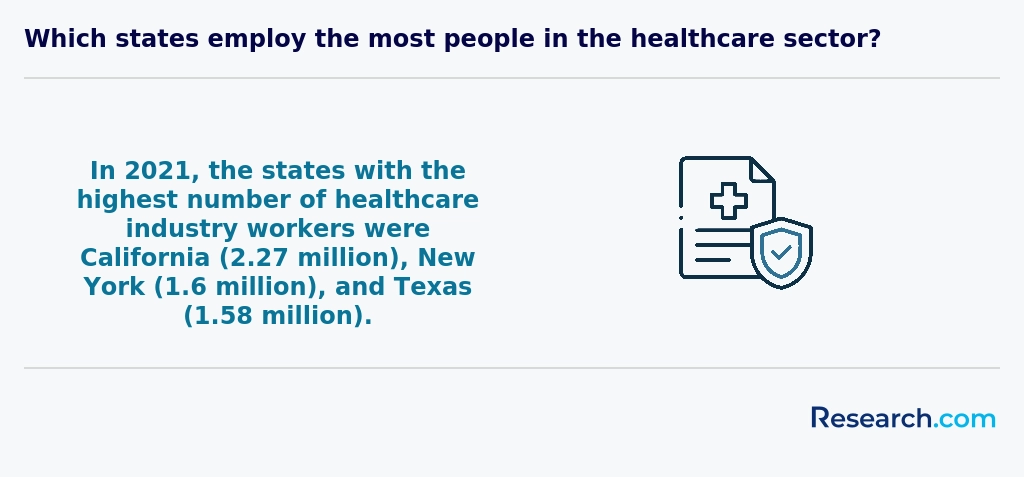
Obtaining an online healthcare degree in California can significantly enhance career mobility and advancement in the state's expanding healthcare sector. California's healthcare industry is among the largest in the U.S., employing over 2.4 million people as of 2023, according to the California Employment Development Department. Earning such a degree online provides flexible access to education, allowing working professionals to gain advanced skills without interrupting their careers.
Professionals with a master's degree in healthcare often qualify for leadership, administration, and specialized clinical roles. The ability to study online broadens access for those in underserved or rural areas of California, supporting workforce development where demand is high. Additionally, many online programs align with California's licensing standards, facilitating professional credentialing and promotion.
Studying for an online healthcare degree in California equips students with skills essential for interdisciplinary collaboration. California's healthcare programs emphasize teamwork across fields such as nursing, public health, and healthcare administration. This approach reflects the state's diverse healthcare needs, supporting 4.7 million healthcare jobs as reported by the California Employment Development Department in 2023.
Courses often include training in communication, ethics, and management, preparing graduates to coordinate care among providers, patients, and policymakers. Programs also leverage technology, enabling students to use digital health tools effectively. This prepares them to work in integrated settings that combine medical, social, and administrative services, a key trend in California's evolving healthcare system.
When choosing between a thesis and a non-thesis healthcare degree program in California, consider your career goals and learning preferences. Thesis programs typically involve original research and are suited for students interested in academic, clinical research, or doctoral studies.
Non-thesis programs focus more on practical skills and coursework, ideal for professionals seeking advancement in healthcare administration or practice without conducting research.
The California Postsecondary Education Commission notes that thesis options may take longer to complete but can provide a competitive edge in research-oriented jobs.
Costs vary by institution, but both formats are offered in affordable online programs throughout California's public university system.
Students based in California who want to study healthcare abroad have several options through online programs partnered with international institutions. Many U.S. universities offer exchange or dual-degree programs allowing credits earned abroad to transfer back to California schools. This flexibility helps students gain global healthcare perspectives while completing degrees remotely.
California's robust healthcare education system ranks among the top nationally, with over 200,000 healthcare workers trained annually, according to the California Employment Development Department. Partnering with foreign universities expands access to varied healthcare practices and policies.
Degree programs often include international case studies and internships abroad that meet U.S. accreditation standards, important for licensure within California and nationwide.
Students pursuing online healthcare degrees in California can benefit from part-time jobs that provide practical experience alongside their studies. Positions such as medical scribe, pharmacy technician, or certified nursing assistant (CNA) offer direct exposure to clinical environments. These roles help develop patient communication and administrative skills essential for healthcare careers.
California employs over 400,000 healthcare support workers, with the state's Department of Labor projecting a 15% growth in healthcare-related part-time roles by 2028. Working in outpatient clinics or long-term care facilities can complement academic knowledge and improve job prospects upon graduation.
Additionally, administrative roles in healthcare settings can enhance understanding of healthcare management and insurance systems, crucial for students focusing on healthcare administration degrees.
Online healthcare students in California have access to diverse networking opportunities despite their remote status. Many universities offer virtual events such as webinars, workshops, and discussion groups that connect students with faculty, alumni, and healthcare professionals across the state.
Professional organizations including the California Nurses Association and California Association of Healthcare Executives provide membership options and virtual networking sessions, fostering connections within key state health sectors. These groups also offer career resources and statewide job boards.
According to the California Health Care Foundation, California's healthcare sector employs over 2.7 million people, highlighting strong potential for professional networking and mentorship through digital platforms and local internships coordinated by online programs.
Alumni networks provide vital support for online healthcare degree students in California by fostering connections with experienced professionals in the state's healthcare sector. These networks offer mentoring opportunities that can help students navigate California's diverse medical landscape, where demand for healthcare workers is expected to rise by 13.7% through 2030, according to the California Employment Development Department.
Through alumni events and online platforms, students gain access to job leads, internships, and continuing education resources. This access improves career placement rates and professional growth, essential in a competitive job market like California's healthcare industry.
Furthermore, alumni connections often open doors to collaborations and leadership roles, enhancing students' practical knowledge and local industry insight.
Customizing an online healthcare degree program in California involves selecting courses and specializations that align with your specific career ambitions. Many California universities offer flexible curricula, allowing students to focus on areas like healthcare administration, public health, or clinical informatics. This flexibility suits professionals aiming to work in diverse settings, from hospitals to health technology firms.
Additionally, California's healthcare industry grows rapidly, with the state employing over 1.5 million healthcare workers as of 2023 (California Employment Development Department). Choosing electives related to emerging fields such as telehealth or healthcare data analytics can improve job prospects.
It is also beneficial to consider programs that provide internships or practicum experiences in California healthcare facilities. These opportunities enhance practical skills while tailoring education to local regulations and patient demographics.
Online healthcare students in California often face several challenges unique to this mode of study. One major issue is limited access to in-person clinical experiences, which are crucial for practical skills development. Although California requires supervised clinical hours for healthcare licensure, arranging local placements can be difficult for remote learners.
Another challenge is balancing rigorous coursework with work and family commitments. Many students are working adults who find it hard to dedicate time consistently. According to the California Health Care Foundation, over 60% of healthcare students juggle multiple responsibilities simultaneously.
Technical barriers also persist. Reliable internet and up-to-date technology are essential for handling interactive simulations and virtual labs, yet not all students have equal access.
With an online healthcare degree in California, graduates can pursue a variety of professional certifications to advance their careers. Common options include Certified Professional in Healthcare Quality (CPHQ), recognized nationwide for expertise in healthcare quality management. Another option is becoming a Registered Health Information Administrator (RHIA), which focuses on managing patient data and health records. For those interested in nursing, the California Board of Registered Nursing offers certifications like Nurse Administrator or Nurse Educator after earning an advanced degree.
Certifications like Certified Medical Manager (CMM) and Certified Healthcare Financial Professional (CHFP) are valuable for administrative roles. According to the California Employment Development Department, healthcare jobs requiring certification are growing faster than average, underscoring the value of these credentials.
Writing a winning application for an online healthcare program in California requires clear demonstration of your commitment and suitability for the field. Start by highlighting your academic background and relevant experience, emphasizing any work or volunteer roles in healthcare settings. California's healthcare sector is rapidly growing, with the Employment Development Department projecting a 15% increase in healthcare jobs by 2030, underscoring demand for qualified graduates.
Strong personal statements should connect your career goals with how the program develops your skills. Include specifics about why the California institution fits your ambitions. Also, secure solid recommendation letters from professionals who can attest to your abilities and dedication.
Be mindful of deadlines and submit all required documents, including transcripts and test scores, where applicable. Attention to detail and professionalism throughout the application reflects well on your readiness for rigorous study.
The healthcare sector is recognized worldwide as a vital industry with continuous growth. In the United States, and specifically in California, the demand for qualified healthcare professionals is rising rapidly. According to the California Employment Development Department, healthcare occupations are projected to grow by 16.5% through 2030, far outpacing many other fields.
Globally, healthcare careers are valued for their stability and positive societal impact. Many countries emphasize advanced education and ongoing training to meet evolving health challenges. In the U.S., online healthcare degrees offer flexibility, making it easier for working professionals to gain credentials without geographic limitations.
California's diverse population and large healthcare network make it a prime location for pursuing healthcare education. Institutions here often incorporate global health perspectives to prepare graduates for international collaboration and culturally competent care.
Gaining practical experience is essential when studying for an online healthcare degree in California. Many programs require clinical placements or internships, which students can complete at approved local healthcare facilities. California's diverse healthcare system, including hospitals, clinics, and community health centers, provides ample opportunities for hands-on experience.
Students should check whether their online program has established partnerships with California healthcare providers to facilitate these assignments. According to the California Employment Development Department, healthcare occupations are projected to grow by 15% through 2030, increasing demand for skilled professionals with practical training.
Volunteering and part-time work in healthcare settings can also enhance real-world skills while studying online.
Choosing the right concentration within an online healthcare degree program in California starts with understanding your career goals and the state's healthcare needs. California employs over 1.3 million healthcare workers, with strong demand in fields like public health, nursing leadership, and healthcare administration, according to the California Health Workforce Alliance.
Researching concentrations that align with growing job markets is crucial. For example, public health and health informatics are expanding areas due to California's focus on preventive care and digital health records. Consider also the curriculum and practicum opportunities offered by programs.
Licensure requirements and potential salary outcomes vary by concentration, so review California's regulations and median wages. The Bureau of Labor Statistics reports healthcare managers in California earn about $120,000 annually on average, highlighting lucrative specializations.
Seeking advice from professionals and reviewing alumni outcomes can also clarify which concentration best fits your interests and the state's workforce demands.
- 2027 Most Affordable Online Master's in Healthcare Degree Programs Ranking in Oregon
- 2027 Most Affordable Online Master's in Healthcare Degree Programs Ranking in Arizona
- 2027 Most Affordable Online Master's in Healthcare Degree Programs Ranking in Utah
- 2027 Most Affordable Online Master's in Healthcare Degree Programs Ranking in New Mexico
- 2027 Most Affordable Online Master's in Healthcare Degree Programs Ranking in Colorado
- 2027 Most Affordable Online Master's in Healthcare Degree Programs Ranking in Texas
- 2027 Most Affordable Online Master's in Healthcare Degree Programs Ranking in Oklahoma
- 2027 Most Affordable Online Master's in Healthcare Degree Programs Ranking in Kansas
- 2027 Most Affordable Online Master's in Healthcare Degree Programs Ranking in South Dakota
- 2027 Most Affordable Online Master's in Healthcare Degree Programs Ranking in North Dakota
See What Experts Have To Say About Studying Healthcare
Read our interview with Healthcare experts

- 20 healthcare investment niches and 3 things to know: The evolution of ... https://blackbookmarketresearch.com/20-healthcare-investment-niches-and-3-things-to-know-the-evolution-of
- Highest-Paying Healthcare Degrees Online | EduMed.org https://www.edumed.org/articles/highest-paying-healthcare-degrees/
- Niche Markets in Healthcare: How to Find & Target https://nechayadvisors.com/blog/niche-markets-in-healthcare
- Online Healthcare Degree Programs1 https://www.ultimatemedical.edu/campuses/online/
- Online Partner Programs | California Medical College https://californiamedicalcollege.edu/courses/online-partner-programs/
- How Long Is Medical Assistant School? | CALRegional https://calregional.com/blog/how-long-is-medical-assistant-school/
- Challenges for Medical Students - Health Action Research Group https://www.healthactionresearch.org.uk/mental-health/challenges-for-medical-student/
- HEALTH MANAGEMENT (THESIS / NON-THESIS) - Lisansüstü Eğitim Enstitüsü https://lee.nisantasi.edu.tr/en/health-management-thesis-non-thesis/
- Online Medical Assistant Program With Financial Aid https://www.stepful.com/post/online-medical-assistant-program-with-financial-aid
- Healthcare Careers with the Fastest Growth in California https://blog.stanbridge.edu/healthcare-careers-fastest-growth-california/